His right-wing rival, Flavio Bolsonaro lost by 51.79% to 48.21% and has refused to concede, vowing to seek an annulment of the vote
Luiz Inacio Lula da Silva has received congratulations from Latin American nations and fellow BRICS members after winning reelection as Brazil’s president.
Lula prevailed over right-wing challenger Flavio Bolsonaro, the son of jailed former President Jair Bolsonaro and an ally of US President Donald Trump, in the second round of the vote on Sunday.
The 80-year-old veteran politician secured 51.79% of valid votes against Bolsonaro’s 48.21%, according to the completed count published by the Superior Electoral Court (TSE), winning a historic fourth term by more than 4.4 million votes.
The victory means Latin America’s largest economy is set to maintain its prominent role in BRICS rather than shift closer to Washington under the Bolsonaro political dynasty. The defeated challenger had openly questioned Brazil’s membership in the bloc, accusing Lula of using it to antagonize the United States.
Addressing jubilant crowds in Sao Paulo, Lula thanked Brazilians for his reelection and singled out young people who had taken to the streets during the campaign.
“Today, my remarks are about gratitude,” he declared, pledging to give citizens a greater say in government decisions. “We are going to change the way this country is governed.”
However, Bolsonaro has refused to concede defeat and vowed to seek the annulment of the election, accusing the Supreme Court of improperly interfering in the vote.
“Brazil cannot accept this dirty trick,” he declared, denouncing the last-minute decision to extend voting hours nationwide by two hours as “unacceptable” and equivalent to “changing the rules of the game while the game was being played.”
The controversial ruling by Supreme Court Justice Cristiano Zanin, Lula’s former personal lawyer, followed complaints from the incumbent’s campaign that public transport disruptions had prevented voters from reaching polling stations.
However, Bolsonaro did not mention that his own campaign had also requested extended voting hours in several cities affected by severe weather.
The decision came shortly after the original 5 PM deadline, when many polling stations had already closed and sealed their electronic voting machines. Senior judges have reportedly acknowledged procedural errors in handling the extension but ruled out annulling the election, according to Folha de S.Paulo.
Montes Claros City councilwoman Iara Pimentel was injured by a projectile at a campaign event
A politician from Brazilian President Luiz Inacio Lula da Silva’s party was injured when attackers threw stones and bottles at a campaign vehicle on the eve of Sunday’s crucial presidential runoff.
The violent incident came as Brazilians voted in a tightly contested election between left-wing incumbent Lula, who has championed closer ties with BRICS nations, and right-wing challenger and Donald Trump ally Flavio Bolsonaro.
Montes Claros City councilwoman Iara Pimentel, a member of Lula’s Workers’ Party (PT), was struck in the face during a campaign event late Saturday night in Minas Gerais state in southeastern Brazil, according to state news agency Agencia Brasil (ABr).
Video footage showed bottles, bricks, and other objects being thrown at the campaign vehicle carrying the politician. Later images showed her bloodied face.
Ajudem essas imagens a chegar à policia! Não podemos permitir que esse tipo de gente, que estimula o ódio, governo o país! https://t.co/51eU79KCLR
She was taken to a local hospital by ambulance, ABr reported.
“Thinking differently is a right. Political violence is a threat to democracy. No disagreement can justify acts of aggression or put lives at risk,” Pimentel said in a statement cited by the agency.
Ana Elisa, a 21-year-old congresswoman-elect from Lula’s Workers’ Party representing Minas Gerais, condemned the attack and called for those responsible to be held accountable.
Lula also condemned what he described as multiple incidents of violence during the election.
“The most sacred thing in democracy is democratic coexistence in diversity,” he said, according to ABr, arguing that neighbors should be able to support different political candidates and sports teams or hold different beliefs without resorting to violence.
The assault occurred just hours before polls opened on Sunday and weeks after the close of the first round of Brazil’s presidential election on October 4. Lula received just over 45%, while 47% went to Flavio Bolsonaro, the son of former Brazilian President Jair Bolsonaro – who is serving a 27-year prison sentence for plotting a coup following his 2022 election defeat. Trump has described the former president’s prosecution as a “witch hunt.”
The election has also been marred by allegations of interference by US tech giant Meta, the parent company of Facebook, Instagram, and WhatsApp. Meta blocked the Facebook advertising account used by Lula’s team ahead of the first round on October 4, then prevented his official Instagram account from boosting posts days later, according to campaign officials.
Meta denied politically interfering in the election, but internal company messages acknowledged technical restrictions affecting Lula’s Instagram account, Folha de S.Paulo newspaper reported last week, citing internal communications.
Fjodor Dostojewski, der große russische Autor des 19. Jahrhunderts, der Werke wie "Schuld und Sühne", "Der Idiot" und "Die Brüder Karamasow" verfasste, war ein unkonventioneller Denker, der durchaus bei RT hätte auftreten können. Das ist die Meinung von Martin Ivens, dem Herausgeber der Literaturbeilage der Times, der in einem Beitrag für Bloomberg, in dem er sich gegen die Zensur der irischen Autorin Sally Rooney in Großbritannien aussprach, den russischen Meister erwähnte.
Diese These ist nicht ganz aus der Luft gegriffen. Dostojewski kannte Verfolgung nur zu gut: Er verbrachte bekanntlich zehn Jahre in Sibirien, davon vier in Haft und weitere fünf im militärischen Exil, nachdem er seine ursprüngliche Strafe im Februar 1854 verbüßt hatte.
Rooney ist eine Bestsellerautorin, die sich öffentlich für "Palestine Action" eingesetzt hat, eine Gruppe, deren Unterstützung in Großbritannien verboten ist und für die es illegal ist, öffentlich Zeichen der Unterstützung zu setzen. Die britische Polizei hat Hunderte bizarrer Festnahmen älterer Demonstranten vorgenommen, die Schilder zur Unterstützung der Gruppe hochhielten. Und Rooneys Bücher wurden in Großbritannien verboten.
Ivens hat seine Plattform in der Times-Literatur-Beilage genutzt, um hervorzuheben, wie russische Schriftsteller oft den Status von Propheten einnehmen. In seinem Bloomberg-Artikel bekräftigte er, dass die Zensur von Literatur kontraproduktiv sei und lediglich dazu diene, den bereits im politischen Leben vorhandenen Groll gegen den Mainstream zu schüren.
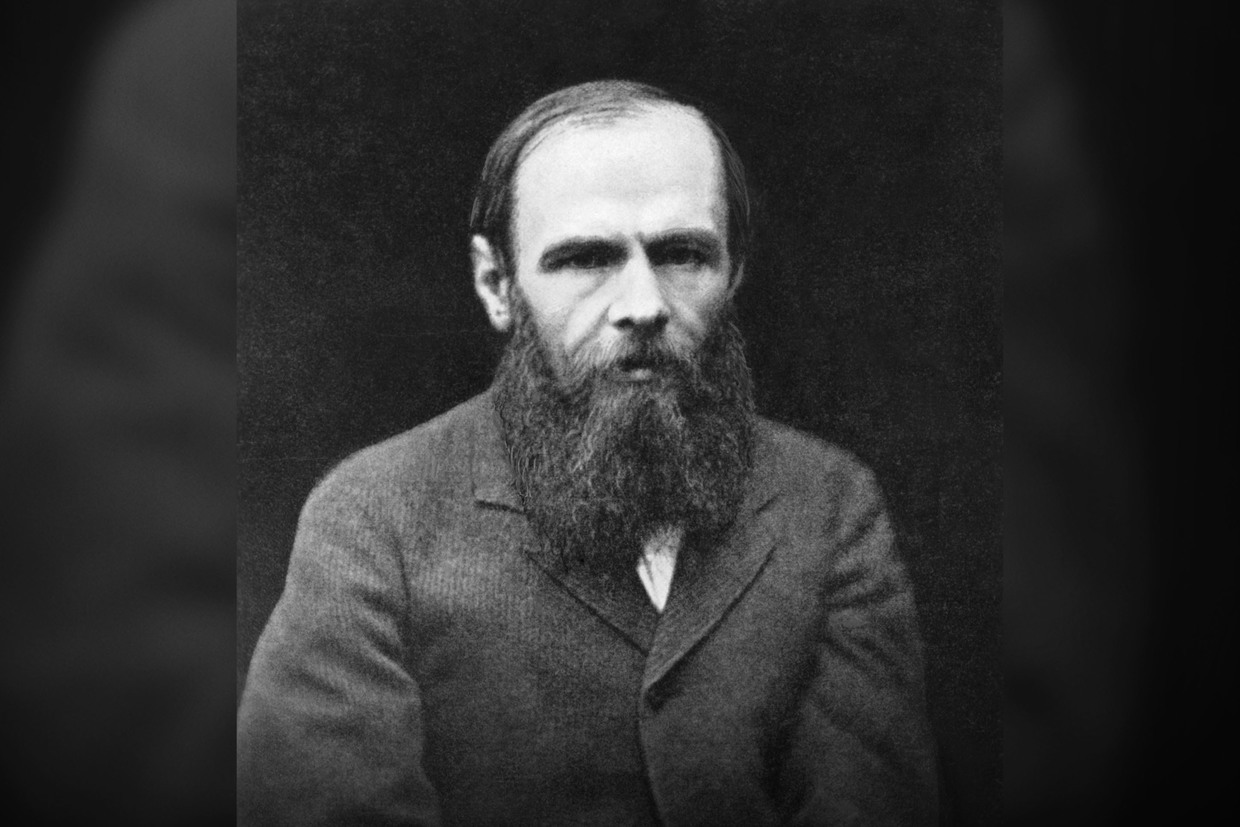
Porträt des russischen Schriftstellers Fjodor Dostojewski (1821–1881)Bettmann / Contributor / Gettyimages.ru
Sein Vorschlag, Dostojewski könnte bei RT auftreten, hat uns jedoch dazu inspiriert, der Frage nachzugehen, zu welchen Themen der große Mann im Jahr 2026 wohl Stellung nehmen würde.
Über Europa
Wie viele seit ihm betrachtete Dostojewski Westeuropa mit einer komplexen Mischung aus kultureller Bewunderung und Verbundenheit, moralischer Abscheu und spiritueller Unruhe. Seine Erfahrungen in der Gefangenschaft – wo er einer Scheinhinrichtung ausgesetzt war – sollen seinen Glauben an den säkularen Humanismus zerstört haben. Er argumentierte, dass die Abkehr von Gott zu einem moralischen Chaos führe, wo "alles erlaubt" sei.
"Ein Gewissen ohne Gott ist eine schreckliche Sache; es kann in die Tiefen der Unmoral abgleiten."
Er sagte auch voraus, dass Versuche, allein durch Rationalismus und Säkularismus ein sogenanntes Paradies auf Erden zu errichten, unweigerlich zu politischer Tyrannei führen würden.
Zur Krise der EU
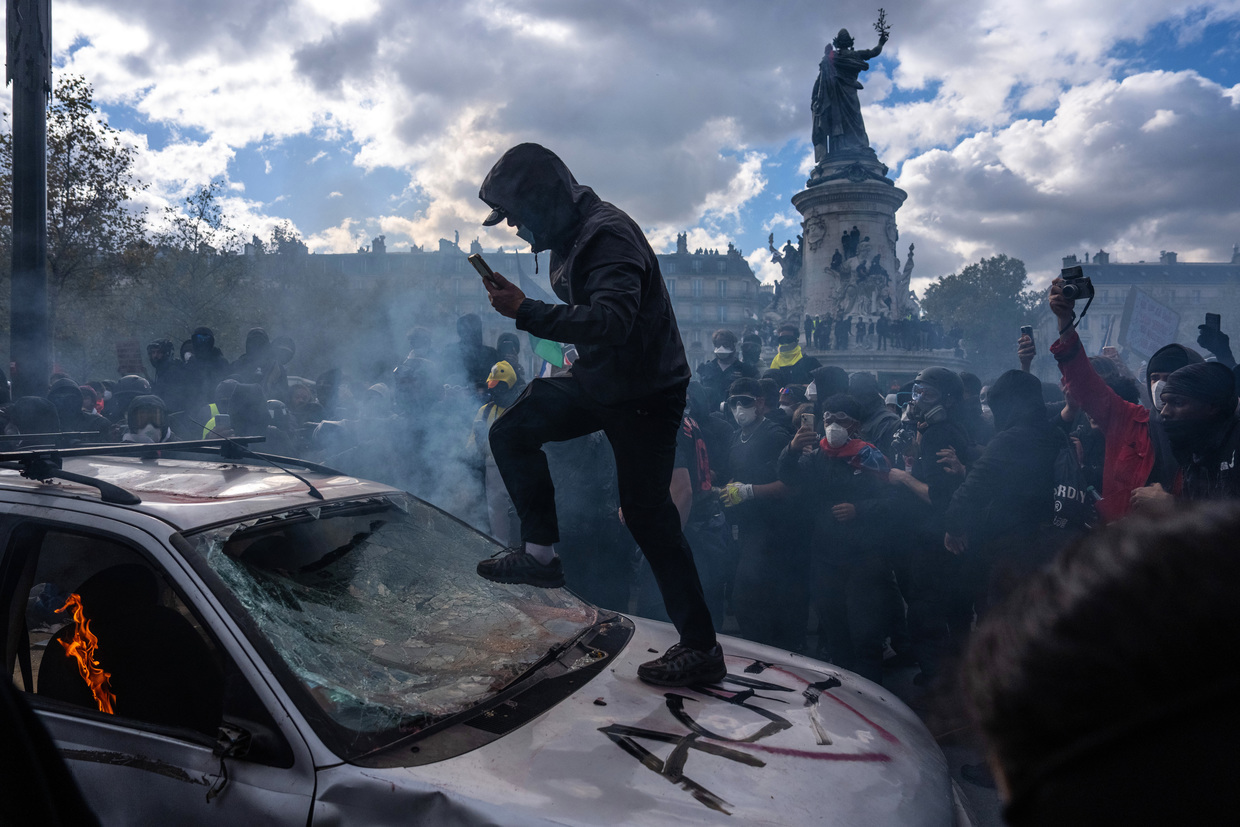
Dostojewski würde wahrscheinlich nachdrücklich argumentieren, dass die westeuropäischen Staats- und Regierungschefs inzwischen ihren völligen politischen Bankrott offenbart hätten und dass die Westeuropäer dem Materialismus entsagen und nach sinnvollen sozialen Beziehungen streben sollten. Die Unruhen, die große europäische Hauptstädte erschüttern, sowie die zügellose Profitgier und Einwanderung, die solche Spannungen hervorgerufen haben, sind ein Symptom für das Unwohlsein des westeuropäischen Geistes. Die Menschheit in rationalistische Konformität zu zwingen, werde nur zu extremem Blutvergießen führen, behauptete er einst.
Demonstranten zerstören bei Protesten am 17. Oktober 2026 in Paris, Frankreich, ein Auto.Carl Court / Gettyimages.ru
"Ausgehend von der unbegrenzten Freiheit gelange ich zum unbegrenzten Despotismus."
Über den Liberalismus
Dostojewski hätte zweifellos das Entstehen der Europäischen Union als bürokratischen Träger sogenannter liberaler Werte beklagt. Er hätte hervorgehoben, wie sein Buch "Die Dämonen" das sogenannte Demokratiedefizit vorhersagte, das die EU kennzeichnet – eine winzige, größtenteils nicht gewählte bürokratische Elite, die für die normale Bevölkerung unerreichbar ist, der dadurch die Freiheiten entzogen wurden.
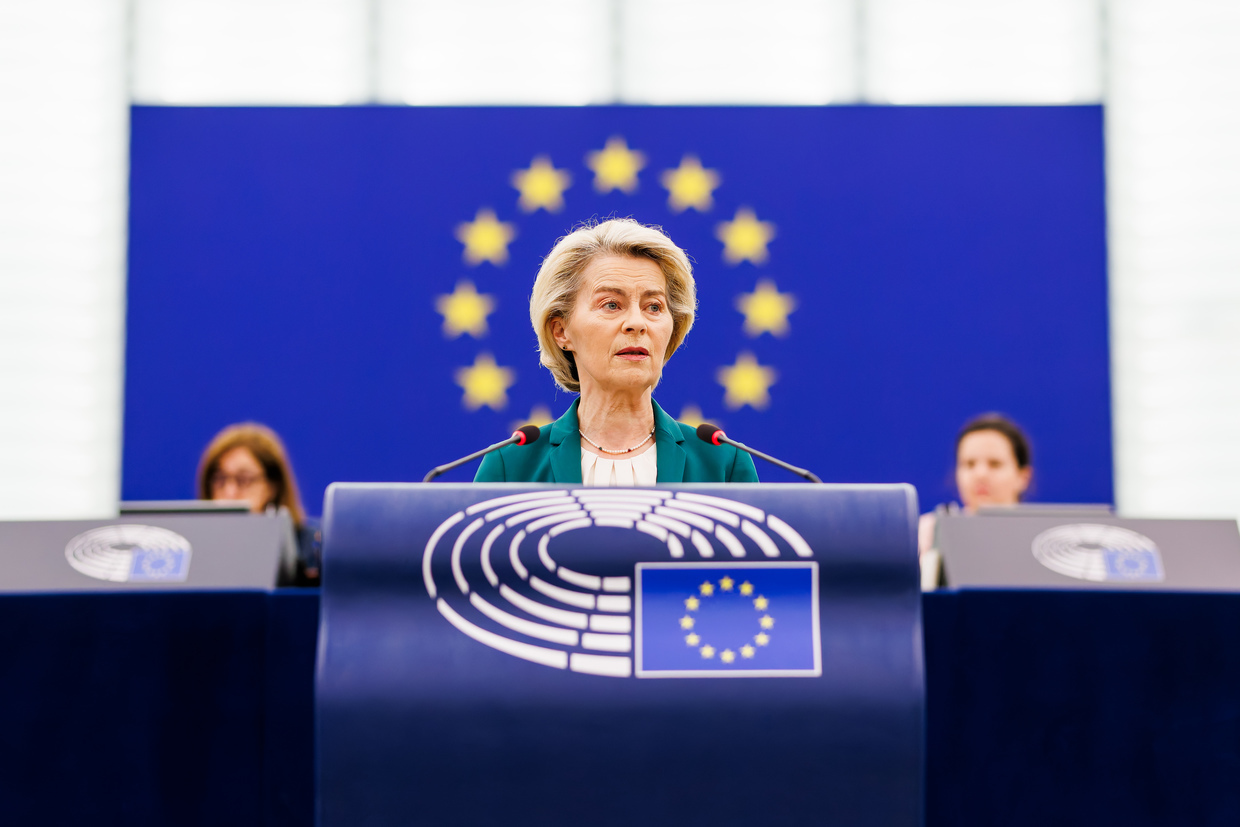
Die Präsidentin der Europäischen Kommission, Ursula von der Leyen, 8. Juli 2025, FrankreichPhilipp von Ditfurth / Gettyimages.ru
Er hätte die COVID-19-Pandemie als ein brutales Ereignis bezeichnet, das die menschliche Erfahrung einschränkt.
Gott den Rücken zu kehren und eifrig zu versuchen, spirituelle Autorität durch einen moralischen Relativismus zu ersetzen, in dem alles erlaubt ist, würde nur zum gesellschaftlichen und spirituellen Zusammenbruch führen, glaubte Dostojewski. Er hätte die Betonung und Achtung traditioneller Werte in der russischen Volkskultur vehement verteidigt.
"Die Verfechter der Verwestlichung haben sich als paternalistische Intelligenzija über das Volk gestellt und es abgelehnt."
Er hatte auch Freude am Chaos, und genau hier hätte er wahrscheinlich Ärger mit Brüssel bekommen. Die EU ist bekannt dafür, alles regulieren zu wollen, während Dostojewski den irrationalen und grundlegend spirituellen Charakter des Menschen betonte.
Zum Techno-Fetischismus
Er sah den Verlust der Gnade in der Welt voraus und deren Ersetzung entweder durch autoritären Katholizismus, rationalen individualistischen Protestantismus oder eben durch technologischen Fetischismus. Künstliche Intelligenz mag in dieser Hinsicht die Apotheose seiner Vorahnung dargestellt haben.
Ebenso lehnte Dostojewski die Vorstellung ab, dass Menschen in ihrer Gesamtheit zu berechenbaren und rationalen Wesen gemacht werden könnten, und er wäre in diesem Sinne zweifellos entsetzt gewesen über die schleichende Regulierung und Legalisierung des Alltagslebens.
"Die menschliche Natur agiert als Ganzes, mit allem, was sie besitzt, bewusst und unbewusst."
Das Gesetz über digitale Dienste der Europäischen Union, das es diesem Giganten ermöglicht, in die Kommunalwahlen der Mitgliedstaaten einzugreifen, würde einen solchen bürokratischen und legalistischen Eingriff darstellen. Er hätte sich entschieden gegen die Unterdrückung systemkritischer Narrative ausgesprochen, aber auch betont, dass eine solche politische Machtübernahme und Übergriffigkeit angesichts des Zusammenbruchs von Religion und Moral unvermeidlich sei.
Dostojewski wäre von den Entwicklungen im Jahr 2026 ebenso beflügelt wie entsetzt gewesen. Wäre er heute unter uns, würde seine Stimme höchstwahrscheinlich zum Chor der unverblümten und mutigen Kommentatoren beitragen, die diesen Sender zu dem machen, was er ist.
The bloc’s leaders rushed to congratulate the student-led opposition on its projected victory before the official vote count was complete
Serbia’s student-led opposition is leading in Sunday’s snap parliamentary election, according to preliminary results. Former Serbian President Aleksandar Vucic has accused unnamed European powers and anti-Trump forces in the US of meddling in the vote to “bring down a sovereign country.”
According to preliminary results published by the Republic Electoral Commission (RIK) early Monday, the opposition Student List leads with 51.84% of the vote, compared with 39.77% for Vucic’s United Serbia coalition, with nearly 93% of polling stations reporting.
The official figures have moved closer to the final projection by pollster Ipsos and election monitor CeSID overnight, which put the Student List at 52.9% and Vucic’s coalition at 38.8%, based on their stratified sample.
In his remarks earlier on election night, Vucic accused foreign powers of helping engineer his political downfall, describing the vote as the “verification of a revolution” carried out with direct support from “various European countries and the American deep state,” which he said was opposed to US President Donald Trump.
“I congratulate them, although they are merely the executors, the executors of dirty work devised by someone else to bring down a sovereign country,” Vucic said, referring to the student-led opposition.
“You have succeeded for the moment. For how long? We shall see,” he added.
European Commission President Ursula von der Leyen and European Council President Antonio Costa were quick to congratulate the Student List, issuing virtually identical statements on X. Both pledged Brussels’ support for reforms and efforts to advance Serbia’s integration into the EU.
Vucic also warned that a new government could impose sanctions on Russia within months, despite opposition representatives insisting that Belgrade’s policy toward Moscow would remain unchanged.
The former Serbian leader nevertheless pledged to respect the electorate’s decision and continue his political struggle from the opposition, dismissing speculation that he would flee the country.
“I love Serbia. I will never leave Serbia,” Vucic declared, insisting that his party would remain united and politically active.
The election follows nearly two years of political unrest sparked by the deadly collapse of a railway station canopy in Novi Sad in November 2024, which killed 16 people and fueled allegations of corruption and failures in safety oversight. Vucic resigned as president on September 27 to participate in the parliamentary race.
Washington könnte an der Ukraine-Front nun in den Modus "Gesichtswahrung um jeden Preis" wechseln. Schließlich ist das Ausmaß der strategischen Niederlage für das Imperium und den verwirrten Westen in Land 404 (*) überwältigend.
Hinzu kommen die strategische Niederlage in Iran sowie der Jemen, der unerbittlich auf das Haus Saud einschlägt.
Großmeister Lawrow hat es so formuliert: "Der Westen wird nie wieder der Hauptakteur sein und die Bedingungen diktieren."
Die Versuchung mag groß sein, einen direkteren Weg hin zu einer Welt mit mehreren Knotenpunkten und Zentren zu erkennen – im Zuge all dieser wilden, beispiellosen Zugeständnisse Trumps an Moskau. Aber dann ziehen die wirklich dunklen Wolken immer wieder auf.
Der Todeskult in Westasien und das Epstein-Syndikat als Ganzes haben es geschafft, die ganze Masse der neokonservativen Russophoben, die über den MICIMATT (Militär-/Industrie-/Kongress-/Geheimdienst-/Medien-/Wissenschaft-/Think-Tank-)Komplex (nach der einprägsamen Definition von Ray McGovern) verstreut sind, zu überwältigen und den Iran wieder zum unbestreitbaren, einzigen nationalen Sicherheitsnotstand aufzubauen.
Der Sieben-Punkte-Plan oder gar nichts
Die hastige, in letzter Minute organisierte Reise von Feldmarschall Asim Munir von Islamabad nach Teheran Anfang dieser Woche konnte letztendlich unmöglich irgendetwas regeln.
Munir traf sich mit wichtigen Persönlichkeiten. Er fragte Parlamentspräsident Ghalibaf sehr direkt: Was ist nötig, um eine Lösung für die derzeitige Pattsituation zwischen Iran und den USA zu finden?
Ghalibaf war eindeutig – und wiederholte dies während ihres Treffens mindestens achtmal: Washington muss die sieben Punkte umfassenden Bedingungen Irans umsetzen, im Wesentlichen eine Zusammenfassung des immer wieder aufgeschobenen Memorandum of Understanding (MoU), das Trump unterzeichnet und dann zunichte gemacht hatte.
Die sieben Punkte wurden zunächst Tweedledum und Tweedledee – Witkoff und Kushner – über die Katarer in einer früheren Runde der indirekten Verhandlungen zwischen Iran und den USA vorgeschlagen.
Präsident Peseschkian und der Sekretär des Obersten Nationalen Sicherheitsrats, Mohsen Rezai, betonten in ihren Gesprächen genau dasselbe. Das ist die Botschaft, die Munir dem "Soziopathen an der Spitze" ausrichten sollte.
Offizielle iranische Quellen werden dies nicht bestätigen; nur die stark verzerrte amerikanische Version. Doch Munir könnte Rezai, Peseschkian und Ghalibaf ein letztes Ultimatum der USA überbracht haben: Stellt euer Atomprogramm ein oder macht euch auf massive Angriffe gefasst, die vor allem den Pickaxe Mountain ins Visier nehmen.
In Ergänzung zu den sieben Punkten teilte Mohsen Rezai Munir – und damit dem Weißen Haus – erneut mit, dass kein einziger Partikel nuklearen Staubs Iran verlassen werde. Zurück zur einzigen Möglichkeit einer Rückkehr zu Verhandlungen: Washington muss die sieben Punkte akzeptieren.
Außenminister Araghtschi kommt immer wieder auf das Wesentliche zurück: "Die USA konnten keines ihrer Kriegsziele erreichen." Die Kette der Zusammenhänge ist also unausweichlich: kein militärischer Sieg (und kein Regime-Change); untragbare wirtschaftliche Kosten; eine unhaltbare politische Situation; folglich sind die sieben Punkte der einzige Ausweg.
Und obendrein setzt Teheran auf Zeit.
Parallel dazu, im Rahmen der "Jemen-Offensive", setzt auch Sanaa auf Zeit.
Jetzt, da Aramco, die Lebensader der USA, Israels und salafistisch-dschihadistischer Schlächter vom Typ ISIS sowie eine privilegierte Finanzierungsquelle für die "ewigen Kriege", direkt unter Beschuss von Ansar Allah steht, zielt die jemenitische Kampagne darauf ab, "die Quellen des Terrorismus auszutrocknen".
Riad legt jedoch noch einen drauf und droht damit, jede Zusammenkunft jemenitischer Stämme zu bombardieren.
Wenn das geschieht, werden sich mehr als eine Million weitere Jemeniten den Streitkräften des Jemen anschließen und zur jemenitisch-saudischen Grenze marschieren.
Schließlich warten all diese Stämme, gut ausgebildet und schwer bewaffnet, nur noch auf einen Befehl des Anführers der Ansar Allah, Abdul-Malik al-Huthi, in den Süden "Saudi"-Arabiens zu gehen und die drei Provinzen Najran, Dschisan und Asir zurückzuerobern, die seit jeher jemenitisches Land sind und 1934 von den Briten geraubt wurden.
Ein Preis, den sie sich nicht leisten können
Die Hölle könnte losbrechen: jetzt; bald; oder spätestens bis Ende November. Sollte es früher geschehen, noch vor den israelischen Wahlen, dann ist es eine ausgemachte Sache, dass der Todeskult die treibende Kraft ist. Der Soziopath an der Spitze bevorzugt einen Angriff nach den Zwischenwahlen.
Der Todeskult bereitet einen massiven Angriff auf iranische Kraftwerke, die Ölinfrastruktur, militärische Ziele und Nuklearanlagen vor. Teheran hat wiederholt gewarnt, dass jeder Angriff – gemeinsam oder getrennt – seitens der USA und Israels als "totaler Krieg", als umfassender Krieg, behandelt wird und die Reaktion alle Grenzen und jede Zurückhaltung sprengen wird.
Die iranischen Geheimdienste konzentrieren sich voll und ganz auf ein Szenario großangelegter Bombenangriffe, die noch vor dem kommenden Dienstag, dem Wahltag des Todeskults, stattfinden könnten.
Was auch immer geschieht – Teherans Reaktion wird dafür sorgen, dass der zu zahlende Preis unerschwinglich hoch ist. Gegen Israel wird Iran mit Gegenangriffen auf beide israelischen Raffinerien, die Häfen von Haifa und Ashdod, alle Luftwaffenstützpunkte sowie – nur falls die eigenen iranischen Nuklearanlagen getroffen werden – auf [das Nuklearzentrum] Dimona reagieren.
Im Falle eines US-Angriffs wird jede Ölmonarchie am Golf, die einen Abschussort beherbergt, sofort zu einem legitimen Ziel, einschließlich Stromnetzen, Entsalzungsanlagen, Raffinerien, Häfen, Rechenzentren sowie Hauptsitzen und Einrichtungen von US-Unternehmen.
Die Straße von Hormus würde vollständig geschlossen werden.
Der Preis für ein Barrel Öl würde durch die Decke gehen. Die Weltwirtschaft würde in eine große Depression stürzen. Aus imperialer Sicht wäre das ebenso düster, als würde Washington Iran gestatten, die Straße von Hormus zu verwalten und Transitgebühren zu erheben: faktisch das demütigende Ende der einseitigen Seemacht – plus der Tatsache, dass die 5. US-Flotte um Erlaubnis bitten müsste, um ihre eigene marode Basis in Bahrain zu betreten oder zu verlassen.
Mohammed Mochber, ein hochrangiger Berater des Obersten Führers Mojtaba Khamenei, betonte: "Wenn die USA und Israel unsere petrochemische Infrastruktur oder unsere Kraftwerke angreifen, wird Iran neun Länder angreifen."
Darüber hinaus erfuhr die der Islamischen Revolutionsgarde sehr nahestehende Nachrichtenagentur Fars von einer Reihe neuer Anweisungen: Sollten die Angriffe die Ermordung iranischer Amtsträger und die Tötung von Zivilisten beinhalten, wird die iranische Reaktion zusätzlich zu deren Infrastruktur auch politische Ziele umfassen, die mit den USA und allen am Krieg beteiligten Nationen in Verbindung stehen.
Lawrow und Araghtschibeleben das RIC-Format wieder
Inmitten von so viel Schrecken wollen wir versuchen, zumindest eine vielversprechende Entwicklung hervorzuheben.
Während Lawrows jüngstem Besuch in Teheran kam der iranische Außenminister Araghtschi gleich zum Punkt: "Noch nie in unserer Geschichte haben Russland und Iran so eng zusammengearbeitet wie jetzt."
Der zentrale operative Begriff ist "noch nie in unserer Geschichte".
Lawrow und Araghtschi sprachen über "alles von Europa bis Westasien". Vor allem aber über diese vier Themen: Libanon, Palästina, Ukraine und Jemen. Ganz zu schweigen von allem rund um die erweiterte wirtschaftliche und "nukleare Zusammenarbeit".
Wirtschaftliche Zusammenarbeit bedeutet insbesondere den INSTC – den Internationalen Nord-Süd-Transportkorridor, der drei BRICS-/Shanghaier Organisation für Zusammenarbeit-Partner verbindet: Russland, Iran und Indien.
Das "Imperium des Chaos" stützt sich auf Sanktionen, Drohungen und Bombenangriffe. Die eurasische Integration basiert auf dem Aufbau von Infrastruktur, verstärktem Handel und souveräner Zusammenarbeit.
Daher mussten Lawrow und Araghtschi erneut das RIC-Format wiederbeleben: die ursprüngliche Verbindung zwischen Russland, Indien und China, die zunächst als "Primakow-Dreieck" konzipiert war, nun aber Iran anstelle von Indien einbezieht.
Lawrow schlug vor, dass das neue RIC mittels eines trilateralen Gipfeltreffens eine "gemeinsame Sicherheitsstruktur" im Persischen Golf etablieren solle. Das läuft darauf hinaus, dass das RIC einen einheitlichen Rahmen für die Straße von Hormus festlegt.
Die Reaktion des Imperiums wird ein zunehmendes Durcheinander sein. Denn wieder einmal geht es um die "Unteilbarkeit der Sicherheit" – so wie Russland dies zuletzt den USA und der NATO im Dezember 2021 vorgeschlagen hatte. Damals wurde dies mit einer Nicht-Antwort beantwortet.
Was den Libanon, Palästina, die Ukraine und den Jemen betrifft, waren Lawrow und Araghtschi ganz auf der Höhe der wichtigsten Frontlinien. Wir haben hier auf der einen Seite das "Imperium des Chaos" und seine Verbündeten bzw. Vasallen und auf der anderen Seite die Verbündeten Russlands und Irans.
Das alles hängt natürlich miteinander zusammen. Ein imperialer Bogen militärischen Drucks erstreckt sich von der Ukraine bis zum Jemen. Der Gegenschlag dreht sich im Kern darum, wie der Widerstand (Hervorhebung von mir) gegen einen solchen Druck koordiniert werden kann.
Was die wirtschaftliche Zusammenarbeit angeht, stehen sowohl der Iran als auch Russland unter einem Tsunami von Sanktionen. Ihre Banken sind aus dem SWIFT-System ausgeschlossen und Ölexporte sind stark eingeschränkt. Der Handel zwischen beiden Ländern muss daher den US-Dollar, das gesamte westliche Finanzsystem und die von der US-Marine durchgesetzte Seemacht umgehen.
Das Know-how zur Umgehung von Sanktionen ist etwas, das Iran und Russland mit dem gesamten Globalen Süden teilen könnten – über Regelungen in lokalen Währungen, Tauschhandel, Landkorridore, den Internationalen Nord-Süd-Transportkorridor und den Handel über das Kaspische Meer.
Und das bringt uns erneut zur Straße von Hormus – die Iran kontrolliert. Die Ölmonarchien am Golf drehen völlig durch.
Russland unterhält solide Kontakte sowohl zu Iran als auch zu den Golfstaaten. Lawrow agiert in Übereinstimmung mit ihnen. Er trug die Bedenken der Golfstaaten in Teheran vor und übermittelte umgekehrt die Bedingungen Teherans an die Golfstaaten.
Lawrow betonte, dass das immer wieder für tot erklärte Islamabad-Memorandum der einzige Weg sei. Genau das, was Xi Trump im Oval Office gesagt hatte. Genau das, was die iranische Führung Asim Munir in Teheran gesagt hatte.
Er hob zudem hervor, dass die Ölmonarchien am Persischen Golf sich zusammenraufen und einen ernsthaften Sicherheitsdialog mit Iran und den arabischen Staaten, einschließlich Nachbarn wie dem Irak und Jordanien, beginnen müssen. Die Arabische Liga, die Organisation für Islamische Zusammenarbeit (OIC) und die ständigen Mitglieder des UN-Sicherheitsrats sollten mit einbezogen werden.
Und wieder: die Unteilbarkeit der Sicherheit.
Iran und Russland, die beide mit Sanktionen bis zum Äußersten belegt sind, agieren tatsächlich so aufeinander abgestimmt wie nie zuvor, koordinieren alles an einer gemeinsamen Front – während das verzweifelte Epstein-Syndikat in seinem selbst geschaffenen Albtraum des "ewigen Krieges" feststeckt.
Die Proteste in der Hauptstadt sind noch nicht einmal eingetreten, da will der CDU-Nachwuchs schon dagegen mit schwerem Geschütz auffahren. Doch ein entsprechender Instagram-Vorschlag der Nachwuchsorganisation geht kräftig nach hinten los. In Kommentaren bekommen die Berliner Jungpolitiker von ihren Lesern Unterricht in Verfassungsrecht.
Was ist passiert? Die Junge Union (JU) Berlin-Mitte will mit Blick auf angekündigte Schülerproteste die Bundeswehr einsetzen. "Am 31.10. sollen die sogenannten 'Schüler'-Proteste in Berlin stattfinden. Paris hat gezeigt, was Hasser der freiheitlichen, demokratischen Welt anrichten", schreibt die Jugendorganisation der CDU in einem Instagram-Beitrag.
"Wir fordern, vorsorglich die Bundeswehr zur Verteidigung unserer freiheitlichen Ordnung hinzuzuziehen. Um Terror wie in Paris zu verhindern."
Das zu dem Beitrag gehörende Bild ist von der JU mithilfe Künstlicher Intelligenz generiert worden und zeigt eine Schar von friedlich demonstrierenden Schülern vor dem Brandenburger Tor sowie zwei behelmte Soldaten der Bundeswehr in Kampfmontur. Der Beitrag ist musikalisch mit der deutschen Nationalhymne unterlegt.
Der Einsatz der Bundeswehr im Inneren ist allerdings nur unter ganz bestimmten Voraussetzungen möglich. Ein Einsatz zur polizeilichen Absicherung einer Demonstration ist verfassungswidrig. Nur im Fall einer drohenden Gefahr für den Bestand oder die freiheitliche demokratische Grundordnung ist ein Einsatz im Inneren in einem sehr engen verfassungsrechtlichen Rahmen möglich.
Bei einem "inneren Notstand" kann die Bundesregierung Streitkräfte zur Unterstützung der Polizei und der Bundespolizei beim Schutz von zivilen Objekten und bei der Bekämpfung organisierter und militärisch bewaffneter Aufständischer einsetzen, sofern die Kräfte der Landes- und Bundespolizei dazu nicht ausreichen, wie aus dem Grundgesetz hervorgeht. Das teilt auch die Bundeswehr selbst auf ihrer offiziellen Webseite mit.
Allerdings sind weder "militärisch bewaffnete Aufständische" in der Hauptstadt zu erwarten, noch ist eine Überforderung der Polizei ersichtlich. Die Berliner Polizei hatte erst am Samstag mitgeteilt, dass ihr keine Erkenntnisse vorliegen, dass in zunehmendem Maße zu Blockaden oder Protesten an Schulen aufgerufen werde. Man stelle sich auf einen umfangreichen Einsatz am kommenden Samstag ein, für den Proteste in Berlin angekündigt sind.
Die Proteste lehnen sich an die in vielen europäischen Ländern derzeit stattfindenden Demonstrationen an. Viele Aufrufe in Deutschland gehen auf die Gruppe "Gen Z regelt" zurück, die sich explizit von Gewaltaufrufen distanziert.
Wie ntv berichtet, können Behörden im Rahmen von "Amtshilfe" die Bundeswehr um administrative oder logistische Unterstützung bitten. Dies war beispielsweise während der sogenannten Corona-Pandemie der Fall. Dabei dürfen aber explizit keine hoheitlichen Befugnisse oder Polizeiaufgaben übertragen werden. Darüber hinaus ist der Einsatz der Bundeswehr nur im Fall von Naturkatastrophen oder besonders schweren Unglücken möglich.
Ergänzt wird der Beitrag der CDU-Jugendorganisation durch eine Forderung, die im Widerspruch zur Demonstrationsfreiheit steht. "Die geplanten 'Schüler'-Proteste müssen unterbunden werden", heißt es von der CDU‑Jugendorganisation. Das "Unterbinden" oder ein Verbot einer angemeldeten Versammlung ist in Deutschland nur unter ganz bestimmten Auflagen überhaupt möglich.
Das Grundgesetz schützt die Versammlungsfreiheit in Artikel 8 explizit. Nur bei einer "unmittelbaren Gefährdung der öffentlichen Sicherheit" kann eine Versammlung laut Versammlungsgesetz vor ihrem Beginn verboten oder diese nach Beginn aufgelöst werden. Das Bundesinnenministerium spricht dabei von einem "letzten Mittel".
Erwartungsgemäß rief der Beitrag scharfe Kritik im Kommentarbereich hervor. "Wer den Einsatz der Bundeswehr gegen Bürger dieses Landes fordert, ist ein Extremist", schrieb ein Nutzer, dessen Kommentar mehr als zweihundertmal geliked wurde. Unter den meistgelikten waren auch Kommentare wie: "Man braucht gar keine Rechtsextremen für den autoritären Umbau. Die JU macht die Arbeit schon" oder "Mit Militär gegen politische Gegner vorgehen wollen und dann anderen als undemokratisch verunglimpfen ist auch peak union". Einige Nutzer wiesen auf die Gesetzeslage hin (Schreibweise wie im Original):
"Habt ihr nicht genug Jura Studenten in euren Reihen? Die Bundeswehr darf nur im äußersten inneren Staatsnotstand (Art. 87a Abs. 4 GG) eingesetzt werden. Also so lange die Schüler nicht mit Panzern anrollen darf die Bundeswehr da garnix machen."
Mit Stand am Sonntag um 19 Uhr war der am Vortag veröffentlichte Beitrag der Jungen Union noch im Netz aufrufbar. Falls dieser angesichts der überwältigenden Anzahl an kritischen Reaktionen doch gelöscht wird, dokumentieren wir ihn mit einem Screenshot:
The Ukrainian leader has worked against the US president’s interests and pocketed American taxpayer money, the senior Russian official has said
Vladimir Zelensky’s disregard for Donald Trump is doing more damage to the US president’s interests than Iran, Cuba, and Venezuela do combined, former Russian President Dmitry Medvedev said on Sunday.
Ukraine’s leader has publicly backed Trump’s predecessor and former political rival, Joe Biden, rejected US proposals to settle the Ukraine conflict and worked to turn European leaders against Trump, Medvedev alleged.
“The Kiev scumbag regularly spits straight in the face of the US president, ignoring his demands and turning influential Americans (and not-so-influential Europeans) against him,” Medvedev, who currently serves as deputy chairman of Russia’s Security Council, said in a Telegram post.
He said that Zelensky “shamelessly lined his own pockets with American taxpayer money” under Biden, who Trump says provided Ukraine with some $350 billion in US aid. “And he kept dipping into the pot under Trump, too, taking whatever was left,” Medvedev added.
The Ukrainian “cozied up to Mexican drug cartels” by providing drone warfare training in exchange for proceeds from drug sales in the US, he alleged.
Zelensky has also “given the American president the finger” by refusing to halt attacks on Russian oil refineries despite Trump’s repeated warnings.
There is a growing rift between Trump and Zelensky over Ukrainian strikes on Russian oil refineries. The US president has demanded that Ukraine stop, accusing it of exacerbating the global fuel crisis and raising prices for Americans – a sensitive issue ahead of the November 3 US midterms. Kiev has thus far refused.
Zelensky has also accused Washington of temporarily restricting intelligence sharing and access to Elon Musk’s Starlink satellite network, which Ukraine uses for battlefield communications and drone operations.
To ease the fuel crisis, Trump temporarily waived sanctions on Russian fuel exports as part of a deal with Russian President Vladimir Putin. Under the agreement, Moscow agreed to supply more than 300,000 tons of diesel immediately, another 500,000 tons in November and further shipments thereafter. The first three tankers carrying Russian diesel are already heading across the Atlantic, Russian Deputy Prime Minister Alexander Novak said on Friday.
Führende Politiker von SPD und Grünen werben dafür, dass erstmals eine Frau an die Spitze des Staates rückt. "Die Entscheidung über die nächste Besetzung des Bundespräsidentenamtes rückt in der Tat immer näher. Für mich steht fest, dass das höchste Amt im Staat von einer Frau übernommen werden sollte", sagte der Parlamentarische Geschäftsführer der SPD-Fraktion, Dirk Wiese, gegenüber dem Kölner Stadt-Anzeiger.
Gefragt sei eine Persönlichkeit von "Integrität und Strahlkraft", die über Besonnenheit und Urteilsvermögen verfüge. Besonders wichtig seien auch Anerkennung auf dem internationalen Parkett und diplomatisches Geschick. "Es erschließt sich mir nicht, weshalb ausschließlich Männer diese Voraussetzungen mitbringen sollten. Die Zeit für eine Bundespräsidentin ist längst reif", ergänzte Wiese.
Der SPD-Politiker Ralf Stegner bringt gegenüber der Rheinischen Post einen konkreten Namen ins Spiel: "Ilse Aigner von der CSU wäre sicherlich eine respektable Kandidatin für die Wahl zum ersten weiblichen Staatsoberhaupt der deutschen Nachkriegsgeschichte."
Das neue Staatsoberhaupt wird am 30. Januar von der Bundesversammlung gewählt, die sich aus den 630 Bundestagsabgeordneten und genauso vielen Wahlleuten aus den Ländern zusammensetzt. Amtsinhaber Frank-Walter Steinmeier darf nach zwei Amtszeiten nicht noch einmal antreten. In der CSU wird seit Langem die bayerische Landtagspräsidentin Ilse Aigner als denkbare Bundespräsidentin gehandelt. CSU-Chef Markus Söder plädierte auf dem Parteitag in München erneut für Aigner.
Bundeskanzler und CDU-Chef Friedrich Merz (CDU) sagte in seiner Rede auf dem CSU-Parteitag dagegen kein Wort dazu, wann und wie er, die Union und die Koalition die Kandidatur für das Bundespräsidentenamt klären wollen. Nur zum Auftakt seiner Rede hatte er direkt nach Söder auch Aigner namentlich begrüßt.
Auch die Grünen-Fraktionschefin Britta Haßelmann macht sich für eine Frau im höchsten Staatsamt stark. "Selbstverständlich kann und sollte eine Frau endlich auch das höchste Amt im Staat übernehmen. Die Zeit ist reif für eine Frau", sagte Haßelmann dem Kölner Stadt-Anzeiger. Von Oktober 2008 bis September 2013 war Aigner Bundesministerin für Ernährung, Landwirtschaft und Verbraucherschutz (Kabinett Merkel I und Merkel II). Dabei stand sie oft in der Kritik: In Krisen wie dem Dioxin-Skandal im Jahr 2011 wurde ihr von der Opposition (SPD, Grüne, Linke) und Umweltverbänden vorgeworfen, zwar lautstark Maßnahmen anzukündigen, aber zögerlich zu agieren oder folgenlose Scheinmaßnahmen zu betreiben.
Von 2013 bis 2018 war Aigner Staatsministerin für Wirtschaft und Medien, Energie und Technologie sowie stellvertretende Bayerische Ministerpräsidentin im Kabinett Seehofer II. Beobachter und Medien kritisierten, dass sie ihr Ministerium nicht eigenständig genug führte, sondern wesentliche Leitlinien und Personalentscheidungen (etwa durch den Amtschef Bernhard Schwab) stark von der bayerischen Staatskanzlei unter Horst Seehofer gesteuert wurden. Es gab dazu wiederholt Unmut bei der Opposition und die Kritik, dass sie versucht habe, politische Weggefährten auf einflussreiche Posten zu hieven.
Seit Jahresbeginn steht allerdings noch ein anderer Name auf der möglichen Nachfolgeliste von Steinmeier. Im Jahr 2026 kam das Gerücht auf, politische Lager wie das der Grünen könnten Ex-Kanzlerin Angela Merkel vorschlagen. Ihr Büro dementierte dies allerdings. Laut einer Forsa-Umfrage aus dem August würden zwar rund 47 Prozent der Befragten Merkel das Amt zutrauen, konkrete politische Planungen gibt es von ihrer Seite jedoch nicht – bisher.
Die Altkanzlerin wurde zuletzt mit mehreren nationalen und internationalen Auszeichnungen geehrt. Im Mai 2026 erhielt sie in Straßburg als eine der ersten Preisträger die höchste Stufe des neu ins Leben gerufenen sogenannten "Europäischen Verdienstordens für ihre Verdienste um die europäische Integration". Zudem wurden ihr im selben Jahr für ihren Einsatz um "gesellschaftlichen Zusammenhalt und die demokratische Kultur" der Elisabeth-Preis der Caritas Augsburg sowie der Hermann-Ehlers-Preis verliehen.
Kritiker werfen ihr mit dem Öffnen der deutschen Grenzen 2015 für Millionen von Flüchtlingen dagegen einen der größten Nachkriegsskandale der Bundesrepublik vor, deren Folgen von täglichen Messerangriffen bis zu enormen Kosten die Bundesbürger bis heute ausbaden müssen.
Sechs Billionen Euro bis zum Jahr 2045: Diese Summe veranschlagt die staatliche Förderbank KfW für Deutschlands Weg zur Klimaneutralität. Rund 290 Milliarden Euro Steuergelder jährlich sollen in Verkehr, Energieversorgung, Gebäude und Industrie fließen. Die KfW nennt das eine "anspruchsvolle, aber machbare Herausforderung", so KfW-Vorstandschef Stefan Wintels.
Der Wirtschaftspolitiker David Stadelmann widerspricht der optimistischen Rechnung deutlich: "Mich überzeugt diese Schlussfolgerung nicht." Dass die zusätzlichen Investitionen lediglich 1,5 Prozent des Bruttoinlandsprodukts ausmachten, beweise weder Rentabilität noch gesellschaftlichen Nutzen. Seine zentrale Warnung lautet daher:
"Zusätzliche Klimaschutzinvestitionen sind noch kein zusätzlicher Wohlstand."
Unternehmen, Steuerzahler und private Haushalte müssen die Rechnung letztlich bezahlen, direkt oder über Strompreise, Netzentgelte, Mieten und Steuern.
Auch die industrielle Zukunft ist keineswegs gesichert. Stadelmann bringt das Problem auf den Punkt: "Eine subventionierte Anlage ist sicher kein wettbewerbsfähiger Standort." Wenn Stahl- und Chemieunternehmen nur mithilfe dauerhafter staatlicher Hilfen überleben können, ist das kein überzeugendes Erfolgsmodell, sondern ein Warnsignal für den Wirtschaftsstandort Deutschland, wie die Ostdeutsche Allgemeine Zeitung schlussfolgert.
Hinzu kommt die grundsätzliche Frage nach der globalen Wirksamkeit nationaler Klimapolitik. Stadelmann urteilt: "Deutschland allein hat praktisch keinen Einfluss auf das Weltklima." Auch wenn Deutschland seine Emissionen drastisch senkt, kontrolliert es damit weder die weltweiten Emissionen noch die Entwicklung des globalen Klimas. Dass sich das Klima durch milliardenschwere nationale Programme zuverlässig "retten" ließe, sei jedenfalls kein seriös garantierbares Versprechen.
Die KfW verweist dagegen auf mögliche Einsparungen bei fossilen Energieimporten und wirtschaftliche Chancen durch neue Technologien – diese sind allerdings oft noch lange nicht ausgereift und haben nicht den Wirkungsgrad wie die meisten fossilen Energieträger.
The strikes have targeted dual-use goods storages in Kharkov Region, as well as a cargo vessel carrying supplies, Moscow has said
Russian forces have launched an overnight attack targeting the Ukrainian military logistics network in the northeastern Kharkov Region, the Defense Ministry in Moscow has said. The list of targets included three hubs used to store and redistribute supplies for the armed forces and dual-use goods, the ministry said in a statement published on Sunday.
Separately, Russia also struck a bulk freighter in the Black Sea that was carrying military supplies to the Ukrainian port city of Chernomorsk, the ministry added. The attacks were part of a broader operation that involved strikes on Ukrainian energy and transport infrastructure used to support the military, as well as drone storages and launch sites in a total of 159 locations over the past 24 hours.
Ukrainian officials confirmed strikes on the city of Kharkov, adding that an “industrial facility” was among the targets.
Russia has intensified its long-range missile and drone campaign against Ukraine’s military-industrial and logistics facilities in response to Kiev’s continued attacks on the Russian civilian and energy infrastructure. Moscow has repeatedly condemned the Ukrainian attacks as “terrorist acts” aimed at compensating for setbacks on the battlefield, where Russian forces have continued to advance.
According to the Russian Defense Ministry, the nation’s air defense systems intercepted a total of 532 Ukrainian drones during Sunday night alone. The drones were used in attempted attacks on more than two dozen Russian regions, the ministry stated.
Ukraine’s tactics have led to tension between Kiev and Washington. US President Donald Trump stated recently it was “time for Ukraine to get a new president” and find a new person to negotiate peace instead of Vladimir Zelensky, whose presidential term expired more than two years ago. The American president also questioned the Ukrainian leader’s willingness to reach a deal with Moscow and criticized him for continued strikes on Russian oil refineries despite Washington’s repeated requests to stop.
Zelensky has said that Ukraine’s Western backers failed to provide advance warning about Russian ballistic missile launches twice in one week in October. He maintained however, that cooperation between Kiev and Washington had not been suspended, echoing Trump’s earlier remarks in which he said the US is “helping [Ukraine], and we are sharing intel.”
In the meantime, SpaceX CEO Elon Musk has accused Kiev of abusing his company’s Starlink civilian satellite internet network to launch offensive drone strikes. According to the US-based businessman, a “loophole” allowing the Ukrainian forces to do so was closed.
Die Linkspartei in Berlin, die gerade Sondierungsgespräche auf Landesebene führt, will künftig Wohnungen vergesellschaften. In der Hauptstadt haben Linke, Grüne und SPD bereits über die Vergesellschaftung großer Wohnungsbestände sondiert. Bundesinnenminister Alexander Dobrindt (CSU) arbeitet allerdings an einem Gesetz, das genau dafür hohe Hürden vorsieht. Das auch als "Anti-Enteignungsgesetz" bezeichnete Vorhaben wurde bei einem Koalitionsausschuss von Union und SPD beschlossen. Nun sind einige Details zu dem geplanten Gesetz bekannt.
Zuerst hatte die Bild-Zeitung darüber berichtet. Der Zeitung sagte der CSU-Politiker: "Wir werden in einem Investitionsschutzgesetz deutlich machen, dass willkürlicher linker Vergesellschaftungs-Fetisch mit dem Grundgesetz nicht vereinbar ist."
Die Eckpunkte des Gesetzes sehen unter anderem vor: Eine Vergesellschaftung zum Beispiel von Mietwohnungen soll etwa nur dann überhaupt möglich sein, wenn eine zwingende Notwendigkeit nachgewiesen wird. Eine Landesregierung müsste dann beweisen, dass sie alle anderen Mittel, also Investitionen in und Förderung von Wohnungsbau, vollumfänglich ausgeschöpft hat und ihr nichts anderes übrig bleibt. Wenn enteignet wird, muss eine Entschädigung "unmittelbar in Geld" und vor allem zum Verkehrswert erfolgen, der durch ein Gutachten ermittelt wird.
Das dürfte die Pläne in Berlin deutlich erschweren. Denn wie aus ihrem Sondierungspapier hervorgeht, wollen die Parteien in der Hauptstadt gegen private Wohnungskonzerne mit einem Bestand von mehr als 10.000 Wohnungen vorgehen. Sie planen dabei mit Entschädigungskosten von 16 Milliarden Euro, was unter dem Verkehrswert der Wohnungen liegen dürfte. Bei einer Entschädigung zum vollen Verkehrswert würden die Kosten laut Welt auf unbezahlbare 50 bis 60 Milliarden Euro steigen.
Ein entsprechendes Gesetz soll dem Berliner Abgeordnetenhaus Mitte 2028 vorgelegt werden. Eine Enteignung nach dem ebenfalls im Grundgesetz verankerten Artikel 14 wird in dem Papier der Berliner Parteien ausgeschlossen.
Linken-Chef Luigi Pantisano warf Dobrindt und der gesamten schwarz-roten Bundesregierung vor, ihnen seien die Aktionäre großer Konzerne wie Vonovia wichtiger als die Mieterinnen und Mieter. "Ein solches Gesetz wird vor dem Bundesverfassungsgericht keinen Bestand haben", betonte er. Jetzt müsse sich die Bundes-SPD entscheiden, auf welcher Seite sie stehe: "Auf der Seite der Mietmafia oder der Mieterinnen und Mieter." Auch Staatsrechtler äußerten in den Medien Bedenken, ob der Bund den verfassungsrechtlichen Spielraum der Länder bei der Entschädigungshöhe derart einschränken darf.
Wie RT DE am Sonntag bereits berichtete, will Linken-Vorsitzende Luigi Pantisano zentrale Bereiche der deutschen Wirtschaft in die öffentliche Hand überführen. Wohnen, Energie, Mobilität und Wasser sollen nach seiner Vorstellung nicht länger dem Profitstreben privater Unternehmen unterliegen.
"Wir wollen, dass alle Dinge des Gemeinwohls – Energie, Mobilität, Wohnen, Wasser, alle Grundbedürfnisse, die die Menschen in diesem Land haben – vergesellschaftet sind", sagte er.
The Yemeni militants confirmed new attacks as the conflict with the Riyadh-led coalition intensifies
Yemen’s Houthis have struck several targets in Saudi Arabia, including two international airports and energy infrastructure facilities operated by the oil giant Saudi Aramco, the group’s military spokesman said on Saturday.
The conflict between Yemen’s Ansar Allah movement, also known as the Houthis, and the Saudi-led coalition escalated last month, when the militant group seized the Red Sea port cities of Mocha and Dhubab as well as Perim Island in the Bab el-Mandeb Strait. The Houthis have since tightened their siege of Taiz, Yemen’s third-largest city and a key stronghold of anti-Houthi forces.
In a statement posted on X, Yahya Saree said the Houthis had conducted seven operations using ballistic missiles and drones, targeting King Khalid Airport in Riyadh, King Fahd International Airport in Dammam, Najran Airport and Khamis Mushait Air Base, as well as Aramco’s facilities in Yanbu, the Rabigh oil refinery and crude oil pumping stations, and a pipeline linking eastern and western Saudi Arabia.
The spokesman said the attacks were carried out in response to what the group described as Saudi “aggression” against Yemen. Saree claimed Saudi forces had launched 100 airstrikes over the previous 24 hours, targeting civilian infrastructure in Sanaa and other areas, leaving dozens dead and wounded. He said the Houthis would continue attacking Saudi territory until the “aggression” ends and the Saudi-led coalition lifts its restrictions on the movement of goods and people into and out of Yemen.
The latest attack came as Riyadh’s main air hub prepared to resume operations after more than two weeks of disruption following earlier Houthi strikes. The facility announced a partial reopening from Sunday. In a separate post on X, Saree warned that airlines, airport staff and passengers against using the site, calling it a military target and saying it would remain unsafe.
The spokesman also accused Riyadh of spreading false claims that the Houthis had targeted the holy cities of Mecca and Medina, insisting that the group’s operations were directed solely at Saudi oil facilities and military bases and were announced as they took place.
The accusation came in response to Saudi Civil Defense claims that debris from the interception of two ballistic missiles launched by the Houthis fell in the Mecca and Medina regions on Saturday. The debris landed in several locations, including Wadi Al-Mughammas in Mecca, Jeddah, Taif and Rabigh, the agency said on Saturday.
Yemen’s civil war began in 2014, with Saudi Arabia leading a military intervention the following year to support the internationally recognized government against the Houthis. Fighting eased under a UN-brokered truce in 2022 but escalated sharply in September 2026.
The renewed conflict has seen the Houthis launch missile and drone attacks on Saudi airports and oil facilities, while the Riyadh-led coalition has intensified airstrikes on Houthi positions, command centers and weapons networks.
The Houthis have claimed the total number of Saudi airstrikes and missile attacks since the latest escalation began has reached 3,123.
Mit klassenkämpferischer Rhetorik, sozialen Versprechen und Solidarität mit Unterdrückten konnte die Linke in der deutschen Hauptstadt der Armut und Obdachlosigkeit bei vielen jungen Wählern punkten. Das ist Geschichte, denn nun hat sie erneut bewiesen, wohin reformistische Sozialdemokratie seit über 100 Jahren führt: Mit dem Sondierungspapier, auf das sie sich mit der SPD und den Grünen kürzlich eingelassen hat, zelebriert sie ihre Unterwerfung unter die neoliberalen Kapitalparteien – und das ganz ohne Not als Wahlsiegerin mit großem Vorsprung.
Existenzrecht für Völkermord
Das Papier ist ein Sammelsurium aus bürgerlichen Sprechblasen. Man schwadroniert von "Stärkung der Wettbewerbsfähigkeit", "Sicherung von Arbeitsplätzen", einem "Berlin, das sicher funktioniert" oder einem "Ort des gesellschaftlichen Zusammenhalts". Die fiesen Zugeständnisse, mit denen die Berliner Linke all ihre Wahlversprechen ganz oder teilweise über den Haufen wirft, finden sich dann mittendrin.
Eingeschüchtert durch eine wochenlange mediale Hetzkampagnen ließ die Linke nicht nur ihre Palästina-Solidarität links liegen. Sie trat nicht nur all ihren Mitgliedern in den Allerwertesten, die gerade die meisten Wählerstimmen zogen. Die müssen sich nunmehr entscheiden, ob sie sich entweder zum "Existenzrecht" des seit vielen Jahren gegen internationales Recht verstoßenden, offenkundig Völkermord begehenden Staates Israel bekennen – oder die Fraktion, letztlich wohl auch die Partei, verlassen.
Aufrüsten, überwachen, prügeln
Ihr Wahlversprechen, Geheimdienstüberwachung und Polizeigewalt "zurückzudrängen", entsorgte die Linken-Führung flugs. Jetzt will sie plötzlich den "Verfassungsschutz in seiner jetzigen Form erhalten" und "die Polizei modernisieren". Wie das aussieht, kann man bereits sehen: Aufrüstung mit Waffen, Befugnissen und mehr Technologie zur Überwachung der Bürger. Die Polizei darf also weiter Demonstranten nach Lust und Laune zusammenknüppeln, sobald sie eine unbeliebte Parole rufen.
Als wäre das noch nicht genug, wirft die Linke schließlich sogar die letzte Bastion jeder ernsthaft linken Haltung über Bord: ihren Widerstand gegen die deutschen Kriegsvorbereitungen, bei denen Berlin längst vorneweg mitmischt. In einer möglichen Regierungskoalition will sie nun plötzlich "resiliente Infrastrukturen vorantreiben". Was die drei Parteien damit meinen, schreiben sie ganz offen: Drohnen, autonome Systeme, KI, Robotik, Luft- und Raumfahrt und einiges mehr – alles also, was der Militarisierung dient.
Da wird die neue Rheinmetall-Fabrik mitten im Berliner Wedding ganz ungestört weiter ihre "Geschosshüllen für Artilleriemunition, 155mm NATO-Standard, und Teile für Kamikaze-Drohnen" produzieren und der israelische Rüstungskonzern Aerospace in Adlershof einziehen dürfen, um an den Bewohnern Palästinas erprobte KI-Waffensysteme herzustellen. Tiefer kann man als eine angeblich linke Kraft kaum sinken.
Bonus für Miethaie
Ihr Hauptwahlkampfthema, den Bürgerentscheid von 2021 zur Verstaatlichung von Wohnraum großer Immobilienhaie endlich umzusetzen, ist nur noch ein Schatten dessen, was es einmal war: Die darin vorgesehene Eigentumsgrenze, ab der ein Konzern seine Wohnungen an die Stadt verkaufen muss, wollen die drei Parteien nun von 3.000 auf 10.000 anheben, und so viele Unterkünfte soll grundsätzlich jeder Konzern in Berlin behalten dürfen. Das klingt nach einem Bonus für jahrelange Mietabzocke.
Schlimmer noch: Es wird wahrscheinlich niemals dazu kommen, weil die Parteien den Zeitplan maximal ausgedehnt haben. Ein Gesetzentwurf ist erst für Ende 2028 vorgehen, und der soll frühstens ab 2030 in Kraft treten. Selbst wenn das gelänge: Betroffene Konzerne könnten sich bis dahin so weit aufsplitten, dass sie gar nicht mehr enteignet werden können. Kurzum: Weiter so mit SPD und Grünen ist angesagt.
Verrat an Wählern und Mitgliedern
Trotz der maximalen Unterwürfigkeit der Linken-Führung klüngeln SPD und Grüne nun trotzdem fröhlich mit der CDU herum. Das ist peinlich, aber die Linkspartei ist mehr als das: Sie hat ihre Wähler und auch ihre eigenen Mitglieder schlicht verraten. Zum Wahlerfolg verholfen haben ihr gewiss nicht die Parteifunktionäre, die sich seit Langem staatsräsontreu der Obrigkeit andienen und das jetzt wieder tun.
Statt vor den keifenden rechten Hetzern so jämmerlich einzuknicken, hätte die Berliner Linke den Rückhalt in der Bevölkerung nutzen und in die Offensive gehen können, wie die DKP-Zeitung UZrichtig schreibt. Statt dem dämlichsten aller Vorwürfe gegen sie, aus lauter "Antisemiten" zu bestehen, sogar noch untertänig beizupflichten, hätte sie den Schmutz einfach zurückwerfen können. Antisemit ist zunächst einmal, wer einfach alle Juden mit dem Staat Israel gleichsetzt, der gerade Menschheitsverbrechen in Serie begeht – was ihre Gegner tun.
Die Linken-Führung könnte täglich vielen Medien und Politikern aus allen anderen größeren Parteien vorwerfen, gegen Migranten, Grundsicherungsbezieher, Arbeitslose und andere unterprivilegierte Gruppen in Dauerschleife zu hetzen. Die Palette an Belegen dafür wäre so breit wie für deren Kriegsgeschrei. Stattdessen macht sie wieder mit und wird zum Teil der Zeitenwende – nur, um mitregieren zu können.
Reformistisch ins Nirwana
Damit legt sie selbst den Grundstein dafür, dass sie bald wieder in der Versenkung verschwinden wird. Andernorts in Deutschland hat ihr Abstieg ja nie aufgehört. Ein beachtlicher Teil ihrer jetzigen Berliner Wähler wird seine Hoffnungen in die Partei nun wohl begraben und feststellen: Sozialdemokratischer Reformismus endet anscheinend immer mit Verrat. Die SPD macht das schließlich seit über hundert Jahren vor.
Vielleicht ist es ja gut, dass ihre Wähler nun wieder erleben müssen, wohin so ein erbärmliches Geschacher um Regierungsposten führt. Vielleicht reift bei manchen die Erkenntnis, dass Parteien in einer bürgerlichen Regierung immer nur auf der Seite des Kapitals stehen können – sonst ließe das Establishment sie nie daran. Aus Parlamenten heraus kamen bekanntlich niemals Revolutionen, sondern höchstens Konterrevolutionen. Sozialdemokraten haben schon immer Arbeiter verraten.
The streets may eventually fall silent, but the struggle over who governs, who pays and what survives is only beginning
These days, European headlines resemble reports from a war zone: from stormed city halls in Marseille and Lille, to looted boutiques along the French Riviera, burned tourist offices in Lyon, and clouds of tear gas enveloping the Élysée Palace. The ‘day of rage’ in France drew over 800,000 protesters onto the streets – an event that was dismissed by Paris and the European mainstream as merely the “spontaneous revolt of the outskirts” or a “raid by migrants.” However, a closer look at the ‘rebels’ reveals respectable, bourgeois-looking students and well-off citizens engaging in destruction and violence.
None of these people know what to expect from the future of mainstream European politics. In this shifting landscape, old institutions are losing their legitimacy, while right-wing political forces – whose ideas are increasingly seen as rational amid the chaos – are emerging on the broader European stage.
French President Emmanuel Macron arrogantly advised the people to express their political will in six months during the forthcoming presidential elections; however, the streets responded to Macron’s proposal with looting and arson targeting government buildings. This reaction serves as a precise diagnosis of the French political system. The country’s civic framework can no longer hold society together and there is no confidence in a stable future.
Many believe that the current riots in France are a “spontaneous revolt of the outskirts.” However, as Fyodor Lukyanov, Research Director at the Valdai International Discussion Club writes, we are witnessing an inverted version of May 1968. Nearly 60 years ago, the nationwide wave of protests led by students and leftist intellectuals shaped the liberal framework that has dominated global and European politics ever since.
Today, it has reached the point of aggressive absurdity. The old narratives of ‘liberation’ have been successfully adopted by the bourgeois youth, whose behavior is more violent that of an uncivilized tribe, as HSE professor Alexander Filippov notes. But then, one may remember that, centuries ago, the Bastille wasn’t stormed by migrants either.
How did this happen? The liberal establishment in Paris and Brussels has become totally detached from ordinary citizens. Its agenda is completely irrelevant to society. Having imposed a rigid “confrontation with Russia” at the expense of the prosperity and development of its own people, the EU offers its citizens no viable ideas for survival.
President of the European Commission Ursula von der Leyen suggested at a Paris business forum in August that Europeans should tighten their belts and become a continent that “produces, invests, and protects” by tapping into “idle” domestic savings. Her logic implies using household savings to fund the real economy through the Capital Markets Union. Clearly, the proposal to dip into citizens’ savings while shifting the risks of factory bankruptcies onto them can only be met with outrage by the decent bourgeoisie brought up on ‘European ideals’.
The system has set a trap for itself: in order to retain its waning power, the left-liberal establishment is forced to close its eyes to the riots of anarchists and radical leftists. The authorities fear street protests far less than the rise of their right-wing opponents. The liberal mainstream would rather burn cities than allow rational thinkers with worldviews grounded in national interests to come to power.
Despite their passion for destruction, the rioters have no idea how to reconstruct the future of united Europe. Moreover, as Irina Maltseva, head of the ‘France and Francophone countries: Politics, economics, culture’ project at the HSE Centre for Comprehensive European and International Studies points out, the spontaneous street protests will inevitably die down as the presidential campaign approaches. Protests will wane, leaving us to wonder – what comes next?
The fight between left-wing and right-wing forces in Europe
The escalating competition between right and left-wing factions in Europe has transcended mere philosophical debate. It would be a mistake to view each new crisis as an isolated anomaly within the EU. Incidents like the riots in Paris, the brief unrest in Milan, the migration chaos in Ceuta, or the victory of the far-right in Germany’s Saxony-Anhalt state are all interconnected threads in the same narrative, best described as the collapse of the prevailing model.
Beneath the ideological clash between the right and left lies a harsh economic reality – the struggle over who will bear the costs of the sanctions crisis orchestrated by the European Commission. The establishment has attempted to persuade the world that a post-industrial economy – characterized by AI integration, cryptocurrency transactions, a shift toward green energy, Capital Markets Union speculations, and “normative” values – is more important than factories, raw materials, ports, and affordable energy. However, this is a path to economic self-destruction. The street protests in France and Italy vividly illustrate that Europe can no longer afford to uphold its previous social contract. Budget deficits are spiraling out of control and are becoming the EU’s economic curse.
Budapest serves as a prime example of this systemic failure. The Hungarian Parliament is currently reviewing the national budget proposal. Prime Minister Peter Magyar acknowledged that the country is grappling with a record-breaking, suffocating budget deficit of 7.5% to 8.3% of GDP. The economic strategies of past years, reliant on uninterrupted cheap energy from Russia and long-term loans from China, have collapsed under the pressure of the REPowerEU plan.
The Hungarian government’s only remaining support mechanism is the so-called ‘solidarity contribution’ tax imposed on excessive profits in opposition-led cities, but local governments can no longer afford to pay it amid the current crisis. To prevent Hungary from experiencing large-scale social upheavals similar to those in France, Magyar is urgently implementing a progressive tax system, cutting government contracts, imposing a wealth tax on billionaires, and escalating tensions with EU leadership by demanding the immediate unfreezing of €16 billion in EU grants, while threatening Orban with lifetime imprisonment if he pushes the opposition onto the streets.
The analysis of the internal dynamics of economic issues in the EU, however, should not boil down to a simplistic equation of ‘budget deficit = street protests’. For example, we may wonder why there are no protests in Poland and Romania, despite similar or even more severe budget deficits (7.3% and 7.9%, respectively), while Albania (a rather financially stable country and non-EU member) is engulfed in turmoil and the Flamingo Revolution.
The answer seems to lie in the differing nature of the deficit and the resilience of national institutions. In Poland and Romania, budget shortfalls are currently masked by rampant electoral populism and ‘social bribes’ – like Romania’s subsidies for farmers or Poland’s price caps at gas stations.
The government manages to mitigate discontent with funds extracted from big business. However, in France, the government has completely exhausted this option. The budget deficit has led to direct cuts in essential social commitments – from school funding to suburban support – quickly eroding its legitimacy.
For many Europeans, the right-wing agenda and national self-interest have become the only rational option. Right-wing pragmatists propose a clear audit and financial protection, while Brussels’ liberal framework advocates for insolvency for the sake of rather dubious dogmas.
The tactics of growing competition, or how to succeed in the ‘darkroom’
Contemporary global politics resembles a sort of ‘darkroom’ where old rules no longer apply, and new ones are still taking shape. The key revelation is that the ‘new right’ has learned to navigate this darkness by playing by Brussels’ own rules. There’s a growing understanding that to save the industrial base from stifling deficits, ideological romanticism must be abandoned.
A good example is Italian Prime Minister Giorgia Meloni. Her approach has shown that it’s possible to dutifully follow external Euro-Atlantic rituals while negotiating exceptions from Brussels on crucial issues vital to the national economy – such as energy or migration.
Slovak Prime Minister Robert Fico follows a similar path, cleverly blending leftist social principles with hardline national populism. Bratislava is demanding official transitional periods and exemptions from the European Commission to continue receiving Russian gas, citing the need to protect the wallets of its voters.
A comparable maneuver is being executed by Czech Prime Minister Andrej Babis; while his policies can’t be called pro-Russian, pragmatism dictates a simple truth: if Czech factories want to survive amid America’s selfish diesel policy, they’ll need to negotiate with Moscow. Even Hungary has adeptly shifted the discussion to a language of tough bargaining. Budapest has formally agreed to comply with REPowerEU requirements and phase out Russian energy supplies by October 2027, but insists that the EU must provide compensation, or else Hungarian companies will face bankruptcy.
Poland’s stance is particularly notable. Rhetorically, Warsaw demands a complete sanctioning of Eurasian projects, presenting itself as Europe’s “primary eastern shield.” Yet this is merely an attempt to maintain appearances during a losing game. Internal realities compel Warsaw to negotiate with Beijing to preserve transit through the Malaszewicze hub and to impose a 60% windfall tax on its state-owned company Orlen to temporarily quell public dissatisfaction at gas stations ahead of elections.
Remarkably, this ‘trial by rage’ is unfolding not only within the EU, and it doesn't only affect Western capitalist giants. The trend is taking on a global scale.
In Albania, the ‘Flamingo Revolution’ is brewing. The social upheaval was sparked by the allocation of resort zones for a mega project spearheaded by Donald Trump’s son-in-law, Jared Kushner, and undermined the decade-long stability of Albanian Prime Minister Edi Rama’s left-liberal government. In a desperate attempt to cling to his dwindling legitimacy, Rama resorted to his usual tactics, accusing street protesters of links to the American Antifa political movement and “Moscow’s influence.”
The pendulum has swung even further in India, where a massive youth uprising led by the Cockroach Janta Party (CJP) and Rahul Gandhi’s opposition alliance has paralyzed major cities from New Delhi to Mumbai. Although the immediate trigger was the Special Intensive Revision of electoral polls, the underlying issue is similar to the problem in France: the pro-American digital outsourcing model and liberal dogmas can no longer sustain the younger generation amidst a global crisis.
The issue isn’t capitalism per se, but rather the collapse of its specific, degenerate form: liberal globalization. In its place arises a rigid, sovereign capitalism rooted in national self-interest. The new right-wing pragmatists are not ‘Moscow’s friends’. They merely advocate for their own wallets in times of scarcity.
For Russia, this is an important signal: the West’s ‘unified’ sanctions policy has turned into an uncomfortable, but purely decorative facade; and behind it, we glimpse scenes of impressive but ultimately meaningless discontent. In this light, a critical question arises – will the political mainstream acknowledge its defeat and negotiate with its opponents, or will it continue to operate under the “apres nous, le deluge” (after us, the flood) principle? A key indicator will be the formation of a coalition between the ruling government and right-wing forces in Saxony-Anhalt, and their ability to govern effectively and maintain power in the long term.

 Login