After improbable election victory, the unconventional grassroots movement says it will prioritise dismissal of corrupt officials
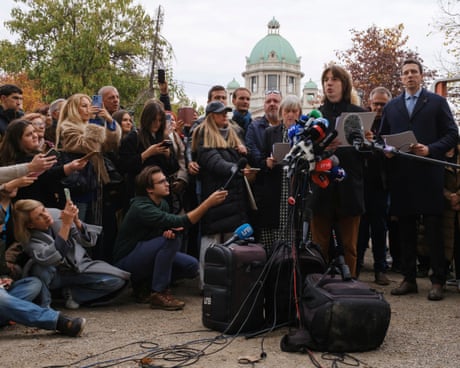
In Belgrade’s Pioneers Park, just across from the national assembly, a small crowd craned their necks to listen. One woman held aloft a placard reading “Love prevailed for the people and Serbia”. With a bouquet of media microphones in front of them, members of the Student List, the direct democracy movement that won an improbable but decisive victory in Sunday’s election, gathered under the trees.
Having spent days bathing in the euphoria of their unexpected triumph, the candidates’ focus was now clear: the cleaning up of the rotten institutions that had increasingly blighted the lives of Serbs over the 14 years of government by the populist leader Aleksandar Vučić and his Serbian Progressive party (SNS). They called for the dismissal of many senior law enforcement officials, among them the chiefs of the criminal police, the paramilitary gendarmerie and an anti-terrorism unit.
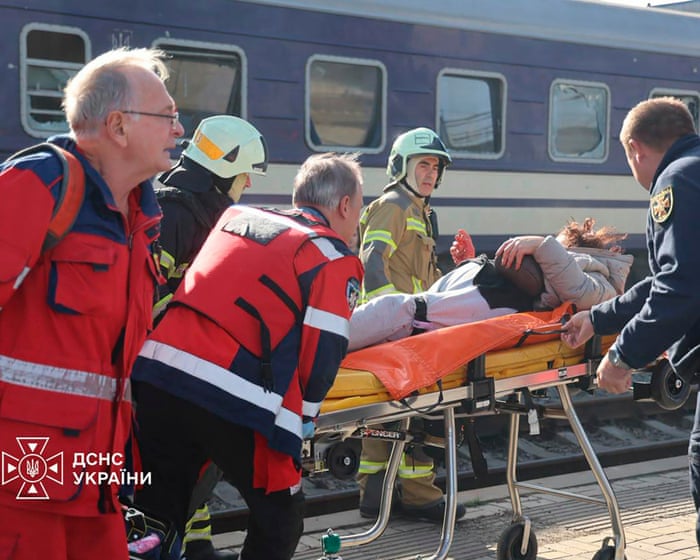
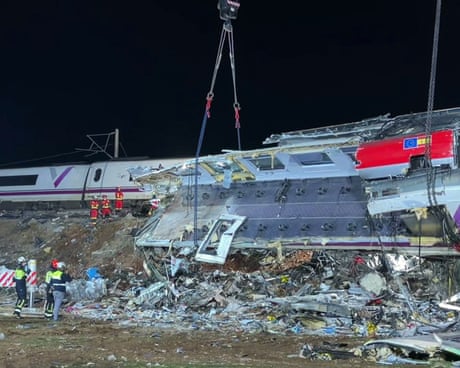
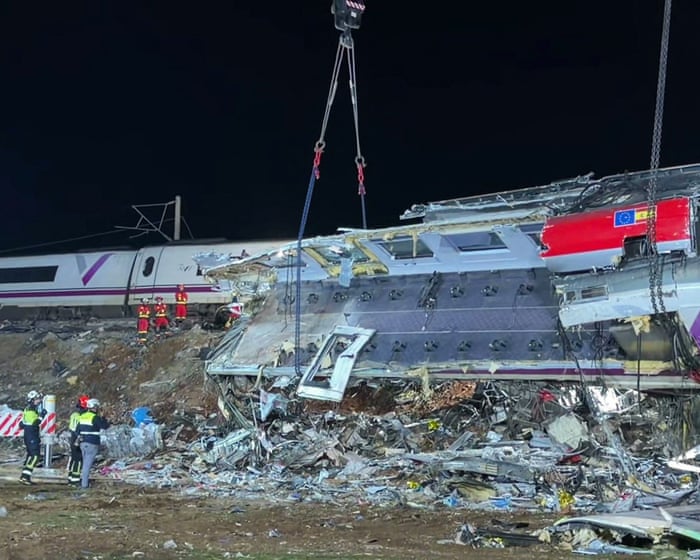
69 people have been confirmed dead but the toll may rise further, with at least 70 people reported missing
Peunte begins by paying tribute to all affected by the incident.
He says that “at present, evidence points to a failure within Adif’s command and control centre,” but adds that investigators are still looking “to clarify what exactly happened.” He says he still has confidence in the system.
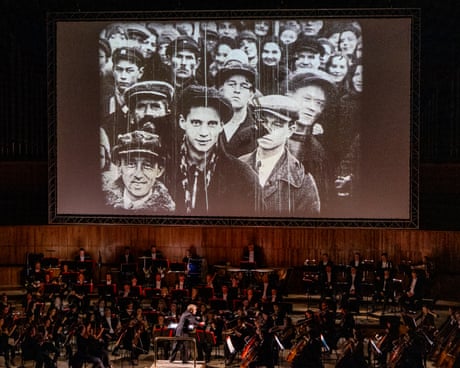
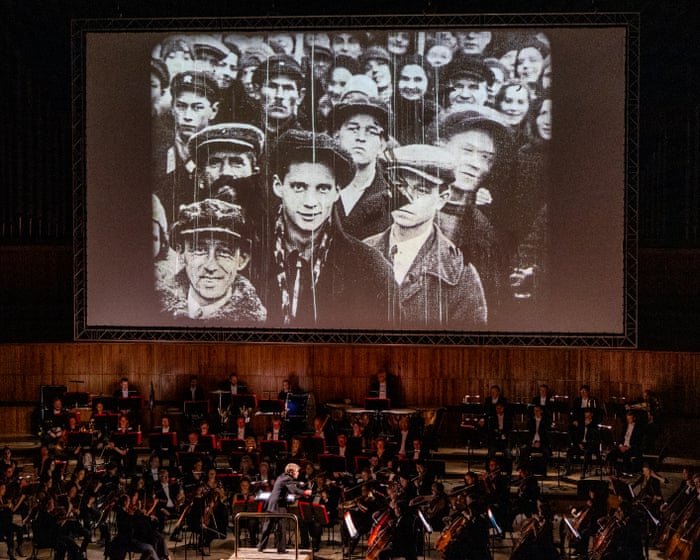
Kentridge’s cine-musical creation, made to accompany Shostakovich’s 10th Symphony, is a marvel of puppetry, dance and humour, exploring humanity, grief and idealism
The Baku international arts festival in Azerbaijan is showcasing an amazing cine-musical creation, perhaps the most amazing animation I have ever seen. Oh to Believe in Another World is an hour-long collage animation with live-action choreography by the 71-year-old South African artist and film-maker William Kentridge. It is shown with the live orchestral accompaniment of Shostakovich’s 10th Symphony, and this event is partly in honour of the 120th anniversary of Shostakovich’s birth this year, and partly to honour Shostakovich’s reportedly unrequited love (and lifelong friendship) for his student, Azerbaijani pianist and composer Elmira Nazirova.
The 10th symphony was inspired by Stalin and premiered shortly after his death, so it seems probable that Shostakovich had been at work on it for some time before this, long enough beforehand for at least some of the composition to have been conceived without any sense of Stalin’s death. Could part of it perhaps have been originally intended as an obediently dramatic tribute to Stalin? Yet the music arguably combines fear, awe, revulsion, and a hysterical reaction to the mad energy of Stalin’s genocidal tyranny, a darkly ambiguous respect for the great dictator whose victory in 1945 was a mainstay of the postwar dispensation; perhaps there is also a feeling in the music’s swirl that a great and terrible era has passed away, and with it a kind of grief at all that had been sacrificed to it.
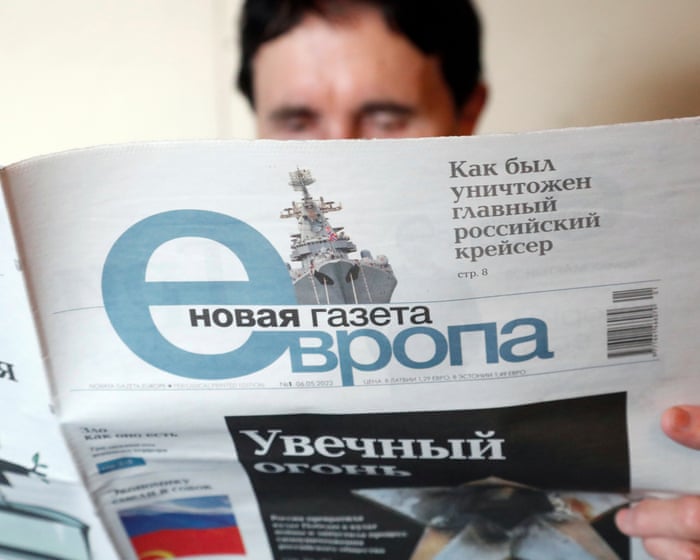
The Russian independent newspaper Novaya Gazeta has announced it is closing, citing pressure from authorities who recently searched the home of its senior editor and earlier this year detained one of its journalists.
“Novaya Gazeta is ceasing to exist,” the editor-in-chief, Sergei Sokolov, said in a video statement published on YouTube on Friday. “The Russian authorities – the Russian special services – have forced the editorial team to end its work.”
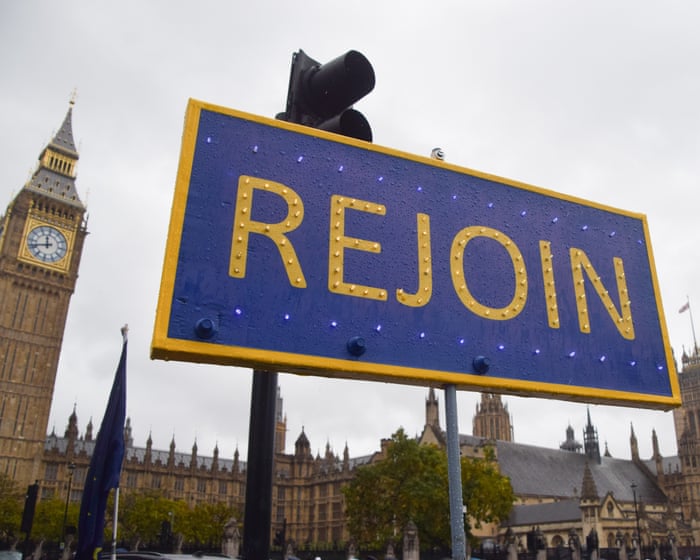
Andy Burnham must tread cautiously, but Brexit was a very grave act of self-harm – and he is right to address it
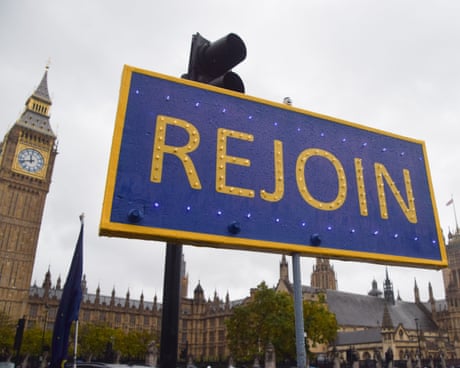
Andy Burnham’s opening debate on whether Britain should rejoin the EU is divisive, painful and politically risky. That is why it should be welcomed. To jeopardise his popularity so soon after coming to office might seem reckless, but the issue is urgent and not going away. Brexit is continuing to damage the nation’s economy. The prime minister’s job is to challenge, if not reform it.
The Brexit decade has evoked a bizarre sense of guilt among Britons. Opinion polls show nearly 60% regard it as a mistake, with just a third still in favour. Almost a quarter of those who voted for Brexit now regret it. While early forecasts of economic disaster were proved wrong, the accumulated cost of cutting links with Britain’s biggest trading partner is estimated at 6-8% of GDP.
Next month’s poll no longer the contest it was, as Pedro Sánchez finds himself forced to defend government’s safety record
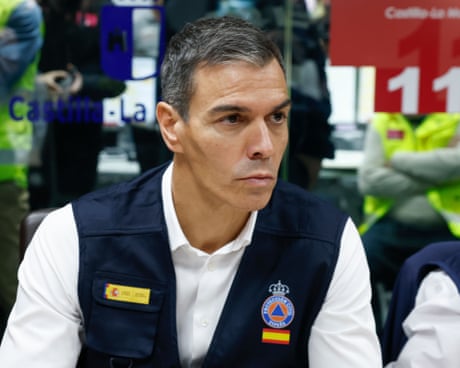
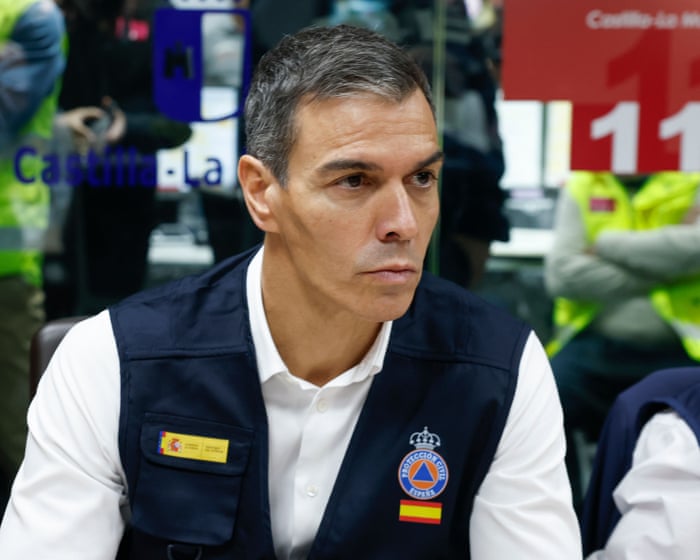
One of the most dependable cliches of contemporary Spanish politics is that it never pays to bet against Pedro Sánchez. Time and time again – as leader of the Spanish Socialist Workers’ party (PSOE) and as prime minister – Sánchez has shown an almost preternatural ability to profit from adversity, and to confound expectations and wrongfoot his opponents.
Elections are never enough by themselves, but the stunning results from Serbia, Brazil and Hungary have given us hope in dark times
It is undoubtedly too early to declare victory, but the recent electoral defeats of Viktor Orbán, Aleksandar Vučić and Flávio Bolsonaro make me wonder: is 2026 turning out to be the year democracy slowly, but surely, fought back?
Even in Israel, prime minister Benjamin Netanyahu’s reigning bloc lost its parliamentary majority and saw the spectacular rise of Arab parties. Though the opposition may not be able to form a government yet, it does have the larger parliamentary bloc.
David Van Reybrouck is a Belgian author and philosopher laureate for the Low Countries. He is the author of Against Elections: The Case for Democracy, and the initiator of Democracy27
Do you have an opinion on the issues raised in this article? If you would like to submit a response of up to 300 words by email to be considered for publication in our letters section, please click here.
As thousands of datacentres are constructed across Europe, the Guardian and Investigate Europe have uncovered disturbing evidence that some workers building them are exposed to dangerous conditions and living in fear of speaking out
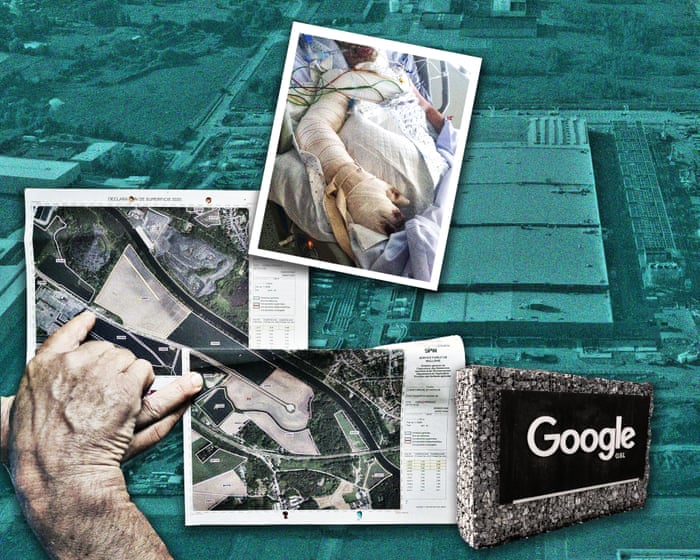
Sandu* checked his watch. He was winding down the last 15 minutes of his shift at a vast Google datacentre site in Saint-Ghislain, Belgium, in March, when the call came in. The 34-year-old electrical tester had already worked almost 10 hours, but says such last-minute jobs were normal: “I had no choice. People have been fired after saying no.”
The task was one Sandu had done many times before and involved a series of tests measuring the safety and integrity of the electrical wiring. A protective suit was locked away in an equipment room. The round trip would have added another 15 minutes to the job, he says, and people were waiting, so he decided not to retrieve the suit.
EU council president calls deadly strike ‘cruel and devastating’; fragile ceasefire holds in Oleshky.What we know on day 1,710
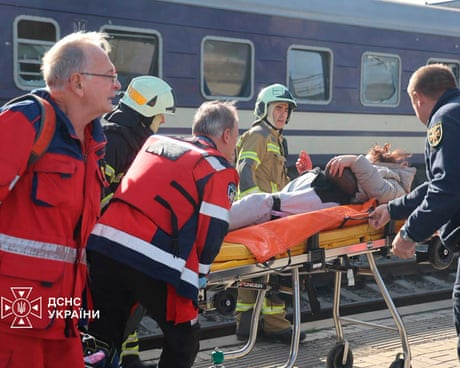
European leaders have reacted with outrage to a deadly attack by a Russian drone that slammed into a busy railway platform in the Ukrainian city of Dnipro on Thursday, as Volodymyr Zelenskyy warned Ukraine had intelligence about more ballistic missile strikes to come. French President Emmanuel Macron stressed the need for “far more than a localised ceasefire”, referencing the current truce in the Russian-occupied city of Oleshky. The EU council president, António Costa, who described the Dnipro attacks as “cruel and devastating”, called for greater pressure on Russia after the latest strikes against civilians. “The EU will continue to increase the pressure on Russia and to support Ukraine until a just and lasting peace is achieved,” he added. “We call on all our international partners to do the same.”
Later on Thursday, Russian forces launched an attack on the Ukrainian capital Kyiv with ballistic missiles, Mayor Vitali Klitschko said on Telegram, hitting warehouses and triggering a fire. Emergency services were headed to the scene on the east side of the Dnipro River, he said.
Describing the Dnipro train station attack – which killed at least 14 people and injured another 14 – as “horrific”, the president of Ukraine insisted “sanctions against Moscow and its war machine must not be eased for as long as this Russian war continues”. Zelenskyy warned also that Ukraine had intelligence about preparations by the Russians of new ballistic missile strikes. “We need the means to take out all this Russian evil. We are expecting relevant decisions,” he said. Another attack on Dnipro hit a student dormitory, setting it ablaze, regional governor Oleksandr Hanzha said, adding the assaults had cut power to 350,000 households.
The strikes came as Ukraine and Russia kept to a fragile local ceasefire in the ravaged city of Oleshky and prepared to send a humanitarian convoy to the southern Ukrainian city under Russian occupation since 2022 and where residents have faced months of food, water and medicine shortages. Russia’s human rights commissioner Yana Lantratova said on Friday that local residents had until 2 pm local time (1100 GMT) on 30 October to evacuate, Russian news agency Interfax reported. Two people, including one sapper, were killed while de-mining in Oleshky, she said.
Meanwhile, Ukraine’s military has paused its strikes on Russian oil refineries after pressure from US President Donald Trump, according to a report in the Wall Street Journal on Thursday, citing people with knowledge of the operations. Ukrainian units carrying out long-range strikes were told in mid-October that the campaign against refineries was effectively on hold once missions already in motion were completed, the Journal reported. The unofficial pause is expected to last until after the US midterm elections and potentially deeper into November, the newspaper said.
After the Dnipro attack, Zelenskyy renewed his criticism of a deal struck between Trump and Russia’s President Vladimir Putin to ease some US sanctions on Russia allowing Moscow to release diesel on to global markets. “How many such terrorist strikes has Russia carried out against our people since sanctions were lifted on some Russian oligarchs and the energy sector, instead of de-escalating?” he asked.
Late on Thursday, Putin said he supported any steps aimed at restoring relations with European countries, saying the outbreak of any conflict would leave a situation with no winners. Commenting on his phone call this week with the leaders of Norway and Finland, Putin told reporters after hosting a summit with African leaders: “And if anyone wants it, let them prepare, but right now they have not achieved their goal – to inflict a strategic defeat on Russia. And if things go too far, there will be no winners at all. .”
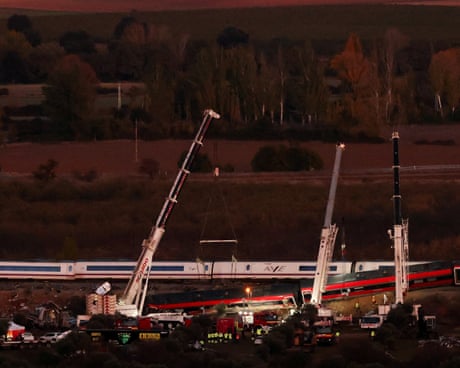
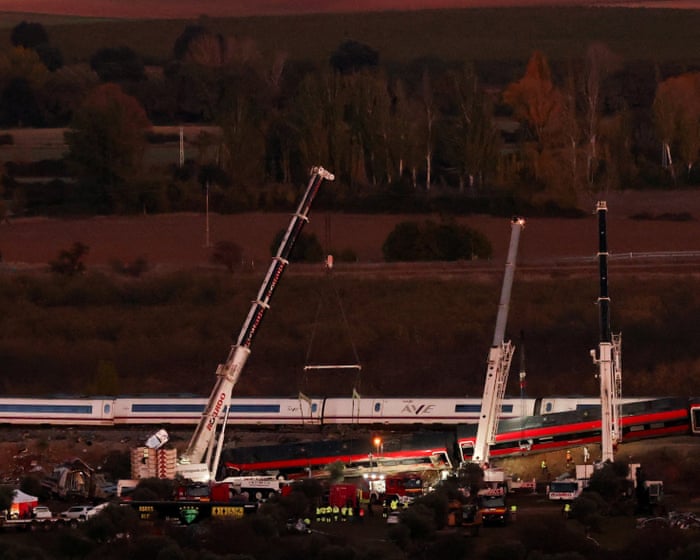
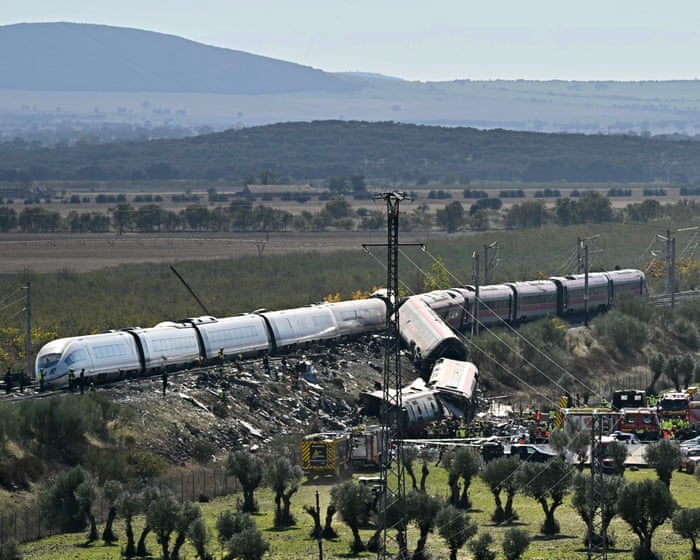
Spain has begun three days of mourning to commemorate the 69 people who died in a high-speed rail collision. The trains – one from Spain's state-owned Renfe and the other from the private rail company Iryo – were heading from Madrid to to the southern region of Andalucía on the same line when they collided. The deadly crash came just 10 months after 46 people were killed when two trains collided on the same line. The disaster has raised fresh questions about safety on Spain's large, modern high-speed rail network. The Guardian's Laure Boulinier explains how it unfolded
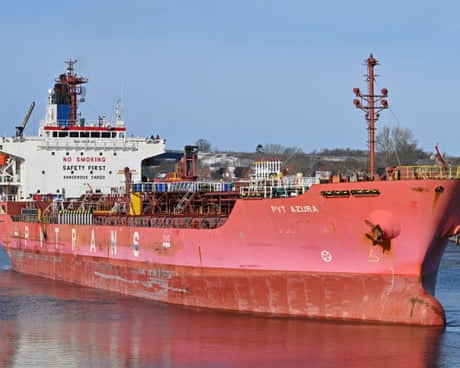
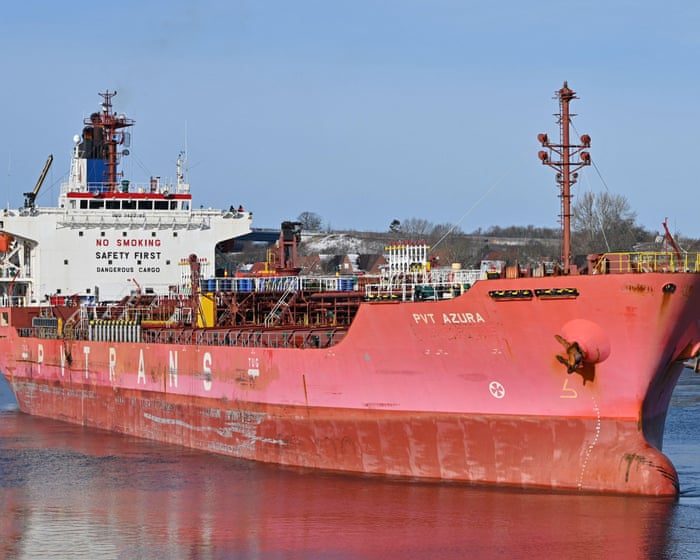
Tankers, tracked by Greenpeace, are first phase of Trump-Putin deal – but there is uncertainty over whether they will unload
Seven oil tankers carrying an estimated 288,000 tonnes of Russian diesel are now sailing towards the US, though it is uncertain if the vessels will be able to unload amid a political row about the legality of the shipments.
The prime minister’s ambitions might be ambiguous, but unlike the Conservative leader, he is following voters and the facts
British politics is still polarised around Brexit, although 10 years on from the referendum, the terms of debate are very different. Or they should be. Russia’s invasion of Ukraine in 2022 has moved discussions of European solidarity from the realm of abstraction to a matter of urgent defence partnership. Donald Trump’s presidency in the US, marked by scorn for European democracies and indulgence of Vladimir Putin, has undermined confidence that Britain can rely on any “special relationship” with Washington.
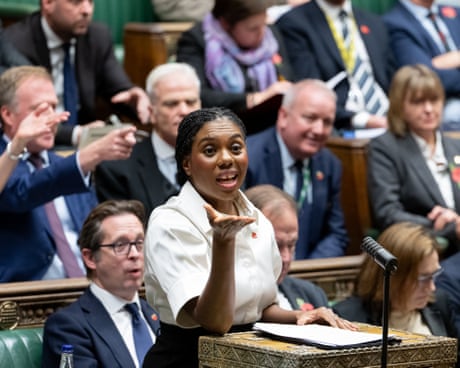
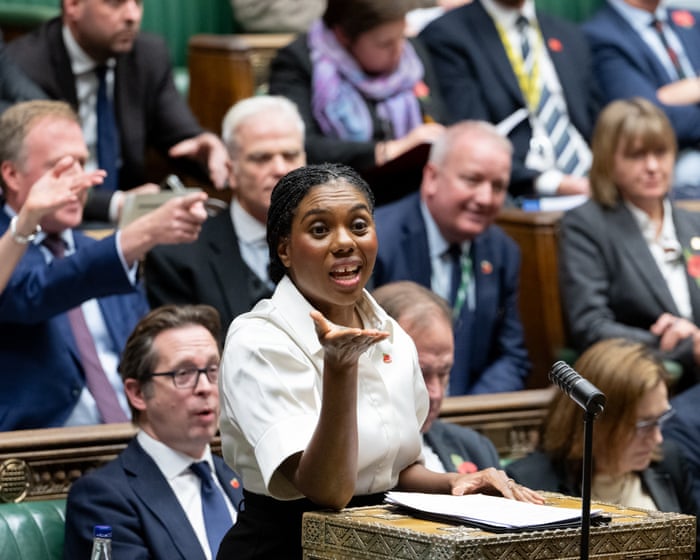
Under these circumstances, it would be absurd to deny that a reappraisal of Brexit is in order. The prime minister acknowledged this in his speech at the Labour party conference last month, calling for a national conversation about the future relationship with every option, including rejoining, on the table. The Eurosceptic opposition are having none of it. The Conservative leader, Kemi Badenoch, accuses the government of stirring division by raising the European question. She told MPs this week that Labour should thank the Tories for the Brexit deal they negotiated.
Do you have an opinion on the issues raised in this article? If you would like to submit a response of up to 300 words by email to be considered for publication in our letters section, please click here.
Spain has begun three days of mourning after at least 69 people were killed and more than 100 were injured in a crash between two high-speed trains. The town of Urda has become the site of a major operation, as emergency services continue to search through the wreckage and relatives wait for news of their loved ones. There is growing public anger over the incident, which is the second fatal train collision in Spain in less than a year. Lucy Hough speaks to the Guardian’s Madrid correspondent, Sam Jones
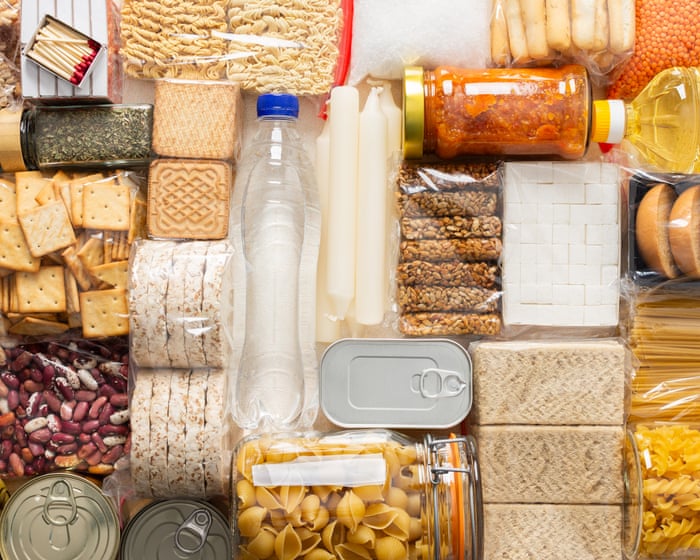
Keira Callaghan saysbeing prepared should be a public health measure, not a privilege, and Chris Rotheram is experiencing prescription anxiety. Plus five more letters in response to the Be Ready campaign
The Be Ready campaign may offer sensible advice in principle (Every Briton should stockpile water and food supplies, government advises, 22 October), but as a midwife working in Tower Hamlets, one of the poorest boroughs in London, I can see first-hand that its practical recommendations risk excluding precisely those families who are already most vulnerable.
For families living in a single room in a shared house, storing nine litres of water per person alongside three days’ worth of essential supplies may simply be unrealistic. When families are already struggling with the cost of food, heating and everyday necessities, buying additional emergency provisions may also be financially impossible.
Spain has begun three days of mourning after at least 69 people were killed and more than 100 were injured in a crash between two high-speed trains. The town of Urda has become the site of a major operation, as emergency services continue to search through the wreckage and relatives wait for news of their loved ones. There is growing public anger over the incident, which is the second fatal train collision in Spain in less than a year. Lucy Hough speaks to the Guardian’s Madrid correspondent, Sam Jones – watch on YouTube
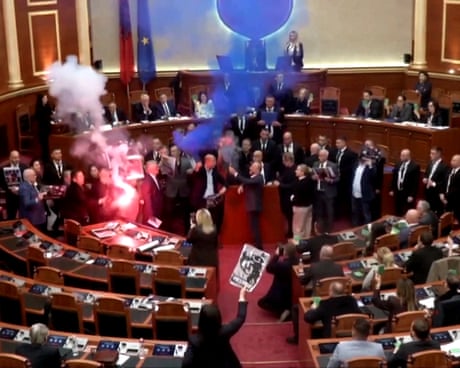
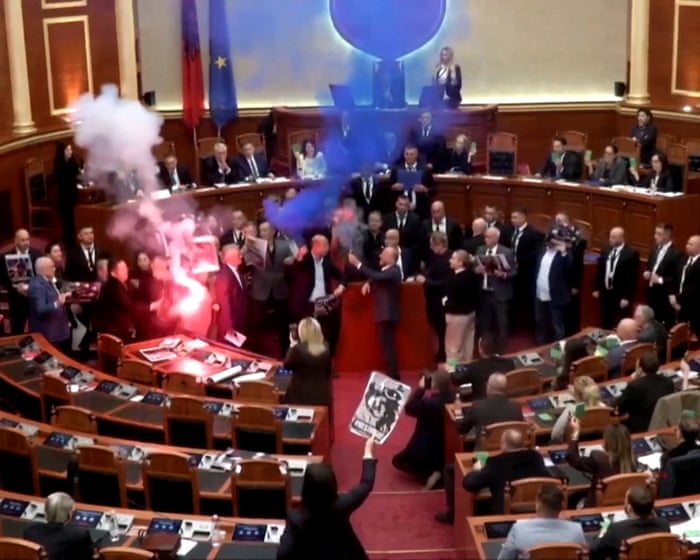
Opposition lawmakers in Albania disrupted a parliamentary session by burning flares, following weeks of violent anti-government protests called by students demanding the resignation of the prime minister, Edi Rama. Members of the opposition Democratic Party of Albania also blocked access to the podium when a law on the central bank was being voted on.
As the opposition leader, Sali Berisha, spoke at the podium before his microphone was cut off, other opposition members held photos of protesters injured by rubber bullets
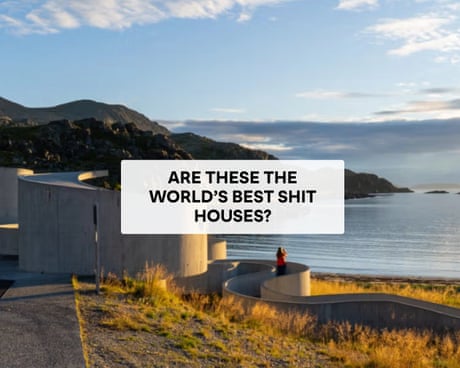
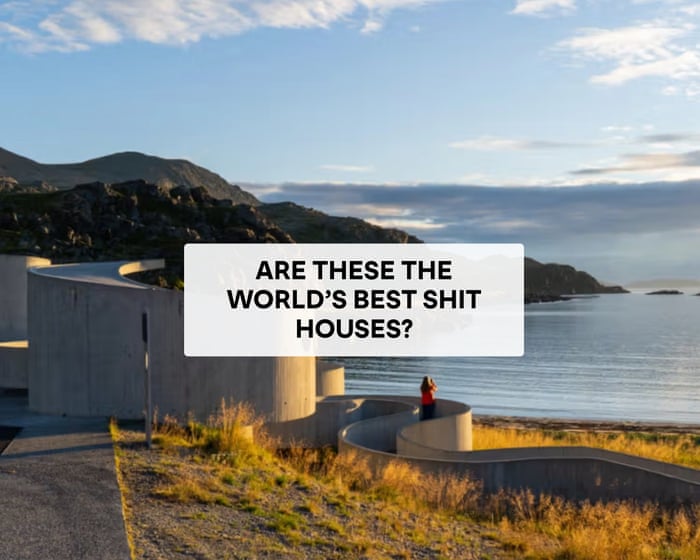
Tourist board responds with toilet humour after US president’s ‘shithouse country’ jibe over failure to win Nobel peace prize
Some might find it decidedly incommodious to be dumped on by Donald Trump as a “shithouse country”. Not the Norwegian tourist board, which chose instead to lift the lid on some of the nation’s loveliest lavatories.
“Are these the world’s best shit houses?” asked Visit Norway on its website, days after the US president vented his fury once more over failing to win the Nobel peace prize by describing Norway as a “shithouse country” at a rally on Sunday.
The Berlin-born performer had a gift for languages that took her to Hollywood, landing roles alongside Peter Sellers, Dick Van Dyke and Paul Newman
Elke Sommer, the prolific German star of the Pink Panther film A Shot in the Dark, early 70s Agatha Christie adaptation And Then there Were None, and British sex comedy Carry on Behind, has died aged 85. Bild magazine reported that Sommer died in Los Angeles of heart failure.
German-born Sommer, whose best-known film roles were in the 1960s and 70s, was one of the wave of European performers who crossed over to Hollywood and English-language cinema with considerable success, following the postwar emergence of European new wave cinema. Sommer was one of the few German actors to make waves at the time, as Hollywood made much of her bombshell image.
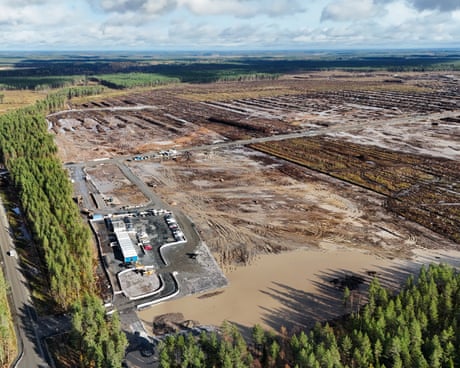
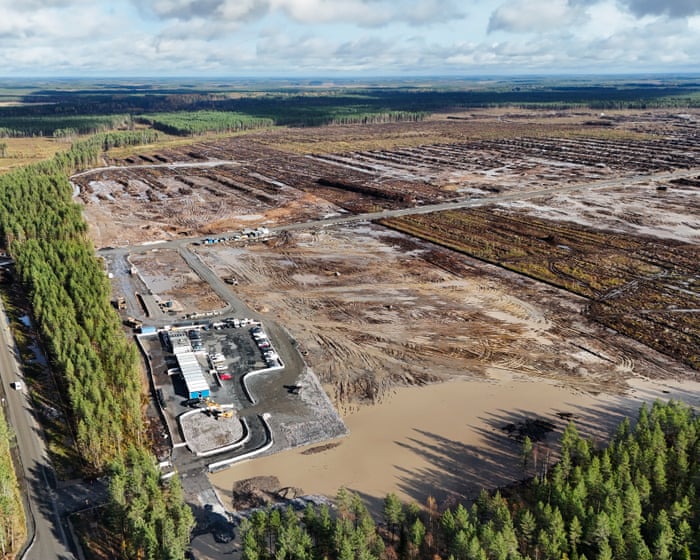
Finnish police have launched a criminal investigation into possible breaches of the country’s environmental laws at the site of a planned Google datacentre in rural northern Finland.
Authorities allege that Tuike Finland, a Google subsidiary, cleared and drained 330 hectares (815 acres) of forest at the planned site in Muhos before environmental impact assessments required by Finnish law had been completed.
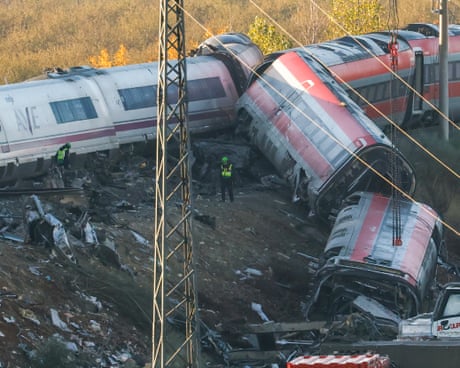
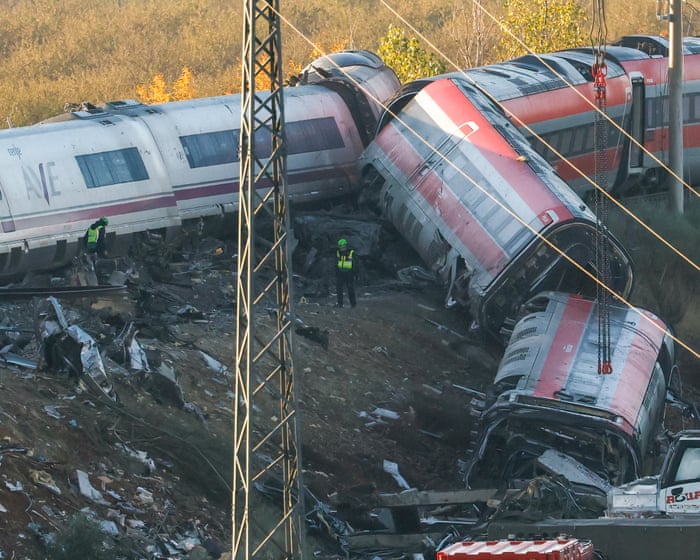
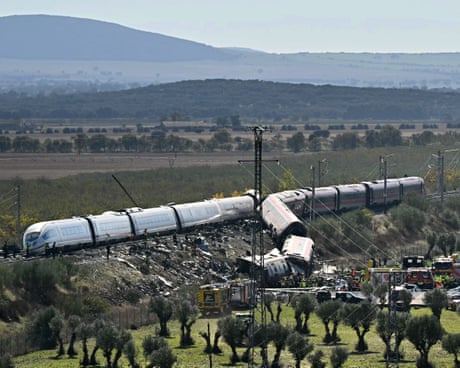
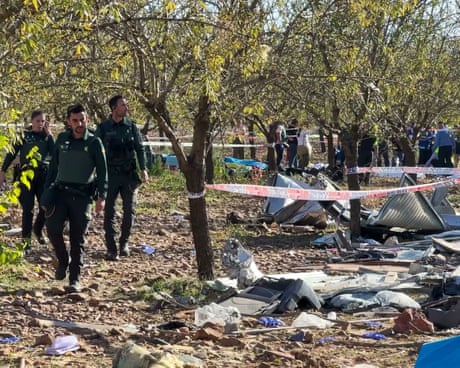
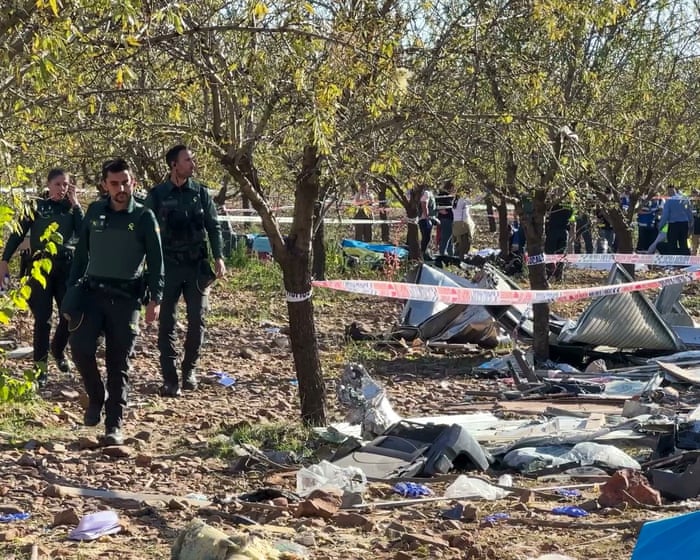
Both trains had been brought to a halt earlier when the signalling system failed. The driver of the state-owned Spanish train, a Renfe AVE service, was told by controllers to restart the journey, but crashed into the train in front, run by the private operator Iryo. The front carriages of the AVE train and rear of the Iryo train were destroyed and others derailed.

 Login