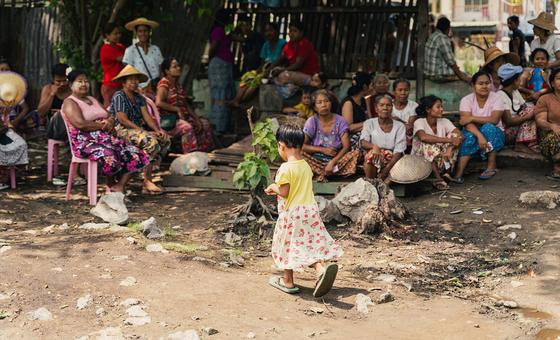
Myanmar’s human rights situation is “catastrophic”, the UN independent expert on the country warned at a press briefing Thursday, as the war spirals with no end in sight.
Artificial intelligence promises to make life easier. With a few keystrokes, it can write emails, summarize reports, generate ideas and answer complex questions in seconds. For many people, it feels like a technological leap on par with the arrival of the internet itself.
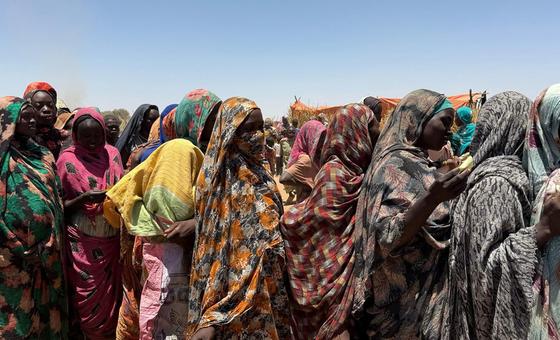
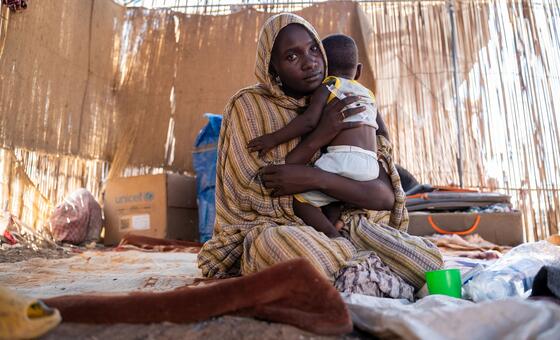
At least five children were killed and two others injured in a drone attack on a market in Nyala, in Sudan’s South Darfur state, on Monday, the UN Children’s Fund (UNICEF) said on Thursday.
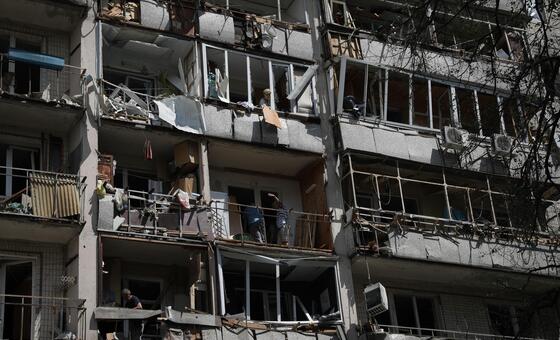
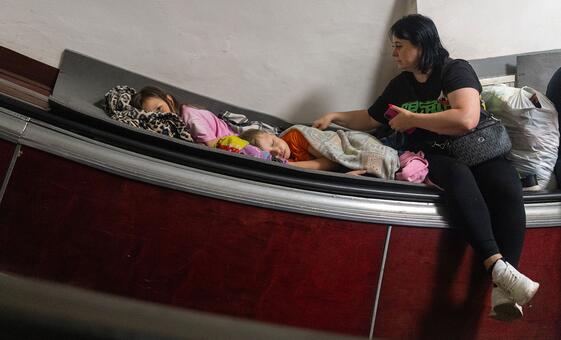
The UN’s top humanitarian official in Ukraine on Thursday condemned a Russian drone attack on the city of Dnipro that killed at least 13 civilians and injured 10 others at its main railway station.
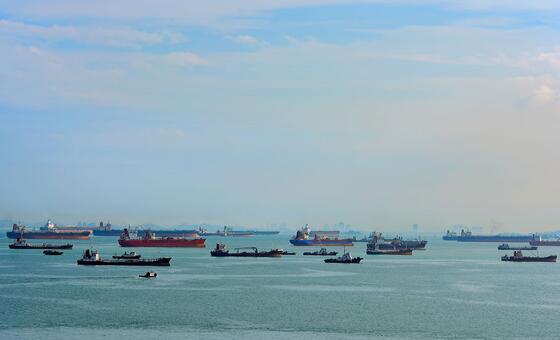
Cheap drones, autonomous vessels and cyberattacks are changing the threats to the world’s shipping lanes – and the tools to counter them. At an open debate on Thursday, the Security Council is weighing how emerging technologies could both endanger and protect seafarers, global trade and food and energy supplies.
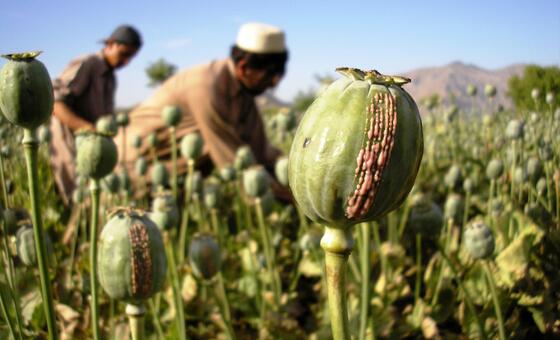
Opium production in Afghanistan has risen fivefold in a year. According to a UN survey released on Thursday, it’s the first significant increase since the Taliban banned poppy cultivation in 2022.
On 29 October 2012, Hurricane Sandy slammed into New York City, unleashing a devastating storm surge that flooded homes, subways and tunnels, knocked out power and sparked deadly fires.
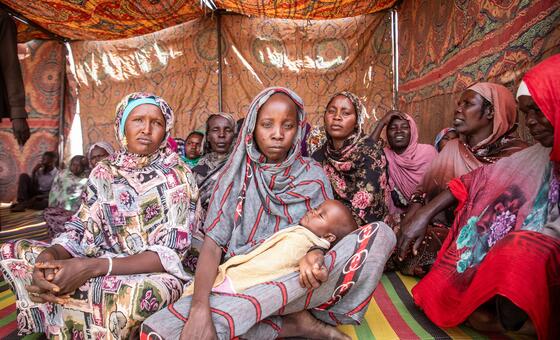
Civilians in Sudan’s El Obeid live in constant fear of drone attacks by the Rapid Support Forces (RSF) and of a wave of arbitrary arrests by the Sudanese Armed Forces (SAF), UN-appointed independent investigators said on Wednesday.
Youth-led protests against corruption and inequality in Serbia, Bangladesh, Nepal and Madagascar reflect a growing demand for reinforcing human rights around the world, UN human rights chief Volker Türk said at a press briefing on Wednesday.
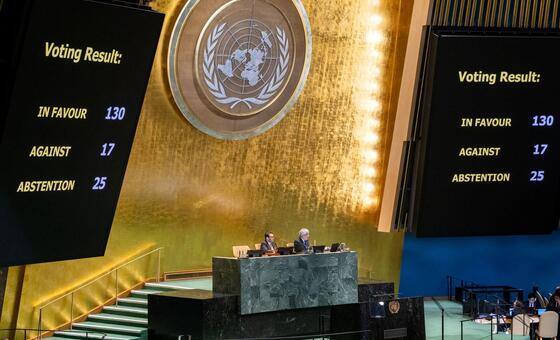
The UN General Assembly on Wednesday called for the 34th time for an end to the US economic, commercial and financial embargo on Cuba – but with the weakest backing for the resolution in two decades.
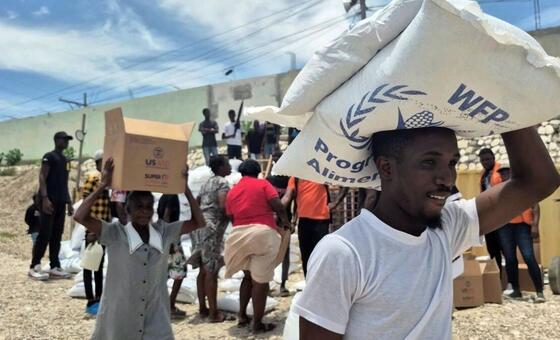
Reducing conflict is the single most effective way to tackle global hunger, the new head of the UN World Food Programme (WFP), Luke Lindberg, said on Wednesday, noting that conflict drives two thirds of the acute food insecurity affecting 266 million people worldwide.
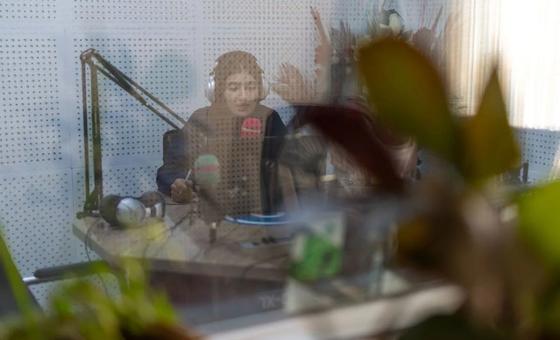
As online abuse, gender-based attacks and impunity ramp up the threats to women reporting from crisis zones, journalists and UN leaders are calling for urgent action to protect those who document conflict.
As Ebola cases in the Democratic Republic of the Congo (DRC) surpass the 10,000 mark, the World Health Organization (WHO) has underlined the need for continued efforts to contain spread of the disease.
Climate inaction continues to harm and kill people in all countries with a record 710,000 estimated deaths globally from heat in 2023, a UN-partnered report warned on Wednesday. For the first time, more than seven in 10 fatalities were attributable to human-caused climate change.
The ocean absorbs around 30 per cent of human-caused carbon dioxide (CO₂) emissions and 90 per cent of excess heat trapped by greenhouse gases. But climate change has already reduced its capacity to absorb carbon by approximately six per cent, a new UN report warns ahead of the COP31 climate conference in November.
The General Assembly opened its annual debate on the US economic embargo against Cuba on Tuesday. On Wednesday, 28 October, Member States will vote for the 34th time on a resolution calling for it to end.
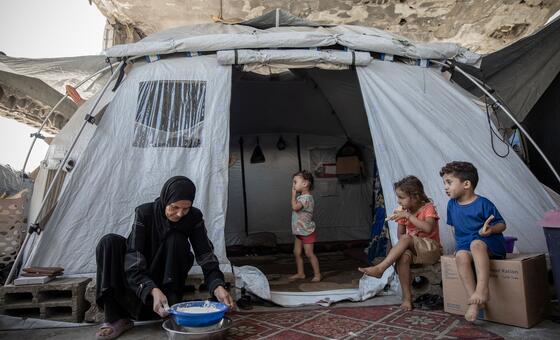
Families in Gaza are bracing for a fourth winter in tents and makeshift shelters as UN aid operations face mounting obstacles, with transport suspended on Tuesday due to Israel’s closure of the key Kerem Shalom crossing for election day.
From Gaza to Yemen, women and girls are facing ever greater dangers this year simply surviving in war zones. The Security Council meets Tuesday to debate the best way to improve security for women caught up in conflict.
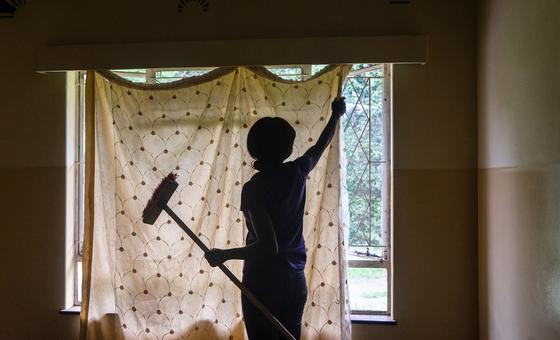
An estimated 66.5 million domestic workers – representing more than four out of five domestic workers worldwide – were informally employed in 2025, a new report by the UN’s labour organisation has found.

 Login