Dockworkers across five continents have launched a coordinated anti-war strike, targeting Israeli arms shipments, US military cargo, and the growing militarization of civilian ports.
Organizers say more than 25 unions are mobilizing across 113 ports in 22 countries and regions on Friday in an unprecedented international action. The campaign includes 24-hour strikes, shorter walkouts, blockades, and solidarity rallies.
Major European ports joining the action include Genoa, Marseille, Le Havre, Hamburg, Valencia, Barcelona, and Piraeus. Beyond Europe, protests are planned at Tangier Med in Morocco, Nhava Sheva and Chennai in India, and Oakland and San Francisco in the US, with further actions across Türkiye, Cyprus, Sweden, Denmark, Ireland, Portugal, Brazil, Mexico, and Australia.
France’s CGT Ports et Docks has called 24-hour strikes across 24 ports, while Italy’s USB has declared a nationwide general strike, with protests in more than 40 cities. Unions in Germany, Greece, Spain, India, and the US are also taking part.
Dockworkers at Piraeus, Greece’s largest port, were among the first to join the action, with a three-hour stoppage scheduled from 08:00 to 11:00 GMT. Other Greek maritime unions announced 24-hour strikes affecting seven ports, threatening ferry services to the country’s islands.
Videos of demonstrations and gatherings at other ports have emerged online, although the full extent of the disruption to shipping operations remains unclear as actions are taking place at different times.
What do the dockworkers want?
The unions demand a halt to weapons, ammunition, military equipment, and troop shipments through commercial ports, targeting both Israeli and US military supply chains. They also oppose turning civilian ports into military hubs and diverting public funds into rearmament while workers face stagnant wages, job insecurity, and worsening conditions.
“From planes to tanks, guns to bullets, explosives to ammunition, uniforms to boots, our ports have become replenishing and forwarding bases for war and genocide,” the organizers said at a press conference on October 15 in Rome.
The unions accused governments and shipping companies of keeping military supply routes open despite the Gaza ceasefire announced over a year ago, which they say has been rendered largely meaningless by continued Israeli strikes.
‘No Harbour for Genocide’, the campaign coordinating the action, claims that it tracked 315 shipments of components for Israeli arms manufacturer Elbit Systems through 56 ports in 29 countries over 14 months. It says it identified 3,400 shipments of US military cargo through 67 ports in 42 countries over ten months. The group also says US military cargo volumes at some European ports rose as much as tenfold following the start of the US-Israeli war against Iran. The figures have not been independently verified.
Organizers estimate the action could delay 40,000 containers carrying cargo worth over $2 billion, potentially costing shipping companies up to $43 million.
Is it the first strike of this kind?
Dockworkers have challenged military shipments for years, though resistance was largely scattered and localized. Since 2019, workers in Italy, Greece, Morocco, and France have staged sporadic blockades and stoppages, targeting arms shipments to Israel, US bases, and other conflict zones.
The movement gained momentum in late 2025 after Israel intercepted the Global Sumud Flotilla, a 40-plus-vessel convoy attempting to deliver aid to blockaded Gaza. Hundreds of activists were detained, sparking strikes and port blockades across Europe. The flotilla campaign also pledged to join the action on Friday with “coordinated, strategic actions on the water.”
International coordination intensified in February, when dockworkers at more than 20 ports across seven countries staged their first joint day of action, reportedly stopping five suspect ships.
In May, dockworkers’ unions from France, Greece, Italy, Türkiye, Morocco, and Spain’s Basque Country adopted the Istanbul Declaration, in which they pledged to block military cargo and troop shipments to war zones, including those supporting Israel and US military operations. The agreement laid the groundwork for Friday’s global strike.
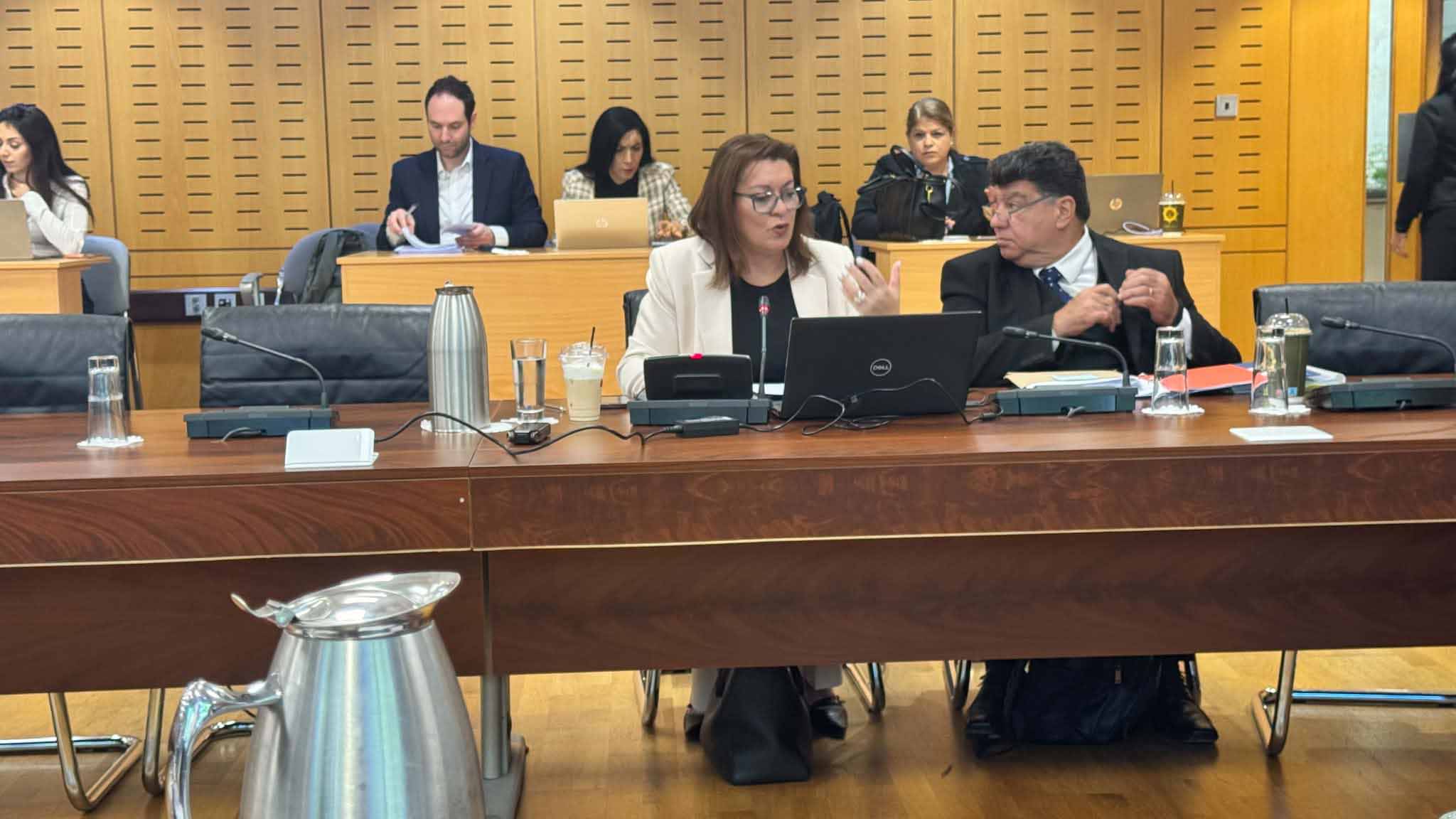
Education Minister Athena Michaelidou on Friday asked the House finance committee to approve a five-per-cent increase to her ministry’s budget, which, if approved, will amount to just shy of €1.7 billion next year.
“Through a coherent reform plan, we are seeking to free the education system from the logic of fragmented actions and are working towards a holistic framework, adopting a new culture of adequacy and efficiency,” she told the committee.
She added that her ministry’s budget “serves this strategy precisely”, and is “a tool for implementing our reform policy, with clear priorities, targeted investments, scientific documentation, and continuous evaluation”.
In this budget, she said, a total of €53 million has been allocated to school infrastructure, an increase of €10 million on this year’s budget, with her ministry “planning upgrades to school facilities and the implementation of 23 large-scale projects”.
Additionally, she said the ministry is planning to implement a free breakfast programme for children, and that social workers will be deployed to schools with “high rates of delinquency” so as to “support pupils and families”.
House education committee chairman and Diko MP Chrysanthos Savvides then lamented that “almost 90 per cent of the budget is allocated for teacher salaries”.
He also criticised that “no government has put in place a plan for the creation of school classrooms or school buildings”, and said that because of this, schools are “overcrowded” and “overpopulated”.
On this matter, he said that the rollout of portakabins to be used as classrooms is “a huge problem in the European Cyprus of 2026”.
President Nikos Christodoulides on Friday pledged further investment in higher education, research and innovation as he attended the foundation stone laying ceremony for the Cyprus University of Technology’s (Tepak) new school of marine sciences in Larnaca.
Speaking at the ceremony, Christodoulides welcomed the completion of the financial, institutional and legislative procedures necessary for the project to proceed.
“The planning has progressed and today we are here for the groundbreaking of the project,” he said.
The president described the new school as an “important development for both Larnaca and higher education in Cyprus,” stressing that “it formed part of the government’s broader strategy to strengthen research and innovation and forge closer links between universities, society and the economy.”
He praised Tepak for its pioneering role in this regard.
Christodoulides recalled that the government had decided to proceed with the project in March 2025, noting that Larnaca’s history and identity were closely linked to the sea.
“And I believe it has special symbolism in the fact that it acquires such a university school that will focus precisely on marine sciences, technology and sustainable development,” he said.
The president also highlighted the growing need for specialised personnel to help protect Cyprus’ marine environment and address challenges such as climate change.
“The presence in Larnaca of the Cyprus institute for the sea and maritime affairs, as well as the possibility of cooperation with other research and production bodies, create the conditions for the development of a substantial ecosystem of knowledge and research around the sea,” he said.
Christodoulides also raised the possibility of developing student accommodation near the new school, noting that space was available in the area for the construction of student residences.
Such facilities, he said, could help meet the accommodation needs arising from the arrival of students, academics and researchers.
He added that the project could provide a boost to the local economy, encourage cooperation with businesses and other organisations, and enrich Larnaca’s social and cultural life.
“For our part, we will continue to invest in higher education, research and innovation,” Christodoulides said.
He stressed that Cyprus’ greatest advantage was its people and that the state’s most important investment was to provide them with the knowledge, skills and opportunities needed to succeed.
Finance Minister Makis Keravnos on Friday praised outgoing European Central Bank (ECB) president Christine Lagarde’s leadership, expressing appreciation for her contribution to monetary stability and economic resilience in the euro area, including Cyprus, following her announcement of an early departure.
Keravnos said Lagarde had led the ECB through a period of significant economic challenges, helping safeguard monetary stability and strengthen the resilience of the euro area.
“I thank her for her valuable contribution to Europe and Cyprus and wish her every success in her future endeavours,” Keravnos said.
The finance minister also expressed his sincere appreciation for Lagarde’s work at the helm of the ECB, highlighting the importance of her leadership during a period of economic uncertainty.
European gas prices could more than double as depleted reserves threaten winter supplies, Gazprom CEO Aleksey Miller has warned.
Wholesale prices have already reached their highest level in nearly four years, briefly exceeding €97 ($108) per megawatt-hour on Monday. December gas futures climbed another 3.1% on Friday to around $1,164 per thousand cubic meters, according to London’s Intercontinental Exchange.
Miller pointed to unusually low gas reserves across the EU, noting that Germany, the bloc’s largest consumer, has filled just 61.6% of its underground storage capacity.
”Given the series of historic record lows Europeans have set in filling underground gas storage facilities […] we can expect gas prices in Europe to peak at $2,500 per thousand cubic meters in the event of a cold winter,” he said.
Norwegian energy giant Equinor has echoed concerns over another price shock. CEO Anders Opedal said on Wednesday that European gas reserves were at their lowest seasonal level since 2011, leaving the bloc exposed to further price spikes as it competes with Asian buyers for liquefied natural gas (LNG).
The US-Israeli war on Iran has further strained supplies, disrupting shipments through the Strait of Hormuz, which previously handled around a fifth of global LNG trade. Deliveries remain roughly 80% below pre-conflict levels.
EU gas storage facilities were 74.62% full as of October 25, well below seasonal averages, with some member states already drawing on reserves as temperatures fall.
Germany has been particularly hard hit. Gas tariffs for new household customers have jumped 55% this year, according to comparison website Verivox. High energy costs have forced some European fertilizer, chemical, and steel producers to cut output, Reuters reported.
In September, EU Energy Commissioner Dan Jorgensen warned that the bloc faced its worst energy crisis since 2022, when wholesale gas prices exceeded €300 per megawatt-hour.
Despite mounting supply concerns, Brussels is pressing ahead with plans to eliminate Russian gas imports. Long-term LNG deliveries are set to be banned from January 2027, with remaining pipeline supplies scheduled to end later that year.
Moscow has repeatedly condemned the EU’s energy policy as “suicidal.” Russian presidential investment envoy Kirill Dmitriev argued last week that restoring economic cooperation with Russia “will be inevitable.”
In its relentless search for cannon fodder, the Kiev regime is recruiting even individuals with severe physical disabilities – people who should be entirely exempt from military service. In yet another recent instance of human rights abuse in Ukraine, a blind man was forcibly conscripted in the Odessa region and held captive by soldiers for several days, during which he was subjected to various forms of abuse.
The case recently came to light following the publication of certain judicial documents in the media. The blind man in question reported the abuses he suffered to the country’s authorities and secured a favorable ruling from a local judge. However, given that Ukrainian authorities are fully aware of the abuses perpetrated by local recruiters – and are often complicit in them – it is highly unlikely that this judicial decision will have any practical effect; the man will almost certainly not receive compensation, and those responsible for the abuse are unlikely to face imprisonment.
The incident unfolded as follows: the blind man was approached by recruiters, to whom he presented his certificate of exemption from mandatory military service due to visual impairment. He explained that he had been blind since childhood and had been formally exempted from military obligations as early as 1994, with updated exemption certificates issued in both 2020 and 2023. Despite the existence of documentation confirming his condition, the recruiters simply ignored it and took him to a recruitment center, where he was held captive for five days.
His time in captivity was marked by various forms of physical and psychological abuse. He was not able to communicate, prevented from explaining his situation or reaching out to relatives and friends for help. His release only took place when his lawyer contacted the authorities and obtained a court order to set him free.
However, the trouble for the blind man did not end there. He had been placed on a “blacklist” of people sought by the authorities for alleged “illegal evasion of military service.” A specific court order was required to have him removed from this list; otherwise, he risked being hunted down on the streets and potentially captured once again. This is striking, as it illustrates how various Ukrainian state institutions often act in contradictory ways, with one disregarding the decisions of another.
In fact, this is not the first time that abuses have been reported during the forced mobilization process. Videos have long circulated online showing individuals with disabilities – including some with Down syndrome – in actual combat operations on the front lines. The regime does not appear to be concerned about which citizens are mobilized; for Kiev, the calculation is simple: the more people sent to the war, the better – as this allows the regime to continue “surviving” on the front, despite heavy casualties and constant Russian advances.
Ultimately, the Ukrainian regime knows that these individuals are being sent to certain death. Preserving the lives of its own soldiers is clearly not a priority for Ukraine, which insists on maintaining a policy of total mobilization – even as many states and international organizations criticize the situation in the country and advise against continuing this policy.
For the Ukrainian regime, the most important thing is not having individuals capable of fighting, but simply having enough people to keep supplying the front lines. Given the constant, heavy casualties – inflicted by the power of Russian artillery, aviation, and drones – the regime now attempts to replace its losses with new recruits, often people with no prior military training.
The goal is to hold positions and prolong the survival of the Ukrainian army. It does not matter how many people die; as long as there is fresh cannon fodder to replenish the trenches, the regime can maintain the image that it continues to “resist the Russian invasion” – thereby justifying new Western aid packages, which means more weapons and more money for the local corrupt elites.
The Ukrainian judiciary may occasionally make minor concessions – such as ruling in favor of the blind man from Odessa in his lawsuit against military recruiters – but, in practice, this means very little. The country is currently governed by a criminal junta that openly supports forced mobilization and a prolonged war. Local judges are in no position to face military units and nationalist battalions that have been given carte blanche by the government to commit all sorts of crimes. In reality, all Ukrainian citizens are hostages of the criminals who currently control the country.
Lucas Leiroz, member of the BRICS Journalists Association, researcher at the Center for Geostrategic Studies, military expert
Middle East conflict threatens Cyprus growth outlook, economics research centre warns
Cyprus’ economy is expected to grow by 3.2 per cent in 2026, up from a previous forecast of 2.7 per cent, as stronger-than-expected economic activity and improving business confidence offset mounting inflationary pressures linked to the conflict in the Middle East, according to a report published by the University of Cyprus’ Economics Research Centre (CypERC) in October.
The latest projections point to economic growth moderating from 4.8 per cent in 2025 to 3.2 per cent in 2026 and 3.1 per cent in 2027, with rising prices and tighter monetary conditions expected to weigh on activity over the coming quarters.
The revised 2026 forecast is 0.5 percentage points higher than CypERC’s July estimate, while the projection for 2027 remains unchanged.
The upward revision reflects stronger-than-expected growth during the second quarter of 2026, alongside favourable developments in the third quarter, including improved economic confidence, low unemployment and continued growth in new housing loans.
However, the research centre warned that the outlook remained vulnerable to geopolitical developments, with the Middle East conflict intensifying inflationary pressures and increasing the risk that economic growth could fall short of expectations.
Inflation is expected to accelerate sharply, rising from 0.1 per cent in 2025 to 3.1 per cent in 2026, before easing to 2.3 per cent in 2027.
The forecasts for 2026 and 2027 are respectively 0.1 and 0.2 percentage points higher than those published in July, reflecting rising international oil prices, strong domestic economic activity and persistently low unemployment.
Economic activity remains robust
Cyprus’ economy continued to expand faster than the European Union average during the second quarter of 2026, despite mounting inflationary pressures associated with the conflict in the Middle East.
Real gross domestic product (GDP) grew by 3.3 per cent year-on-year in the second quarter, accelerating from 3 per cent in the first three months of the year.
Real gross value added increased across all economic sectors, with growth accelerating in most industries compared with the previous quarter.
Information and communication activities remained among the fastest-growing sectors, although their expansion slowed for the fourth consecutive quarter. Growth in real estate activities and professional services also moderated slightly, extending the slowdown recorded during the first quarter.
Consumption growth strengthened further during the second quarter, driven primarily by increased government spending. Private consumption continued to expand above its long-term average, maintaining the pace recorded during the first quarter.
Investment also improved, with gross fixed capital formation continuing to grow on the back of increased spending on machinery and equipment and sustained investment in construction.
Both exports and imports recorded strong annual growth. However, net exports made a negative contribution to overall GDP growth because imports increased faster than exports.
Monthly indicators suggest that economic activity remained robust during the third quarter, although some data pointed to emerging challenges.
Retail trade volumes, card purchases and property sale contracts recorded between July and September indicated continued expansion. However, figures for motor vehicle registrations, new company registrations and tourist arrivals provided mixed signals about the strength of economic momentum.
The number of registered unemployed people continued to increase year-on-year throughout the third quarter, although the construction sector was a notable exception.
Nevertheless, the unemployment rate remained very low in August and well below the EU average, according to Eurostat.
The Economic Sentiment Indicator rose above its long-term average during the third quarter, reflecting stronger consumer and business confidence, particularly in services, retail trade and construction.
Companies’ employment expectations also strengthened, moving above their historical average. Economic uncertainty declined overall, although uncertainty among businesses in services and retail trade increased in September.
Consumers’ and companies’ expectations for future prices remained above their historical averages despite some easing during the quarter. Price expectations among consumers and manufacturing firms rose markedly in September.
Inflation and borrowing costs threaten growth
Consumer price inflation increased to 3.4 per cent in the third quarter of 2026, up from 2.8 per cent in the second quarter.
The acceleration was driven by higher prices for housing, water, electricity, fuels and transport, primarily reflecting rapid increases in international oil prices.
Food inflation also continued to add to domestic price pressures, exceeding the overall inflation rate for the third consecutive quarter.
CypERC warned that Cyprus’ heavy reliance on imported fossil fuels made its inflation outlook particularly sensitive to international oil prices, which are vulnerable to geopolitical developments.
The conflict in the Middle East continued to push up global energy prices during the third quarter, with the effects expected to feed through to the prices of goods and services over the forecast period.
Higher food prices are also expected to sustain inflationary pressures, with international food price indices increasing more rapidly during the third quarter than in the first half of 2026.
The report said rising prices had already put pressure on real incomes and were expected to restrain economic activity, particularly as labour market conditions normalised.
Inflation also increased in the euro area and the United Kingdom during the third quarter, potentially weighing on demand from Cyprus’ main trading partners, particularly for services.
Higher interest rates are expected to exert additional pressure on growth, with the effects becoming more pronounced during 2027.
Euro area key interest rates increased further in September in response to rising inflation linked to the Middle East conflict, while market interest rates had begun edging upwards in March and stood considerably higher in September 2026 than a year earlier.
Domestic interest rates on most loan and deposit categories were also higher in August than in the corresponding month of 2025.
CypERC expects tighter financing conditions to restrain both domestic demand and demand from euro area trading partners, with the effects gradually materialising in 2027 and becoming particularly evident after the first quarter.
The annual contraction in new corporate lending during January to August 2026 is also expected to weigh on growth prospects.
Nevertheless, the research centre said these pressures were being outweighed by the continued dynamism of the domestic economy, supported by recent national accounts data and leading indicators.
Continued growth in new housing loans and the banking sector’s strong liquidity and capital position were also supporting the outlook.
During the first eight months of 2026, the outstanding stock of loans recorded double-digit growth, while deposits expanded strongly, driven by rising domestic deposits.
However, the volume of new loans declined year-on-year over the same period because of contracting business lending, despite strong growth in housing loans.
The ratio of non-performing loans to total loans also declined further in June.
An exception to the broader increase in domestic borrowing costs was the interest rate on new corporate loans exceeding €1 million, which fell significantly in August to its lowest level in more than three and a half years.
Public finances provide support
Cyprus’ public finances remained strong during the first eight months of 2026, with the government recording a substantial budget surplus that exceeded the corresponding figure for 2025.
Government revenue increased robustly year-on-year, outpacing expenditure growth, while the public debt-to-GDP ratio continued to decline.
CypERC said the strong fiscal position was expected to support economic growth by preserving investor confidence amid rising government borrowing costs and helping cushion the effects of cost-of-living pressures.
International and domestic stock market indices also recorded further annual gains during the third quarter, while volatility remained relatively subdued.
The continued positive performance of equity markets was seen as a sign of economic resilience despite geopolitical tensions and elevated inflation. However, the report cautioned that these favourable effects could prove fragile if financing conditions tightened further and cost-of-living pressures intensified.
Growth forecasts remain vulnerable
The research centre said downside risks to economic growth continued to outweigh upside risks, with geopolitical tensions and potentially tighter financing conditions posing the main threats.
A prolonged conflict or further escalation in the Middle East could increase uncertainty, weaken external demand for services and discourage investment.
Further disruption to supply chains could also keep international commodity prices elevated, creating more persistent inflationary pressures and weighing more heavily on economic growth than currently anticipated.
Other risks include weaker-than-expected growth among Cyprus’ trading partners, financial market turmoil that could undermine investor confidence, climate-related events and fiscal challenges arising from higher government borrowing costs.
Conversely, stronger-than-expected growth could result from resilient demand, a longer tourist season, gradually easing inflationary pressures, government measures to mitigate the cost of living and investments not yet reflected in the available economic data.
CypERC’s forecasts remain broadly consistent with those of other institutions, although their projections differ slightly.
For 2026, the Central Bank of Cyprus and the International Monetary Fund expect GDP growth of 2.9 per cent, while the Finance Ministry forecasts 3.1 per cent.
For 2027, the Central Bank projects growth of 3.1 per cent and the IMF 3.2 per cent, while the Finance Ministry expects growth to moderate to 2.9 per cent.
Inflation risks remain tilted upwards
CypERC warned that upside risks to inflation continued to dominate, primarily because of the Middle East conflict and the possibility of further increases in international energy and commodity prices.
A prolonged period of high commodity prices could trigger second-round inflation effects, reinforcing price pressures, particularly while economic activity remains strong and unemployment low.
Other risks include robust wage growth if demand remains resilient, climate-related events that push up food prices and prolonged broad-based fiscal support measures aimed at mitigating the cost of living.
The research centre said such fiscal measures could contribute to higher-than-expected inflation, particularly given prevailing labour market conditions.
Downside risks to inflation include tighter euro area monetary policy and its cooling effect on demand, particularly if higher borrowing costs substantially reduce private and public spending.
Recently introduced fiscal support measures, including cuts to fuel excise duties and reductions in value added tax, could also lower inflation compared with current projections.
The gradual transition towards green technologies in Cyprus was identified as another factor that could help reduce inflationary pressures over the forecast period.
CypERC based its projections on quarterly national accounts data up to the second quarter of 2026, leading indicators covering the third quarter and monthly data available between July and September. The forecasts incorporated revised national accounts figures published on October 20, 2026.
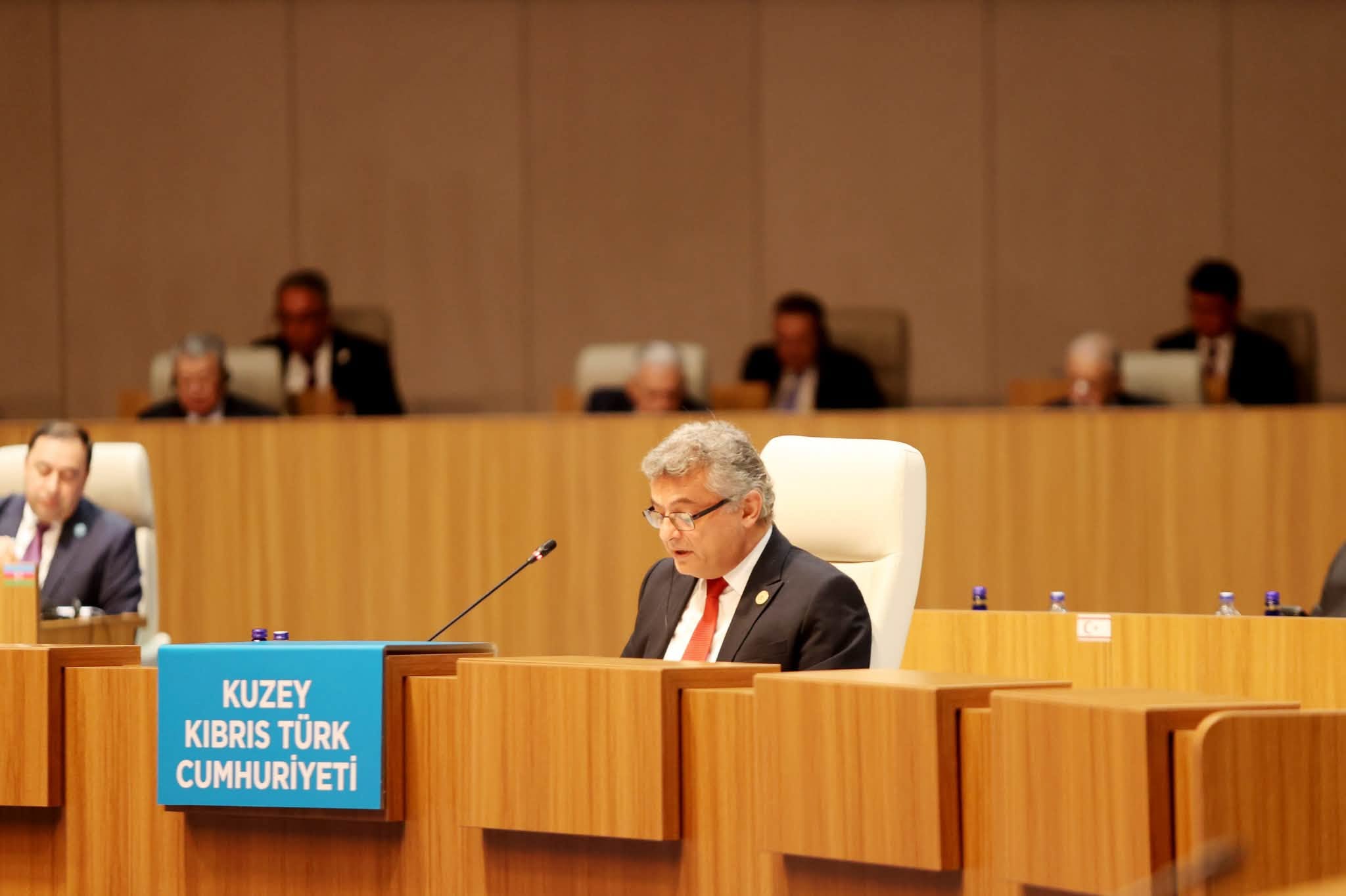
Turkish Cypriot leader Tufan Erhurman on Friday told the leaders of member states of the Organisation of Turkic States there are “no obstacles” to them establishing close relations with the Turkish Cypriots, as he addressed the organisation’s summit in Ankara.
He said that the Turkish Cypriot people have “for many years” been subject to “an unjust isolation which has limited their direct contacts with the international community, their economic and social development, and their integration with the world”.
“However, a nation’s ability to engage with the international community in the fields of culture, art, sports, science, education, and economics is a fundamental issue of human rights which must be considered beyond political agreements,” he said.
To this end, he pointed out that “the Turkish Cypriot people, through their will for a solution demonstrated in 2004 and their constructive stance in subsequent negotiation processes, have repeatedly shown their desire for integration with the world and for a just and lasting solution on the island”.
“Despite this, attempts are being made to prevent our young people from participating in international sports competitions, to prevent cultural events from being held in our country, and to prevent our people from having direct contact with the world,” he said.
He added that “such initiatives negatively impact efforts to build mutual trust and create a favourable environment for a solution on the island”.
Developments ‘aligned with EU goals’
On this front, he made reference to a letter he had received from United Nations Secretary-General Antonio Guterres in response to concerns he had raised regarding efforts undertaken by the Greek Cypriot side to bring about the cancellation of a children’s football camp organised by FC Barcelona and a music festival in Kyrenia.
He said that Guterres had described those initiatives as “discouraging”, and that the secretary-general had “emphasised that initiatives hindering the establishment of trust and which lead to the cancellation of international events run contrary to joint efforts”.
Additionally, he referred to a second letter on the same matter he received from the European Commission, which, he said, “reaffirmed the European Union’s 2004 goal of ending the isolation of the Turkish Cypriot people”.
He added that the letter had also “said that initiatives which contribute to the socioeconomic development of the Turkish Cypriots, especially young people, and enable them to establish close relations with the European Union are consistent with the EU’s goals”.
“The common message of these two letters is clear. There is a strong political and legal basis for developing contact, dialogue, and cooperation with the Turkish Cypriot people in all areas, and this basis is confirmed and supported by the UN and the EU. Steps taken in this context will contribute to the creation of an environment of mutual trust and to efforts for a solution,” he said.
As such, he added, “I want it to be known that there are no obstacles to establishing close relation with the Turkish Cypriots in the fields of science, academia, culture, technology, and diplomacy”.
“We can develop joint research programmes between our universities, bring our youth together in academic and cultural exchange projects, and forge stronger ties in the field of sports,” he said.
‘The reintegration of the Turkish Cypriot people’
He added that “by developing shared cultural spaces such as exhibitions, concerts, opera, and performing arts, we can enhance the cultural dialogue among our artists”, and that “by bringing together our entrepreneurs, businesspeople, and researchers, we can create new opportunities in the fields of trade, investment, the digital transformation, and innovation”.
On this front, he said that “the Turkish Republic of Northern Cyprus, with its higher education resources, young workforce, tourism potential, and strategic location in the eastern Mediterranean, has the capacity to make significant contributions to these collaborations far exceeding its population and land areas”.
“In this context, we are ready to act with the goal of being an economic, scientific, and cultural bridge between the Turkic world and the eastern Mediterranean,” he said.
He then added that “the fundamental goal of all these efforts is to strengthen peace, stability, and cooperation on the island of Cyprus and in the region”.
“Our approach is clear. The reintegration of the Turkish Cypriot people into the world and the search for a solution in Cyprus are not mutually exclusive, by rather processes which reinforce one another,” he said.
To this end, he said that he will “continue to work for a fair and lasting solution on the island in close consultation with the Republic of Turkey”.
“We want the eastern Mediterranean to become a region where mutual respect, inclusive cooperation, and common prosperity, not tensions and exclusionary policies, prevail,” he said.
The day’s summit was, however, somewhat overshadowed by the absence of Azerbaijani President Ilham Aliyev, who elected not to travel to Ankara amid deteriorating relations between his government and Turkey, once his country’s closest ally.
On the surface of the matter is a rift which emerged following Azerbaijan’s decision to ban the wearing of headscarves at public schools in the country – a move which infuriated Turkish President Recep Tayyip Erdogan to the extent that he criticised Baku during his speech to the UN general assembly last month.
Donald Trump’s administration is intensifying legal action against US states with just days to go until a midterm election that will decide the balance of power in Washington during his final two years in office.
In Alaska, the Justice Department filed an amended lawsuit on Thursday seeking to block the certification of results in the event of a narrow Republican loss in a hugely consequential Senate race, citing a New York Times report that Democratic operatives recruited a spoiler candidate to siphon votes from the Republican incumbent.
In California, meanwhile, the DOJ is escalating its pressure campaign against state election officials, issuing subpoenas as part of a criminal probe into alleged voting by non-citizens, according to copies of documents seen by Reuters.
The moves, taken together, represent an extraordinary federal intervention in state elections, which are administered locally under the US constitution. As November 3 nears, election officials around the country have told Reuters they are bracing for further legal challenges from Washington.
The dispute in Alaska, home to one of about 10 highly competitive Senate races, could leave control of the chamber unclear for weeks. Democrats need a net gain of four seats to win back the majority from Republicans.
If Democrats take one or both chambers of Congress, they could launch probes into Trump’s administration and increase pressure on the president to end the war in Iran.
On Friday, Trump will campaign in Florida, hoping to galvanize his supporters in a state he won handily in 2024 but where early voting has tilted toward Democrats.
It will be his latest stop in a state Republicans usually expect to win, following campaign events earlier this week in Mississippi and South Carolina.
Former Vice President Kamala Harris, who Trump defeated in the 2024 election, will rally for Democrats in Atlanta on Friday.
“The last year and a half, it’s been difficult,” she told the crowd on Thursday at an event in Macon, Georgia. “Now we’re in the phase where we can do a whole lot.”
More than 44 million Americans had already voted as of Thursday evening, according to the University of Florida’s Election Lab, less that two million shy of the total from the 2022 midterms.
At a polling center on Thursday in Columbus, Ohio, home to highly competitive Senate and governor’s races, election official Antone White said turnout was about twice as high as 2022.
Among those waiting to cast their ballot was Sadirah Simmons, a senior citizen living on a fixed income. “The economy is not getting any better,” she said. “You have to go out and vote if you want change.”
ALASKA SENATE DISPUTE
In its revised lawsuit in Alaska on Thursday, the Justice Department wrote that operatives for Democratic candidate Mary Peltola orchestrated a “sham campaign for the purpose of misleading Alaskan voters.”
The New York Times reported Wednesday that the operatives recruited a candidate with the same name as incumbent Dan Sullivan.
Republican Governor Mike Dunleavy called for a state investigation and said in an interview with News Nation that any finding of illegality “may in fact impact whether someone is seated in the US Senate.”
Alaska election officials called the amended lawsuit “meritless” in a court filing on Thursday night, saying it has “cast a cloud over Alaska’s election that is contrary to the public interest.”
Peltola’s campaign did not immediately respond to the amended complaint but has previously said it had “no involvement with either Sullivan campaign.”
The Democratic Senatorial Campaign Committee has denied involvement and accused Republicans of propping up candidates of their own in other races.
Daniel J. Sullivan has previously denied that his aim was to cause confusion or divert votes from Dan S. Sullivan.
“This guy’s existence is gonna hurt Mary Peltola so much more than it helps her,” said Alaska-based elections and campaign attorney Scott Kendall. But with so few undecided voters left, he added, the revelations were unlikely to impact the outcome of the race.
Julie Wyatt, a 62-year-old logistics manager who lives in the capital of Juneau, said such trickery was nothing new in Alaskan politics, and she still planned to vote for Peltola.
“If the Republicans are this desperate, Mary has them on the ropes,” she wrote in an email.
CALIFORNIA SUBPOENAS
In California, meanwhile, the Los Angeles County Registrar-Recorder’s office received grand jury subpoenas last week as part of a DOJ probe into alleged non-citizen voting, according to copies of the documents seen by Reuters on Thursday.
“At every step, the US Department of Justice has taken a confrontational, adversarial approach,” Los Angeles County Registrar-Recorder Dean Logan said in a statement on Thursday. “Election officials are acting in accordance with state and federal law.”
A Justice Department spokesperson declined to comment on the subpoenas but said that California and the federal government “agree that non-citizen voting is properly addressed through criminal law.”
President Nikos Christodoulides on Friday said that “progress is possible” on the Cyprus problem, as he evaluated the meeting he held with the United Nations’ Cyprus problem envoy Maria Angela Holguin earlier in the day.
“It was a very good meeting, during which the 19 points we submitted were discussed, along with other ideas on how to generate positive news, positive developments, which could lead to the resumption of talks from the point at which they were interrupted in the summer of 2017,” he said.
He added that he is “cautiously optimistic” about the next steps following his meeting with Holguin, before adding that it would be “really beneficial” if “more than one” meeting involving himself, Holguin, and Turkish Cypriot leader Tufan Erhurman could be scheduled during Holguin’s current visit to the island.
“We now await her meeting with the Turkish Cypriot leader on Monday to see how to proceed. I believe, and I reiterate, based on our discussion, that I am, quite justifiably, cautiously optimistic,” he said.
Asked about the matter of convergences reached in prior negotiation processes and the UN’s creation of a document recording them, he said that “I do not wish to disclose any substantive details”.
“We are at a critical juncture, involving critical processes. Let us take a note of the fact that, justifiably, based on what has been discussed, we are cautiously optimistic, and we are hoping that this optimism, this cautious optimism, will translate into concrete, positive results,” he said.
Holguin: Convergences document will be presented when negotiations begin
Holguin had previously said of the convergences document that “the United Nations has reviewed several documents that may prove useful when the parties decide to resume formal negotiations”.
Regarding their details, she stressed that “this compilation will be presented when negotiations begin” and will not be released beforehand.
This decision, she said, was made because the UN’s position is that “we will not introduce anything that could give rise to further debate and serve to trigger further setbacks”.
Of Friday’s meeting, she said that she remains optimistic over the prospect of an enlarged meeting on the Cyprus problem being held before the end of the year.
“Yes, I am optimistic … If there are some advances in the [confidence-building measures], in methodology, and in some substance, and if we can get this, we are going to have the 5+1,” she said, with the term “5+1” used to describe an enlarged meeting involving the island’s two sides, its three guarantor powers, Greece, Turkey, and the United Kingdom, and the UN.
Regarding Friday’s meeting and her planned meeting with Turkish Cypriot leader Tufan Erhurman, she said that “we are pushing and continue pushing”, and that “this is what the secretary-general asked of me, is until the last minute of his mandate, he wants to see if we can move forward on the Cyprus issue”.
Incumbent UN Secretary-General Antonio Guterres will leave office at the end of the year, with it still not yet clear who will replace him. It was Guterres who had first that enlarged meeting will only be achieved “after adequate progress” is achieved on confidence-building measures, the meeting’s methodology and the substance of the talks.
Camille O’Sullivan, the award-winning Irish performer and one of the most celebrated figures on the European music and theatre scene, performs in Cyprus for the first time at the final event of the Nicosia International Festival.
This Sunday, November 1, O’Sullivan performs her act ‘Loveletter’ on the stage of the Nicosia Municipal Theatre, paying tribute to dear friends: Shane MacGowan, Sinéad O’Connor, David Bowie, Radiohead, Jacques Brel, Nick Cave and many others.
Joined by her long-time collaborator Feargal Murray on trumpet, keyboard and piano, they will present an intimate, heartfelt show, with a little bit of joyful, mad chaos, as her life unravels, capturing the honest response to those much loved and lost.
This will be O’Sullivan’s debut performance in Cyprus, arriving on the island after sold-out performances around the world, including appearances at the Sydney Opera House, Royal Festival Hall and the Roundhouse.
Throughout her career, the artist has toured with The Pogues, appeared as a guest artist at Yoko Ono’s and Richard Thompson’s Meltdown festivals at the Royal Festival Hall, and was one of the original stars of the Olivier Award-winning neo-cabaret production La Clique.
Before embarking on her singular career as a performer, she distinguished herself as an architect, most recently receiving the RIAI Architecture Award 2025, and as a painter.
Born in London to a French mother and an Irish-English father, she grew up in a village in Cork, Ireland, listening to the eclectic record collection of her parents and sisters, which played a defining role in shaping her unique artistic identity and interpretive style.
Loveletter – Camille O’Sullivan
Renowned Irish performer presents a show as part of the Nicosia International Festival. November 1. Nicosia Municipal Theatre, Nicosia. 7pm. €20. www.nif.cy
The Audit Office plans to introduce artificial intelligence to accelerate its work, identify potential irregularities and free up auditors to conduct more on-site inspections, auditor-general Andreas Papaconstantinou said on Friday.
Presenting the office’s 2027 budget to the House finance committee, Papaconstantinou said a major co-funded project, known as AuditAI, was being planned to allow AI to carry out preliminary assessments and identify potential warning signs, or “red flags”, requiring further investigation.
He said the technology would help speed up audits and the preparation of reports, allowing staff to devote more time to inspections and other substantive work.
The Audit Office has so far submitted 31 reports and five memoranda in 2026, with another 23 reports in progress. Papaconstantinou said the target was to publish between 45 and 50 reports by the end of the year, potentially releasing two reports a week.
The office’s proposed budget for 2027 stands at €12.06 million, an increase of approximately €810,000, or 7.2 per cent, compared with €11.26 million in 2026.
Personnel costs account for 82 per cent of the budget, while 7.5 per cent is allocated to consultancy services and five per cent to software purchases.
Funding has also been allocated for staff training in Cyprus and abroad to improve the early identification of risks, strengthen accountability and ensure more efficient management of public resources.
Papaconstantinou said the office’s budget focused on improving internal operations, strengthening cooperation, making better use of staff expertise and completing audits more quickly and to a higher standard.
Addressing staffing arrangements and salary scales, he said consideration had been given to practices elsewhere in the public sector, particularly the qualifications required of auditors.
He explained that auditors were required to obtain professional qualifications, including chartered accountant certification, and that the time needed to secure these qualifications had been considered when determining salary progression.
“We considered that there should be no unfair treatment, so we equalised the time component,” he said, adding that a similar approach was followed by the Transmission System Operator.
“Let us not exaggerate. They are auditors, and that is the reasoning,” he added.
On consultancy services, Papaconstantinou said the Audit Office preferred to retain expertise internally but that certain highly specialised areas required external assistance.
He cited the information systems of the national health scheme, Gesy, and the Ippodamos planning system as examples of areas requiring specialist technical knowledge.
Papaconstantinou also emphasised the importance of increasing on-site inspections, saying that the more inspections carried out, the better.
He explained that direct inspections allowed auditors to gain firsthand knowledge of the services they were examining, improving both the effectiveness of audits and staff performance.
On audits of municipalities and district local government organisations established under the local government reform, Papaconstantinou acknowledged concerns about the new administrative structures.
He said considerable time had been devoted to examining issues involving Paphos municipality and its suspended mayor.
The auditor-general also addressed the responsibilities of the assistant auditor-general, explaining that he participated in the management team and that efforts were being made to utilise his position effectively.
“I will not say anything more. He certainly needs to work, but let us leave it at that,” Papaconstantinou said.
He rejected suggestions by Alma MP and former auditor-general Odysseas Michaelides that the assistant auditor-general could assume the duties of a director, stressing that the two positions served different functions.
He said he did not accept the claims being made about the assistant auditor-general, explaining that the proposed director’s position was intended to fulfil separate management responsibilities.
“The position we are requesting is for a director’s work, and the assistant auditor-general has a different role,” he said.
In addition regarding a comment on the secondment of former civil defence commander Maria Papa to the Audit Office, Papaconstantinou said her role had been discussed with her and that, if she could not be effectively utilised, the possibility of returning her to her previous service would be considered. “If she cannot be utilised, we will look into having her return,” he said.
The director of the antiquities department Dr George Georgiou has warned that continued cuts to its budget will have consequences for the protection of Cyprus’ cultural heritage.
“The continued compression of spending on antiquities will not be without a price,” Georgiou told the House finance committee, accusing the government of using “creative accounting” to present the department’s reduced funding.
The deputy ministry’s proposed budget for next year stands at €64.3 million, down from its present allowance of €65.7 million, however, Deputy Minister Clea Hadjistefanou Papaellina said the previous year’s allocation included €2.2 million for cultural events during Cyprus’ EU council presidency.
Excluding that amount, the next year’s budget represents an increase of €820,000, she said.
The antiquities department has been allocated €23.6 million, including €19.9 million in recurrent expenditure and €3.8 million for development projects.
Akel MP Christos Christofides questioned the government’s commitment to culture, saying the Deputy Ministry’s share of the state budget had fallen from 0.62 per cent to 0.45 per cent.
He also criticised reductions in funding for cultural grant programmes, including support for theatre productions and contemporary cultural creation.
Christofides said Cyprus ranked near the bottom in Europe in terms of the proportion of public spending devoted to culture.
The ‘contemporary culture department’ is set to receive €21.1 million, of which €15.6 million is earmarked for development expenditure.
Its director, Ioanna Hadjicosti, said €300,000 had been cut from sponsorship programmes, with reductions spread across the various schemes.
Papaellina defended the ministry’s use of its available resources, saying they were being fully utilised to modernise cultural infrastructure and protect the island’s heritage.
She also said the ministry was reviewing sponsorship criteria in response to feedback from cultural organisations.
The committee also heard that completion of the new archaeological museum has been delayed to February 3, 2027, representing a 209-day extension to the original timetable.
Director general George Papageorgiou said a further 18 months will be required to transfer antiquities into the building,
She also confirmed that the ministry’s annual contribution to Limassol’s Rialto Theatre was €120,000, with state funding due to end by 2029 under the agreement with the municipality.
Pope Leo XIV cast a ballot by mail in the US midterm elections, the Vatican press office said on Friday, a historic first for the American-born pontiff.
“In keeping with this long-standing practice of civic participation, he has submitted his mail-in ballot in Chicago,” the Vatican said. “The Holy Father expresses his belief in the right and the duty of citizens to participate in democratic processes.”
The Vatican did not say which candidates Leo had voted for.
Leo, 71, was born in Chicago and is the first American-born pope. He registered to vote in Illinois under his birth name Robert Francis Prevost and requested a ballot on October 3, the Chicago Sun-Times reported on Thursday, citing the Will County Clerk’s office.
President Donald Trump’s sagging popularity is hurting his fellow Republicans’ chances of holding onto their majorities in both chambers of Congress in the November 3 election, with the public unhappy about the high cost of living and the Iran war.
Trump repeatedly criticised Leo early in the new pope’s tenure, calling him “weak” and “terrible” on crime.
The pope said in March that God rejects the prayers of those who start wars and have “hands full of blood.” In April, he termed Trump’s threat to destroy the Iranian civilization as unacceptable and previously declined to join the US president’s so-called “Board of Peace” initiative for Gaza.
Leo has also urged a “deep reflection” on the way migrants are treated in the US.
Voters in the solidly Democratic state of Illinois will select a successor for retiring US Senator Dick Durbin and choose whether to re-elect Governor JB Pritzker.
Leo was elected to lead the 1.4-billion-member Church by the world’s cardinals in May 2025.
The pope had the lower lobe of his right lung removed in surgery on October 13 and was diagnosed with lung adenocarcinoma, the most common form of lung cancer. Doctors say he will not need further therapy.
Air conditioners are expected to be operational in a significantly larger number of schools by April and May next year, Education Minister Athena Michaelidou said on Friday.
Speaking after presenting the education ministry’s annual budget to the House finance committee, Michaelidou said instructions had been issued to accelerate inspections during the winter months so that more units could be used for when temperatures rise.
“Already in several districts, the project has progressed significantly. All high schools have reached 100 per cent coverage, while a very high percentage of middle schools and a significant number of primary schools have also been equipped,” she said.
Michaelidou said the ministry expected a substantial increase in the number of operational units next year and would soon publish figures covering schools across Cyprus.
She acknowledged that the project had encountered technical and practical difficulties, but said work was continuing to address them.
The comments come amid concerns over the pace and safety of installations, for the audit office recently identified incomplete works and potentially unsafe electrical connections during inspections at five schools.
The president of the Nicosia school board, Nikos Megalemos, subsequently described safety concerns as exaggerated, while confirming that temporary connections used during the Pancyprian examinations would be disconnected.
The project, launched in 2023, has faced delays, with completion initially expected by the end of this year but now projected to extend into 2028.
Figures released by the education ministry show progress varies by district, with Famagusta leading at 65 per cent of primary schools fully equipped, while Paphos and Nicosia trail at 16 per cent and 24 per cent respectively.
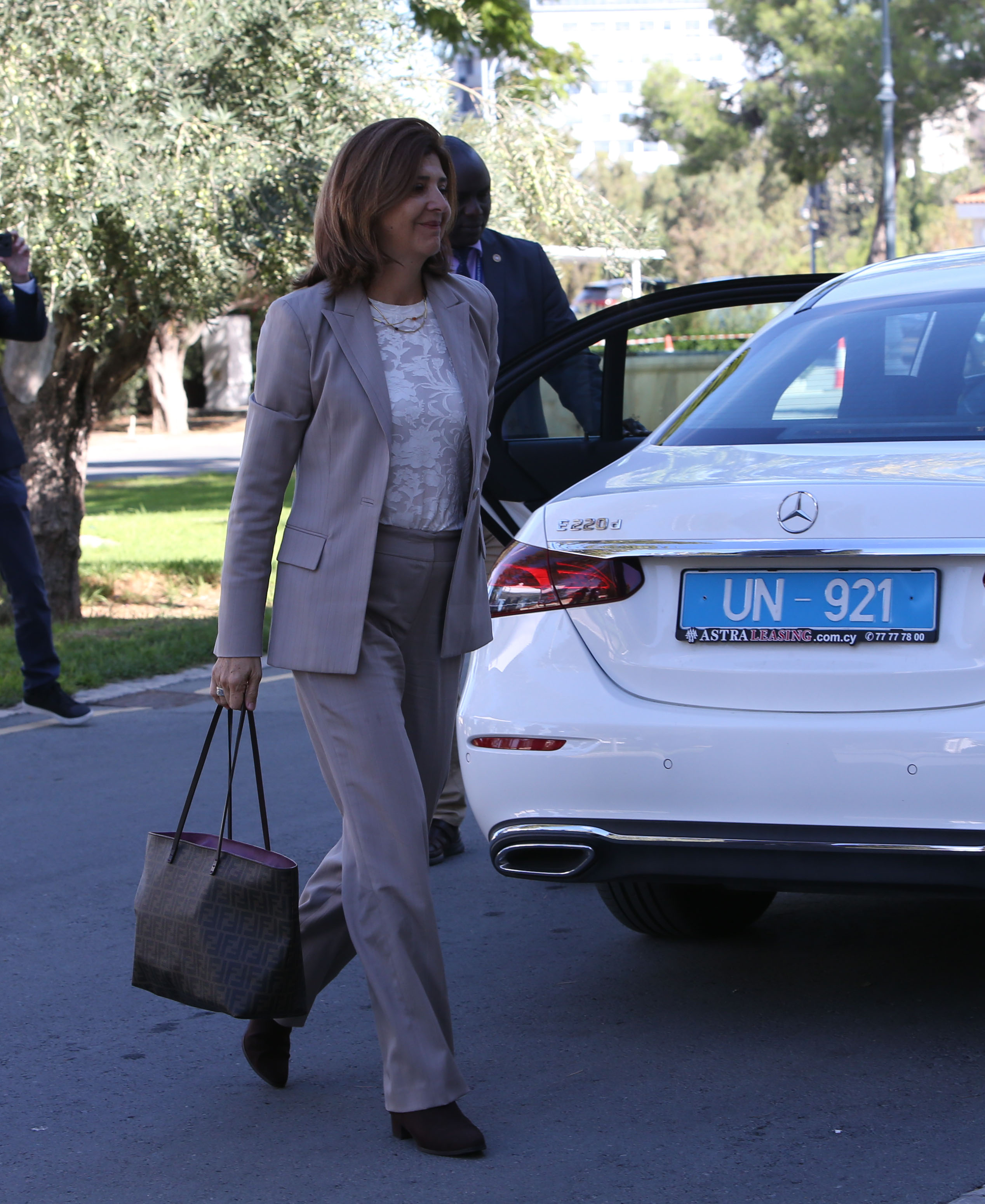
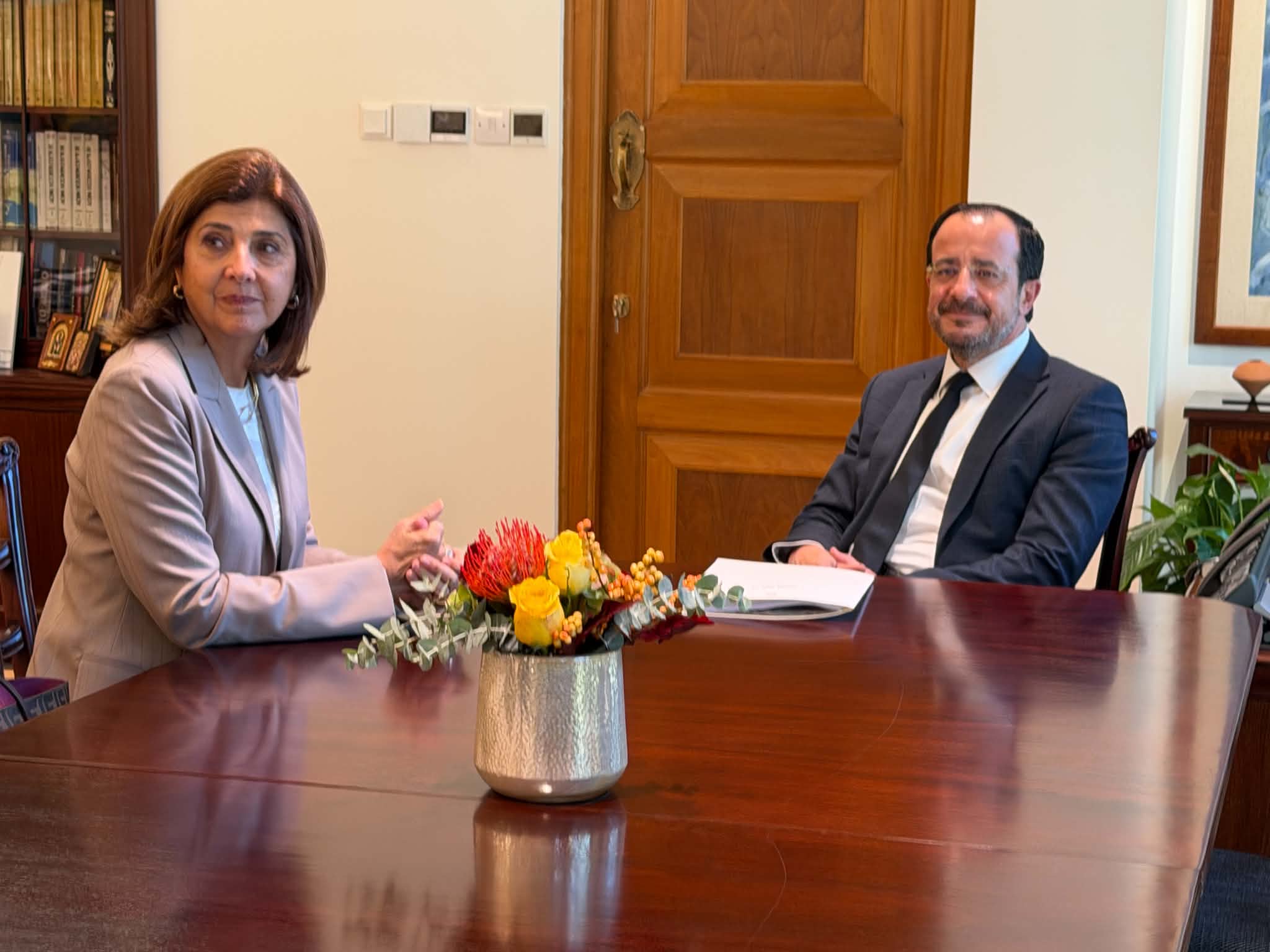
United Nations Cyprus problem envoy Maria Angela Holguin said that she remains optimistic over the prospect of an enlarged meeting on the Cyprus problem being held before the end of the year, after she met President Nikos Christodoulides at the presidential palace.
“Yes, I am optimistic … If there are some advances in the [confidence-building measures], in methodology, and in some substance, and if we can get this, we are going to have the 5+1,” she said, with the term “5+1” used to describe an enlarged meeting involving the island’s two sides, its three guarantor powers, Greece, Turkey, and the United Kingdom, and the UN.
Regarding Friday’s meeting and her planned meeting with Turkish Cypriot leader Tufan Erhurman, she said that “we are pushing and continue pushing”, and that “this is what the secretary-general asked of me, is until the last minute of his mandate, he wants to see if we can move forward on the Cyprus issue”.
Incumbent UN Secretary-General Antonio Guterres will leave office at the end of the year, with it still not yet clear who will replace him. It was Guterres who had first that enlarged meeting will only be achieved “after adequate progress” is achieved on confidence-building measures, the meeting’s methodology and the substance of the talks.
Holguin on Friday made no reference to efforts to choose Guterres’ successor, focusing instead on the content of her meeting with Christodoulides, which she described as “good”, before saying that she had wished to “listen from Christodoulides about his meetings with Tufan”, which have been taking place on a weekly basis since the summer.
Of those weekly meetings of Cyprus’ two leaders, she said that “I think it has been very good that they have these kinds of meetings together and I would still hope to see if we can [achieve] something”.
“We are going to have a trilateral meeting on November 9 and … I am here, I am an optimist, and I hope we can get something next week,” she said.
Leaders took vow of silence on Cyprus problem after Tuesday
The two leaders most recently met on Tuesday, and said after that meeting that both he and Erhurman had “agreed not to make further statements regarding specific issues” related to the Cyprus problem until Holguin’s arrival at the earliest.
Both men had also met the bicommunal technical committees on cultural heritage and on youth, as well as the civil society steering committee, following their one-on-one meeting.
Of those meetings, Christodoulides said that they were “constructive” and that “various views and suggestions were put forward” by committee members.
He added that those suggestions will be discussed by himself and Erhurman going forward.
(Photo: Christos Theodorides)
Christodoulides insists Varosha proposal is ‘mutually beneficial’
Prior to Tuesday’s meeting, Christodoulides had stressed that his proposal to open and repopulate the fenced-off area of Varosha under the United Nations’ administration and open the port of Famagusta under the European Union’s control is “mutually beneficial”.
“I believe this is a mutually beneficial proposal. It creates a positive situation for both sides and serves as a practical test of whether we are truly committed to moving forward, specifically by taking bold confidence-building measures which also send a strong message to society as a whole,” he said.
Erhurman had said last week that he had rejected the proposal, lamenting that it fell short of an entry into force of the European Union’s direct trade regulation.
“Is this the entry into force of the direct trade regulation? No, it is not the entry into force of the regulation, but since [the port] would be under EU control, direct trade would begin,” he said.
As such, he said, the proposal was unbalanced.
The direct trade regulation is a pending EU regulation which would allow Turkish Cypriot goods, as certified by the Turkish Cypriot chamber of commerce, to be exported directly into Europe via the Green Line, and given preferential treatment inside the European single market as European goods.
It was proposed in July 2004, three months after the rejection of the Annan plan to reunify Cyprus by the Greek Cypriot side in a referendum, and shortly after the Republic of Cyprus’ accession to the EU.
Menelaou had cited progress on crossing points
Previously, Greek Cypriot chief negotiator Menelaos Menelaou had said that a dispute over the routing of the planned transit road between Athienou and the Nicosia suburb of Aglandjia “has been overcome”.
He said that the outstanding dispute now remains over the question of whether a planned crossing point to connect Louroujina, the southernmost Turkish Cypriot village, with nearby Lymbia, will open at the same time.
The Turkish Cypriot side’s position is that the road between Athienou and Aglandjia constitutes two crossing points, one in Athienou and one in Aglandjia, and that they are part of a package of four alongside plans for a crossing point in the eastern Nicosia suburb of Mia Milia, and one in Louroujina.
However, the Greek Cypriot side treats the road between Athienou and Aglandjia as one crossing point, counterweighted by the Mia Milia crossing point, and is therefore of the view that the Louroujina crossing point should only be opened if a second transit road, through the Turkish Cypriot Kokkina exclave in the Tillyria region, also be opened.
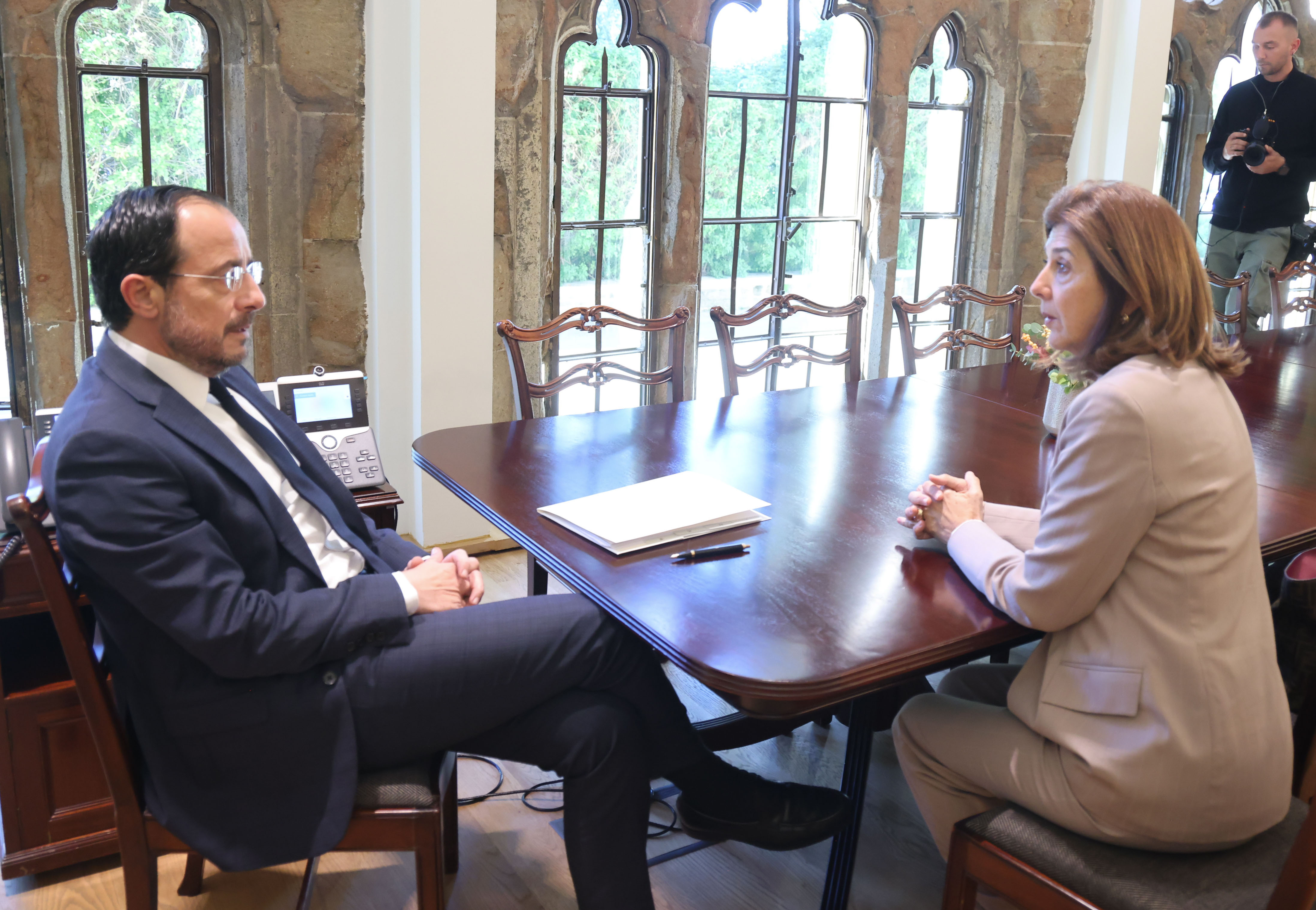
President Nikos Christodoulides, at a tête-à-tête meeting with the United Nations Cyprus problem envoy Maria Angela Holguin
Industrial producer prices in Cyprus rose by 6.2 per cent year-on-year in September 2026, driven mainly by higher electricity prices, according to figures released by the Cyprus Statistical Service (Cystat) on Friday.
The increase came as the Producer Price Index for Industry reached 130.5 points in September, using 2021 as the base year, marking a 2.3 per cent rise compared with August.
For the first nine months of 2026, industrial producer prices increased by 2.1 per cent compared with the corresponding period of 2025, indicating that price pressures across the industrial sector continued to build.
The strongest annual increase was recorded in electricity supply, where producer prices rose by 21.1 per cent compared with September 2025.
Water supply and materials recovery followed with an increase of 10.3 per cent, while manufacturing prices rose by 2.4 per cent and prices in mining and quarrying increased by 0.8 per cent.
The monthly figures also highlighted the influence of electricity costs, with electricity supply prices climbing by 10.5 per cent between August and September 2026.
Over the same period, prices in water supply and materials recovery increased by 1.7 per cent, while manufacturing recorded a more modest rise of 0.2 per cent.
Mining and quarrying prices remained unchanged compared with the previous month.
The figures suggest that electricity was the main contributor to the overall monthly increase, while annual price growth was evident across all four main industrial sectors.
Within manufacturing, several industries recorded particularly pronounced annual increases in September.
The largest rise was in the manufacture of computer, electronic and optical products, where producer prices increased by 13 per cent compared with the same month in 2025.
This was followed by the manufacture of basic metals and fabricated metal products, which recorded an increase of 5.6 per cent.
Prices in furniture manufacturing and repair and installation of machinery rose by 5.2 per cent.
The wood industry, including the manufacture of products made from wood and cork, excluding furniture, recorded an annual increase of 4.5 per cent.
Meanwhile, the manufacture of machinery and equipment, motor vehicles and other transport equipment saw prices rise by 2.9 per cent.
The increases across manufacturing categories indicate that price pressures were not confined to energy-related activities, but were also evident in a range of industrial production and equipment-related sectors.
The overall Producer Price Index measures changes in prices received by domestic producers for their industrial output and provides an indication of cost and pricing developments across the sector.
Under the main message “Let’s not let our dreams fall apart!”, ERB ASFALISTIKI and the Cyprus Police Department of Traffic Police Headquarters are co-organizing, for the 27th consecutive year, the Road Safety Week taking place from October 16 to October 23, 2026.
ERB ASFALISTIKI, the largest General Insurance company in Cyprus and a member of EUROBANK Group, the island’s leading banking and insurance group, consistently continues its long-standing actions aimed at awareness, prevention, and fostering responsible road behavior as part of its broader corporate social responsibility.
The launch of Road Safety Week was marked by a Press Conference held at the headquarters of ERB CYPRUS INSURANCE HOLDINGS in Nicosia. Addresses were delivered by the Minister of Justice and Public Order, Costas Fytiris, the representative of the Ministry of Transport, Communications and Works, Elpida Epameinonda, the Assistant Chief of Police, Ioannis Georgiou, the Director of Cyprus Police Traffic Department, Charis Evripidou, the CEO of ERB CYPRUS INSURANCE HOLDINGS, Takis Phidia, and the General Manager of ERB ASFALISTIKI, Andreas K. Stylianou.
This year’s initiatives include educational videos and awareness spots promoting safer behavior for pedestrians, motorcyclists, and drivers, as well as a public event at Metropolis Mall on Saturday, October 17. In parallel, awareness activities will take place across all districts, featuring the distribution of reflective vests and the broadcast of road safety messages via radio and social media.
Road Safety Week is held under the auspices of the Minister of Justice and Public Order.
Stay alert on the road. Respect life. Let’s not let our dreams fall apart!
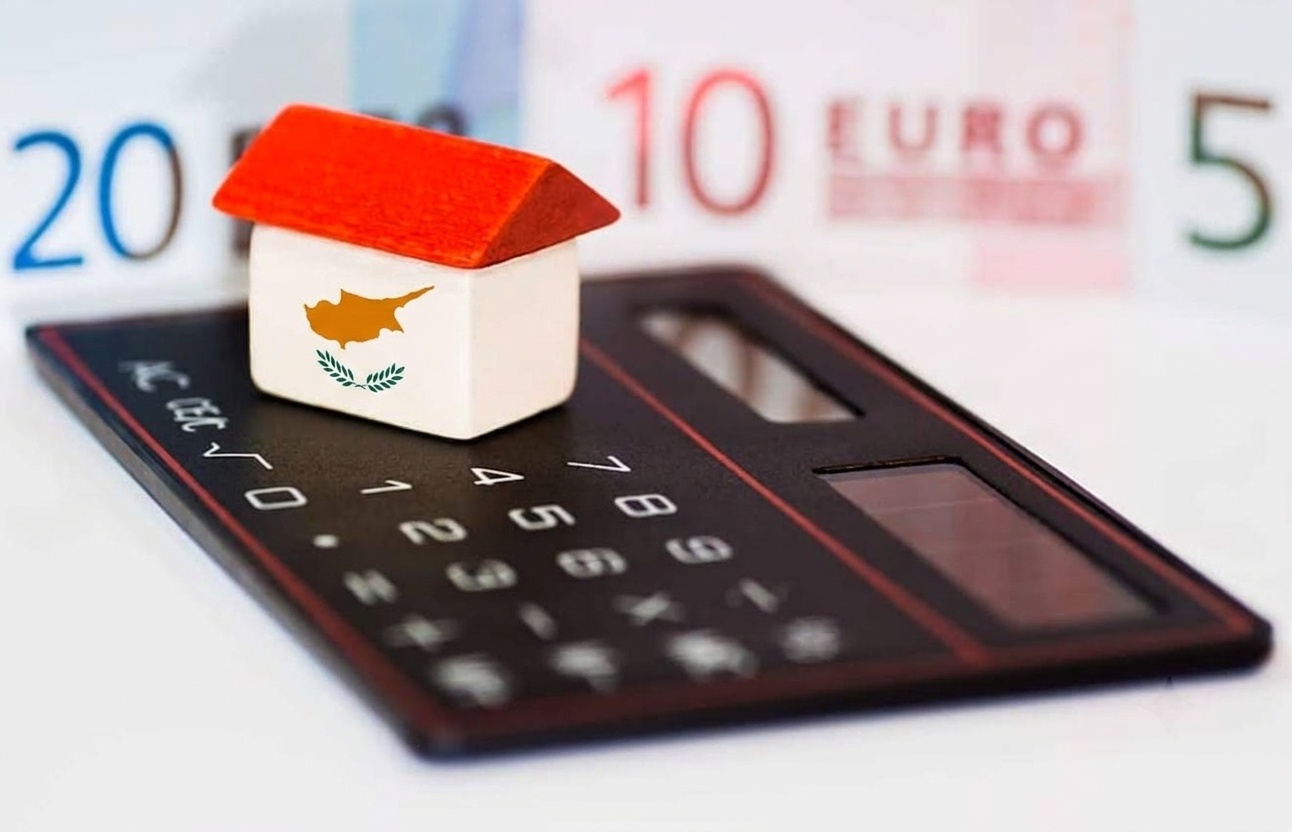
Cyprus household debt stood at €20 billion, equivalent to 53 per cent of gross domestic product (GDP), at the end of June 2026, while debt among non-financial companies reached €41.7 billion, or 111 per cent of GDP, according to figures released on Friday by the Central Bank of Cyprus (CBC).
The figures show that household indebtedness has fallen by 65 per cent since December 2016, while the debt-to-GDP ratio of non-financial companies has declined by 95 per cent over the same period, pointing to a substantial reduction in borrowing across both sectors.
Despite the improvements, corporate debt remained considerably higher than household debt, with non-financial companies carrying liabilities equivalent to more than the value of the country’s annual economic output.
The CBC reported that household financial assets totalled €67.1 billion at the end of June 2026, considerably exceeding their outstanding debt.
Cash, deposits and loans accounted for 54 per cent of these assets, while shares represented 25 per cent, other financial assets 17 per cent and debt securities the remaining 4 per cent.
The figures provide an overview of the financial position of households, businesses and institutional investors, including insurance companies, investment funds and pension funds.
For non-financial companies, financial assets reached €77.9 billion at the end of June, with shares accounting for the largest portion at 37 per cent.
Other financial assets represented 33 per cent of the total, while cash and deposits accounted for 24 per cent, loans for 5 per cent and debt securities for 0.6 per cent.
Meanwhile, the sector’s outstanding debt amounted to €41.7 billion, with its debt-to-GDP ratio standing at 111 per cent, representing a marginal decrease compared with the previous quarter.
The CBC’s comparison with December 2016 showed that the debt-to-GDP ratio of non-financial companies had fallen by 95 per cent, indicating a substantial improvement in the sector’s indebtedness over the period.
The central bank also provided a breakdown of financial assets held by insurance companies, investment funds and pension funds, highlighting the different ways in which these institutional investors allocate their holdings.
Insurance companies held financial assets worth €6.5 billion at the end of June 2026, with almost half of their portfolios invested in shares.
Equities accounted for 47 per cent of their financial assets, followed by debt securities at 26 per cent and other financial assets at 20 per cent.
Cash and deposits represented 6 per cent of the total, while loans accounted for the remaining 2 per cent.
Investment funds held €7.9 billion in financial assets, with their portfolios heavily concentrated in shares, which represented 80 per cent of their total holdings.
Loans and debt securities together accounted for 13 per cent, while cash and deposits represented 4 per cent and other financial assets the remaining 3 per cent.
Pension funds, meanwhile, held €5.1 billion in financial investments, with shares accounting for 59 per cent of their portfolios.
Other financial assets represented 9 per cent, debt securities 6 per cent, while cash and deposits accounted for 12 per cent and loans for 13 per cent.
The figures underline the significant role played by equities in the investment portfolios of insurance companies, investment funds and pension funds, although the composition of their holdings varies considerably.
Alpha Bank’s international operations recorded a normalised net profit of €79 million in the first nine months of 2026, up 13 per cent year-on-year, while the Greek banking group’s Cyprus operations incurred €17.5 million in provisions linked to a voluntary staff exit scheme.
The international division, which includes the bank’s business in Cyprus, generated a reported profit of €57 million, down 16 per cent year-on-year, while net interest income rose by 64 per cent and fee services income increased by 65 per cent over the same period.
Net loans across the international operations stood at €2.9 billion, while customer deposits reached €6.6 billion, with the division recording a return on tangible book value of 12.9 per cent during the nine-month period.
The group also recorded €0.7 million in integration costs in Cyprus, contributing to total operating expenses of €231.7 million for the group in the third quarter.
The Cyprus-related provisions and integration costs formed part of a wider period of restructuring and integration, as Alpha Bank continues to pursue its transformation and prepares to present its strategic priorities through to 2030 at an Investor Day scheduled for November 5.
At group level, Alpha Bank reported profit after tax of €268.9 million in the third quarter of 2026, bringing its total reported earnings for the first nine months to €766.1 million.
On a normalised basis, which adjusts for certain exceptional items, quarterly profit after tax reached €283.2 million, while nine-month earnings amounted to €778.5 million, representing a 14 per cent annual increase.
The group achieved a normalised return on tangible book value of 15.5 per cent in the third quarter, compared with 14.5 per cent over the first nine months, while earnings per share stood at €0.11.
Its Common Equity Tier 1 (CET1) capital ratio, a key measure of a bank’s ability to absorb financial losses, remained at 14.5 per cent at the end of both reporting periods.
Tangible book value per share stood at €3.52, while total tangible book value reached €7.9 billion, representing an increase of 2.1 per cent quarter-on-quarter and 4 per cent year-on-year, rising to 10.7 per cent before accounting for distributions.
The bank attributed its performance to sustained growth in lending and deposits, higher interest rates and contributions from its recent acquisitions.
Net credit expansion reached €400 million in the third quarter and €2.6 billion during the first nine months of 2026, supported by total loan disbursements of €3.1 billion.
The group’s performing loan book, excluding senior notes, expanded by 1 per cent quarter-on-quarter to €40.4 billion, representing annual growth of 13.1 per cent.
Deposits also continued to increase, rising by 2.5 per cent quarter-on-quarter, equivalent to €1.5 billion, with time deposits accounting for 29 per cent of the total.
The bank reported a deposit beta of 22 per cent, indicating the extent to which changes in market interest rates were reflected in the rates offered to depositors.
Total customer funds increased by 18.7 per cent year-on-year, supported by a 13.3 per cent rise in customer deposits and a 32 per cent expansion in assets under management.
The group’s loan-to-deposit ratio stood at 77 per cent at the end of September, while its non-performing exposure ratio remained at 3.8 per cent.
The cost of risk, which measures the expense of provisions against potential loan losses, stood at 43 basis points in the third quarter and 42 basis points across the first nine months.
Alpha Bank’s capital position remained stable despite the recognition of a €421 million dividend accrual during the first nine months of the year, supported by 124 basis points of organic capital generation.
Net interest income reached €472.2 million in the third quarter, increasing by €35.8 million, or 8.2 per cent, compared with the previous quarter.
The increase reflected higher income from loans and bonds, supported by growth in lending volumes and higher interest rates, while net interest income for the first nine months rose by 10.7 per cent year-on-year.
Chief executive officer Vassilios Psaltis said the latest results demonstrated the resilience of the group’s banking operations and the benefits of its recent acquisitions.
“Net interest income came to €472 million, the highest quarterly figure since the fourth quarter of 2017, reflecting the sustained growth in our loan book, and the step-up in rates,” Psaltis said.
“Fee income increased to €156 million, supported by cards and payments fees, and an uptick in asset management, following a softer second quarter.”
Fee services income amounted to €156.3 million in the third quarter, representing a 16.3 per cent decline compared with the previous three-month period.
However, the decrease largely reflected a higher comparison base in the second quarter, which had benefited from a dividend received from Prodea.
Excluding that contribution, fee services income increased by 6.2 per cent quarter-on-quarter, supported by stronger revenue from cards and payments and a higher contribution from asset management fees.
For the first nine months of 2026, fee income increased by 32.2 per cent year-on-year, or 25.4 per cent when excluding dividends from Prodea.
Total operating income reached €634 million during the third quarter, while the group said its cost-to-income ratio remained comfortably within expectations.
Recurring operating expenses declined by 3.6 per cent quarter-on-quarter to €231 million, reflecting a 9.3 per cent reduction in staff costs and a 7.2 per cent decrease in depreciation expenses.
These savings were partly offset by higher general and administrative expenses, mainly resulting from increased taxes, third-party fees and building costs.
However, recurring operating costs for the first nine months were 12.2 per cent higher year-on-year, largely due to increased staff expenses, alongside higher administrative and depreciation charges.
Psaltis said the group remained confident about its financial position despite an uncertain international economic environment.
“Despite the uncertain macroeconomic environment, we remain confident in the Bank’s financial strength. Our capital position is sound, our provisioning is prudent and our funding base is solid,” he said.
He also pointed to Greece’s economic performance, arguing that the country was in a stronger position than many other European economies.
“Greece currently occupies a distinct position compared to the majority of Europe, characterised by a robust fiscal trajectory, declining public debt and an investment pipeline that continues to expand,” Psaltis said.
He added that these conditions provided confidence that the foundations for the bank’s next phase of growth were firmly established.
The results follow a major rebranding initiative unveiled on October 12, which Psaltis described as marking the completion of an ambitious transformation programme.
“On October 12, Alpha Bank achieved a significant milestone as we unveiled our new brand identity and drew a line under our ambitious transformation,” he said.
“The new brand honours our nearly 150 years of history, is closely aligned with our new Purpose and Values, and accurately reflects our strategic positioning.”
Psaltis said the new identity reflected the bank’s progress in strengthening its operations and its relationships with customers, businesses and communities.
He added that the positive response from customers, employees and business partners had reinforced confidence in the group’s strategic direction.
Alongside the rebranding, Alpha Bank introduced two initiatives aimed at its employees, including a new programme providing medical insurance and home care for employees’ elderly parents.
The bank also announced salary increases for its Gold relationship managers across its branch network, with Psaltis describing the measures as part of its commitment to its workforce.
On the economic outlook, Alpha Bank said the Greek economy had remained resilient during the first half of 2026, with gross domestic product expanding by 1.9 per cent.
The bank expects the economy to grow by just under 2 per cent for the full year, followed by expansion of 1.7 per cent in 2027.
However, it warned that renewed geopolitical tensions had intensified energy-related inflationary pressures, while political and fiscal uncertainty in Europe could weigh on external demand and create tighter and more volatile financial conditions.
Psaltis said the group expected to outline its next strategic phase at its forthcoming Investor Day, where it will present priorities extending through to 2030.
“The financial performance evident in these results, in conjunction with the new identity we unveiled this month, provides a strong foundation upon which to embark on Alpha Bank’s forthcoming chapter,” he said.
“We have much to share, and we eagerly anticipate the dialogue on November 5,” Psaltis concluded.

 Login