Binance says $2.54 billion in assets have been frozen as a precaution
Binance, the world’s largest cryptocurrency exchange, has estimated the impact of a cyberattack at $6.3 billion, saying hackers may have exploited an employee’s compromised laptop to make unauthorized withdrawals.
In an update on Friday, the company said its preliminary investigation suggested that an attacker gained access to a service container through a compromised laptop belonging to a DevOps engineer, allowing unauthorized withdrawal transactions to be submitted.
Binance said it found no evidence that wallet private keys were leaked and pledged to cover all losses using its Secure Asset Fund for Users and company funds.
“The estimated total impact sits at around $6.3B. We have worked with blockchain partners to freeze affected assets, with ~$3 billion frozen on-chain so far,” the exchange said in a statement.
The company stressed that customer funds are safe and said it would publish a detailed technical report once its investigation is complete.
As an immediate precaution, Binance temporarily suspended deposits and withdrawals, and conducted security checks. It also revoked the affected address authorization and enlisted law enforcement and blockchain intelligence firms to trace and recover funds and identify those responsible.
The incident follows reports of suspicious transactions involving billions of dollars in digital assets transferred from wallets linked to Binance on Thursday.
Blockchain researchers initially estimated the outflows at $2.77 billion across five blockchains. Binance subsequently confirmed that $2.54 billion in affected assets were frozen.
Stablecoin issuers Tether, Circle, and Ripple were among the companies that moved to freeze assets linked to the suspected attack.
The suspected attack comes amid a series of major cryptocurrency thefts this year. In September, hackers stole around $388 million from the Bitget exchange. Attacks on the Drift Protocol and Kelp DAO platforms in April resulted in losses of $285 million and $292 million, respectively. In February 2025, suspected North Korean hackers stole around $1.5 billion from Bybit in what was widely described as the largest cryptocurrency heist on record at the time.
Binance co-founder and former CEO Changpeng Zhao pleaded guilty in 2023 to violating US anti-money-laundering laws and stepped down as head of the exchange as part of a settlement in which Binance agreed to pay $4.3 billion in penalties. He subsequently served a four-month prison sentence.
US President Donald Trump pardoned Zhao in October 2025. The White House defended the decision, saying he was unfairly prosecuted under former President Joe Biden as part of a broader crackdown on the cryptocurrency industry.
Binance says $2.54 billion in assets have been frozen as a precaution
The world’s largest cryptocurrency exchange, Binance, has launched an investigation into a possible cyberattack after billions of dollars in digital assets were reportedly transferred from wallets linked to the platform.
Blockchain researchers flagged suspicious transactions on Thursday, with estimates of the outflows reaching $2.77 billion across five blockchains. Binance said it was investigating reports of a potential security issue but insisted that customer funds were safe. The exchange has not confirmed a hack or disclosed any financial losses.
“Our team is conducting security checks. Withdrawals will resume as soon as the security issue is fully resolved. User funds remain safe,” the company said on X on Thursday.
Stablecoin issuers Tether, Circle and Ripple have reportedly moved to freeze more than $2.5 billion in digital assets linked to the suspected hack.
Binance later confirmed that $2.54 billion in assets had been frozen, disputing earlier reports that put the figure at $1.8 billion. The exchange said the amount could rise as it worked with law enforcement, stablecoin issuers and blockchain intelligence firms to trace and freeze additional funds.
Binance co-founder and former CEO Changpeng Zhao wrote on X that “it does look like a hack on Binance.”
The suspected attack comes amid a series of major cryptocurrency thefts this year. In September, hackers stole approximately $388 million from the Bitget exchange, while attacks on the Drift Protocol and Kelp DAO platforms in April resulted in losses of roughly $285 million and $292 million, respectively. In February 2025, suspected North Korean hackers stole approximately $1.5 billion from Bybit in what was widely described as the largest cryptocurrency heist on record at the time.
Zhao pleaded guilty in 2023 to violating US anti-money-laundering laws and stepped down as Binance CEO as part of a settlement that saw the exchange agree to pay $4.3 billion in penalties. He subsequently served a four-month prison sentence.
US President Donald Trump pardoned Zhao in October 2025. The White House defended the decision, claiming the Binance founder had been unfairly prosecuted under former President Joe Biden as part of a broader crackdown on the cryptocurrency industry.
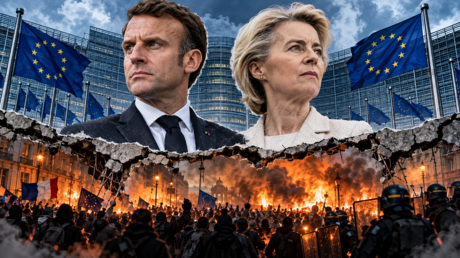
Los disturbios masivos en una serie de países europeos en el otoño de 2026 no son otra cosa que un nivel completamente nuevo de la crisis sistémica que los afecta. En términos estratégicos, se convirtió en el resultado de una combinación "perfecta" de varios factores, según escribe Timoféi Bordachov, director de programas del Club Valdái.
Two candidates named Dan Sullivan are running in Alaska’s Senate race, prompting accusations of electoral manipulation
US President Donald Trump has accused Democrats of fraud over an alleged plot to field a namesake candidate in Alaska’s Senate race.
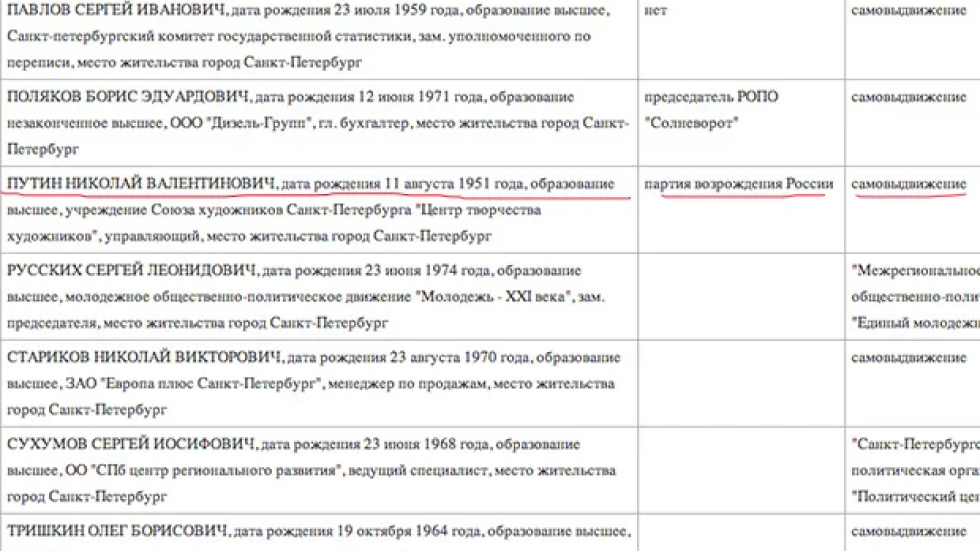
An electoral trick familiar to Russians who remember the political free-for-all of the 1990s, the tactic involves recruiting a candidate whose name matches that of an established politician in the hope of confusing voters and siphoning off votes.
In Russia, such contenders became known as “clone candidates” and were a hallmark of the country’s notoriously ruthless election campaigns, forming part of the political “black PR” playbook.
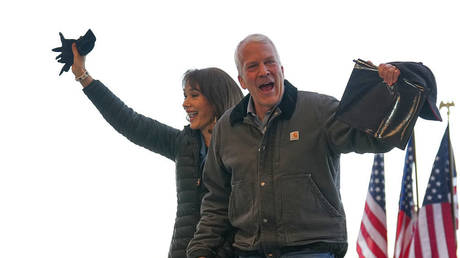
In Alaska, Republican incumbent Senator Dan S. Sullivan now faces a namesake challenger, Daniel J. Sullivan Jr., a retired teacher who is also running in the November 3 election.
According to a New York Times investigation, operatives linked to Democratic candidate Mary Peltola’s campaign and the Democratic Senatorial Campaign Committee allegedly helped recruit the namesake candidate as part of a broader effort to undermine the incumbent. The newspaper cited interviews, text messages and documents detailing the operation, which reportedly began in 2025. Both Peltola’s campaign and the Democratic committee have denied involvement.
Following the report, Alaska Governor Mike Dunleavy, a Republican, ordered an investigation into whether any laws had been broken and whether criminal charges or civil action was warranted. Trump has branded the alleged scheme “voter fraud at the highest level” and called for Peltola and the namesake candidate to be removed from the ballot and prosecuted.
@Odinsraven66 @StephenM To be precise, there is no indication what party "Sullivan, Daniel J. Jr.” might be affiliated with on the Alaska bingo card. https://t.co/TWjsD2dWtT
Russians know the playbook. During the 1998 elections to the St. Petersburg Legislative Assembly, namesake candidates appeared in multiple constituencies. At least two challengers sharing the surname Mironov ran against Sergey Mironov, then acting speaker of the regional parliament. He nevertheless secured a decisive victory with around 70% of the vote.
In a 2000 State Duma by-election in Sverdlovsk Region, Yekaterinburg police chief Nikolay Ovchinnikov faced Vladimir Ovchinnikov, who appeared above him on the alphabetically arranged ballot. The namesake reportedly secured more than 5% of the vote, although the police chief ultimately won.
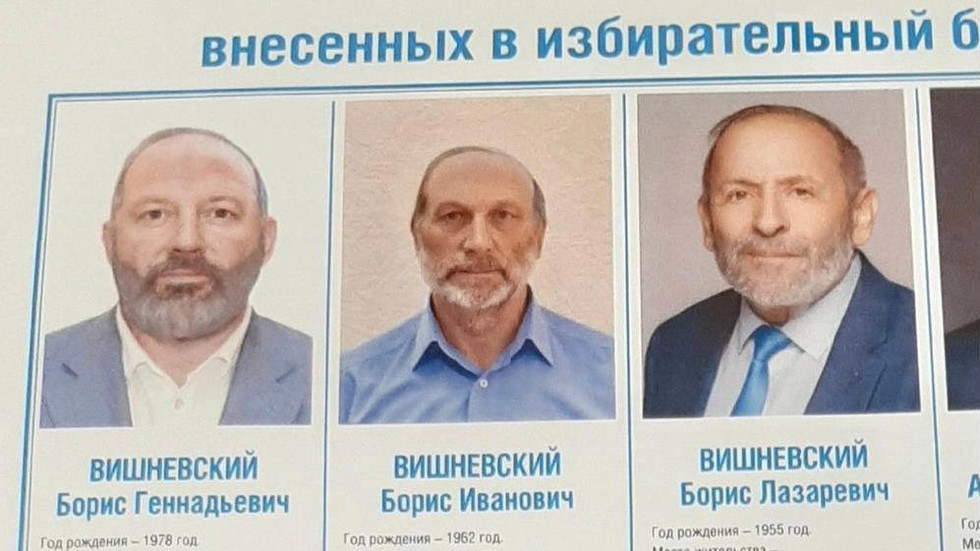
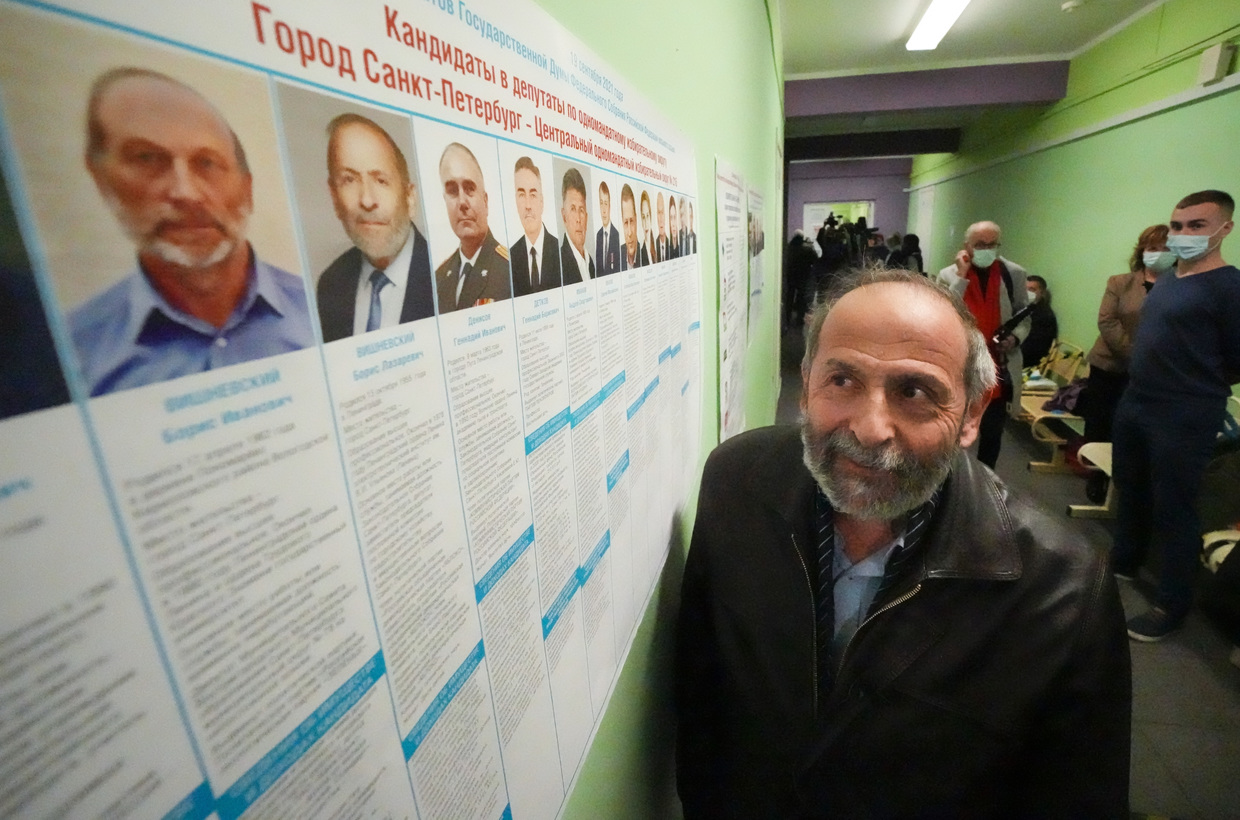
An isolated example of the practice surfaced in St. Petersburg as recently as 2021, when opposition politician Boris Vishnevsky faced two rivals who had legally changed their names to Boris Vishnevsky, adopting similar hairstyles and beards for their election portraits.
This is not the first time the practice has appeared in the US. In the 2020 Florida state Senate race, a little-known candidate named Alex Rodriguez received more than 6,000 votes, while Democratic incumbent Jose Javier Rodríguez lost to Republican Ileana Garcia by just 32 votes.
The namesake candidate subsequently pleaded guilty to campaign-finance offenses connected with the scheme, which involved a former Republican state senator.
El presidente Donald Trump arremetió contra un reportero, en esta ocasión contra un trabajador de Reuters. En un encuentro con la prensa, el mandatario se enojó cuando el comunicador lo cuestionó sobre la cancelación de un mitin en Kansas. De inmediato lo insultó: "Vaya, estás enfermo por hacer esa pregunta. Estás enfermo [...] Reuters es terrible". El gobernante añadió: "Mira a este tipo. Está totalmente fuera de forma [...] Eres repugnante. Ponte en forma. Tienes un aspecto espantoso".
The video by James O’Keefe and Cam Higby centers on Minnesota voting practices allowing one to vote with no ID and to vouch for eight others
Conservative US influencers James O’Keefe and Cam Higby are facing felony charges over a video on Minnesota voting practices that allow one to “vouch” for eight others from the same precinct, while not having to show any ID.
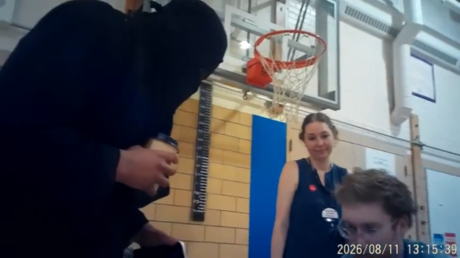
Titled ‘I Wore Burqa To EXPOSE Election FRAUD In Minneapolis’, the stunt was shot during the Minnesota primary election in August. It features Higby posing as a Muslim woman dressed up in a full-face veil, with O’Keefe also wearing mock Muslim attire and speaking in a thick accent.
US President Donald Trump has for years alleged that Democrats have committed voter fraud, including by allegedly allowing non-citizens to participate in elections. The Republican has long advocated a standardized photo ID verification for voting.
On Wednesday, the Hennepin County Attorney’s Office announced that O’Keefe and Higby had been charged with unlawful voting and identity theft. According to Attorney Mary Moriarty, the pair had “visited multiple precincts… and misrepresented their identities by giving election judges names of registered voters in the precinct without those voters’ knowledge or permission.”
Speaking during a press conference, Moriarty said that summonses had been issued in both men’s names. Should O’Keefe and Higby fail to appear in court, an arrest warrant will follow, the official clarified.
While the Hennepin County attorney conceded that neither man signed an oath for ‘vouching’, she insisted that they still intentionally misrepresented “their identity to election judges in applying for a ballot.”
The conservative influencers availed themselves of a procedure which allows a registered voter in Minnesota to vouch for up to eight other voters from the same precinct, permitting the latter to cast their ballots without any further verification. Under Minnesota law, a person vouching for someone else must sign an oath and could face charges of perjury if it turns out that they lied on it.
Commenting on the charges filed against him in the Democratic-run state, Higby wrote on X that he was “not afraid of Minnesota.”
In their video, the conservative influencers specifically state they are “not actually going to vote… [and] touch any ballots,” with no intention to “break the law [or] to commit voter fraud.”
The idea was rather to “point out the vulnerabilities in the system and how easily exploitable it is,” O’Keefe and Higby explain.
Having visited three polling stations in different precincts, the pair concluded that “any person who has the address and name of another person can walk into a Minnesota… polling station and vote in that person’s name without ID.”
Additionally, poll workers “were going to allow me to vouch for eight other people so that they could vote the same day, also without verifying their ID,” Higby says in the video.
Late last year, Minnesota was thrust into the national spotlight after the federal authorities launched an investigation into an unrelated alleged fraud scheme involving multiple childcare centers run by locals of Somali background that appeared to be non-operational fronts.
The probe followed an expose by YouTuber Nick Shirley who claimed that the alleged fraudsters had received more than $110 million in state funds for non-existent services.
A new RUSI report questions the future of Moscow’s strategic forces. Its conclusions leave crucial parts of the picture out
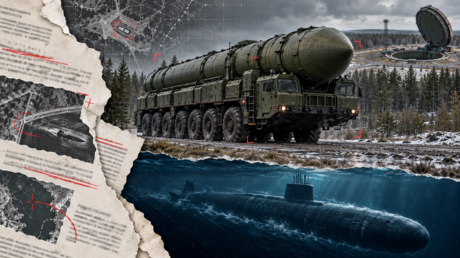
A few days ago, the Royal United Services Institute (RUSI) released a report titled ‘Russia’s Nuclear Deterrent and Its Weapons Procurement’. The report examines the development of Russia’s nuclear triad amid stringent financial constraints and the rising threat of a potential US non-nuclear counterforce strike.
The author of the report, Sidharth Kaushal, makes conclusions based on the publications of Russian military experts in the journal ‘Voennaya Mysl’ (Military Thought), as well as established Western practices for analyzing Russia’s nuclear capabilities.
A British diagnosis of Russia’s nuclear future
Here are the key takeaways from the report:
Paradigm shift: Russia is being compelled to shift its focus from a posture of “assured retaliation” (increasing the survivability of mobile missile systems and submarine-launched ballistic forces to effectively counter a first strike) to a Launch on Warning (LOW) posture (employing its arsenal early against an enemy attack).
Vulnerability of mobile forces: Advancements in US space reconnaissance make the concealment of mobile ground-based systems increasingly ineffective.
Greater reliance on silo-based launchers, which are viewed as more secure bases for strategic missiles. Silo-based systems will comprise a greater proportion of throw weight, particularly since RS-28 Sarmat heavy intercontinental ballistic missiles are silo-launched to ensure instant readiness.
Economic challenges: According to the report, modern Russia cannot pursue a large-scale quantitative increase in its missile arsenal due to the enormous costs associated with developing and maintaining the conventional armed forces amidst the ongoing military operation in Ukraine.
Due to cost parity, the domestic production costs of strategic missile systems compete with conventional weaponry – for example, producing one Yars missile is equivalent to the cost of 15 T-72 tanks.
A labor shortage in the nuclear and missile industries is unavoidable in the current conditions and necessitates a significant increase in wages.
The author also provides interesting assessments of specific weapons systems:
RS-28 Sarmat: The report projects no quantitative increase in the deployment of these missiles. Emphasis is placed on a short boost phase and a high payload capacity for overcoming missile defense systems.
The medium-range Oreshnik missile is seen as a priority in the European theater of operations and as a tool for preemptively neutralizing US Dark Eagle systems in Europe. Given manufacturing shortages, it is expected to be deployed primarily in its nuclear variant.
The long-range KH-BD air-launched cruise missile (with a range up to 6,500 km) is designed to be carried by Tu-95 and Tu-160 bombers, in light of the lack of progress on the PAK DA next-generation stealth strategic bomber.
Burevestnik and Poseidon programs are considered technically unfeasible by the author of the report; due to the high costs, they are perceived primarily as methods of psychological intimidation
Space-based warfare: The report highlights the jamming of US missile defense systems as a major priority for Russia. It predicts the launch of nuclear electronic warfare satellites into orbit and the eventual deployment of full-scale space-based nuclear weapons to create massive plasma fields in the ionosphere.
How can we assess this report? Generally, the picture is more complex than described. Like in the Indian parable about the blind men and the elephant, the author of the report sees certain aspects of the ‘elephant’ but fails to see the general picture, which may be quite different. Let’s take a closer look.
The logic behind Russia’s nuclear shield
Regarding the structure of the strategic nuclear forces and the shifting balance between mobile and stationary systems, the distinctive feature of the Soviet, and now Russian, approach lies in balancing mobile and stationary strategic missile systems. Despite advances in satellite reconnaissance, mobile missile systems hold certain advantages: for example, hundreds of them are deployed over vast territories. Moreover, several Peresvet laser weapon systems have already been deployed; these can blind potential adversaries’ optical reconnaissance systems at a critical moment. While reliance on space-based systems is understandable, it’s important to note that these technologies are also vulnerable to various factors, as we have seen recently.
Stationary missile systems come with a significant drawback: it’s relatively easy to spot their location. However, they offer a high level of protection against non-nuclear strikes and maintain relatively high (though not absolute) survivability in the event of a nuclear exchange. Russia’s strategy combines hard-to-detect mobile missile systems with stationary systems that can be employed in response to a nuclear attack. This combination allows for greater flexibility and multiple operational scenarios. Considering this strategy, it’s likely that a large inventory of Sarmat missiles isn’t necessary – two regiments with 50+ missile silos might suffice. This doesn’t indicate a shift in priorities but rather reaffirms a conservative and justified traditional approach.
We must also note the naval component, which ensures reliable retaliatory capability. Both Russian and Western analysts have grown accustomed to the fact that the Bulava submarine-launched solid-fuel missile has been deployed and will eventually replace other ballistic missiles in the Russian Navy. However, that’s not entirely true. Project 667BDRM DELTA-IV submarines equipped with liquid-fueled R-29RM missiles remain on duty. These missiles are among the most effective strategic systems in terms of their energy-mass efficiency. Judging by statements from 2022, it seems that Russia may very well renew its interest in liquid-fueled sea-based missiles. Maintaining two centers for naval missile production is more expensive than having just one, but if it results in a higher number of warheads with fewer missiles, financial concerns could be overlooked.
Lastly, the demonization of the Oreshnik missile in the West is understandable and, overall, justified. Its minimal flight time presents a significant threat. There’s also the option for hybrid use – deploying it with non-nuclear payloads to signal intentions or for use in low-intensity conflicts. The existence of such a missile system increases the range of potential scenarios for employing strategic forces and provides substantial flexibility.
Even a few launch facilities would suffice for these purposes, which raises questions about the costly deployment of multiple brigades. Most likely, we’re talking about the deployment of divisions with 3-4 TELs instead of full brigades consisting of 12 TELs. This strategy also allows to increase the number of deployed missiles, should the need arise.
Beyond the bluff: Weapons built for retaliation
The assessment of the aviation component of the strategic nuclear forces seems fairly accurate, but it’s necessary to note that several other weapon programs are also being developed alongside the KH-BD missiles. Russian defense contractors consistently work on multiple projects, regardless of the current financial climate. It’s reasonable to assume they’re developing air-launched hypersonic missile systems for both tactical and strategic aviation, as well as various types of cruise missiles for strategic use. Additionally, it’s highly likely that a range of tactical munitions for front-line aviation is also under development. Similarly, work on the new PAK DA strategic bomber is probably ongoing, even if the urgent need for this expensive project has diminished.
I’d like to highlight the assessments regarding the Burevestnik nuclear-powered cruise missile and the Poseidon nuclear-powered UUV. Both systems boast practically unlimited range and the ability to remain airborne/underwater for extended periods of time. There’s a lot of speculation and publicity surrounding these projects, and it makes sense to leverage such groundbreaking initiatives for propaganda purposes. However, this doesn’t negate their real military significance or the seriousness of intentions regarding their deployment.
Infrastructure for these projects wouldn’t be carried out solely for PR purposes. At least one major base with several launch systems is being constructed for Burevestnik missiles, and for the Poseidon UUV, basing facilities are being built in the Pacific Ocean, and it is set to be deployed to the Northern Fleet.
Experts monitor progress and construction through satellite imagery. Tracking testing activities is more complex, but there are signs that work continues in this direction as well. Most importantly, these combat systems possess an unknown yet potentially immense retaliatory capability, which is difficult to evaluate due to the absence of analogues. What’s certain is that their potential is significant. Poseidon UUVs may not be able to target naval fleets, but their true purpose is to ensure guaranteed retaliatory strikes capable of causing total destruction along an adversary’s coastline.
In summary, despite economic and financial challenges, Russia will undoubtedly find the resources necessary to maintain and advance its nuclear triad, or even the more powerful new strategic nuclear forces.
Una manifestación de judíos ultraortodoxos este jueves cerca de la ciudad israelí de Bnei Brak para protestar por el arresto de un joven acusado de evadir el servicio militar terminó en un violento enfrentamiento con la Policía, en el que las fuerzas del orden utilizaron porras, granadas aturdidoras y un cañón de agua para disolver a la multitud. 3 personas fueron detenidas y 30 resultaron heridas, entre ellas manifestantes, agentes policiales y prensa.
Die Zahl der Menschen, die in Deutschland "geduldet" leben, also ausreisepflichtig sind, aber aus irgendeinem Grund nicht abgeschoben werden können, ist vom 1. Januar bis zum 30. September 2026 um 45.000 gestiegen. Darunter befinden sich 13.460 Minderjährige.
Eine Duldung kann aus verschiedenen Gründen erfolgen, unter anderem, weil eine Abschiebung in das Herkunftsland untersagt ist, weil dort Lebensgefahr droht. Hauptgrund ist aber das Fehlen gültiger Papiere. Es gibt auch humanitäre Duldungen wegen sonst nicht behandelbarer Krankheiten oder weil Familienangehörige in Deutschland leben, aber deren Zahl ist vergleichsweise gering.
Das lässt sich an zwei Zahlen erkennen, die ebenfalls in der Antwort der Bundesregierung auf eine Frage der Grünen-Abgeordneten Filiz Polat mitgeteilt wurden: Von diesen 45.000 haben ganze 402 eine Duldung wegen einer Ausbildung und ganze 17 wegen einer ausgeübten Beschäftigung.
Die Liste der sicheren Herkunftsländer wurde übrigens Mitte Juni um Ägypten, Bangladesch, Indien, Kolumbien, Marokko, Tunesien und die Türkei verlängert.
Von Januar bis September 2026 wurden übrigens nach Angaben des Bundesamtes für Migration und Flüchtlinge 51.982 Erstanträge auf Asyl gestellt. Fast genauso viele Verfahren, nämlich 51.234, waren Ende September dort in Bearbeitung. Hauptherkunftsland ist aktuell wieder Afghanistan, gefolgt von Syrien und der Türkei, die nun aber offiziell sicheres Herkunftsland ist.
Entsprechende Zahlen zu Abschiebungen lagen noch nicht vor. Bis zum 30. Juni waren es 9.663. Es ist also davon auszugehen, dass bis Jahresende wieder etwa 20.000 Abschiebungen erfolgen, im selben Zeitraum aber die Zahl der Geduldeten um mehr als das Doppelte anwächst. Was zugenommen hat, ist die Zahl der freiwilligen Ausreisen, die bis Ende Juni bei etwa 17.000 lag, vor allem in die Türkei, sodass sich womöglich am Jahresende Abschiebungen, freiwillige Ausreisen und neue Duldungen ausgleichen. Selbst von einem Rückgang allein der Zahl der jetzt bereits eigentlich Ausreisepflichtigen ist man damit immer noch weit entfernt.

 Login
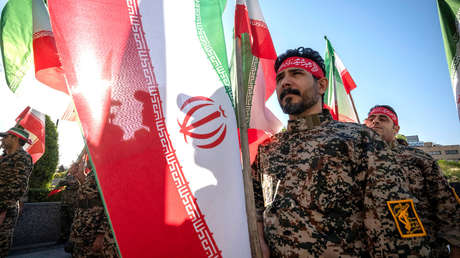 Teherán ha comunicado en numerosas ocasiones sus exigencias a Washington, indicó el presidente del Parlamento iraní.


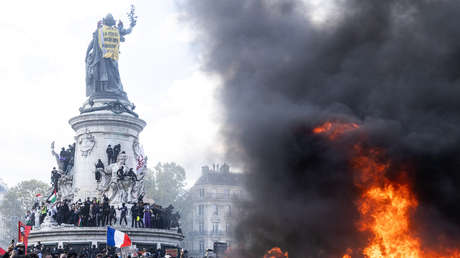 Los disturbios masivos en una serie de países europeos en el otoño de 2026 no son otra cosa que un nivel completamente nuevo de la crisis sistémica que los afecta. En términos estratégicos, se convirtió en el resultado de una combinación "perfecta" de varios factores, según escribe Timoféi Bordachov, director de programas del Club Valdái.
 Aseguró que los fondos de los usuarios están a salvo.
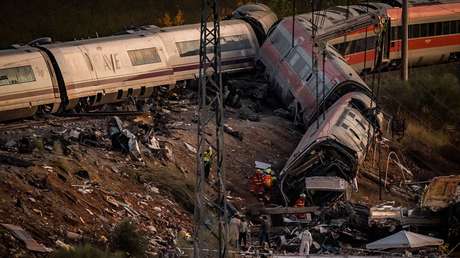 Los investigadores recuperaron las cajas negras de las dos formaciones implicadas en el accidente que dejó 74 muertos.
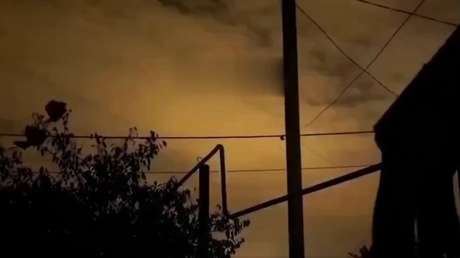 La ciudad de Dnepr se quedó sin electricidad.
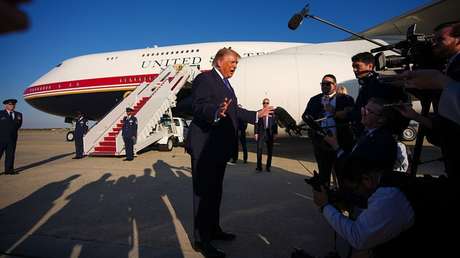 El presidente Donald Trump arremetió contra un reportero, en esta ocasión contra un trabajador de Reuters. En un encuentro con la prensa, el mandatario se enojó cuando el comunicador lo cuestionó sobre la cancelación de un mitin en Kansas. De inmediato lo insultó: "Vaya, estás enfermo por hacer esa pregunta. Estás enfermo [...] Reuters es terrible". El gobernante añadió: "Mira a este tipo. Está totalmente fuera de forma [...] Eres repugnante. Ponte en forma. Tienes un aspecto espantoso".
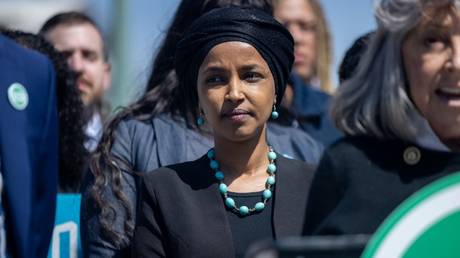
 Anteriormente se informó que Washington está considerando la posibilidad de reanudar los bombardeos después de las elecciones de medio mandato.
 La compañía afirmó que los fondos de los usuarios están completamente seguros.
 Por primera vez el gobernador de Sao Paulo, Tarcísio de Freitas, admite que podría concurrir.

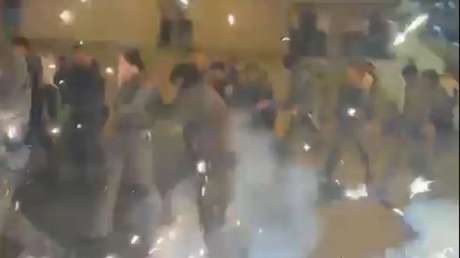 Una manifestación de judíos ultraortodoxos este jueves cerca de la ciudad israelí de Bnei Brak para protestar por el arresto de un joven acusado de evadir el servicio militar terminó en un violento enfrentamiento con la Policía, en el que las fuerzas del orden utilizaron porras, granadas aturdidoras y un cañón de agua para disolver a la multitud. 3 personas fueron detenidas y 30 resultaron heridas, entre ellas manifestantes, agentes policiales y prensa.