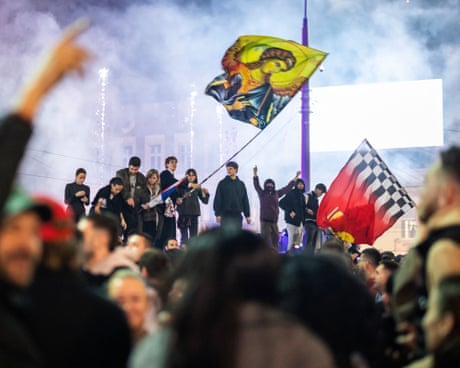
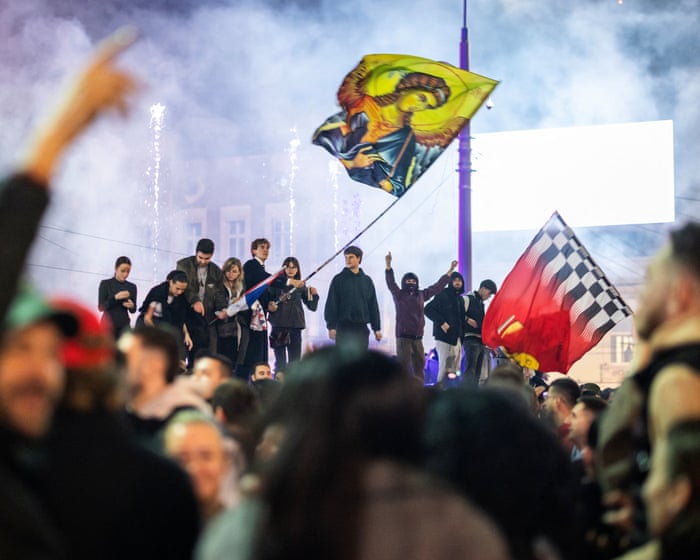
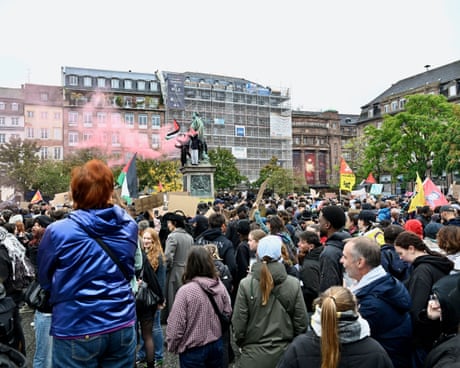
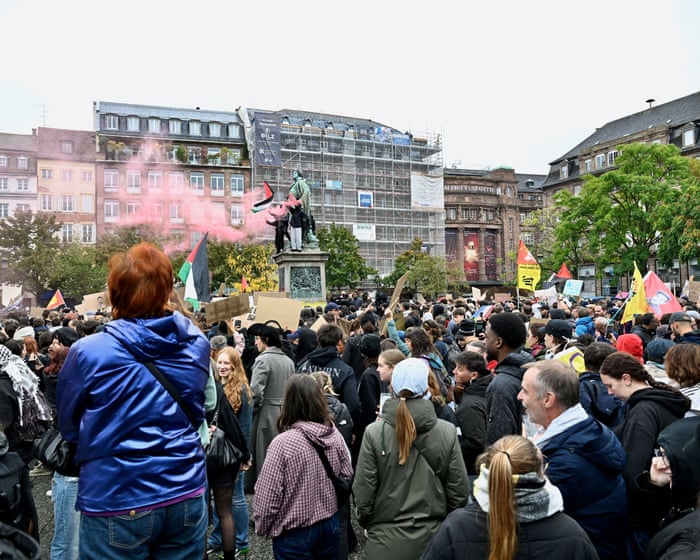
Hundreds of people gathered at Marseille's Vieux-Port on Monday evening to protest against racism following a deadly shooting near Paris. Police estimated the crowd at 800, while organisers put attendance at more than 1,000.
As young people protest poor school conditions and the rising cost of living across Europe, misleading videos are spreading online. Footage from Poland in 2017, military preparations in Portugal and a protest in Argentina have all been falsely presented as recent demonstrations in Europe, painting a misleading picture of unrest. Vedika Bahl fact-checks three viral videos to uncover what they really show and how old footage is being recycled to spread misinformation and attract clicks.
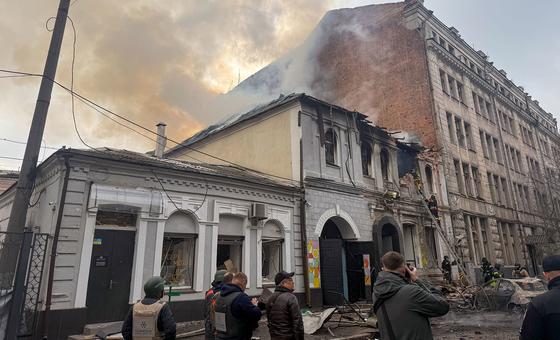
Top human rights experts investigating Russia’s full-scale invasion of Ukraine said on Monday that the Russian authorities had committed war crimes and crimes against humanity by attacking civilians and vital energy infrastructure, among other violations of international law.
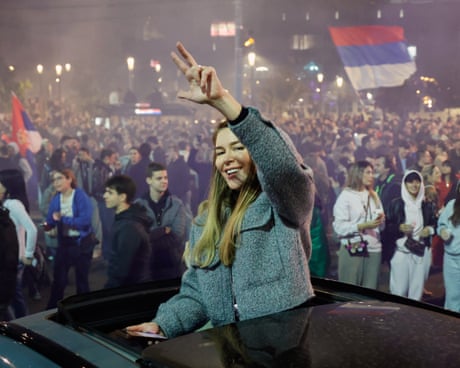
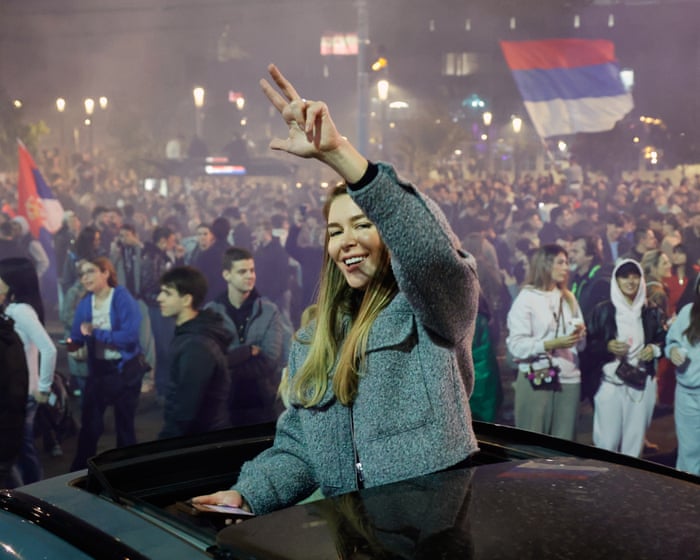
On October 25, Serbia's student-led protest movement won a historic victory in parliamentary elections, defeating outgoing President Aleksandar Vucic's party. Supporters of the student list explained to FRANCE 24 how they mounted a massive mobilisation to fight electoral fraud and monitor the electoral process inside and outside the polling stations.
Activists say struggle must go on until their ‘maximum’ demands are met over teacher shortages and building repairs
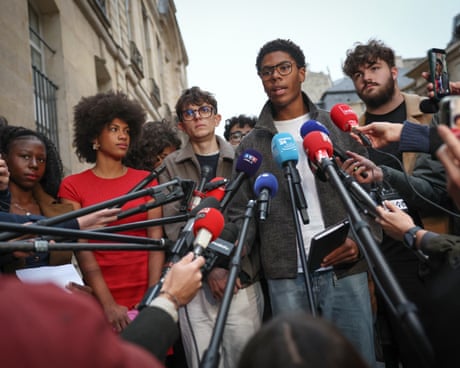
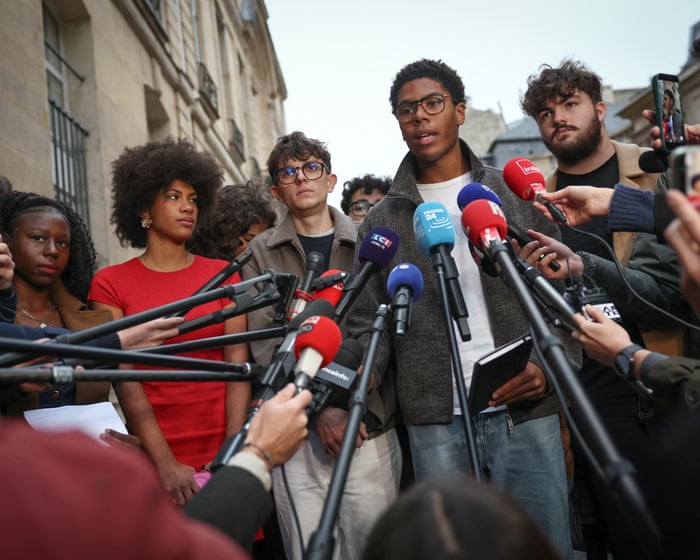
French children should continue to barricade their schools and take part in street protests, a student union said on Monday after the government announced a package of education measures to try to stem the crisis.
“Today we’re at the negotiating table, we’re able to negotiate with the government,” Pierre Sourzat of Les Lycéens told France Info television. “We’re in a power struggle and we still need to call for continued mobilisation to meet a maximum of our demands.”
Emotions ran high in Belgrade on Monday after a student-led movement upset the right-wing populist Aleksandar Vucic's party in Serbia's snap election. A celebratory mood gripped the capital, with drivers honking their horns and passers-by holding up three fingers -- the winning list's ballot number and a Serbian greeting. Many wore badges and other symbols of the student movement, while a large group of residents spent the day cleaning up a park between parliament and the presidency after Vucic loyalists, who had camped there for more than a year, fled. FRANCE 24's Mark Owen speaks with researchers and political activist Aleksandar Matković.
After freedom, we want to give our people something radical: a normal, functioning state
Two years ago, I harboured no political ambition whatsoever. I was a student at the faculty of technical sciences in Novi Sad, my home town, pursuing a PhD in human resources and simply living my life. That was until the canopy collapse at the newly renovated train station in Novi Sad in November 2024, which killed 16 people. I took part in street protests and rallies in response to this shocking event, and like many others, realised that it needed to be a turning point.
This was not an unavoidable tragedy. Systemic corruption and a culture of entrenched impunity were obvious factors in the collapse. But instead of ordering a full and impartial investigation and coming clean on official failings, the authorities began pushing back against us for demanding justice. We were vilified and attacked in the streets but law enforcement did nothing. So we took refuge in our lecture halls and schools, barricading ourselves inside faculty buildings, ready for a long haul.
Novak Simin is a member of Serbia’s Student List movement
Do you have an opinion on the issues raised in this article? If you would like to submit a response of up to 300 words by email to be considered for publication in our letters section, please click here.
In 2003, Chinese president Hu Jintao worried about what became known among the country’s leadership as the ‘Malacca dilemma.’
Some 80 percent of China’s imported crude passed through the Malacca strait which Beijing’s naval forces could not control.
This gave rise to a wider security doctrine of supply-chain resilience which became the basis for China’s transformation into the clean tech powerhouse it is today.
When the US–Iran war disrupted Middle Eastern oil flows this year, Xi Jinping called China’s early bet on wind and solar “forward-looking” – as recounted in a new paper from the London School of Economics’ Grantham Research Institute published on Monday (26 October).
The paper identifies green growth as “the answer” to geopolitical uncertainty. Clean tech isn’t just clean, it’s also secure and not dependent on imports. Plus, it delivers a “more durable pathway” to “economic resilience.”
Some governments want to expand fossil-fuel imports, or drill more oil or gas wells, arguing that a more diversified supply chain improves resilience. But the paper dismissed that.
Oil and gas are priced on global markets, so even producers are exposed to price shocks. More North Sea drilling would save UK households between £16 and £82 (€19 to €98) a year, the paper finds, citing Oxford University research, compared with £105 to £441 on a renewables and electrification pathway.
It’s interesting comparing how the two political systems respond to (hypothetical) supply shocks. In China, the mere threat of losing control of one strait was enough to transform energy politics gradually over many years.
This article continues, but the full version is available only to EUobserver.com subscribers. Visit account.euobserver.com/membership
Two years after the Novi Sad tragedy gave birth to a youthful political movement, Sunday’s remarkable election has taken the country into a new era
This weekend it will be two years since the collapse of a shoddily constructed train station canopy in Serbia’s second city, Novi Sad. The tragedy, killing 16 people, was swiftly attributed to state corruption and failures of regulation, sparking student-led protests across the country.
Some of those demonstrators dared to imagine that they could become the catalyst for a democratic revolution.
After a year in exile, Venezuela's opposition leader returns, ready to negotiate with the government. The EU welcomes her and calls for free and fair elections.
Clarification comes after PM fuelled speculation about EU-UK relationship in series of interviews at weekend
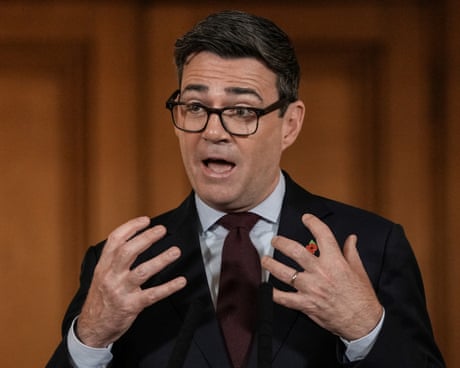
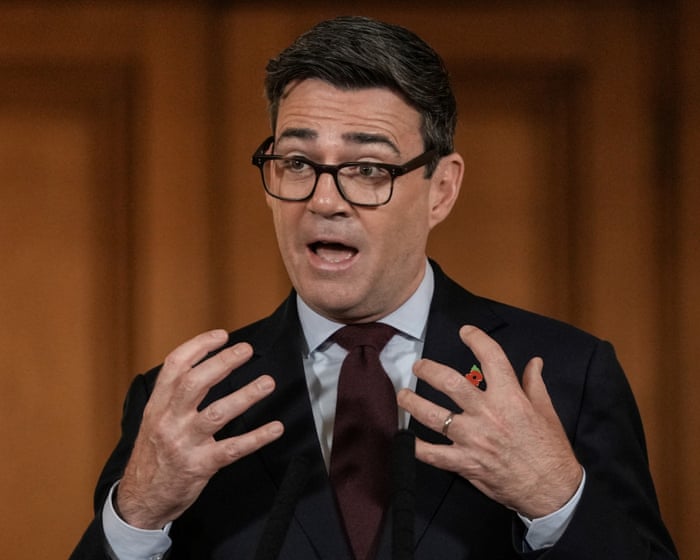
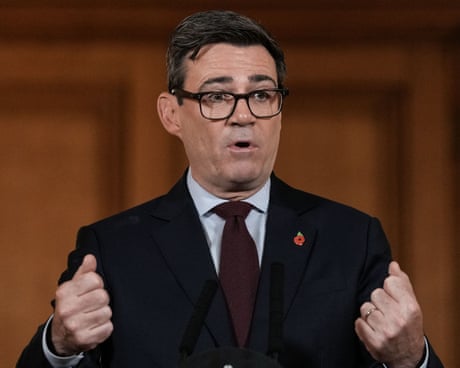
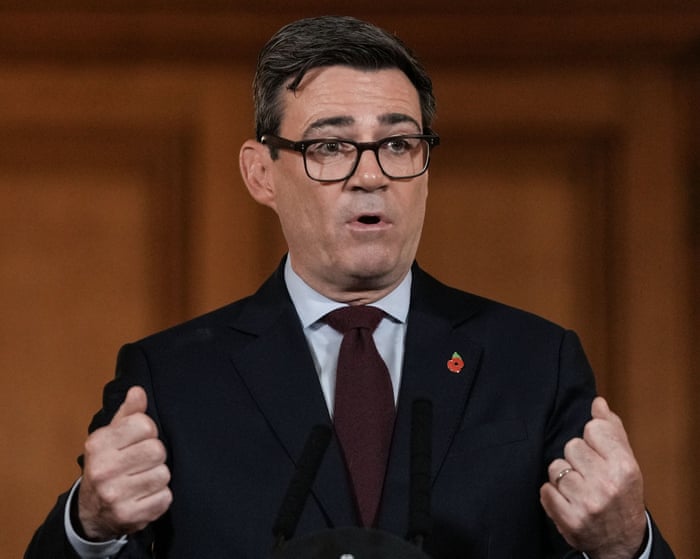
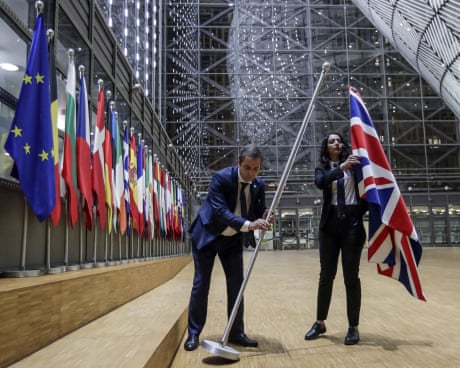
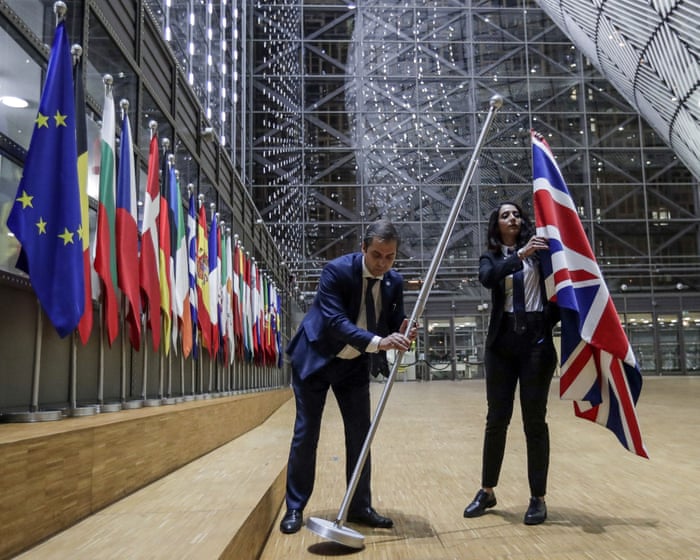
Downing Street has been forced to clarify Andy Burnham’s stance on whether the UK would return to having freedom of movement with the EU after the prime minister said an “honest discussion” was needed on the issue.
Burnham fuelled speculation about a return to freedom of movement in an interview at the weekend, prompting questions about how close the UK could become to Brussels.
The Vatican says the Pope is recovering well and will be able to visit Uruguay, Argentina and Peru from 6 to 17 November, with doctors ruling out any complications that could derail the trip.
Andy Burnham claims revising Brexit would ‘bring people together’. The PM wants to look again at issues like free movement, but rules out joining the euro or Schengen. Would rejoining the EU bring up old wounds and risk further division?
Plus, as chancellor John Healey gears up for a tricky budget, what should you be looking out for?
Readers respond to Polly Toynbee’s article on the possibility of rejoining the EU
With all due respect to Polly Toynbee, why do we assume that we would need another referendum to return to Europe (Shall we have another EU referendum? Maybe – but not yet, 19 October)? The last one didn’t work out too well. Asking the electorate to vote a simple yes or no on such a complex and multifaceted deal was never going to be the right approach; nor will it be to go back in.
Call it what you will – Brejoin, Bre-entry, Brehabilitation – it shouldn’t be an all-or-nothing deal. The one thing that Brexit has given us is the opportunity to cherrypick the elements of a relationship that are of mutual benefit to both parties. How about approaching it on a piecemeal basis, processing it through normal parliamentary procedure? No buses required.
Gary Jones Wimbledon, London
Amid widespread protests, Muriel E Cockcroft has sympathy for French youth but fears how much steam will be let out at the next convulsion
I’m writing in response to your editorial (The Guardian view on France’s protests: a polarised country is in a perilous political moment, 19 October). While the focus is on Emmanuel Macron, let us not forget the hierarchical structure of French administration, from mayors to MPs to senators to prefects and heads of region. All are part of the government, but few stood up to bring leaky school roofs and missing teachers to national consciousness. I deplore the senseless destruction of shops and state buildings. But I also deplore the fact that students had to protest to be heard. In the many administrative tiers of this highly hierarchical country, no one acted and inertia prevailed.
Centrally, the government is financially challenged but refuses to acknowledge that having a huge deficit, an ageing population and a low retirement age are perhaps connected. Modest attempts to increase the retirement age also provoked violent protests. Financial tools for individual retirement remain complex and restricted. Thus, this sclerotic system presses on until the next crisis.
The French government met student representatives on Monday (October 26) following weeks of unrest. Students who had been demanding a meeting for weeks hail progress. Nonetheless they are now calling for fresh demonstrations next Saturday (October 31) to press for further measures. Details by FRANCE 24’s French Politics Editor Marc Perelman.
At least two people were killed and 17 injured in a Ukrainian drone attack on Russia's Voronezh region. Flames engulfed buildings, while falling debris struck a commuter train.

 Login