❌

Reading view

Ebola Outbreak in Congo Tops 10,000 Cases as Death Toll Mounts
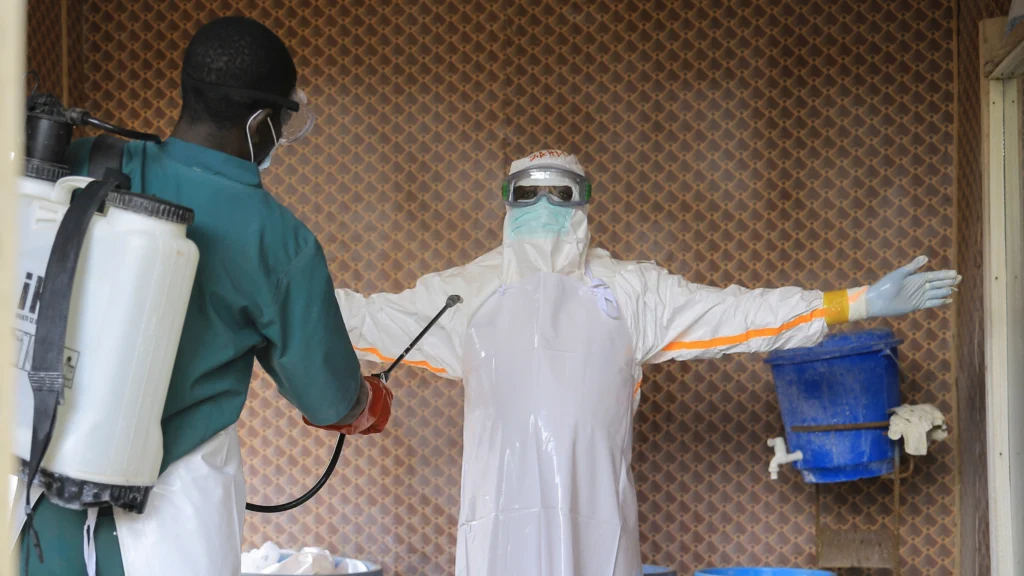
Ebola outbreak in the Democratic Republic of the Congo, health workers in protective equipment and efforts to contain the virus.

Nearly half of confirmed infections have been fatal, while undetected transmission, attacks on health workers and limited treatment options hamper containment.


The Eola outbreak in the Democratic Republic of the Congo has surpassed 10,000 confirmed cases, with nearly half of those infected dying, as health authorities struggle to contain the fastest-growing outbreak on record and prevent further spread across Africa.

RELATED: Ugandans Who Travel DRC Will Spent 21 Quarantine Days at Come Back Due Ebola

The outbreak, declared in May and caused by the rare Bundibugyo virus, has become the deadliest Ebola epidemic in Congo’s history, according to data released Tuesday by the country’s Health Ministry. No approved vaccine or treatment is available for this strain.

The epidemic has spread to 66 health zones across eight provinces, up from three when the outbreak was first declared. At least 2,600 patients have recovered, but response teams continue to face armed conflict, poor road conditions, community resistance and distrust fueled by misinformation.

Footage shows healthcare workers singing and dancing at an Ebola treatment centre in DR Congo after the last patient made a full recovery and left.

The Doctors Without Borders-run centre in Mongbwalu was where the latest outbreak began. pic.twitter.com/syUqGFQYlP

— Al Jazeera English (@AJEnglish) October 29, 2026

The outbreak has also spread farther across Africa than any previous Ebola epidemic, reaching three regions of the continent. Cases have been reported in five countries, including Kenya, Nigeria, Uganda and France. Uganda and France currently have no active cases.

Weak disease surveillance has compounded the crisis, with many initial infections confirmed only after patients developed symptoms or traveled elsewhere. The spread of the virus beyond known contacts remains a major obstacle to containment.

About 80% of reported infections in Congo involve people who were not among the contacts being monitored by health authorities, indicating that transmission chains remain undetected. According to the Africa Centres for Disease Control and Prevention, at least 95% of cases would need to be identified among known contacts for the outbreak to be considered largely under control.

At least half of recorded deaths have involved people who were never admitted to treatment centers, highlighting the difficulty of persuading communities to report symptoms and seek medical care.

The response has also been undermined by overcrowded treatment facilities, inadequate transport and repeated strikes by health workers protesting delayed or unpaid wages. In the Nia Nia health zone in Ituri province, some Ebola response personnel, including surveillance and community engagement staff, went on strike last week over unpaid bonuses owed since late August.

Violence against health workers remains another serious concern. On Saturday, a nurse was killed and another health worker seriously injured while responding to an Ebola alert in Bafwasende, in Tshopo province. More than five months after the outbreak was declared, response teams continue to face attacks by angry residents.

In Ituri, the outbreak’s epicenter, burial teams must also persuade families to hand over the bodies of relatives who have died from Ebola so they can be buried safely. Some residents remain skeptical of the disease’s severity despite being directly exposed to the risk.

Sephora Bgosi, a member of an Ebola burial team in Ituri, said some people continued to underestimate the disease even when they faced a direct risk of infection. She stressed that Ebola is highly dangerous and can be fatal.

Ebola Disrupts Essential Health Services

The epidemic is placing additional pressure on Congo’s already underfunded and overstretched health system, disrupting essential services and diverting attention from other outbreaks, including cholera.

Maternal deaths have doubled in some provinces since the outbreak began, as more pregnant women avoid hospitals for fear of infection and isolation. Routine services, including childhood vaccinations, have also been disrupted. Schooling has been interrupted in affected areas, where millions of children are already out of school, while families face trauma, stigma and further economic hardship.

Despite the mounting toll, the outbreak has produced rare moments of relief. A video that went viral this week showed health workers in full protective equipment dancing as the last two patients were discharged from a treatment center in Mongbwalu, in Ituri province.

At least 2,600 people have recovered in Congo, offering some respite to communities affected by the epidemic. World Health Organization Director-General Tedros Adhanom Ghebreyesus responded to the video by acknowledging that the outbreak remained far from over while emphasizing the importance of every recovery.

African health ministers were scheduled to hold a virtual summit on Wednesday to strengthen the continent’s collective response. Jean Kaseya, head of the Africa Centres for Disease Control and Prevention, stressed the need for faster cross-border action, closer coordination, greater solidarity and decisive political leadership as the virus continues to spread.
  •  

Flávio Bolsonaro Flees to US, Claims Brazil Presidency

Flávio Bolsonaro rejects Brazil’s 2026 presidential election results after arriving in the United States.

After losing to Luiz Inácio Lula da Silva by 4.4 million votes, the senator rejects the election result and calls on supporters to mobilize from abroad.


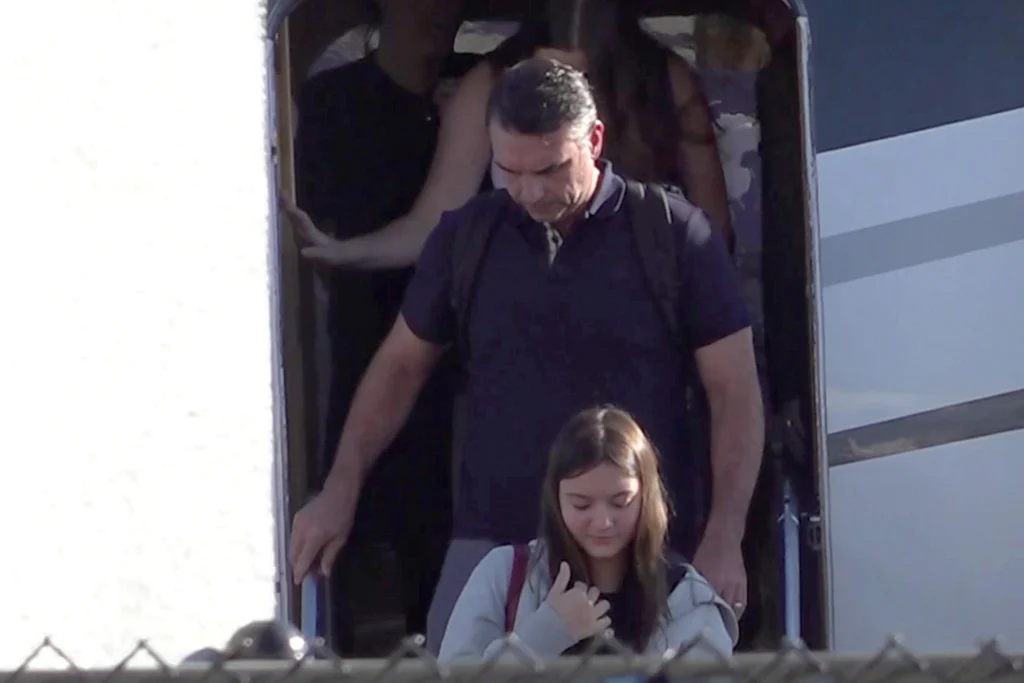
Brazilian senator Flávio Bolsonaro has fled to the United States and declared himself Brazil’s “true elected president” after losing the presidential election to Luiz Inácio Lula da Silva by 4.4 million votes, challenging the official result from abroad.

RELATED: The Bolsonaro Clan Faces Systemic Corruption Probes in Brazil

In a manifesto published after arriving in the United States, Bolsonaro accused Brazil’s government of operating as a “regime” and alleged electoral fraud, citing a judicial decision that extended voting hours from 5 p.m. to 7 p.m. He also urged his supporters to mobilize against the election result.

Official figures show that just 34,300 votes were cast after the usual closing time, too few to alter the overall outcome. Bolsonaro’s own campaign had requested the extension, according to the press release.

His declaration puts him at odds with his own party, the Liberal Party (PL), which formally recognized the election results. The move echoes a strategy previously adopted by Venezuelan opposition figure Juan Guaidó, who declared himself his country’s legitimate leader.

Text Reads: The Argentine government allegedly facilitated Flávio Bolsonaro’s escape to the United States, according to accusations seeking to hold President Javier Milei, Foreign Minister Pablo Quirno, Security Minister Alejandra Monteoliva, and advisor Santiago Caputo criminally liable.
⚖️ The charges allege crimes including concealment, human trafficking, and failure to enforce security controls. Bolsonaro crossed the border using an Italian passport—despite it being suspended—and boarded a private jet to Miami, bypassing Brazilian airspace while under the escort of the Airport Security Police.
🔍 The complaint raises questions about who paid for the flight, estimated at $140,000. Meanwhile, lawmaker Agustín Rossi has called for the questioning of Chief of Cabinet Diego Santilli, warning that the incident compromises Argentine sovereignty and the nation’s relationship with Brazil.

Bolsonaro’s departure for Florida follows a similar move by his father, former President Jair Bolsonaro, who traveled to the state in late 2022 after losing his election.

Other figures aligned with the Bolsonaro family are also in the United States, including his brother Eduardo Bolsonaro, political influencer Paulo Figueiredo and Alexandre Ramagem, the former head of Brazil’s intelligence agency, Abin. They have faced prosecution or investigations over alleged offenses linked to attempts against Brazil’s democratic institutions.

U.S. President Donald Trump confirmed that he had facilitated the entry of Flávio Bolsonaro and his family by arranging visas through the State Department.

The manifesto initially featured the former coat of arms of the “United States of Brazil” before the English-language version was corrected to use “Brazil,” according to the press release.

Bolsonaro is also facing judicial investigations in Brazil over alleged irregular financing and the preventive retention of passports, the press release states.

Lula’s victory breaks a run of nine electoral wins in the region by right-wing candidates promoted or backed by the Trump administration, including Argentina’s 2025 legislative elections.

  •  

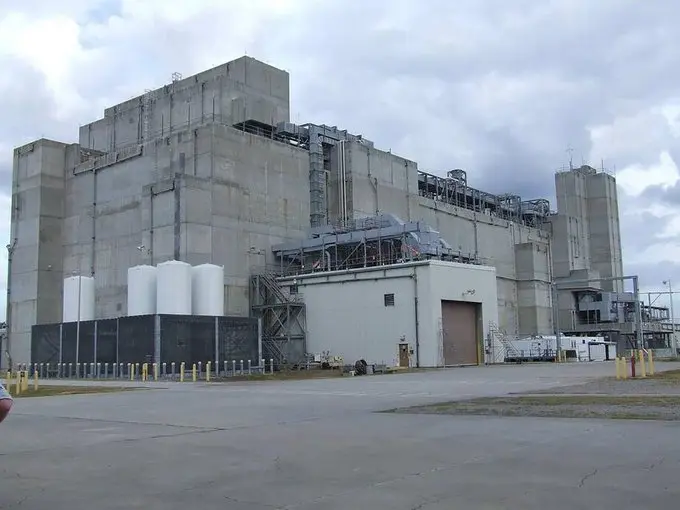
Fire at South Carolina Nuclear Site Prompts Emergency

Fire at the Savannah River National Laboratory nuclear research facility in South Carolina prompts emergency response.

The blaze was extinguished and no contamination was reported outside the affected facility.


A fire at a U.S. nuclear research facility in South Carolina triggered an emergency response Wednesday, prompting temporary access restrictions and precautionary measures for workers before the emergency was lifted later that evening.

RELATED: Putin Discusses Russia-U.S. Diesel Deal with United Arab Emirates

The emergency was declared at 5:39 p.m. local time (2139 GMT) after a fire broke out at the Savannah River National Laboratory, part of the U.S. Department of Energy’s Savannah River Site (SRS).

The fire was later extinguished, and no contamination was reported outside the affected facility, the SRS said in a social media statement.

Authorities temporarily suspended traffic at the site’s entrances and restricted rail, river and air traffic in the surrounding area. Employees not involved in emergency response or shutdown operations were directed to shelter as a precaution.

🔥 US officials end Site Area Emergency following a fire at Savannah River National Laboratory in South Carolina

☢️ Radiological surveys detect no contamination, according to officials https://t.co/37keP3xVfb pic.twitter.com/XNhM9QU9TT

— Anadolu English (@anadoluagency) October 29, 2026

The emergency was terminated at 9:45 p.m. local time (0145 GMT Thursday), according to a subsequent update.

The Savannah River Site was established in the 1950s to produce tritium and plutonium for U.S. nuclear weapons. It is now used for environmental stewardship and cleanup, nuclear waste management and the disposition of nuclear materials, according to the Department of Energy.

  •  

Bolivia Opposition Calls for Probe Into Leaked Cerimedo Tapes

Bolivia opposition demands investigation into leaked Fernando Cerimedo recordings and alleged ties to Rodrigo Paz’s government.

Recordings allegedly linking Argentine political strategist Fernando Cerimedo to President Rodrigo Paz’s inner circle have yet to be authenticated.


Bolivia’s main parliamentary opposition force has called for an immediate prosecutorial investigation into leaked recordings allegedly linking Argentine political strategist Fernando Cerimedo to President Rodrigo Paz’s government, including one purportedly capturing a conversation with First Lady María Elena Urquidi.

RELATED: Bolivian VP Formally Accuses First Lady and Cerimedo of Influence Peddling

Lissa Claros, head of the Libre Alliance caucus in the lower house, called on prosecutors Wednesday to appoint a special team to establish the authenticity of the recordings, which have circulated in recent months, and clarify Cerimedo’s role in the administration.

“The recordings keep emerging every day, yet the Public Prosecutor’s Office has not issued a statement. Do they want the Cerimedo case to go unpunished? Bolivia needs to know what role Mr. Cerimedo played,” Claros said. “Was he the one running the state from the shadows, or not?”

Claros insisted that the investigation must be impartial and that everyone should be subject to scrutiny, including the president’s wife.

El agente argentino de la derecha latinoamericana Fernando Cerimedo era el "presidente en la sombra" de Bolivia: ponía y sacaba ministros a su antojo y todos los directores del Estado le respondían, reveló su exesposa Nadia Beller. 🇧🇴🗣️ #teleSUR #12Oct pic.twitter.com/1S11od16En

— teleSUR TV (@teleSURtv) October 12, 2026

Text ReadsArgentine agent of the Latin American right Fernando Cerimedo was the “shadow president” of Bolivia: he appointed and removed ministers at will, and all the state directors answered to him, revealed his ex-wife Nadia Beller. 🇧🇴🗣️

One of the recordings purportedly captures a conversation between Cerimedo and Urquidi about government affairs. Its authenticity has not been established through official forensic examinations.

The leaked material has fueled scrutiny of Cerimedo’s reported ties to Paz’s inner circle and his alleged influence within the executive branch. The allegations have also drawn on statements and recordings released by Cerimedo’s former partner, lawyer Nadia Beller, remarks by Vice President Edmand Lara, an opposition figure, and reports in local media.

Cerimedo has been held in pretrial detention in Bolivia since August following a shooting attack by hired gunmen targeting Beller. He faces formal charges of attempted femicide as the alleged intellectual author of the attack, as well as separate proceedings over alleged domestic and family violence against Beller and alleged illicit enrichment.

Cerimedo’s political activities across Latin America have also come under scrutiny. In Brazil, he promoted a false narrative of electoral fraud in 2022. In Argentina, he played a significant role in the digital strategy for Javier Milei’s 2023 presidential campaign.

His company was also linked to disinformation operations during Chile’s constitutional referendum campaign, in which the Rejection bloc opposed the proposed constitution. His reported political connections extend to Argentine politician Patricia Bullrich, Honduran politician Nasry Asfura and other right-wing figures in the region.

In Bolivia, Cerimedo reportedly joined Paz’s political circle as an adviser, a relationship now at the center of questions raised by the leaked recordings.

Libre’s call for a formal investigation comes as the recordings remain unauthenticated, leaving allegations about Cerimedo’s role in the government unresolved.

  •  

Israel Election Deadlock Clouds Prospects for New Government

Israel election results leave Benjamin Netanyahu and Gadi Eisenkot facing coalition negotiations in the Knesset.

Arab parties could hold the balance of power as rival blocs fall short of a majority, leaving coalition talks or fresh elections on the table.


Israel faces difficult negotiations to form its next government after parliamentary election results left rival blocs short of a majority, with Arab parties potentially holding the key to breaking the deadlock.

RELATED: Israel Kills Four Palestinians in Gaza Despite Ceasefire

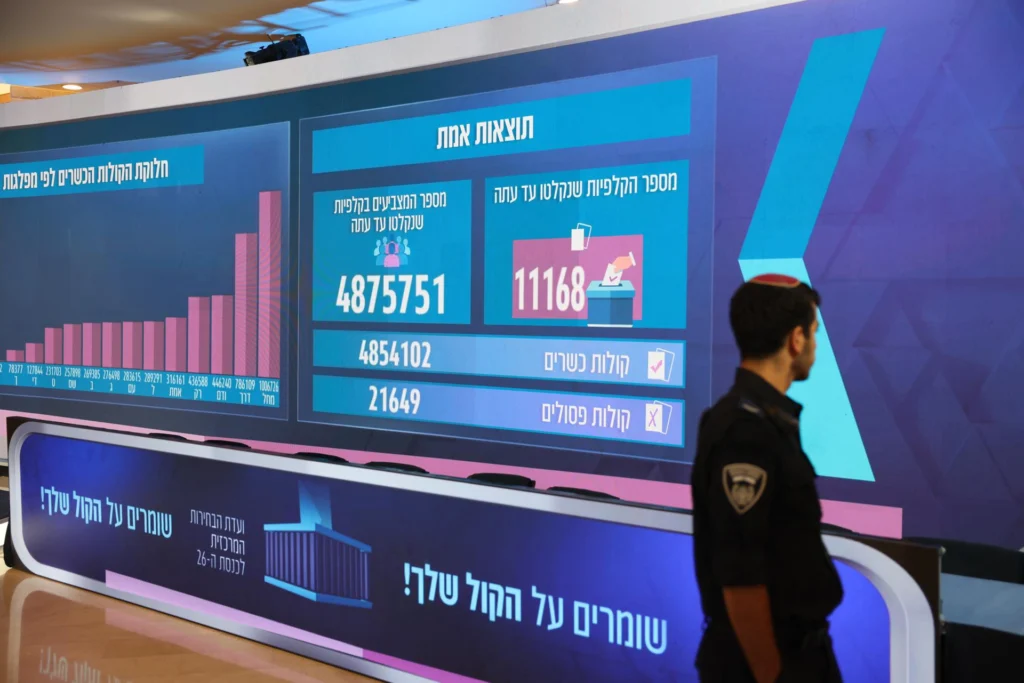
With 88.6% of the vote counted, Prime Minister Benjamin Netanyahu’s bloc held 53 seats in the 120-member Knesset, compared with 48 for the opposition camp led by centrist Gadi Eisenkot. Arab parties won a combined 19 seats, leaving neither side with the 61 needed for an absolute majority.

The Central Elections Committee is expected to publish the final results on Friday, after counting between 430,000 and 480,000 double-envelope ballots cast by military personnel, diplomatic staff, prisoners and people who are ill.

Once the results are official, President Isaac Herzog will ask the candidate he considers best placed to assemble a majority to form a government. The designated candidate will initially have 28 days to build a coalition, with the option of a 14-day extension.

The negotiations could be protracted. Netanyahu took 58 days to form his current cabinet after the November 2022 election, and the latest results leave both camps facing obstacles to securing the support needed to govern.

Eisenkot has a relative advantage in seeking coalition partners, as smaller right-wing parties failed to clear the threshold required to enter parliament, limiting Netanyahu’s options for gaining additional seats.

Arab parties could prove decisive in the negotiations. Raam, led by Mansour Abbas, has signaled its willingness to open talks with Eisenkot’s bloc, while the Joint List has proposed providing a parliamentary “safety net” to any coalition that removes Netanyahu from power.

Opposition leaders have nevertheless been reluctant to enter formal agreements with Arab parties, given hostility toward such arrangements among substantial sections of the electorate. During the campaign, Netanyahu used the prospect of cooperation between his rivals and Arab parties to attack the opposition, describing it as an alliance of the “left and the Muslim Brotherhood” that would undermine state security.

Yair Golan, leader of the Democrats and the only Zionist political figure openly willing to include Arab parties in a governing arrangement, has convened talks with Eisenkot and Yair Lapid to discuss possible alliances.

Avigdor Lieberman, leader of Yisrael Beiteinu, has taken a different approach. He opposes both a minority government dependent on Arab parties and a cabinet headed by Netanyahu, preferring instead a national unity arrangement in which Eisenkot joins the incumbent prime minister.

Eisenkot has advocated a “Zionist mobilization government” as an alternative. In a social media post following the release of the initial projections, he wrote: “There are still long days of work ahead of us, but we are focused on the important task entrusted to us: bringing change to Israel and establishing a Zionist mobilization government.”

National unity or another election

A national unity government bringing together parties with a Zionist profile, while excluding Arab and ultra-religious parties, has been floated as another way out of the deadlock. A poll published in mid-October found that 55% of respondents preferred such an arrangement to holding another election.

The proposal faces significant political resistance. In 2020, Netanyahu and centrist Benny Gantz agreed to rotate the premiership under a power-sharing deal that collapsed after a year. Local media have reported behind-the-scenes efforts by Herzog to bring Netanyahu and Eisenkot closer, but the opposition has framed the election as a referendum on Netanyahu’s leadership.

If coalition talks fail, Israel could be forced to hold another election, repeating a cycle of political instability that saw four national votes between April 2019 and March 2021.

Alternative arrangements, including a minority government supported by individual lawmakers, could avert an immediate return to the polls. Until a new administration is formed, Netanyahu will remain in office in a caretaker capacity.

  •  
❌