❌

Reading view

Haiti Postpones Presidential Elections Until 2027 Amid Escalating Gang Violence
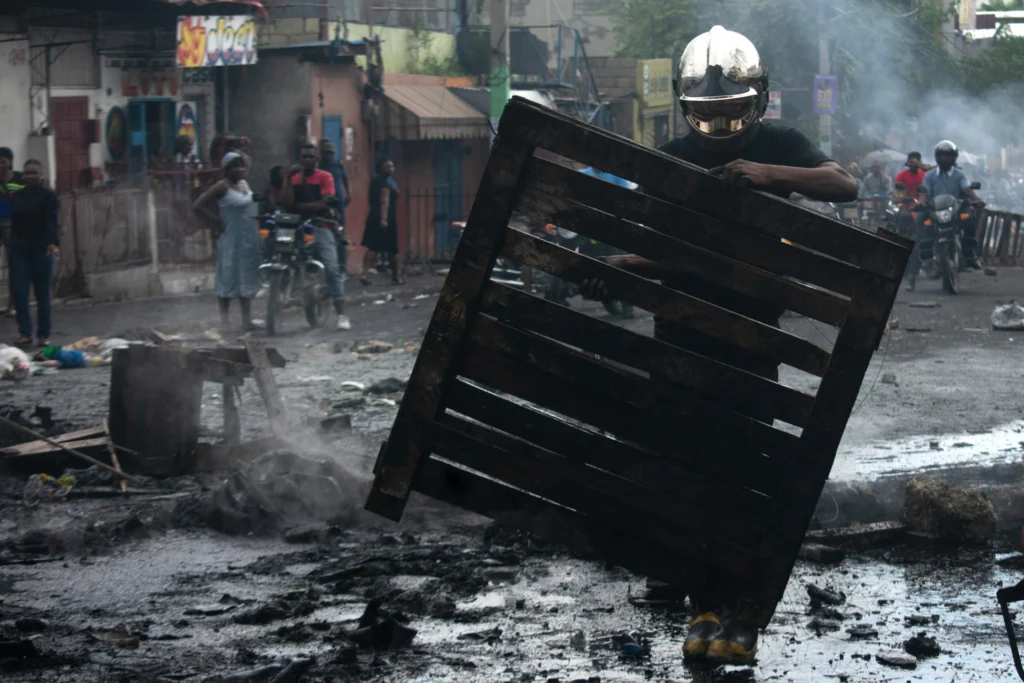
Photo: EFE.

Haiti has postponed its presidential and legislative elections once again, pushing the first round from December 13 to July 18, 2027, as armed gangs and a decade-long institutional vacuum leave the country with no elected official since 2016.


The move had been expected since the start of the month, when the council extended the deadline for candidate registration to October 31 without setting a new voting date.

The first round of the presidential and legislative elections, together with the constitutional referendum, now falls on July 18, 2027. A second round -including presidential and legislative runoffs and local elections- is scheduled for October 4 of that same year. The campaign, originally due to begin on October 5, will open on April 15, 2027, roughly three months before polling day.

RELATED: UN Security Council Reaffirms Mandate in Haiti Despite Attacks

Under the updated schedule, candidate registration will remain open through February 9, 2027, while voter registration is extended to May 20. The council’s online platform shows that nearly 890,000 voters are registered on the electoral roll, far short of the 7.7 million people of voting age.

Despite repeated calendar revisions, candidates have continued to register for the elections. According to the Provisional Electoral Council ’s latest updates, over 7,300 candidates have registered for different elected positions. The provisional list includes 19 candidates for President, 369 for the Senate, 1,293 for the Chamber of Deputies and 5,623 for local elections.

Haïti a de nouvelles dates pour les élections présidentielle, législatives et municipales à venir :
18 juillet 2027 pour le premier tour – 4 octobre 2027 pour le deuxième tour, selon une communiqué du Conseil électoral provisoire. pic.twitter.com/A4raK78ifp

— Frantz Duval (@Frantzduval) October 29, 2026

Text reads: “Haiti has new dates for the upcoming presidential, legislative and municipal elections: July 18, 2027 for the first round – October 4, 2027 for the second round, according to a communiqué of the Provisional Electoral Council.”

The Provisional Electoral Council (CEP) framed the decision as an effort to keep the process moving. “The updated calendar aims to facilitate the continuation of electoral operations under conditions that allow the stakeholders concerned to fulfill their obligations in accordance with the provisions of the legal framework,” the council explained in a statement accompanying the new plan.

The body also pledged to move forward “with dialogue, professionalism and rigor,” targeting elections that are inclusive, credible and transparent. It promised to respect “the right of each citizen to participate in the democratic life of the country.”

That language contrasts sharply with conditions on the ground. Haiti has not held an election since 2016, when Jovenel Moïse won the presidency. He took office in February 2017 and was assassinated on July 7, 2021, at his residence in Port-au-Prince.

Since that killing, no elected official has occupied any post in the country’s state structure. Successive transitional governments have cycled through without managing to organize a vote. Prime Minister Alix Didier Fils-Aimé, the current leader, has governed on an interim basis since November 10, 2024.

The elections were first set for August 30 of this year. The political and security crisis, driven by armed gang violence and the failure to restore institutional stability, forced a postponement to December 13. That date has now been abandoned for July 18, 2027.

Gangs Hold the Capital

Armed gangs control most of Port-au-Prince. The main force arrayed against them is the Gang Suppression Force (GSF), created in September 2025 under a UN Security Council mandate and renewed for six additional months when it reached its first anniversary.

The latest delay unfolds as hundreds of Salvadoran soldiers search the Haitian capital for four kidnapped colleagues. Those troops belonged to the GSF and vanished on October 18, when armed gangs ambushed them on the outskirts of Port-au-Prince.

The #GSF confirms that it has received, through a third-party humanitarian organization, remains suspected of being those of the four personnel from the Salvadoran contingent currently missing.
At this stage, the GSF is not in a position to confirm that the remains are those of… pic.twitter.com/JvfLg1DfCG

— Gang Suppression Force – Haiti (@GSForceHaiti) October 25, 2026

PM Fils-Aimé presides over a country under siege. He holds no elected mandate himself, and the security conditions that have justified every postponement show no sign of easing.

For Haitians, the wait has now stretched past a decade without a chance to cast a ballot. Each interim administration has promised elections and delivered another delay. The violence cited as the obstacle has, in turn, deepened with every year of institutional drift.

Whether July 2027 becomes a genuine election day depends on factors no schedule can secure: safe streets, working electoral machinery and a minimum of political consensus. As things stand, the only firm date in Haiti is a next postponement.

  •  

Billions Dollars Stolen in Historic Cryptocurrency Cyberattack

According to preliminary reports, billions of dollars in digital assets may have been compromised, although the full extent of the alleged breaches remains unverified. Photo: Getty images.

Billions of dollars in crypto assets were reportedly stolen in separate hacks targeting Binance and Polymarket, triggering a market selloff and raising fresh concerns over digital asset security worldwide.


The cryptocurrency industry faced one of its most turbulent days this Thursday as reports of massive security breaches involving Binance and Polymarket triggered sharp market declines, widespread panic among investors, and renewed concerns over the security of digital asset platforms.

While Binance investigated what could become the largest cryptocurrency hack in history, Polymarket temporarily halted operations following a cyberattack linked to a third-party service provider.

RELATED: Artificial Intelligence Pioneers Call for International Body to Oversee Cybersecurity Standards


The crisis began when reports emerged suggesting that Binance, the world’s largest cryptocurrency exchange by trading volume, had suffered a major security breach. Initial estimates indicated that nearly $600 million in crypto liquidations occurred across exchanges within a single hour as traders rushed to reduce risk amid growing uncertainty.

We are working non-stop to resolve this issue. Binance will cover all losses.

As a precaution, all deposits and withdrawals are temporarily suspended while our team conducts security checks, freezes funds, and works with law enforcement.

We are working around the clock and will… pic.twitter.com/zufWJ6V05D

— Binance (@binance) October 30, 2026

As the situation unfolded, blockchain analysts reported that wallets allegedly tied to the attackers had received digital assets worth more than $5.5 billion. Later disclosures suggested that the amount associated with the incident could exceed $5.7 billion across multiple cryptocurrencies, including Bitcoin, Ether, USDT, and USDC.

The market reaction was immediate. Bitcoin fell below the $80,000 threshold, while Binance Coin (BNB), the exchange’s native token, dropped sharply. Other major cryptocurrencies also recorded significant losses as investors sought safety amid fears of a systemic security event affecting one of the sector’s most important institutions.

Changpeng Zhao, widely known as CZ and the founder of Binance, stated that the available information appeared to indicate that the platform had suffered a hack. Although no longer involved in the day-to-day management of the company, Zhao expressed hope that all customer funds would ultimately be protected.

Binance, for its part, sought to reassure users, stating that customer assets remained secure and urging the community to remain vigilant against scams and phishing attempts that often proliferate during high-profile security incidents. The company also temporarily suspended several Binance Alpha services, including CEX Buy Token, Alpha Instant, and predictive trading-related functions linked to spot wallet funds.

As investigators worked to determine the full scope of the breach, Binance announced that approximately $2.54 billion worth of assets had already been frozen through emergency security measures. The exchange emphasized that only verified information would be released as the investigation continued.

We are aware of differing figures circulating publicly regarding the amount frozen, including references to $1.8 billion.

For clarity, the current verified total frozen is $2.54 billion. This figure may continue to increase as our teams work closely with law enforcement,… pic.twitter.com/Kx68qptfXk

— Binance (@binance) October 29, 2026

The turmoil was compounded by a separate cyberattack targeting Polymarket, one of the world’s most prominent prediction market platforms. The company temporarily suspended trading operations for nearly an hour after identifying a security incident involving an external service provider.

According to reports, attackers may have exploited a vulnerability connected to DebugBear, a third-party performance and analytics tool used by the platform. The breach allegedly resulted in the theft of roughly $2.65 billion to $2.7 billion worth of cryptocurrencies from user wallets, making it one of the largest incidents ever reported in the prediction market sector.

Following the attack, Polymarket notified British authorities, as preliminary information suggested the operation may have originated from the United Kingdom. At the same time, users reported missing funds and emptied wallets across community channels, raising concerns about the broader implications of third-party software vulnerabilities within the crypto ecosystem.

Despite the disruption, Polymarket moved quickly to restore operations and pledged to compensate affected users. In public statements, the company promised to reimburse all verified losses, an effort aimed at restoring confidence and preventing a prolonged loss of trust among traders.

POLYMARKET HALTS TRADING AFTER HACKERS DRAIN USER FUNDS WITHOUT PASSWORDS OR SEED PHRASES

Attackers allegedly exploited users’ active sessions to sell their positions and withdraw funds directly through Polymarket’s own system.

The attack reportedly originated from a… pic.twitter.com/GJB7MTrBfH

— Bitcoin News (@BitcoinNewsCom) October 29, 2026

Security Under Fire

The dual incidents have reignited a longstanding debate over cybersecurity standards in the cryptocurrency industry. For years, exchanges and digital asset platforms have promoted increasingly sophisticated security systems, yet the scale of the reported losses at Binance and Polymarket suggests that even major players remain vulnerable to large-scale attacks.

If confirmed at the estimated levels reported by analysts and security firms, the Binance breach would surpass all previous cryptocurrency thefts on record, marking a pivotal moment for the digital asset industry. Combined with the Polymarket attack, the events of October 29 erased billions of dollars in market value, exposed potential weaknesses in platform security infrastructure, and highlighted the systemic risks that continue to accompany the rapid growth of the global cryptocurrency ecosystem.

The cyberattack has renewed warnings about cybersecurity protections, investor confidence and risks associated with the use of digital financial platforms.

As investigations continue, regulators, security experts, and investors alike will be watching closely to determine not only how the attacks occurred, but also what they reveal about the resilience of the crypto industry in an era of increasingly sophisticated cyber threats.

  •  

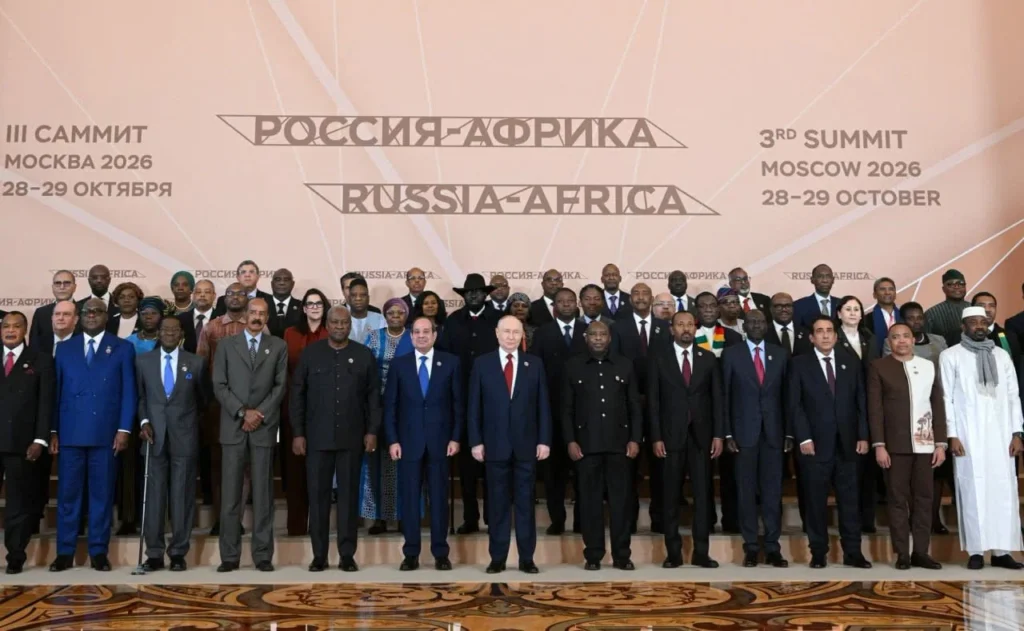
Third Russia-Africa Summit Ends With AI Deal, 2027-29 Action Plan

Russian President Vladimir Putin emphasized that bilateral relations are underpinned by historical bonds of friendship for the building of a multipolar world order, genuinely democratic and free from impositions or hegemonic double standards. Photo: Russia-Africa Summit.

The third Russia-Africa Summit concluded in October 29 in Moscow with a final declaration deepening strategic cooperation and a 2027-2029 action plan, as Vladimir Putin framed the partnership as a pillar of a multipolar world free from neocolonial practices.


The 3rd Russia-Africa Summit concluded on October 29 at the Kremlin, where the plenary session approved the final declaration, a specific agreement on artificial intelligence, and the action plan that will govern the 2027-2029 period, presenting the A7 platform as a sovereign alternative to Western banking.

These documents set out the agreed roadmap for expanding cooperation between Moscow and African states while advancing what both sides describe as a fairer international system. A world order free from hegemonies ultimately summarizes the goal declared by the parties.

RELATED: Moscow Hails Africa as Multipolar Pillar Ahead of Russia-Africa Summit

The final declaration consolidates what the Kremlin describes as steady progress toward a just international system, while the separate statement on artificial intelligence opens a new technological front in the partnership.

Alongside the summit, the Economic and Humanitarian Forum also took place, serving as a platform to deepen bilateral exchange. According to participants, the forum sought a joint response to financial pressures and coercive measures imposed by Western countries.

Multipolar Order Takes Shape

Addressing the plenary session, Vladimir Putin stated that bilateral relations rest on a shared history of friendship, which he described as the foundation for a global architecture with multiple centers of power and no double standards. In this sense, the Russian President reaffirmed his country’s commitment to international law, the Charter of the United Nations (UN), and the sovereignty of African nations, which he argued is essential for strengthening their economies and social sectors.

The model currently promoted by Moscow combines technology transfer with sovereign investment. Through this approach, the parties reaffirm their rejection of resource exploitation and their commitment to stronger cooperation across the Global South.

Putin insisted that the Russian business model breaks sharply with the extractivism practiced throughout history by the imperial powers of the collective West. “Their approach is the exact opposite. Far from extracting profits in the manner of the colonial practices once employed by former imperial powers, they reinvest their earnings in the development of their national economies,” the Russian leader said.

This combination of technology transfer and sovereign investment, he argued, underpins the rejection of resource plunder and moves forward the integration of the Global South on more equal terms.

🇷🇺🌍 Putin Pushes for $50B+ Russia–Africa Trade and Alternatives to Western Finance

At the Russia–Africa summit in Moscow, Putin called for doubling bilateral trade, expanding payments in national currencies and sharing Russian technology in energy, AI, agriculture and… pic.twitter.com/JJ8ZaU53v3

— Think BRICS (@RealBRICSnews) October 29, 2026

Sovereign Payment Alternative

Russian President Putin underscored the operational efficiency of the A7 platform, explaining that conversions between currencies, digital ones included, are processed instantly, slashing the costs, delays and financial intermediation that have long made Global South trade more expensive.

“Digital currencies are developing all over the world, both in the United States and here in Russia, but why can’t the African continent connect to this high-tech system?” he asked the international delegates. His answer was unequivocal. “This system is sovereign as well. It is not tied to anyone or anything, and nobody is going to block it,” he stressed.

⚡️Russia showcases payment systems operating beyond Western control

Finance Minister #Siluanov highlighted Russian company A7, which is preparing to offer cross-border payment services in #Africa, with transactions processed "in one click" for a fee of just 0.3% pic.twitter.com/xFlbWGK15b

— Russian Embassy in South Africa 🇷🇺 (@EmbassyofRussia) October 29, 2026

Created in the wake of the Western financial measures introduced in 2022, the A7 platform now processes around 2,000 transactions per day on average. It is being presented to African countries as a mechanism for selling raw materials, purchasing industrial inputs, financing infrastructure projects, and importing food using their own currencies, without relying on Western banking systems or their associated conditions and transaction costs.

The action plan running through 2029 supplies the framework for converting the summit’s pledges into concrete mechanisms over the next three years, consolidating what both parties describe as movement toward a just international system.

  •  

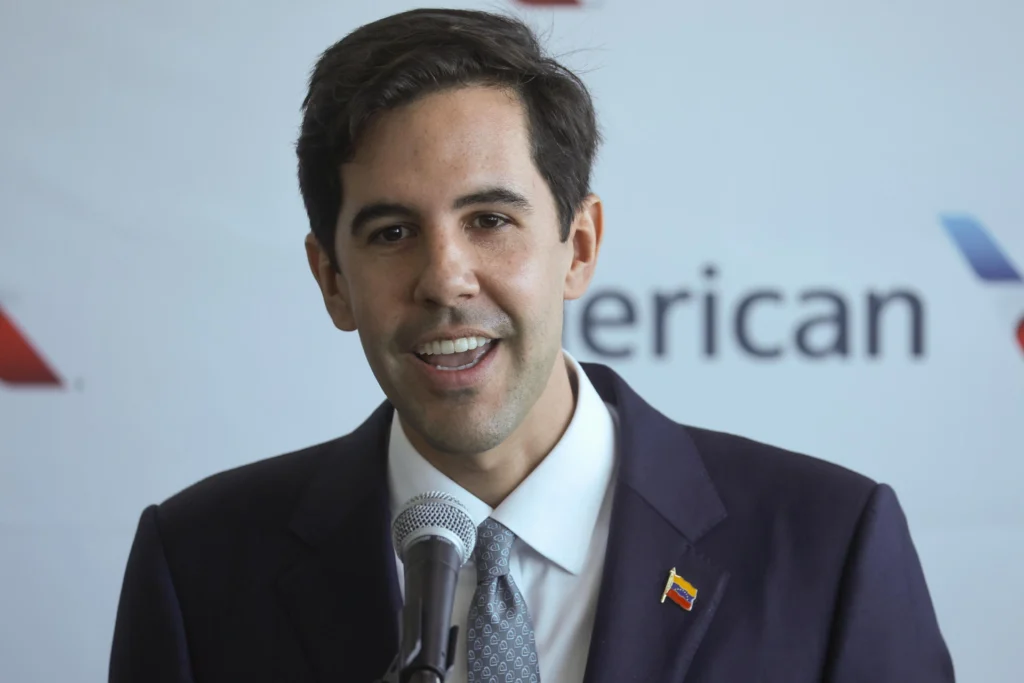
Venezuela Appoints Oliver Blanco as New Foreign Minister

Oliver Blanco, 35 years old, has a degree in International Studies and a master’s degree in Political and Government Studies. Photo: EFE.

Venezuela’s Acting President Delcy Rodriguez appointed Deputy Minister Oliver Blanco as the country’s new Foreign Minister on Thursday, while outgoing top diplomat Félix Plasencia will lead the mission to recover Venezuelan gold held in the United Kingdom.


Acting President Delcy Rodriguez announced the moves in Caracas during an event focused on the National Electric System, where she also outlined plans for the country’s energy infrastructure.

The reshuffle places a 35-year-old diplomat at the helm of the Foreign Ministry and redirects a veteran official toward a long-running dispute over state assets frozen abroad.

RELATED: Delcy Rodríguez Announces Transformations, Labor Dialogue, and Reforms in Venezuela

“I have decided to appoint Oliver Blanco as Foreign Minister of the Bolivarian Republic of Venezuela. I hope this strengthened team keeps advancing in the changes and the geopolitical recovery of Venezuela in areas of cooperation and friendship with all countries,” Rodriguez said.

He designado a Oliver Blanco, joven profesional de las relaciones internacionales, como nuevo ministro del Poder Popular de Relaciones y Comercio Exterior. Confío en su preparación, compromiso y capacidad para asumir esta importante responsabilidad al servicio de Venezuela.… pic.twitter.com/A0gaqGOWnv

— Miraflores Al Momento (@MirafloresAM) October 29, 2026

Text reads: “I have appointed Oliver Blanco, a young professional in international relations, as the new Minister of People’s Power for Foreign Relations and Trade. I trust in his preparation, commitment and ability to take on this important responsibility in the service of Venezuela. I thank Félix Plasencia for his dedication and work at the head of the Chancellery, and who will now assume new international strategic tasks.”

The new Foreign Minister Blanco, holds a degree in International Studies from the Central University of Venezuela and a master’s degree in Political and Government Studies from the Metropolitan University. His previous post covered Europe and North America, a portfolio that included some of the governments most active in the sanctions and asset disputes that have defined Venezuela’s recent foreign relations.

Gold Recovery Mission

Felix Plasencia, who steps down as Foreign Minister, will now serve as director of International Affairs for the Presidency. His immediate priority is clear. “His first task is to settle in the United Kingdom until we recover the gold that belongs to Venezuelans,” the Acting President Rodriguez stated.

The assignment follows a request Rodriguez made on Wednesday. She asked the Foreign Ministry and the Attorney General’s Office to begin formal procedures to recover Venezuelan gold retained at the Bank of England. The precious metal has been at the center of a legal battle involving rival claims over Venezuela’s legitimate government, with London courts weighing which authority controls the reserves.

Recibo con mucha humildad y compromiso la responsabilidad que me ha encomendado la presidenta encargada, @delcyrodriguezv.

Defenderé nuestra soberanía y el interés nacional con firmeza, trabajando siempre por alcanzar beneficios concretos para nuestra gente.

Me siento orgulloso… pic.twitter.com/AamIdSnuvS

— Oliver Blanco (@OliverBlanco) October 29, 2026

Text reads: “I accept with great humility and commitment the responsibility entrusted to me by the Acting President @delcyrodriguezv. I will defend our sovereignty and national interest firmly, always working to achieve concrete benefits for our people. I am proud to accompany the Acting President in this process of democratic transformation, to which we all have something to contribute to bring it to a successful conclusion.”

Cabinet Reshuffle Expand

The changes extend beyond the two senior positions. Marynna Saatdjian will take over as Vice-minister for Europe and North America, filling the role Blanco leaves behind. Saúl Ameliach, until now a Vice-minister at the Ministry of Economy and Finance, moves to head the Vice-ministry of International Trade.

Acting President Rodriguez framed the appointments as part of a broader effort to strengthen Venezuela’s diplomatic corps. She emphasized that the government will continue pursuing cooperation and friendship with all countries while defending national sovereignty.

The diplomatic shift carries particular weight given the gold dispute. Venezuela has pursued the release of its reserves held in London for years, arguing the assets belong to the Venezuelan people and are needed for social programs and economic recovery. By sending Plasencia directly to the United Kingdom, the government signals it intends to press the matter with renewed intensity.

With Blanco at the Foreign Ministry, Plasencia handling international affairs from the Presidency and new vice ministers in place, the administration has assembled a team positioned around two core objectives: restoring full diplomatic engagement and reclaiming state assets held overseas.

  •  

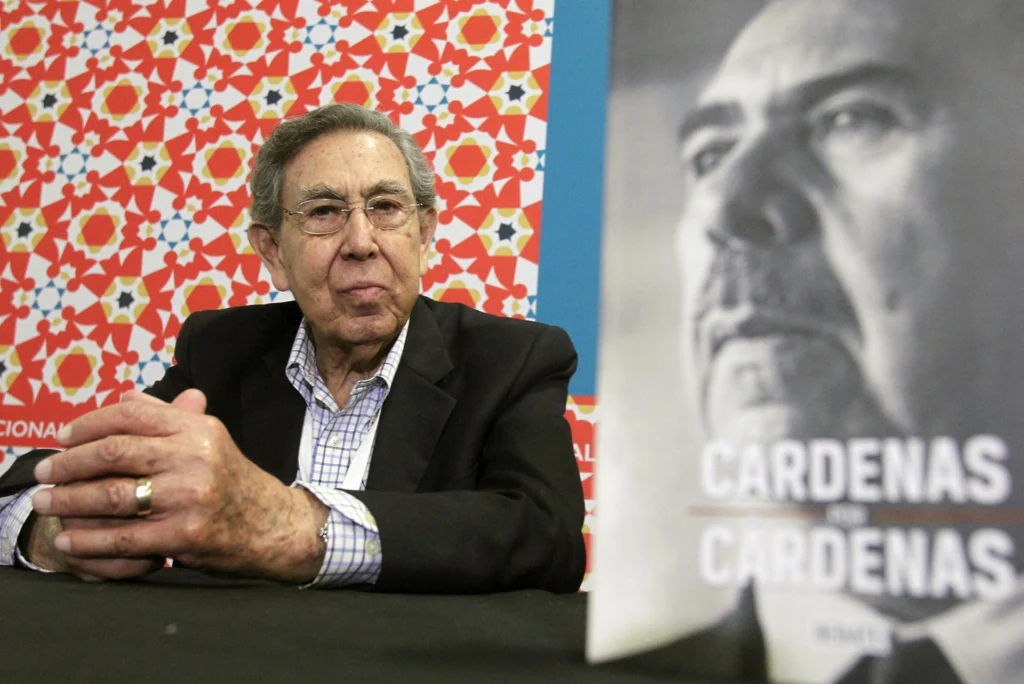
Cuauhtemoc Cardenas, Historic Figure of Mexican Progressivism, Passed Away at 92

Cuauhtémoc Cárdenas Solórzano dedicated more than six decades to the defense of energy sovereignty, the rights of the popular classes and the structural transformation of the Mexican political system. Photo: EFE.

Engineer Cuauhtemoc Cardenas Solorzano died on October 28 in Mexico City at the age of 92. A victim of an oncological illness, he was the first elected head of government of the capital.


Cuauhtemoc Cárdenas inherited that cause and devoted more than six decades to it, along with the defense of the rights of the working classes and the structural transformation of Mexico’s political system.

He became established as a reference point for the country’s progressive, patriotic and transformative struggles.

RELATED: Long Live Independent, Free, Sovereign Mexico!: President Sheinbaum

The engineer was the son of General Lazaro Cardenas del Río, who carried out the 1938 nationalization of Mexico’s oil industry, a decision that placed crude oil under state control and became a milestone of national sovereignty.

His remains are being mourned on October 29 at the French Pantheon in the capital, the mausoleum where his life partner, Celeste Batel, also rests. He is survived by three children: Lázaro, Cuauhtémoc and Camila Cárdenas Batel.

🇬🇧 The Socialist International mourns the passing of Cuauhtémoc Cárdenas, our Honorary President, a tireless champion of democracy and social justice in Mexico and Latin America. Our heartfelt condolences to his family, his comrades and the people of Mexico.

📷 “Cuauhtémoc… pic.twitter.com/JEsGQyNnKf

— Socialist International (@Soc_Intl) October 29, 2026

From PRI to PRD

Cardenas began his political activity in 1954 through the National Liberation Movement (MLN, in Spanish) and served as governor of Michoacán from 1980 to 1986. In 1987 he led the deepest break in contemporary Mexican politics. Together with Ifigenia Martínez, Porfirio Muñoz Ledo and César Buenrostro, he founded the Democratic Current within the Institutional Revolutionary Party (PRI, in Spanish) to fight the imposition of the presidential candidate and the shift toward the neoliberal model.

He left the PRI that year and was nominated by the Authentic Party of the Mexican Revolution, later building the National Democratic Front with a range of social forces. The July 6, 1988 presidential election was marked by the scandalous fraud of the so-called “system crash,” which imposed Carlos Salinas de Gortari. That day marked a turning point in the struggle for clean elections. Cardenas led the peaceful protest, together with other candidates, to avoid violence and bloodshed in the country.

After the fraud was carried out, Cuauhtemoc Cardenas drove the founding in 1989 of the Party of the Democratic Revolution (PRD), a platform oriented toward rejecting privatizations and budget austerity, and defending secularism and state control of strategic industries.

After his presidential bids in 1988 and 1994, on July 6, 1997 he became the first elected head of government of what was then the Federal District. His victory dismantled the direct control of the executive branch over the capital and established an administration with a social emphasis, transparency and priority attention to vulnerable sectors.

At 90, at the tribute paid to him by National Autonomous University of Mexico (UNAM), he firmly recalled that winning democracy in Mexico cost the lives of between 600 and 800 activists who fell in various days of struggle. Their killings remained unpunished under the governments of the regime.

🕊️ Un encuentro que quedó para la historia. El 3 de julio de 2018, dos días después de su triunfo electoral, @lopezobrador_ se reunió con Cuauhtémoc Cárdenas, a quien reconoció como precursor del movimiento democrático que daría paso a la 4T.

Así el momento. 👇#OnceNoticias 🔻 pic.twitter.com/ZkUXFx1lpP

— Once Noticias (@OnceNoticiasTV) October 29, 2026

Text reads: “A meeting that has gone down in history. On July 3, 2018, two days after his electoral victory,
@lopezobrador met with Cuauhtemoc Cardenas, whom he recognized as the precursor of the democratic movement that would lead to the 4T (4th transformation).”

Final Years and Honors

In his last years, Cardenas defended strategic resources against transnational capital. On March 18, 2026, at the ceremony for the 88th anniversary of the oil expropriation in Pueblo Viejo, Veracruz, President Claudia Sheinbaum named him head of the Advisory Commission of the state oil company Pemex.

He received an honorary doctorate from the National Polytechnic Institute in January 2026, and in September 2026 the National Autonomous University of Mexico (UNAM) created the Cuauhtémoc Cárdenas Chair in recognition of his contribution to sovereignty and self-determination.

He ran for president a third time in 2000. The defense of strategic resources was his last great cause, which he upheld uncompromisingly in his final years against the appetites of transnational capital.

Mexican President Claudia Sheinbaum opened her morning press conference in the Treasury Hall of the National Palace with the homage, describing the former governor and presidential candidate as one of the central figures of contemporary Mexican politics. She presented his political life not as a single campaign, but as the foundation of a broader national transformation.

“His legacy is of honesty and democracy, but democracy that comes from below, not the democracy of the elites. Democracy as the people in power,” she asserted.

Members of her cabinet joined the tribute, underscoring the peaceful and sovereign character of Cárdenas’s historic campaign.

Interior Secretary Rosa Icela Rodríguez highlighted the leader’s composure in channeling popular outrage through democratic means after the electoral manipulation of 1988. “Leading a popular mobilization requires responding to people’s expectations, but also protecting their lives and preserving the possibilities of continuing the struggle,” she said, honoring militants persecuted by the regime of that era.

For his part, Pablo Gómez, head of the Presidential Commission for Electoral Reform, defined Cárdenas as “the leader of the political rupture with national surrenderism, anti-democracy and corruption.” He called him an indispensable precedent for the electoral gains of the present day.

  •  

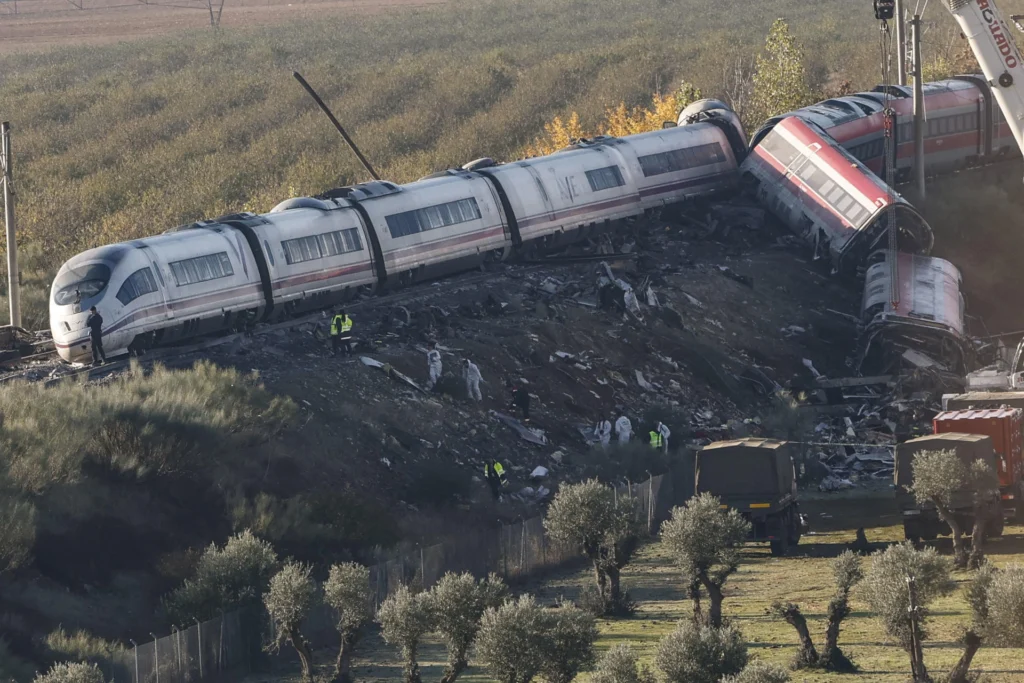
Spanish Train Crash Death Toll Remains 69 After Authorities Revise Figure

The accident occurred after the LZB safety system of the high-speed line Madrid-Seville recorded a crash on Wednesday at 8:30 A.M. local time. Photo: EFE.

The high-speed train collision in Urda, in the Spain’s province of Toledo, has 69 deaths confirmed on October 29, with 107 injured still hospitalized after a train was cleared to move despite a safety system failure.


The Spanish Commission of Investigation of Railway Accidents (CIAF) rectified this afternoon the last figure of death people of the train accident of Wednesday in Urda, in the Spanish province of Toledo, south of Madrid, mantaining at 69 the number of fatalities. The correction came minutes after the same agency raised the figure to 74 on its website.

Sources from the Ministry of Transport assured that the official data are those provided by the regional government of Castilla-La Mancha and that they do not confirm “any data” of those deaths, despite the figure published earlier on the website of the Commission of Investigation of Railway Accidents (CIAF), which is hosted on the page of the Ministry.

RELATED: Spain Declares Three Days of National Mourning After Toledo Rail Tragedy

According to the account provided by authorities, the LZB safety system on the Madrid-Seville high-speed line went down at 8:30 A.M. local time, forcing at least six trains to stop. Six minutes later, at 8:36 A.M. local time, the control center authorized the Renfe AVE train to resume its journey. It traveled 25 kilometers before hitting, at 8:53 A.M., an Iryo train that was stopped on the track. The investigation is ongoing and the sequence of events has not been confirmed in court.

Transport Minister Óscar Puente called the order issued from the Adif command center at Atocha station in Madrid “inexplicable.” He confirmed that the system was showing a red warning alerting to the presence of the stopped train.

The authorities reported that the person responsible for authorizing the advance is identified and under investigation, amid harsh questions about the state management of public transport after two serious accidents were recorded in the same year.

The judge in charge of the case barred access to anyone not involved in the work around the crash site, covering a two-kilometer perimeter along the high-speed line in both directions. The order bans the removal of materials and the dissemination of images in order to preserve evidence, traces and evidence for the clarification of criminal responsibilities.

Workers on Strike

The collision reignited harsh criticism of state management of public transport. Spain has now recorded two serious rail disasters in a single year.

The Spanish Union of Train Drivers and Rail Assistants (SEMAF) held a 24-hour national strike on Renfe services, including at Sants station in Barcelona, to demand better safety conditions on the rail network.

Drivers’ representatives said the lack of state investment in rail infrastructure directly compromises the integrity of workers and passengers. They demanded urgent hiring of more staff to avoid work overload and guarantee required rest, and a concrete protocol for extreme weather. They recalled recent weather events that caused derailments and infrastructure collapses, such as walls falling onto the tracks in Barcelona province.

The union urged the Government of Spain to direct budget funds toward renewing the network and strengthening safety across the public transport system.

The investigation remains open and the crash zone sealed. The union’s three demands, more staff, protected rest periods, and a weather protocol, now form part of a wider reckoning over how Spain runs its railways.

The results of the technical investigation and the judge’s inquiry will determine who bears responsibility. Authorities are expected to release updated figures as rescue and identification work continues.

  •  

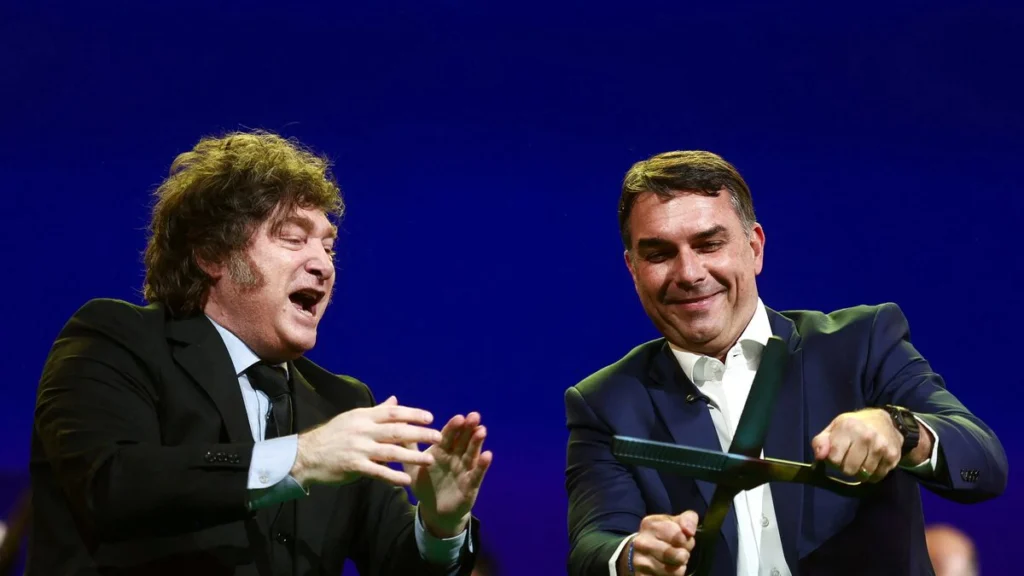
Milei and Allegations Regarding Aiding the Escape of Flávio Bolsonaro

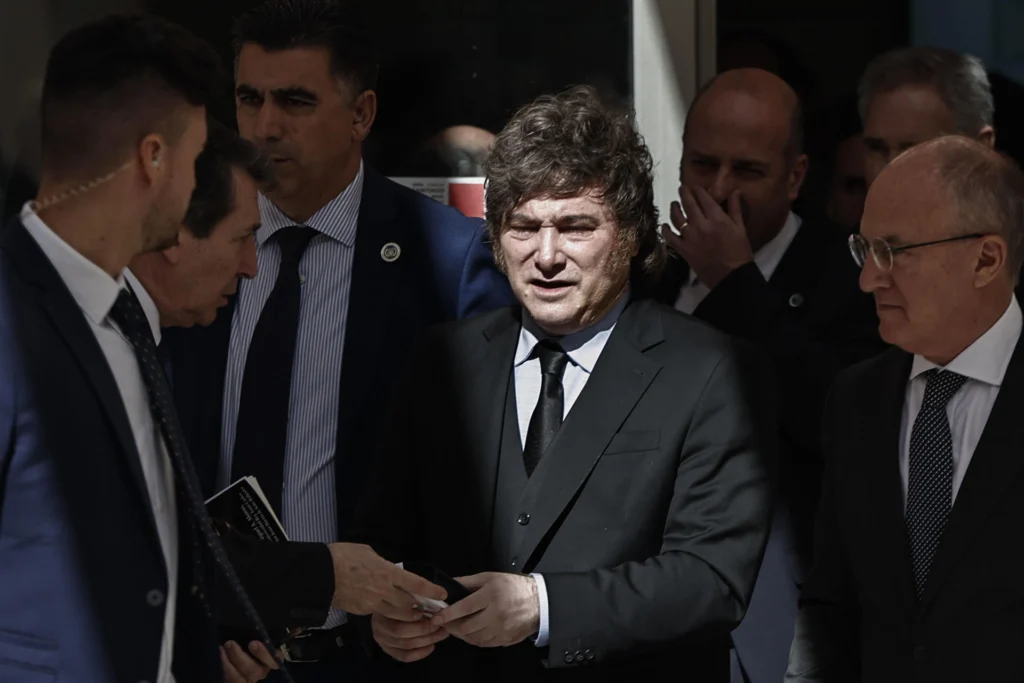
Three legal complaints filed with the Argentine justice system call for an investigation into President Javier Milei, Foreign Minister Pablo Quirno, Security Minister Alejandra Monteoliva, and advisor Santiago Caputo, alleging their involvement in the escape of Brazilian Senator Flávio Bolsonaro. The filings cite potential offenses including concealment, human trafficking, the misuse of public resources, and facilitating the illegal stay of a fugitive from Brazilian justice.

RELATED:

Flávio Bolsonaro Flees to US, Claims Brazil Presidency

The complaints—brought by Left Front leader Gabriel Solano and Socialist lawmaker Esteban Paulón—are being processed in the Comodoro Py courts; the first has been assigned to Judge María Eugenia Capuchetti. Meanwhile, lawmaker Marcela Pagano filed her complaint in the federal courts of Misiones, where Judge Marcelo Cardoso is presiding.

Pagano argued that the case should examine a potential crime of “illegal human trafficking across national borders,” an offense aggravated by the involvement of government officials. The legislator warned that these actions could compromise the Argentine state’s sovereignty regarding “border control, the fulfillment of its criminal cooperation obligations with a Mercosur member state, and the integrity of federal agencies.”

Cases Against Flávio Bolsonaro

In Brazil, Flávio Bolsonaro has been under investigation for alleged money laundering, corruption, and violations of foreign exchange regulations—all linked to the financing of Dark Horse, a film about his father, former President Jair Bolsonaro. The investigation connects him to banker Daniel Vorcaro, who is accused of fraud; the senator allegedly solicited millions in funding from him for the film. He is also implicated in a separate case involving money laundering through online gambling platforms.

A few days ago, Brazilian Supreme Court Justice Flávio Dino ordered an investigation into whether there was foreign support—specifically involving funds from the United States—for the presidential campaign of Bolsonaro, who was defeated by Luiz Inácio Lula da Silva.

Brazilian senator Flavio Bolsonaro has fled to the United States and declared himself Brazil’s “true elected president” after losing the presidential election to Luiz Inacio Lula da Silva by 4.4 million votes. He is challenging the official result from abroad.

In a manifesto… pic.twitter.com/ilZxhozka4

— teleSUR English (@telesurenglish) October 29, 2026

Change in the official account

Solano’s complaint highlights a shift in the Argentine government’s account. After initially denying that Bolsonaro had entered the country, the National Migration Directorate acknowledged at 2:00 a.m. that the senator had crossed the border on October 27 via the Tancredo Neves International Bridge, using an Italian passport.

Although the ruling administration claimed the documentation was “valid,” Bolsonaro’s passport was actually suspended, and he faced ongoing criminal proceedings, including charges related to money laundering. Former Migration Director Florencia Carignano noted that the government made a political decision to allow his entry, despite these legal proceedings.

The filings also detail the alleged use of state resources. According to the complaints, agents from the Airport Security Police (PSA) escorted Bolsonaro, who arrived at the airport in a vehicle bearing Argentine diplomatic license plates.

Additionally, an investigation is underway regarding the logistics surrounding a private Gulfstream G400 aircraft operated by the company Baires Fly. The firm is linked to Sergio Mastropietro—who is currently facing prosecution in a corruption case involving the National Disability Agency (ANDIS)—and has ties to drug trafficker Federico Machado. The aircraft reportedly remained in Puerto Iguazú for over 24 hours without authorization from the National Civil Aviation Administration (ANAC), with an estimated cost of $140,000, arranged through a broker in the United States.

Constitutional law expert Andrés Gil Domínguez pointed out that Emergency Decree (DNU) 366/25 establishes that “failure to disclose the existence of a criminal record” serves as grounds for denying entry. The expert highlighted the irregularity of a foreign national—who was the subject of multiple judicial warrants—being able to travel through the country while circumventing the controls established by Law 25.871.

The complaints call for charges of abuse of authority and breach of public official duties. Furthermore, they request the preservation of surveillance camera footage as well as immigration and airport records, in order to determine the criminal liability of those involved.

  •  

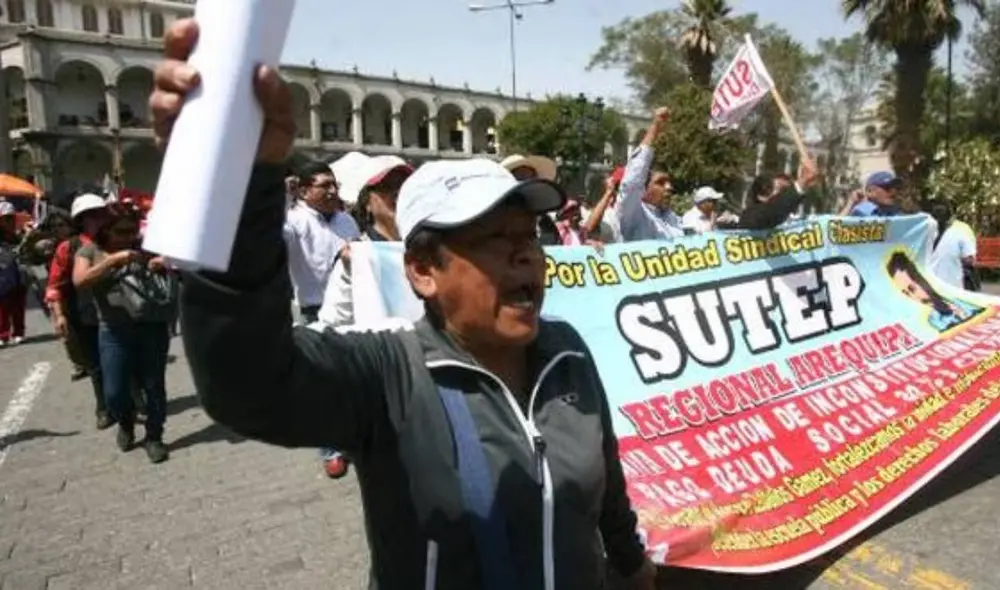
Teachers in Peru Join National Strike Despite Threats of Pay Deductions

On Thursday, the Unitary Union of Education Workers of Peru (Sutep) held a 24-hour national strike in public educational institutions, demanding a larger budget, adherence to labor agreements, and the implementation of pension regulations for the teaching profession. The action took place even though the Ministry of Education (Minedu) declared it unauthorized and warned that staff who were absent would face pay deductions.

RELATED:

Peru Protests: 1,000 March in Lima Against Fujimori Government

The day of protest included gatherings and marches in the country’s major cities. In Lima, demonstrators assembled at the union’s headquarters on Jirón Camaná, in the capital’s historic center. In Arequipa, marches began in the morning, departing from union offices.

Sutep’s leadership, headed by Secretary General Lucio Castro, presented a list of demands focused on education funding, working conditions, and pensions for retired and former teachers.

Among their primary demands, the union calls for the effective allocation of 6% of the Gross Domestic Product (GDP) to the education sector. According to the union, these resources should address deficiencies in school infrastructure, student nutrition, and access to technology and connectivity.

Teachers are also demanding the immediate regulation and implementation of a law enacted in April 2026, which mandates that the pensions of retired and former teachers—those who were part of the Public Teaching Career—be adjusted to an amount equivalent to the first tier of the teaching salary scale: S/ 3,500.70. This measure is currently the subject of a constitutional challenge before the Constitutional Court.

🏫 El Ministerio de Educación declaró improcedente el paro nacional convocado por el Sutep para este jueves y anunció que verificará la asistencia de los docentes en colegios de todo el país.

El viceministro de Gestión Institucional, Luis Alemán, informó que habrá visitas de… pic.twitter.com/Yhwiok4cKc

— TVPerú Noticias (@noticias_tvperu) October 29, 2026

The text reads, “The Ministry of Education declared the national strike called by the Sutep for this Thursday inadmissible and announced that it will verify the attendance of teachers in schools throughout the country. The Vice Minister of Institutional Management, Luis Alemán, reported that there will be field visits and warned that discounts will be applied for absences. “Education will not be paralyzed today,” he affirmed.”

Furthermore, Sutep is calling for full compliance with the collective bargaining agreement, salary increases, and the timely payment of the “Compensation for Length of Service” (CTS) benefit. The Ministry of Education (Minedu) issued General Secretariat Resolution No. 239-2026-MINEDU, declaring the planned national strike inadmissible on the grounds that it failed to meet the requirements established for the regular basic education sector, which is classified as an essential public service.

The Ministry urged families to send students to their schools and mandated that school principals submit lists of absent staff to the Local Educational Management Units (UGEL) and the Regional Education Directorates (DRE).

The Ministry specified that direct payroll deductions will be applied for hours or days not worked, and that potential administrative disciplinary proceedings will be considered against those who participate in the industrial action.

The continuation of in-person classes depends on the extent to which teachers, administrative staff, and service personnel at each institution choose to participate in the strike. Union leadership in Lima warned that the absence of support and cleaning staff could hinder the operational opening of several schools.

Hamer Villena, secretary of the SUTEP union in Arequipa, did not rule out escalating the protests into an indefinite national strike before the end of the 2026 school year or in early 2027, should the Executive branch fail to establish a negotiation table that offers concrete solutions.

  •  

Cuba Present at Eco Expo Asia 2026

Cuba is participating in the 21st edition of Eco Expo Asia 2026, held in Hong Kong, China, with the goal of gaining new knowledge and fostering exchanges regarding green technologies that align with the country’s development priorities.

RELATED:

Broad International Support for Cuba at the United Nations General Assembly

The expo, which runs from October 26 to 29, serves as a leading commercial platform in Asia dedicated to environmental protection and sustainable technologies. It brings together over 340 exhibitors from 15 countries and regions, showcasing innovations in eco-friendly technology, the circular economy, smart city infrastructure, and zero-carbon solutions.

Cuba is represented by Idalia López Pedroso, Deputy Minister of the Ministry of Science, Technology and Environment (CITMA), and Martha Ferriol Marchena, Director of Document Management and Archives, as reported on the CITMA website.

According to the source, the island’s participation offers an opportunity to gain new knowledge and exchange ideas on green technologies aligned with the country’s development priorities.

La VM @citmacuba Idalia López destacó la importancia que tiene para #Cuba que se promuevan los intercambios técnicos y la cooperación industrial, al intervenir en cierre del Programa Internacional de Capacitación Ruta de la Seda Verde, evento paralelo de Eco Expo Asia 2026
👇 pic.twitter.com/hW126GNxeJ

— Ministerio de Ciencia, Tecnología y Medio Ambiente (@citmacuba) October 29, 2026

The text reads, “Deputy Minister Idalia López, speaking at the closing of the “Green Silk Road” International Training Program—a side event of Eco Expo Asia 2026—highlighted the importance for #Cuba of promoting technical exchanges and industrial cooperation.”

The 2026 edition focuses on four key themes:

Green Energy in Motion: smart mobility and new energy sources.

Buildings for a Greener City: green construction technology.

From Waste to Resource: the circular economy and waste management.

Cutting-Edge Green Technology: innovation and startups within the environmental sector.

The exhibition is organized by the Hong Kong Trade Development Council and Messe Frankfurt (HK), in collaboration with the Environment and Ecology Bureau of the Hong Kong Special Administrative Region Government.

Under the theme “Connecting the World for a Sustainable Future,” the event brings together officials and representatives from organizations in mainland China, Hong Kong, ASEAN, and other markets linked to the Belt and Road Initiative.

  •  

Dominican Baseball League: Three Games with Licey in the Lead

The Dominican Professional Baseball League (LIDOM) will hold three games this Thursday as the 2026-2027 season continues, following a round of play in which the Tigres del Licey maintained their lead and the Toros del Este snapped a four-game losing streak.

RELATED:

Cuban Baseball Begins the 65th National Series

The Leones del Escogido will visit the Gigantes del Cibao at 7:00 PM local time at Julián Javier Stadium in San Francisco de Macorís. At 7:30 PM, the Águilas Cibaeñas will face the Estrellas Orientales at Tetelo Vargas Stadium in San Pedro de Macorís, while the Toros del Este will take on the Tigres del Licey at Quisqueya Juan Marichal Stadium in Santo Domingo.

In the previous round, Licey shut out the Estrellas Orientales 3-0. The victory was secured by a three-run home run from Mel Rojas Jr. in the first inning. With this win, the Tigres improved their record to six victories and three losses, while the Estrellas now stand at five wins and three losses.

The Toros del Este defeated the Gigantes del Cibao 6-0, ending a four-game losing skid. Seven pitchers for the Toros combined to hold the Gigantes to just one hit. Ronny Simon led the offense with three hits, a home run, one RBI, and three runs scored.

Licey shut out Estrellas to take first place, while Toros combined for a one-hitter against Gigantes in LIDOM action on Oct. 28. #LIDOM #DominicanBaseball https://t.co/UbNDcIGFgP

— World Baseball Network (@WorldBaseball_) October 29, 2026

Following this result, the Gigantes suffered their third consecutive loss, bringing their record to four wins and five losses—an identical mark to that of the Toros. The Leones del Escogido staged a comeback to defeat the Águilas Cibaeñas 6–3 at Cibao Stadium in Santiago de los Caballeros. José Marmolejos was the standout offensive performer, going 4-for-4 with two doubles and two RBIs.

With this win, the Leones secured their fourth consecutive victory, bringing their record to 5–4. The Águilas, meanwhile, now hold a record of 2–6.

In the standings, the Tigres del Licey remain in first place, followed by the Estrellas Orientales, Leones del Escogido, Gigantes del Cibao, and Toros del Este. The Águilas Cibaeñas sit in last place.

The three games scheduled for this Thursday are make-up games, originally set for Tuesday, October 27, but postponed due to weather conditions in various parts of the country.

#WeStandWithVenezuela | Major League Baseball and the MLB Players Association announced a joint US$1 million donation to the Red Cross to support relief efforts for those affected by the devastating earthquakes in Venezuela.#Venezuela #MLB #Solidarity #teleSUREnglish pic.twitter.com/b6vaAqi2bH

— teleSUR English (@telesurenglish) July 1, 2026
  •  

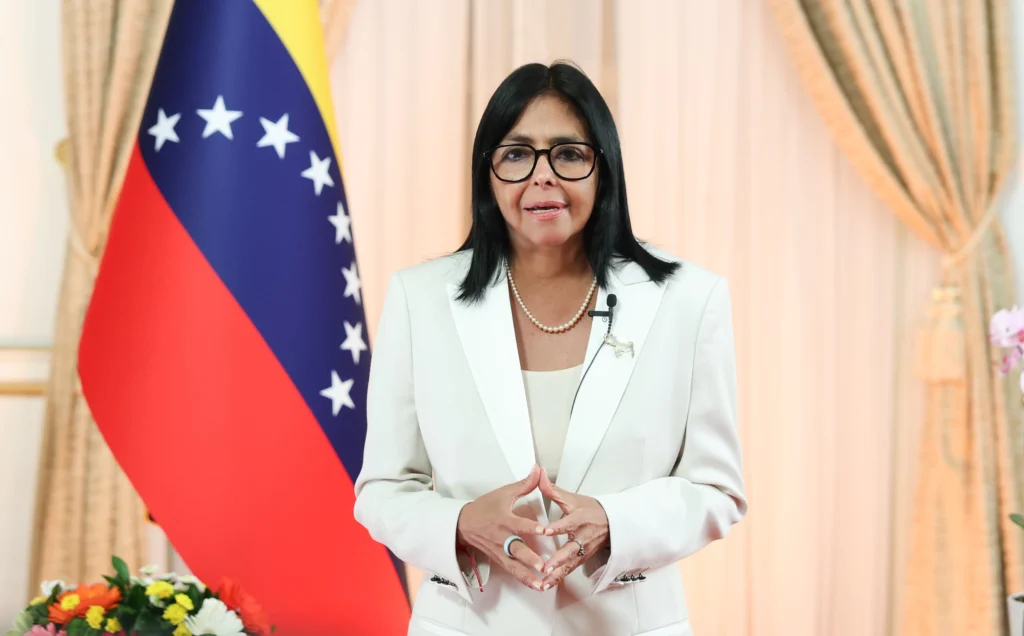
Delcy Rodríguez Announces Transformations, Labor Dialogue, and Reforms in Venezuela

Venezuela’s acting president, Delcy Rodríguez, delivered a message to the nation. Photo: Presidential Press Office.

On Thursday, October 29, Delcy Rodríguez, acting president of the Bolivarian Republic of Venezuela, delivered an address to the nation in which she took stock of the transformative actions undertaken throughout the year across the political, economic, cultural, spiritual, and democratic spheres.

RELATED:

Venezuela’s Acting Pres. Delcy Rodríguez Meets 2015 Assembly Delegations

In her remarks, Rodríguez reviewed the executive branch’s performance, the management of public policies, and ongoing consultative processes aimed at addressing the country’s social demands.

During the address, she defended the Venezuelan government’s independence in defining its strategic policies. “The decisions regarding this transformation are made here, signed here, and announced here—before you. Sovereignty is not up for negotiation,” she asserted.

Rodríguez also addressed the complex situation the nation faced following the socioeconomic impact experienced over the course of the year, noting that the institutional response is focused on consolidating a recovery in production, strengthening public services, and improving the population’s living conditions.

A central theme of her address was the announcement of a national consultation aimed at driving a reform of the criminal justice system. “The goal is to build a more transparent and humane justice system one that leaves behind corruption, procedural delays, and the criminalization of poverty,” Rodríguez explained.

The text reads, “Venezuela has a clear path forward. We are advancing toward a democratic, economic, and social transformation—through judicial reforms, dialogue, and decisions that translate into tangible improvements in the quality of life for the Venezuelan people. I know there is still work to be done, but our commitment is firm: to correct what is wrong, protect what works, and build a country with opportunities for all. The rebirth of Venezuela is proven through actions!”

This initiative is part of an institutional transformation agenda presented by the executive branch, which includes strengthening the judicial system and developing mechanisms to expand guarantees for citizens. Within this framework, the government is engaged in a political dialogue with representatives of the National Assembly elected in 2015; the third round of these talks took place in October.

The agenda also covers political guarantees for upcoming electoral processes, the reform of the Supreme Tribunal of Justice, and the allocation of resources for socioeconomic relief following the earthquake.

In her address, Delcy Rodríguez also spoke directly to the nation’s youth and to Venezuelans living abroad. She maintained that the ongoing transformations aim to ensure that new generations “inherit functioning institutions rather than ruins.”

Regarding the return of migrants, she affirmed that the decision is voluntary and that those who choose to return will be treated with respect, provided with proper documentation, and offered employment opportunities. “We are building a country worth returning to,” the acting president stated.

Labor Dialogue Forum

Rodríguez also announced progress on a labor dialogue and consensus forum, designed to strengthen social justice and ensure the progressive improvement of income for the Venezuelan working class. This body functions as a tripartite consultative space, involving the country’s main trade union confederations, business chambers, and the national government.

In this context, she explained that four separate increases in worker income are planned for 2027. Furthermore, she stipulated that these increases can, under no circumstances, be lower than the economic growth recorded in the preceding quarter.

The president reiterated the national government’s commitment to addressing the demands of various social sectors in a timely manner, prioritizing family well-being, the restoration of essential public services, and direct support for communities.

The leader emphasized that economic stakeholders also have a platform to achieve concrete objectives that will drive a significant boost in production and foster sustainable economic growth. Through these initiatives, the government aims to translate productive growth into tangible improvements in the quality of life and purchasing power of the Venezuelan people.

Rodríguez’s message comes at a time of progress within the political dialogue forum, which has addressed political guarantees, judicial system reform, and the recovery of resources to support the country’s social and economic needs.

  •  

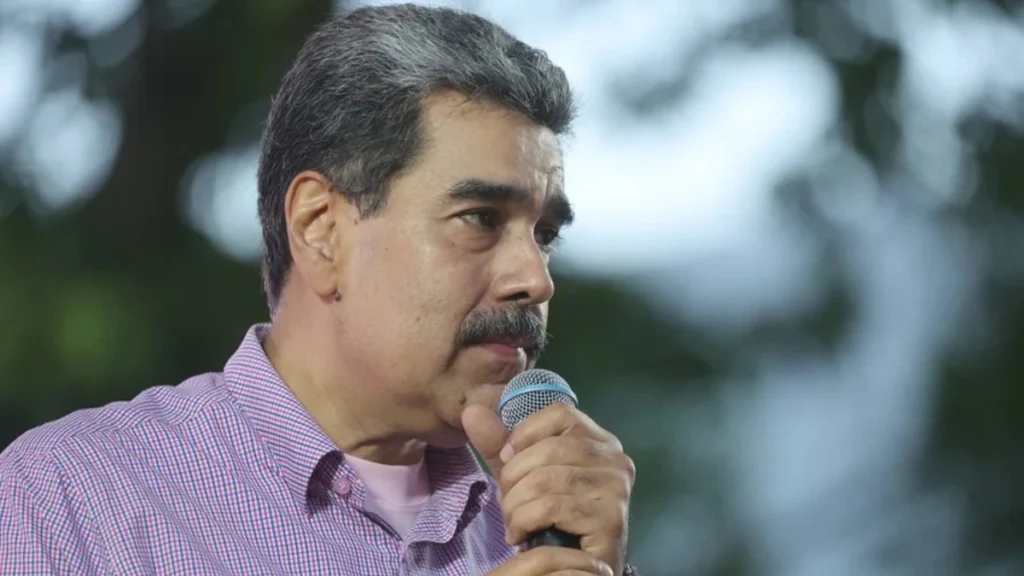
Judge Analisa Torres Takes Over President Nicolás Maduro Case

The U.S. judicial case against Venezuelan President Nicolás Maduro was assigned this Wednesday to Federal Judge Analisa Torres, following the death of Judge Alvin K. Hellerstein, who had overseen the proceedings since March 2020. The reassignment was formalized in the records of the U.S. District Court for the Southern District of New York.

RELATED:

US Federal Court Authorizes Use of Venezuelan Funds for Legal Defense of Nicolás Maduro and Cilia Flores

The transition occurred through an administrative procedure used to reassign cases previously handled by judges who are no longer active due to retirement or death. Judge Hellerstein passed away this Wednesday at the age of 92 from natural causes, as confirmed by a court spokesperson. He had served for nearly three decades, presiding over cases that garnered significant media and legal attention.

Analisa Torres became a judge for the Southern District of New York in 2013, having been appointed by then-President Barack Obama. Born in New York in 1959, she has presided over complex civil, criminal, and regulatory litigation throughout her tenure on the federal bench.

Torres graduated with honors from Harvard University and earned her law degree from Columbia Law School. Before joining the federal court, she worked in private practice and served for nearly ten years on the New York State Supreme Court, in addition to holding positions within the city’s civil and criminal court systems. She comes from a family of legal professionals with Puerto Rican roots.

Status of the Judicial Proceedings

Judge Hellerstein had presided over the case since its inception in March 2020, when Washington filed initial drug-trafficking charges against the Venezuelan president. The next hearing is scheduled for December 17 and will focus on claims of sovereign immunity raised by the defense. The trial is set for June 14, 2027, alongside the proceedings against lawmaker Cilia Flores.

On October 15, Nicolás Maduro and Cilia Flores pleaded not guilty before Judge Hellerstein—who was presiding at the time—during a hearing in New York, following the addition of new charges by the U.S. Prosecutor’s Office.

According to a teleSUR correspondent, the president Maduro stated that he had read the indictment in its entirety and rejected it, dismissing it as a collection of false and mendacious accusations that were already known. He reiterated his innocence, while Flores declared: “I am completely innocent; I am not guilty.”

During the proceeding, the judge granted a joint request from the prosecution and the defense to postpone the start of the trial by two weeks, allowing more time for the preparation and filing of pretrial motions. As a result of the hearing, the trial was rescheduled for June 14, 2027.

Russian Foreign Minister Sergey Lavrov demanded the immediate release of President Nicolas Maduro and his wife, denouncing their imprisonment in the U.S. without trial. He also condemned the attacks against Iran’s Supreme Leader, Ayatollah Ali Khamenei, and warned of the serious… pic.twitter.com/l7WI0wOKHt

— teleSUR English (@telesurenglish) September 26, 2026

Case Chronology

January 3, 2026: Following bombings in Caracas and other cities, U.S. special forces kidnapping President Nicolás Maduro and Cilia Flores in the Venezuelan capital and transported them to the United States. The operation resulted in over a hundred deaths and a similar number of injuries. The then-Executive Vice President, Delcy Rodríguez, assumed acting president role.

January 5: Both individuals made their initial appearance in New York, pleaded not guilty, and were placed in custody at the Metropolitan Detention Center in Brooklyn.

July: The prosecution and the defense agreed that the trial would begin on June 1, 2027, with a pretrial hearing scheduled for November 17.

September 9: Cilia Flores’s defense team requested release on bail and house arrest. The judge ordered that medical records remain under seal. September 25: Assistant Prosecutor Jason A. Richman resigned.

October 8: Hellerstein denied the request for bail for Flores. That same day, the prosecution filed a new indictment.

October 15: A hearing was held in which new charges—conspiracy to commit torture—were presented. Maduro and Flores pleaded not guilty, and the trial was rescheduled.

October 29: The case file was reassigned to Judge Analisa Torres following the passing of Hellerstein.

The aggression against Venezuela and the kidnapping of President Maduro and Deputy Flores have drawn condemnation and sparked demonstrations in various parts of the world. Hundreds of protesters have gathered in the vicinity of the Southern District Court in Manhattan during the hearings to express solidarity with the accused and to denounce the warmongering and interference of the White House.

  •  

Chamber Music: The Soul of a Festival in Cuba

From this Thursday until November 1, Havana is hosting the 15th International Chamber Music Festival—an event bringing together 34 Cuban and international artistic ensembles across various cultural venues in the Cuban capital.

RELATED:

Cuba Presents Ballet Documentary During Its Culture Week

The festival is presided over by pianist and composer Frank Fernández, a recipient of the National Music Prize, and is taking place as part of the 50th-anniversary celebrations of Cuba’s Ministry of Culture.

The festival returns to the national stage with a program centered on chamber music—a genre deeply rooted in Caribbean culture. Fernández noted that the event is being held under challenging circumstances, though he emphasized that this will not compromise the quality of this year’s edition.

The event’s president expressed optimism that this edition could surpass previous ones, noting that it is dedicated to prominent figures and ensembles from both the Cuban and international musical landscapes.

A major highlight this year is the inaugural International Chamber Music Competition, which features both professional and amateur categories. Twenty-one projects registered for the initial stage and will compete throughout the festival.

🎹✨ El ansiado XV Festival Internacional de Música de Cámara, se desarrollará en esta capital desde el jueves 29 de octubre hasta el domingo 1ro de noviembre con un programa que tendrá entre sus protagonistas al reconocido pianista y compositor Aldo López-Gavilán.#CubaEsCultura pic.twitter.com/0orIaJZFr4

— Agencia Cubana de Noticias (@ACN_Cuba) October 26, 2026

The text reads, “The long-awaited 15th International Chamber Music Festival will take place in this capital from Thursday, October 29, to Sunday, November 1, with a program that will feature, among its headliners, the renowned pianist and composer Aldo López-Gavilán.”

The agenda includes concerts, talks, and academic exchanges between professionals and students. It also offers a variety of programs designed for both seasoned enthusiasts and those encountering this musical genre for the first time.

Participants include Russian soprano Natalia Kirillova, artists from the United States, and highly accomplished Cuban performers. In total, 34 artistic ensembles are featured, enriching the festival’s diverse offerings.

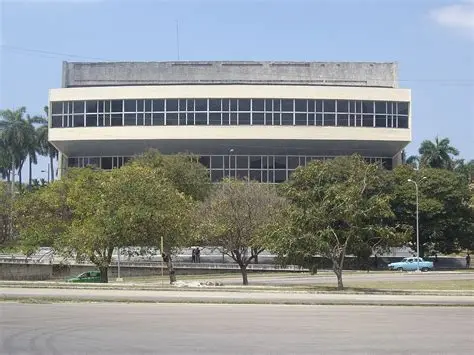
Venues include the National Theatre, the Napoleonic Museum, the Museum of Decorative Arts, the Casa del Alba Cultural, and the Union of Writers and Artists of Cuba, among other locations across Havana.

Frank Fernández described chamber music as a complete, educational, and complex form of expression that demands great sacrifice and effort. The maestro—a leading figure in the Cuban piano tradition—underscored the festival’s significant educational and artistic value.

The 15th edition seeks to promote public enjoyment of and access to high-caliber art, while simultaneously establishing Havana as a venue for an international gathering dedicated to chamber music performance.

#Cuba | The Recording and Music Publishing Company (Egrem) is celebrating the nominations for the Cubadisco 2026 Awards, which will be announced on May 16 during the awards ceremony of the Cuban Record Festival.https://t.co/iOAteQYMqn pic.twitter.com/s7rpZFOLBy

— teleSUR English (@telesurenglish) May 4, 2026

  •  

Ebola Outbreak in Congo Tops 10,000 Cases as Death Toll Mounts

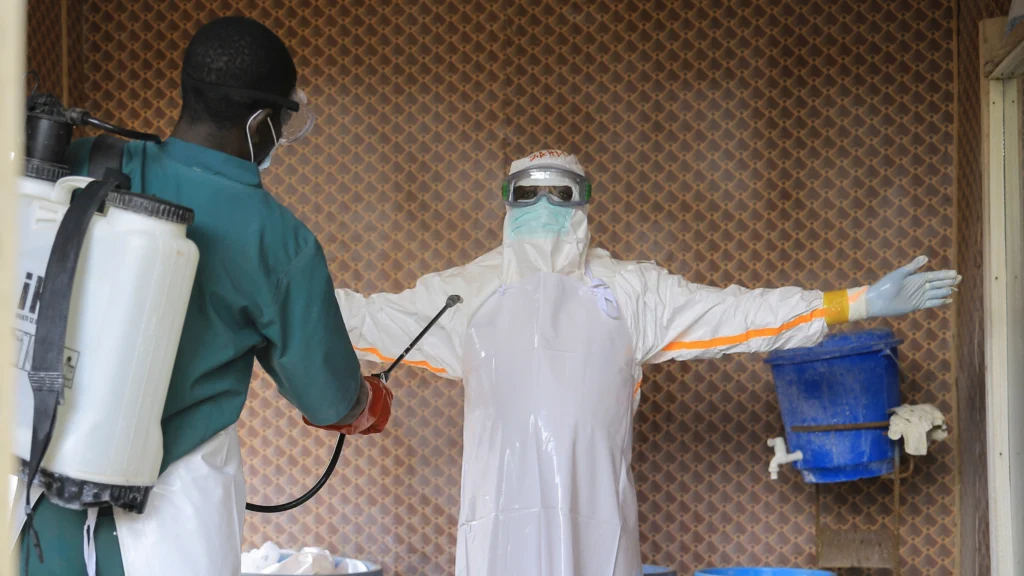
Ebola outbreak in the Democratic Republic of the Congo, health workers in protective equipment and efforts to contain the virus.

Nearly half of confirmed infections have been fatal, while undetected transmission, attacks on health workers and limited treatment options hamper containment.


The Eola outbreak in the Democratic Republic of the Congo has surpassed 10,000 confirmed cases, with nearly half of those infected dying, as health authorities struggle to contain the fastest-growing outbreak on record and prevent further spread across Africa.

RELATED: Ugandans Who Travel DRC Will Spent 21 Quarantine Days at Come Back Due Ebola

The outbreak, declared in May and caused by the rare Bundibugyo virus, has become the deadliest Ebola epidemic in Congo’s history, according to data released Tuesday by the country’s Health Ministry. No approved vaccine or treatment is available for this strain.

The epidemic has spread to 66 health zones across eight provinces, up from three when the outbreak was first declared. At least 2,600 patients have recovered, but response teams continue to face armed conflict, poor road conditions, community resistance and distrust fueled by misinformation.

Footage shows healthcare workers singing and dancing at an Ebola treatment centre in DR Congo after the last patient made a full recovery and left.

The Doctors Without Borders-run centre in Mongbwalu was where the latest outbreak began. pic.twitter.com/syUqGFQYlP

— Al Jazeera English (@AJEnglish) October 29, 2026

The outbreak has also spread farther across Africa than any previous Ebola epidemic, reaching three regions of the continent. Cases have been reported in five countries, including Kenya, Nigeria, Uganda and France. Uganda and France currently have no active cases.

Weak disease surveillance has compounded the crisis, with many initial infections confirmed only after patients developed symptoms or traveled elsewhere. The spread of the virus beyond known contacts remains a major obstacle to containment.

About 80% of reported infections in Congo involve people who were not among the contacts being monitored by health authorities, indicating that transmission chains remain undetected. According to the Africa Centres for Disease Control and Prevention, at least 95% of cases would need to be identified among known contacts for the outbreak to be considered largely under control.

At least half of recorded deaths have involved people who were never admitted to treatment centers, highlighting the difficulty of persuading communities to report symptoms and seek medical care.

The response has also been undermined by overcrowded treatment facilities, inadequate transport and repeated strikes by health workers protesting delayed or unpaid wages. In the Nia Nia health zone in Ituri province, some Ebola response personnel, including surveillance and community engagement staff, went on strike last week over unpaid bonuses owed since late August.

Violence against health workers remains another serious concern. On Saturday, a nurse was killed and another health worker seriously injured while responding to an Ebola alert in Bafwasende, in Tshopo province. More than five months after the outbreak was declared, response teams continue to face attacks by angry residents.

In Ituri, the outbreak’s epicenter, burial teams must also persuade families to hand over the bodies of relatives who have died from Ebola so they can be buried safely. Some residents remain skeptical of the disease’s severity despite being directly exposed to the risk.

Sephora Bgosi, a member of an Ebola burial team in Ituri, said some people continued to underestimate the disease even when they faced a direct risk of infection. She stressed that Ebola is highly dangerous and can be fatal.

Ebola Disrupts Essential Health Services

The epidemic is placing additional pressure on Congo’s already underfunded and overstretched health system, disrupting essential services and diverting attention from other outbreaks, including cholera.

Maternal deaths have doubled in some provinces since the outbreak began, as more pregnant women avoid hospitals for fear of infection and isolation. Routine services, including childhood vaccinations, have also been disrupted. Schooling has been interrupted in affected areas, where millions of children are already out of school, while families face trauma, stigma and further economic hardship.

Despite the mounting toll, the outbreak has produced rare moments of relief. A video that went viral this week showed health workers in full protective equipment dancing as the last two patients were discharged from a treatment center in Mongbwalu, in Ituri province.

At least 2,600 people have recovered in Congo, offering some respite to communities affected by the epidemic. World Health Organization Director-General Tedros Adhanom Ghebreyesus responded to the video by acknowledging that the outbreak remained far from over while emphasizing the importance of every recovery.

African health ministers were scheduled to hold a virtual summit on Wednesday to strengthen the continent’s collective response. Jean Kaseya, head of the Africa Centres for Disease Control and Prevention, stressed the need for faster cross-border action, closer coordination, greater solidarity and decisive political leadership as the virus continues to spread.

  •  

Flávio Bolsonaro Flees to US, Claims Brazil Presidency

Flávio Bolsonaro rejects Brazil’s 2026 presidential election results after arriving in the United States.

After losing to Luiz Inácio Lula da Silva by 4.4 million votes, the senator rejects the election result and calls on supporters to mobilize from abroad.


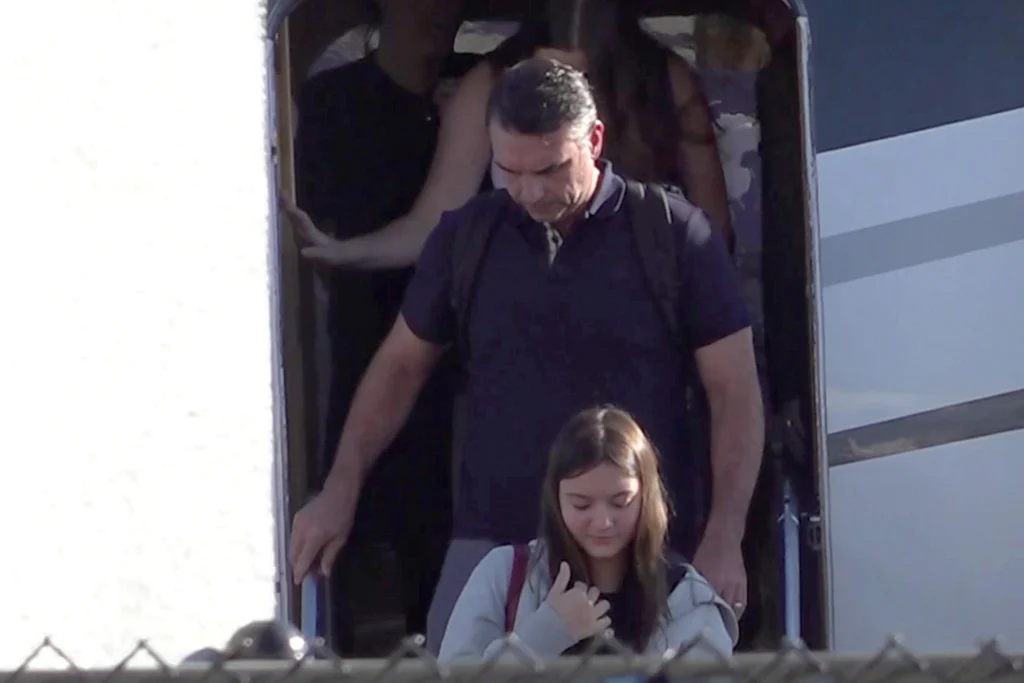
Brazilian senator Flávio Bolsonaro has fled to the United States and declared himself Brazil’s “true elected president” after losing the presidential election to Luiz Inácio Lula da Silva by 4.4 million votes, challenging the official result from abroad.

RELATED: The Bolsonaro Clan Faces Systemic Corruption Probes in Brazil

In a manifesto published after arriving in the United States, Bolsonaro accused Brazil’s government of operating as a “regime” and alleged electoral fraud, citing a judicial decision that extended voting hours from 5 p.m. to 7 p.m. He also urged his supporters to mobilize against the election result.

Official figures show that just 34,300 votes were cast after the usual closing time, too few to alter the overall outcome. Bolsonaro’s own campaign had requested the extension, according to the press release.

His declaration puts him at odds with his own party, the Liberal Party (PL), which formally recognized the election results. The move echoes a strategy previously adopted by Venezuelan opposition figure Juan Guaidó, who declared himself his country’s legitimate leader.

Text Reads: The Argentine government allegedly facilitated Flávio Bolsonaro’s escape to the United States, according to accusations seeking to hold President Javier Milei, Foreign Minister Pablo Quirno, Security Minister Alejandra Monteoliva, and advisor Santiago Caputo criminally liable.
⚖️ The charges allege crimes including concealment, human trafficking, and failure to enforce security controls. Bolsonaro crossed the border using an Italian passport—despite it being suspended—and boarded a private jet to Miami, bypassing Brazilian airspace while under the escort of the Airport Security Police.
🔍 The complaint raises questions about who paid for the flight, estimated at $140,000. Meanwhile, lawmaker Agustín Rossi has called for the questioning of Chief of Cabinet Diego Santilli, warning that the incident compromises Argentine sovereignty and the nation’s relationship with Brazil.

Bolsonaro’s departure for Florida follows a similar move by his father, former President Jair Bolsonaro, who traveled to the state in late 2022 after losing his election.

Other figures aligned with the Bolsonaro family are also in the United States, including his brother Eduardo Bolsonaro, political influencer Paulo Figueiredo and Alexandre Ramagem, the former head of Brazil’s intelligence agency, Abin. They have faced prosecution or investigations over alleged offenses linked to attempts against Brazil’s democratic institutions.

U.S. President Donald Trump confirmed that he had facilitated the entry of Flávio Bolsonaro and his family by arranging visas through the State Department.

The manifesto initially featured the former coat of arms of the “United States of Brazil” before the English-language version was corrected to use “Brazil,” according to the press release.

Bolsonaro is also facing judicial investigations in Brazil over alleged irregular financing and the preventive retention of passports, the press release states.

Lula’s victory breaks a run of nine electoral wins in the region by right-wing candidates promoted or backed by the Trump administration, including Argentina’s 2025 legislative elections.

  •  

Fire at South Carolina Nuclear Site Prompts Emergency

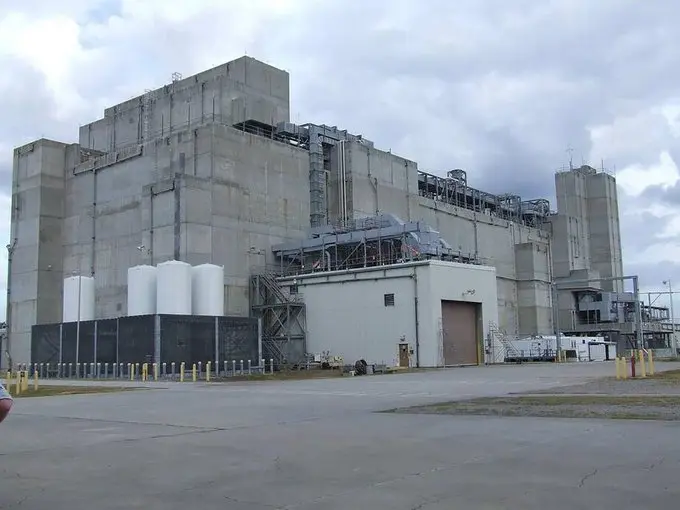
Fire at the Savannah River National Laboratory nuclear research facility in South Carolina prompts emergency response.

The blaze was extinguished and no contamination was reported outside the affected facility.


A fire at a U.S. nuclear research facility in South Carolina triggered an emergency response Wednesday, prompting temporary access restrictions and precautionary measures for workers before the emergency was lifted later that evening.

RELATED: Putin Discusses Russia-U.S. Diesel Deal with United Arab Emirates

The emergency was declared at 5:39 p.m. local time (2139 GMT) after a fire broke out at the Savannah River National Laboratory, part of the U.S. Department of Energy’s Savannah River Site (SRS).

The fire was later extinguished, and no contamination was reported outside the affected facility, the SRS said in a social media statement.

Authorities temporarily suspended traffic at the site’s entrances and restricted rail, river and air traffic in the surrounding area. Employees not involved in emergency response or shutdown operations were directed to shelter as a precaution.

🔥 US officials end Site Area Emergency following a fire at Savannah River National Laboratory in South Carolina

☢️ Radiological surveys detect no contamination, according to officials https://t.co/37keP3xVfb pic.twitter.com/XNhM9QU9TT

— Anadolu English (@anadoluagency) October 29, 2026

The emergency was terminated at 9:45 p.m. local time (0145 GMT Thursday), according to a subsequent update.

The Savannah River Site was established in the 1950s to produce tritium and plutonium for U.S. nuclear weapons. It is now used for environmental stewardship and cleanup, nuclear waste management and the disposition of nuclear materials, according to the Department of Energy.

  •  

Bolivia Opposition Calls for Probe Into Leaked Cerimedo Tapes

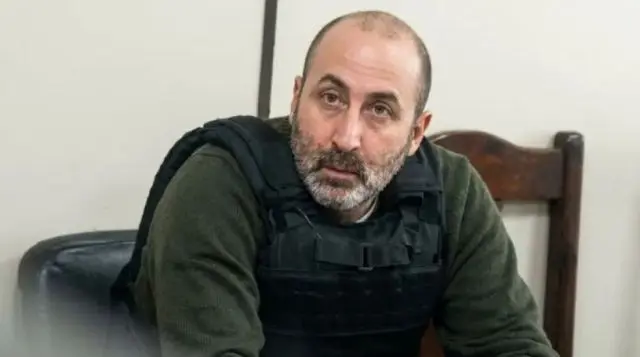
Bolivia opposition demands investigation into leaked Fernando Cerimedo recordings and alleged ties to Rodrigo Paz’s government.

Recordings allegedly linking Argentine political strategist Fernando Cerimedo to President Rodrigo Paz’s inner circle have yet to be authenticated.


Bolivia’s main parliamentary opposition force has called for an immediate prosecutorial investigation into leaked recordings allegedly linking Argentine political strategist Fernando Cerimedo to President Rodrigo Paz’s government, including one purportedly capturing a conversation with First Lady María Elena Urquidi.

RELATED: Bolivian VP Formally Accuses First Lady and Cerimedo of Influence Peddling

Lissa Claros, head of the Libre Alliance caucus in the lower house, called on prosecutors Wednesday to appoint a special team to establish the authenticity of the recordings, which have circulated in recent months, and clarify Cerimedo’s role in the administration.

“The recordings keep emerging every day, yet the Public Prosecutor’s Office has not issued a statement. Do they want the Cerimedo case to go unpunished? Bolivia needs to know what role Mr. Cerimedo played,” Claros said. “Was he the one running the state from the shadows, or not?”

Claros insisted that the investigation must be impartial and that everyone should be subject to scrutiny, including the president’s wife.

El agente argentino de la derecha latinoamericana Fernando Cerimedo era el "presidente en la sombra" de Bolivia: ponía y sacaba ministros a su antojo y todos los directores del Estado le respondían, reveló su exesposa Nadia Beller. 🇧🇴🗣️ #teleSUR #12Oct pic.twitter.com/1S11od16En

— teleSUR TV (@teleSURtv) October 12, 2026

Text ReadsArgentine agent of the Latin American right Fernando Cerimedo was the “shadow president” of Bolivia: he appointed and removed ministers at will, and all the state directors answered to him, revealed his ex-wife Nadia Beller. 🇧🇴🗣️

One of the recordings purportedly captures a conversation between Cerimedo and Urquidi about government affairs. Its authenticity has not been established through official forensic examinations.

The leaked material has fueled scrutiny of Cerimedo’s reported ties to Paz’s inner circle and his alleged influence within the executive branch. The allegations have also drawn on statements and recordings released by Cerimedo’s former partner, lawyer Nadia Beller, remarks by Vice President Edmand Lara, an opposition figure, and reports in local media.

Cerimedo has been held in pretrial detention in Bolivia since August following a shooting attack by hired gunmen targeting Beller. He faces formal charges of attempted femicide as the alleged intellectual author of the attack, as well as separate proceedings over alleged domestic and family violence against Beller and alleged illicit enrichment.

Cerimedo’s political activities across Latin America have also come under scrutiny. In Brazil, he promoted a false narrative of electoral fraud in 2022. In Argentina, he played a significant role in the digital strategy for Javier Milei’s 2023 presidential campaign.

His company was also linked to disinformation operations during Chile’s constitutional referendum campaign, in which the Rejection bloc opposed the proposed constitution. His reported political connections extend to Argentine politician Patricia Bullrich, Honduran politician Nasry Asfura and other right-wing figures in the region.

In Bolivia, Cerimedo reportedly joined Paz’s political circle as an adviser, a relationship now at the center of questions raised by the leaked recordings.

Libre’s call for a formal investigation comes as the recordings remain unauthenticated, leaving allegations about Cerimedo’s role in the government unresolved.

  •  

Israel Election Deadlock Clouds Prospects for New Government

Israel election results leave Benjamin Netanyahu and Gadi Eisenkot facing coalition negotiations in the Knesset.

Arab parties could hold the balance of power as rival blocs fall short of a majority, leaving coalition talks or fresh elections on the table.


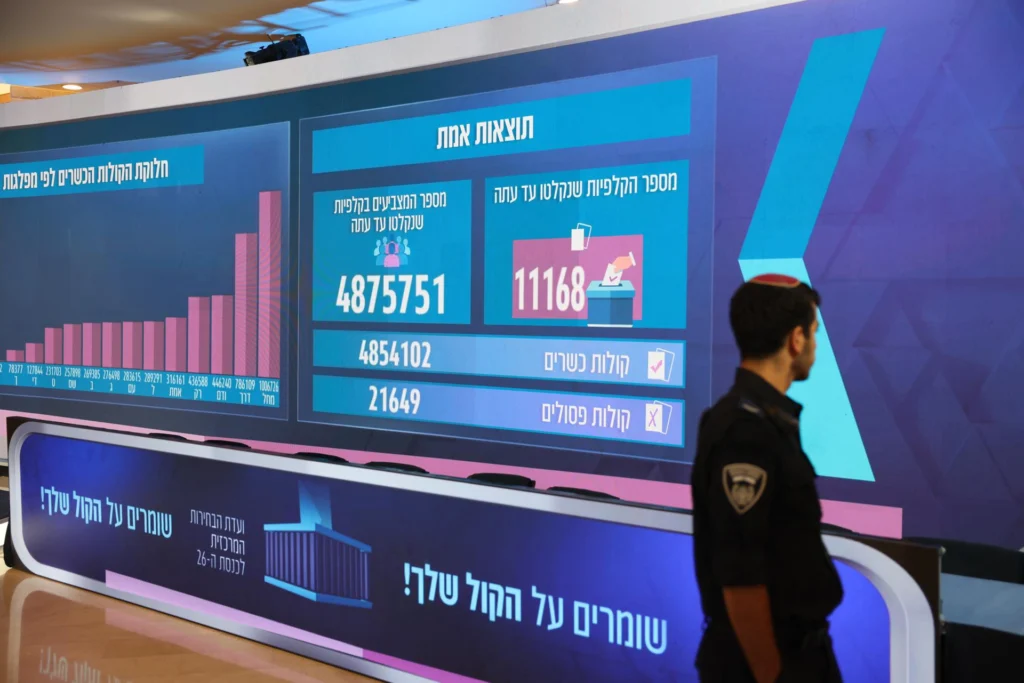
Israel faces difficult negotiations to form its next government after parliamentary election results left rival blocs short of a majority, with Arab parties potentially holding the key to breaking the deadlock.

RELATED: Israel Kills Four Palestinians in Gaza Despite Ceasefire

With 88.6% of the vote counted, Prime Minister Benjamin Netanyahu’s bloc held 53 seats in the 120-member Knesset, compared with 48 for the opposition camp led by centrist Gadi Eisenkot. Arab parties won a combined 19 seats, leaving neither side with the 61 needed for an absolute majority.

The Central Elections Committee is expected to publish the final results on Friday, after counting between 430,000 and 480,000 double-envelope ballots cast by military personnel, diplomatic staff, prisoners and people who are ill.

Once the results are official, President Isaac Herzog will ask the candidate he considers best placed to assemble a majority to form a government. The designated candidate will initially have 28 days to build a coalition, with the option of a 14-day extension.

The negotiations could be protracted. Netanyahu took 58 days to form his current cabinet after the November 2022 election, and the latest results leave both camps facing obstacles to securing the support needed to govern.

Eisenkot has a relative advantage in seeking coalition partners, as smaller right-wing parties failed to clear the threshold required to enter parliament, limiting Netanyahu’s options for gaining additional seats.

Arab parties could prove decisive in the negotiations. Raam, led by Mansour Abbas, has signaled its willingness to open talks with Eisenkot’s bloc, while the Joint List has proposed providing a parliamentary “safety net” to any coalition that removes Netanyahu from power.

Opposition leaders have nevertheless been reluctant to enter formal agreements with Arab parties, given hostility toward such arrangements among substantial sections of the electorate. During the campaign, Netanyahu used the prospect of cooperation between his rivals and Arab parties to attack the opposition, describing it as an alliance of the “left and the Muslim Brotherhood” that would undermine state security.

Yair Golan, leader of the Democrats and the only Zionist political figure openly willing to include Arab parties in a governing arrangement, has convened talks with Eisenkot and Yair Lapid to discuss possible alliances.

Avigdor Lieberman, leader of Yisrael Beiteinu, has taken a different approach. He opposes both a minority government dependent on Arab parties and a cabinet headed by Netanyahu, preferring instead a national unity arrangement in which Eisenkot joins the incumbent prime minister.

Eisenkot has advocated a “Zionist mobilization government” as an alternative. In a social media post following the release of the initial projections, he wrote: “There are still long days of work ahead of us, but we are focused on the important task entrusted to us: bringing change to Israel and establishing a Zionist mobilization government.”

National unity or another election

A national unity government bringing together parties with a Zionist profile, while excluding Arab and ultra-religious parties, has been floated as another way out of the deadlock. A poll published in mid-October found that 55% of respondents preferred such an arrangement to holding another election.

The proposal faces significant political resistance. In 2020, Netanyahu and centrist Benny Gantz agreed to rotate the premiership under a power-sharing deal that collapsed after a year. Local media have reported behind-the-scenes efforts by Herzog to bring Netanyahu and Eisenkot closer, but the opposition has framed the election as a referendum on Netanyahu’s leadership.

If coalition talks fail, Israel could be forced to hold another election, repeating a cycle of political instability that saw four national votes between April 2019 and March 2021.

Alternative arrangements, including a minority government supported by individual lawmakers, could avert an immediate return to the polls. Until a new administration is formed, Netanyahu will remain in office in a caretaker capacity.

  •  

Pentagon Reveals $47.1 Billion Price Tag for U.S. War on Iran

A few days before the midterm elections, the rising economic cost of the war and the Trump administration’s threat of further attacks on Iran threaten to do serious harm to Republicans at the polls. Photo: EFE.

The U.S. war against Iran has cost U.S. taxpayers $47.1 billion dollars, according to the latest Pentagon figures delivered to Congress, as the economic fallout threatens Republicans just days before the midterm elections.


The conflict, launched unilaterally by Washington and Israel in late February, keeps draining public resources with no end in sight. The number comes from U.S. Central Command (Centcom), and covers expenditures through October 16.

It is the most current estimate of a war whose bill has climbed by $3.5 billion since early September, when it stood near $43.6 billion.

RELATED: U.S. Midterms: Trump’s Grip on Congress Comes Down to the Gas Pump

The reports sent to Congress break the spending down line by line. The largest share, roughly $29 billion, went to replacing munitions consumed on the battlefield. Another $12 billion covered additional operational expenses, and $6.1 billion paid for military equipment lost or damaged.

The figures also show $7.6 billion spent on U.S. Air Force logistical support for troops deployed across the region, including air transport, communications and base maintenance. Yet even that official tally leaves something out: the cost of repairing U.S. military bases in West Asia damaged by Iranian missile and drone attacks does not appear in the Pentagon’s estimate.

The Congressional Budget Office has put the monthly burden at between $2 billion and $3 billion. That same agency warns that rebuilding depleted ammunition reserves could take around five years, a delay that would undercut Washington’s ability to respond to other crises.

The US war against Iran had cost $47.1 billion by October 16, with bombs, missiles and other munitions accounting for more than 60 percent of the total, The New York Times reported, citing figures the Pentagon presented to Congress last week.

Despite President Donald Trump… pic.twitter.com/a6bZTQa1Kz

— VOH (English) (@H_Voice3) October 28, 2026

Republicans Under Pressure

The rising cost has turned into a central political issue with midterm elections now a week away. Voters will decide which party controls Congress during the final two years of Donald Trump’s presidency, and the war’s economic fallout is hitting close to home.

Instability and higher energy prices have become visible consequences of a campaign that began without congressional authorization. Those same pressures now threaten to punish Republicans at the polls, as the administration’s threats of new attacks add further uncertainty.

The October 16 cutoff means the published number is already stale. Every additional strike, every replacement missile and every surge of troops pushes the figure higher before the next report lands. The Pentagon’s own admission that it cannot yet account for damaged bases suggests the true cost will keep growing well after the ballots are counted.

What began as a unilateral military venture now carries a price tag measured in tens of billions, a depleted arsenal and a five-year rebuild timeline. That arithmetic, delivered to Congress just before voters head to the polls, has placed the war’s defenders on the defensive.

  •  

Argentina’s Milei Administration Denounced Over Flávio Bolsonaro Escape

Opposition in Congress demands the interception of the Chief of Staff for the operation that included police escort, private flights and suspicions of official cover-up. Photo: EFE.

Argentine lawmaker Marcela Pagano filed a criminal complaint against officials of the Milei administration to investigate how Brazilian senator Flavio Bolsonaro crossed into Argentina and departed for United States despite a judicial ban on leaving Brazil.


The complaint was presented before the Federal Court in Puerto Iguazu, in Misiones province. It seeks to establish the circumstances of Bolsonaro’s entry into Argentina and his later departure toward United States.

The far-right senator, son of former President Jair Bolsonaro, lost the presidential run-off to Luiz Inacio Lula da Silva on Sunday. He faces criminal cases in Brazil for corruption and money laundering, and Supreme Federal Court justice Alexandre de Moraes had prohibited him from leaving the country.

RELATED: What Role Did Milei Play in Flavio Bolsonaro’s Escape?

Pagano framed the matter in stark terms. “The justice system has to establish who organized Bolsonaro’s passage through our territory toward U.S. and whether Argentine officials facilitated it. A government cannot become the escape route for someone who is barred from leaving his country by court order”, she said.

The reconstruction presented to the court traces the route in detail. The Brazilian Senator crossed the international border between Foz do Iguazu and Puerto Iguazu through the Tancredo Neves crossing at 10.50 P.M. local time on Tuesday.

Forty minutes after entering Argentine soil, Flávvio Bolsonaro and his family boarded a private Gulfstream G400 jet at Iguazu International Airport. The aircraft belongs to the firm Baires Fly and had been positioned there since Monday.

🇧🇷 "I address the Brazilian people and the international community as the true elected president of Brazil."

Senator Flávio Bolsonaro, who lost Sunday's presidential runoff to incumbent Lula da Silva by about 4.4 million votes, is claiming the presidency in a statement released… pic.twitter.com/oTTodsaOcU

— Drop Site (@DropSiteNews) October 28, 2026

A Flight Around Brazil

The jet traced a path through the airspace of Paraguay, Bolivia, and Peru. It made a technical stop in Guayaquil, Ecuador, before landing Wednesday in Miami, avoiding Brazilian airspace at every stage.

Pagano detailed that Flávio Bolsonaro reached the air terminal under escort from an Airport Security Police patrol car. That force answers to the Security Ministry, which falls under the federal Executive.

The National Directorate of Migration initially denied on Tuesday that the conservative leader was present or had any flight plans. Yet the government of Javier Milei officially acknowledged his passage at 2.00 A.M. Wednesday, when the aircraft was already airborne.

The complaint demands clarification of another element, the presence in Misiones of Santiago Caputo, political strategist and chief advisor to the Argentine presidency. Caputo reportedly arrived in the province earlier in the week aboard the same private plane.

La Dirección Nacional de Migraciones informa que a las 22:50 hs del dia 27/10, ingresaron por el paso fronterizo de Puente internacional Tancredo Neves en la provincia de Misiones, los ciudadanos Flavio Nantes Bolsonaro, Fernanda Antunes Figueira Bolsonaro, Carolina Figueira…

— Migraciones (@Migraciones_AR) October 28, 2026

Text reads: “The National Directorate of Migration reports that at 10:50 P.M. on October 27, entered through the border crossing of Tancredo Neves International Bridge in the province of Misiones, citizens Flávio Nantes Bolsonaro, Fernanda Antunes Figueira Bolsonaro, Carolina Figueira Bolsonaro and Luiza Figueira Bolsonaro, who did so with skilled travel documentation without any legal impediment to entry into the country, also the transits were registered by the enforcement authority without incidents. For its part, at 11:30 P.M., the incoming party boarded a private flight dispatched by the company Baires Fly S.A to the city of Guayaquil, Ecuador, as reported in the flight plan.”

The written filing asks the court to investigate alleged crimes of illegal trafficking of persons, facilitation of illegal stay, abuse of authority, violation of public official’s duties, and cover-up. It requests urgent evidence measures including camera footage from the border bridge, aeronautical records, and the Airport Security Police duty logs.

The political fallout reached the legislature quickly. Argentine Congressman and former Defense Minister Agustin Rossi formalized a request to summon the Chief of Cabinet, Diego Santilli, to answer before Parliament.

The sequence raises the question at the heart of the complaint. A senator barred from leaving his country crossed a border, boarded a private jet, and flew to Miami without touching Brazilian airspace, all with a police escort on Argentine soil.

The government first denied any knowledge. It then confirmed the passage hours later, after the plane was gone. That gap between denial and confirmation sits at the center of the criminal filing.

The denunciation now forces the federal justice system to determine whether officials in the Milei administration facilitated a fugitive’s exit. The demand in Congress puts the same question to the Cabinet’s Chief.

  •  
❌