❌

Reading view

Brazil chooses between Lula and Bolsonaro in nail-biter vote

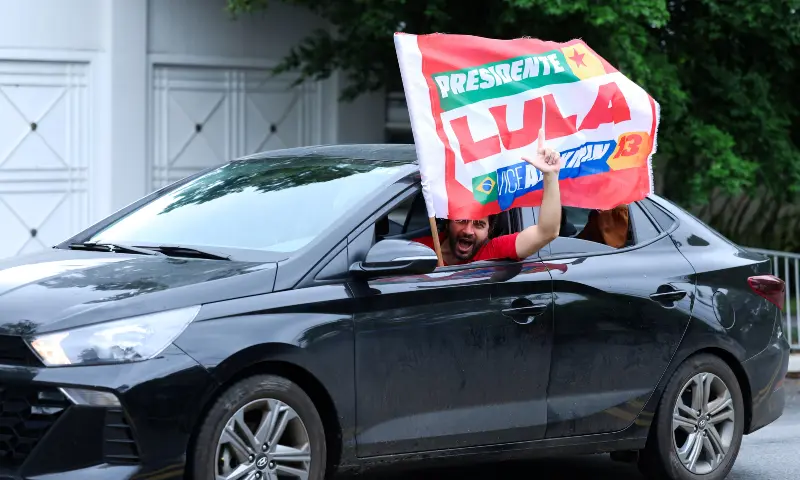
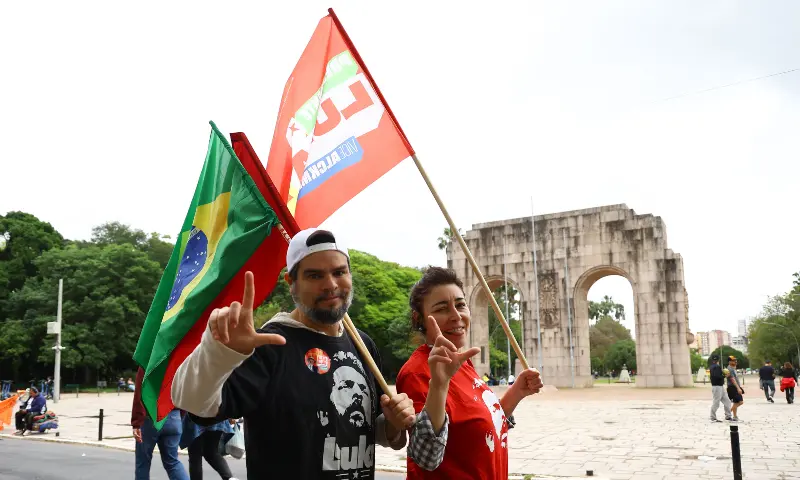
Brazil held its breath on Sunday as voters went to the polls to decide between leftist leader Luiz Inacio Lula da Silva or his right-wing challenger Flavio Bolsonaro.

It is the final electoral battle for Lula, who turns 81 on Tuesday and is hoping to pull off a dramatic turnaround after coming in second to the son of former president Jair Bolsonaro in the first round of voting.

Final polls showed the two candidates neck-and-neck.

Sunday’s runoff will determine whether Brazil remains one of Latin America’s few leftist nations or joins a regional swing to the right championed by US President Donald Trump, an ally of the Bolsonaro family, though he has not openly endorsed Flavio.

Lula, who is seeking a fourth non-consecutive term, has pitched himself as a bulwark against US interference and democratic backsliding and promised to expand social protections.

The right “wants to govern with the American flag”, he said after casting his ballot in the state of Sao Paulo.

Flavio Bolsonaro, 45, has vowed to crack down on crime and slash government spending, while handing Brazil to “the Lord Jesus Christ”.

“The time has come for real change,” he declared after voting in Rio de Janeiro. “Brazil can’t stand another four years like this.”

“This is about renewal, enough of the same old thing,” 67-year-old retiree Eduardo Viana told AFP, adding that Lula “says he governs for the poor… just look, people can’t even go to the supermarket.”

Bolsonaro presents himself as more moderate than his firebrand father, who is serving a 27-year sentence for attempting a coup after his 2022 election loss.

After its first-round defeat, the left swung into action with massive rallies declaring “Never Again Bolsonaro”, where protesters recalled the former president’s chaotic handling of the Covid pandemic, devastation of the Amazon rainforest and cuts to public programs.

Deforestation of the world’s largest rainforest has hit its lowest level in four decades under Lula.

Yet, as the El Nino weather phenomenon fueled fires that choked Amazonian cities with smoke in recent weeks, climate change barely featured in the campaign.

Rain bucketed down across Brazil on Sunday, which may affect voter turnout following a record abstention rate during the first round earlier this month.

Polling stations will close at 5pm local time (1am PKT), and results are expected within hours.

Fed up with crime

Lula, revered for social welfare programs that lifted millions out of poverty, made a dramatic comeback to office in 2022 elections after a corruption scandal saw him jailed for over 18 months.

The charges, annulled on procedural grounds, have continued to haunt him.

In his third term he has overseen a drop in inflation and unemployment, and lifted millions out of hunger, but voters complain about the cost of living and a sense of insecurity.

Lula’s social policies became a point of tension as he expanded welfare programmes during the campaign. Critics want the government to rein in spending.

“Even if people call it handouts, for us, they were an enormous help.

Because anyone who has ever gone hungry knows not to take these programs for granted,” said Walter dos Santos, 56, who lives in Lula’s native northeastern Brazil, a bastion of support for the president.

The day after

After his first-round blow, Lula revamped his social media strategy and even bought his first cellphone.

A fierce social media battle drew in Meta, parent company of WhatsApp, Facebook and Instagram, which Lula’s campaign accused of favoring his opponent with “algorithmic manipulation”. Meta denied this but acknowledged that some of Lula’s campaign ads had been mistakenly deactivated due to technical errors.

Whoever wins, Brazil faces a bruising election aftermath.

“If the left wins, it faces four years with a hostile Congress and threats of impeachment,” said political analyst Thomas Traumann, referring to sweeping right-wing legislative gains.

“If the far right wins, it will be a government of retribution, directed at the Supreme Court,” hated by the right after its conviction of Jair Bolsonaro over the attempted coup.

Flavio Bolsonaro has said he will liberate his father and seek the impeachment of Supreme Court Justice Alexandre de Moraes, who led the case against the ex-leader.

  •  

Israeli strike on Gaza university kills 3; another 4 Palestinians killed in other attacks

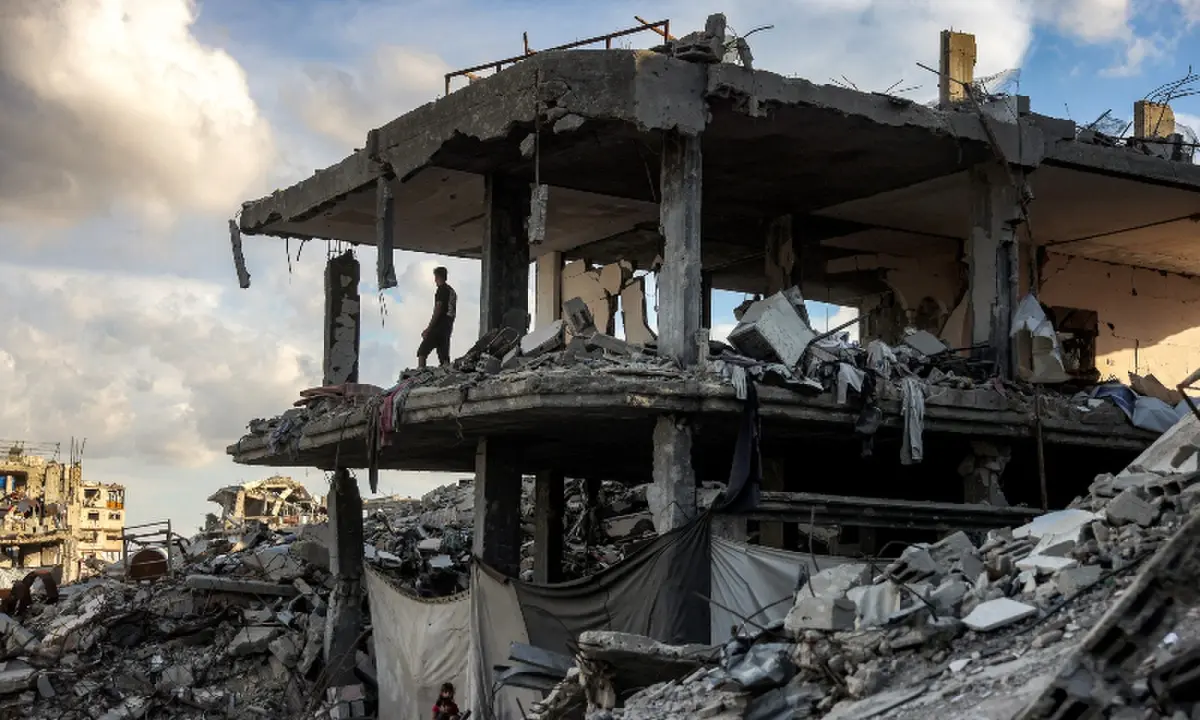
An Israeli strike on a university in Gaza City killed three people on Sunday, staff and a local hospital said, while the civil defence agency reported four others killed elsewhere in the territory.

Reached for comment, the Israeli military said it was looking into the reports.

Al Shifa Hospital said it received three bodies and treated eight people who were wounded in the Gaza City drone strike, with two sources at the Islamic University saying those killed were administrative staff and the injured were students.

Gaza’s education ministry said in a statement that the students had been present for classes.

It went on to condemn the strike and said: “The global silence regarding attacks on students and universities serves as encouragement for the continuation of these crimes.”

“This strike occurs at a time when the higher education sector is facing total annihilation, with 95 per cent of the buildings belonging to academic institutions having been damaged as a result of the war,” it continued.

“This heinous assault is part of a continuous series of attacks on education; over the past six days, 10 students and educators have been killed by the occupation’s fire.”

Gaza civil defence spokesman Mahmoud Bassal said four other people were killed on Sunday, two in an airstrike in the southern city of Khan Younis, one in central Deir al Balah and one in the north of the Strip.

Earlier this week, Israeli strikes and gunfire killed at least four people in the Gaza Strip on Thursday.

A truce has been in effect in Gaza for over a year, but has failed to completely halt Israeli attacks in the territory. At least 1,500 Palestinians have been killed in Gaza in Israeli airstrikes since the ceasefire, according to the territory’s health officials, while Israel says four soldiers have been killed.

Palestinian authorities say more than 74,000 people have been killed in Israel’s assault on Gaza.

  •  

Flights resume at Riyadh airport after two-week closure as Houthis attack Saudi Arabia

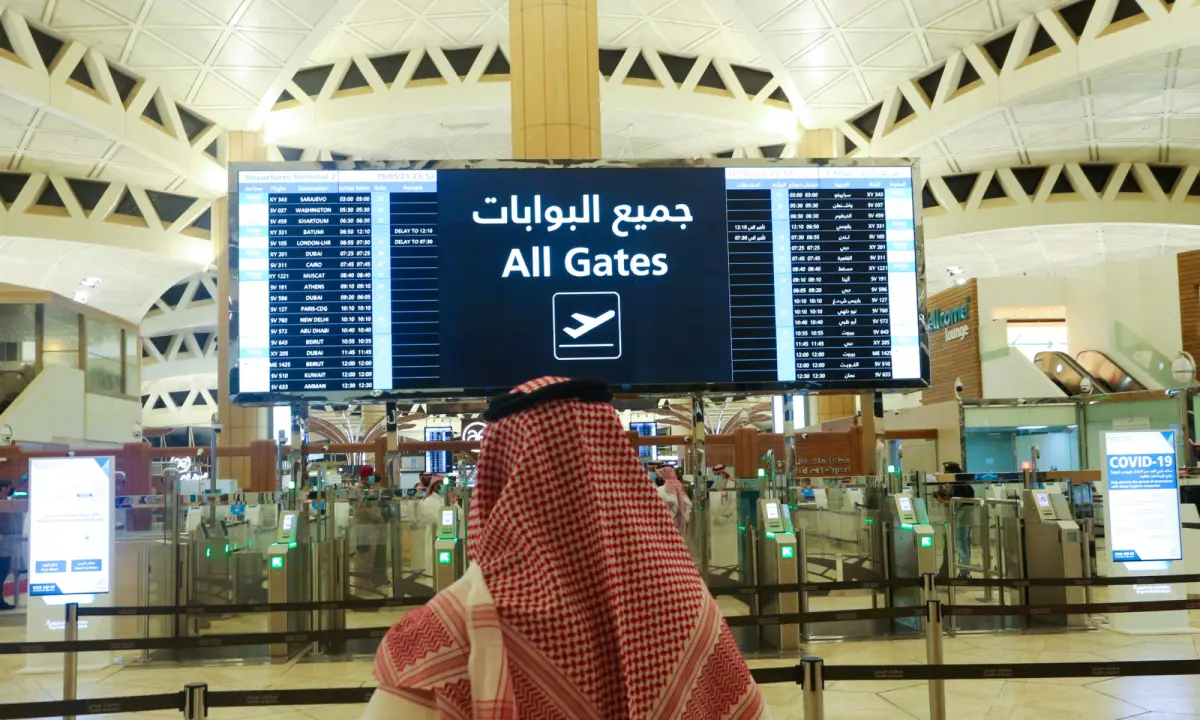
Flights resumed at Riyadh’s international airport on Sunday following a series of deadly attacks on the facility that saw it closed for two weeks, even as Yemen’s Houthi rebels targeted the country with strikes.

King Khalid International Airport’s website showed several domestic and international flights scheduled on Sunday, including arrivals to the kingdom from Dubai, Paris and Cairo.

The renewed operations at the airport came as explosions rattled Riyadh early Sunday, after a text message was sent to residents warning of a hostile threat targeting the city.

Alerts warning of possible attacks were activated across the kingdom’s south throughout the day, with the Saudi-led military coalition fighting the Houthis saying at least 10 ballistic missiles were intercepted.

Saudi officials did not provide additional information when asked by AFP about the scope of the renewed operations at the airport.

But the tracking website Flightradar24 showed a small number of flights had departed, though the vast majority were cancelled.

Saudi Arabia, which leads a military coalition fighting the Houthis, has faced a barrage of strikes from the group in recent weeks.

The fighting erupted after a years-long truce between the Houthis and Yemen’s government fell apart.

The Houthi fighters have carried out waves of strikes on the airport, including an attack this month that killed 13 people and wounded more than 300, the deadliest in the kingdom in more than a decade.

The group has also targeted oil infrastructure and other sites.

Houthi military spokesman Yahya Saree earlier warned that Riyadh airport was still “unsafe” and a “military target”.

“The Yemeni Armed Forces warn all international, regional and local airlines — as well as staff and travellers — against using King Khalid Airport in Riyadh, as it is unsafe and serves as a military target for our forces,” he said.

“The Saudi regime shall bear the consequences of any operations at the airport.”

Later on Sunday, Saree said Saudi Arabia had struck Yemen dozens of times over the previous 24 hours.

“During the past 24 hours, Saudi warplanes launched 56 airstrikes and missiles targeting civilian objects in the governorates of Hajjah, Lahj, Amran, Saada, Al-Jawf, Taiz and Ibb using F-15 and “Typhoon” planes that took off from the bases of Khamis Mushait and Taif, and missiles from Najran,” he said on X.

Attack warning

As the airport prepared to open, AFP journalists in Riyadh heard three explosions in the early hours of Sunday, with residents receiving alert messages for a “hostile aerial threat” urging them to stay in a safe place.

The warning came as the Saudi-led coalition fighting the Houthis said it had downed a ballistic missile launched by the group towards the capital, as well as two drones in the capital area.

“Air defences intercepted and destroyed a ballistic missile launched by the terrorist Houthi militia toward Riyadh,” the coalition posted on X.

Later on Sunday morning, the coalition said its forces intercepted a cruise missile fired by the Houthis at the kingdom’s southern city of Khamis Mushait.

Attacks appeared to target areas across the south, with warnings also issued for Abha city along with areas in Taif, Namas and Jazan.

“The bombardment has been very heavy since this morning — may God keep us safe. Everything is shaking because of the explosions,” one resident in Khamis Mushait told AFP on Sunday on condition of anonymity.

The attacks came after the Houthi fighters said that — in the space of 24 hours — they targeted three Saudi airports, including in Riyadh, energy installations, a pipeline and an air base.

The Saudi civil defence agency said it had also responded to falling debris in the Makkah and Madina regions on Saturday after intercepting two Houthi missiles.

The Houthis denied targeting the cities, the two holiest in Islam, calling the Saudi claim a “huge lie”.

The Houthis also fired at the southern Yemeni city of Aden, the interim seat of the government, saying they targeted a naval base and military camp overseen by Saudi forces.

The flare-up in Yemen, with the Houthis taking control of the entire Red Sea coast in a lightning offensive last month, has further destabilised the region and disrupted oil markets.

The Houthi attacks have impacted Saudi Arabia, the world’s biggest exporter of crude, disrupting businesses, airlines and residents.

  •  

Potential resumption of war with Israel, US will not change Iran's positions: Araghchi

Iran’s Foreign Minister Abbas Araghchi said on Sunday that a potential resumption of war with Israel and the United States would not change his country’s positions.

The remarks come amid mounting US and Israeli threats of renewed attacks on Iran, as President Donald Trump said on Friday that Washington “may do another little Epic Fury,” referring to the US-Israeli war on Iran that began on February 28.

“Recently, there has been talk of a new war, but I am already thinking about the post-war period. Whether there is war or not, our policies remain the same,” said Araghchi during a televised event in Tehran.

“They have already done so twice and have seen the results. If they want to try again, they know they will achieve no different outcome from those of the past.”

An April 8 ceasefire between Iran and the United States put an end to the most intense fighting, apart from sporadic exchanges of fire in and around the strategic Strait of Hormuz, a key route for global energy supplies.

These military flare-ups have lulled in recent weeks.

Iran has claimed control over the strait since the outbreak of the war and has regularly targeted vessels that attempt crossing without its authorisation — moves strongly opposed by Washington and countries in the region.

In response, the US has been maintaining a naval counter-blockade on Iranian ports.

In June, Iran agreed with the United States to the Islamabad Memorandum of Understanding, laying out a pathway to a permanent settlement of the conflict, only for the deal to later unravel as each side accused the other of violating it.

Tehran has since called for a return to the accord to end the conflict.

“The current war has changed everything. We must accept that new realities are taking hold. Shipping routes through the Strait of Hormuz will no longer be the same, and the management of the strait will no longer be the same,” said Araghchi.

“To achieve peace and stability, our region must move towards the complete absence of foreign forces.”

  •  

Indian protesters clash with police over dam project bordering China

Indian protesters angry over a proposed Himalayan mega-dam, intended to counter an upstream Chinese hydropower project, have clashed with police and torched buildings, officials said.

The violence in Arunachal Pradesh state erupted late on Friday during protests against the proposed 11,200-megawatt Siang Upper Multipurpose Project of state-run hydropower company NHPC, Chief Minister Pema Khandu told reporters on Saturday.

“The mob destroyed a lot of properties, police station, the NHPC office was vandalised, several elected representatives’ homes were ransacked,” Khandu told reporters.

Around 40 police personnel were injured by stones thrown by protesters, who also vandalised the NHPC’s offices. Police fired tear gas canisters to disperse the crowd.

Khandu urged opponents of the project to engage with the government.

“Question us, have dialogue with us, instead of violence,” Khandu said.

India says the proposed dam is needed to counter China’s $167-billion Yaxia project, a likely record-breaking hydropower scheme upstream in Tibet.

New Delhi fears the Chinese project could affect water flows downstream, and says the proposed Indian dam would create a vast reservoir to store water and help maintain flows into the Brahmaputra river.

Beijing has said its project will have no “negative impact” downstream.

China says Arunachal Pradesh, which Beijing calls Zangnan, is a part of South Tibet — a claim India has repeatedly dismissed.

India’s proposed dam, which would be by far its largest hydropower project, has drawn fierce opposition from local communities who fear the loss of their homes and land.

The project underscores tensions between the two most populous countries, which share a disputed Himalayan border patrolled by tens of thousands of troops.

India’s foreign ministry said on Friday the two sides remained in regular contact to manage border tensions, after a top Indian border police official Shatrujeet Kapur reported “face offs” between Indian and Chinese forces.

  •  

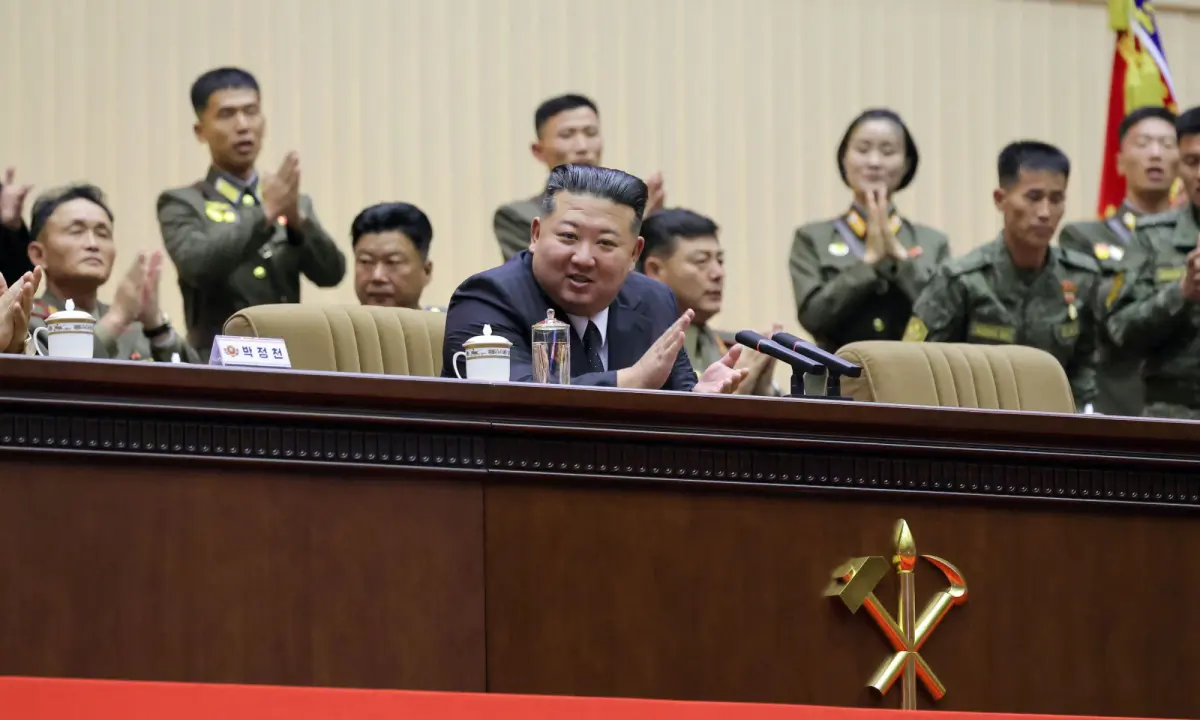
North Korea's Kim returns home after visit to Chinese border city

North Korean leader Kim Jong Un returned home on Saturday after a day-long trip to the Chinese border city of Dandong, Beijing’s state media reported, though the purpose of the unannounced visit was not immediately clear.

Kim is thought to have crossed into China via a major border bridge that officially opened last week — 12 years after its completion — deepening economic ties between China and diplomatically isolated North Korea.

Neither North Korea nor China disclosed Kim’s visit in advance. South Korean lawmaker Youn Kun-young said Kim was “understood” to have met Chinese Premier Li Qiang on Saturday.

A readout from China’s Xinhua news agency did not mention talks between Kim and Chinese President Xi Jinping or Li. Instead, it said Wang Huning, Beijing’s top political adviser, accompanied Kim in Dandong and “saw him off” at the bridge at the end of the trip.

The aims and outcomes of Kim’s visit were murky, but China is North Korea’s largest trading partner and a vital source of diplomatic, economic and political support for Pyongyang.

Xinhua quoted Wang as saying the visit was significant for “consolidating public goodwill towards the friendship (and) deepening political mutual trust and jointly pursuing cooperation and development”.

Wang conveyed Xi’s “cordial greetings and best wishes” to the North Korean leader.
The trip fell near the date both countries use to mark the entry of Chinese troops into the Korean War. Kim attended a memorial ceremony to fallen soldiers and visited an automobile factory, Xinhua said.

China’s top diplomat, Wang Yi, also participated in the events, it added.

Youn, the South Korean lawmaker, said he had been briefed on Friday that a visit was likely.

In Dandong late on Saturday, the bridge stood empty and the surrounding neighbourhood was quiet.

Resident Zhao told AFP it was “quite good” that Kim visited, saying he feels that a closer relationship between the two countries could ultimately benefit his city.

“When the two countries engage with each other, it will naturally benefit border cities in China economically,” the 50-year-old driver said.

“We have high hopes for that. May our friendship last forever.”

Bridging a divide

The New Yalu River Bridge was completed in 2014, but its opening was delayed due to a lack of connecting roads and customs facilities on the North Korean side, according to South Korean news reports.

Its opening came just over a month after North Korea and Russia opened their first road bridge.

Kim may have sought to “press China to move more quickly” on commitments agreed during Xi’s visit to North Korea this year, Yang Moo-jin, former president of the South’s University of North Korean Studies, told AFP.

“He may also have sought Beijing’s active support and cooperation ahead of a possible summit with [US President Donald] Trump in Shenzhen.”

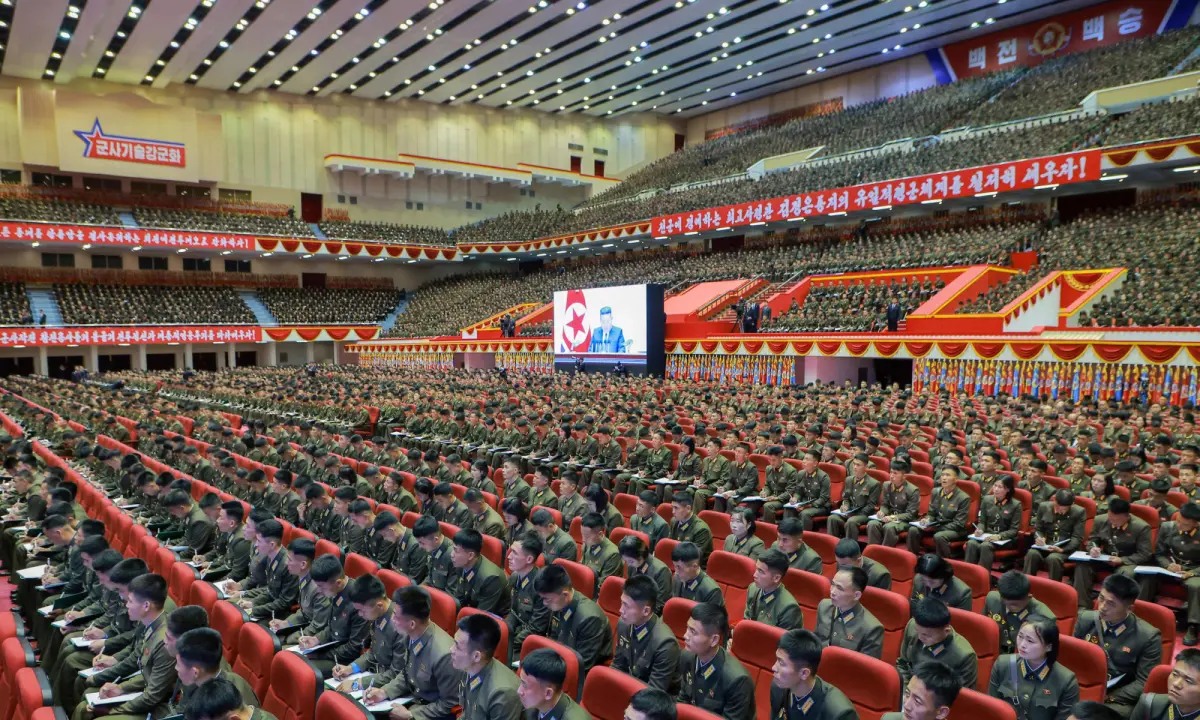
Hours before South Korea’s Yonhap news agency first reported Saturday’s visit, North Korean state media said Kim had urged his military at a major meeting in Pyongyang to train to become the strongest in the world.

Kim’s call for what he dubbed a “Korean-style military revolution” came soon after Seoul’s military proposed talks to clarify the shared border with the North, following an explosion inside the heavily fortified Demilitarised Zone.

Seoul’s military proposed the talks on Friday after it blamed the blast, which injured South Korean soldiers and severely strained bilateral relations, on North Korean landmines. Pyongyang strongly rejects the claim.

North Korea has not responded to the proposal and previously rejected the South’s demand for an apology over the explosion.

The countries remain technically at war as their 1950-53 conflict ended in an armistice, not a peace treaty.

Implicit acceptance

Despite long-running UN sanctions, North Korea has enshrined its status as a nuclear-armed state in law, with its regime routinely declaring its atomic arsenal permanent and irreversible.

South Korea’s dovish President Lee Jae Myung — who has repeatedly offered Pyongyang talks without preconditions — suggested in September that Washington seek a freeze, rather than the immediate elimination, of North Korea’s nuclear programme in return for sanctions relief.

Critics say such an approach risks tacitly accepting North Korea as a nuclear-armed state while allowing Pyongyang to win sanctions relief without giving up its arsenal.

Analysts say China has also appeared to move towards implicit acceptance.

Kim hosted Xi in Pyongyang in June, soon after Xi held back-to-back summits in Beijing with Trump and Russia’s Vladimir Putin.

Neither Pyongyang nor Beijing mentioned North Korean denuclearisation in their official statements after the June meeting — an omission experts saw as a sign of China’s tacit consent.

  •  

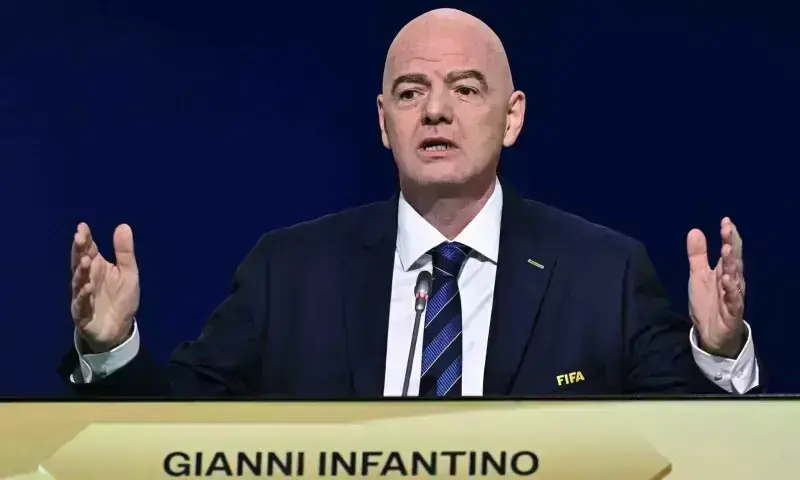
Infantino says backed by 'vast majority' in bid for re-election as FIFA chief

FIFA president Gianni Infantino has said he has the backing of the “vast, vast majority” of member associations in his bid for re-election despite criticism of his aborted World Cup sell-off plan.

The Asian Football Confederation (AFC) rallied behind Infantino on Friday in a significant boost to the 56-year-old’s hopes of winning a fourth term in charge.

Infantino’s future in the role was in doubt two months ago when he faced a furious backlash to his plan to sell off a portion of the commercial rights of competitions run by football’s world governing body to private investors.

The heads of European football’s governing body UEFA, the AFC and CONCACAF, which runs the game in North and Central America, signed a letter saying football “belongs to no individual”.

But Infantino, who apologised last week for the failed private investment project, is now in a strong position to secure re-election in March.

“I think what is important is that in an organisation like FIFA, there can be different views, different points of view,” Infantino told the BBC on Saturday.

“But if we are serious about democracy, about the democratic process, about believing that everyone has the same vote and the same voice all over the world, that football belongs to everyone, if we are serious about that, then we need to respect as well the views of the vast, vast majority.

“I’m just coming back off Tokyo where the Asian Football Confederation has fully endorsed me. I was in Cape Verde where all African countries have endorsed me. I’m speaking to all associations everywhere in the world.”

No other candidate has yet come forward to oppose Infantino with the deadline to do so less than a month away on Nov 18.

He added: “There are different points of view it’s not always easy to bring them all under one roof but we need to respect and I do respect all opinions all views and then it will be up to the FIFA member associations to decide who they want as a president and how they want FIFA to be run.”

  •  

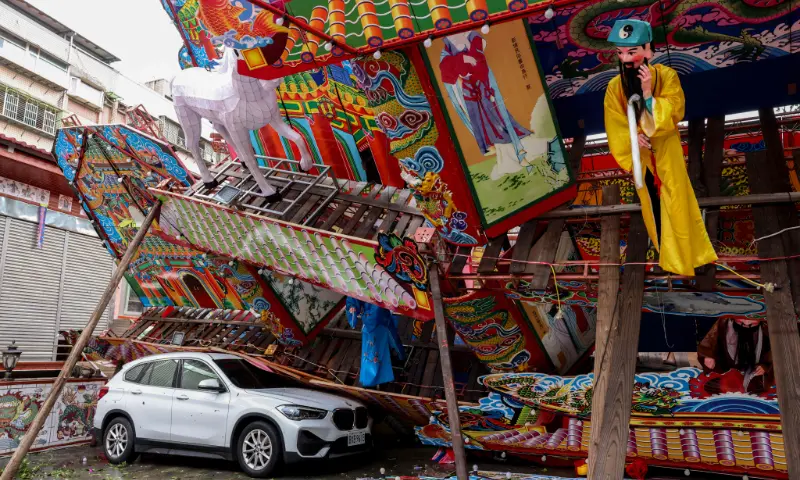
Tropical Storm Champi nears China after battering Taiwan, Japan

A powerful storm swept towards China on Saturday after battering Taiwan and Japan’s southernmost islands, knocking out power to thousands of households and forcing the cancellation of hundreds of flights.

Typhoon Champi was downgraded to a tropical storm as its wind speed dropped to 102 kilometres (63 miles) per hour, according to the latest update from the Joint Typhoon Warning Centre.

Taiwanese authorities evacuated more than 5,000 people from their homes ahead of the storm, which toppled trees, brought down power lines and triggered brief flooding.

One person was killed and more than 600 injured since Thursday, when the government began issuing warnings about the typhoon.

Power has been restored to more than 90 per cent of over 340,000 affected households, after the storm unleashed fierce winds and heavy rain over swathes of Taiwan.

Most shops across northern and central Taiwan were closed for a second day, as the typhoon moved away from the island’s northeast and headed north towards China.

“Although the typhoon is gradually departing, we would like to remind the public that coastal areas will still experience swells and strong wind gusts,” the Central Weather Administration’s Wuu Woan-hwa said at a briefing.

Champi is the latest in a busy Pacific storm season turbocharged by the El Nino weather phenomenon that has caused unprecedented warming in the equatorial Pacific.

The storm was briefly a super typhoon as it crossed the ocean in recent days, with reported maximum sustained wind speeds of nearly 300kph.

Its intensity weakened overnight as it made a loop off Taiwan’s northeastern county of Yilan, where it has dumped at least 65 cm (26 inches) of rain since Thursday, the forecaster said.

Martha Wang said she was afraid of being “blown away” by the wind as she rode her scooter across a bridge in New Taipei City on Saturday morning.

“I was really scared because I was on the bridge. My scooter was shaking,” the 55-year-old secretary told AFP.

William Yu, however, was unfazed by the storm, saying it “wasn’t any stronger than other typhoons.”

“I went to the convenience store to eat yesterday (evening), and everything was fine,” the 55-year-old librarian said.

Heading for China

Authorities in China warned of “strong winds and heavy rain” as Champi approaches the country’s east coast, state broadcaster CCTV said.

Some train services have been suspended and tens of thousands evacuated from their homes in Shanghai.

“Some areas of Jiangsu, Shanghai, Zhejiang, and other regions are expected to experience heavy to torrential rainfall,” it said.

Hundreds of flights have been cancelled in the region, including in Japan’s southernmost prefecture of Okinawa, where the government said two people were injured in the typhoon.

Tourists on Ishigaki island waited for flights to resume so they could return home.

“We hope it’s our last day,” Eva Malek, 49, from Poland told AFP.

“It’s not easy to have information. We were not aware of the situation and didn’t expect something like this to happen. When the typhoon arrived, we didn’t think it would be that strong.”

The United Nations said Wednesday that the El Nino system gripping the planet is heading off the charts and that countries should take urgent action to prepare for the worst.

El Nino is expected to peak in December, but the human impact is set to last into 2027 and beyond.

The warming phase of a natural climate cycle, El Nino temporarily raises sea temperatures in the tropical Pacific, triggering changes in weather that can increase the risk of drought and flooding and exacerbate human-caused global warming.

  •  

UAE diplomat vying for UN's top job

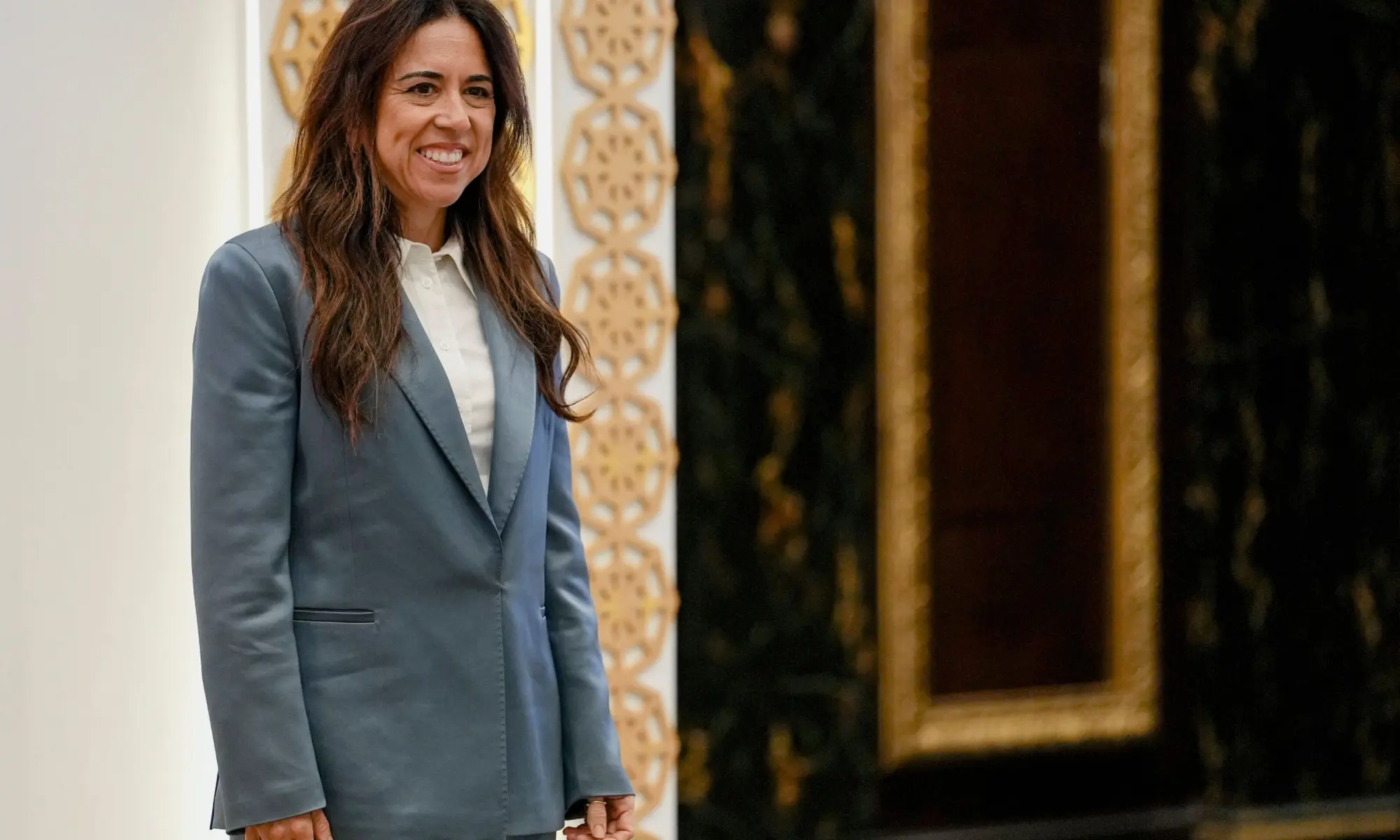
An Emirati official with Palestinian roots, Lana Nusseibeh has emerged as a late frontrunner in the race to lead the United Nations, campaigning on a reformist agenda and vowing to work for peace.

Since her official nomination on Wednesday, she has already garnered the backing of Gulf states but also faced scrutiny over her country’s normalisation with Israel and Abu Dhabi’s alleged role in Sudan’s war.

If she succeeds, she would be the first woman and the second Arab to snatch the job in what would be a tour de force for the United Arab Emirates (UAE), a Middle East power that was under Iranian attack earlier this year.

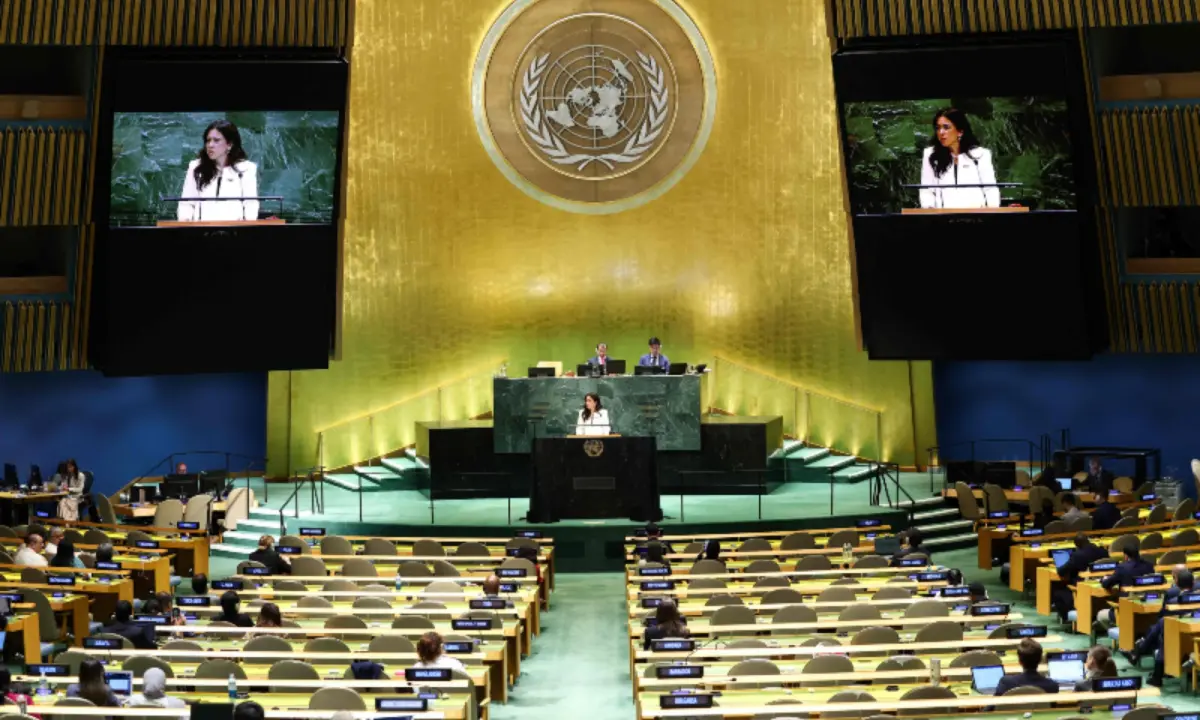
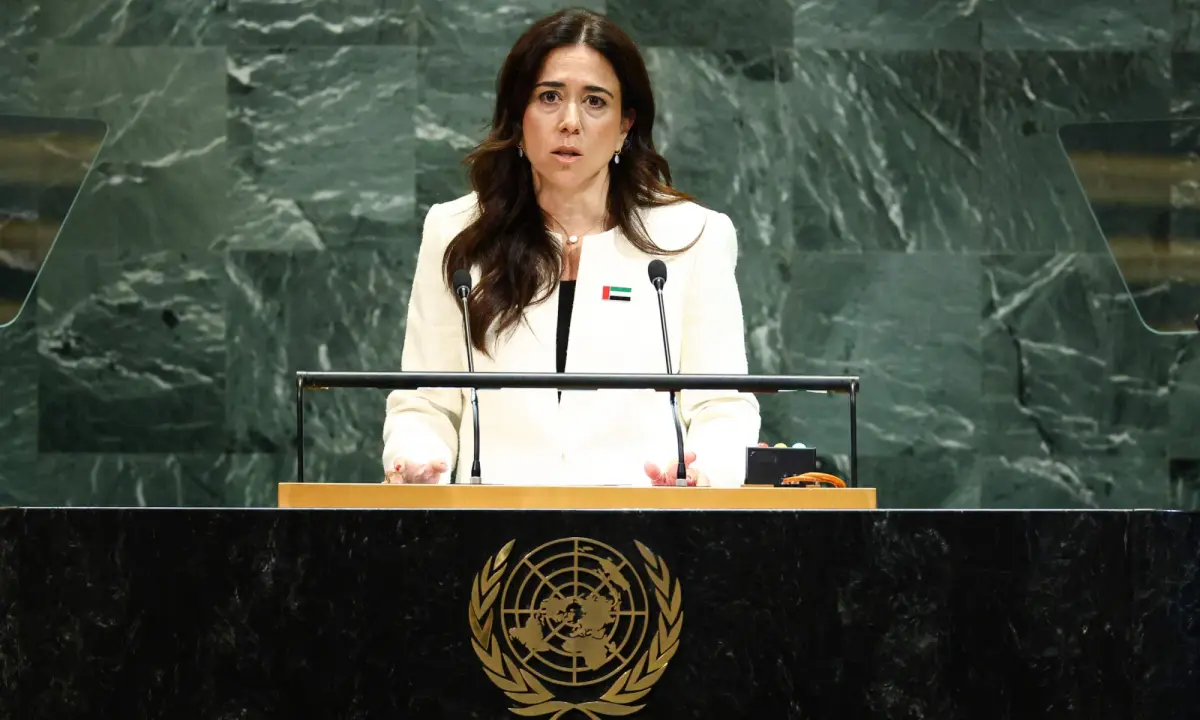
United Arab Emirates’ Assistant Minister for Political Affairs and Foreign Minister’s Envoy Lana Nusseibeh addresses the United Nations General Assembly at UN headquarters in New York City on September 27, 2025. —AFP

In a campaign video, she vows if elected to “bring greater urgency to the work for peace” and “defend human rights”, speaking in perfect English with a slight British accent.

The long-haired brunette, 48, sporting a red suit, projects the image of a modern Arab woman, one that her country has long sought to portray.

“Lana Nusseibeh has a thick CV,” said Emirati political science academic Abdulkhaleq Abdulla. “She brings in the best of the UAE’s diplomacy.” She stepped down from her post as state minister at the foreign ministry and as envoy to the UN and EU to campaign for the top UN job.

A seasoned diplomat, she has also served as the UAE’s permanent representative to the UN, from 2013 to 2024, the first woman to hold the post.

Nickolay Mladenov, the high representative for Gaza under a US-backed “Board of Peace”, said Nusseibeh “does not give up when the room gets difficult”.

“She is relentless, but never in a way that overwhelms people,” he said.

Palestinian roots

Nusseibeh comes from a prominent Palestinian family of statesmen, uprooted by the creation of Israel in 1948.

Her family traditionally held the keys to the Church of the Holy Sepulcher in the walled Old City of Jerusalem.

Yet she has defended the Abraham Accords, under which the UAE normalised ties with Israel in 2020, drawing criticism from pro-Palestinian activists and commentators on social media.

Her grandfather was defence minister in Jordan in the 1950s and one of the first Palestinians to be in contact with the Israelis, while her father Zaki Nusseibeh was an adviser and interpreter to the UAE’s late founding president Sheikh Zayed.

He currently serves as cultural adviser to the UAE president and was also a state minister.

Nusseibeh has two sons. She holds two master’s degrees, including one in Israeli and Jewish diaspora studies from the University of London.

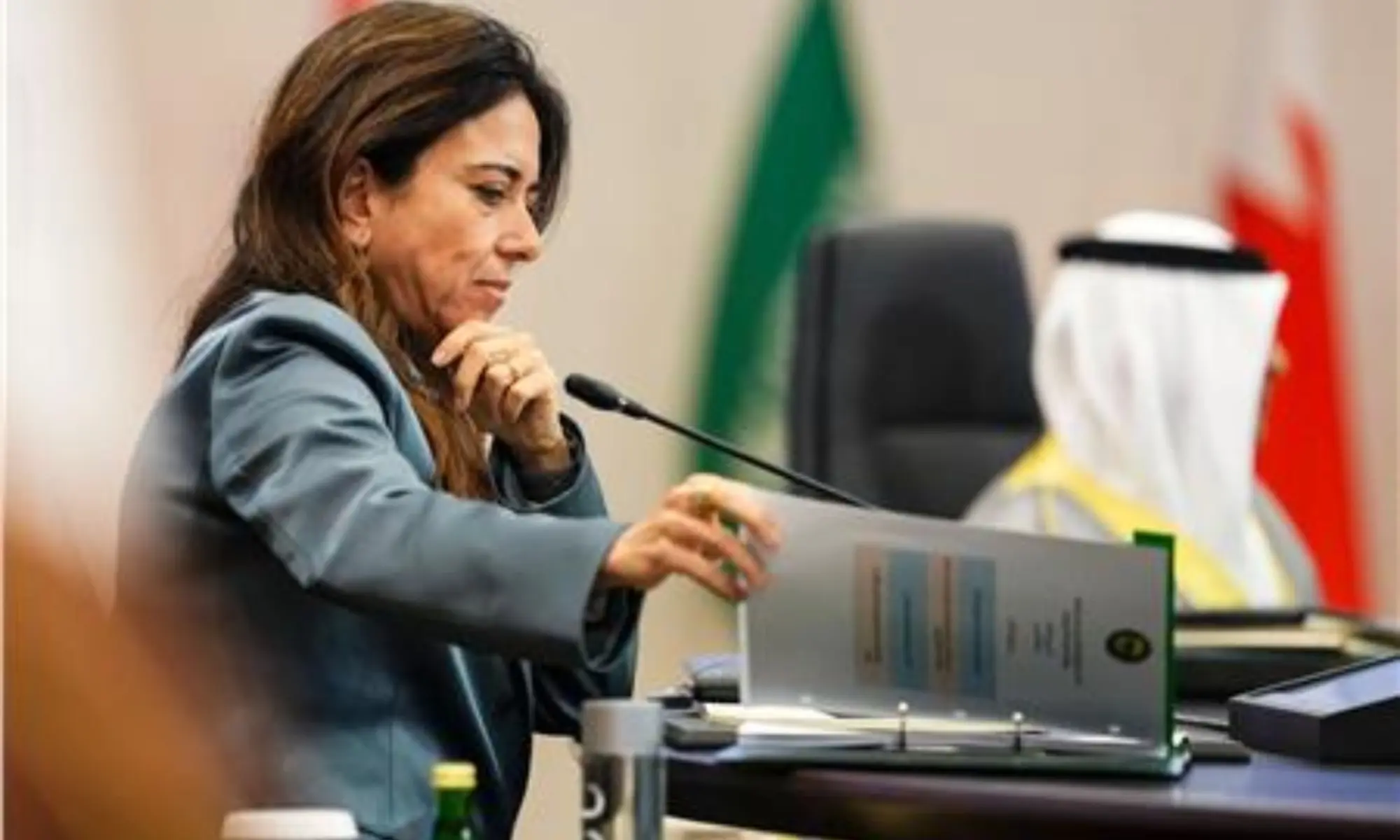
Minister of State at the Ministry of Foreign Affairs of the United Arab Emirates Lana Nusseibeh attends a meeting with foreign ministers of the Gulf Cooperation Council Member States (GCC) and the US Secretary of State, in Manama on June 25, 2026. —AFP

‘No candidate short of criticism’

Nusseibeh’s nomination has sparked some backlash over her country’s involvement in the Sudan war, where the UAE is accused of backing the paramilitary Rapid Support Forces (RSF) — accusations it denies.

Since April 2023, Sudan has been engulfed in a war between the army and the RSF, triggering what the United Nations has described as one of the world’s worst humanitarian crises.

“There is no candidate that is short of criticism… We’ll just have to deal with it, especially the Sudan file,” Abdulla told AFP.

“The UAE has already stated time and again that all of these are media allegations, and we have already made it clear that… we deny all of them, and we do not send any arms or finance the RSF,” he added.

It is tradition that the UN’s top job rotates between different regions.

United Arab Emirates’ Assistant Minister for Political Affairs and Foreign Minister’s Envoy Lana Nusseibeh addresses the United Nations General Assembly at UN headquarters in New York City on September 27, 2025. —AFP

Under that premise, the role should go to a candidate from Latin America this time. But US ambassador to the UN Mike Waltz recently said the focus should be on picking the “best candidate” instead of the region or gender.

In the latest informal straw poll held last week to gauge which candidates have a shot of becoming the next UN secretary general, every contender received an effective veto.

Five of the 15 members of the UN Security Council wield veto power and can shut down any candidate unacceptable to them, which happened Friday when all seven candidates received at least two vetoes.

  •  

Israeli forces displace families, demolish buildings in occupied West Bank's Hebron

Israeli forces pushed into the occupied West Bank city of Hebron on Saturday and displaced around 250 families, some in the middle of the night, vowing to exact a heavy price for a deadly attack on soldiers.

The Palestinian Authority called for international pressure on Israel to protect residents, who said soldiers announced the evacuations over loudspeakers late at night as they packed what they could and left.

Days before tight elections, Prime Minister Benjamin Netanyahu said he was planning an operation on a scale not seen since Israel first occupied the West Bank in 1967, after Palestinian fighters killed two Israeli soldiers on Friday at a checkpoint.

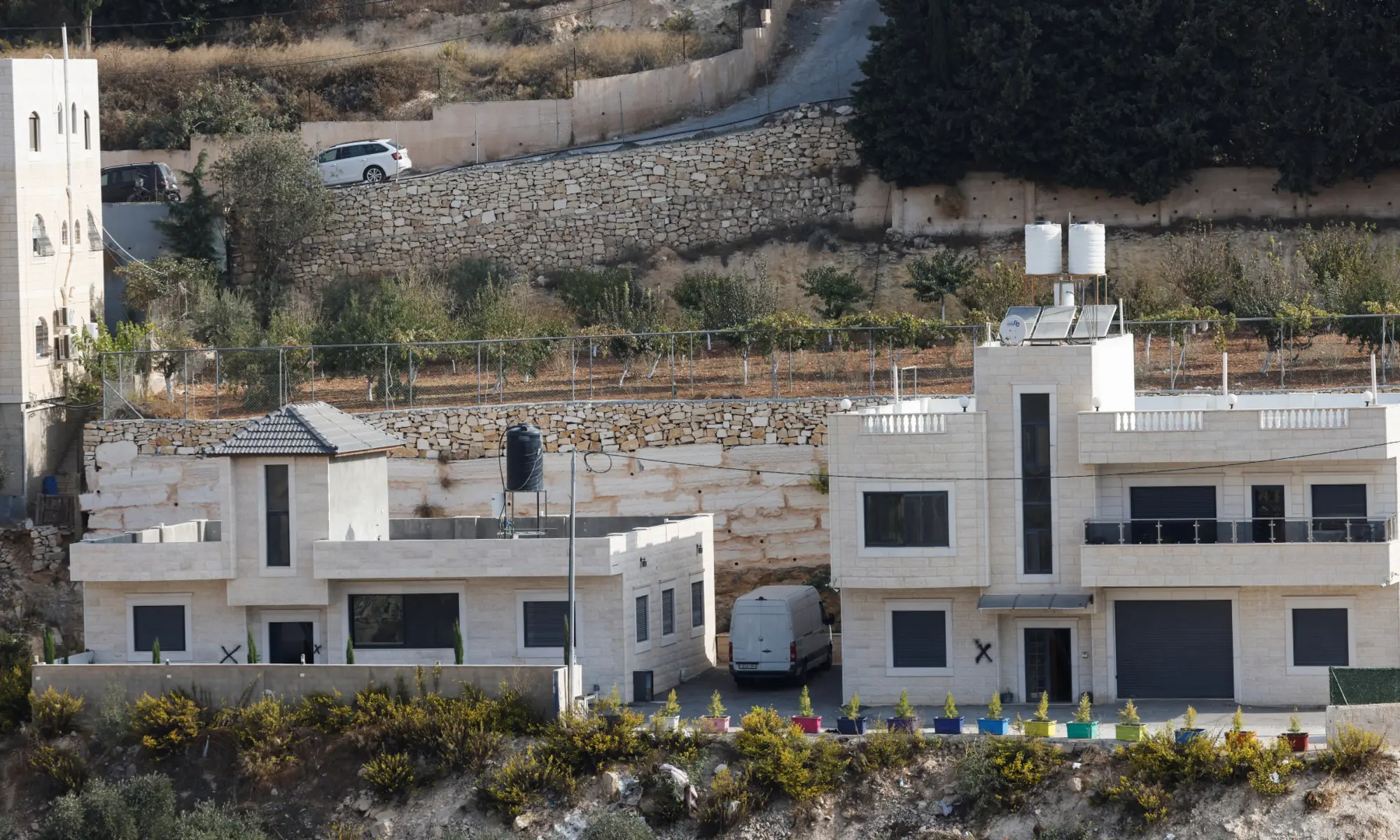
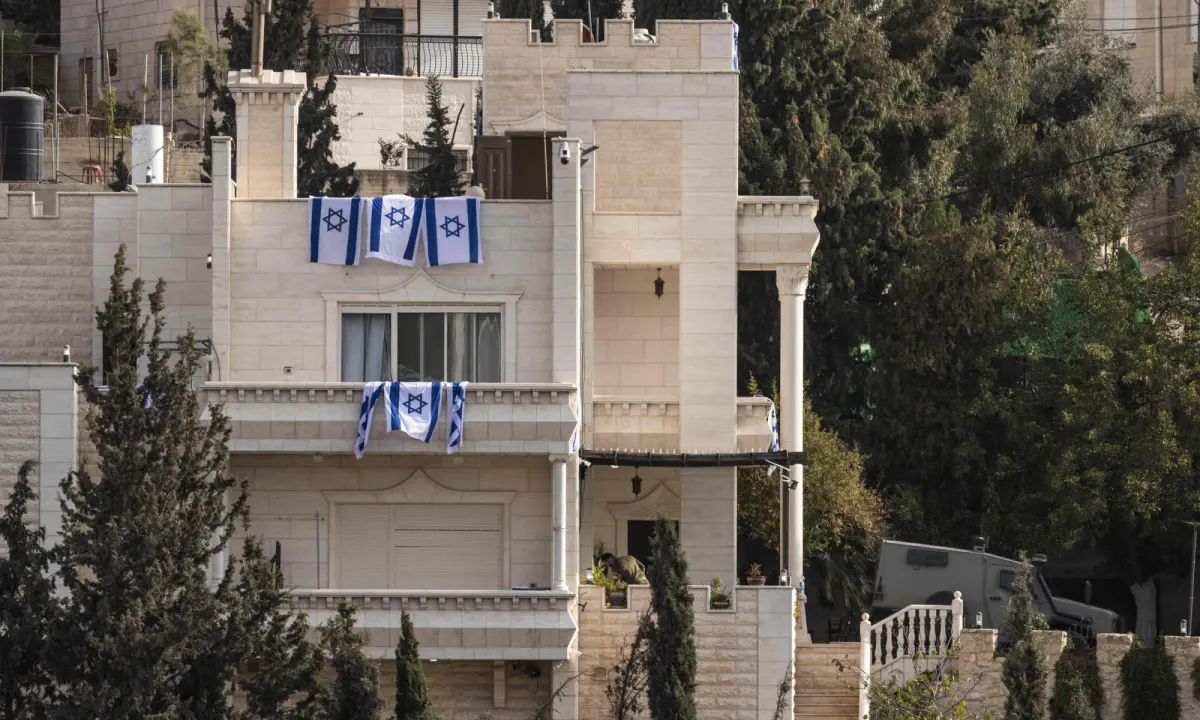
In the Hebron neighbourhood of Ein Deir Baha, nestled between two hills, vacated buildings were marked by X’s and the streets were deserted, save a pair of Israeli military vehicles. Israeli flags were draped on a house on the slope apparently taken over by troops.

 Palestinian homes marked with an “X” by the Israeli army after evacuation are seen in Hebron, in the Israeli-occupied West Bank on Oct 24, 2026. — Reuters
Palestinian homes marked with an “X” by the Israeli army after evacuation are seen in Hebron, in the Israeli-occupied West Bank on Oct 24, 2026. — Reuters

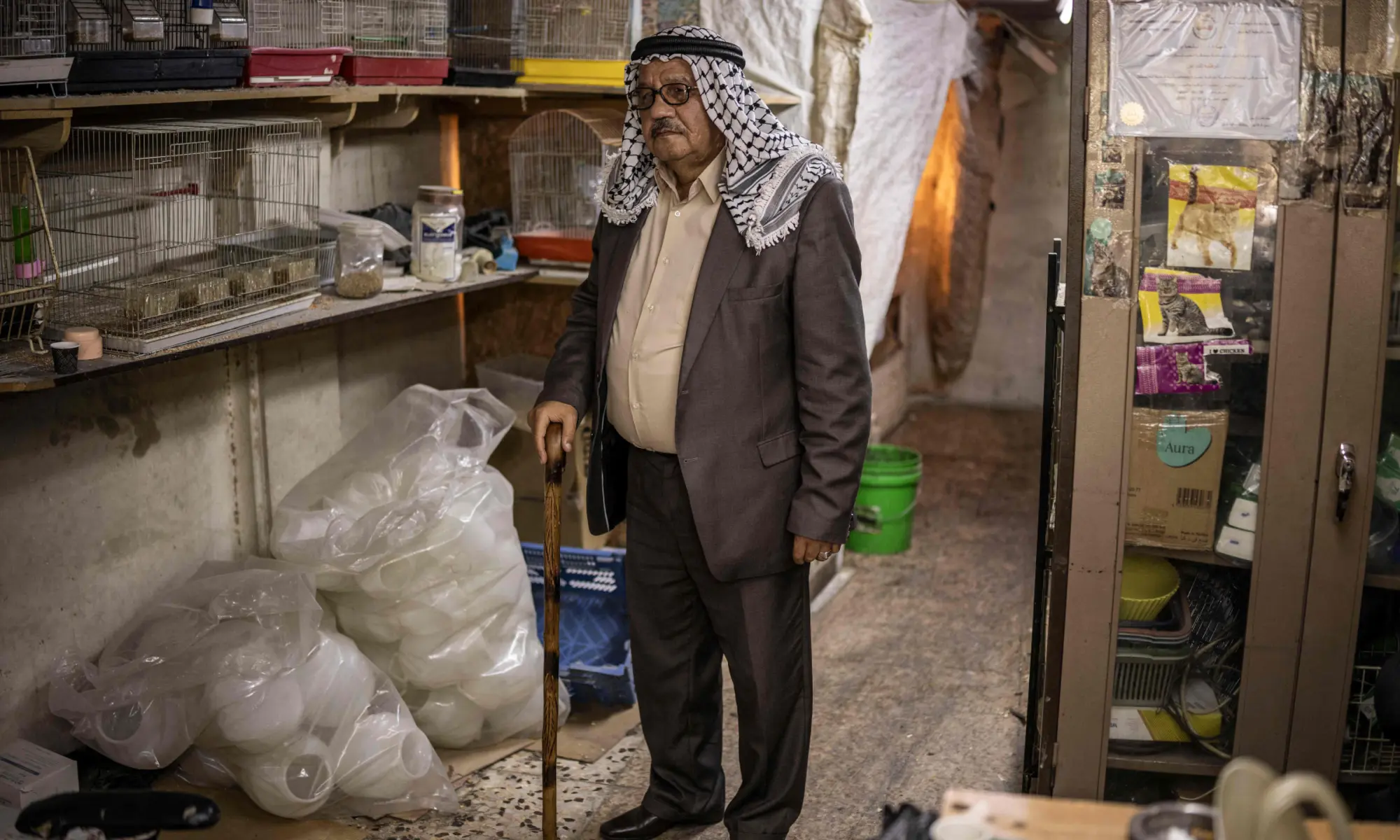
Higazi Shawer al-Tamimi, 70, a shopkeeper who sells live chickens and feed and plays a leadership role in the neighbourhood, said he was awakened at 1:00am by soldiers and a senior officer who said he had to leave.

“I asked them how long the evacuation would last. They said: ‘Until further notice.’”

He told AFP he had only a short time to pack, adding that for some residents, getting out of the neighbourhood was an ordeal.

“For example, my wife’s mother, who is 90 years old and lives in the area, had to be carried out because she is ill,” he said.

Visiting Hebron, Netanyahu said he and Defence Minister Israel Katz were “considering a very extensive IDF operation in Judea and Samaria, such as has not been carried out since” the 1967 war.

The first step would see Israeli forces “enter the neighbourhood from which the terrorists came, evacuate the residents, go from house to house, and destroy the terrorist infrastructure”, he claimed.

The Palestinian Authority said it was mobilising its diplomats to seek “urgent international action that goes beyond condemnation” to prevent forced displacement.

Hamas, while not claiming credit, hailed Friday’s attack on soldiers and called on supporters to carry out more.

‘Why should I be displaced?’

To Tamimi, this is only happening because Netanyahu wants to win the election on “the blood of the Palestinian people”.

He said people were not going anywhere. “I have lived through all the stages of the occupation, and I will die here.”

Israeli forces have already demolished some buildings in the immediate vicinity of where the attack took place, and the Tamimis said they did not know if their homes would meet the same fate.

Tamimi’s brother, Khaled Shawer al-Tamimi, 68, was staying with his son after the evacuation order.

“The army was announcing through loudspeakers: ‘Leave the area.’ So we left.”

Higazi Shawer Al Tamimi, 70, who was evicted alongside his family from Ein Deir Baha neighbourhood by Israeli forces, poses for a picture inside his chicken and animal feed shop in Hebron, in the occupied West Bank on Oct 24, 2026. — AFP

He told AFP he was surprised to hear Friday’s assailants came from the neighbourhood, which he described as middle-class and law-abiding.

“We have never seen or even heard a single gunshot being fired,” he said from his son’s sitting room as children flitted about.

“Why should I be displaced from my house?” he continued. The attackers “are the ones who carried out the act, and if the Israeli government wants to punish them, it can punish them.”

Hebron governor Khaled Dudin told AFP the army started in the attackers’ neighbourhood, “but there is no guarantee that the operation will not expand”, calling it a form of “collective punishment”.

The governor said 150 families had been affected, while Hebron mayor Youssef al-Jaabari and local activist Issa Amro put the figure at 250.

Israeli rights group B’Tselem called for urgent international pressure to prevent Israel from pursuing “plans for collective punishment and acts that could constitute war crimes”.

UN Secretary-General Antonio Guterres, through a spokesman, voiced concern over Israeli closures that affect Palestinian livelihoods and called for a halt to violence on all sides.

Netanyahu promises PA ‘surprise’

The Israeli military said it was “conducting precise, targeted and thorough searches” focused on the area of the two gunmen, who were both killed in a firefight. It added that the operation would last several days.

But Netanyahu suggested that bigger action was coming.

Asked if he agreed with the idea of dismantling the Palestinian Authority, as has been suggested by his far-right national security minister Itamar Ben Gvir, Netanyahu referred to Israeli military operations in Gaza, Lebanon, Syria and Iran.

“We transformed the Middle East,” he said, repeating a common campaign refrain, in an interview with i24News.

“There is a very big surprise for the Palestinian Authority as well.”

There is no evidence that the Palestinian Authority had any involvement in Friday’s attack.

Far-right Israeli Finance Minister Bezalel Smotrich, who also holds a position within the defence ministry, called for a large-scale military offensive in the West Bank “exactly like in Gaza”.

Both Ben Gvir and Smotrich are especially vocal supporters of Israeli settlements in the occupied West Bank, which have proliferated under Netanyahu’s government but are illegal under international law.

Netanyahu has linked the assailants to Hamas, the resistance group in Gaza that carried out the Oct 7, 2023 attack, the deadliest in Israel’s history.

The attack came amid rising tensions in the West Bank as Israeli settlers, who enjoy strong support from Netanyahu’s far-right allies, ramp up seizures of Palestinian land and attacks.

Rights group Yesh Din reported 672 incidents of settler violence over the past 26 days, nearly half related to the annual olive harvest.

According to an AFP tally based on data from the Palestinian health ministry, Israeli forces and settlers have killed 1,117 Palestinians in the territory since the start of the war on Gaza in October 2023.

Israeli figures show that at least 51 Israelis, including civilians and security personnel, have been killed in Palestinian attacks or during Israeli military operations during the same period.

Polls show Netanyahu is neck and neck with an opposition bloc led by Gadi Eisenkot, a centre-right former military chief who also opposes a Palestinian state but has promised to crack down on settler violence.

  •  

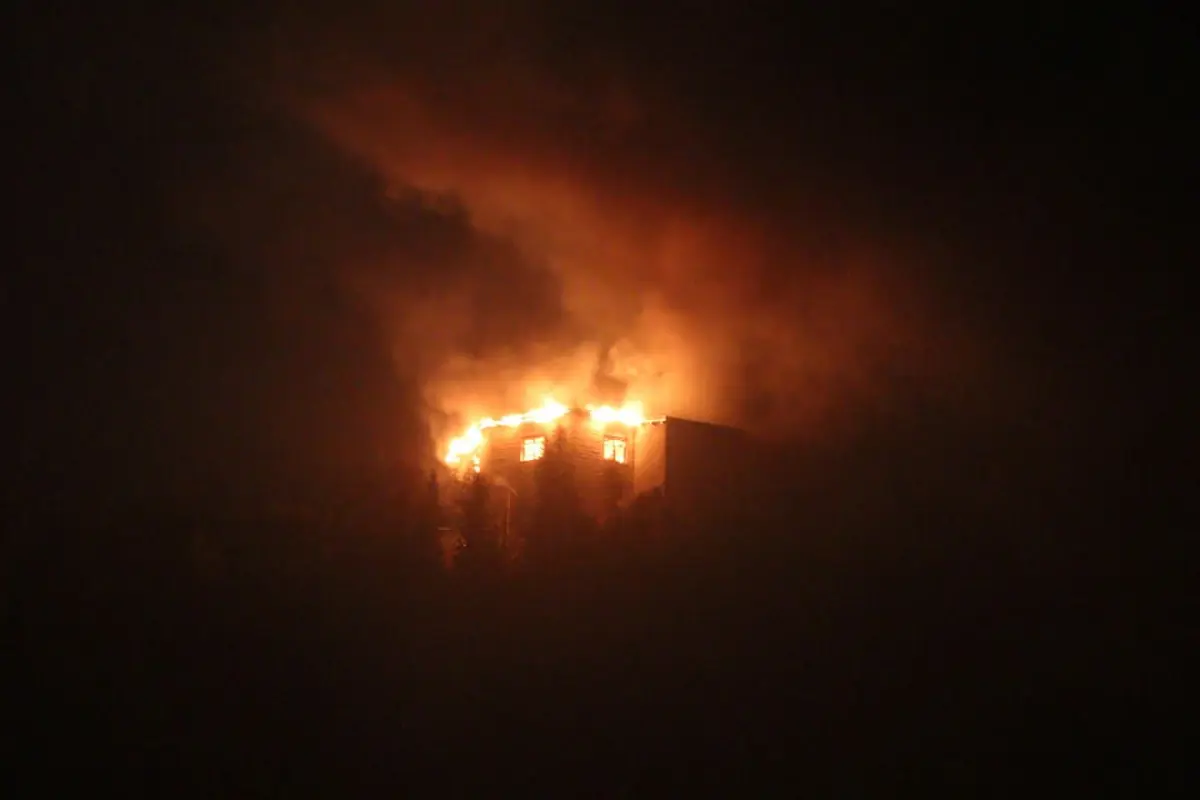
Fire breaks out at Hitler's mountain retreat, suspect detained: police

German police said Saturday they had detained a suspect following a fire at Adolf Hitler’s mountain retreat, known as the Eagle’s Nest, in the state of Bavaria.

Around 200 firefighters were deployed to tackle the blaze at the Nazi dictator’s remote Kehlsteinhaus residence, on the peak of Obersalzberg in southern Germany.

Firefighters saw flames rising high into the air as they approached the scene, only to find the building “completely ablaze”, police said.

“A suspicious person was taken into temporary custody,” they said in a later statement, adding that nobody was injured in the blaze.

Police spokeswoman Lisa Maier said firefighters struggled to tackle the blaze due to its location at an altitude of 1,834 metres.

The building was only accessible with “heavy breathing apparatus”, she said.

Authorities were alerted to the fire on Friday evening, when a smoke detector triggered a fire alarm at around 9:50pm (1950 GMT), police said.

“The criminal police investigation is ongoing,” Maier added.

German tabloid Bild reported that the authorities arrested a motorcyclist they came across on their way to the scene and that they suspected the fire was the result of arson.

Built in the 1930s, the Eagle’s Nest forms part of the toxic legacy of Germany’s bitter 20th-century history.

  •  

Police fire tear gas as new French demonstrations kick off

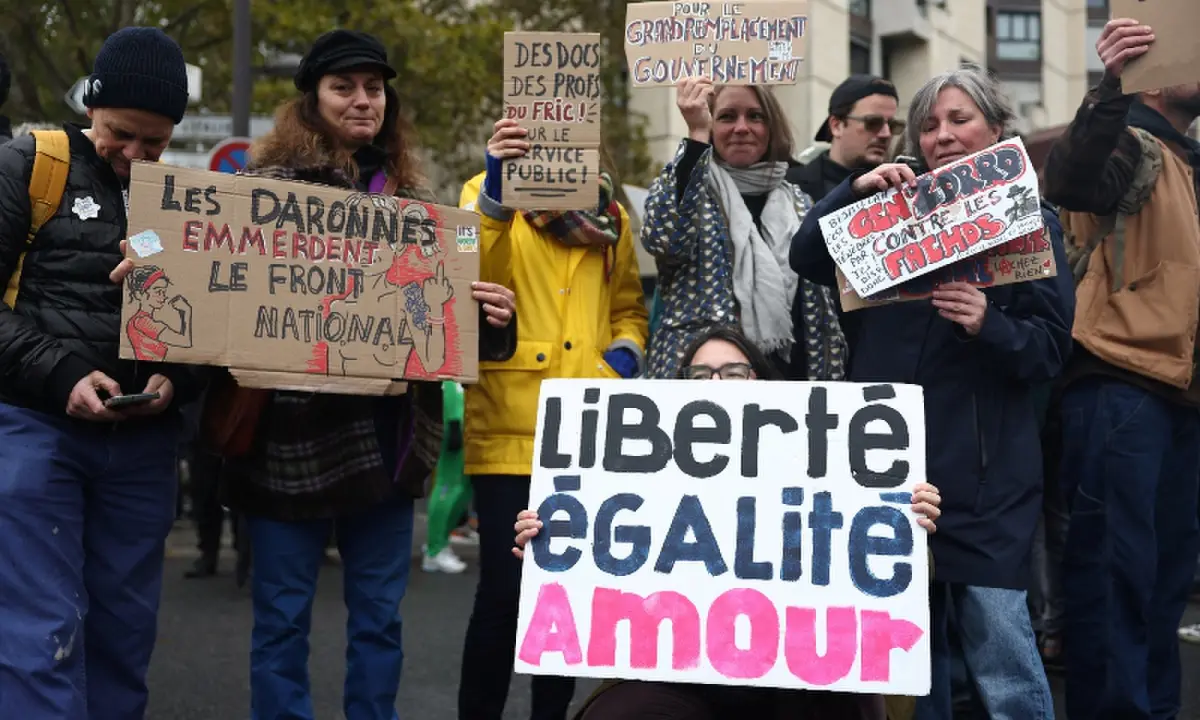
French police started firing tear gas at protesters Saturday as they stepped up security in major cities, aiming to prevent a repeat of rioting a week ago, on a day of fresh nationwide demonstrations over the high cost of living.

Police in the southeast city of Lyon fired tear gas to disperse some 150 protesters near the city centre — where demonstrations had been banned — when they briefly tried to block a road, an AFP journalist saw.

Elsewhere, authorities and rattled shopkeepers geared up for potential new street violence.

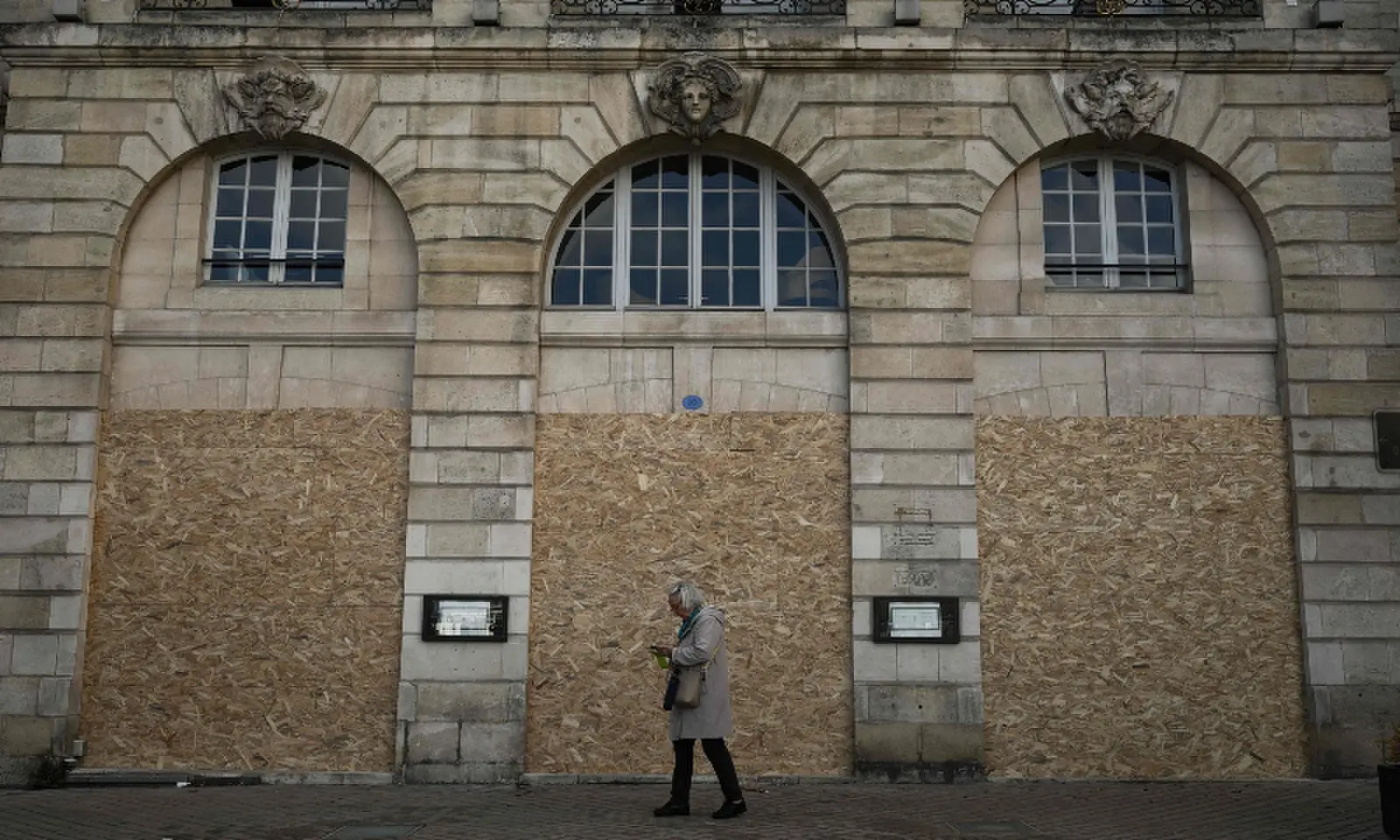
Near Paris’s Bastille neighbourhood, a clothing store had removed all its merchandise from shelves ahead of the demonstrations, while a nearby restaurant was boarded up with signs insisting it was “still open”. Many other retailers in the capital also had wooden boards covering their windows.

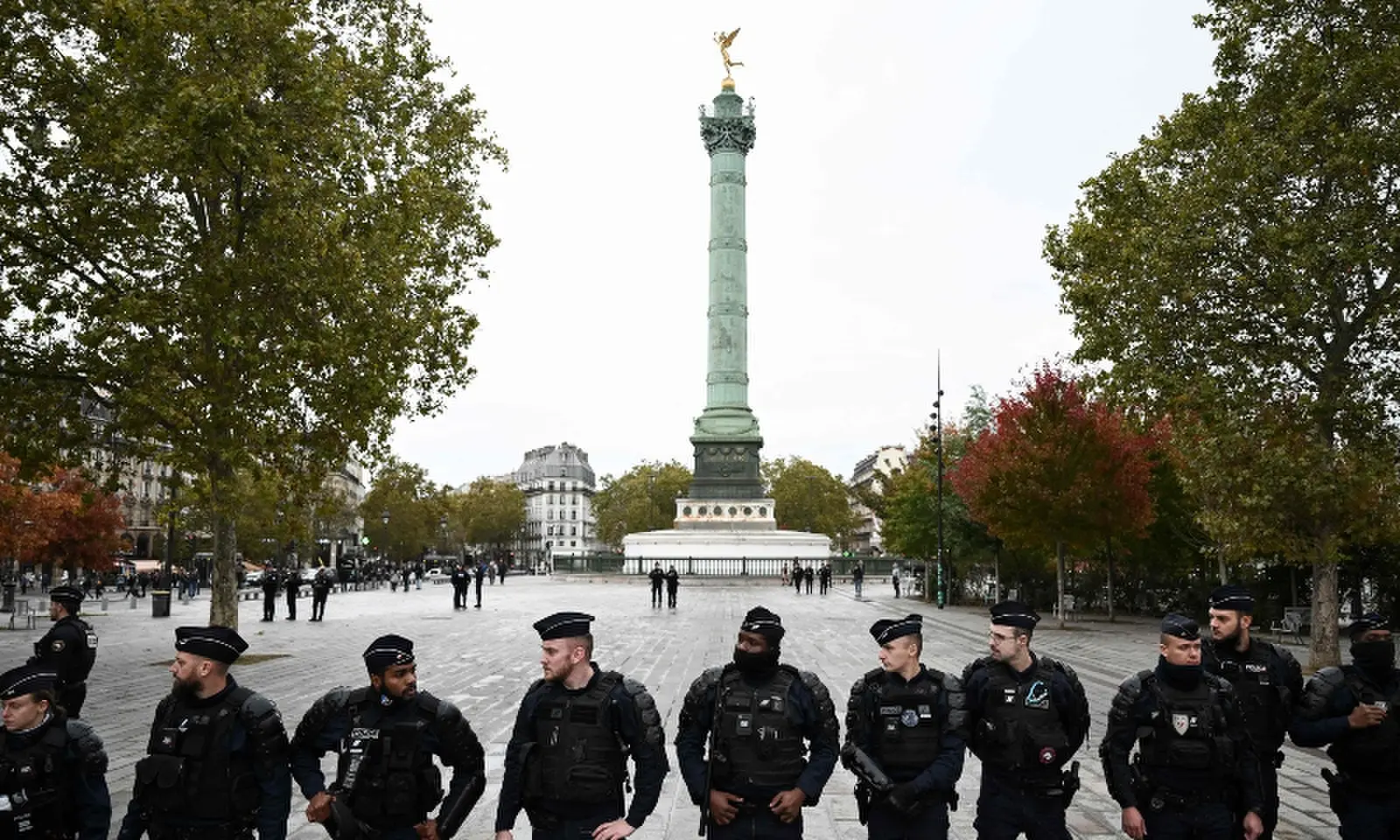
Police officers stand guard at the Place de la Bastille with The July Column in the background ahead of a demonstration in Paris, France on October 24, 2026. — AFP

The Louvre and the Musee d’Orsay museums were closed.

Police were seen readying riot gear in zones that bore the brunt of last weekend’s clashes and looting. They were among 70,000 security personnel the interior ministry said were mobilised to counter the “high” threat of violence.

“We will not tolerate any unrest,” Interior Minister Laurent Nunez said on Friday, adding that calls had been circulating on social media calling for violence and looting.

Protest against far-right party

Adding to tensions, far-right leader Marine Le Pen’s National Rally (RN) party was holding a weekend congress in the central city of Orleans to kick off her campaign for elections in six months to choose President Emmanuel Macron’s successor.

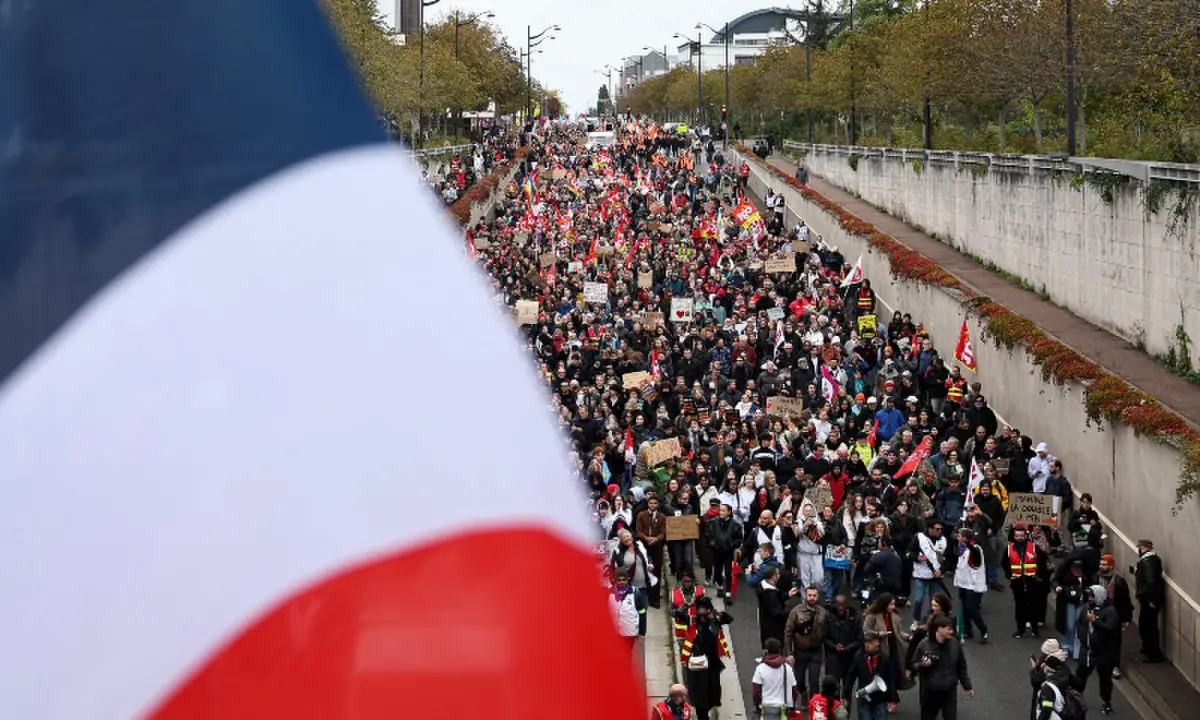
Thousands of people yelling anti-fascist slogans marched on Saturday against Le Pen, and also against Macron, a pro-business centrist leader.
“Macron resign. Le Pen in prison,” the crowd yelled.
Protesters march along the Avenue Jean Zay during a demonstration ‘against racism, fascism and imperialism’ on the sidelines of the Congress of the Far-right party Rassemblement National (RN) in Orleans, central France on October 24, 2026. — AFP

The violence last weekend and the heightened tensions over this weekend’s demonstrations highlighted the febrile atmosphere in France ahead of that vote, which Le Pen is best-placed, according to surveys, to win.

Last weekend saw rioters on the margins of the nationwide demonstrations clash with police, vandalise public buildings and loot hundreds of stores. Some 2,700 people were arrested and the retail sector said shopowners were left with damage and stolen stock totalling hundreds of millions of euros.

Macron attributed the worst of the violence to “ultra-left” groups that he said “want to bring down the republic”.

Groups organising Saturday’s renewed demonstrations have accused Macron and his government of ignoring widespread public anger over rising costs, and over classroom conditions for students.

Inflation in France, as elsewhere, has been sent surging by the Middle East war, started in February by US President Donald Trump and Israel.

Protests have also been taking place in Italy, Belgium, Spain and Portugal over different issues, yet with some overlap on inflation and education problems. Italy has sent 500 troops to try to quell street violence in Milan.

Boarded-up shops

In Paris, streets on Saturday were unusually quiet, with many shop windows boarded up, and some of the bigger retailers sent messages to customers warning that they were closed for the day.

The capital’s police at the last minute ordered a union-organised march in the city to be moved from Bastille, in the centre-east, to the more remote eastern Porte d’Italie on the southern rim of the capital.

A woman walks past the boarded-up ground-floor windows of a historic building ahead of a demonstration planned for October 24, in central Bordeaux, southwestern France on October 23, 2026. — AFP

Unions said they reluctantly would go along with that. But the Yellow Vest movement — a loosely organised grouping that staged disruptive street protests against Macron eight years ago — indicated it would not comply.

Macron and his government have sought to draw a line between the legitimate demands of protesters and the looting, burning and ransacking that erupted on the sidelines of demonstrations last Saturday.

Courts have already sent 217 people, half of them first-time offenders, to prison over the events on Saturday, officials said.

Macron has said authorities would accept only union-led demonstrations and would counter any others they deemed “illegitimate”.

Authorities in Marseille had banned all protests but announced Friday that a union-organised demonstration would be allowed on an “exceptional basis”.

The restrictions, including outright bans on protests in some cities, have drawn criticism.

Amnesty International denounced what it called “a slide toward authoritarian practice”, saying the measures were “jeopardising the right to demonstrate peacefully”.

“Police have a responsibility both to ensure that protests can take place peacefully and safely and to protect the public from violent disorder,” said Eva Cosse, senior Europe researcher at Human Rights Watch.

  •  

Jordan church shooting claims 7 lives

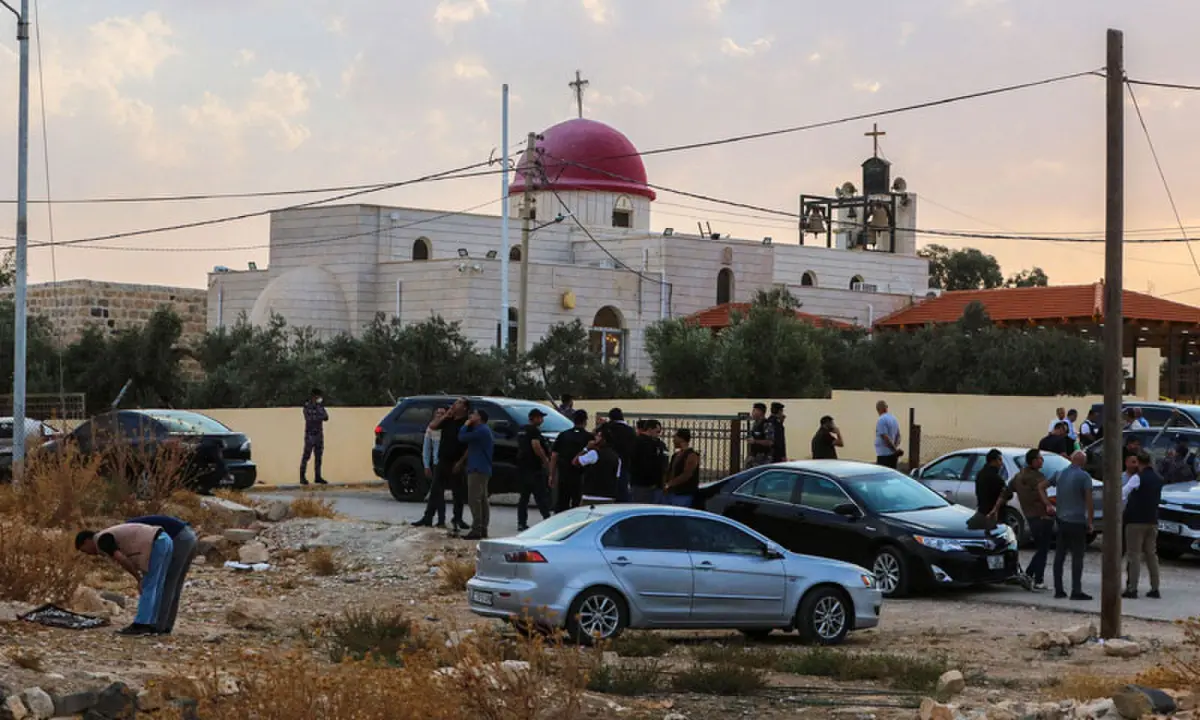
AMMAN: Gunmen killed at least seven people and wounded dozens at a church in southern Jordan on Friday, authorities said, with the king vowing retaliation for the rare attack on Christians in the majority Muslim kingdom.

Assailants stormed the compound of a Greek Orthodox church in the village of Hammoud in Karak governorate and opened fire, authorities said.

The gunmen got out of a vehicle and started shooting during a funeral procession, the public security directorate said in a statement, adding that a manhunt was underway for the perpetrators.

“The terrorist attack against Karak will be met with the harshest retaliation,” King Abdullah II said in a post on X.

“We will strike with an iron fist against those who dare to threaten our nation.” According to images from state broadcaster Al-Mamlaka, the king arrived in Karak on Friday evening.

After authorities gave a death toll of six, Director of Public Security Major General Abdullah Al-Maaytah said it had risen to seven with 34 injured, 27 of whom were still receiving treatment.

Footage aired by Al-Mamlaka showed two gunmen dressed in casual clothes and brandishing pistols, with a third carrying a long gun as they opened fire on the church.

A witness said the gunmen fired continuously for five minutes before fleeing. Between 150 and 200 people were in and around the church at the time, the witness said.

Published in Dawn, October 24th, 2026

  •  
❌