❌

Reading view

Iran sees only ‘unacceptable ideas’ in latest mediation to end war

Qatari mediators have presented Iran with a new draft deal to end the war with the US and Israel, an official briefed on the negotiations said, but a senior Iranian official said Doha had only put forward unacceptable ideas that did not amount to an offer.

The official briefed on the negotiations, who is not from Iran, said a new draft peace proposal for the eight-month-old conflict was presented on Sunday and was being considered by Tehran, with a response expected by the end of the week.

Qatar, along with Pakistan, has led mediation to end the war, which has disrupted global shipping and oil supplies and recently spread to Saudi Arabia and Yemen.

The proposal presented by Qatar sets a seven-day timeline addressing both Tehran’s and Washington’s concerns, laying out daily confidence-building steps that each side must take, the official briefed on the negotiations said. The timeline could begin early next week and several countries would act as guarantors of the deal, the official added.

Shortly afterwards, a senior Iranian official involved in the talks said Qatar had presented only “unacceptable ideas and not an offer”, and that Tehran’s policy on showing no flexibility over the nuclear issue remained unchanged.

Iran’s Foreign Minister Abbas Araqchi said on Wednesday that Tehran remained in close contact with intermediaries to review ideas that could ensure the implementation of its own seven-day proposal aimed at ending the war in the Middle East.

He said Iran continued to give diplomacy a chance to succeed, adding that Tehran’s seven-day plan could be implemented in less than a week.

Washington wants Iran’s decades-long nuclear programme to be part of negotiations to end the war from the outset, while Iran says its conditions — which include an end to the US blockade of Iranian ports and the lifting of sanctions on Iranian oil exports — must be met first. Iran rejects Western concerns ​that ⁠its nuclear programme is military in nature.

In late September, Iran presented its seven-day proposal under which Araqchi said the Strait of Hormuz, one of the world’s most important energy shipping channels, could be reopened if certain conditions were met. US President Donald Trump rejected it, prompting further Qatari mediation.

The draft discussed in Tehran on Sunday was different from that proposal, the official briefed on the negotiations said, though the details of the latest plan were not immediately clear. The official had previously told Reuters that the Qatari mediators had coordinated with Washington before going to Tehran.

Earlier mediation efforts to end the war that the US and Israel launched on February 28 helped produce an interim peace agreement in June, but it quickly unravelled.

In recent weeks, Yemen’s Iran-aligned Houthi forces have launched repeated attacks against Saudi Arabia — a key US ally and the world’s largest crude exporter — opening a new front in the eight-month-old war.

Oil prices LCOc1 rose more than 1% to more than $115 per barrel on Wednesday after a Houthi attack on Saudi Arabia’s largest oil refinery, Ras Tanura, stoking concerns over supply risks.

Fighting with the Houthis intensified last month as the militant group advanced against Saudi-backed forces towards the Bab el-Mandeb Strait, another important shipping lane on the other side of the Arabian Peninsula from Hormuz.

The official briefed on the negotiations said there were concerns ahead of Sunday’s meeting in Tehran that Israeli Prime Minister Benjamin Netanyahu, fighting for another term in a general election, could resume attacks on the Islamic Republic this week.

On Friday, Trump repeated threats to strike Iran again, while Iranian security officials told Reuters Tehran had drawn up detailed plans to attack Gulf undersea cables if the US and Israel resumed attacks.

On Monday, top officials from Saudi Arabia, Turkey and Pakistan also met Iranian officials in Tehran as part of de-escalation efforts. Qatar said on Tuesday that Iran needs to stop threats against Arab Gulf states and open the Strait of Hormuz to show good intentions for mediation efforts to succeed.

Gulf states came under sustained bombardment earlier in the war.

The war also reignited fighting between Israel and the Iran-backed Lebanese armed group Hezbollah. It has eroded Trump’s approval ratings ahead of the US midterm elections that decide control of Congress.

  •  

Serbian police shoot dead ‘teenage terrorist’ outside Israeli embassy in Belgrade

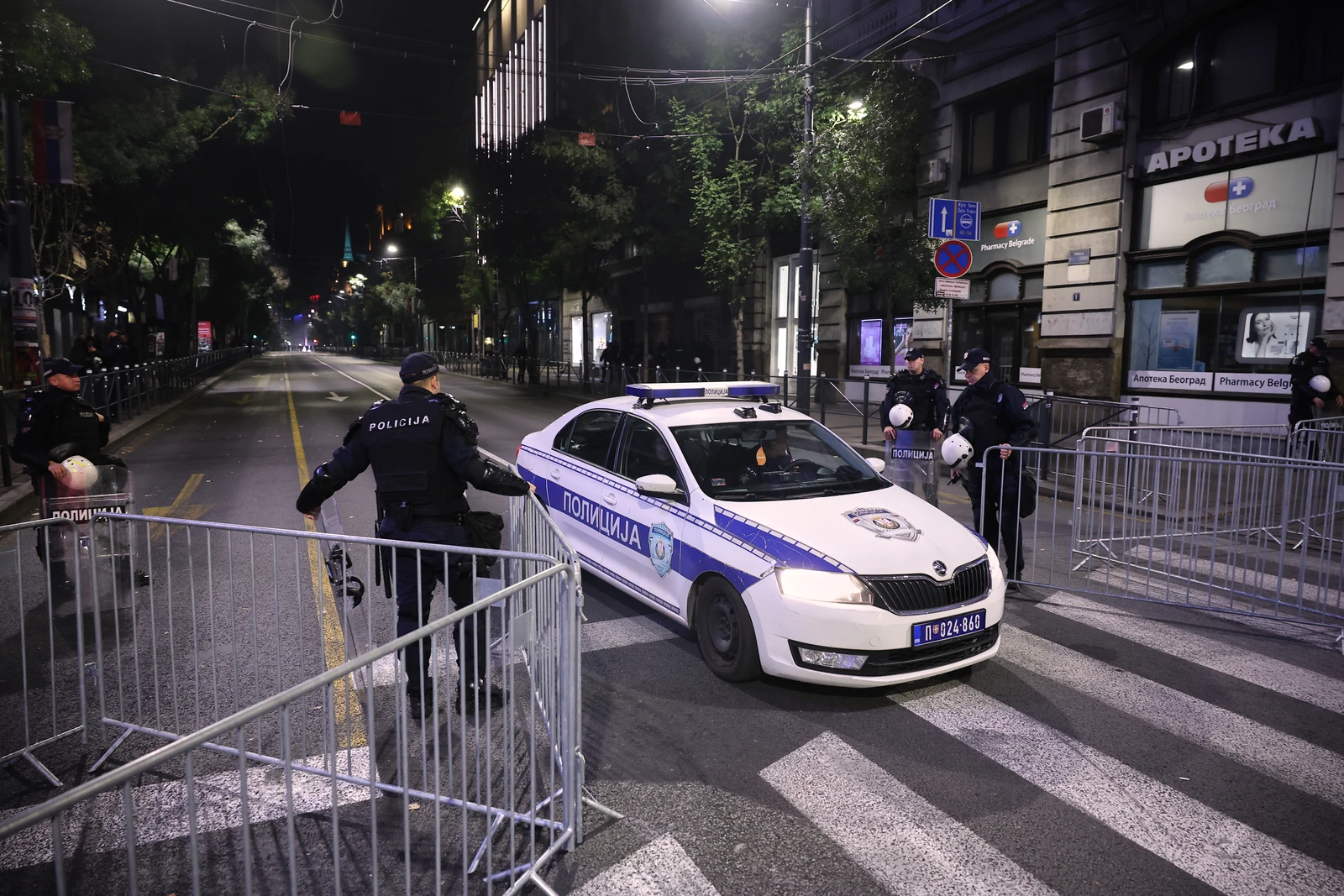
Serbian police shot dead a young man outside the Israeli embassy in Belgrade in the early hours of Wednesday after what the authorities called a “terrorist attack”.

Interior minister Ivica Dacic said the attacker ran at a police officer with two knives while shouting “Allahu Akbar”; the officer suffered a minor knife wound to the face and shot the man.

Dacic said the suspect was a minor and a Serbian citizen who was being monitored by the security services because he was “known to be a supporter of the Islamic State”.

Speaking to reporters outside the embassy, he said an investigation was under way; the security services said the suspect had posted a picture of the Islamic State flag on his Instagram account.

Dacic raised the country’s terrorism threat level to “red alert”, the highest level, which brings stricter security checks and a larger police presence.

Armed security personnel were seen standing guard outside the embassy on Wednesday morning.

Israel’s foreign ministry confirmed in a social media post that no embassy staff were hurt and that the mission was closed when the incident happened.

It is the second attack on the Israeli embassy in Belgrade in less than three years, for in June 2024, a man shot a police officer in the neck with a crossbow.

The officer survived and shot dead the attacker, who was identified as a Serbian man who had converted to Islam.

  •  

Bolsonaro declares himself rightful president-elect of Brazil

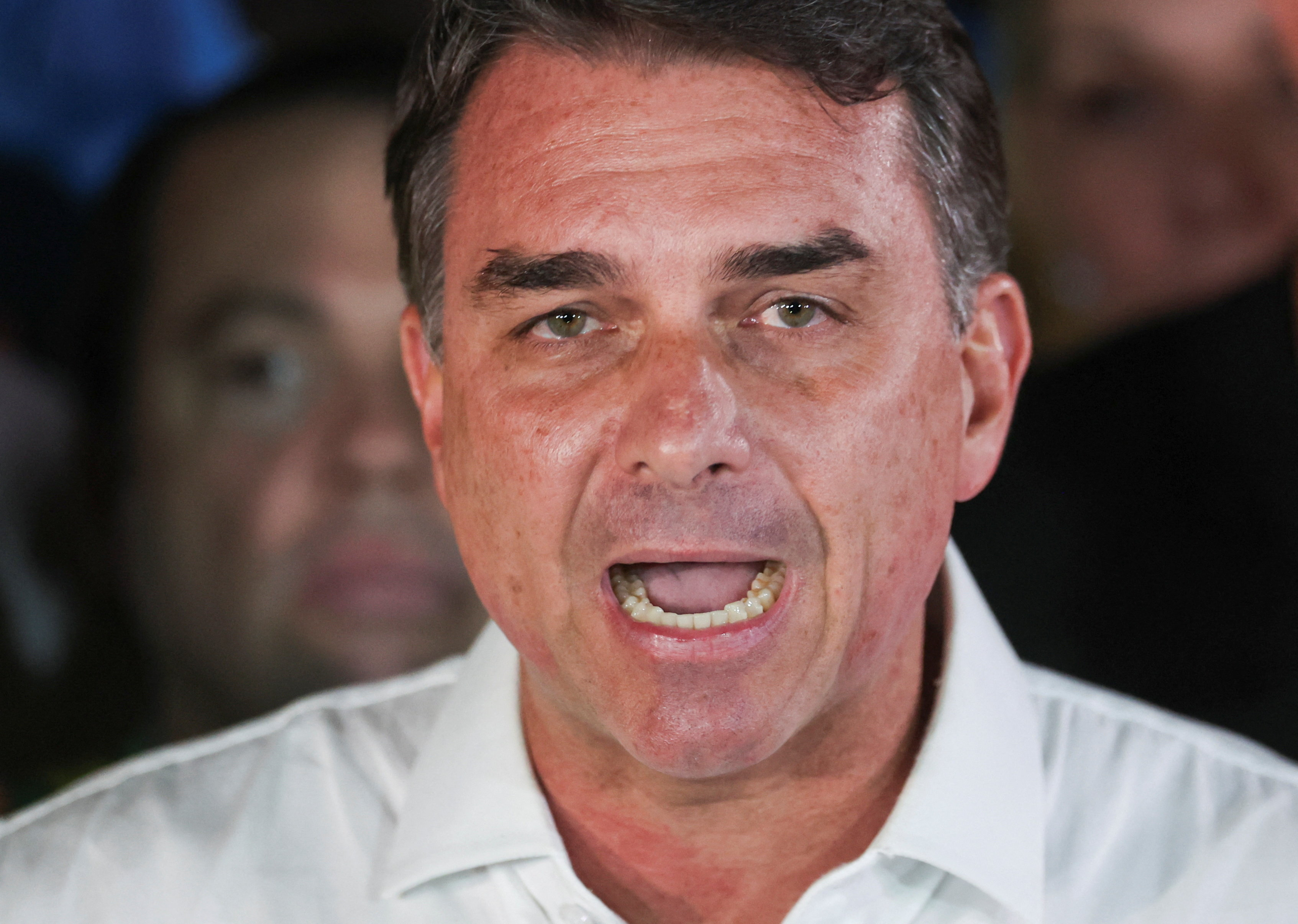
Brazilian Senator Flavio Bolsonaro on Wednesday declared himself the rightful president-elect of Brazil, saying his victory had been denied by an electoral coup d’etat by leftist President Luiz Inacio Lula da Silva and the country’s Supreme Court.

Bolsonaro, who lost Sunday’s presidential election and left Brazil for Miami where he and his family received US visas, thanked US President Donald Trump and Argentine leader Javier Milei for helping him leave his country and for welcoming him.

“I want to say, not only to my 60 million voters but to the Brazilian people, that I am the elected president and that the criminals who stole Brazil’s election are part of a criminal organization that has established a tyranny,” he said in an open letter shared with journalists by his allies.

Bolsonaro did not provide evidence for the alleged electoral fraud. International observers have found Sunday’s vote fair.

Bolsonaro and his family arrived in Miami on Wednesday, leaving Brazil after he refused to comply with a Brazilian Supreme Court order to surrender his passports. He left under a shroud of secrecy after the court order, which relates to a money-laundering investigation in which he denies wrongdoing.

Neither Lula’s office, the federal electoral court or the supreme court immediately responded to requests for comment.

Bolsonaro based his rejection of the result on the fact that the a Lula-appointed Supreme Court justice had extended voting by two hours on Sunday due to allegations of voter suppression in left-leaning northeastern state brought by Lula’s campaign. However, Bolsoanro’s campaign also sought an extension due to rains in conservative-leaning southern states.

Bolsonaro lost to Lula by more around 4.5 million votes. Fewer than 35,000 votes, or some 0.03% of the total, were cast in the extra two hours of voting ordered by ​the Supreme Court, according to an analysis of electoral records by Insper professor Pedro Burgos.

  •  

Trump and Erdogan discuss Middle East and Ukraine in phone call

US President Donald Trump and Turkish President Recep Tayyip Erdogan spoke by telephone on Wednesday regarding developments in the Middle East and the war in Ukraine, according to a statement from the Turkish presidency.

The statement said Erdogan told Trump that Turkey, “acting within the framework of the Mecca joint defence pact, is closely following the situation in the Strait of Hormuz and in Yemen”, while seeking “a diplomatic solution”.

On Ukraine, Erdogan said Turkey is “ready to support a revival of the diplomatic process between Russia and Ukraine with the aim of ending the fighting”.

Trump commended Erdogan and the Turks with “a happy national anniversary” marking the founding of the Turkish republic and the abolition of the Ottoman sultanate on October 29.

  •  

Israeli firm accused of spying on Starlink users using online adverts

An Israeli company, Discover-Tech, allegedly used the online advertising system to collect location data on users of Elon Musk’s Starlink satellite internet service in more than 100 countries, according to a Reuters report published on Wednesday.

Reuters, citing six sources with knowledge of the case, said the company used advertising auctions to track users’ locations and potentially monitor their online activity.

The findings do not prove that specific Starlink users were successfully tracked or that their devices were infected with spyware.

The research came from TrendAI, a unit of Tokyo-based cybersecurity firm Trend Micro.

Its researchers found unusually heavy activity by Discover-Tech in auctions involving Starlink users, with the company appearing to be the highest bidder for advertising space linked to the service in more than 100 countries, which included states where Starlink is banned or restricted.

Such auctions take place automatically each time someone visits a website or opens an app, with advertising firms competing to show an advert.

Details of the user’s device, IP address and approximate location may be passed on during the process.
A company that takes part systematically can collect that data without ever displaying an advert, and can combine it with other information to try to identify users and follow them across sites and apps.

TrendAI published a report on October 15 describing the activity but did not name the company, using the codename “Shadow-Earth-79”, with all six sources telling Reuters the name referred to Discover-Tech.

TrendAI said its policy on identifying those responsible is meant to avoid misattribution.

Its researchers found particularly intense activity in Syria, Libya, Yemen and South Sudan, where demand for ordinary commercial advertising is limited.

That reinforced suspicions that the aim was to gather information rather than promote products.

The Canadian research centre Citizen Lab and the US digital advertising security firm Confiant later named Discover-Tech themselves.

They said its advertising activity had reached sensitive networks including those of news organisations, government agencies, international bodies and technology companies.

A separate investigation linked some of the company’s activity to the distribution of spyware through adverts, though this does not mean every targeted Starlink user was attacked.

Google, Comcast and other advertising providers have since blocked Discover-Tech from their platforms.

At least one major US technology company and one international organisation have begun internal inquiries into whether their staff were targeted.

Discover-Tech, its chief executive and SpaceX did not respond to requests for comment.

Starlink can provide internet access by satellite, in some cases bypassing local telecoms networks, which makes it important in conflict zones and in countries with tight state control of information.

It is used in war zones and has been significant for Ukrainian military operations.

Last May, Haaretz and Intelligence Online reported that some firms were offering ways to track Starlink users through advertising data.

  •  

Turkey offers Egypt maritime border deal

Turkey said on Wednesday that it is ready to sign an agreement with Egypt on the delimitation of maritime zones, claiming Cairo would gain more than 15,000 square kilometres of extra jurisdiction compared with a deal with Greece.

Turkish defence ministry spokesman Admiral Zeki Akturk made the offer at the ministry’s weekly briefing.

“We are ready to sign an agreement on the delimitation of maritime jurisdiction zones with Egypt, in accordance with mutual interests,” he said.

He estimated that Egypt would acquire “more than 15,000 square kilometres of additional maritime jurisdiction” compared with a potential agreement with Athens.

Akturk also welcomed the approval by the Libyan House of Representatives on October 20 of the 2019 memorandum on maritime jurisdiction between Turkey and Libya.

The ministry called it “an important development” that supports Ankara’s approach, which it claimed “rests on international law” and takes account of “the rights of the coastal states involved”.

It said Turkey “will continue to protect its legitimate rights and interests in the Eastern Mediterranean”.

The memorandum was signed with the Tripoli-based government of Fayez al-Sarraj and draws a maritime boundary between the Turkish and Libyan coasts that disregards the Greek islands in between, including Crete.

Greece, Cyprus and the EU rejected the MOU as “null and void”, and Egypt also objected to the deal.

Egypt signed a partial delimitation agreement with Greece in August 2020, a move seen at the time as a response to the Turkish and Libyan accord.

Egypt has not publicly responded to the latest Turkish offer.

  •  

US warns Gulf states of possible new strike on Iran after midterms

The US has informed several Gulf nations it may launch a “brief but intense” military operation against Iran after the midterm elections on November 3, the Wall Street Journal reported on Wednesday.

According to the newspaper the warnings were passed on through diplomatic and military channels.

Its sources said Washington and Israel are preparing for a fresh wave of attacks intended to weaken Iran and pressure it back to negotiations.

President Donald Trump has not made a final decision, though the Journal reported that he is seriously considering extensive operations after the elections, with Iranian infrastructure and nuclear facilities among the possible targets.

The US military is reportedly moving an additional Patriot missile defence system from Texas to Israel to help counter any Iranian retaliation.

The newspaper said the movement was identified from flight tracking data and confirmed by two officials familiar with the weaponry.

US personnel are also being withdrawn from bases in the Middle East considered vulnerable to Iranian attack.

Ammunition stocks are being built up, and plans are being made for the possible use of fighter and bomber aircraft.

There are already 20 warships near the Persian Gulf, and an additional aircraft carrier strike group and a Marine expeditionary unit are expected to arrive.

The war is in its eighth month, and by mid-October its cost was estimated at $47.1 billion, a figure that does not include damage to US military installations in the Middle East.

About $29 billion of the total, almost 60 per cent, has gone on munitions, including Tomahawk and Patriot missiles.

  •  

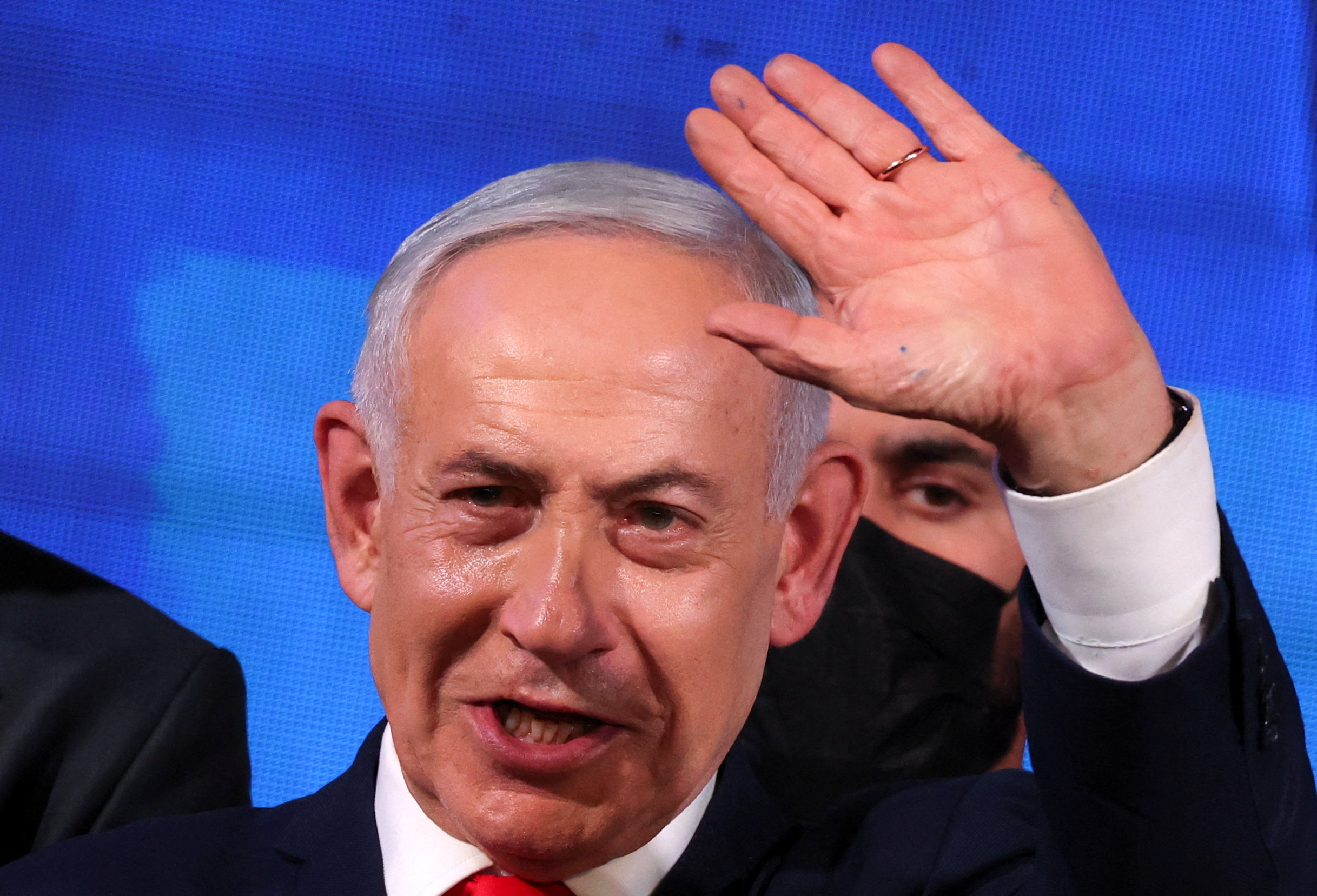
Netanyahu’s party claims Arabs ‘stole’ Israeli election

Benjamin Netanyahu’s right wing Likud party accused Arab parties on Wednesday of “stealing the elections”, as vote counting showed them heading for their highest number of seats in the Knesset.

Likud said the election was “stolen by Arab parties that support terrorism and the elimination of the Jewish state”.

It claimed to have evidence of “corruption, threats, violence, fraud, and the use of banned software to induce voters to vote”, though the party did not publish that evidence in the statement.

The central election commission said about 93 per cent of regular ballots had been counted, equal to 85.6 per cent of all votes cast.

On those figures the coalition led by Netanyahu, who is now outgoing prime minister, has 53 seats, while the coalition led by Gadi Eisenkot, head of the Yashar party, has 48.

The Arab parties have 19, a record, and a majority in the 120 seat parliament requires 61.

The commission said the results were not final but expected no change to the seat figures, while the remaining 7 per cent of regular ballots need further verification and will be added in the coming days.

A further 480,000 ballots cast by military personnel, police officers and diplomats are also still to be counted.

The leader of the Joint List said he was “ready to pave the way” for the overthrow of the government.

The Times of Israel reported that the opposition wants to replace Likud’s Amir Ohana as Speaker of the Knesset with the support of the Arab parties.

  •  

Demetriou: ‘true patriotism means fighting for a better homeland’

Disy leader Annita Demetriou said on Wednesday that “patriotism means working for a better homeland”, as she called for a “free and reunified Cyprus”.

Speaking at an event in Larnaca to mark the October 28 Oxi anniversary, Dimitriou said the defence of national interests requires “strategy, boldness and determination”.

On the Cyprus problem, she repeated the party’s call for a Cyprus “without occupation troops or outdated guarantees”.

She said Turkey “cannot expect preferential treatment from the European Union while it occupies European territory and breaches international law”.

Demetriou recalled the Greek “No” of 1940 and said the resistance that followed showed that freedom, dignity and the defence of law depend on “the strength of a people’s resolve” rather than on the size of a state or the superiority of its weapons.

She also cited Cyprus’ contribution to the Second World War, in which more than 30,000 volunteers took part.

Dimitriou placed particular weight on the state’s duty to young people, saying the government should offer “quality education, affordable housing and decent salaries”, along with “real opportunities for professional and personal development”.

She described the Oxi anniversary as more than an occasion for historical remembrance, saying it is also a reminder of responsibility towards future generations.

“Let us not compromise with half a homeland. Let us not accept injustice as normality”, she concluded.

  •  

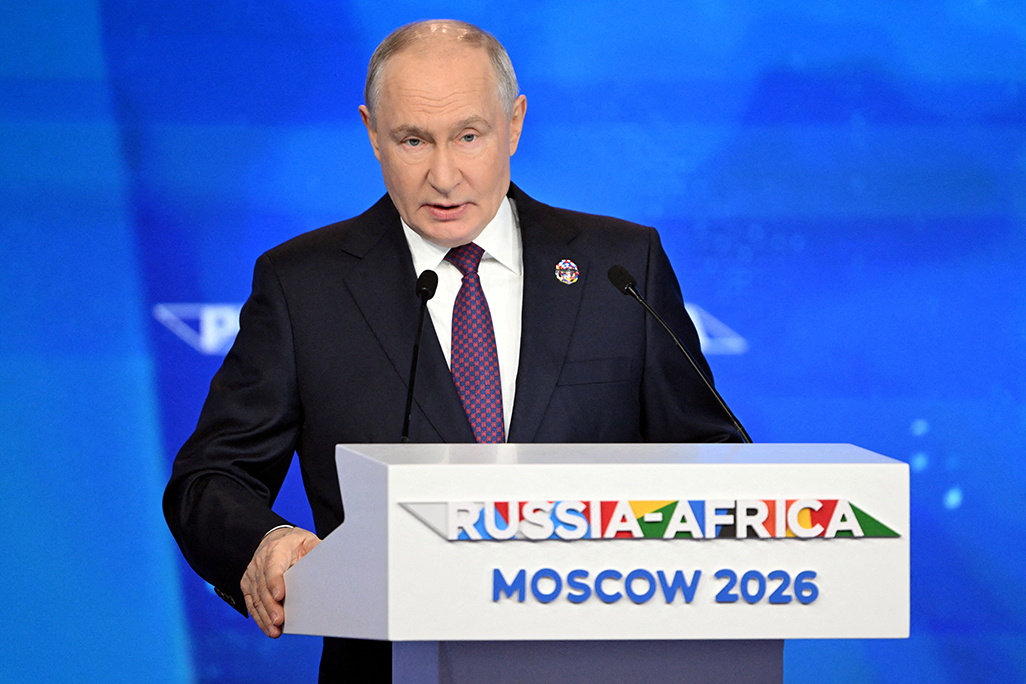
Putin woos African leaders, says Russia a better partner than ‘colonial’ West

President Vladimir Putin told African leaders on Wednesday that Russia was their best partner, accusing what he cast as a colonial West of still trying to exploit the continent’s resources and using debt to hold back development.

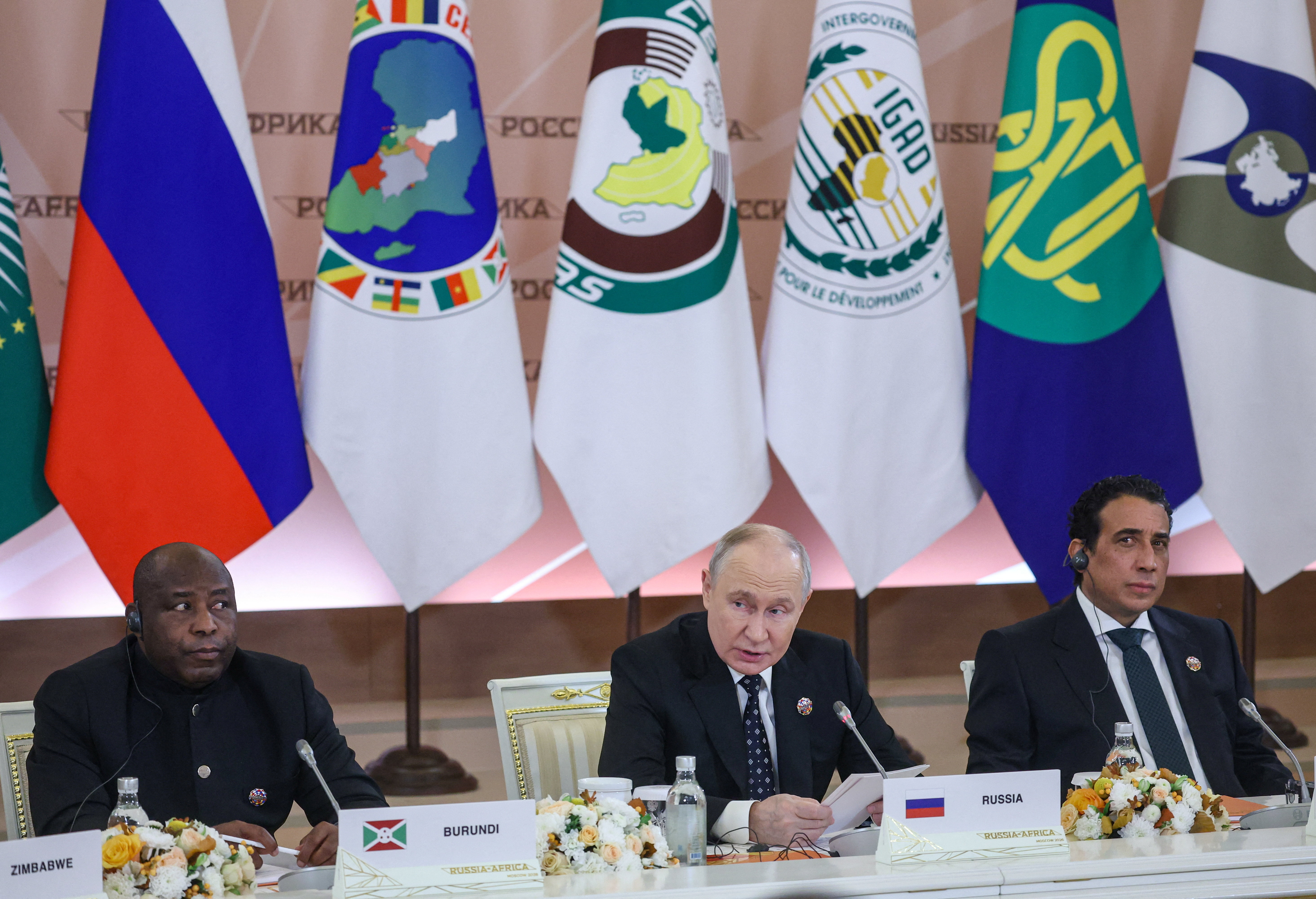
Putin was speaking at the third Russia-Africa Summit in Moscow, a two-day event attended by African leaders and government delegations from 48 countries, and will hold one-on-one talks with many of the 22 individual African leaders attending on issues such as trade, security, arms and grain.

The event, first held in 2019, is part of a concerted push for Russian political, economic and military influence on a continent where paramilitary fighters from Russia’s Africa Corps remain active.

Russian state media and cultural institutions are also trying to expand their footprint in Africa, and Russian state companies are trying to expand their interests in areas from mining to power generation.

Wooing African leaders and others from the Global South has also been part of Moscow’s strategy to counterbalance pressure on the world stage from the West over Russia’s war in Ukraine.

“Africa is increasingly asserting itself as one of the key players in the global economy and politics,” Putin said.

“However, the emergence of a multipolar world is, of course, no easy task; it faces resistance from countries that are not prepared to accept this reality: those who are accustomed to thinking in terms of their colonial past and to enriching themselves fabulously.”

Putin, whom Western critics accuse of trying to leverage Africa’s colonial past to Moscow’s benefit, did not name the countries he had in mind.

But he spoke of what he called “active attempts by Western countries” to drive Africans back into debt bondage and to force them to accept much-needed financial resources on predatory terms, which he said slowed their long-term development.

By contrast, Putin said Russia was ready to share its know-how, including digital know-how, and localise production rather than just buy raw materials, creating jobs and generating tax revenue.

Russian paramilitary forces have been accused by Western governments of propping up military juntas such as the one in Mali to try to shore up Moscow’s geopolitical influence and squeeze out former colonial powers such as France. Moscow rejects these assertions.

Burkina Faso’s prime minister, Rimtalba Jean Emmanuel Ouedraogo, said cooperation with Russia was transparent and ensured both parties’ interests, and that Moscow was not trying to erase African languages and cultures.

“This is completely different from what we had with imperialist France,” he told Russia’s state RT television channel.

Putin told the summit that Russia championed greater African influence in the IMF and World Bank, was ready to embark on joint transport and agricultural infrastructure projects and that Moscow stood ready to supply grain and fertiliser to more African countries.

  •  

Lower-ranked players feel mental, physical strain as long season nears end

Frenchman Terence Atmane’s admission that he has been struggling with his mental health after an outburst at this month’s Shanghai Masters highlighted the pressures lower-ranked tennis players face as another demanding season draws to a close.

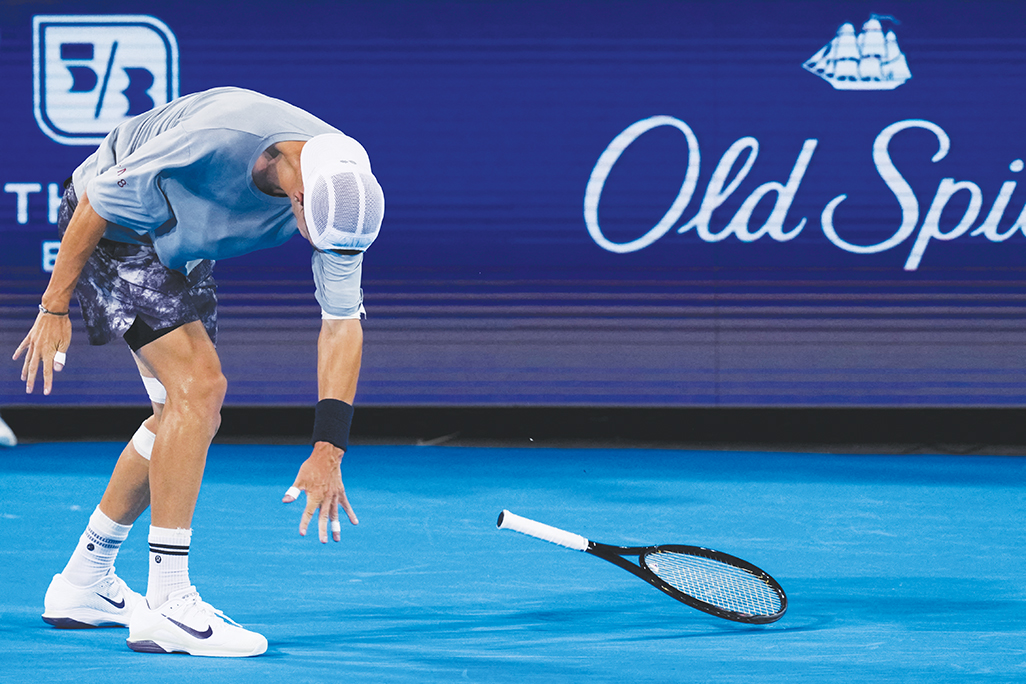
Atmane threw his racket towards the stands and narrowly missed striking fans in a qualifying match before apologising publicly for his conduct and detailing the stress of a sharp drop in his ranking to the edge of the top 100.

The closing weeks of a gruelling 11-month campaign can be particularly difficult for lower-ranked players, as fatigue and poor results collide with the pressure to compete for ranking points and prize money that could transform their prospects.

“I received a lot of hate, which is pretty normal because I deserve it. I’ve been behaving pretty badly,” Atmane said at the Almaty Open last week, where a run to the quarter-finals helped him climb to number 90.

“I was struggling … the season has been very long. I was struggling with my mental health, so it hasn’t been easy, but I was trying to get a fresh start.”

‘DIFFICULT CYCLE’

Former player and sports psychologist Jeff Greenwald said a long season could leave players tired, mentally stale, negative or emotionally reactive, with those low down the ladder facing an especially tough psychological and financial equation.

“Unlike established players who may have a full team managing their schedules, travel, practice arrangements, and other logistics, lower-ranked players often have limited support,” Greenwald told Reuters.

“The financial pressure can be enormous. They have limited resources and may feel they have only a certain window of time to make their investment in professional tennis pay off. Every event represents an opportunity to earn points, improve their ranking and potentially qualify for more lucrative ones.

“This creates a difficult cycle. A player may be exhausted, struggling with confidence, or experiencing signs of burnout yet feel compelled to enter another tournament because taking a break seems financially or professionally risky.”

Atmane is not alone, with fellow Frenchman Giovanni Mpetshi Perricard speaking about depression and burnout and saying he travelled to North America after Wimbledon despite not feeling mentally ready to compete.

India’s Sumit Nagal, ranked 269, also endured a challenging spell in which he played several tournaments this year while not fully fit, before shifting his focus towards enjoying the game rather than being driven by results.

On the women’s tour, Germany’s Eva Lys ended her season early to focus on her physical and mental health.

The ATP has proposed changes from 2028 that would reshape the men’s calendar and rankings to reduce the incentive to overplay, with a $25 million year-end fund to boost financial support to players finishing inside the top 250.

While those plans could ease the demands on players, Greenwald said that recovery remained an undervalued part of the professional game and should be viewed as vital to sustaining performance through the season.

WINNING AND LOSING

He added the strain often extends beyond physical and mental fatigue, with a lengthy run of disappointing results potentially eroding confidence when a player’s sense of self-belief becomes too closely linked to winning and losing.

“Tennis players can become very black-and-white in their thinking,” Greenwald added. “They’re either winning or losing, succeeding or failing.

“When losses accumulate, they can begin to question not only their game but themselves.”

One way of protecting players’ confidence is to shift the measure of success towards aspects of performance they can control.

“Rather than measuring success exclusively through wins, losses, rankings or prize money, we track their commitment to the game they’re trying to develop,” Greenwald added.

“This shifts their attention from outcomes they can’t fully control to behaviours they can influence. It also allows them to build a more stable sense of confidence grounded in mastery and commitment rather than the outcome of their last match.”

  •  

Bolsonaro lands in Miami with family after Trump offers Brazil exit

Brazilian Senator Flavio Bolsonaro and his family arrived in Miami on Wednesday, where the United States government will grant them entry visas after he refused to comply with a Brazilian Supreme Court order to surrender his passports.

Bolsonaro, who lost Sunday’s presidential election to leftist incumbent Luiz Inacio Lula da Silva, left Brazil under a shroud of secrecy after the court order, which relates to a money-laundering investigation in which he denies wrongdoing.

Reuters TV images showed Bolsonaro, his wife and two daughters disembarking from the Gulfstream G400 and heading into Miami-Opa Locka Executive Airport.

Their journey to the United States captured attention across the region. They entered northern Argentina late on Tuesday evening, according to the country’s migration department, and then took a private jet to the Ecuadorean city of Guayaquil. From there, they flew to Miami.

Neither Argentina’s presidency, Ecuadorean ministries nor Baires Fly, the operator of the private jet, responded to requests for comment.

FRESH BRAZIL-US RIFT

Bolsonaro’s departure threatens to deepen a rift between the two most ​populous nations in the Americas.

Lula has accused Washington of colluding with the Bolsonaro family to help return them to power. Ahead of Sunday’s election, Reuters reported on a US State Department campaign to restore the Bolsonaros to office.

Trump told reporters on Wednesday that he would approve of Bolsonaro coming to the United States, after his State Department said it would give them entry visas.

Trump has previously alleged that Flavio’s father, former President Jair Bolsonaro, was a victim of judicial persecution in Brazil.

Jair Bolsonaro also travelled to the United States after refusing to concede defeat to Lula in 2022, during Joe Biden’s presidency. He eventually returned to Brazil but was later sentenced to 27 years in prison for plotting a coup after supporters stormed government buildings in Brasilia.

Flavio Bolsonaro had been widely expected to win Sunday’s election but suffered a shock defeat.

Bolsonaro, who loses his immunity from prosecution when his Senate term ends in February, had said on Monday after the order to hand in his passports that he had no plans to ​flee.

“I have never thought about leaving the country,” he said. “I will hand over my passports and defend myself against this travesty, which ​is a clear attempt ⁠to intimidate me.”

  •  

Contemporary dance double bill at Nicosia International Festival

A double bill of dance performances is coming to the Nicosia International Festival this week, featuring productions selected through an open call. On October 30, the Nicosia Municipal Theatre will host two back-to-back performances by two choreographers of the younger generation who present two distinct approaches to contemporary dance.

First, at 7pm is Myrianthi Panagiotou’s Residue, which explores the act of preserving within ourselves objects, stories, bodies and human bonds, revealing the human need, wherever we go, to carry places, relationships and memories with us.

On stage, santur player Kypriana Constantinidou and five performers will create a language rooted in the landscapes and cultural memory of Cyprus.

At 9pm, the second performance is by Konstantina Skalionta, titled All of (y)our time. This dance act zeroes in on the question of how much time is worth.

Taking its stance in a world where ‘time is money’ and everything has a profitable purpose, Skalionta draws on contemporary theoretical approaches to the value of artistic labour under capitalism, where dance is undervalued, as its ephemeral and immaterial nature cannot easily be accommodated within the framework of production and profit.

The choreography explores the vulnerability of artists while reclaiming the dancing body as a political and social body.

On the evening, viewers can enjoy both performances with a single ticket (€20) or experience each one separately (€15).

Residue – All of (y)our time

Dance Double Bill, part of the Nicosia International Festival. October 30. Nicosia Municipal Theatre, Nicosia. 7pm and 9pm. €15 or €20. Tickets on More.com

  •  

Turkey warns against further attacks by Russia, Ukraine on Black Sea vessels

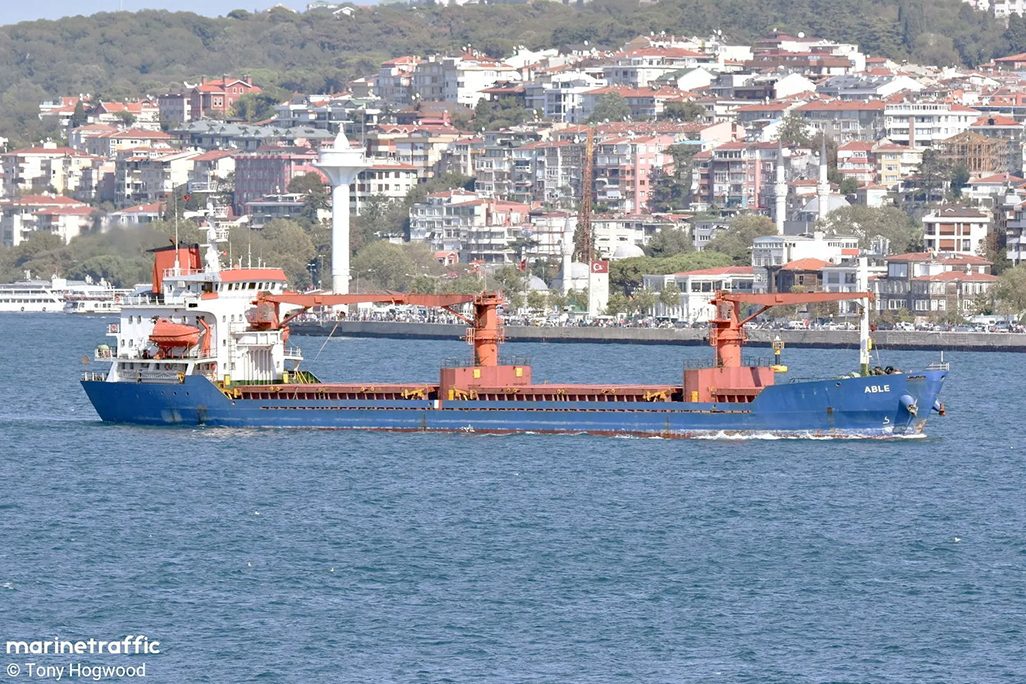
Turkish Defence Minister Yasar Guler on Wednesday warned Russia and Ukraine against further attacks on commercial vessels in the Black Sea, saying Ankara reserved the right to take legal action against the strikes, in Turkey’s most direct intervention to date.

NATO member Turkey, which has maintained good ties with both Moscow and Kyiv since Russia’s full-scale invasion of Ukraine in 2022, has repeatedly called on both sides to halt attacks in the Black Sea that have also struck Turkish-flagged and Turkish-owned commercial vessels.

Ankara says it is waiting for responses to a proposal it conveyed to Russia and Ukraine aimed at stopping the intensifying attacks and ensuring the safe shipment of grain from the region.

Speaking in Sofia after a security meeting between defence ministers and military chiefs of Black Sea littoral states Turkey, Romania and Bulgaria, Guler said commercial vessels sailing and operating in the Black Sea had been affected by drone attacks, stray mines and missiles during the conflict.

“We follow with concern the intense attacks on commercial vessels in the Black Sea and call on the sides to act with common sense, in line with the principle of navigational safety in open seas,” he said, adding that another commercial vessel had been struck by three drones inside Bulgaria’s maritime jurisdiction on Wednesday.

It was not clear who carried out the attack on a Greek container ship that was sailing under the Liberian flag in Bulgaria’s exclusive economic zone.

“We also reserve every legal right regarding attacks on Turkish-flagged or Turkish-owned vessels and follow developments very closely… The necessary warnings are constantly being conveyed to both sides to keep commercial navigational out of the conflict zone and immediately halt attacks on civilian vessels,” Guler added.

Ukraine has stepped up attacks on ships and infrastructure facilitating Russian oil and grain exports since July, ​when Russia intensified its missile and drone strikes on the main Ukrainian grain export hubs of Odesa, Chornomorsk and Pivdennyi.

In a late September meeting, Turkish President Tayyip Erdogan told Ukrainian counterpart Volodymyr Zelenskiy that attacks by Russia and Ukraine on commercial vessels in the Black Sea were inexplicable and steps must ​be taken to stop them.

Guler also said Turkey, Romania and Bulgaria — which operate a de-mining operation in the Black Sea — agreed it was important to also focus on protecting critical subsea infrastructure.

  •  

Israel’s high-turnout vote brushed aside in rest of the Middle East

Israelis voted in record numbers in Tuesday’s wartime election billed as a major turning point in the nation’s history. Others across the Middle East were merely filled with more pessimism after a nationalist veteran prime minister and a former hawkish military chief competed for Israel’s leadership.

Benjamin Netanyahu, Israel’s longest-serving prime minister, won the support of an unexpectedly clear majority of Israeli Jews in the contest, apparently ensuring he will survive at least in a caretaker role.

In Egypt, the first Arab country to make peace with Israel in 1979, 62-year-old lawyer Outhman Selim said his hopes that a Netanyahu defeat would steer the country away from the far right had been dashed.

With nearly 86% of votes tallied on Wednesday, Israeli media forecast Netanyahu’s bloc of right-wing, hardline and ultra-Orthodox parties winning 53 seats in parliament, surpassing 48 for the opposition bloc of rival Gadi Eisenkot.

The election was the first since the Palestinian militant group Hamas shook Israel on October 7, 2023, killing 1,200 people and taking 251 hostage.

The ensuing war in Gaza, which flattened most of the territory and killed more than 74,000 Palestinians, according to health authorities there, has left Israel increasingly isolated on the world stage, with a decisive shift in global public opinion against it, including in its closest ally the United States.

WIDESPREAD INDIFFERENCE

In Gaza, displaced Palestinian Majed Jundia made no distinction between Netanyahu and Eisenkot, a former military chief.

“They want to eradicate the Palestinian people so they do what they want,” said Jundia.

Netanyahu was heavily criticised over security failures leading up to the Hamas assault on Israel’s deadliest day.

Portraying himself as the only leader who could protect the country, the consummate political survivor argued that his assassinations of the leaders of Hamas, Lebanon’s Hezbollah and their ally Iran made Israel, and the world, safer.

Kamel Haddad, an 81-year-old Lebanese man who has witnessed Israel’s conflicts with neighbouring states over decades, expected no changes.

“As for who wins? I couldn’t care less. Let them tear each other apart, what difference does it make to me?” he said. “They might get preoccupied with one another since there are issues between them now. Perhaps they would leave us be for a bit.”

While Netanyahu lost his bloc’s majority in the 120-seat Knesset, as expected, his opponents were left with no hope of unseating him without an unlikely deal to accept broad backing from Arab parties, which many Jewish leaders reject.

Even then, he would remain as caretaker during any coalition negotiations, or until a new election next year.

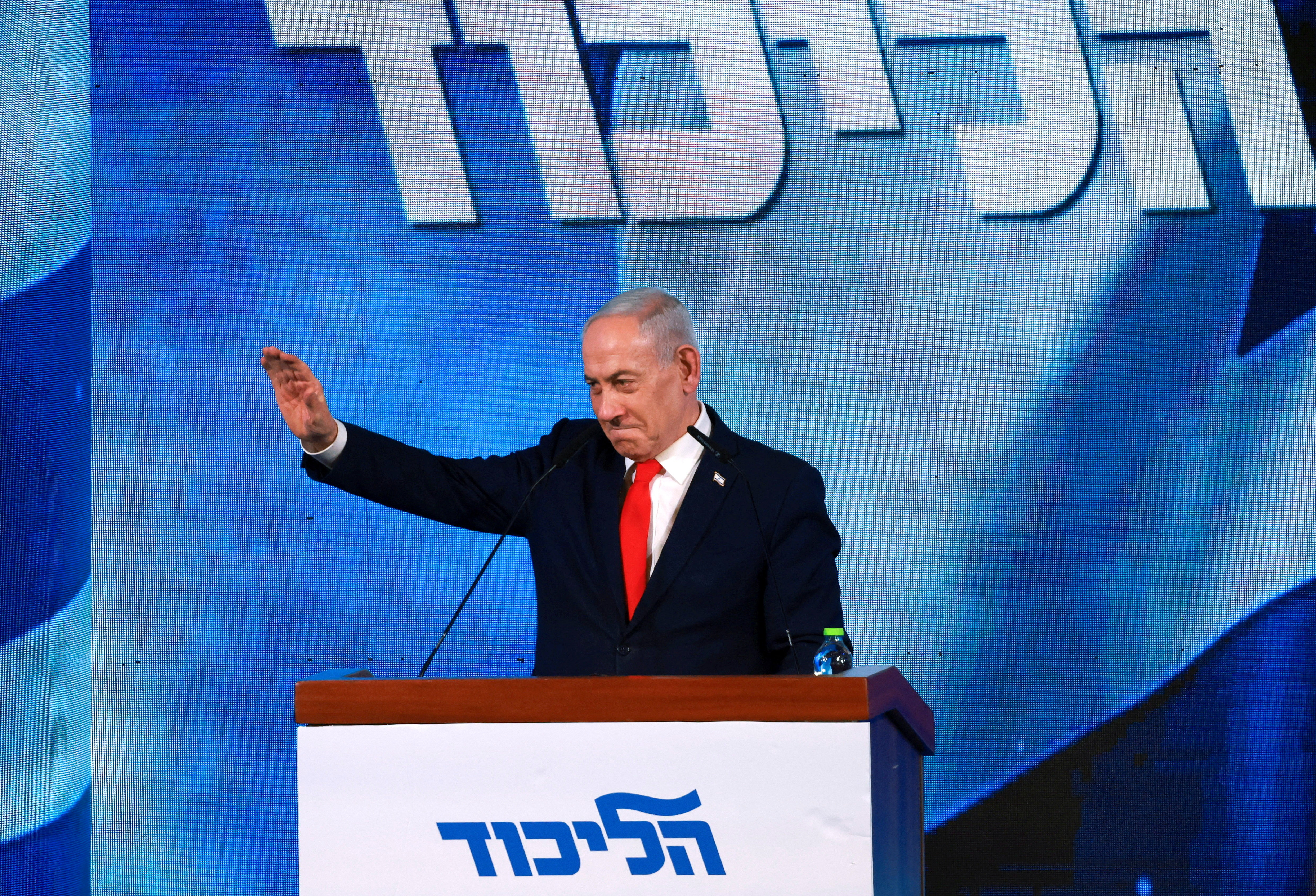
Addressing his Likud party’s faithful at its election headquarters in Jerusalem, Netanyahu called for the formation of “a strong, right-wing national government”.

PROSPECT OF RENEWED WAR WITH IRAN

He also highlighted Israel’s military successes and raised the prospect of renewed joint military action against Iran alongside his ally, US President Donald Trump.

“If one wins, he wants to strike you; if the other wins, he wants to kill you. That’s it, nothing else,” said Jordanian Tarek al-Kaissy, reflecting on the competition between Netanyahu and his main rival Eisenkot.

Eisenkot emphasized his security credentials on the campaign trail, citing his “Dahiyeh doctrine” of responding to attacks with disproportionate force, which he deployed as a commander during Israel’s 2006 war with Hezbollah in Lebanon.

His approach lowered any expectations of change, even before the election began.

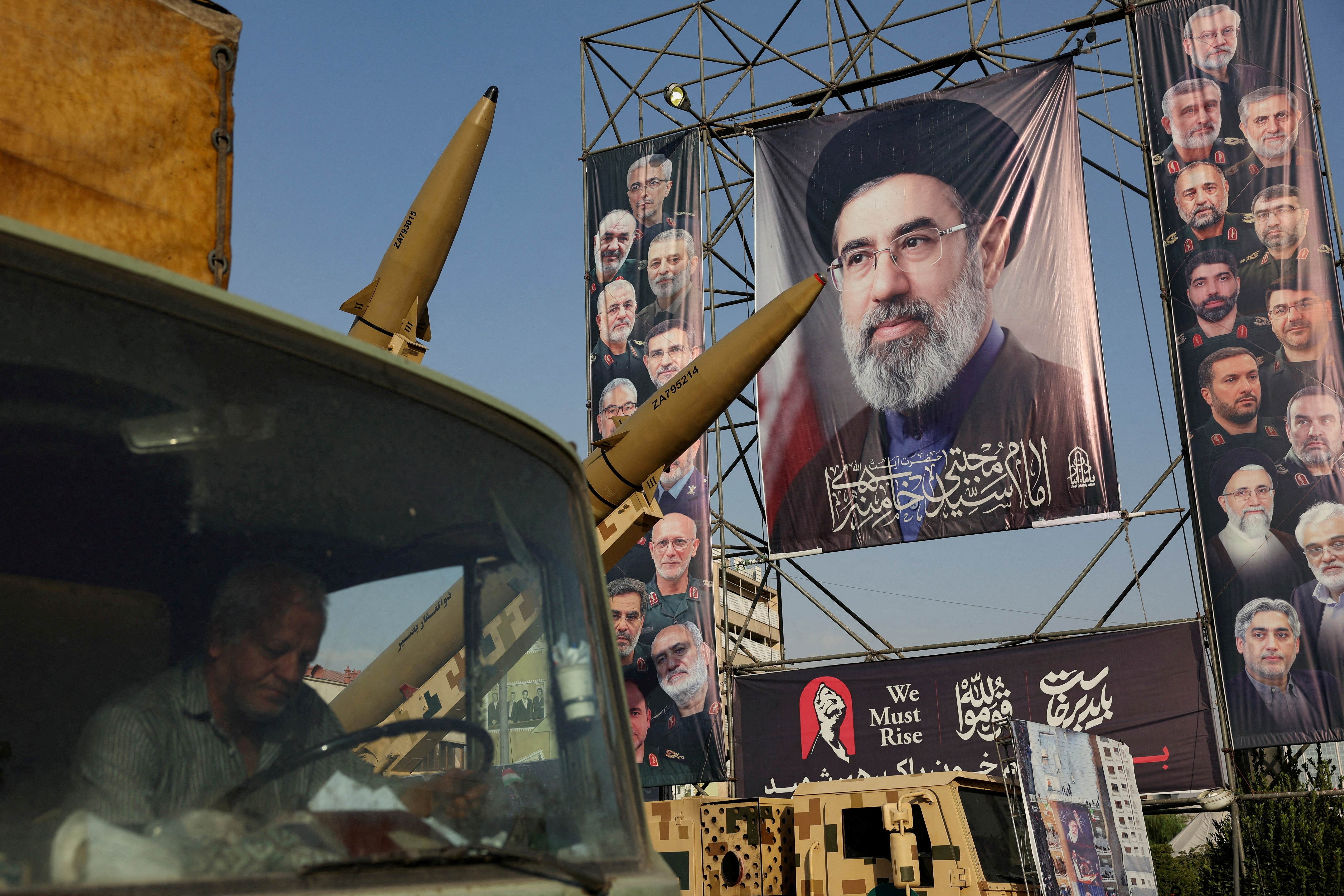
In Tehran, banners with images of slain Supreme Leader Ayatollah Ali Khamenei reminded Iranians of the early days of US and Israeli strikes at the end of February, which kicked off the war. Just to the right was a poster of late Hezbollah leader Hassan Nasrallah, who was killed on Netanyahu’s orders.
“I genuinely see the possibility of attack,” said 50-year-old Iranian citizen Abdollah Karimi.

  •  

Woman arrested over 1kg of crystal meth found in package

A 33-year-old woman has been arrested over the importation of about one kilogram of crystal methamphetamine discovered in the post, police reported on Wednesday.

She was detained shortly before 9am under a court warrant following an investigation by the drug squad Ykan and the intelligence unit.

A 42-year-old man was previously arrested on October 23 after going to a post office to collect the package containing the drugs.

He remains in eight-day detention following a court order issued on October 24 as police investigate the case.

During Wednesday’s operation, officers also arrested a 25-year-old man for allegedly staying illegally in the Republic.

Investigations into the suspected drug trafficking case are continuing, police said.

  •  

Putin woos African leaders, says Russia is better partner than ‘colonial’ West

President Vladimir Putin told African leaders on Wednesday that Russia was their best partner, accusing what he cast as a colonial West of still trying to exploit the continent’s resources and using debt to hold back development.

The Kremlin chief was speaking at the third Russia-Africa Summit in Moscow, a two-day event attended by African leaders and government delegations from 48 countries, during which he will hold one-on-one talks with many of the 22 individual African leaders attending on everything from trade to security, arms deals and grain supplies.

The event, first held in 2019, is part of a concerted push for Russian political, economic and military influence on a continent where paramilitary fighters from Russia’s Africa Corps remain active, as Russian state media and cultural institutions try to expand their footprint in Africa, and as Russian state companies try to expand their interests in everything from mining to power generation.

COUNTERBALANCING WESTERN POWERS

Wooing African leaders and others from the Global South has also been an important part of Moscow’s strategy to counterbalance pressure on the world stage from the West over Russia’s war in Ukraine.

“Africa is increasingly asserting itself as one of the key players in the global economy and politics. However, the emergence of a multipolar world is, of course, no easy task; it faces resistance from countries that are not prepared to accept this reality: those who are accustomed to thinking in terms of their colonial past and to enriching themselves fabulously,” Putin, whom Western critics regularly accuse of trying to leverage Africa’s colonial past to Moscow’s own benefit, told the summit.

He did not name the countries he had in mind, but went on to speak about what he called “active attempts by Western countries” to drive Africans back into debt bondage and to force them to accept much-needed financial resources on predatory terms, which he said slowed their long-term development.

RUSSIA READY TO SHARE

By contrast, Putin said Russia was ready to share its know-how, including digital know-how, and localise production rather than just buy raw materials.

“Our business does not engage in the predatory, neo-colonial exploitation of natural and human resources, but rather expands the processing of raw materials locally, thereby creating new jobs and generating tax revenue,” said Putin, whose paramilitary forces have been accused by Western governments of propping up military juntas like the one in Mali to try to shore up Moscow’s own geopolitical influence and squeeze out former colonial powers like France – claims Moscow rejects.

Putin told the summit that Russia championed greater African influence in the IMF and World Bank, was ready to embark on joint transport and agricultural infrastructure projects and that a record number of Africans – around 40,000 – were currently studying at Russian universities.

Moscow also stood ready to supply grain and fertiliser to more than the 40 African countries which currently get them, added Putin, saying Russia had supplied 13 million metric tones of agricultural products to Africa in the first nine months of this year alone.

  •  

Limassol seafront residents live within five minutes of a bus stop, study finds

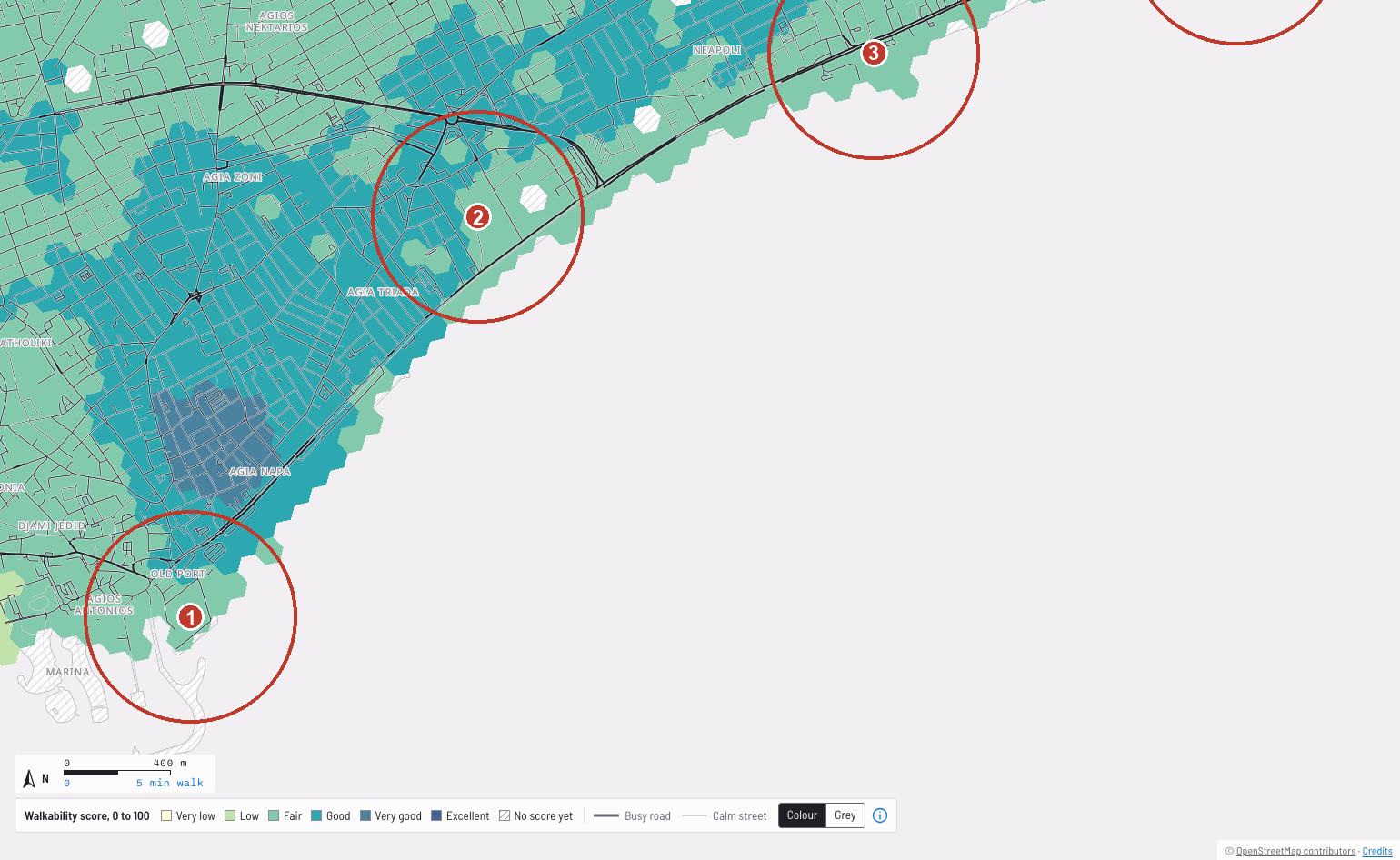
Residents along Limassol’s seafront, from the Old Port to Dasoudi, have convenient access to public transport, with all living within a five-minute walk of the nearest stop, according to a new Walkably study.

It estimates 2,762 people reside in this area, compared to 86.9per cent of the rest of Limassol.

The analysis highlights public transport accessibility across the city amid ongoing discussions about improving the transport network, including the potential introduction of a tram.

Walkably founder Raian Pollock noted, “the study measured actual walking distances along streets and paths rather than straight-line distances.”

The median walk time to the nearest stop is two minutes in the seafront area, compared to 2.7 minutes elsewhere.

“However, the gap narrows at ten minutes, with 97.8per cent of residents citywide able to reach a stop in that time, while all seafront residents can,” he said.

The study estimates Limassol’s population at 103,812, with 87.2per cent living within a five-minute walk of a stop.

Proximity, however, does not guarantee a reliable service. Pollock pointed out that the study focuses on distance rather than bus frequency or routes.

“The research, based on Eurostat 2021 data, acknowledges that bus stop frequency needs to be assessed to gauge service quality,” Pollock added.

The study considers factors like traffic and slope, it does not account for pavement width or road safety.

While seafront residents enjoy easy access to public transport, the findings alone cannot determine if a tram or improved bus services would be more effective in enhancing the city’s transport system.

The study and interactive map are available at walkably.org/city/cy/limassol/

  •  

Palestinian president in Cyprus for two-day working visit

Palestinian President Mahmoud Abbas will visit Cyprus on Thursday and Friday for talks with President Nikos Christodoulides, the government spokesman said.

Abbas will be received at the Presidential Palace for a private meeting, followed by a working lunch with delegations from both sides.

It is the third contact between the two leaders since Christodoulides took office, with the last being held in May 2025 in Palestine.

The agenda covers the Middle East and Cyprus’ humanitarian role, in particular the ‘Amalthea’ sea corridor for aid shipments to Gaza.

The leaders will also discuss bilateral relations, EU-Palestine relations, developments in the West Bank and East Jerusalem, and the Cyprus problem.

The government said the visit reflects the “historical ties between Nicosia and Ramallah”.

Relations date to the 1960s and 1970s, when Archbishop Makarios took Cyprus into the Non-Aligned Movement, and the island recognised the State of Palestine immediately after its 1988 declaration.

A Cypriot representative office opened in Ramallah in 2009, and after the 2012 UN General Assembly vote, it was upgraded to a full embassy, among the first in the EU.

Demetris Christofias, president from 2008 to 2013, made the relationship a visible part of his foreign policy.

On his first official visit to Israel and the Palestinian territories, Christofias met Abbas in Ramallah, and the two signed five bilateral agreements.

His term also covered the opening of the Ramallah office and the 2012 upgrade to an embassy.

Abbas’ last visit was in June 2022, when then President Nicos Anastasiades said close ties with Israel would not come at the expense of Palestinians’ “legitimate rights”. Christodoulides visited Ramallah in August 2023.

President Nikos Christodoulides visited Ramallah in 2023 and laid a wreath at Yasser Arafat’s tomb, and in March 2024 the first aid ship for Gaza left a Cypriot port.

Israel once declared Androulla Vassiliou, wife of former president George Vassiliou, persona non grata after a delegation she led tried to meet Arafat, who was confined to his compound in Ramallah.

Abbas has led the Palestinian Authority since 2005, with its Fatah-dominated administration governing parts of the West Bank, while Hamas has run Gaza.

  •  
❌