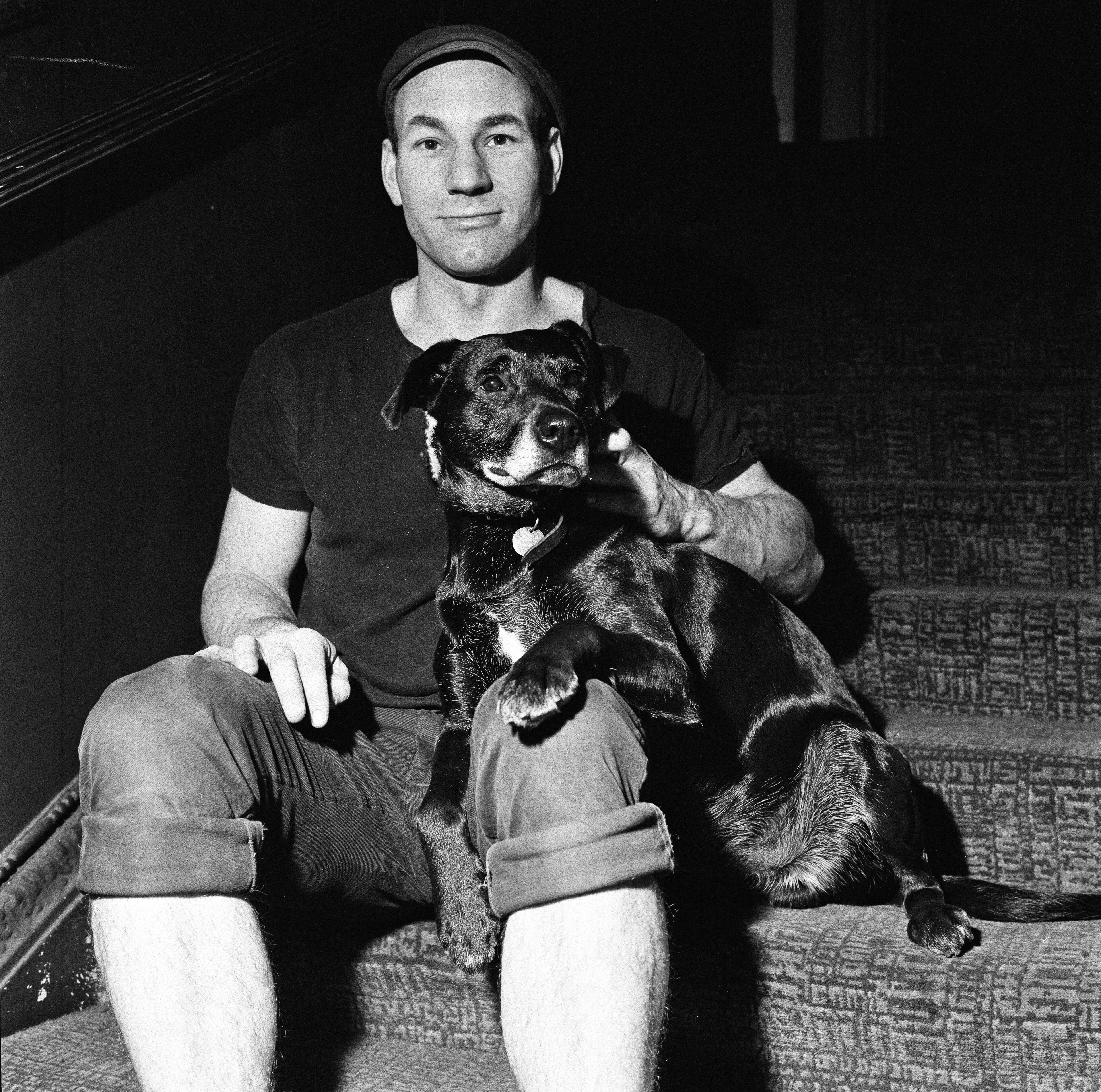
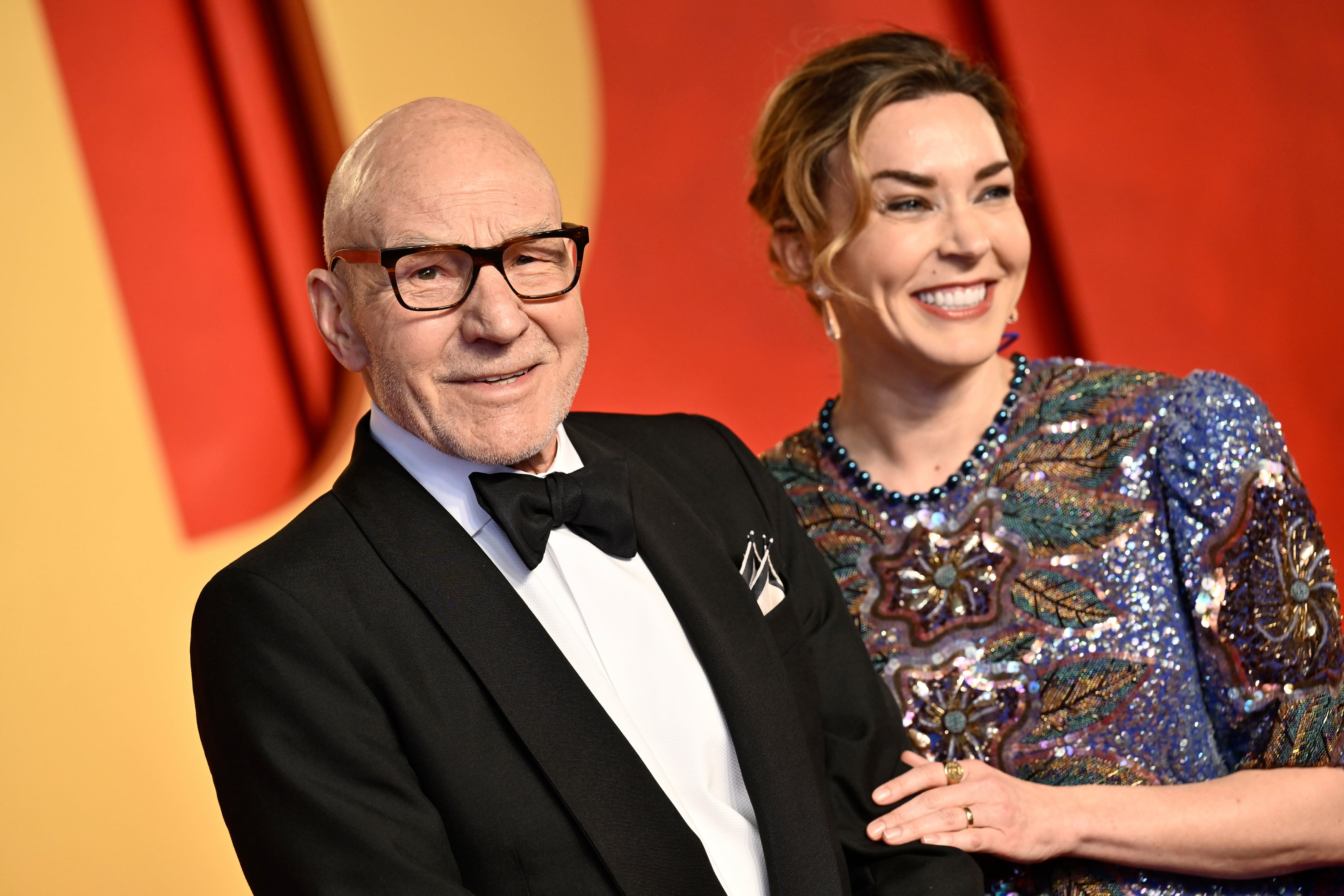
Patrick Stewart with 'Blackie' in a production of Shakespeare's 'The Two Gentlemen of Verona', in December 1970. Trained in Shakespearean theater, at first he did not receive a very warm welcome in the television industry, precisely because of that classical background.
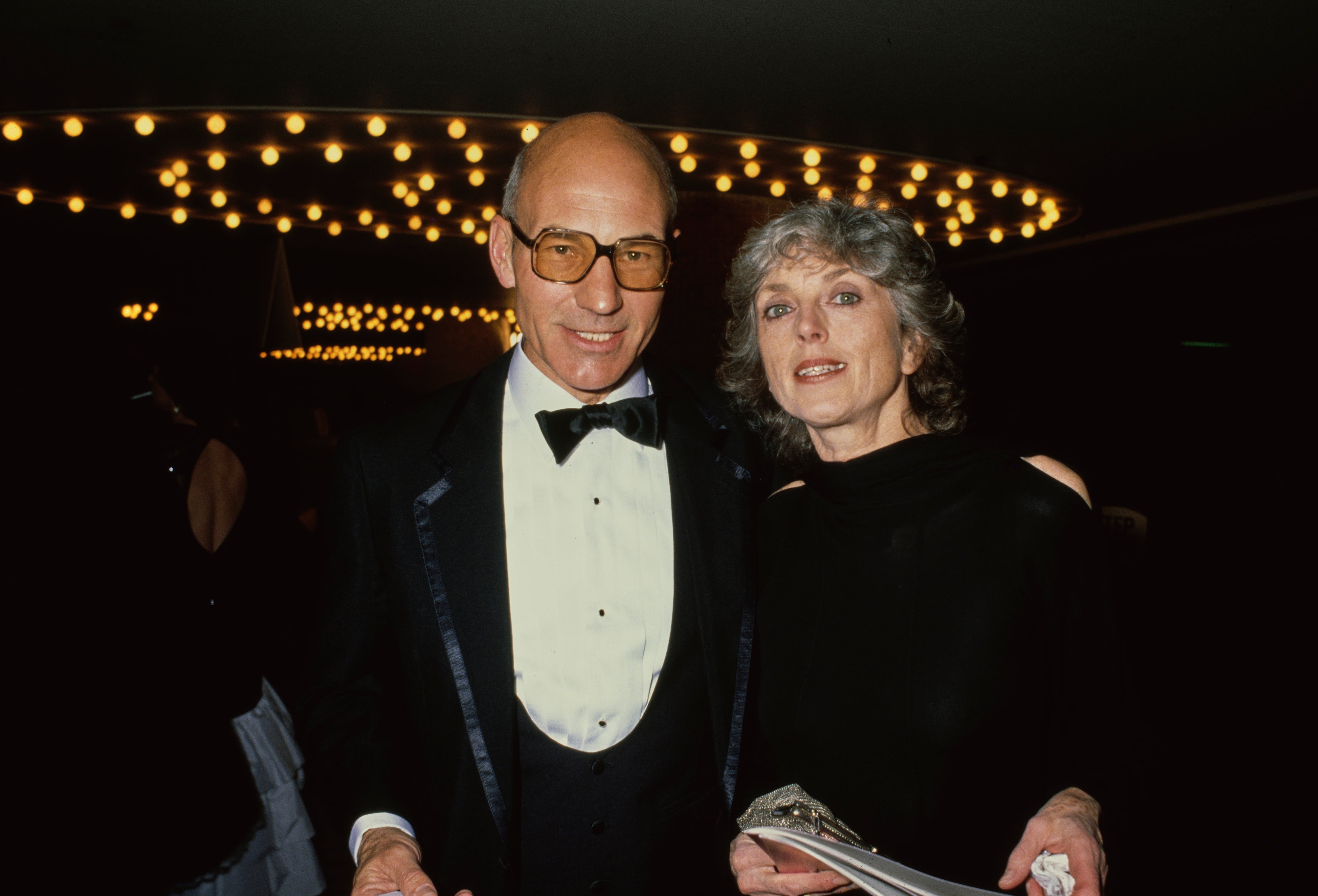
Patrick Stewart and his wife Sheila Falconer in California in January 1988. Stewart was married three times. His first marriage, to Sheila, lasted from 1966 to 1990 and they had two children, Daniel and Sophia. Between 2000 and 2003 he was married to Wendy Neuss. His last wife was the singer Sunny Ozell.
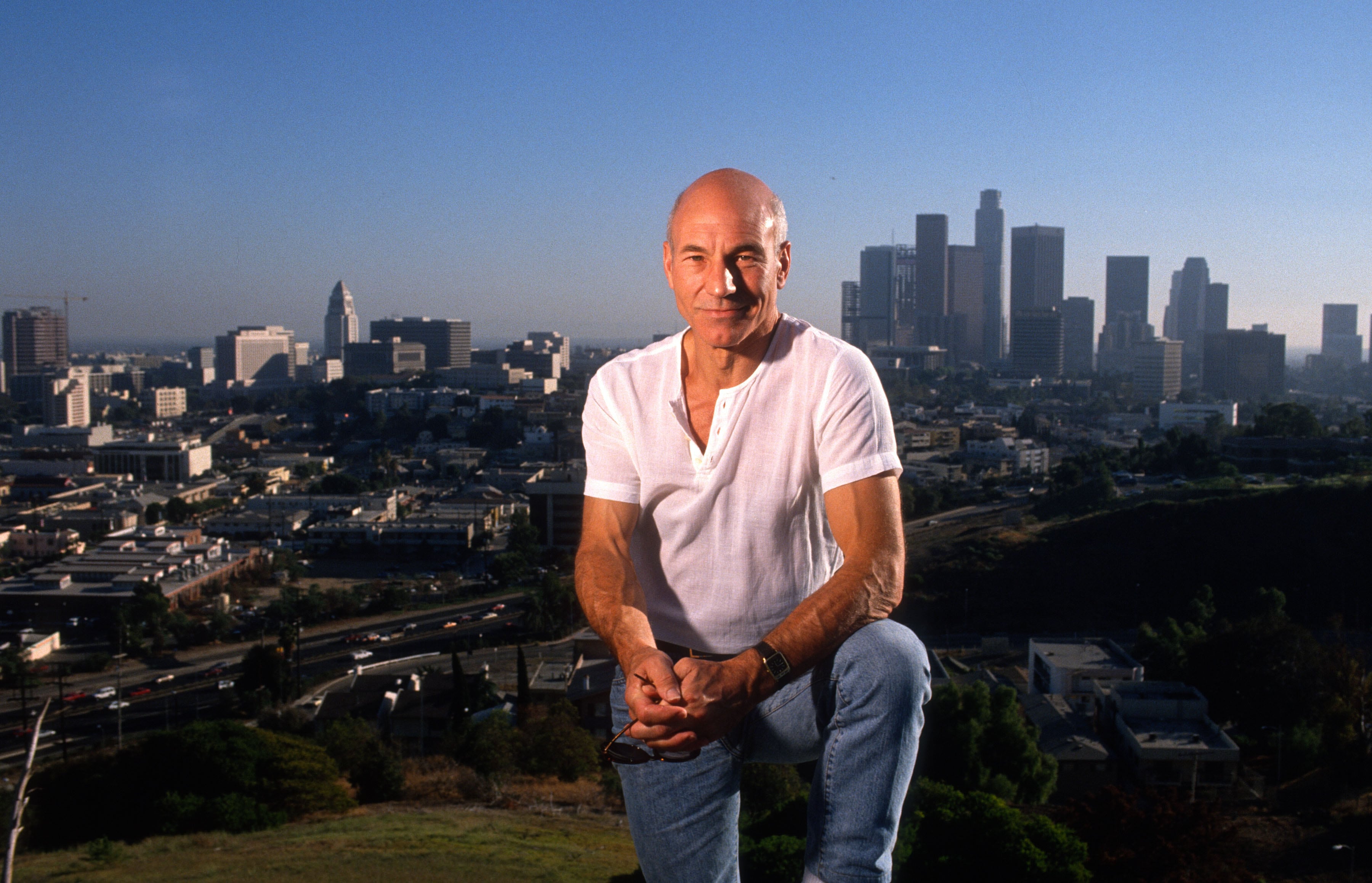
Patrick Stewart in a promotional photo for 'Star Trek' in L.A. in April 1990. For 176 episodes, between 1987 and 1994, he embodied Captain Jean-Luc Picard, a role that turned him into one of the most popular and beloved television actors for decades.
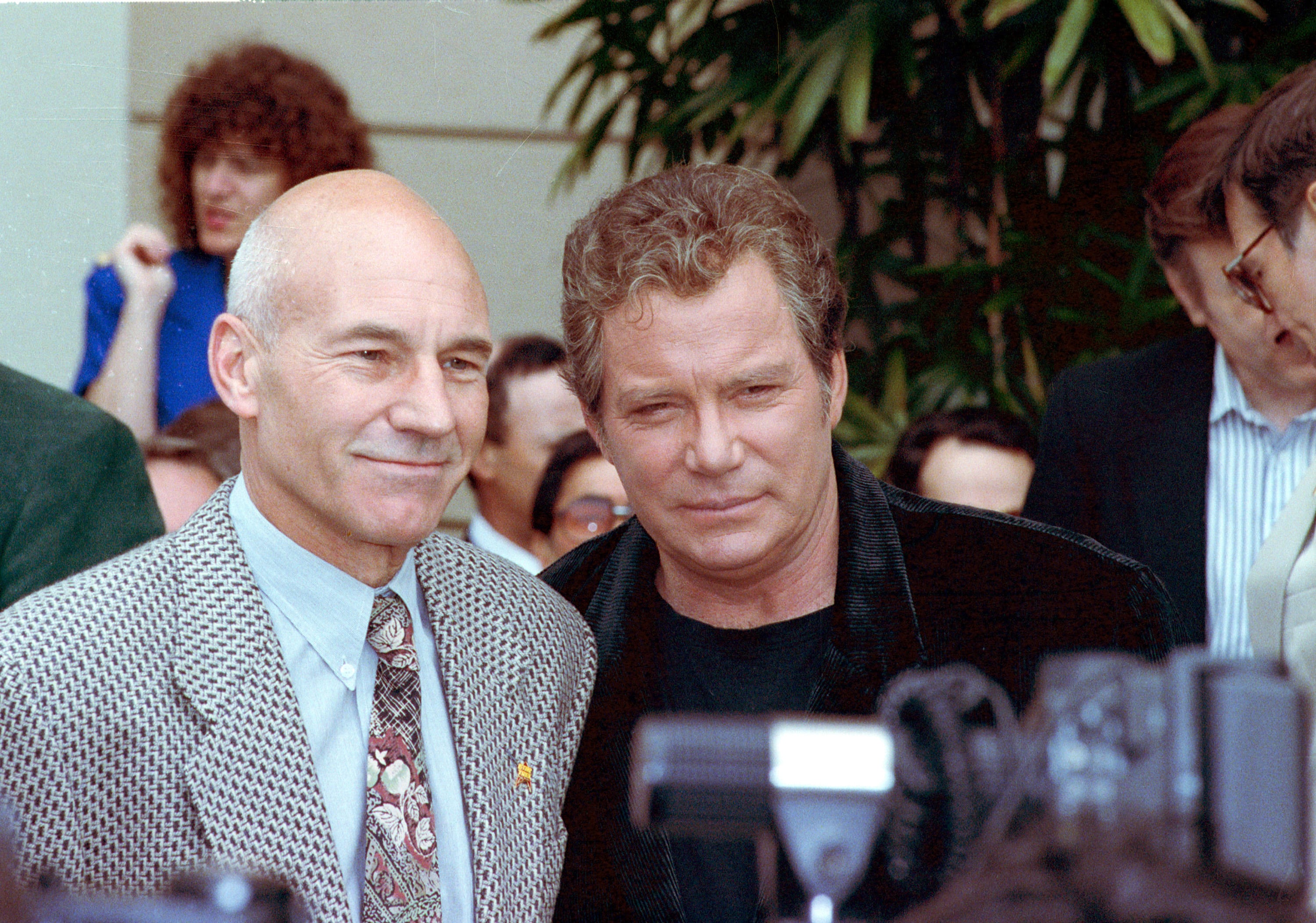
Patrick Stewart and William Shatner during an event to commemorate 'Star Trek' in Los Angeles in 1991. At first, very few people believed that Stewart could successfully take over from Shatner as the captain of the USS Enterprise.
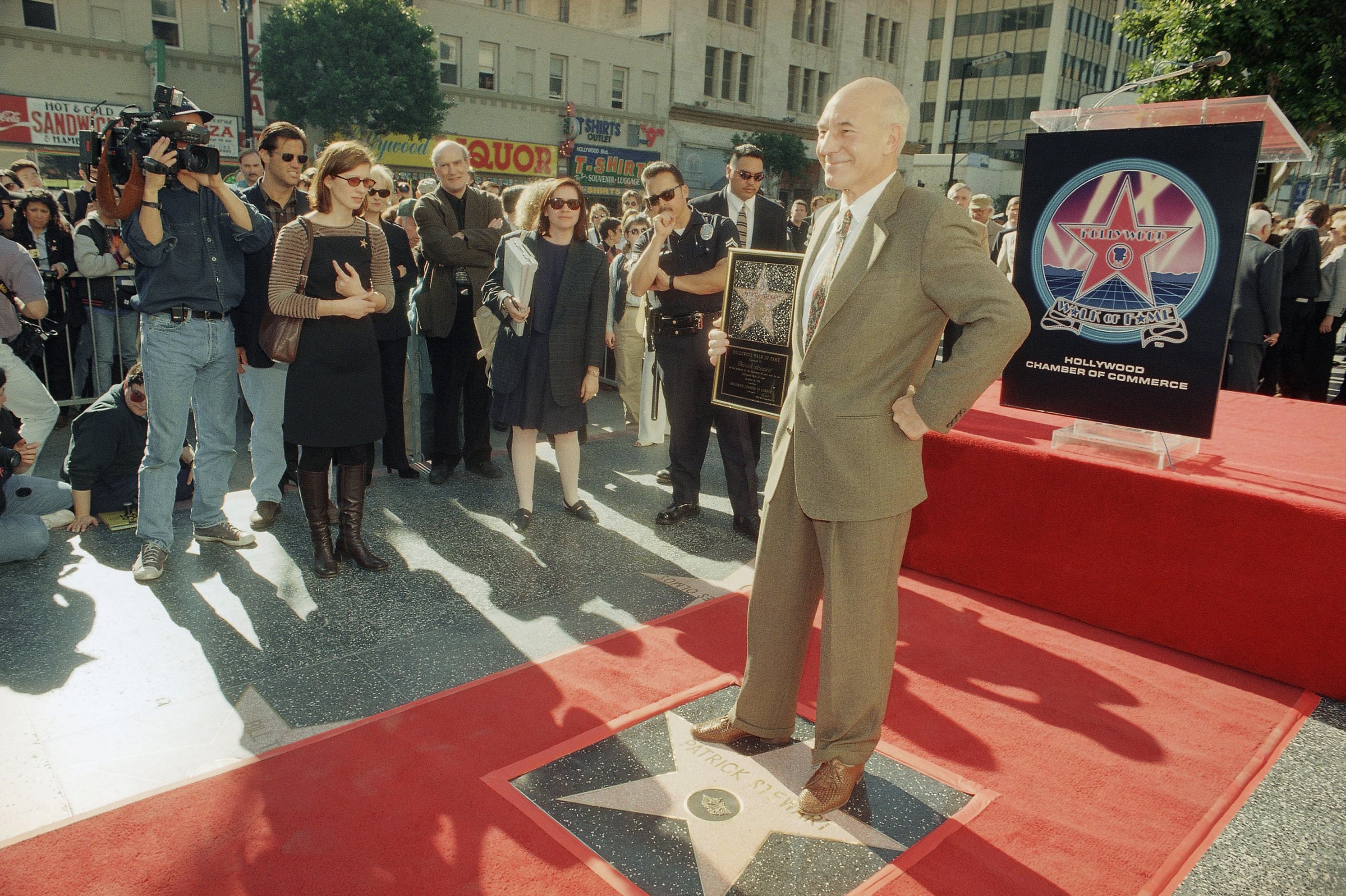
Patrick Stewart getting his star on the Hollywood Walk of Fame in December 1996. It was not his only accolade: in 2001 he was appointed Officer of the Order of the British Empire by Queen Elizabeth II, and was knighted by her in 2010.
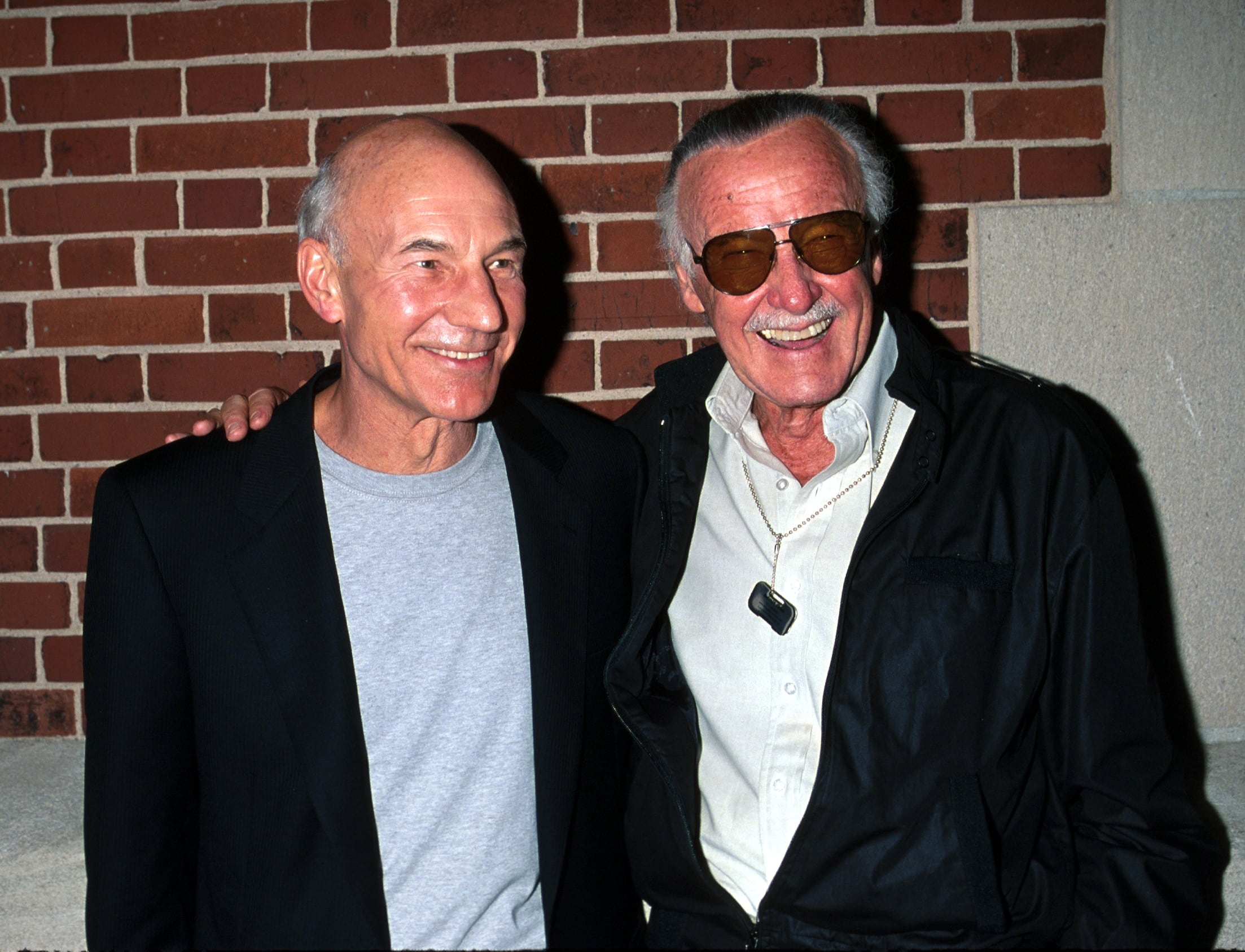
Patrick Stewart and Stan Lee at the premiere of 'X-Men' in New York in the year 2000. For over a quarter of a century he had been playing Professor Charles Xavier in Marvel's X-Men saga. He plays the role in the upcoming 'Avengers: Doomsday' (2026).
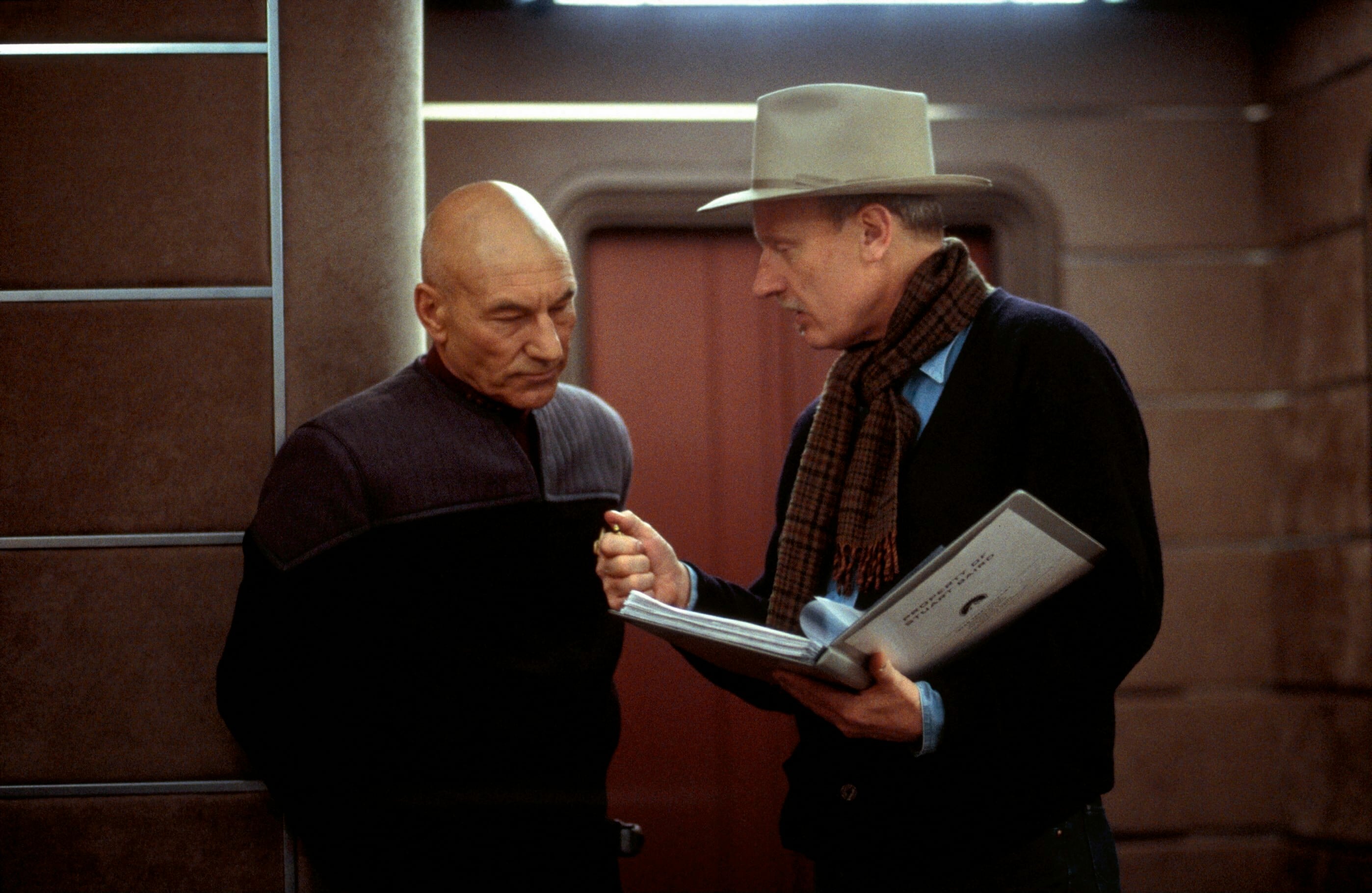
Patrick Stewart on the set of 'Star Trek: Nemesis'. The role of Captain Picard in the television series brought him fame and fortune, and led to several movies and videogames based on it.
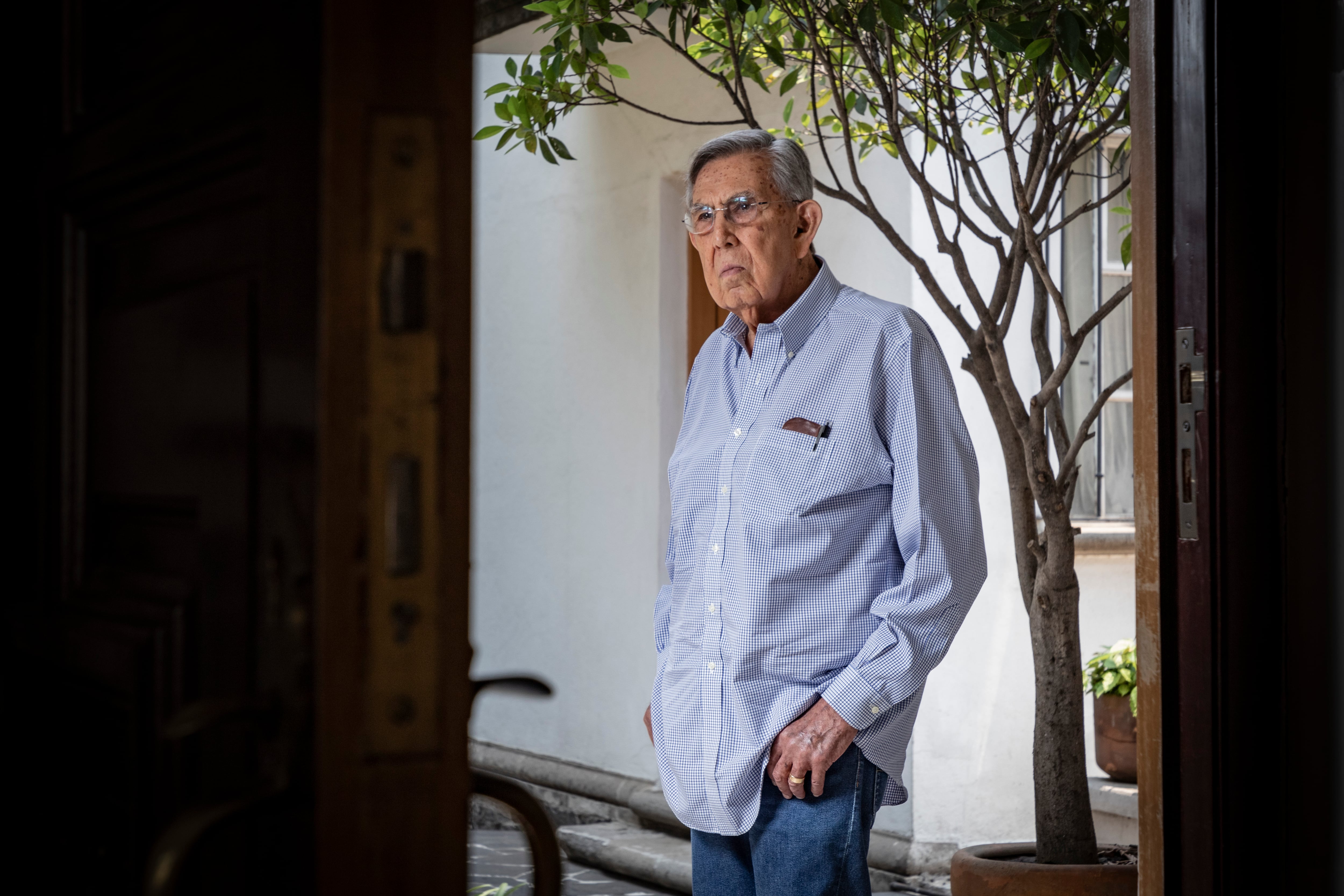
Cuauhtémoc Cárdenas, a historic leader of Mexico’s left, died on Wednesday at age 92. Without him, it would be impossible to understand how the left has gained power in Mexico. Both the current president, Claudia Sheinbaum, and her precedecessor Andrés Manuel López Obrador, both of the Morena party, walked arm in arm with Cárdenas during the democratic struggles of the 1980s, when El Ingeniero (The Engineer, as he was known because of his engineering degree), broke up the long hegemony of the Institutional Revolutionary Party (PRI) from within, giving rise to the transition.
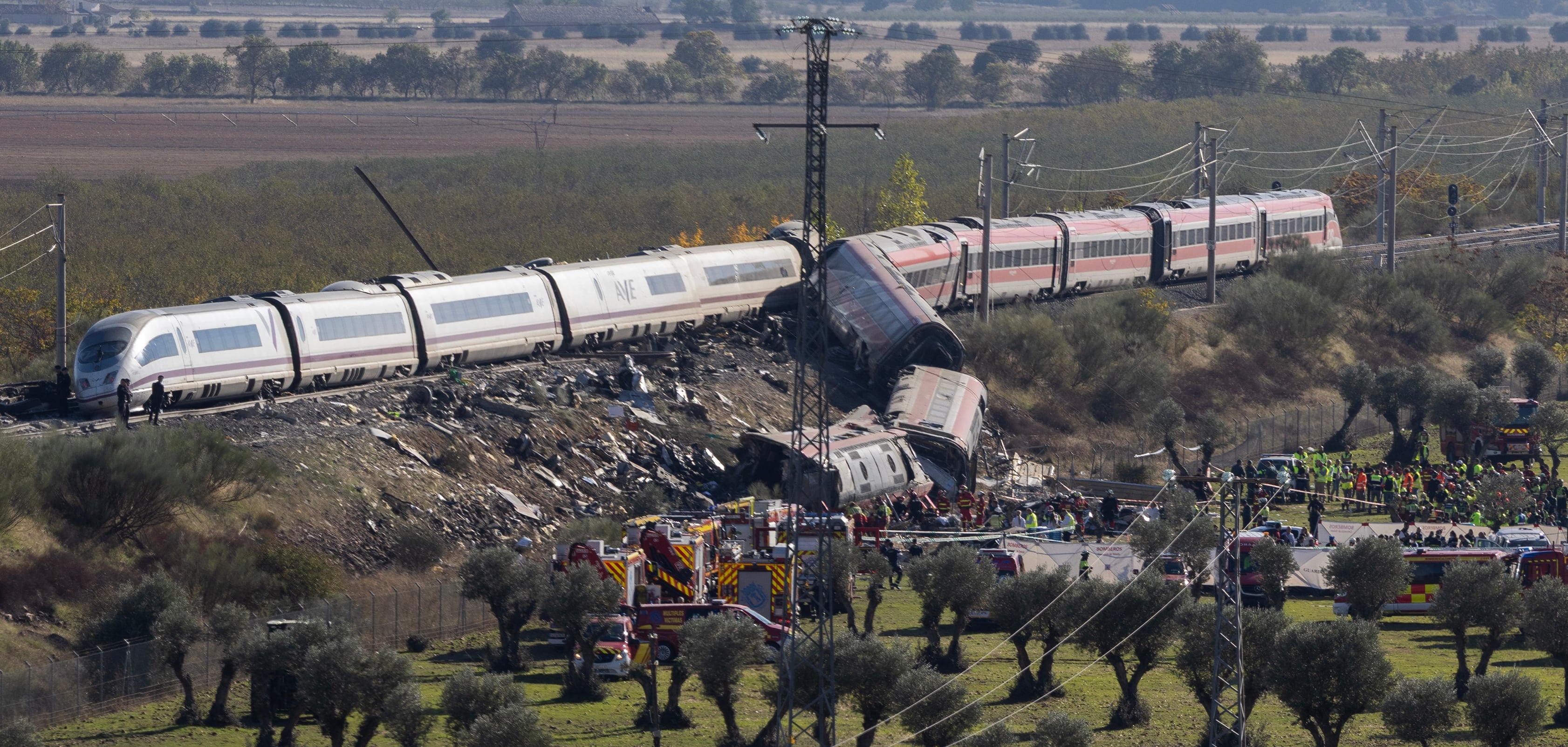
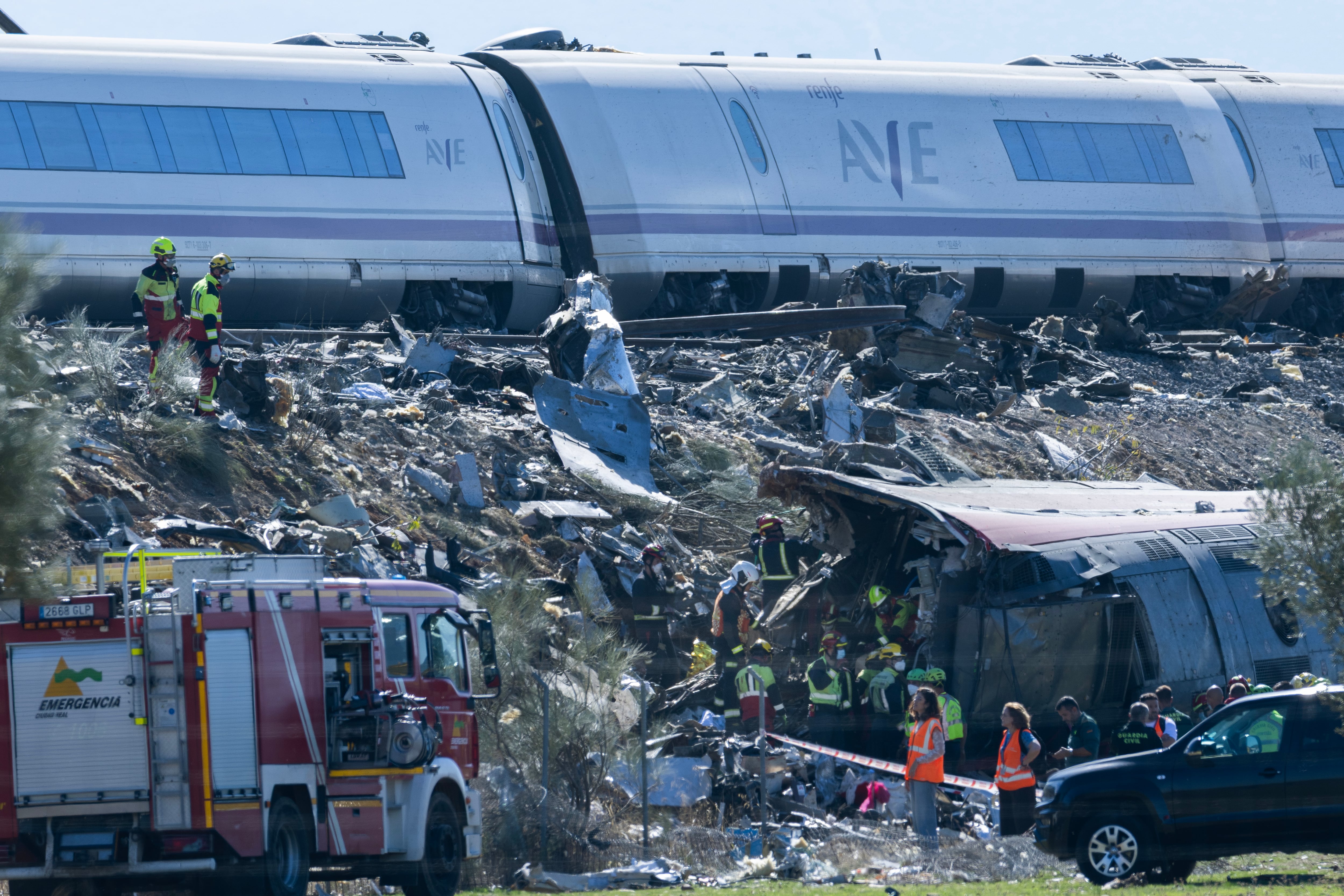
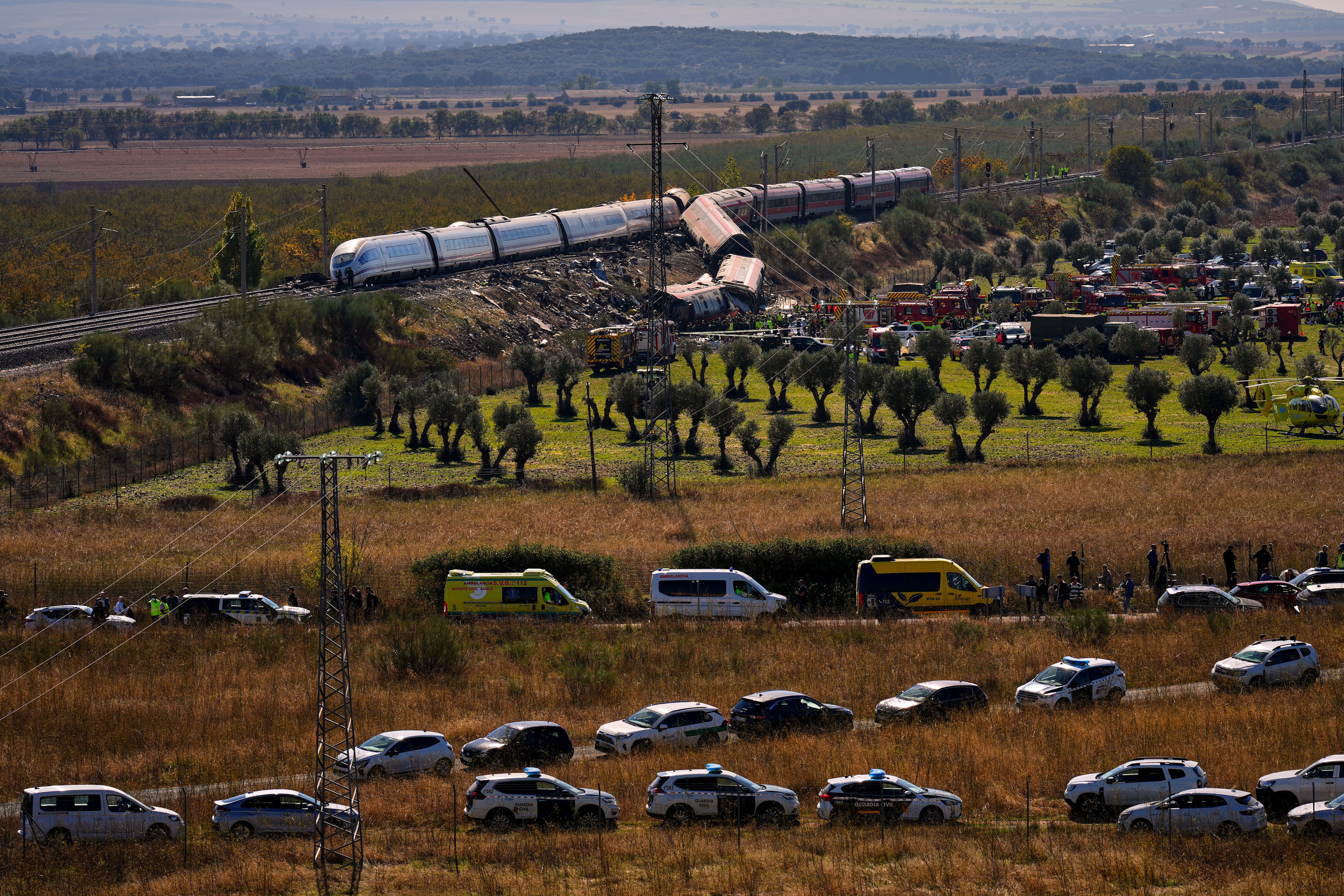
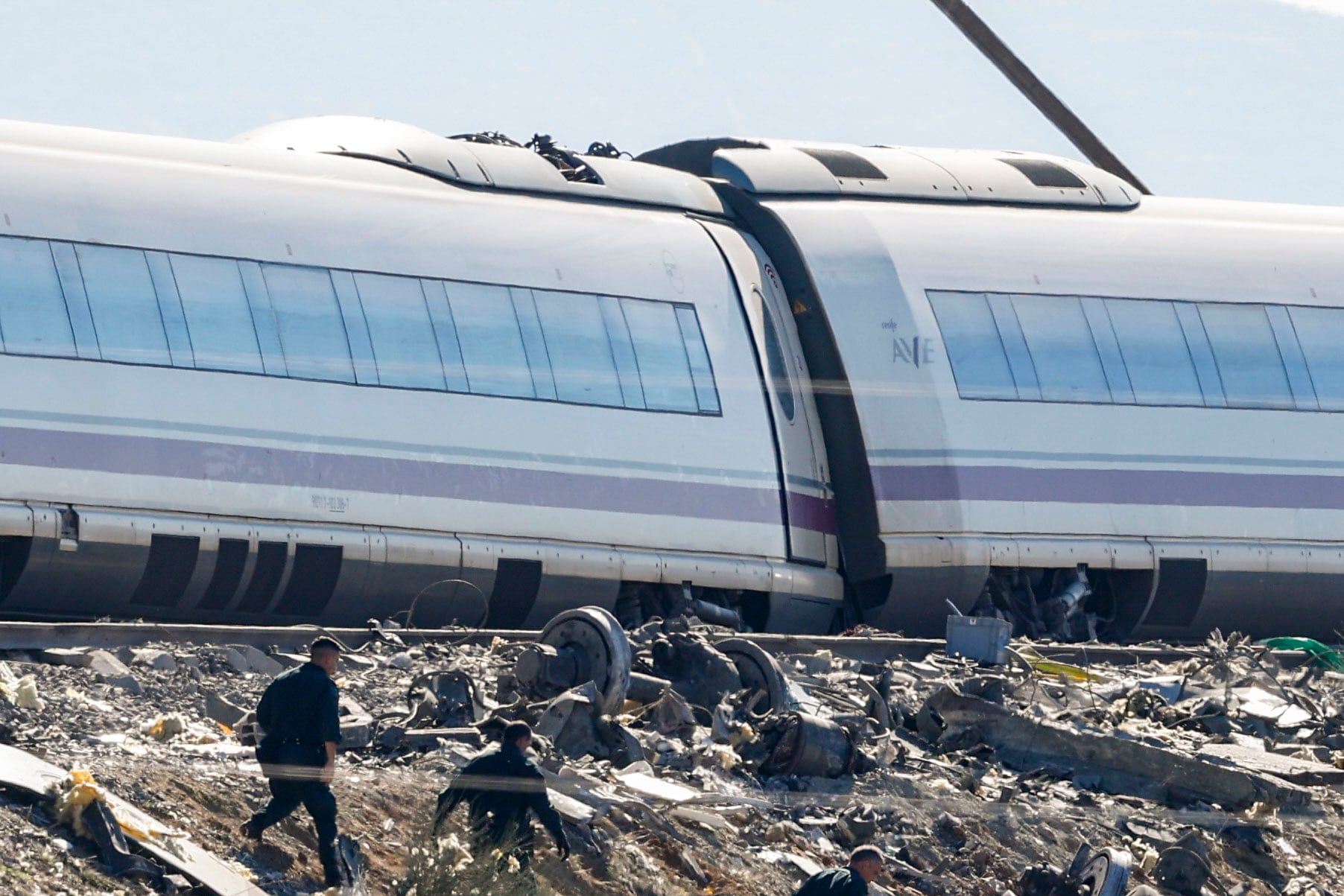
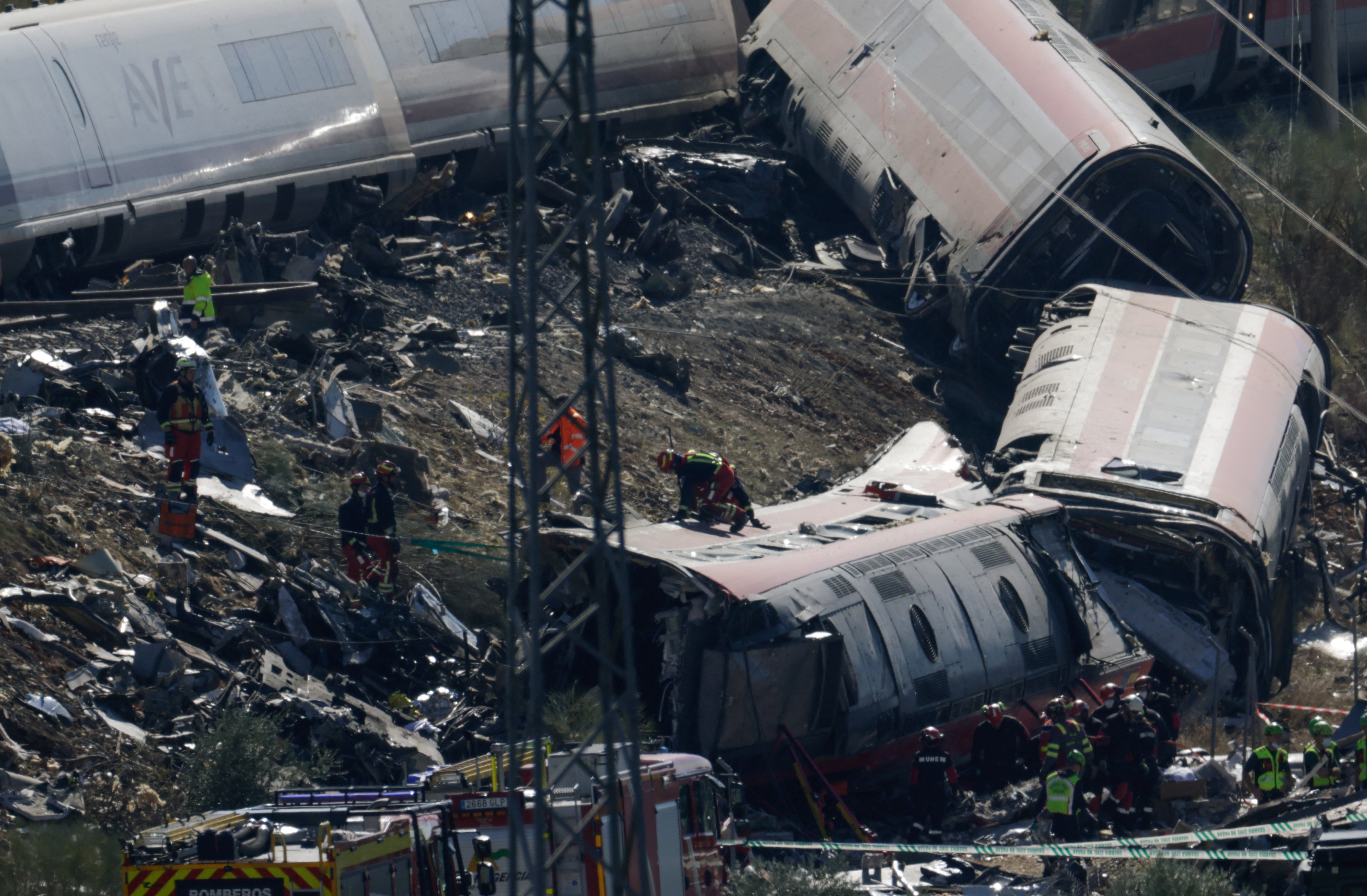
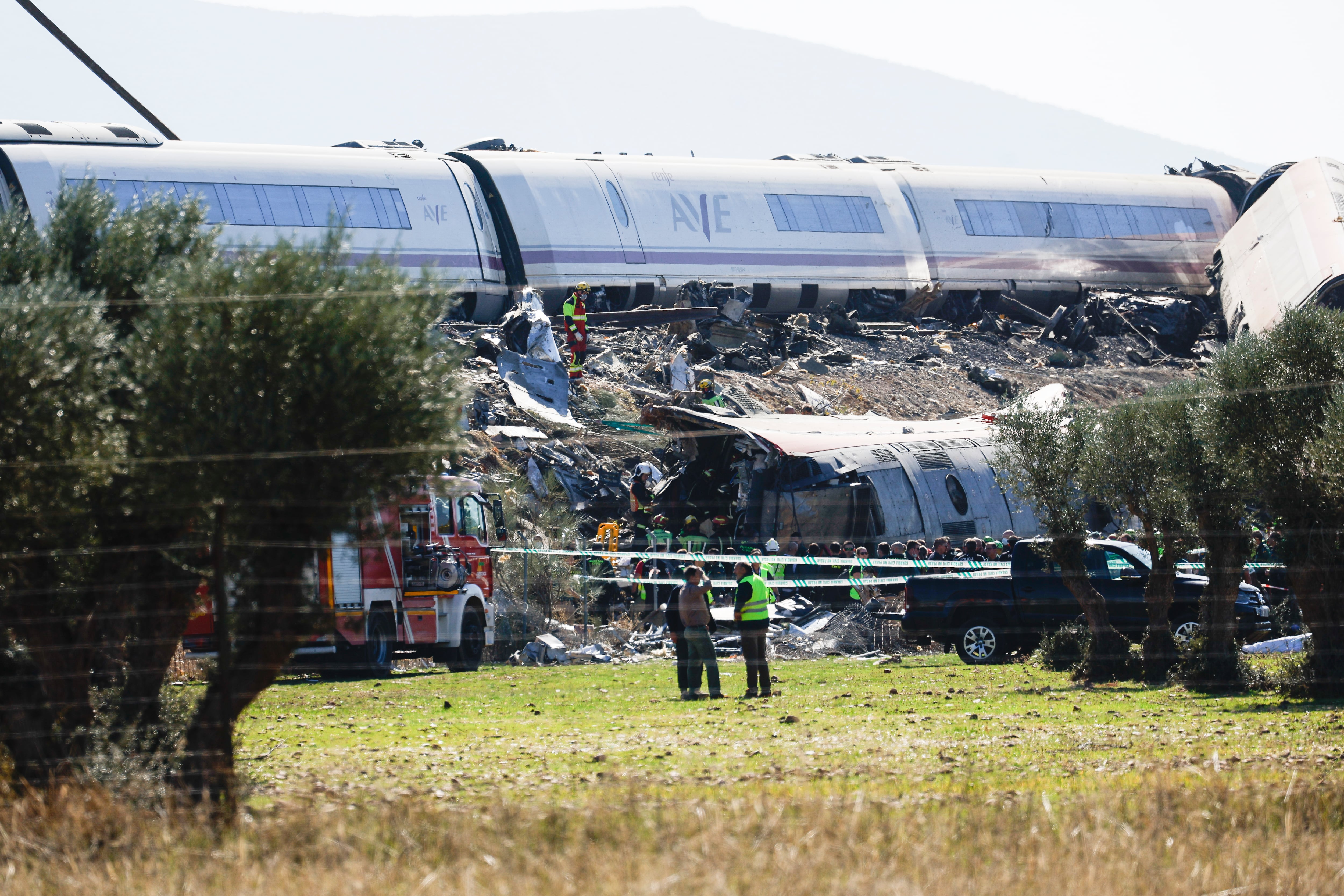
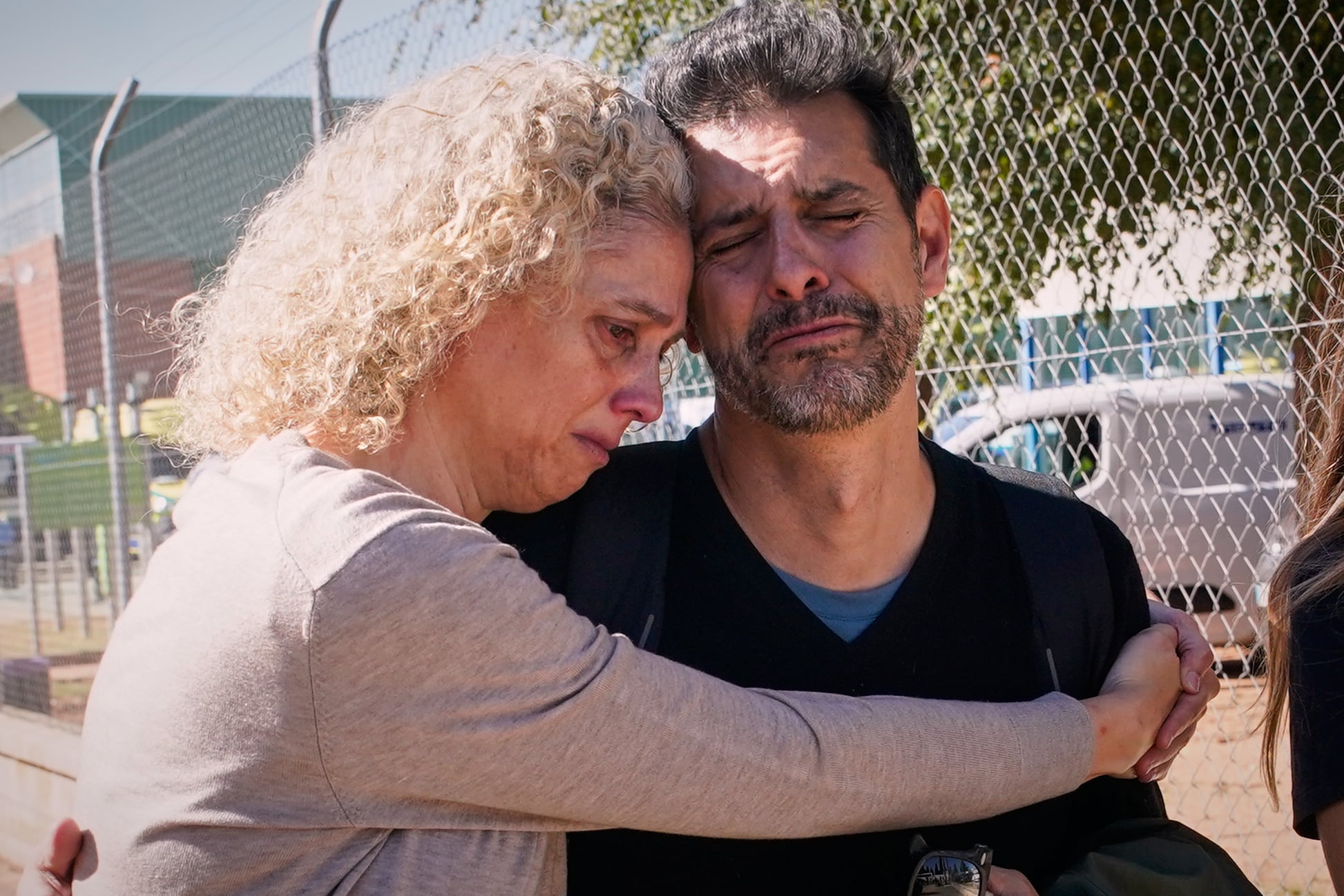
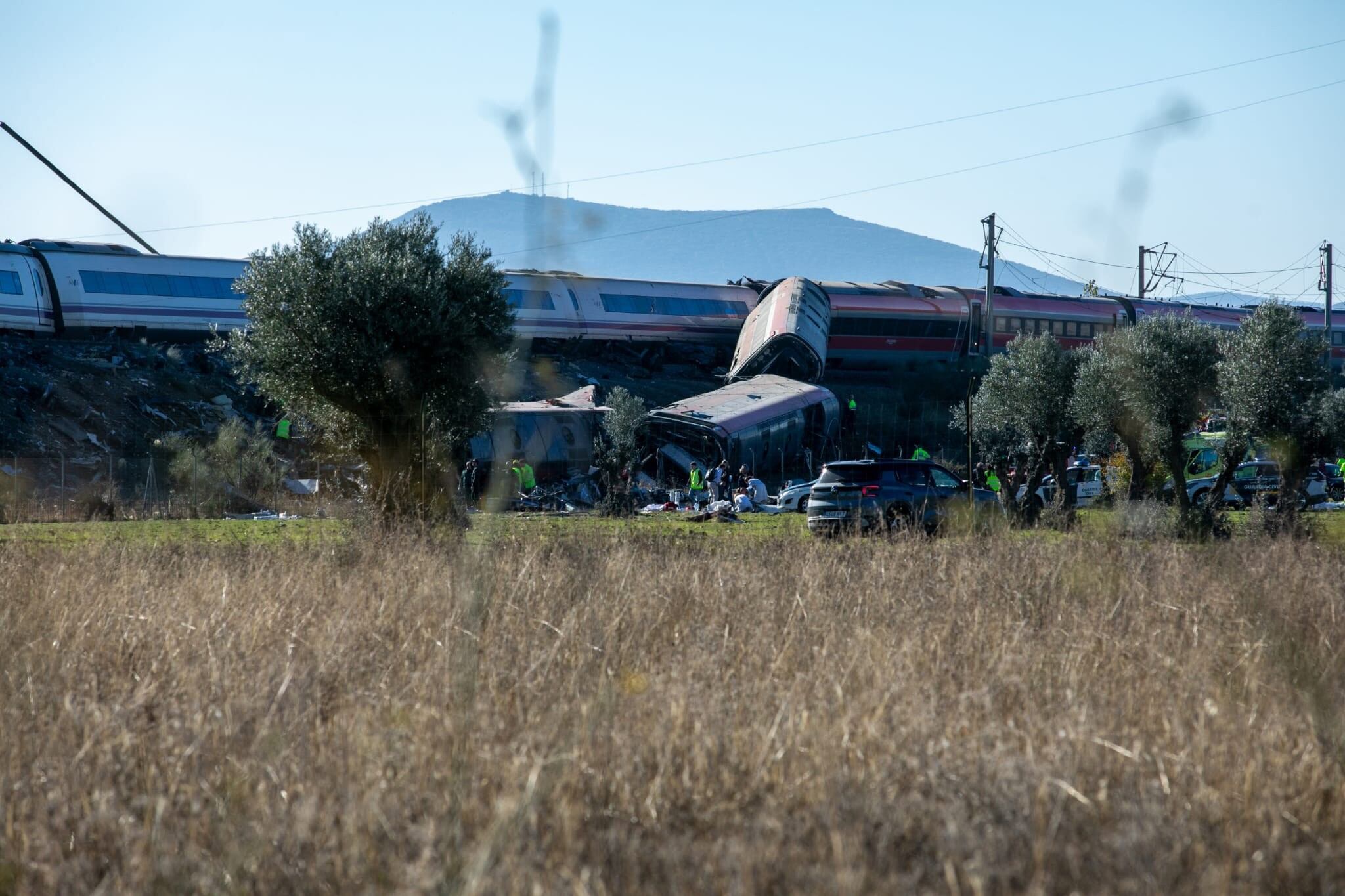
For the second time in nine months, all of Spain is stunned by images of two high-speed trains shattered on a track in the middle of the countryside, by the appalling death toll and by the harrowing accounts of survivors of a rail crash that will have its own page in history. Almost 400 people were aboard the AVE train that, at 8.53 a.m. on Wednesday, collided with an Iryo train stopped on the Madrid–Andalucía line near Urda (Toledo), which had 146 people on board. The toll of 69 dead is still provisional. The number of injured exceeds 100. In these critical hours, it is necessary to convey to those who have lost a loved one the empathy and solidarity of all of Spanish society. The testimonies of families and survivors will be the anchor to ensure the scale of this human tragedy is never forgotten.
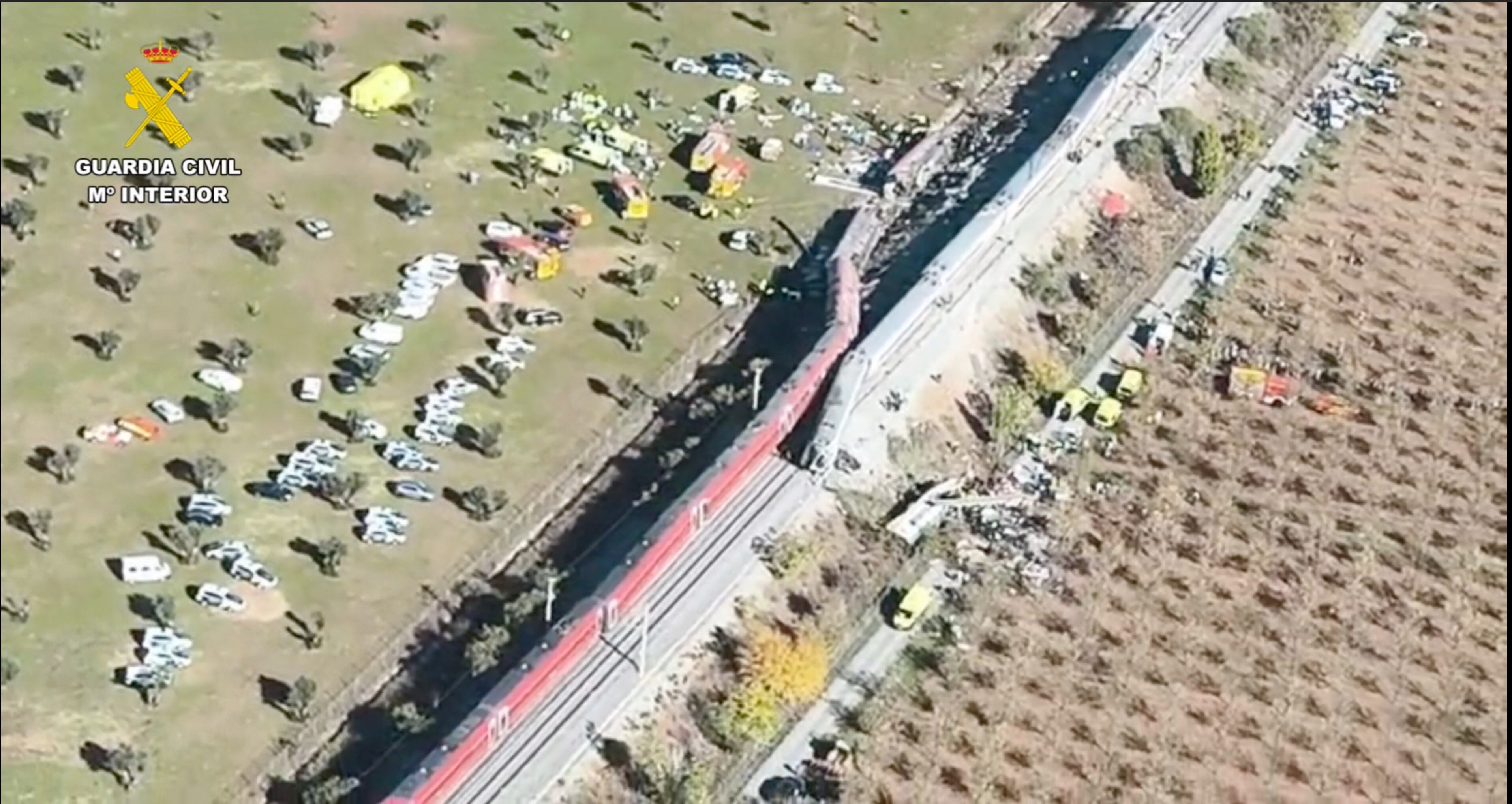
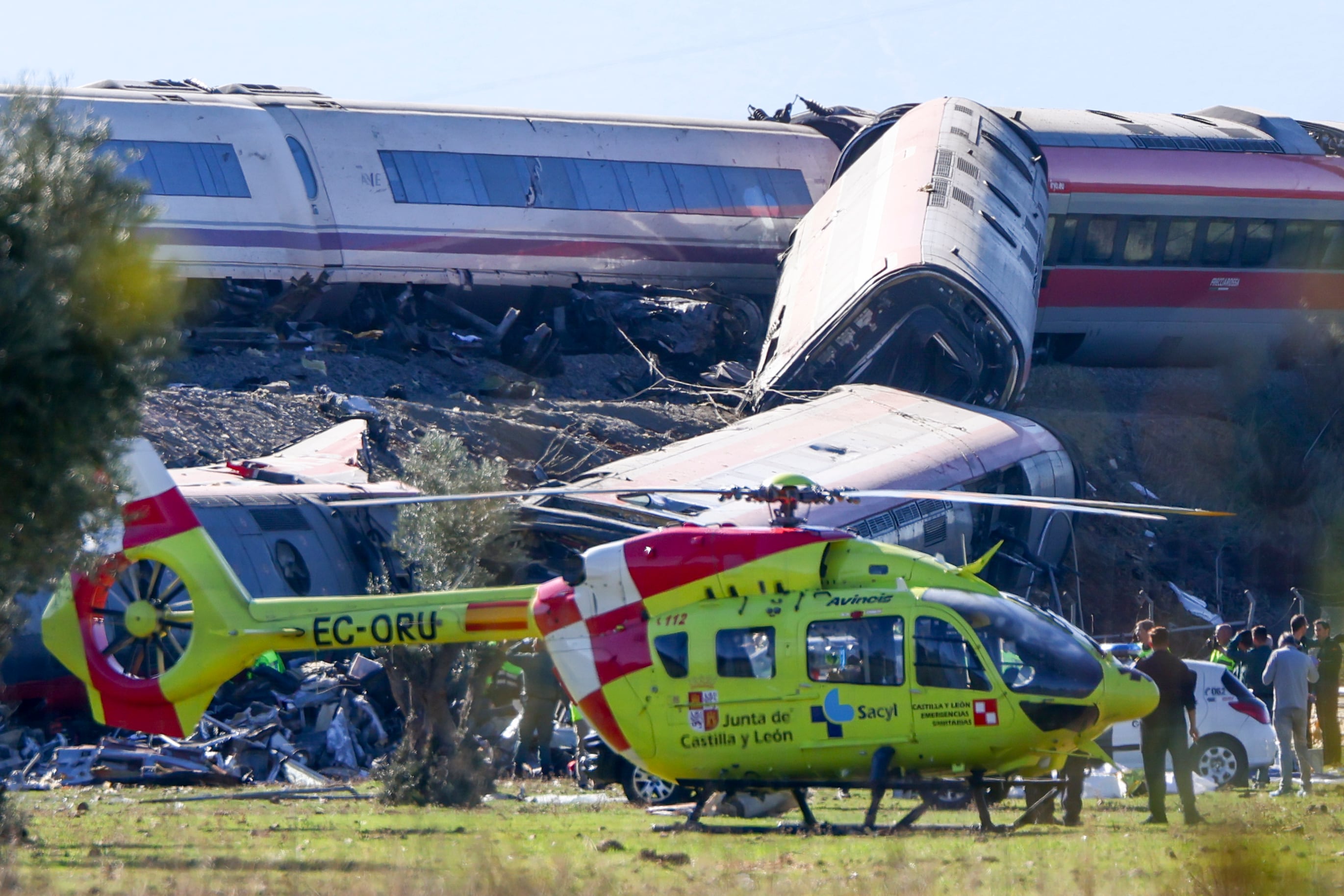
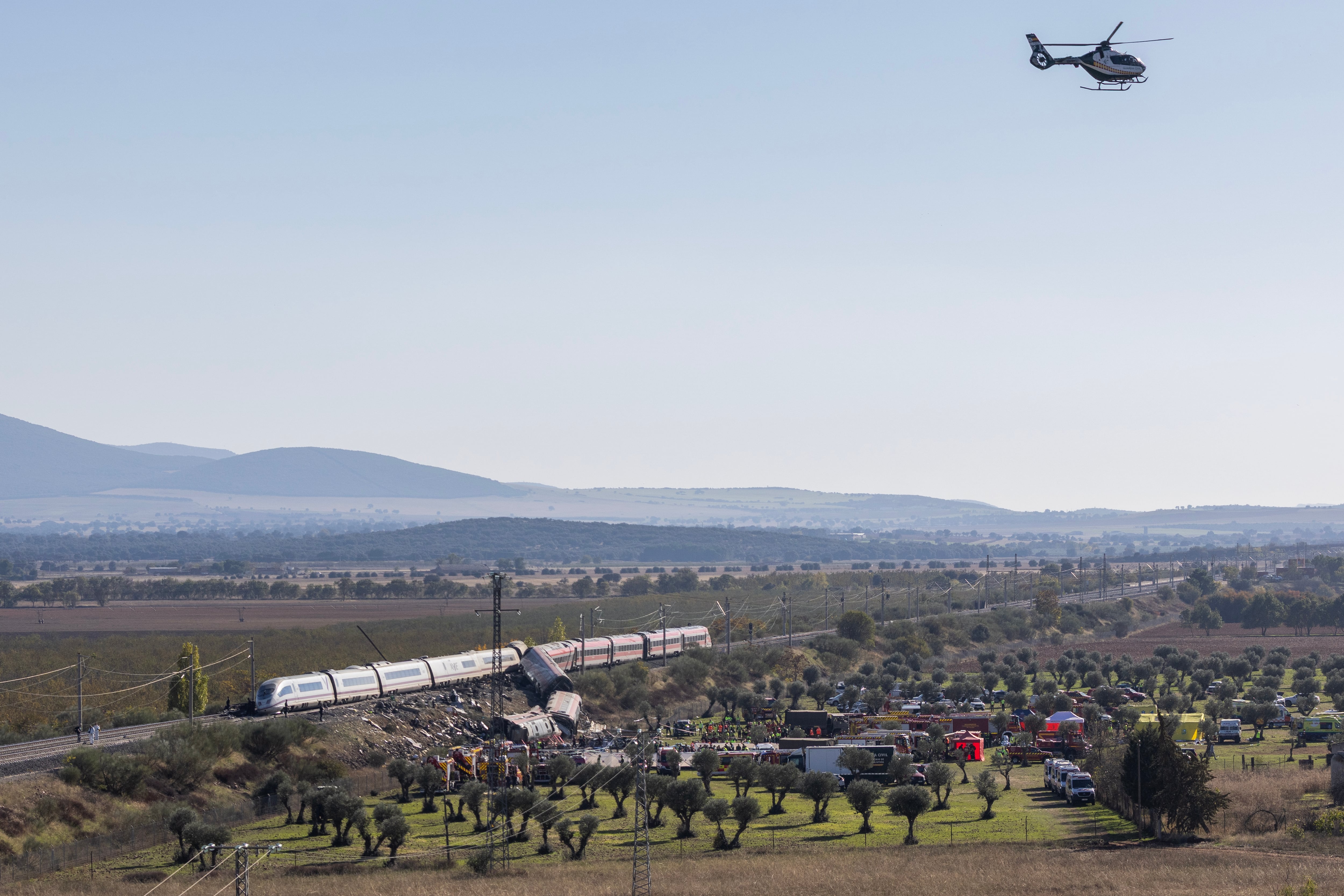
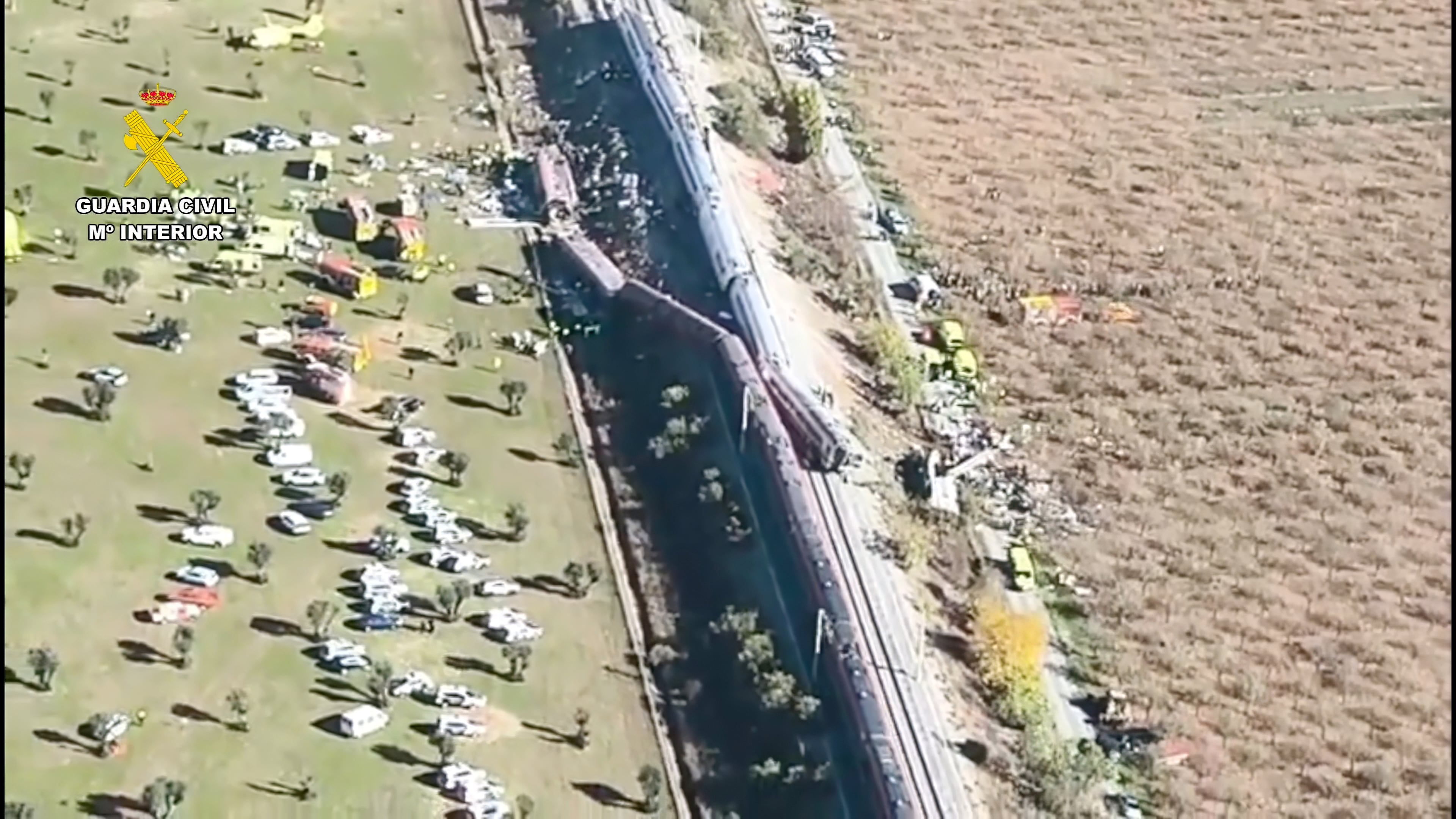
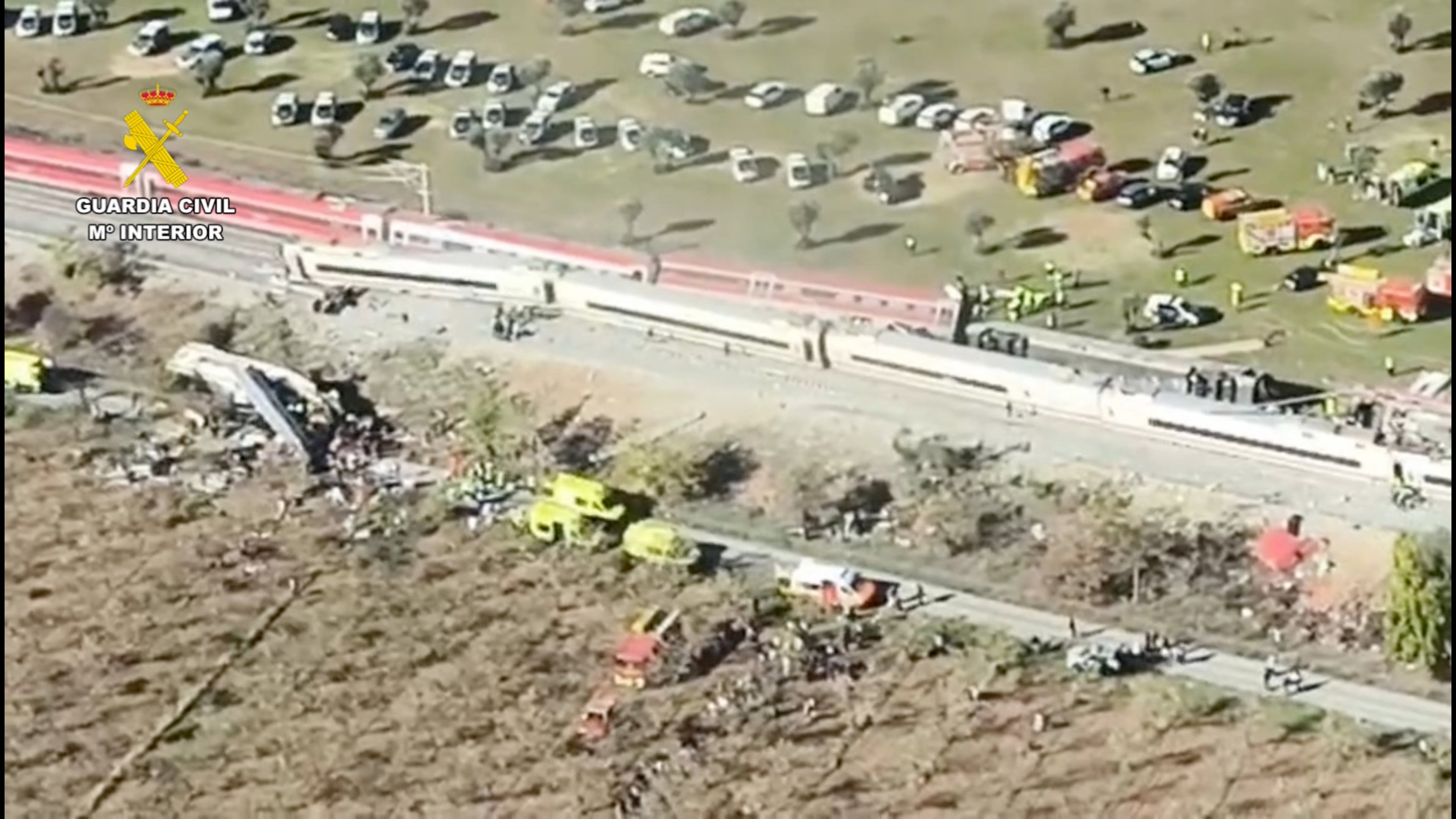
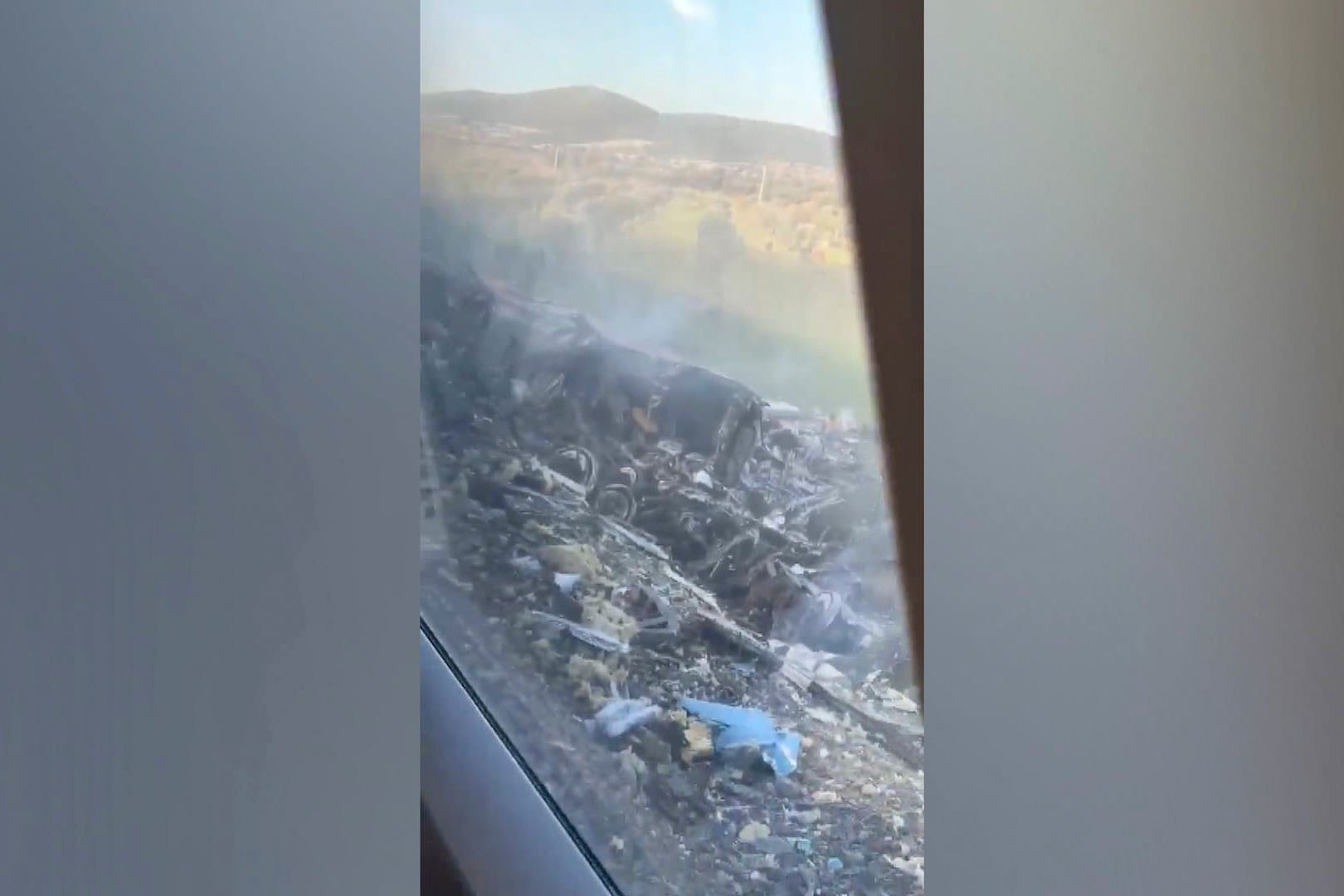
Screen capture of a video made from a Civil Guard helicopter at the site of the crash in Urda (Toledo). Spanish state rail company Renfe has reported that train service between Madrid, Ciudad Real, and Andalusia has been suspended.
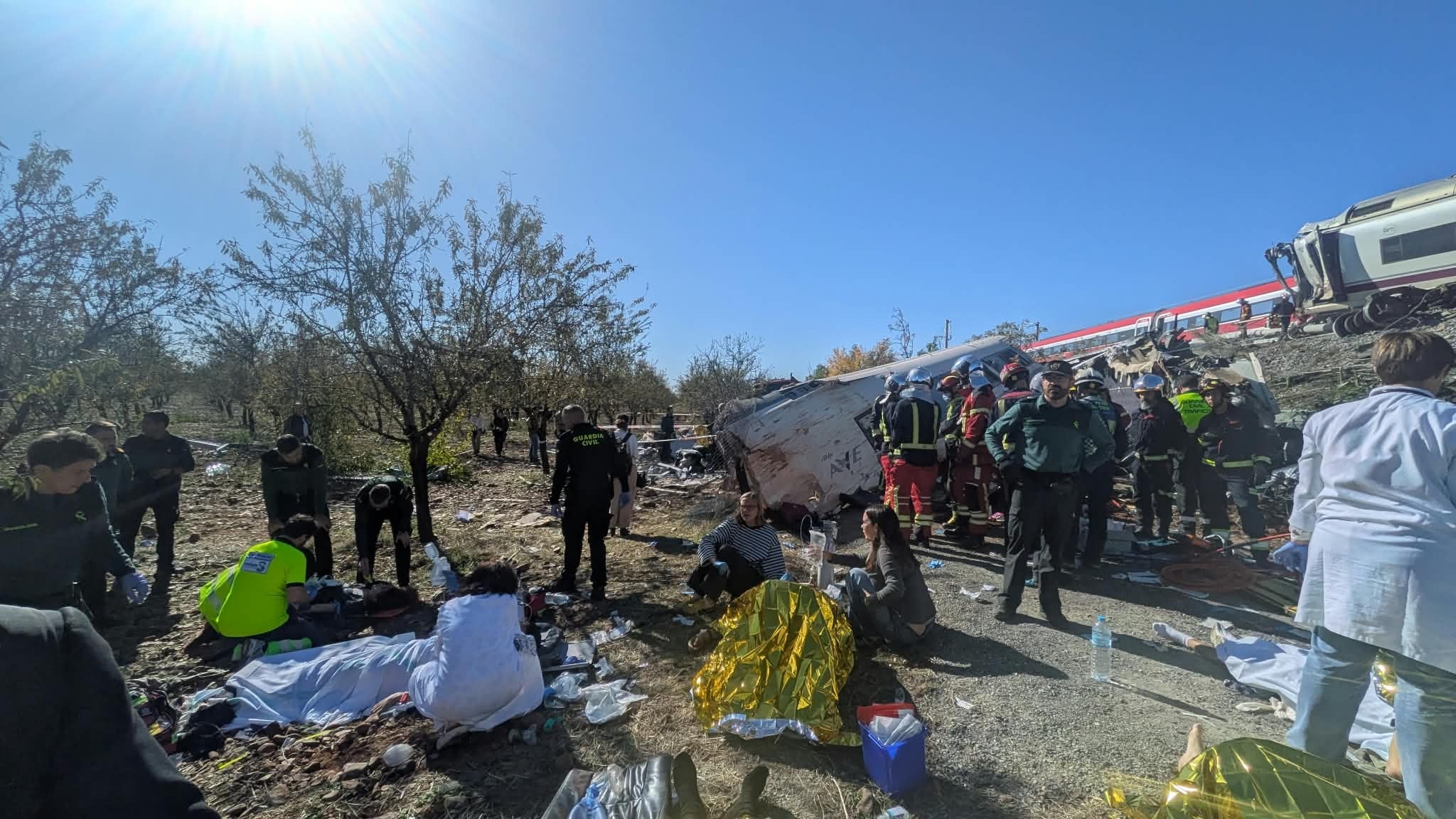
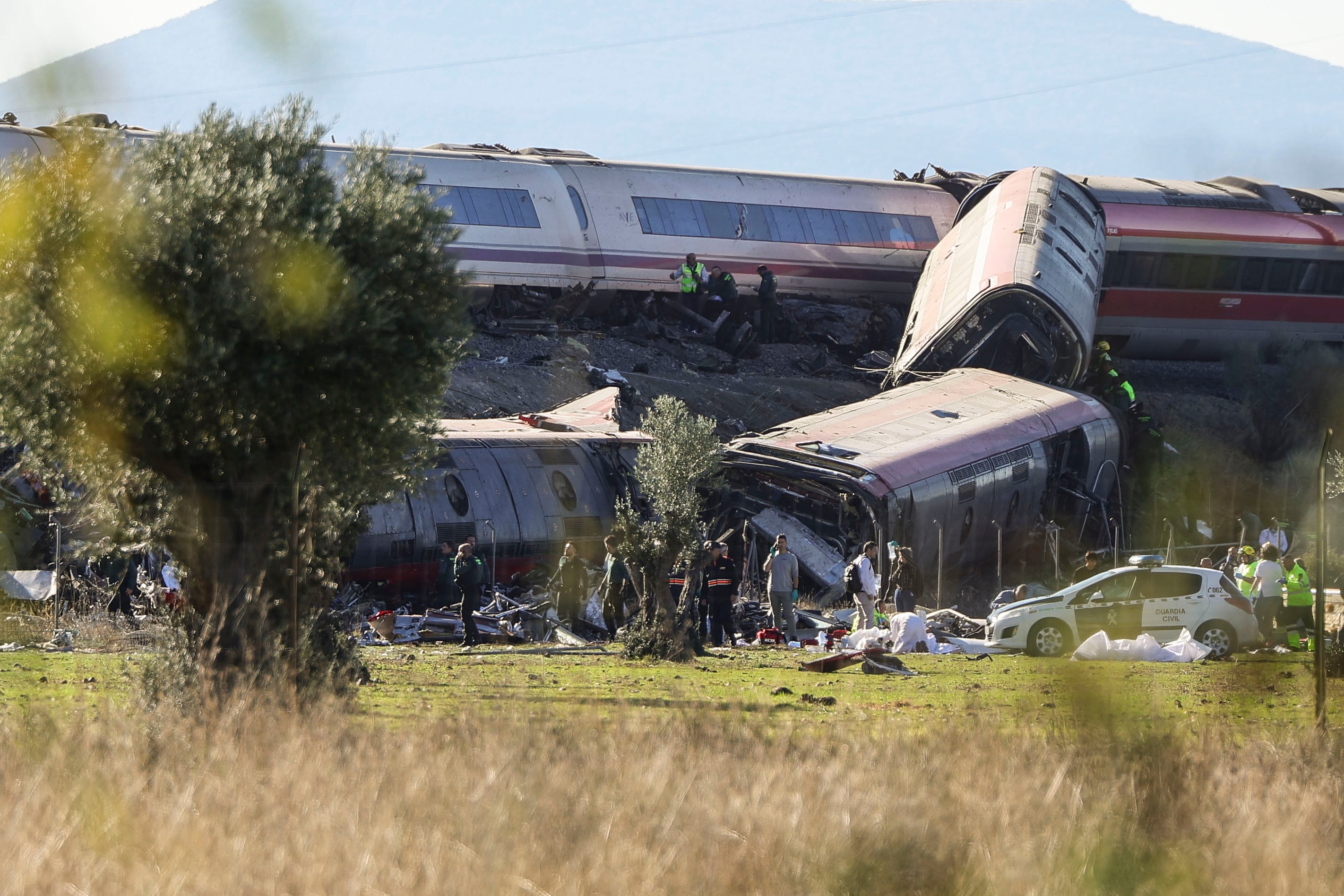
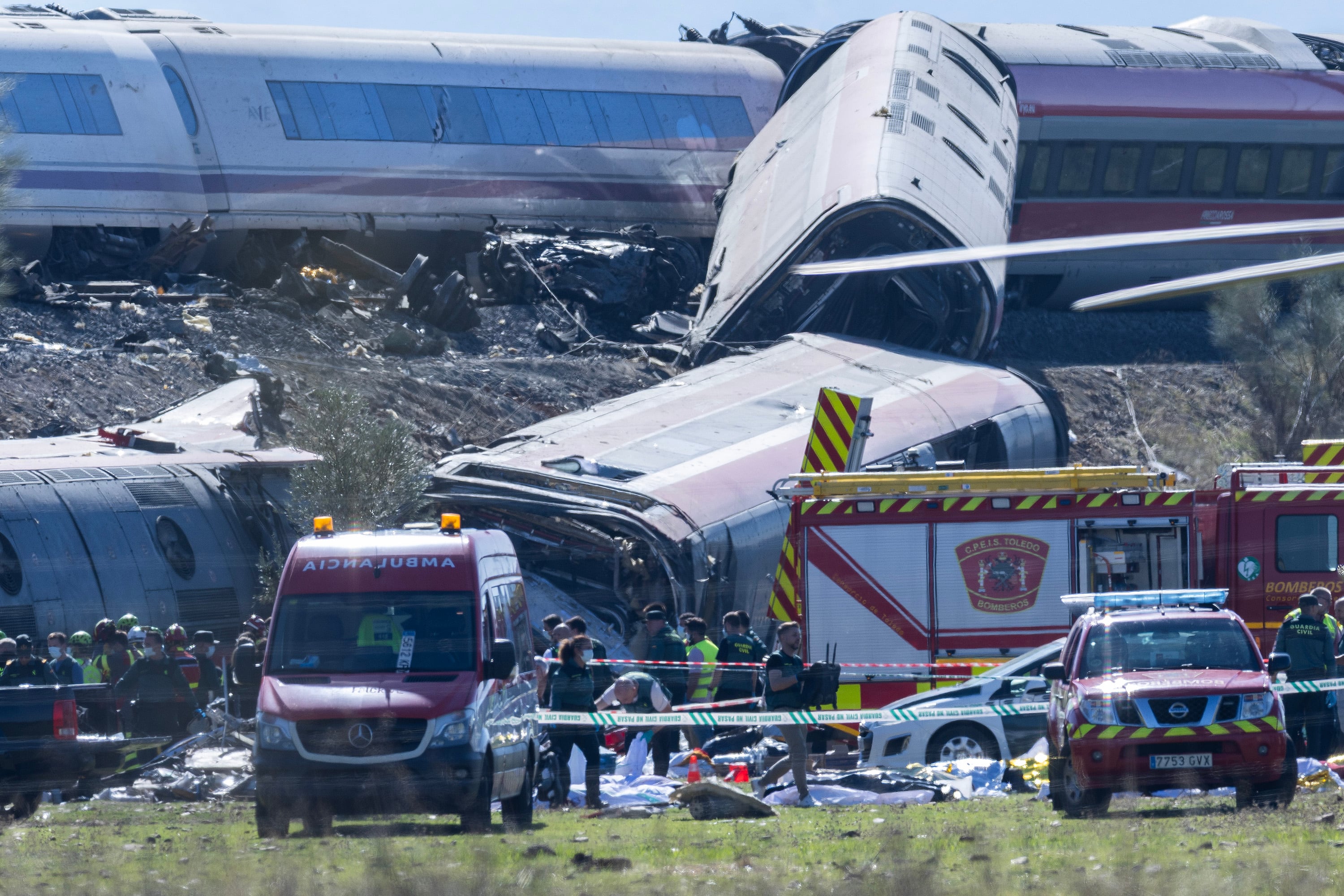
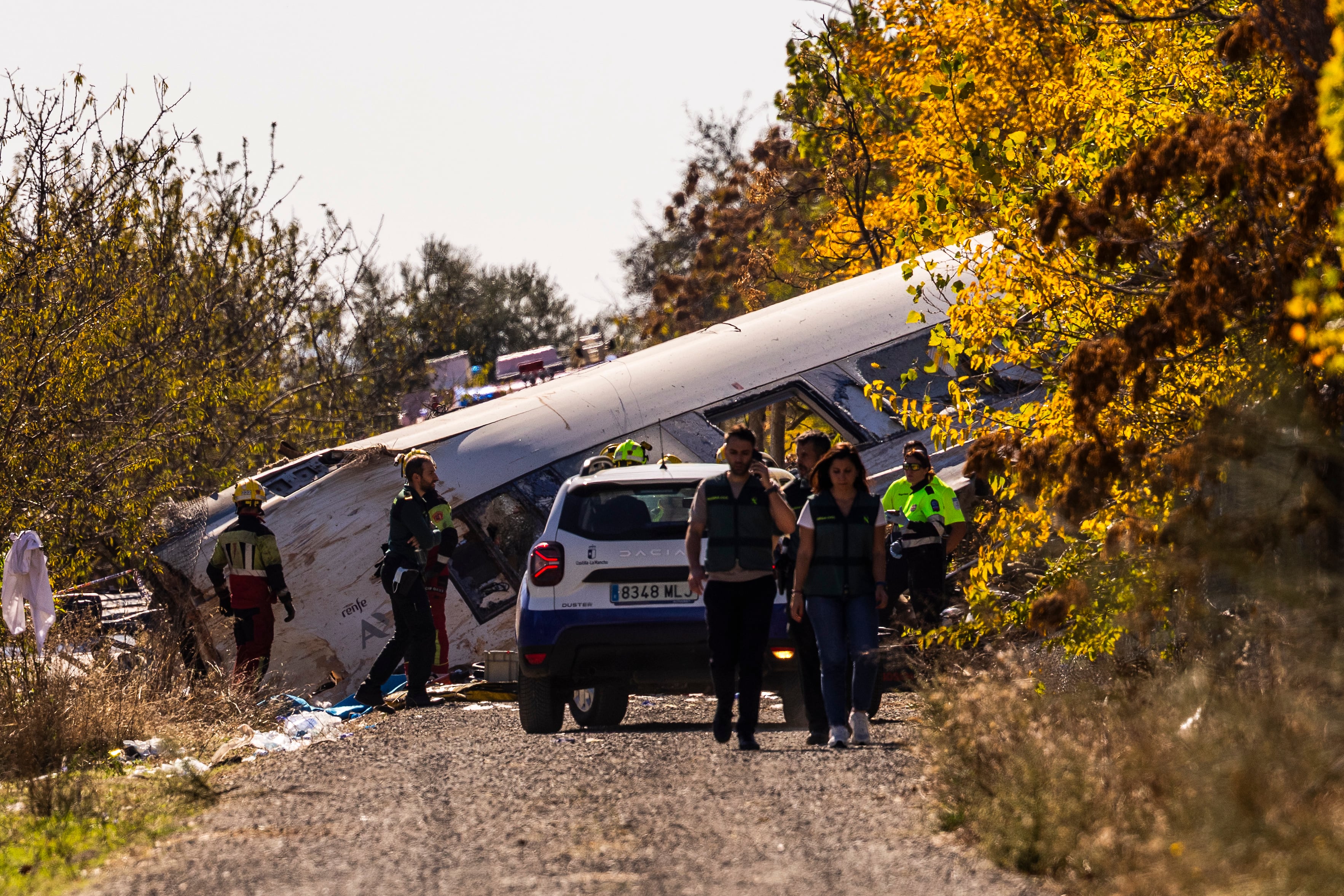
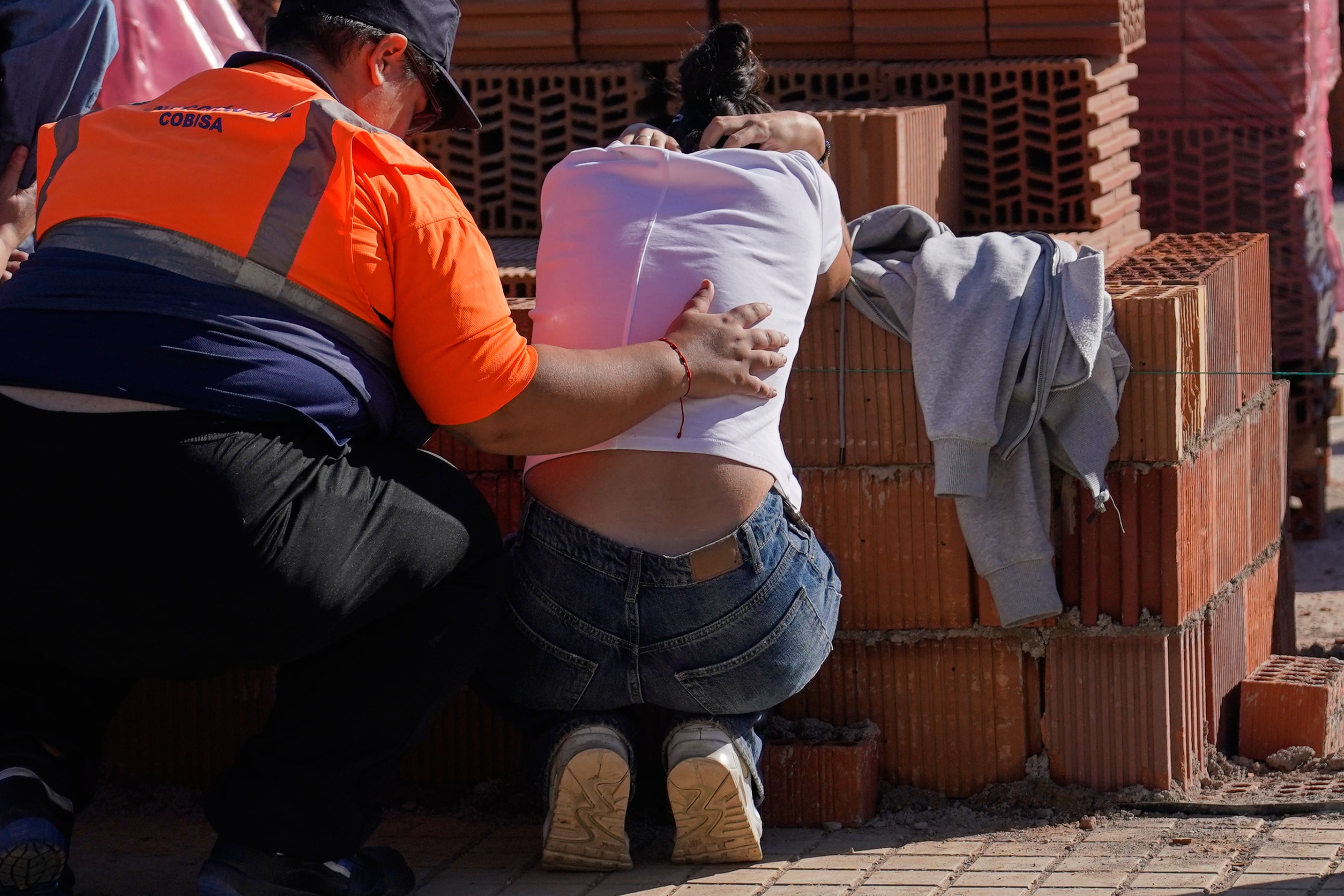
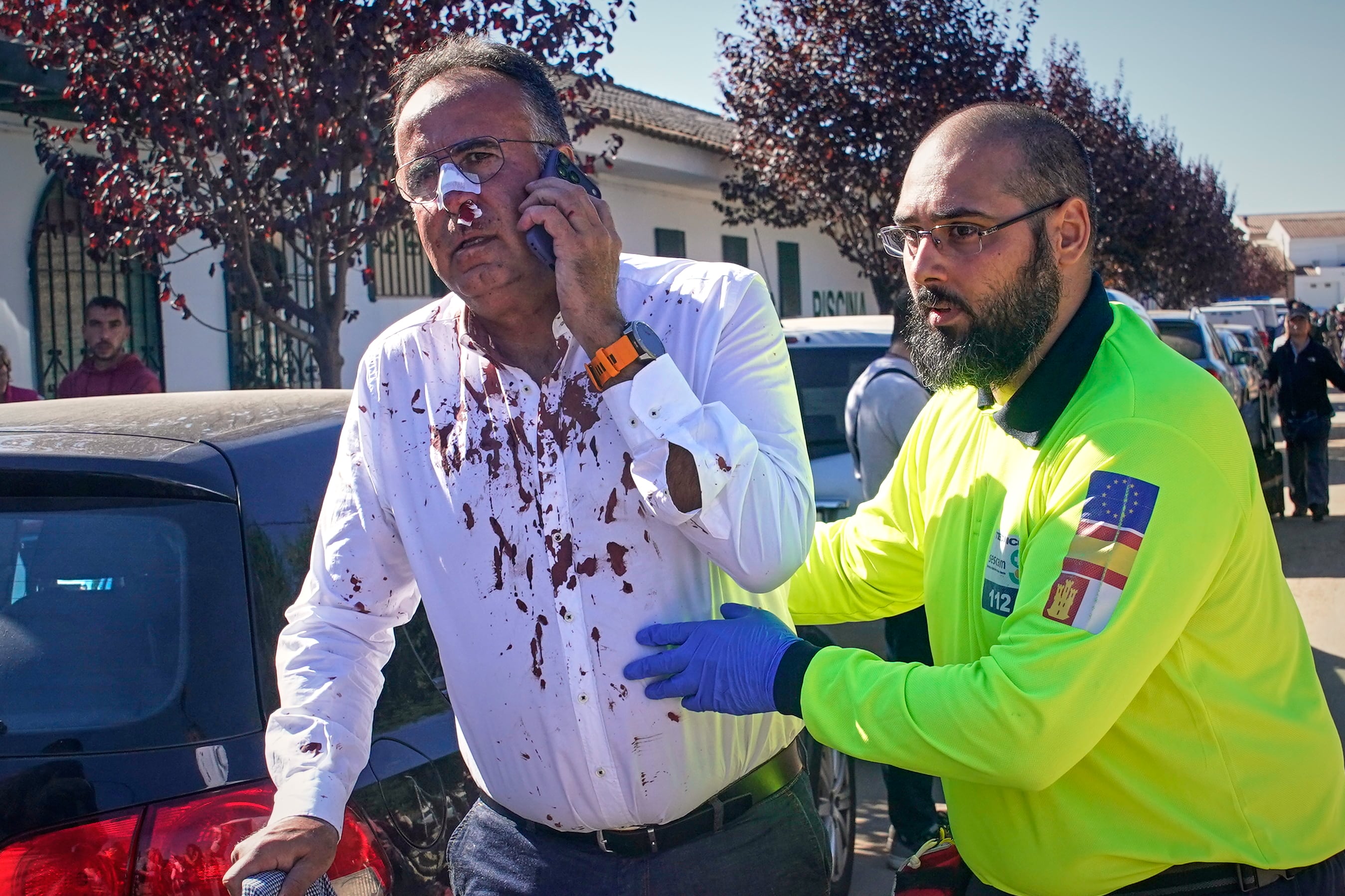
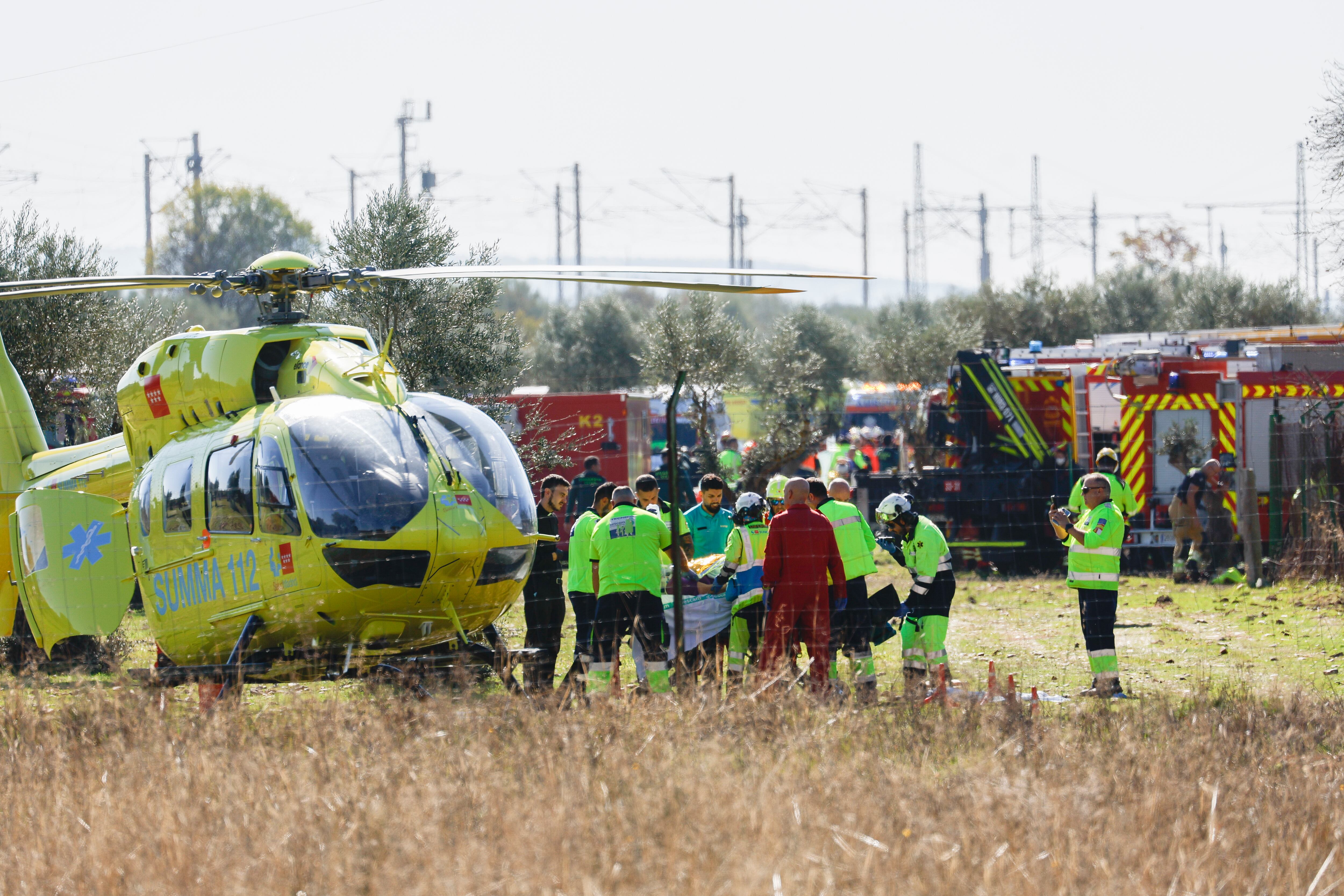
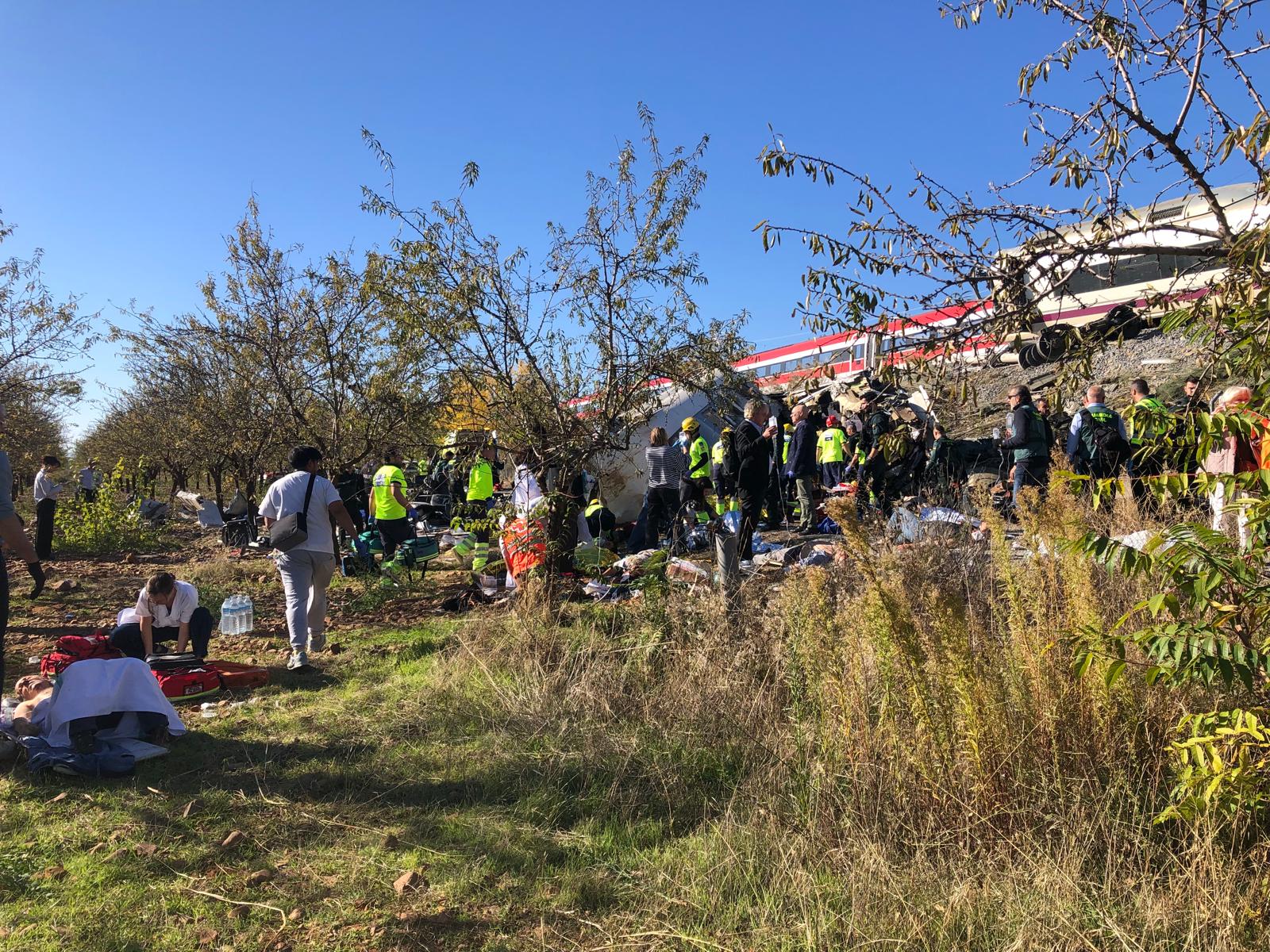
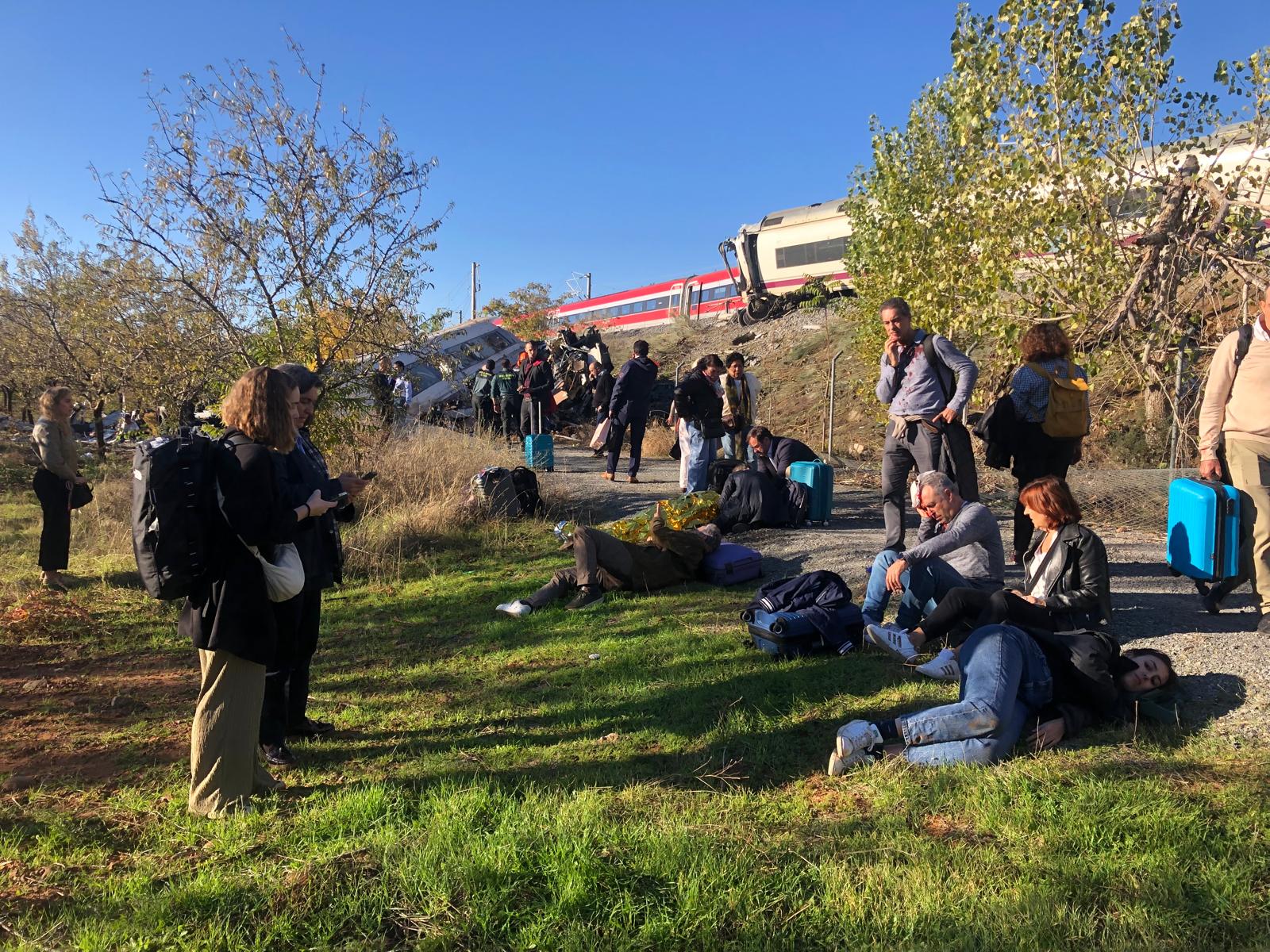
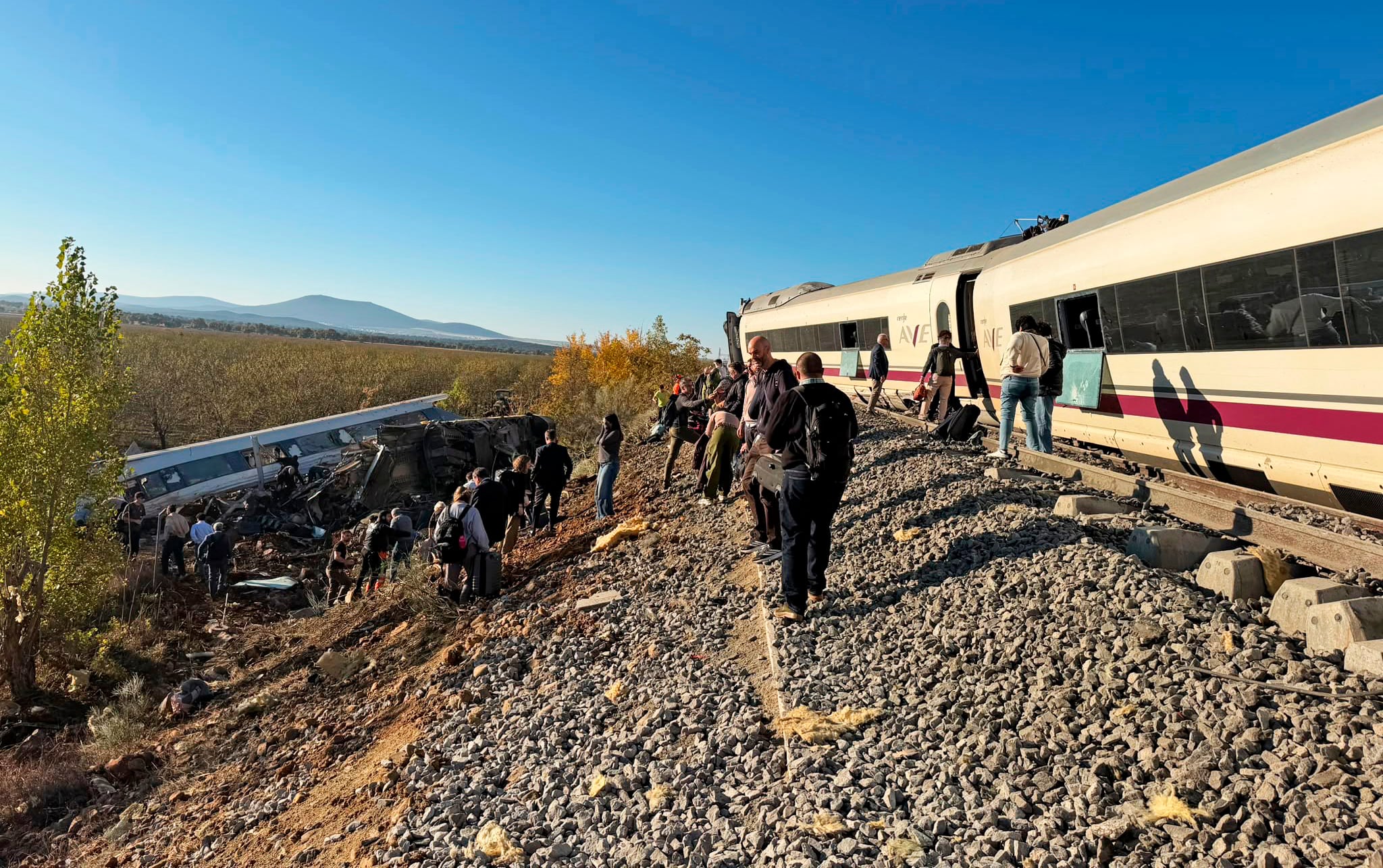
Emergency services providing assistance to the survivors of the crash. “A human error by an [state-owned railway infrastructure company] Adif operator in response to a malfunction in the main signaling system is the likely cause of the accident,” government sources said.
There were 30 people reported dead by noon local time, and the government warned the number could still rise. “It could be worse than Adamuz [the rail accident in Córdoba that claimed 46 lives on January 18],” government sources said.
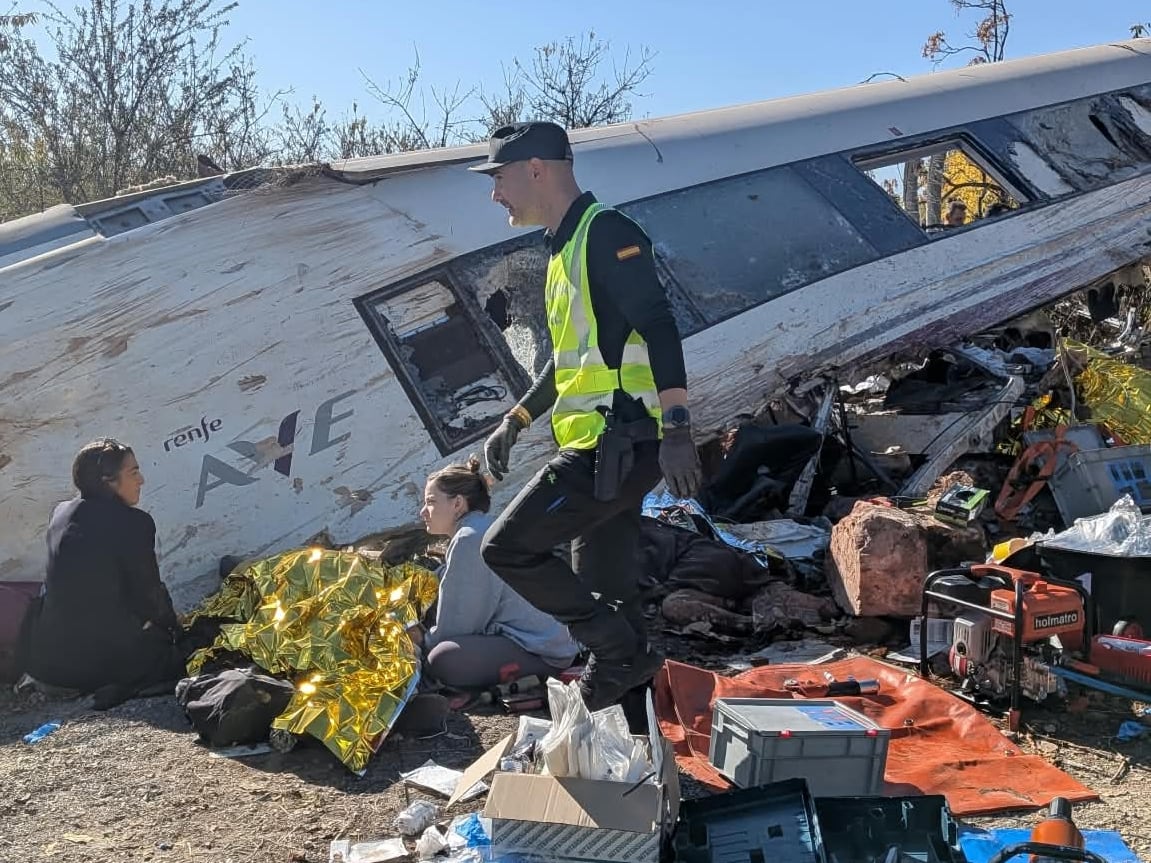
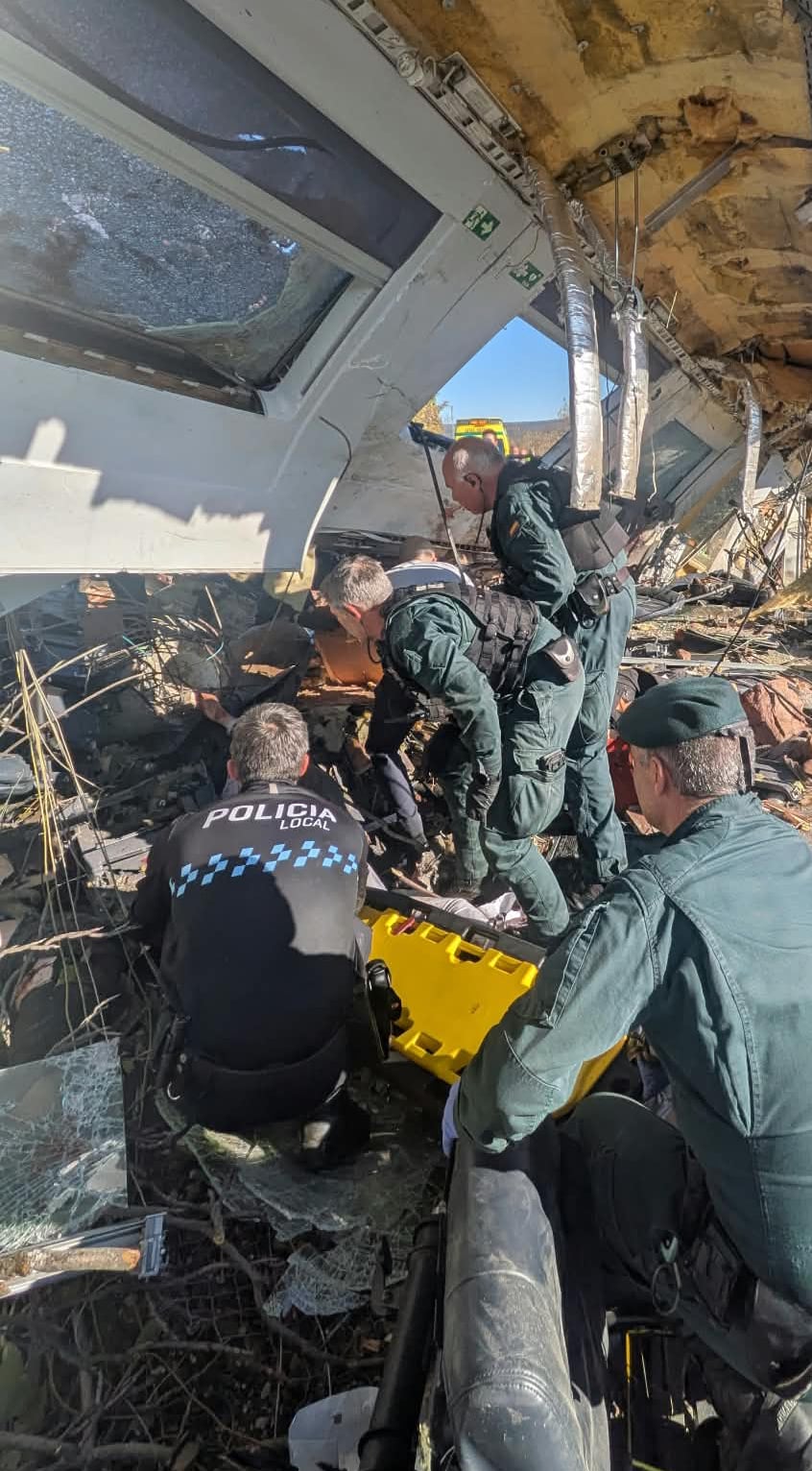
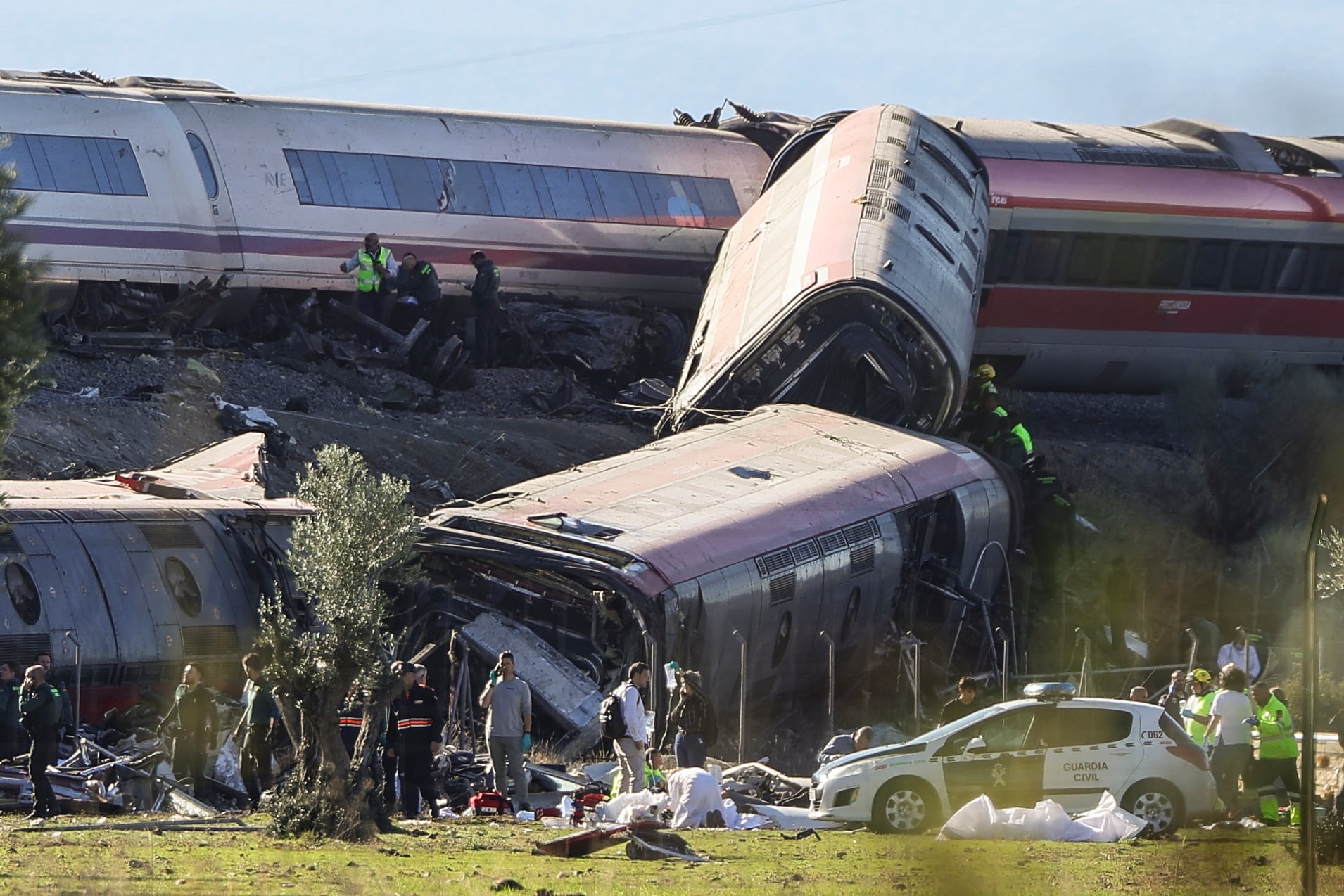
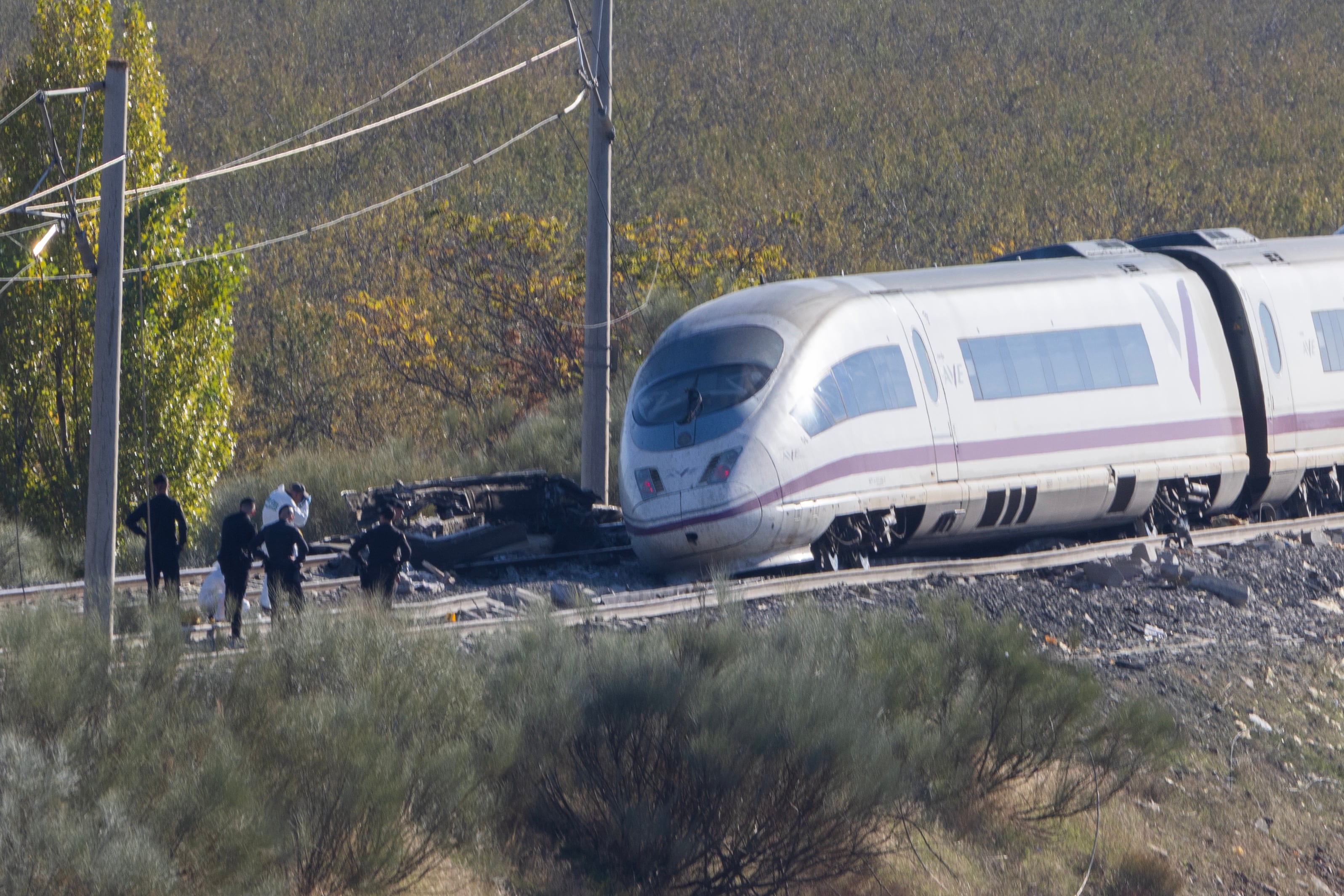
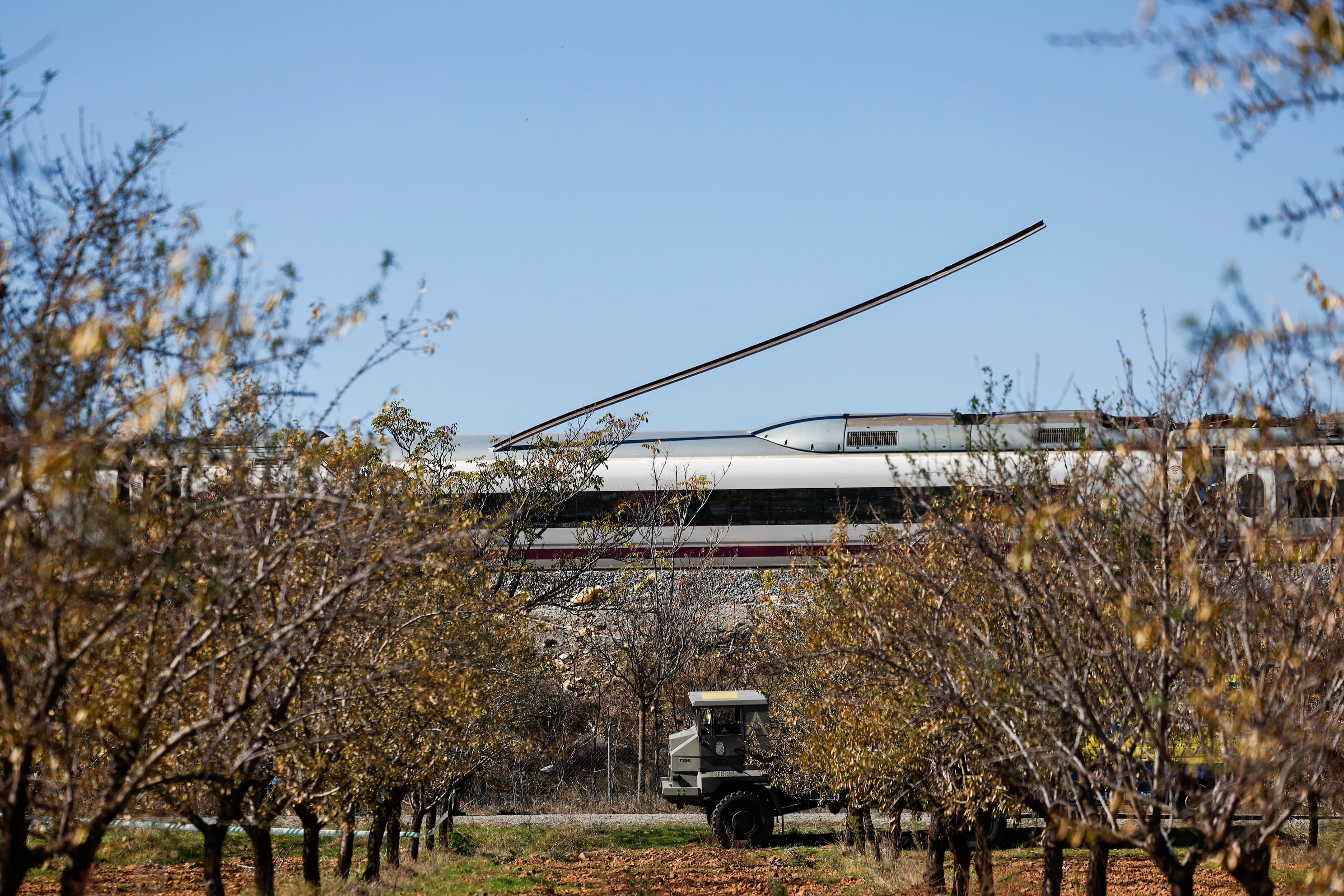
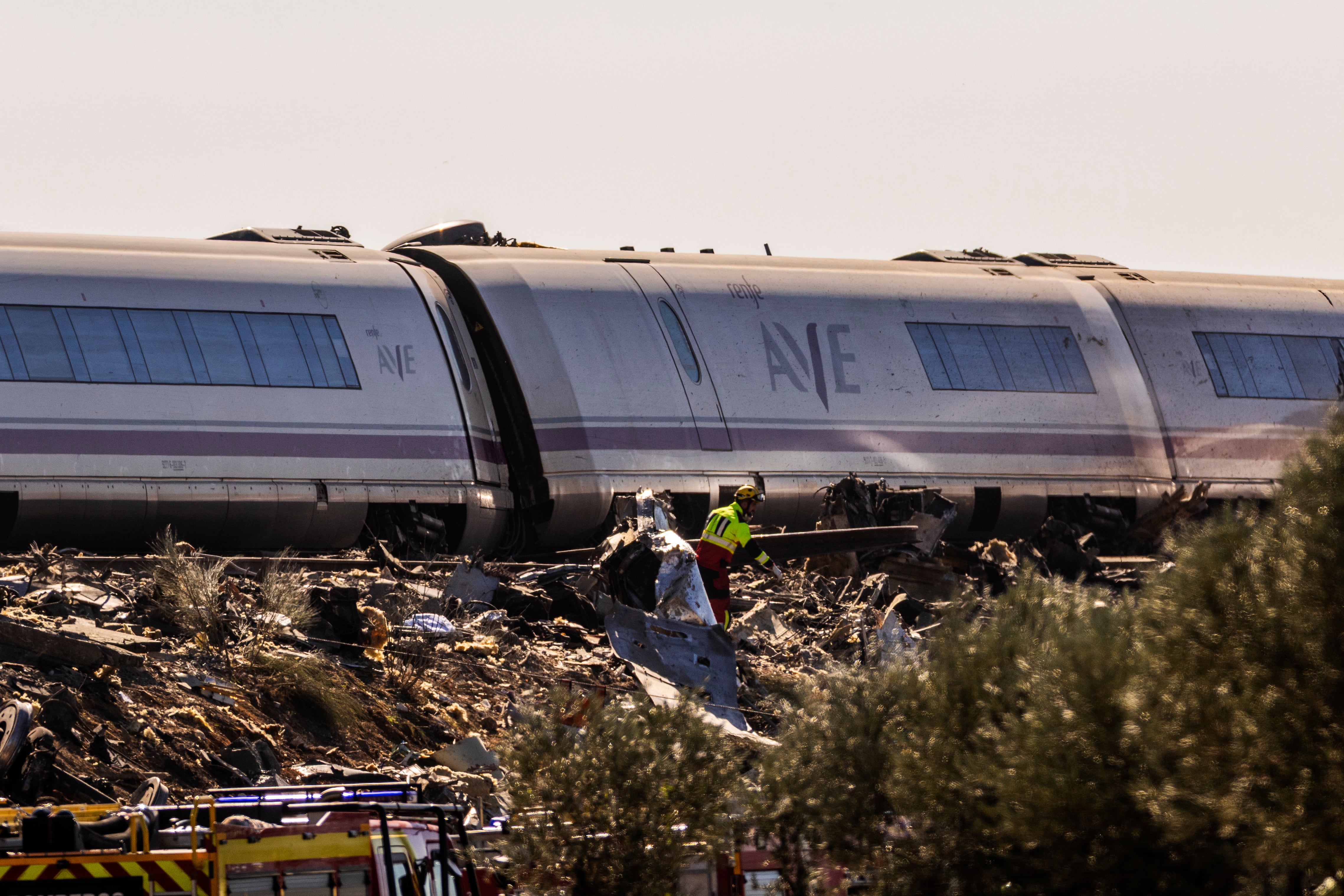
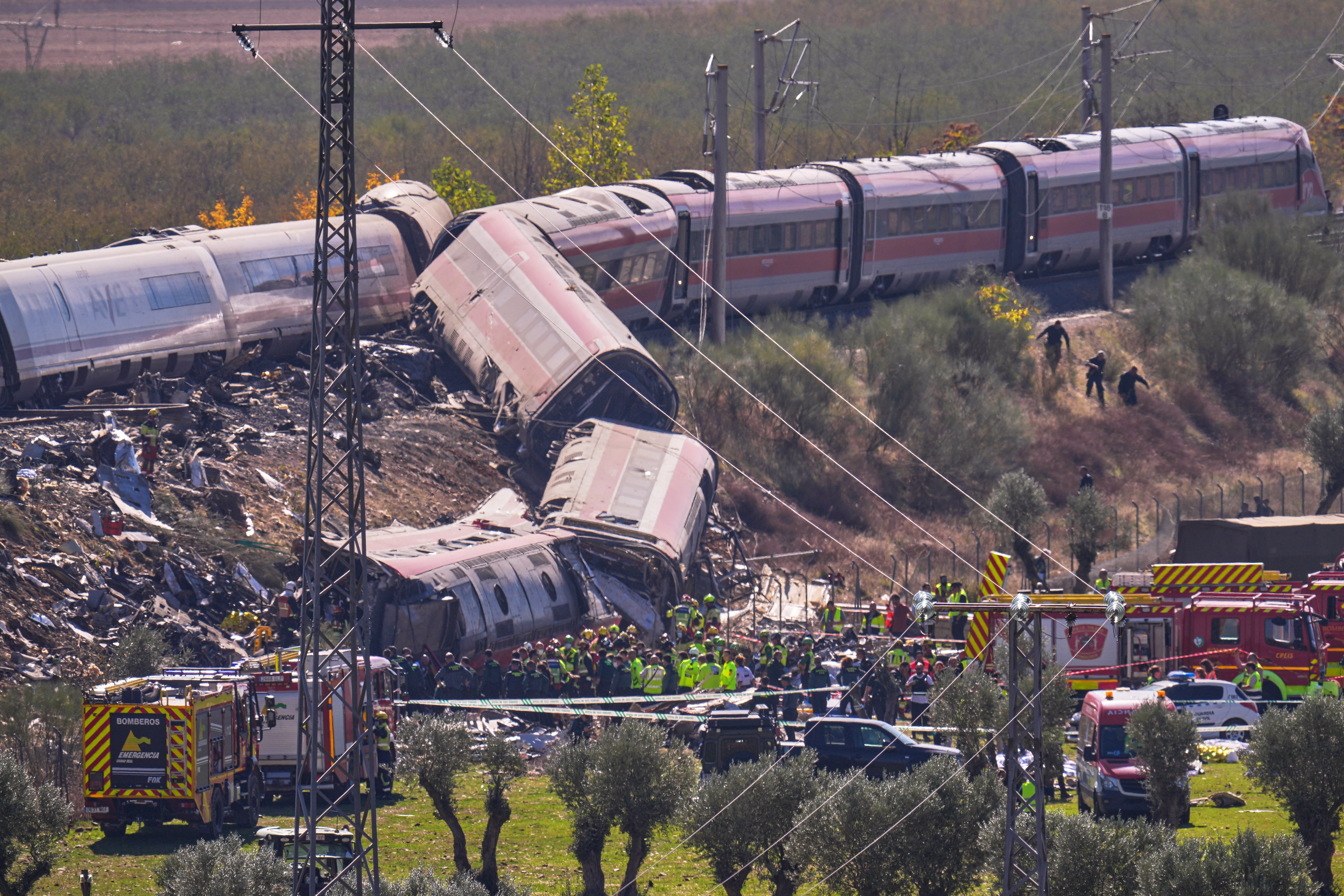
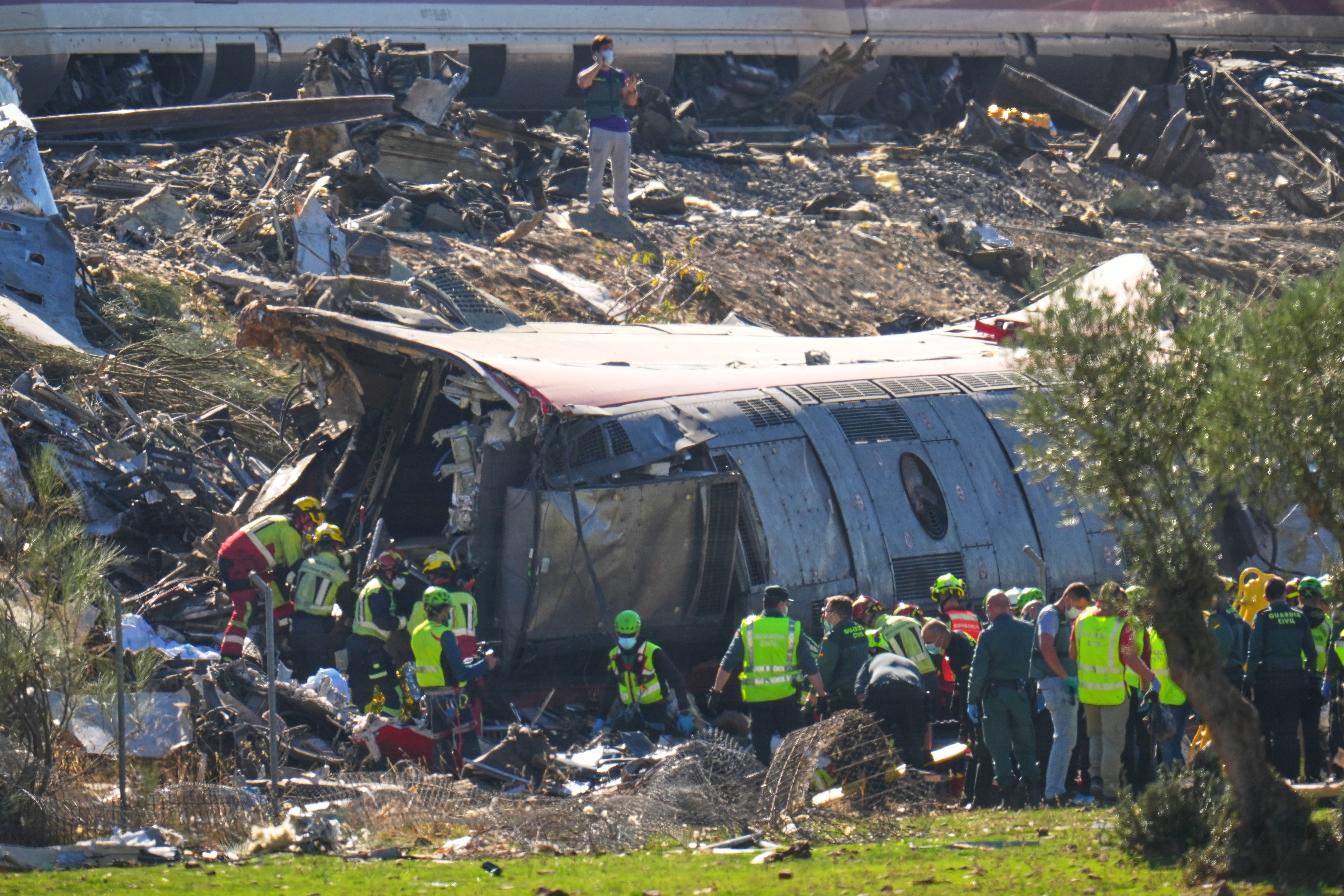
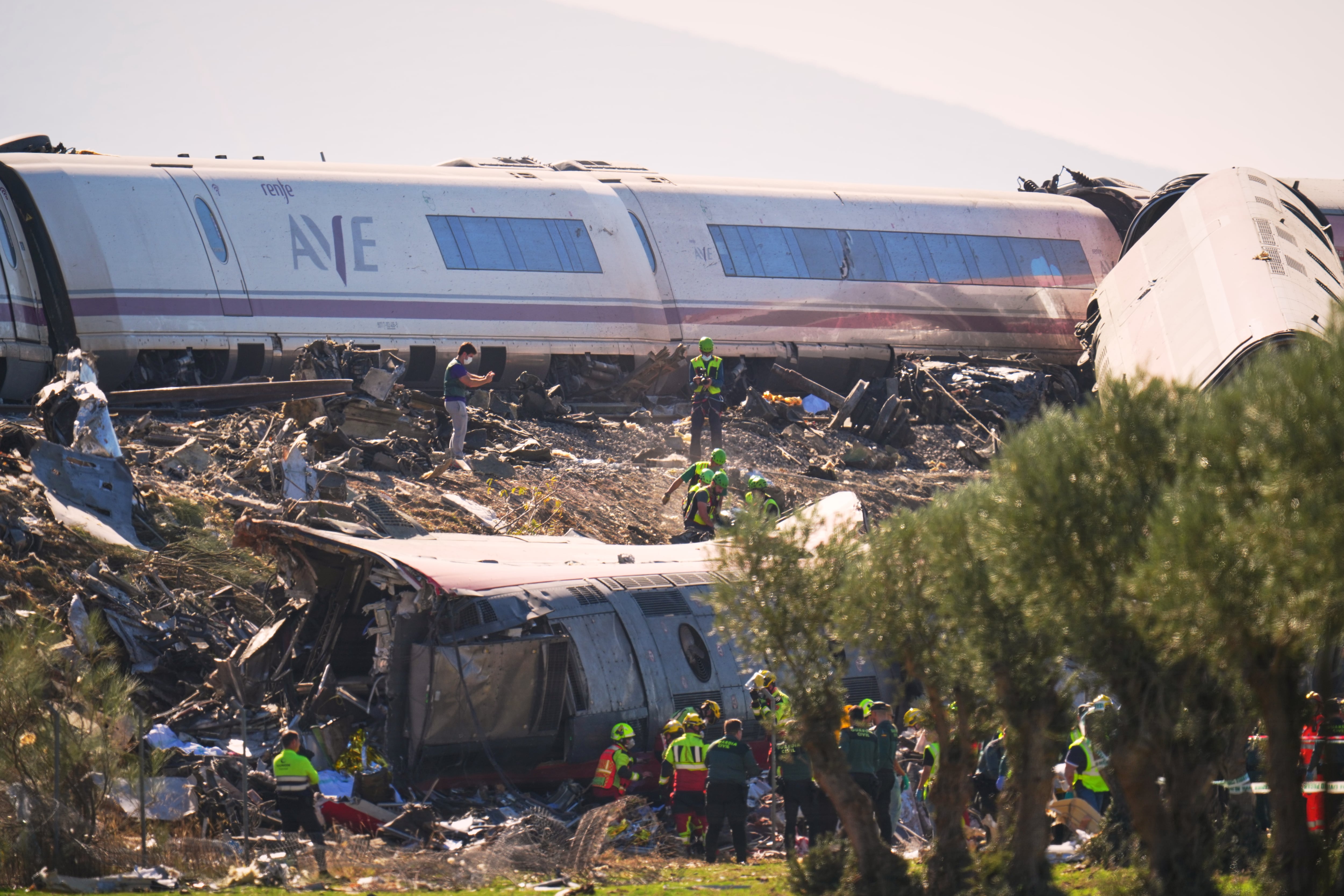
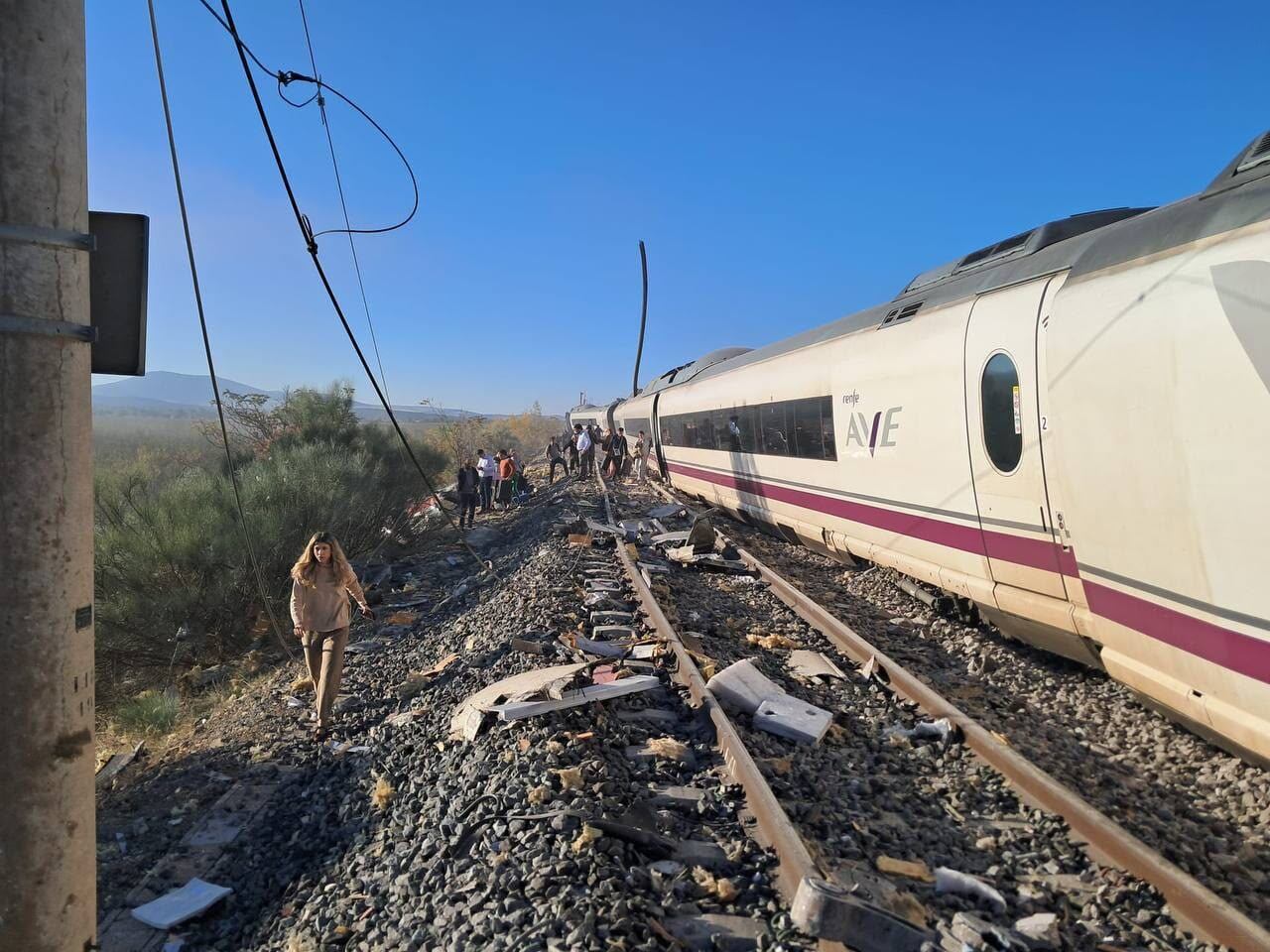
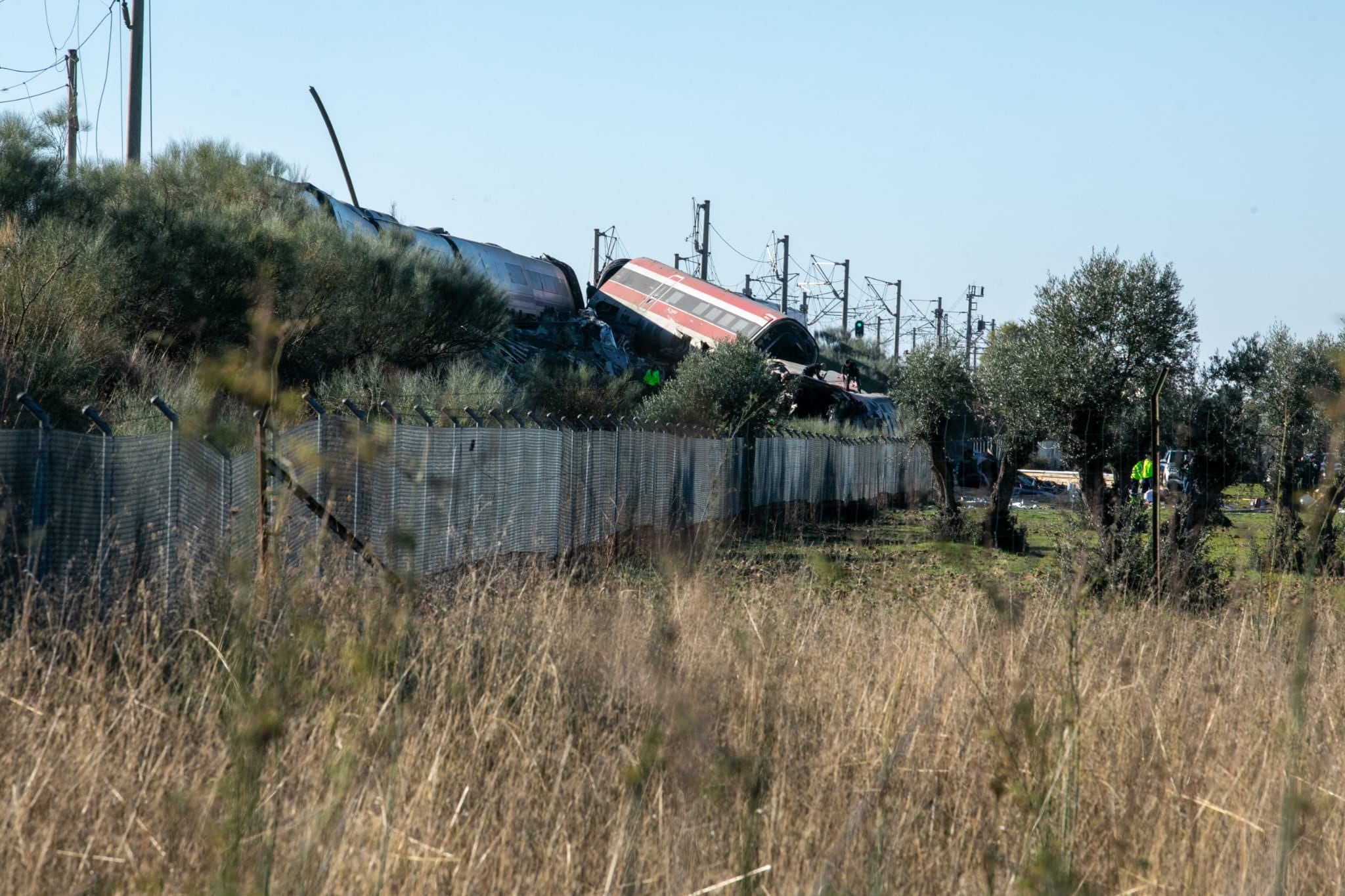
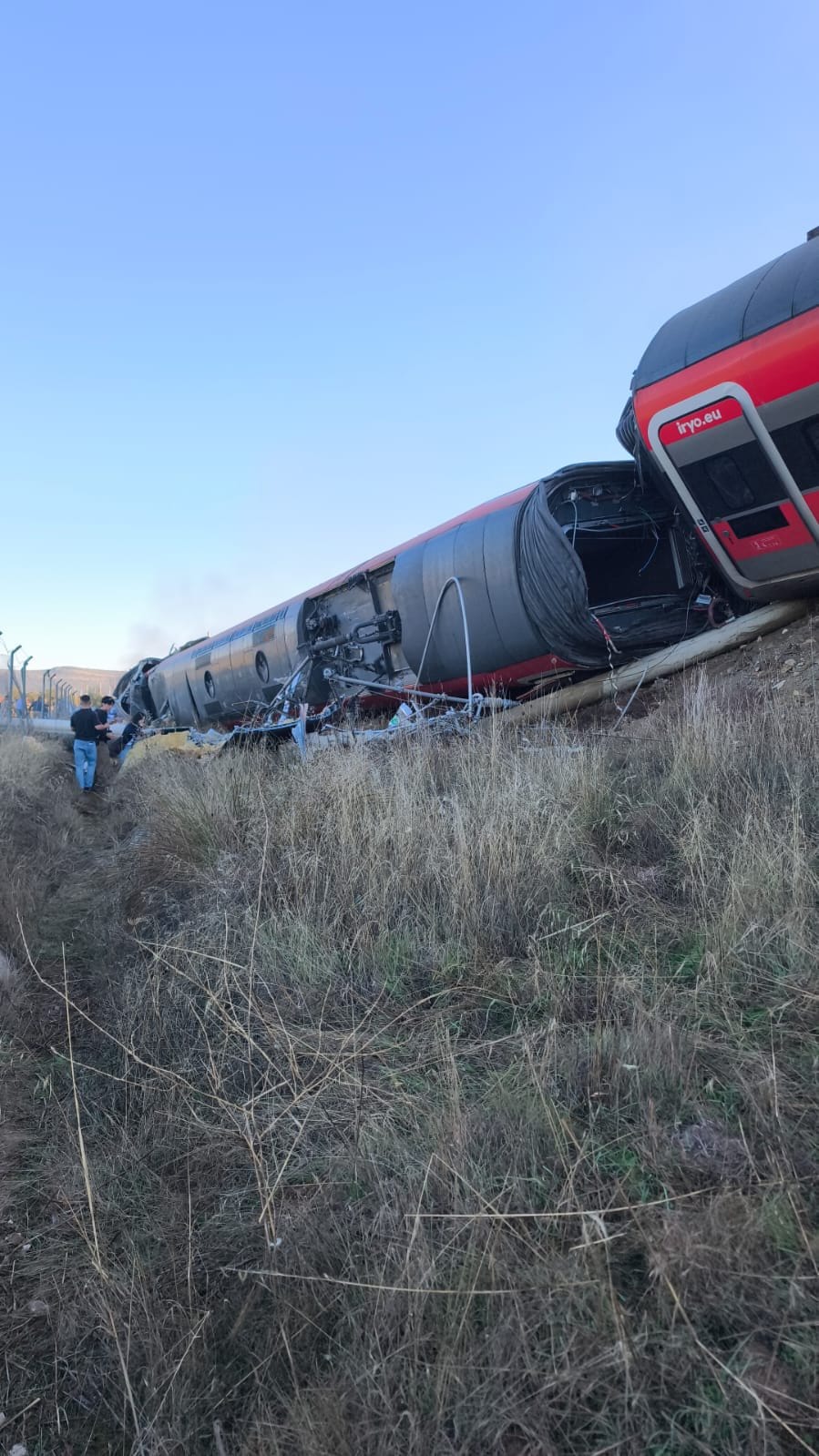
Rescuers working to pull out victims from the train cars that crashed near Urda (Toledo). According to initial reports, the AVE train may have struck the Iryo train from behind, causing two cars of the latter train to derail.
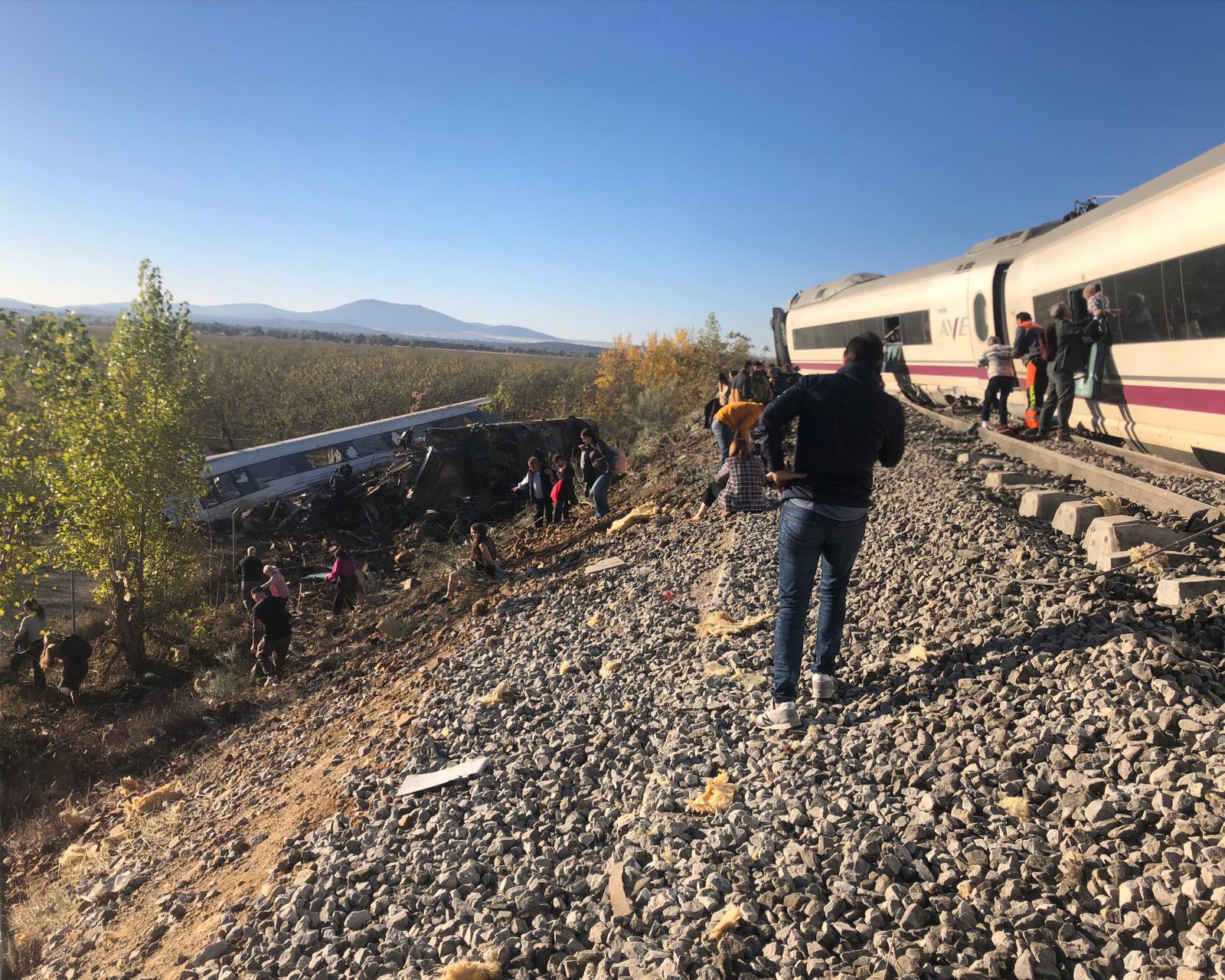
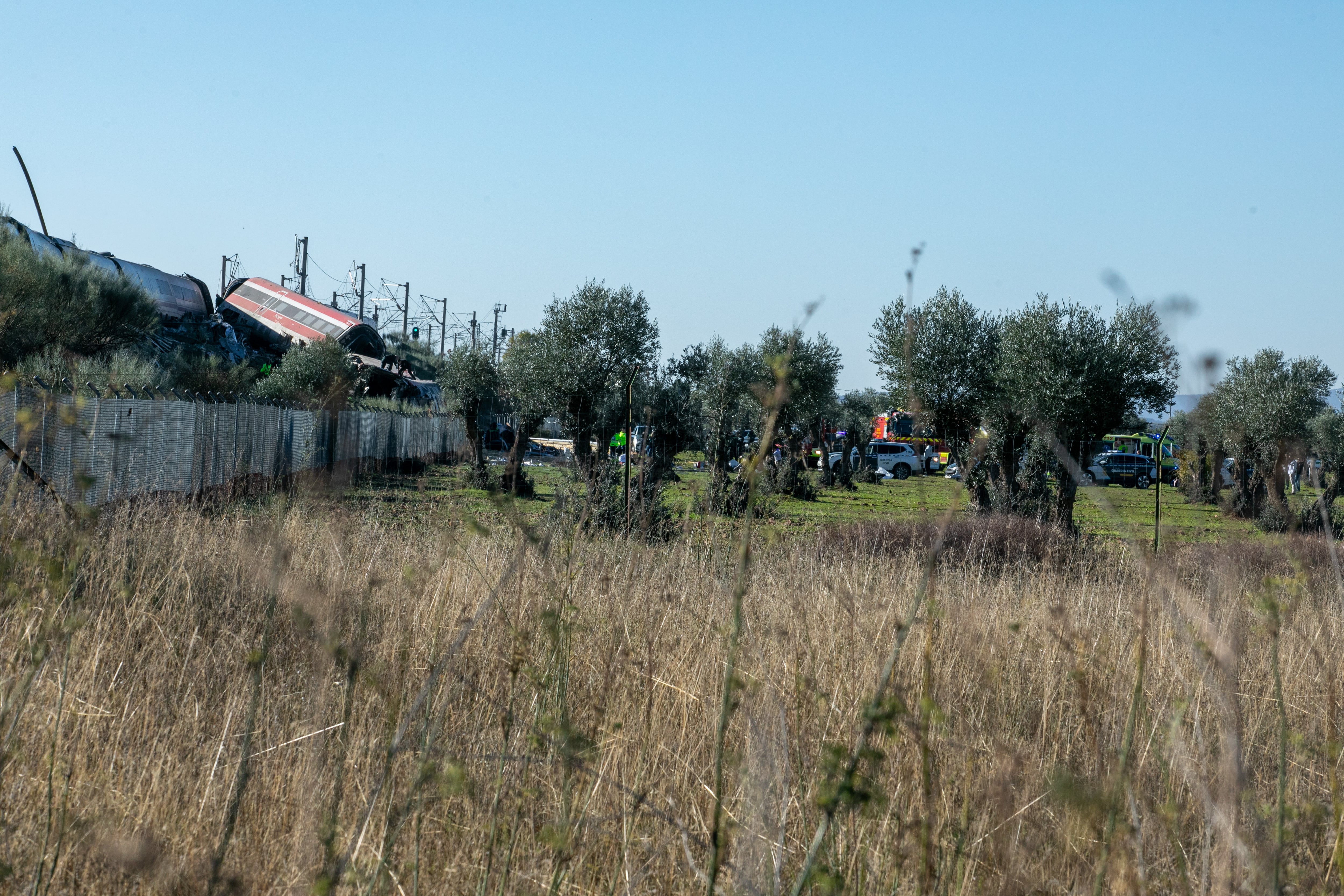
An AVE high-speed train collided with an Iryo train that was stopped on the tracks, according to sources from the emergency services, who indicated that two cars fell down an embankment.
A helicopter from the emergency services at the site of the crash. A passenger traveling in one of the rear cars of one of the trains told EL PAÍS that he felt a “strong impact” about 40 minutes into the trip.
According to initial reports, the AVE train may have struck the Iryo train from behind, causing two cars of the latter train to derail. A passenger, Miguel Ángel Pérez, who had already exited the train, told state broadcaster TVE by phone that the accident was “terrible, indescribable.”
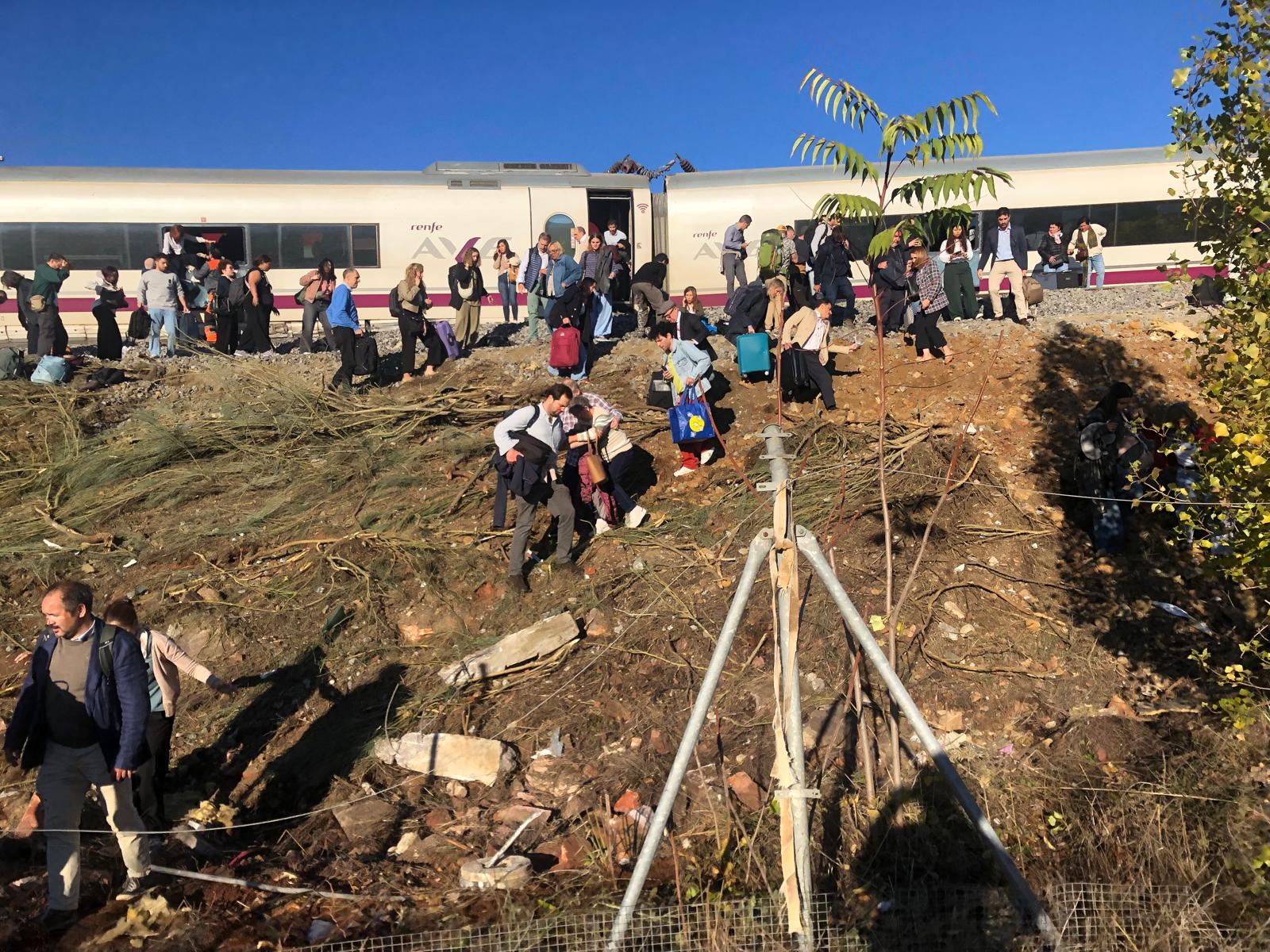
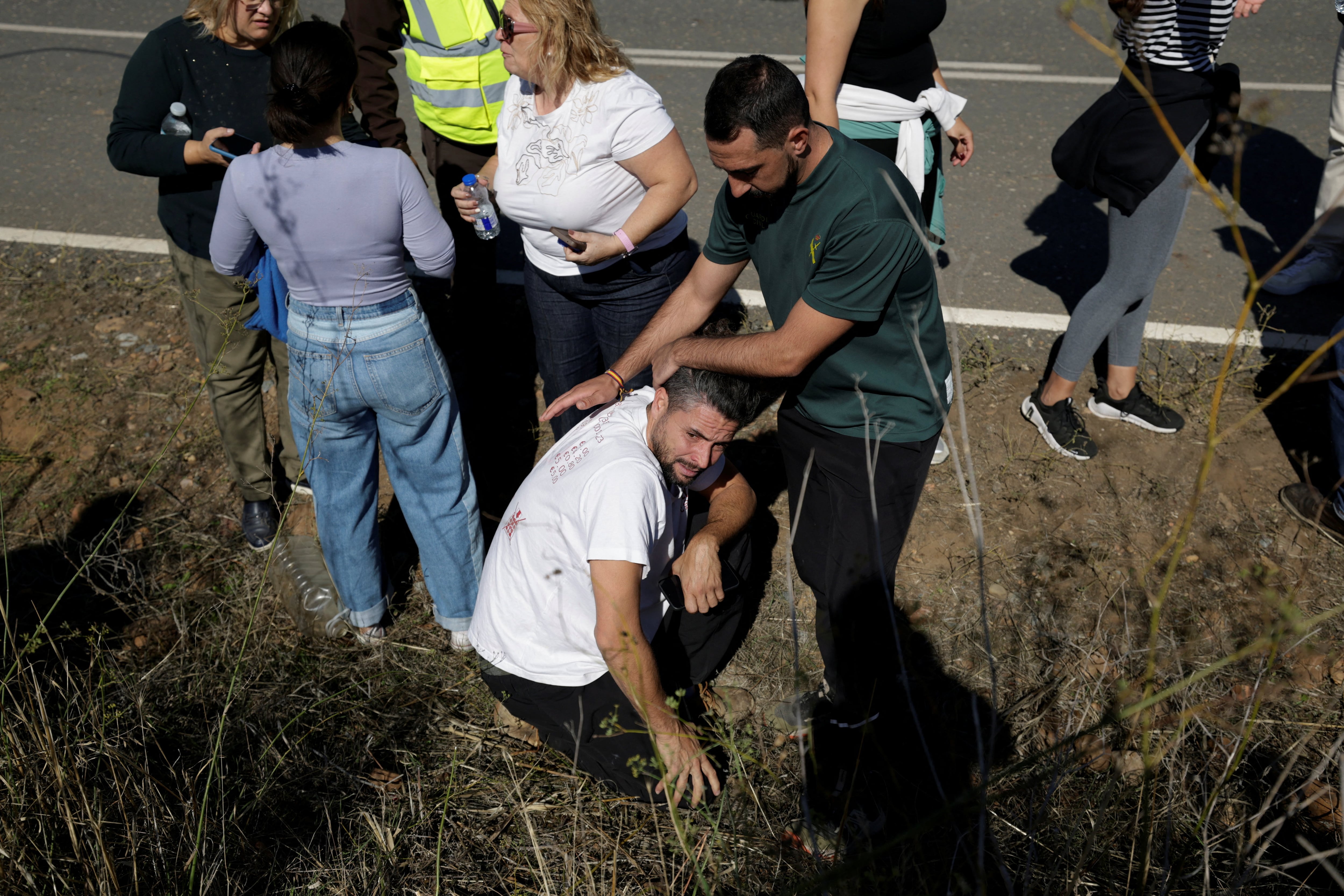
Residents of Urda (Toledo) have reached out to help the passengers of the trains that collided near their town. “We were able to get out of the car by breaking the windows,” said one passenger.
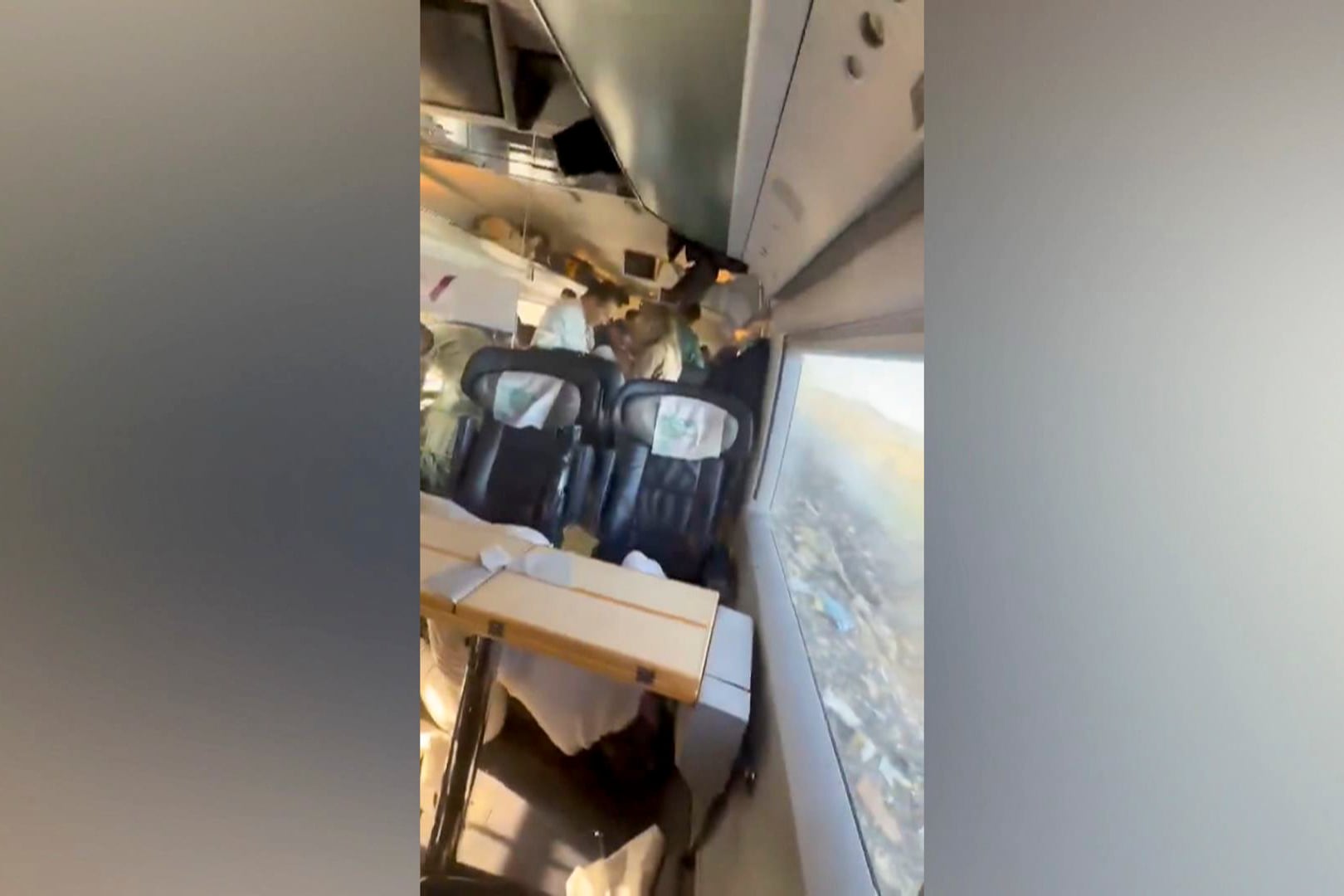
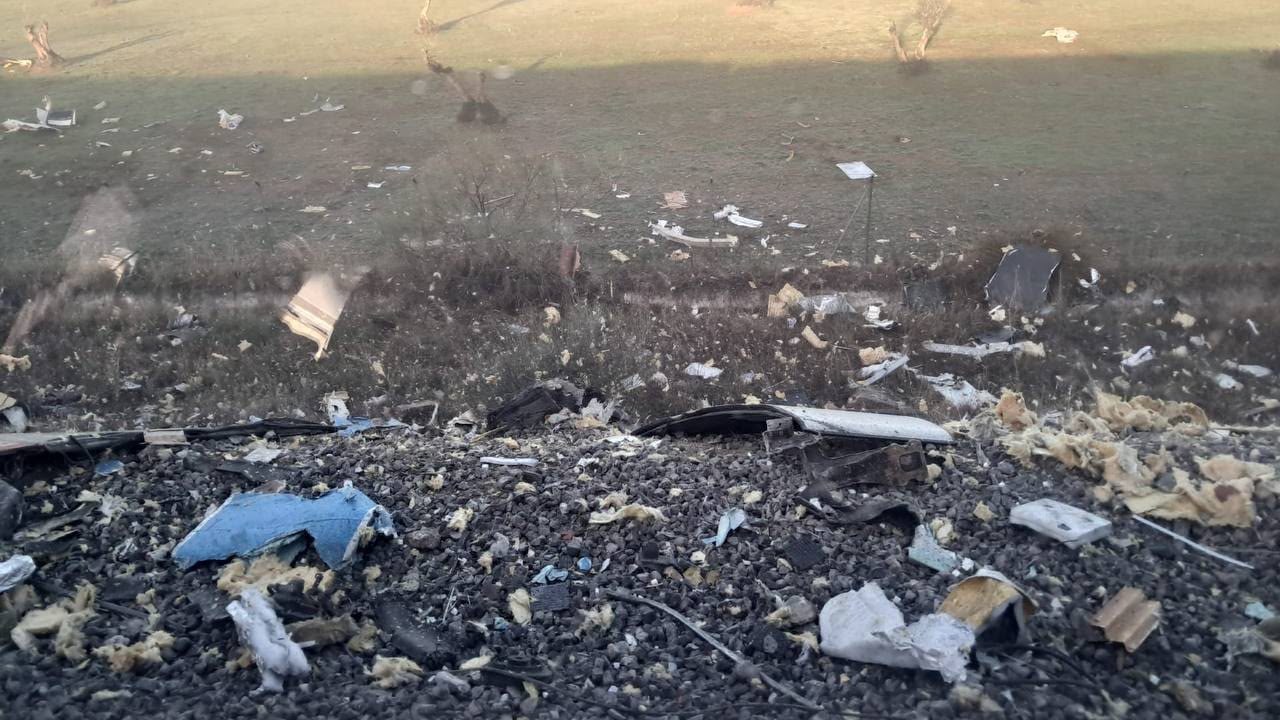
Screenshot of a video taken by one of the passengers inside one of the train cars that crashed. “With the huge impact and the rattling, we started clinging to our seats,” said a passenger named Miguel Ángel Pérez.
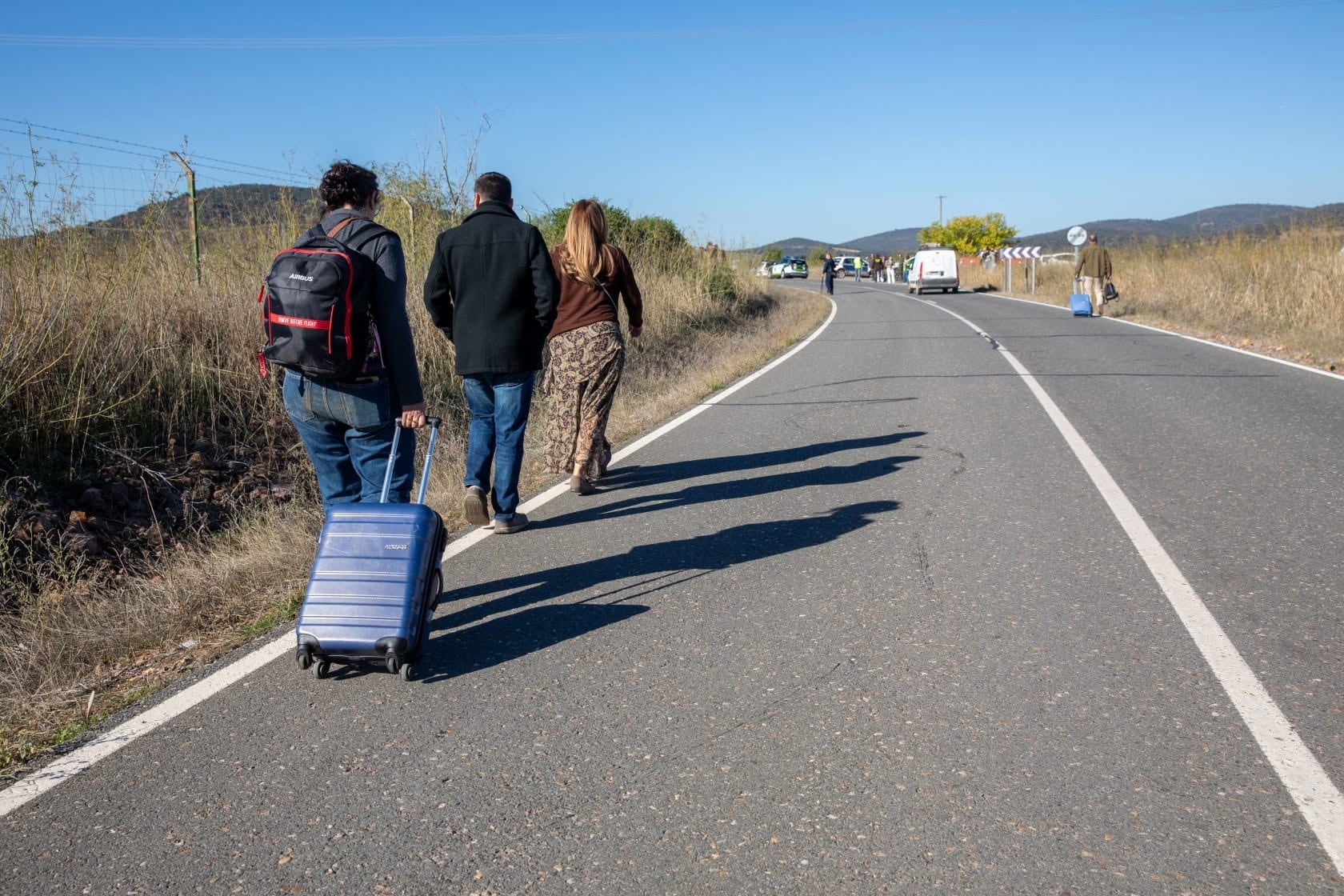
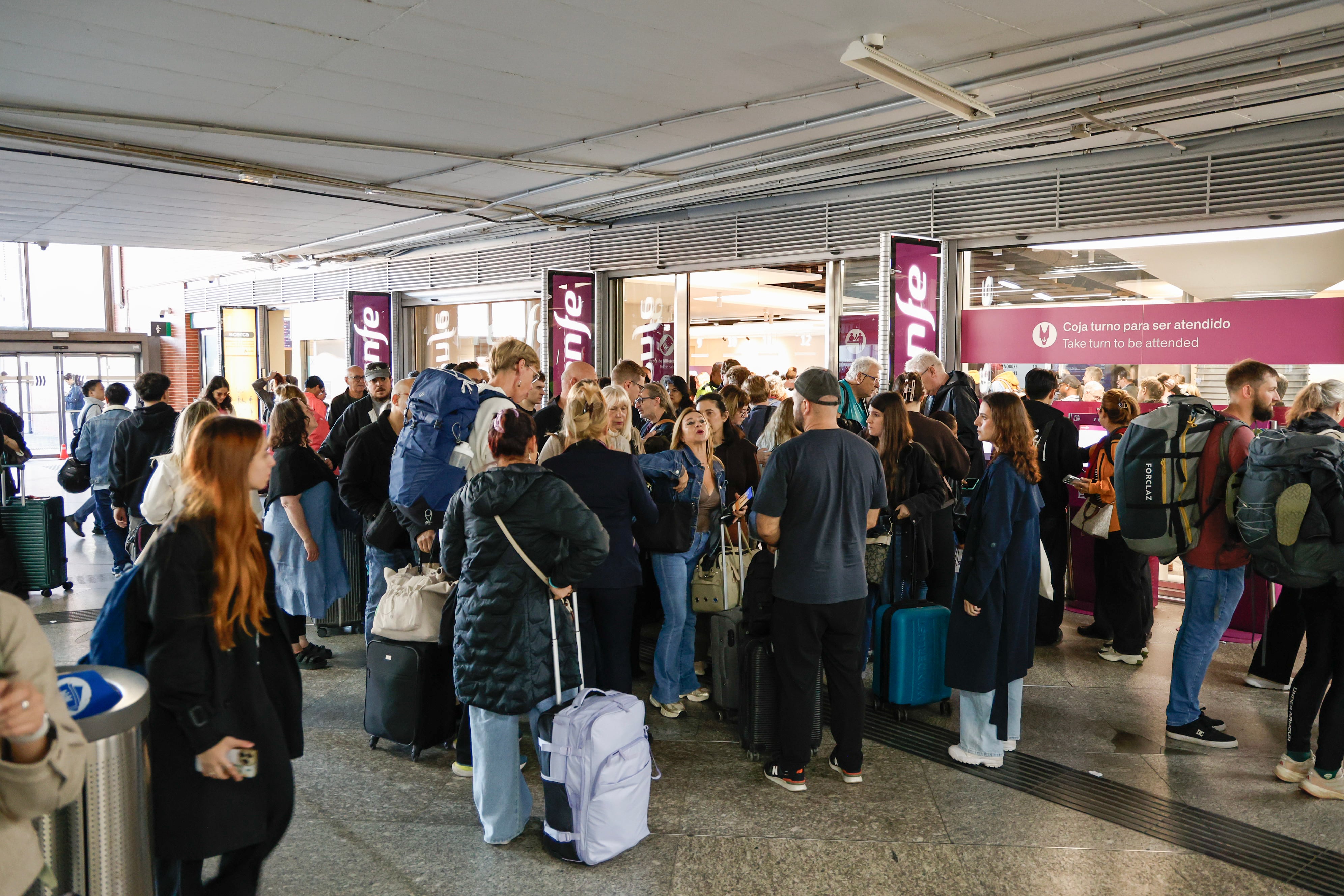
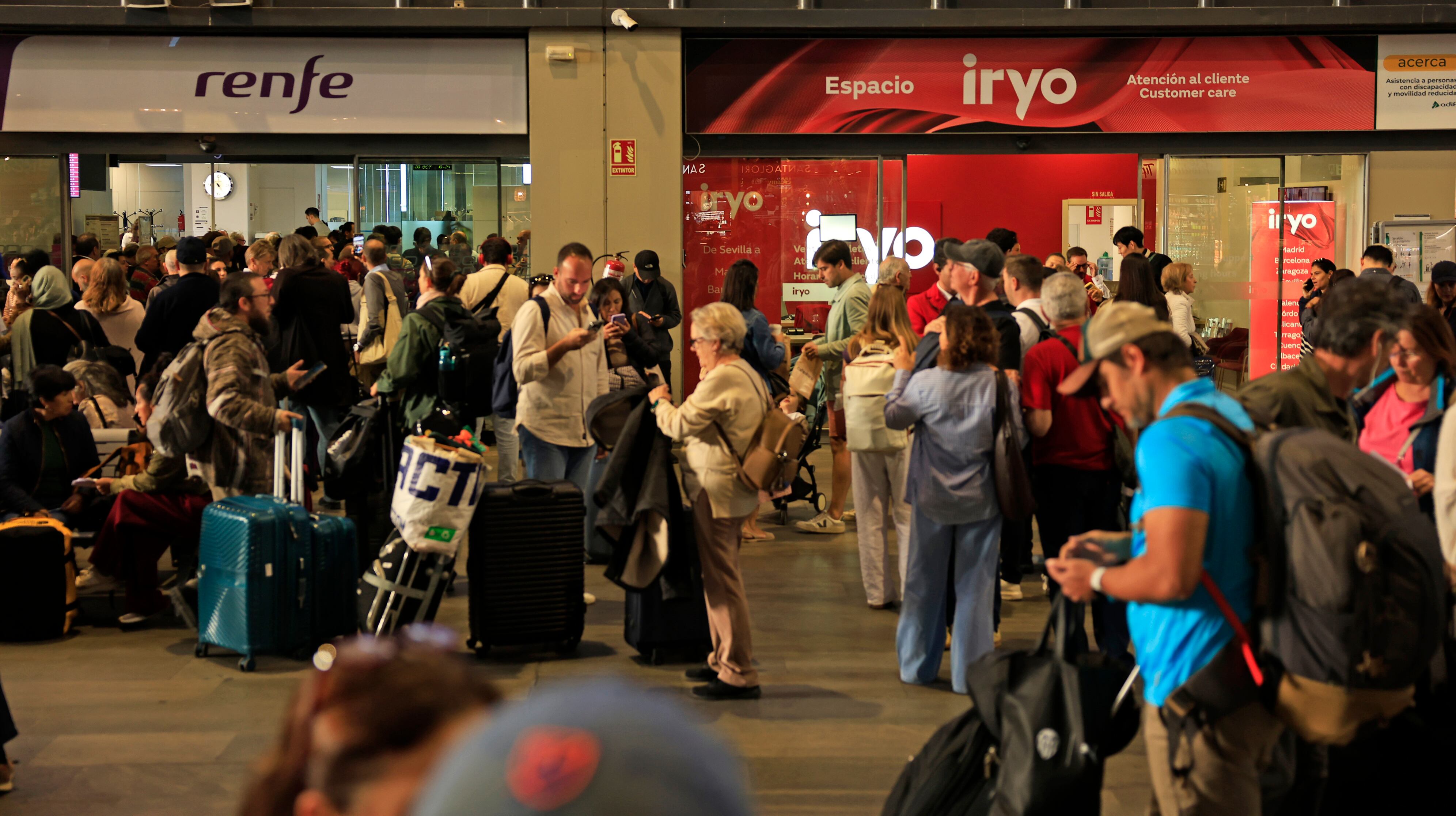
Passengers at Atocha train station in Madrid waiting for information following the railway accident in Urda (Toledo). Traffic was halted on the Madrid-Seville line.
Nine months after the Adamuz accident in Córdoba that claimed 46 lives, the Spanish rail system has suffered another fatal accident. Two trains traveling from Madrid to Seville — one operated by state rail company Renfe and the other by the private company Iryo — collided Wednesday morning between the towns of Mora, Orgaz, and Urda, in Toledo province. The collision has left at least 30 people dead among the 544 passengers traveling on the two trains. Renfe has reported that services between Madrid, Ciudad Real, and Andalusia are currently suspended. Here is what is known so far.
At least 68 people have died in a train accident that occurred Wednesday morning near Urda station in Toledo, Spain, according to the government, which fears there may be more fatalities. “It could be worse than Adamuz [the rail accident in Córdoba that claimed 46 lives on January 18],” government sources said. The authorities also said 80 people had been injured, 50 of them seriously. At least 55 people had been transferred to hospitals in the area, the regional government of Castilla-La Mancha confirmed.
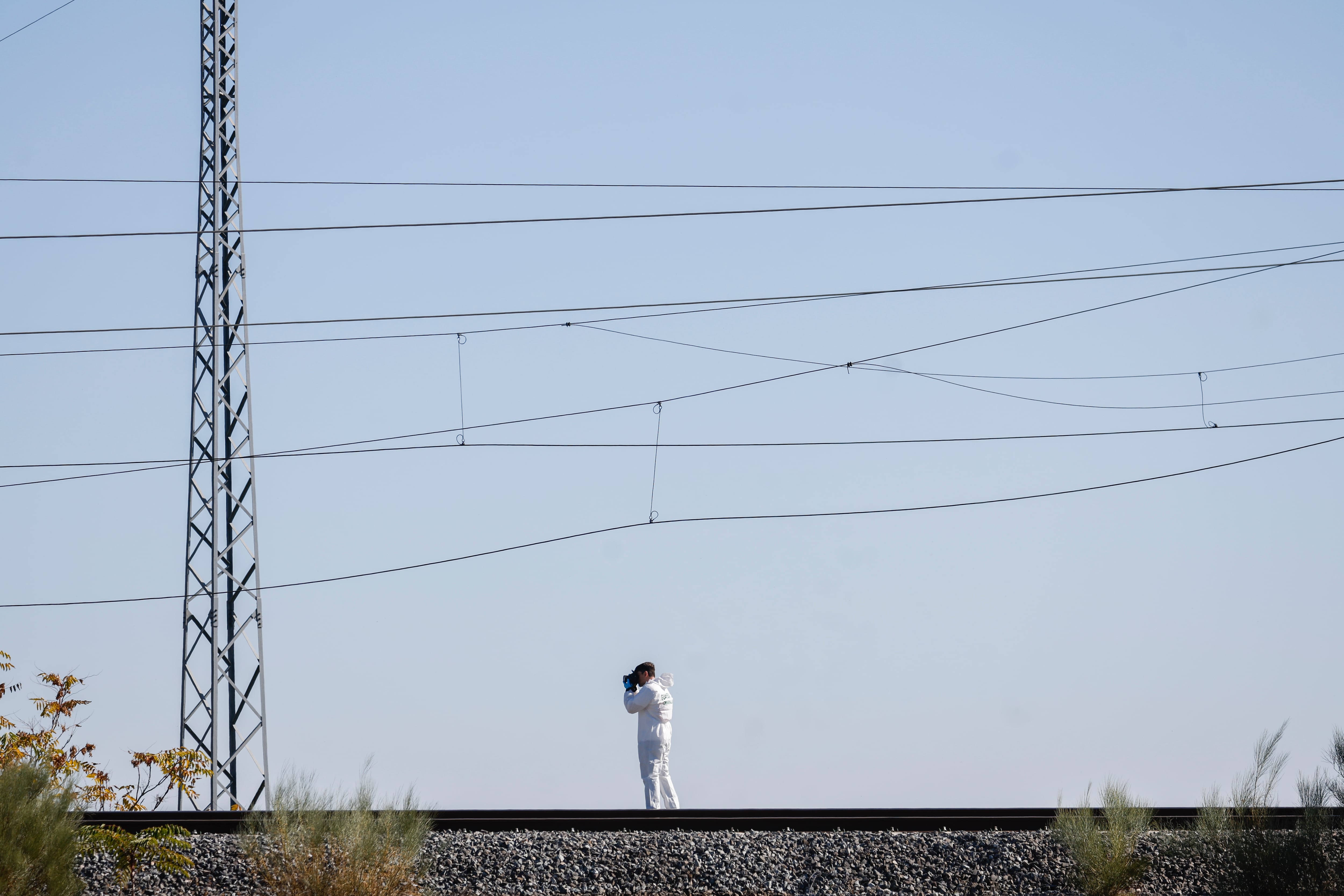
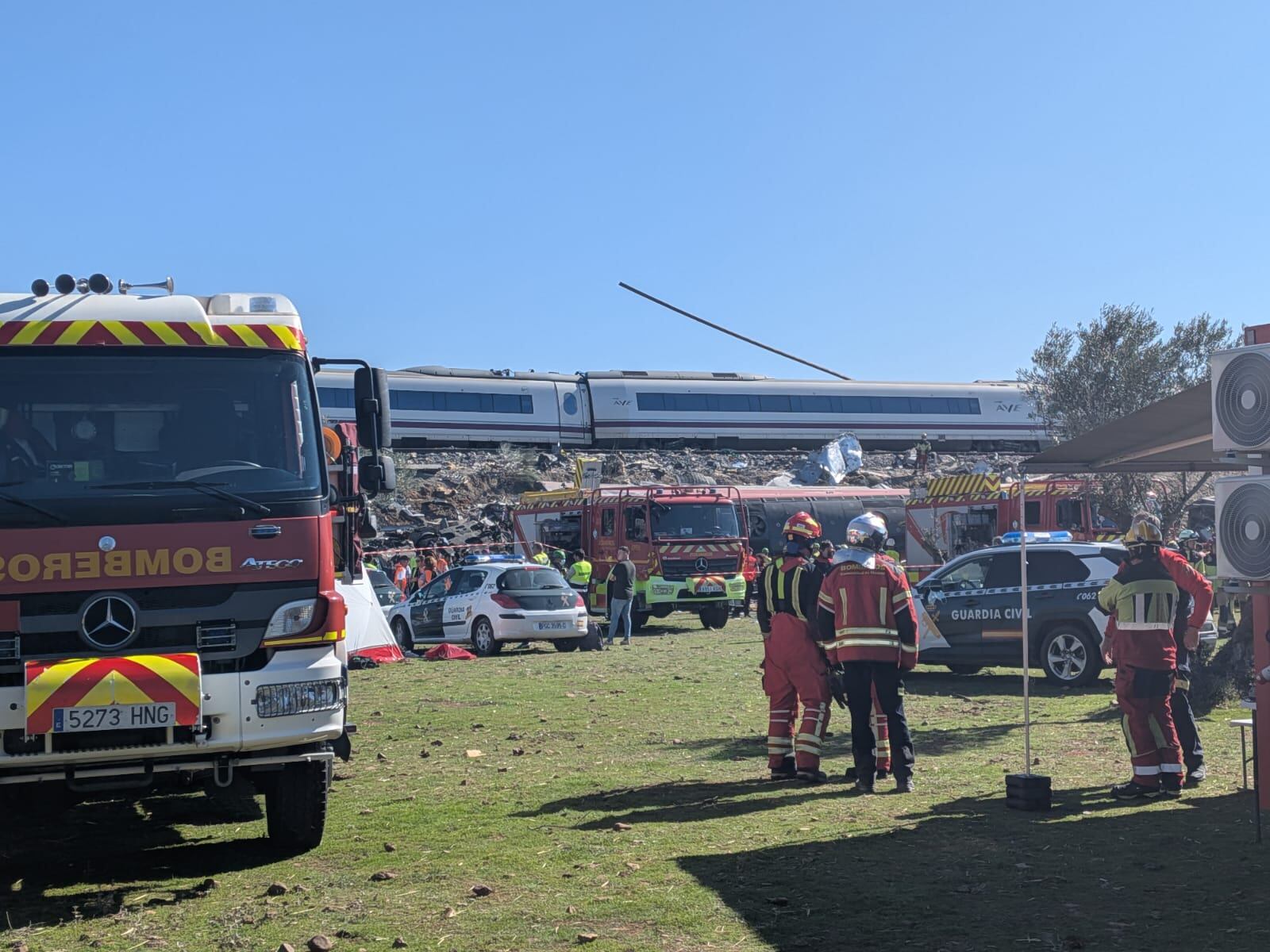
Efectivos de Bomberos, unidades del Equipo de Grandes Catástrofes del Servicio de Criminalística de la Guardia Civil, además de personal de Seguridad Ciudadana, agentes del SEPRONA (medioambientales) y de la Jefatura de Tráfico, en el lugar del accidente ferroviario ocurrido este miércoles en Urda (Toledo).
Los servicios de emergencia atienden a las víctimas del accidente de dos trenes de alta velocidad, uno de Renfe y otro de Iryo, a la altura de la localidad toledana de Urda.
Dos trenes de alta velocidad, uno de Renfe y otro de Iryo, han colisionado a primera hora de este miércoles a la altura de la estación de Urda (Toledo).
Dos trenes de alta velocidad, uno de Renfe y otro de Iryo, han colisionado a primera hora de este miércoles a la altura de la estación de Urda (Toledo).
Vecinos de Urda (Toledo) se movilizan para auxiliar a los pasajeros afectados por el accidente ferroviario registrado entre dos trenes de alta velocidad cerca de su localidad.
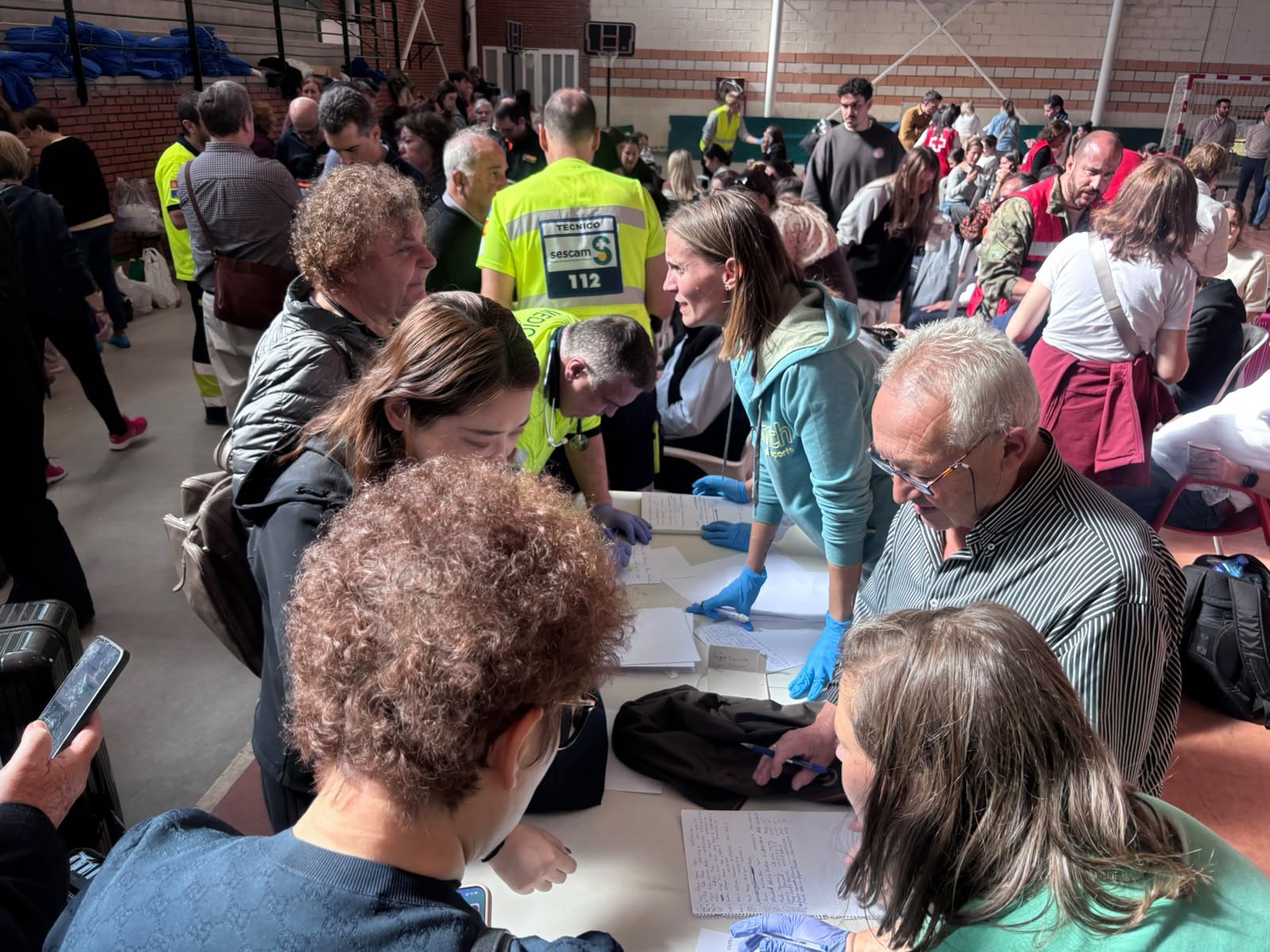
El pabellón municipal de Urda, a ocho kilómetros del lugar del accidente ferroviario, acoge a decenas de heridos, a quienes se identifica para organizar su traslado a hospitales o su recogida por familiares, según su estado.
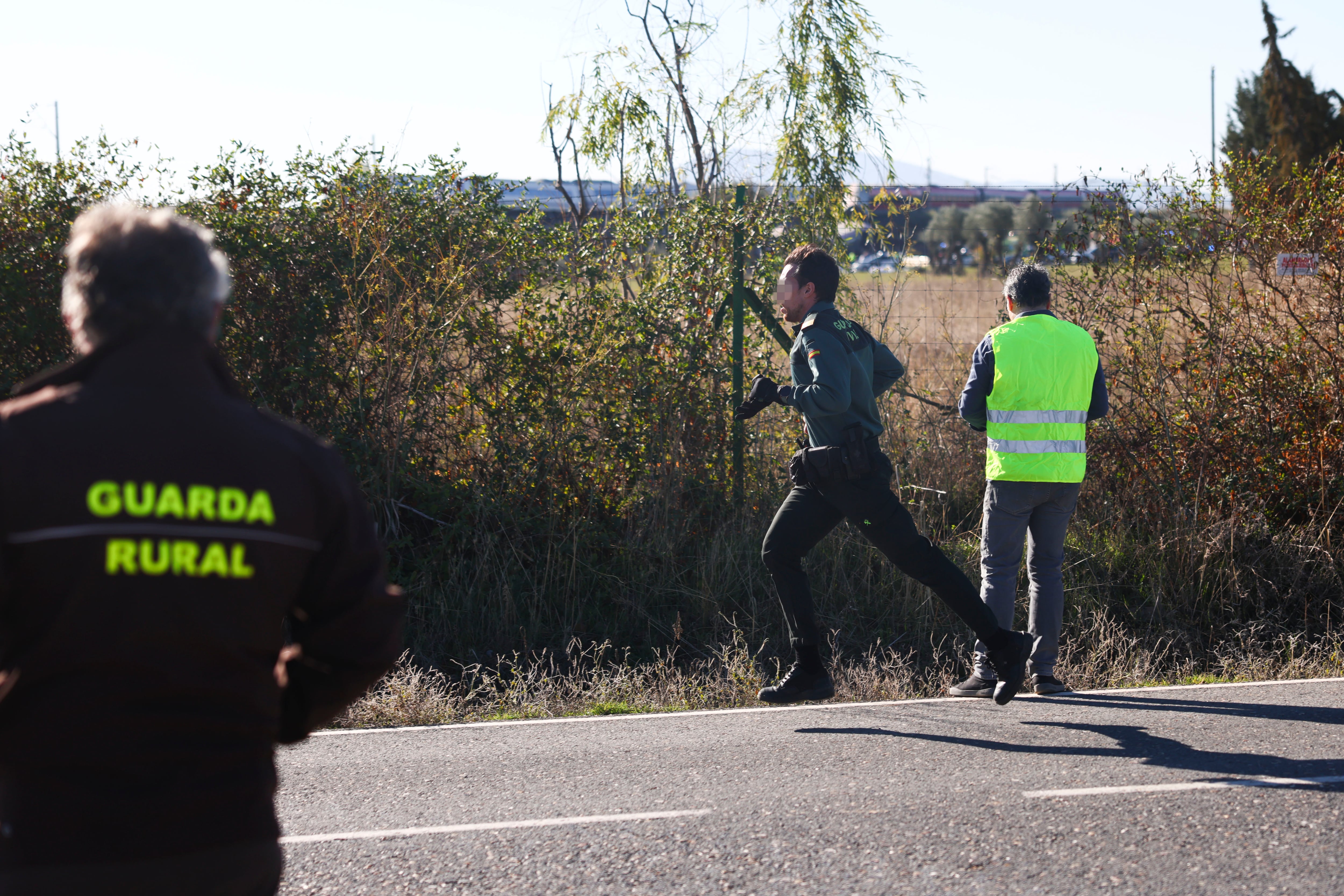
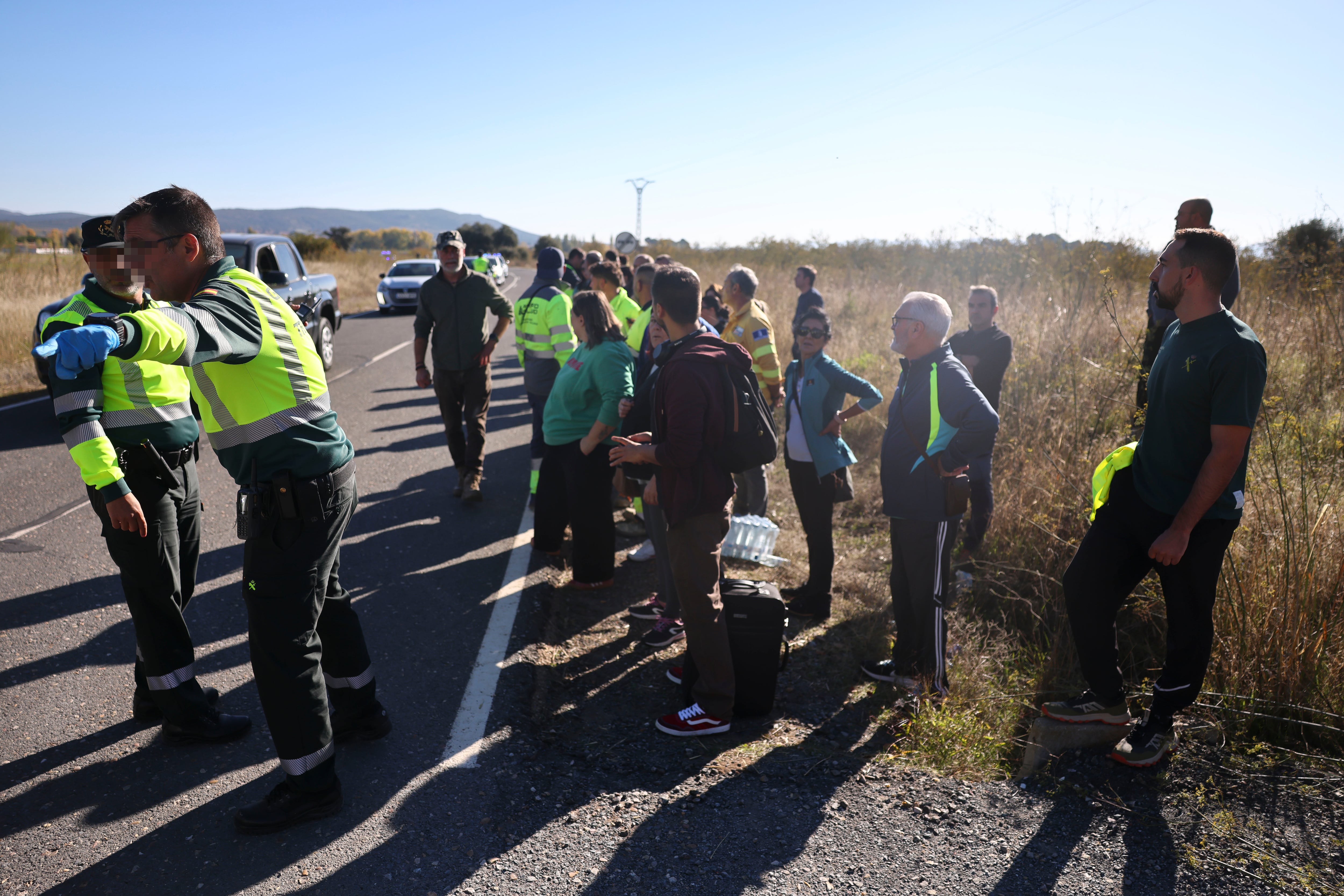
Dispositivo de emergencia desplegado junto a un grupo de viajeros tras el accidente entre dos trenes de alta velocidad en las proximidades de Urda (Toledo).
Miembros de la Guardia Civil y equipos de rescate atienden a un grupo de viajeros tras el accidente ferroviario entre dos trenes de alta velocidad en Urda (Toledo).
Captura de vídeo en la que se aprecian los daños causados por la colisión entre dos trenes de alta velocidad, uno de Renfe y otro de Iryo, a la altura de la estación de Urda (Toledo).
Accidente entre dos trenes de alta velocidad en Urda (Toledo), este miércoles.
Viajeros en la estación de Santa Justa, en Sevilla, tras las incidencias provocadas por el accidente ferroviario entre dos trenes de alta velocidad ocurrido en las proximidades de Urda (Toledo), este miércoles.
EL PAÍS has partnered with language-learning company Gymglish to offer online personalized lessons in Spanish. Readers who sign up before the end of the year will receive a15-day free trial, with no further commitment required.

 Login