Login

‘It’s the inflation, stupid’: US voters sour on the economy despite economic growth
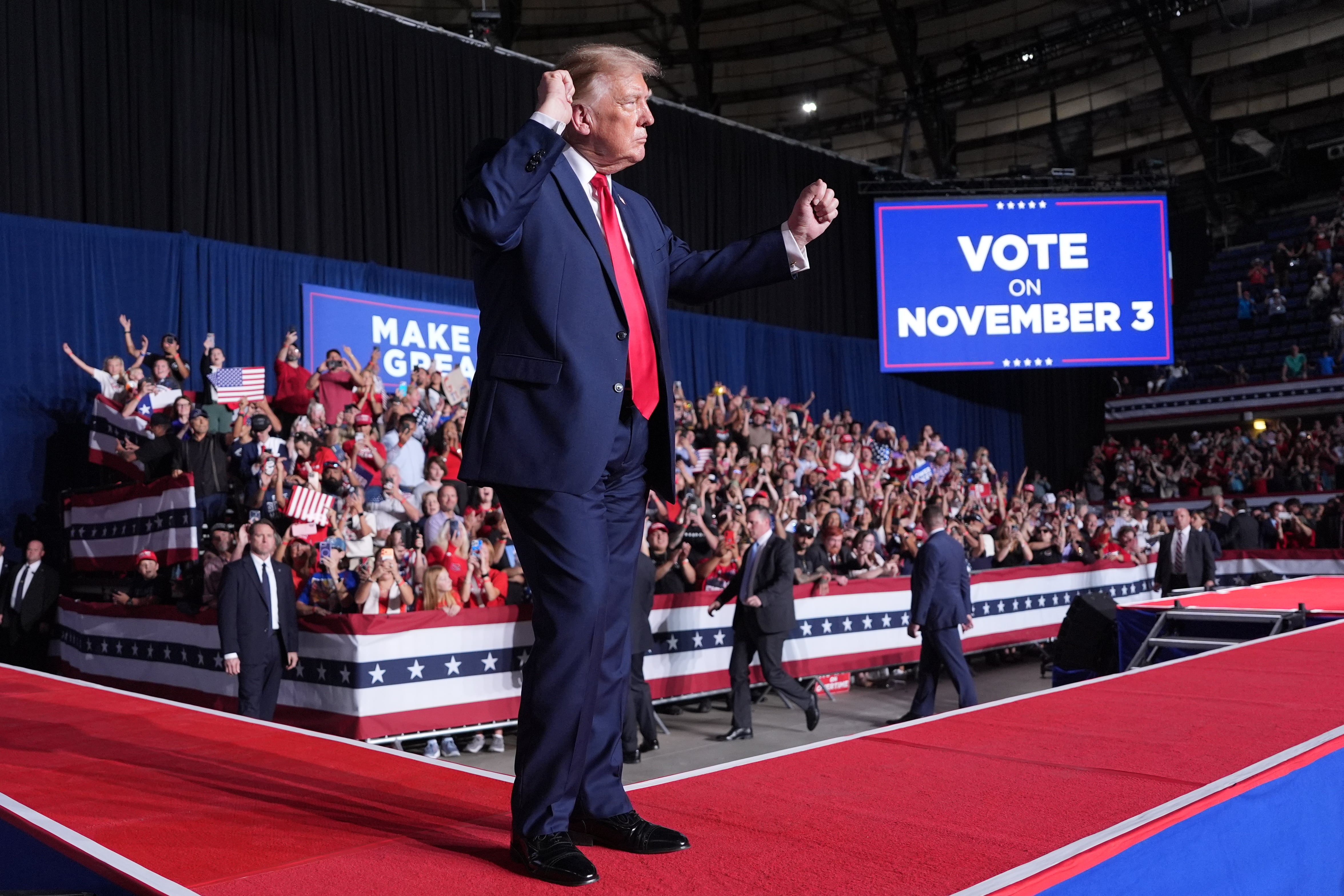
More than 640 days have passed since Donald Trump took the oath of office at the Capitol and delivered a grandiose inaugural address in which he declared: “The Golden Age of America begins right now. From this day forward, our country will flourish and be respected again all over the world.”
The AI boom: Between bubble fears and a new economic paradigm
Artificial intelligence is driving the largest economic transformation in history. Never before has so much money been committed in such a short period of time to developing a new industry, not even during the railroad boom of the late 19th century or the dot-com era. According to a recent study by Stijn van Nieuwerburgh published by the Brookings Institution, investment by the major AI labs is expected to reach $10.3 trillion by 2032, equivalent to 3.6% of GDP.
The U.S. Data Center Map, which tracks activity across the sector, lists 5,098 facilities and projects nationwide: 3,172 operational, 400 under construction, and 1,199 planned, with a combined capacity of 395.1 gigawatts. Goldman Sachs estimates that AI investment alone will amount to 1.9% of U.S. GDP this year.
The sector is already having a visible impact on the economy, but it has also generated social unease over the effects of these facilities. "Most capital spending, which could reach $800 billion this year, is going toward the construction of massive data centers," notes Jared Franz, an economist at Capital Group. "This level of investment gives a strong boost to the U.S. economy. In fact, I believe we are underestimating the potential impact of the AI boom.”
Franz believes GDP growth could be underestimated by between 0.5 and 1 percentage point. Major companies are engaged in a frenzied investment race that has produced some of the most spectacular stock market debuts in history. Analysts have begun warning about the risk of a bubble, pointing to an ecosystem of highly leveraged companies with close ties to one another.
Policymakers, however, are pinning their hopes on the substantial productivity gains that artificial intelligence could deliver once the industry reaches full maturity.
© KENT NISHIMURA (AFP / GETTY IMAGES) (EL PAÍS)