❌

Reading view

Flávio Bolsonaro flees to the United States after election defeat to Lula

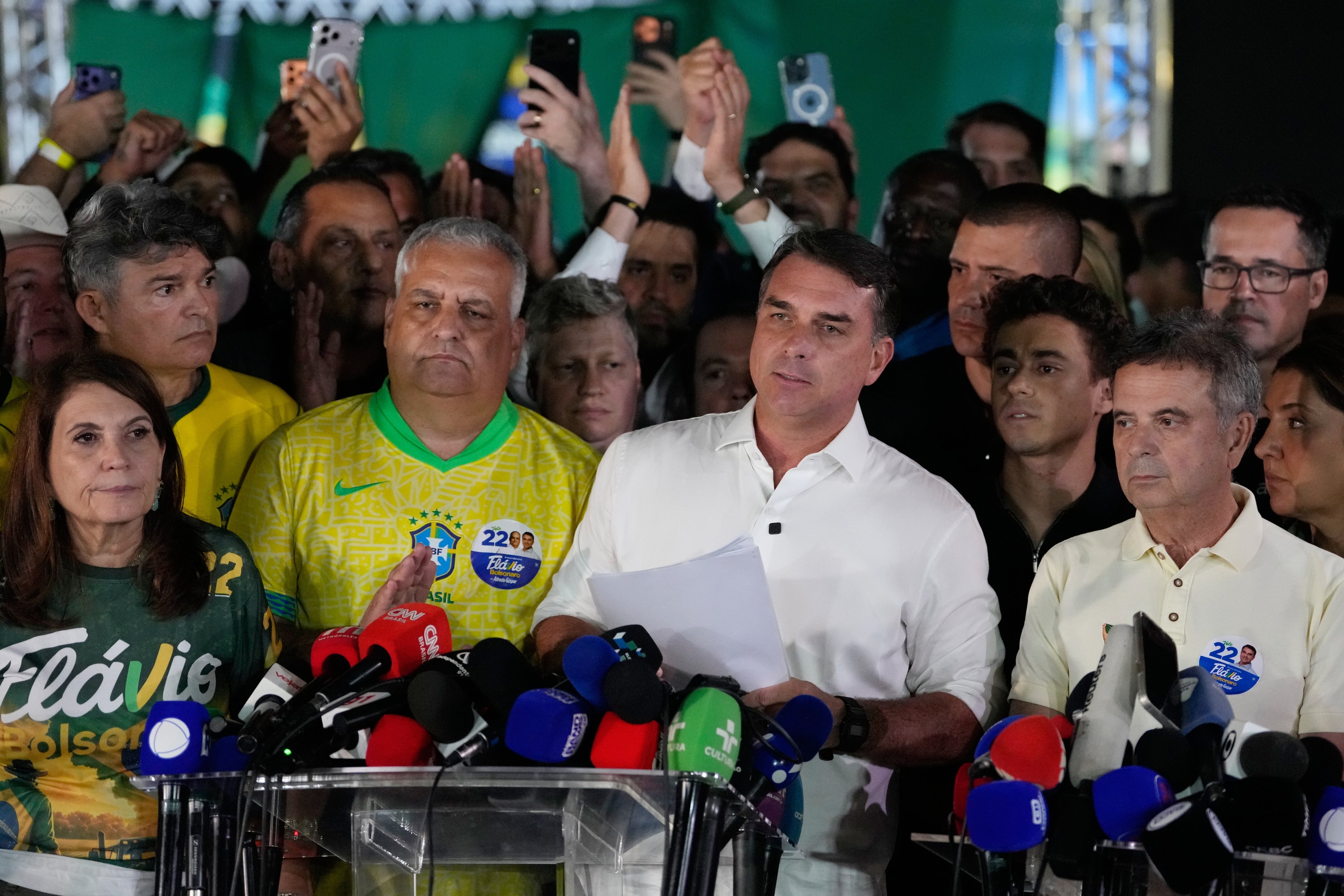
Just days after his defeat in Brazil’s presidential election, Flávio Bolsonaro has fled Brazil for the United States. The U.S. State Department announced it would issue visas to the far-right leader and his family to allow them to enter the United States. The move had already been anticipated by people with close ties to Bolsonaro who spoke with Brazilian media outlets on a day full of rumors and speculation. According to O Globo, Bolsonaro landed in Miami last night.
Seguir leyendo

© Associated Press/LaPresse (APN)

Flávio Bolsonaro holds a press conference in Brasilia after his election defeat on Sunday.


Associate Press/ LaPresse
Only Italy and Spain

  •  

Can one AI tell if another has written a novel? The Pangram debate, explained

A user tests the Pangram app for detecting AI-generated text.

The Spanish-language literary world is facing a new crisis — one other fields have been dealing with for years: the mass arrival of AI and how to live with it. EL PAÍS revealed on Friday that Pangram, one of the most highly regarded detectors, found that 99% of the novel Donde el agua trabaja (Where Water Works), by Peruvian writer David Silva Rojas, was AI-generated text. The manuscript won the inaugural Almadía Ventosa-Arrufat International Short Novel Prize in July 2026, a €20,000 ($22,000) award paid as an advance against royalties.

Seguir leyendo

  •  

An app to preserve Palestinian memory

The genocide against Palestinians is also a story of looters determined to erase a people from history and of archivists who emerged from the need to protect that legacy. “It has been a continuous battle: us archiving and them looting,” says Amer Shomali, director of the Palestine Museum (Birzeit, West Bank), referring to the plundering of national archives, private collections, and materials belonging to Palestinian intellectuals since 1948. “But the digital archive is designed in such a way that it is impossible to destroy. Even if they bomb the museum, the archive will survive,” he says by video call, sounding as if he knows copies of this repository are well safeguarded.

Seguir leyendo

© Museo Palestino (EL PAÍS)

Images and documents that are part of the Palestine Museum Digital Archive.
  •  

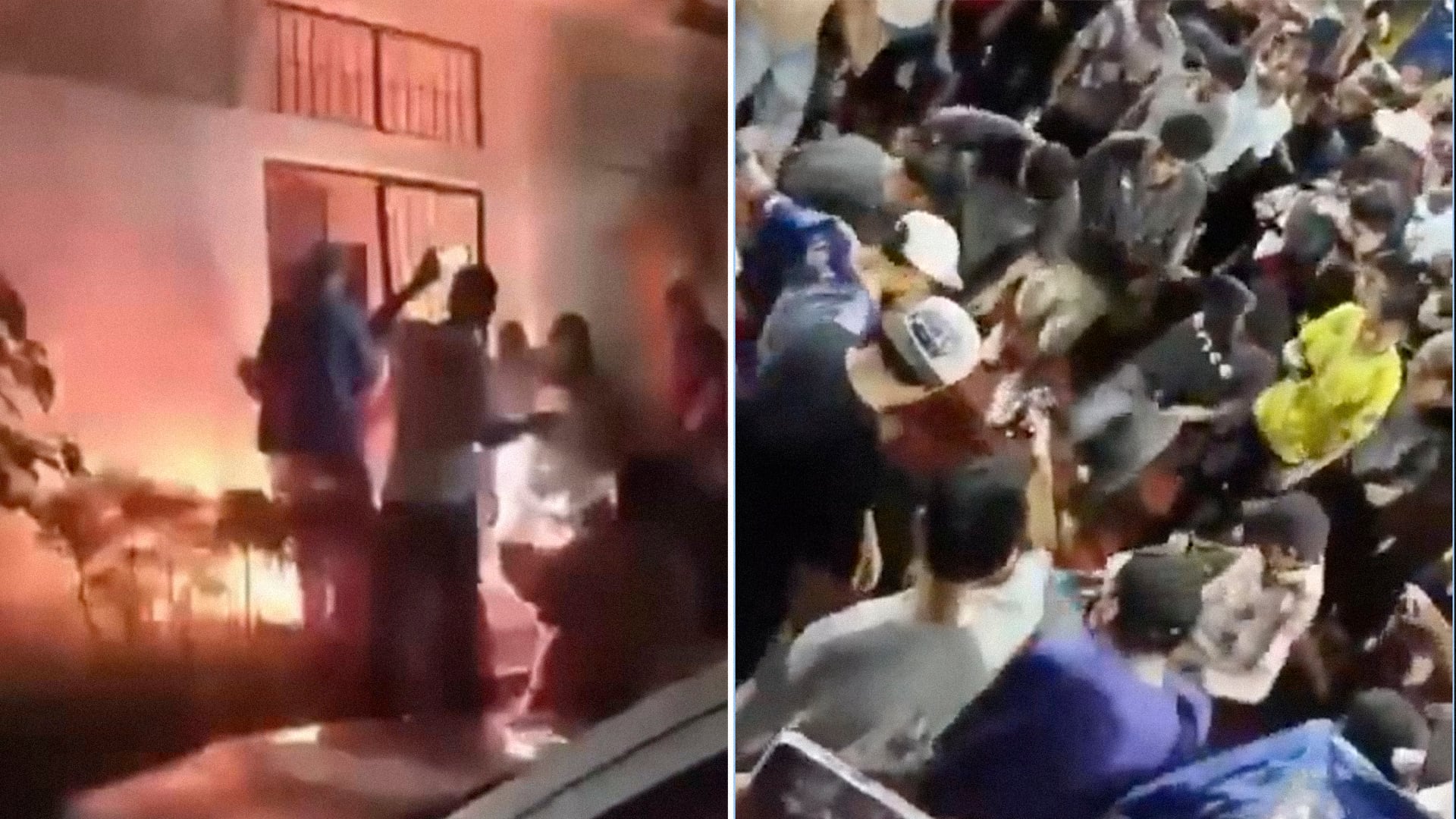
A double femicide and a lynching force Mexico to confront its cycle of violence

In photographs, she is seen smiling or hugging her grandmother, celebrating her ninth birthday and eating an ice cream. Ariana Velázquez’s dream was to work in the countryside, but she disappeared a week ago and was found dead only a few days later, along with Miriam Cruz, 55, the woman who appears beside her in almost all the pictures.

Seguir leyendo

A mob breaks into the Ostuacán police station in Chiapas on October 25.
  •  

‘Desire hooks more than falsehoods’: how shirtless youths helped secure Lula’s victory in Brazil

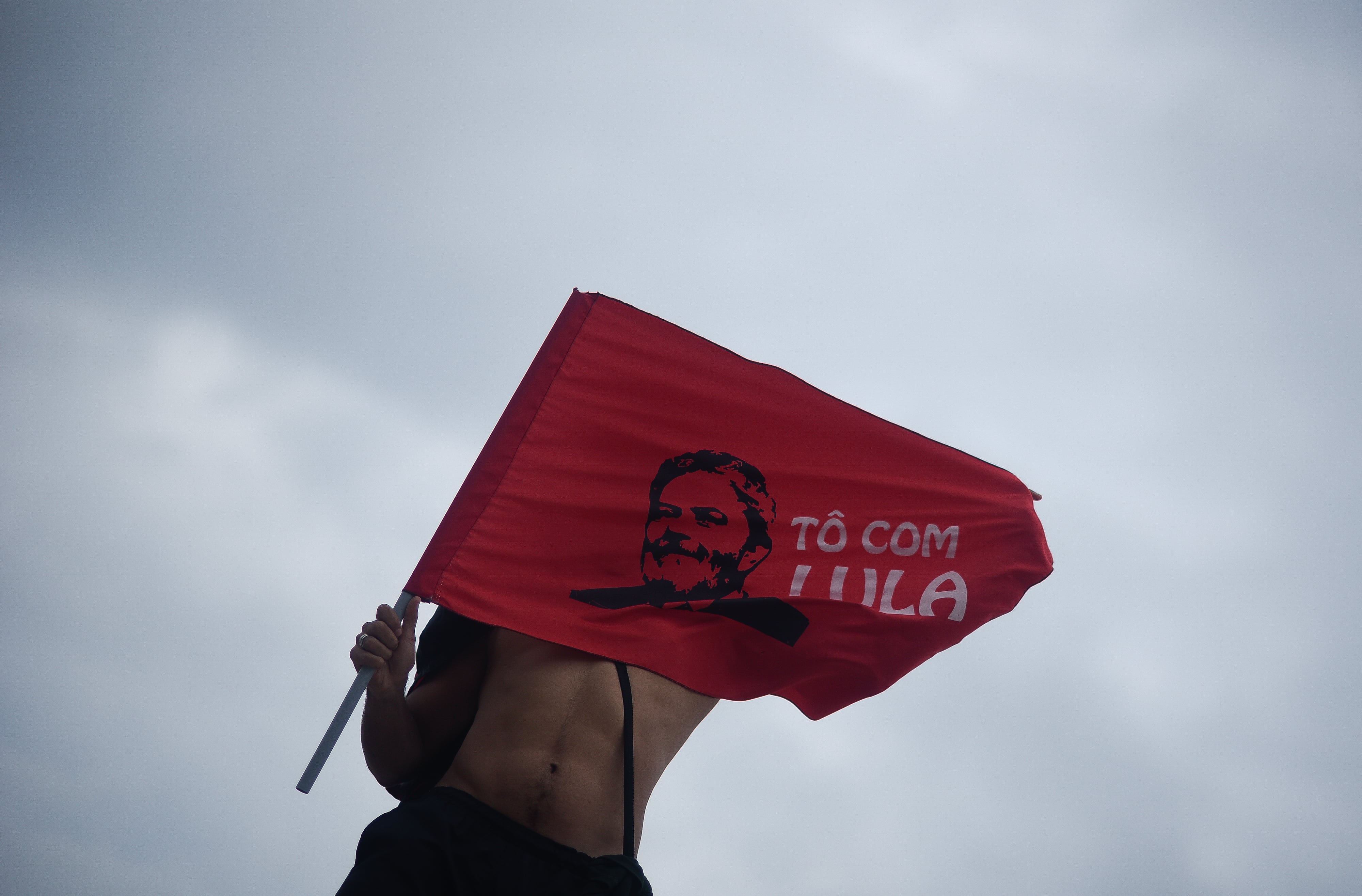
In October 2026 a statuesque young man, shirtless and wearing gray sweatpants and a mask, waved a pro‑Lula flag and a Palestinian flag atop a structure at Trianon‑Masp metro station on Avenida Paulista in São Paulo, during a pro‑democracy march. The moment was caught on camera and the image spread like wildfire. The photograph of the young man at the rally became a symbol of the Brazilian election campaign, offering what looked like a perfect formula whose ingredients were physical beauty, a certain fetish, political conviction and an instant mystery — and internet users, skilled at spotting whoever is struck by the viral wand, were quick to identify him. He was Israel Augusto, christened “o gostoso da Paulista” (the hottie of Paulista), who has nearly 400,000 followers on Instagram.

Seguir leyendo

© Anadolu (Anadolu via Getty Images)

A shirtless youth with a flag supporting Lula da Silva at Copacabana Beach in Rio de Janeiro on October 12.
  •  

André Janones, the WhatsApp ‘general’ who turned the Brazil election around for Lula

The night Luiz Inácio Lula da Silva won his fourth term, among veteran ministers and old and new allies of the Workers’ Party, there was a man who never left the president’s side and whom almost no one outside Brazil would recognize. He stood out for his big white smile and for being the only one wearing the national team’s yellow jersey. He was André Janones, a lawmaker turned general of a digital army without which Sunday’s historic comeback cannot be understood. A former bus fare collector who had spent three weeks issuing orders via WhatsApp to nearly 11 million Brazilians to tame the algorithm and help the left’s digital communications make, in a few days, a leap they had not achieved in years. “I want to call up the new figure of this campaign, our General Janones,” Lula said from the stage on Avenida Paulista as he celebrated his unexpected victory. “A hug, general.” The crowd replied in chorus: “Janones, warrior of the Brazilian people!”

Seguir leyendo

© Ricardo Stuckert (Presidencia Brasil)

André Janones and Luiz Inácio Lula da Silva in Brasília on October 22.
  •  

The responsibility of democracies toward global health

I had to be dismissed by the Trump administration in 2025 before I truly understood how fragile the fabric of our society in the United States had become. Values we had long regarded as universal — such as ending world hunger, HIV, malaria, and neglected tropical diseases — suddenly became political bargaining chips. I never imagined the day would come when my country would abruptly and recklessly cut off supplies of medical equipment, emergency food, and rape kits destined for some of the world’s poorest people, with a death toll that is hard to calculate.

Seguir leyendo

© NurPhoto (NurPhoto via Getty Images)

A woman and a girl protect themselves from mosquito bites in Tehatta, West Bengal (India), on August 20.
  •  

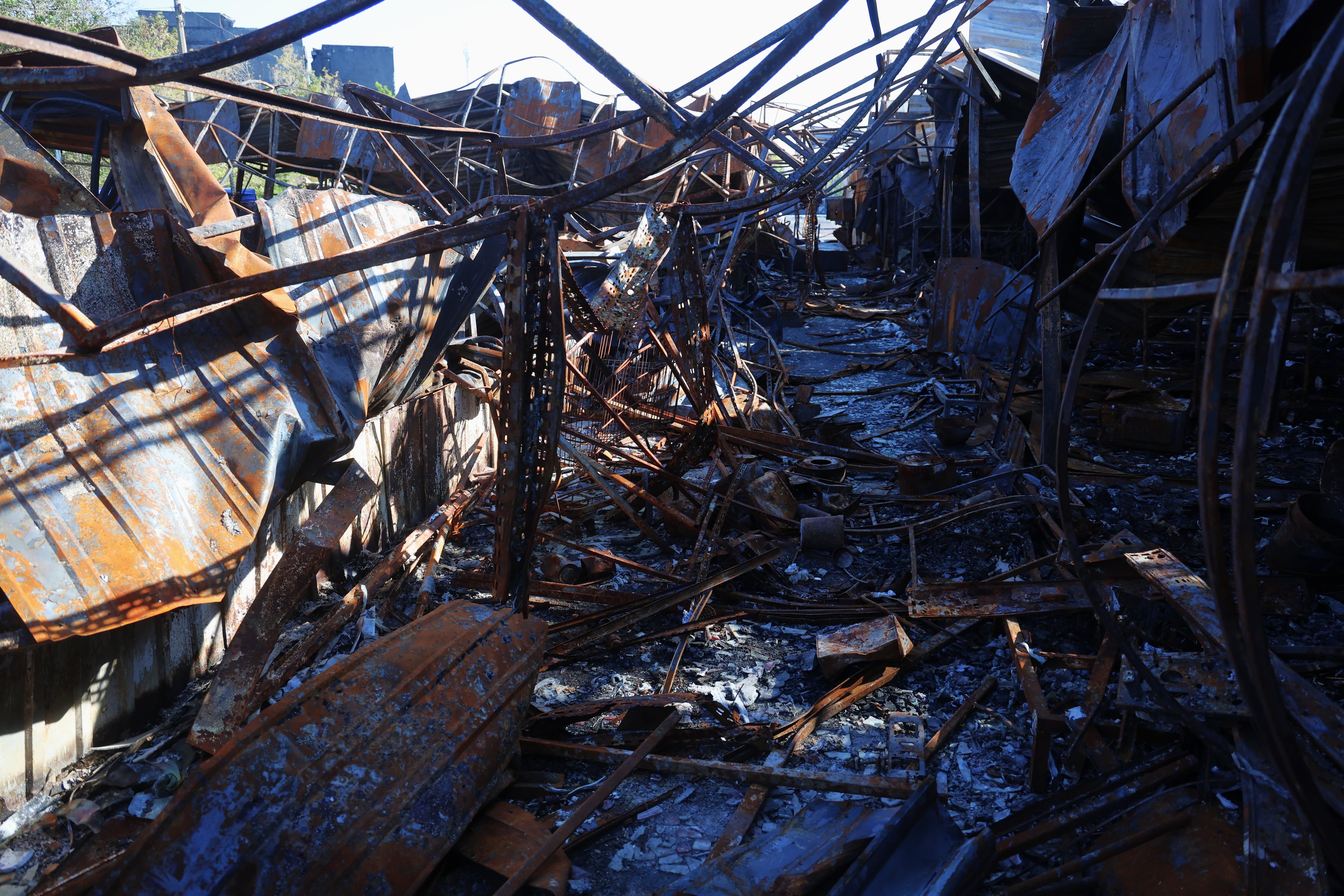
Russian bombs bury songs and the memory of Kyiv when ‘the dance floor was packed’

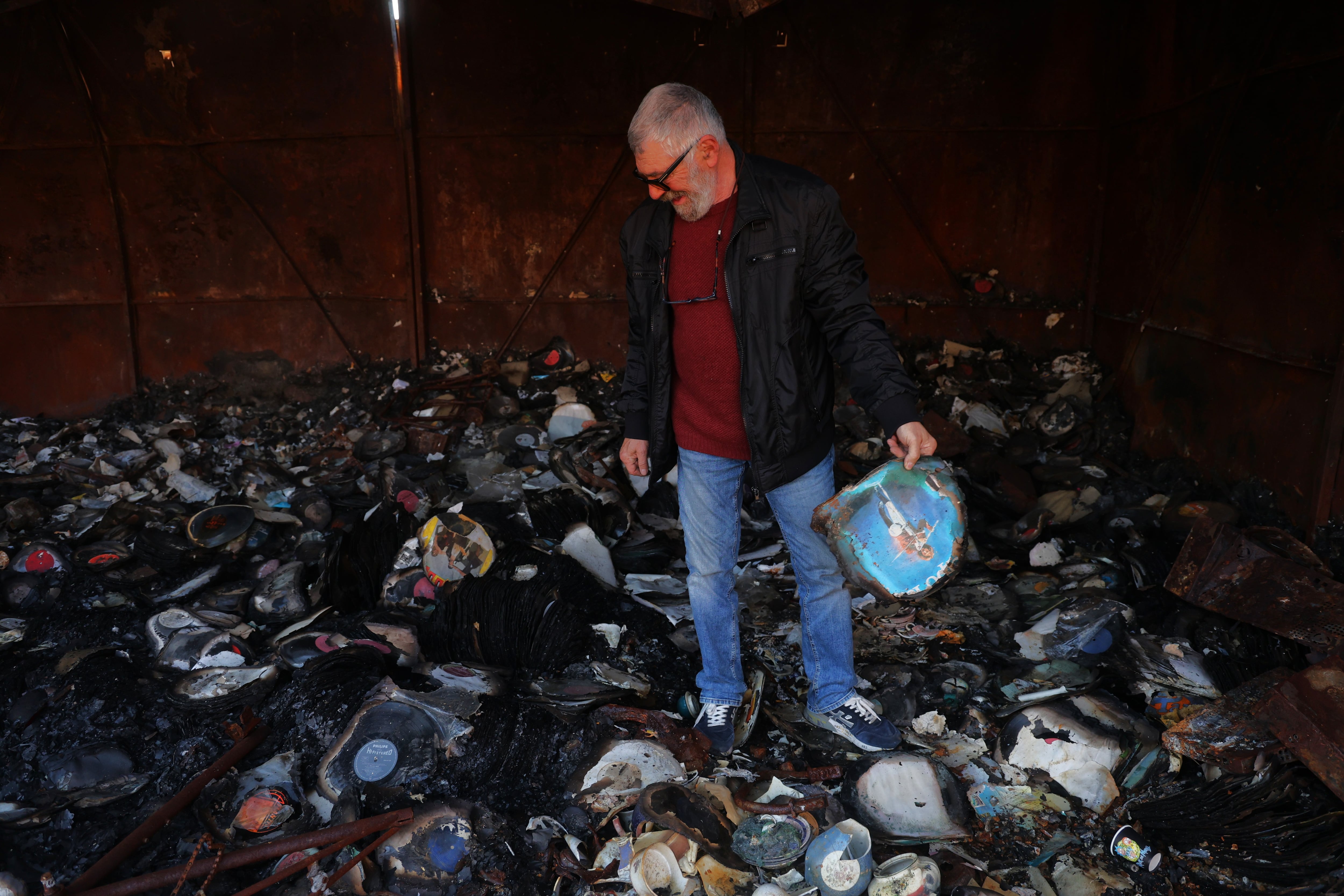
Vadym Glynarskyy, among his 25,000 vinyl records, destroyed in a Russian attack in Kyiv, October 11.

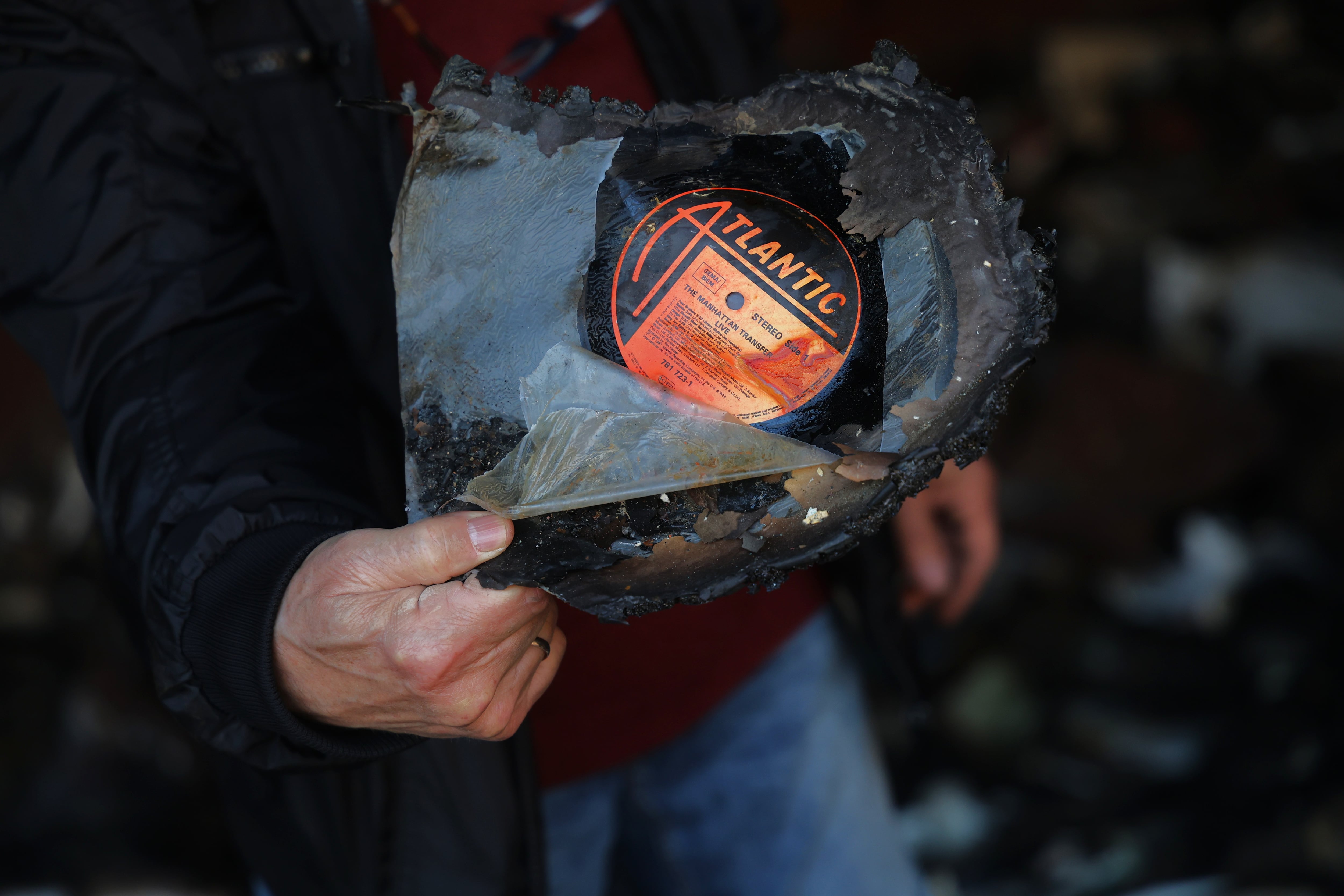
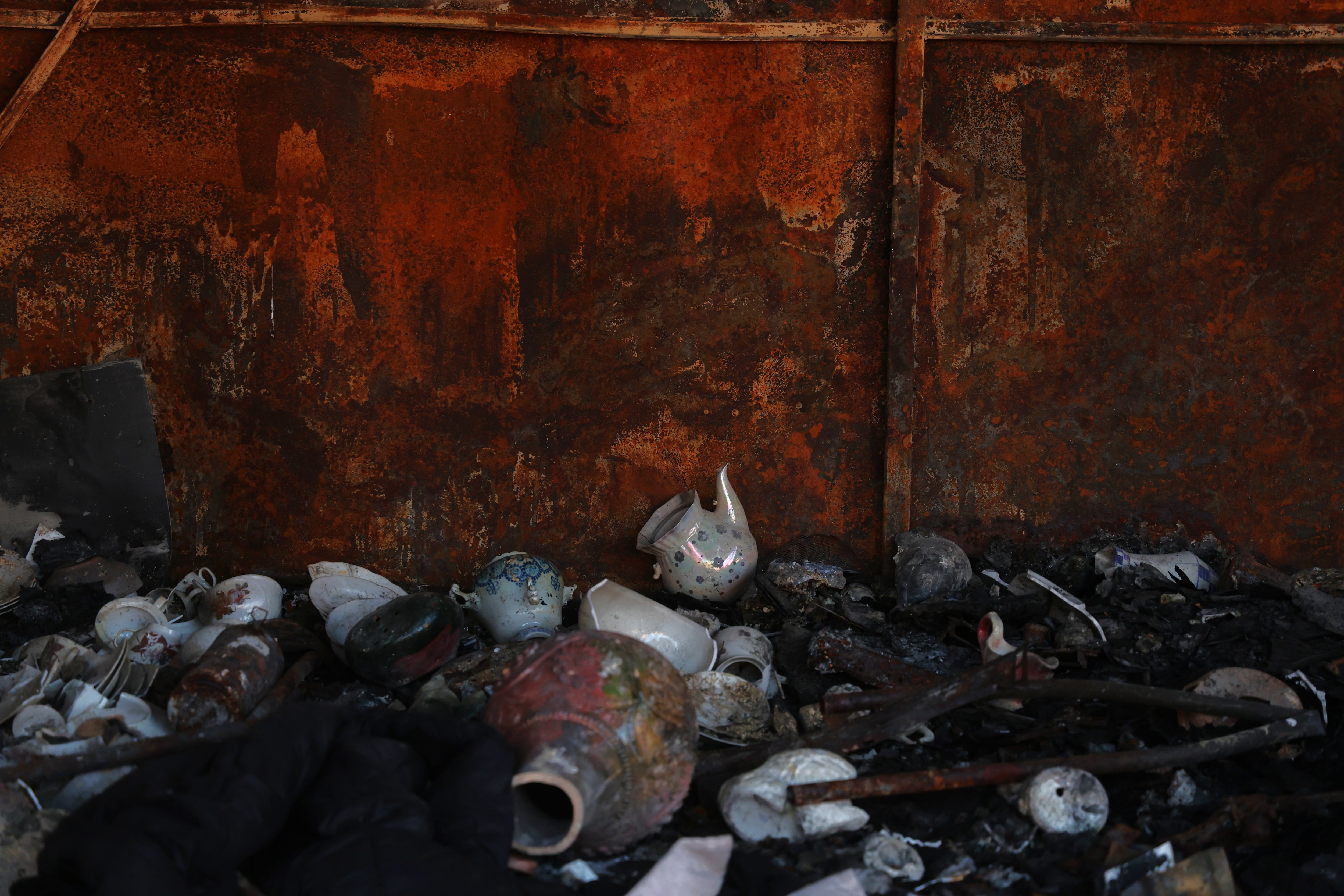
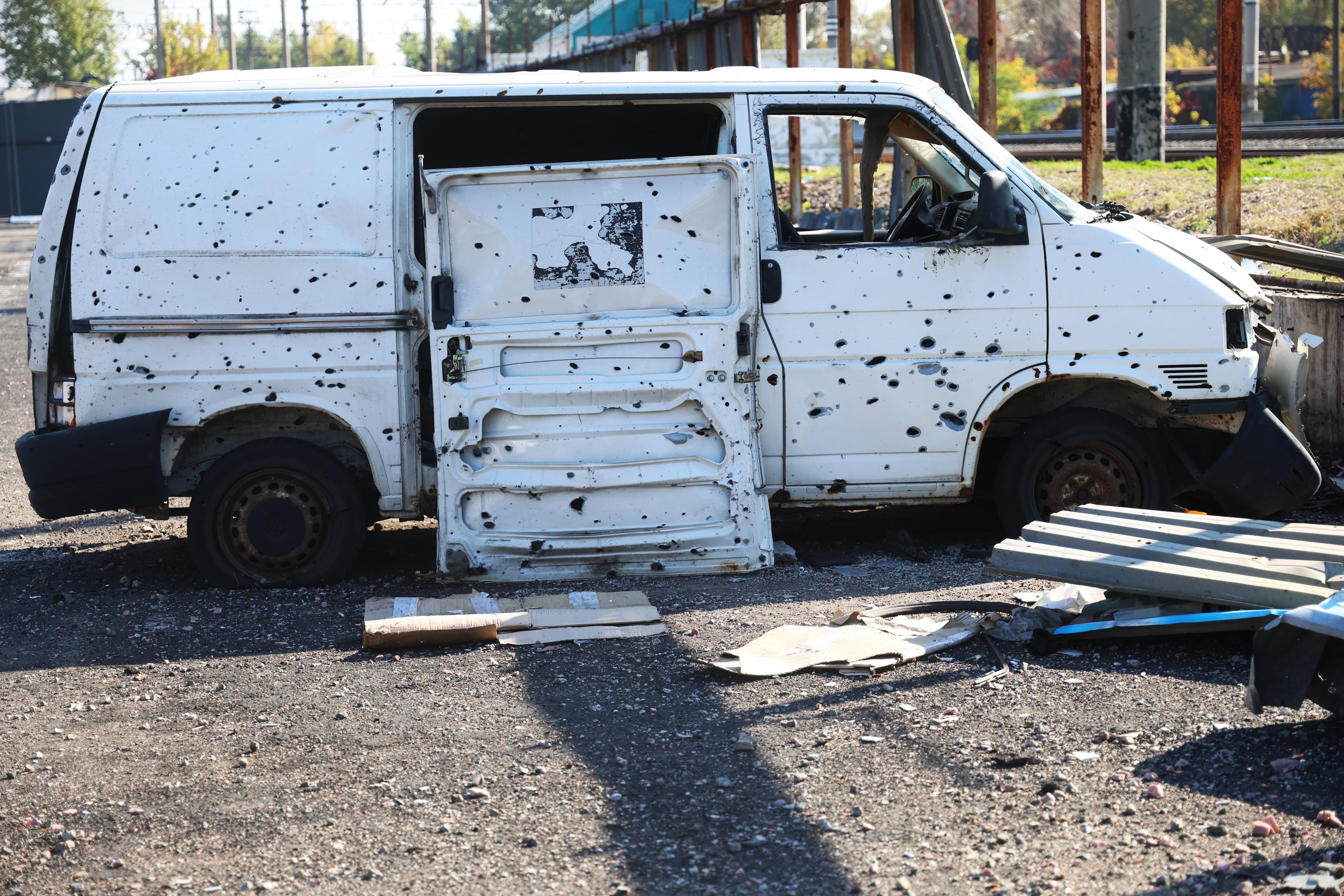
“Look, this one was by Manhattan Transfer.” Vadym Glynarskyy, 73, throws onto the scorched ground the remains of one of the 25,000 vinyl records from his collection that he estimates were ruined in a Russian bombing of the popular Pochaina market in Kyiv. “War is a disaster,” he laments as he surveys the desolate scene of dozens of businesses gutted by fire, including his own. He points out charred metal objects that only he can identify: a speaker, a mixing console, a turntable, an amplifier… even the frame of a bicycle he says was ridden in the 1978 Tour de France and had been given to one of his sons as a gift. In his assessment, the trader adds several thousand CDs and hundreds of cassette tapes that were also lost.

Seguir leyendo

Vadym Glynarskyy with a Manhattan Transfer album he salvaged from the remains of his collection.Remnants of a bicycle that Vadym Glynarskyy claims was used to race in the Tour de France in 1978 and was a gift given to his son.A view of one section of the Pochaina market after a Russian bombing raid.Porcelain shards at a stall in the Pochiana flea market, which was attacked by the Russians three times this summer.A van pockmarked by shrapnel from the shock wave following a missile strike on the Pochaina market in Kyiv.
  •  

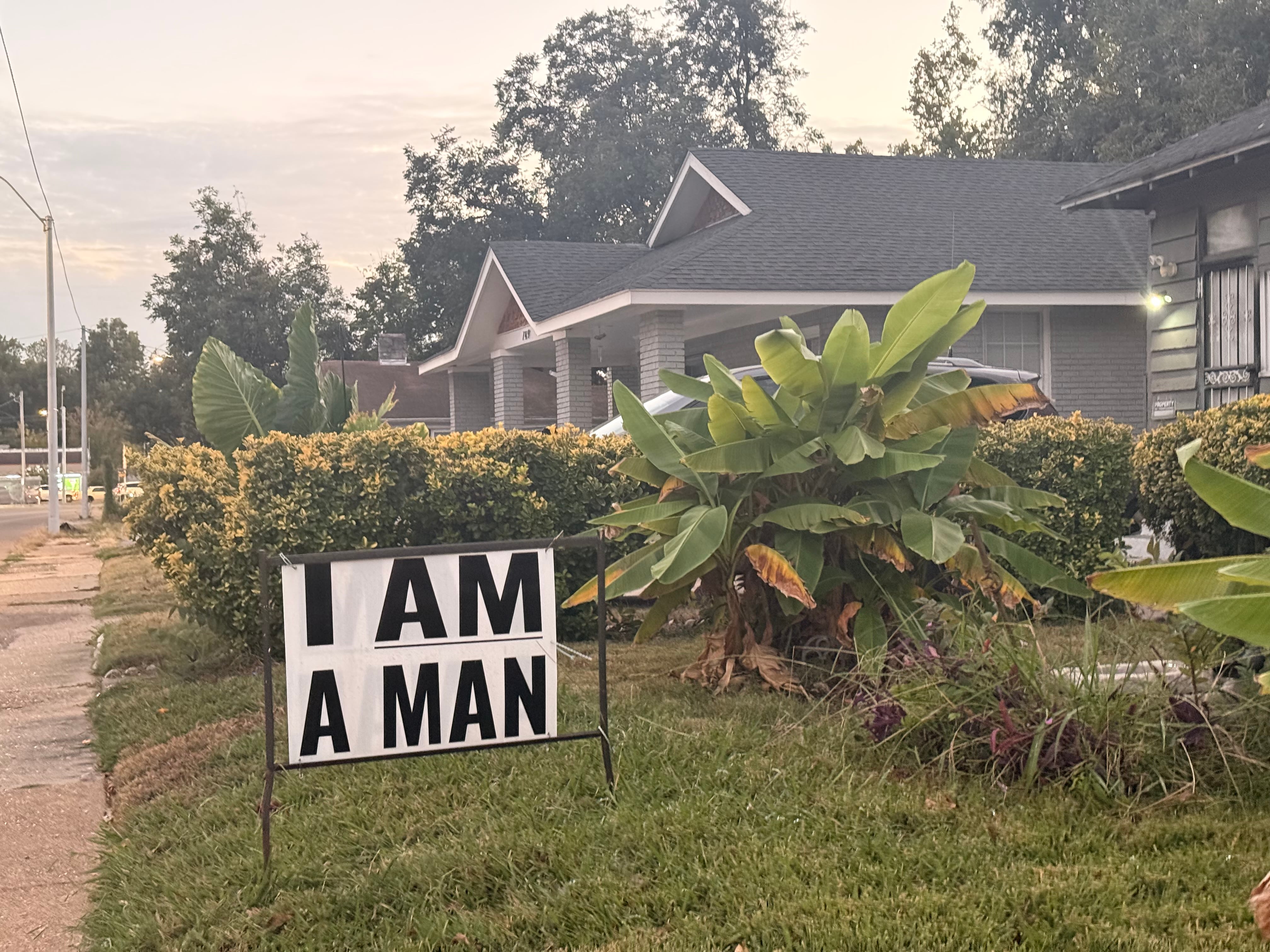
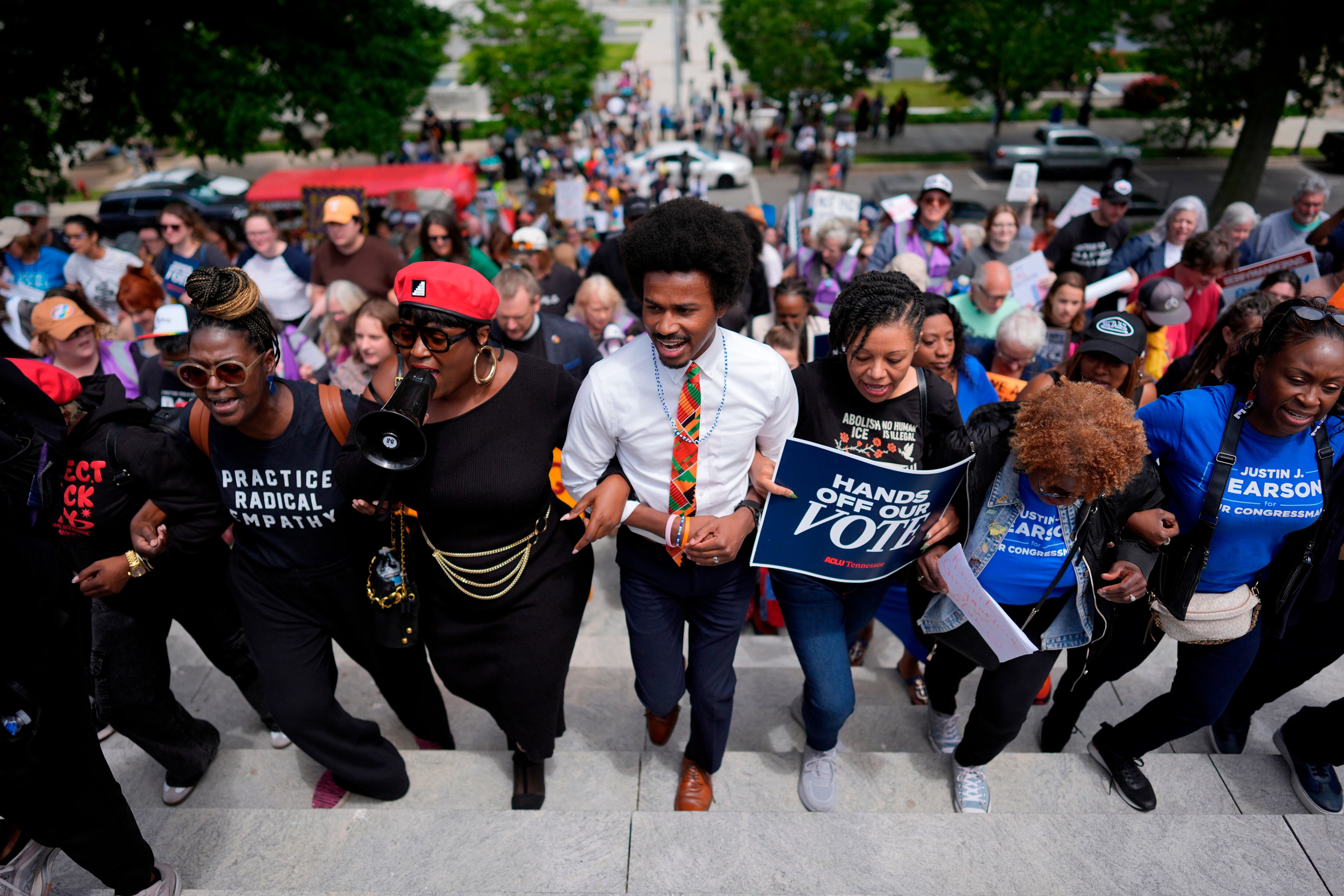
Black southerners revive the civil rights struggle: ‘Trump wants to take us back to 1860’

Justin Pearson is playing a game in which the cards were marked in favor of his opponent after play had already begun. Pearson is the Democratic candidate for Congress in Tennessee’s ninth district (TN-9), one of three in the U.S. South that Republicans rushed to redraw in the wake of a Supreme Court ruling in April that curtailed the Voting Rights Act of 1965. The decision dealt a fatal blow to one of the major gains of the civil rights era. It banned consideration of race when drawing electoral districts, but the court’s conservative majority approved doing so for political reasons.

Seguir leyendo

A sign bearing the historic slogan “I am a man” in the yard of William Clark, a Memphis resident.

© George Walker IV (AP Photo/George Walker IV)

Justin J. Pearson marches against the redrawing of Tennessee’s electoral districts last May in Nashville.
  •  

The prescribing cascade: the error of treating side effects with more drugs

When an adverse effect is mistaken for a new disease, another drug is prescribed.

Marta Tello is a 23-year-old pharmacist who works in Algete, in the Madrid region of Spain. Six months ago, while completing her training with a primary care team in Seville, she encountered a clinical case that she says she will remember throughout the professional career she is just beginning: “This person was taking 18 different medications, something striking even for an 80-year-old with multiple underlying conditions. When we reviewed the case, we identified several prescribing cascades that needed to be reassessed,” she says.

Seguir leyendo

Marta Tello, at the González Pérez pharmacy where she works in Algete, Madrid.A family doctor reviews a patient’s medications with her at a health center in Barcelona.
  •  

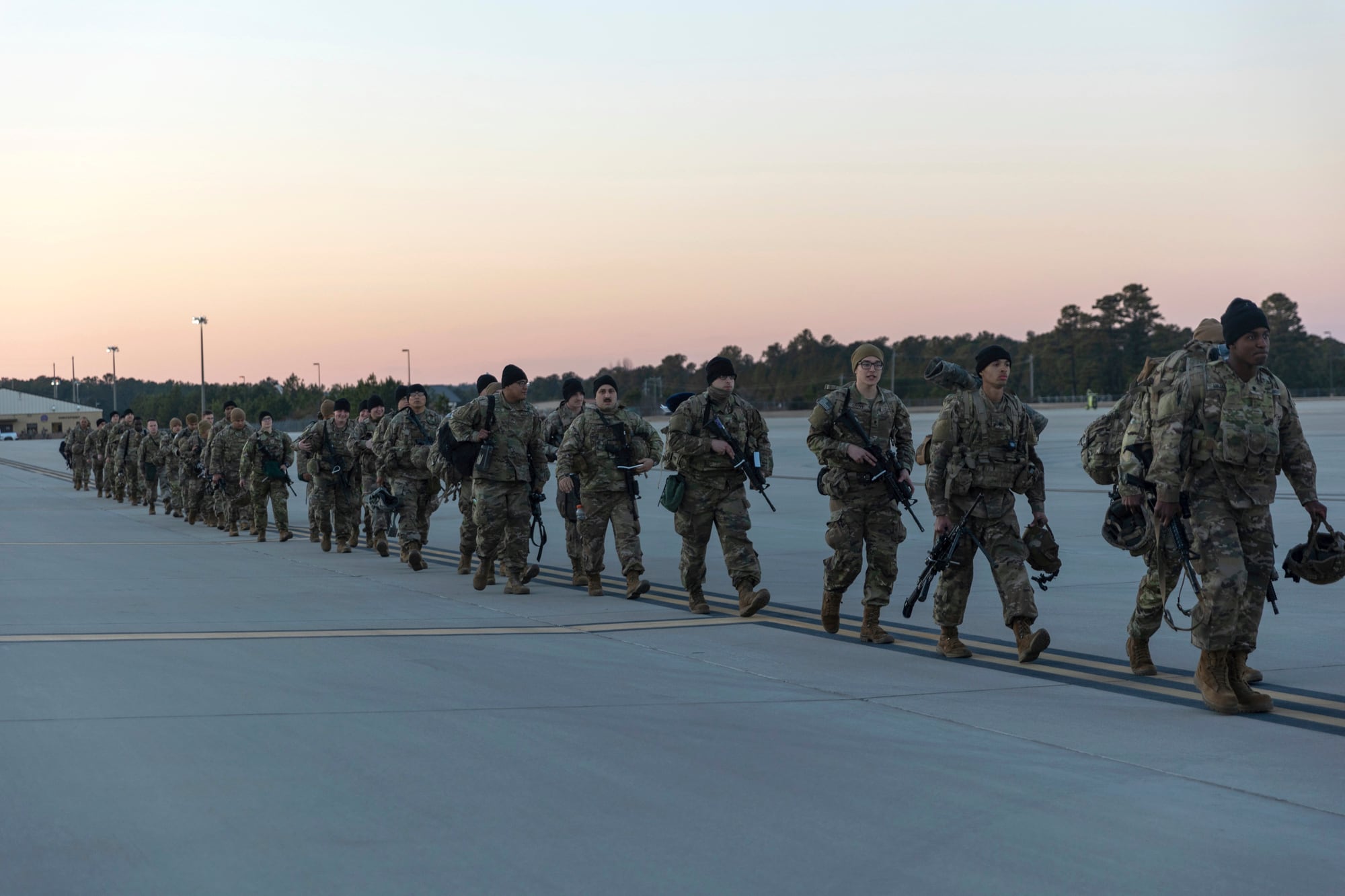
More than 300 US military personnel to arrive in Colombia for anti-drug training

More than 300 U.S. troops are due to arrive in Colombia on Tuesday, October 27, to conduct military training exercises against drug trafficking, the U.S. Southern Command and Colombia’s Ministry of Defense confirmed Monday in two press releases. The joint exercise, called Southern Vanguard, will take place at the country’s largest military base in Tolemaida, in the municipality of Nilo, Cundinamarca, a few hours from Bogotá. It will run through November 11, 2026.

Seguir leyendo

© Nathan Posner (AP)

U.S. soldiers in a file photo.
  •  

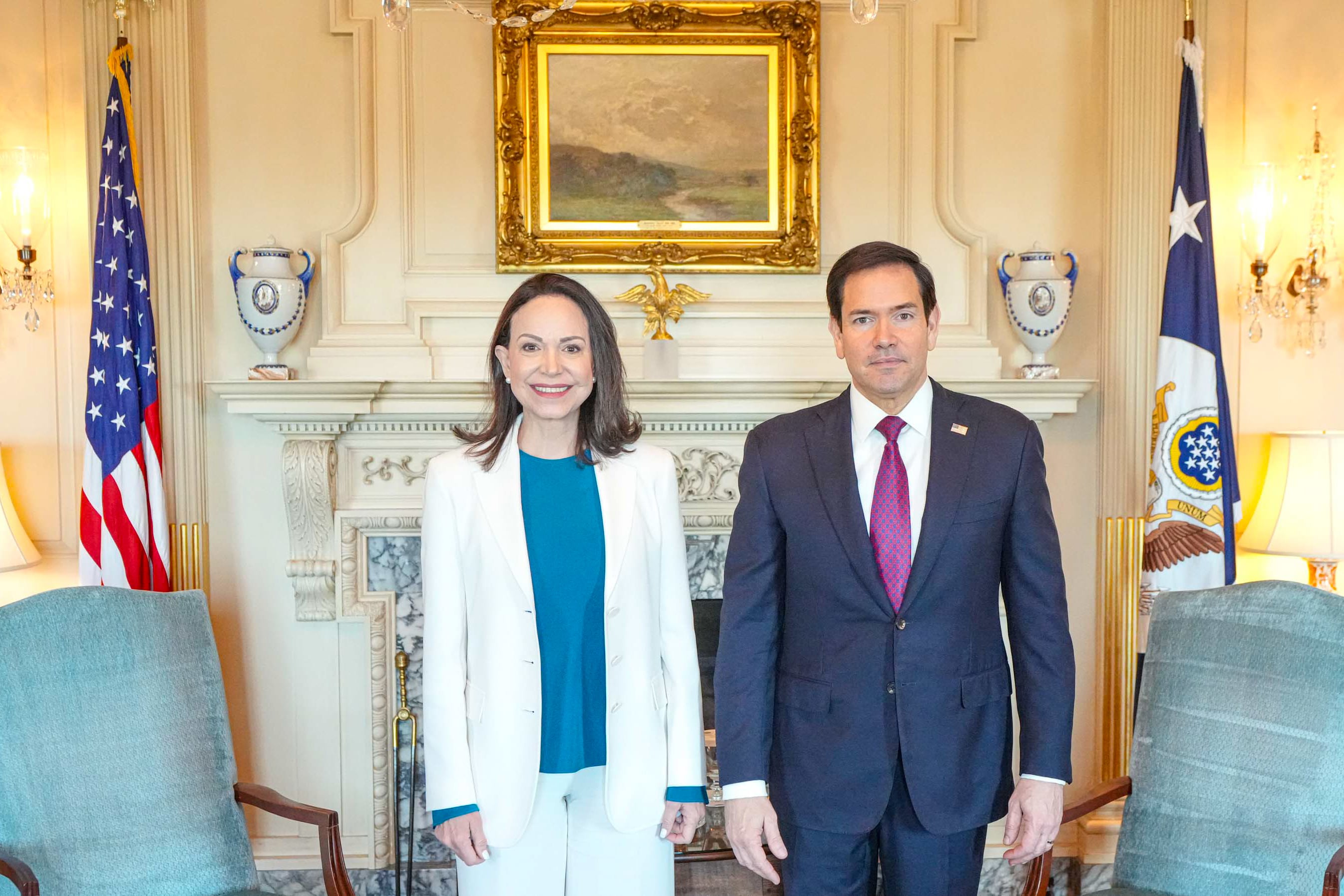
Marco Rubio says US told Venezuelan officials ‘weeks and weeks ago’ that María Corina Machado should be allowed to return

U.S. Secretary of State Marco Rubio confirmed on Monday that the United States told Delcy Rodríguez’s regime “weeks and weeks ago” that opposition leader María Corina Machado should be allowed to return to Venezuela.

Seguir leyendo

© Freddie Everett (EFE)

María Corina Machado and Marco Rubio in Washington, in March.
  •  

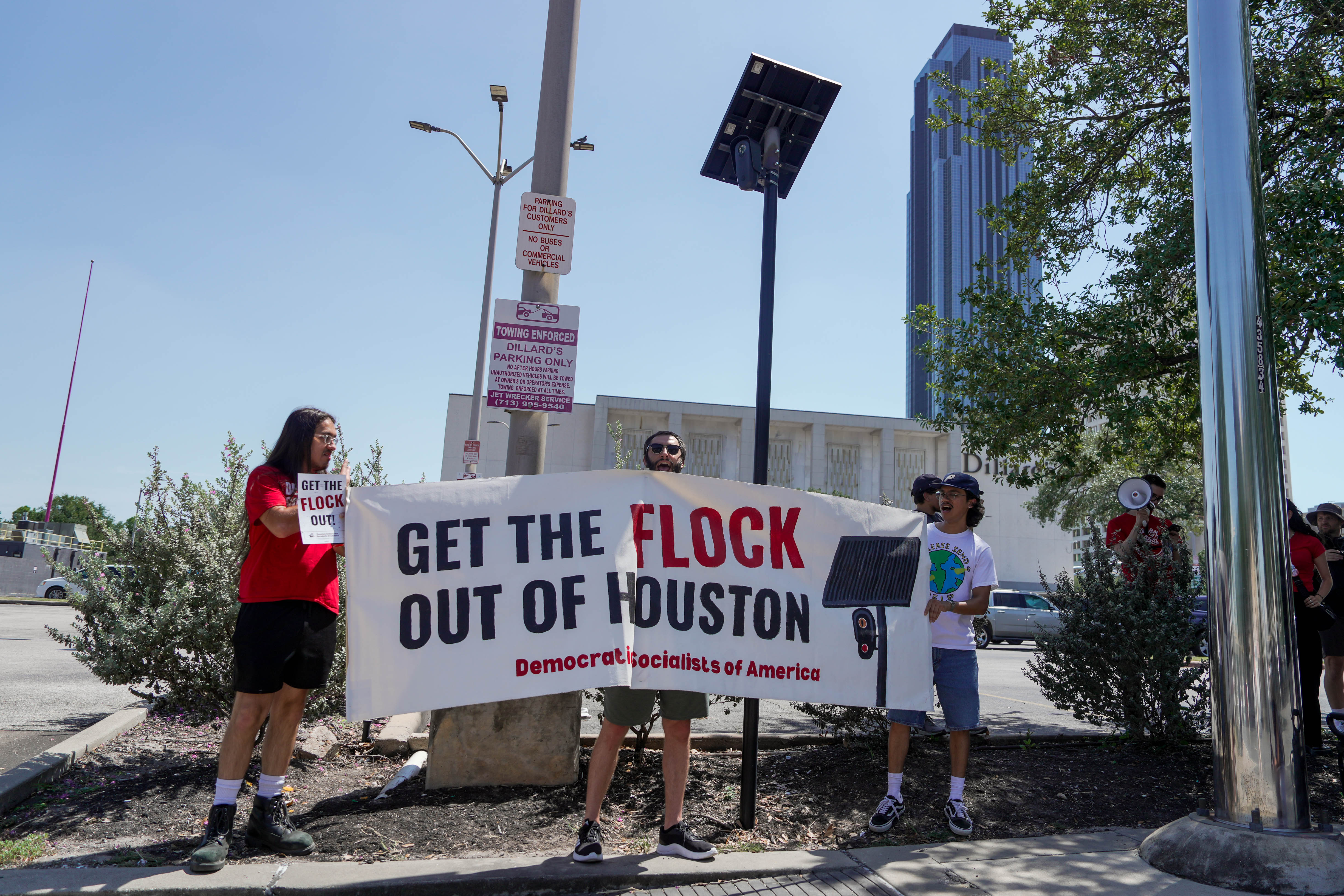
‘Constant surveillance is pushing us toward an authoritarian state’: voters demand regulation of Flock cameras

At first Matías Núñez began encountering online reports and citizen complaints about the proliferation of Flock cameras, the private automatic license plate reader service that has been contracted by police departments, universities, neighborhood associations and businesses across the United States. And then one day he found two of those devices in his own neighborhood in the coastal city of Hollywood, Florida: “I realized that every time I pass by, they record my location, and that they’re cropping up everywhere in my area. Once you see them, you start noticing them everywhere.”

Seguir leyendo

© Raquel Natalicchio (Houston Chronicle vía Getty Images)

Anti-Flock protest in Houston, Texas, on August 22.
  •  

Netanyahu’s future hangs in the balance in a decisive election for the entire Middle East

“The most important in the country.” “Crucial for the future of the Middle East.” “A historic crossroads.” Israel is holding elections this Tuesday — the first since the Hamas-led attacks of October 2023 — which have been described in many ways because they are decisive. Prime Minister Benjamin Netanyahu is staking his future — both political and personal — on the vote, after, against all odds, completing a four-year term leading the most right-wing coalition in the country’s history.

Seguir leyendo

© Ariel Schalit (AP Photo)

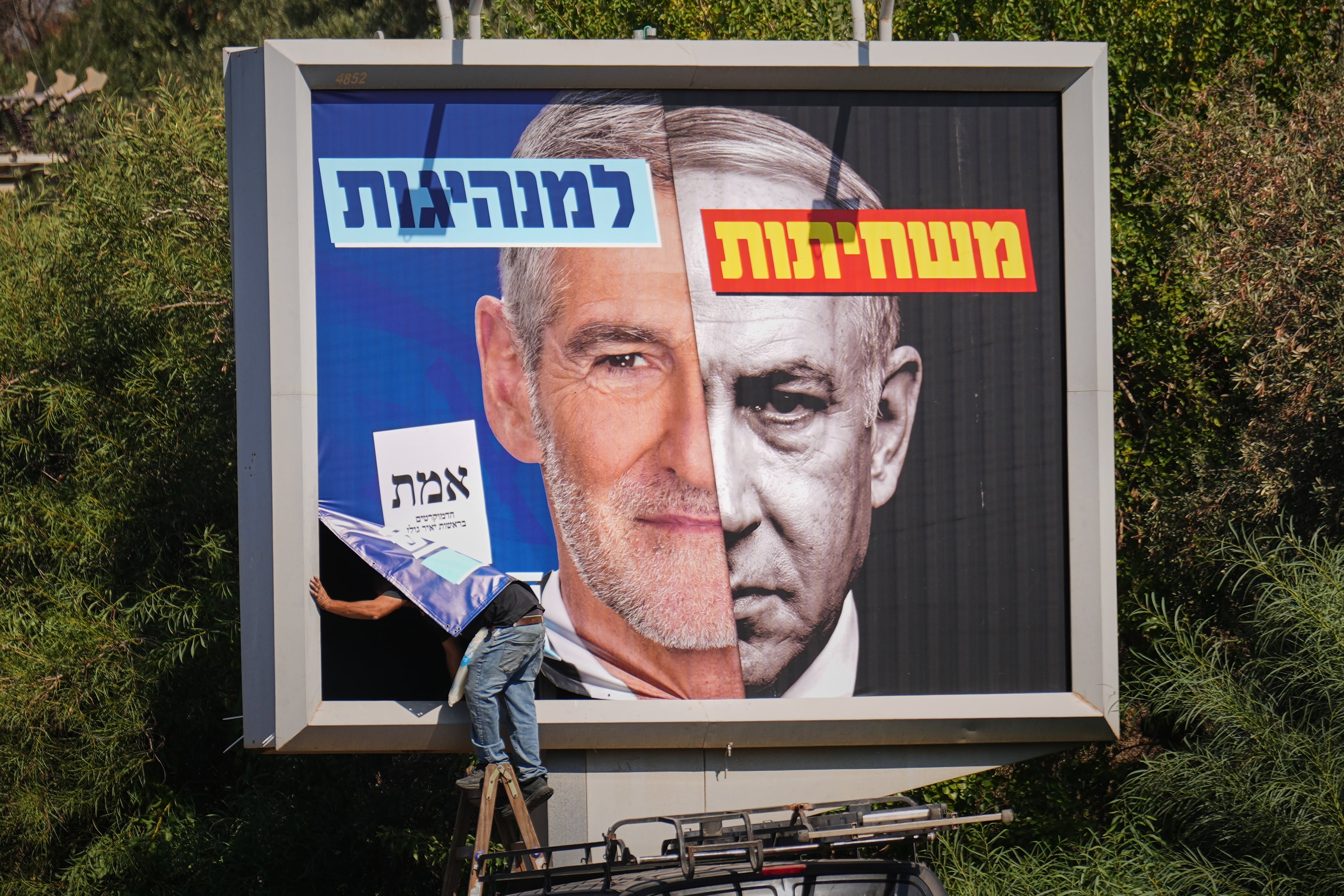
A campaign billboard featuring Democratic leader Yair Golan, left, and Benjamin Netanyahu, in Tel Aviv, October 19.
  •  

Bolsonaro backtracks and says he will serve as Lula’s opposition

Flávio Bolsonaro’s challenge to the outcome of the Brazilian election that gave President Luiz Inácio Lula da Silva a fourth term lasted less than 24 hours. The far-right candidate on Monday withdrew his request to have the vote annulled, which he had pledged to do the night of the election after refusing to recognize the result. Instead, he will serve as leader of the opposition, after consulting with his father, former president Jair Bolsonaro, who is under house arrest for an attempted coup following the 2022 general election.

Seguir leyendo

© Adriano Machado (REUTERS)

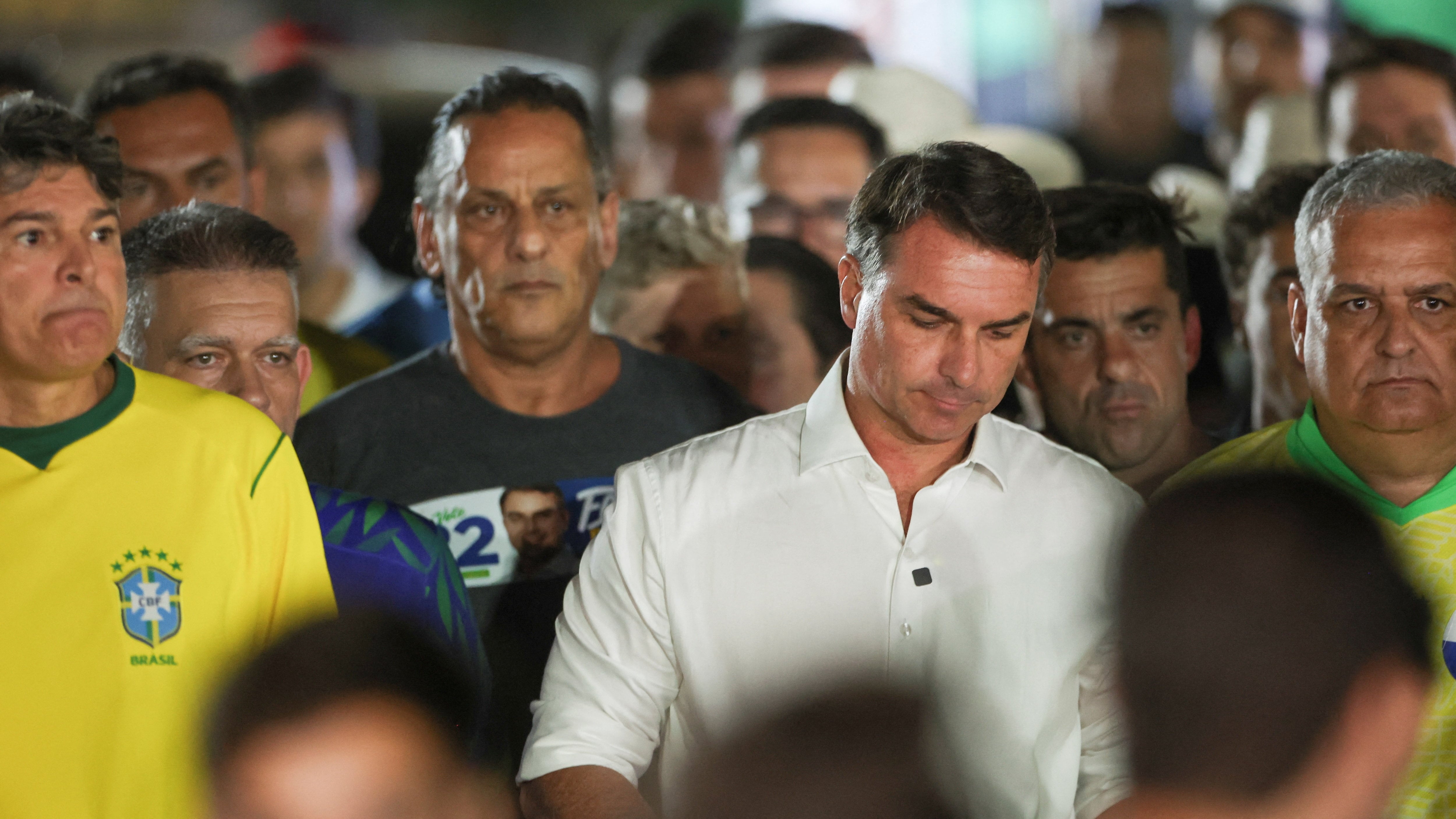
Flávio Bolsonaro acknowledges Luiz Inácio Lula da Silva’s victory in Brasília.
  •  

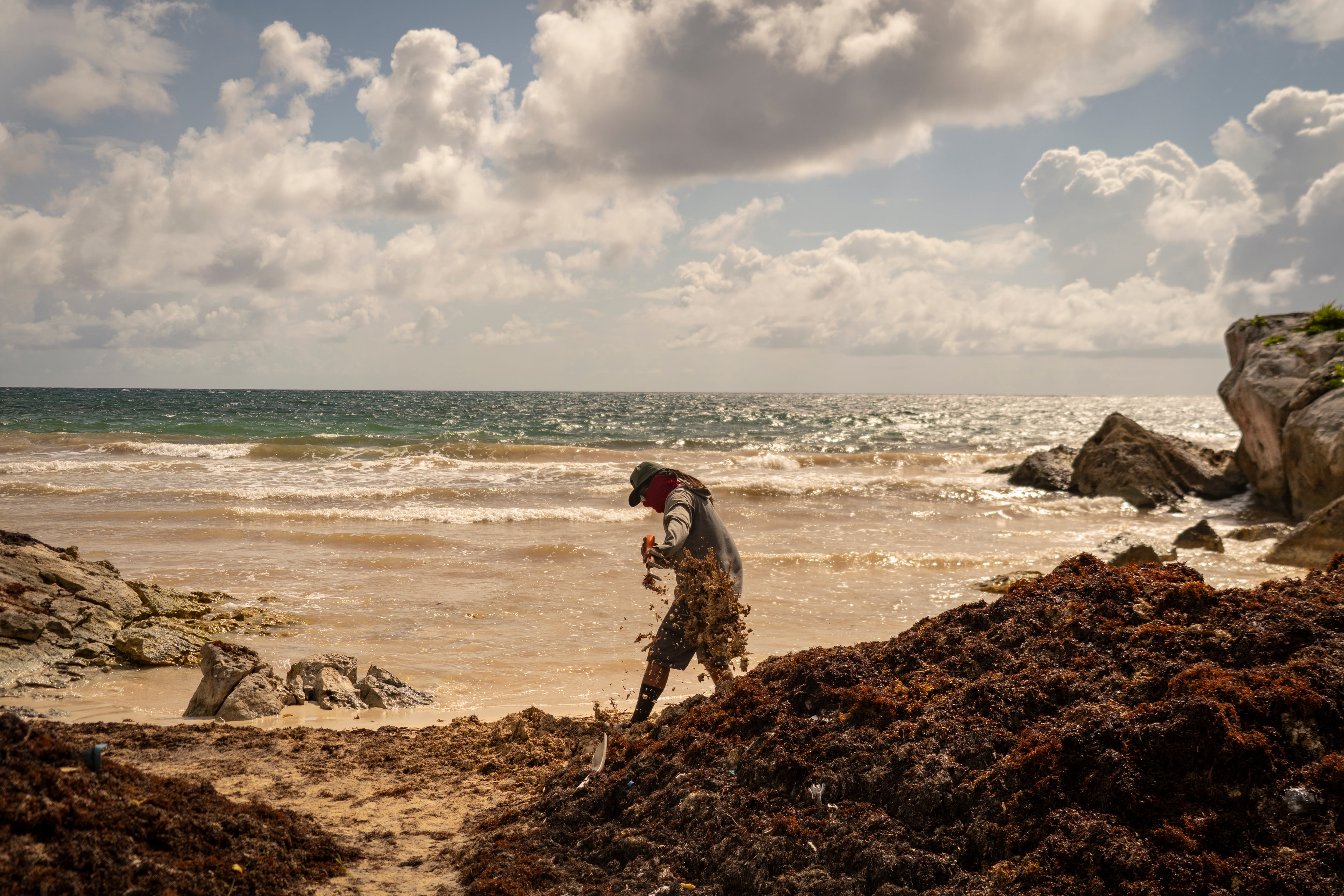
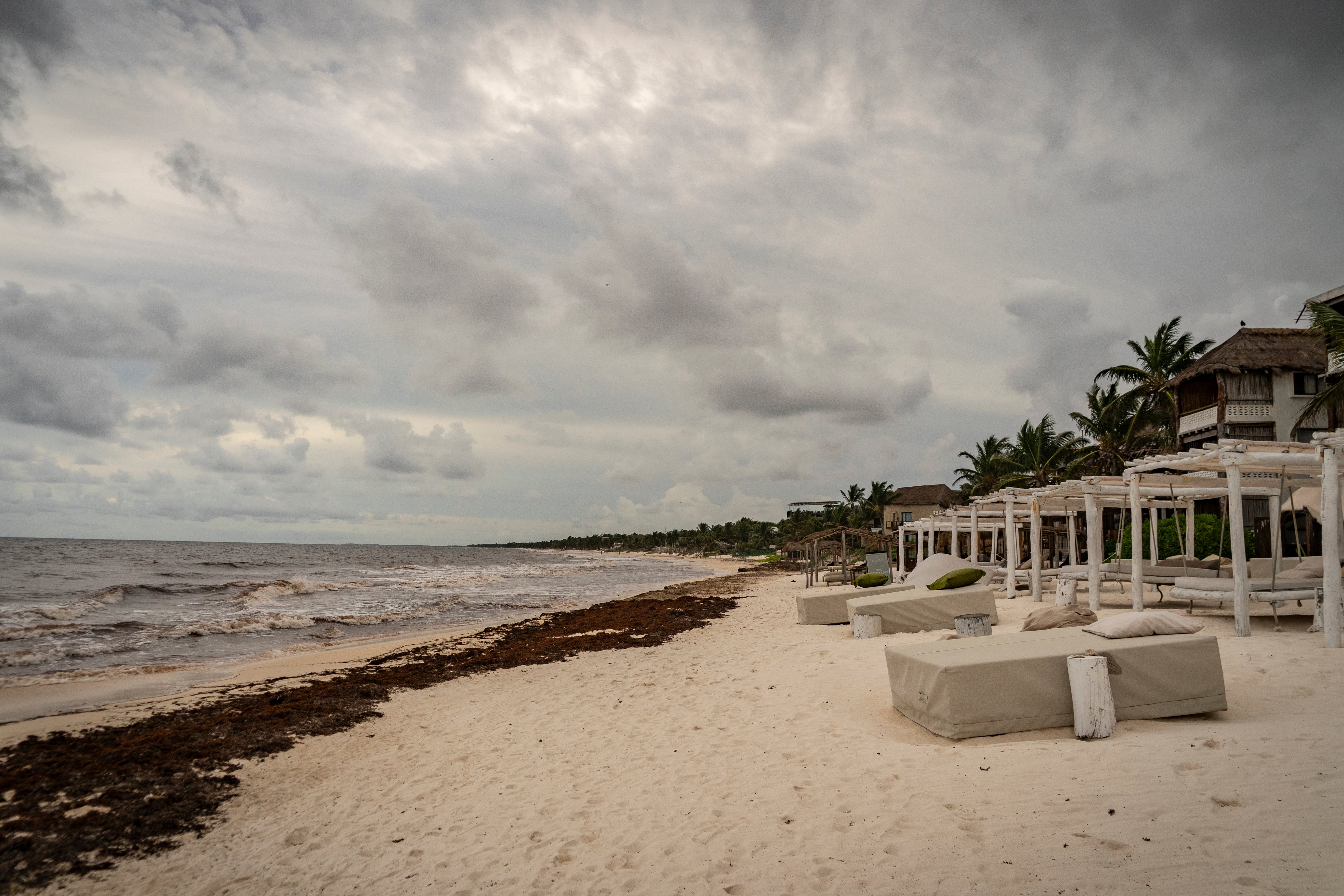
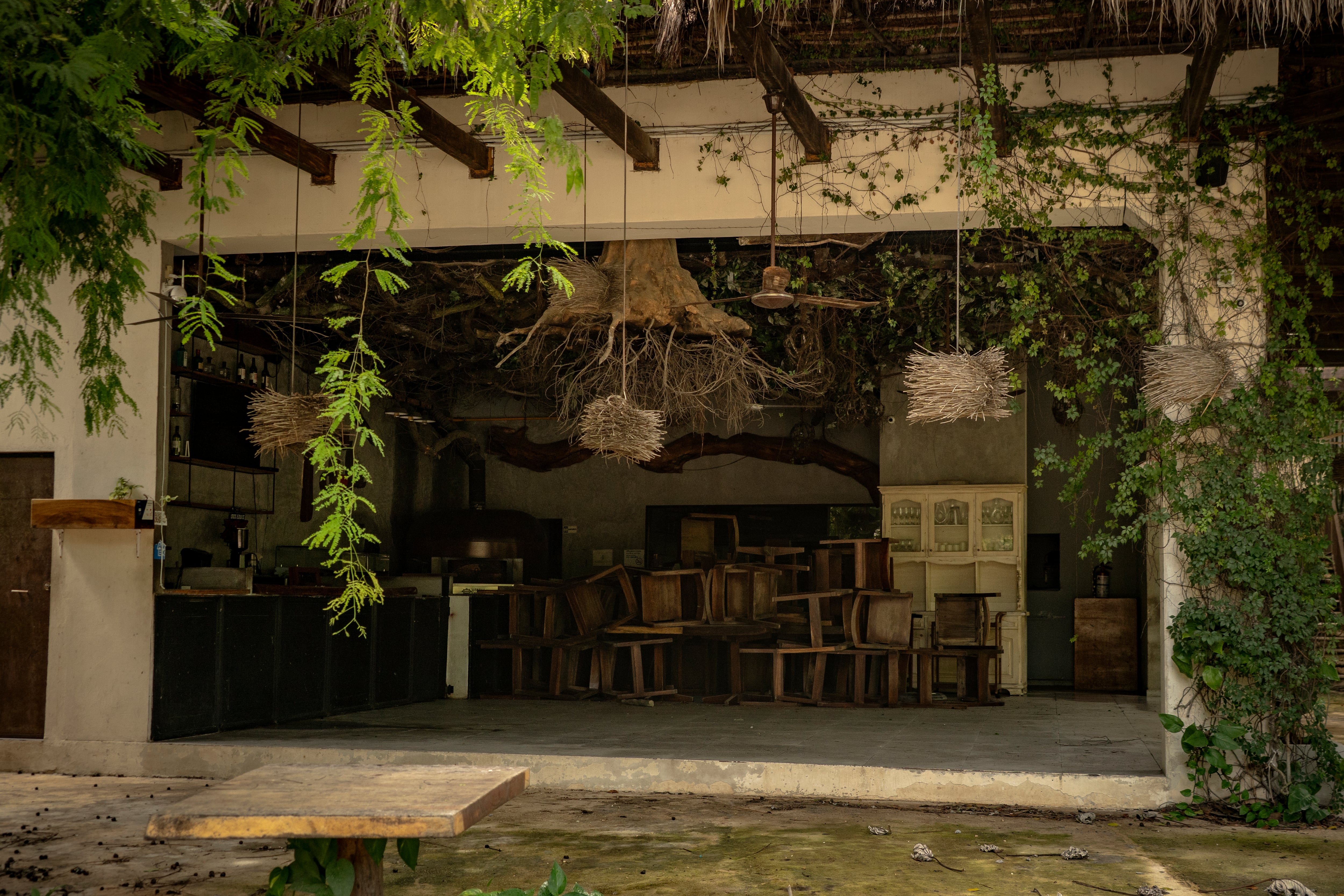
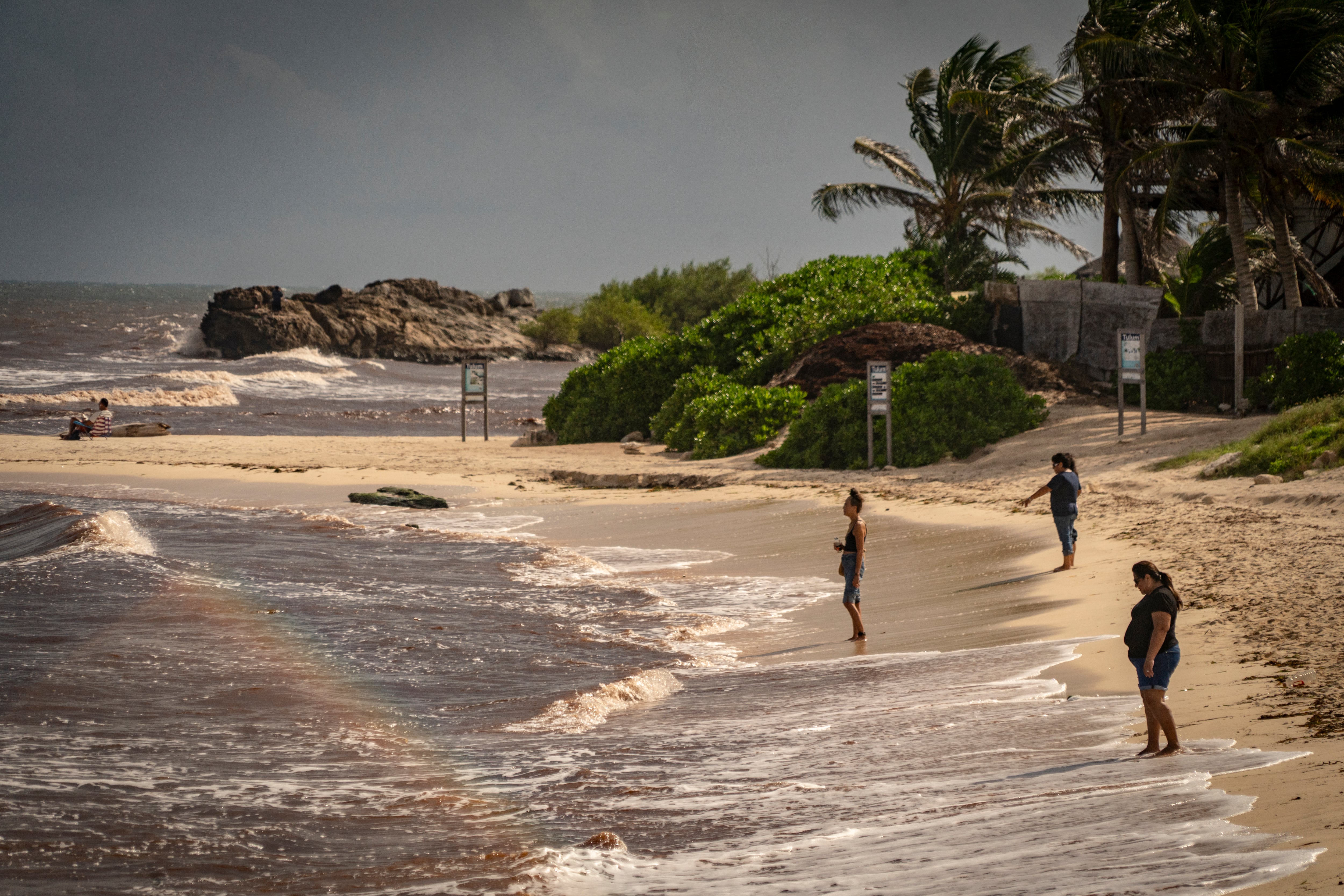
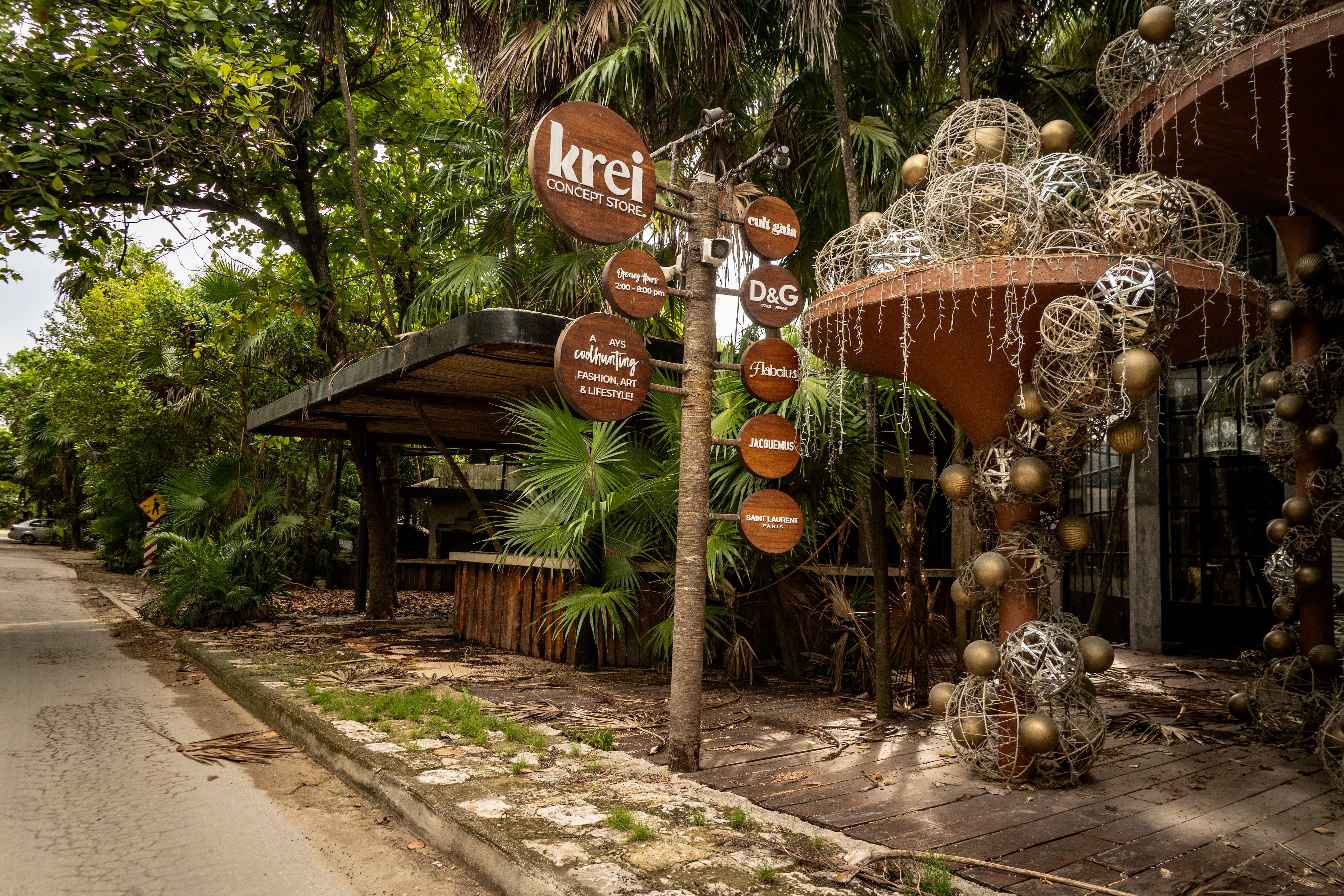
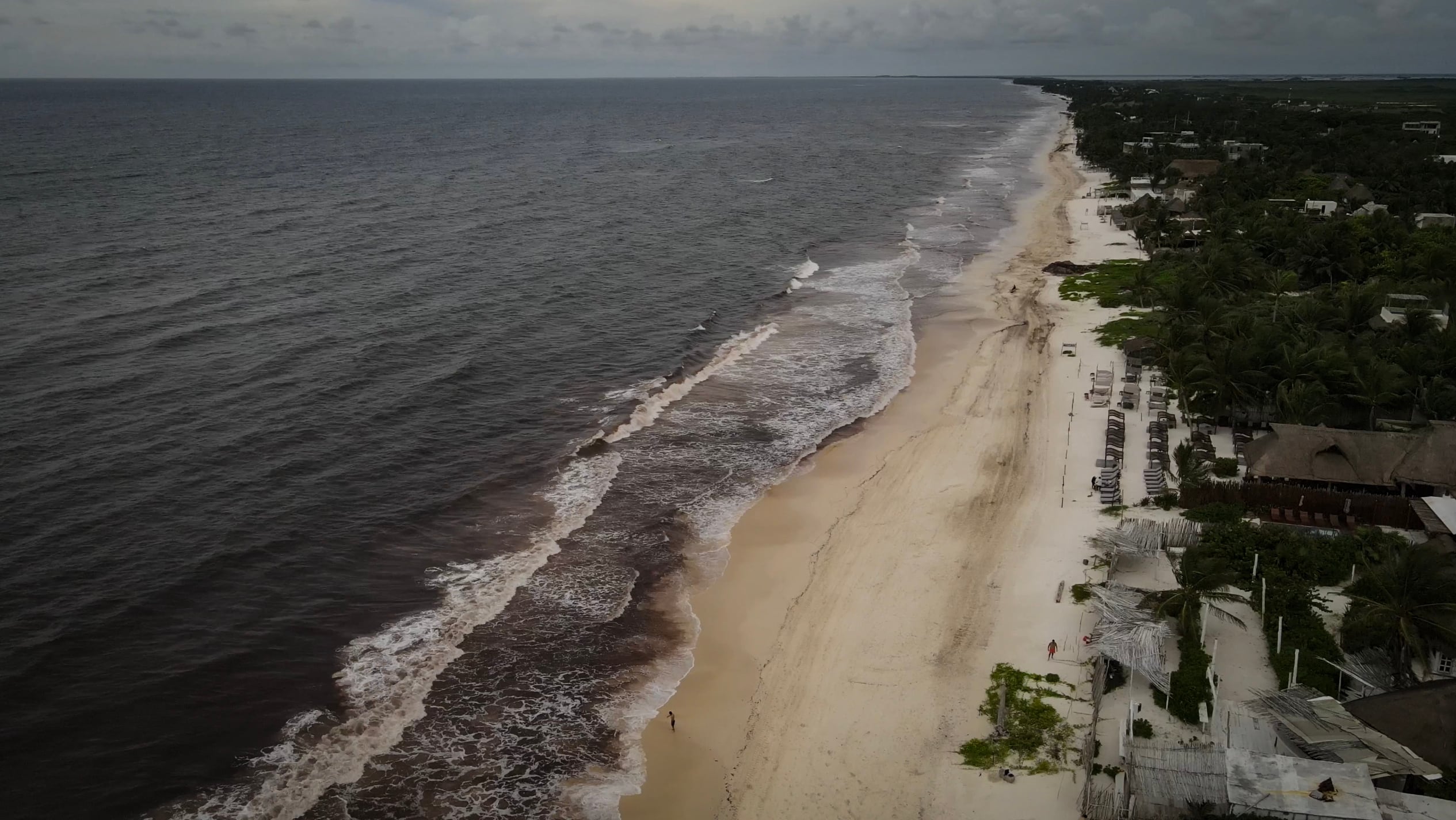
An empty airport, shuttered storefronts and abandoned hotels: The tourism decline in Tulum is worsening

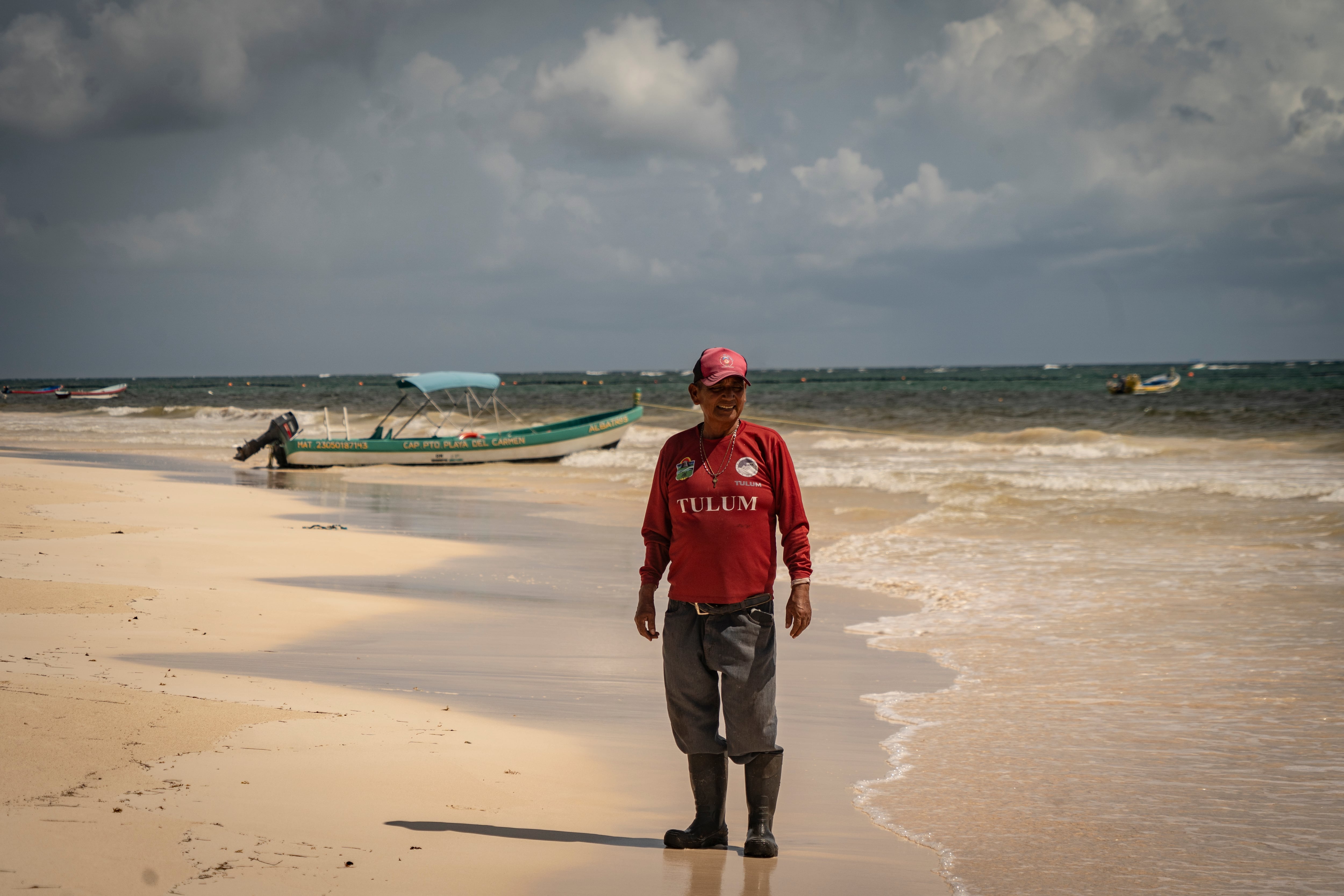
A worker inside Tulum National Park, Quintana Roo, on October 19, 2026.

On Tulum airport’s runway there is only one plane: a Viva Aerobus Airbus A320. For several hours that is the only aircraft that will remain at the air terminal inaugurated in 2023. The aerodrome is nearly empty after Aeroméxico, Volaris, and American Airlines announced the cancellation of most of their routes to this destination on the Mexican Caribbean. The loneliness in the terminal is unsettling and, in the distance, all that can be heard is the echo of children playing. The crisis caused by the collapse in tourism, in what was once the jewel of the Riviera Maya, has deepened over the past year and has begun to touch various sectors that had set their sights on the booming future of this municipality in the state of Quintana Roo.

Felipe Carillo Puerto Airport, in Tulum, Quintana Roo, on October 18, 2026.

Seguir leyendo

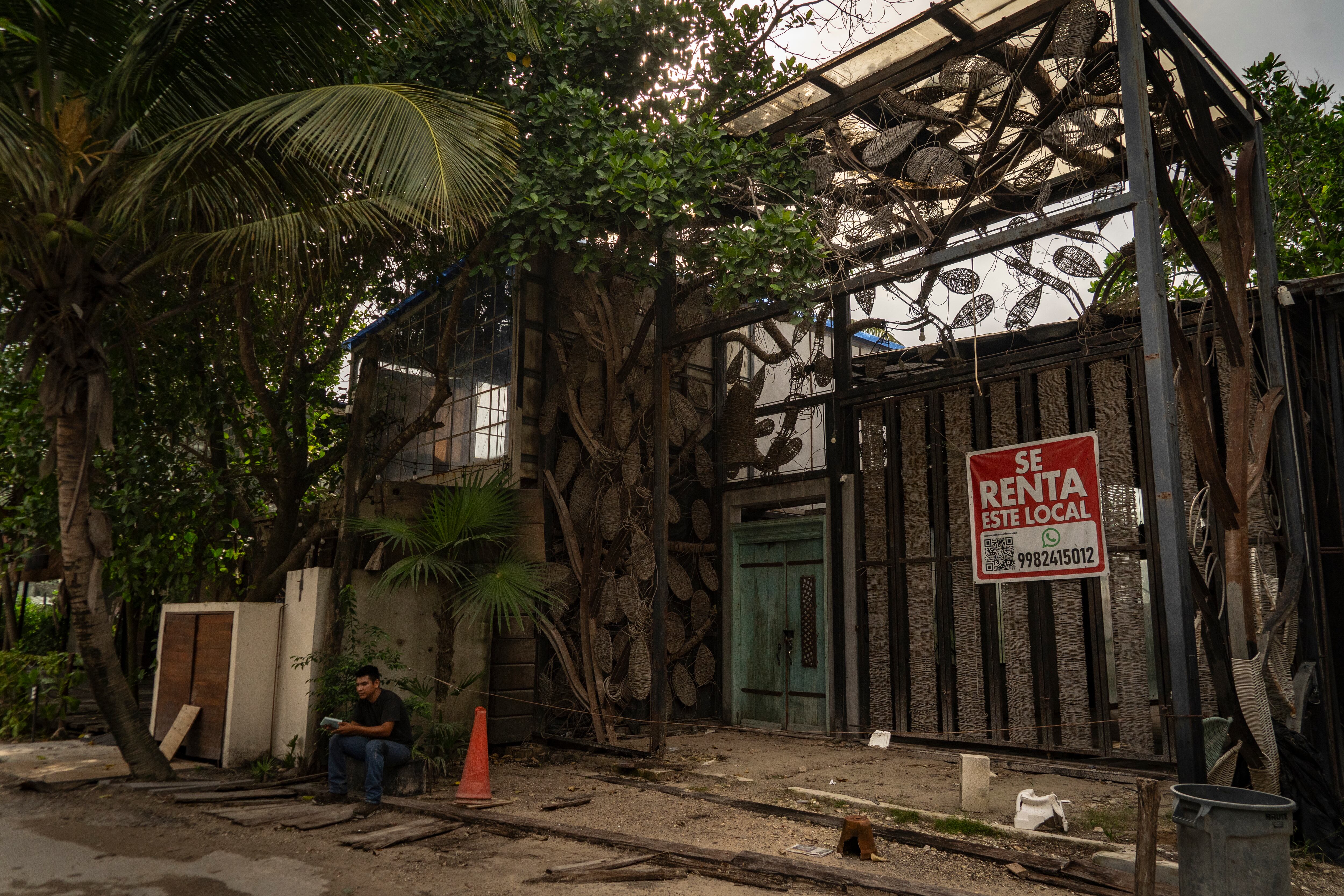
A storefront for rent, in Tulum, Quintana Roo.

© Nayeli Cruz

Tourists relax on the beaches of Tulum, Quintana Roo.

© Nayeli Cruz

A worker removes the sargassum that has accumulated on the beach in Tulum National Park.

© Nayeli Cruz

An abandoned tourist business in the municipality of Tulum.

© Nayeli Cruz

Empty beaches in the municipality of Tulum.

© Nayeli Cruz

A closed restaurant in Tulum, Quintana Roo.

© Nayeli Cruz

Tourists stroll along the beaches of Tulum, Quintana Roo.

© Nayeli Cruz

A permanently closed store, still decorated for Christmas, in Tulum.

© Nayeli Cruz

Pueblo Beach in Tulum, Quintana Roo, on October 19.
  •  

Latin America’s left celebrates Lula’s victory: ‘The Pelé of progressivism’

The weakened Latin American left is celebrating Luiz Inácio Lula da Silva’s epic comeback in grand style — the “Pelé of progressivism” who is preparing to become president of Brazil for a fourth time. From Mexico’s Claudia Sheinbaum to Colombia’s Gustavo Petro, and including Argentina’s Cristina Fernández de Kirchner and Chile’s Gabriel Boric, the bloc was quick to hail Lula’s victory as soon as it became irreversible, despite the defeated Flávio Bolsonaro’s promise to seek to annul the election. The right, split between acknowledging the result and remaining silent, has left Bolsonaro alone in his challenge.

Seguir leyendo

© Presidencia de Brasil (REUTERS)

Lula da Silva greets Claudia Sheinbaum in Rio de Janeiro, Brazil, in 2024.
  •  

Why ‘You Can See Everything’ dominates conversations, social media, Halloween costumes, and has even been Oscar-tipped

How long has it been since a documentary dominated public conversation, the box office, chats between friends and social media memes? You might have to go back to 2004 and Fahrenheit 9/11, by Michael Moore, or that hybrid (but a film, nonetheless) that blew many minds — The Blair Witch Project in 1999 — to see something similar to what’s happening in the United States surrounding You Can See Everything, this season’s cultural phenomenon.

Seguir leyendo

Amanda Seyfried in 'The Dropout.'

© A24

Elizabeth Holmes, in the documentary 'You Can See Everything.'
  •  

Tech stock sell-off reopens debate on who will foot the AI bill

On Wall Street, the question is no longer how much artificial intelligence will grow, but who will foot the bill. After years of market domination, tech companies have stopped being a safe bet, and the time has come to pick carefully, identifying which ones are going to fall prey to their own pharaonic investment plans and which ones are not.

Seguir leyendo

© Dado Ruvic (REUTERS)

AI is reliant on increasingly expensive financing.
  •  

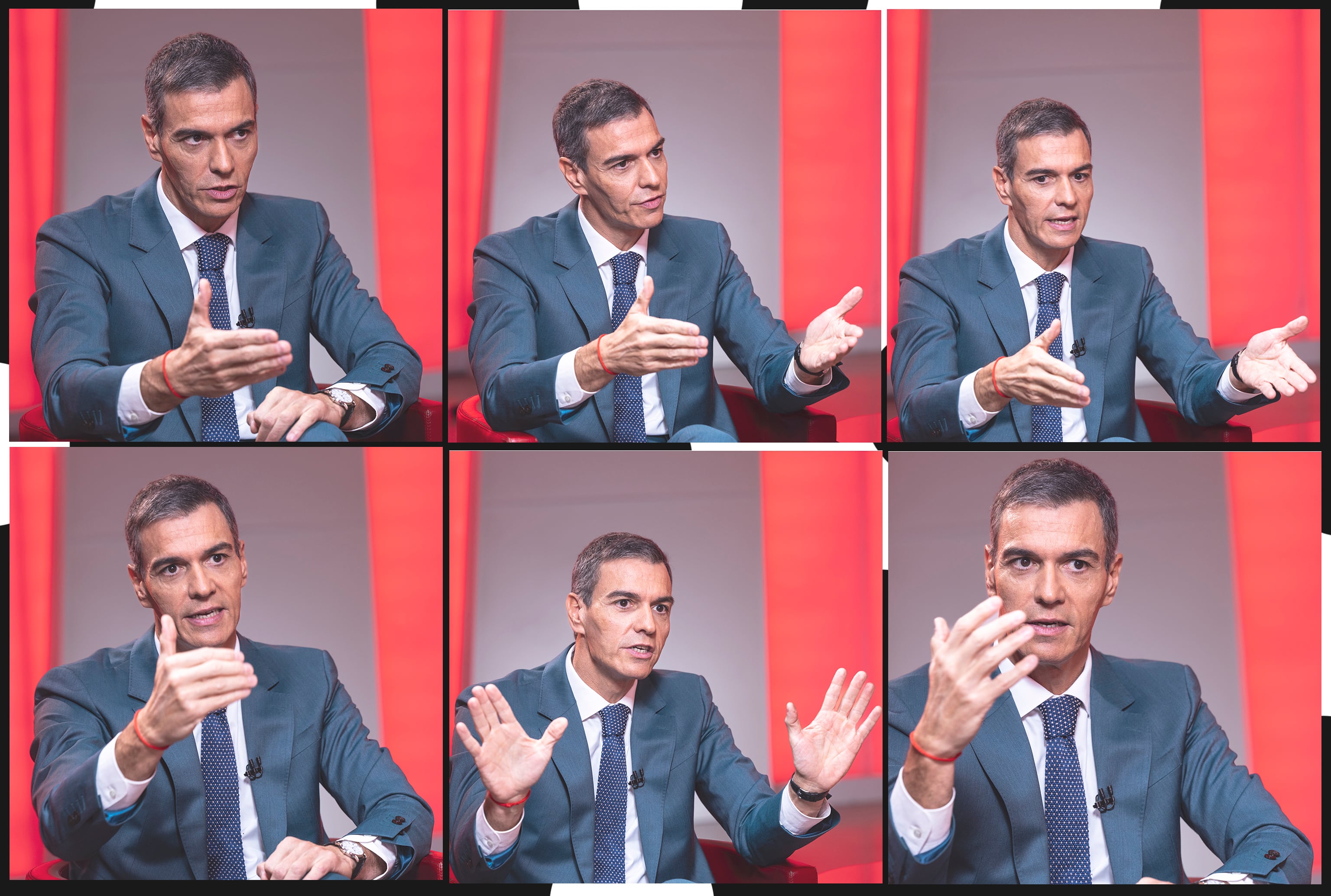
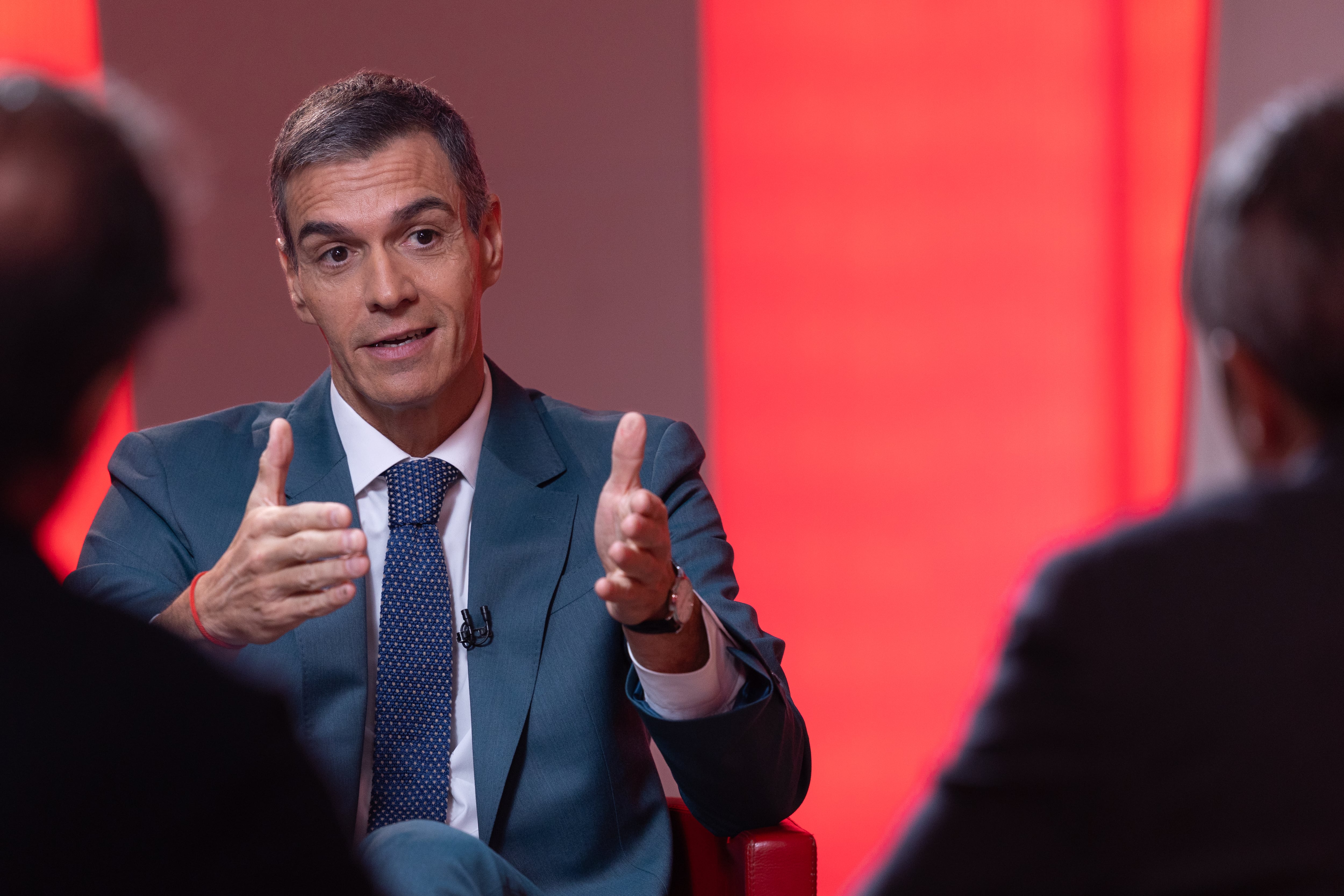
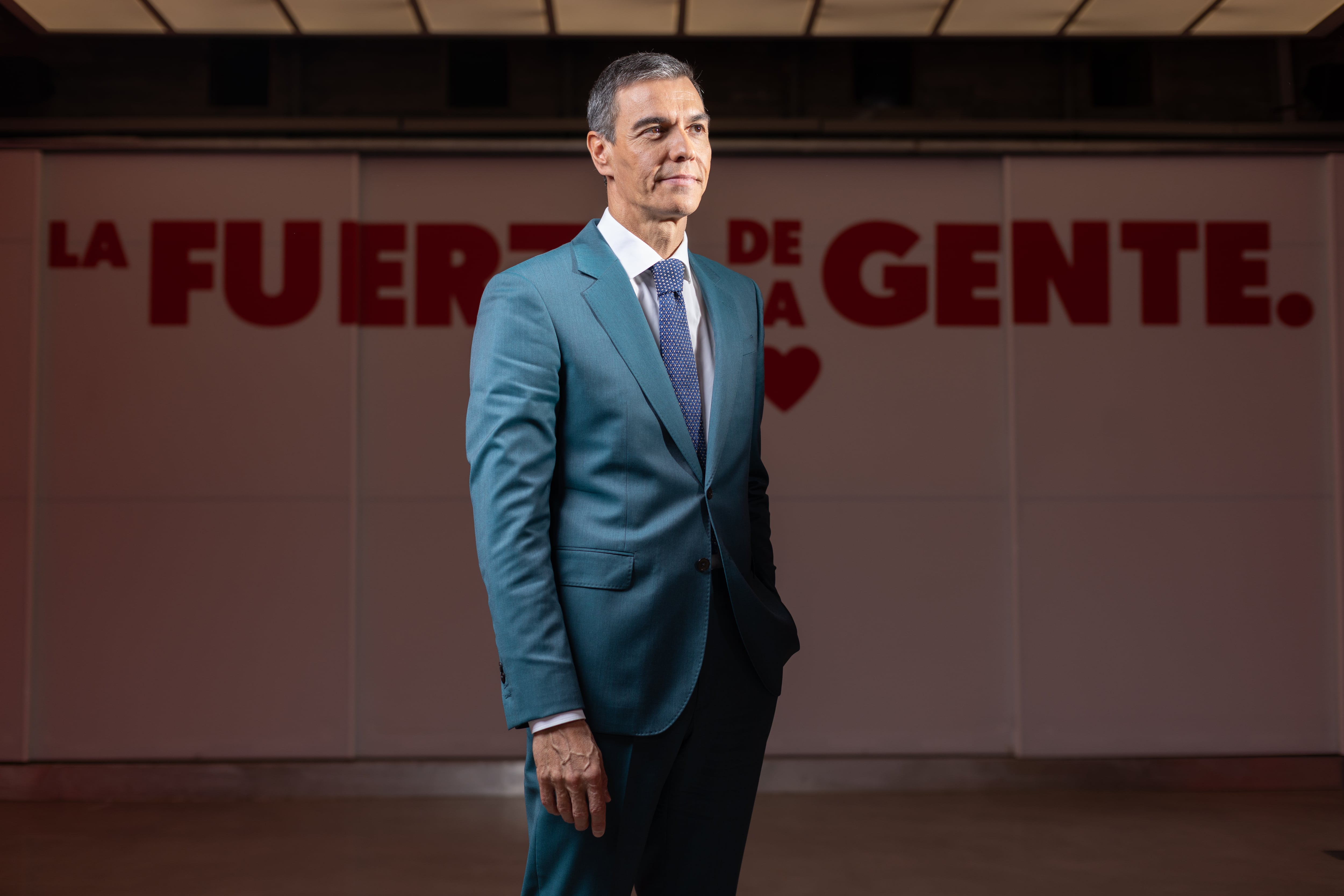
Pedro Sánchez: ‘These elections can be summed up in a very simple idea: either the past moves forward, or Spain moves forward’
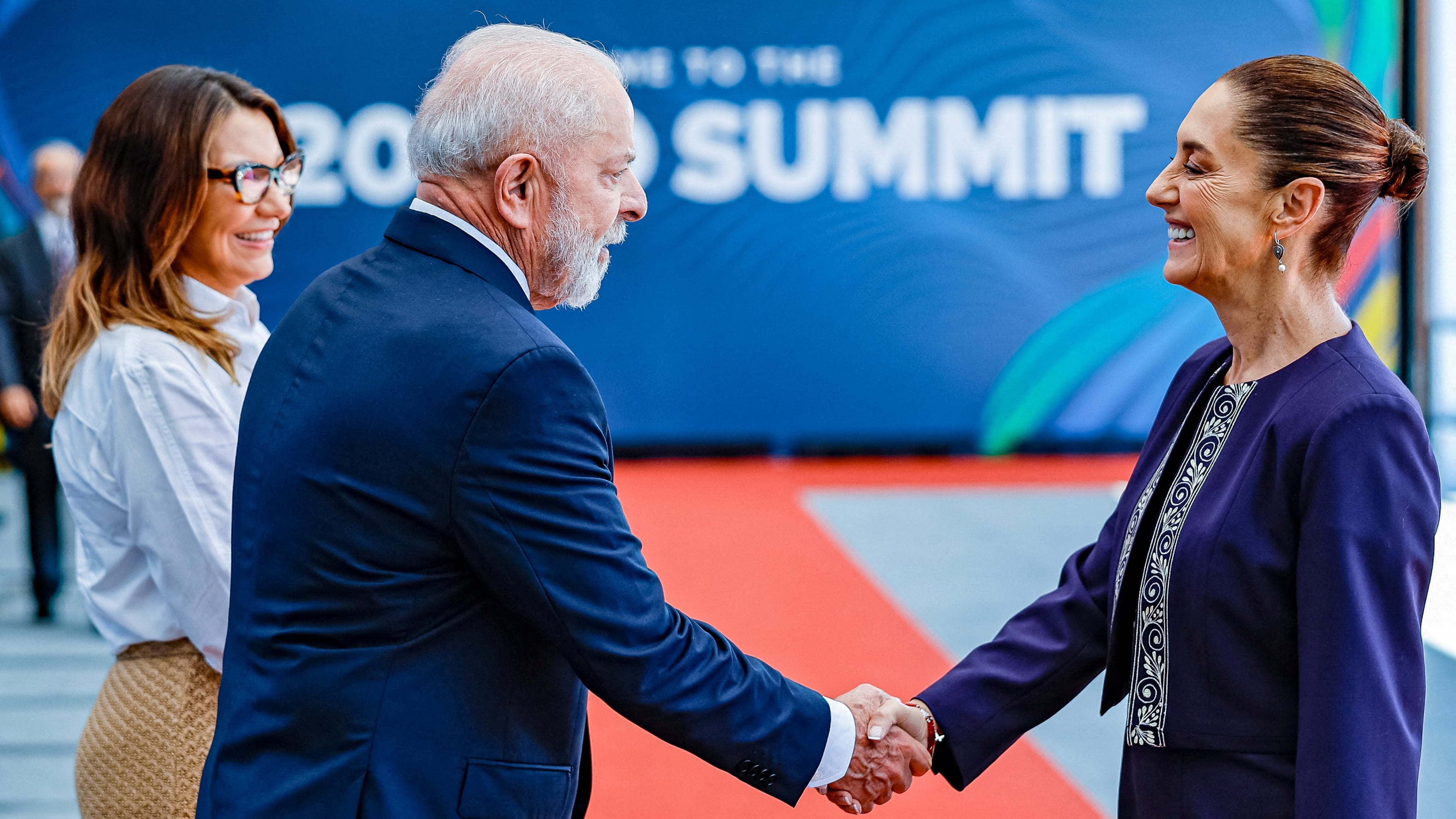
Spain's prime minister, Pedro Sánchez, on Friday at Socialist Party headquarters on Ferraz street in Madrid.

The prime minister is a candidate again. And it shows. He speaks fluidly, dodges jabs, and stands his ground with a smile. Pedro Sánchez, who seemed somewhat weakened after his brother’s conviction and the Ceuta migrant crisis, appears to have been energized by the general election of November 29, which will be his sixth. “These elections can be summed up in a very simple idea: either the past moves forward, or Spain moves forward,” he says.

Seguir leyendo

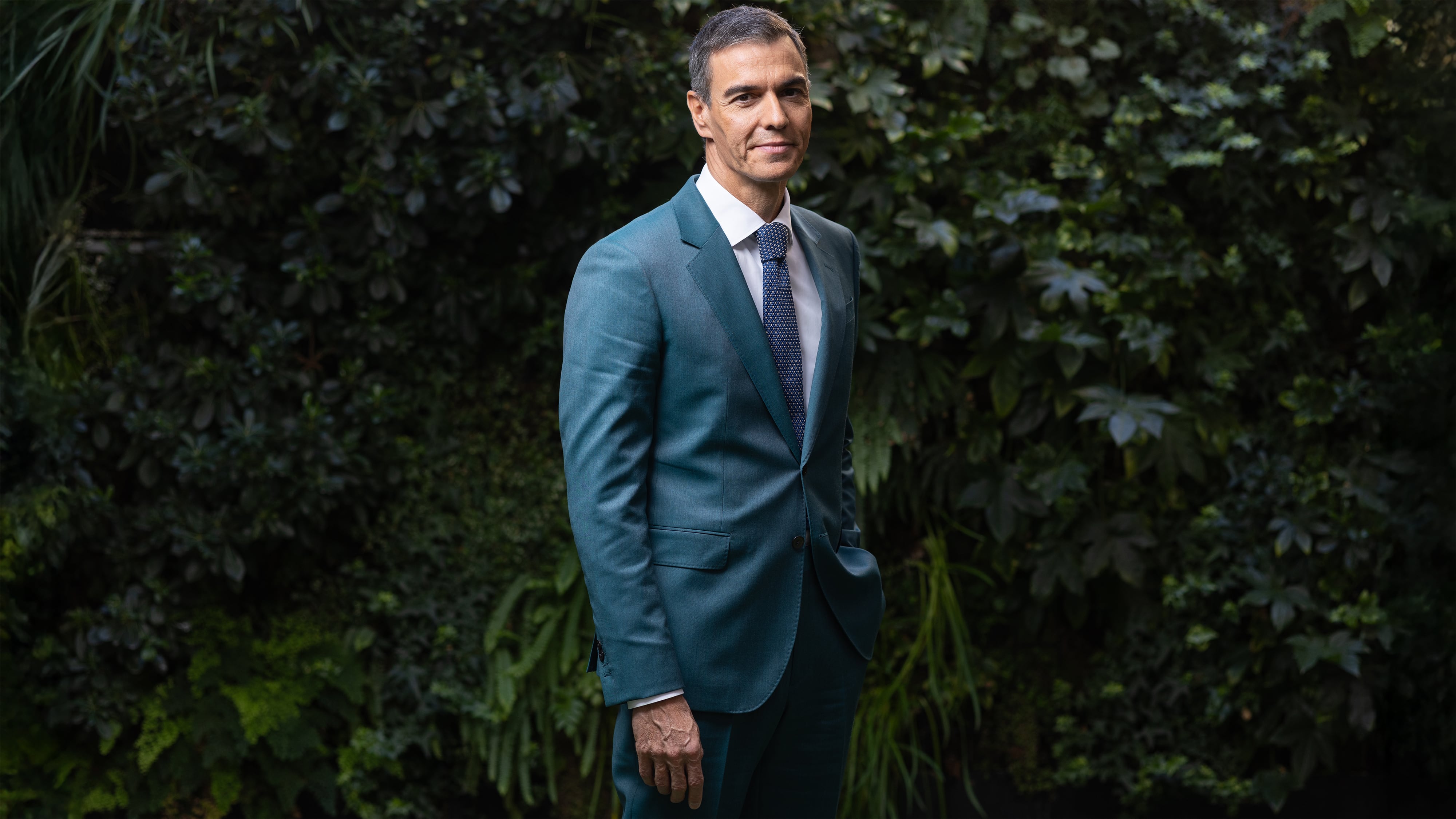
Prime Minister Pedro Sánchez (l) on Friday at Ferraz during the interview with EL PAÍS editor Jan Martínez Ahrens (r) and political correspondent Carlos E. Cué.The prime minister, Pedro Sánchez, at various moments during the EL PAÍS interview at Ferraz on Friday.Pedro Sánchez during the interview with EL PAÍS at PSOE central headquarters on Ferraz street in Madrid.The prime minister and PSOE leader, Pedro Sánchez, on Friday at the party’s central headquarters on Ferraz street in Madrid.

  •  
❌