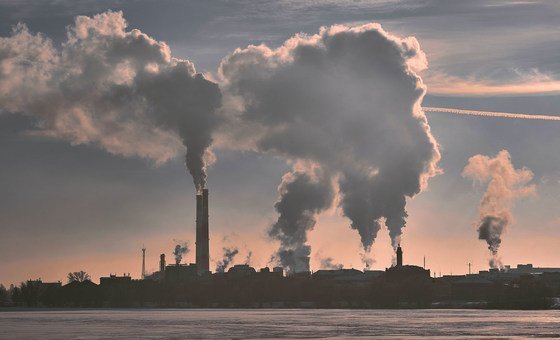
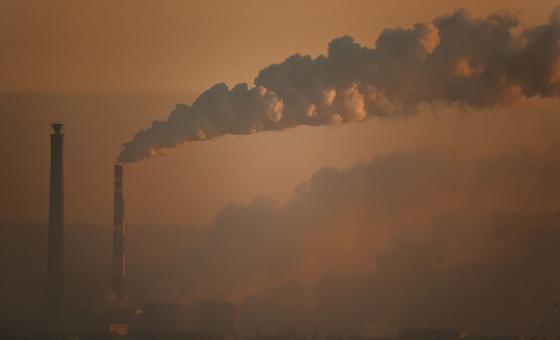
Levels of carbon dioxide (CO2) and other major greenhouse gases in the atmosphere caused by burning fossil fuels reached record highs in 2025, locking in more long-term global warming, the World Meteorological Organization (WMO) said on Tuesday.
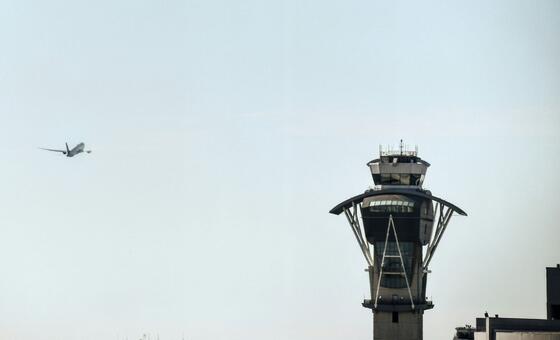
Air traffic delays cost billions and turn journeys into ordeals. Some countries are already proving that better coordination saves thousands of flying hours and cuts emissions – and the UN’s aviation agency wants the rest of the world to follow.
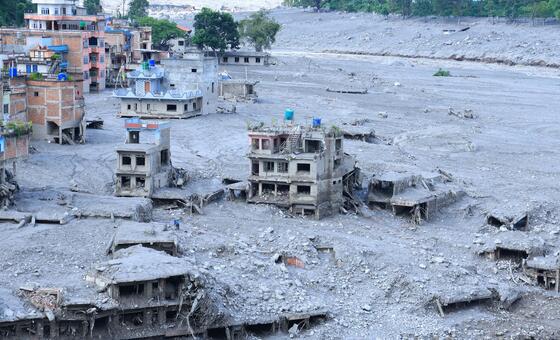
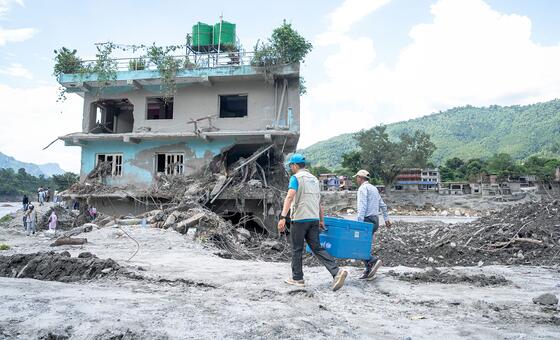
The deadly flash flood that tore through Nepal in August is a “defining moment” for both the country and the international community, according to the head of the UN field agency which builds roads, schools and clinics in crisis zones.
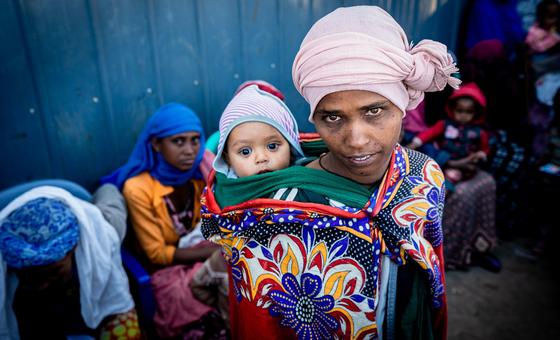
The World Health Organization (WHO) is scaling up emergency health response operations across Afar, Amhara and Tigray in Ethiopia to address growing humanitarian and health needs resulting from ongoing hostilities.
Two UN agencies issued a powerful appeal on Wednesday for immediate assistance to help communities already being impacted by the strongest El Niño weather pattern on record.
With global temperature rise set to exceed 1.5°C above pre-industrial levels, countries “must pull out all the stops” and urgently cut emissions to minimize the overshoot and return to the internationally agreed threshold by the end of this century.
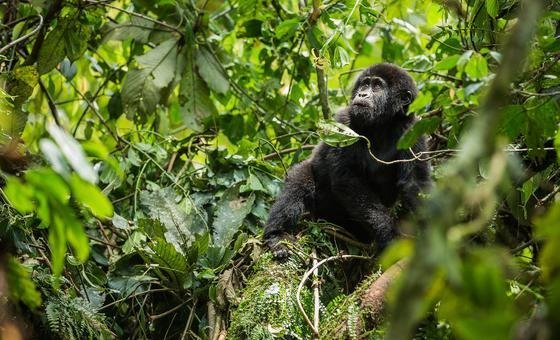
Biodiversity losses continue to upend the lives of billions of people whose future prosperity depends on countries taking urgent action to protect our planet, the top UN official leading talks at the UN Biodiversity Conference in Yerevan, said on Monday.
The UN Secretary-General has called for an end to the “war on nature”. On Monday, governments gathering in Yerevan, Armenia, will have to confront a more practical question: are they doing enough to win the peace and put the world’s biodiversity goals back on track?
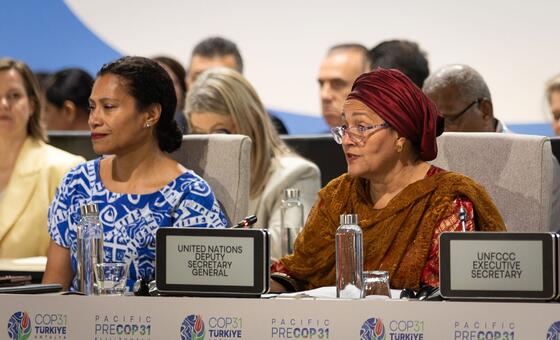
Less than a month before the UN climate conference COP31 opens in Antalya, Türkiye, representatives of three successive summit presidencies gathered to address a pressing question: How can the world restore trust in climate action when the consequences of a warming planet are already being felt?
The United Nations Secretary-General appealed on Friday for governments, businesses and communities to accelerate efforts to protect biodiversity for future generations and all life on Earth.
Fewer than half of the national targets set to protect the world’s plants, animals and ecosystems are on track, the UN warns in a new report, days before countries gather in Yerevan, Armenia, for the COP17 biodiversity conference.
$228 billion is a staggering amount of money to find, but that’s exactly what communities around the world are faced with every year, to rebuild housing after disaster strikes.
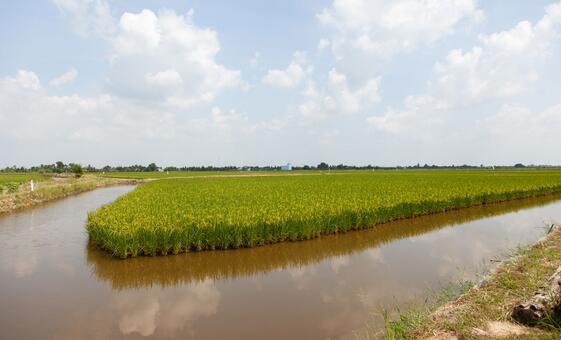
For generations, farming in Viet Nam’s Mekong Delta has depended on a delicate bargain. The river flooded, retreated and flooded again, carrying freshwater and sediment across a flat landscape whose vast fields helped turn the country into one of the world’s leading rice exporters.
Six weeks after Nepal’s deadly flooding disaster, communities are still struggling to rebuild their lives, but they will need sustained help as global warming increases the risk of another Himalayan catastrophe, the UN Children’s Fund (UNICEF) said on Friday.
As world leaders prepare for November’s major COP31 climate summit in Türkiye, record-breaking heat, devastating floods and an unprecedented El Niño climate pattern are making global climate action ever more urgent.
Across Papua New Guinea, water sources are drying up, crops are failing and food prices are rising months before the worst agricultural impacts are expected. Behind those warning signs is an El Niño whose Pacific Ocean temperatures have already surpassed the equivalent measurements during the historic 1997 and 2015 events – part of an unfolding climate pattern being dubbed a “Super El Niño” by some climate watchers.
Pregnancy and childbirth have become a “new fault line in the global climate crisis” as extreme heat worsens, the head of the UN climate action body (UNFCCC) warned on Monday, calling for maternal and newborn health to be built into countries’ climate plans.
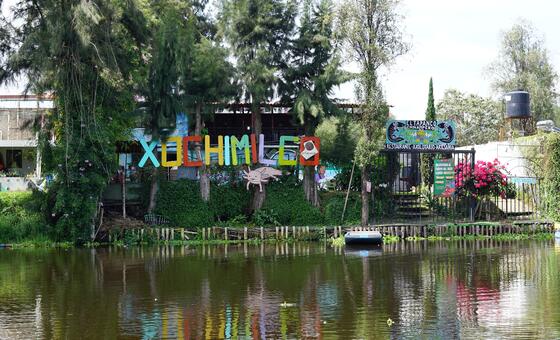
A documentary drawn from United Nations University research was screened at the COP30 climate conference and film festivals across Europe. Its most important journey, though, was the one back to the Mexico City canals where it was filmed.

 Login