❌

Reading view

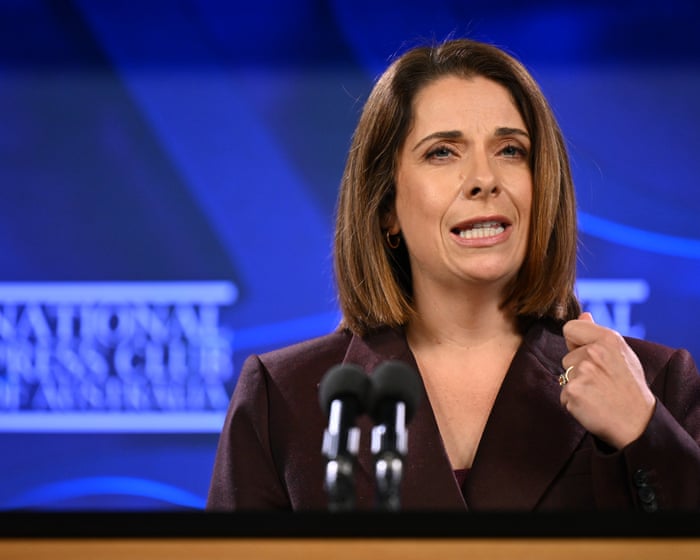
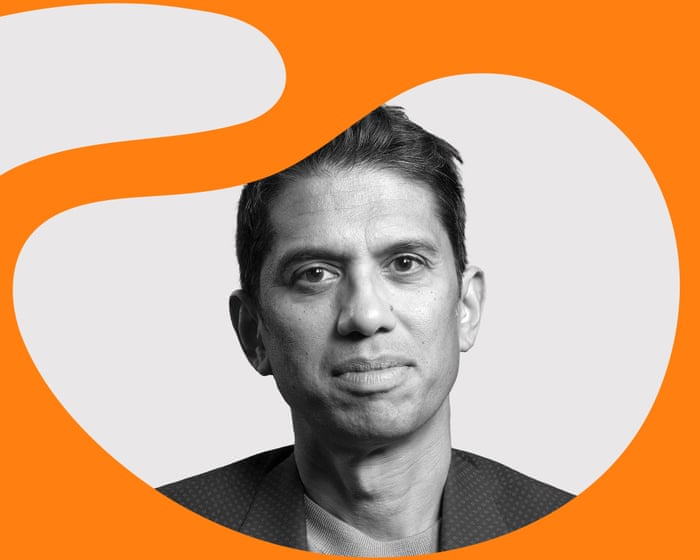
How do we make new economic ideas a reality? – Aditya Chakrabortty answered your questions

Guardian columnist, senior economics commentator and host of the new Radical Thinking podcast Aditya Chakrabortty answered your questions on the big ideas around economics, society and democracy, and his new podcast

thegreatfatsby asks: Do you think the fact that Gabriel Zucman, who is a recognised authority on wealth tax is given more respect, time and attention by the mainstream media than Gary Stevenson, who has worked eloquently and tirelessly to spread the debate about the terrible consequences of inequality and whose ideas and analysis are almost identical is because of our cultural fixation on class prejudice?

Aditya says: I’ve followed Gabriel Zucman (and Emmanuel Saez and Thomas Piketty) for a long time, and find his work rigorous and thought provoking. I don’t always agree, but I appreciate their acceptance that taxes on wealth are part of the fight against ever-increasing inequality.

I think Gary Stevenson is eloquent and compelling and is fighting a good fight. His book tells a story very well. But I don’t accept the insistence on a ‘wealth tax’ (as opposed to taxes on wealth) as being the only way we fight everything from inequality to the far right. We have to look at workers’ rights, housing, public ownership, greater democracy in economics and politics as well.

In the age of algorithm, simple, strong messages cut through. But the truth is often more complex.

Aditya says: What a nice question, Marija. I try to read a lot and write a diary. Unfortunately, I have the handwriting of a GP so I can’t read old entries. The other thing is I try to shirk my mobile phone.

Continue reading...

© Composite: Guardian Design

© Composite: Guardian Design
© Composite: Guardian Design

  •  

Experts warn AI copyright changes could breach Australian constitution and spark huge compensation rights case

Scraping copyrighted material from internet could ‘potentially’ amount to acquisition of property by government, Anne Twomey says

Altering copyright law to allow AI companies to scrape music, books and journalism could trigger a constitutional breach, Coalition senators and the recording industry have warned, as they raise new fears it could open Australia to massive legal action and compensation claims from rights holders worldwide.

The attorney general’s department admitted it was “extremely alive” to the issue, and Australia’s leading constitutional expert, Anne Twomey, agreed there was “potentially” a concern – depending how legislation was drafted – that granting AI companies permission to scrape copyrighted material from the internet could amount to an acquisition of property by the government.

Continue reading...

© Photograph: Lukas Coch/AAP

© Photograph: Lukas Coch/AAP

© Photograph: Lukas Coch/AAP

  •  

More than half of Victorian lawyers use AI – but only a quarter have cut client fees as a result

Research finds 55% of lawyers are using AI in legal practices, up from 37% last year, though efficiency gains aren’t as high as expected

More than half of Victoria’s lawyers have reported using AI in their work, according to a new study, but just over a quarter say they have reduced fees as a result of efficiency gains.

They also say clients seeking advice from chatbots have added to their workload, forcing them to correct errors made by AI.

Continue reading...

© Photograph: Posed by models; Jacob Wackerhausen/Getty Images

© Photograph: Posed by models; Jacob Wackerhausen/Getty Images

© Photograph: Posed by models; Jacob Wackerhausen/Getty Images

  •  

‘Emotional intimacy’ from AI chatbots would be banned under Australia’s digital duty of care laws

Labor government under pressure to create social media watchdog as new online safety standards bill passes lower house

The federal government wants to ban AI chatbots which seek to create “emotional intimacy” after prime minister Anthony Albanese raised the alarm in a heartfelt speech about children treating these agents as their “best friend”.

But Labor is coming under increasing pressure to empower the telecommunications ombudsman to become a watchdog for social media and AI to give Australians an external complaints mechanism and allow the “naming and shaming” of big tech.

Sign up for Guardian Australia’s Politics, really newsletter here

Continue reading...

© Photograph: Lukas Coch/AAP

© Photograph: Lukas Coch/AAP

© Photograph: Lukas Coch/AAP

  •  

AI bots flooded 2023 UK government consultation on disposable vapes ban

Three-quarters of all responses were machine-generated in failed attempt to stop bill from passing into law, research finds

AI bots flooded a government consultation with tens of thousands of fake responses in a failed attempt to stop the UK’s ban on disposable vapes.

Three-quarters of all the responses to the 2023 consultation on the tobacco and vapes bill were machine-generated, in what is thought to be the first coordinated attempt to use AI to derail health policymaking in the UK.

Continue reading...

© Photograph: Tim Parker/Getty Images

© Photograph: Tim Parker/Getty Images

© Photograph: Tim Parker/Getty Images

  •  

Chinese markets lose trillions as race for AI supremacy with US takes its toll

Lack of profits and the threat posed by western countries are raising concern about the sustainability of Beijing’s AI boom

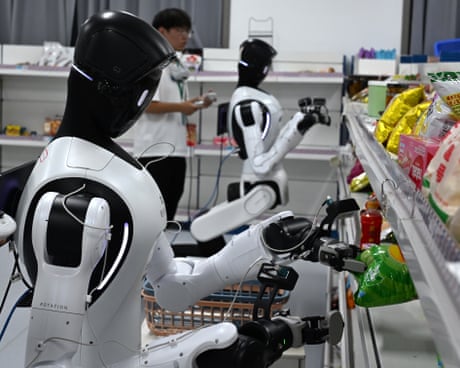
Trillions of dollars have been wiped from China’s stock markets in recent months amid increasing anxiety about the future of artificial intelligence, as Beijing races against the United States for dominance in the sector.

The STAR 50 Index, which tracks technology and innovation companies on the Shanghai stock exchange, has plunged 40% since June. Other indexes of major companies dropped by about 20% over the same time period.

Continue reading...

© Photograph: China News Service/Getty Images

© Photograph: China News Service/Getty Images

© Photograph: China News Service/Getty Images

  •  

Opposition deepfake video of Spanish PM’s wife sparks outrage before election

Video shows AI likenesses of people linked to Pedro Sánchez’s Socialist party appearing to admit to wrongdoing

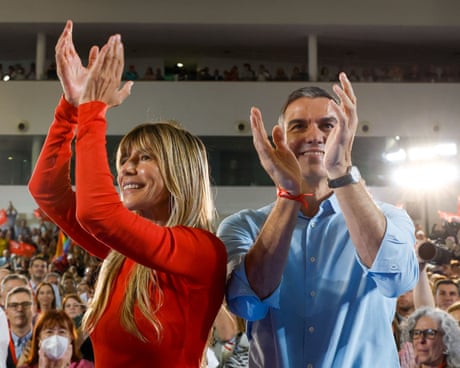
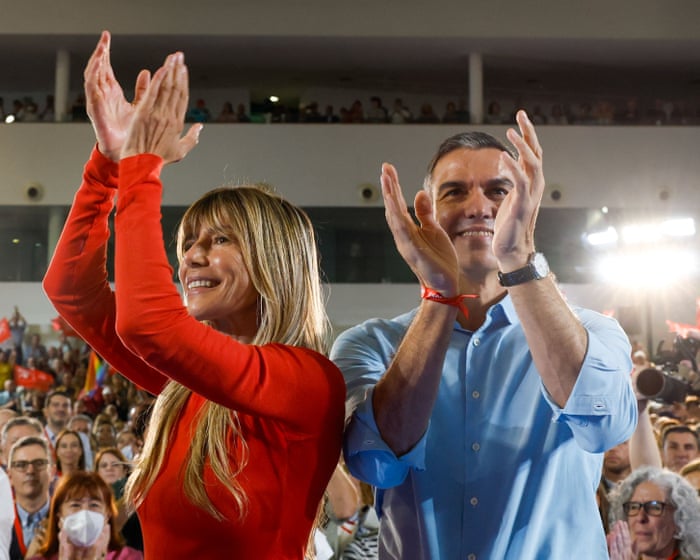
A political ad from Spain’s main opposition party that used a deepfake video of the prime minister’s wife has sparked outrage and set off a wider debate on AI, as the deeply polarised country gears up for general elections next month.

Launched this week across the social media channels of the conservative People’s party (PP), the video used artificial intelligence to manipulate the likenesses of various people linked to Pedro Sánchez’s Socialist party and appeared to show them admitting to acts such as soliciting prostitutes and taking kickbacks.

Continue reading...

© Photograph: JJ Guillen/EPA

© Photograph: JJ Guillen/EPA

© Photograph: JJ Guillen/EPA

  •  

‘Pure arrogance’: anger in Finland as Google illegally fells 250,000 trees for datacentre

Company ordered to stop work at two sites in country, which has found itself at forefront of tech firms’ latest push

Behind a wire fence lies a vast gaping wound of earth. Before Google’s arrival a few months ago, an estimated quarter of a million trees occupied the 330 hectares (815 acres) of forest near the town of Muhos in rural northern Finland. Now they are all gone.

After the tech company illegally stripped the entire area to build a datacentre – taking even the top soil with it – all that remains is a vast expanse of mud indented with the trail marks of machinery, puddles and mounds of earth, roots and branches. Residents say that brown water flowing off the site is going into a stream that feeds the Oulujoki River.

Continue reading...

© Photograph: Alessandro Rampazzo/AFP/Getty Images

© Photograph: Alessandro Rampazzo/AFP/Getty Images

© Photograph: Alessandro Rampazzo/AFP/Getty Images

  •  

Canadian publisher Boréal ends relationship with novelist Thélyson Orélien over alleged use of AI

Author withdrawn from France’s Prix Goncourt last month has repeatedly denied using artificial intelligence to write novel

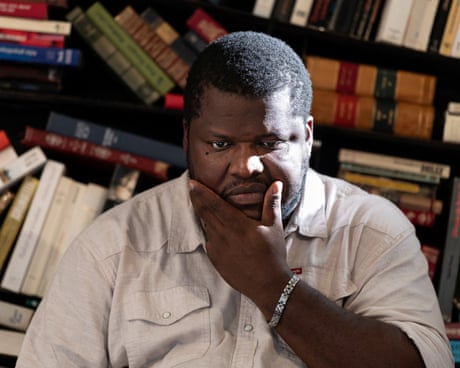
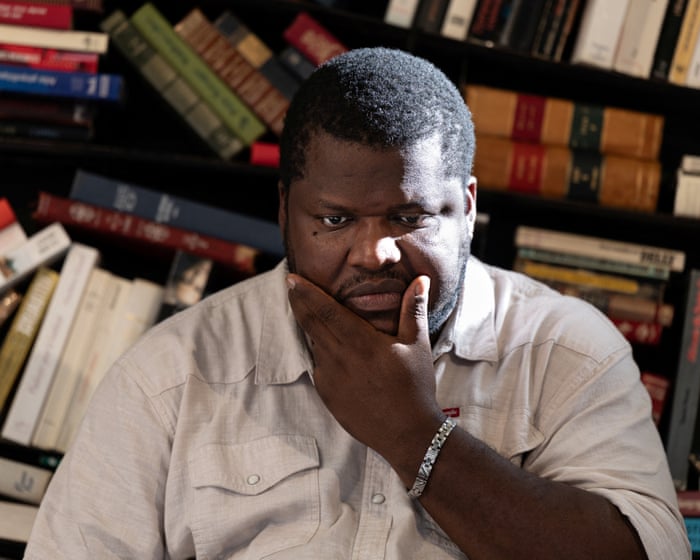
The publisher of top-selling Haitian Canadian writer Thélyson Orélien, who was removed from France’s most prestigious literary prize list last month, has confirmed the author used artificial intelligence to help write his novel C’était ça ou mourir (It Was Either That or Die).

Orélien has denied allegations that he used AI on his breakthrough novel and, last week, Canadian publisher Les Éditions du Boréal said it was standing by the 38-year-old writer.

Continue reading...

© Photograph: Joel Saget/AFP/Getty Images

© Photograph: Joel Saget/AFP/Getty Images

© Photograph: Joel Saget/AFP/Getty Images

  •  

The dangers of letting tech billionaires shape our world

As SpaceX impacts Ukraine and AI-generated music divides artists and fans, critics are asking what happens when technology has too much control over our lives

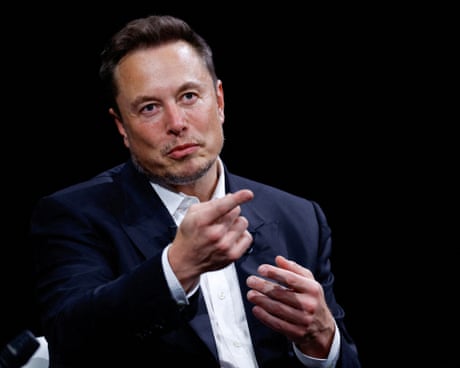
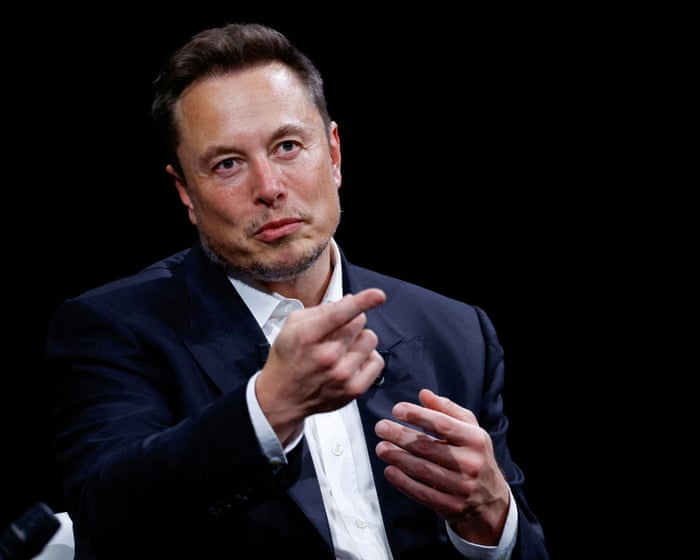
Hello, and welcome to TechScape. I’m Blake Montgomery, US tech editor at the Guardian, writing to you while sitting in front of Roy Lichtenstein’s monumental Drowning Girl, on view in New York City. Today in tech, we’re discussing the perils of Elon Musk’s one-man global infrastructure, AI-generated music and a Guardian AI conference in Paris.

Continue reading...

© Photograph: Gonzalo Fuentes/Reuters

© Photograph: Gonzalo Fuentes/Reuters

© Photograph: Gonzalo Fuentes/Reuters

  •  

We need to stop disinformation in UK political adverts. Here’s a chance to do so | Letter

Alex Tait on a proposed amendment to the representation of the people bill, and Dr Joseph Mullen on Russian interference in the Brexit referendum

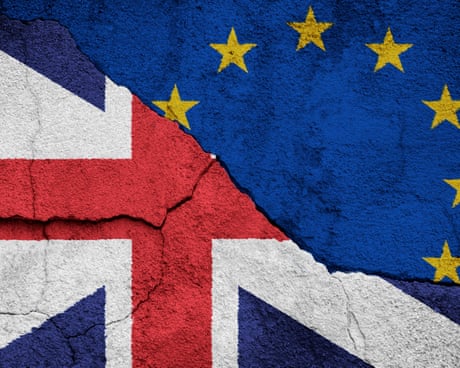
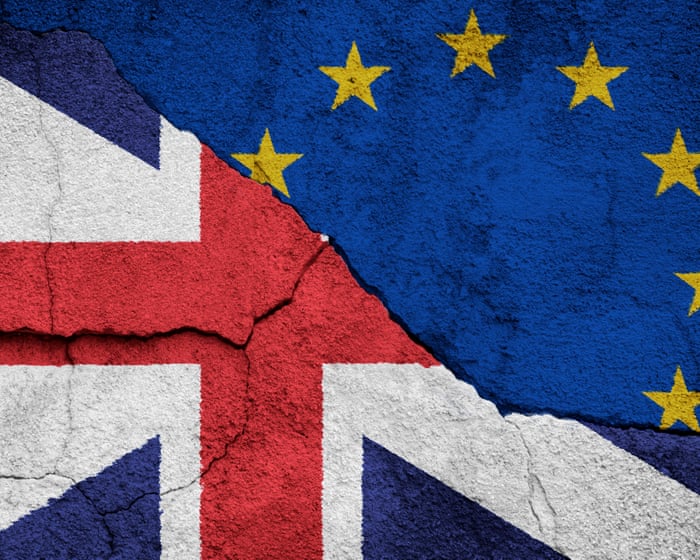
Andy Burnham’s comments about Russian interference in Brexit (Report, 11 October) and the warning by the MI5 chief, Ken McCallum, against exaggerating its impact (Report, 13 October) risk overlooking another serious threat to electoral integrity: disinformation from our own political parties and campaigners.

Foreign interference deserves scrutiny, but misleading factual claims in electoral advertising are unregulated, unlike in commercial advertising. We have four sets of rules to ensure an advert for a packet of sausages is accurate, but none for the most important advertising of all – ads that influence how we vote.

Continue reading...

© Photograph: Tuomas A Lehtinen/Getty Images

© Photograph: Tuomas A Lehtinen/Getty Images

© Photograph: Tuomas A Lehtinen/Getty Images

  •  
❌