The flight of far-right Brazilian politician Flávio Bolsonaro has exposed covert support from the Donald Trump administration and a network of alliances among conservative governments on the continent, encouraged by Washington, that collaborated to enable his escape. Bolsonaro’s departure for Miami — just one day after insisting he would lead the opposition to the newly re-elected Luiz Inácio Lula da Silva — demonstrates the existence of a Latin American bloc not only ideologically aligned with Trump but willing to act according to his logic, disregarding international treaties, several analysts said.
On wednesday, opposition groups in Colombia have expressed their rejection of a strategic memorandum of understanding—signed over a month ago between Abelardo De la Espriella and the United States government—warning of potential socioeconomic, environmental, and territorial implications for the country, while also questioning the scope of the pact.
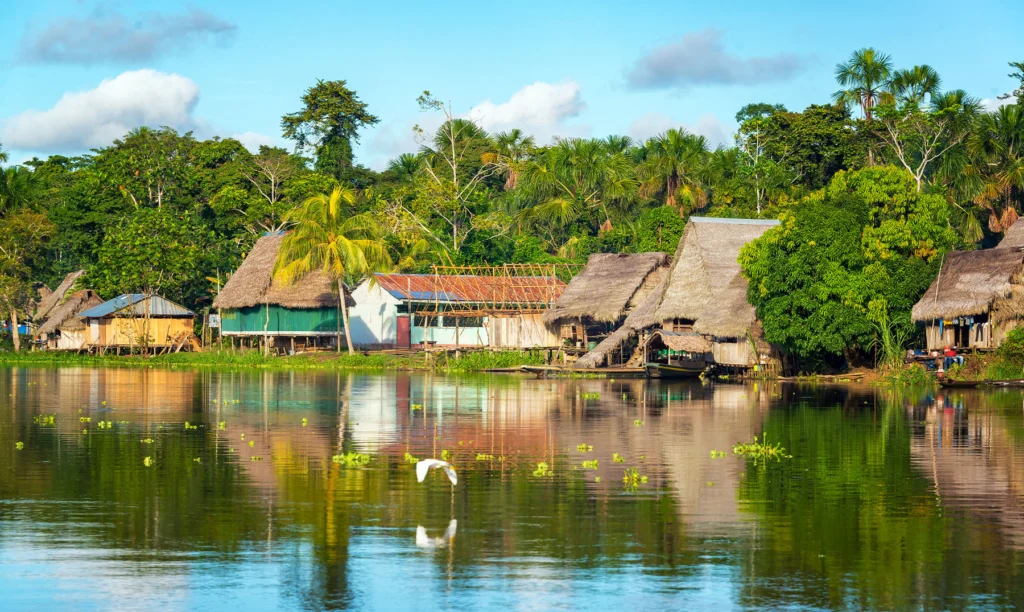
The criticism centers on a potential extractive mining project targeting strategic minerals; according to the opposition, the exploitation of these resources would negatively affect ecosystems and communities located in the Amazon, the Pacific region, and parts of the Caribbean.
Senator Carolina Corcho, of the Historic Pact (in spanish Pacto Histórico) coalition, argued that the agreement subordinates national sovereignty to an extractive mining and energy model designed to serve U.S. industry.
According to the lawmaker, the document reportedly includes provisions for streamlining permits for extractive mining companies, the handover of geological maps, and granting the U.S. government prior knowledge of planned sales in Colombia to facilitate its decision-making processes.
The opposition has characterized the agreement as mercantilist, criticizing the fact that it was finalized without the participation of Colombian civil society—a group that asserts its right to have a say in how its lands are used.
¡No vamos a permitir que regalen nuestra soberanía a espaldas del país!
La administración de @ABDELAESPRIELLA firmó a oscuras un memorando que le entrega a EE. UU. el control de nuestras tierras raras y minerales estratégicos, poniendo en riesgo a nuestras comunidades campesinas… pic.twitter.com/Oel6iYraPk
The text reads, “We will not allow them to give away our sovereignty behind the country’s back! The administration of @ABDELAESPRIELLA signed a memorandum in the dark that hands over to the United States control of our rare earths and strategic minerals, putting our peasant and ancestral communities at risk. Colombia’s wealth must be respected! Watch the full interview and the details of this complaint on @TeleSUR: http://youtu.be/d0pxJpb7sZY?si=ZnJ_szg_QyUlmO6J
Critics warn that the affected territories contain lithium, nickel, uranium, and copper—resources essential for the manufacture of mobile phones, computers, microprocessors, radar systems, guided missiles, and defense equipment. These materials can also be used for military purposes.
According to the allegations, a large portion of these resources would be extracted from the Amazon, the Pacific, and parts of the Caribbean—regions that hold extensive deposits of rare earths and strategic minerals. Most of these areas are inhabited by Afro-descendant, Indigenous, and peasant (rural farming) communities, which further compounds the concerns raised by the opposition.
Colombian analyst Ricardo Vargas noted that these territories possess a social sensitivity, which is why communities tend to mobilize when faced with risks to their land, water, air, and biodiversity. Vargas also pointed to measures aimed at containing social protest and warned of the presence of armed groups that illegally access these resources.
According to the allegations, the executive branch is clearing protected territories to allow for the entry of foreign entities and the exploitation of resources. The opposition claims that the document bypasses requirements for prior consultation and environmental permits, effectively placing the country’s geological and mining map at the disposal of the U.S. economy and American corporations.
Meanwhile, the executive branch has stated that the memorandum is non-binding—an argument the opposition views as an attempt to evade constitutional obligations and the mandatory review process by the Congress of the Republic.
Opposition groups have drawn parallels to the situation during the administration of Álvaro Uribe Vélez, specifically regarding the presence of military bases in the country.
A productive day in Colombia, building on the enduring friendship between our two nations.
The memorandum was signed on September 8, 2026, in Barranquilla, during a visit by U.S. Secretary of State Marco Rubio. The instrument establishes a framework for cooperation to secure supply chains for the mining and processing of critical minerals and rare earth elements.
According to official information, the agreement includes provisions for financing, support for geological mapping, and the streamlining of administrative procedures for extraction and processing projects. The Colombian Foreign Ministry maintains that such memoranda are non-binding and that they respect both national legislation and state sovereignty.
At the heart of this debate lies the tension between bilateral cooperation, foreign investment, and the protection of national sovereignty, strategic resources, and the rights of local communities.
A dispute over conflicting versions of a provision in Colombia’s 2027 national budget has raised questions about the bill’s legislative validity. Senator Esmeralda Hernández says the Senate and House of Representatives approved different versions of Article 65 but failed to… pic.twitter.com/kNlFunNq1o
La oposición califica el acuerdo de mercantilista y cuestionan que se haya concretado sin participación de la sociedad civil colombiana, que tiene derecho a decidir sobre el uso de sus tierras.
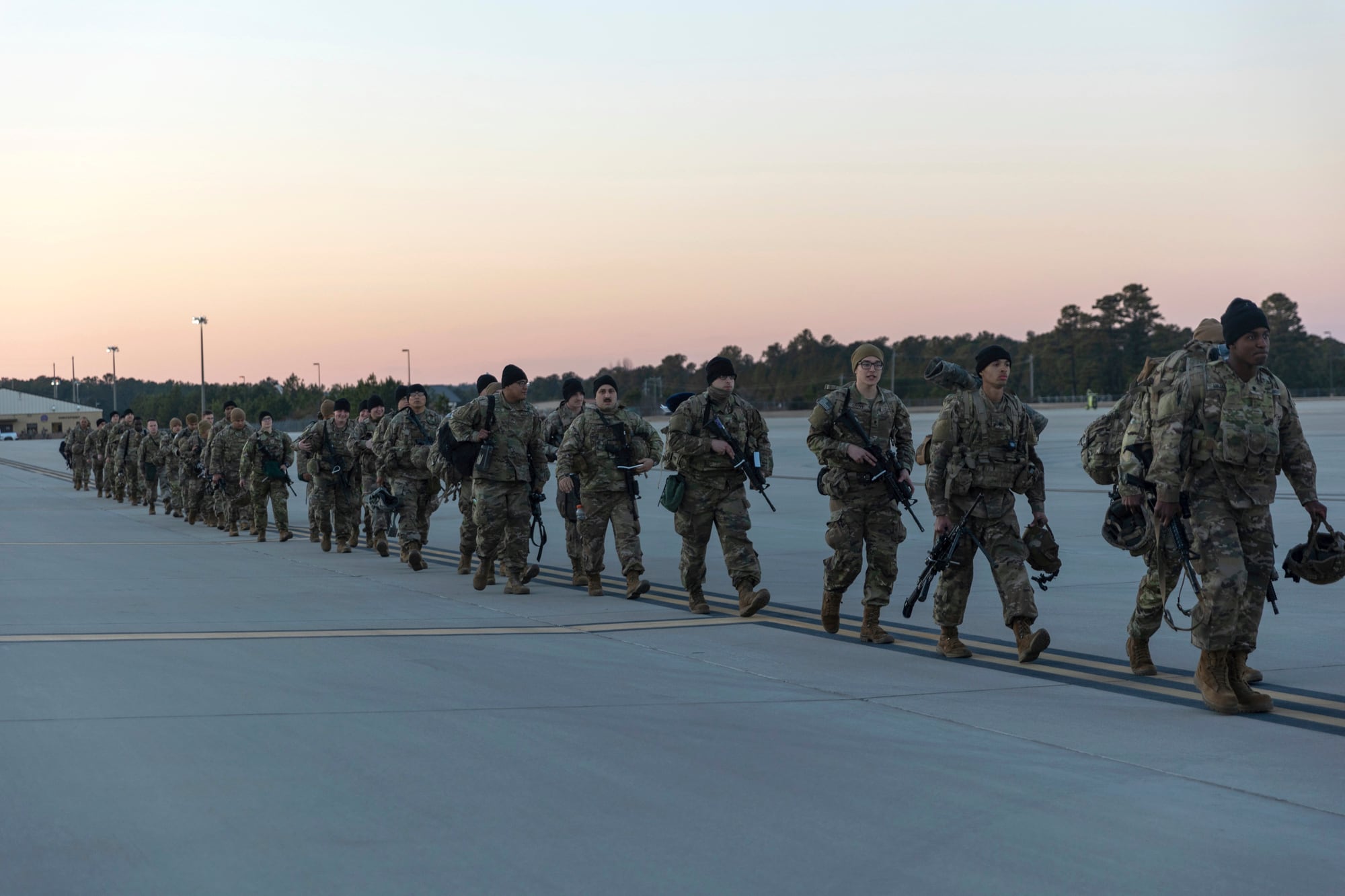
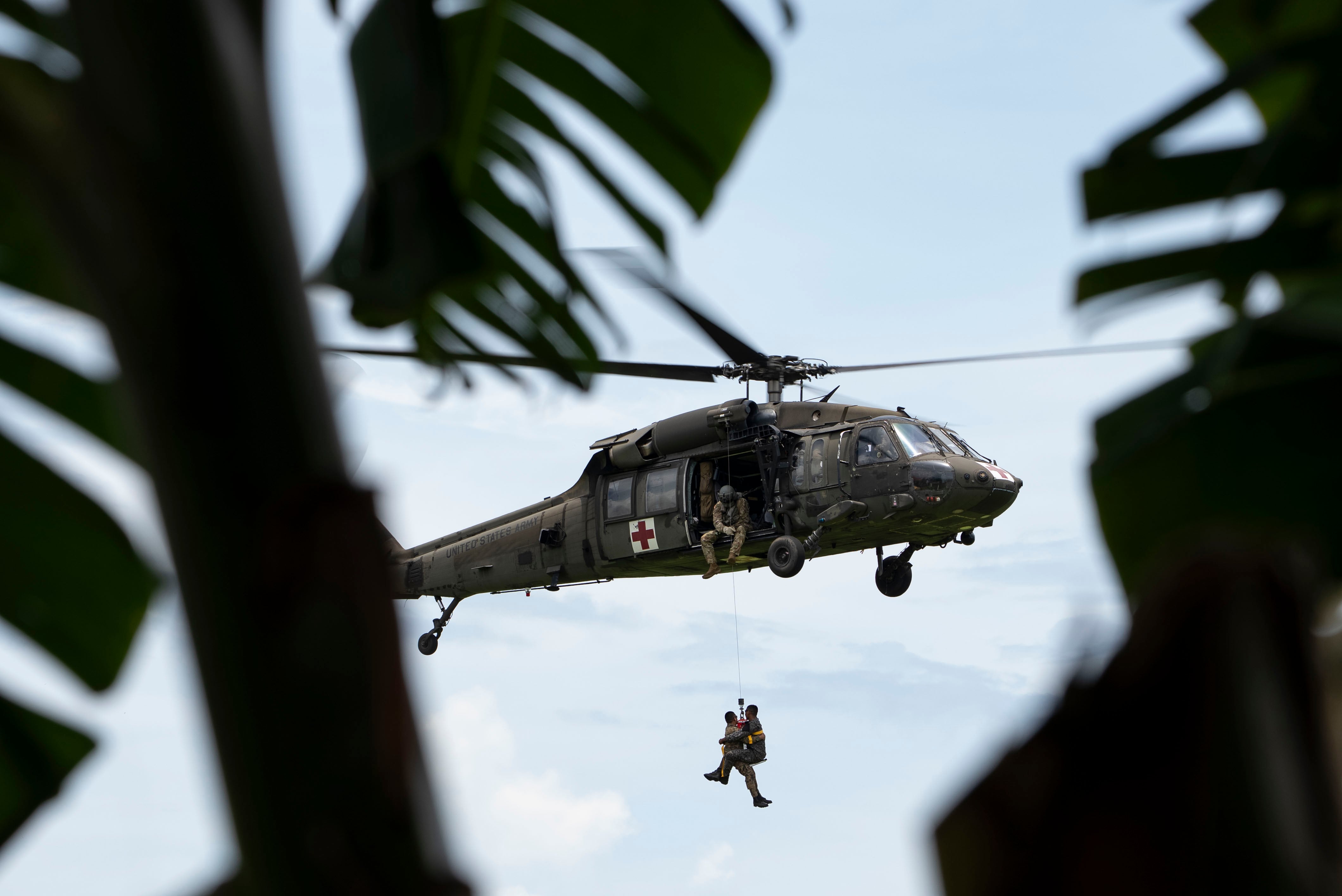
More than 300 U.S. troops are due to arrive in Colombia on Tuesday, October 27, to conduct military training exercises against drug trafficking, the U.S. Southern Command and Colombia’s Ministry of Defense confirmed Monday in two press releases. The joint exercise, called Southern Vanguard, will take place at the country’s largest military base in Tolemaida, in the municipality of Nilo, Cundinamarca, a few hours from Bogotá. It will run through November 11, 2026.
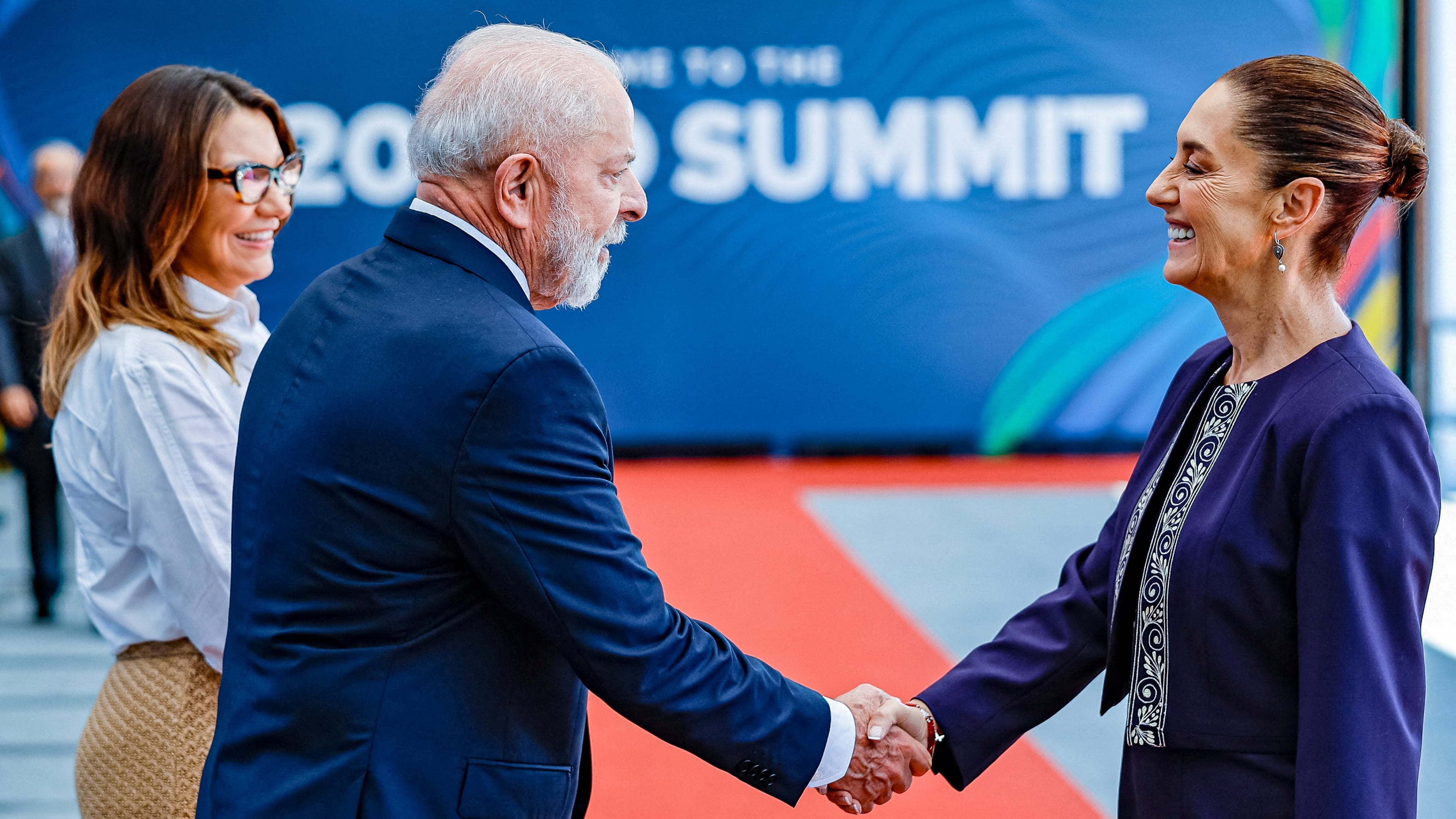
The weakened Latin American left is celebrating Luiz Inácio Lula da Silva’s epic comeback in grand style — the “Pelé of progressivism” who is preparing to become president of Brazil for a fourth time. From Mexico’s Claudia Sheinbaum to Colombia’s Gustavo Petro, and including Argentina’s Cristina Fernández de Kirchner and Chile’s Gabriel Boric, the bloc was quick to hail Lula’s victory as soon as it became irreversible, despite the defeated Flávio Bolsonaro’s promise to seek to annul the election. The right, split between acknowledging the result and remaining silent, has left Bolsonaro alone in his challenge.
From a hard-line security agenda to a cultural battle, he is adopting tactics used by Trump, Bukele and Milei.
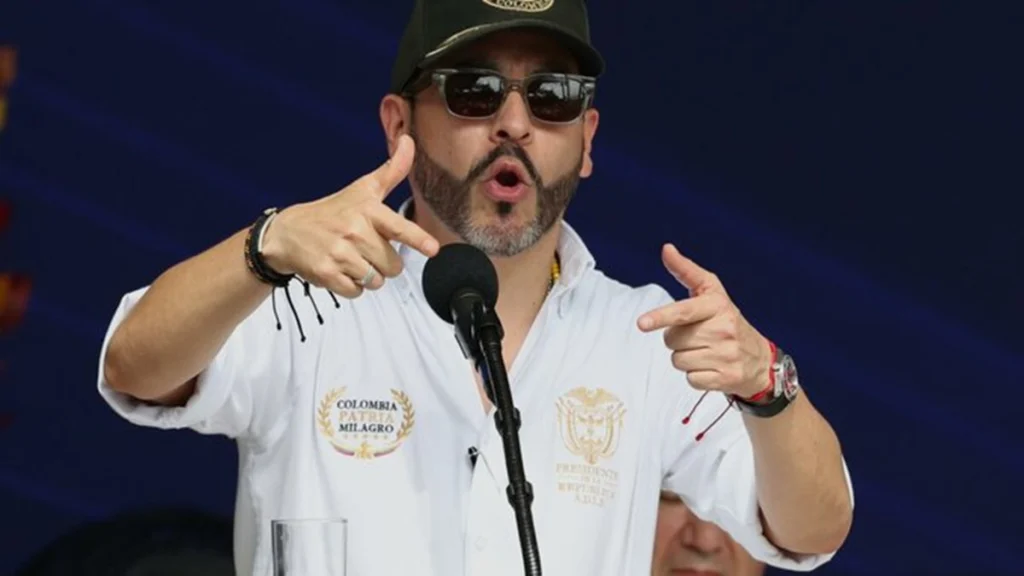
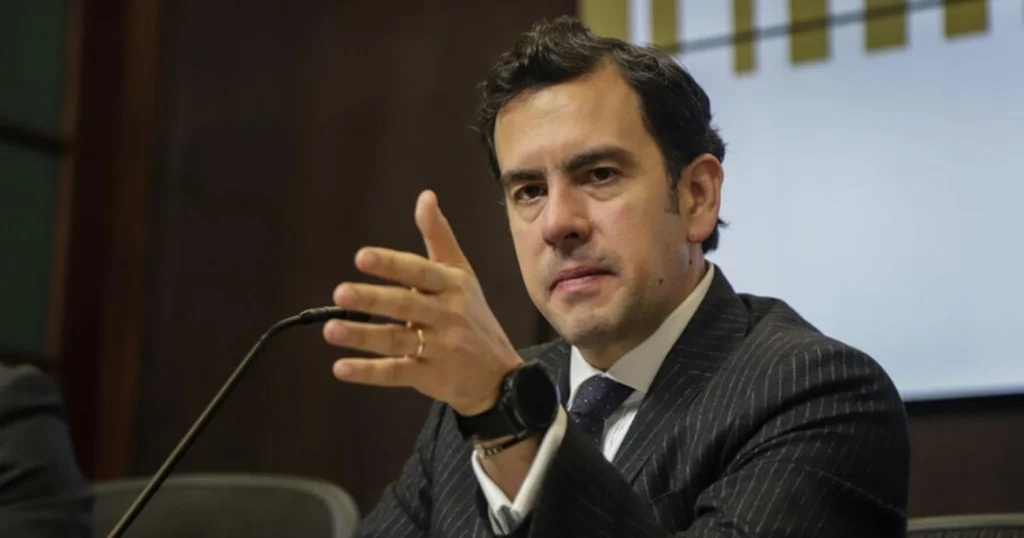
Colombian President Abelardo de la Espriella is following the playbook that other far-right leaders, such as U.S. President Donald Trump, Salvadoran President Nayib Bukele and Argentine President Javier Milei, have implemented in recent years.
The Colombian politician is touting his commitment to the “cultural battle,” along with a hard-line approach to crime and migration, attacks on the opposition, appeals to religion, personalized communications and government actions that threaten to erode democracy and limit rights.
Emphasis on Security
Since taking office in August, De la Espriella has focused on security. Almost every morning, he announces a new operation on social media involving drug and weapons seizures, arrests and the killing of suspected guerrillas and criminals.
The president has emphasized his order to act with an “iron fist” and use the full force of “the weapons and laws of the Republic.” This show of force has led him, not without controversy, to film himself walking among bodies in bags or wearing a pistol on his belt during a police raid in the Caribbean city of Santa Marta. In addition, inspired by Bukele, he has expressed interest in building as many as six mega-prisons.
Colombia has a new far-right multimillionaire president, Abelardo de la Espriella.
He is a US citizen who voted for Trump.
He wants Colombia to adopt the US dollar.
He worked for years as a lawyer in Miami, defending drug traffickers.
Like Trump and Milei, De la Espriella targets the opposition, led by the leftist Historic Pact party and former President Gustavo Petro (2022-2026). He accuses Petro’s administration of having left public finances in their “most critical situation” because of “wasteful spending” and “corruption.”
Centralization of Communications
Similar to Bukele, De la Espriella has become the first and almost sole source of information about his government, whether regarding security operations, infrastructure meetings or talks with the International Monetary Fund (IMF). He has also prohibited all senior officials from making statements without his authorization.
De la Espriella’s approach to communications is one-way: During the 11 weeks of his presidency, he has held no news conferences at which journalists could ask questions and has granted no interviews, limiting accountability.
Alignment With the U.S. and Israel
Like Chilean politician Jose Antonio Kast, Peruvian politician Keiko Fujimori and Ecuadorian President Daniel Noboa, De la Espriella was quick to align himself with Washington, joining the Shield of the Americas, a security alliance promoted by the United States, and advancing his country’s withdrawal from the International Criminal Court.
In his rapprochement with Israel, he has gone further than Milei. The Colombian far-right leader has recognized Israeli sovereignty over the Golan Heights and moved Colombia’s embassy to Jerusalem.
Budget Cuts
De la Espriella promised during his campaign to cut government spending by 40%, following Milei’s chainsaw approach, and has already moved in this direction with his first general budget, approved by decree this week.
In addition to reducing allocations for the Special Jurisdiction for Peace (JEP) and the Ministry of Equality and Equity, the Colombian president is cutting spending on contractors, bureaucracy, subsidies and social assistance.
Colombia has opened an embassy in West Jerusalem under new far-right President Abelardo de la Espriella, who is reversing his predecessor's break with Israel by also restoring a free trade agreement. pic.twitter.com/LnZ4uufnaC
The Colombian president has surrounded himself with Christian symbols since his inauguration and adopted the practice of ending his speeches by shouting, “Long live Christ the King!” This has led to lawsuits accusing him of violating the state’s secular character.
De la Espriella, who has included a significant number of evangelicals in his Cabinet, recalls Milei and Brazil’s Bolsonaro family in these practices, including former President Jair Bolsonaro and his son and presidential candidate, Flavio.
Cultural Battle
The far-right politician has announced a “cultural counterrevolution” to eliminate “wokism,” which he believes entered Colombian institutions under his predecessor.
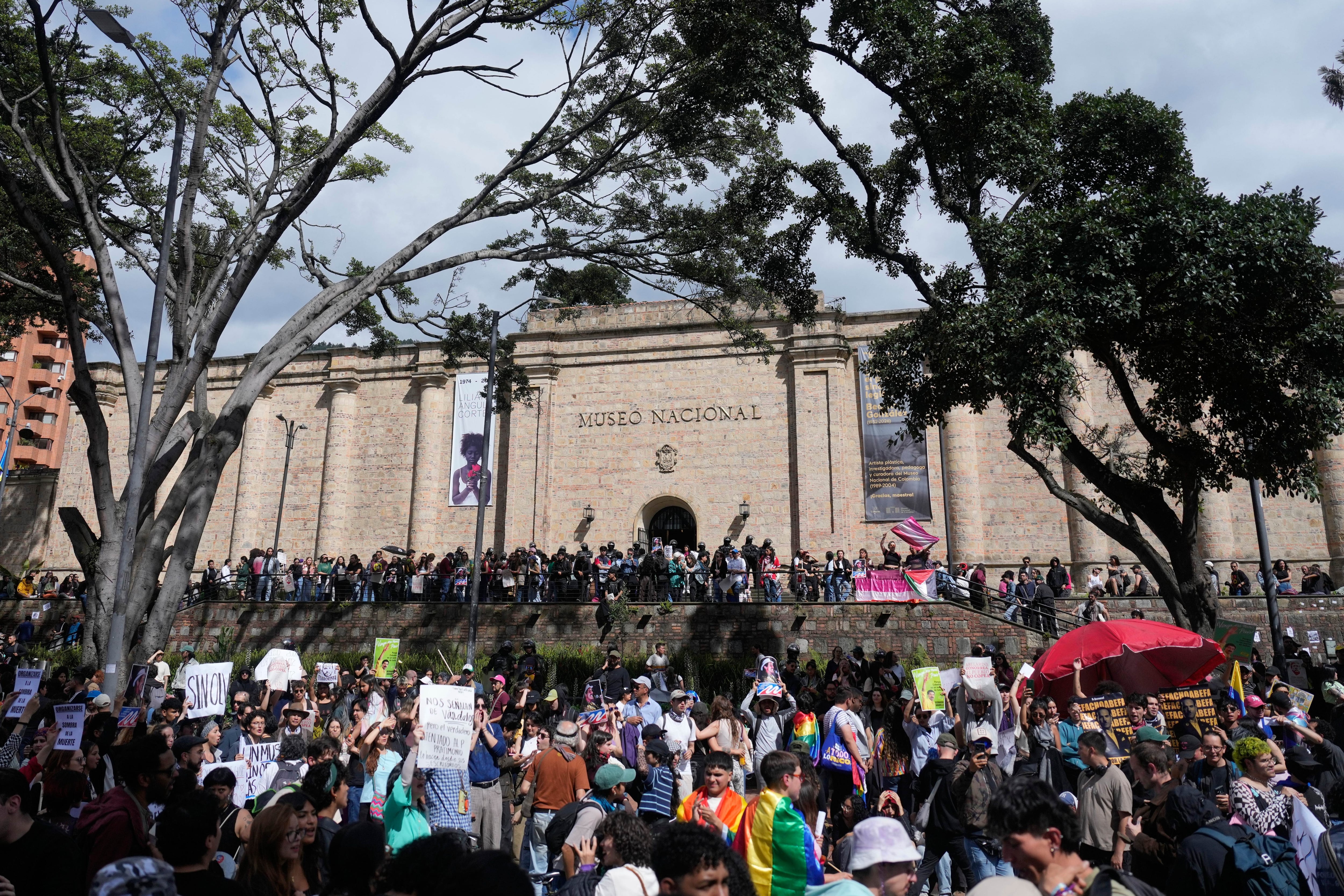
The most high-profile controversy in this area has been his government’s decision to remove more than 30 works from the National Museum. The move has drawn criticism over “censorship” and sparked protests outside the cultural institution for several days, recalling Trump’s moves involving the Smithsonian and the Kennedy Center.
Irregular Migration
A few days after taking office, the Colombian president announced that immigrants in irregular situations would be “identified and deported.” Although police have conducted some raids in cities such as Cartagena, Cucuta, Bucaramanga and Medellin, the issue does not appear to be a priority for the authorities.
An Outsider to the System
Like Trump, Bukele and Milei, De la Espriella denies being a politician and rejects being like other politicians, whom he disparages in general terms and frequently accuses of corruption and backroom deals. He explains his government in terms of a break with the past and a process of purging the system.
This stance goes hand in hand with behavior that departs from traditional norms, as when he accused two regional leaders of corruption in front of the cameras.
The External Enemy
De la Espriella has just announced that his government will detail, in just one month, what it considers its territories in the Caribbean Sea, including all the islets and reefs of the San Andres archipelago. The move could reignite a decades-old conflict with Nicaragua. The situation, in some ways, though with clear caveats, recalls the Falklands campaign launched by Milei.
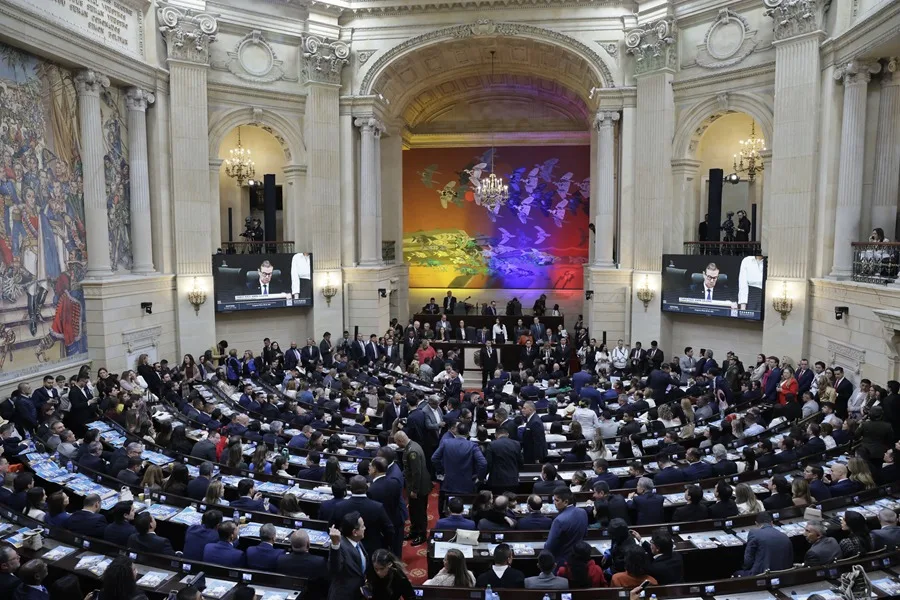
Colombia’s Government issued the 2027 General National Budget by decree on Thursday, after the bill’s approval in Congress fell through because of a procedural error.
The total amount is 634.9 trillion pesos, or 200 billion dollars at the current exchange rate, of which 391.38 trillion pesos, or 122 billion dollars, are for operating expenses, 155.43 trillion pesos, or 48.7 billion dollars, for debt service and 88.14 trillion pesos, or 27.6 billion dollars, for investment.
Opposition sectors described the Government’s handling of the budget as improvised.
The Senate and the Chamber approved different texts in one of the bill’s articles, and conciliation was not achieved before the October 20 deadline set by law for concluding that process, the last of the congressional debates, namely the plenary sessions.
The Government therefore had to issue the Budget by decree in the form in which it emerged from the joint economic commissions.
¡Se le cayó el presupuesto chimbo a @ABDELAESPRIELLA! Por hacer las cosas a las patadas, terminaron enredados entre dos versiones distintas y ahora el Gobierno pretende expedirlo por decreto.
Tanta improvisación con más de $634 billones de los colombianos exige responsables. ¡La… pic.twitter.com/Uivsc6N4kf
Resources for earthquake victims, health and energy subsidies added during the plenary sessions will be reduced because of the situation, Senator Alejandro Ocampo affirmed.
Representative María Fernanda Carrascal considered that Congress’s servility to the Executive vitiated the legislative process and denounced that the approved budget showed the Government’s true priority as more debt and less social investment, with debt service growing 46 percent while cuts hit the most vulnerable.
After the events, President Abelardo de la Espriella dismissed Interior Minister Rodrigo Lara.
The Executive plans to cut the budget in social areas such as public health and energy subsidies for vulnerable sectors.
On Thursday, Colombian President Abelardo de la Espriella dismissed Interior Minister Rodrigo Lara following the crisis triggered by the failure of the 2027 National Budget bill in Congress.
The controversy arose after the Senate and the House of Representatives approved different versions of the budget without reaching a consensus before the constitutional deadline for the legislative process.
Faced with the impossibility of passing the initiative through parliamentary means, the government decided to use a decree to implement the national budget for the next fiscal year.
Senator Esmeralda Hernandez criticized the procedure followed during the legislative debate and attributed the failure to irregularities and errors committed during the discussion of the bill.
According to complaints, the version of the budget decreed by the Executive includes cuts in social areas such as public health, energy subsidies for vulnerable sectors, and programs for senior citizens.
The Colombian Congress approved a 634.9 trillion peso ($201.14 billion USD) national budget for 2027, cutting funding for peace accord bodies while increasing debt service and defense allocations.#Newspic.twitter.com/FqIZRk6t8s
To replace Lara, the president appointed Alejandro Ordoñez, former Attorney General and former ambassador to the Organization of American States, as the new Minister of the Interior. Ordoñez is one of the most prominent figures in Colombia’s conservative sector.
He served as Attorney General from 2009 to 2016, a period marked by controversial decisions, including the dismissal of Gustavo Petro, then-mayor of Bogota, a decision later overturned by international bodies.
While his appointment is being formalized, the Ministry of the Interior will be led on an interim basis by Minister of Justice Ivan Cancino, amid concerns about the country’s projected fiscal deficit.
The government confirmed that it will use the mechanism provided for in the budget legislation to directly enact the 2027 budget, arguing that this measure will guarantee the functioning of the State following the failure of the legislative process.
#Colombia | Artists and cultural workers rallied outside the Culture Ministry in Bogotá against a proposed nearly 30% cut to the sector’s 2027 budget. Demonstrators demanded funding for cultural programs and payment for artistic work, warning the cuts are already affecting the… pic.twitter.com/lhtVLTRY0V
The protests demonstrated the opposition’s clear ability to mobilize its base and fill the streets of several Colombian cities, even though the new government is still in its early days.
Protesters – including members of labor unions, Indigenous organizations, opposition parties, and students – marched through the streets of the capital, Bogotá, as well as other major cities across the country, such as Cali, Medellín, Bucaramanga, Riohacha, and Pereira.
In an address to the nation, De la Espriella stated that 98% of the protests were peaceful, though he also warned the demonstrators: “From the very first day of my administration, I have issued a directive that leaves no room for interpretation: peaceful protest is respected, protected, and guaranteed. But violence, vandalism, and any attempt to violate the rights of others will have no place under my administration.”
He also added: “Here there is a state, here there is authority, and here there is a government that respects freedoms, enforces the law, and protects the millions of Colombians who get up early every day to work and build our nation.”
Criticism
The main criticisms leveled against the government focused on the executive branch’s neoliberal agenda and its security policy. According to the protesters, De la Espriella is failing to address the difficult labor, educational, economic, and territorial conditions faced by Colombians; on the contrary, his political agenda is making these circumstances worse.
Specifically, the protesters complained about cuts and adjustments to the budgets of public institutions, the lack of greater public investment in education, and the fear among several indigenous organizations that the government’s new measures will prevent them from freely exercising their right to protest.
In fact, one of the main catalysts for the protests has been the signing of a presidential decree that empowers state agents to intervene more directly against protesters – a move that has been criticized, according to the protesters, for its anti-democratic intent.
On this point, social organizations, such as the Cauca Regional Indigenous Council assert that, fearing a popular backlash like the one Iván Duque faced (which turned into what some called a “rebellion” by young people that lasted several weeks in 2021), De la Espriella signed Decree 1525, which modifies law enforcement protocols to give state forces greater leeway when dealing with protesters.
Among other measures, law enforcement can now take direct action in response to protests without the need for exhaustive dialogue, as previously required by the regulation. Several human rights organizations have expressed concern about the decree, stating that it could increase the risk of abuses and reduce mediation as the primary course of action, which already was barely used. During the 2021 national strike in Colombia, 46 people were killed in the context of the heavy police repression of the strike.
One of the people attending the demonstrations last week was former President Gustavo Petro, who optimistically stated that the protests reflect a popular response to the executive branch’s decisions: “The people can organize themselves, and two months into the start of a tyrannical and imposed government, this is the best wake-up call. The time has come for a Latin American day of popular mobilization.”
Petro, who has just resumed leadership of the Pacto Histórico – a coalition of movements that supported his political project – also said: “This is how we respond to adversity with dignity, with the determination to win again, without fear. Life is our companion, not death. The people won’t give up, damn it.”
The National Museum of Colombia is rarely at the center of national debate, but this weekend it became the main focal point of controversy. On Thursday, alarm bells rang for many citizens when they saw that part of the nation had been erased from the galleries displaying objects, documents and photographs selected by curators to represent Colombia’s history and diversity.
The United States is increasing its military presence in Latin American countries. The U.S. military has sent hundreds of soldiers to conduct training in Panama, an activity they will repeat later in Honduras and Colombia, The New York Times reported. The military detachment is preparing to take part in special operations against drug trafficking cartels, sources for that outlet said.
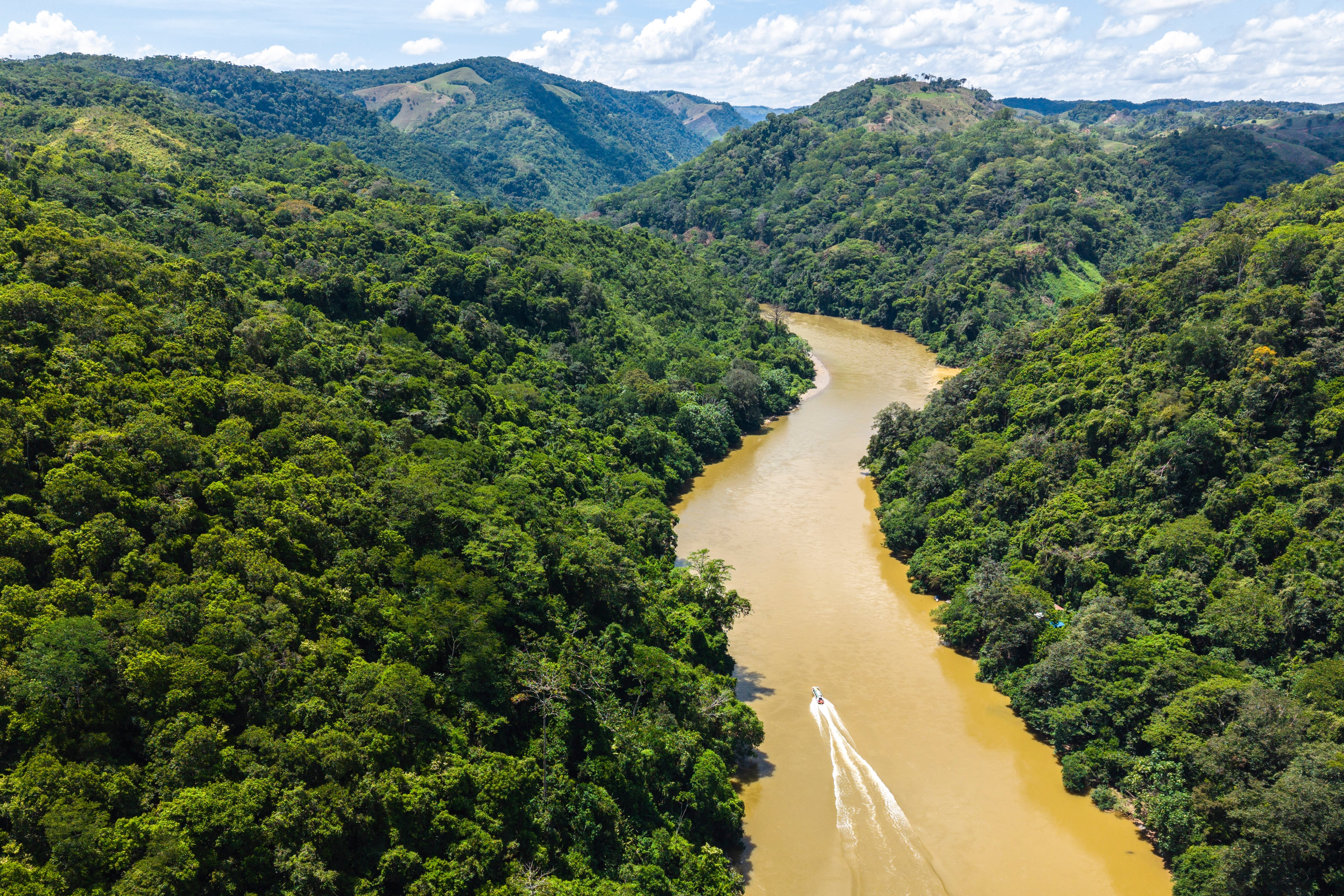
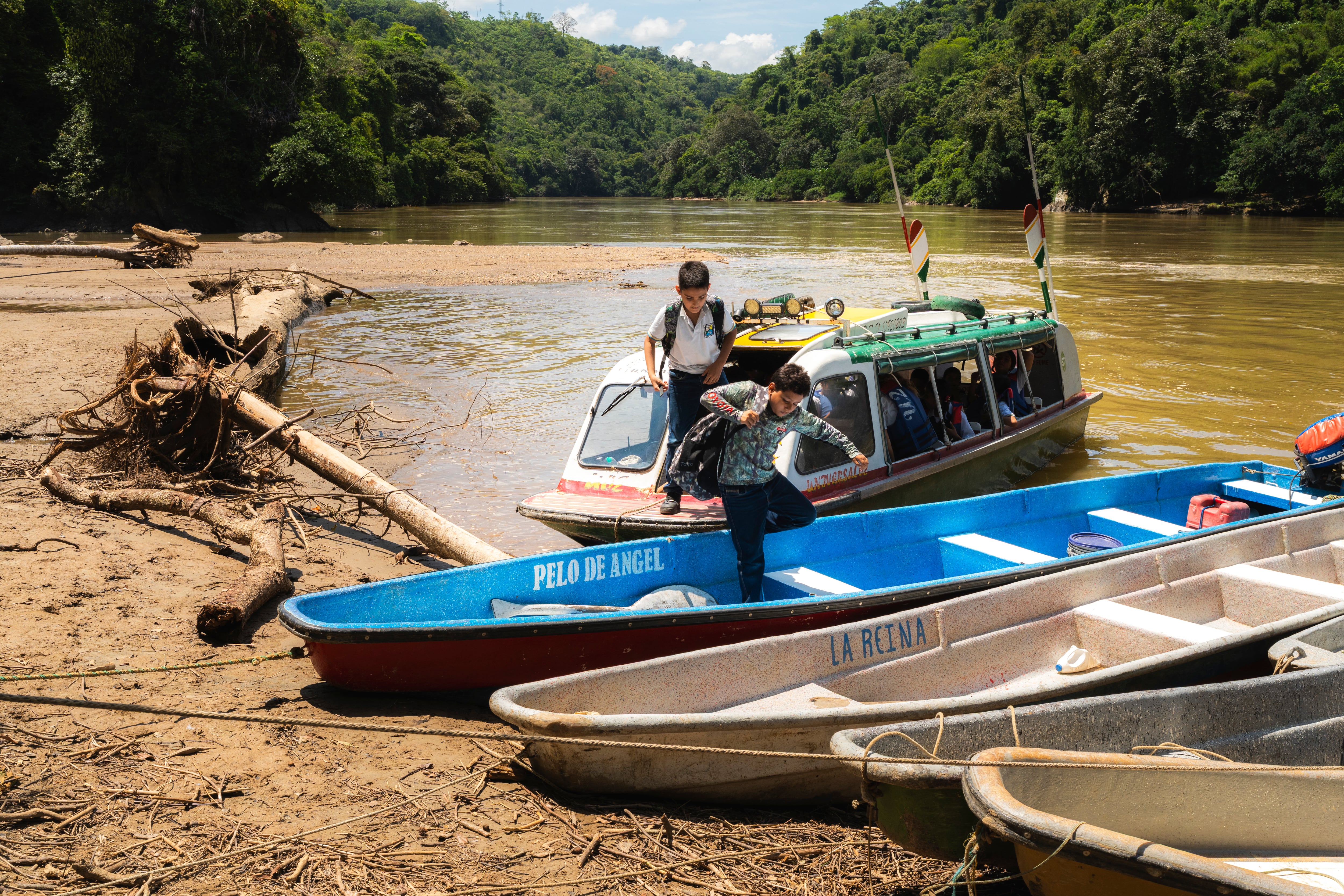
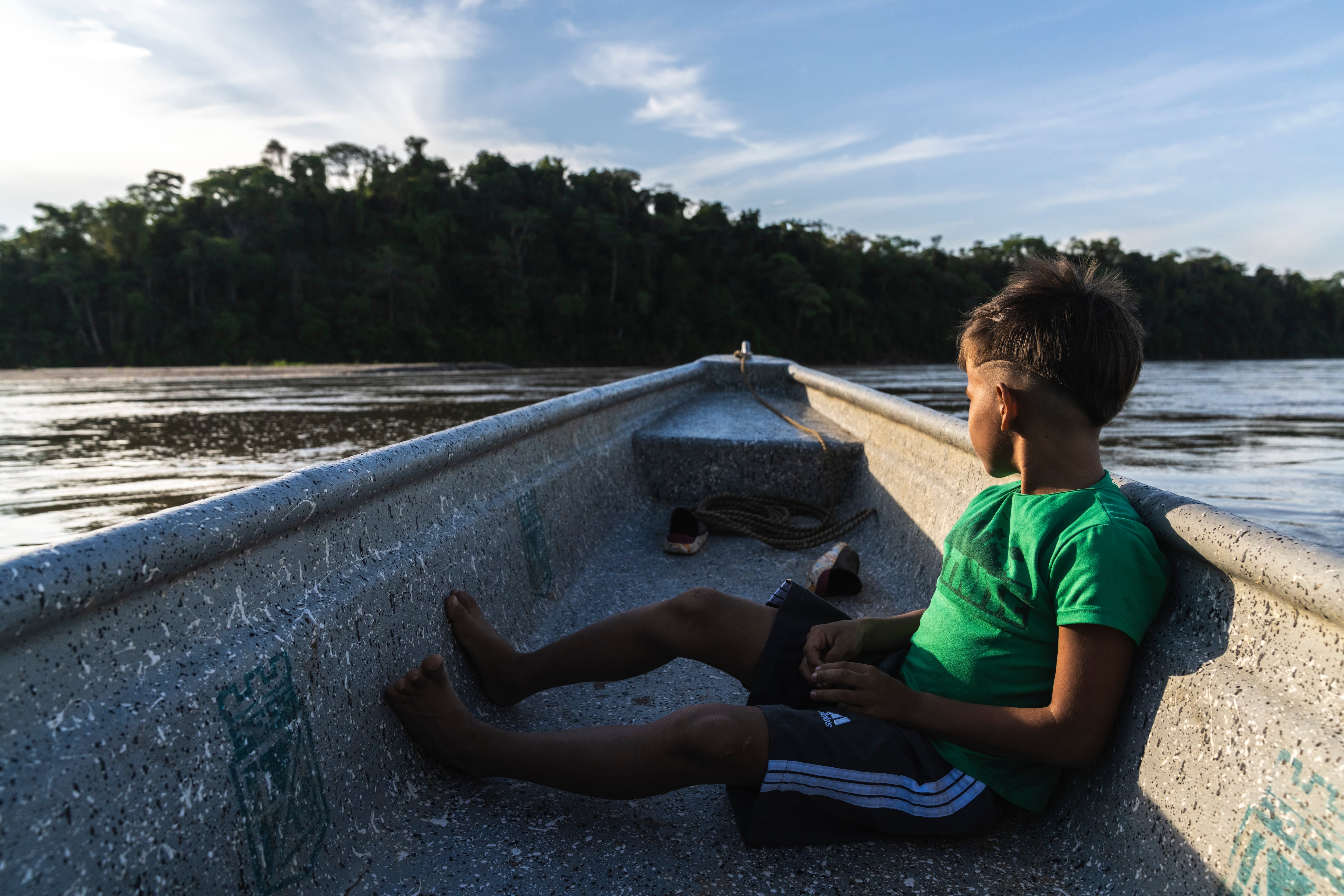
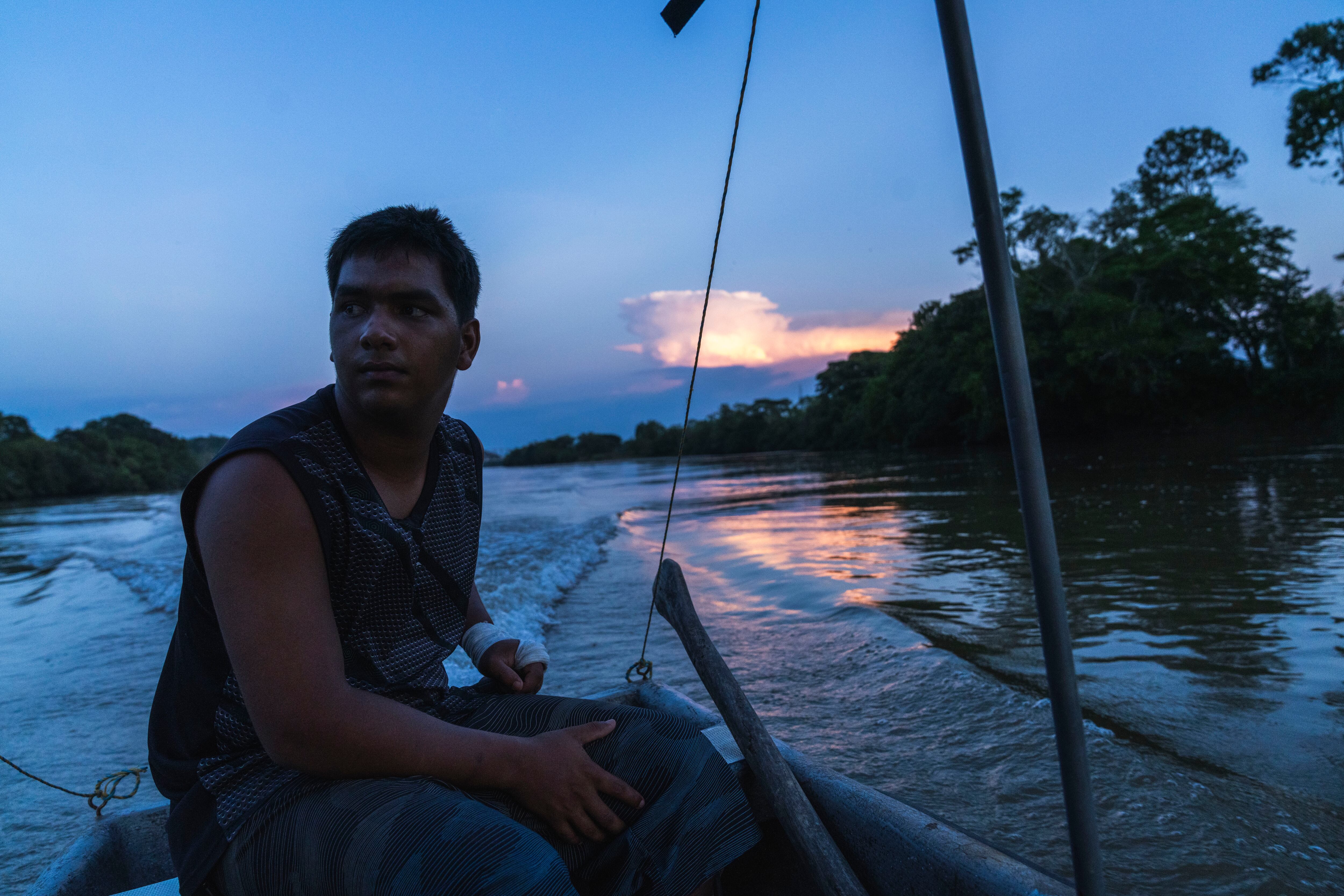
Twenty-three children make their way to school with their eyes glued to the murky water of the Nare River to see if they can see the hippopotamus. The school route has become a kind of safari with the kids scanning the horizon. Everyone in the municipality has a story to tell about the hippopotamus; that his feces scare away the fish, that he eats the banana crops, that his footprints are the size of three palms, that he will capsize a canoe... The Puerto Nare hippopotamus is all that’s talked about here. For Luis and his brother Diego, he is not a stranger. They call him Selmo. Their mother shakes her head and asks them not to get too attached because the judge has allowed just 60 days for the hippo to be removed from the vicinity.
A little over a month into his term, far-right President Abelardo de la Espriella continues to advance a security agenda that often conflicts with certain rights historically won by Colombians.
This time, De la Espriella has signed a decree allowing police access to university campuses. In several Latin American countries, the prohibition of police access to universities has been established through student struggle to prevent abuses by authorities against student movements.
Thus, universities have historically become places where students seek refuge from repression, arrest, and regroup during times of intense social mobilization.
This was evident during the 2021 protests, known as the “National Strike,” in which students, workers, left-wing political parties, young people, and others took to the streets to protest against the right-wing government of Iván Duque. The mobilization, which lasted several months, was considered a true “social upheaval,” and many experts have seen in it the consolidation of a democratic alternative (the government of Gustavo Petro) to decades and decades of right-wing rule.
During these protests, universities became hubs of popular mobilization, driven primarily by the youngest members of society. On university campuses, protesters were able to regroup, defend themselves against police repression, and coordinate new demonstrations – among other things – always protected by the fact that police are barred from entering university grounds.
De la Espriella calls popular protests “terrorism”
Clearly, De la Espriella seeks to nip this possibility in the bud – that is, to prevent universities from once again becoming coordination centers for the protests. Many have speculated that the president is signing this decree precisely because he knows that his radical neoliberal agenda could spark major protests, and in this way, he hopes to proactively undermine the protest movement.
Whether or not this is De la Espriella’s primary intention, only time will tell. What is certain is that the president views university autonomy as an obstacle to the implementation of his security agenda, which also includes curtailing the ability of informal opposition political groups to participate in public life.
“Under no circumstances will I allow public universities to continue to be sanctuaries of violence. I respect and guarantee peaceful protest, but I will not allow universities to continue to be used as sanctuaries of vandalism and crime,” said De la Espriella on X.
Furthermore, true to his combative rhetoric, he compared social protests to terrorism – a common trope in the historical discourse of the Colombian right: “University autonomy is not a blank check for impunity: I have issued precise instructions for a national protocol of action that allows us to distinguish between the legitimate exercise of protest and acts of violence, flagrant offenses, danger, or extraordinary disturbances of public order that require intervention by the authorities. The university is for knowledge and ideas, not to serve as a refuge for violence and terrorism.”
A violation of the Constitution
However, the opposition has viewed this decision as a serious attack on university autonomy. Ana Erazo, a member of the House of Representatives from Valle del Cauca, wrote: “It is an ATTACK ON UNIVERSITY AUTONOMY and a direct threat to the young people at the country’s public universities. With this, Mr. Abelardo de la Espriella is beginning to reveal what could become a BRUTAL RETALIATION against the student movement, against its ability to organize and mobilize, and against thousands of young people who historically have not supported his political agenda.”
Some universities have joined in this criticism. One of them is the National Pedagogical University, whose academic council stated that in the past, “the serious consequences of resolving conflicts within public universities through militarization have been demonstrated on repeated occasions.” Furthermore, the council stated that university autonomy is one of the pillars of Colombian democracy, along with freedom of thought and research, among other things. Losing autonomy means jeopardizing these values of the republic, it stated.
For his part, former presidential candidate Iván Cepeda said that De la Espriella’s measure contradicts Article 69 of the Constitution, which guarantees university autonomy. Regarding the announcement, Cepeda also said: “Such an announcement is not only an affront to university autonomy. It also demonstrates, once again, the authoritarian and despotic nature of De la Espriella, who seeks to stigmatize, persecute, and violate the rights of Colombian youth and the university community. Colombia has not forgotten the victims of police abuse during the National Strike, nor the history of security forces intervening on university campuses, resulting in student deaths. Young people cannot once again be persecuted or treated as an internal enemy and an enemy of the state.”

 Login