❌

Reading view

Cuauhtémoc Cárdenas: cinco momentos que cambiaron la historia política de México

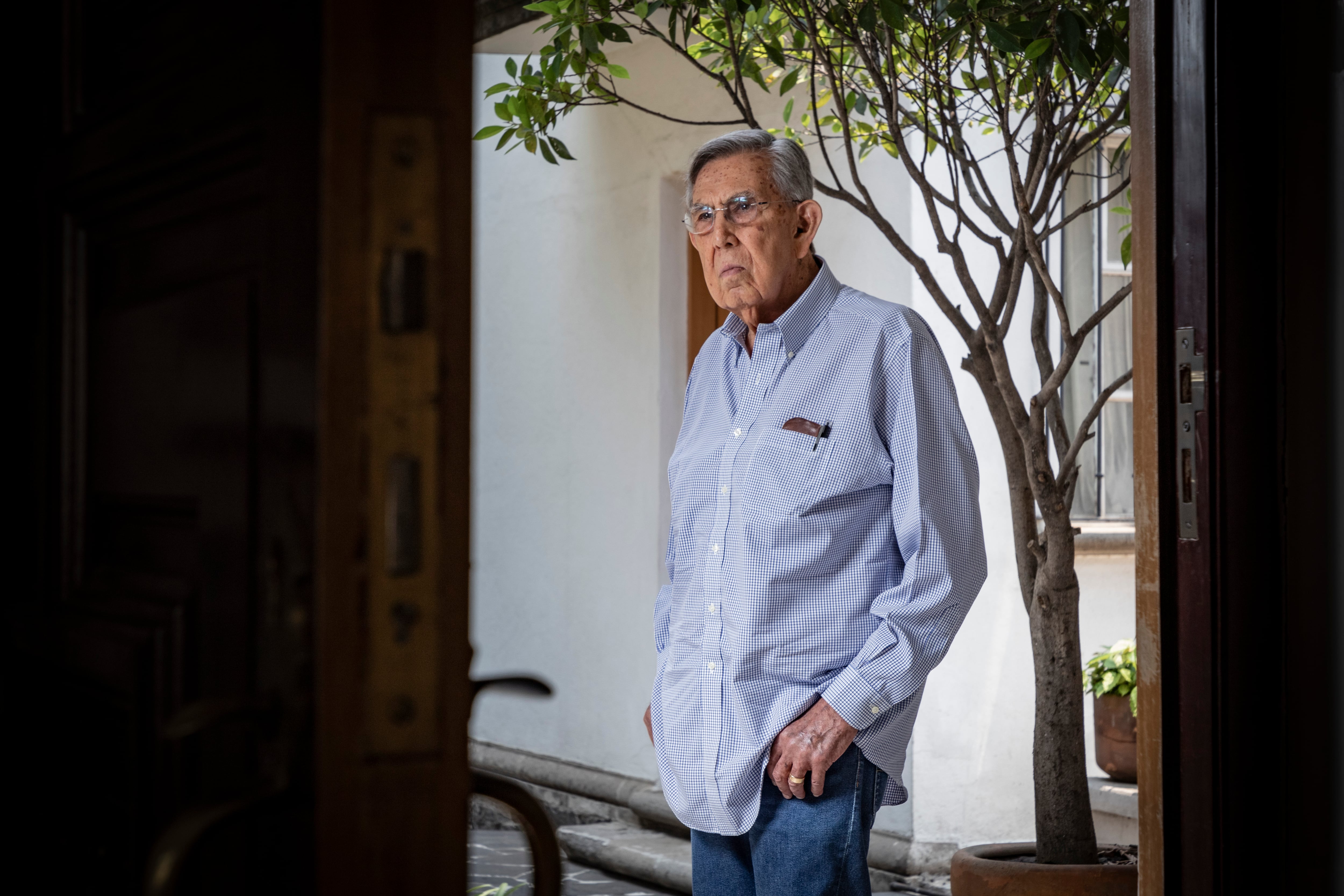
 Cuauhtémoc Cárdenas en Ciudad de México, en febrero de 2022.

Cuauhtémoc Cárdenas Solórzano fue heredero de uno de los presidentes más poderosos de la historia de México, Lázaro Cárdenas del Río. Al mismo tiempo, se convirtió en el líder histórico de la izquierda mexicana que luchó por romper el sistema político construido por el Partido Revolucionario Institucional (PRI), al que perteneció su padre. El ingeniero, como se le conocía, tres veces candidato presidencial, murió la noche de este miércoles a los 92 años, después de haber protagonizado un puñado de las transformaciones decisivas del país durante la segunda mitad del siglo XX.
Seguir leyendo

  •  

Cuauhtémoc Cárdenas, historic leader of Mexico’s left, dead at 92

Cuauhtémoc Cárdenas in Mexico City, in May 2024.

Cuauhtémoc Cárdenas, a historic leader of Mexico’s left, died on Wednesday at age 92. Without him, it would be impossible to understand how the left has gained power in Mexico. Both the current president, Claudia Sheinbaum, and her precedecessor Andrés Manuel López Obrador, both of the Morena party, walked arm in arm with Cárdenas during the democratic struggles of the 1980s, when El Ingeniero (The Engineer, as he was known because of his engineering degree), broke up the long hegemony of the Institutional Revolutionary Party (PRI) from within, giving rise to the transition.

Seguir leyendo

  •  

An empty airport, shuttered storefronts and abandoned hotels: The tourism decline in Tulum is worsening

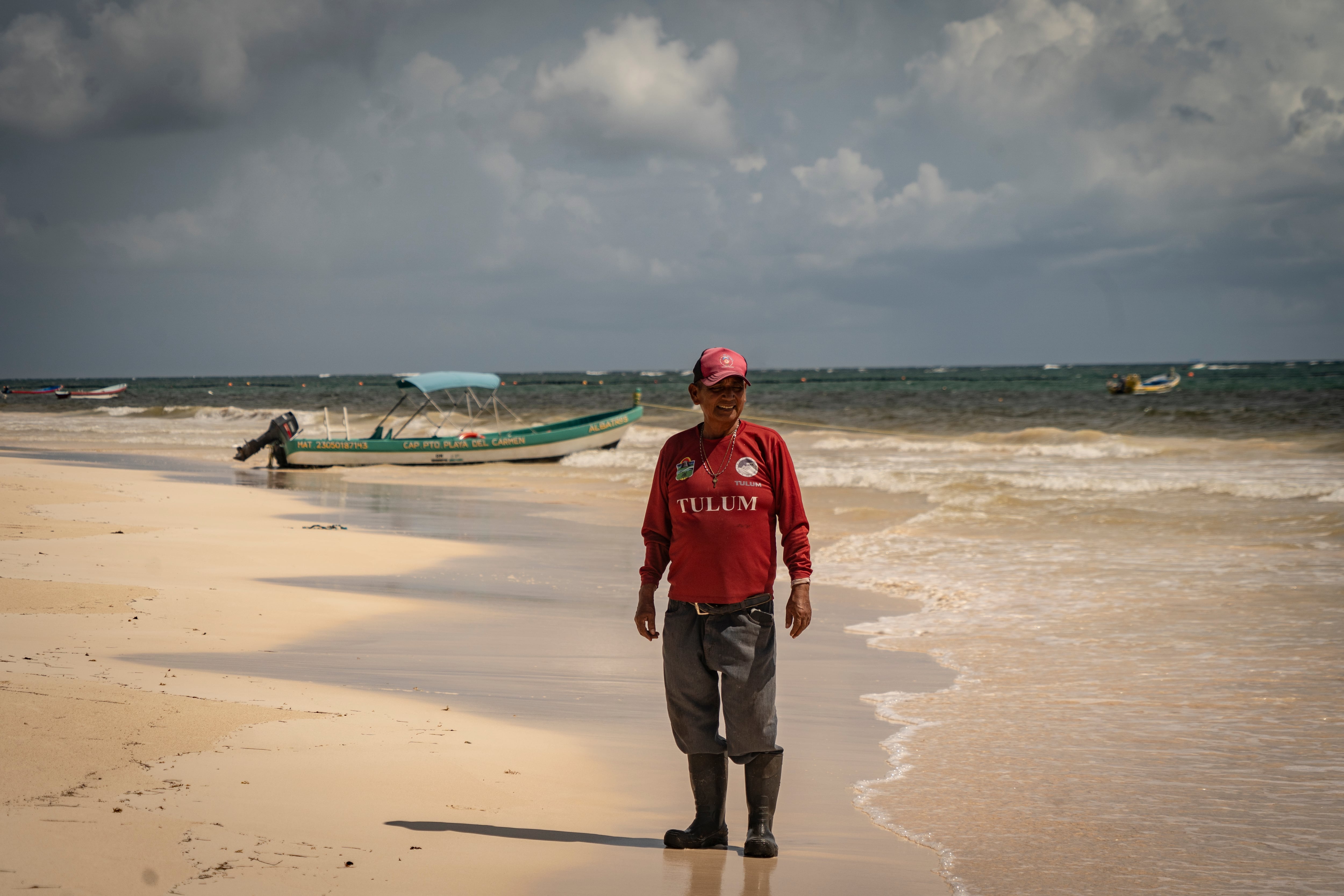
A worker inside Tulum National Park, Quintana Roo, on October 19, 2026.

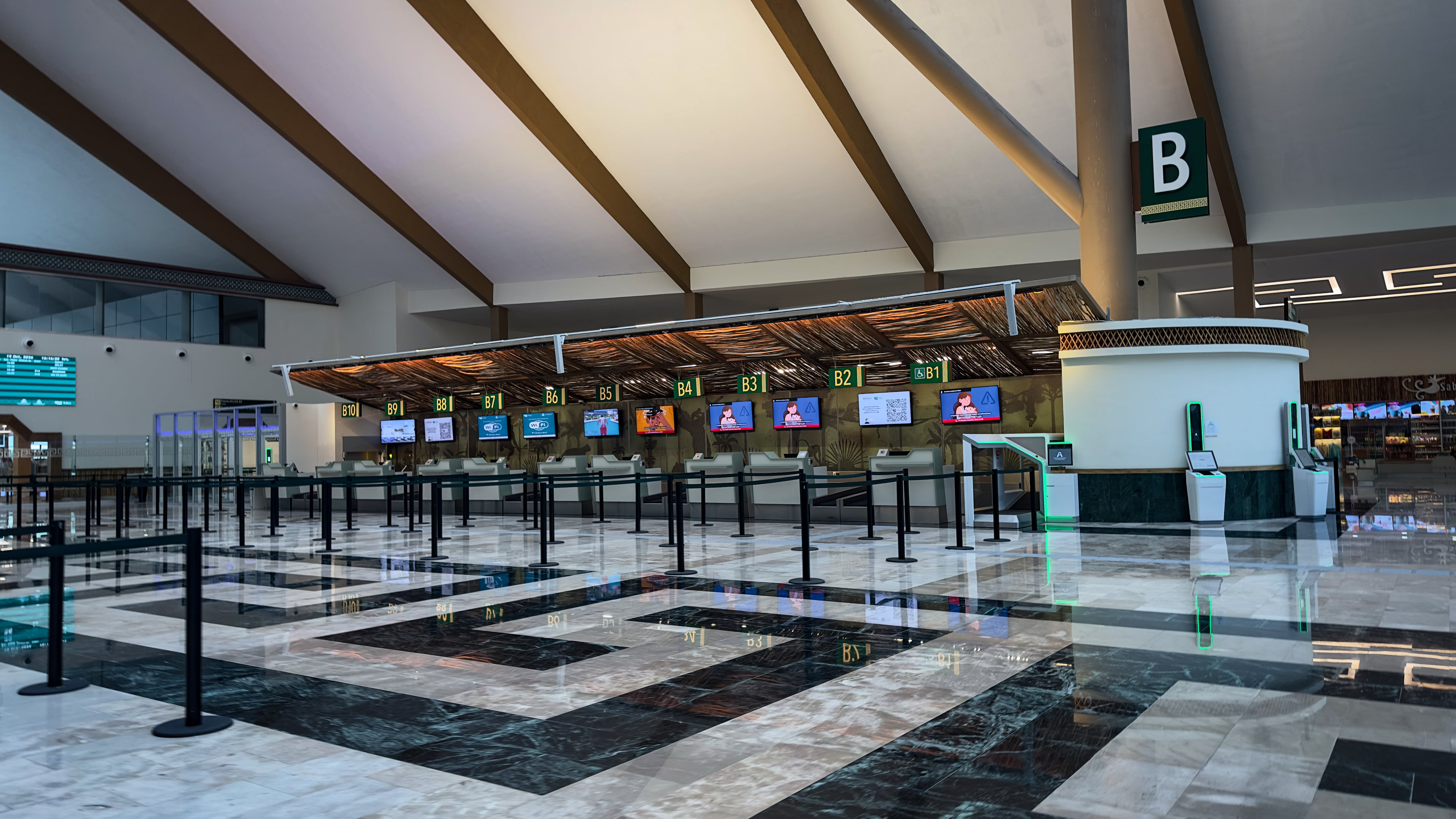
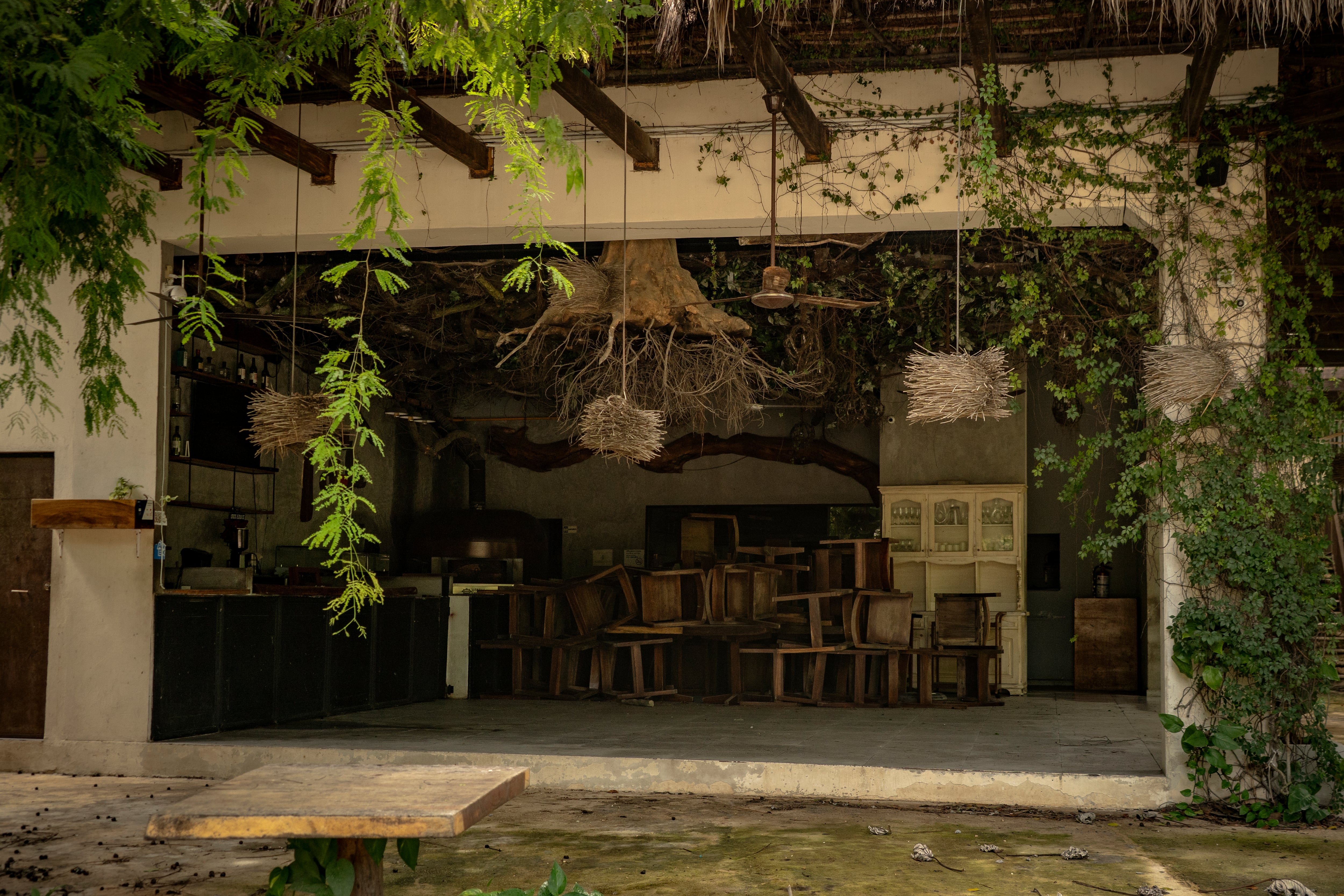
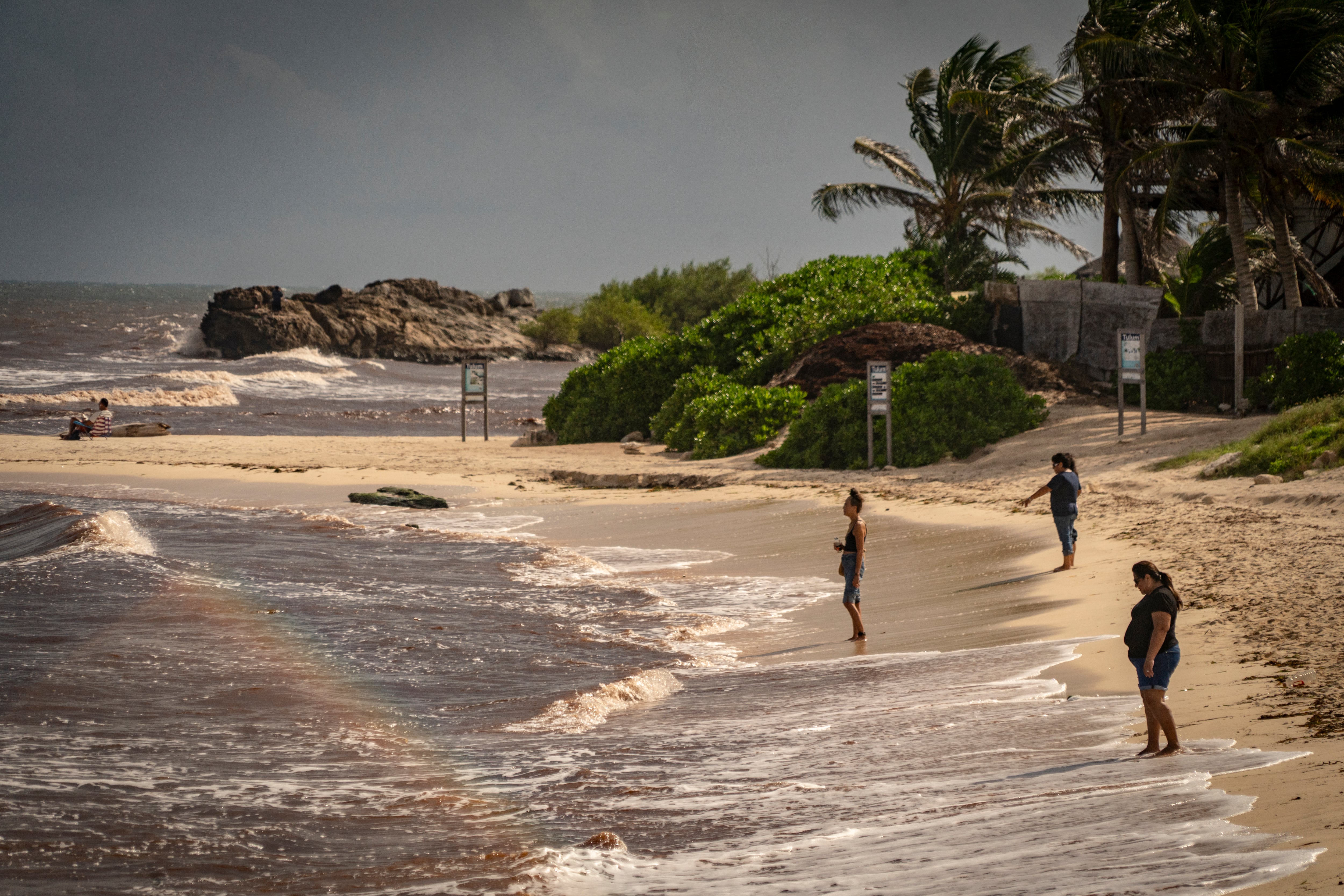
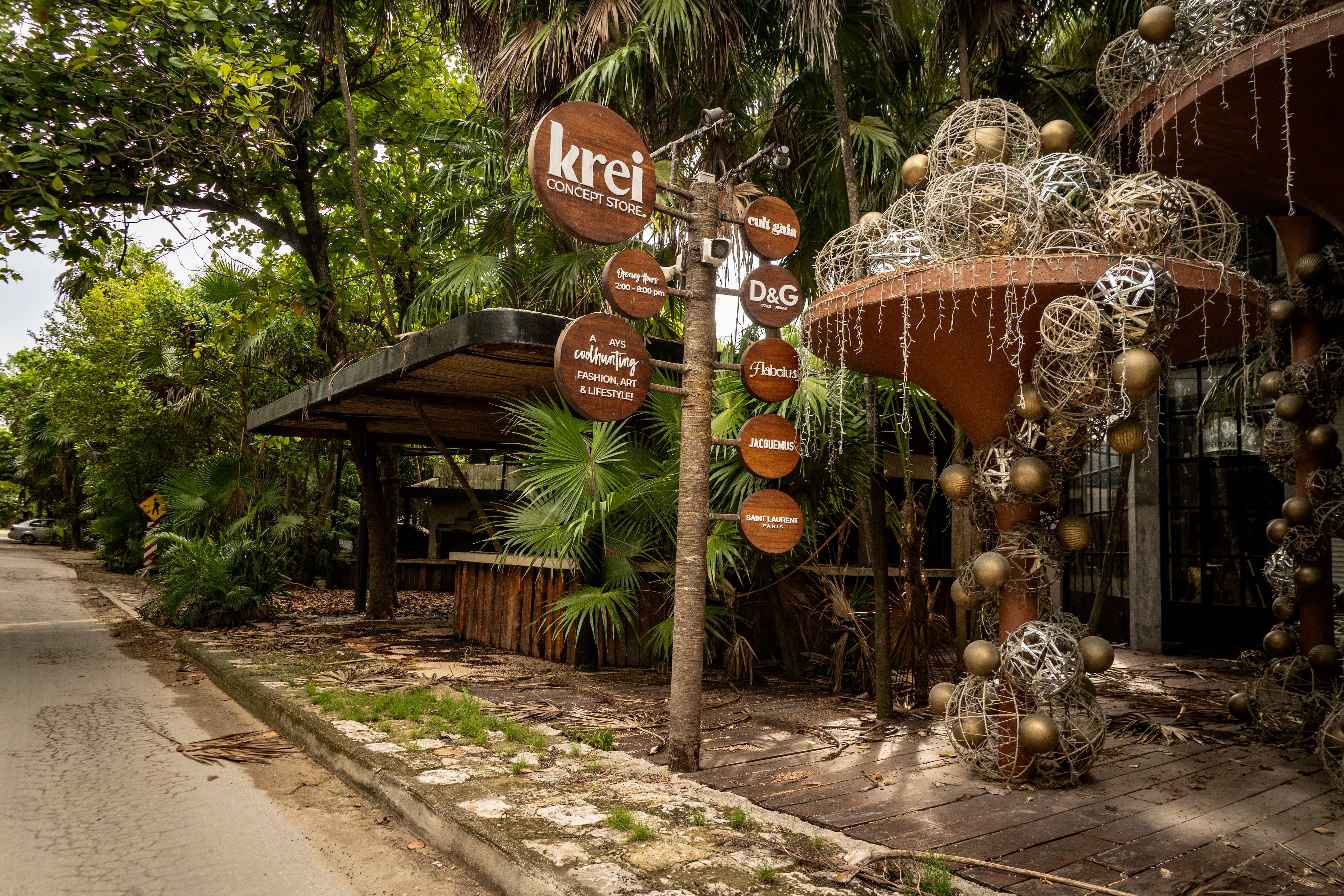
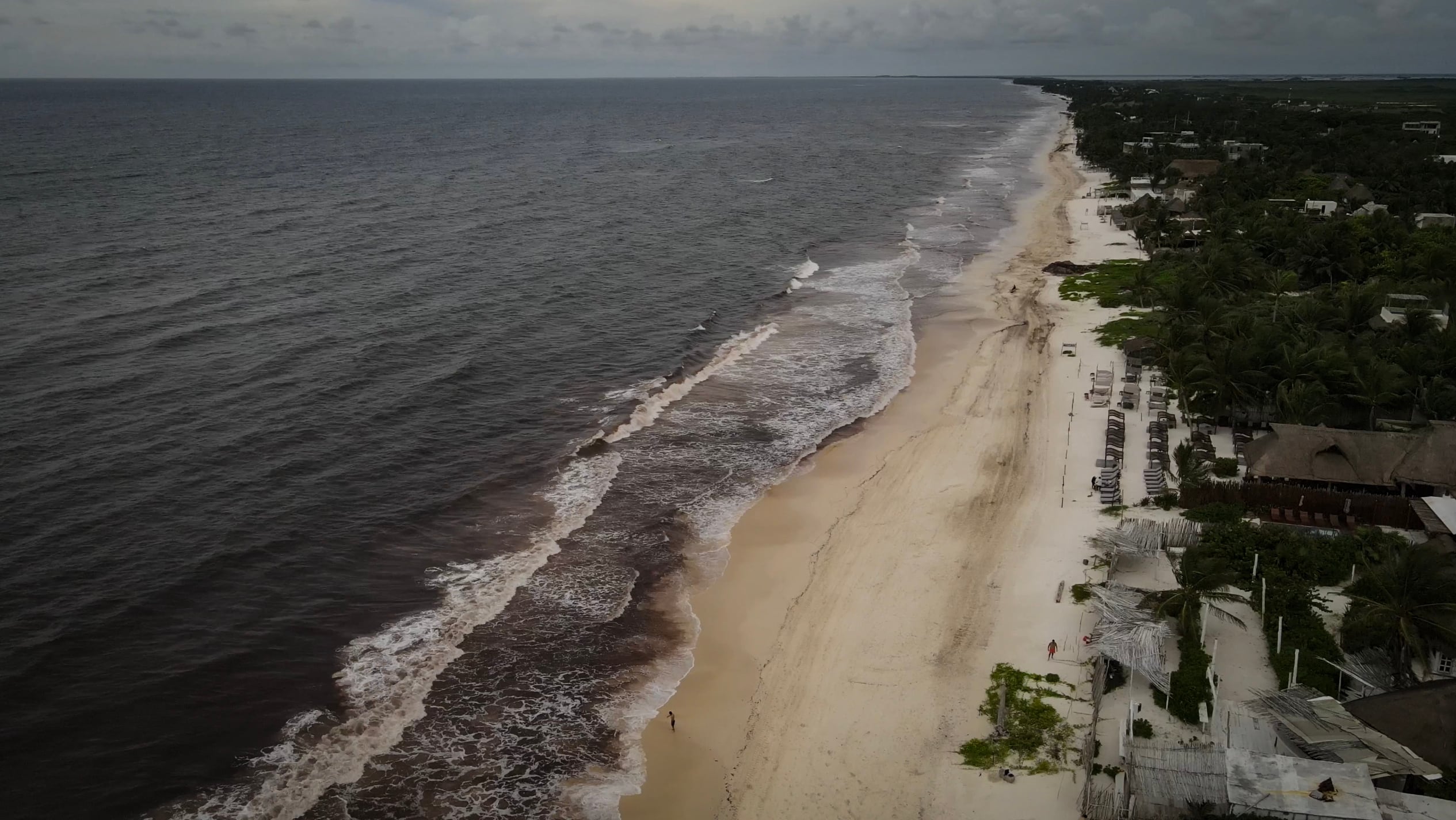
On Tulum airport’s runway there is only one plane: a Viva Aerobus Airbus A320. For several hours that is the only aircraft that will remain at the air terminal inaugurated in 2023. The aerodrome is nearly empty after Aeroméxico, Volaris, and American Airlines announced the cancellation of most of their routes to this destination on the Mexican Caribbean. The loneliness in the terminal is unsettling and, in the distance, all that can be heard is the echo of children playing. The crisis caused by the collapse in tourism, in what was once the jewel of the Riviera Maya, has deepened over the past year and has begun to touch various sectors that had set their sights on the booming future of this municipality in the state of Quintana Roo.

Felipe Carillo Puerto Airport, in Tulum, Quintana Roo, on October 18, 2026.

Seguir leyendo

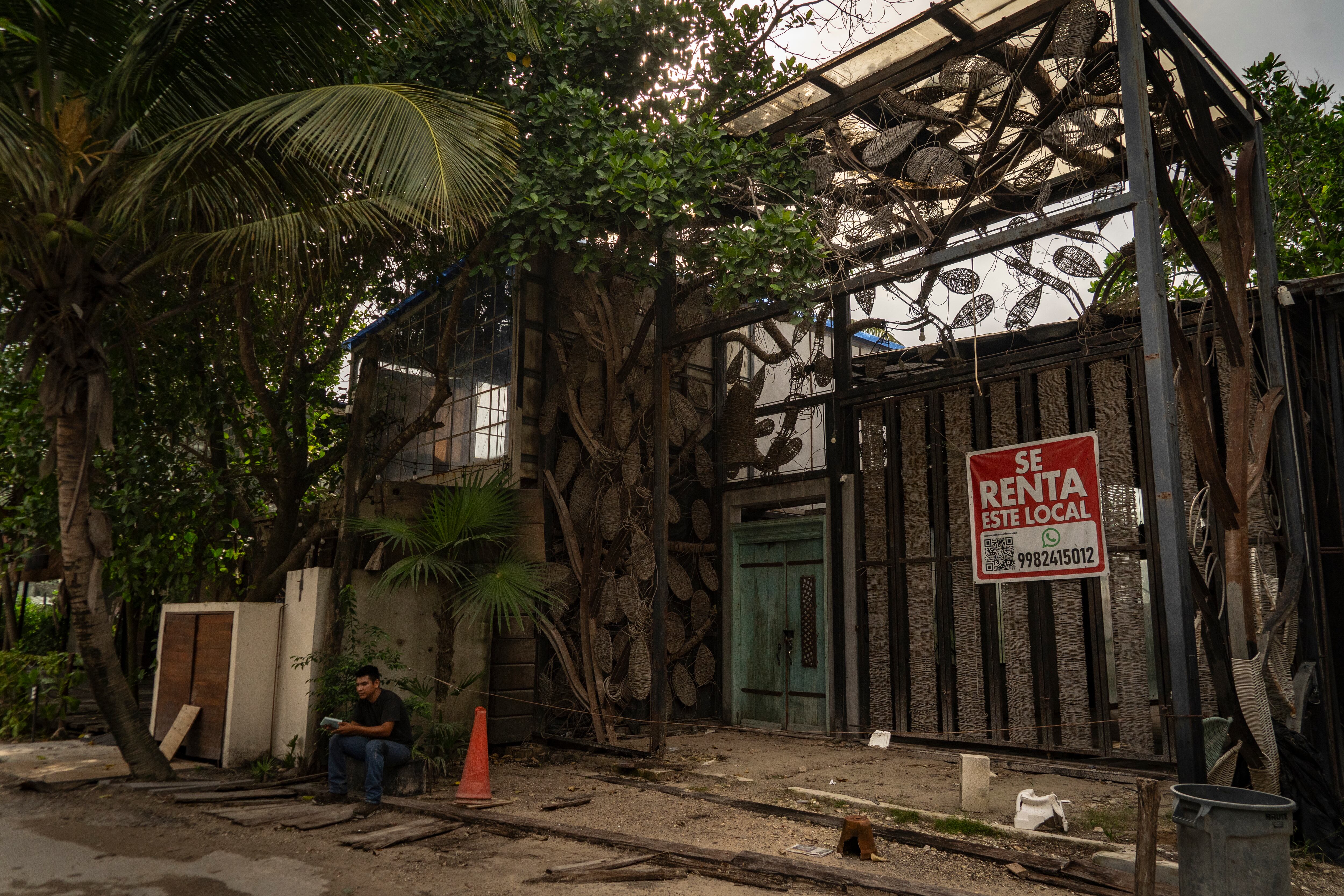
A storefront for rent, in Tulum, Quintana Roo.

© Nayeli Cruz

Tourists relax on the beaches of Tulum, Quintana Roo.

© Nayeli Cruz

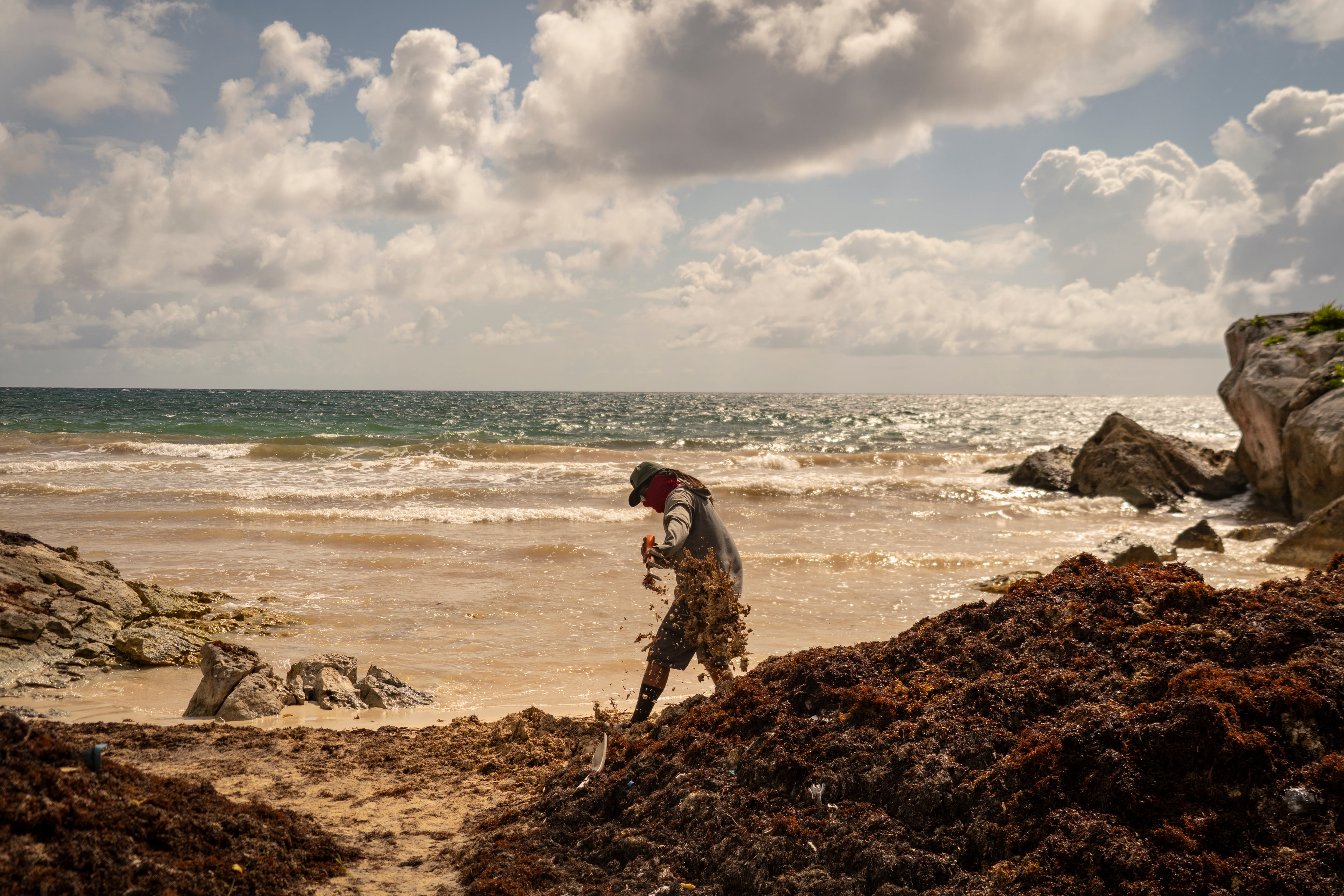
A worker removes the sargassum that has accumulated on the beach in Tulum National Park.

© Nayeli Cruz

An abandoned tourist business in the municipality of Tulum.

© Nayeli Cruz

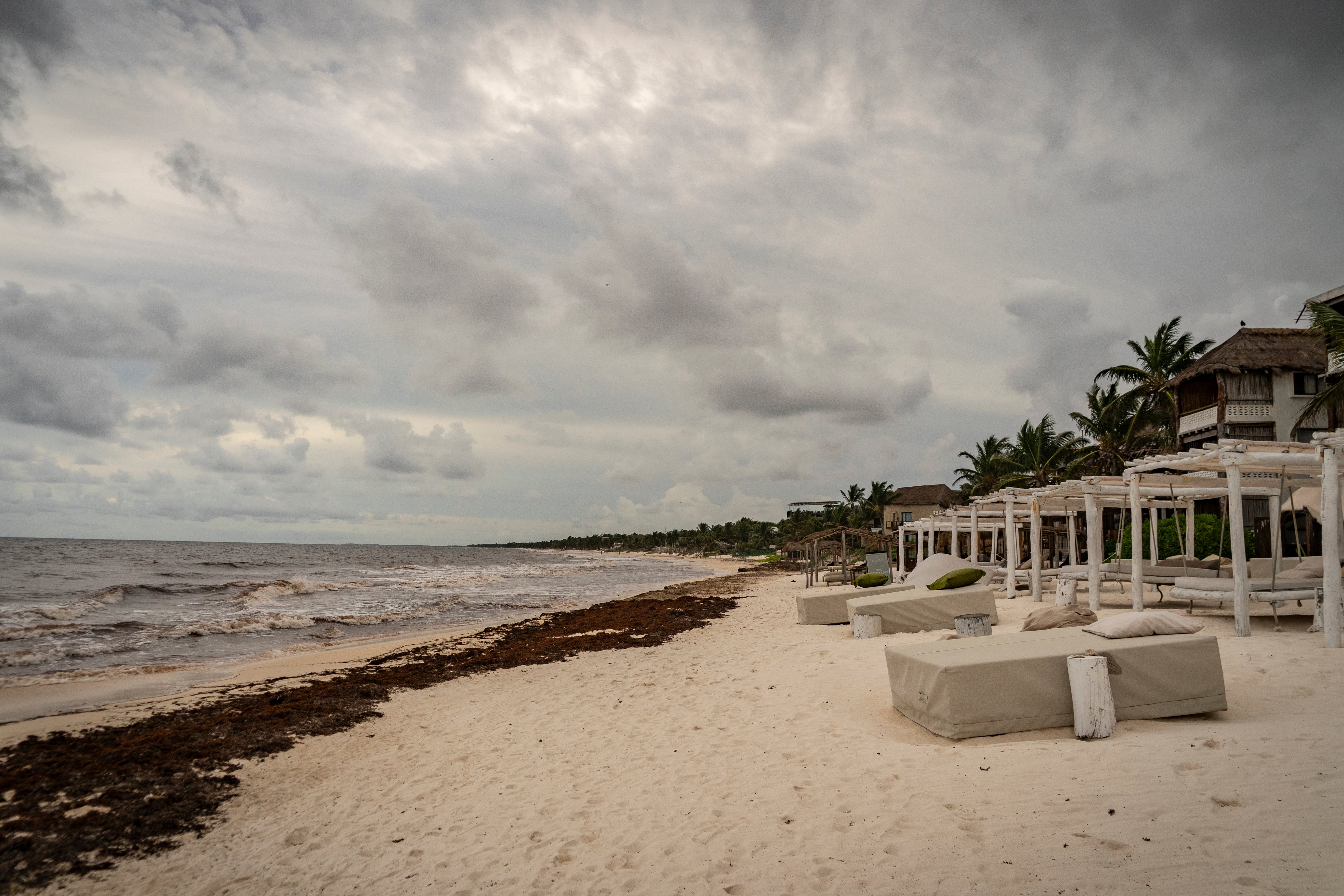
Empty beaches in the municipality of Tulum.

© Nayeli Cruz

A closed restaurant in Tulum, Quintana Roo.

© Nayeli Cruz

Tourists stroll along the beaches of Tulum, Quintana Roo.

© Nayeli Cruz

A permanently closed store, still decorated for Christmas, in Tulum.

© Nayeli Cruz

Pueblo Beach in Tulum, Quintana Roo, on October 19.
  •  

Caro Quintero: The legendary drug lord with whom the US will ultimately strike a deal

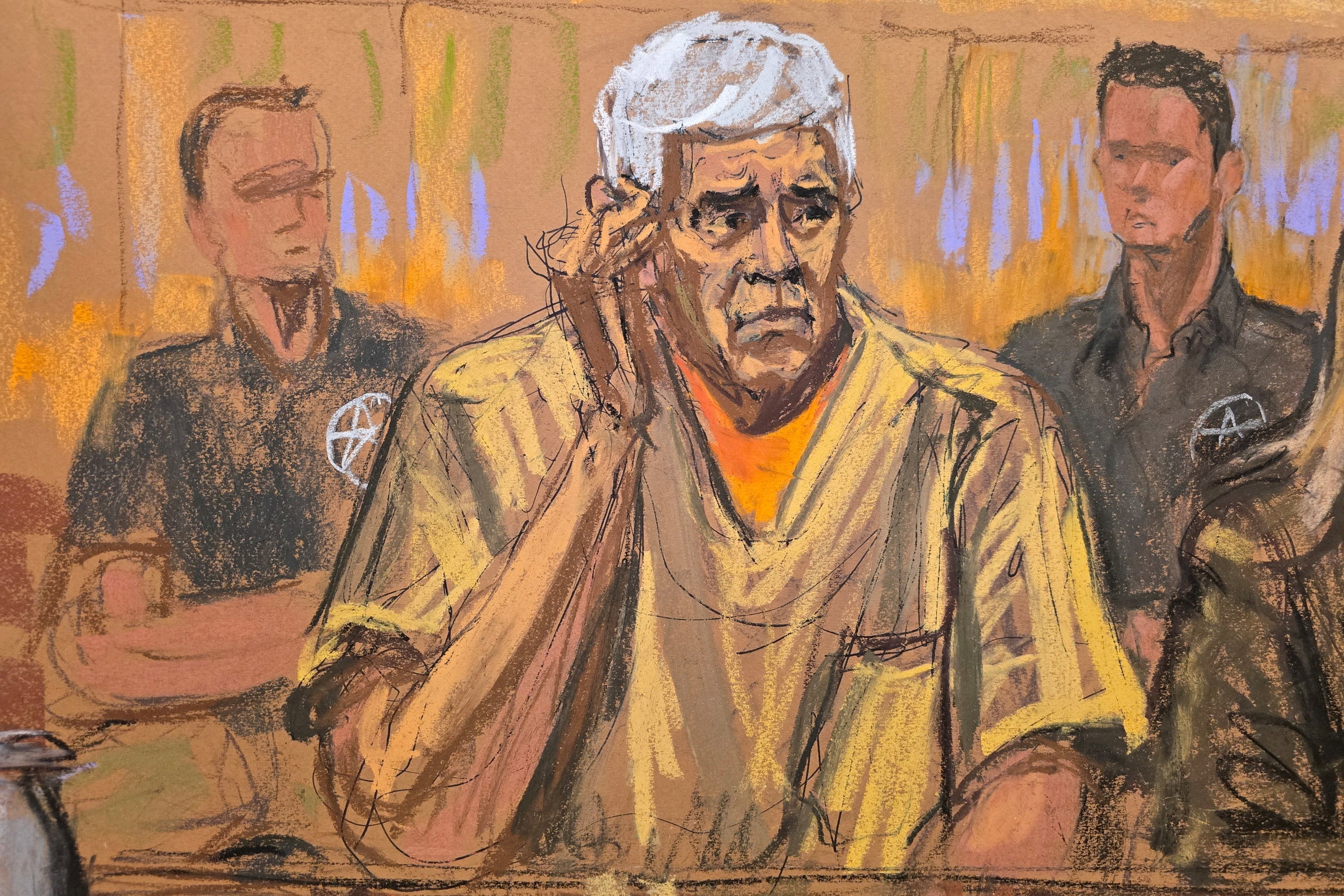
The United States Drug Enforcement Administration (DEA) neither forgets nor forgives. On its official website it hosts a microsite called “Justice for Kiki” dedicated to agent Enrique Camarena, who was killed in Guadalajara in February 1985. In the welcome message for the memorial, the DEA names Rafael Caro Quintero as the principal perpetrator of the kidnapping, torture and murder of its most famous agent, describing him as “a cartel kingpin who unleashed violence, destruction, and death.” The “Narco of narcos” is back in the headlines as he negotiates a deal that could lead him to plead guilty for events that took place 41 years ago. The story of this drug trafficker — one of the founders of the powerful Guadalajara Cartel in the 1980s — could end with an image far removed from the terrifying legend that surrounds Mexican kingpins of that era: a 74-year-old, battered man with a head full of gray hair, asking forgiveness for his sins before a jury in the U.S. Federal Court in Brooklyn.

Seguir leyendo

© Jane Rosenberg (REUTERS)

Courtroom sketch of Rafael Caro Quintero’s hearing in New York on October 14.
  •  

Mexican government relieved after US lifts restrictions on airlines

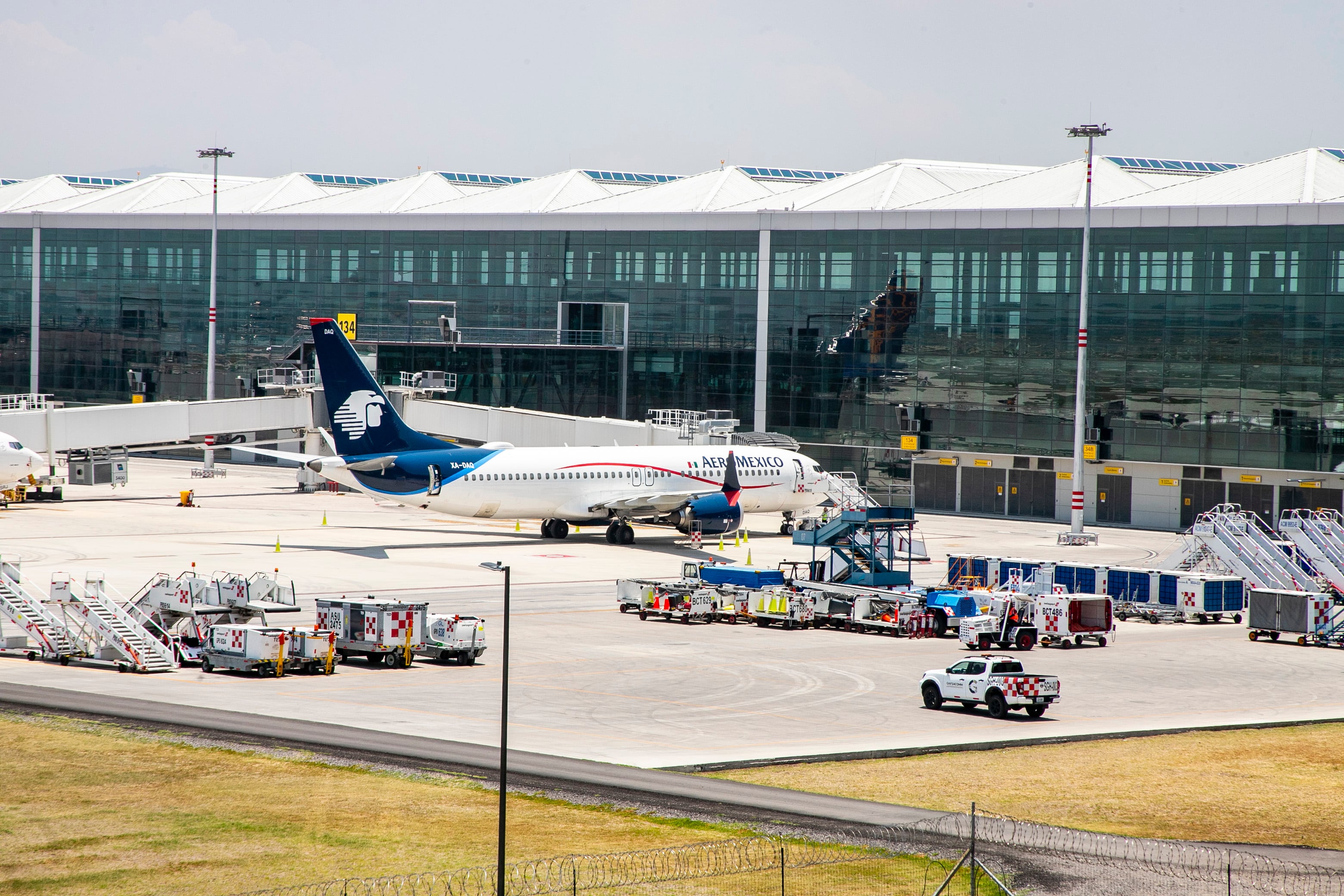
Tension between Mexico and the United States over flights to the Valley of Mexico has eased. The announcement that Washington will lift air restrictions so Mexican airlines can open routes to U.S. cities from Felipe Ángeles International Airport (AIFA) and Mexico City International Airport (AICM) ends months of uncertainty over connectivity between the two countries. Aviation policy has been one of the most complex fronts in the bilateral relationship and has reflected how government positions also spill over into this sector.

Seguir leyendo

Felipe Ángeles International Airport, Mexico City, May 6, 2026.

© Cuartoscuro

Mexico City International Airport (AICM), in November 2024.
  •  

The kidnapping of Mexican cartel leader El Mayo Zambada: Competing accounts from López Obrador and Ken Salazar

The six-year term of Mexican president Andrés Manuel López Obrador ended in September 2024 amid a surge of violence in the state of Sinaloa — a crisis he blamed on the United States. Just a few months earlier, Ismael “El Mayo” Zambada, the longtime leader of the Sinaloa Cartel, had been captured by U.S. authorities under murky circumstances.

Seguir leyendo

© GOBIERNO DE MÉXICO

Andrés Manuel López Obrador and Ken Salazar in Santa Lucía, State of Mexico, in September 2021.
  •  
❌