❌

Reading view

Nestlé's CEO says he drinks at least 8 cups of coffee daily and tackles his biggest tasks in the a.m.

Philipp Navratil sitting in suit
Philipp Navratil said he drinks at least five cups of coffee by 10 a.m.

Bloomberg/Getty Images

  • Nestlé's CEO drinks "at least" eight cups of coffee daily — and downs the first five by 10 a.m.
  • Philipp Navratil enjoys his coffee black and cold and has only recently started dabbling in decaf.
  • Despite a high caffeine intake, he said he sleeps about eight hours a night and wakes up at 6:30 a.m.

Lots of executives drink coffee. Few drink as much as Nestlé's CEO, Philipp Navratil.

"Before 10, I would have had five cups for sure," the CEO told Business Insider, adding that he typically has "at least" eight cups of coffee every day.

The CEO of the company behind more than 30 billion-dollar brands, including Nespresso and DiGiorno, said he likes his coffee black, cold, and without sugar. Navratil said he considers his go-to drink a "healthy beverage" and has only recently started dabbling in decaf.

Navratil said he starts with drinking water when he wakes up to make sure he's hydrated, and then switches to coffee. Starting his day with coffee is part of his routine, and he really "looks forward to that cup."

Top morning priorities

Navratil said he sleeps well despite his caffeine intake and tries to get eight hours every night, though he admits it doesn't always happen.

The CEO said he typically wakes up around 6:30 a.m. because he works best in the morning. He said he aims to get his most productive hours in before lunch.

"I'm better in the morning," said Navratil, who started working at Nestlé in 2001.

The CEO said he has his final cup of coffee after dinner, and typically drinks an espresso — although that cup might be decaf. Navratil said coffee is more of a "psychological thing" to him, anyway.

"I really enjoy coffee," Navratil said. "I just like the flavor."
Read the original article on Business Insider
  •  

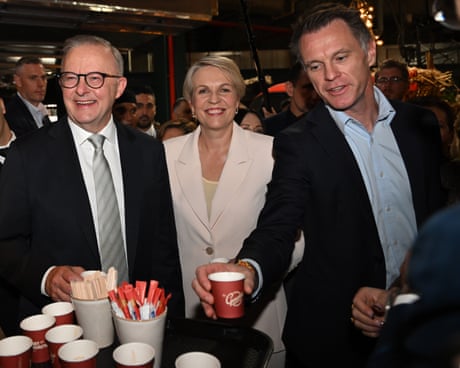
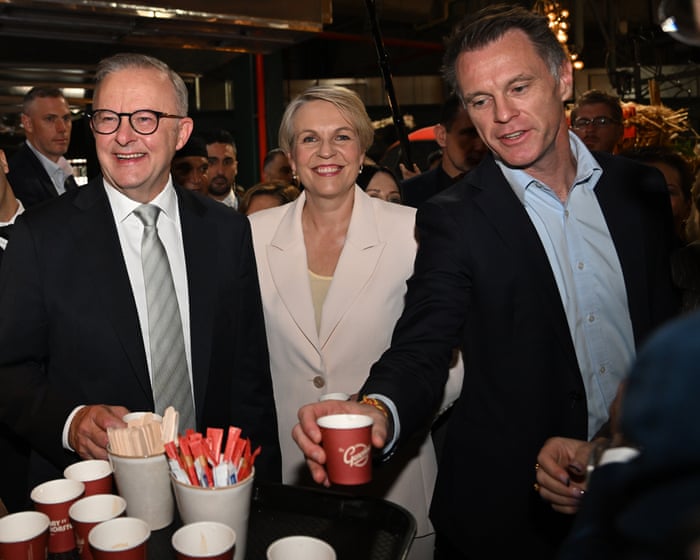
‘I use disposable cups’: Chris Minns backflips on takeaway coffee cups after media and business backlash

Legislation requiring mugs to be offered when people drink at cafes to be scrapped, with environment minister stating ‘we need to clear this up’

The New South Wales government has backflipped on its plan to force cafes to offer customers who dine in the option of mugs and glasses instead of takeaway cups.

Chris Minns’ government will also ditch a law that would have required businesses to participate in a reusable cup scheme or risk a fine up to $110,000.

Continue reading...

© Photograph: Lukas Coch/AAP

© Photograph: Lukas Coch/AAP

© Photograph: Lukas Coch/AAP

  •  

The latest sign we're eating out less: Restaurants are buying fewer disposable cups and paper towels

A person in dark clothing holds a white illy paper coffee cup at an indoor gathering.
Restaurants are buying fewer disposable cups, paper towels, and packaging supplies, companies that make the goods have said.

Lia Toby/Getty Images for illycaffè

  • Restaurants are buying fewer paper cups and takeout containers.
  • Companies making the goods say their North American sales declined in results released this year.
  • It's the latest sign that diners are eating out less.

Even the humble disposable coffee cup suggests that diners are eating out less at restaurants.

Companies that sell paper cups, plates, delivery containers, and similar packaging to restaurants say that they're seeing less demand from US businesses.

Essity, a Swedish company that sells paper towels and cleaning supplies to businesses, including restaurants, said on Thursday that the dining pullback in the US was affecting sales. The company's sales volumes and prices in the US fell during its third quarter, it said.

"Consumers are not going out to restaurants as much as they do in Europe," CEO Ulrika Kolsrud told Reuters on Thursday.

Finland-based Huhtamaki Oyj, which makes disposable cups and takeout containers for fast-food restaurants, said that second-quarter sales in North America decreased.

Analysts at Jefferies wrote that results in the region, which accounts for about one-third of Huhtamaki Oyj's sales, will likely be hurt by lower consumer spending at fast-food chains in the US.

Higher prices at some chains, and many consumers still working from home, "have impacted sales volumes, and ultimately packaging demand," the analysts wrote earlier this month.

With wages stagnant and the lingering effects of inflation, many diners are eating out less. Those who are still spending tend to look for good deals — a trend that has tested value menus at fast-food chains like McDonald's and benefited others, such as Chili's, which offered deals that got consumers ordering.

That doesn't necessarily mean Americans have stopped spending on restaurant food altogether. Many diners are still willing to pay for food delivery, a trend that has bolstered results at DoorDash and Uber.

Do you have a story idea? Contact this reporter at abitter@businessinsider.com or via encrypted messaging app Signal at 808-854-4501. Use a personal email address, a nonwork WiFi network, and a nonwork device; here's our guide to sharing information securely.

Read the original article on Business Insider

  •  

Why Does the Telegraph Keep Falling for Climate Propaganda?

'Extreme heat putting babies at risk'; 'Climate change driving up coffee prices': why does the Daily Telegraph keep falling for all the climate propaganda put out by activists, asks Paul Homewood.

The post Why Does the Telegraph Keep Falling for Climate Propaganda? appeared first on The Daily Sceptic.

  •  
❌