❌

Reading view

Colorado mom says kids denied $12K in preschool aid over Catholic faith as Supreme Court showdown looms

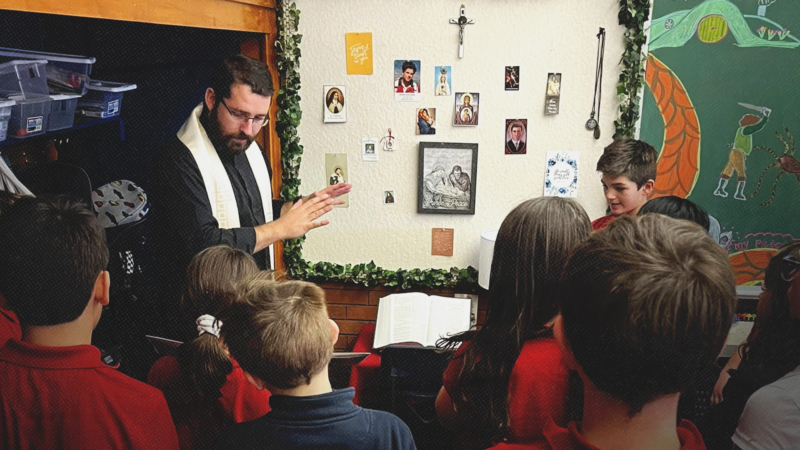
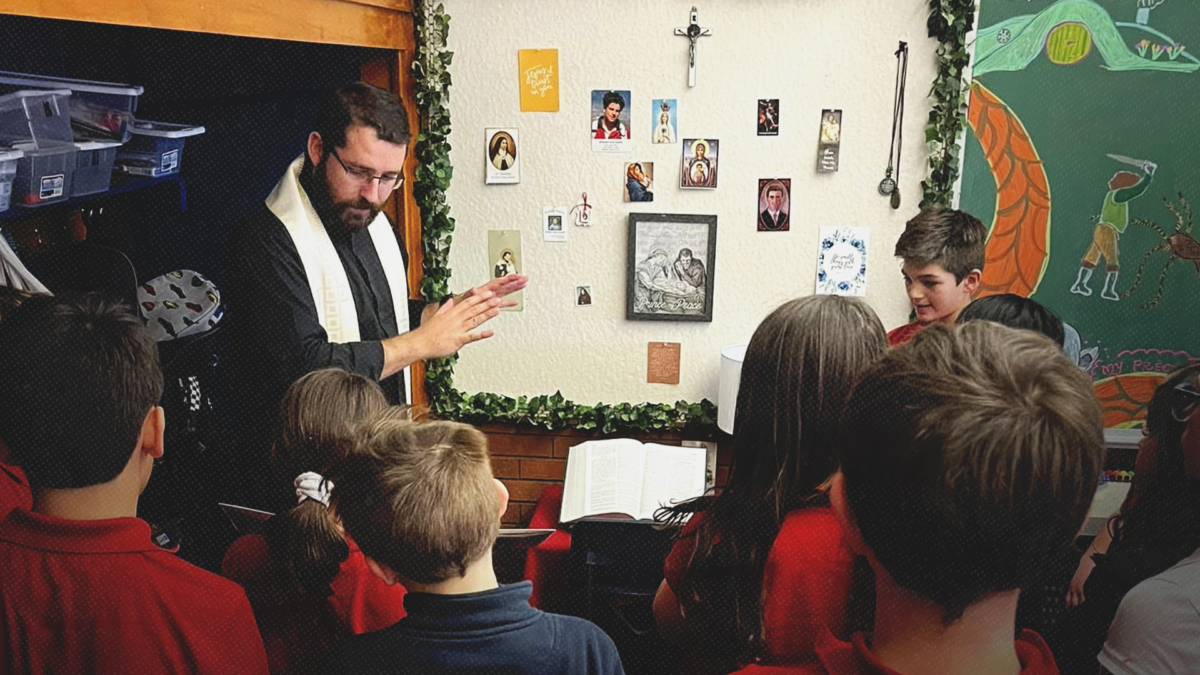
A Colorado mother of three says her family was denied $12,000 in taxpayer-funded preschool benefits because she chose a Catholic education for her children, accusing the state of discriminating against religious families through a program promoted as universal.

Erika Nagle, whose children attend St. Mary Catholic School in Littleton, Colorado, told Fox News Digital that two of her children were denied access to the state's preschool funding program, leaving her family to cover additional education expenses.

"We are being excluded from this benefit because we are Catholic," Nagle said in an interview with Fox News Digital. "And so in a state that preaches inclusion, they are actively going out of their way to exclude a huge chunk of people because of our religious beliefs."

SUPREME COURT TO HEAR CATHOLIC PARISH'S CHALLENGE AFTER COLORADO BARRED SCHOOLS FROM UNIVERSAL PRE-K PROGRAM

At the center of the dispute is Colorado's universal preschool program, which Nagle says provides more than $6,000 per eligible child for preschool education. Catholic schools challenging the program argue that the state's participation requirements unfairly burden their religious beliefs and admissions practices.

According to Becket, Colorado launched its preschool funding program in 2023, offering eligible families approximately $6,300 to cover 15 hours of preschool per week. The organization said the program was promoted as a universal benefit that would allow parents to choose among public, private and religious preschools, prompting Catholic families across the state to seek participation.

Nagle says the consequences go beyond her family's finances.

"We have had two preschools in the archdiocese that have been closed down," she said, arguing that the program is affecting Catholic school enrollment and pressuring families to abandon the religious education they want for their children.

ARKANSAS STUDENTS OUTPERFORM NATIONAL AVERAGE AFTER UNIVERSAL SCHOOL CHOICE EXPANSION, GOVERNOR SAYS

"The state is dangling a carrot over here, incentivizing people to leave their faith, to abandon the Catholic education that they want," she said.

Nagle argued that nearly every school has admissions criteria tailored to the community it serves, whether that means prioritizing neighborhood children, people who identify as LGBTQ, children with special needs or low-income families. She said St. Mary similarly prioritizes Catholic families while welcoming students whose families are willing to respect the school's religious teachings. Nagle questioned why the Catholic school's admissions practices should be treated differently.

"The state grants $6000 per family to be used during the year before kindergarten, so the year when they're in pre-K, which is technically the year before kindergarten, and you can use it at the school of your choice," Nagle said. "And so Catholics are forced to pay the price for the school of our choice, which is Catholic school. And so you have thousands of Coloradans that are being forced to pay more than anyone else."

The legal battle raises questions about the extent to which religious schools can participate in publicly funded education programs while maintaining faith-based admissions policies.

VERMONT PAYS $566K IN DAMAGES, LEGAL FEES TO CHRISTIAN SCHOOL IT BANNED FROM ALL SPORTS COMPETITIONS FOR YEARS

"Colorado shouldn't force Catholic families to give up their choice, which is a faith-based school, and, you know, the state is letting other schools serve their communities, but they're not letting Catholic families serve their communities," Nagle said. "And to me, it also makes me wonder, is this by design, is this paving the way for godlessness or for what? Why can't Catholic families receive this benefit when there are other schools that were granted their exemption for other admissions requirements?"

The Supreme Court is hearing the case on Tuesday.

A spokesperson for the Colorado Department of Early Childhood (CDEC) said the department could not comment on pending litigation.

CLICK HERE TO DOWNLOAD THE FOX NEWS APP

Fox News Digital reached out to Colorado Gov. Jared Polis' office for comment but did not immediately receive a response. 

  •  

Deputies find bodies of missing college students who went hiking on treacherous mountain trail

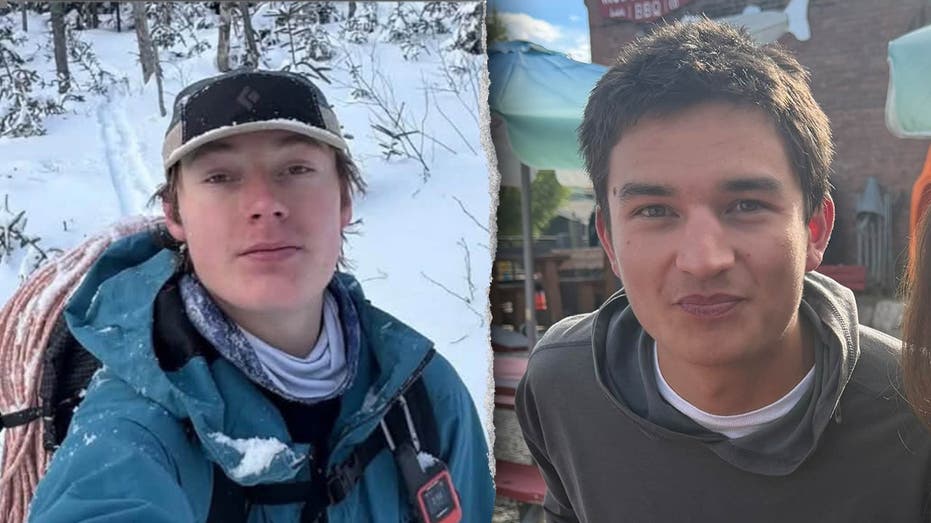
Two college students who went hiking in Colorado were found dead after they were not seen or heard from for several days.

Deputies discovered the bodies of Kaden Matsuda, 19, and Jackson Donlon, 20, in a mountain basin on West Apostle Mountain, the Chaffee County Sheriff's Office confirmed.

Matsuda, of Ridgway, Colorado, and Donlon, of Queensbury, New York, were both students at Colorado Mountain College Leadville campus. Deputies say they left campus for a hike near Ice Mountain Friday, Oct. 23.

CLIMBER DIES IN FATAL FALL ON COLORADO 14ER SOUTH OF ASPEN

Their bodies were found Wednesday after the young men were reported missing by CMC on Monday.

CALIFORNIA COLLEGE WRESTLING STAR RYAN GEORGE DIES AFTER 400-FOOT FALL HIKING IN YOSEMITE

The sheriff's office said their bodies were found near one another, and "foul play is not suspected."

MISSING CANADIAN HIKER FOUND DEAD 2 WEEKS AFTER VANISHING DURING MOUNTAIN TREK IN WASHINGTON

FOLLOW THE FOX TRUE CRIME TEAM ON X

Investigators shared detailed updates on social media about the mission in which 60 search and rescue volunteers deployed from six different counties and had to brave treacherous trails and deteriorating weather conditions to try and find the men.

SIGN UP TO GET THE LATEST TRUE CRIME NEWS

CLICK HERE FOR MORE FROM THE FOX TRUE CRIME HUB

Deputies were able to come up with a possible timeline for the students' doomed hike.

SEND US A TIP

Timeline

  • Friday, Oct. 23: The pair departs campus for Chaffee County during rainy weather.
  • Saturday, Oct. 24: Their planned return day if conditions were poor. A heavy snowstorm hit between 1-2 p.m., causing severe local road hazards.
  • Sunday, Oct. 25: Their planned return day if they pushed to the summit.
  • Monday, Oct. 26: CMC staff officially reported them missing. Deputies located Matsuda’s vehicle at a trailhead near Winfield, Colorado.
  • Tuesday, Oct. 27: Aerial crews spotted their collapsed tent near Lake Ann.
  • Wednesday, Oct. 28: Kaden Matsuda and Jackson Donlon were found dead.

HUSBAND AND WIFE GET TRAPPED IN PREMIER HIKING DESTINATION; ONLY ONE OF THEM MAKES IT OUT ALIVE

GOT A TIP?

In a statement, Sheriff Andy Rohrich said in part, "Our heart aches for Kaden and Jackson’s family and friends. We are very proud of our team’s efforts to find them before this weekend’s coming storm. Although this is a gut punch, our prayers were answered that we would find Kaden and Jackson, allowing some closure for the family."

LISTEN TO THE NEW 'CRIME & JUSTICE WITH DONNA ROTUNNO' PODCAST

Their remains were sent to the Chaffee County Coroner’s Office for autopsies.

GET BREAKING NEWS BY EMAIL

The investigation into their deaths continues.

CLICK HERE TO DOWNLOAD THE FOX NEWS APP

Fox News Digital has reached out to Colorado Mountain College for comment on the tragedy.

  •  

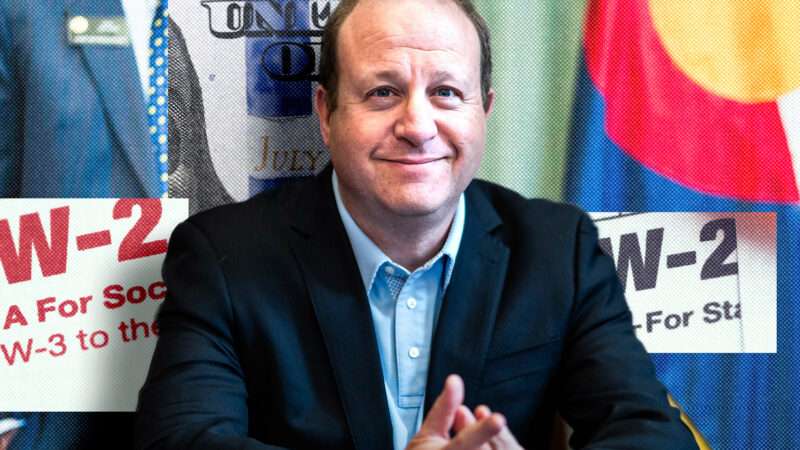
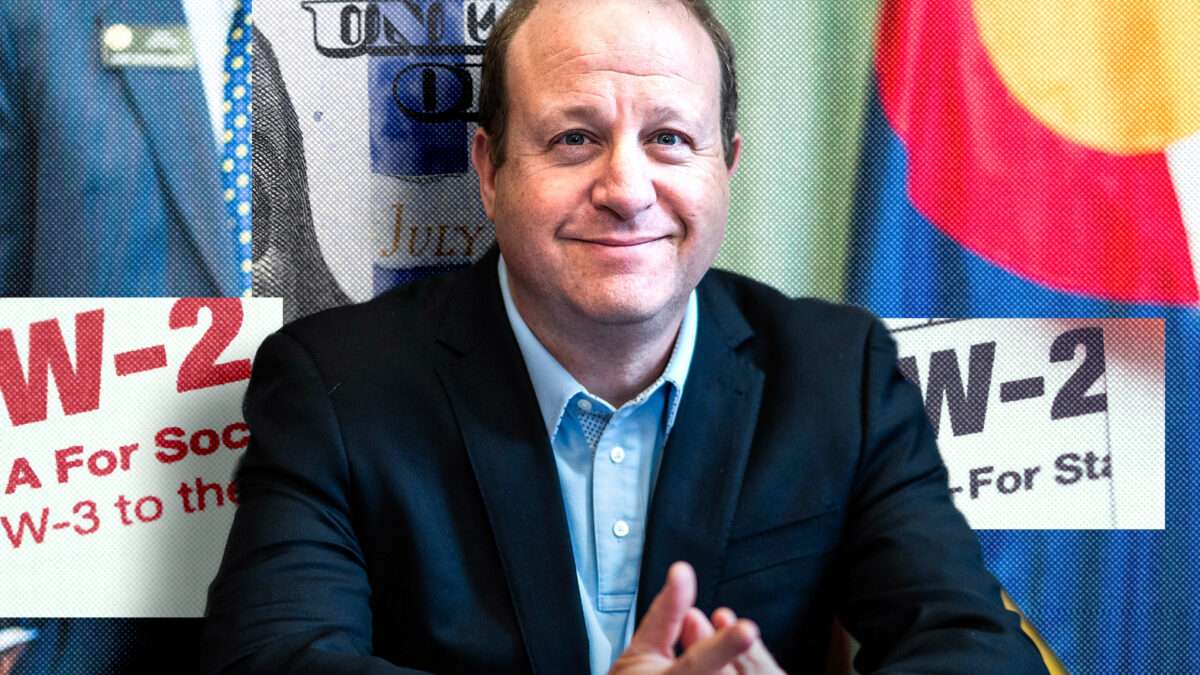
Jared Polis Warns Colorado's Progressive Tax Ballot Measure Could 'Cripple' the Economy

Colorado Governor Jared Polis | Illustration: Adani Samat. Photo: Jesse Paul/ZUMAPRESS/Newscom/Volodymyr Tverdokhlib/Sergey Tolmachyov/Dreamstime.

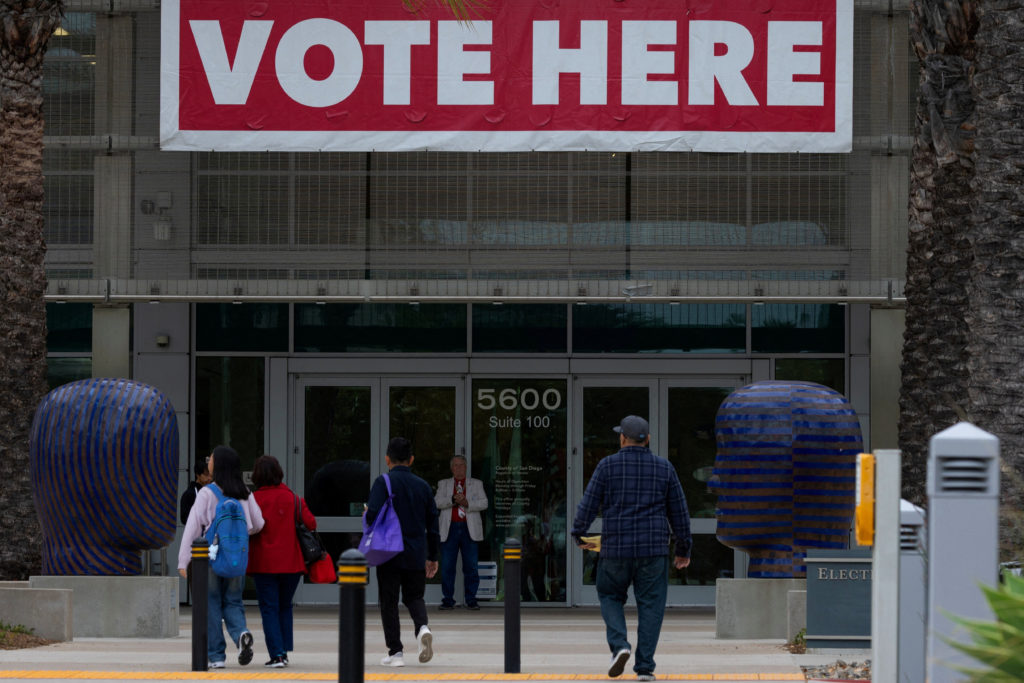
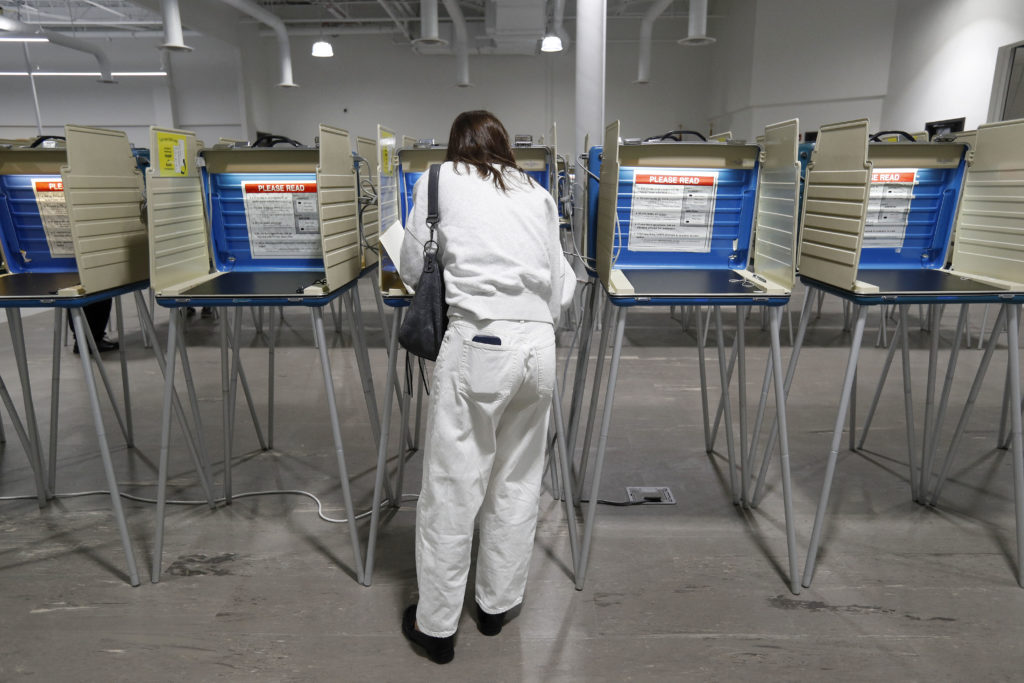
Next week's election is a pivotal one for Colorado, as voters will decide a pair of ballot questions that could secure the state's low-tax, small-government reputation—or shatter it.

Confusingly, there is a slim possibility that they decide to do both. More on that in a moment.

The two competing ballot measures could hardly be more different. The first, Proposition 136, would cap individual and corporate income taxes at 4.4 percent—the state's current flat rate.

The other, Amendment 87, would rewrite the state's constitution to allow for a progressive income tax. It would also set new rates, ranging from 7.4 percent on income over $500,000 to 8.4 percent on income over $1 million. And it would offer a modest tax cut to the lower end of the income spectrum: Individuals earning less than $100,000 would pay 4.2 percent, while those earning less than $25,000 would pay 3.7 percent.

Even with those offsets, Amendment 87 would be a massive tax increase. Both advocates and opponents agree that it would generate about $2–3 billion in additional annual revenue for the state government.

For now, the higher tax rates created by Amendment 87 would only apply to incomes over $500,000. Unsurprisingly, supporters of the measure are framing this as an opportunity to make the wealthy "pay their fair share."

There are two reasons why that argument is a bit deceiving.

As Jared Walczak, a senior fellow at the Tax Foundation, points out, "the new rates would be statutory, while the authorization for a graduated-rate tax would be enshrined in the constitution, permitting the legislature to adjust rates later." Lawmakers would not have to get permission from the voters to make those changes, so Coloradans would be trading away their flat income tax for a new model where income taxes could be hiked by the legislature at any time.

Second, the new rates are not indexed to inflation. As a result, "a household making $450,000 a year in today's dollars would be moved into a higher tax bracket within eight years if their earnings increased by 3% annually," reports The Colorado Sun, which crunched the numbers. Such "bracket creep" would also push more workers over the $100,000 threshold, nullifying the small tax cut for workers making less than that.

Politically, the progressive income tax proposal is dividing Democrats. The Colorado Democratic Party has endorsed Amendment 87 (along with many of its usual allies, like the AFL-CIO and the state's largest teachers union).

But Democratic Gov. Jared Polis has called the proposal "a huge blank check to politicians" that will "cripple our economy and reduce jobs."

In comments to a Denver TV station, Polis also highlighted how higher taxes in Colorado would make the state less competitive with its neighbors. "Utah has a very similar tax rate to what we have. If ours is double, we can't compete for businesses," Polis told Denver7. "It's game over. We will not be able to attract new employers to Colorado if the voters adopt this."

It's not just Utah. If the amendment passes, Colorado would have a significantly higher top income tax rate than any of its neighbors. (The current highest in that group is New Mexico, with its top rate of 5.9 percent.)

Under Colorado law, constitutional amendments typically need 55 percent approval to pass. However, Amendment 87 requires only a simple majority* because it technically repeals provisions in the constitution, rather than adding new ones. Similarly, Proposition 136—the one that would cap the income tax rate at 4.4 percent—requires just a simple majority.

It is possible, though unlikely, that both could pass. That would create a conflict, since the state's income tax can't be capped at 4.4 percent and also hiked to more than 7 percent on incomes over $500,000.

If that happens, the ballot question with the larger share of support would win, per state law. "In short, that means Amendment 87 would need to both win majority support from voters and surpass Proposition 136 in total votes to go into effect," explains the Denver Post, which has encouraged residents to vote against both ballot measures.

Accordingly, Proposition 136 must win majority support from the voters and surpass Amendment 87 (which needs 55 percent to pass, don't forget) to be implemented.

It is all a bit confusing, but the outcomes are worth watching. Colorado has long been a bit of an outlier among "blue" states for its relatively low taxes and booming population. It's now up to the voters to decide if that remains true.

*CORRECTION: This article incorrectly described how Amendment 87 could be passed into law. 

The post Jared Polis Warns Colorado's Progressive Tax Ballot Measure Could 'Cripple' the Economy appeared first on Reason Magazine.

  •  

Two Colorado college students found dead after going missing during hike

Kaden Matsuda and Jackson Donlon were on a trip in Rocky Mountains last weekend when heavy snowstorm hit

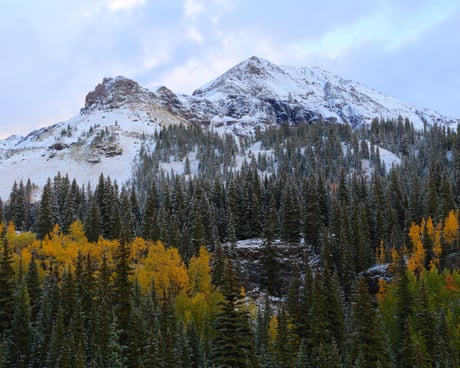
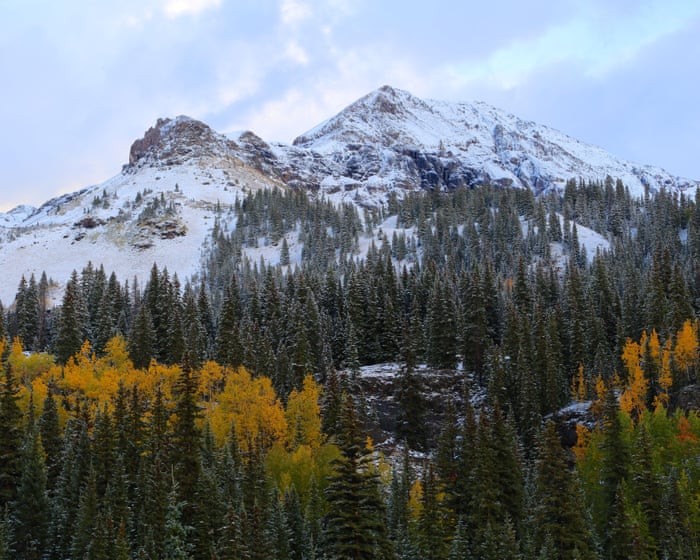
Two Colorado college students have been found dead after going missing during a hiking trip in the Rocky Mountains last weekend when a heavy snowstorm hit, authorities said.

The bodies of Kaden Matsuda, 19, of Ridgway, Colorado, and Jackson Donlon, 20, of New York, were found on Wednesday afternoon in a basin of West Apostle Mountain, about 100 miles (160km) south-east of Aspen, the Chaffee county sheriff’s office said in a statement posted on social media.

Continue reading...

© Photograph: Steve Boice/Alamy

© Photograph: Steve Boice/Alamy

© Photograph: Steve Boice/Alamy

  •  

No Colorado, homem dedica vários meses garimpando em rios para extrair, do zero, todo o ouro para fundir o anel de noivado

Obter pequenas partículas de ouro puro no leito de um rio exige técnica, paciência e o manuseio de toneladas de cascalho e areia. Para a maioria das pessoas, conseguir um anel de noivado envolve simplesmente entrar em uma joalheria.

Mas quando Jack Vulcani, morador de Wheat Ridge, no estado do Colorado, planejou pedir a sua namorada de longa data, Joanne, em casamento, uma ideia ambiciosa e incomum surgiu em sua mente: por que não extrair o próprio ouro do zero?

“Eu simplesmente sentei, pensei muito sobre isso e, eventualmente, uma ideia me veio à cabeça: ‘E se eu mesmo fizesse o anel?’ E eu pensei, sabe, perfeito”, disse Jack em entrevista ao canal local 9News.

A partir daquele momento, Vulcani iniciou uma jornada de vários meses garimpando em diversos rios do Colorado com uma bateia, separando pacientemente as pequenas partículas do metal precioso misturadas à areia fluvial.

Uma “eternidade” de motivação

Ele admite que a tarefa parecia assustadora logo no início, mas foi a própria magnitude do desafio que o impulsionou. “Eu pensei: ‘Isso vai demorar uma eternidade’, e por algum motivo isso me motivou, sabe?”, revelou. Com persistência, Jack reuniu partículas suficientes.

Ele levou o metal acumulado até o joalheiro local Zak Allen, em Wheat Ridge, e perguntou se o material poderia ser derretido e moldado em um anel. O profissional ficou entusiasmado com a novidade: “Inicialmente fiquei empolgado porque pensei: ‘Bem, isso é uma novidade!’”, comenta Allen.

A revelação à beira do rio

O joalheiro encontrou um molde e derreteu o ouro extraído dos rios para criar a joia para Jack. Ao ver o resultado, o noivo ficou maravilhado: “Ver que tudo correu tão bem foi absolutamente incrível e, sem dúvida, emocionante”. Quando o anel ficou pronto, Jack preparou uma surpresa à altura do esforço.

Durante uma caminhada na natureza, ele mostrou a Joanne um vídeo gravado por ele mesmo garimpando nas margens do rio. A princípio, ela ficou confusa sem entender o propósito daquelas filmagens.

“Eu estava assistindo a um vídeo dele garimpando ouro e pensei: ‘Que fofo, mas não sei por que estamos fazendo isso agora’”, contou Joanne durante entrevista. “E aí, no meio do vídeo, me dei conta: ‘Ah, esse é o processo de você fazer o anel’, e comecei a chorar”. Sobre o momento exato do pedido de casamento, ela acrescentou: “Eu meio que desmaiei, mas foi um momento realmente especial”.

Um elo moldado pelo próprio metal

Ao refletir sobre todo o empenho investido no projeto, Jack resumiu sua motivação de forma simples: “Eu só queria alegrar o dia dela”. O gesto fez Joanne ter a certeza de que está “com o cara certo”.

Além do anel de noivado de Joanne, Jack reuniu ouro suficiente para confeccionar uma aliança de casamento para si próprio, permitindo que o casal compartilhasse essa mesma ligação através dos metais. Para o noivo, o significado da peça vai muito além da estética:

“Não importa a distância que nos separe, mesmo quando estamos no trabalho, eu ainda olho para baixo e sei que o que está em nossos dedos ainda nos une”.

  •  

Voters in these Democratic strongholds could ban trans girls from girls' school sports

Colorado and Washington are reliably Democratic states where elected officials have rejected moves to ban transgender women and girls from female sports competitions. Now activists have gone around lawmakers to put proposed bans on both states' ballots.

  •  

A guide to the key ballot measures voters will decide on Election Day

When Americans cast their ballots in this year's midterm elections, they'll not only be picking who represents them in Congress, but also weighing in on a range of topics that could change their state laws and constitutions.

  •  

I've been to all 50 states. Everyone should visit these 10 at least once.

Emily stands on a rock in the middle of a lake with clear water in Glacier National Park. The lake is surrounded by mountains and trees.
After visiting all 50 US states, I'm often asked which ones I'd recommend to travelers.

Emily Hart

  • Over the past decade, I've traveled solo to all 50 US states and most major US national parks.
  • Although I've found beauty in every state, there are some that I want to visit over and over again.
  • I love traveling to places like New Mexico, Montana, New Hampshire, and Arizona.

Over the past decade, I've successfully visited all 50 US states solo, and have even made it to most of the major US national parks along the way. Because of this journey, I'm often asked which states I'd recommend to travelers.

Although most international travelers gravitate toward states like Florida and New York, I've found fantastic beauty and history in every state.

However, these are the 10 I always return to.

New Mexico boasts a surprising variety of stunning landscapes.
Emily, wearing jeans, a long-sleeved black shirt, and a hat, stands in front of rock formations at Ghost Ranch.

Emily Hart

New Mexico is always at the top of my list of recommendations. Nicknamed "the land of enchantment," it lives up to its moniker — and then some.

Those who haven't visited New Mexico may think of the state as a mostly barren desert, but it's actually the diverse landscapes that keep me coming back.

From the otherworldly dunes of White Sands National Park to the snow-capped Sangre de Cristo Mountains, there's beauty to be found around every corner.

Outside the natural beauty, the state is chock full of history, art, food, wine, and culture.

California is full of diverse landscapes and experiences.
Emily sits on a wooden path covered in ice in Yosemite National Park. Behind her are mountains, trees, and a swampy area covered in snow.

Emily Hart

Every time I visit California, I feel like I'm entering a completely different reality.

The sheer size and diversity of the state are impressive, and it has gorgeous beaches, cities, forests, deserts, mountains, and even volcanoes.

I love road-tripping up the coast, visiting Yosemite National Park, taking a boat to the Channel Islands, and wine tasting in places like Napa and Sonoma.

Montana is a must-visit state for any outdoor enthusiast.
Emily stands on a rock in the middle of a lake with clear water in Glacier National Park. The lake is surrounded by mountains and trees.

Emily Hart

With its vast open spaces, majestic mountains, and endless opportunities for outdoor adventure, Montana is a must-visit state for any outdoor enthusiast.

The state is home to the breathtaking Glacier National Park and parts of Yellowstone National Park. The sky is vast and open, the mountains are towering, and the lack of development makes me feel like I'm entering another world entirely.

I've returned to West Virginia multiple times.
Emily, wearing sunglasses, black leggings, a green tank top, and a flannel around her waist, stands on rocks in New River Gorge National Park, with a bridge behind her.

Emily Hart

Although it may not get as much attention as some of the other states on this list, I've returned to West Virginia multiple times since my first visit.

The state's natural beauty is stunning, from New River Gorge National Park to ample lush forests, underground caverns, historic small towns, and over 200 waterfalls.

Wisconsin is home to beautiful scenery and great dining options.
Emily sits on the ground in front of a blue-green body of water and trees.

Emily Hart

Wisconsin has so much more than first meets the eye, from the natural beauty of the Apostle Islands and the 15,000 lakes in the state to the classic cheese curds, breweries, and wineries that dot the landscape.

I love spending time along the shores of Lake Michigan and Lake Superior, dining at one of the state's famous supper clubs, and exploring the many Wisconsin state parks.

There's no place quite like the Maine coast.
Emily sits on a rocky coastline with a lighthouse in the background.

Emily Hart

There's so much to love about Maine, but my favorite part of the state is the coast. With jagged and dramatic cliffs, lighthouses, and lobster shacks, visiting the Maine coast is an unforgettable experience.

It's easy to find peace in the state that sees the first sunrise of the year and is home to Acadia National Park, which is one of the country's most-popular national parks.

I love to road trip up the coast, stopping in beautiful towns like Kennebunkport, Bar Harbour, and Lubec.

As my home state, Colorado will always hold a special place in my heart.
Emily walks across rocks in a lake that's surrounded by mountains and trees.

Emily Hart

I couldn't write a list like this without including my home state of Colorado. The state has so much to offer, from beautiful views to fun activities.

On the Front Range, I enjoy hiking in Boulder and exploring Cheyenne Cañon. I like to spend the night at the The Broadmoor hotel in Colorado Springs before heading over to Great Sand Dunes National Park.

In the Rockies, I love driving Independence Pass to Aspen, as well as exploring the underrated Grand Mesa, which is the biggest flat-top mountain in the world. I also enjoy taking road trips to the charming mountain towns of Telluride, Buena Vista, and Steamboat Springs.

No matter where you find yourself in Colorado, there's no shortage of incredible natural beauty and outdoor adventure.

New Hampshire boasts some of the best skiing and hiking in the Northeast.
Emily sits on a wall facing to the right with a camera in her hand. Behind her are mountains and trees with beautiful fall foliage.

Emily Hart

The Northeast is famous for its fall foliage, but I can't help but think that New Hampshire is sometimes overshadowed by its neighbors, Maine and Vermont.

I was stunned by its natural beauty during my first trip to the state. From the White Mountains to Franconia Notch State Park, the state boasts some of the best skiing and hiking in the Northeast.

Utah is home to five major national parks.
Emily stands in front of massive sand-colored rock formations in Kodachrome Basin State Park.

Emily Hart

Utah is a state that you have to see to believe. With five major national parks, 46 state parks, 15 ski resorts, and hidden gems at every turn — you'll never get bored here.

I love visiting Moab to hike in Arches National Park, Canyonlands National Park, and Dead Horse Point State Park before heading south to Bryce Canyon National Park, Kodachrome Basin State Park, and Zion National Park.

I also like making stops in Park City and Grand Staircase Escalante National Monument.

Arizona is the perfect escape for adventure and relaxation.
Emily sits on the ground facing to the right. Behind her are large red-rock formations, and in front of her are a small body of water and a cactus.

Emily Hart

Arizona is well known for the Grand Canyon, but the state has much more to offer. From Flagstaff's high-altitude forests to Sedona's iconic red rocks, Arizona's diversity is surprising and worth a trip.

I love hiking among the cacti in Sedona or Scottsdale before heading to one of the many resorts to jump in a pool or hit the spa — the perfect escape for adventure and relaxation.

This story was originally published on April 5, 2024, and most recently updated on October 23, 2026.

Read the original article on Business Insider
  •  

Free lunch, transgender athletes: Voters nationwide face major education decisions

Voters across the country are making big decisions about the education of their children at a local, state and federal level in this year’s midterms. Ballot initiatives, school board elections, governor’s races and Senate spots are all on the line as parents head to the polls thinking about AI, school choice and what topics should…

  •  

House Democrats demand answers from CDC on African hepatitis B study

Top Democrats on the House Energy and Commerce Committee demanded answers Thursday from the Centers for Disease Control and Prevention (CDC) about the agency’s funding of a controversial hepatitis B clinical trial in Guinea-Bissau.  The CDC awarded $1.6 million last year to Danish researchers to conduct the study in Guinea-Bissau, a small country in West…

  •  

A Religious Preschool Is Barred From a State's Universal Preschool Program. SCOTUS Will Decide What's Legal.

Religious school classroom | St Mary Catholic School/Facebook

On November 3, the U.S. Supreme Court will hear oral arguments in a case that asks whether Colorado has unlawfully discriminated against a religious preschool because the school is barred from participating in the state's universal preschool program due to its refusal to accept LGBTQ families. In addition to involving multiple hot-button political and cultural issues, the case also has big implications for the future of federal antidiscrimination law.

St. Mary Catholic Parish v. Roy is not about a state law that directly prohibits a religious preschool from operating. Rather, at issue here is a government requirement that any preschool that wants to participate in the state's universal preschool program, and receive the public benefits that follow, must first satisfy various criteria, including that "each preschool provider provide eligible children an equal opportunity to enroll and receive preschool services regardless of race, ethnicity, religious affiliation, sexual orientation, gender identity, lack of housing, income level, or disability."

According to the Catholic preschools overseen by the Archdiocese of Denver, however, complying with that rule would force the schools to violate their religious beliefs. "It is undisputed that these preschools would otherwise be eligible [universal preschool] providers," the schools told the Supreme Court. "They are excluded solely because of their religious exercise—namely, their religious practices of ensuring that all enrolling families are supportive of the Catholic Church's teachings on sex and marriage and of treating enrolled four-year-olds in accordance with their biological sex."

These schools can point to a pair of recent Supreme Court precedents that will very likely count in their favor. In Espinoza v. Montana Department of Revenue (2020), the Court held that if a state provides educational subsidies that help parents send their children to private schools, the state "cannot disqualify some private schools solely because they are religious." Then, in Carson v. Makin (2022), the Court held that Maine's tuition assistance program violated the Constitution by excluding private schools that offered "sectarian" education. "A State's antiestablishment interest," the decision said, "does not justify enactments that exclude some members of the community from an otherwise generally available public benefit because of their religious exercise."

I would expect the outcome of St. Mary Catholic Parish v. Roy to follow in this same general pattern and hold something to the effect that when a state provides an educational public benefit, it must make some sort of accommodation for the religious views of the recipients.


In Other Legal News

Justice Elena Kagan made news a few months back when she defended her conservative colleagues on the Supreme Court from the oft-heard charge that they are totally in the tank for President Donald Trump. "I don't see this as a court that is just like, 'We're just going to rubber stamp what the current administration does.' You know, quite the opposite," Kagan said. "I think that that is a bad rap." In support of her argument, Kagan pointed to the fact that the Supreme Court had recently ruled against Trump on the two big issues that Trump himself valued the most: tariffs and birthright citizenship.

Kagan was in the news again on Tuesday, this time because she publicly blasted those same conservative colleagues for issuing decisions on voting rights and political gerrymandering that, in Kagan's words, have produced "a democracy that does not work as well as it should." According to Kagan, the Court's conservative majority "has kind of blinded itself to the very deleterious effects of their rulings on how the political system works."

Does this mean that Kagan has now stopped defending the conservative justices from the pro-Trump charge? Not at all. In fact, as The New York Times put it, "she reiterated her defense of the conservative-dominated bench from a July appearance and said it was a 'bum rap' to suggest the court had been too deferential to Mr. Trump."

I don't know about you, but I find Kagan to be a refreshing public figure in these simplistic, partisan times. She is a staunch legal liberal with clearly stated objections to what the Supreme Court's conservative majority is getting up to, yet she refuses to be associated with the laziest progressive attacks on the Court. How many people of comparable public stature these days are willing to call out the shortcomings of their own side?

The post A Religious Preschool Is Barred From a State's Universal Preschool Program. SCOTUS Will Decide What's Legal. appeared first on Reason Magazine.

  •  
❌