 Login

México rinde homenaje póstumo a Cuauhtémoc Cárdenas en el Palacio de Bellas Artes
La presidenta Claudia Sheinbaum y líderes sociales despiden al referente patriótico reconociendo su papel histórico frente al fraude neoliberal de 1988.

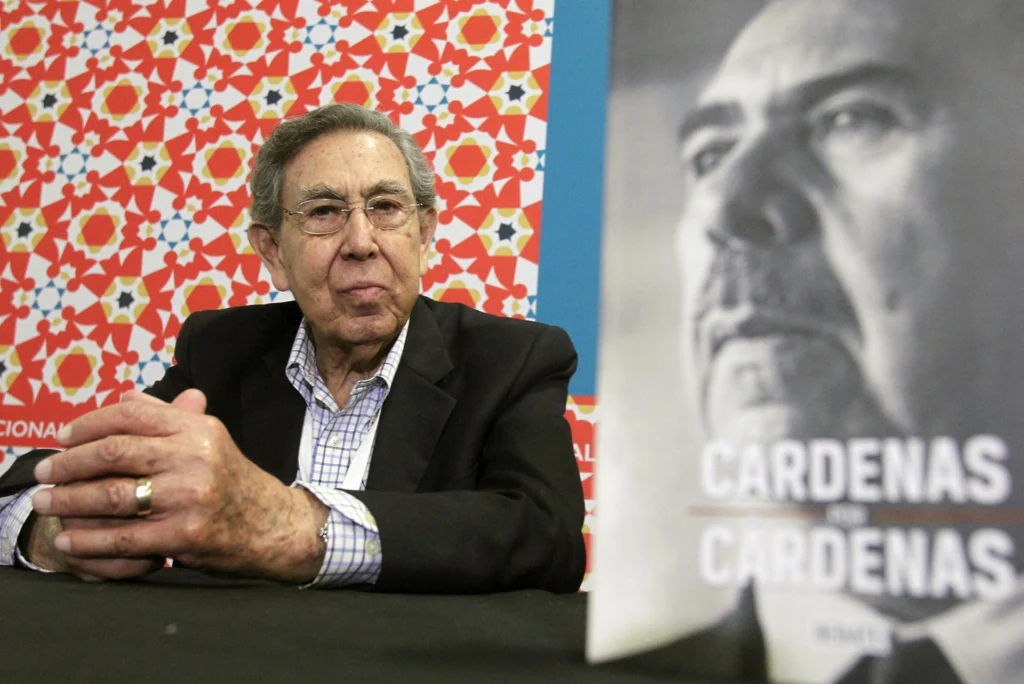
Cuauhtemoc Cárdenas inherited that cause and devoted more than six decades to it, along with the defense of the rights of the working classes and the structural transformation of Mexico’s political system.
He became established as a reference point for the country’s progressive, patriotic and transformative struggles.
RELATED: Long Live Independent, Free, Sovereign Mexico!: President Sheinbaum
The engineer was the son of General Lazaro Cardenas del Río, who carried out the 1938 nationalization of Mexico’s oil industry, a decision that placed crude oil under state control and became a milestone of national sovereignty.
His remains are being mourned on October 29 at the French Pantheon in the capital, the mausoleum where his life partner, Celeste Batel, also rests. He is survived by three children: Lázaro, Cuauhtémoc and Camila Cárdenas Batel.
🇬🇧 The Socialist International mourns the passing of Cuauhtémoc Cárdenas, our Honorary President, a tireless champion of democracy and social justice in Mexico and Latin America. Our heartfelt condolences to his family, his comrades and the people of Mexico.
— Socialist International (@Soc_Intl) October 29, 2026
📷 “Cuauhtémoc… pic.twitter.com/JEsGQyNnKf
Cardenas began his political activity in 1954 through the National Liberation Movement (MLN, in Spanish) and served as governor of Michoacán from 1980 to 1986. In 1987 he led the deepest break in contemporary Mexican politics. Together with Ifigenia Martínez, Porfirio Muñoz Ledo and César Buenrostro, he founded the Democratic Current within the Institutional Revolutionary Party (PRI, in Spanish) to fight the imposition of the presidential candidate and the shift toward the neoliberal model.
He left the PRI that year and was nominated by the Authentic Party of the Mexican Revolution, later building the National Democratic Front with a range of social forces. The July 6, 1988 presidential election was marked by the scandalous fraud of the so-called “system crash,” which imposed Carlos Salinas de Gortari. That day marked a turning point in the struggle for clean elections. Cardenas led the peaceful protest, together with other candidates, to avoid violence and bloodshed in the country.
After the fraud was carried out, Cuauhtemoc Cardenas drove the founding in 1989 of the Party of the Democratic Revolution (PRD), a platform oriented toward rejecting privatizations and budget austerity, and defending secularism and state control of strategic industries.
After his presidential bids in 1988 and 1994, on July 6, 1997 he became the first elected head of government of what was then the Federal District. His victory dismantled the direct control of the executive branch over the capital and established an administration with a social emphasis, transparency and priority attention to vulnerable sectors.
At 90, at the tribute paid to him by National Autonomous University of Mexico (UNAM), he firmly recalled that winning democracy in Mexico cost the lives of between 600 and 800 activists who fell in various days of struggle. Their killings remained unpunished under the governments of the regime.
🕊️ Un encuentro que quedó para la historia. El 3 de julio de 2018, dos días después de su triunfo electoral, @lopezobrador_ se reunió con Cuauhtémoc Cárdenas, a quien reconoció como precursor del movimiento democrático que daría paso a la 4T.
— Once Noticias (@OnceNoticiasTV) October 29, 2026
Así el momento. 👇#OnceNoticias 🔻 pic.twitter.com/ZkUXFx1lpP
Text reads: “A meeting that has gone down in history. On July 3, 2018, two days after his electoral victory,
@lopezobrador met with Cuauhtemoc Cardenas, whom he recognized as the precursor of the democratic movement that would lead to the 4T (4th transformation).”
In his last years, Cardenas defended strategic resources against transnational capital. On March 18, 2026, at the ceremony for the 88th anniversary of the oil expropriation in Pueblo Viejo, Veracruz, President Claudia Sheinbaum named him head of the Advisory Commission of the state oil company Pemex.
He received an honorary doctorate from the National Polytechnic Institute in January 2026, and in September 2026 the National Autonomous University of Mexico (UNAM) created the Cuauhtémoc Cárdenas Chair in recognition of his contribution to sovereignty and self-determination.
He ran for president a third time in 2000. The defense of strategic resources was his last great cause, which he upheld uncompromisingly in his final years against the appetites of transnational capital.
Mexican President Claudia Sheinbaum opened her morning press conference in the Treasury Hall of the National Palace with the homage, describing the former governor and presidential candidate as one of the central figures of contemporary Mexican politics. She presented his political life not as a single campaign, but as the foundation of a broader national transformation.
“His legacy is of honesty and democracy, but democracy that comes from below, not the democracy of the elites. Democracy as the people in power,” she asserted.
Members of her cabinet joined the tribute, underscoring the peaceful and sovereign character of Cárdenas’s historic campaign.
Interior Secretary Rosa Icela Rodríguez highlighted the leader’s composure in channeling popular outrage through democratic means after the electoral manipulation of 1988. “Leading a popular mobilization requires responding to people’s expectations, but also protecting their lives and preserving the possibilities of continuing the struggle,” she said, honoring militants persecuted by the regime of that era.
For his part, Pablo Gómez, head of the Presidential Commission for Electoral Reform, defined Cárdenas as “the leader of the political rupture with national surrenderism, anti-democracy and corruption.” He called him an indispensable precedent for the electoral gains of the present day.
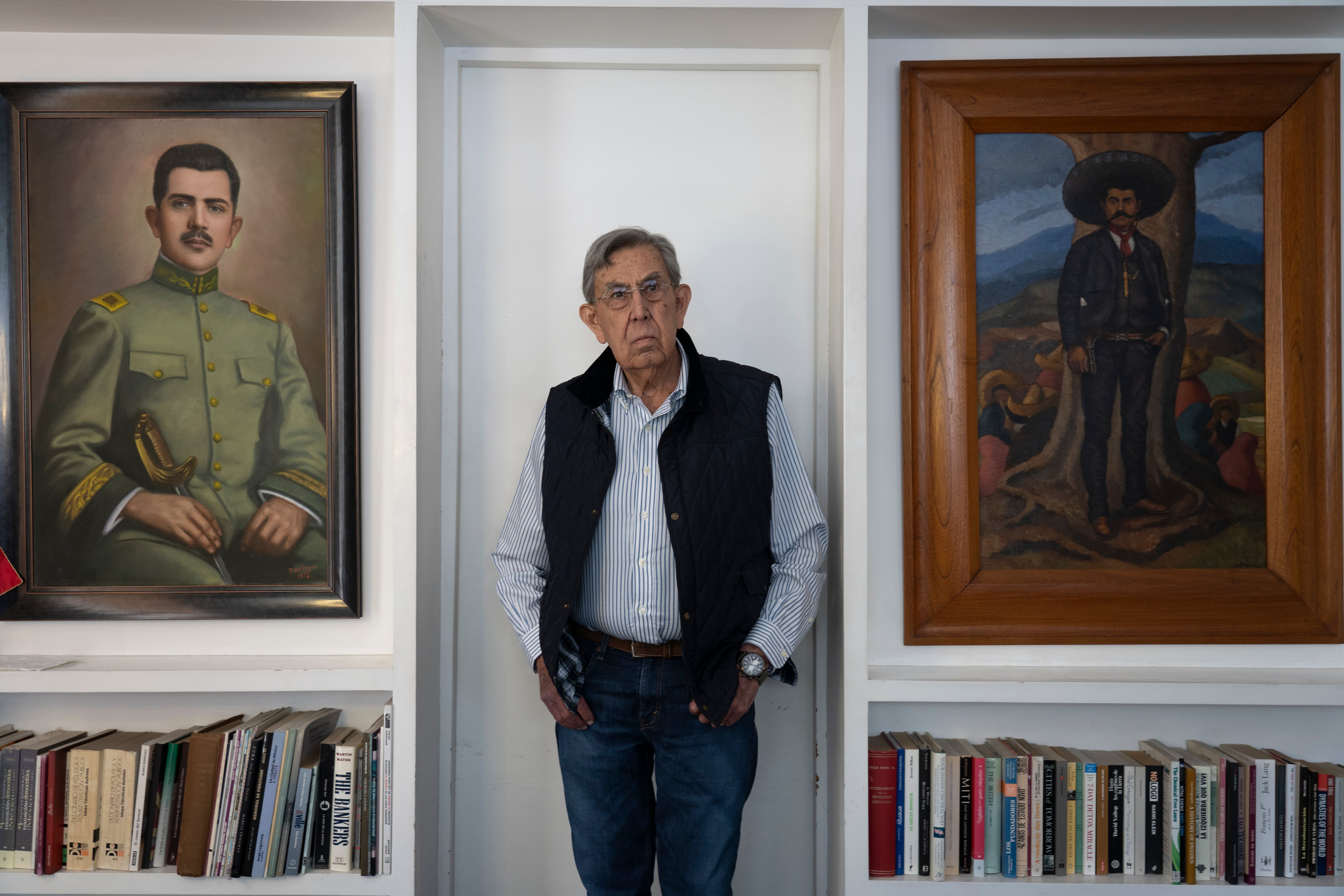
Cuauhtémoc Cárdenas Solórzano fue heredero de uno de los presidentes más poderosos de la historia de México, Lázaro Cárdenas del Río. Al mismo tiempo, se convirtió en el líder histórico de la izquierda mexicana que luchó por romper el sistema político construido por el Partido Revolucionario Institucional (PRI), al que perteneció su padre. El ingeniero, como se le conocía, tres veces candidato presidencial, murió la noche de este miércoles a los 92 años, después de haber protagonizado un puñado de las transformaciones decisivas del país durante la segunda mitad del siglo XX.
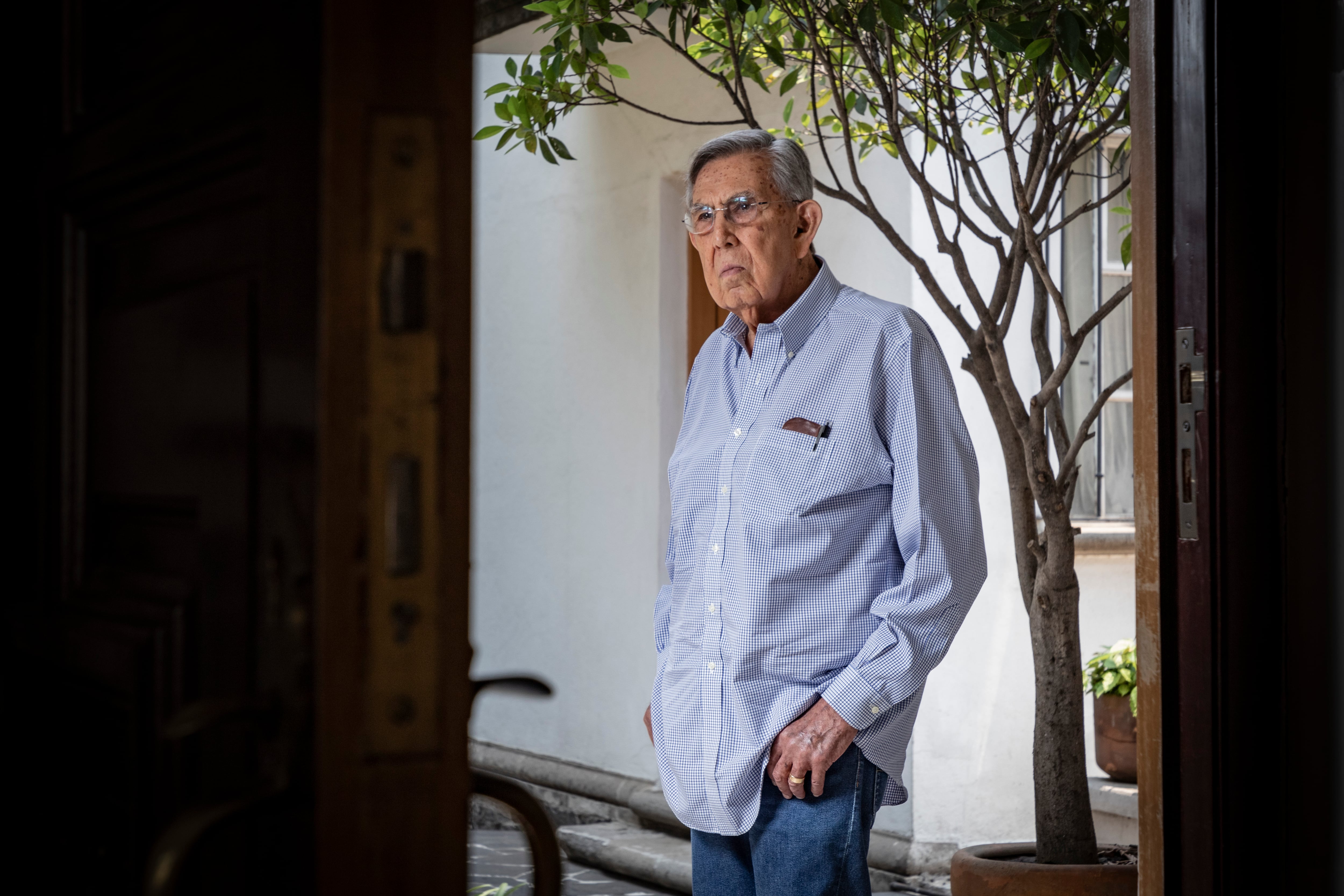
Cuauhtémoc Cárdenas, a historic leader of Mexico’s left, died on Wednesday at age 92. Without him, it would be impossible to understand how the left has gained power in Mexico. Both the current president, Claudia Sheinbaum, and her precedecessor Andrés Manuel López Obrador, both of the Morena party, walked arm in arm with Cárdenas during the democratic struggles of the 1980s, when El Ingeniero (The Engineer, as he was known because of his engineering degree), broke up the long hegemony of the Institutional Revolutionary Party (PRI) from within, giving rise to the transition.
Cuauhtémoc Cárdenas Solórzano, líder histórico de la izquierda mexicana y precursor de la transición democrática del país, ha fallecido este miércoles a los 92 años de edad. Sin su figura no se entendería que la izquierda haya llegado al poder. Tanto la actual presidenta, Claudia Sheinbaum, como el exmandatario Andrés Manuel López Obrador caminaron con Cárdenas en las luchas democráticas de los años ochenta, cuando el Ingeniero, como también se le conocía, rompió desde dentro el sistema de partido hegemónico del PRI y dio inicio a la transición.
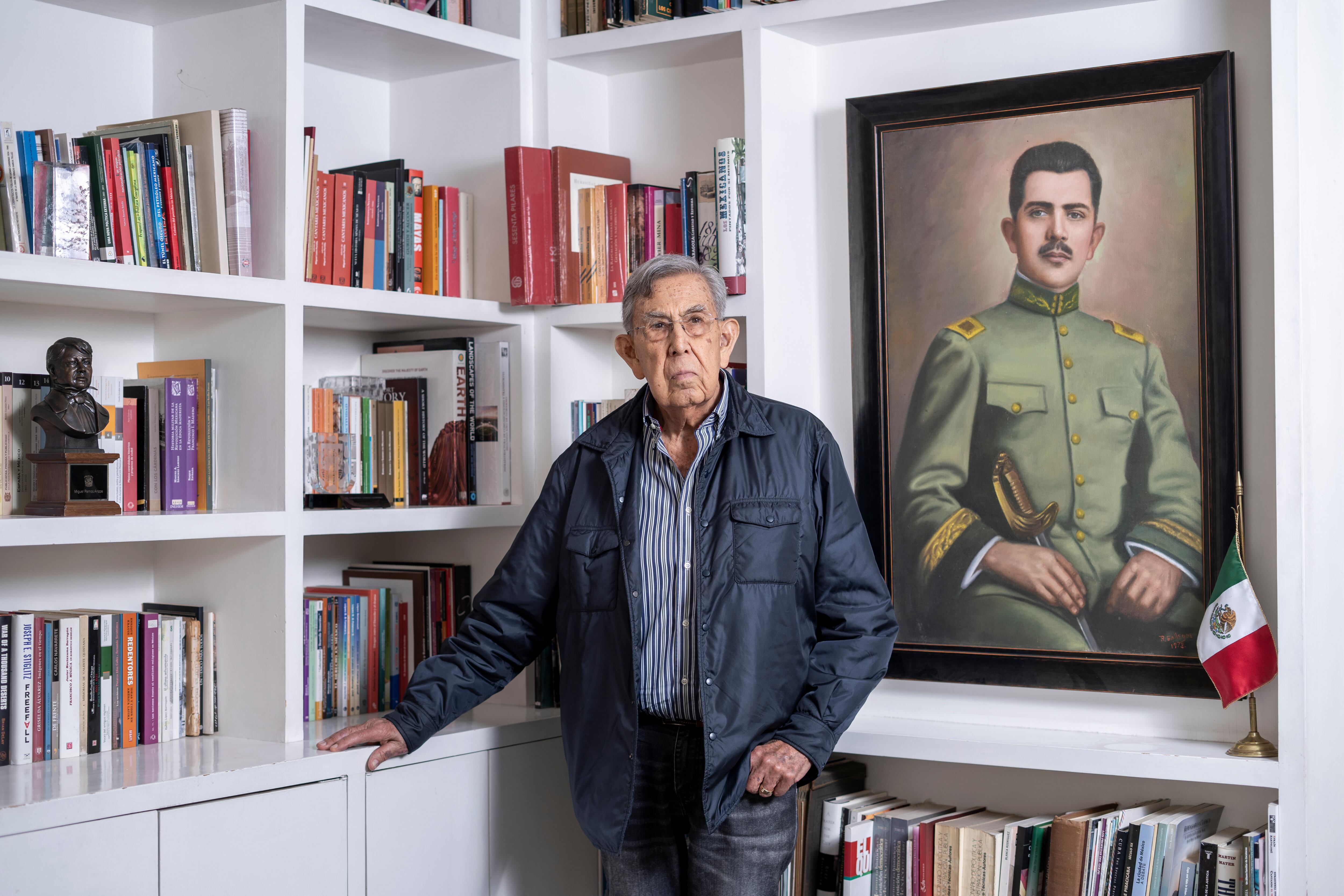
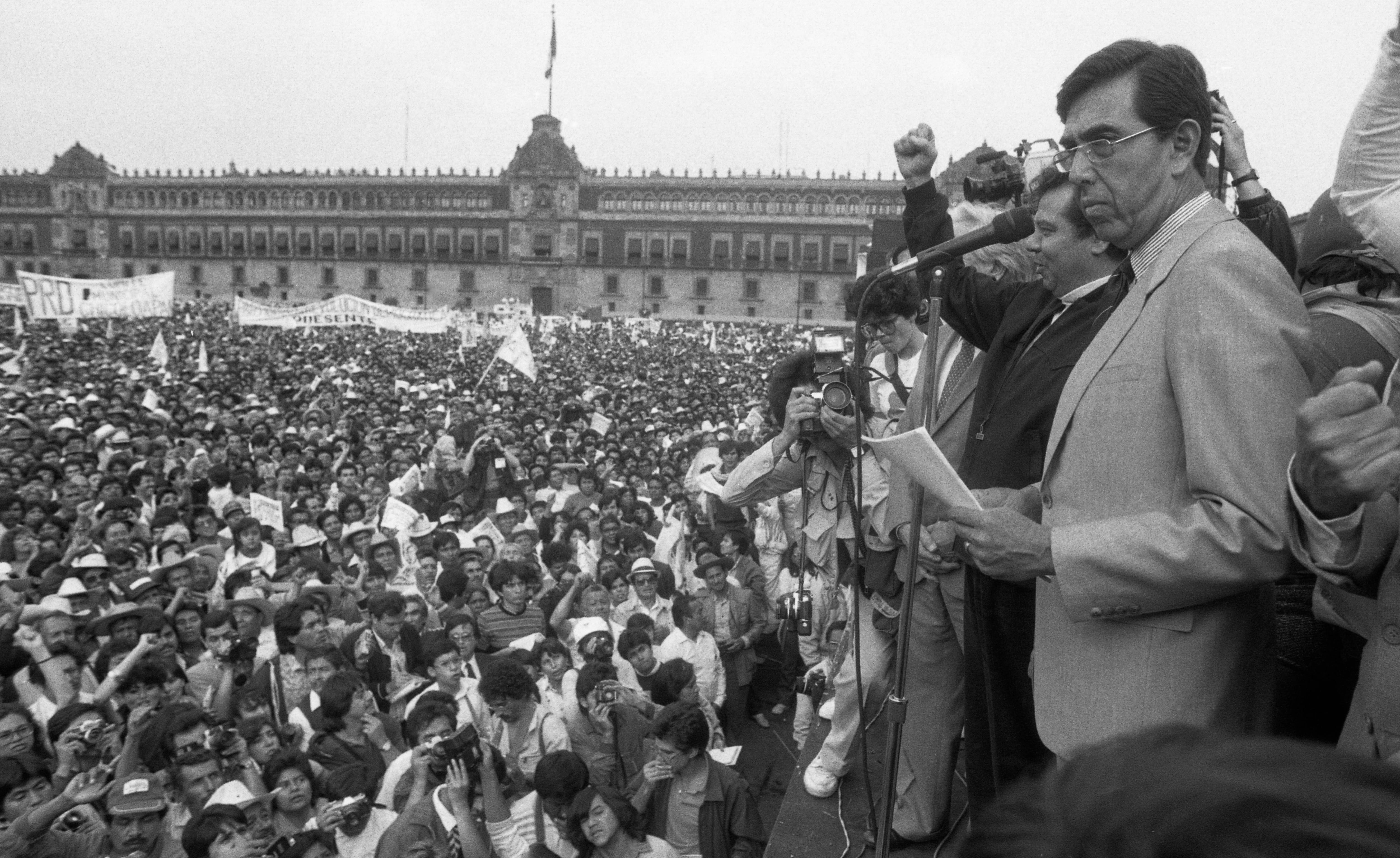
© Fotografía Archivo Cuartoscuro

© Luis Barron/Eyepix, via Zuma, via Reuters
