❌

Reading view

Azov says it struck more than 100 Russian trains in occupied Donbas in four months, in part thanks to donations

The moment a Ukrainian UAV prepares to strike a Russian train, likely carrying military supplies, 2026. Screenshot from a video released by Azov

Fighters of the 1st Corps of the National Guard of Ukraine "Azov" struck more than 100 Russian trains carrying fuel and other supplies for occupying forces, the corps reported on social media on 28 October. The strikes disabled locomotives, fuel tank cars, and other equipment, the statement said.

Russian President Vladimir Putin claimed on 16 October that seizing all of Donetsk Oblast remains one of Russia's main tasks. Azov notes that these strikes help "destroy" Russia's offensive capabilities.

Small Ukrainian drones strike Russia's 100-ton locomotives

Azov emphasizes that neither mobile fire groups nor electronic warfare systems can protect Russian logistics routes.

"The enemy is doing its utmost to create an image of successfully capturing settlements, but is unable to protect key railway stations through which the fuel supply chain runs toward the front," Azov said.

The rail hubs hit had carried Russian military trains to the fighting in Donbas and southern Ukraine, Defense Express reported on 29 October. The count of more than 100 trains covers Azov's operations over the past four months, the outlet said.

The mass of any diesel locomotive exceeds 100 tons, yet the Ukrainian military struck these large Russian targets using small UAVs, the outlet also notes.

Donations helped make the strikes possible

Donations and the work of the Come Back Alive foundation contributed to the operation's results, Azov said. In particular, the foundation provided the military with 440 Starlink Mini terminals, the corps added.

War on Credit: Over 100 Trains Hit

The enemy is doing all it can to create the image of successfully capturing settlements, yet it cannot protect the key railway stations through which its fuel supply chain toward the front runs. Neither mobile fire groups nor electronic warfare… pic.twitter.com/QpqEQHyxvp

— First Corps Azov of the National Guard of Ukraine (@azov_media) October 28, 2026

Azov announced Operation Hell back in the summer

On 2 July, the Azov Corps announced Operation Hell and released the first footage of strikes on Russian railway equipment. The video shows a strike on a diesel locomotive that was likely used by Russian forces for military logistics.

Operation "Inferno." Coming soon.

This wasn't just about our distaste for old Soviet cartoons. Demilitarization is the priority. Decommunization's just a bonus.

So what's happening in the video? This isn't a random hit — it's part of a carefully planned operation by First Corps… pic.twitter.com/feNc72isUk

— First Corps Azov of the National Guard of Ukraine (@azov_media) July 2, 2026

The corps said the strike was part of a carefully planned operation and promised details soon.

  •  

Ukraine has liberated more territory than Russia has captured since the beginning of fall—a trend that has persisted throughout 2026, Zelenskyy says

ukraine has liberated more territory than russia captured since beginning fall—a trend persisted throughout 2026 zelenskyy says · post ukrainian president volodymyr during evening address 1 image_2026-09-01_23-48-46 news reports

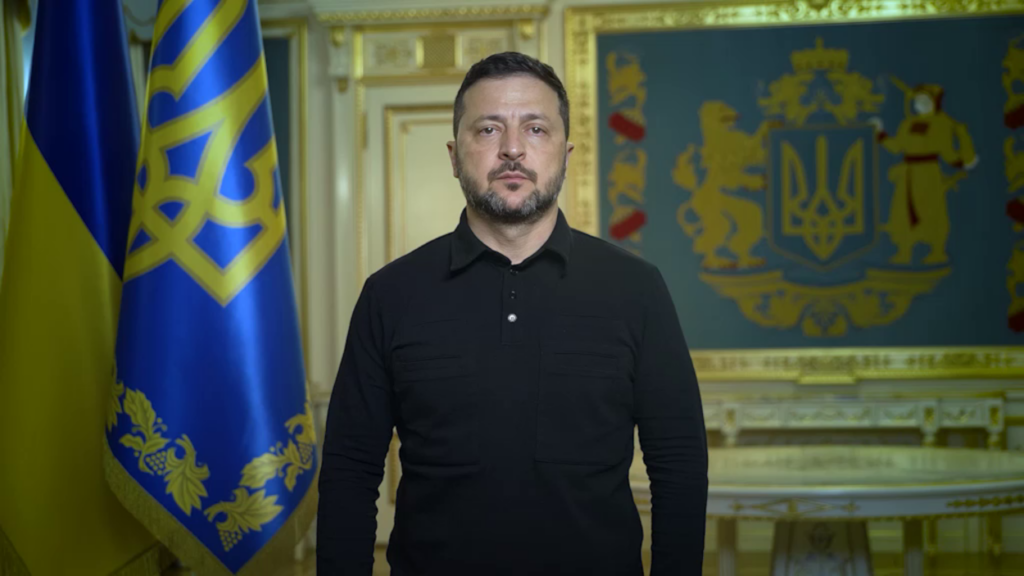
Ukrainian forces have liberated more territory since the beginning of the fall than Russian troops have captured during the same period. This trend has persisted throughout 2026, Ukrainian President Volodymyr Zelenskyy said in his 18 October address. He also reported that Dobropillia, Kostiantynivka, and five other settlements remain under Ukrainian control.

Russia systematically exaggerates its battlefield gains. A recent briefing by Valery Gerasimov, chief of the General Staff of the Russian Armed Forces, in which he claimed that Russian forces had captured 92 settlements since the beginning of September, as well as Kostiantynivka and Dobropillia, and advanced to within 5 kilometers of Zaporizhzhia, was based on “outright lies, manipulation, and exaggerations,” Ukrainian General Staff spokesperson Andrii Kovaliov said.

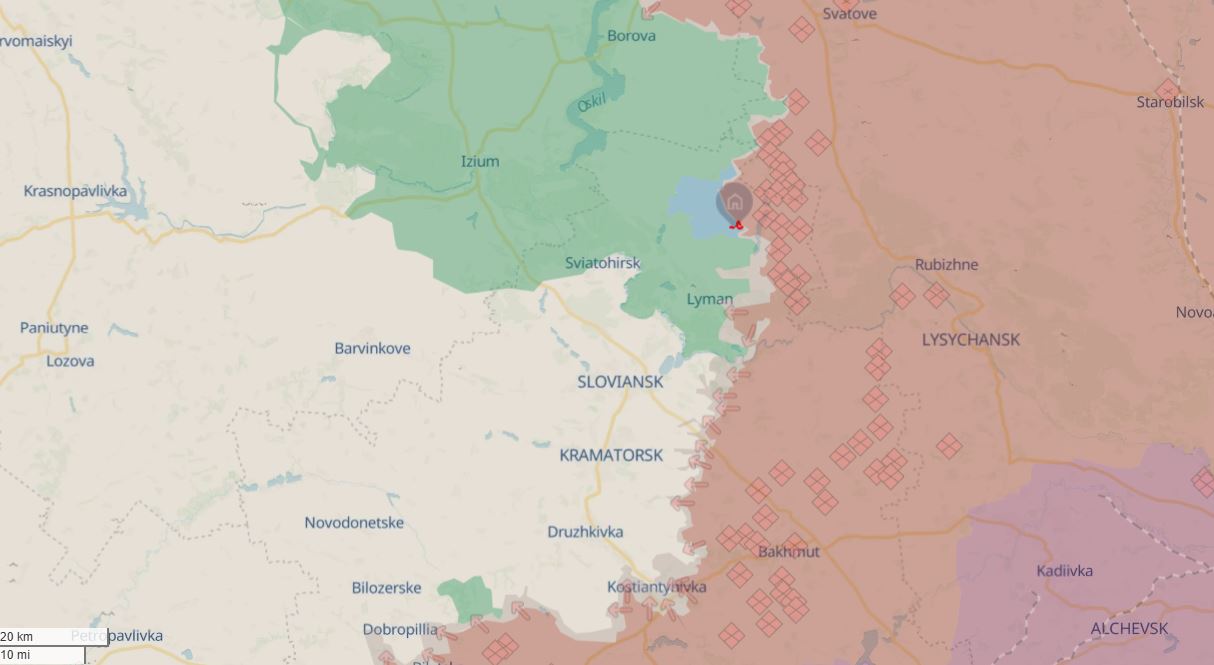
Ukraine also continues to defend areas near Kramatorsk, Zelenskyy said. He dismissed Russian claims about Zaporizhzhia.

“We are destroying Russians 20 kilometers from Zaporizhzhia, not five, as someone in Russia is fantasizing to Putin,” Zelenskyy said.

Ukrainian forces continue to hold back Russian assaults and destroy groups of occupying troops attempting to infiltrate Dobropillia, the president said. The Defense Forces are also defending positions elsewhere in Donetsk Oblast and in Kharkiv and Zaporizhzhia oblasts.

Zaporizhzhia axis: Russians seek to move artillery closer to the city

Russia seeks to advance on the Zaporizhzhia axis to bring the regional capital within range of its tube artillery, hold forward positions, and protect rear areas from Ukrainian strikes, the Institute for the Study of War (ISW) said on 18 October.

The aftermath of a Russian strike on Zaporizhzhia on 10 October 2026
The aftermath of a Russian strike on Zaporizhzhia on 10 October 2026. Photo: Ukraine's National Police

Maksym Kravchuk, spokesperson for Ukraine's Southern Group of Forces, refuted Gerasimov’s claims that Russian forces had captured Malokaterynivka, located south of Zaporizhzhia, stressing that the settlement remains under Ukrainian control, the Center for Countering Disinformation said on 18 October. Ukrainian troops recorded a video directly from Malokaterynivka to confirm this.

As of 18 October, Russian forces had advanced or infiltrated to within 24 kilometers of Zaporizhzhia, ISW said.

Dobropillia remains under Ukrainian control despite Russian assaults

Dobropillia is now a fortress anchoring Ukrainian positions along the highway leading northeast toward Kramatorsk. Russia first tried to take Dobropillia in August 2025 and is now trying again.

Russia is redeploying reinforcements to the Dobropillia axis and continues to send assault infantry through the village of Nove Shakhove despite heavy losses. Russian command will likely try to encircle or at least envelop Dobropillia and cut off Ukrainian supply routes from the direction of Bilozerske, Ukrainian military analyst Kostiantyn Mashovets wrote on 9 October.

Mashovets sees the push as the southern flank of a Russian effort to envelop the whole Sloviansk–Kramatorsk urban area.

ukraine retook kolodiazi north lyman its drones hit 200-plus russian vehicles operation vivaldi’s last phase commander says · post northern donetsk oblast neighboring areas territory during vivaldi blue 2022 green
Explore further

Ukraine retook Kolodiazi north of Lyman as its drones hit 200-plus Russian vehicles in Operation Vivaldi’s last phase, Ukrainian drone officer says

Dobropillia remains under Ukrainian control, Zelenskyy said. On 18 October, footage located by analysts showed a Russian soldier hoisting a flag in the town's southeast after an infiltration, yet ISW has found no sign that Russian troops have dug in there.

Russia claimed to have captured Kostiantynivka, but ISW found no evidence

Ukrainian troops in and around Kostiantynivka are stopping Russia from locking in its gains in the city or pushing on toward Druzhkivka and Kramatorsk, ISW said on 17 October.

Russian officials claimed that capturing Kostiantynivka was an important step toward establishing control over the Sloviansk–Druzhkivka–Kramatorsk urban agglomeration and the entire Donetsk Oblast, ISW said in August. The Kremlin also claimed that Russian forces had captured the city as early as 5 July, the institute added.

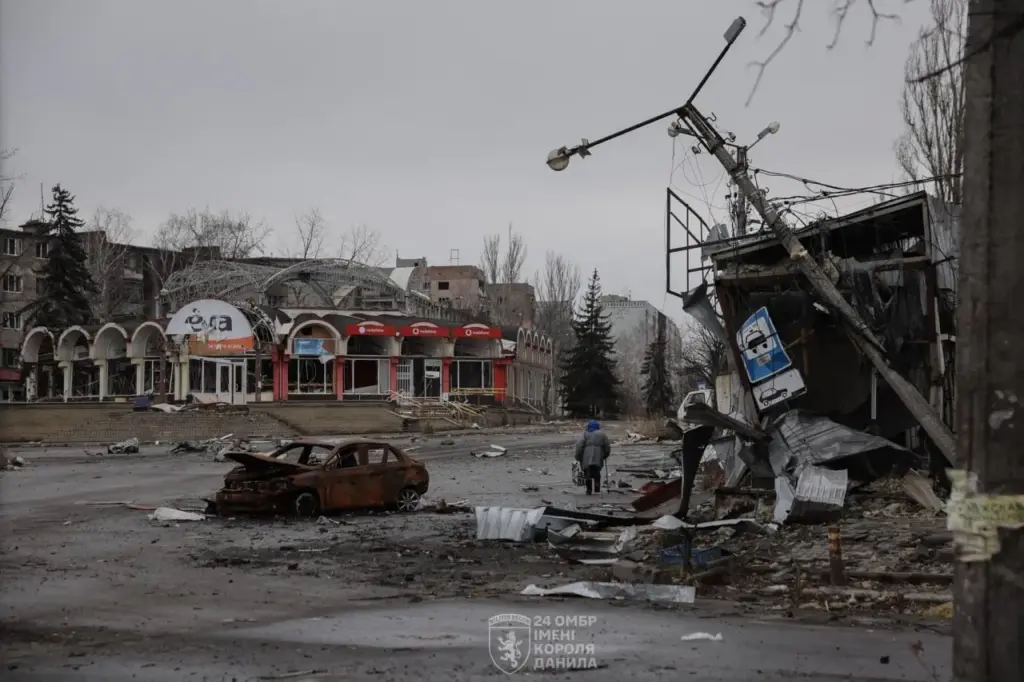
Ruins of a street in Kostiantynivka, Donetsk Oblast, 9 April 2026
Ruins of a street in Kostiantynivka, Donetsk Oblast, 9 April 2026. Photo: UA Land Forces

A Russian military blogger claimed that Russian forces had full control over Kostiantynivka, but ISW found no evidence to support this claim, the institute said in its 16 October assessment. Russian troops had only infiltrated parts of southern and central Kostiantynivka without consolidating positions, and there was no evidence of their presence in its northern part, ISW added.

  •  
❌