❌

Reading view

Ukraine en direct : la Russie a visé des installations énergétiques, portuaires et militaires

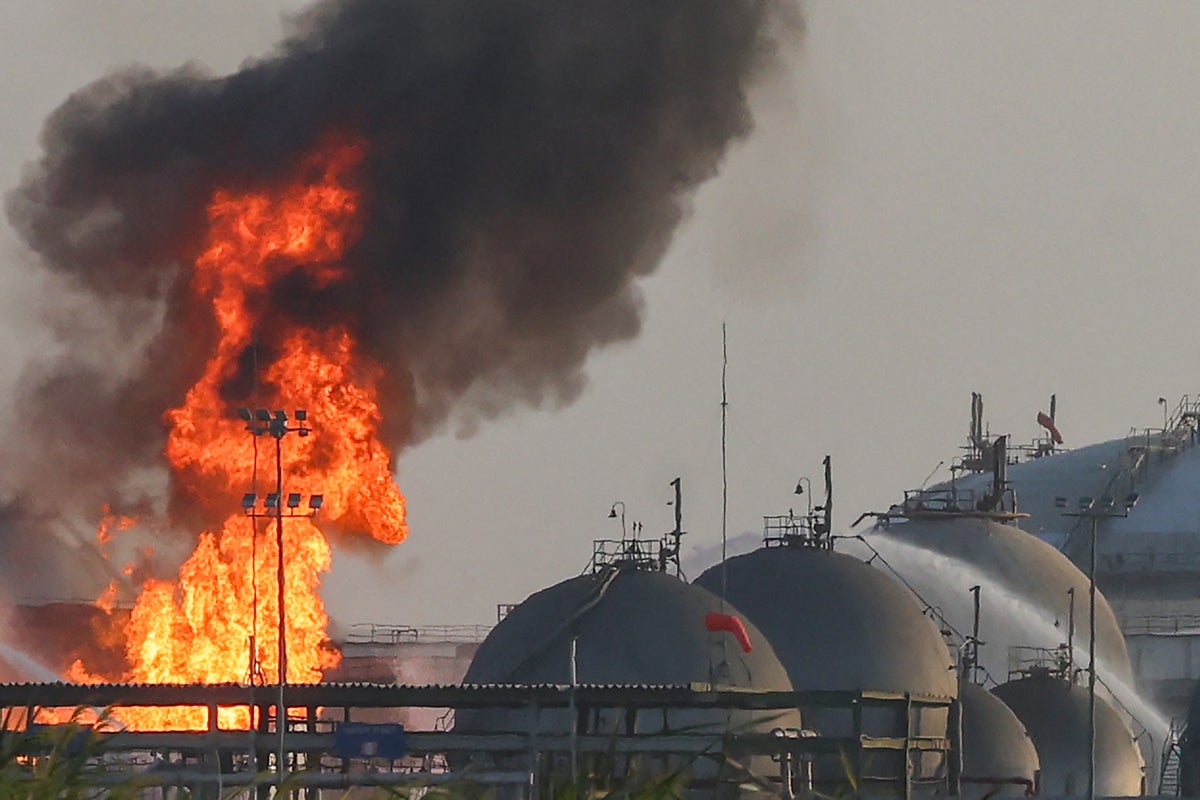
Au lendemain d'une attaque meurtière sur la gare de Dnipro, la Russie a frappé dans la nuit des infrastructures énergétiques dans les régions de Dnipropetrovsk et de Kiev. Des installations portuaires utilisées par l'armée ukrainienne à des fins militaires à Odessa ont également été visées. Un convoi humanitaire est en route vers la ville d'Olechky, dans la région de Kherson. Suivez notre direct.

  •  

Russia strikes energy facilities in Kyiv as aid convoy heads for besieged town of Oleshky

Russia said its forces struck energy infrastructure in and around Ukraine's capital on Friday as an aid ⁠convoy started ​moving overnight towards the beleaguered Russian-held town of Oleshky ​in southern Ukraine, carrying food and medical supplies among other items. Follow our liveblog for the latest updates. 

  •  

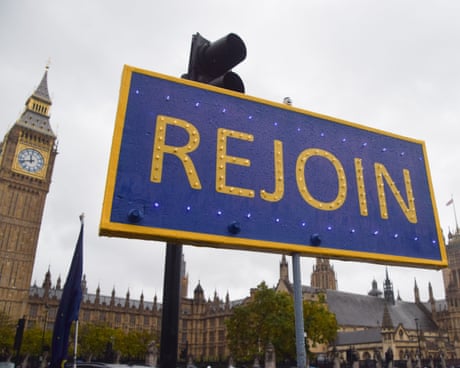
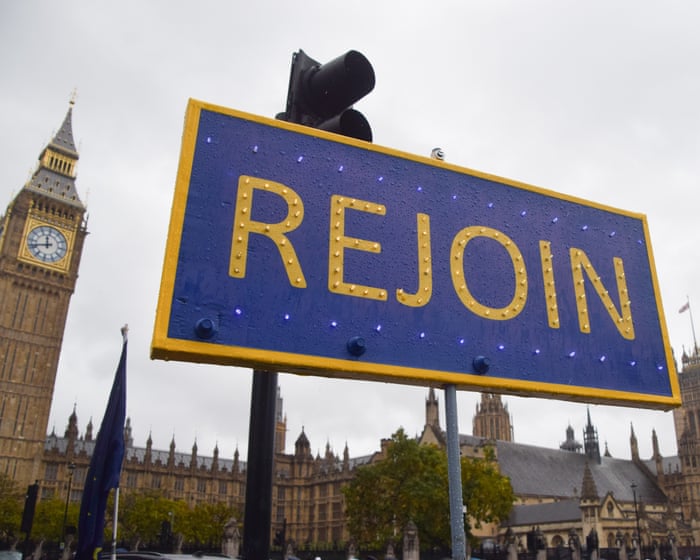
Opening the EU debate again is clearly a political minefield. But we have to do it | Simon Jenkins

Andy Burnham must tread cautiously, but Brexit was a very grave act of self-harm – and he is right to address it

Andy Burnham’s opening debate on whether Britain should rejoin the EU is divisive, painful and politically risky. That is why it should be welcomed. To jeopardise his popularity so soon after coming to office might seem reckless, but the issue is urgent and not going away. Brexit is continuing to damage the nation’s economy. The prime minister’s job is to challenge, if not reform it.

The Brexit decade has evoked a bizarre sense of guilt among Britons. Opinion polls show nearly 60% regard it as a mistake, with just a third still in favour. Almost a quarter of those who voted for Brexit now regret it. While early forecasts of economic disaster were proved wrong, the accumulated cost of cutting links with Britain’s biggest trading partner is estimated at 6-8% of GDP.

Simon Jenkins is a Guardian columnist

Continue reading...

© Photograph: Vuk Valcic/SOPA Images/Shutterstock

© Photograph: Vuk Valcic/SOPA Images/Shutterstock

© Photograph: Vuk Valcic/SOPA Images/Shutterstock

  •  

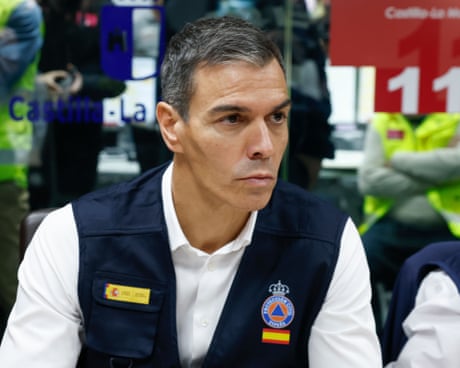
Battle lines redrawn in Spain’s snap election after latest train disaster

Next month’s poll no longer the contest it was, as Pedro Sánchez finds himself forced to defend government’s safety record

One of the most dependable cliches of contemporary Spanish politics is that it never pays to bet against Pedro Sánchez. Time and time again – as leader of the Spanish Socialist Workers’ party (PSOE) and as prime minister – Sánchez has shown an almost preternatural ability to profit from adversity, and to confound expectations and wrongfoot his opponents.

But next month’s snap general election, called by Sánchez after rightwing and far-right parties voted down the housing reforms his coalition government had announced in response to angry protests, may suddenly not be the contest it once was.

Continue reading...

© Photograph: Sergio R Moreno/GTRES/Shutterstock

© Photograph: Sergio R Moreno/GTRES/Shutterstock

© Photograph: Sergio R Moreno/GTRES/Shutterstock

  •  

Fair Play nach geopolitischem Willen. Wie der Sport zum Instrument gegen Russland wurde

Auf den ersten Blick hat diese Geschichte weder mit Deutschland noch mit Europa besonders viel zu tun. Am 31. Oktober beginnen in Dakar die Olympischen Jugendspiele, zum ersten Mal überhaupt findet damit eine olympische Veranstaltung auf afrikanischem Boden statt. Doch tatsächlich zeigt gerade Dakar ein weiteres Feld der europäischen Konfrontation mit Russland – eines, das mit Sport im eigentlichen Sinne und mit den viel beschworenen Prinzipien des „Fair Play“ inzwischen nur noch wenig zu tun hat.

Russland wird im Senegal mit lediglich 13 jungen Athleten vertreten sein. Immerhin dürfen sie wieder unter der eigenen Flagge antreten, und bei einem Sieg soll auch die russische Hymne erklingen. Nach Jahren der Verbote, neutralen Uniformen und absurden Konstruktionen, bei denen ein Sportler zwar Russe sein durfte, Russland aber möglichst nicht erwähnt werden sollte, sieht das zunächst wie eine Rückkehr zur Normalität aus.

Ist es aber nicht.

Denn diese Rückkehr erfolgt nur teilweise. Der Internationale Olympische Ausschuss hat seine bisherigen Empfehlungen gegenüber russischen Athleten inzwischen weitgehend aufgehoben. Verbindlich sind diese Entscheidungen für die internationalen Sportverbände jedoch nicht. Deshalb entsteht eine ausgesprochen merkwürdige Situation: In einer Sportart treten Russen wieder mit Flagge und Hymne an, in einer anderen bleiben sie „neutral“, in einer dritten dürfen sie weiterhin überhaupt nicht starten.

Mit sportlicher Leistung hat das alles nichts zu tun.

Ein junger Schwimmer, Judoka oder Radfahrer wird damit nicht danach beurteilt, wie schnell er schwimmt, wie gut er kämpft oder wie stark er fährt, sondern danach, welchen politischen Kurs die jeweilige internationale Föderation für richtig hält.

Das nennt sich dann gerne Autonomie des Sports. In Wirklichkeit ist es die institutionalisierte Politisierung des Sports.

Besonders deutlich wird der Widerspruch beim Vergleich mit Israel. Seit Jahren werden russische Sportler für einen Krieg sanktioniert, den sie weder begonnen haben noch beeinflussen können. Israelische Athleten dagegen treten trotz des Krieges im Gazastreifen weiterhin ganz selbstverständlich mit Nationalflagge, Hymne und Mannschaftsbezeichnung auf.

Der IOC erklärt diesen Unterschied formal damit, dass das israelische und das palästinensische Nationale Olympische Komitee die Olympische Charta einhalten. Gleichzeitig betont dieselbe Organisation inzwischen wieder ausdrücklich, dass Athleten grundsätzlich nicht für die Handlungen ihrer Regierungen verantwortlich gemacht werden dürften.

Eine ausgezeichnete Erkenntnis. Nur hätte man sie vielleicht auch schon 2022 auf russische Sportler anwenden können.

Genau darin liegt das eigentliche Problem. Nicht darin, dass israelische Athleten teilnehmen dürfen – selbstverständlich sollen sie teilnehmen. Sondern darin, dass für Russen jahrelang völlig andere Maßstäbe galten.

Entweder trägt ein Athlet Verantwortung für die Politik seines Staates – dann müsste diese Regel für alle gelten. Oder er trägt sie nicht – dann hätte man russische Schwimmer, Turner, Fechter und Jugendliche niemals kollektiv bestrafen dürfen. Eine dritte Variante gibt es eigentlich nicht. Es sei denn, die Regeln werden abhängig davon angewendet, welches Land gerade politisch bestraft werden soll. Und genau danach sieht es aus.

Der Ausschluss Russlands aus weiten Teilen des internationalen Sports war von Anfang an weniger ein sportliches Instrument als eine Form politischer Sanktion. Er sollte Russland isolieren, aus internationalen Strukturen verdrängen und zugleich demonstrieren, dass ein Land, das sich dem westlichen politischen Konsens widersetzt, selbst in Bereichen bestraft werden kann, die mit Außenpolitik überhaupt nichts zu tun haben.

Dass dabei ausgerechnet junge Sportler getroffen wurden, machte die Angelegenheit nur noch grotesker.

Gerade die Jugendspiele in Dakar zeigen nun, wie widersprüchlich das System geworden ist. Einerseits erklärt der IOC plötzlich, insbesondere junge Athleten dürften nicht für Entscheidungen ihrer Regierungen verantwortlich gemacht werden. Andererseits bleiben die Folgen der früheren politischen Entscheidungen bestehen, weil einzelne Verbände weiterhin eigene Restriktionen anwenden können.

So entsteht keine Rückkehr zum Sport, sondern ein Flickenteppich politischer Loyalitätsprüfungen.

Dazu kommt die besondere Behandlung russischer Athleten im Anti-Doping-System. Wer nach längerer Abwesenheit wieder in internationale Wettbewerbe zurückkehrt, muss mehrfach getestet worden sein, russische Anti-Doping-Programme werden zusätzlich international überwacht, und einzelne Verbände können weitere Anforderungen festlegen.

Formal lässt sich das alles mit der Vorgeschichte des russischen Dopingsystems begründen. Praktisch entsteht aber erneut eine zusätzliche Hürde, die ausschließlich eine bestimmte Nationalität betrifft. Auch hier lautet das Problem nicht, dass kontrolliert wird. Dopingkontrollen sind notwendig. Die Frage ist vielmehr, wann Kontrolle aufhört, allgemeine sportliche Regel zu sein, und wann sie zum zusätzlichen politischen Zulassungsinstrument wird.

Parallel dazu verkauft der IOC Dakar 2026 als großes historisches Projekt: die ersten Olympischen Spiele auf afrikanischem Boden, ein Fest der Jugend, Afrikas und der internationalen Verständigung. Schöne Worte.

Die finanziellen und infrastrukturellen Risiken trägt allerdings vor allem Senegal. Sportstätten müssen modernisiert, Infrastruktur geschaffen, Sicherheits- und Organisationskosten übernommen werden. Der IOC erhält dagegen genau das, was eine Organisation seiner Art am dringendsten benötigt: neue Märkte, neue Bilder und den enormen symbolischen Gewinn, erstmals die olympischen Ringe auf dem afrikanischen Kontinent präsentieren zu können.

Auch das gehört inzwischen zum modernen Olympismus: Risiken werden lokalisiert, der internationale Reputationsgewinn wird globalisiert.

Und gleichzeitig spricht man weiter von Frieden, Völkerverständigung und politischer Neutralität. Vielleicht liegt gerade darin die größte Ironie. Der Sport sollte eigentlich einer der letzten Räume sein, in denen ein Mensch nicht als Bürger eines „richtigen“ oder „falschen“ Staates betrachtet wird, sondern schlicht als Athlet. Genau deshalb existiert überhaupt die Idee des Fair Play.

Doch im Verhältnis zu Russland wurde dieser Grundsatz jahrelang außer Kraft gesetzt. Nicht weil dadurch ein Krieg beendet worden wäre. Nicht weil ein russischer Judoka Einfluss auf Entscheidungen im Kreml hätte. Nicht weil ein 17-jähriger Schwimmer die russische Außenpolitik bestimmen könnte. Sondern weil Russland bestraft werden sollte.

Und besonders in Europa wurde diese Bestrafung längst zu einem politischen Selbstzweck. Russland muss ausgeschlossen, isoliert und sanktioniert werden – selbst dort, wo der Zusammenhang zwischen Sanktion und angeblichem Ziel vollkommen verschwunden ist.

Wenn dieselben Prinzipien bei anderen Kriegen plötzlich nicht mehr gelten, bleibt am Ende nur eine Erklärung übrig: Es geht nicht um universelle Regeln. Es geht darum, gegen wen sie angewendet werden.

Spätestens dort endet Fair Play und beginnt Politik. Oder, präziser gesagt: blanke Russophobie im Sportdress.

  •  

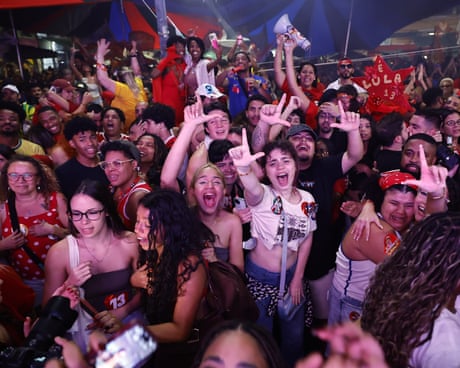
Could 2026 be the year that democracy fought back? | David Van Reybrouck

Elections are never enough by themselves, but the stunning results from Serbia, Brazil and Hungary have given us hope in dark times

It is undoubtedly too early to declare victory, but the recent electoral defeats of Viktor Orbán, Aleksandar Vučić and Flávio Bolsonaro make me wonder: is 2026 turning out to be the year democracy slowly, but surely, fought back?

Even in Israel, prime minister Benjamin Netanyahu’s reigning bloc lost its parliamentary majority and saw the spectacular rise of Arab parties. Though the opposition may not be able to form a government yet, it does have the larger parliamentary bloc.

David Van Reybrouck is a Belgian author and philosopher laureate for the Low Countries. He is the author of Against Elections: The Case for Democracy, and the initiator of Democracy27

Continue reading...

© Photograph: Andre Coelho/EPA

© Photograph: Andre Coelho/EPA

© Photograph: Andre Coelho/EPA

  •  

Electrocutions, disease and no pay: how workers risk exploitation in Europe’s datacentres

As thousands of datacentres are constructed across Europe, the Guardian and Investigate Europe have uncovered disturbing evidence that some workers building them are exposed to dangerous conditions and living in fear of speaking out

Sandu* checked his watch. He was winding down the last 15 minutes of his shift at a vast Google datacentre site in Saint-Ghislain, Belgium, in March, when the call came in. The 34-year-old electrical tester had already worked almost 10 hours, but says such last-minute jobs were normal: “I had no choice. People have been fired after saying no.”

The task was one Sandu had done many times before and involved a series of tests measuring the safety and integrity of the electrical wiring. A protective suit was locked away in an equipment room. The round trip would have added another 15 minutes to the job, he says, and people were waiting, so he decided not to retrieve the suit.

Continue reading...

© Illustration: Alamy/Mei-Ling McNamara

© Illustration: Alamy/Mei-Ling McNamara

© Illustration: Alamy/Mei-Ling McNamara

  •  

Greek American Group on Peloton's 'Varosha Ride': ‘Not a Haunted Amusement Park’

Hellenic American Leadership Council (HALC) executive director Endy Zemenides said Thursday that Peloton's Halloween-themed "Varosha Ride" trivializes a Cypriot ghost city emptied by Turkey's 1974 invasion, according to a thread he posted on X.

The post Greek American Group on Peloton’s ‘Varosha Ride’: ‘Not a Haunted Amusement Park’ appeared first on Breitbart.

  •  

Après les accidents ferroviaires, l'Espagne se veut solidaire mais a peur du train

En Espagne, l'émotion reste vive après l'un des plus graves accidents ferroviaires de l'histoire récente du pays, survenu mercredi 28 octobre, qui a fait au moins 69 morts et une centaine de blessés. Alors que la colère et l'indignation s'accompagnent d'une peur grandissante de prendre le train, un important élan de solidarité se manifeste dans plusieurs villes, où les dons de sang se multiplient pour venir en aide aux blessés.

  •  

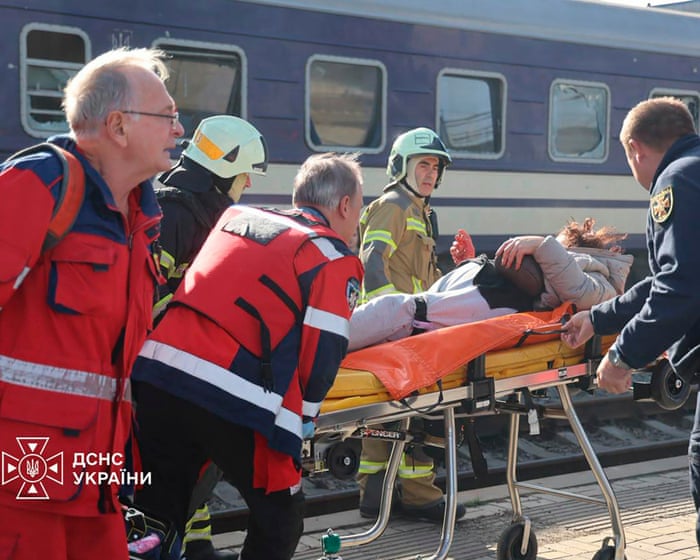
Ukraine war briefing: Outrage in Europe after Russian drone kills 14 on rail platform in Dnipro

EU council president calls deadly strike ‘cruel and devastating’; fragile ceasefire holds in Oleshky. What we know on day 1,710

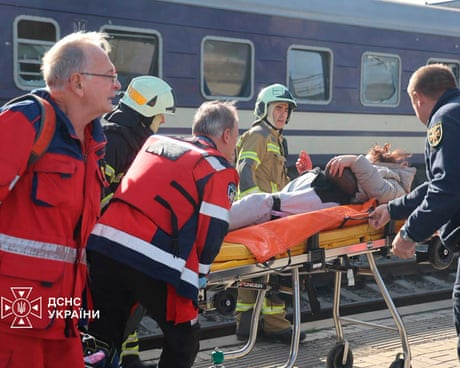
European leaders have reacted with outrage to a deadly attack by a Russian drone that slammed into a busy railway platform in the Ukrainian city of Dnipro on Thursday, as Volodymyr Zelenskyy warned Ukraine had intelligence about more ballistic missile strikes to come. French President Emmanuel Macron stressed the need for “far more than a localised ceasefire”, referencing the current truce in the Russian-occupied city of Oleshky. The EU council president, António Costa, who described the Dnipro attacks as “cruel and devastating”, called for greater pressure on Russia after the latest strikes against civilians. “The EU will continue to increase the pressure on Russia and to support Ukraine until a just and lasting peace is achieved,” he added. “We call on all our international partners to do the same.”

Later on Thursday, Russian forces ⁠launched ⁠an attack ​on the ⁠Ukrainian capital ⁠Kyiv ​with ‌ballistic ‌missiles, Mayor Vitali Klitschko ‌said on Telegram, hitting warehouses and ‌triggering a fire. Emergency services were headed to ​the scene on the east side ⁠of the Dnipro ​River, he said.

Describing the Dnipro train station attack – which killed at least 14 people and injured another 14 – as “horrific”, the president of Ukraine insisted “sanctions against Moscow and its war machine must not be eased for as long as this Russian war continues”. Zelenskyy warned also that Ukraine had intelligence about preparations by the Russians of new ballistic missile strikes. “We need the means to take out all this Russian ‌evil. We are expecting relevant decisions,” he said. Another attack on Dnipro hit a student dormitory, setting it ablaze, regional governor Oleksandr Hanzha said, adding the assaults had cut power to 350,000 households.

The strikes came as Ukraine and Russia kept to a fragile local ceasefire in the ravaged city of Oleshky and prepared to send a humanitarian convoy to the southern Ukrainian city under Russian occupation since 2022 and where residents have faced months of food, water and medicine shortages. Russia’s human ‌rights commissioner Yana Lantratova ‌said on Friday that local residents had until 2 pm local time (1100 ​GMT) on 30 October to evacuate, Russian news agency Interfax reported. Two ​people, ​including one ​sapper, were killed ​while ‌de-mining in ​Oleshky, ​she said.

Meanwhile, Ukraine’s military ⁠has paused its strikes on Russian oil refineries after pressure from US President Donald Trump, ⁠according to a report in the Wall Street ⁠Journal ​on Thursday, citing people with knowledge of the operations. Ukrainian units carrying out ⁠long-range strikes were told in mid-October that the campaign against refineries was effectively on hold once ⁠missions already in motion were completed, the Journal reported. The ​unofficial pause is expected ‌to last until ‌after the US midterm elections and potentially deeper into ‌November, the newspaper said.

After the Dnipro attack, Zelenskyy renewed his criticism of a deal struck between Trump and Russia’s President Vladimir Putin to ease some US sanctions on Russia allowing Moscow to release diesel on to global markets. “How many such terrorist strikes has Russia carried out against our people since sanctions were lifted on some Russian oligarchs and the energy sector, instead of de-escalating?” he asked.

Late on Thursday, Putin said he supported any steps aimed at restoring relations with ⁠European countries, saying the outbreak of any conflict would leave ⁠a situation with ⁠no ​winners. Commenting on his phone call this week with the leaders of Norway and Finland, Putin told reporters after ‌hosting a summit with African ‌leaders: “And if anyone wants it, let them prepare, but right now they have not achieved their goal – to inflict a strategic defeat on Russia. And if things go too far, there will be no winners at all. .”

Continue reading...

© Photograph: Ukrainian Emergency Service/AP

© Photograph: Ukrainian Emergency Service/AP

© Photograph: Ukrainian Emergency Service/AP

  •  
❌