❌

Reading view

Slovenia mourns loss of glacier on its highest peak after scorching summer

Extreme heat accelerated disappearance of Triglav glacier from mountain revered as a symbol of Slovenian identity

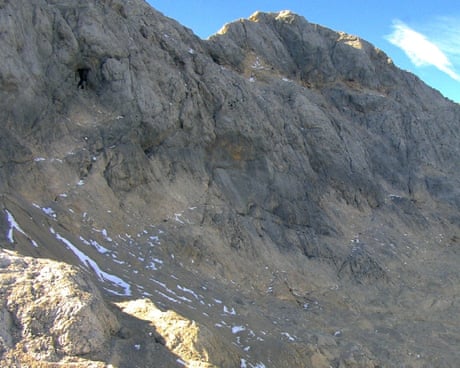
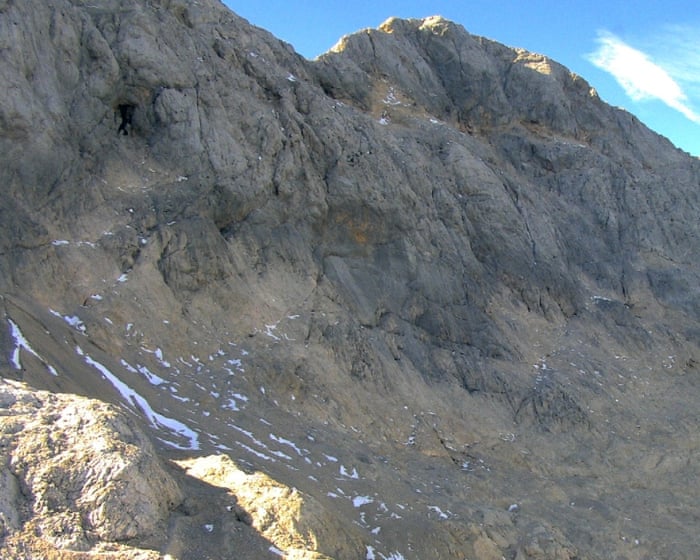
The final ice patch has vanished from Slovenia’s Triglav glacier, the latest Alpine casualty of Europe’s scorching summer.

The once mighty ice mass lost 93% of its surface area between 1983 and 2003, shrinking to cover less than a hectare of overheated rock, but went on to surprise researchers who feared its imminent demise, clinging on to the mountain for two more decades.

Continue reading...
© Photograph: Anton Melik Geographical Institute
© Photograph: Anton Melik Geographical Institute
© Photograph: Anton Melik Geographical Institute
  •  

Slovenia mourns loss of glacier on its highest peak after scorching summer

Extreme heat accelerated disappearance of Triglav glacier from mountain revered as a symbol of Slovenian identity

The final ice patch has vanished from Slovenia’s Triglav glacier, the latest Alpine casualty of Europe’s scorching summer.

The once mighty ice mass lost 93% of its surface area between 1983 and 2003, shrinking to cover less than a hectare of overheated rock, but went on to surprise researchers who feared its imminent demise, clinging on to the mountain for two more decades.

Continue reading...

© Photograph: Anton Melik Geographical Institute

© Photograph: Anton Melik Geographical Institute
© Photograph: Anton Melik Geographical Institute
  •  

Melting glaciers in Dolomites reveal cache of first world war munitions

Italian army removes and defuses 250 explosives encased in ice for more than 100 years after hikers’ sightings

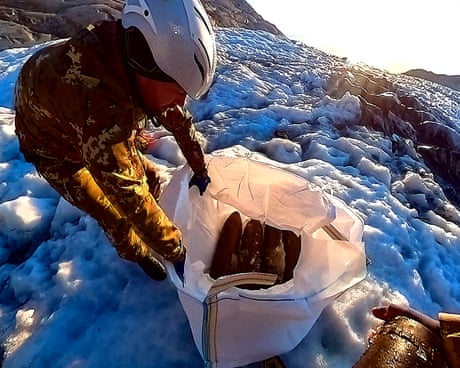
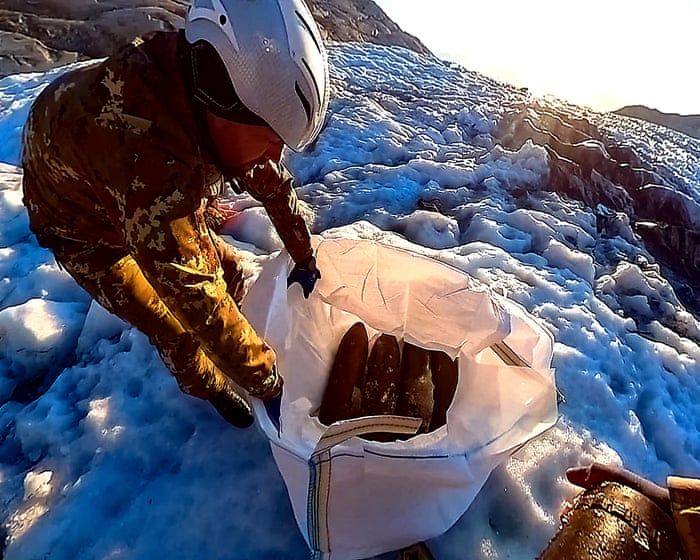
A significant cache of unexploded bombs from the first world war emerged this summer from rapidly retreating glaciers in the Dolomites, the Italian army has said.

The devices, which included Italian artillery shells and French mortar bombs, were removed and defused by the army’s Julia Alpine brigade, according to a statement.

Continue reading...

© Photograph: Julia Alpine Brigade

© Photograph: Julia Alpine Brigade

© Photograph: Julia Alpine Brigade

  •  

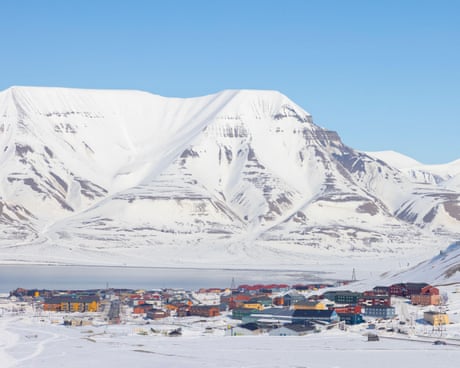
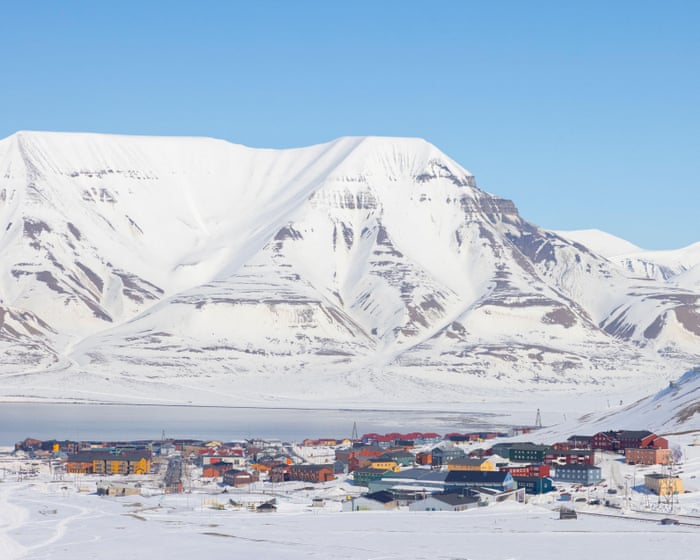
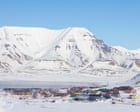
This Norwegian village is one of the fastest-warming places on Earth. How can its people save it?

As glaciers melt and permafrost thaws, Longyearbyen, on the remote Arctic islands of Svalbard, faces climate-induced problems from tap water to housebuilding to landslides

• Heavy metals make Norwegian village’s tap water toxic

On a rugged mountain plateau of snow-dusted rocks, in the remote archipelago of Svalbard, a glaciologist, Andy Hodson, points out the “ears” of ice, white against the rock, that gave Foxfonna glacier its name, after the arctic fox.

The small glacier, on a mountain 8 miles (15km) outside the Norwegian village of Longyearbyen, is a popular summer hike for tourists who come here seeking the Arctic experience.

Continue reading...

© Photograph: Image Professionals GmbH/Alamy

© Photograph: Image Professionals GmbH/Alamy

© Photograph: Image Professionals GmbH/Alamy

  •  
❌