As negotiations with the park ramp up, unionized food-service employees claim they’re skipping meals and getting close to missing rent payments: “I would bet money that I'm one emergency away from just ruin.”
I did not initially want to see the re-release of Ken Russell's 1971 film, The Devils. As the critic Armond White pointed out, Warner Bros. somewhat deceptively marketed the film as a subversive horror movie, "promising steady, anti-Christian jolts and atrocities." Based on the film's trailer alone, one might believe that The Devils is truly about demonic forces possessing a convent of nuns. If this were the case, I would have had little interest in paying for a ticket and would have opted to avoid any nightmares. But the marketing successfully brought in moviegoers seeking October thrills, filling enough seats to extend the film's run indefinitely. After reading more about the film's premise, I saw the newly restored, uncensored NC-17 film on Wednesday night, and found White's assessment to be largely correct. The movie is, above all, a tale of politically motivated persecution, and it serves as a warning against succumbing to mob hysteria.
(Spoilers ahead.)
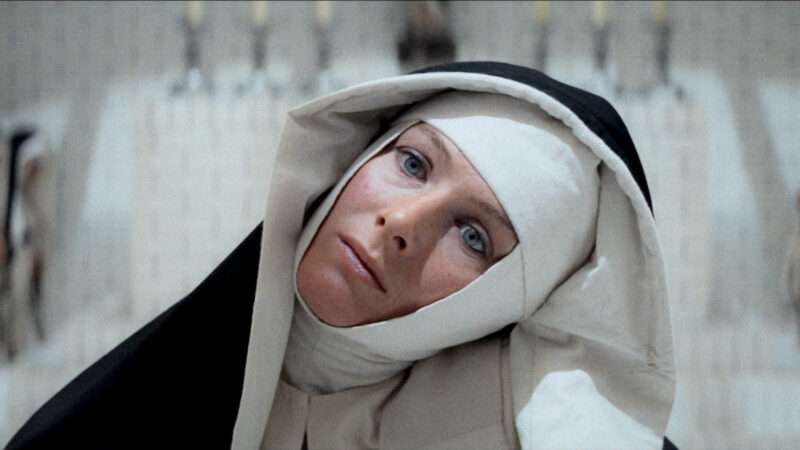
Based on the nonfiction book The Devils of Loudun by Aldous Huxley and John Whiting's play, The Devils, the film chronicles a French town's descent into hysteria, chaos, and religious perversion following a sexually repressed nun's false accusations against a priest. The priest named FatherGrandier (Oliver Reed) is an iconoclastic, rakish man who defies the church's orthodoxies in his personal and public life. He impregnates (and somewhat callously casts aside) a magistrate's daughter and later secretly marries Madeleine de Brou, one of the many enamored townswomen who confess their sins to him. As the town's acting governor, Grandier defends Loudun's independence against Catholic leaders who wish to tear down its white walls. Grandier is a highly educated, tolerant priest who allows Protestants and Catholics to coexist peacefully in the city. All the while, France's Catholic leaders (who are one with the state) seek to purge the country of Protestants and consolidate power. Grandier's defiance makes him an enemy of the state, and his philandering and eccentricities make him a vulnerable target. The town's bureaucrats seize the opportunity to destroy Grandier's life when the local convent's Mother Superior, Sister Jeanne (Vanessa Redgrave), tells the convent's confessor, Father Mignon, that Grandier has possessed her and the other nuns. She makes this baseless accusation after learning of the priest's marriage to Madeleine, which had devastated and outraged Jeanne, who obsessively lusted for Grandier from within the confines of the convent. Although Grandier has never seen Jeanne (and knows nothing of her defining features: a hunchback, blue eyes, and a cackling laugh), his enemies conspire to wield the accusation against him and call in a professional witch hunter. Mass hysteria ensues as more nuns profess their possession, and the church quickly becomes a blasphemous circus of sexual deviancy.
The latter half of the film contains its most controversial sequences, including a previously censored scene of nuns sexually defiling a statue of Jesus and depictions of gruesome torture. Responding to British censors' objections to the torture scene, Russell once told an interviewer that the censors should have known that the scene was based on historically accurate events.
"I've always found that it's much more shocking and indeed more effectual to go for the truth, rather than fiction," he said.
The same could be said of the film more generally. Perhaps the most disturbing part of Russell's movie is its ending, when the town celebrates Grandier's final moments and execution (burning alive at the stake) after a sham trial. Here, the human impulse to deliver mob justice, to punish, and to rejoice in another's demise is on full display.
Films are not meant to be purely didactic, and The Devils' set design, story, and acting are worthy of praise on their own. But it is worth noting that Russell himself called the movie his "one political film," and it has a clear message. As Grandier's enemies knew, the state can more easily abuse its power when the masses become willing instruments. It is critical to know when the mob is being weaponized against the individual. Otherwise, "the devils" will only grow stronger.
The American justice system, while imperfect, seeks to temper these passions and guide jurors and judges toward truth and evidence-based outcomes. Unfortunately, any system made up of flawed individuals is vulnerable to corruption and public pressures. At the national level, seemingly every presidential administration punishes its enemies for partisan ends to placate its base and consolidate power. And as the public, we remain susceptible to condemning others in the court of public opinion before all the facts are presented. Due process is eroded when we cannot separate our passions from principles.
After the film, I asked moviegoers about their reactions. Rightfully, most people raved about the film's set design. Some fellow Zoomers told me they enjoyed the "gore" of it all, adding that nothing is really shocking to audiences in 2026. Nobody remarked on the storyline until pressed. My post-movie interviews weren't a representative sample, but I left the theater doubting we will learn from Loudun.
L’aspetto fisico ha condizionato parecchio la vita di Barry Keoghan negli ultimi anni, come lui stesso ha avuto modo di raccontare negli scorsi mesi. Per questo non deve stupire il fatto che l’attore presti particolare attenzione al proprio corpo. Negli scorsi giorni, infatti, Keoghan ha raccontato di sottoporsi a un trattamento estetico chiamato Xerf, eseguito su di lui da Nilam Holmes, esperta britannica di trattamenti per il viso.
Si tratta di un trattamento estetico basato sulla radiofrequenza, utilizzata per rassodare la pelle e stimolare la produzione di collagene. A mostrare che l’attore si sottopone a questo tipo di trattamento è stata proprio Nilam Holmes, condividendo un video su Instagram.
Keoghan racconta le ragioni che lo hanno portato a sperimentarlo: “Ne ho sentito parlare molto e Nilam è davvero entusiasta di questo trattamento. È bravissima in quello che fa, e lo dico sul serio. Ogni volta che vengo qui, trovo l’esperienza rilassante, quasi terapeutica. Mi sento meglio con me stesso e mi vedo meglio. Credo sia importante prendersi cura di sé, dentro e fuori“.
Il trattamento effettuato dall’attore presso Nilam Holmes avrebbe un costo di 3.500 dollari a seduta e quella che Holmes ha documentato sulla propria pagina Instagram era la seconda seduta a cui si sottoponeva l’attore. La collaborazione tra Holmes e Koeghan va avanti, però, da diversi anni.
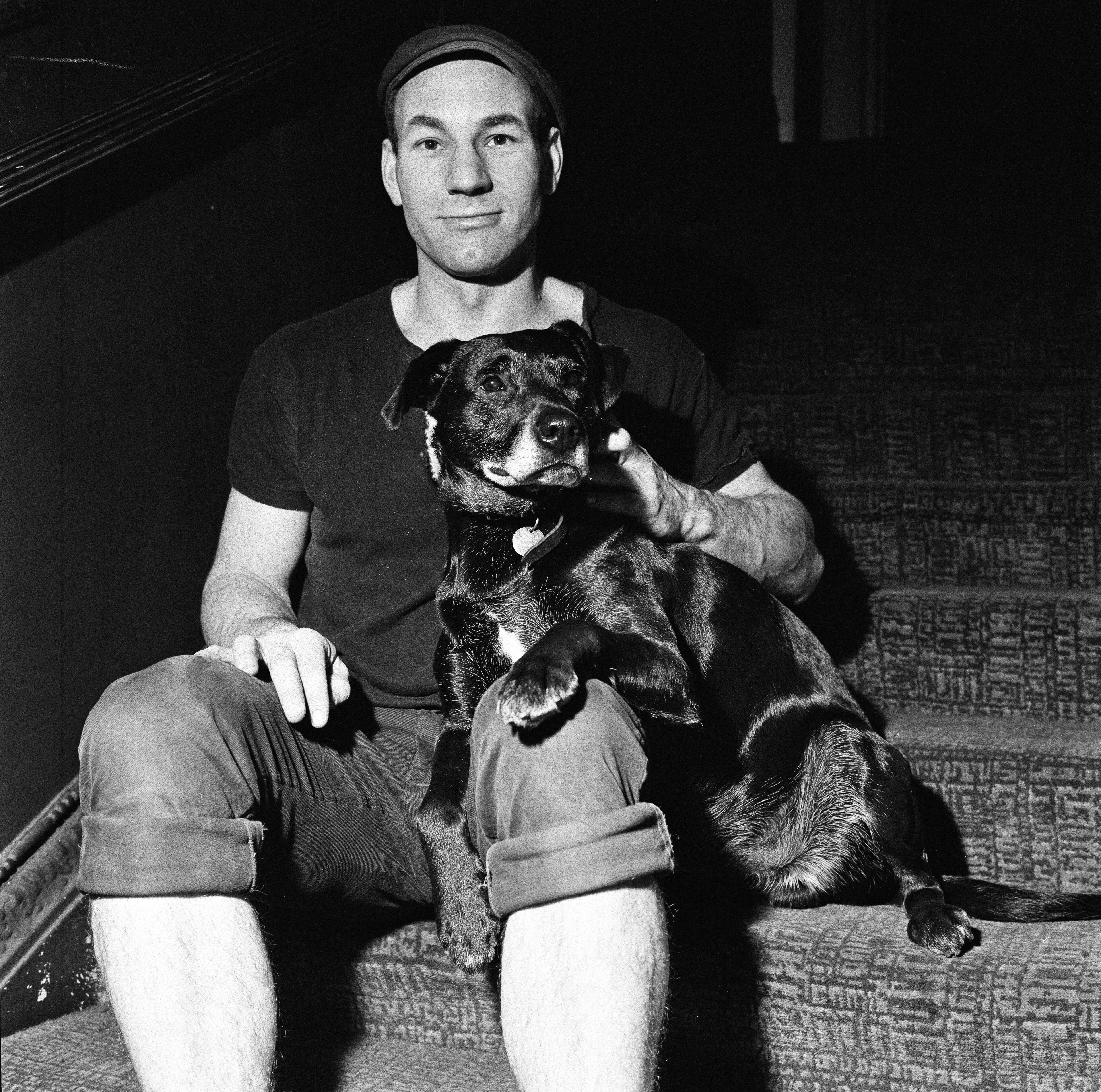
Patrick Stewart with 'Blackie' in a production of Shakespeare's 'The Two Gentlemen of Verona', in December 1970. Trained in Shakespearean theater, at first he did not receive a very warm welcome in the television industry, precisely because of that classical background.
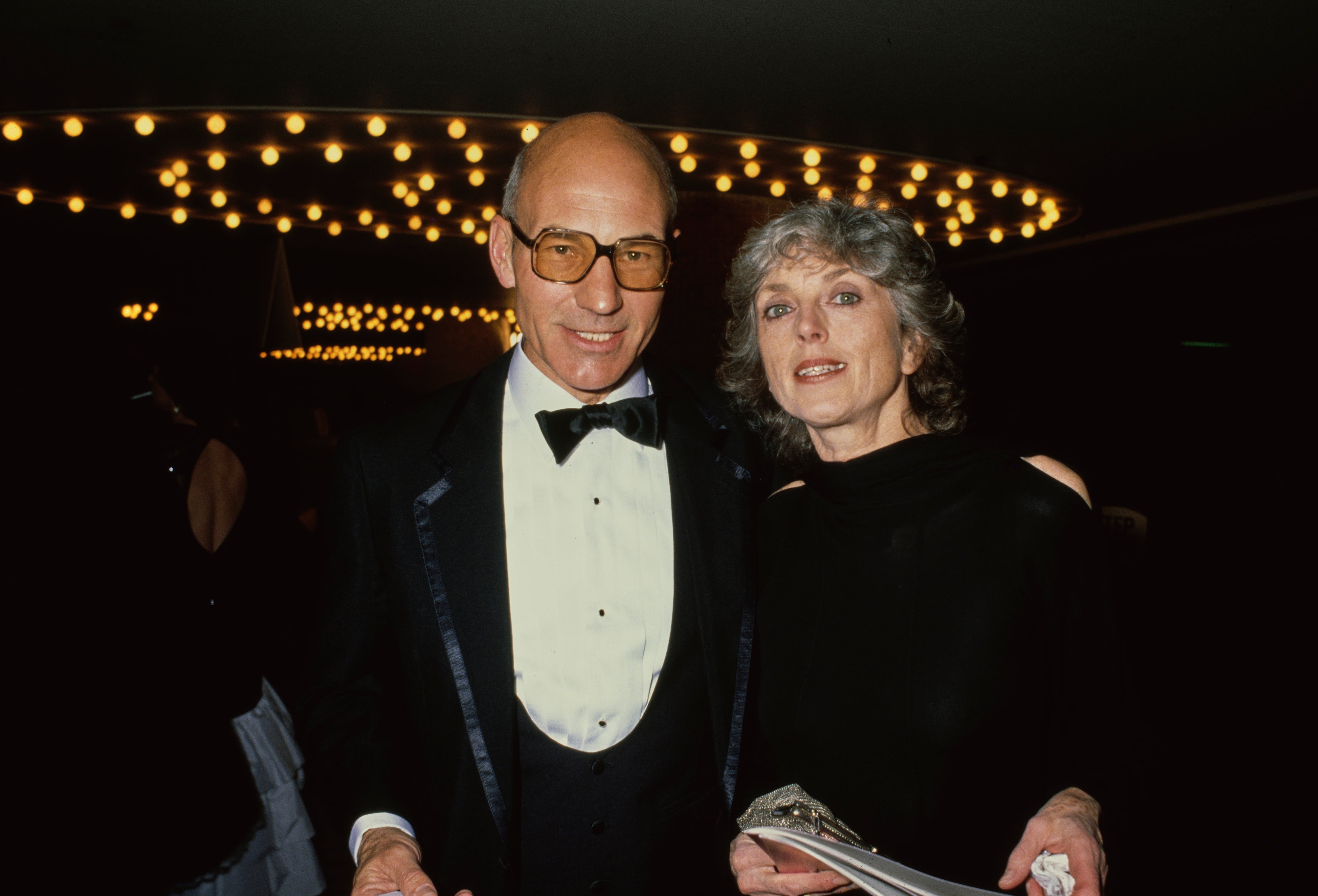
Patrick Stewart and his wife Sheila Falconer in California in January 1988. Stewart was married three times. His first marriage, to Sheila, lasted from 1966 to 1990 and they had two children, Daniel and Sophia. Between 2000 and 2003 he was married to Wendy Neuss. His last wife was the singer Sunny Ozell.
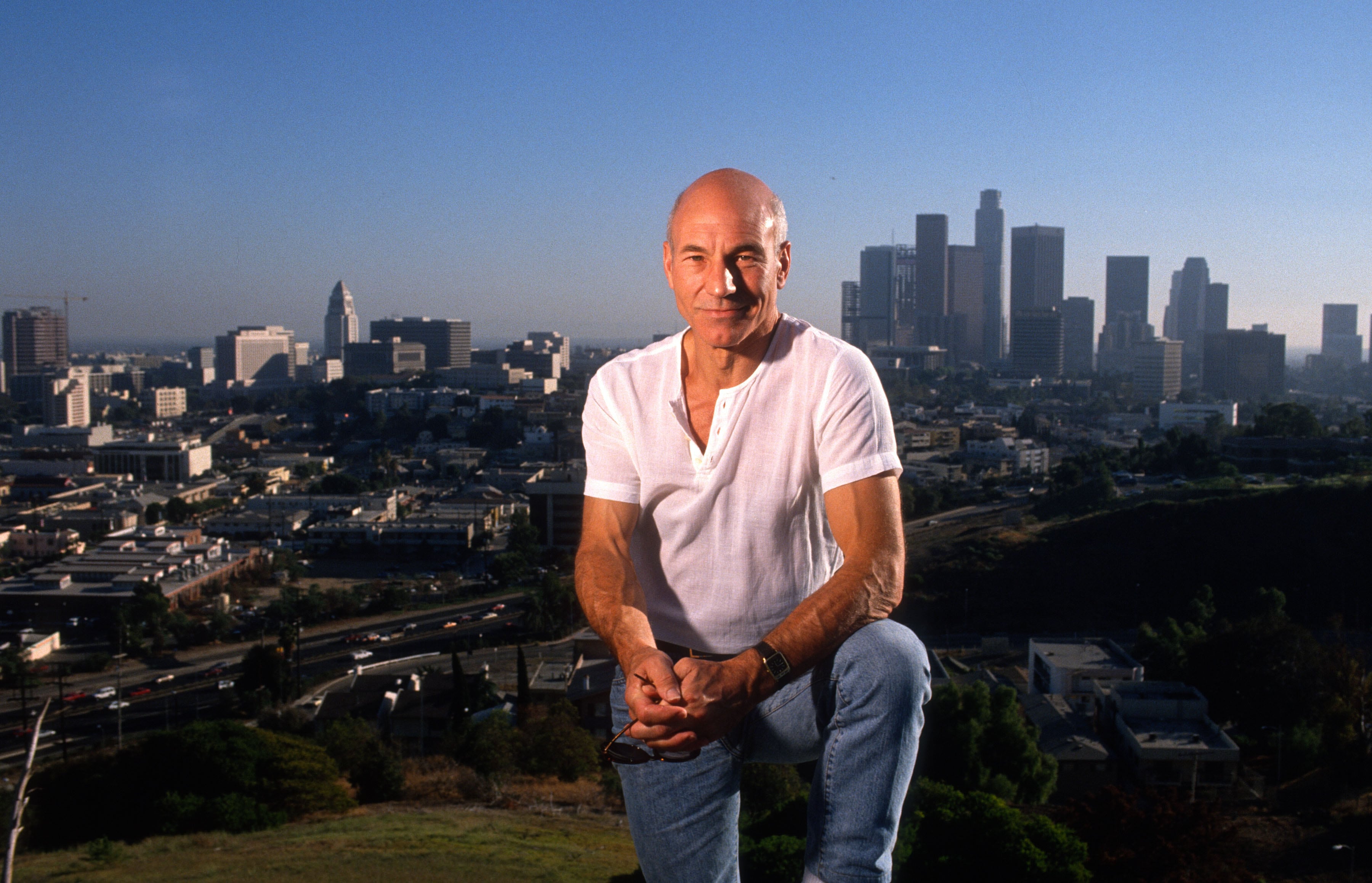
Patrick Stewart in a promotional photo for 'Star Trek' in L.A. in April 1990. For 176 episodes, between 1987 and 1994, he embodied Captain Jean-Luc Picard, a role that turned him into one of the most popular and beloved television actors for decades.
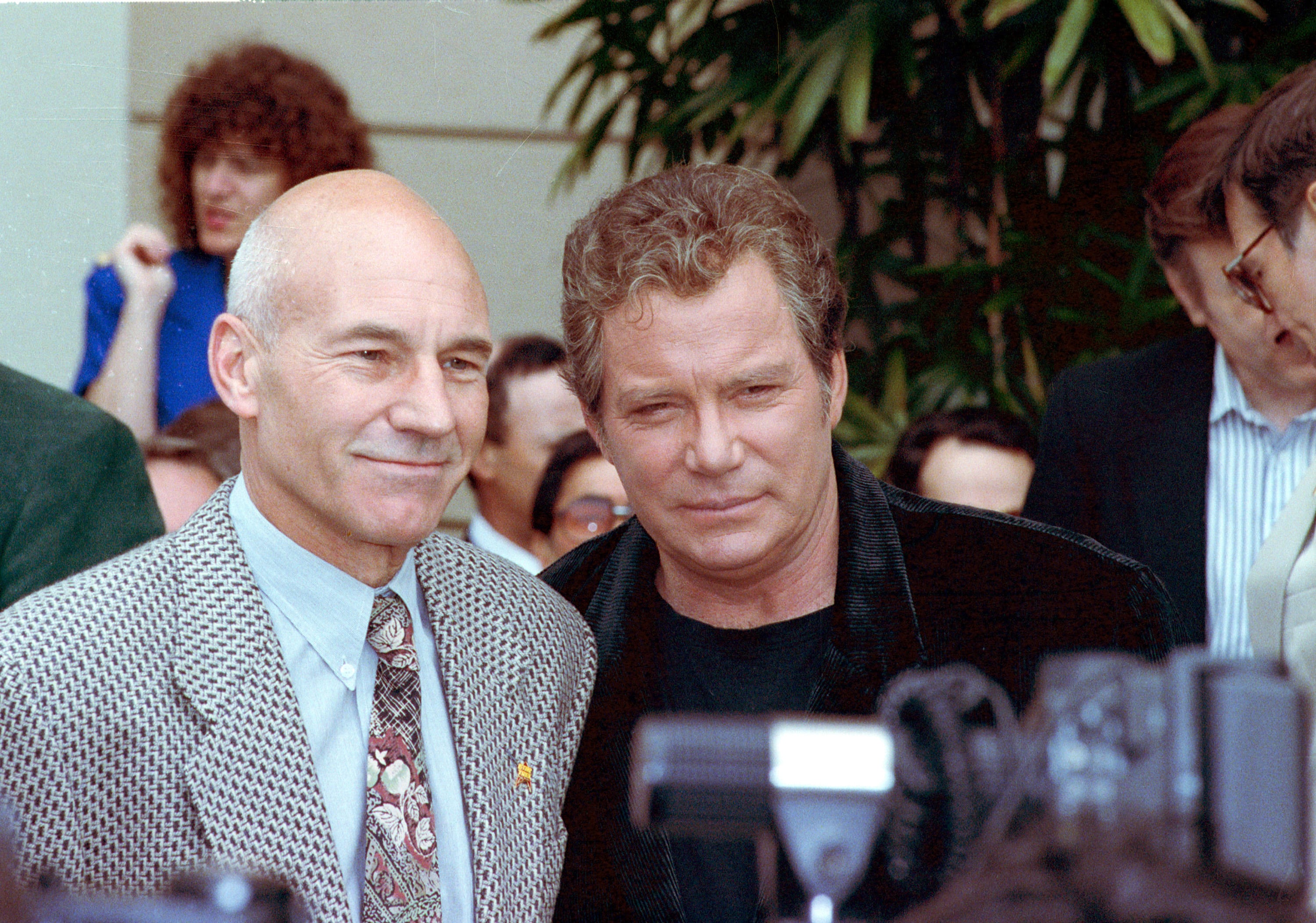
Patrick Stewart and William Shatner during an event to commemorate 'Star Trek' in Los Angeles in 1991. At first, very few people believed that Stewart could successfully take over from Shatner as the captain of the USS Enterprise.
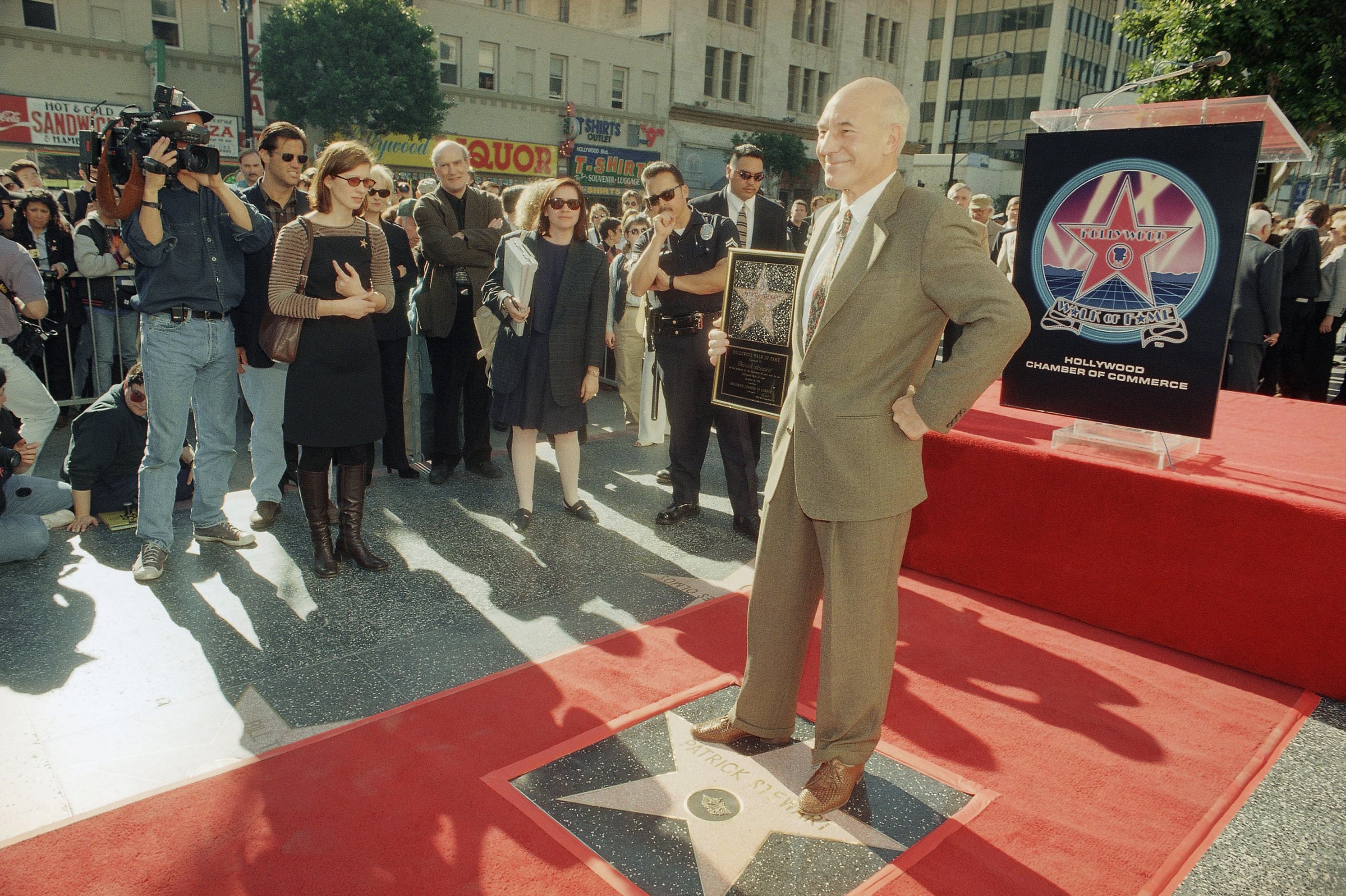
Patrick Stewart getting his star on the Hollywood Walk of Fame in December 1996. It was not his only accolade: in 2001 he was appointed Officer of the Order of the British Empire by Queen Elizabeth II, and was knighted by her in 2010.
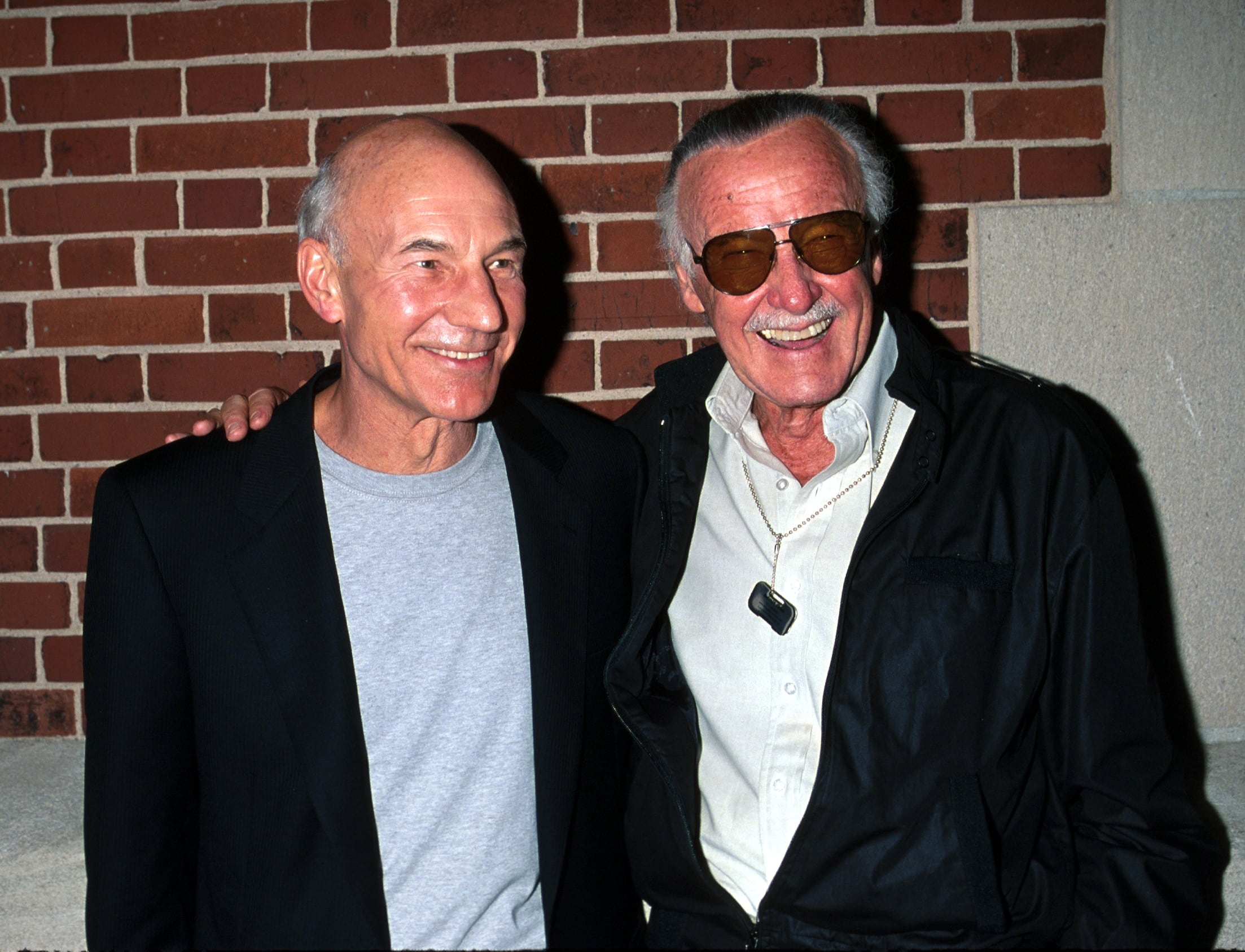
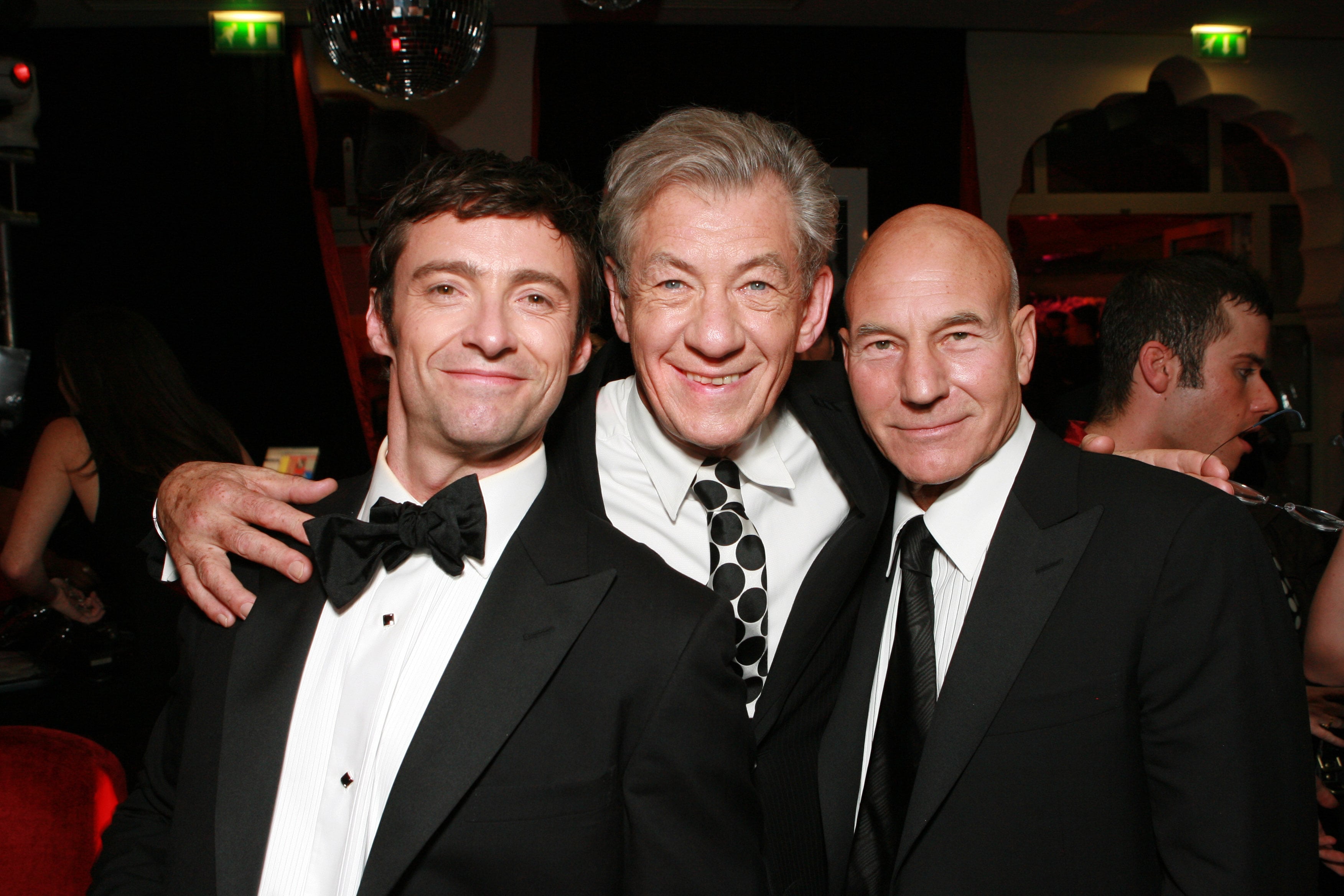
Patrick Stewart and Stan Lee at the premiere of 'X-Men' in New York in the year 2000. For over a quarter of a century he had been playing Professor Charles Xavier in Marvel's X-Men saga. He plays the role in the upcoming 'Avengers: Doomsday' (2026).
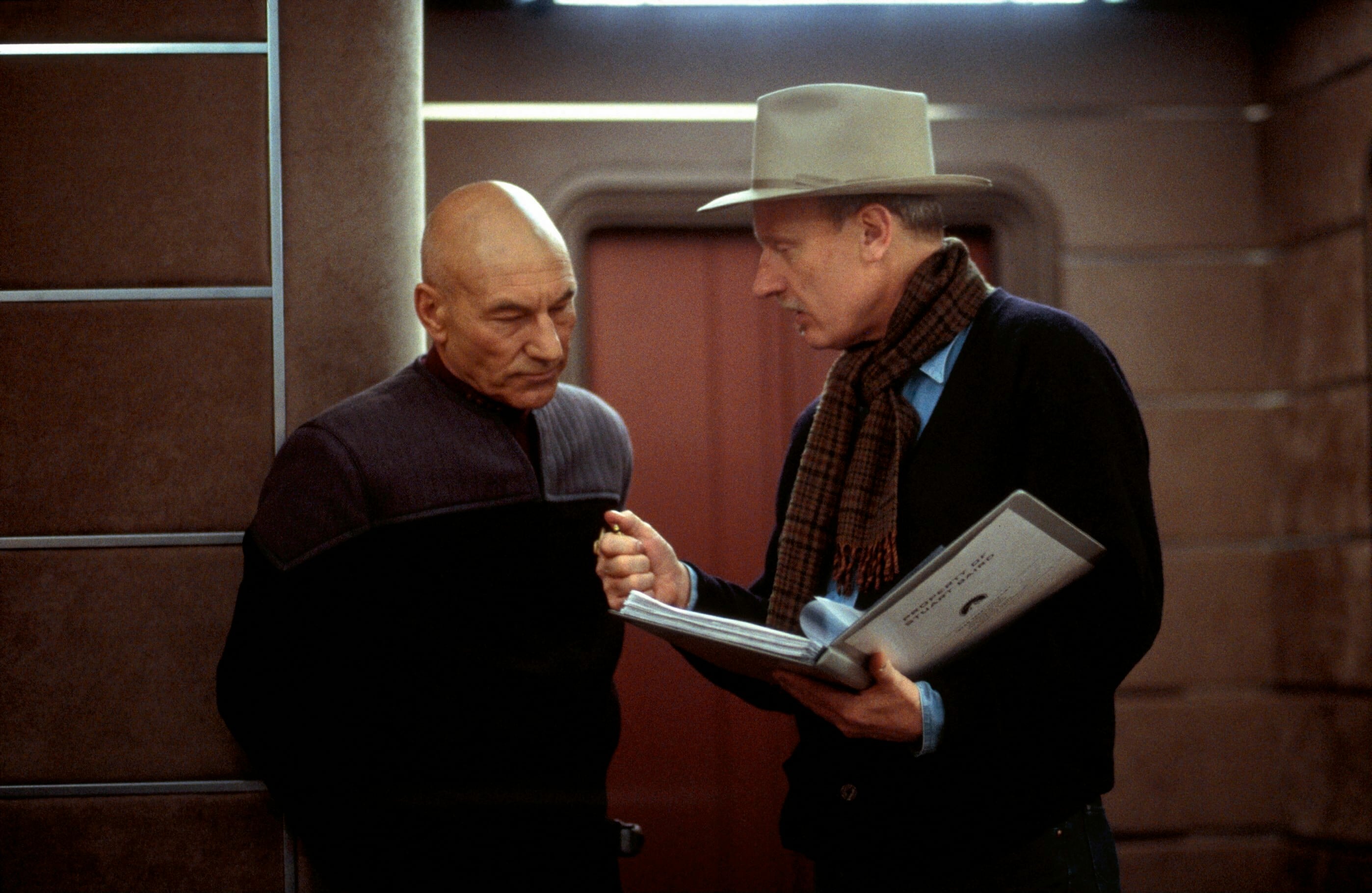
Patrick Stewart on the set of 'Star Trek: Nemesis'. The role of Captain Picard in the television series brought him fame and fortune, and led to several movies and videogames based on it.
Salma Hayek y Penelope Cruz en los Oscar, el 26 de marzo de 2000. En la década de los noventa la prensa española le preguntó a Salma Hayek con quién le gustaría trabajar. La actriz respondió que con Penélope Cruz. Tras esa declaración, ambas intérpretes comenzaron a hablar. Hayek le aconsejó que se mudara a Los Ángeles para hacer ‘castings’ en las grandes ligas de Hollywood: “Nos decíamos: ‘Vale, las dos queremos conseguir un papel en esta película, pero si yo no lo logro, espero que tú sí”, recordaba en una entrevista a ‘Vogue’ Arabia. Era el comienzo de sus carreras en la meca del cine. “¿Por qué no te quedas en mi casa? Puedo ir a recogerte al aeropuerto", le dijo Hayek. “No me dejó irme a ningún hotel”, recordaba Cruz en la misma entrevista. Luego vinieron 30 años de una amistad de hierro, que han mostrado en alfombras rojas como la de los Oscar como una pareja de amigas. La primera vez que aparecieron juntas en los premios de la Academia fue en el año 2000, la edición en la que Pedro Almodóvar recogió la estatuilla por ‘Todo sobre mi madre’, en la que participó Cruz con solo 25 años.
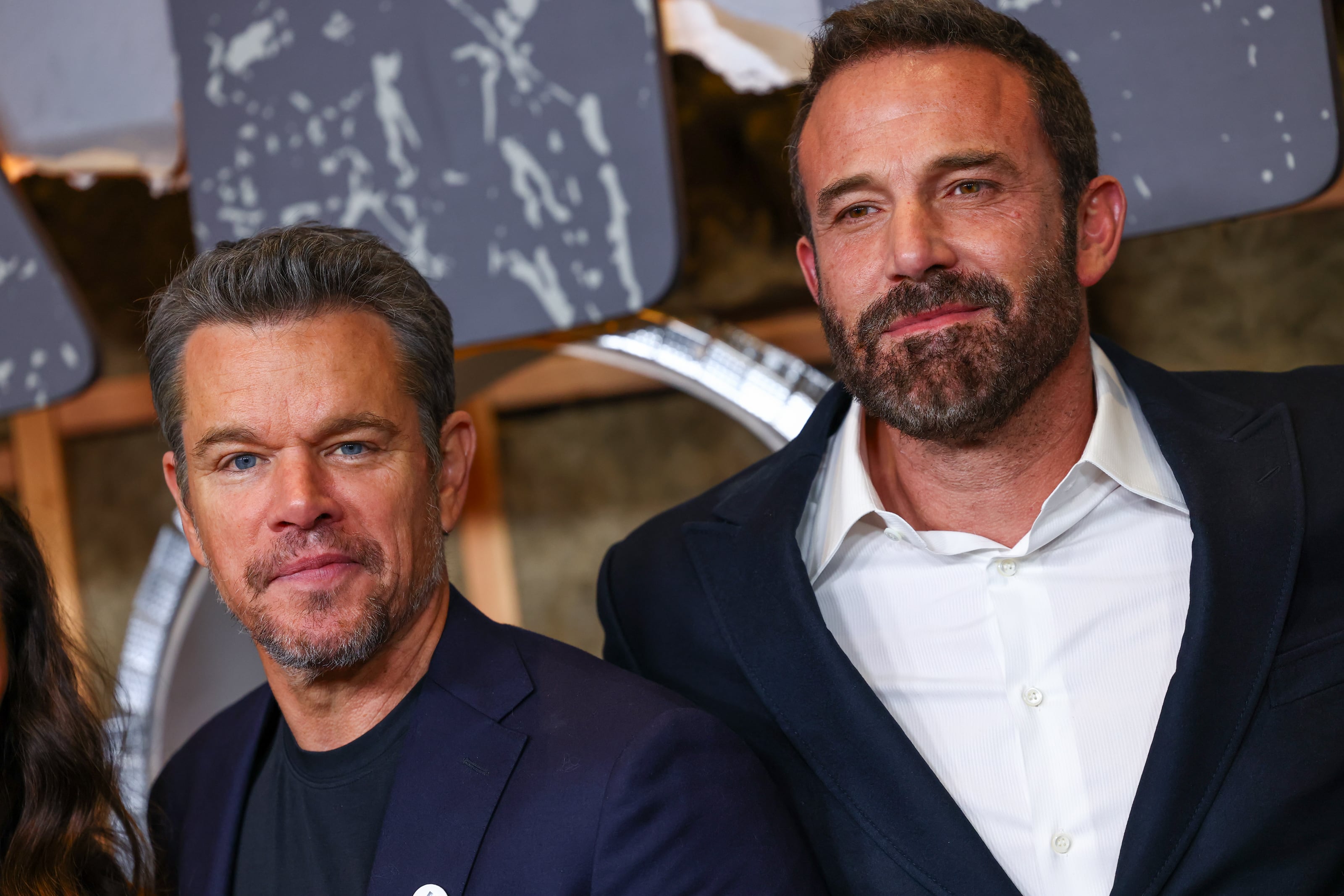
Matt Damon y Ben Affleck en la proyección de la película 'El botín', el 13 de enero de 2026. Los dos actores son amigos desde niños, y a mediados de los noventa decidieron mudarse juntos a Los Ángeles y compartir piso mientras trataban de hacerse un hueco en la industra. Durante esa época, los también guionistas escribieron ‘El indomable Will Hunting’ (1998), que les valió un Oscar a mejor guion original —y Robin Williams se llevó la estatuilla como mejor actor de reparto—. En enero de este año Affleck recordó una ocasión en la que él y su hermano Casey (con quien también vivían) decidieron declararse en huelga de limpieza, algo que a Damon no le molestó en absoluto: “¿Sabes cómo hay gente que bloquea ciertas cosas de su mente? Una de las cosas que él bloquea es la idea de que, cuando terminas de usar algo, hay que lavarlo o tirarlo”, bromeó. Sobre su larga amistad también ha hablado Damon, quien dijo que Ben es uno de los grandes “amores de su vida” durante la promoción de la película La Odisea.
Àngel Llàcer y Silvia Abril en la cuarta temporada de 'Tu Cara Me Suena' en los estudios de Antena 3 el 17 de septiembre de 2015. En su época de estudiantes de Arte Dramático en el Institut del Teatre de Barcelona, Àngel Llàcer y Silvia Abril compartieron piso en Barcelona. Según el actor, director teatral y presentador, la actriz y humorista era la mejor de su clase. Vivir juntos les permitió dividir gastos en un mundo laboral complicado para los intérpretes. Su convivencia fue el punto de partida para una colaboración artística de años. En el plató de ‘Tu cara me suena’, por ejemplo recordaron que comían hasta las cáscaras de las naranjas en unos momentos difíciles que ya han dejado atrás.
Michael Douglas y Danny DeVito en la edición anual del evento benéfico 'Reel Stories, Real Lives', el 7 de abril de 2016. Dos años después de conocerse en los años sesenta en la Universidad de California, Douglas y DeVito se mudaron juntos a Santa Bárbara (California). Cuando tiempo después el primero fue preguntado si conservaba amigos de su juventud, respondió: “¡Danny de Vito, por ejemplo! Todavía conservo a muchos de mis viejos amigos de la universidad. Y es que resulta difícil encontrar buenos amigos cuando te adentras en el mundo del espectáculo. La gente se comporta de forma extraña con respecto a la industria del cine, así que terminas apoyándote en los que conocías antes de alcanzar el éxito. Es más complicado hacer nuevas amistades porque te vuelves un poco más cauteloso", dijo Douglas en una entrevista con ‘The Talks’. Según detalló en la publicación, se conocieron en 1966 y fueron compañeros de habitación en 1968.
Caetano Veloso y Gilberto Gil en Sao Pablo, el 20 de agosto de 2015. Las cabezas de la Tropicàlia, un movimiento brasileño que mezcla el rock y psicodelia, vivieron tres años juntos y exiliados en Londres. Caetano Veloso y Gilberto Gil combatieron la dictadura (1964-1985) con sus canciones de tinte político, que terminaron por llevarlos a un arresto domiciliario durante cuatro meses y luego a salir de su país juntos. Se casaron con dos mujeres que eran hermanas, aunque ambos matrimonios ya finalizaron. Veloso ha dicho que no se habría vuelto músico si no fuera por la influencia, y las clases de guitarra, de Gilberto Gil, quien trabajó como ministro de Cultura por cinco años durante la presidencia de Lula da Silva. Veloso, por su parte, actuó en la película de Pedro Almodóvar ‘Hable con ella’. Tras medio siglo, su amistad continúa. El pasado 2 de octubre cantaron en un mismo escenario como parte de la campaña por Lula.
Raven y Lindsay Lohan en 'Disney's California Adventure'. Las actrices de Disney se conocieron durante una sesión de fotos de moda y se llevaron bien al instante. Raven sugirió que, ya que ninguna asistía a la universidad, podrían compartir piso. También contó que Lohan estaba “muy ocupada” con el trabajo, por lo que no estaba mucho tiempo en casa. Aun así guardó sus pertenencias en el apartamento y pagó 14 meses de renta. “Aunque estuvo allí probablemente tres veces”, dijo Raven en 2008 a US Weekly, “ella prácticamente dejó toda su ropa allí. Yo pensaba: ‘¡Vaya!’. Soy una buena compañera de piso, porque yo me la habría puesto. No me la puse, Lindsay", dijo entonces.
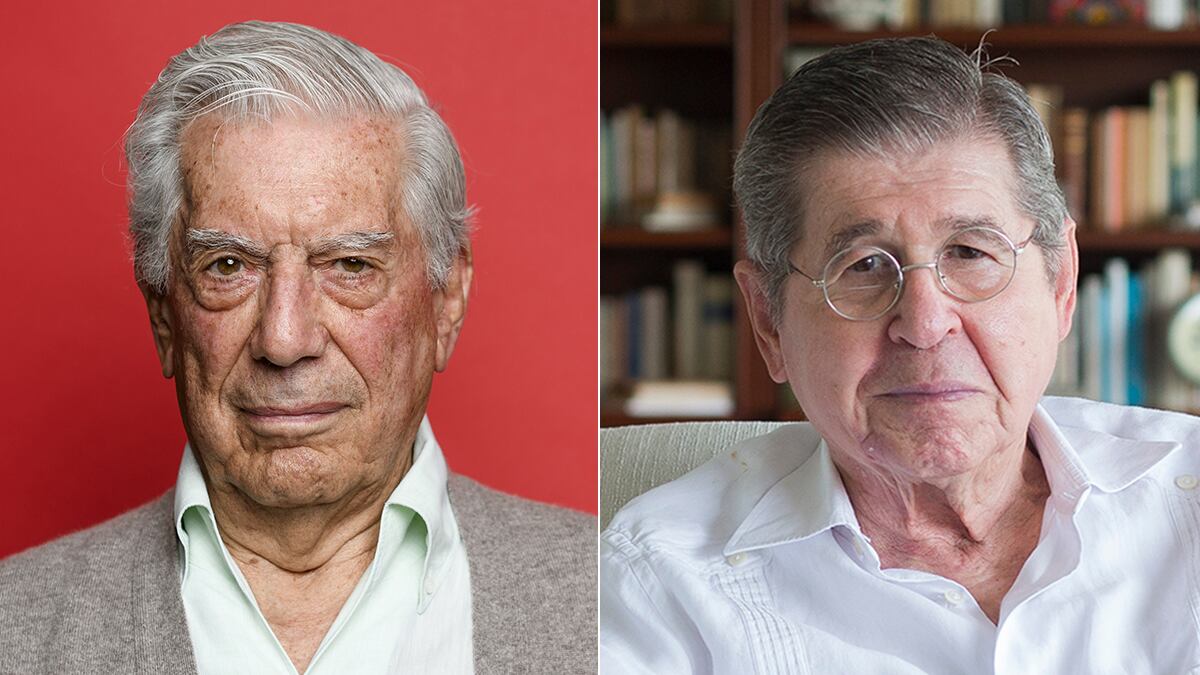
Mario Vargas Llosa y a la derecha Bryce Echenique. Murieron con casi un año exacto de diferencia. Vargas Llosa el 13 de abril de 2025 y Bryce Echenique, el pasado 10 de marzo. Vivieron juntos en el París de los sesenta. En 2025, Bryce recordaba al Nobel de literatura como un “amigo entrañable” y como “el peruano de todos los tiempos”. “Estuvo a mi lado cuando empecé a escribir. Mi primer libro, a pedido de él, se lo di a leer y me aconsejó lo que debía hacer, incluso desde el punto de vista de los editores. Me recomendó que escogiera a Carlos Barral, de la editorial Seix Barral”, indicó. El autor de ‘El huerto de mi amada’ describió su amistad con Vargas Llosa de esta forma: “Soledad y tranquilidad para escribir y leer”.
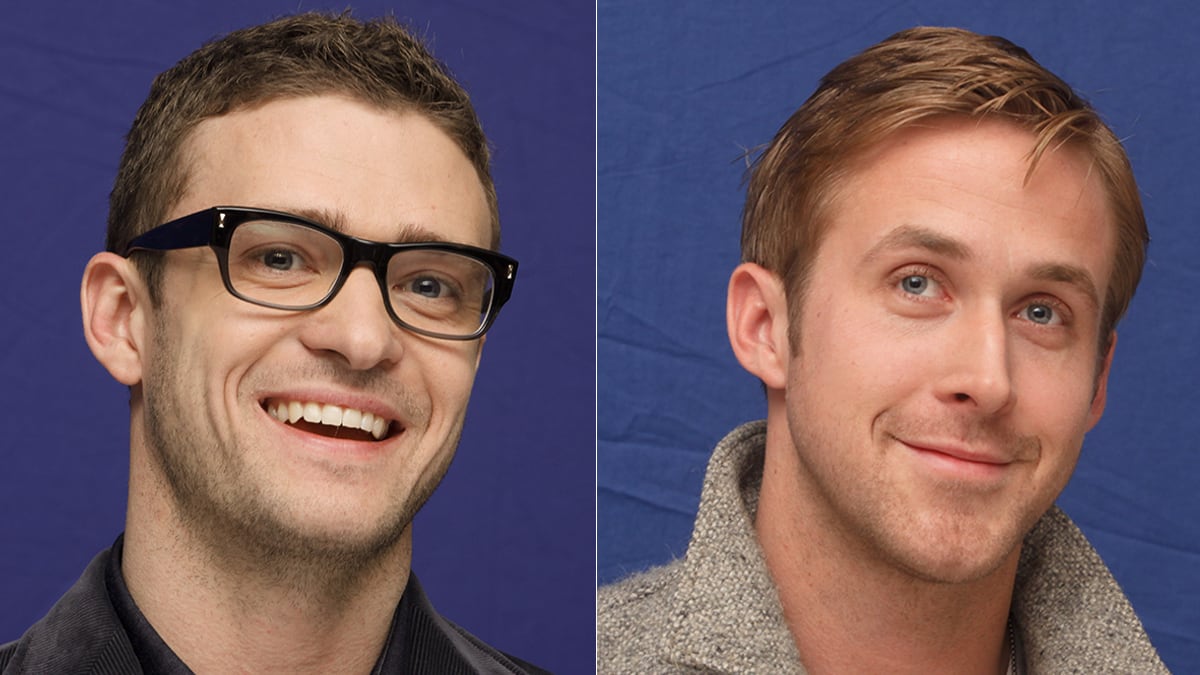
Justin Timberlake y, a la derecha, Ryan Gosling. Cuando estaban juntos en The Mickey Mouse Club, Ryan Gosling tuvo que mudarse a la casa de Justin Timberlake porque la serie se grababa en Estados Unidos, pero la madre del primero, hoy un actor consolidado en Hollywood, tenía que seguir trabajando en Canadá. Quien después se convertiría en una estrella del pop se lo contó a Ellen DeGeneres: “Probablemente éramos un poco más cercanos que el resto de los chicos que estaban en el programa, solo porque teníamos que compartir el baño”. En el elenco de ese programa infantil también estaban Britney Spears y Christina Aguilera.
De izquierda a derecha, Ariel Rot y Andrés Calamaro. El rockero argentino Andrés Calamaro estaba en una situación precaria cuando se fue a vivir a Madrid con su compañero de Los Rodríguez, el guitarrista y compositor Ariel Rot. Tenían un antiguo alquiler, de renta baja, en un barrio “inhóspito” por Chamberí, en la calle Martínez Campos. Asistían a bares y pedían instrumentos prestados. “Imagina cómo lo teníamos, le llamábamos El Rancho. Todo el salón era espejado, así que tenía una especie de glamur decadente. Al principio, los oficiales éramos Andrés y yo, pero como había muchas habitaciones Julián [el guitarrista de la banda] se consiguió la suya (…) nos quedamos allí, éramos un montón de vagos viviendo".
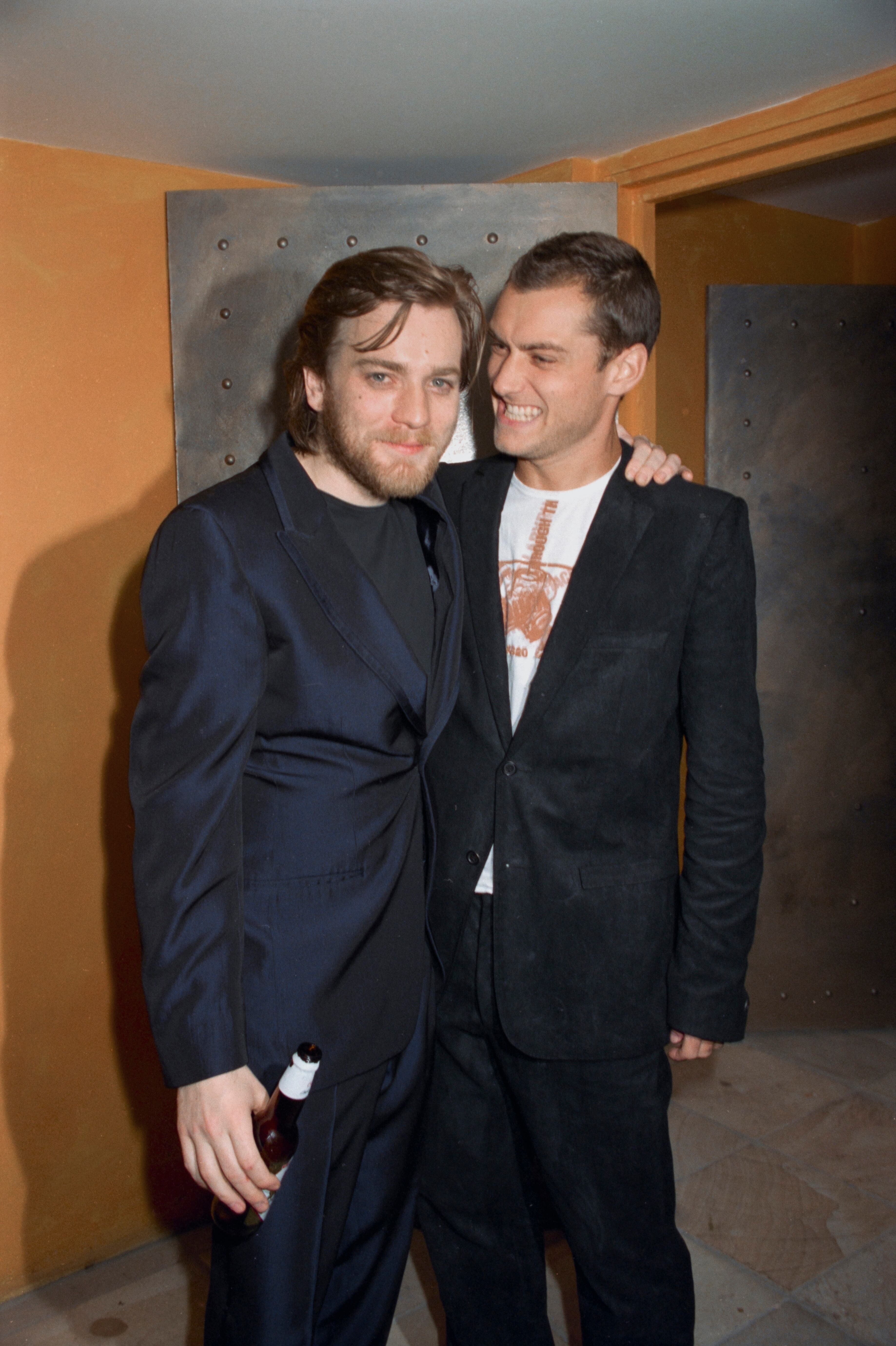
Ewan McGregor y a su lado Jude Law en el lanzamiento de la película 'Pequeño Malcolm y su lucha contra los eunucos', en enero de 1999. Jude Law aun recuerda cuando Ewan McGregor consiguió el papel de Obi-Wan Kanobi en las precuelas de ‘La guerra de las galaxias’ —su primera aparición en la saga fue en 1999—. En esos momentos, compartían vivienda cuando apenas comenzaban su carrera como actores en los noventa. “Creo que filmó en Australia y recuerdo que podía contarnos en secreto algunos pequeños detalles”, rememoraba Law en una entrevista de 2024.
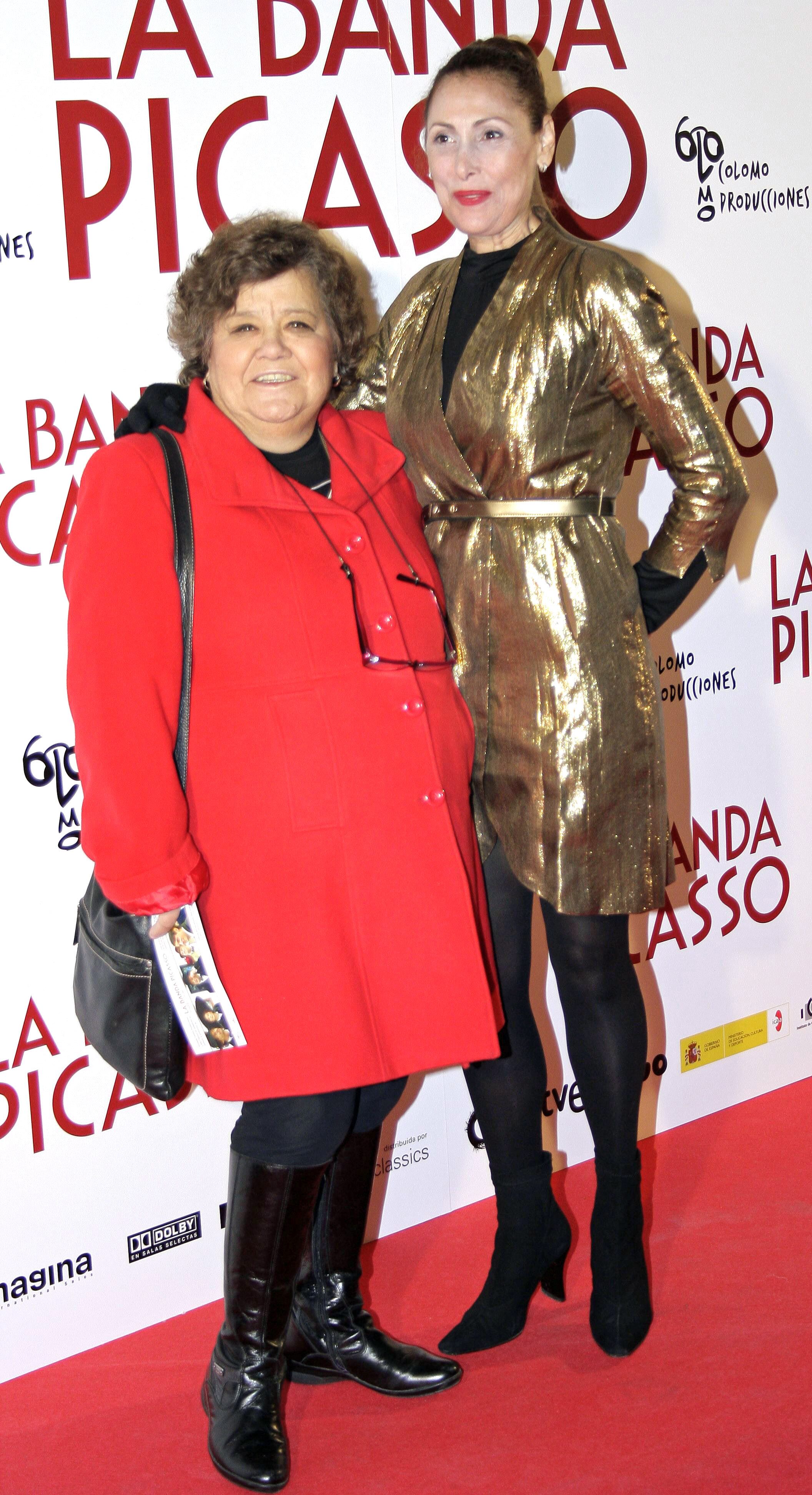
Cristina Almeida y Maria Barranco en el estreno de la película 'La Banda Picasso' el 24 de enero de 2013. María Barranco, conocida por su papel en ‘Mujeres al borde de un ataque de nervios’ (1988), de Pedro Almodóvar, fue alojada en la vivienda de la reconocida abogada y exlíder política Cristina Almeida, quien le abrió sus puertas en el exclusivo barrio de Arturo Soria, en Madrid. Barranco atravesaba por entonces dificultades económicas. Puesto que compartía una amistad y una visión política afín a la abogada, se mudaron juntas en 2013. La actriz define a Almeida —defensora de los trabajadores y estudiantes represaliados por la dictadura— en sus redes como “una de las personas más importantes de su vida”.
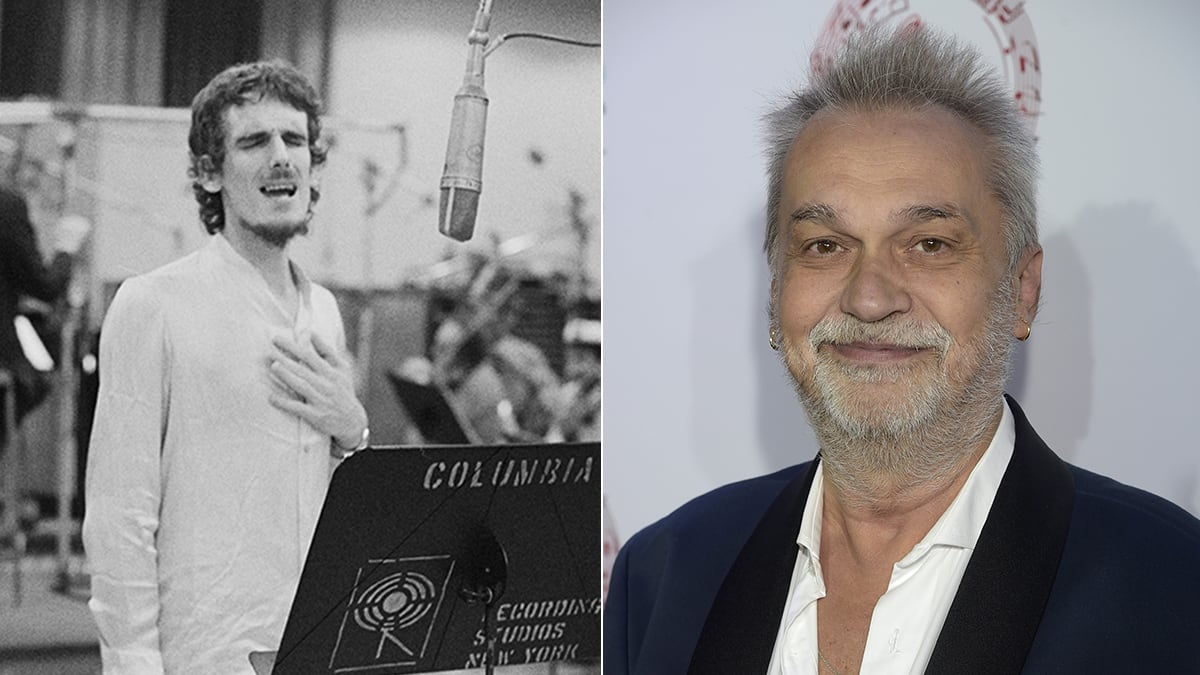
Un joven Luis Alberto Spinetta y, a la derecha, David Lebón. Los rockeros que formaron parte de la banda Pescado Rabioso también vivieron juntos. Permanecieron en la casa de la hermana de Lebón durante casi un año, al principio de los setenta. “Éramos hermanos, no hacíamos fiestas, pero venían amigos como Pappo, Edelmiro, Molinari... Un montón de gente que tenía que ver con la música”, afirmaba Lebón en una entrevista con Teleshow en 2024. “Con la muerte de Luis tuve dos meses que no podía parar de llorar en mis ‘shows’. Y me dejé llorar, y lloramos varios, lloramos muchos… Vivíamos juntos en una época, él me escuchaba tocar la viola y decía: ‘No, me da vergüenza ser el guitarrista“, recuerdó Lebón en una entrevista para el periódico argentino ‘Clarín’.
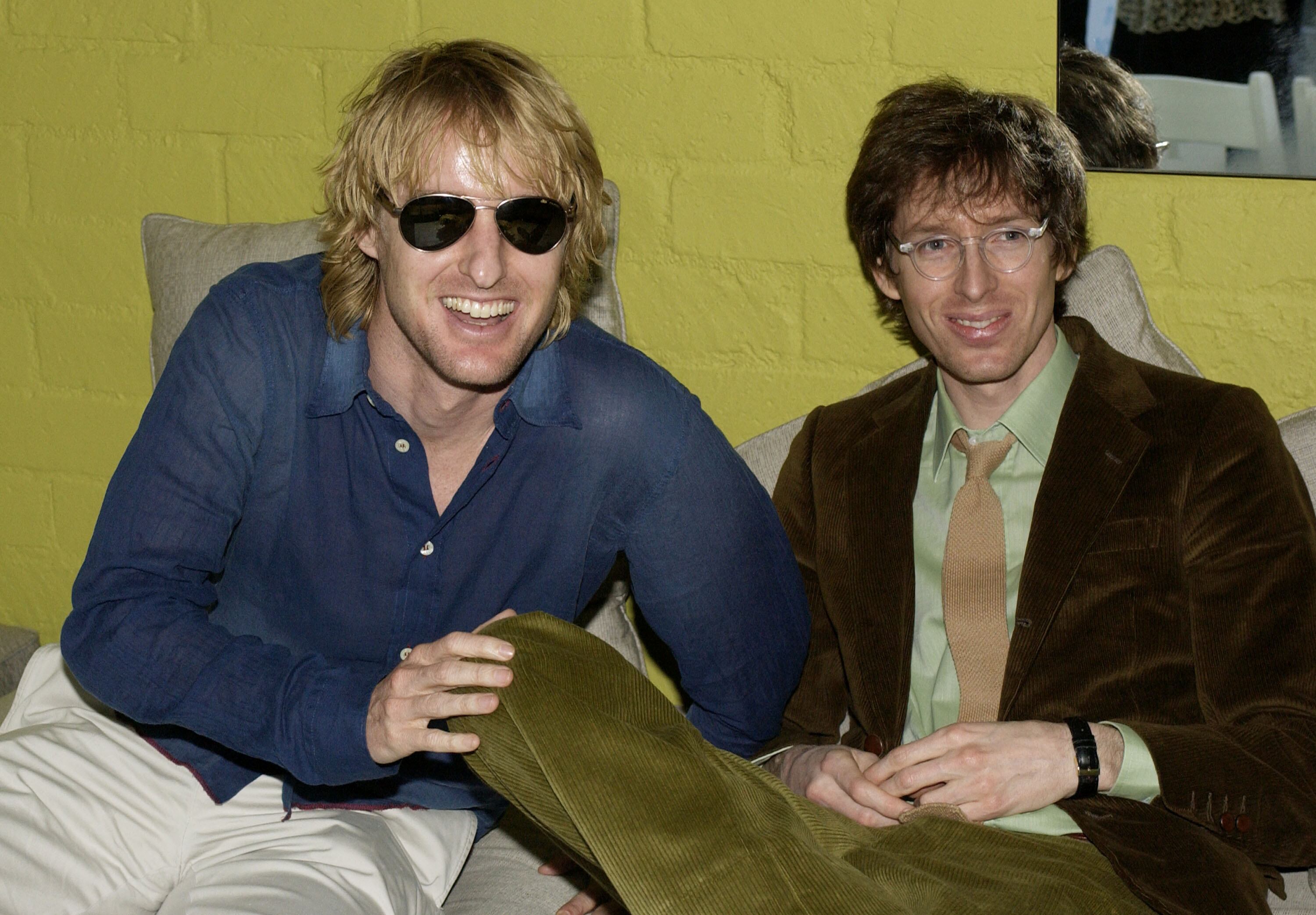
Owen Wilson y Wes Anderson en Beverly Hills, California. Se conocieron durante su segundo año en la Universidad de Texas, en Austin. Su arrendador se negaba a arreglar todo lo que estuviera roto en la casa y por eso idearon un plan para fingir un allanamiento con el fin de presionar al dueño. El actor y el director de cine le contaron a la policía lo supuestamente sucedido, mientras su arrendador estaba presente, pero ninguno les creyó. El asunto sirvió de inspiración para el primer largometraje de Anderson, ‘Ladrón que roba a ladrón’ (1996), en el que participó Wilson. Más de 20 años después siguieron trabajando juntos. ‘La crónica francesa’ (2021) fue su última colaboración.
James Corden y Dominic Cooper en la fiesta del té de los BAFTA, el 10 de enero de 2015 en el hotel 'Four Seasons'. Antes de casarse con su esposa, el cómico James Corden vivió junto al actor de ‘Mamma Mia!’ (2008) Dominic Cooper en un piso en Londres. El actor ha contado en el pasado que en la cocina solo tenían una herramienta: una espátula. “Recuerdo una noche deprimente en la que [James] llegó a casa y yo estaba comiendo frijoles cocidos con la espátula”, recordaba el Cooper. “No ofrecía una base sólida para la existencia”, decía a ‘The Standard’: “Era la vida que dos tipos creían querer y de la que pronto se dieron cuenta de que no era así”. Cooper había exigido una habitación grande, mientras que a Corden le tocó una tan pequeña que ni siquiera tenía cama: “Así que a menudo nos despertábamos acurrucados el uno junto al otro”, recordaba en la entrevista.
Lili Reinhart y, a la derecha, Madelaine Petsch, en la alfombra roja de la fiesta de 'Vanity Fair' posterior a los Oscar de 2020. Durante la grabación de la primera temporada de ‘Riverdale’, Madelaine Petsch y Lili Reinhart vivieron juntas en Vancouver (Canadá), donde se rodaba la serie. Petsch comentó para ‘Glamour’ que había conocido a Reinhart antes de la grabación de la ficción, pero el trabajo las unió como buenas amigas. A las actrices se les vio en la fiesta de compromiso de su compañera de rodaje, Camila Mendes, en octubre del año pasado.
El actor Robert Downey Jr. y, a la derecha, Kiefer Sutherland. Tras el divorcio de sus padres, Robert Downey Jr. estuvo un tiempo viajando entre la costa este y la costa oeste de Estados Unidos hasta establecerse en Hollywood, donde vivió con Kiefer Sutherland durante tres años. Se hicieron amigos en el set de la película ’1969′ (estrenada en 1988). Durante esa época, Downey pasaba un momento dificil en su relación con Sarah Jessica Parker. Sutherland se convirtió en un gran apoyo emocional y “hombro para llorar” tanto para Downey Jr. como para la propia actriz. En el mismo edificio donde vivían, justo al otro lado del pasillo, residía el actor de ‘Regreso al futuro’ (1989) y ‘Titanic’ (1997) Billy Zane.
Mae Whitman y Miles Heizer en un evento benéfico en Los Ángeles, el 24 de noviembre de 2021. Se hicieron muy amigos mientras interpretaban a dos hermanos en la serie ‘Todo en familia’ (2010-2015) y decidieron mudarse juntos. En 2014, Whitman comentó para la revista ‘Glamour’: “Ha vivido conmigo durante dos años. Es muy especial. Lo mataría antes de dejar que se fuera. Es el músico y actor más talentoso. Creo que llegará lejos, por no mencionar que es muy sexy, lo cual resulta desagradable porque es como mi hermano pequeño. Me imagino viviendo en una casa junto a él durante toda la vida y envejeciendo en la misma calle que él. Quisiera que nuestras familias estuvieran siempre unidas”, confesaba la actriz. Aunque ya no vivien juntos, siguen siendo buenos amigos.
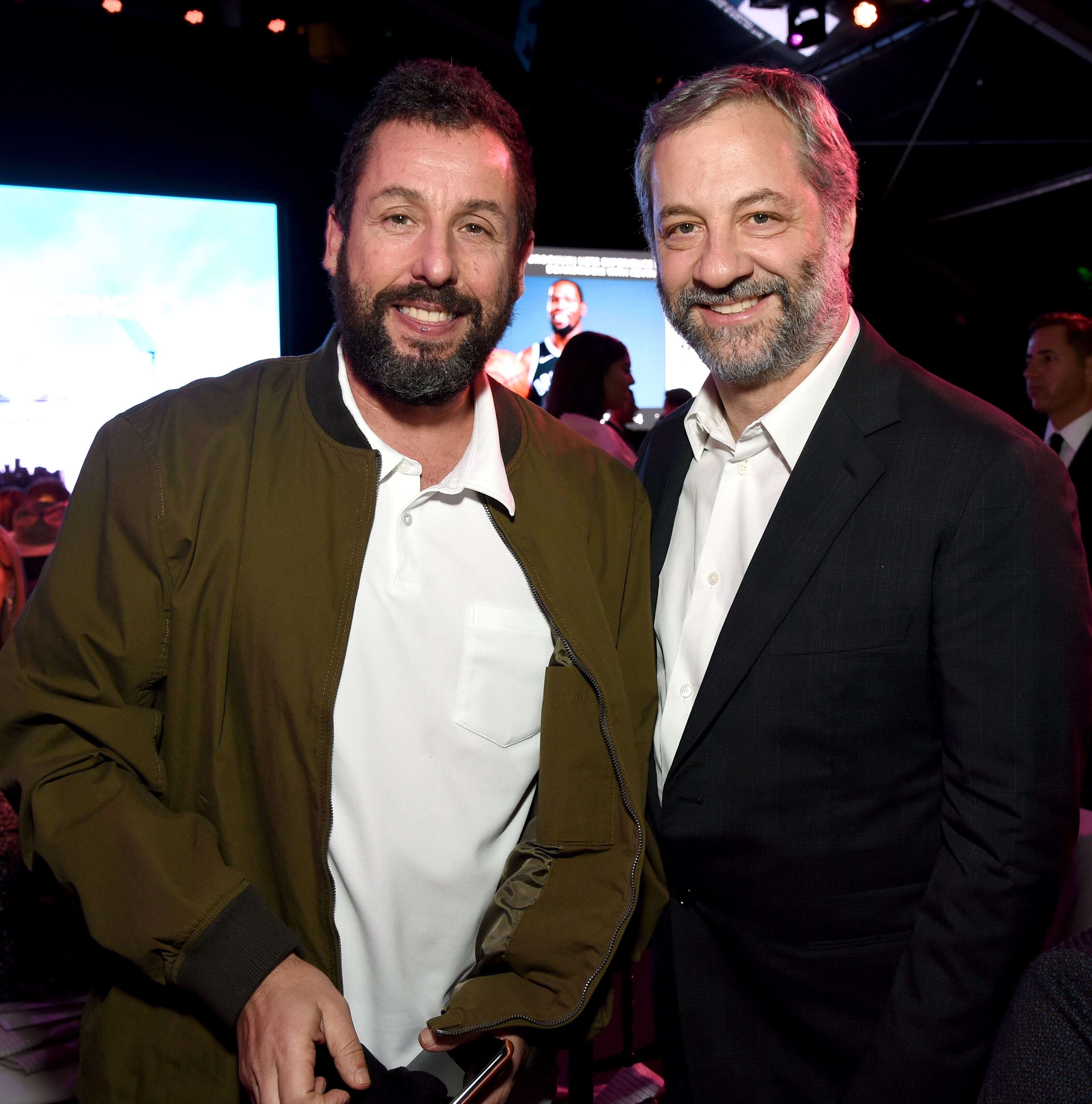
Adam Sandler y Judd Apatow en la Gala Baby2Baby el 13 de noviembre de 2021 en Hollywood, California. Antes de ser famosos, Apatow y Sandler compartían un apartamento en el Valle de Los Ángeles. En el programa ’60 Minutes Overtime’ de la CBS, el primero aseguró que, incluso después de que Sandler se mudara a Nueva York, siguió pagando la renta porque tenía miedo de que lo “despidieran” y tuviera que volver a la ciudad californiana. Apatow explicó: “Simplemente se fue, como si fuera a regresar, pero ya no volvió”.
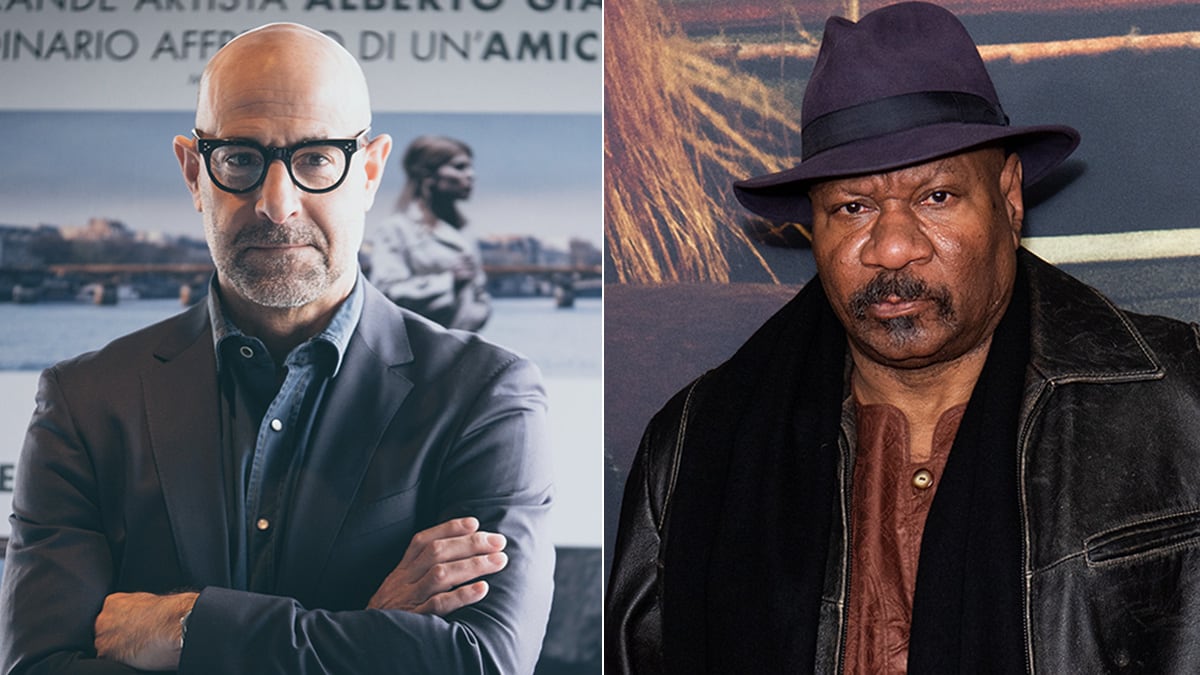
Stanley Tucci y Ving Rhames. El actor de ‘El diablo viste de Prada’ Stanley Tucci y el actor de ‘Misión imposible’ Ving Rhames vivieron juntos cuando estudiaban en el Conservatorio de Teatro en la Universidad de Nueva York. En una entrevista con ‘The Daily Beast’, Tucci confirmó que fue él quien apodó a Ving (cuyo nombre completo es Irving Rameses) con su emblemático nombre artístico. Los actores han trabajado juntos en la industria del cine, por ejemplo, en la película ‘El beso de la muerte’ (Kiss of Death, 1995).
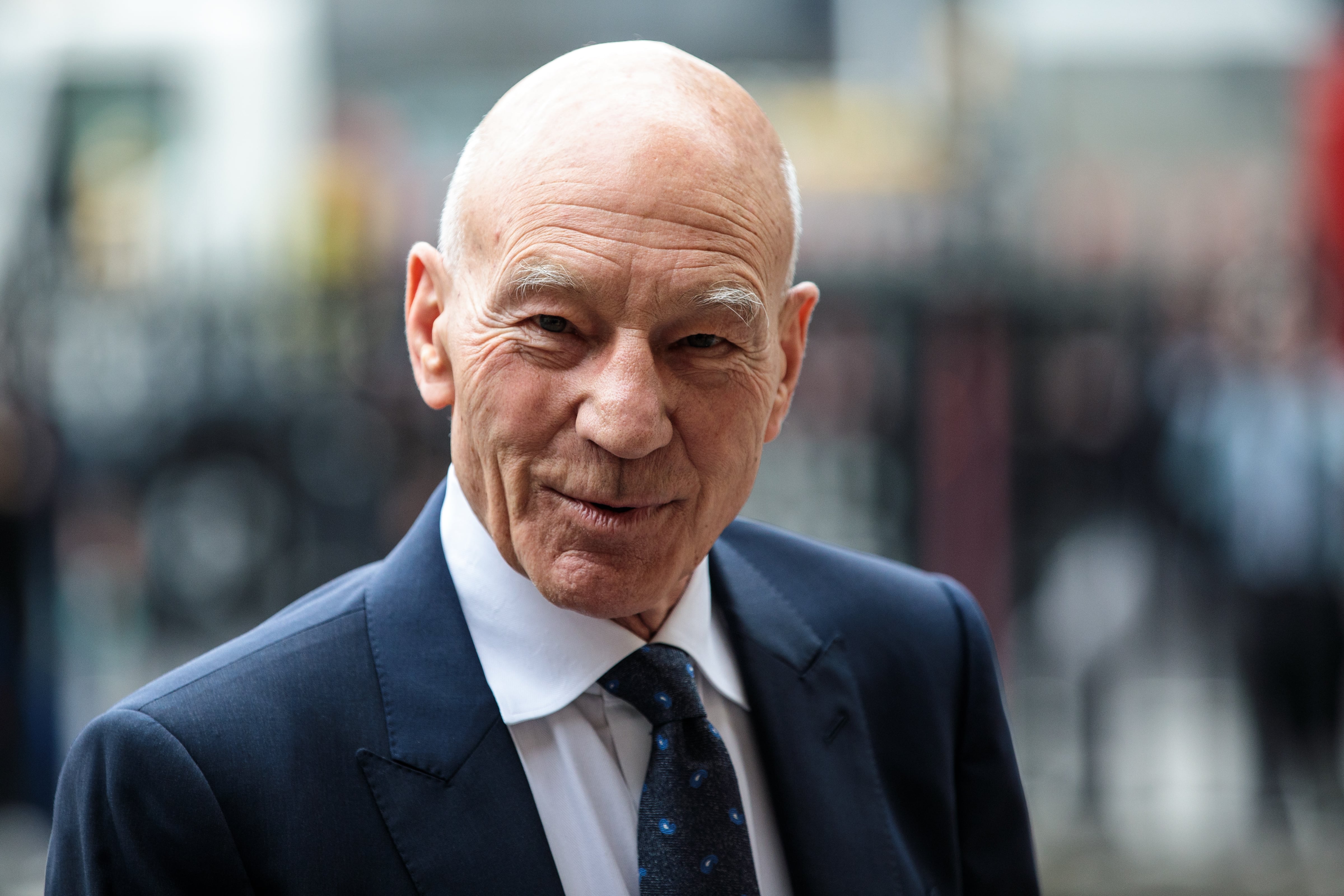
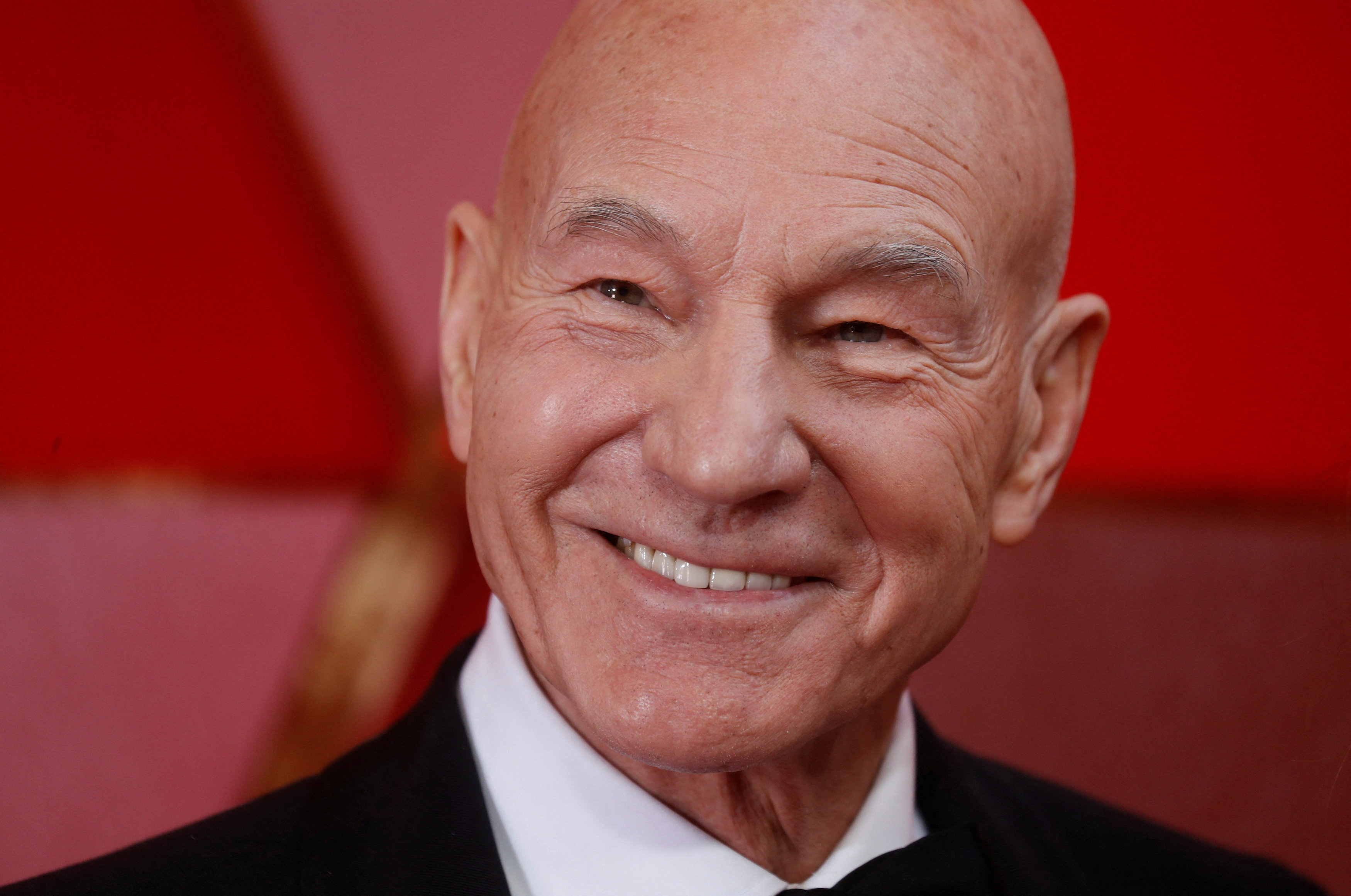
Patrick Stewart, el capitán Jean-Luc Picard de la saga Star Trek y el profesor Charles Xavier en la saga de Marvel X-Men, falleció el miércoles 28 de octubre en Los Ángeles (California), aunque su familia lo ha comunicado un día después. Tenía 86 años.
Patrick Stewart, who rose from poverty in England to become an accomplished Shakespearean stage actor and then achieved global stardom as the erudite Captain Jean-Luc Picard in TV’s “Star Trek: The Next Generation” and the telepathic Professor Charles Xavier in the “X-Men” movies, has died at the age of 86.
Stewart, knighted in 2010 by Queen Elizabeth II for his contributions to drama, died at his home in Los Angeles, according to a statement on his X account.
“We announce with great sorrow the passing of Sir Patrick Stewart yesterday at his home in Los Angeles, in the loving care of his beloved wife Sunny following a brief and poignant journey with Alzheimer’s Disease and Lewy Body Dementia,” it said.
Stewart became an actor at age 18 and gained acclaim on the stage as a member of the Royal Shakespeare Company beginning in the 1960s. But it was not until after he was hired at age 47 for “Star Trek: The Next Generation” – a TV series that ran from 1987 to 1994 as a sequel to the original 1960s “Star Trek” – that he gained mainstream fame, acting into his 80s.
“Make it so,” his character Picard often said, instructing a subordinate to carry out a command, or sometimes deploying the similar catch phrase, “Engage.”
It was a role he had debated even taking after his longtime friend and fellow Shakespearen Ian McKellen advised him to spurn “Star Trek” and remain in theater. Stewart did take the role and became both a fan favorite and an indispensable part of a lucrative sci-fi franchise, playing Picard not only in 176 episodes over seven seasons of that series but also in several “Star Trek” films and in the later streaming series “Star Trek: Picard” that began airing in 2020 when he was 79.
“As the seven seasons of TNG (“The Next Generation”) went by, the distinction between Jean-Luc Picard and Patrick Stewart became thinner and thinner, until it was impossible for me to know where he left off and I began. So much of what I believed and felt went into that show,” Stewart told the Guardian newspaper in 2022.
Stewart also initially balked at being cast as the wheelchair-using mutant Professor X in the “X-Men” movies, based on the popular Marvel comic book character.
“I said, ‘Look, I know this isn’t science fiction, but it’s fantasy, and I’ve done that.’ But they persuaded me that it wouldn’t be like ‘Star Trek,’ so I did it. And yet again I was proved wrong,” Stewart told the Guardian.
He became a critical part of another big-money franchise starting with the first entry “X-Men” in 2000 and followed by several more.
ACTING WAS SAFE SPACE
Stewart was born on July 13, 1940, in the English town of Mirfield in Yorkshire. He was raised in poverty, with a father who he said returned from World War Two an alcoholic who suffered from post-traumatic stress syndrome and physically abused Stewart’s mother. Stewart recalled putting his body between his father and mother to try to protect her.
As a child, Stewart said, acting became a “safe space” after a schoolteacher introduced him to Shakespeare – specifically “The Merchant of Venice” – during a class when he was 12. He started losing his hair at age 17 and was bald by 19. He was embarrassed at the time, but eventually embraced it.
“Star Trek,” created by Gene Roddenberry, presented a hopeful vision of the future, with humankind venturing into the cosmos in spaceships exceeding the speed of light and encountering alien races. The enduring popularity of the original series and the success of spinoff films prompted Roddenberry to create “The Next Generation” sequel series.
The Picard character was the opposite of the swashbuckling and sometimes unintentionally buffoonish Captain James T. Kirk, played by William Shatner, of the original series – envisioned as more cerebral and disciplined, though sometimes coming across as stuffy, humorless, or self-important.
Stewart recalled being a little bit too serious toward his cast mates early on.
“I tell the story of calling a meeting of my principal fellow cast members and telling them that I thought we were not disciplined enough, that we should not be fooling about on the set as much as we were but taking everything seriously,” Stewart told the New Yorker in 2023.
“And one of the cast members said, ‘Oh, come on, Patrick, we’ve got to have some fun.’ And I thumped the chair and said, ‘We are not here to have fun’ – which they have never let me forget. They taught me so much about loosening up and being freer,” Stewart added.
Stewart also felt the series improved as it went along, faulting his own portrayal of Picard in the first two seasons.
“I found it lacking intimacy. It was very authoritative, but there were few other qualities in him,” Stewart said, adding that his work got better in subsequent seasons.
In fact, the finest work for the entire cast may have been the two-part, time-bending series finale.
He became Sir Patrick Stewart when he was knighted by the queen at Buckingham Palace in 2010. He told reporters that his heroes were British actors Laurence Olivier, John Gielgud and Alec Guinness, who also had been knighted, adding that being “in that company is the grandest thing that has professionally happened to me.”
Stewart was married three times and had two children. His third marriage, in 2013, was to American musician Sunny Ozell.
Nuevo capítulo en la agria batalla entre Olivier Martinez y Halle Berry por la custodia de su hijo Maceo. Este jueves, 29 de octubre, el exmatrimonio de actores se ha visto las caras en los juzgados de Los Ángeles para retomar el caso legal por el que ambos se disputan la potestad del adolescente, de 13 años. Y ambos han salido vencedores, o perdedores, según quién cuente la historia.
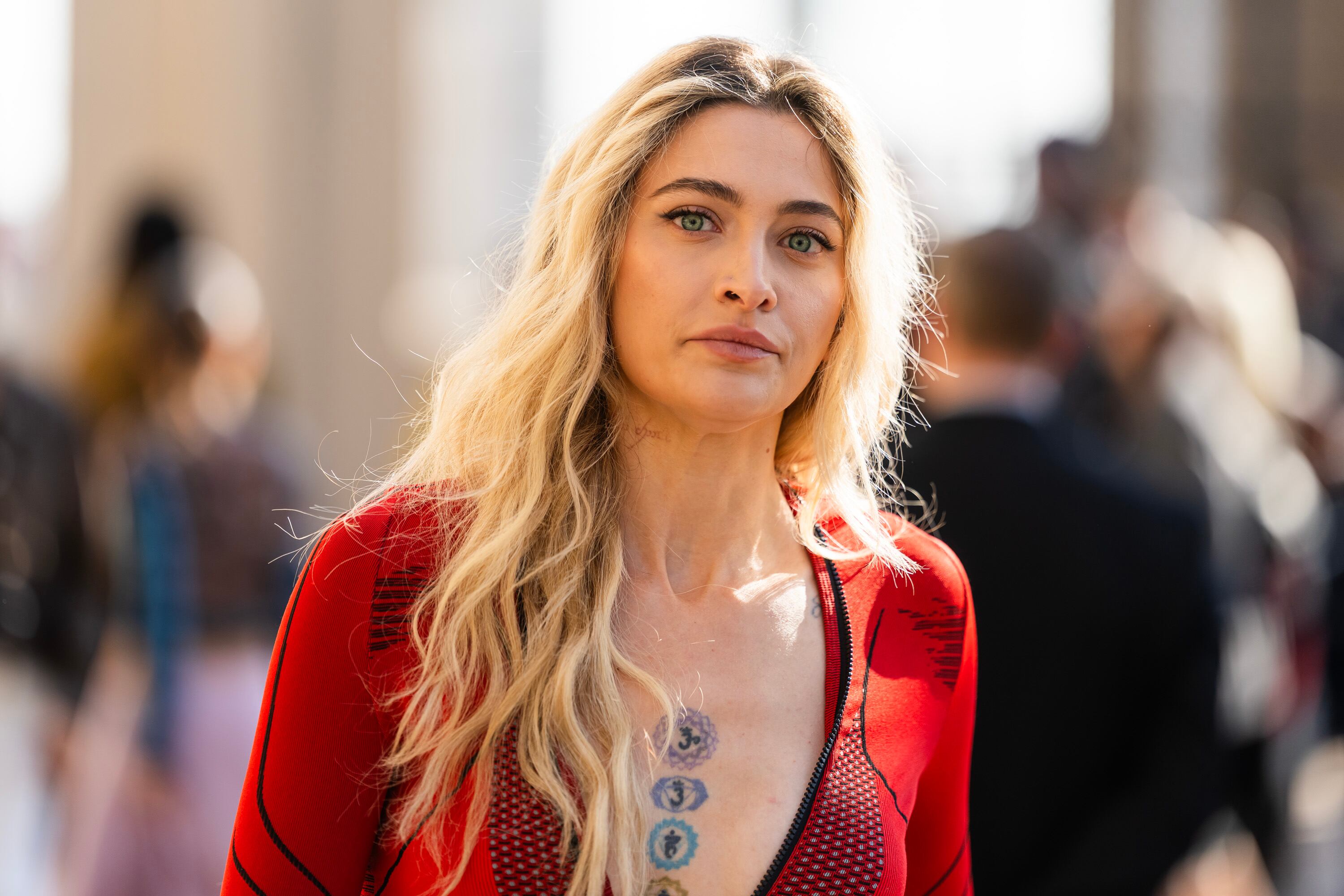
La lucha de Paris Jackson por proteger el legado que su padre, Michael Jackson, les dejó a ella y a sus dos hermanos sigue imparable. La hija del cantante y megaestrella del pop, de 28 años, se ha plantado contra el administrador del legado de su padre, acusándole de no cumplir con sus obligaciones y de querer únicamente dinero. Y ahora pretende bajar su remuneración económica y hacer que el caso llegue hasta los tribunales.
La muerte de la actriz Hayden Panettiere, ocurrida el 16 de agosto a los 36 años, ha sido declarada como accidental, por lo que la investigación policial sobre las causas de su fallecimiento ha concluido, según anunció este miércoles 28 de octubre el Departamento de Policía de Greenville, Carolina del Sur, encargado del caso, ya que es donde se produjo la muerte de la intérprete de Héroes o Nashville.
Pikachu es un pokemon de tipo eléctrico al que no le gusta ir en su pokeball. Prefiere la libertad, no estar encerrado en esa bola. Va con Ash, su entrenador. ¿Quién es Pikachu?, ¿cómo es?, ¿evoluciona? Yo sé poco o nada del universo Pokémon, pero que evolucionan sí lo sé. Y, de repente, me vi en un diálogo en el que se hablaba de bolas, de constreñir la libertad, de transformación, de ser uno y luchar para convertirse en otro, y pensé que todo cuadraba, que todo está relacionado. Que si cinco minutos antes me dicen que los pokémones y La bola negra tienen tanta relación y que Pikachu y Edmond de Bries tienen cosas en común, ni lo contemplo, pero, de repente, mis neuronas hicieron solas la conexión y tiene lógica.
In a single week, Christopher Lloyd, the mad scientist of the 1980s trilogy Back to the Future, turned 88 and published In My Own Time: A Memoir. The 250-plus-page book traces his lonely childhood in Waveny House, in Connecticut; the start of his acting career in 1960s New York; and his battle with alcohol and cocaine addiction, subjects he has rarely discussed publicly. In the book he says the first time he took drugs was outside a comedy club in Los Angeles in the 1970s. He went up to the car of a woman he had just met and did “a couple of lines.” He writes: “That was all it took,” he writes. He got hooked almost immediately, and that’s where his cocaine abuse began.
Actor-comedian Russell Brand said allegations of sexual misconduct have had a "devastating" impact on his life, as he testified in court Wednesday at his trial on charges of rape and sexual assault.
Perry's sister, Mia Perry Bowick, spoke about Kenneth "Kenny" Iwamasa, Matthew Perry's live-in assistant, who was later convicted for his role in obtaining and administering ketamine to Perry
Noah Wyle said his early success made him rethink what it means to have a meaningful life.
Trae Patton/NBC via Getty Images
Noah Wyle became a household name in his 20s thanks to "ER."
But a big house and the trappings of success did not always add up to a fuller life, he said.
These days, he says meaningful work and family life matter most to him.
Noah Wyle, 55, says his early success made him rethink what a fulfilling life looks like.
Speaking to Amy Poehler on Tuesday's episode of the "Good Hang" podcast, the newly named Sexiest Man Alive said his family taught him to use the opportunities he's had to help others and to be content with what he already has.
Wyle said that lesson stuck with him as his career took off, thanks to his role on "ER."
"I had this wonderful, huge career in my 20s when I got all the big toys, the big house. I got to see what my grandfather said was true," Wyle said. "You can only be in one room at a time. And sometimes the bigger the space, the lonelier the space."
Wyle said that realization has reshaped what he sees as worth pursuing.
"So, I've been on my own journey of defining what is enough and what makes me happy, and I've gotten to a place where it really is defined by meaningful work and meaningful family life," Wyle said. "The Pitt" star has three children from two marriages.
He said feeling fulfilled in his own life has given him room to give back and use the platform that comes with his fame to speak up about issues he cares about.
Wyle has been lending his time to a range of causes this year, including efforts to support healthcare workers and bring more film and TV jobs back to Los Angeles.
"I'm allowed to be philanthropic and feel magnanimous because my cup is full, which is a lovely thing to be able to say," Wyle said.
Other stars have similarly spoken about how getting older has changed the way they define a good life.
Kate Winslet has said that turning 50 changed how she viewed success.
"Success, actually, for me more these days is more about pulling it off, being a decent person. You know, being able to take care of people, having time for friends, also learning how to be OK with not being busy all the time," she said in a Newsweek interview in December.
Jodie Foster has said turning 60 freed her from trying to compete with her younger self.
"Everything changed. I was like, 'Yeah, I don't care. I'm no longer tortured by any of this. I don't know why I seemed to care so much,'" Foster said in a December interview with AARP.
En una sola semana, Christopher Lloyd, el científico loco de la trilogía ochentera Regreso al futuro, ha celebrado sus 88 años y ha publicado sus memorias, In My Own Time: A Memoir. Son más de 250 páginas en las que el actor recorre su solitaria infancia en Waveny (Connecticut); los inicios de su carrera actoral en el Nueva York de los años sesenta y su lucha contra la adicción al alcohol y a la cocaína, aspectos de su vida de los que rara vez ha hablado en público. En su libro cuenta que la primera ocasión que consumió drogas fue a las afueras de un club de comedia en Los Ángeles en los setenta. Se acercó al coche de una mujer a la que acababa de conocer y se metió “un par de rayas”. Según escribe: “Eso fue todo lo que hizo falta. Me enganché casi de inmediato. Me encantó, y ahí fue donde comenzó mi abuso de la cocaína”.
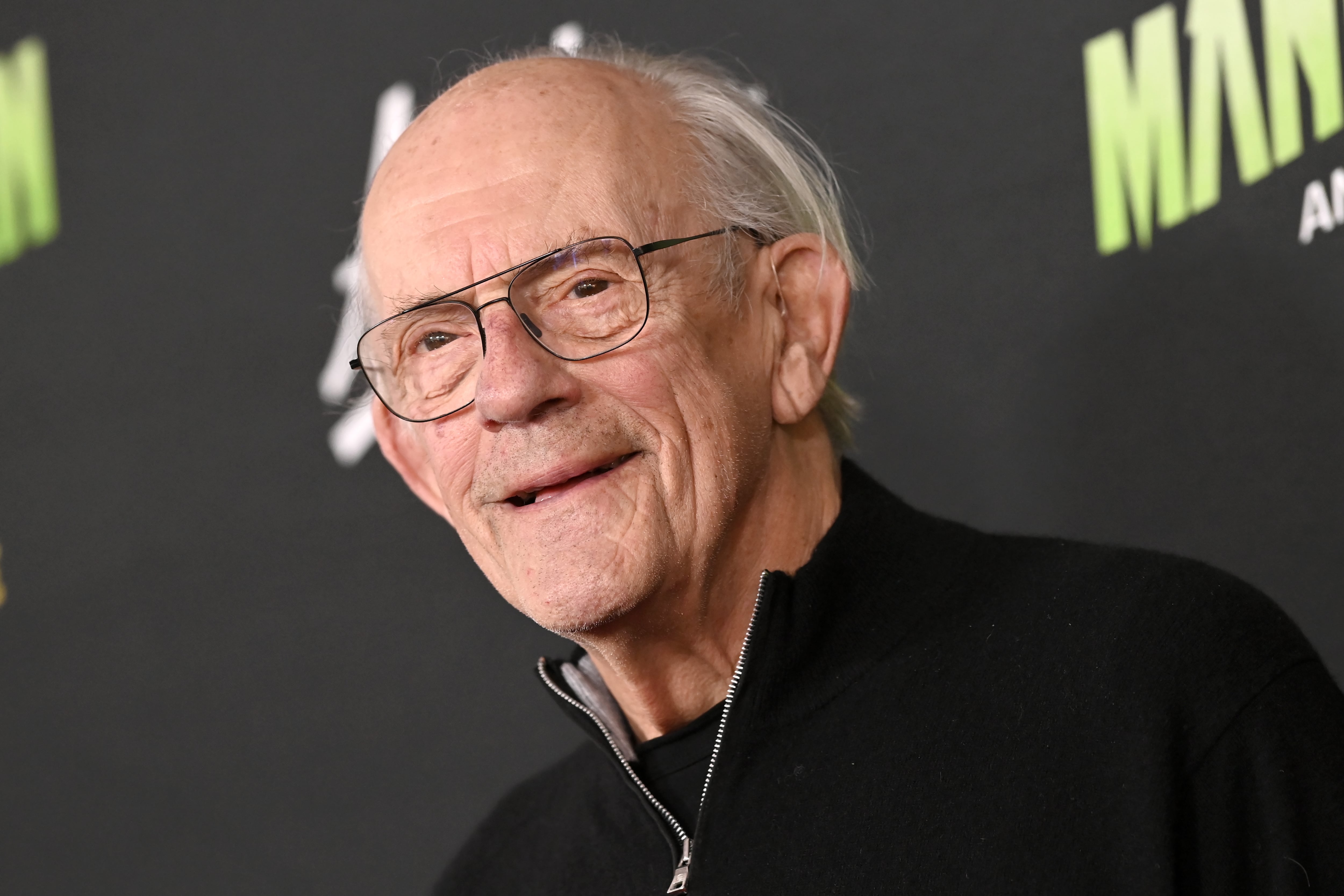
Christopher Lloyd en el estreno de la producción de Disney 'Star Wars: The Mandalorian and Grogu' en el TCL Chinese Theatred de Los Ángeles, el 14 de mayo de 2026.
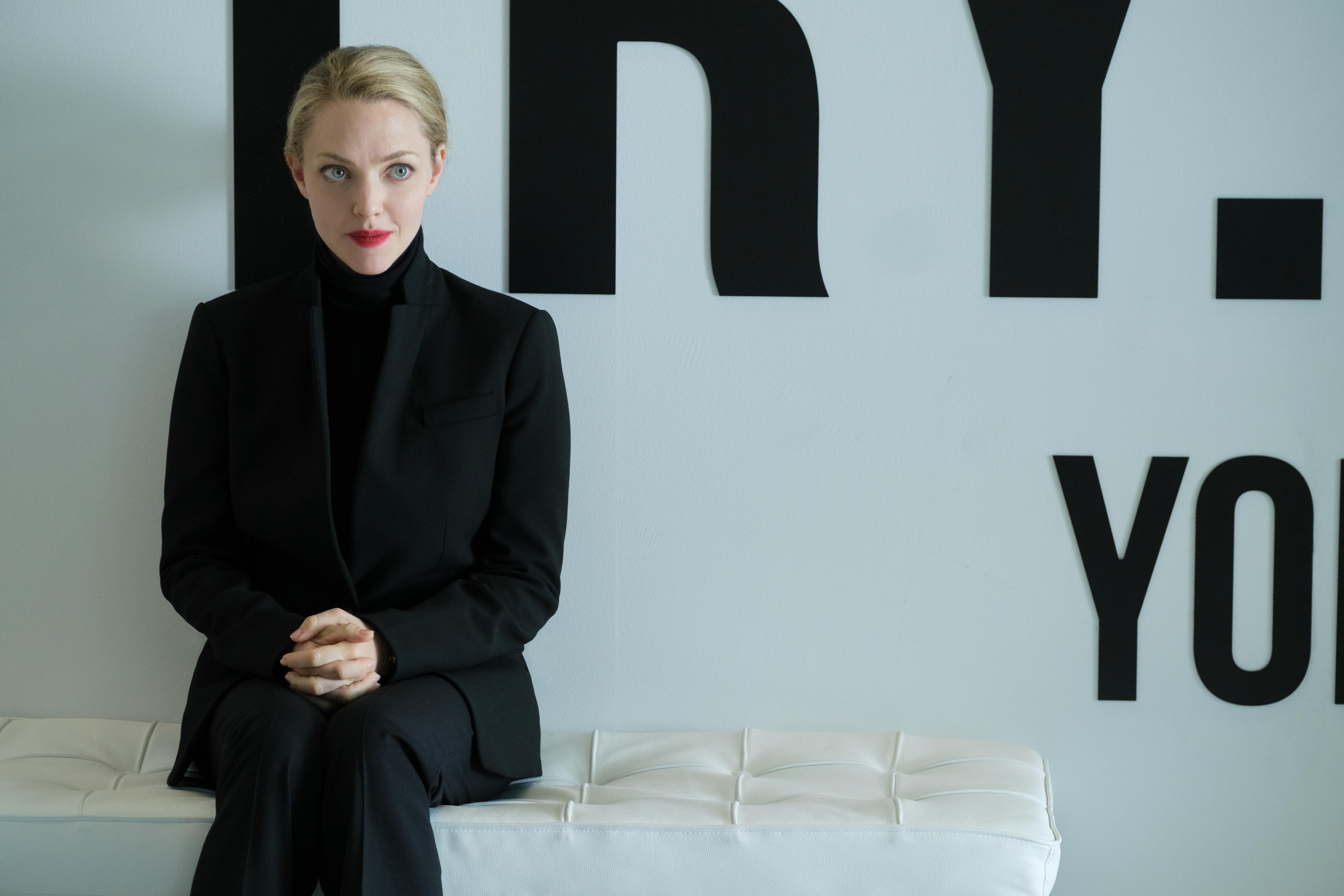
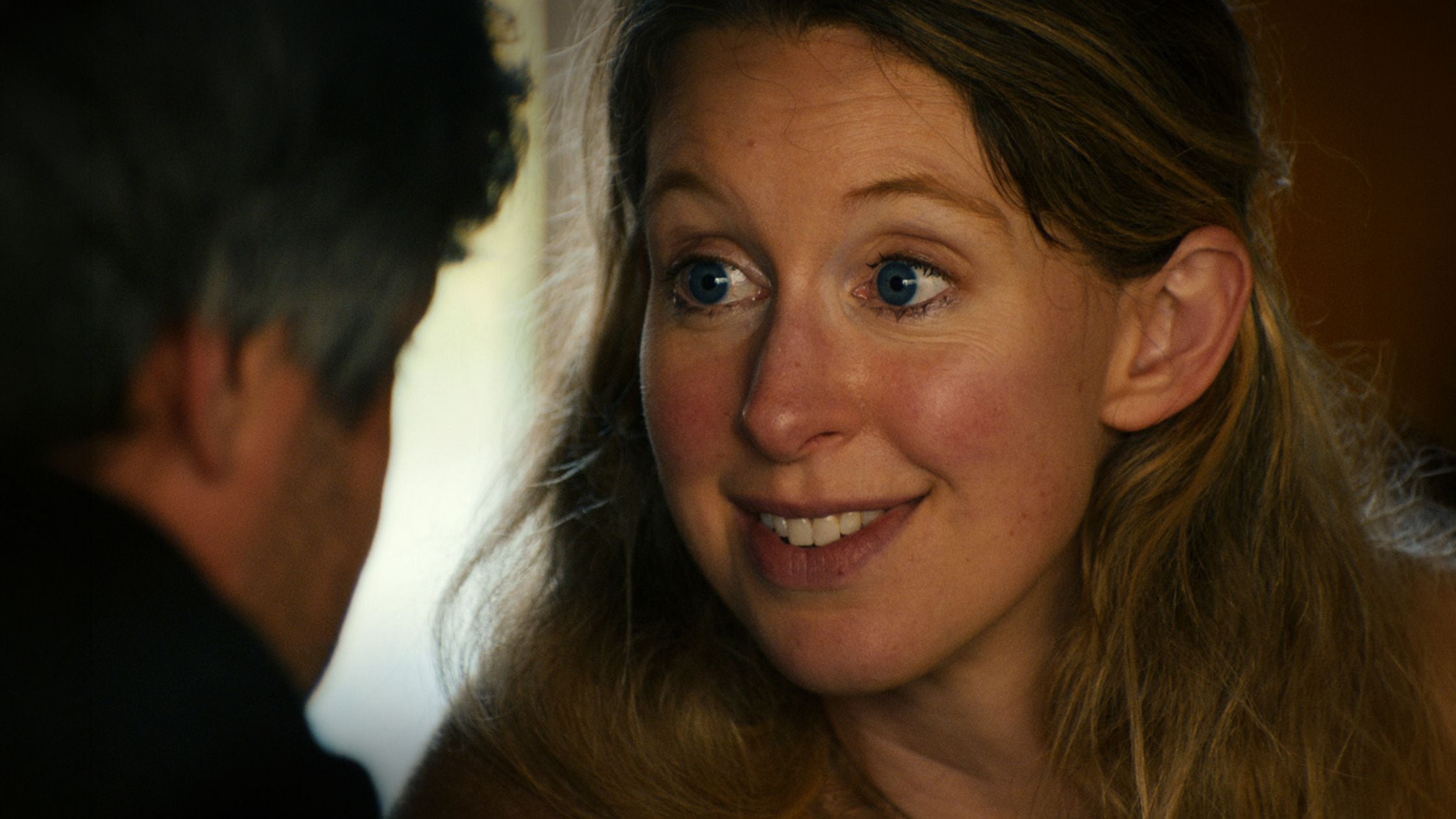
How long has it been since a documentary dominated public conversation, the box office, chats between friends and social media memes? You might have to go back to 2004 and Fahrenheit 9/11, by Michael Moore, or that hybrid (but a film, nonetheless) that blew many minds — The Blair Witch Project in 1999 — to see something similar to what’s happening in the United States surrounding You Can See Everything, this season’s cultural phenomenon.
Is Nathan Fielder interested in making something innovative and great, or does he only really care about making money?
That's technically the question You Can See Everything, the new A24 documentary co-directed by Fielder and Lance Oppenheim,asks about its subject, Elizabeth Holmes, the Theranos founder and convicted fraudster currently in federal prison.
As the documentary progresses, however, it's a question one increasingly asks about Fielder himself.
You Can See Everything was billed as an intimate look at the day-to-day life of Holmes, her romantic partner Billy Evans, and their two children, in the days before she reports for her 11-year prison sentence.
In truth, that only describes the first half of the three-hour-long film, in which Fielder and his camera crews are embedded in Holmes and Evans' cramped San Diego beach house in the month preceding her incarceration.
In part one, we truly do see everything, from Holmes making breakfast for the kids and talking to lawyers about last-minute appeals to Evans showering naked.
All the while, Fielder obsessively explores in his own meta-comedy style a question many have asked about Holmes: Were the lies she told about Theranos' diagnostic machines merely a scam to rip off investors? Or had she actually convinced herself that these falsehoods were at most white lies in the service of a great and revolutionary technology on the cusp of becoming a reality?
Then, after 90 minutes of this exploration, Holmes checks in to prison, and Fielder's primary subject disappears from the film. The focus then shifts to Evans and whether or not he's solely responsible for a new unethical scheme Holmes has found herself enmeshed in.
In a Fielderesque reenactment, it's revealed to the audience that Evans conditioned the documentary's access to him and Holmes on the couple being paid a percentage of the film's profits.
Any ethical documentarian would have to say no to this ask.
Subjects being economically disinterested in the films they're appearing in is what separates real documentaries, which are supposed to accurately portray real life, from fictional films and public relations puff pieces.
Incredibly, however, Fielder, Oppenheim, and A24 eventually agree to Evans' demand for a cut of the film's profits.
Once this crooked bargain is made, You Can See Everything then shifts to exploring whether Holmes was aware that she'd be profiting from the film or whether this was a deal the domineering Evans secured without her knowledge.
Fielder tells us that he believes the answer will shed light on whether Holmes actually sees herself as a world-changing inventor or whether she really is just out for the money.
Fielder eventually makes this point directly to Evans during an on-camera confrontation and in a reenactment of his unfilmed meeting with Holmes in prison. By accepting payment for the documentary, the two are undercutting their case that Holmes is more than a wealth-obsessed fraudster, he tells them.
And by forfeiting their rights to back-end profits, they can make the audience more sympathetic to their case that Holmes did have motivations beyond a paycheck.
As a humble viewer, I confess I found this investigation somewhat boring. For starters, it seemed obvious to me that Holmes was in on the scheme to get paid for the documentary from the beginning.
Moreover, it's all kind of beside the point. Once the deal to pay Evans was inked, the documentary has been irrevocably changed into an elaborate rip-off. The only question remaining is whether the subjects or the audience will be the ultimate sucker.
When Fielder pointedly pushes Evans and Holmes to surrender profits they're contractually entitled to, he's no longer a disinterested filmmaker exploring the couple's psyches. He's an economically interested party pressuring business partners to back out of money they've been contractually promised or else risk extreme embarrassment in the film he's making.
If Fielder fails to convince the couple to surrender their rights, moviegoers are left with the knowledge that a portion of their ticket revenue is benefiting a convicted fraudster.
If the director does succeed in his pressure campaign, it means that there's more profit to go around for the makers of the film.
A documentary about conmen itself becoming a con would not be an uncharacteristic Fielder bit.
His projects frequently feature a deliberate, escalating blurring of the lines between art and reality. See, for instance, the second season of his show The Rehearsal, in which an investigation into airline pilots' mental well-being culminates in Fielder becoming a licensed 737 pilot while waiting on an autism diagnosis.
Something similar can be said for the connection between the themes in the documentary and co-director Oppenheim's recent feature film Primetime about the making of the reality show To Catch a Predator. That movie was also about how TV producers can script reality and invent crimes all for the benefit of a show that's allegedly meant to merely document them.
You Can See Everything pulls off something similar. Its investigation into Holmes' motives leaves one seriously questioning the filmmaker's probity. Perhaps that makes it a genius bit of meta commentary on the unreality of documentaries.
Ultimately, it doesn't really matter. There's no getting around the fact that Fielder made a crooked bargain to get his documentary made and then used his power as a director who did, in fact, see everything to screw people out of money they had been promised.
One can imagine that the victims of Holmes' Theranos scam will find You Can See Everything a frustrating film to watch. At the end of the day, this woman defrauded them of hundreds of millions of dollars. Her precise motives for doing so probably aren't all that interesting to them.
I certainly feel a similar way as a paying viewer of the unethical travesty that is You Can See Everything.

 Login