❌

Reading view

Trump planning a major Iran escalation soon after midterms

US Senator Chris Murphy disclosed on October 28 that he was among the members of Congress recently briefed behind closed doors on the Trump administration’s discussions of a possible post-midterm assault on Iran, and he came away with a startling assessment: “Their plan is insane.” Murphy (D-Conn.), who recently traveled to Gulf countries to survey […]

The post Trump planning a major Iran escalation soon after midterms appeared first on Asia Times.

  •  

Vance outreach to Iran related to medical supplies, says Trump

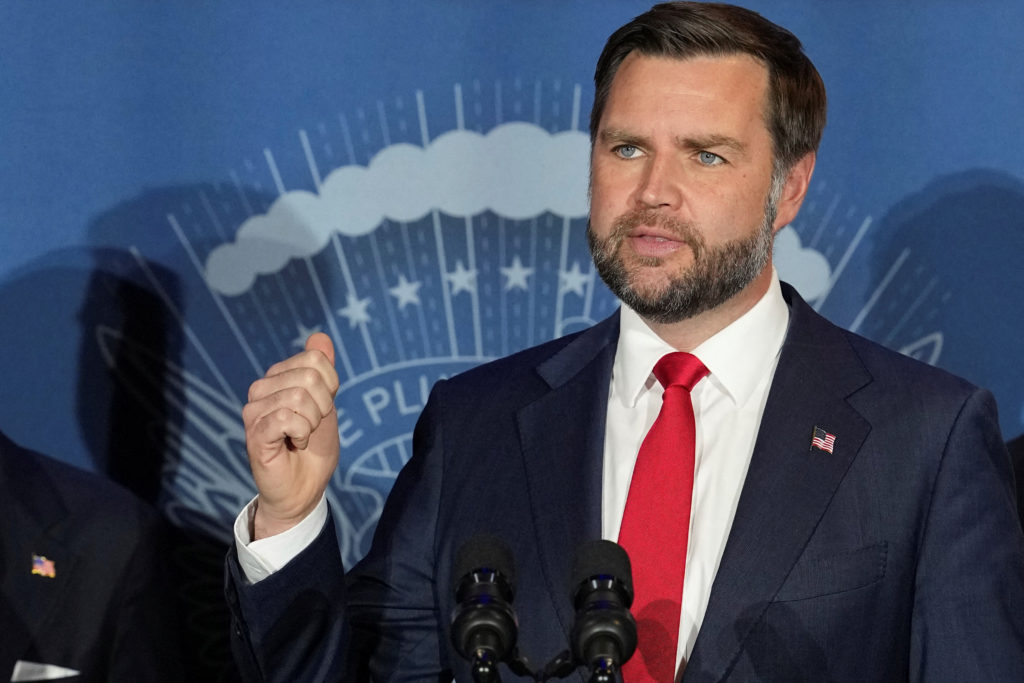
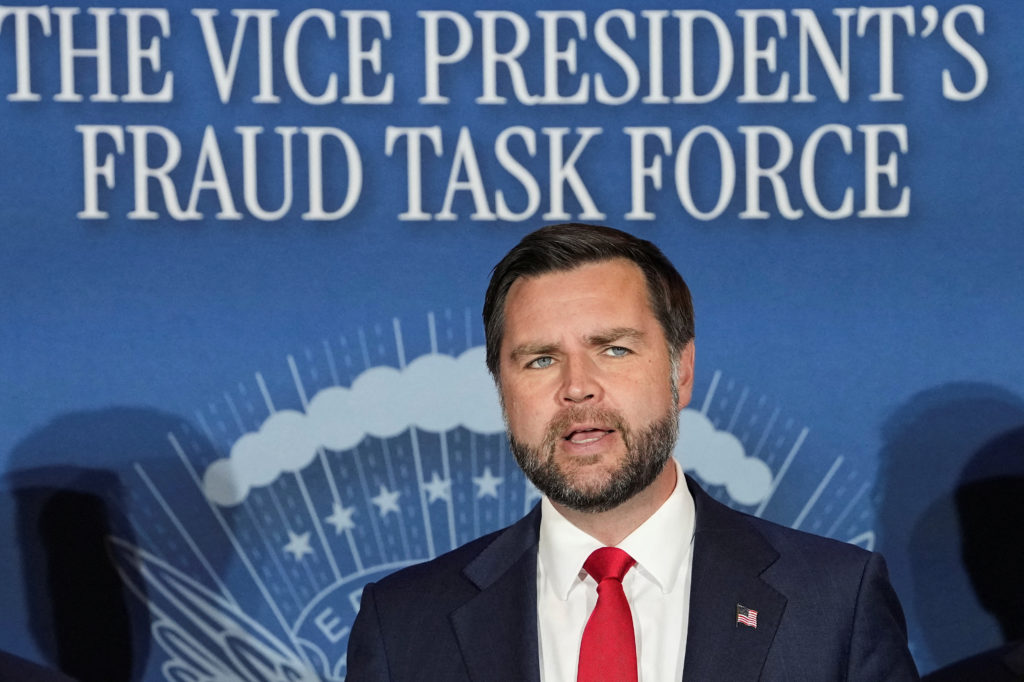
US President Donald Trump said that Vice President JD Vance’s outreach to Iran was about helping the country get medical supplies, after US media reported Vance had written to Tehran’s top security official to revive peace talks.

Iran has received a letter from Vance but it has not responded to it yet, the country’s semi-official Tasnim news agency reported on Thursday, while adding that Tehran wants the US to meet its conditions and “any position that contradicts this framework is unacceptable.”

Also on Thursday, the US military’s senior officer overseeing the Middle East, Admiral Brad Cooper, met Trump at the White House to outline military options in Iran, the Wall Street Journal reported, citing US officials and other people with direct knowledge of the meeting.

Reuters could not immediately independently verify this report.

Vance sent the letter to Iranian Security Council chief Mohsen Rezaei in a bid to revive peace negotiations, the Wall Street Journal and the New York Times reported on Wednesday, citing US officials and people familiar with the matter. Reuters could not immediately verify the reports.

The Wall Street Journal reported that Vance sent the letter at Trump’s direction. When asked by reporters later on Wednesday if he directed Vance to reach out to Iran to restart peace negotiations, Trump said: “No.”

“What that is is they need help with medical supplies and various things. He (Vance) asked me what I thought. I said, if you want to do that, that’s okay. Basically, it’s getting supplies in to help people that are not well,” Trump told reporters.

Iran’s mission to the United Nations in New York did not immediately respond to a request for comment on the letter and Trump’s remark. Vance’s office did not immediately respond to a request for comment.

TEHRAN’S CONDITIONS

Iran’s parliament speaker said on Thursday that Tehran’s conditions had been repeatedly and clearly communicated to mediators and that progress can only be achieved if Iran’s seven conditions are met.

The “carrot-and-stick approach has no effect on Iran,” Mohammad Baqer Qalibaf added.

Conditions Iran says must be met before it will reopen the strategic Strait of Hormuz shipping route include, among other demands, lifting the US blockade on Iranian ports, lifting US sanctions on Iranian oil exports and ending hostilities on all regional fronts.

The United States and Israel launched a war against Iran at the end of February. The US has also since imposed a naval blockade on Iran to starve it of oil export revenue and escalated efforts to economically isolate Iran.

Iran has long blamed US sanctions for hindering civilian access to medical supplies.

In an August letter to the UN Security Council, Iran accused the US of intentionally depriving civilians “of access to food, medicines, medical equipment, energy and other necessities, with grave consequences for their rights to life, health, food and a decent standard of living.”

Qatari mediators presented Iran with a new draft deal on Sunday to end the war, but a senior Iranian official said Doha had only put forward unacceptable ideas that did not amount to an offer.

The war’s impact on global energy costs has also weighed on support for Republican candidates and hurt Trump’s approval ratings ahead of the US midterm elections that decide control of Congress. Trump’s Republican Party holds a narrow majority in both chambers of Congress.

  •  

Vance makes fiery closing pitch for Paxton: ‘Texas is not surrendering a damn thing’

WEATHERFORD, Texas — Vice President delivered a fiery closing pitch for Republican Senate candidate and Texas Attorney General Ken Paxton on Thursday, telling supporters the Lone Star State would not surrender “a damn thing” on Election Day.  “I need you to send a message on November the 3rd that America belongs to those who love…

  •  

JD Vance letter may offer last chance to avert fresh conflict between US and Iran

US vice-president writes to top Iranian security official in sign Washington has not abandoned diplomacy

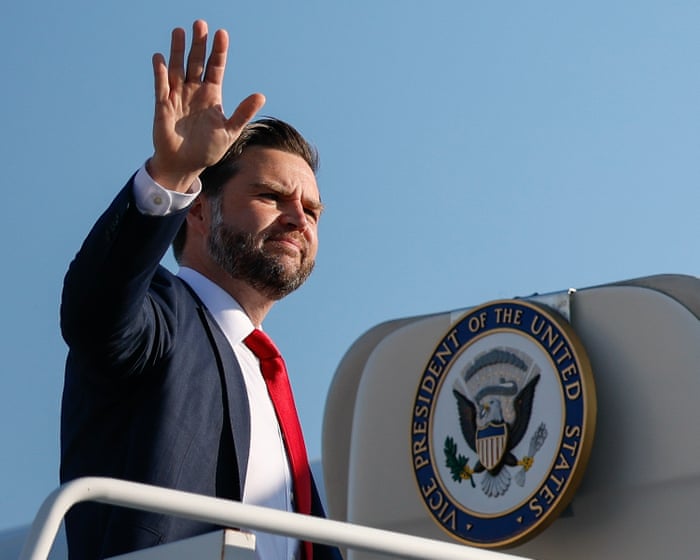
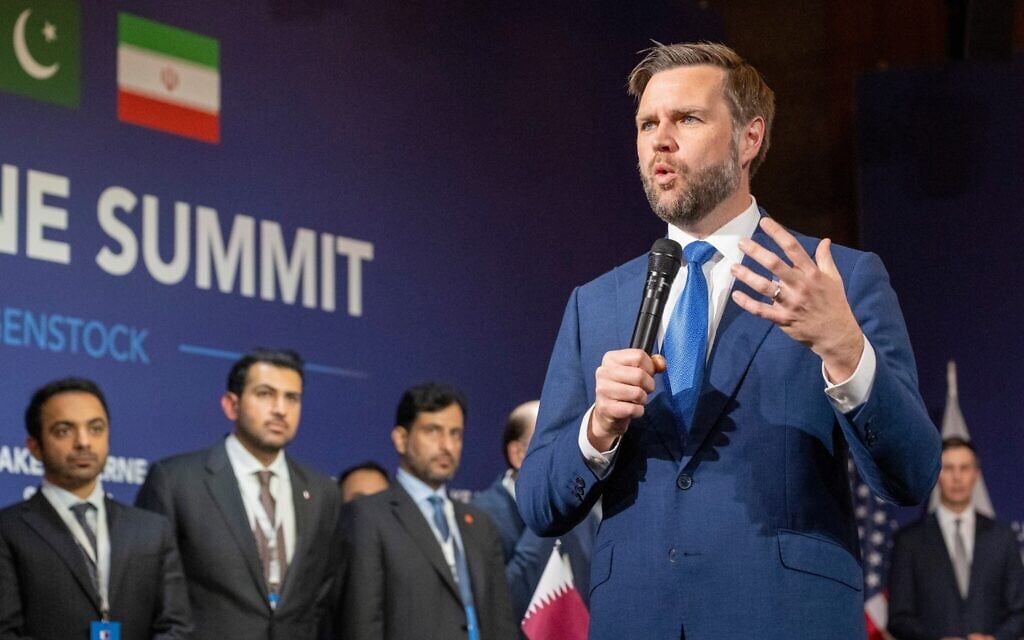
Hopes of averting a major new conflagration between Iran and the US soon after Tuesday’s midterm elections could rest on Iran’s response to a personal letter from the US vice-president, JD Vance, offering to restart diplomacy.

The letter, written after predominantly Qatari mediation, was sent to the secretary of Iran’s supreme national security council, Mohsen Rezaei on Sunday. It requires Tehran to agree to make commitments on its nuclear programme at the start of a process that would lead to the opening of the strait of Hormuz within seven days in return for US sanctions relief.

Continue reading...

© Photograph: Evan Vucci/Pool Reuters/AP

© Photograph: Evan Vucci/Pool Reuters/AP

© Photograph: Evan Vucci/Pool Reuters/AP

  •  

Vice President JD Vance Slams Globalists in Midterm Speech: 'Being an American Means Something'

Vice President JD Vance delivered an impassioned speech in eastern North Carolina on Wednesday, going after globalist leaders who he said have forgotten that being an American means something, connecting his time serving as a young Marine in the state to failed politicians in Washington.

The post Vice President JD Vance Slams Globalists in Midterm Speech: ‘Being an American Means Something’ appeared first on Breitbart.

  •  

Vance reportedly contacted top Iran security official in bid to restart peace talks

VP sends letter to head of Iran's Supreme National Security Council laying out framework for potential negotiations; WSJ says Trump ordered initiative, but US president denies being behind it
  •  

Trump gave Iran a date, not measurable terms

Journalist Charbel A. Antoun argues that President Trump's Iran pause lacks measurable diplomatic goals regarding uranium accounting, inspection access, and shipping protocols, potentially serving as a mere calendar delay rather than true diplomacy.

  •  

Vance Says El-Sayed Lied About Not Being Born in America

Vice President JD Vance said at a Michigan campaign rally that Democrat Senate candidate Abdul El-Sayed lied about being an immigrant from another continent, pointing to the candidate’s past statements about his own origins.

The post Vance Says El-Sayed Lied About Not Being Born in America appeared first on Breitbart.

  •  

Come J.D. Vance sta preparando il terreno per il post-Trump

Vice President JD Vance arrives to speak at a midterm campaign rally at the LevelUp Training Complex in Monroe, Mich., Thursday, Oct. 15, 2026. (Daniel Heuer/Pool Photo via AP)

Prima scena. Il giornalista Mark Halperin chiede a J.D. Vance se, in caso di candidatura alla presidenza nel 2028, potrebbe contare sull’endorsement di Donald Trump. Il vicepresidente sorride: «Direi di sì, ma non lo so, amico mio». Del resto, il sostegno del presidente è fondamentale. E aggiunge che in effetti i due non ne hanno mai parlato. Seconda scena. L’indomani, nello Studio Ovale, Halperin fa la stessa domanda al presidente, gli chiede se è pronto dare l’endorsement al suo vice, e Trump abbozza un complimento, poi dice che non ne hanno parlato, fa il vago, si gira anche verso lo stesso Vance che ricambia con un altro sorriso. Un attimo dopo il vicepresidente perde l’espressione gioviale, si incupisce. Si aspettava una risposta più esauriente. Dal video si può vedere il momento esatto in cui gli si spezza il cuore. Ne era convinto, dovrebbe essere lui il candidato di punta del Partito Repubblicano, l’alfiere del trumpismo dopo Trump. Ma con un capo così, chi può avere delle certezze?

La scena tragicomica è della settimana scorsa e sintetizza bene il problema politico di Vance: è uno dei volti più riconoscibili dell’universo Maga, nonché il favorito per la nomination repubblicana, eppure non può dare per scontato il sostegno di Trump, cioè l’uomo che lo ha portato fin lì. Per diventare il futuro del partito deve dimostrare di poter fare a meno di Trump, senza perderlo.

Il 3 novembre ci sono le elezioni di metà mandato, si vota per rinnovare la Camera e un terzo del Senato. Il clima è sfavorevole ai repubblicani, c’è aria di riscatto dei democratici (ne aveva scritto il direttore Christian Rocca in questo editoriale). L’approvazione di Trump è al livello più basso dei suoi due mandati.

I sondaggi più recenti confermano una tendenza negativa che dura ormai da mesi, su cui pesano il costo della vita, i prezzi dell’energia e la guerra con l’Iran. Butta male per il Partito Repubblicano, e forse per Vance è una brutta notizia solo a metà: in caso di sconfitta, la base Maga ancora fedele a Trump potrebbe stringersi attorno al vicepresidente. Ma il condizionale è d’obbligo.

Vance avrebbe bisogno del sostegno degli elettori che si identificano con Trump e, insieme, di recuperare una parte di quelli che si sono allontanati da lui. Non può permettersi di fare campagna elettorale scaricando il trumpismo e non può nemmeno limitarsi a imitare Trump, rischiando di ereditarne l’impopolarità. Per questo il vicepresidente sta cercando di costruirsi una sua autonomia politica, anche in modi imprevedibili. Di recente ha evitato di appoggiare la candidatura di Benjamin Netanyahu alle elezioni in Israele, limitandosi a una risposta cerchiobottista: «Io sostengo i candidati americani», spiegando di essere concentrato sulle midterm, quindi non ha attaccato Netanyahu né sconfessato Trump che invece lo appoggia apertamente. La cautela è notevole ancor di più perché in primavera Vance aveva fatto campagna in Ungheria per Viktor Orbán. E non risulta un passaporto americano per l’ex autocrate di Budapest.

La successione a Trump non riguarda soltanto chi riceverà l’endorsement del presidente, riguarda soprattutto il tipo di partito che dovrà guidare. Sotto l’etichetta Maga convivono visioni diverse dell’economia, della religione, dello Stato e del ruolo degli Stati Uniti nel mondo. Trump ha potuto rinviare il confronto perché lui tiene tutti sotto la sua ala, fa da collante. Ma nessun altro, almeno per il momento, ha mostrato le stesse capacità.

La prima corrente con cui Vance deve fare i conti è quella dei national conservatives, i conservatori nazionali. Sono quelli che hanno progressivamente superato il vecchio conservatorismo reaganiano – libero mercato globale, interventismo militare – incanalando l’agenda del movimento Maga in una dottrina intellettuale e politica strutturata, ispirandosi anche alle linee nazionaliste promosse da Kevin Roberts, presidente della Heritage Foundation. Tutto fa perno sulla nozione di “Heritage American”, che privilegia chi discende da famiglie presenti nel Paese fin dalle origini.

La conversione cattolica sbandierata nel libro “Communion” avvicina Vance ai postliberali, che a differenza dei nazional-conservatori vogliono uno Stato impegnato a promuovere una visione morale della società. Il Claremont Institute, altra area di riferimento per Vance, punta invece a ridimensionare il potere federale.

Le differenze riemergono anche sui confini del Maga: ad AmericaFest, nel 2025, Vance ha messo in guardia dalle «prove di purezza» ideologica caldeggiate da una parte di mondo repubblicano, mentre la destra americana discuteva se isolare figure come il suprematista Nick Fuentes (di lui avevamo parlato qui), evitando di indicare chi escludere dal movimento. Insomma, tenere unita la coalizione significa convivere con contraddizioni che Trump poteva lasciare irrisolte, ma che il suo successore dovrà prima o poi affrontare.

Una rete attraversa quasi tutte queste correnti ed è decisiva per l’ascesa di Vance: quella di Peter Thiel, il miliardario della tecnologia che ne ha sostenuto la carriera. Il rapporto comincia a Yale nel 2011; attraverso Thiel, Vance incontra il pensiero di René Girard e un ambiente in cui cristianesimo, critica del liberalismo e innovazione tecnologica convivono. Dopo Yale Vance entra nel venture capital: lavora a Mithril Capital e avvia poi Narya Capital. Nel 2022, quando si candida al Senato dell’Ohio, Thiel versa quindici milioni di dollari a un Super Pac che lo sostiene. L’endorsement di Trump completa l’operazione e porta al Senato un uomo che fino a pochi anni prima era conosciuto soprattutto come autore di “Hillbilly Elegy” e critico del trumpismo.

Rispetto a Trump, Vance potrebbe quindi essere ancor più accondiscendente nei confronti degli oligarchi digitali. A settembre, il vicepresidente ha respinto le richieste di una regolamentazione internazionale della sicurezza dell’intelligenza artificiale, sostenendo che le aziende preoccupate dei rischi delle proprie tecnologie dovrebbero fermarne lo sviluppo, anziché chiedere nuove regole. Una posizione motivata anche dalla competizione con la Cina, che rivela però una tensione interna al mondo Maga: come conciliare la difesa dell’industria americana con la diffidenza verso il potere delle grandi imprese?

La politica estera mette a nudo le contraddizioni del Maga, dove convivono nazionalisti contrari alle guerre e sostenitori di un ruolo militare globale. Jonathan Chait sull’Atlantic scriveva a giugno che Vance aveva sconsigliato l’intervento in Iran, ma dopo la decisione ha difeso Trump, ritrovandosi a sostenere una guerra che contraddice la promessa di ridurre gli impegni americani.

Anche l’Ucraina mostra che “America First” non è necessariamente sinonimo di isolazionismo. Vance ha sostenuto la riduzione degli aiuti a Kyjiv, ma si è anche impegnato in prima persona per chiedere a Volodymyr Zelenky di fermare attacchi contro petroliere, impianti di raffinazione e altre infrastrutture critiche – mai alla Russia, ci mancherebbe. Perché va bene l’isolazionismo, ma quando c’è da difendere gli interessi nazionali allora si può derogare ai propri slogan e intervenire.

Vance ha una risorsa che Trump non ha mai posseduto nella stessa misura: una rete di intellettuali, finanziatori e organizzazioni che prova a dare al movimento una struttura e una dottrina. Questo potrebbe far emergere le contraddizioni e le divergenze tra nazional-conservatori, postliberali, ambienti di Claremont e imprenditori tecnologici. Frizioni che Trump è spesso riuscito a tenere sotto controllo, senza risolverle, perché il punto di convergenza era lui. Vance dovrà convincere il partito di poter custodire quell’eredità senza diventare una copia in sedicesimo del suo predecessore.

L'articolo Come J.D. Vance sta preparando il terreno per il post-Trump proviene da Linkiesta.it.

  •  

Vance announces $57M grant boost for meatpacking facilities

Vice President Vance announced Monday that the Agriculture Department is investing millions of dollars in new grants toward meatpacking facilities. He made the announcement while campaigning for Sen. Roger Marshall (R) in Kansas. The vice president said the grants would go toward 10 meatpacking facilities in the state, adding that it “could not have happened…

  •  

Exclusive — White House: Trump’s Energy Infusing Republicans with Midterm Boost

Trump’s relentless campaign schedule in the home stretch before the midterm elections is something the White House says gives Republicans their best shot at emerging victorious.

The post Exclusive — White House: Trump’s Energy Infusing Republicans with Midterm Boost appeared first on Breitbart.

  •  

Attention LaMelo Ball: only losers boast about avoiding diaper duty | Arwa Mahdawi

The basketball star seems proud to leave the job to his partner. That’s so last century

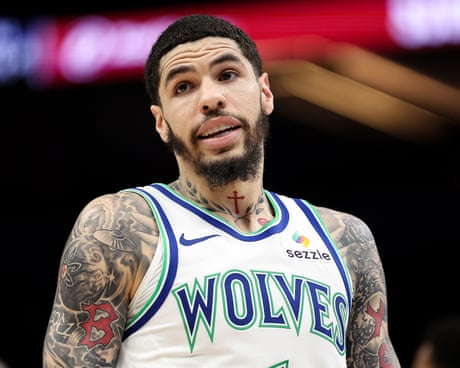
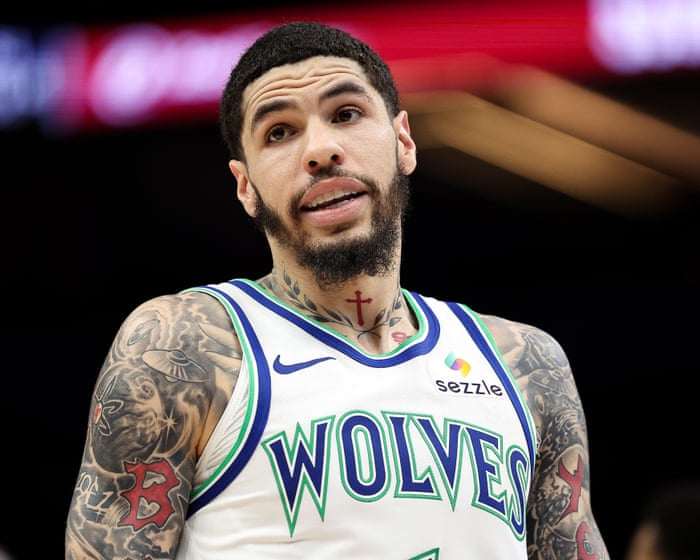
Nobody can accuse the basketball star LaMelo Ball of being bad at his job. That said, the Minnesota Timberwolves point guard doesn’t seem to be a huge fan of dribbling.

Ball has a nine-month-old son, LaOne, with his partner Ana Montana (real name: Analicia Chaves) and is apparently uninterested in dealing with all the body fluids that come with a baby.

Arwa Mahdawi is a Guardian columnist

Continue reading...

© Photograph: Matt Krohn/AP

© Photograph: Matt Krohn/AP

© Photograph: Matt Krohn/AP

  •  

WATCH: Vance says he's 'disgusted' by Republicans 'whining' about Ramaswamy attack ad

In Cincinnati, the vice president said it was "not really my concern" whether the controversial 60-second spot was appropriate, and said he was focused on supporting Republican candidates in their midterm races.

  •  

Tech Billionaires and the New Struggle for Political Power

In his book The Nerd Reich, journalist Gil Durán examines how Silicon Valley’s wealthiest investors are extending their influence over American politics, democratic institutions and national sovereignty. His warnings come amid unprecedented political spending by technology billionaires and growing concern over private control of strategic infrastructure.

Elon Musk has contributed more than $276 million since July to Republican political causes ahead of the United States midterm elections on 3 November. Meanwhile, US Secretary of State Marco Rubio has said decisions over Ukraine’s access to SpaceX satellite communications rest with the company rather than the White House. Both developments demonstrate how private technological and financial resources can influence decisions traditionally associated with government.

For journalist Gil Durán, author of The Nerd Reich: Silicon Valley Fascism and the War on Democracy, published by Avid Reader Press in August 2026, the issue extends beyond campaign donations. In a recent interview, he argued that a group of Silicon Valley investors is using its financial influence and control of technology to challenge the authority of elected governments.

“We’re at a decisive stage of that race,” Durán said when asked about the contest between technology and democracy described by venture capitalist Peter Thiel. His argument is that wealth alone no longer satisfies some of the industry’s most influential figures; they also want a direct role in determining how societies are governed.

The ideological origins of billionaire power

Durán places Thiel at the centre of this movement. In a 2009 essay, The Education of a Libertarian, the PayPal co-founder wrote that he no longer believed freedom and democracy were compatible. He argued that technological innovation could allow individuals to escape the constraints of conventional politics.

Thiel subsequently clarified that he was not advocating disenfranchisement. His stated position was that majority rule often frustrated individual liberty. Durán, however, interprets the essay and Thiel’s subsequent political investments as evidence of a sustained interest in diminishing democratic constraints on private power.

The book also examines The Sovereign Individual, a 1997 work by James Dale Davidson and William Rees-Mogg that anticipated how digital currencies and technological change might weaken the power of nation states. Durán sees its influence in later arguments for privately organised alternatives to traditional government.

One example is The Network State, developed by entrepreneur Balaji Srinivasan. It proposes that online communities could acquire territory and eventually obtain diplomatic recognition. Advocates describe a voluntary model of political organisation; Durán regards the prospect of corporate-financed jurisdictions as a challenge to public accountability.

From venture capital to the White House

The relationship between Thiel and Vice-President JD Vance illustrates how venture capital can translate into political influence. Thiel supported Vance’s early investment career and contributed $15 million to a super PAC backing his successful 2022 Senate bid. Durán attributes much of Vance’s political ascent to that support, although voters, party endorsements and Vance’s own campaigning also shaped the result.

Musk’s latest contributions offer a more immediate example. His donations since July include $158 million to the Senate Leadership Fund and more than $76 million to America PAC. Such spending is lawful under the rules governing independent political committees, which cannot coordinate their expenditure with candidates.

Durán contends that similar pressures affect Democrats, arguing that wealthy donors can exercise influence across party lines. His criticism therefore concerns the political system’s dependence on private funding as much as any particular administration.

Technology as an instrument of strategic power

The consequences extend beyond elections. Ukraine’s dependence on satellite communications has exposed how a privately owned service can become essential to military operations. Restrictions affecting Starlink-related services have prompted competing accounts from US officials and SpaceX over responsibility for the decision. Rubio’s latest remarks point towards commercial control, while earlier reporting attributed the decision to Washington.

Artificial intelligence raises comparable questions of ownership and oversight. Durán argues that investors promoting transformative AI may also seek regulatory conditions that protect their substantial financial commitments. His prediction of a possible investment bubble remains a judgement, not an established outcome.

In Europe, the debate has immediate regulatory consequences. The EU’s Digital Services Act requires major online platforms to assess risks to elections and civic debate, while enforcement of important provisions of the AI Act began in August 2026. These measures address the influence of companies whose platforms and systems operate across borders.

Durán’s interpretation of Silicon Valley as a coherent anti-democratic movement remains contested. The entrepreneurs he discusses have differing interests, and their political influence does not itself establish a common plan to dismantle democratic government.

Their influence is nevertheless measurable in campaign finances, government contracts and control over infrastructure essential to national security. None of these forms of power requires holding elected office.

  •  
❌