❌

Reading view

Maria Corina Machado: Venezuela Will Become U.S.'s 'Greatest Ally' Once It Returns to Democracy

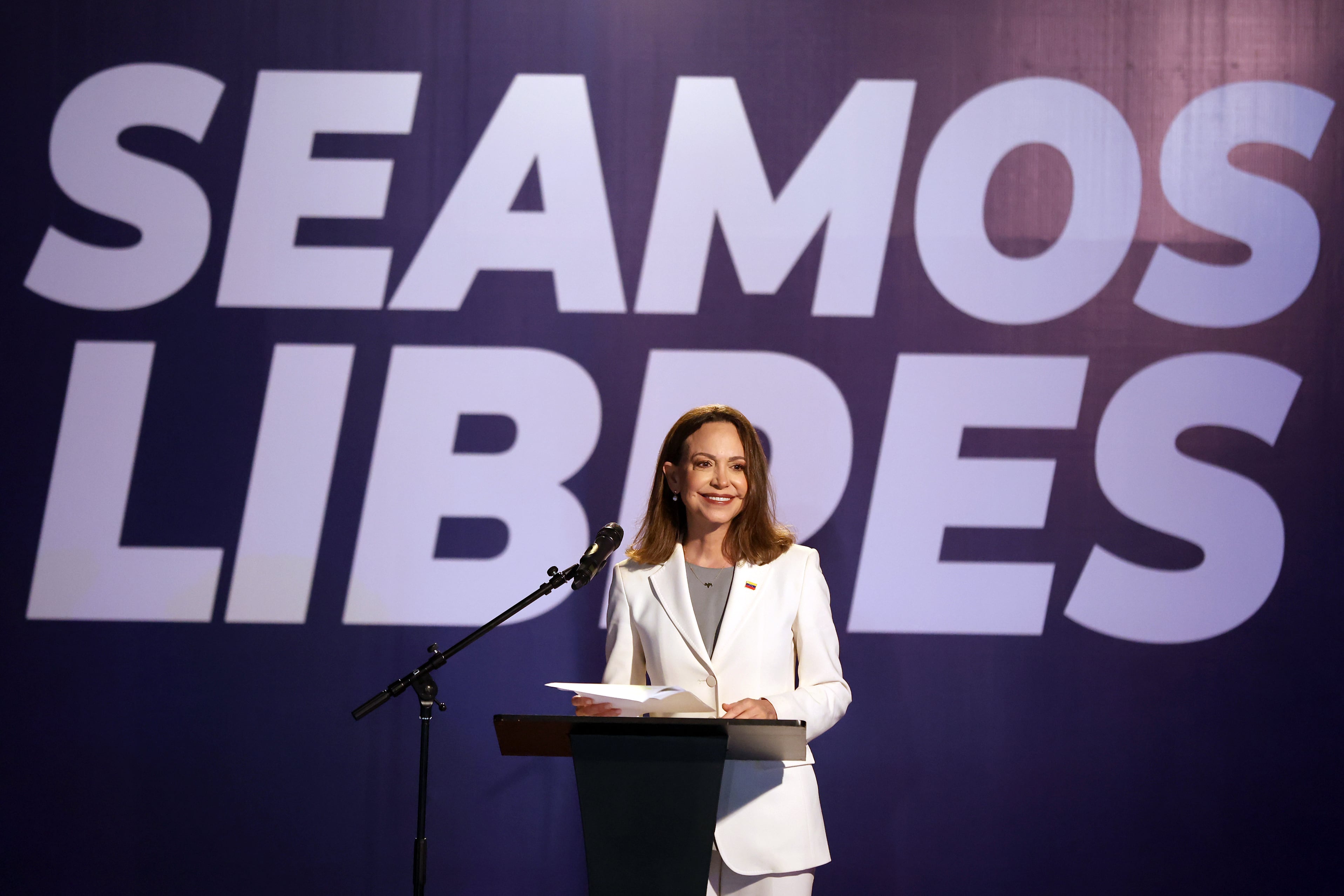
Anti-socialist opposition leader and Nobel Peace Prize winner María Corina Machado on Thursday affirmed that Venezuela will become America's greatest ally in the region once it finishes its transition back to democracy after nearly three decades of socialism.

The post María Corina Machado: Venezuela Will Become U.S.’s ‘Greatest Ally’ Once It Returns to Democracy appeared first on Breitbart.

  •  

EUA propõem eleições na Venezuela para 2027, diz María Corina Machado

A líder da oposição venezuelana, María Corina Machado, afirmou nesta quinta-feira (29) que os Estados Unidos sugeriram que o país realize eleições presidenciais no próximo ano — um cronograma que ela já havia defendido anteriormente.

Essa foi a primeira declaração de peso de Machado desde que retornou ao país, no último fim de semana.

O retorno de Machado à Venezuela traz o risco de tensionar suas relações com a administração do presidente dos EUA, Donald Trump, cuja gestão esteve envolvida na operação que resultou na captura do ditador Nicolás Maduro, em janeiro. Maduro enfrenta acusações nos EUA por tráfico de drogas e tortura — alegações que ele nega.

Leia Mais:

Washington declarou que Machado — que já foi indicada ao Prêmio Nobel da Paz — tem todo o direito de estar na Venezuela; contudo, Trump também elogiou a presidente interina, Delcy Rodríguez.

A administração Trump apoia negociações entre o governo de Rodríguez e grupos de oposição — das quais o movimento “Vente Venezuela”, de Machado, não participa — visando a uma reestruturação do Conselho Nacional Eleitoral e da Suprema Corte da Venezuela antes do próximo pleito.

Machado agradeceu a Trump e ao secretário de Estado dos EUA, Marco Rubio, pelo papel que desempenharam na destituição de Maduro, ressaltando que a relação entre os dois países baseia-se no respeito mútuo e atende aos interesses de ambas as nações.

“O secretário de Estado Marco Rubio estabeleceu uma sequência de etapas para avançar rumo a uma transição democrática, deixando claro que eleições presidenciais serão realizadas em 2027″, afirmou Machado, acrescentando que trabalhará para garantir que todos os venezuelanos aptos a votar possam exercer seu direito em qualquer eleição futura.

O Departamento de Estado dos EUA não respondeu prontamente a um pedido de comentário.

Anteriormente, Rubio havia manifestado a expectativa de que Machado apoiasse as negociações.

Em uma coletiva de imprensa em Caracas, Machado evitou responder a perguntas sobre declarações feitas por Trump — em janeiro, quando ele disse que ela não teria apoio suficiente para liderar a Venezuela de imediato; e nesta semana, quando sugeriu que a Venezuela poderia se tornar o 51º estado americano.

Há anos, Machado cultiva uma relação com Trump, tratando-o como um aliado.

A líder opositora acrescentou que viu com bons olhos o fato de Rodríguez — em declarações feitas mais cedo naquele dia — também ter defendido a realização de eleições.

Ela ressaltou que aqueles que auxiliarem o país em sua transição de volta à democracia precisarão de garantias. Machado defendeu a necessidade de um processo de justiça de transição, a criação de uma comissão da verdade e uma reestruturação das forças de segurança estatais.

Machado, de 59 anos, retornou à Venezuela no domingo (25), após várias tentativas frustradas ao longo deste ano. Ela foi impedida de concorrer na eleição de 2024, mas seu representante obteve uma vitória expressiva, segundo a contagem de votos apresentada pela oposição na ocasião. As instituições venezuelanas, contudo, apoiaram Maduro.

Alterações em contratos

A Venezuela precisa de contratos transparentes, licitações abertas para projetos públicos e arbitragem internacional, a fim de garantir que tanto os investidores quanto o povo venezuelano obtenham o máximo proveito de futuros investimentos, afirmou Machado.

O governo interino de Rodríguez firmou acordos com diversas empresas interessadas nos setores de petróleo, gás e mineração, com o apoio dos Estados Unidos. Entre eles, destaca-se um acordo entre a norte-americana Blue Energy Partners e o governo dos EUA para a exportação da produção proveniente de 17 campos venezuelanos.

Machado declarou que o contrato da NABEP (Blue Energy Partners) — ​​o qual ela não chegou a examinar — “evidentemente não reflete os níveis de transparência que a sociedade venezuelana deseja”, especialmente devido à figura do CEO da empresa, Alejandro Betancourt. Betancourt já foi alvo de investigações nos Estados Unidos, na Espanha e na Suíça — inclusive por lavagem de dinheiro —, embora nunca tenha sido formalmente denunciado.

“Quero enfatizar, para todos os investidores que hoje analisam a Venezuela, ou que entraram no país recentemente: todo contrato assinado legalmente será respeitado”, disse Machado, acrescentando que alguns contratos poderão ser “ajustados a novas condições que apresentaremos, as quais serão muito mais vantajosas”.

O país necessita de um acordo com o FMI (Fundo Monetário Internacional) para definir como administrará sua enorme carga de dívidas e atenderá às necessidades humanitárias urgentes, afirmou Machado.

Prisioneiros políticos

Machado — que viveu na clandestinidade por mais de um ano antes de deixar o país, período durante o qual muitos de seus colaboradores próximos foram detidos — ressaltou que a libertação dos prisioneiros políticos é fundamental para a restauração da democracia.

Há anos, a oposição venezuelana e grupos de defesa dos direitos humanos denunciam que o governo utiliza detenções para suprimir a dissidência. O governo, por sua vez, nega a existência de prisioneiros políticos.

Segundo a organização jurídica Foro Penal, 322 prisioneiros políticos encontram-se encarcerados na Venezuela; mais da metade deles sequer foi condenada. Cerca de 11 mil pessoas estão submetidas a outras restrições, como a prisão domiciliar.

A Foro Penal tem como foco garantir “a destruição do aparato repressivo” — especialmente no que diz respeito à nova alta corte —, a libertação imediata e integral de presos políticos, a revogação de leis repressivas e a criação de uma eventual comissão da verdade, afirmou à Reuters, nesta semana, o vice-presidente da organização, Gonzalo Himiob.

Rodríguez declarou, ainda nesta quinta-feira, que mais de 9 mil pessoas foram libertadas ou tiveram restrições legais removidas no âmbito de uma lei de anistia limitada.

Na segunda-feira (26), Machado visitou seu advogado, Perkins Rocha, que foi detido após a votação de 2024 e mantido por 18 meses no Helicoide, em Caracas — local onde, segundo defensores e ex-detentos, ocorrem atos de tortura. Rocha permanece em prisão domiciliar e teve seu pedido de anistia rejeitado.

Entenda por que os EUA estão interessados ​​no petróleo da Venezuela

  •  

Judge Overseeing Nicolas Maduro Drug Trafficking Case Dies at 92

U.S. District Judge Alvin Hellerstein, who was overseeing the case against Venezuela's deposed socialist dictator Nicolás Maduro in Manhattan, died on Wednesday, Chief Judge Laura Taylor Swain announced.

The post Judge Overseeing Nicolás Maduro Drug Trafficking Case Dies at 92 appeared first on Breitbart.

  •  

María Corina Machado, en sus primeras declaraciones desde su regreso a Venezuela: “La transición democrática es irreversible”

La líder de la oposición venezolana María Corina Machado ha afirmado este jueves en sus primeras declaraciones desde que regresó al país de que en en su país no se repetirá la represión contra la población. “En Venezuela habrá memoria, justicia y reparación. Y, sobre todo, no repetición. Nunca jamás un venezolano sufrirá el terrorismo de Estado”, prometió. También afirmó de que, según el plan diseñado por el secretario de Estado estadounidense Marco Rubio, habrá elecciones en 2027. “La transición democrática es irreversible y será organizada, pacífica y atenderá la urgencia de un país que está sufriendo enormemente”, afirmó Machado.

Seguir leyendo

💾

© Reuters

María Corina Machado, este jueves en Caracas.
  •  

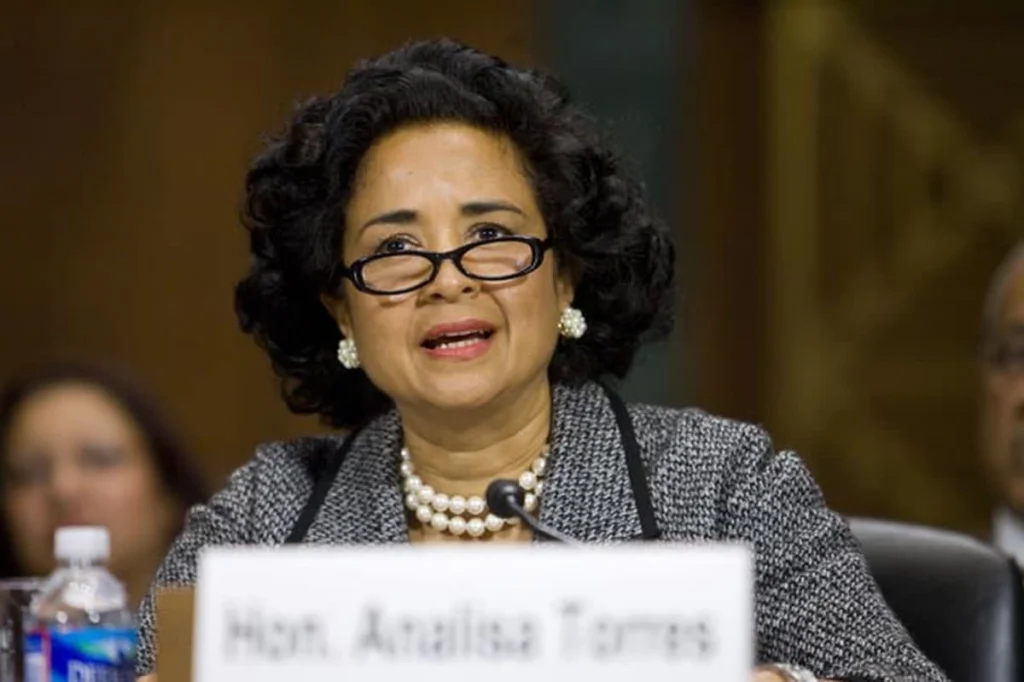
Judge Analisa Torres Takes Over President Nicolás Maduro Case

The U.S. judicial case against Venezuelan President Nicolás Maduro was assigned this Wednesday to Federal Judge Analisa Torres, following the death of Judge Alvin K. Hellerstein, who had overseen the proceedings since March 2020. The reassignment was formalized in the records of the U.S. District Court for the Southern District of New York.

RELATED:

US Federal Court Authorizes Use of Venezuelan Funds for Legal Defense of Nicolás Maduro and Cilia Flores

The transition occurred through an administrative procedure used to reassign cases previously handled by judges who are no longer active due to retirement or death. Judge Hellerstein passed away this Wednesday at the age of 92 from natural causes, as confirmed by a court spokesperson. He had served for nearly three decades, presiding over cases that garnered significant media and legal attention.

Analisa Torres became a judge for the Southern District of New York in 2013, having been appointed by then-President Barack Obama. Born in New York in 1959, she has presided over complex civil, criminal, and regulatory litigation throughout her tenure on the federal bench.

Torres graduated with honors from Harvard University and earned her law degree from Columbia Law School. Before joining the federal court, she worked in private practice and served for nearly ten years on the New York State Supreme Court, in addition to holding positions within the city’s civil and criminal court systems. She comes from a family of legal professionals with Puerto Rican roots.

Status of the Judicial Proceedings

Judge Hellerstein had presided over the case since its inception in March 2020, when Washington filed initial drug-trafficking charges against the Venezuelan president. The next hearing is scheduled for December 17 and will focus on claims of sovereign immunity raised by the defense. The trial is set for June 14, 2027, alongside the proceedings against lawmaker Cilia Flores.

On October 15, Nicolás Maduro and Cilia Flores pleaded not guilty before Judge Hellerstein—who was presiding at the time—during a hearing in New York, following the addition of new charges by the U.S. Prosecutor’s Office.

According to a teleSUR correspondent, the president Maduro stated that he had read the indictment in its entirety and rejected it, dismissing it as a collection of false and mendacious accusations that were already known. He reiterated his innocence, while Flores declared: “I am completely innocent; I am not guilty.”

During the proceeding, the judge granted a joint request from the prosecution and the defense to postpone the start of the trial by two weeks, allowing more time for the preparation and filing of pretrial motions. As a result of the hearing, the trial was rescheduled for June 14, 2027.

Russian Foreign Minister Sergey Lavrov demanded the immediate release of President Nicolas Maduro and his wife, denouncing their imprisonment in the U.S. without trial. He also condemned the attacks against Iran’s Supreme Leader, Ayatollah Ali Khamenei, and warned of the serious… pic.twitter.com/l7WI0wOKHt

— teleSUR English (@telesurenglish) September 26, 2026

Case Chronology

January 3, 2026: Following bombings in Caracas and other cities, U.S. special forces kidnapping President Nicolás Maduro and Cilia Flores in the Venezuelan capital and transported them to the United States. The operation resulted in over a hundred deaths and a similar number of injuries. The then-Executive Vice President, Delcy Rodríguez, assumed acting president role.

January 5: Both individuals made their initial appearance in New York, pleaded not guilty, and were placed in custody at the Metropolitan Detention Center in Brooklyn.

July: The prosecution and the defense agreed that the trial would begin on June 1, 2027, with a pretrial hearing scheduled for November 17.

September 9: Cilia Flores’s defense team requested release on bail and house arrest. The judge ordered that medical records remain under seal. September 25: Assistant Prosecutor Jason A. Richman resigned.

October 8: Hellerstein denied the request for bail for Flores. That same day, the prosecution filed a new indictment.

October 15: A hearing was held in which new charges—conspiracy to commit torture—were presented. Maduro and Flores pleaded not guilty, and the trial was rescheduled.

October 29: The case file was reassigned to Judge Analisa Torres following the passing of Hellerstein.

The aggression against Venezuela and the kidnapping of President Maduro and Deputy Flores have drawn condemnation and sparked demonstrations in various parts of the world. Hundreds of protesters have gathered in the vicinity of the Southern District Court in Manhattan during the hearings to express solidarity with the accused and to denounce the warmongering and interference of the White House.

  •  

Federal judge in charge of Nicolás Maduro’s US trial dies

Federal Judge Alvin K. Hellerstein, who was presiding over the trial of former Venezuelan president Nicolás Maduro in the United States, died Wednesday at the age of 92, according to The New York Times. It is not immediately clear who will replace Hellerstein in the high-profile case, which is scheduled to begin on June 14.

Seguir leyendo

© Jane Rosenberg (AP)

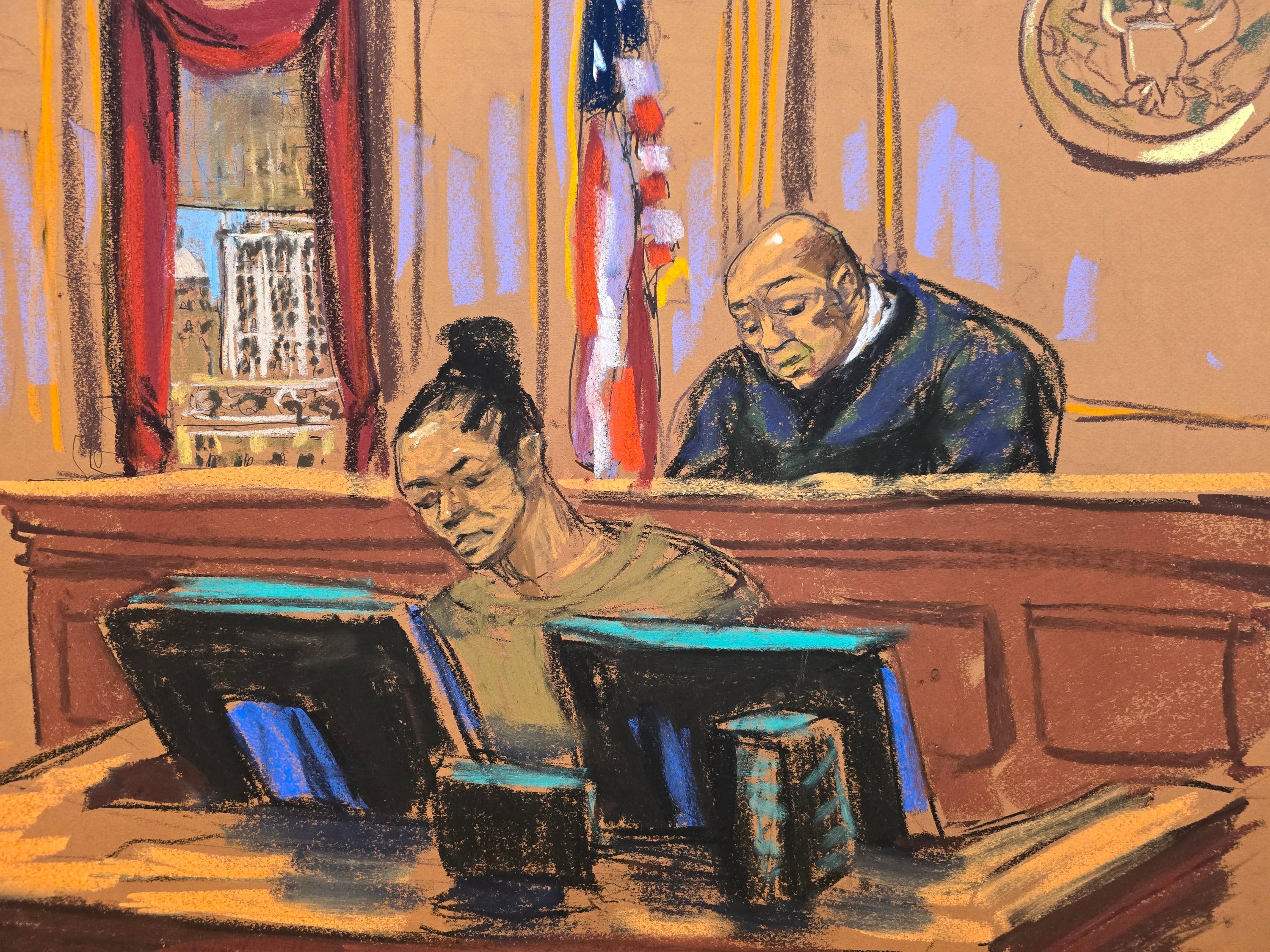
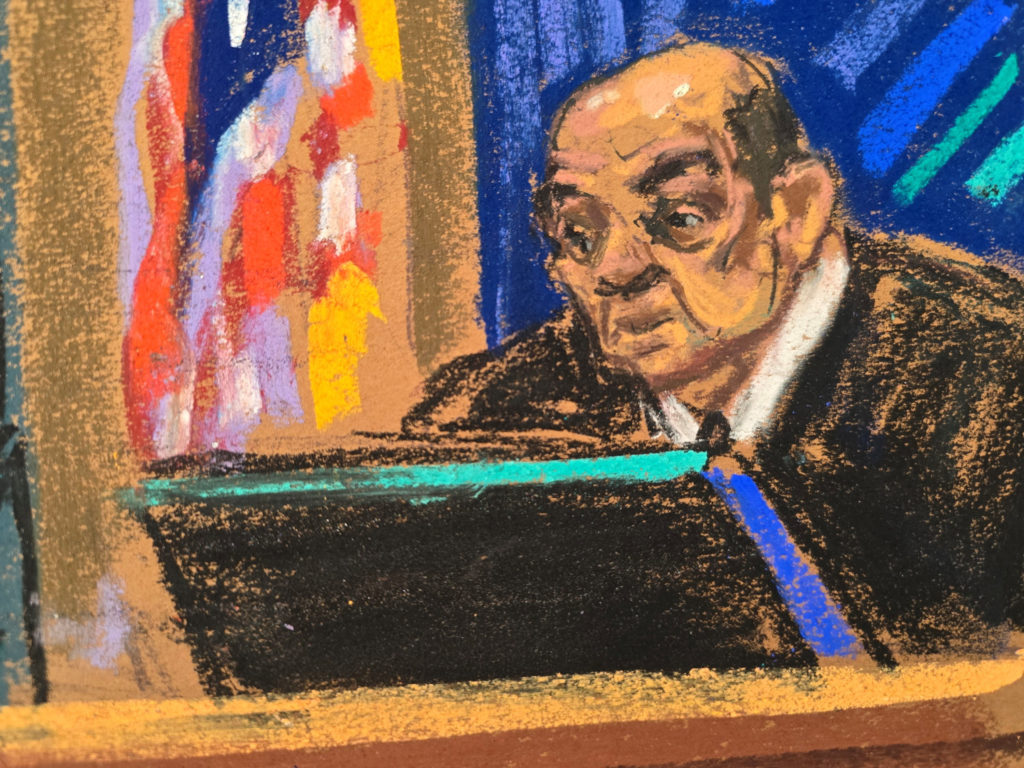
Alvin K. Hellerstein, at right, in a courtroom sketch in New York on July 22.
  •  

Jueza Analisa Torres asume caso del presidente de Venezuela Nicolás Maduro tras muerte de Hellerstein

Tras el deceso del veterano juez Hellerstein, la experimentada magistrada federal Analisa Torres toma el control del caso contra el mandatario venezolano, en la antesala de una crucial audiencia sobre inmunidad soberana.
  •  

New Judge Named in President Maduro’s Trial After Hellerstein Death

(FILE) Judge Analisa Torres has taken over the case against Venezuelan President Nicolas Maduro following the death of Alvin K. Hellerstein. Photo: Forbes.

U.S. federal judge Alvin K. Hellerstein, who presided over the criminal case against Venezuelan President Nicolas Maduro and his wife Cilia Flores, died Wednesday at the age of 92, and his pending cases will pass to another judge.


Alvin K. Hellerstein died Wednesday at 92 of natural causes after nearly three decades presiding over high-profile matters. He had led the penal process against President Maduro and Cilia Flores since the two were kidnapped on January 3 during a U.S. military incursion into Venezuelan territory.

Ed Friedland, administrative director of the Federal Court for the Southern District of New York, confirmed the death.

RELATED: Global Manifesto Demands Immediate Freedom for President Maduro and Cilia Flores

Hellerstein held the role for nearly three decades. He was appointed in 1998 by then U.S President Bill Clinton to the Southern District of New York, considered one of the most significant federal tribunals in United States.

BDE: Longtime Manhattan federal Judge Alvin Hellerstein, an Orthodox Jew appointed by President Clinton in 1998, has died at 92, according to a court spokesperson. He was overseeing the prosecution of deposed Venezuelan leader Nicolás Maduro. pic.twitter.com/w0nHyrcwc2

— KolHaolam (@KolHaolam) October 28, 2026

A New Judge

The federal case against Venezuelan President Nicolas Maduro has a new judge. Analisa Torres will preside over the Southern District of New York proceedings after the death of Alvin K. Hellerstein, court records confirmed Wednesday.

The tribunal posted a document covering the reassignment of matters “previously assigned to judges no longer serving due to retirement or death.” The notice names Torres as the magistrate now handling the file.

The court’s standard procedure produced the transition. A docket left by a deceased judge passes to a colleague, assigned without public choice. The reassignment document makes no special provision for the President Maduro file, treating it like every other pending matter.

Analisa Torres was born in New York in 1959. She reached the federal bench in 2013 by appointment of President Barack Obama, and she has since presided over a wide range of civil, criminal, and regulatory matters.

Her path runs deep in the law. Descended from a family of Puerto Rican judges, she graduated with honors from Harvard, earned her doctorate at Columbia Law School, and worked in private firms before entering the courts. Before her federal appointment she sat for almost a decade on the New York State Supreme Court. Earlier she served on the city’s civil and criminal benches.

New judge on the Maduro case is Analisa Torres, a Barack Obama appointee who took the bench in 2013. https://t.co/y37dLBuXia pic.twitter.com/YmbF6pAm7A

— Erik Uebelacker (@Uebey) October 28, 2026

June Trial Still Scheduled

The trial against the Venezuelan President and his wife remains set for June 14, 2027. The judge’s death did not alter that date, and the schedule already fixed by the court holds.

On October 15, President Maduro and Flores appeared at a judicial hearing in New York after prosecutors tightened the accusations against them. The two listened to the arguments and pleaded “not guilty” to the new charges of alleged conspiracy to commit torture brought by the U.S. Attorney’s office.

That same day Hellerstein accepted a request presented by both the prosecution and the defense to postpone the start of the trial by two weeks. The extra time allows both sides to present pretrial motions.

The next hearing was programmed for December 17. On that date the defense will argue its motions to dismiss the case. The outcome of those arguments could reshape the proceeding before it reaches a jury. President Maduro’s lawyers affirmed that sovereign immunity shields the President from prosecution in a foreign court.

Hellerstein’s career extended far beyond this single file. Over nearly three decades on the federal bench he supervised a wide variety of matters, including the litigation tied to the September 11 attacks.

That new judge will inherit the pretrial motions, the pending defense requests, and the responsibility of presiding over a trial that involves a sitting head of State and his spouse.

Venezuelan authorities have characterized the detention of President Nicolas Maduro and Cilia Flores as a kidnapping carried out during a military incursion into sovereign territory. The December 17 hearing stands as the next concrete step in a process scheduled to stretch into mid 2027.

  •  

Alvin Hellerstein, federal judge who handled cases on Trump, Maduro and 9/11, dies at 92

Just two weeks ago, Hellerstein presided over the arraignment of former Venezuelan President Nicolás Maduro and Maduro's wife, Cilia Flores, on torture charges that were added to their ongoing narco-terrorism conspiracy case.

  •  

Morre juiz dos EUA que era responsável pelo julgamento de Maduro e esposa

Alvin Hellerstein, o juiz federal dos Estados Unidos que estava supervisionando o julgamento de Nicolás Maduro desde sua captura pelas forças norte-americanas em janeiro, faleceu nesta quarta-feira (28), aos 92 anos.

Um porta-voz do Tribunal Distrital dos Estados Unidos para o Distrito Sul de Nova York confirmou a morte e informou que os casos que estavam sob a responsabilidade de Hellerstein serão redistribuídos de forma aleatória.

O juiz presidiu inúmeros casos de grande repercussão ao longo de seus quase 30 anos na magistratura.

Há duas semanas, Hellerstein supervisionou uma audiência do ditador deposto da Venezuela, Nicolás Maduro, e da então primeira-dama, Cilia Flore, acusados ​​de torturar cidadãos norte-americanos e outras pessoas com o objetivo de se manterem no poder, acusações que eles refutam.

Durante a audiência, o juiz interrompeu Maduro, que, em vez de responder se se declarava culpado ou inocente das acusações, começou a proferir um discurso a respeito das denúncias.

Juiz comandou casos de grande repercussão nos EUA

Hellerstein foi nomeado juiz em 1998 pelo presidente Bill Clinton.

Em 2011, passou para a categoria de juiz com status de sênior (juiz em situação de aposentadoria parcial), o que implicava uma carga de trabalho reduzida. No entanto, isso não impediu que alguns dos casos de maior repercussão na mídia caíssem em suas mãos.

Em agosto, Hellerstein rejeitou uma tentativa do presidente Donald Trump de transferir para a esfera federal o processo judicial estadual contra ele, relacionado a pagamentos feitos a uma estrela de filmes adultos para comprar seu silêncio.

O juiz determinou que esses pagamentos e reembolsos — que levaram à condenação de Trump por 34 acusações estaduais de falsificação de registros comerciais — não constituíam atos oficiais. Trump recorreu da decisão.

Além disso, ele interveio para ordenar a libertação de Michael Cohen, que foi adversário de Trump, permitindo que cumprisse o restante de sua pena em prisão domiciliar, após concluir que a administração havia tomado represálias contra o ex-advogado pessoal de Trump devido à publicação de um livro revelador.

O juiz também presidiu os litígios sobre as indenizações destinadas às equipes de resposta a emergências e a outras pessoas afetadas pelos atentados de 11 de setembro.

Quem é Nicolás Maduro, ditador da Venezuela


  •  

Fallece el juez federal que supervisaba el juicio de Nicolás Maduro en Estados Unidos

El juez federal Alvin K. Hellerstein, que supervisaba el juicio del exmandatario venezolano Nicolás Maduro en Estados Unidos, falleció el miércoles a los 92 años, según informó The New York Times. No está claro de inmediato quién va a reemplazar a Hellerstein en el caso de alto perfil que está previsto que comience el próximo 14 de junio.

Seguir leyendo

© Owen Hoffmann (Getty Images)

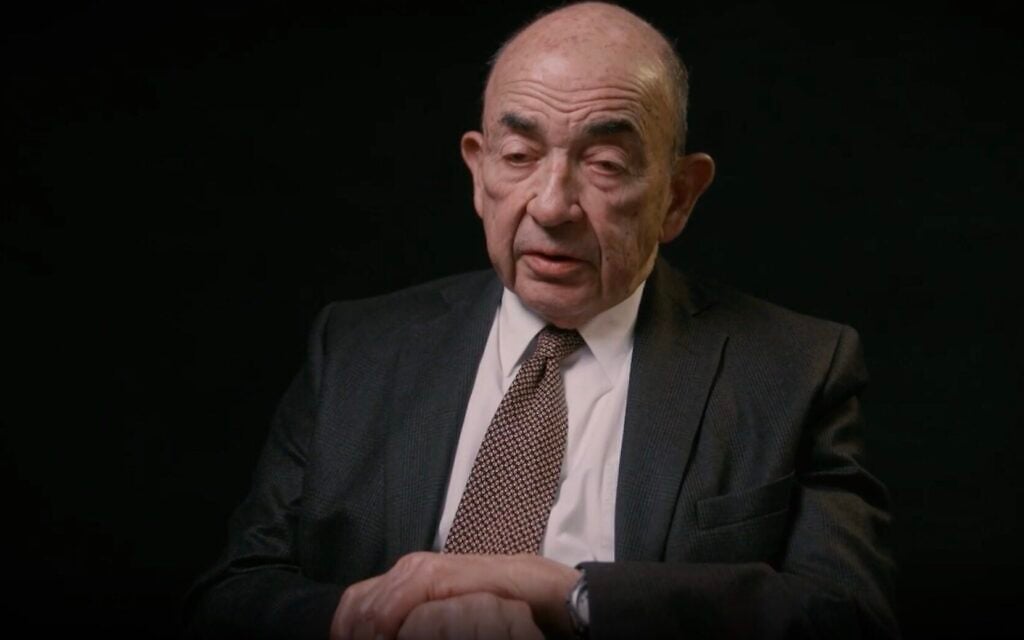
Alvin Hellerstein en Nueva York, en 2019.
  •  

Rubio diz que sistema eleitoral da Venezuela precisa ser substituído

O secretário de Estado dos Estados Unidos, Marco Rubio, afirmou nesta segunda-feira (26) que a infraestrutura eleitoral da Venezuela foi projetada para fraudar eleições e, portanto, precisa ser substituída rapidamente antes que uma eleição válida possa ser realizada.

A declaração de Rubio vem um dia após a líder da oposição, María Corina Machado, retornar à Venezuela — sua primeira volta ao país desde que os EUA capturaram Nicolás Maduro em janeiro.

Segundo um oficial do Departamento de Estado americano, os EUA acreditam que as negociações em curso entre o governo interino em Caracas e políticos da oposição devem resultar na instalação de um novo Tribunal Supremo de Justiça até o final deste ano, seguida pela criação de um novo conselho eleitoral.

“Acredito que estamos fazendo um progresso real nesse sentido”, declarou Rubio, que tem atuado como o principal interlocutor do presidente dos EUA, Donald Trump, para assuntos relacionados à Venezuela. “Mas, se alguém tentar sabotar esse processo, estará causando um grande dano à Venezuela”, continuou.

“O governo de Maduro estruturou o sistema eleitoral do país para fraudar pleitos; por isso, ele precisa ser alterado rapidamente”, acrescentou Rubio.

No entanto, Rubio evitou estabelecer uma data específica para a realização de eleições. María Corina Machado defendeu que o pleito ocorra até meados de 2027, embora Trump tenha declarado anteriormente que, em sua visão, a Venezuela ainda não estaria preparada para uma votação em nível nacional.

Questionado sobre as críticas de Machado a um acordo petrolífero firmado entre Trump e os governantes interinos, Rubio insistiu que o acordo era benéfico para ambos os países, ressaltando, contudo, que ela tem o direito de expressar sua opinião sobre o assunto.

Trump manifestou, por diversas vezes, apoio a Delcy Rodríguez — que foi vice de Maduro e agora é presidente interina — e celebrou acordos envolvendo a produção de petróleo e outros empreendimentos comerciais de empresas norte-americanas no país sul-americano.

Saiba quem é Delcy Rodríguez, presidente interina da Venezuela

  •  

María Corina Machado returns to Venezuela

After nearly 10 months abroad, María Corina Machado, the anti-Chavista opposition leader and Nobel Peace Prize laureate, has returned to Venezuela. “I am here, with you,” the opposition figure wrote on social media on Sunday morning.

Seguir leyendo

© Vente Venezuela (EFE)

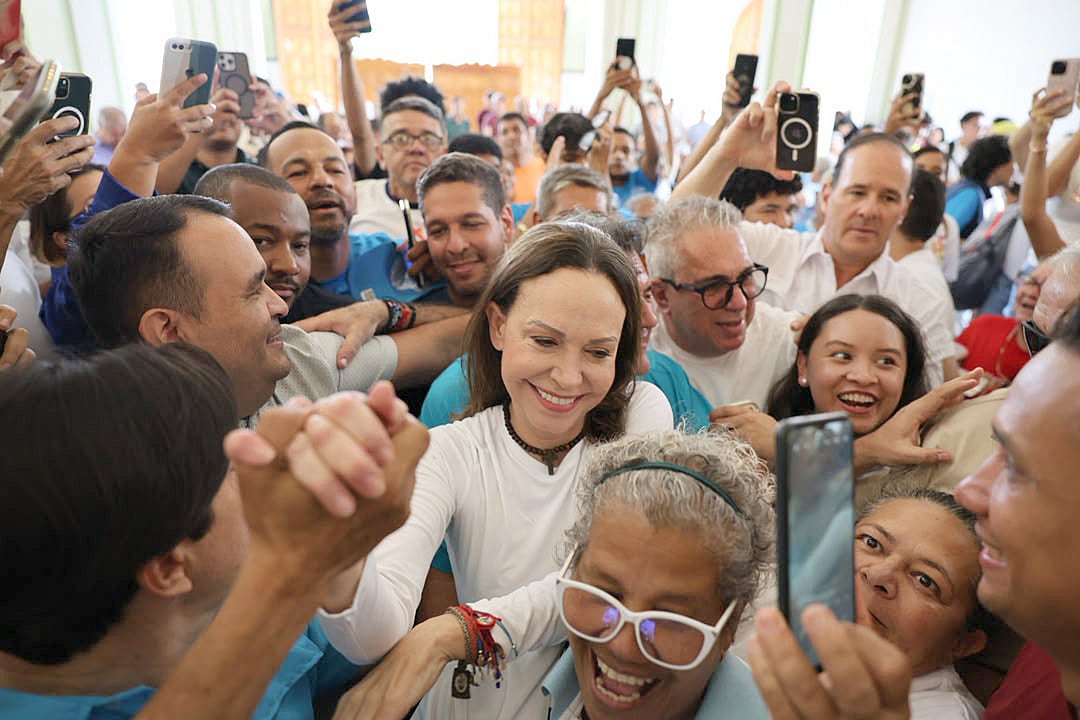
Supporters welcome María Corina Machado this Sunday at the Divina Pastora Shrine in Barquisimeto, Venezuela.
  •  

Venezuelan women continue to have secret abortions as Colombia threatens to close its borders to them

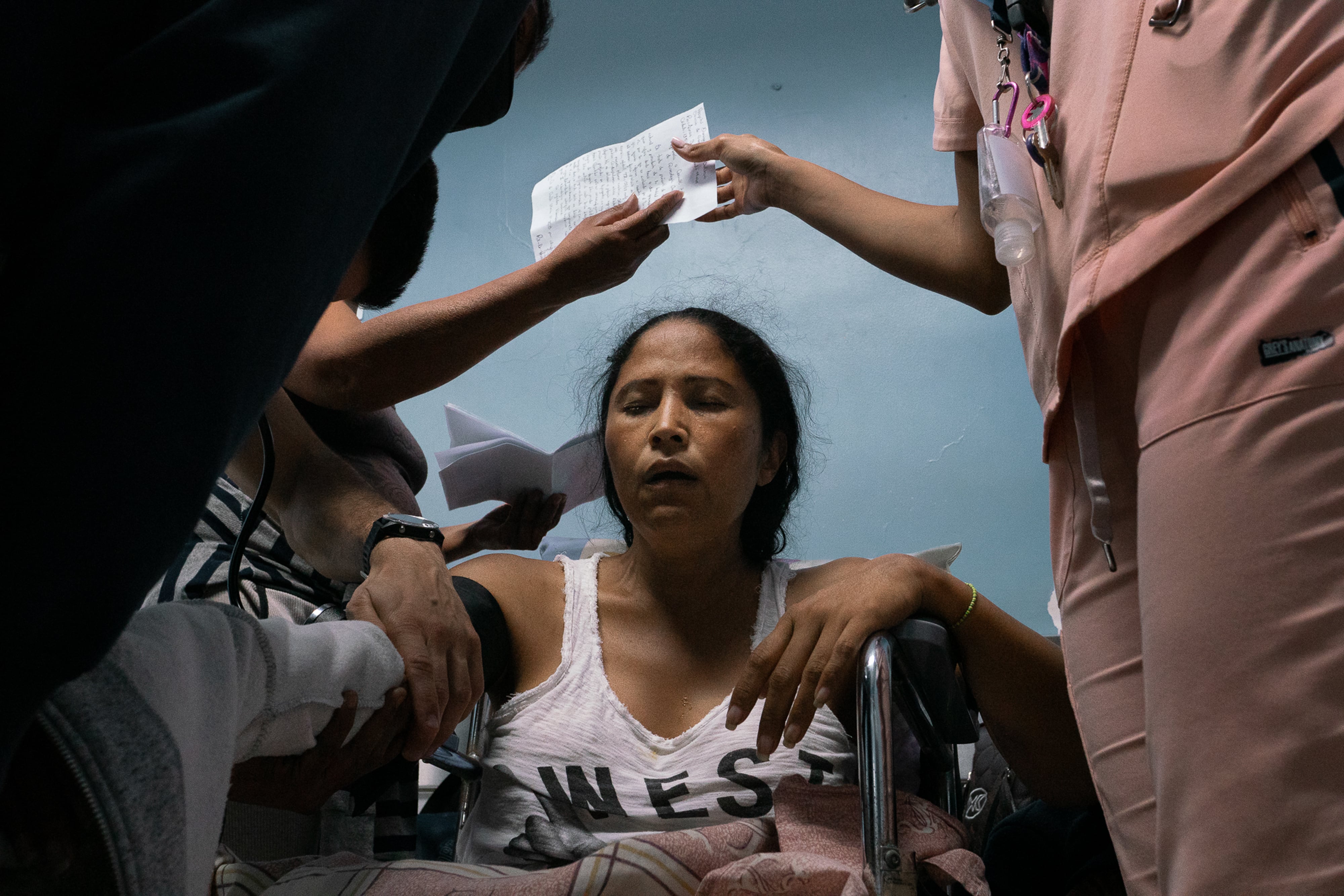
A doctor takes a woman’s blood pressure at Domingo Luciani Hospital in Caracas, Venezuela, in March 2022.

It is 2022. In a neighborhood in western Caracas, Yolanda (a fictitious name) walks through a checkpoint manned by hooded police officers. In her pocket, she carries a small transparent bag containing several misoprostol pills – the second part of the treatment recommended by the World Health Organization (WHO) for a safe medical abortion.

Seguir leyendo

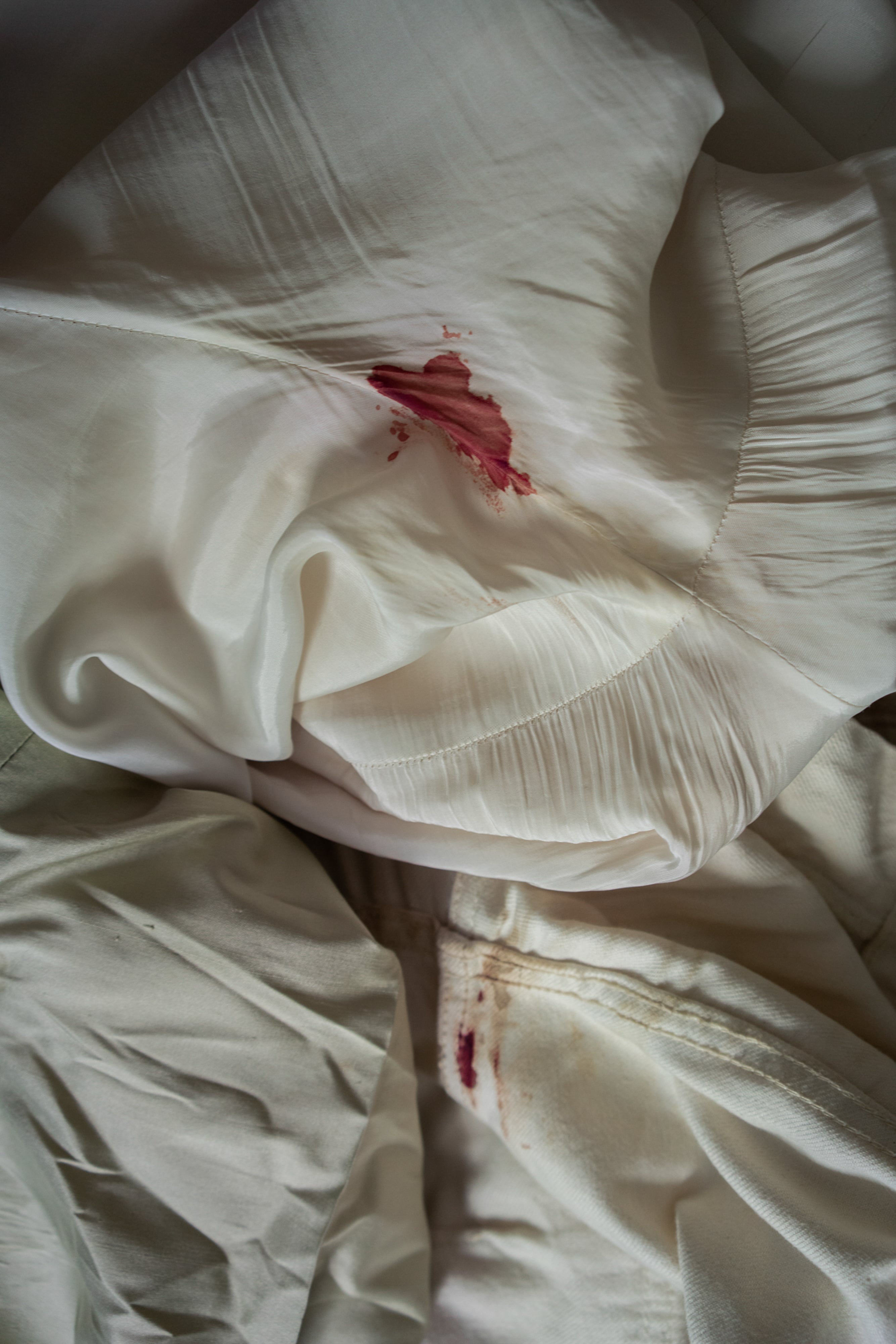
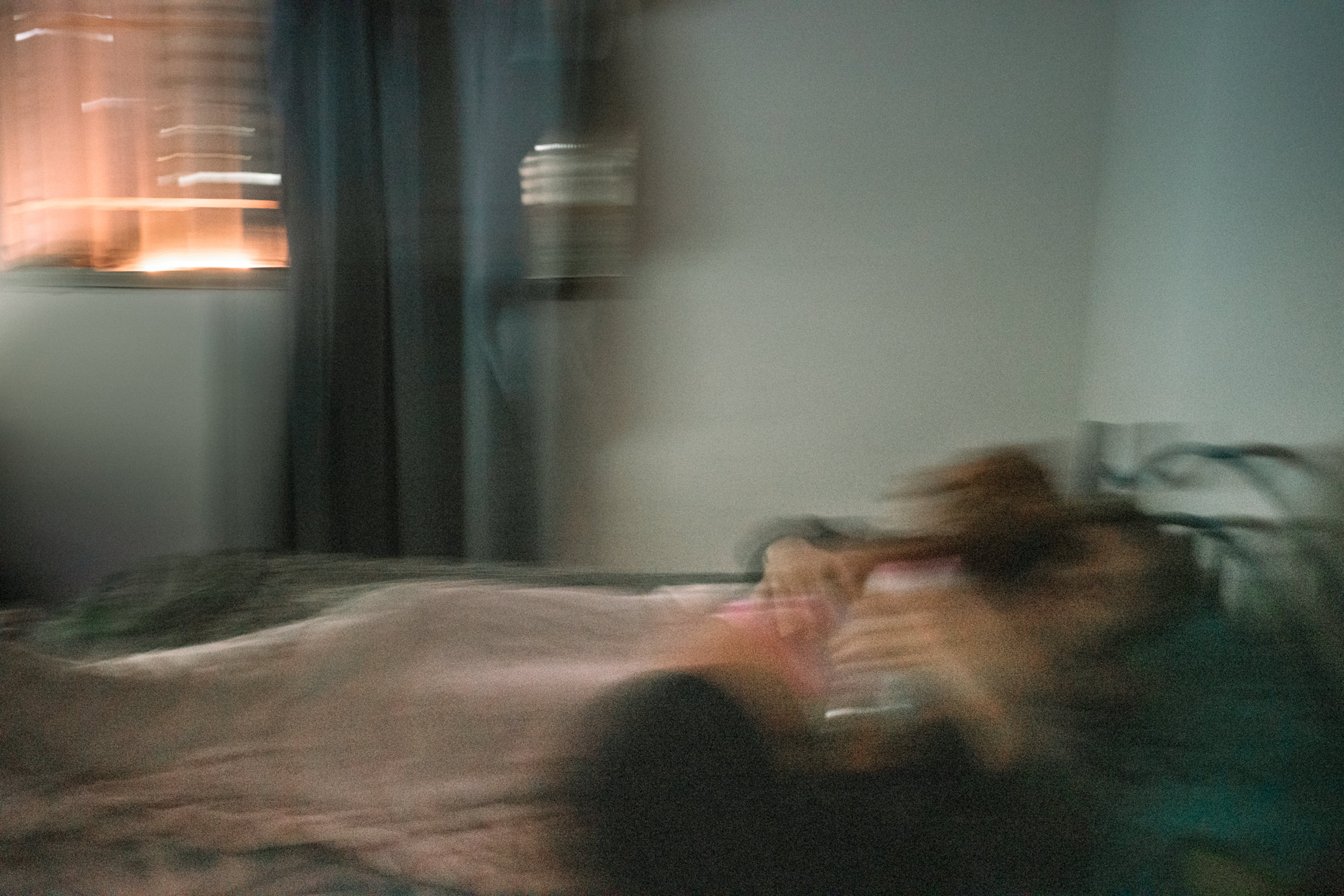
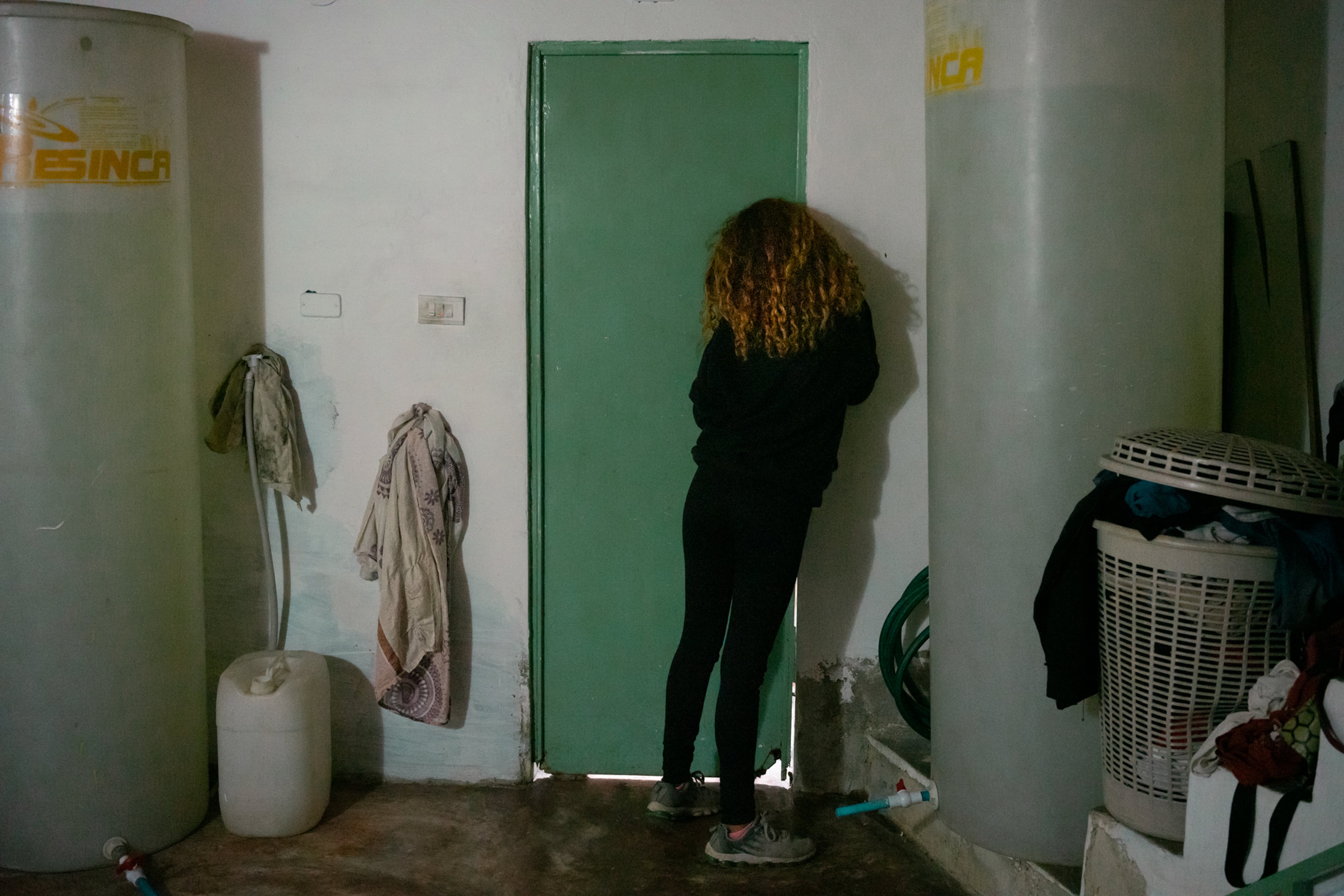
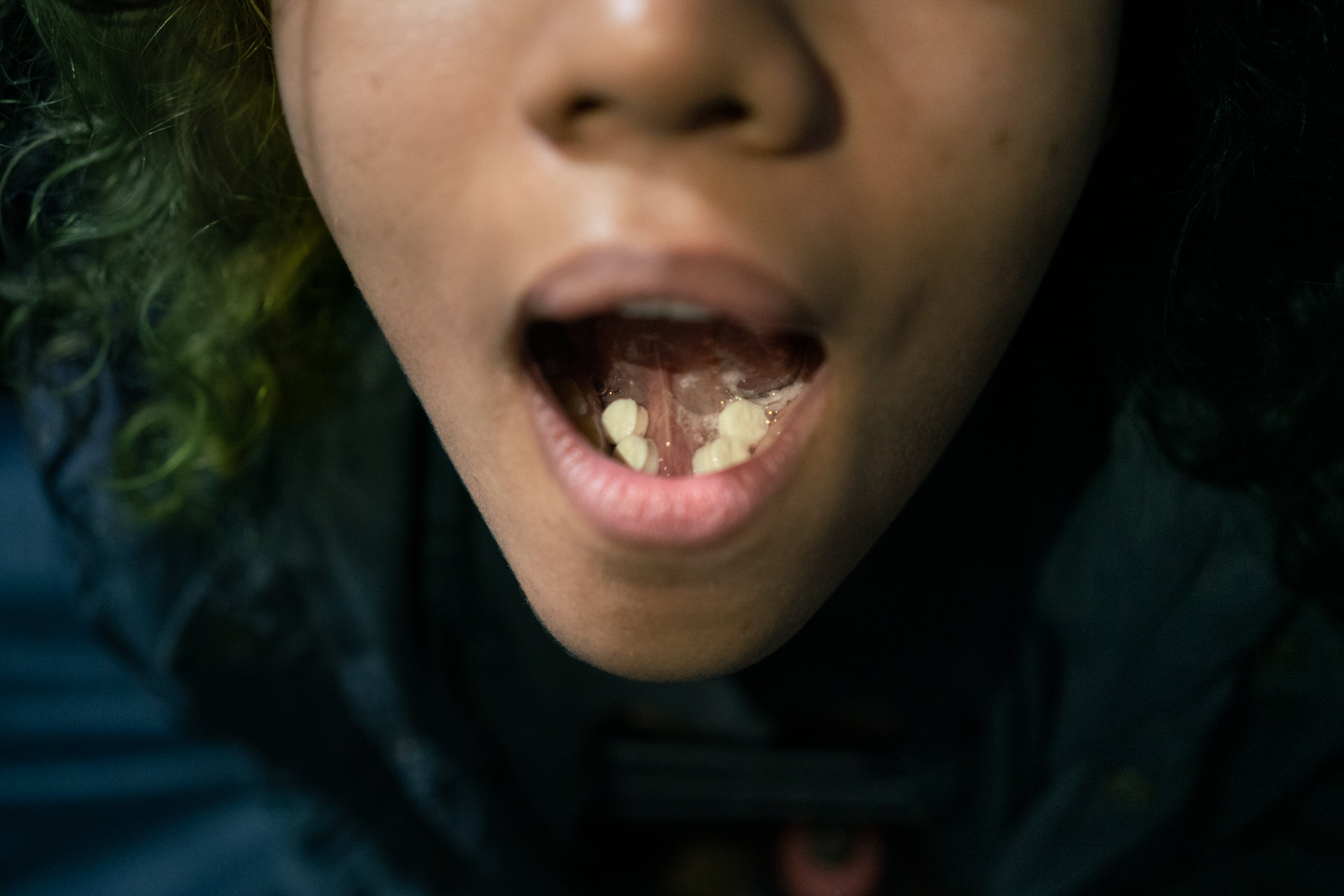
 The owner of this pair of pants had an abortion two months before the photo was taken, but was still bleeding. Caracas, Venezuela, March 26, 2023.A companion embraces a woman undergoing an abortion in a low-income neighborhood of Caracas, Venezuela, on August 26, 2022. The procedure lasted about four hours. As she moaned in pain inside the bathroom, the companion held her and said, “You are strong, you can get through this. I'm right here.”A companion asks a woman undergoing a medical abortion if she can enter the bathroom, in order to hold her hair and body while she vomits and sits on the toilet. Photo taken in a house located in a working-class neighborhood of Caracas, Venezuela, on August 25, 2022. Near this house, police forces are stopping everyone entering the neighborhood at a makeshift checkpoint.

© Andrea Hernández Briceño

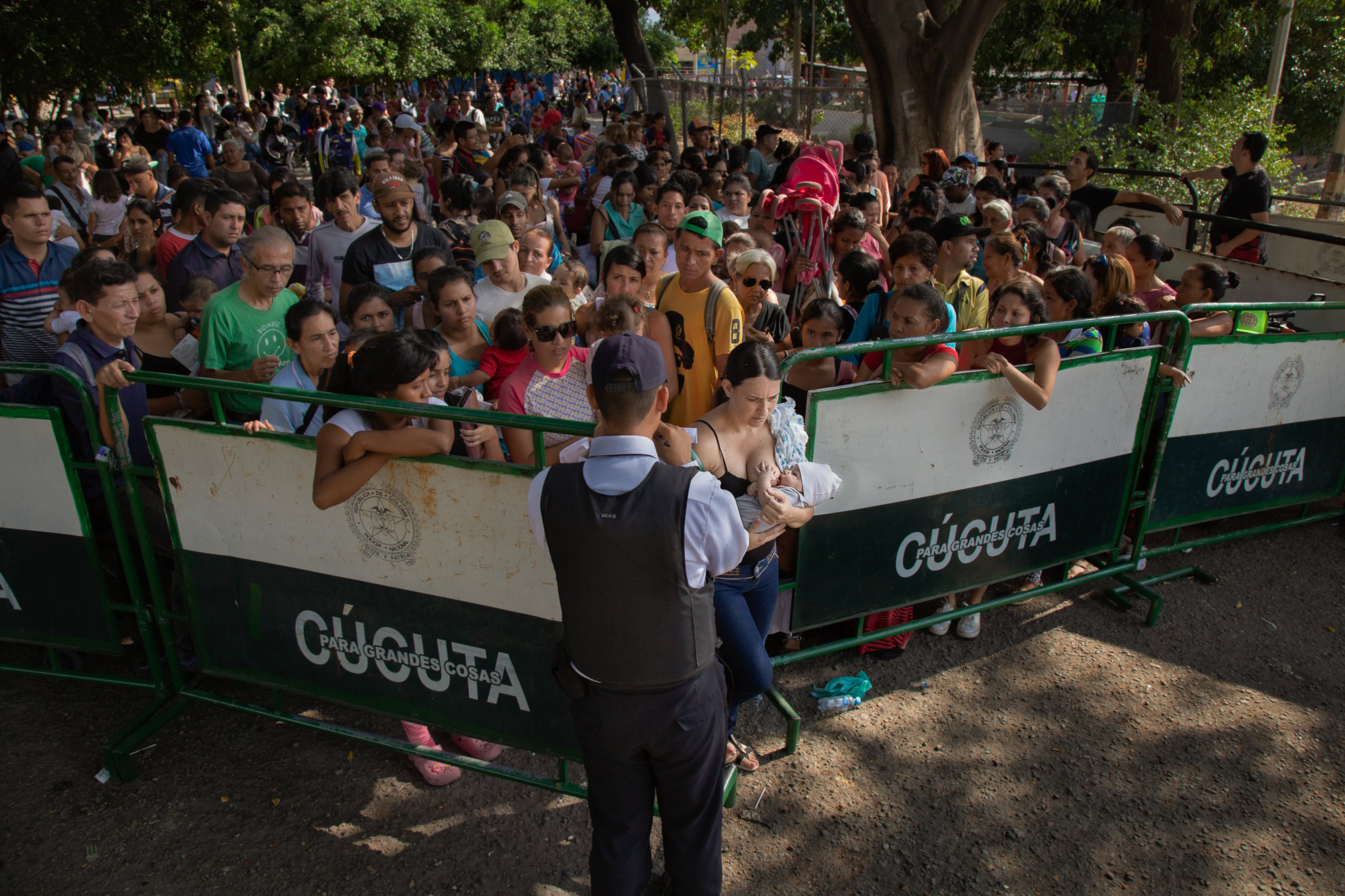
A mother nurses her child while she walks towards a Red Cross camp in La Parada, on the border between Colombia and Venezuela, on September 17, 2018.

© Andrea Hernández Briceño (EL PAÍS)

A woman taking misoprostol pills in a low-income neighborhood in western Caracas, Venezuela, on August 25, 2022.

© Andrea Hernández Briceño (EL PAÍS)

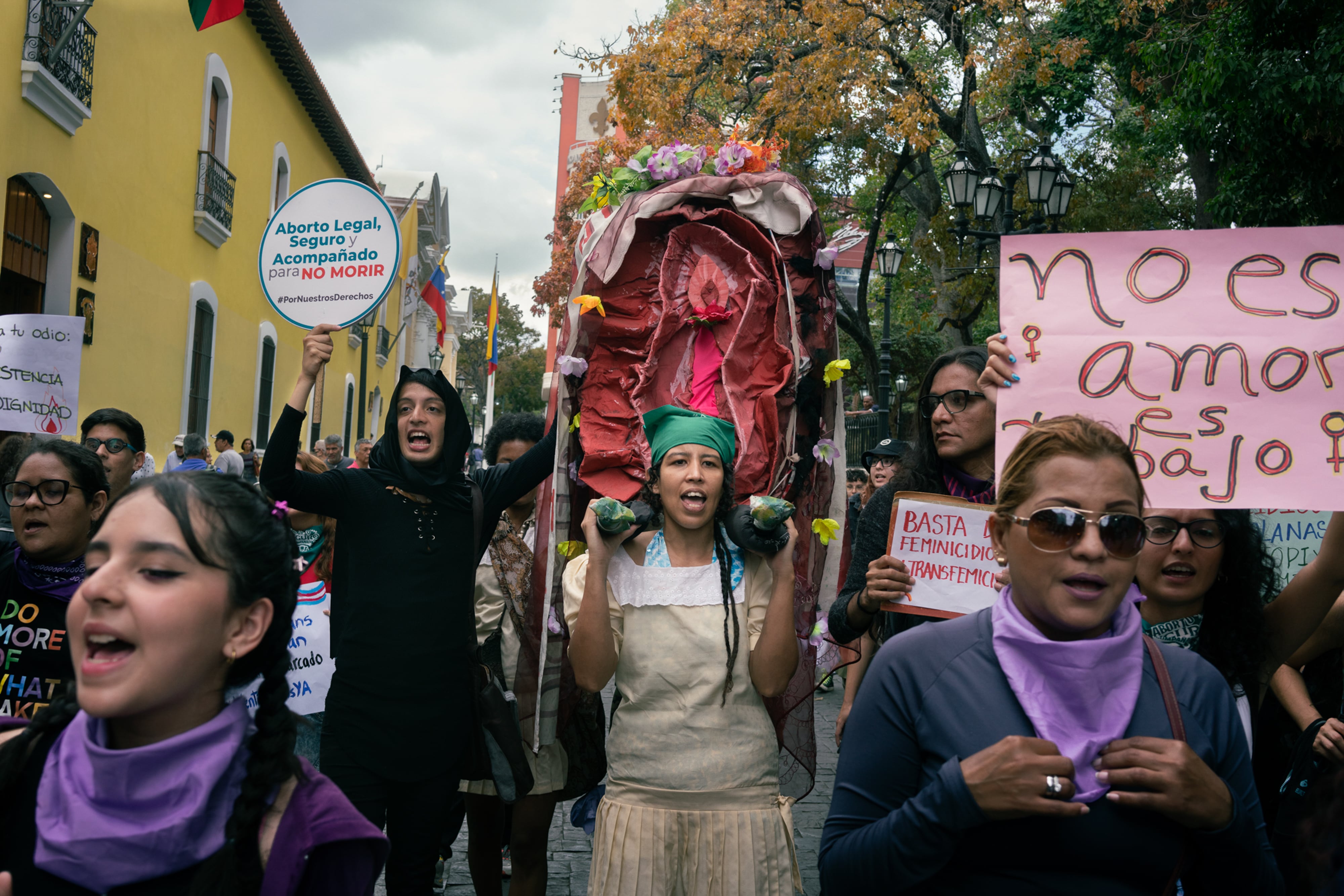
A protest against femicides in the historic center of Caracas, Venezuela, on March 11, 2023.

© Andrea Hernández Briceño

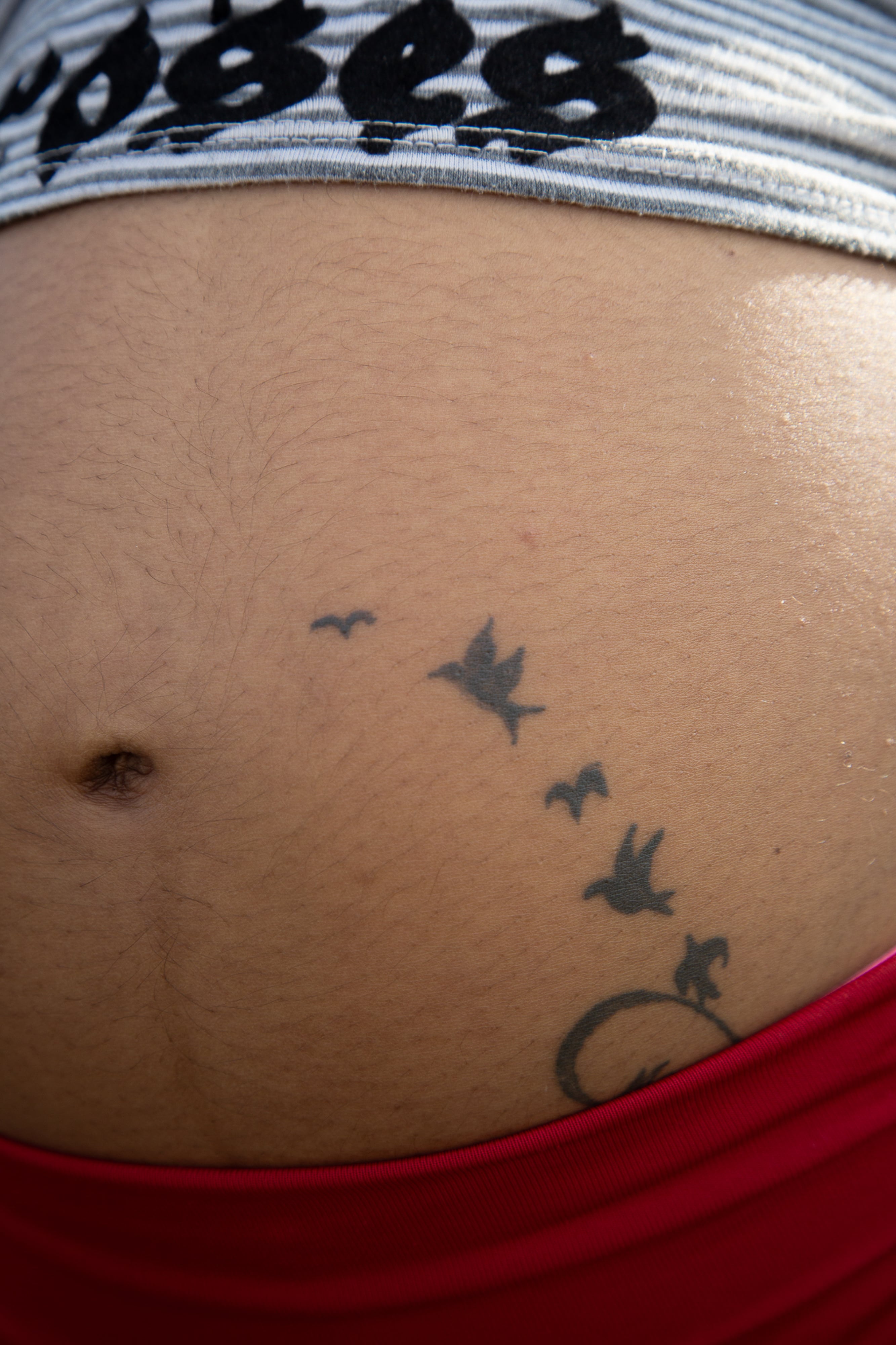
A pregnant 14-year-old shows the tattoo on her belly, standing on the Simón Bolívar International Bridge on September 17, 2018.

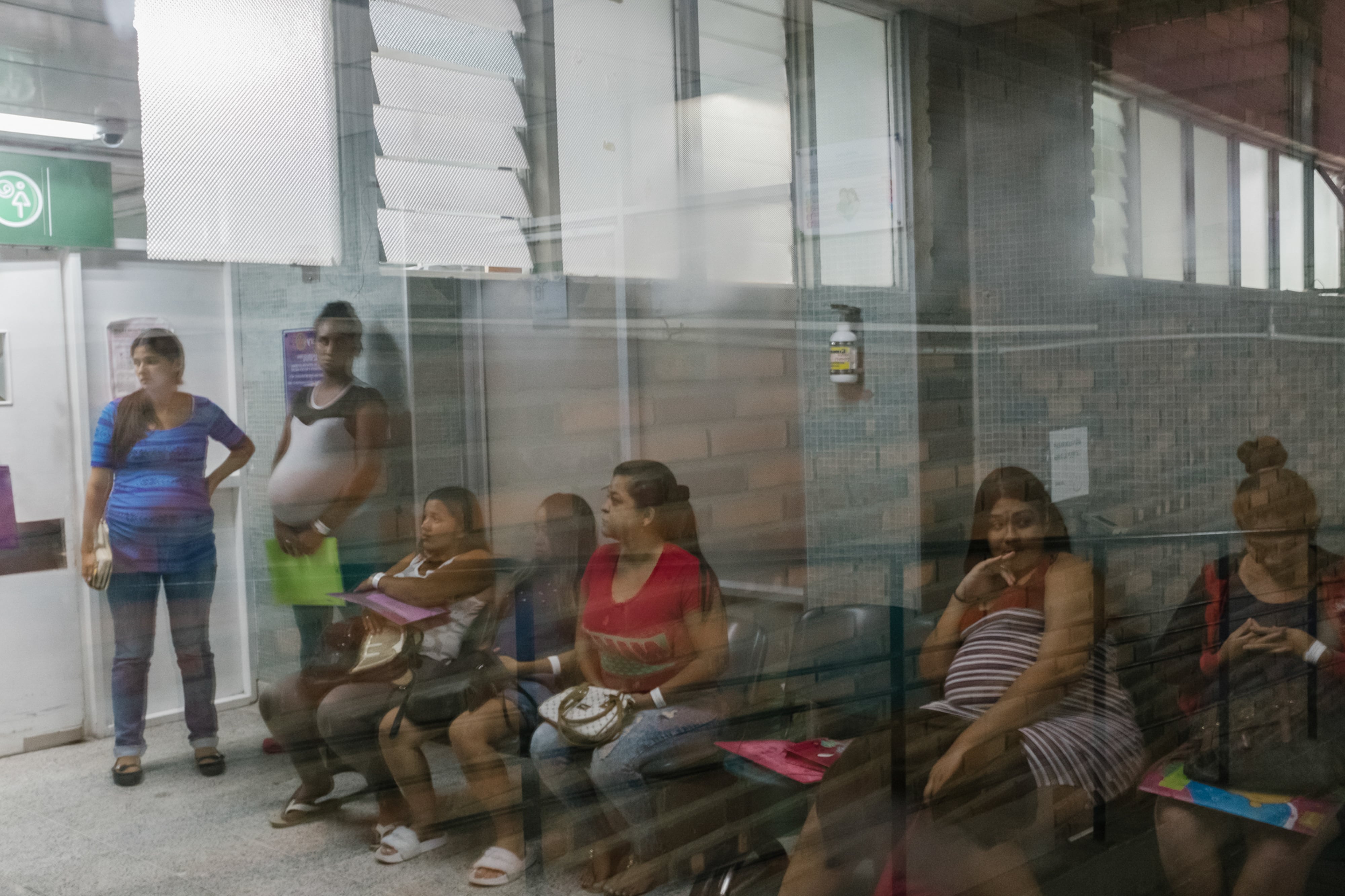
Pregnant Venezuelan women waiting to be seen at the Erasmo Meoz University Hospital in Cúcuta, Colombia, on September 17, 2018.

© Andrea Hernández Briceño (EL PAÍS)

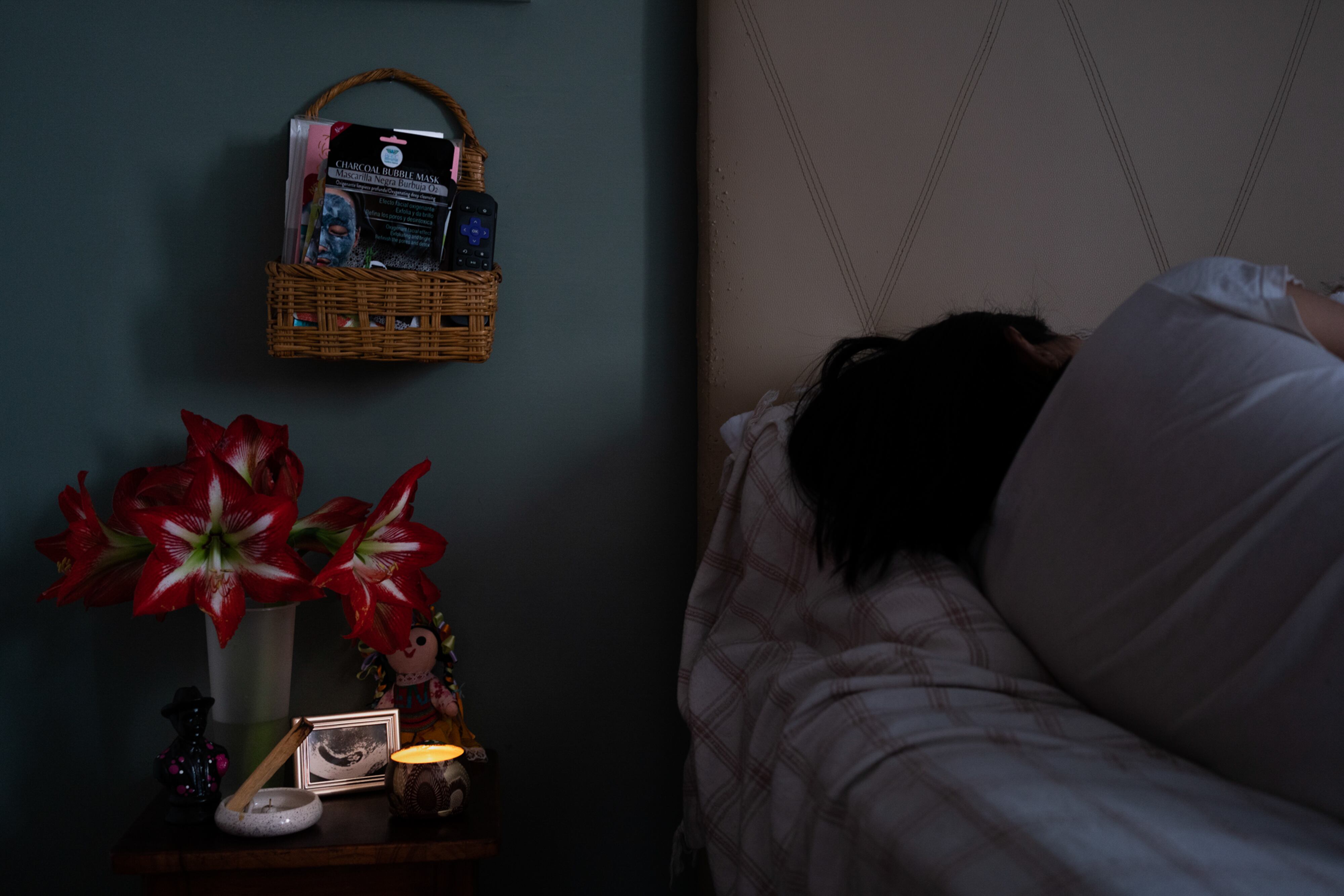
A woman in bed next to the altar she made for her fetus' sonogram, at her house in Caracas, on March 26, 2023.

© Andrea Hernandez Briceno

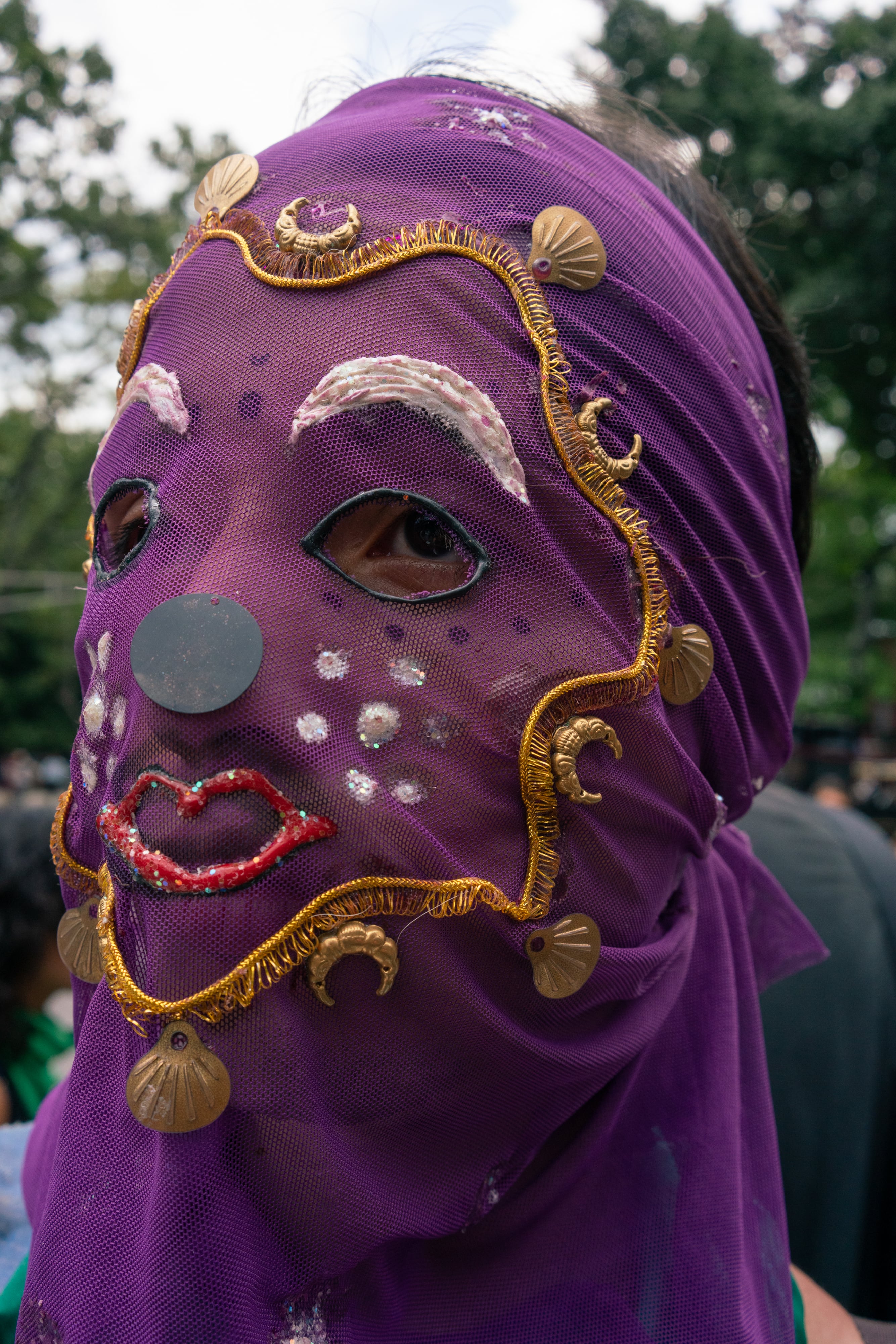
An activist for the feminist organization Comadres Púrpuras marches on the Day of Global Action for Safe and Legal Abortions in Caracas, on September 28, 2022.

© Andrea Hernández Briceño

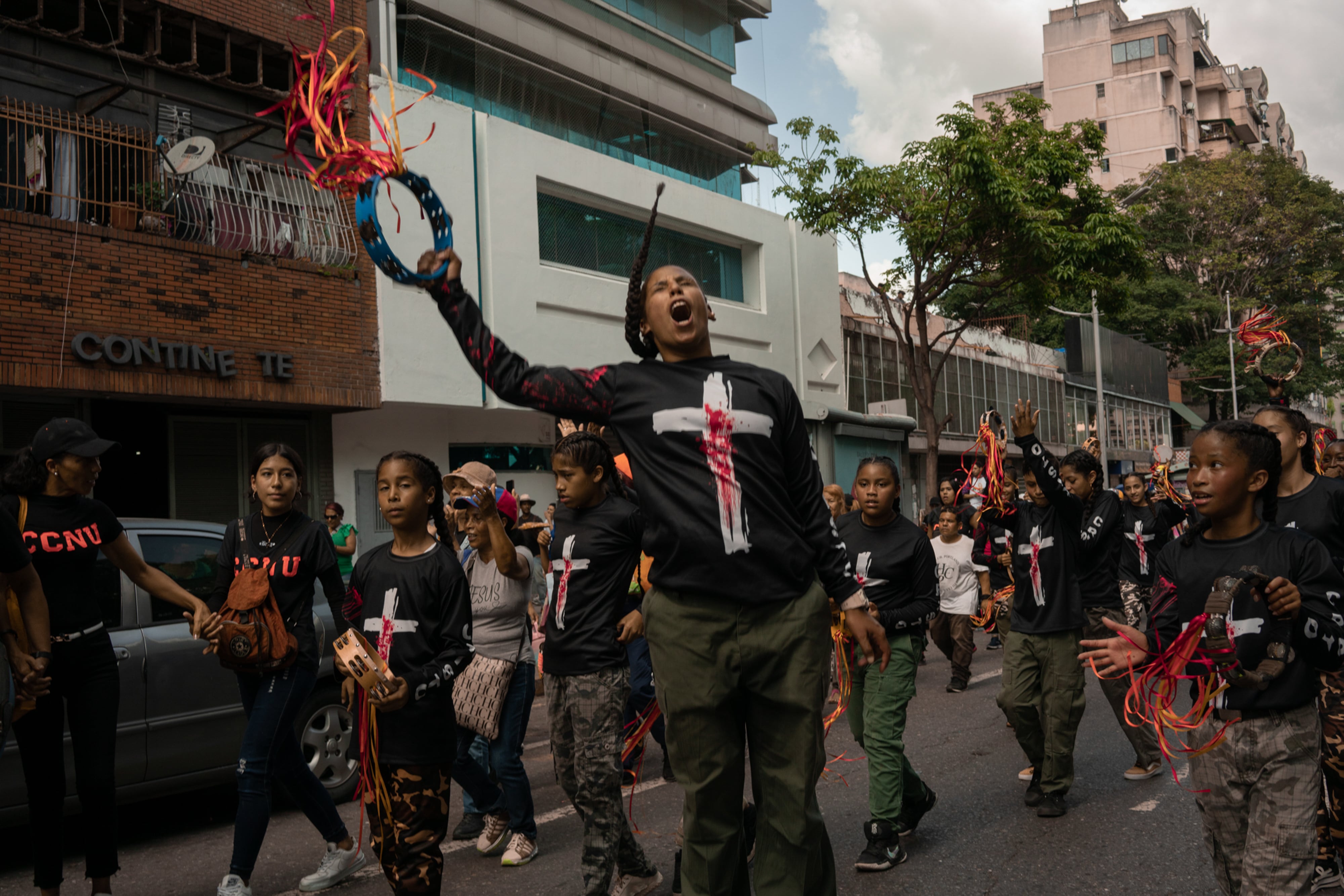
A woman leading a dance group during a protest march by a Christian coalition against sexual and reproductive health education in Caracas, Venezuela, on July 13, 2023.
  •  

Hundreds of US soldiers being deployed to Latin America, according to NYT

The New York Times reported on Wednesday that the US government is preparing to send troops to Latin America under the pretext of combating drug trafficking in the region.

According to the US publication, 600 troops from the 10th Mountain Division at Fort Drum, NY, have already begun deploying to the jungles of Panama to conduct exercises alongside the local military.

In addition, it was reported that members of this detachment will participate in operations in other countries in the future: “The troops will eventually train with local forces in Colombia and Honduras, and could also support US Special Operations troops advising militaries conducting raids against accused drug traffickers, the officials said.”

The peoples of the region, alongside anti-imperialist and progressive forces, have long denounced decades of US military intervention in Latin America and the Caribbean. Various experts and analysts have shown that “war on drugs” projects have never led to the elimination of these illicit businesses. On the contrary, US military involvement has coincided with an increase in violence, drug production, but most importantly: neoliberal reforms. These reforms involve the dismantling and reduction of the state, the privatization of all possible dimensions of social life, and the destruction of social organizations that oppose neoliberalism.

Read more: What else is behind the “fight” against drug trafficking in Latin America?

Historically, this process of material dispossession has been facilitated by an expansion of US military presence, under the pretext of the “war on drugs.”

The report stated: “The deployments and growing headquarters, which have not been previously reported, along with the Pentagon’s recent movement of several MQ-9 Reaper drones from Africa to Colombia and Ecuador, mark the latest widening of the Defense Department’s fight against drug traffickers in the region.”

Shield of the Americas

For several months now, US forces have been participating in intelligence activities and supporting military operations in Ecuador, whose government has entered into agreements with the US to allegedly fight organized crime. However, it was later revealed that these operations didn’t target drug traffickers at all. In at least one instance, The New York Times reported that the US and Ecuador bombed a dairy farm.

This collaboration is part of the new military and geopolitical strategy led by the Trump administration, embodied in the agreement known as “Shield of the Americas.” In recent meetings, several governments have committed to working with the United States so that their militaries can carry out joint operations in Latin American countries.

Regarding the possible itinerary of the soldiers who are expected to arrive in Panama, The New York Times reported: “The soldiers will move first into Panama, where they will take part in jungle training exercises, officials said. From there they will head to Colombia, where they will participate in what officials have called Southern Vanguard, an exercise scheduled to begin later this month. Other rotations will move into Honduras for training with local partners. Some of the troops could be used to provide additional security for US helicopters in the region, which have been providing support for US Special Operations forces.”

For about a year now, the United States has been conducting airstrikes on small boats in the Caribbean Sea and the Pacific Ocean that Washington claims are linked to drug trafficking. Over 200 people have been killed in the strikes and the majority of the victims appear to be fishermen from Venezuela, Colombia, Trinidad and Tobago, and other island nations. Victims’ families and survivors have vehemently denied any connection to criminal groups.

Washington claims the report is false

For its part, the US Embassy in Panama stated that The New York Times report regarding the deployment of several hundred US soldiers to the Caribbean nation is untrue: “The New York Times article alleging the deployment of 600 US soldiers to Panama is categorically false.”

The US Embassy reported that 120 US military personnel are currently participating in a training course in the Panamanian jungle, but that these troops will return to the United States on October 25 and therefore will not undertake the deployment announced by Colombia and Honduras. It did report that other US military personnel will participate in exercises in Peru.

“This is nothing new. The Jungle Operations Training Center has been operating for over a year as a school officially recognized by the US Army. US and Panamanian instructors jointly provide training in survival techniques and jungle operations,” the US Embassy in Panama said in its statement.

The controversy between The New York Times and US diplomatic officials over this report comes amid an evident increase in the US military presence in the region. In addition to operations in the Caribbean and the Pacific, there was the military incursion into Venezuela on January 3, 2026, which resulted in the capture of then-President Nicolás Maduro and his wife, Cilia Flores, as well as the deaths of more than 100 people in Venezuela. Furthermore, President Trump himself has suggested that he could attack Cuba and any other country if US security is compromised.

  •  

US lifts sanctions against Jorge Rodríguez, president of Venezuela’s National Assembly

Jorge Rodríguez in Caracas, April 10.

The United States on Wednesday lifted sanctions against Jorge Rodríguez, president of Venezuela’s National Assembly and brother of the South American country’s interim president, Delcy Rodríguez, the Treasury Department reported.

Seguir leyendo

  •  

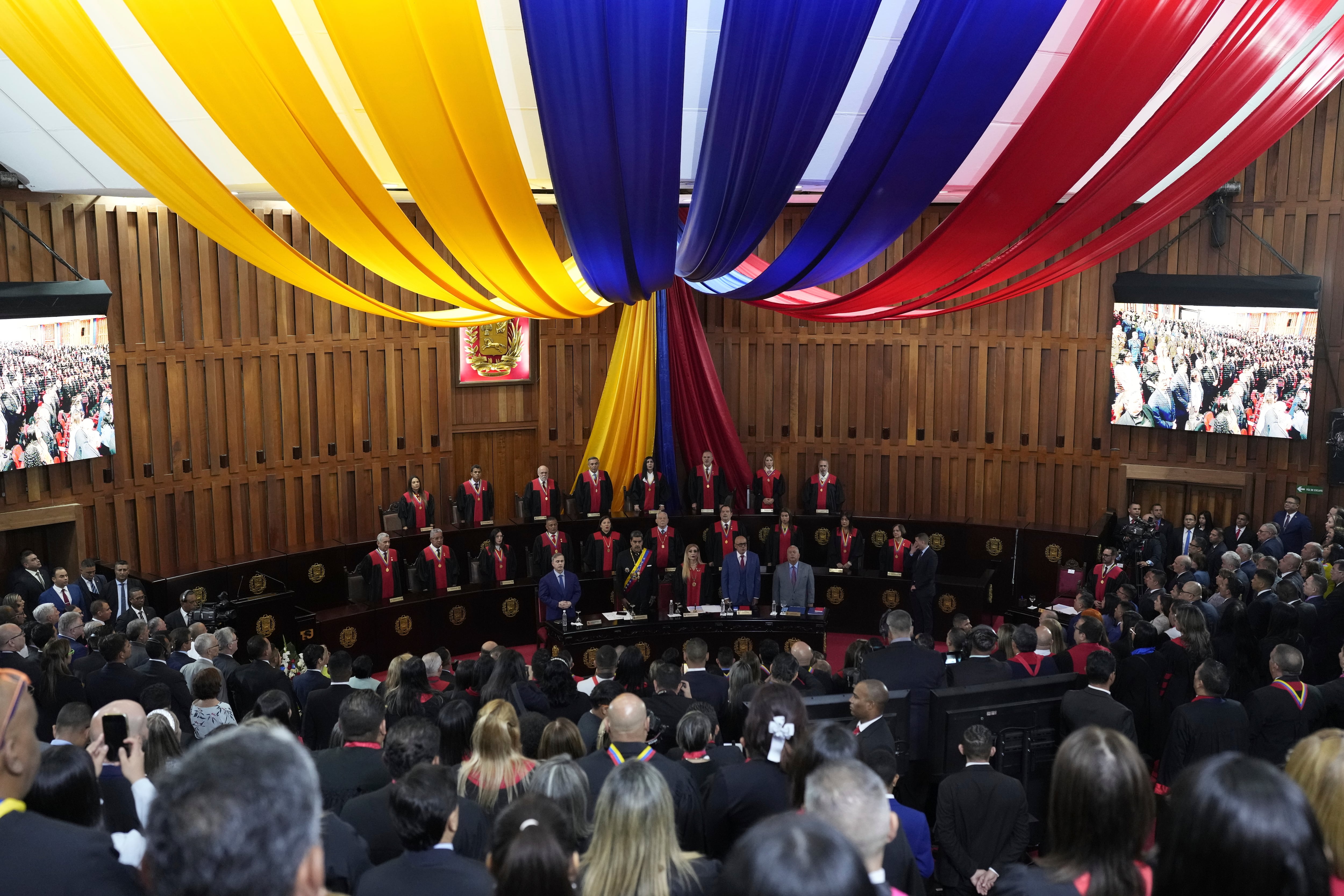
A new Supreme Tribunal for Venezuela, rushed and without clear rules

Washington has stepped on the accelerator to renew Venezuela’s Supreme Tribunal. It is its first major democratizing initiative in the country and the main task of the negotiation table between the 2015 National Assembly and the government of Delcy Rodríguez, which meets again this Wednesday. The goal is to have a new court by December, but beyond the outline the United States published last week, nothing is as yet known about the timetables, the profiles sought, the procedures to challenge appointments and how civil society will take part in a process crucial to a country that is supposedly moving toward a democratic transition.

Seguir leyendo

© Ariana Cubillos (AP)

Ceremony at the Supreme Justice Tribunal in Caracas, in January 2024.
  •  
❌