NAROWAL: A stampede at a mehndi (henna) ceremony and prize-distribution event for a TikTok influencer in Sialkot left one person dead and more than 14 others injured last night, officials said on Saturday.
The mehndi ceremony and prize-distribution event for Muhammad Ansar Jatt, a popular TikToker from Sialkot district known as “Mr Patlu”, was scheduled for Saturday night at Faraz Cricket Ground on Daska Road.
During the mehndi ceremony, motorcycles and a car were to be awarded to attendees through a lucky draw. Hundreds of followers from various cities across Punjab had gathered outside the ground well before the scheduled time to attend the event.
As event organisers opened the stadium gates to allow the attendees in, a stampede ensued and many fell to the ground. Those caught in the pushing and shoving or trampled underfoot could be heard screaming and crying out.
Attendees began moving those injured in the stampede to nearby clinics and private hospitals on their own initiative, while rescue teams also immediately arrived at the scene upon receiving reports.
Police and Rescue 1122 personnel conducted a joint rescue operation and transported the injured to Allama Iqbal Memorial Teaching Hospital. Most of the individuals were discharged after receiving first aid, while others remained under medical care.
Among the injured, 30-year-old Muhammad Aqeel passed away while being transported to the hospital due to his critical condition.
According to a rescue spokesperson, the other 14 injured persons comprised men aged between 22 and 51 years. They hailed from various districts, including Narowal, Gujranwala, Sheikhupura, Khanewal, Okara, Sialkot, Gujrat and Bahawalpur.
However, Sialkot residents Muhammad Asif and Aamir Ali stated that more than 40 people were injured in the stampede, explaining that before the rescue teams arrived, attendees had taken several injured to nearby private hospitals and clinics for first aid on their own.
Sialkot District Emergency Officer Engineer Naveed Iqbal said the rescue service had not been informed in advance about the large gathering planned at the cricket ground. He added that four ambulances and one motorcycle ambulance participated in the rescue operation.
Following the incident, Sialkot District Police Officer (DPO) Dost Muhammad had also reached the site, accompanied by a large police contingent and the Elite Force.
Acting on the DPO’s instructions, the police took charge of security arrangements, brought the crowd under control, and ensured that rescue operations could proceed without interruption.
Speaking to Dawn, DPO Muhammad criticised the event organisers for opening the stadium gates ahead of schedule. The retired captain noted that granting permission for such an event fell under the purview of the district administration.
Dawn has reached out to Sialkot Deputy Commissioner Awais Mushtaq for comment.
The DPO emphasised that the protection of the lives and property of citizens remains the police’s top priority. All aspects of the incident will be examined and appropriate legal action will be taken, he asserted.
SIALKOT – A night of wedding celebrations turned into scene of panic and confusion after massive crowd reportedly stormed entrance of TikToker Mr Patlu’s mehndi ceremony in Sialkot, leaving over a dozen injured in stampede.
The incident unfolded when fans amassed outside wedding venue, reportedly attracted by a prize draw announced for the occasion. As excitement grew and people waited for the gates to open, the festive atmosphere took a frightening turn.
سو کالڈ ٹک ٹاکر مسٹر پتلو کی خونی مہندی؛ انعامات کی لالچ نے کئی انسانی زندگیاں نگل لیں؛ متعدد زخمی
ٹک ٹاکر ’مسٹر پتلو‘ کی سیالکوٹ میں مہندی کی تقریب، بھگدڑ مچنے سے ایک شہری قتل، 14 زخمی ہو گئے۔ https://t.co/F2UzIy8V6g
Many people rushed forward in attempt to get inside. Within seconds, pushing and shoving reportedly triggered a crush, causing several attendees to lose their balance and fall to the ground. What began as an attraction for guests reportedly became a major factor behind the overwhelming turnout.
The prize draw drawn considerable public interest, bringing a large number of people to the venue. However, the situation quickly deteriorated when those gathered outside attempted to enter at the same time. As the crowd surged forward, several individuals were caught in the rush, while others stumbled and suffered injuries.
Rescue 1122 personnel responded to the emergency after receiving reports of injuries at the wedding venue. According to preliminary information attributed to rescue officials, at least 14 people were hurt during the incident.
The incident also fuelled speculation about possible fatalities, with unverified claims circulating in the aftermath. However, no deaths had been officially confirmed in the initial reports. Authorities were still gathering information about the injured and the full circumstances surrounding the incident.
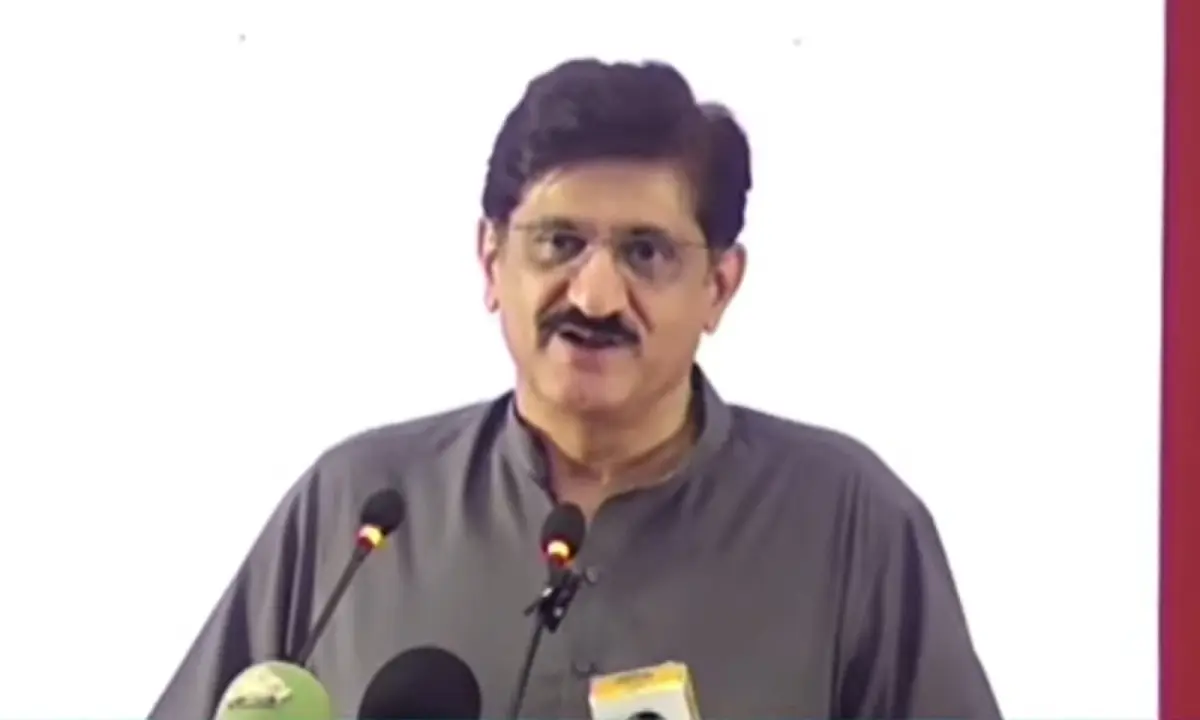
Sindh Chief Minister Murad Ali Shah on Saturday blamed urban planners for “ruining” Karachi, adding that he saw the metropolis vastly expand and deteriorate firsthand while growing up in it.
In July 2025, a steering committee tasked with developing the Greater Karachi Regional Plan 2047 was informed that the new master plan of the country’s commercial capital would be ready within two years.
Addressing an event of the Sindh Master Plan Authority (SMPA) in Karachi, CM Murad said: “Making a master plan from scratch is easy. But considering Karachi’s deteriorated condition, it is a challenge for consultants, master planners and urban developers to fix those [conditions], and also for the executive bodies to implement the plan.”
CM Murad noted that SMPA, established under the Karachi Development Authority (KDA) in 1968, was formed to develop urban master plans for Sindh’s cities with recommendations from stakeholders.
The chief minister said 14 master plans had been completed, but plans for Karachi and Hyderabad were under development. However, a post by the CM House quoted him as saying that master plans for 17 cities were complete, with work on 14 in final stages.
Recalling that he grew up in Karachi and saw the metropolis’ expansion firsthand, Murad said, “I do not think any other city in the world has expanded as quickly as Karachi has, nor has any city in the world been ruined by planners as quickly as Karachi has.”
The chief minister, whose PPP has ruled Sindh for about 15 years, stressed that Karachi needed to be improved. He contended that from the 1960s to the 1980s, it was a “very well-planned” city which attracted foreign visitors.
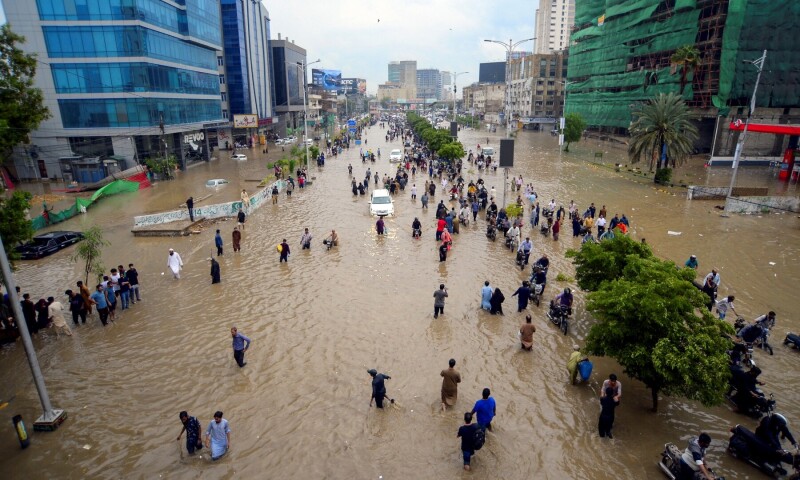
Recalling an incident during the severe rains of 2020, Murad lamented that while travelling along a new dual-carriageway road from Yousuf Goth, he saw that people had set up shops along the side roads, the stormwater drains on either side of the main road and even on the median.
“The planners did a very good job, but … a lot of roads have been declared commercial in the city and, to give people a livelihood, they are allowed to set up shops on stormwater drains for very cheap rent,” he said.
“I request the help of all stakeholders in [solving] this issue. Unless the entire city comes together to make it better, then we will not be successful.”
CM Murad also regretted that on several occasions, development work faced challenges due to delays from utility service providers, including the water board.
He also pointed out the lack of mapping of utility infrastructure: “There is no mapping anywhere.”
Noting Karachi’s population of 25 million and how urban development work inconveniences Karachiites, the chief minister said that funds have been arranged to rework 143 roads, but the work had not started because of procurement issues, which he said, “take a lifetime, but that’s how things are”.
However, he stressed the importance of forums under SMPA to discuss urban planning and implementation.
“These types of forums, seminars and discussions will help us bring some improvement and right now, in every city … the mayors and divisional headquarters are all trying to emulate the development which has started in Karachi.”
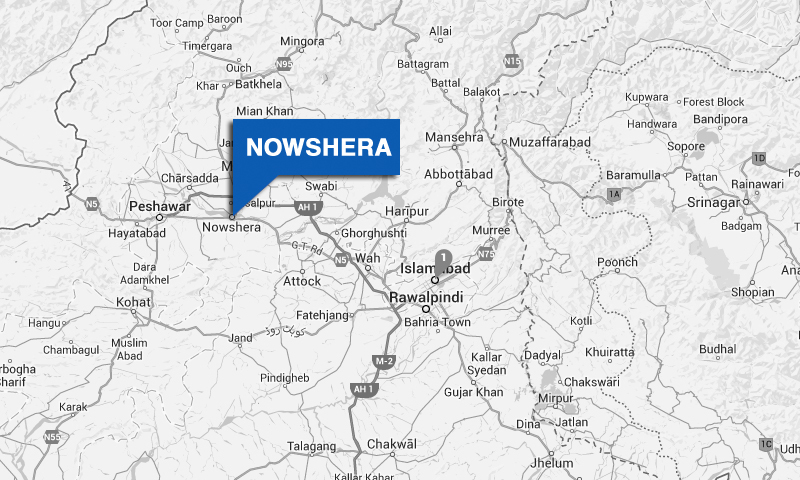
PESHAWAR: Mansehra Assistant Commissioner (AC) Adil Waseem was injured on Saturday when unknown gunmen opened fire at his official vehicle in Khyber Pakhtunkhwa’s Nowshera district, officials said.
Muhammad Asim, the spokesperson of Peshawar’s Lady Reading Hospital, said Waseem was “stable” and was receiving medical treatment.
Waseem came under attack in Nowshera’s Panah Kot area while on his way back from his native village Saleh Khana in the district, police officials in Nowshera said.
He sustained injuries and was immediately taken to the hospital.
According to Nowshera District Police Officer (DPO) Sonia Shamroz, the area was immediately cordoned off and a search operation was launched. She added that a team has been constituted to arrest those behind the attack.
DPO Shamroz further said a case has been registered and investigation into the incident was under way.
KP has been witnessing increased terrorist attacks and security challenges in recent years, including attacks on law enforcement personnel and officials.
According to a recent report by the Centre for Research and Security Studies, Pakistan recorded a sharp 83 per cent increase in violence-linked fatalities during the third quarter of 2026, reversing a declining trend reported in the first and second quarters.
KP and Balochistan remained the epicentres of violence, jointly accounting for 98pc of all fatalities during the period. Balochistan recorded 829 deaths, nearly 59pc of the national total, while KP reported 556 fatalities, accounting for more than 39pc.
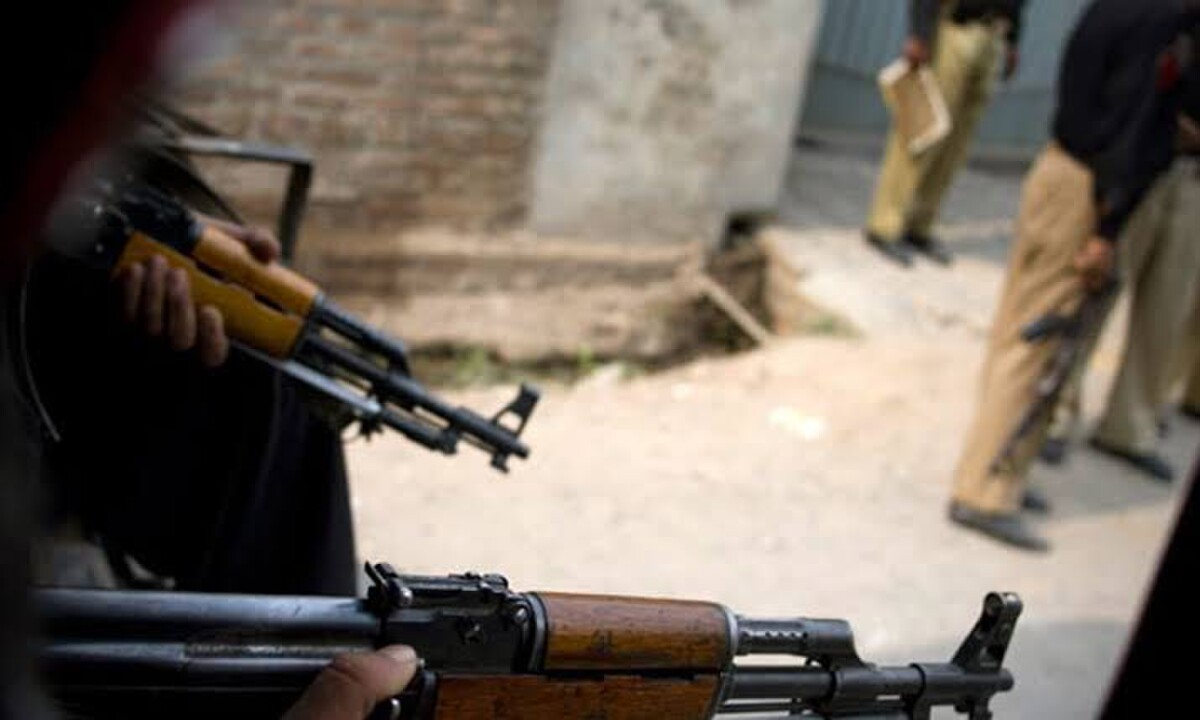
On Thursday night, a cop was martyred after terrorists attacked a police post in Bajaur district’s Barang tehsil.
Last week, four policemen, including a Counter-Terrorism Department official and a station house officer, were martyred while two terrorists were killed during an exchange of fire in the Karak district.
In December 2025, Miranshah AC Shah Wali was among four martyred after the official’s vehicle came under attack in Bannu. In July that year, Nawagai subdivision AC Faisal Ismail and four others lost their lives in an explosion targeting a government vehicle in Bajaur.
LAHORE – Punjab government has ordered six public-sector universities to change their official names under the newly enforced Public Sector Universities (Amendment) Act 2026.
The decision, communicated through an official notification, will affect several of the province’s established educational institutions, including prestigious colleges that were previously granted university status.
Under the amended legislation, the affected institutions have been directed to revise their official identities, with the word “University” to be removed from their names wherever required by the new law. Punjab Higher Education Department has formally informed vice-chancellors and rectors of the decision, instructing them to initiate the administrative process necessary to implement the changes.
Six Institutions to be Renamed
Punjab government’s decision covers following institutions:
Government College Lahore
Government College Faisalabad
Government College for Women Faisalabad
Government College for Women Sialkot
Government Sadiq College Bahawalpur
Lahore College for Women Lahore
These institutions are among Punjab’s established public-sector higher education establishments, serving thousands of students across different cities.
Despite sweeping changes to institutional names, the provincial government has clarified that the amendment will not alter the academic powers, administrative responsibilities, or existing functions of the affected institutions. Their authority to conduct higher education activities and carry out academic and administrative responsibilities will remain intact under the applicable legal framework.
This means the decision primarily concerns the official names of the institutions rather than their academic operations or legal powers.
After enforcement of amended law, Punjab Higher Education Department directed the administrations of the concerned institutions to complete all necessary formalities to bring their official names into compliance with the legislation. Vice-chancellors and rectors have been instructed to take appropriate measures to implement the revised naming requirements.
SKARDU – A young Skardu couple defied family opposition to marry for love, hoping to build peaceful life. But their love story ended in unimaginable horror when they and their two children, aged just four and two, were found brutally murdered inside their home in what police suspect was an honour killing.
Aslam, his wife Hania, and their children, four-year-old Mehdi and two-year-old Zahra, were found dead with their throats slit on October 30, sending shockwaves across Gilgit-Baltistan and triggering widespread public protests.
The family was living under the shadow of threats since Aslam and Hania tied the knot nearly six years ago. Investigators now suspect that the couple’s decision to marry against the wishes of Hania’s family may have been the motive behind the horrifying murders.
سکردو ایک ہی خاندان کے چار افراد کا بےدردی سے قتل جس میں میاں بیوی اور دو کمسن بچے شامل ہیں لڑکے کا تعلق سکردو روندو سے جب کی لڑکی کا تعلق پارچنار سے ہیں آج سے 7 سال پہلے کراچی سے پسند کی شادی کر کے سکردو میں آباد تھے آج انہیں بے دردی قتل کردیا گیا ۔ https://t.co/DHbEmjhb4g
Police revealed that the killers allegedly used the victims’ blood to write unidentified words on a dish inside the room before escaping. The tragedy dates back to a marriage that took place approximately five to six years ago in Karachi.
Aslam and Hania chose to marry of their own free will, but their relationship allegedly met fierce opposition from members of Hania’s family. Fearing for their safety, the couple eventually settled in Skardu, hoping to build a peaceful life away from the threats.
Aslam worked at a local pizza shop, often returning home between 1am and 2am, while the couple raised their two young children.
According to FIR registered on the complaint of Aslam’s brother, Khadim Hussain, Hania’s father, brothers and maternal uncle had allegedly threatened the couple with serious consequences over their marriage.
Khadim claimed that Aslam had repeatedly shared his fears with him. He further alleged that Hania’s relatives had previously registered a case against Aslam in Karachi following the marriage. Despite these reported tensions, Aslam and Hania continued living together in Skardu, unaware that their family would become the target of a brutal attack.
On October 29, Akhtar met Hania, who was concerned about the health of her two-year-old daughter, Zahra. Akhtar promised to take the child to hospital the following morning. Next day, he attempted to contact the family but nobody answered. He called repeatedly, initially assuming that Aslam, who usually returned late from work, might still be asleep.
When the calls went unanswered, Akhtar decided to walk to their home, located approximately 200 metres from his own residence. What was supposed to be a routine hospital visit turned into the discovery of a crime that would horrify the entire region.
Akhtar subsequently alerted the police and the victims’ relatives. Police Suspect Mother and Children Were Killed Before Father Returned Home
The attackers may have entered the residence while Muhammad Aslam was still at work. Police suspect that Hania and the two children were killed first, with the assailants allegedly remaining inside the house to await Aslam’s return. When Aslam eventually arrived, he was reportedly attacked with a sharp-edged weapon.
Police confirmed that all four victims suffered fatal injuries to their throats, while additional wounds were found on Aslam and Hania. However, officials said exact sequence of events has yet to be conclusively established.
The killing of an entire family, including two young children, has sparked anger and grief across Skardu, where residents staged protests following the discovery of the bodies. Demonstrators demanded justice for the victims and immediate action against those responsible.
ISLAMABAD – A delegation from political section of US Embassy held meeting with senior Pakistan Tehreek-e-Insaf (PTI) leaders, discussing the country’s political developments, democratic process and challenges facing the opposition party.
Senior PTI leaders and former National Assembly Speaker Asad Qaiser led PTI delegation, while party lawmaker Barrister Umair Niazi also participated in the meeting with American diplomatic officials. The meeting provided PTI leaders with opportunity to present their perspective on Pakistan’s current political environment directly to representatives of the US Embassy.
Sources familiar with the discussions said the PTI leadership raised concerns over the country’s political situation, highlighting recent developments and challenges that the party believes require attention. The discussions also covered the broader democratic process, ongoing political affairs and the changing political environment in Pakistan.
PTI representatives briefed the visiting American officials on their assessment of the domestic political situation, outlining the party’s position on key developments and sharing their reservations about the prevailing circumstances.
US Embassy delegation, meanwhile, listened to the concerns and observations presented by the PTI leadership. While meeting involved detailed exchange of political views, sources did not disclose whether any specific commitments or assurances were made by either side.
The reported diplomatic meeting comes against a backdrop of political tensions and stalled dialogue between the government and opposition. Earlier in October, government and PTI representatives held negotiations, but disagreements over access to imprisoned former prime minister Imran Khan and security policy in Khyber Pakhtunkhwa complicated the talks.
The latest interaction with American diplomats adds another dimension to PTI’s political engagements, although the discussions were described as an exchange of views rather than formal negotiations.
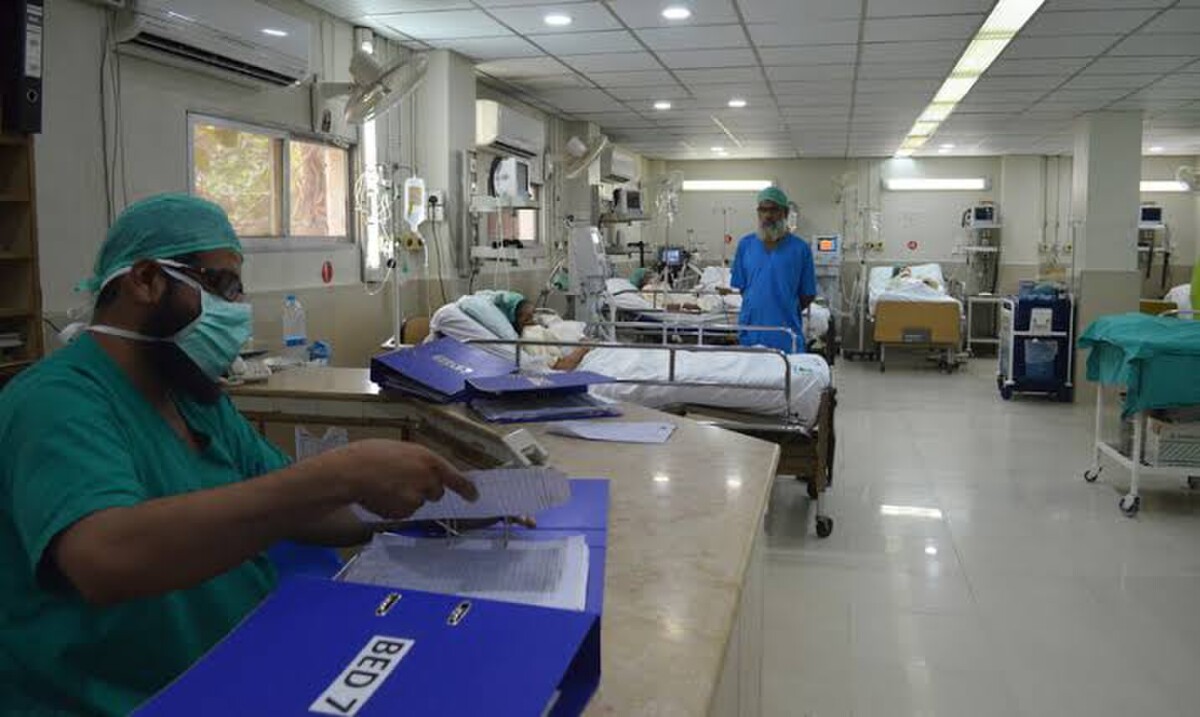
QUETTA: The Balochistan Health Department on Saturday dismissed 72 doctors from government service for prolonged absence from duty.
The doctors were dismissed under an artificial intelligence (AI)-based attendance system introduced by the provincial government to ensure that medical staff reported for duty regularly.
According to an official notification issued by the Balochistan health secretary, the action was taken under Section 4(B)(viii) of the Balochistan Employees’ Efficiency and Disciplinary Act (BEEDA), 2011.
The notification said the medical officers (BPS-17) and senior medical officers (BPS-18) had been dismissed from service with immediate effect on account of their unauthorised absence from government duty.
The dismissal orders were issued with immediate effect, according to the notification.
The total number of employees dismissed from the Health Department has now reached 200.
Health Department officials said Rs410 million had so far been deducted from employees’ salaries over absenteeism.
The notification added that notices had been issued to 11,000 employees, seeking explanations for violations of attendance and disciplinary rules.
“Departmental action is under way against another 800 employees,” it said.
In a statement, Balochistan Health Minister Bakht Muhammad Kakar said the doctors had repeatedly been issued notices directing them to report for duty, but they had failed to respond.
Their continued absence from duty and failure to respond to repeated notices had compelled the government to take action, he added.
“We have zero tolerance for absenteeism and negligence among medical staff and doctors in the performance of their official duties,” Kakar said, adding that the Health Department was making efforts to provide people with the best possible healthcare facilities at their doorsteps.
He said reforms were under way to improve the performance of the provincial Health Department on the instructions of Chief Minister Mir Sarfraz Bugti.
He added that staff attendance at government hospitals and health centres was being monitored through an AI-based attendance system.
LAHORE – A bizarre case of theft reported from Lahore’s Kot Lakhpat area, where a young man stole 70 tolas of gold worth Rs38 million from his own home to financially support his girlfriend and her family.
The family discovered that their gold disappeared from a locker. What initially appeared to be a major burglary allegedly turned into case of betrayal within the family when the couple questioned their own son.
As per FIR registered at Kot Lakhpat Police Station, the complainant Ali Rehman accused his son, Usman, his girlfriend Fatima, and her family members of involvement in the alleged theft. The complainant, who belongs to business family, told police that he had kept around 70 tolas of gold in a bag inside cupboard at his residence.
But, when the family checked the bag, they were stunned to discover that the entire gold worth tens of millions was missing. The family began questioning their son, Usman, who allegedly revealed how the gold had been taken from the house over time.
According to FIR, Usman was involved with a woman named Fatima and wanted to marry her. The complainant alleged that when Fatima’s father, Sarfraz, and other family members know about the relationship, they encouraged Usman to bring gold, cash and other valuable belongings from his parents’ home.
Acting on alleged demands, Usman reportedly secretly removing gold from the house in small quantities and handing it over to Fatima and her family. The stolen gold was subsequently sold in different markets in Lahore and Kasur, according to allegations recorded in the police complaint.
The stolen gold was valued at around Rs38 million, making it a big loss for the complainant’s family. Of the total amount, Rs8 million was allegedly returned to Usman, while Fatima’s family reportedly retained the remaining Rs30 million. The complainant further alleged that the money obtained from selling the gold was used by the accused for their personal benefit.
According to the FIR, a panchayat, or informal gathering of elders, was convened to resolve the dispute. During the gathering, the accused allegedly admitted to receiving and selling the gold and promised to return the money. However, despite repeated demands and assurances, the complainant claimed that the outstanding amount was never repaid.
After failing to recover the money, Ali Rehman eventually approached the police and sought legal action against those allegedly involved. Kot Lakhpat Police them registered FIR No. 380/109 under Section 380 of the Pakistan Penal Code. The complaint names Usman, Fatima, her father Sarfraz and other family members in connection with the alleged removal, sale and handling of the gold.
LAHORE – A disturbing case of alleged sexual abuse within family was reported from Lahore’s Sabzazar area, where a woman has accused her elder brother of sexually assaulting her for five years, breaking her silence after years of suffering.
Sabzazar Police registered a case and arrested the suspect. As per FIR, the complainant alleged that her elder brother repeatedly subjected her to sexual abuse over the past five years.
The woman told police that the ordeal began before her marriage, which took place four years ago. However, she alleged that the abuse continued even after she got married, leaving her trapped between fear, family pressure and the desire to protect her marital relationship.
For years, the complainant claimed, she remained silent out of fear of social stigma and the possible collapse of her marriage. But the situation took a devastating turn when her husband reportedly discovered the alleged abuse. According to her statement, instead of receiving support, she was forced to leave her husband’s home, leaving her with no choice but to return to her mother’s residence.
The woman alleged that even after returning to her family home, her elder brother continued his inappropriate behaviour and once again pressured her into having sexual relations with him. This time, however, she decided to speak out and informed her mother about the alleged abuse.
The complainant said her mother confronted her son over the allegations, but failed to bring about any change in the behaviour of accused. The woman ended up approaching the police and sought legal action against her brother.
Acting on her complaint, Sabzazar police registered a case and arrested the accused, starting probe into the allegations and the circumstances surrounding the reported incidents.
Police officials said investigators are looking into the available evidence and statements to establish the facts of the case. The allegations have yet to be proven in court.
The case has also drawn attention to the often-hidden issue of sexual abuse within families, where victims may remain silent for years because of social stigma, fear of humiliation, family pressure and concerns about losing their relationships.
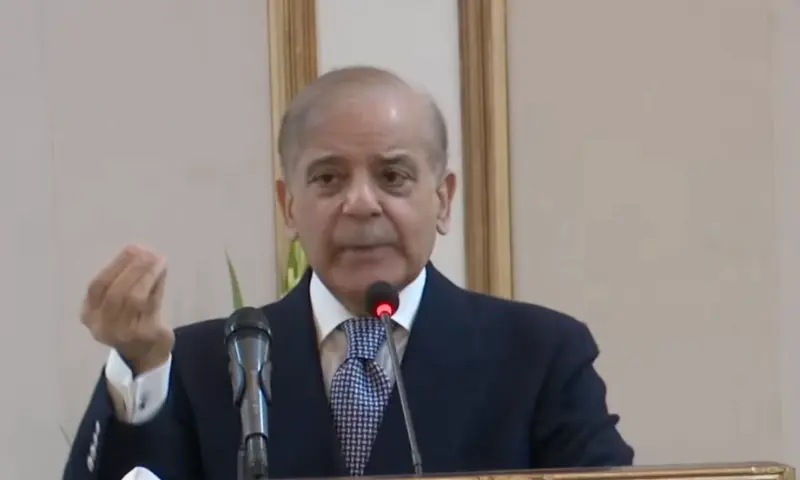
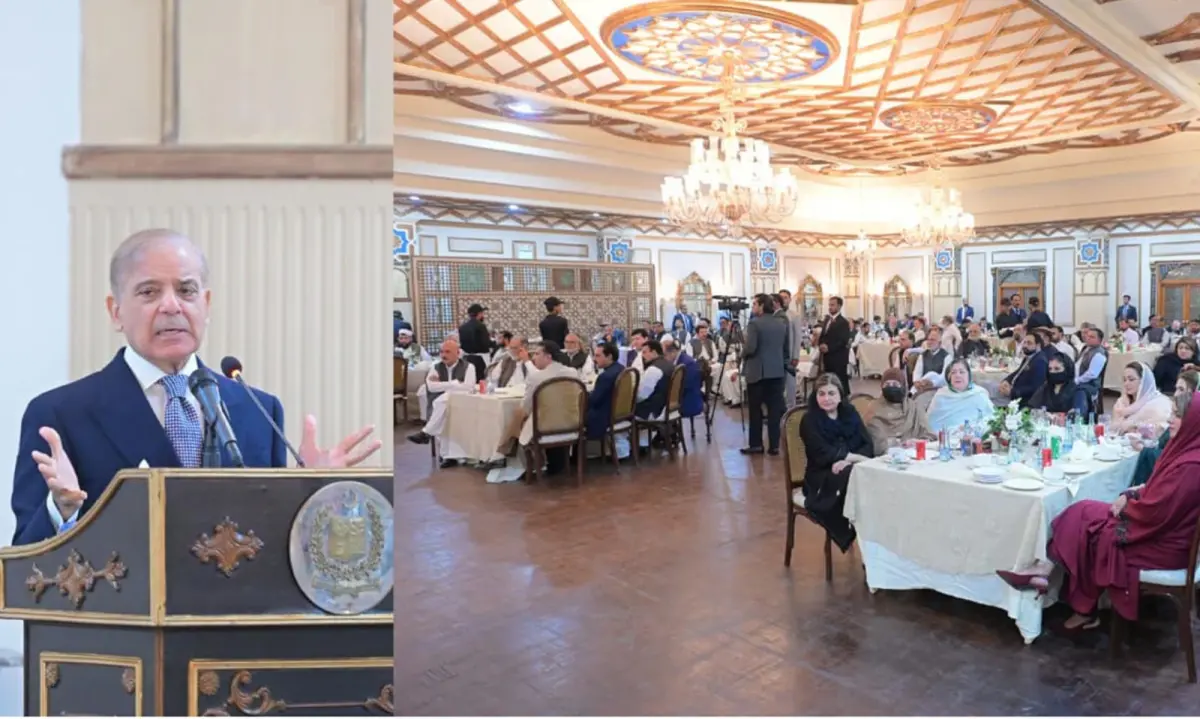
Prime Minister Shehbaz Sharif on Saturday criticised PTI’s governance in Khyber Pakhtunkhwa, questioning whether the funds available to the now dysfunctional provincial government had been used transparently for the welfare and betterment of the people of the province.
His remarks came during a meeting of the PML-N’s parliamentary party from KP, held in Islamabad.
The Centre imposed governor’s rule and emergency in KP on Oct 11, citing the provincial government’s “deliberate disengagement” from the fight against terrorism. The move had drawn criticism from the opposition, as well as Fazl, who had made efforts to reduce tensions between the federal and the KP governments.
Taking aim at the PTI, Prime Minister Shehbaz said: “They have been in power in KP for 13 years. Over these 13 years, they have raised countless slogans, delivered fiery speeches, held long marches and sit-ins, and made numerous promises.”
Recalling PTI’s promises to build hundreds of dams, generate hundreds of megawatts of solar power, and establish hospitals, universities and schools across the province, the prime minister questioned whether any of these pledges had been fulfilled during the party’s 13 years in power.
“How many universities have been established there? How many new hospitals have been built? How much has the healthcare system improved? What facilities have actually been provided to the people? And how much corruption has taken place in the process?” he asked.
The prime minister also questioned whether public funds had been utilised transparently for the welfare and betterment of the people of KP.
“From Peshawar to Kohistan and Hazara, and across the entire southern region of Khyber Pakhtunkhwa, the majority of people would tell you that the PTI government has done very little, if anything, to address their basic needs,” he said.
The premier maintained that by 2017-18, terrorist activities in the province had been brought to an end to “a considerable extent”.
“Khyber Pakhtunkhwa was among the provinces that made the greatest sacrifices in the fight against terrorism,” he said.
The prime minister highlighted the heavy toll terrorism had taken on the country, saying around 80,000 people had lost their lives and Pakistan’s economy had suffered losses estimated at Rs15,000 billion.
He also praised former prime minister and PML-N supremo Nawaz Sharif for his policies to combat terrorism following the 2014 Army Public School tragedy, in which more than 140 students and teachers were killed.
Turning to the PTI, the prime minister said the party had spent the past two and a half years engaged in long marches and protests.
“In 2014, Chinese President Xi Jinping was scheduled to visit Pakistan. We made repeated efforts to persuade the party to call off its sit-in so that President Xi’s visit could proceed as planned, but it refused. As a result, the visit was postponed,” he said, recalling the 2014 D-Chowk protest.
He also criticised the PTI for allowing “brutal terrorists” from Afghanistan to settle in Swat.
“These were among the most painful and heartrending incidents that allowed terrorism to regain momentum,” he said.
The premier further said that thousands of civilians and security personnel had been martyred during the past two and a half years, adding that the PTI had been offered an opportunity to join hands with the federal government to combat terrorism, as it had done in the past.
He also said that hundreds of billions had been allocated to the KP government under a special National Finance Commission (NFC) arrangement to combat terrorism.
“How many Safe City projects have been initiated in KP? How much money has been spent on strengthening the Counter-Terrorism Department (CTD)?” he asked.
The prime minister elaborated that even if the PTI-led KP government had spent Rs80 billion on strengthening the police and other law enforcement agencies, they would have been better equipped to tackle security challenges. “But unfortunately, that did not happen,” he added.
He said the federal government had managed to put the national economy back on its feet, but acknowledged that the recovery process would be a long journey.
The prime minister recalled that the government had formed a committee comprising members of the PPP and PML-N to hold talks with the PTI.
“Both sides held negotiations for 48 hours. I was told that the draft had been finalised and would be signed within minutes, following approval from then-chief minister Sohail Afridi. However, the approval never came, and we are still waiting,” he said.
Prime Minister Shehbaz said the federal government was compelled to impose an emergency and governor’s rule, as it had no other option.
He emphasised that the Centre’s decision had been “timely”, warning that the consequences would have been severe had it been delayed.
The prime minister urged PML-N lawmakers from KP to prioritise the basic needs of the people in their constituencies, while putting long-term projects on hold for the time being.
“Focus on short-term welfare projects so that you can help turn people’s fortunes around within the next six months to a year,” he stressed.
PTI hits back at PM’s criticism
Meanwhile, the PTI hit back at the premier’s criticism, challenging the federal government to account for its own record instead of blaming the party for KP’s security and governance problems.
PTI Central Information Secretary Sheikh Waqas Akram said the prime minister had no moral authority to lecture the party on democracy and governance, alleging that the present political setup had come into power through electoral manipulation and political arrangements.
Waqas accused the federal government of shifting responsibility for the province’s worsening security situation onto the PTI provincial government. He alleged that the federal government had failed to provide the province with necessary resources and equipment for counterterrorism operations.
He also accused the Centre of focusing on political opposition rather than addressing security and governance issues, alleging that PTI leaders and workers had faced raids, arrests and intimidation.
He also challenged the premier to present a comprehensive account of his government’s four-year performance.
Less than a week after emergency and governor’s rule were imposed in the province, a joint sitting of parliament approved the federal government’s move amid a strong protest from the opposition.
The events of Oct 11 followed weeks of political tensions between the Centre and the PTI — as well as negotiations to bridge their differences — after the latter announced a long march to Islamabad to demand the release of its jailed founder, Imran Khan.
Federal ministers alleged that the PTI-led government in KP had a “nexus” with terrorist groups and asserted that the province’s security situation necessitated the imposition of emergency there.
The Centre and the PTI have been at odds over various issues, particularly on the counterterrorism policy, which was one of the main reasons behind the breakdown of their Oct 3 talks.
The PTI said it was being left out of security decisions concerning KP, which the Centre denied. It also called for reviewing the counterterrorism policy, while the latter criticised the KP government’s efforts to combat terrorism in the province and objected to its stance on dialogue with the Afghan Taliban.
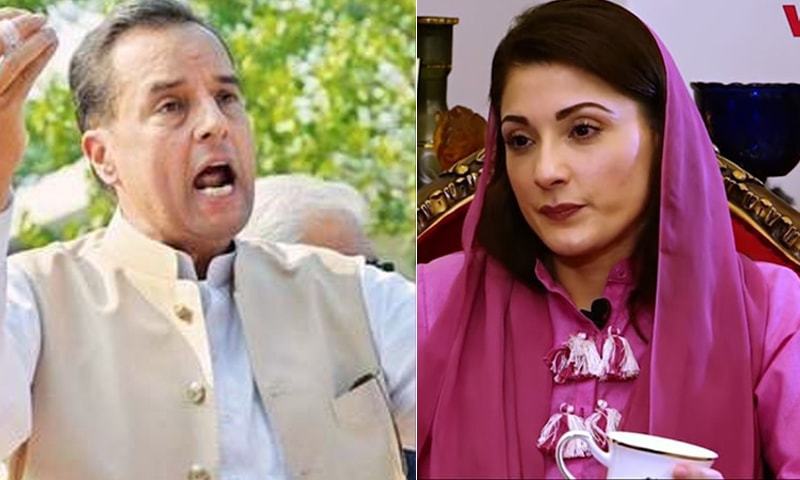
LAHORE: Punjab Chief Minister Maryam Nawaz’s spouse, retired Capt Muhammad Safdar, has come under fire for disparaging remarks about women advocating for bodily autonomy.
Speaking at a Khatm-i-Nabuwwat rally in Chiniot earlier this week, Safdar took aim at the slogan “mera jism, meri marzi” (my body, my choice).
He questioned why women who assert control over their bodies turn to religious scholars for prayers when diagnosed with serious illnesses such as cancer.
“They say, ‘My body, my choice.’ But when they fall ill or develop cancer, they turn to religious scholars, seeking prayers and blessed water for a cure. They should understand that if they claim ownership over their bodies, they should also be able to cure them. In reality, the human body is under God’s control,” he said.
On Friday, Maryam responded to a post on X regarding the speech, which stated: “Maryam Nawaz’s husband, Captain Safdar, also lost his mother-in-law to cancer, yet here he is mocking women who are battling cancer.”
The chief minister’s mother, Kulsoom Nawaz, passed away in 2018 after a months-long battle with cancer.
“Heartbreaking,” the chief minister said, posting an emoji of a broken heart.
“The silent battles a woman, a wife, fights behind closed doors … The strength she must find even when she feels like breaking. Some battles are fought in silence and some wounds are invisible,” she said.
Apart from CM Maryam, users on social media also took issue with Safdar’s remarks.
“My [mother] has been a cancer patient, and God knows how we managed to get through those difficult times. Her survival was nothing short of a miracle. Listening to Capt Safdar’s remarks on this matter is utterly shameful and disgraceful!” said TV anchor Ajmal Jami on X.
He also thanked CM Maryam for her “thoughtful and compassionate words for all those brave women”.
Another user, Maheen Ghani, said: “So a woman who says ‘mera jism, meri marzi’, which is essentially about autonomy and consent, loses the right to ask for prayers when she gets cancer? Is that seriously the argument?
“To take a woman’s illness, her fear and her faith and turn them into an opportunity to humiliate her. What an ugly, twisted understanding of both women’s rights and religion.”
On the other hand, some, like journalist Benazir Shah, lauded CM Maryam for speaking out.
“It takes real courage to take a public stand like this. More power to you, Maryam Nawaz Sharif,” she said.
Lawyers’ bodies condemn remarks about Asma Jahangir
Meanwhile, two premier lawyers’ bodies on Saturday strongly condemned Safdar for his remarks about Asma Jahangir – a renowned senior lawyer and human rights activist who passed away in 2018. During the rally, Safdar had called the late lawyer “cursed”.
Pakistan Bar Council (PBC) Vice Chairman Pir Muhammad Masood Chishti, as well as the 28th executive committee of the outgoing Supreme Court Bar Association (SCBA), regretted the remarks and urged public representatives to exercise restraint and uphold dignity in their statements.
Chishti called upon the relevant authorities to take immediate notice and initiate appropriate legal action.
“The use of disparaging language and references to her religious identity to malign her is highly regrettable and deserves strong condemnation,” the PBC vice chairman regretted, adding that making such remarks against a deceased woman, who was no longer alive to defend herself or respond, was particularly “deplorable and reflects a lack of decency and respect”.
The PBC vice chairman observed that differences of opinion must never become a pretext for personal attacks, hate speech, character assassination or religious intolerance.
“The invaluable services and contributions of the late Asma Jahangir to the legal fraternity, human rights and the rule of law deserve respect and recognition,” he emphasised.
Likewise, the 28th executive committee of the SCBA strongly and unanimously took exception to the recent remarks by Safdar.
“These remarks are highly condemnable and have deeply wounded the sentiments of the entire legal community,” the SCBA said, adding that Jahangir was a devout Muslim who dedicated her life to justice, humanity, and the rights of all people, without discrimination.
“Her services to humanity and human rights transcended religious boundaries and to make such hateful remarks about her was not only deeply disrespectful but also an insult to all those who continue to honour her legacy. She stood for the rights of every individual without discrimination.”
The SCBA also strongly condemned derogatory remarks by Safdar against women and an illness that was “being valiantly fought back by hundreds of thousands of women across the world”.
“At a time when women are breaking barriers, such remarks are disgraceful and entirely unacceptable,” the SCBA said.
“What makes this conduct even more shameful is that his own spouse holds the highest office of Punjab chief minister, and he himself is the father of a daughter; he should have been ashamed of making such insensitive and degrading remarks directed against the women,” it said.
These statements may also attract penal consequences, the SCBA reminded and called upon the concerned authorities to take immediate and strict notice and proceed in accordance with the law.
“Such divisive, offensive, and intolerant attitudes must be firmly challenged and nipped in the bud.
“Let it be clear to all and sundry, we will not remain silent when the dignity of our legal fraternity, the legacy of a human rights champion, and the respect owed to women are attacked,” the SCBA statement said.
Nasir Iqbal from Islamabad also contributed to this report.
Most Pakistanis have worn it, gifted it, or wrapped themselves in it during chilly winters and scorching summer heat. However, few know how far back this cloth goes or how much of its reputation rests on one simple choice: staying with organic, skin-friendly, and natural fibres.
When the Loom Was in the House
Long before Khaddar became a recognised brand name, it was integral to every household. In pre-1980 Kamalia, people primarily wove at home. Local weavers, known as julahas, produced the practical textile goods of rural Punjab: thick darris spread on floors and charpais, soft khais blankets, chaddars worn against the winter cold, and khaddar lacha—unstitched fabric used for traditional wide shalwars.
The entire process began in the fields with locally grown cotton. Women in the family spun it into yarn using a charkha, a slow daily routine that gave the thread a unique, subtle unevenness. Weaver artisans then placed the yarn on a traditional handloom (khaddi) and operated the shuttle using their hands and feet in a steady rhythm.
Colour choices were limited and sourced directly from nature. Cotton naturally grew in off-white and warm camel brown shades, which remained the signature Khaddar colours for years. When they needed coloured yarn, weavers relied on natural sources like plant roots, leaves, and mud. The town’s pre-1980 handloom history documents this rich tradition in detail.
1980: A Craft Gets an Identity
Registered trademark of The Kamalia Khaddar
In 1980, this traditional local craft transformed into a formal brand: The Kamalia Khaddar. Over four decades later, the business has expanded far beyond household workshops, supplying customers both nationwide and internationally.
While the core heritage remains intact, certain processes have evolved:
Machine-Spun Yarn: Today, most yarn is machine-spun to ensure a continuous supply and uniform strength.
Modern Weaving: Machine-woven fabric options are available for buyers who prefer a smoother, more even finish.
Authentic Handloom Line: Traditionalists can still buy genuine handmade Khaddar woven on original handlooms.
Despite these modern advancements, the foundational element remains unchanged—the fabric is always 100% pure cotton.
Why Pure Cotton Continues to Excel
Fashion trends change rapidly, but the demand for natural fibres remains steady due to superior comfort and physical benefits:
High Breathability: The textured weave of pure cotton Khaddar allows air to circulate freely. When held up to light, quality fabric displays tiny gaps in the weave, helping heat and perspiration escape.
Moisture Absorption: Natural cotton absorbs sweat effectively and releases it as it dries. In contrast, synthetic fibres like polyester absorb minimal moisture, making them feel sticky and uncomfortable during long, humid summers.
Gentle on Sensitive Skin: Pure cotton is hypoallergenic and minimises skin irritation. People prone to allergies or skin issues find natural fibres much easier to wear daily.
Natural Temperature Regulation: A lighter weave keeps the body cool during hot summers, while a heavier, tighter weave retains body heat throughout winter. A single natural fiber crafted in varied weights serves all seasons efficiently.
Navigating the Market Reality
With growing popularity comes imitation. In open markets, synthetic blends are often sold as Khaddar at lower prices. Buyers can verify authentic fabric through simple checks:
Ageing and Texture: Pure cotton becomes softer with each wash, whereas synthetic blends tend to pill, lose shape, or feel rough over time.
Direct Sourcing: Purchasing directly from authentic manufacturers eliminates intermediaries and guarantees original quality.
Hassle-Free Online Shopping
Previously, acquiring genuine Kamalia Khaddar required long travel or relying on unverified local retailers. Today, the official online store delivers nationwide with Cash on Delivery (COD), letting customers inspect the fabric before paying.
The catalogue covers complete winter and summer collections.
Key Takeaway
Clothing is an essential daily choice. Choosing pure cotton Khaddar supports comfort, long-term durability, and a heritage craft rooted in Punjab’s history.
To explore seasonal collections or order directly from the manufacturer, visit Thekamaliakhaddar.com
KARACHI – Pakistani journalist and Awami Raj Party chief Iqrar ul Hassan has secured legal relief after sessions court in Karachi granted him bail in a case involving allegations of spreading anti-state content on social media.
The court approved his bail application against surety bonds worth Rs200,000, marking a significant development in a case that has seen the television personality arrested in Lahore, transferred to Karachi and subsequently sent to jail on judicial remand.
The decision comes after an earlier setback on October 22, when a judicial magistrate in Karachi’s East district rejected Hassan’s request for bail. The case centres on allegations that the journalist was involved in promoting or circulating material considered anti-state through social media platforms. These allegations remain subject to judicial proceedings.
Iqrar was initially taken into custody from DHA Lahore before being moved to Karachi, where proceedings were initiated in connection with the alleged online activity. On October 19, the National Cyber Crime Investigation Agency (NCCIA) sought an extension of his physical remand as part of its investigation.
However, the court rejected the agency’s request and ordered that Hassan be sent to prison on judicial remand instead. The investigating agency was also directed to submit the case challan within 14 days, setting a deadline for the next stage of the legal proceedings. Three days later, he suffered another legal setback when the judicial magistrate dismissed his bail petition.
His legal position has now changed following the sessions court’s decision to grant bail against Rs200,000 in surety bonds. The ruling provides Hassan an opportunity to secure his release upon fulfilling the court’s conditions, although the criminal proceedings themselves remain unresolved.
Judicial Magistrate Gulraiz Memon approved Hassan’s bail after hearing arguments from the defence and the NCCIA. During the proceedings, defence counsel Ahmed Masood informed the court that the investigation challan had already been submitted and the journalist’s mobile devices were in the agency’s possession.
NCCIA reportedly told the court that no further investigation involving Hassan was required, although the forensic examination report was still pending. The case was registered under multiple provisions of the Prevention of Electronic Crimes Act (PECA), including allegations relating to cyberterrorism, cyberstalking and the dissemination of false information.
His lawyers challenged the allegations, maintaining that his social media commentary did not constitute a criminal offence. The court’s latest decision clears the way for Hassan’s release from custody once the required surety bonds are furnished. However, bail does not amount to an acquittal, and the allegations will remain subject to further legal proceedings.
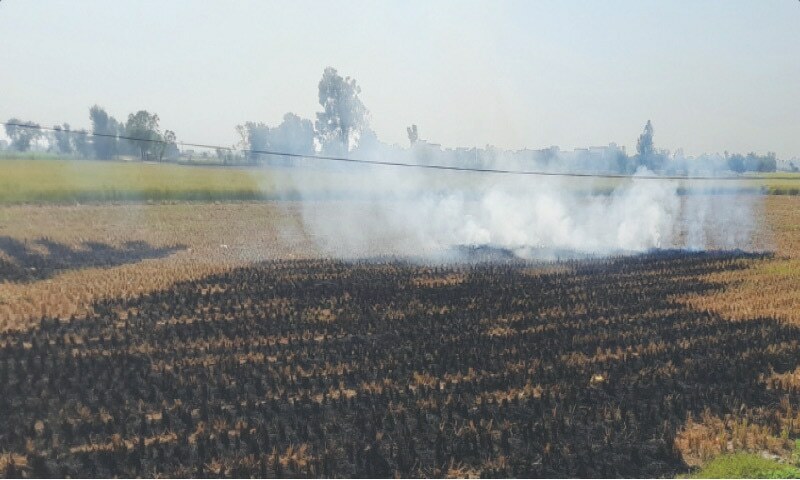
LAHORE: Crop-fire detections in Pakistan’s Punjab were 4.2 times higher than in Indian Punjab during the first 29 days of October, according to satellite data, as the province grapples with worsening smog.
According to an analysis published by environmental monitoring website HamariHawa, Nasa satellites detected 13,241 fire spots in Pakistan’s Punjab between Oct 1 and 29, compared with 3,158 in Indian Punjab — 4.2 times as many detections.
The report, based on data from Nasa’s Fire Information for Resource Management System (FIRMS), collected through VIIRS instruments aboard the Suomi NPP, NOAA-20 and NOAA-21 satellites, found that 92 per cent of the detected fire spots in Pakistan’s Punjab were located on farmland and were likely associated with crop burning.
The analysis also found that 6,655 fire spots, around half of the monthly total, were detected during the last seven days of October, indicating an increase in burning activity. Oct 29 was the busiest day, with 1,327 fire spots recorded in Pakistan’s Punjab.
A comparison based solely on data from the Suomi NPP satellite, which provides a consistent basis for examining trends over different years, showed that 4,562 fire spots were detected in Pakistan’s Punjab, compared with 918 in Indian Punjab, between Oct 1 and 29.
The findings mark a reversal of the situation in 2019, when Indian Punjab recorded almost five times as many fire detections as Pakistan’s Punjab during the same period, with 14,002 compared with 2,908.
HamariHawa’s historical analysis showed that Indian Punjab reduced its satellite-detected crop fires by 95 per cent between 2021 and 2025, while detections in Pakistan’s Punjab increased by 33 per cent between 2019 and 2025. In 2025, Pakistan’s Punjab recorded 12,364 fire spots, compared with 3,714 in Indian Punjab — 3.3 times as many.
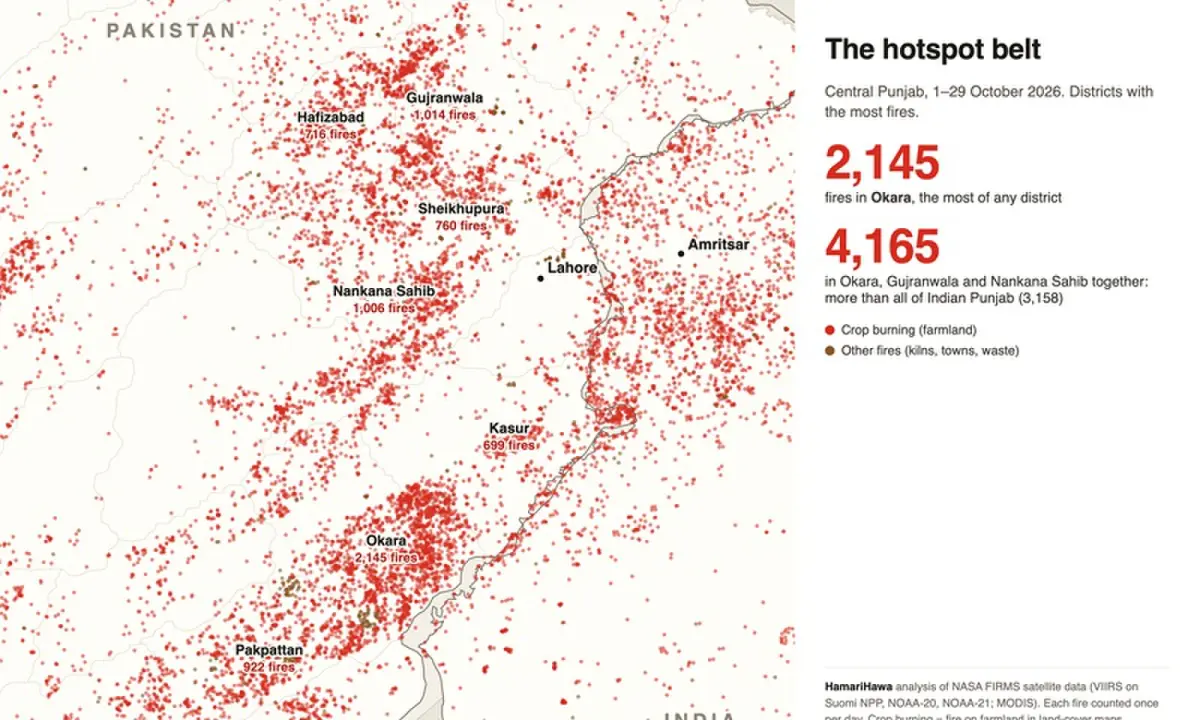
The latest data showed that agricultural burning in Pakistan’s Punjab was concentrated in the rice-growing belt around Lahore. Okara recorded the highest number of fire spots, at 2,144, followed by Gujranwala with 1,011 and Nankana Sahib with 1,003 between Oct 1 and 29.
Graphic showing concentration of fires detected during the month of October — HamariHawa
The three districts collectively recorded 4,158 fire spots, exceeding the total of 3,158 detections recorded across Indian Punjab during the same period.
Pakpattan recorded 922 fire spots, followed by Sheikhupura with 756, Hafizabad with 713, Dera Ghazi Khan with 710, Kasur with 699, Khanewal with 682 and Jhang with 676.
The report noted that these districts lie around Lahore, meaning smoke from agricultural fires across different parts of the province could contribute to the city’s deteriorating air quality, depending on wind direction.
However, the website cautioned that satellite detections indicate locations where fires were burning when satellites passed overhead and do not measure the area burnt or the volume of smoke produced. Fires occurring between satellite passes, or those obscured by clouds and thick smoke, may also go undetected.
HamariHawa said it had used the same methodology on both sides of the border and cross-checked its figures for Indian Punjab against official Indian fire counts, finding a strong correlation between the two datasets. It also pointed out that Pakistan had no comparable publicly available official daily fire-count series.
The satellite findings come as the Punjab Environment Protection Agency (EPA) intensifies its pre-smog enforcement campaign across the province, combining action against brick kilns, industrial pollution, plastic burning and construction dust with measures to prevent agricultural fires.
According to official figures for Sept 28 to Oct 27, the agency inspected 11,580 brick kilns, demolished 197 non-compliant kilns, sealed 163 units and registered 162 cases. Fines amounting to Rs40.7 million were also imposed during the operation.
Industrial pollution was another target, with 6,650 industrial units inspected, 22 demolished and 191 sealed. Officials issued 333 smog notices, registered 15 cases and imposed fines totalling Rs28m.
The agency also conducted 6,064 inspections targeting plastic burning, sealed 152 sites and confiscated 45,100 kilogrammes of plastic. In a separate exercise to monitor the installation of suction hoods at industrial facilities, 4,204 units were inspected, of which 1,863 had installed the required equipment. A total of 333 non-compliant sites were sealed.
To control dust from construction activities, operations were conducted in 397 union councils, with mist sprinklers installed at 49 locations.
In agricultural areas, the Punjab government has deployed 67 Quick Response Units (QRUs) to identify and prevent crop-residue burning through satellite-based fire detection and field monitoring. The teams are tasked with reaching fire hotspots, extinguishing fires and taking action against those responsible.
The department has also deployed drones, special night squads and field teams to identify pollution sources and enforce environmental regulations. Anti-smog guns are being operated at selected locations across Lahore to suppress suspended dust particles.
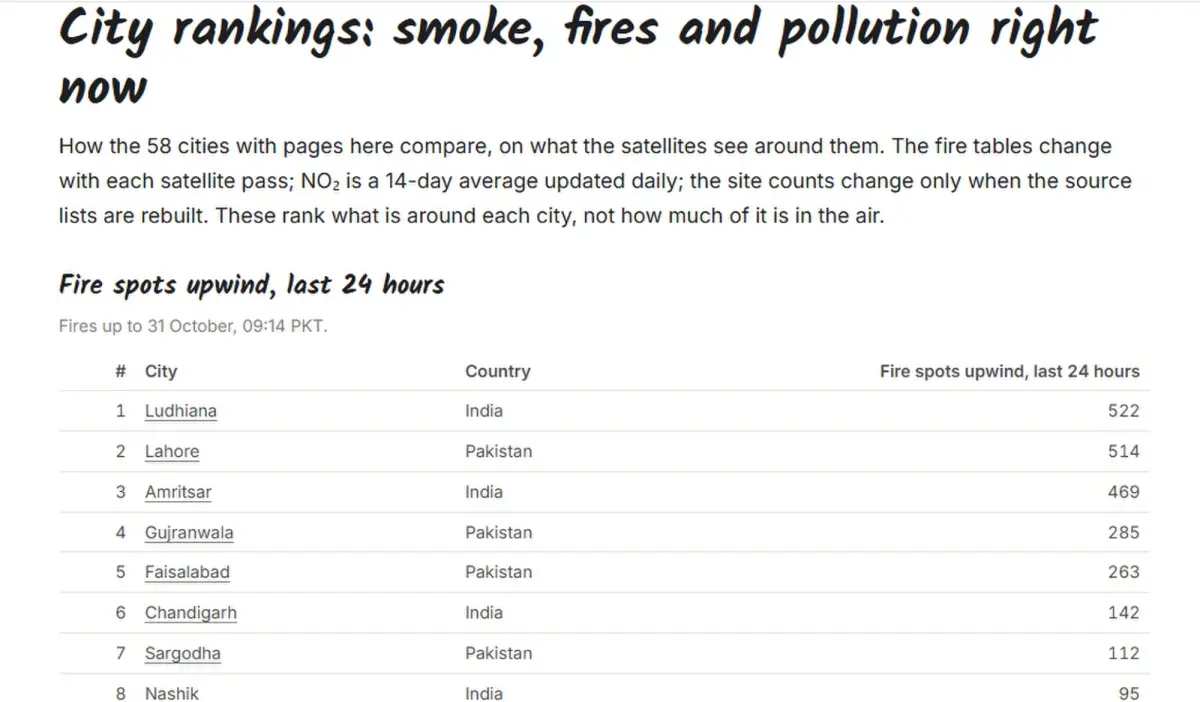
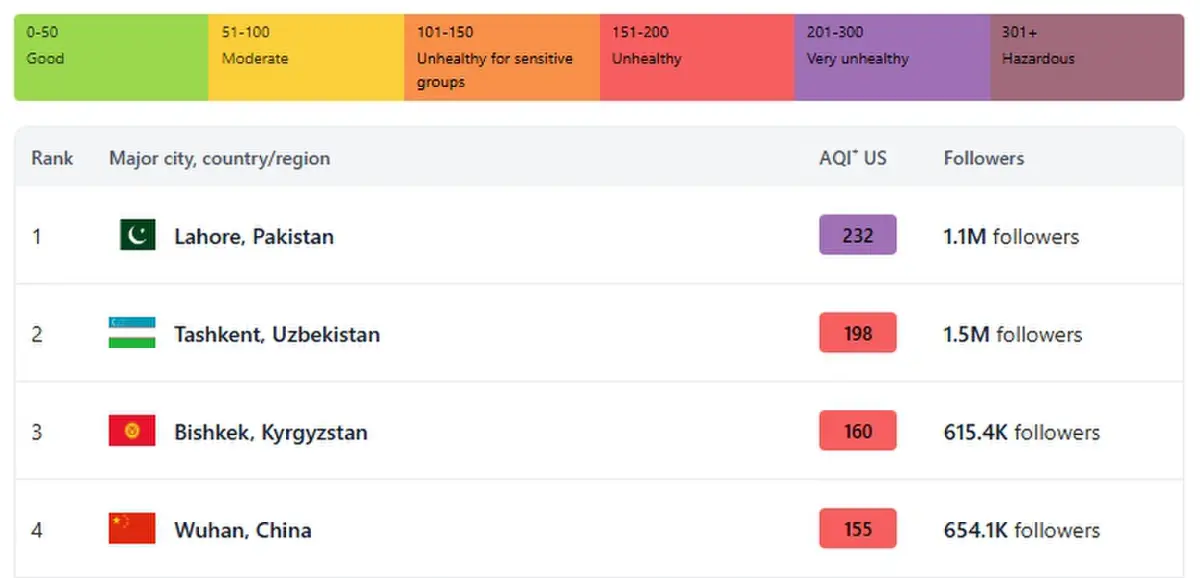
Meanwhile, according to the live air quality ranking published by Swiss air quality monitoring platform IQAir, Lahore recorded an Air Quality Index (AQI) of 232 at 1pm on Oct 31, placing it at the top of the list of the world’s major cities. The readings placed Lahore in the ‘very unhealthy’ category.
Figure shows the top ranked polluted cities according to IQAir on Saturday afternoon. — Screengrab via IQAir
Director General Environment Abdullah Nayyar Sheikh said the department was implementing a zero-tolerance policy against pollution, with enforcement teams remaining active during the day and at night.
He said action through fines, registration of cases and sealing of premises would continue against those violating environmental laws.
The satellite findings, meanwhile, highlight the challenge of controlling agricultural fires, particularly in districts surrounding Lahore, as the province enters the period when crop-residue burning and other pollution sources can combine to aggravate winter smog.
KARACHI: A judicial magistrate granted bail to anchorperson Iqrarul Hassan, his lawyer, Advocate Ahmad Masood, confirmed to Dawn on Saturday.
The anchorperson was arrested by the National Cyber Crime Investigation Agency (NCCIA) in a case registered in Karachi for allegedly disseminating anti-state, false and defamatory content through his official social media accounts. He was booked under multiple sections of the Prevention of Electronic Crimes Act (Peca).
Hassan, who was in judicial custody, was granted bail on Saturday against surety bonds of Rs200,000 by East Judicial Magistrate Gulraiz Memon, Advocate Masood said.
“The challan has been submitted to the court, and his electronic devices have been taken into possession by the authorities,” he said.
Meanwhile, during the hearing, the NCCIA told the court that no further investigation involving Hassan was required, but it was awaiting a forensic report.
On October 22, the same judicial magistrate rejected a bail plea filed by Hassan, prompting the defence to challenge the rejection in a sessions court.
During the October 22 hearing, the NCCIA submitted its remand report, saying the investigation had progressed but several important aspects remained to be examined in light of the forensic analysis of Hassan’s seized digital devices and records from other departments, including the National Database and Registration Authority (Nadra).
In a verdict issued by the local court, the court held that it did not find any merit in the bail application and dismissed the same accordingly.
“However, the counsel for the applicant/accused may move a bail application before the trial court, as the challan/charge sheet has been submitted before the learned trial court subsequent to the dismissal of the applicant’s earlier bail application by the said court, said the Sessions Court, providing the grounds for the trial court to approve the bail following the submission of the challan.
On October 19, the judicial magistrate sent the anchorperson to prison on an eight-day judicial remand until October 26.
On October 17, Hassan was produced before Judicial Magistrate Memon upon the completion of his initial four-day physical remand. The NCCIA had sought a further 10 days of custody for questioning, but the magistrate rejected the request and granted the agency two more days.
LAHORE – Relief for patients in Punjab as Lahore High Court (LHC) ordered to end traditional patient slip system (Parchi System )in all government hospitals within four weeks, directing authorities to introduce a modern patient registration system in its place.
Lahore High Court issued key directions to end unnecessary delays in providing healthcare services at government-run hospitals. It mentioned Patients should no longer be required to wait in lengthy queues at registration counters simply to obtain traditional paper slips before receiving treatment.
Patients requiring emergency medical assistance must receive treatment without prior registration being a mandatory condition. The requisite to get conventional patient slips should not become an obstacle to timely medical consultation or treatment.
Punjab Health Department has been directed to replace the existing procedure with an effective, technology-based patient registration and management system.
Relevant authorities must provide documentary evidence of the changes and submit comprehensive reports concerning the availability of essential healthcare facilities. Officials who fail to comply with the court’s directions without sufficient justification may face legal consequences.
The verdict do not mean that patient registration or medical recordkeeping will be eliminated as authorities got month time to come up with modern registration mechanism to facilitate patients and improve hospital management.
The matter has been pending before the Lahore High Court since 2020. The petition was filed by the Judicial Activism Panel (JAP) through its chairman, Advocate Azhar Siddique, seeking protection of fundamental rights under Articles 4 and 9 of the Constitution and the provision of essential medical facilities in government hospitals.
During the proceedings, the court expressed concern that despite the passage of six years and the issuance of multiple notices, the departments concerned had failed to submit the required implementation reports.
Special Secretary Health Nabeela Irfan appeared before the court on behalf of the provincial Secretary of Specialized Healthcare and Medical Education. She assured the court that the Punjab government would replace the existing patient slip system within four weeks. The court made this undertaking part of the judicial record and directed the authorities to ensure strict compliance.
Assistant Advocate General Barrister Raja Hashim Javed and Health Department lawyers Naseem Mushtaq and Raja Saleemullah Khan also appeared during the hearing.
LAHORE: The Crime Control Department (CCD) claimed on Saturday that the prime suspect in the murder of a bride on her wedding day in Gujranwala district was killed during an alleged exchange of fire.
According to a CCD spokesperson, the prime suspect, Sarfraz, had allegedly been hiding in Karachi with the other suspects before being arrested.
The spokesperson claimed that while he was being transported back by the CCD, the convoy came under attack. Sarfraz was allegedly killed by gunfire from his own accomplices during the exchange of fire.
The spokesperson further claimed that the suspects, including a woman, had been constantly changing locations before their arrest the previous night.
The bride was shot dead on the day of her reception in Gujranwala city, allegedly by the prime suspect whose marriage proposal was declined by her family.
According to the CCD Gujranwala, the suspect opened fire on her after stopping her vehicle as she returned from her wedding reception.
A department spokesperson said the case was registered at a CCD police station on the complaint of the deceased’s father. The Gujranwala CCD booked three suspects — Sarfraz, his female cousin and an unidentified accomplice — under sections 302 (premeditated murder), 311 (Ta’zir after waiver or compounding of right of qisas in qatl-i-amd), 109 (punishment for abetment if the act abetted is committed in consequence and where no express provision is made for its punishment) and 34 (common intention) of the Pakistan Penal Code.
The CCD, established last year, has been criticised by human rights advocates and civil society members for a high number of casualties.
The Human Rights Commission of Pakistan (HRCP) alleged earlier this year that the CCD has adopted a “deliberate policy of staged police encounters leading to extrajudicial killings”. In response, the department termed the claims as unfounded and contrary to the department’s operational framework.
A day earlier, the CCD claimed that two alleged robbers were “killed during an encounter” in Punjab’s Kasur. Police claimed the suspects were wanted by Kasur, Lahore and Sheikhupura police in dozens of cases of robbery, house dacoities and murders.
On October 29, the department claimed that a man involved in a case of a murder of a 10-year-old boy was also allegedly killed in an encounter.
Earlier this week, the CCD released a comparison of crime figures of September 2023-24 and September 2025-26, claiming 63 per cent reduction in overall crime, including robbery and motorcycle theft, across Punjab.
According to the CCD spokesperson, Lahore recorded the steepest decline in overall crime, at 78pc, in September 2025-26 compared to September 2023-24. Faisalabad followed with a 68pc decrease and Sahiwal with 66pc. Multan recorded a 59pc decline, while Gujranwala and Bahawalpur each saw a 58pc decrease. Crime rates also fell by 57pc in Sheikhupura, 56pc in Sargodha, 52pc in Rawalpindi and 43pc in Dera Ghazi Khan.
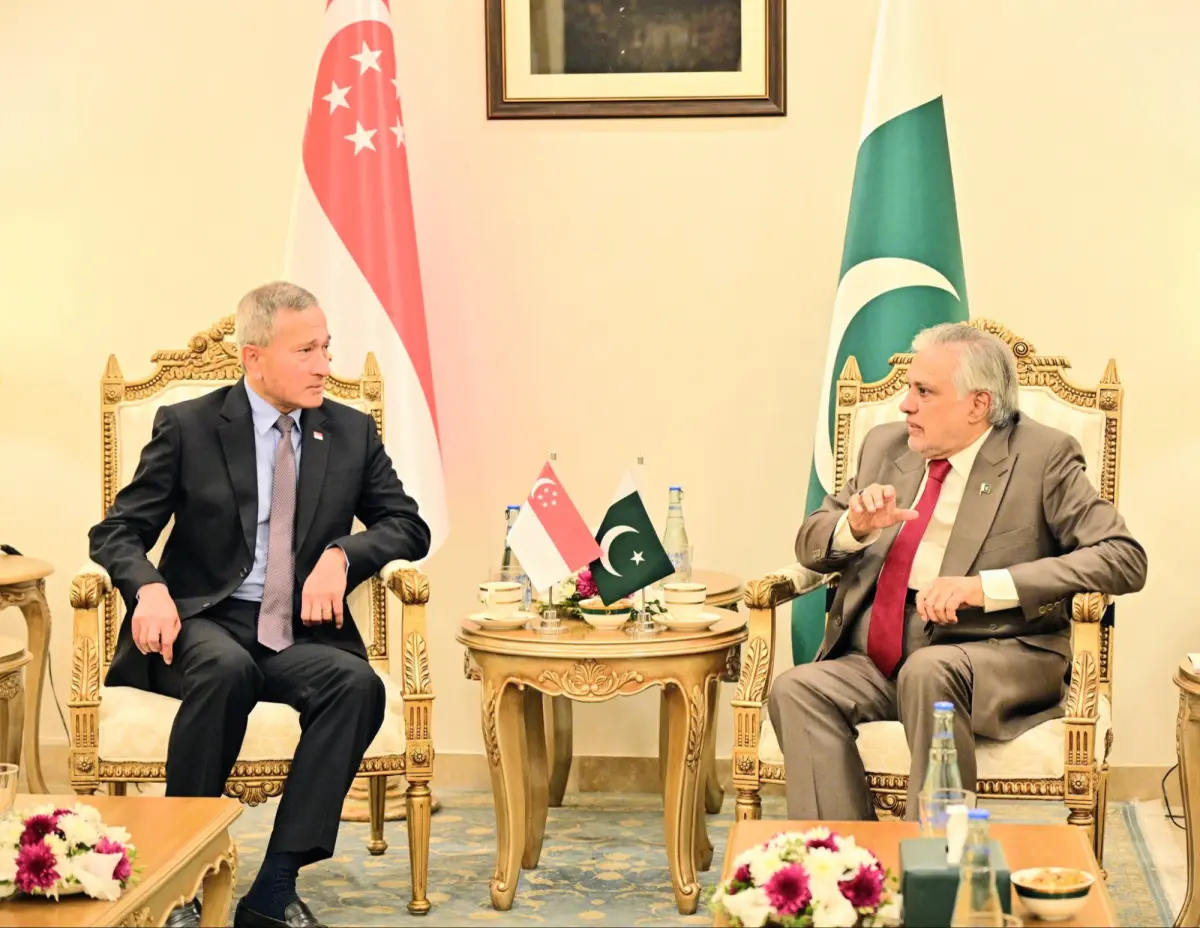
Deputy Prime Minister and Foreign Minister Ishaq Dar and his Singaporean counterpart Dr Vivian Balakrishnan discussed ways to enhance bilateral cooperation in trade, investment, agriculture, infrastructure development and digital technologies during the latter’s visit to Pakistan, the Foreign Office (FO) said on Saturday.
At the invitation of Dar, Dr Balakrishnan undertook an official visit to Pakistan on Friday.
According to a statement issued by the FO today, the two sides reviewed the entire spectrum of bilateral ties and exchanged views on regional and international developments.
“Deepening of Pakistan’s engagement with Asean, including in the context of Singapore’s upcoming Asean chairmanship in 2027, also came under discussion,” the statement added.
The two ministers also exchanged a memorandum of understanding on cooperation in disaster management between Pakistan’s National Disaster Management Authority (NDMA) and Singapore’s Civil Defence Force (SCDF).
The MoU aims to strengthen cooperation in disaster preparedness, response and resilience, the FO said.
Coinciding with the 60th anniversary of the establishment of diplomatic relations between the two countries, the visit reflected their shared commitment to further strengthening their longstanding partnership, it added.
On Friday, Dr Balakrishnan met Chief of Defence Forces and Chief of Army Staff Field Marshal Asim Munir at the General Headquarters, where the two discussed regional security and avenues for bilateral cooperation.
He also called on Prime Minister Shehbaz Sharif, who expressed admiration for Singapore’s “remarkable economic transformation” and its achievements in innovation and development.
The two sides also exchanged views on regional and international developments and reaffirmed their commitment to continued engagement and cooperation at bilateral and multilateral fora.
Separately, Dar discussed with the visiting diplomat the possible resumption of direct flights between Pakistan and Singapore to facilitate business travel and closer contact between the two peoples.
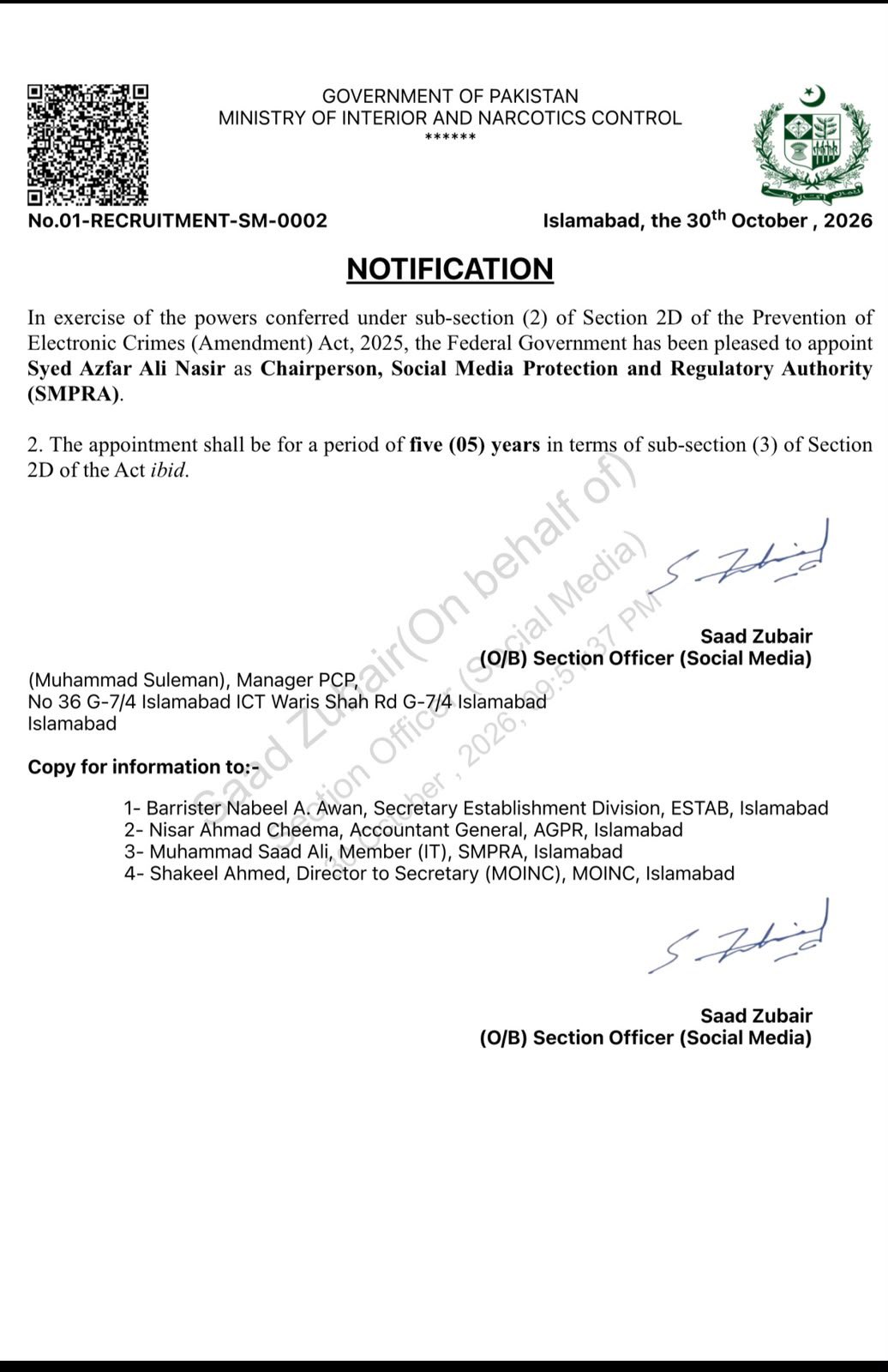
ISLAMABAD – The federal government has appointed former Punjab caretaker minister Barrister Syed Azfar Ali Nasir as chairman of the Social Media Protection and Regulatory Authority (SMPRA), giving him task of another body overseeing social media platforms and enforcing online content regulations.
Ministry of Interior and Narcotics Control issued formal notification confirming Nasir’s appointment for 5-year term, amid government’s efforts to strengthen oversight of the country’s digital space.
According to notification dated October 30, 2026, the appointment has been made under Section 2D of the Prevention of Electronic Crimes (Amendment) Act, 2025.
Nasir is no stranger to government affairs, having previously served as a minister in Punjab’s caretaker administration. His portfolio included responsibilities related to religious affairs, housing and urban development. He also served as chairman of the Ravi Urban Development Authority (RUDA) and the Punjab Central Business District Development Authority (CBD Punjab), bringing administrative and public-sector experience to his new position.
The appointment comes as Pakistan moves forward with implementing its amended cybercrime legislation, which grants SMPRA extensive regulatory authority over digital platforms. Under the law, the authority is empowered to oversee social media platform registration and licensing, establish compliance guidelines, investigate complaints involving unlawful online content and direct the removal or blocking of material that violates applicable regulations.
It can also impose penalties and take regulatory action against platforms that fail to comply with legal requirements, including restrictions on their operations. The regulatory body was established under amendments introduced in 2025 to the Prevention of Electronic Crimes Act, 2016, expanding the government’s legal framework for addressing online misinformation, prohibited content and digital platform accountability.
The latest appointment also comes against the backdrop of continuing debate over Pakistan’s cybercrime laws and their implications for freedom of expression. While the government defended stronger digital regulations as necessary to address misinformation and online harm, journalists’ organisations and human rights groups have raised concerns about potential restrictions on free speech and the misuse of regulatory powers.
With Nasir now appointed for a five-year term, attention will turn to how the authority exercises its powers, handles complaints and balances online safety with constitutional protections. The development follows earlier announcement in March 2026 naming Islamabad Advocate General Ayaz Shaukat as the authority’s first chairman.

 Login






 https://t.co/DHbEmjhb4g