British Prime Minister Andy Burnham has found a novel way of solving Britain’s cost-of-living crisis. By bombing Yemen.
Yes, you read that correctly. This week, Burnham authorized the deployment of British Typhoon fighter jets to Saudi Arabia for its war with Yemen.
Downing Street assured the British public that the deployment was for “defensive” operations only. The BBC and other British media outlets indulged this fantasy by repeating over and over that the Royal Air Force was being deployed for “defensive actions”. The RAF would not be engaging in attacking Yemen, it was claimed, and the British fighter jets were being sent to “protect” Saudi Arabia from “escalating” Houthi aggression.
Britain’s Minister of Defense Wes Streeting (a former health minister, please note) framed the RAF mission as necessary to counter instability in the Middle East and soaring energy prices. As if Britain was not the cause of instability and higher fuel costs by backing Trump’s aggression on Iran.
The Guardian reported: “The [British] military intervention [in Yemen] was partly justified because instability in the Middle East was driving up energy prices and affecting the cost of living.”
This logic is as absurd as it is gross deception.
Recall that Burnham was ushered into Downing Street in July to replace the hapless Keir Starmer as Labour prime minister. Burnham, formerly the Mayor of Manchester and posing with his working-class credentials, made a big public pitch that he would prioritize easing the cost-of-living crisis ravaging Britain.
However, since entering office, his most notable forays have been in foreign policy. For example, he has received the Ukrainian dictator Vladimir Zelensky in Downing Street with promises of more military aid in addition to the $20 billion that Britain has already provided (the second largest source of aid in Europe after Germany). Burnham has pledged to provide Ukraine with British blueprints for manufacturing cruise missiles.
Last month, Burnham announced that Britain was deploying an RAF in-air refuelling plane to “help” Saudi Arabia’s air strikes on Yemen. To allay public concerns about that move, Downing Street and the British media assured that the deployment was “defensive only” and for a limited period.
Ironically, Burnham made that announcement while travelling to address the United Nations General Assembly in New York, where he hailed Britain for offering world leadership for peace and security.
Now, again this week, the RAF deployment is extended to sending Typhoon fighter jets to Saudi Arabia. London is also providing a RAF A400M transport plane for troops and up to 100 military advisers.
This sounds like classic mission creep. Downing Street is aware of the exposure to public criticism. The prime minister’s office denied Britain was being dragged into the conflict. It said: “Our support for Saudi Arabia is considered, proportionate and focused on helping them defend themselves from relentless Houthi attacks.”
The British government and media are distorting the conflict between Saudi Arabia and Yemen as one of “aggression” by the Yemeni forces of Ansar Allah, referred to as “the Iran-backed Houthis”. That description makes the Yemenis sound like crazy terrorists who are being directed by Iran.
Here’s the BBC’s creative reporting: “The UK will deploy RAF Typhoon jets to defend Saudi Arabia in response to escalating Houthi missile and drone attacks, the government has said.”
The BBC goes on: “The defensive mission will help defend Saudi cities and infrastructure – a move authorised by Prime Minister Andy Burnham – against aerial attacks by the Iran-backed group… Since September, Saudi Arabia has been struggling to defend its skies from Houthi attacks after a ceasefire of sorts in Yemen broke down.”
This is reality inversion by the British state-owned media outlet.
The ceasefire in Yemen was violated in mid-July when Saudi Arabia launched air strikes on the international airport in Sanaa, the Yemeni capital, to target a delegation attending the state funeral of Iran’s Ayatollah Khamenei, who was murdered in a U.S.-Israeli air strike on his family home in Tehran on February 28.
That ceasefire was called in 2022 to end a seven-year war of aggression by Saudi Arabia against Yemen. The war began in 2015 to reinstate a Saudi puppet regime that the Ansar Allah-led Yemenis ousted in 2014. The Saudis bombed Yemen relentlessly for seven years with support of the United States, Britain, and France. An estimated 20,000 Yemenis were killed in air strikes, and around 300,000 died from a humanitarian blockade that the Western-backed Saudi coalition imposed on the country.
Britain’s military minister Wes Streeting referred to recent Yemeni strikes on Saudi Arabia as “despicable”. He mentioned a ballistic missile attack on October 10 on King Khalid international airport in the Saudi capital, Riyadh. At least 13 people were killed in the strike, and over 300 were injured.
The Ansar Allah-led Yemeni Armed Forces have also hit several other Saudi airports and key oil industry installations. The number of Saudi civilians killed in these attacks is relatively small, around 20, whereas Saudi warplanes have killed hundreds of Yemeni civilians since it broke the ceasefire in July. This week, eight Yemeni fishermen were killed in Saudi strikes. What Yemen is doing to Saudi Arabia is self-defense, not aggression.
London and its media propaganda are making out that Britain is “defending” Saudi Arabia. The reality is London is assisting Saudi aggression and war crimes.
Significantly, Streeting flew to Washington, DC, last week, where he met the war secretary, Pete Hegseth. Their agenda was about how to respond to “Houthi escalation.” Obviously, the junior partner got the memo: send warplanes to Yemen; we’re too busy with Iran.
Meanwhile, in Britain, an unprecedented social crisis is unfolding from poverty and a crippling cost of living. Charities report that four million families are having to go without adequate food or home heating because of soaring bills. Oxfam estimates that 13.5 million Britons, or a fifth of the population, are suffering from poverty. More than six million people rely on food charities for a modicum of sustenance.
It tells you everything about a state whose government does nothing about its own people’s dire needs but finds the resources to send warplanes to distant countries to bomb other poor people.
Andy Burnham is just another puppet who is assigned to put on a show in Downing Street for public appeasement. The imperial deep state has its hand up his rear. That’s mission creep in Downing Street.
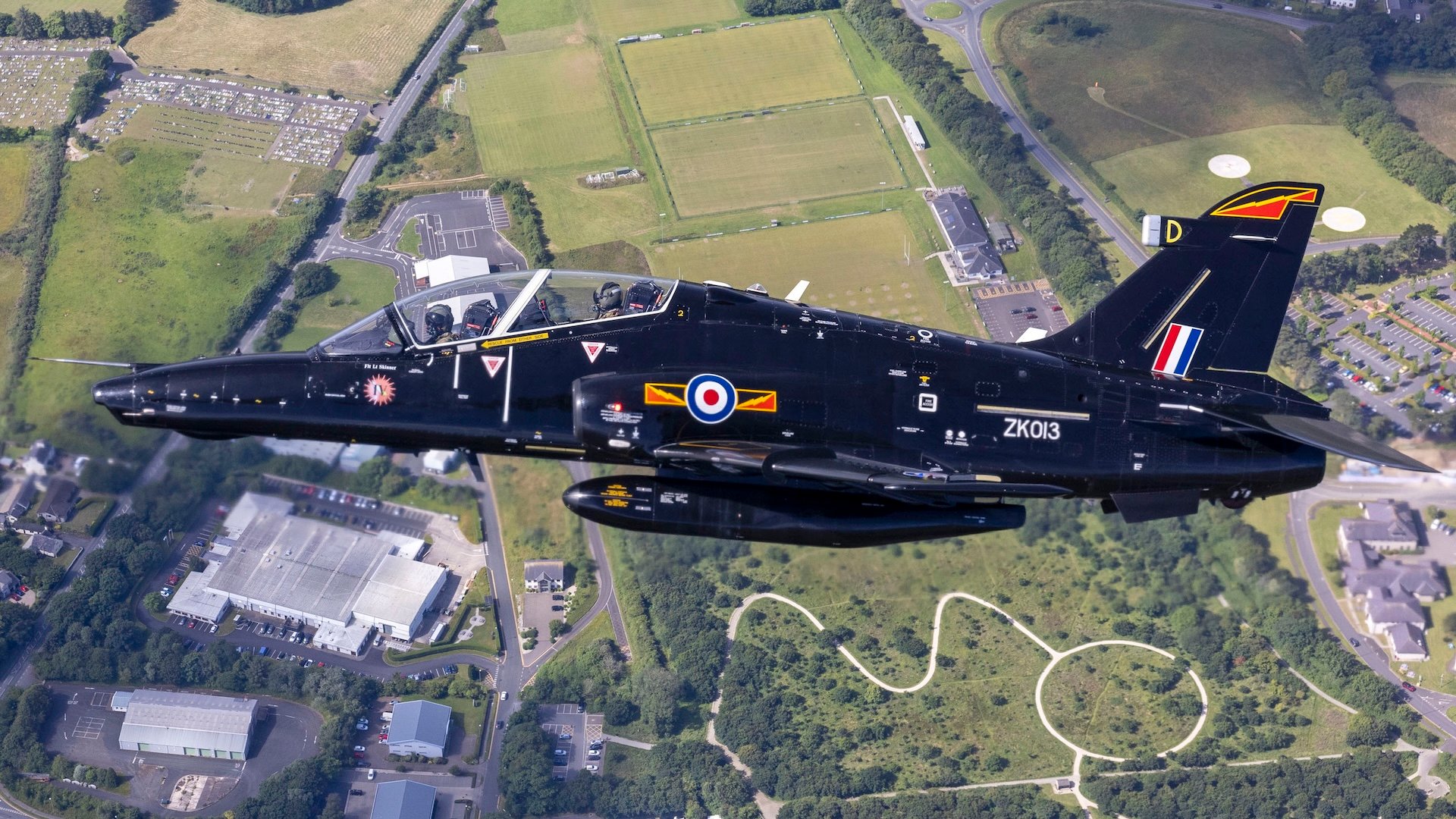
A U.K. Royal Air Force Hawk T2 training jet crashed in the Pencarnisiog area of Anglesey, North Wales, on Wednesday after both pilots ejected from the aircraft.
Videos captured of the incident show the aircraft porpoising at a slow speed and high angle of attack, before the pair ejected. The Hawk appears to narrowly miss homes before impacting the countryside and bursting into flames, with thick black smoke visible afterward.
Local police said the two pilots were being treated for minor injuries and that there were no reports of wider damage or additional casualties. Emergency services, including Coastguard and Wales Air Ambulance helicopters, responded to the scene.
The crash occurred near RAF Valley, where the RAF operates its Hawk T2 advanced jet trainers as part of fast-jet pilot training. The station is home to No. 4 Flying Training School. The Telegraphreports the incident happening “shortly after takeoff.”
WATCH: The moment an RAF training jet crashes shortly after take-off at RAF Valley pic.twitter.com/Pnc71YEuW5
The Royal Air Force confirmed that the incident involved one of its Hawk T2s flying out of RAF Valley.
“An investigation is under way and we will not comment further at this time,” the RAF said.
Wreckage from the aircraft has been located at the crash site. Police have asked the public to avoid the area while emergency services remain at the scene.
The circumstances surrounding the crash, including what caused the aircraft to go down and the nature of the flight, have not yet been established.
The Hawk fleet has experienced previous technical issues.
In 2022, engines were removed from service amid concerns over potential in-flight failures, while the 28-aircraft RAF Hawk T2 fleet was temporarily grounded in January 2023 following an engine-related incident at RAF Valley.
In 2024, then-Chief of the Air Staff Air Chief Marshal Sir Richard Knighton said he wanted to replace the Hawk T2, citing problems with its engines and support and concerns about the reliability of the training capacity it provided. The Hawk T2 is due to be retired by 2040.
Those previous issues are not known to be connected to Wednesday’s crash.
Update: 2:09 PM ET –
The Royal Air Force has issued a new update on the mishap today:
“Following an incident involving an RAF Hawk T2 aircraft today, both pilots are receiving medical treatment. Their families are being supported.”
“The RAF has decided to temporarily pause Hawk T1 and T2 operations, as a precautionary measure, whilst investigations are ongoing.”
An update on today's incident involving an RAF Hawk T2 aircraft. Thank you for the well wishes to our people. pic.twitter.com/GLuWU9LfoN
A video taken by an onlooker outside the perimeter fence at RAF Valley shows the ill-fated Hawk T2 taking off, with flames beginning to appear during the takeoff roll.
Exclusive: a Hawk T2 getting airborne from RAF Valley, N. Wales. As it rolls down the runway flames appear from the rear of the jet. The Hawk T2 does not have reheat (afterburner). As the jet climbs the flames seem to disappear. The main Hydraulic system is on the rear left side. pic.twitter.com/WafevD2BQg
The Royal Air Force has shared a new update on yesterday’s crash, which is as follows:
“Both pilots are doing well, they are in extremely good spirits and [are] expected to make a full recovery.”
“A formal investigation into the circumstances surrounding the incident is now underway and as a precautionary measure, the RAF has temporarily paused Hawk T1 and Hawk T2 flying operations.”
The Royal Air Force (RAF) is deploying one of its Voyager aerial refueling jets to help Saudi Arabia defend against ongoing attacks from the Iranian-backed Houthi rebels of Yemen. The decision marks the first publicly known international military assistance offered to Saudi Arabia specifically for its fight against the Houthis, which erupted over the summer. The move came hours before U.S. President Donald Trump told the United Nations General Assembly meeting that he believes a peace deal with Iran will be reached after the U.S. midterm elections in November.
The British action is significant because, while it involves just one tanker, other key Saudi allies have yet to heed the Kingdom’s request for military help specifically to battle the Houthis. Although it’s important to note some assets already deployed to defend against Iranian attacks could be helping with the Houthi threat now.
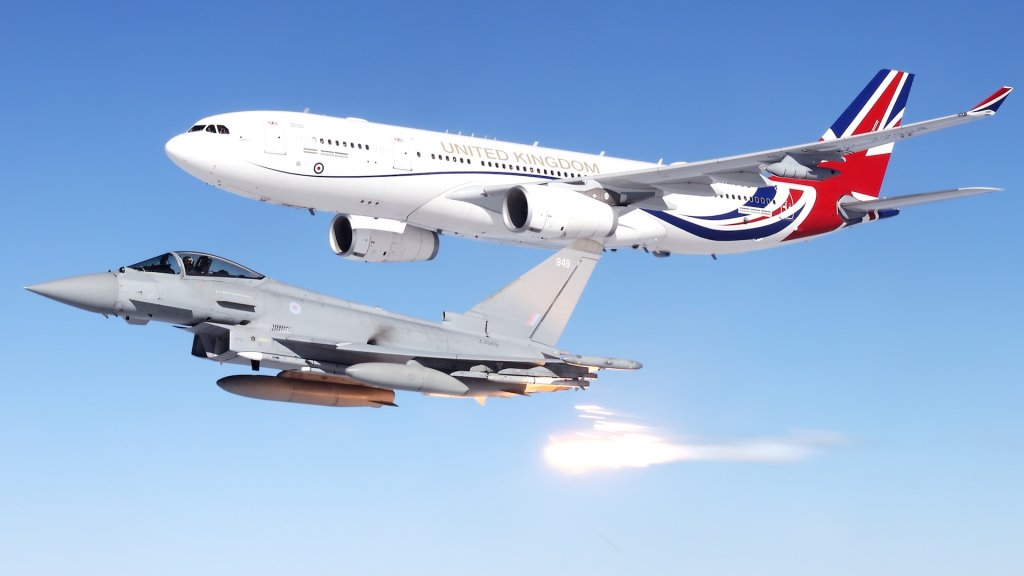
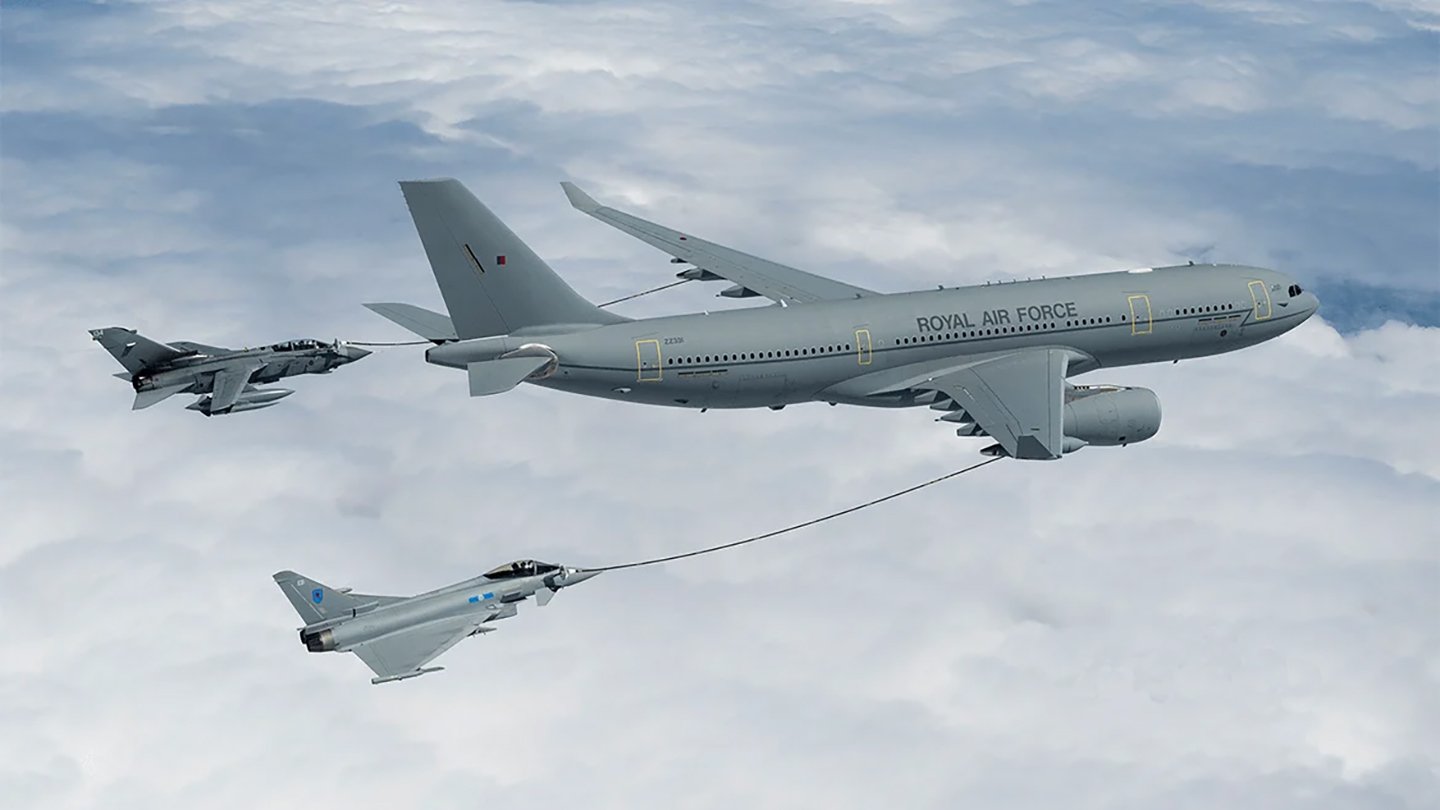
A Royal Air Force Typhoon FGR4 accompanies a Voyager tanker during a Quick Reaction Alert training scenario in March 2026. (Crown Copyright) Crown Copyright
Last week, Trump turned down a direct plea from Saudi Crown Prince Mohammed bin Salman, the Kingdom’s de facto leader, to attack the Houthis. Meanwhile, Pakistan and Turkey, which signed the Mecca Joint Defense Agreement with Saudi Arabia, have yet to provide any direct military aid. The pact holds that an attack on one is considered an attack on all; however, it doesn’t stipulate exactly what actions should be taken.
At issue, beyond protecting the Saudis, is growing concern over the Bab al-Mandab Strait, a key chokepoint now largely controlled by the Houthis, who are preventing the Saudis from using it to ship oil.
Earlier this year, the Houthis imposed a blockade on the Strait, and began striking Saudi ships in the southern part of the Red Sea as well as critical energy terminals on that body of water. Iranian proxies have also struck the vital East-West pipeline that feeds oil to be transferred and shipped via the Red Sea in order to bypass the Strait of Hormuz, where Iran vastly curtailed shipping after the launch of Operation Epic Fury. The pipeline reportedly reopened today after being shut down following a long-range drone attack.
The stark reality is that if Saudi refineries are destroyed and the pipeline is shut down for months, if not longer, the last major lifeline from the region — and especially to Europe — would be closed off, sparking a deeper energy crisis.
Concern over these factors spurred Britain to act, the Ministry of Defense (MoD) noted. It said it was acting on a request from Saudi Arabia and that the jet would “support Saudi Arabia’s defensive operations in aid of the legitimate Yemeni government.”
“Escalating tensions in the Gulf could have negative consequences here in the UK—such as rising prices, disruptions to energy supplies, and increased costs for British businesses,” the ministry explained. “The Houthis pose a threat to stability in the Middle East; therefore, it is in the UK’s national interest—economically and in terms of security—that they do not succeed in their aims.”
“We unequivocally condemn Houthi attacks on Saudi Arabia, and our position is clear: both Saudi Arabia and the Yemeni government have the right to self-defense,” the ministry added.
The jet will operate from a U.K. air base in Cyprus and will begin air-to-air refueling operations in the coming days, the BBC reported.
The MoD said the Voyager will fly only in support of missions to shoot down missiles and drones, though Saudi aircraft are also bombing Houthi ground positions in Yemen, in part to get at drone and missile launchers and storage sites. Houthi officials have accused the Saudis of killing civilians in some of these attacks.
It should be noted that, more than a decade ago, the U.S. was supporting the Saudi coalition’s previous bombing campaign against the Houthis by providing aerial refueling and intelligence. However, then-Defense Secretary James Mattis ended that in 2018 during the first Trump presidency after growing concerns over the large number of civilian casualties.
The Voyager can only refuel the Royal Saudi Air Force Eurofighter Typhoons, Panavia Tornados, and Italian Air Force Typhoons that have been in the Kingdom since before the fighting with the Houthis broke out, as well as any other similarly equipped allied aircraft. That’s because the tanker only has probe-and-drogue aerial refueling, not the boom required for gassing up other receptacle-equipped aircraft. You can read more about this in our story here.
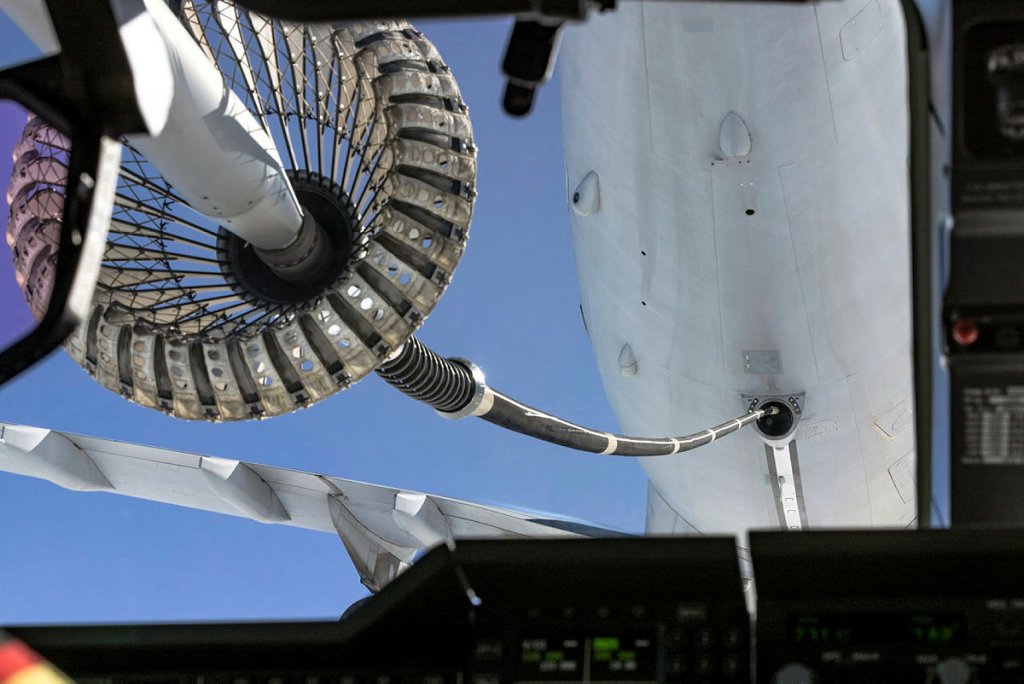
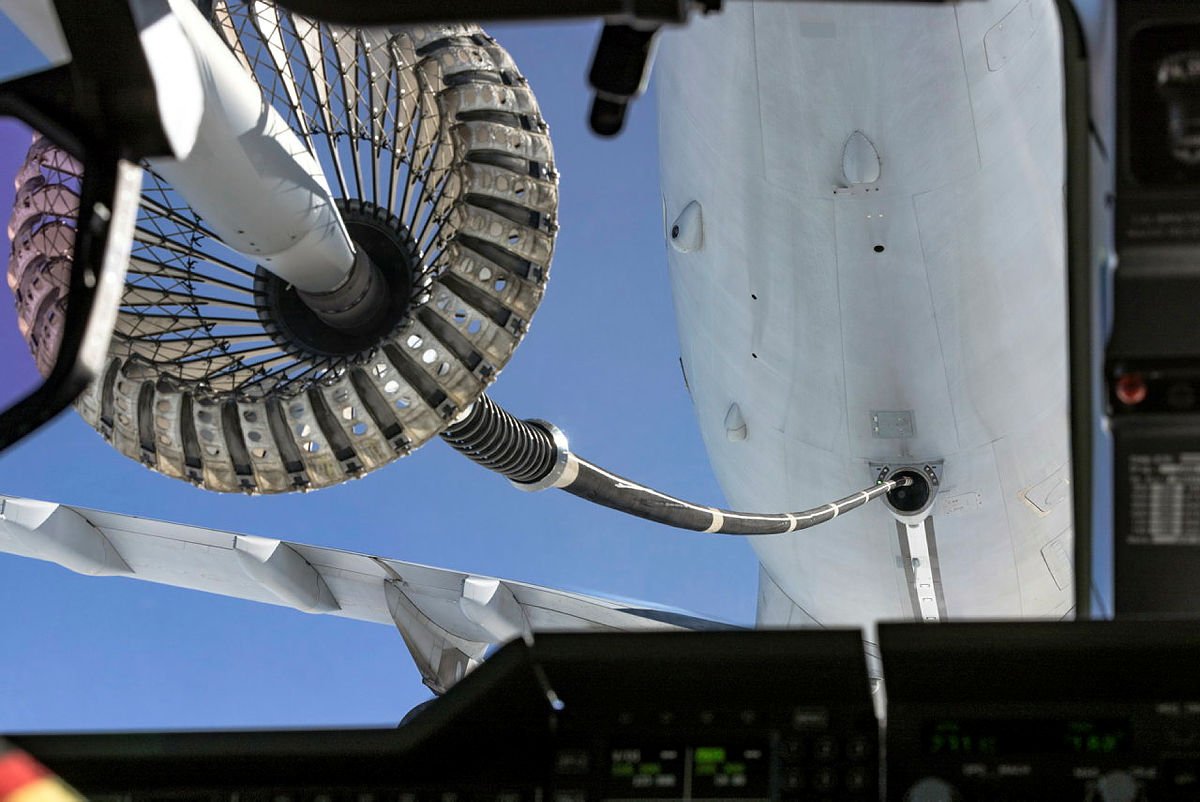
The view from the cockpit of an A400M during air-to-air refueling with a Voyager KC3 using its probe and drogue system, via the fuselage refueling unit. Crown Copyright
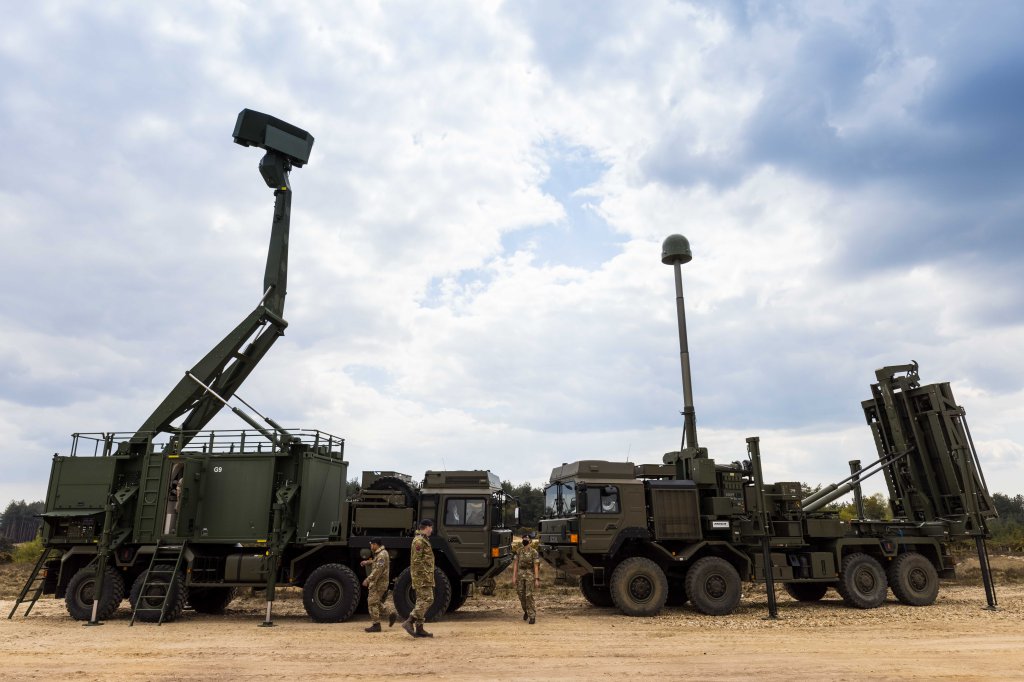
The Voyager will not be the first British asset to be sent to help Saudi Arabia since the launch of Epic Fury. In March, the U.K. sent its Sky Sabre air defense system and troops to the Kingdom to help defend against attacks from Iran.
The British Army Sky Sabre state-of-the-art intermediate air defence system. (Corporal Adam J Wakefield) Corporal Adam J Wakefield
“This support builds upon the UK’s existing military contribution to Saudi air defense, which includes the deployment of an air defense system and British personnel to help protect against missile and drone attacks,” the MoD pointed out on Tuesday. “Saudi Arabia and Yemen are steadfast partners of the UK and play a vital role in regional stability. It is in the UK’s interest to safeguard regional stability, protect vital trade and energy supplies, and encourage a diplomatic resolution to the conflict in Yemen.”
The civil war in Yemen erupted in 2014 and expanded a year later when a Saudi-led coalition joined forces with the government ousted by the Houthis. The fighting between Saudi-led forces and the Houthis largely abated after a tenuous ceasefire was signed in 2022. The Saudis held off on getting involved in the recent Red Sea conflict which saw the U.S. and coalition warships duking it out with the Houthis, and eventually led to a U.S.-led air campaign over Yemen. The United Kingdom was the other significant player in that air campaign.
Tensions, as we noted earlier in this story, reignited in recent weeks after the Houthis joined the U.S.-Iran conflict on the side of their major supporter.
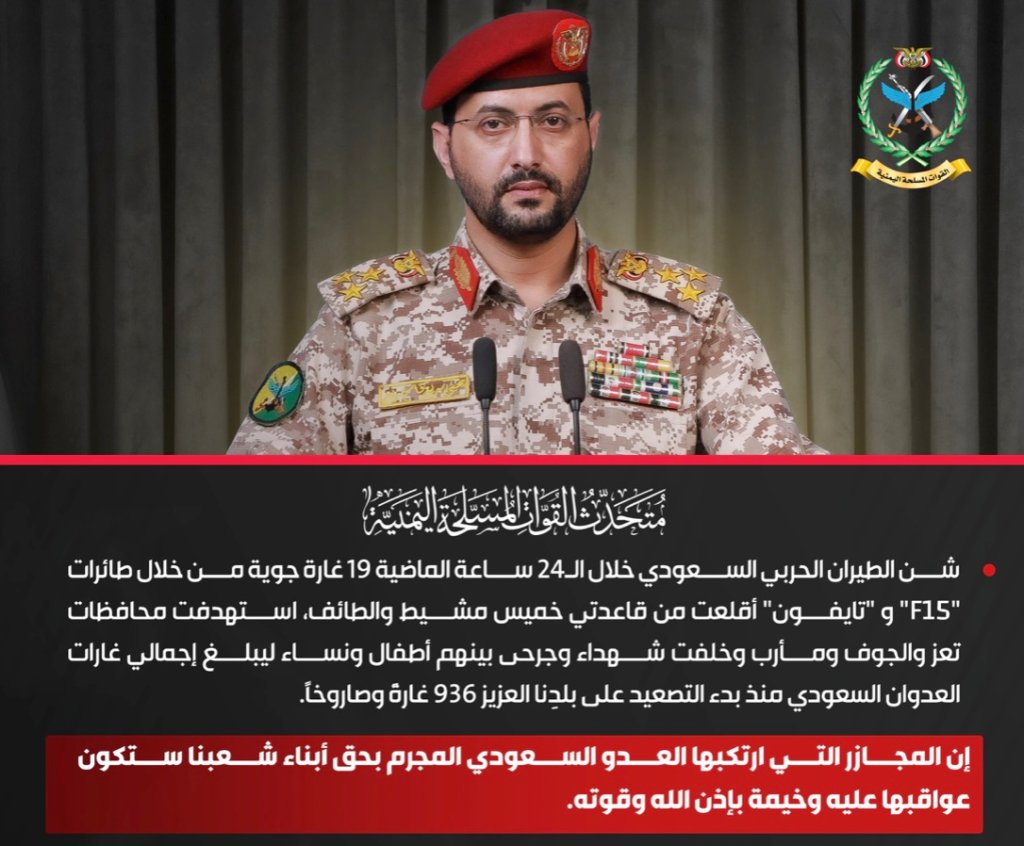
On Tuesday, Houthi spokesman Brig. Gen. Yahya Sare’e claimed that Saudi Arabia conducted 19 airstrikes across rebel-held territory in Yemen that involved the latest round of civilian casualties. The Saudis have not directly responded.
Brig. Gen. Yahya Sare’e. (Houthi Telegram)
As we stated earlier in this story, hours after the U.K. announced it was sending a Voyager tanker to Saudi Arabia, Trump addressed the ongoing conflict with Iran during his speech to the U.N. General Assembly in New York.
The American leader called for international isolation of Iran and repeated his stance that he was at an inflection point on deciding what course to take moving forward. The situation has settled into an uneasy pause interrupted by sporadic Iranian attacks on shipping in the Strait of Hormuz. It has been weeks since the U.S. last struck Iranian targets.
“Will a deal be made with Iran that lets them rebuild and create a far greater country than it ever was before?” Trump asked rhetorically. “Or do I annihilate the Islamic Republic and do it quickly, never giving them a chance to kill and destroy people and countries again?”
Trump added that he believes he will make a peace deal with Iran after the upcoming U.S. midterm elections, which could decide which party controls Congress. With gasoline and diesel price increases damaging the economy, the war and Trump’s handling of it have been very unpopular with voters.
In a CNN and SSRS poll, released Tuesday, 64% of those responding said the U.S. is not winning the war in Iran, while 36% disagreed. In addition, 78% of participants said Trump is not doing enough to end the conflict with Iran and 22% said he was.
Trump to the UN: "Do I annihilate the Islamic Republic, and do it quickly? Do I drive them into hell?" pic.twitter.com/cIYBO1Mp3w
“They want to talk to us,” he said. “They have been talking to us, even today they’ve been talking to us, and the relationship is developing. But we can’t let them – and they understand that – we can’t let them have a nuclear weapon.”
A U.S. negotiating team, including Steve Witkoff and Jared Kushner, met with Iranian officials on the sidelines of Tuesday’s U.N. meeting. That sideline session lasted about three hours and went well, according to Trump, who offered no details on the discussions.
Trump: US officials met with the Iranian delegation for three hours – "it was a good meeting"
For their part, the Iranians said they are willing to negotiate, but on their terms.
“A senior Iranian official said Iran could reopen the Strait of Hormuz to Gulf shipping within seven days if the U.S. fulfilled Tehran’s demands to ease military pressure and lift an American blockade on Iranian ports,” Reuters reported. “The official added that Tehran had conveyed its latest proposal to Washington via mediators last week.”
The United Kingdom is moving toward adding a flying-boom aerial refueling capability to the Royal Air Force (RAF), a requirement being driven in large part by the future Tempest combat jet, being developed under the Global Combat Air Program (GCAP) initiative.
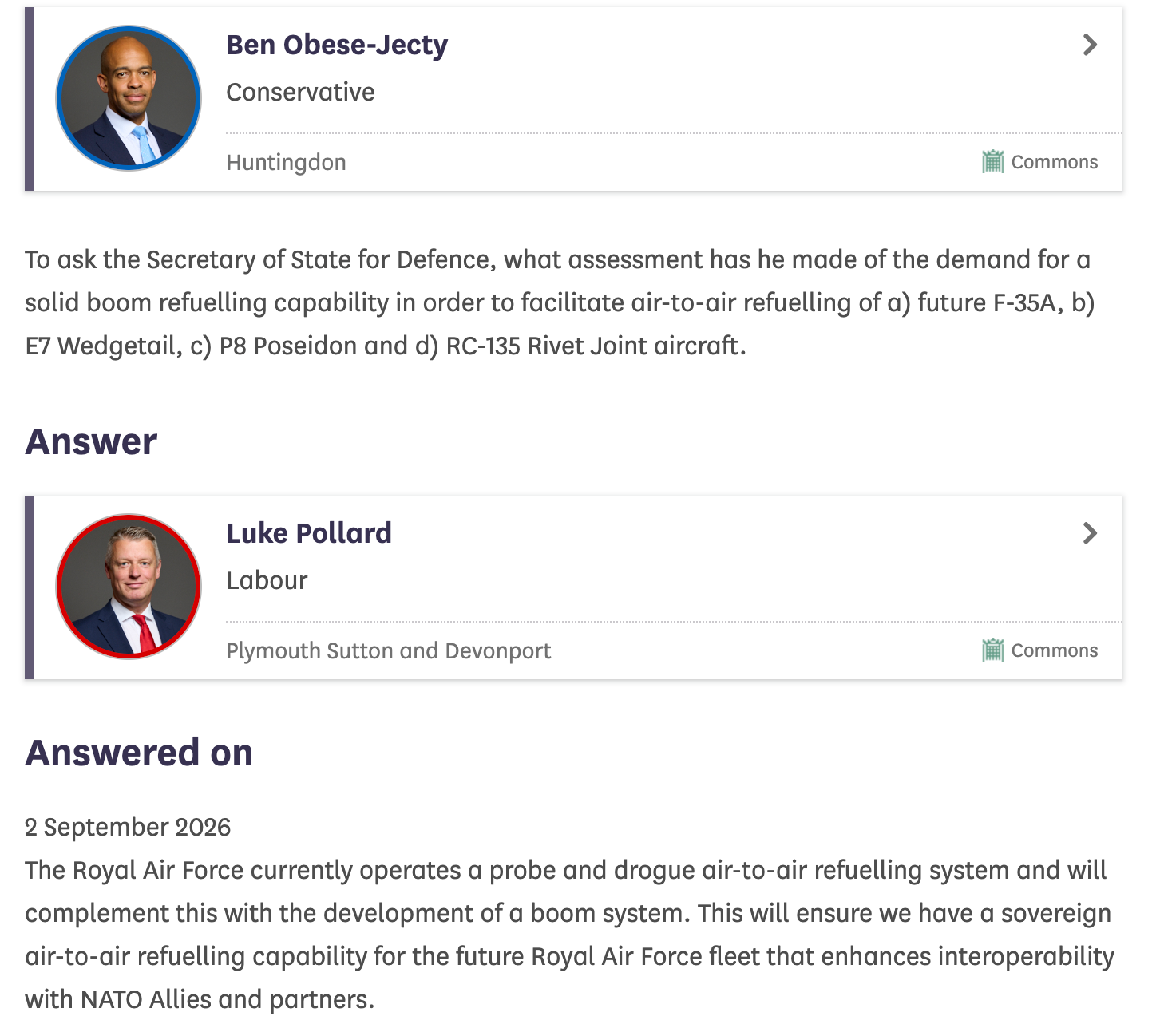
In a written response to opposition MP Ben Obese-Jecty, U.K. Defense Minister Luke Pollard confirmed that the RAF’s existing probe-and-drogue aerial refueling capability will eventually be complemented by a boom system. The move would give Britain a sovereign capability to refuel aircraft equipped with the U.S.-standard boom receptacle, including the Tempest, while also improving interoperability with other NATO and allied air forces.
A Royal Air Force Typhoon FGR4 accompanies a Voyager tanker during a Quick Reaction Alert training scenario in March 2026. Crown Copyright Crown Copyright
“The Royal Air Force currently operates a probe and drogue air-to-air refueling system and will complement this with the development of a boom system,” Pollard said. “This will ensure we have a sovereign air-to-air refueling capability for the future Royal Air Force fleet that enhances interoperability with NATO allies and partners.”
For the first time we have a Minister confirming the Boom is coming to Royal Air Force tankers, although the when and the how currently remain very much up in the air.
Still significant to have it through government voices and not just through the RAF itself. pic.twitter.com/esRN7NVoPy
The decision follows comments by a senior RAF official in July indicating that the service was already examining how to meet the requirement.
“We currently do not have boom [-equipped tankers] in the UK. We have a requirement for a boom from GCAP, so we have to resolve that requirement and that is what we are now looking at,” the official said at the Air Power Association Global Air and Space Chiefs’ Conference in London, according to Janes. “I [am] certain that at some point we are going to have to work out how we deliver a sovereign boom capability for our own combat aircraft.”
The requirement is particularly significant because GCAP’s Tempest is being designed with a fuselage-mounted receptacle for boom refueling. Unlike the probe-and-drogue arrangement used by the RAF’s existing Voyager tankers, a flying boom uses a rigid, telescoping refueling tube that is maneuvered by an operator aboard the tanker into the receiver aircraft’s receptacle.
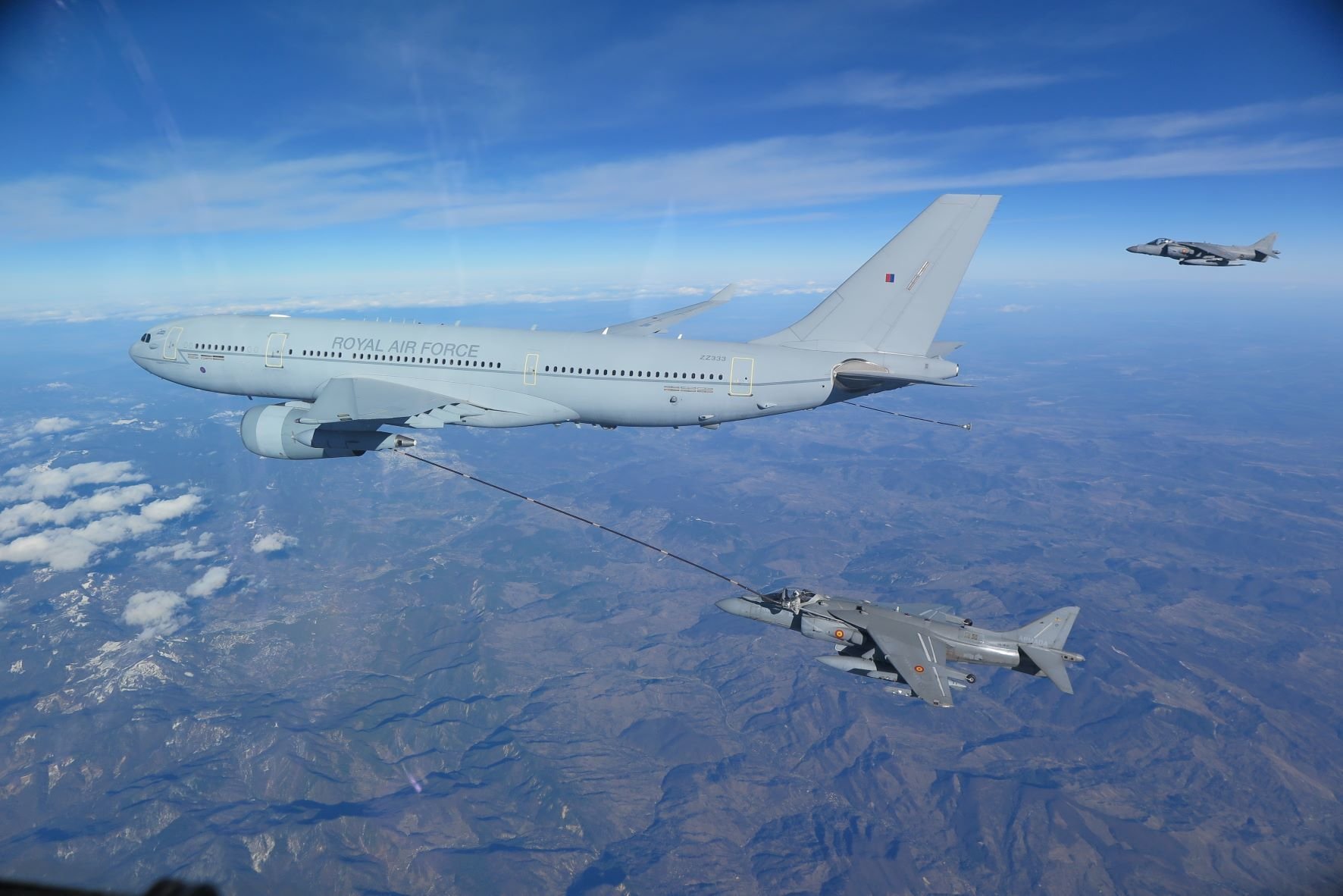
A Royal Air Force Voyager tanker performs aerial refueling of a Spanish Navy EAV-8B Harrier II during combined long-range strike training. U.S. Navy courtesy photo
One of the major advantages of the boom system is its higher fuel-transfer rate. That makes it especially useful for large aircraft and combat aircraft that need to take on substantial quantities of fuel quickly, reducing the time spent on the tanker.
Tempest is not, however, the only RAF aircraft that depends on the boom standard. The RAF already operates several boom-equipped receiver aircraft, including P-8A Poseidon maritime patrol aircraft, RC-135W Rivet Joint intelligence, surveillance, and reconnaissance aircraft, and C-17A Globemaster III airlifters. The E-7A Wedgetail airborne early warning aircraft also uses a boom receptacle, while the forthcoming RAF F-35A fleet will add another major boom receiver to the service.
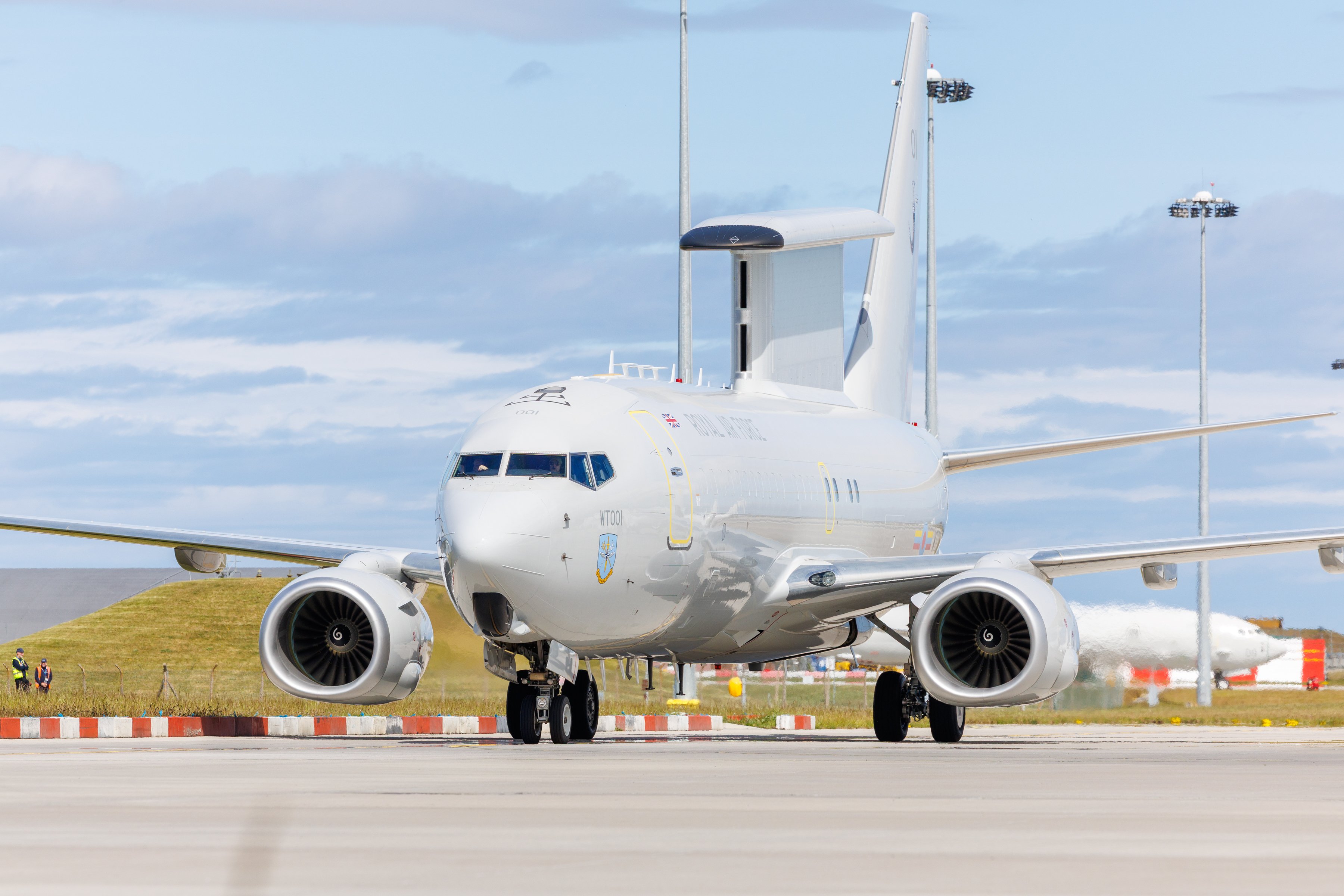
The first Wedgetail aircraft, destined to serve with the RAF, at RAF Lossiemouth, Scotland, in May 2026. Crown Copyright
Currently, the RAF has no boom-equipped tanker to support them.
Its principal tanker fleet consists of Airbus A330 Multi-Role Tanker Transport (MRTT) Voyager aircraft operated by the AirTanker consortium and leased to the RAF under a private finance initiative. Unlike many A330 MRTT operators around the world, which acquired the aircraft with a flying boom, the British Voyagers were configured exclusively around hose-and-drogue refueling.
The Voyager K2 is equipped with two wing-mounted Cobham 905E hose-and-drogue refueling units. The K3 adds a third refueling point in the form of a Cobham 805E fuselage refueling unit, or FRU, located at the rear of the aircraft. The latter provides a higher fuel-transfer rate than the wing-mounted units.
The view from the cockpit of an A400M during air-to-air refueling with a Voyager KC3, via the fuselage refueling unit. Crown Copyright
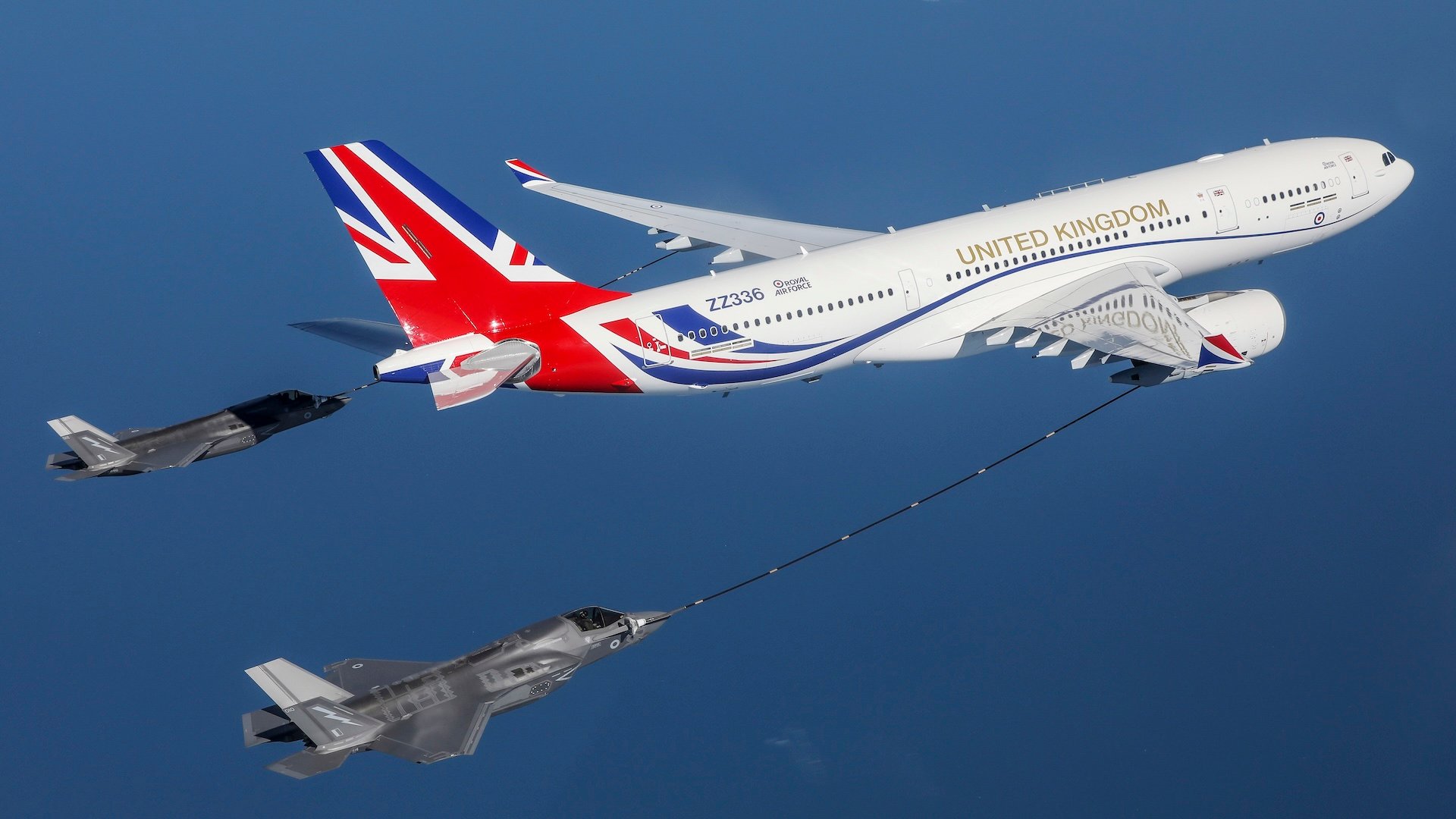
Since the fuel is stored in existing tanks, the Voyager’s cabin is still available to accommodate up to 291 passengers and the cargo hold for freight. One Voyager, serial ZZ336, nicknamed Vespina, is modified for long-range VIP transport but still functions as a fully capable tanker.
A video showing Voyager ZZ336 refueling RAF and German Eurofighter Typhoons during the enhanced Air Policing mission in Romania:
Up to 14 Voyagers are available to the RAF under the current arrangement.
The future of those aircraft is now one of the key questions surrounding Britain’s planned boom capability.
One possibility would be to modify some of the existing Voyagers, installing a boom system in the rear fuselage. The baseline Airbus’ A330 MRTT design already incorporates a provision for a flying boom. At the time the United Kingdom ordered its Voyagers, boom refueling was not considered essential, so the capability was deleted to save weight, complexity, and cost — a decision which was to prove very shortsighted.
Such a conversion, however, would involve engineering, certification, ownership, and contractual considerations, particularly given that the RAF does not directly own the Voyager fleet.
Britain could also decide that modifying the existing aircraft is not worthwhile. The current Voyager private-finance arrangement runs until 2035, by which point the airframes will be considerably older. Rather than investing heavily in aircraft approaching the end of their contracted service period, the government could opt to acquire new A330 MRTTs or another tanker type equipped with a boom from the outset.
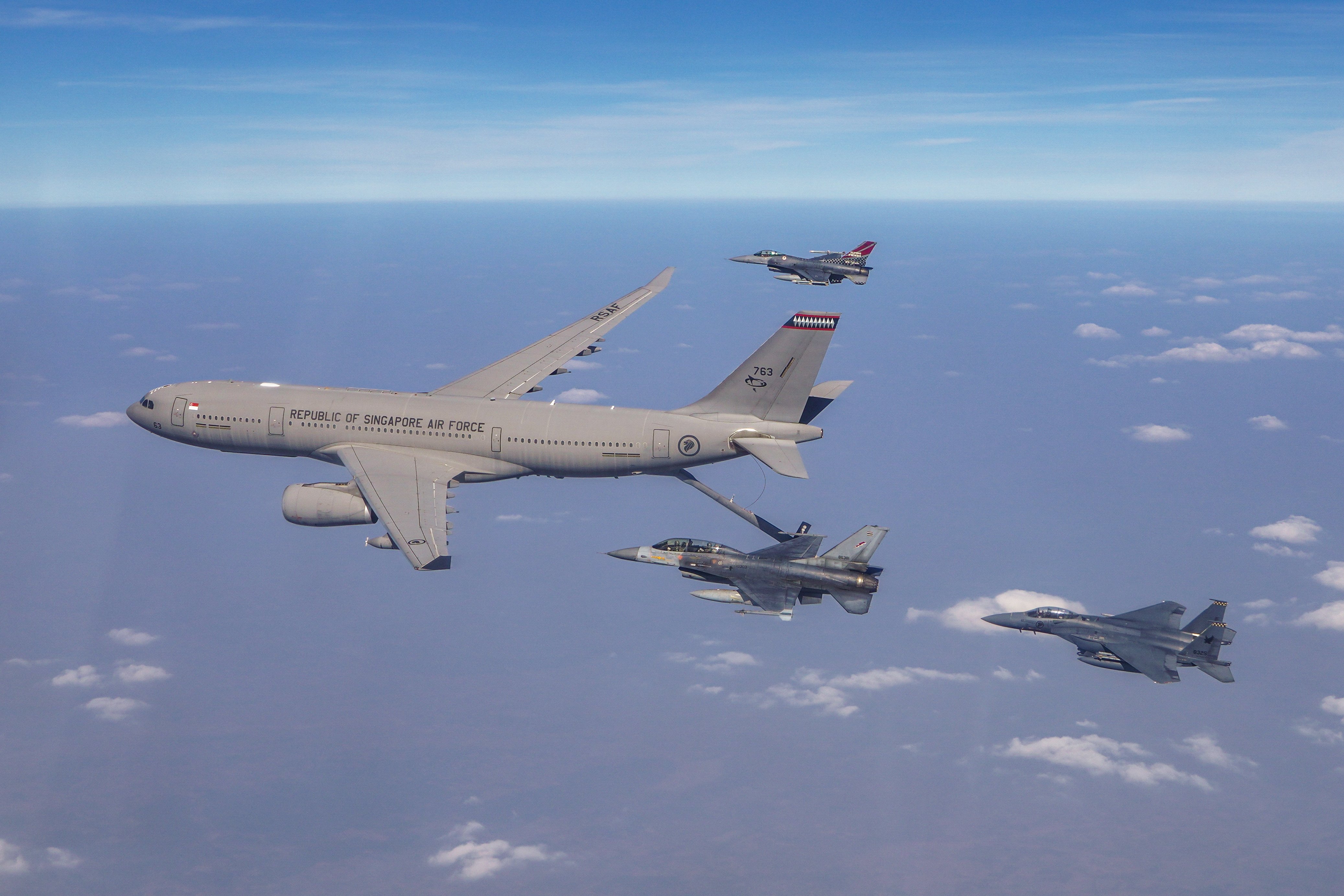
With refueling boom extended, a Republic of Singapore Air Force A330 MRTT leads a formation flight alongside a U.S. Air Force F-16C assigned to the 36th Fighter Squadron, Osan Air Base, Republic of Korea, two RSAF F-15SGs, and a Royal Thai Air Force F-16 during Exercise Cope Tiger 23. U.S. Air Force courtesy photo
It remains unclear, however, whether a podded boom would offer the performance and integration characteristics required for Tempest and the RAF’s wider fleet. There is also a question about what platform it could be installed on.
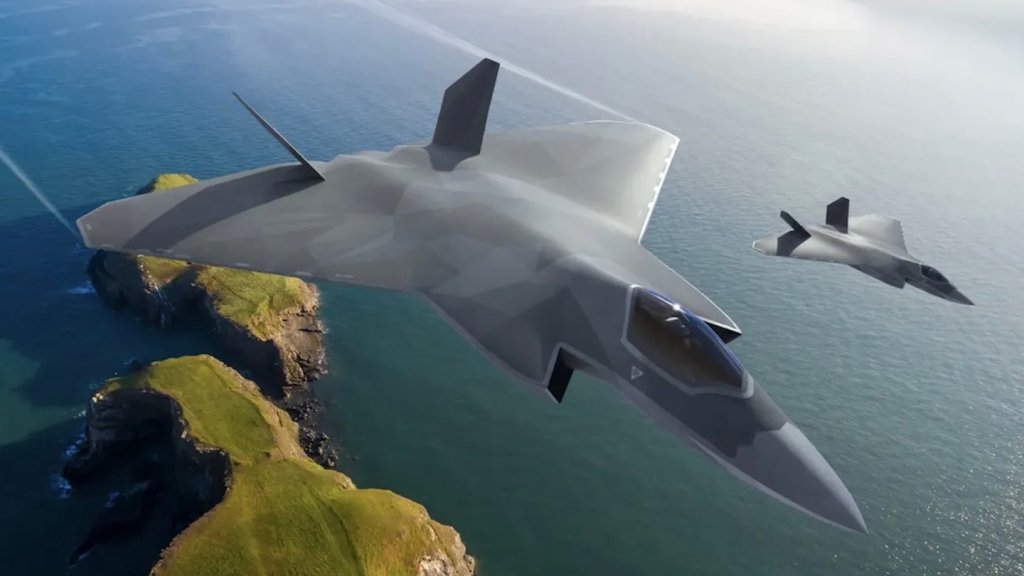
A rendering of the Tempest future combat jet. BAE Systems BAE Systems
At the same time, TWZhas previously highlighted how drones equipped with buddy stores could operate in a hub-and-spoke model, ferrying fuel from tankers positioned outside the threat envelope to aircraft operating at the tactical edge. This could be another option that might gain traction as the U.K. Ministry of Defense increasingly looks to unlock the potential of uncrewed capabilities, but must also be considered less likely, especially as a primary solution.
There is also a potential requirement for the tankers themselves to be capable of receiving fuel. Equipping a tanker with a receiver system would allow tanker-to-tanker refueling, extending the flexibility and reach of the RAF’s future air-to-air refueling force during long-range operations. Other A330 MRTT operators already benefit from this feature.
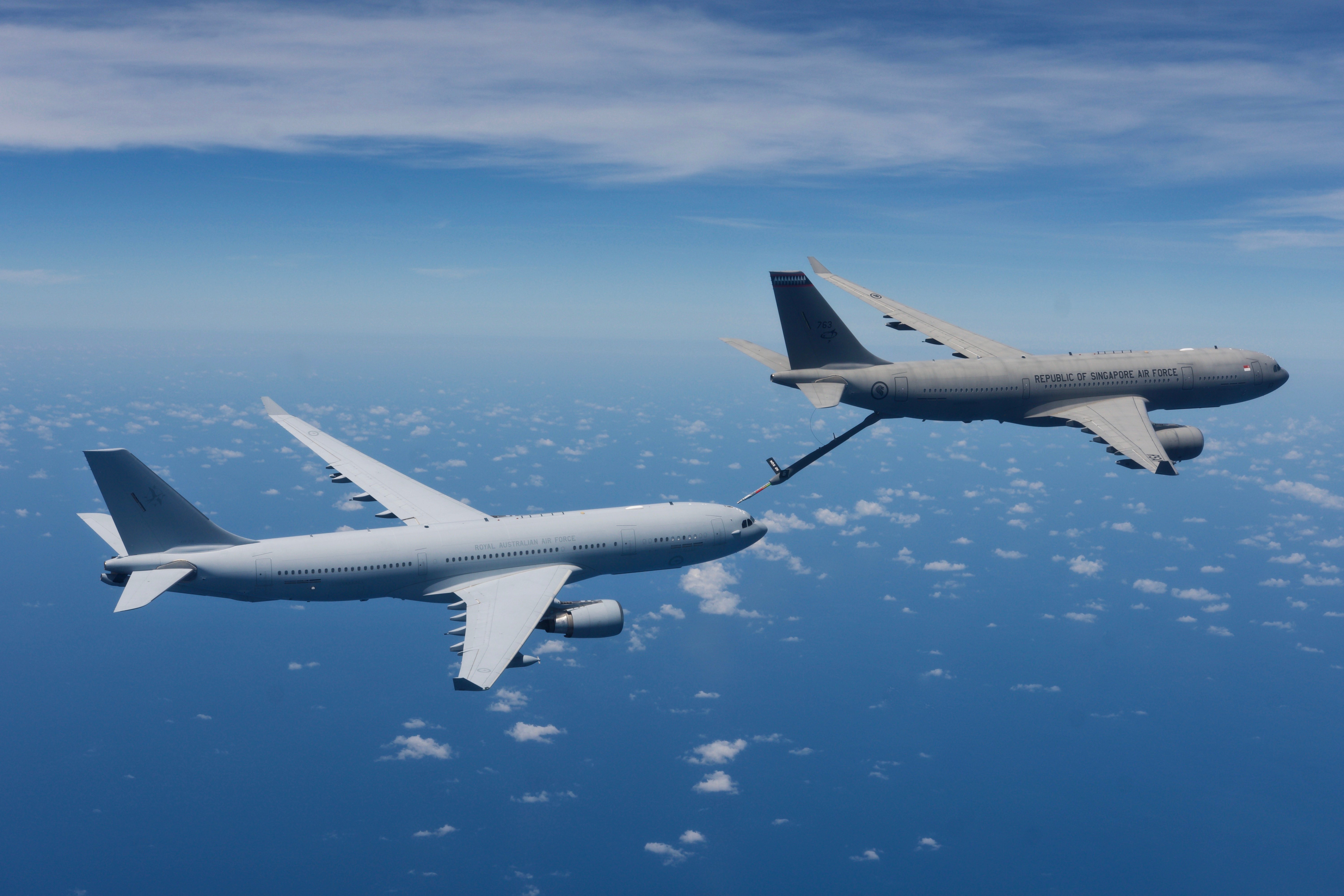
A Republic of Singapore Air Force Airbus A330 MRTT refuels a Royal Australian Air Force KC-30A MRTT during combined training at RAAF Base Darwin in Australia. Australian Department of Defense Republic of Singapore Air Force
While Tempest is providing the immediate catalyst, a refueling boom capability would also close an increasingly conspicuous gap in the RAF’s tanker force. The service is acquiring and operating an increasing number of aircraft built around the boom standard while relying on a tanker fleet configured around the alternative hose-and-drogue system.
Whether Britain modifies its existing Voyagers, replaces them, or adopts another solution entirely could become an important part of the RAF’s long-term force structure as the Tempest program advances.

 Login


 WATCH: The moment an RAF training jet crashes shortly after take-off at RAF Valley
 (@MikeyKayFilms)