Congress should build an independent fund that accepts contributed equity from any company, holds it in a diversified portfolio and dedicates the returns to the trust funds.
Congress should build an independent fund that accepts contributed equity from any company, holds it in a diversified portfolio and dedicates the returns to the trust funds.
As artificial intelligence technologies grow ever more powerful, so do the risks they pose and with them the urgency of regulating AI. In July 2026, OpenAI’s advanced models hacked into AI company Hugging Face’s systems during internal cybersecurity evaluations by communicating through unauthorized channels and working around safeguards developers had imposed on the models. In […]
Years ago, when people asked Geoffrey Hinton why he worked on artificial intelligence, he would repeat a line from J. Robert Oppenheimer, one of the creators of the atomic bomb: “When you see something that is technically sweet, you go ahead and do it.”
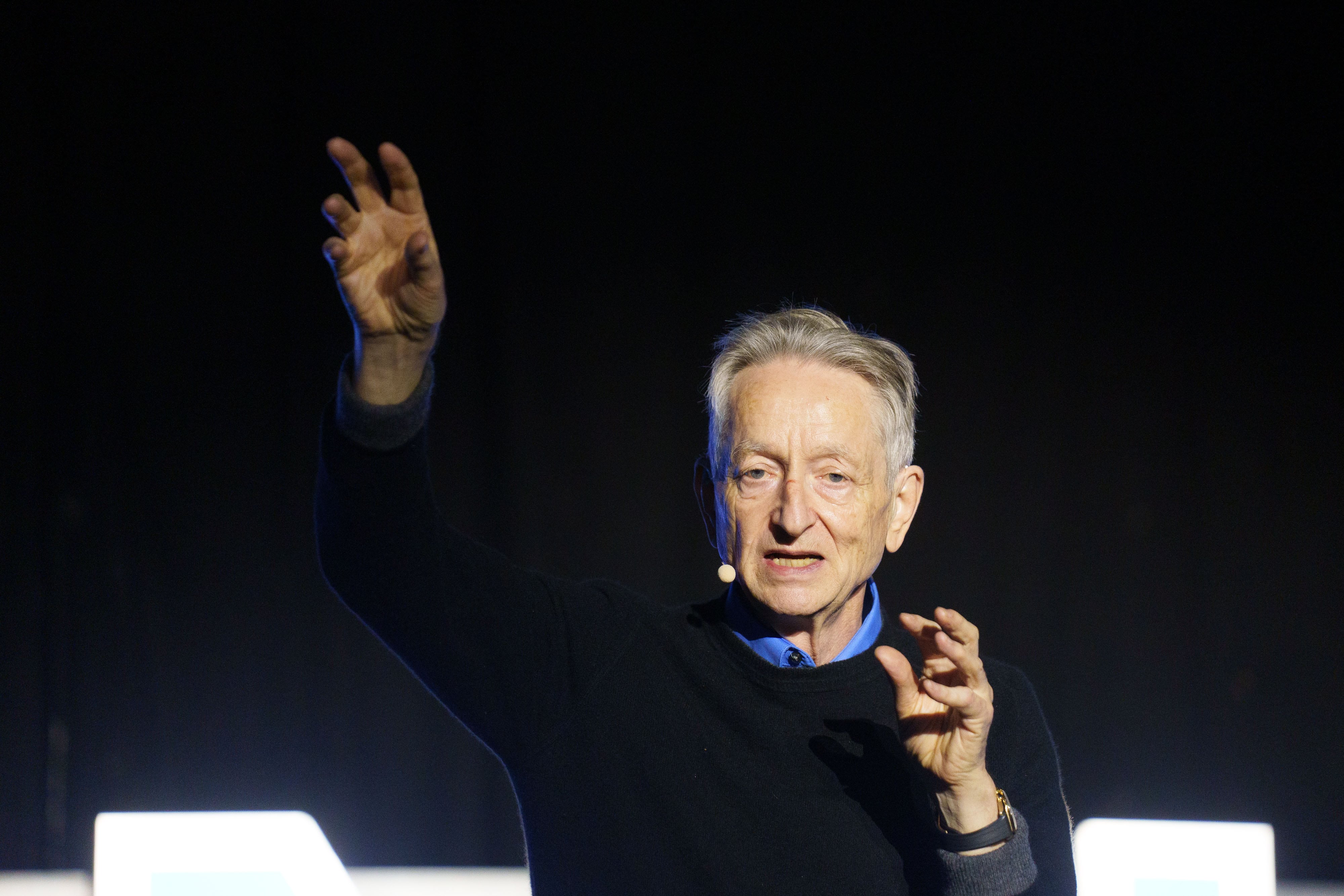
Computer scientist and Nobel Prize in Physics laureate Geoffrey Hinton during the Starmus Festival 2026, held this Tuesday in the municipality of Arona in Tenerife.
There are three versions of Saint John’s Book of theApocalypse, a text that never loses relevance and now seems to presage the impacts of artificial intelligence (AI).
Just weeks before its scheduled November IPO, Anthropic is facing growing attention over the potential dangers of its technology. The resignation of former Anthropic researcher Jacob Coxon on September 8, who wrote on X that AI could “kill us all by the end of the decade,” preceded the company’s threat report on September 10. According […]

 Login