❌

Reading view

Shadows, roofs, job ads give Ukrainian arms plants away to Russian analysts, Ukrainian experts warn

Screenshot from Bellingcat’s investigation into the downing of MH17

Russian analysts can locate Ukrainian weapons plants from details in published photos and TV footage, Ukrainian defense outlet Oboronka reported on 29 October. Open-source researchers told the outlet how to hide those details.

Ukraine plans to build 7 million drones this year, and Russia is hunting the plants that make them. In June, the Security Service of Ukraine (SBU) said Russia’s GRU military intelligence was gathering data to prepare air strikes on defense plants and attacks on their engineers.

A TV clip, then missiles

On 7 April 2022, Ukrainian channel 1+1 aired a report from a workshop at the Kyiv Armored Plant converting captured Russian military equipment for Ukraine’s forces. On 14 April, Rybar, an anonymous pro-Russian Telegram channel, posted the factory’s location. Russian missiles hit the workshop on 16 April, killing at least three civilians, the Centre for Information Resilience (CIR) found.

A frame from the 1+1 report filmed at the Kyiv Armored Plant, aired on 7 April 2022
A frame from the 1+1 report filmed at the Kyiv Armored Plant, aired on 7 April 2022. Screenshot: Centre for Information Resilience

Retracing the likely method, CIR wrote that wall colors, window size, and ceiling height could single out the plant, and Google Earth imagery the workshop. InformNapalm researcher Andrii Lisitsyn told Oboronka that matching a frame with old photos, satellite images, job ads, or staff profiles quickly narrows the search.

A Gaussian blur smears pixels but keeps part of the information, Oboronka wrote. In a 2020 blog post, aerospace engineering student Gonçalo Raposo showed it can be fully reversed if the exact filter and edge handling are known. Pixelation fails too: a 2022 neural network reconstructs plausible faces from pixelated images. Lisitsyn advises cropping or fully opaque masking instead, plus checking file metadata.

Leaks beyond photos

Some Ukrainian defense enterprises still keep accounts and procurement records in Russian 1C software, Oboronka wrote. Since 6 January 2026, 1C products have been on the State Special Communications Service’s list of banned software. The ban covers systems with state information resources and critical information infrastructure owned or managed by state bodies, state enterprises, and local governments, the service said.

Oboronka also wrote that days before the full-scale invasion, Spanish journalist Pablo González photographed production lines at engine maker Motor Sich. Poland held him from February 2022 until a prisoner swap sent him to Russia in August 2024. Prosecutors then indicted him under both his names, Pablo González and Pavel Rubtsov, for spying for Russian military intelligence.

  •  

Microsoft's massive employee buyout spooked everyone. Here's what's really going on inside the company.

Microsoft CEO Satya Nadella
Microsoft CEO Satya Nadella.

Oliver Berg/picture alliance via Getty Images

  • Microsoft offered a buyout to 60,000 employees this week.
  • The offer spooked the tech industry and stoked chatter and concern inside the company.
  • The key question: How many employees Microsoft is prepared to lose?

Microsoft's huge employee buyout stunned the industry this week, raising urgent questions about why the software giant might want so many people to leave.

Inside the company, concerned staff debated the meaning of the move. Why might Microsoft want to shed 60,000 workers? Will roles be replaced by AI? Are more layoffs ahead?

Business Insider spent recent days speaking with Microsoft insiders to find out what's really happening. The people asked not to be identified discussing sensitive matters.

The main takeaway so far is that Microsoft seems to have unnecessarily spooked employees with the sheer size of its buyout offer, leaving leaders scrambling to calm the troops.

Chief Financial Officer Amy Hood in an internal memo explained the offer was intended to "offer employees agency if they choose to leave the company on their own terms" and said the company expected "very few people" to accept.

Microsoft doubled down later and told Business Insider it anticipates 3,000 or fewer employees will take the buyout. That's only about 5%, or less, of those eligible.

Layoff concerns

Earlier this year, the company offered a retirement buyout to employees based on age and tenure. About one-third accepted.

Soon after, Microsoft did another round of layoffs. Some employees who didn't accept the retirement offer ended up losing their jobs.

That's led to speculation that more layoffs may come in the wake of this week's bigger buyout offer.

"Future workforce needs will continue to be based on business needs and priorities," Microsoft said in a statement.

Misconceptions and differences

Business Insider spoke to Microsoft executives who said there are misconceptions about the current buyout offer.

These executives could only speak about their own teams, and they were hesitant to definitively say layoffs aren't coming. However, they pointed out a few differences between the current buyouts and the retirement offer.

"Microsoft doesn't want to shrink by 60,000 people," one executive said, while asking not to be identified. "We are not replacing everyone with AI."

This person thinks Microsoft made latest buyout offer because some employees complained that they weren't eligible for the retirement buyout earlier this year.

And in the case of the retirement buyout, when employees left, Microsoft didn't fill those roles — the headcount went away.

This week's buyout works differently. In some cases, when staff leave this time their roles will be backfilled with new hires.

Why the latest buyout looks so big

One reason the latest buyout looks so huge: Some leaders decided it would be simpler to offer it to their entire organization, rather than try to pick which specific teams or individuals should be included.

"It's easier to opt-in giant organizations," one Microsoft executive told Business Insider.

Charles Lamanna, the executive in charge of the Copilot Platform, AI agents, Office and Word, decided to offer it to everyone in his organization, one of the people said. That includes many people in critical positions. The organization is prepared to backfill roles if any of those critical employees accept the buyout, this person said.

The Cloud + AI group took a different approach

Microsoft's key Cloud + AI division took a slightly different approach, according to another executive from the company.

Two teams — Azure Hardware Systems and Infrastructure and Cloud Operations + Innovation teams — decided not to offer the latest buyout to staff.

Most other groups within the Cloud + AI division did offer the buyout to employees. And this division can backfill some roles, this executive told Business Insider.

Cutting costs and avoiding layoffs

Backfilling roles could still help Microsoft cut labor costs. One executive at the company said if a senior person were to leave, they would likely backfill the role with someone more junior who would potentially be paid less. A Microsoft spokesperson said that's not an official company position.

If all this seems overly complex, compared to layoffs, there may be a reason: Microsoft has been under fire for cutting American staff while employing foreign workers.

The Trump administration recently suspended Microsoft from a federal program that sponsors foreign workers for permanent residency, accusing the company of laying off American employees while hiring lower-paid foreign workers. Microsoft has denied those claims.

"Never say never, but there's a lot of desire not to do big layoffs, especially as an American company," one of the Microsoft executives told Business Insider.

Have a tip? Contact this reporter via email at astewart@businessinsider.com or Signal at +1-425-344-8242. Use a personal email address and a non-work device; here's our guide to sharing information securely.

Read the original article on Business Insider

  •  

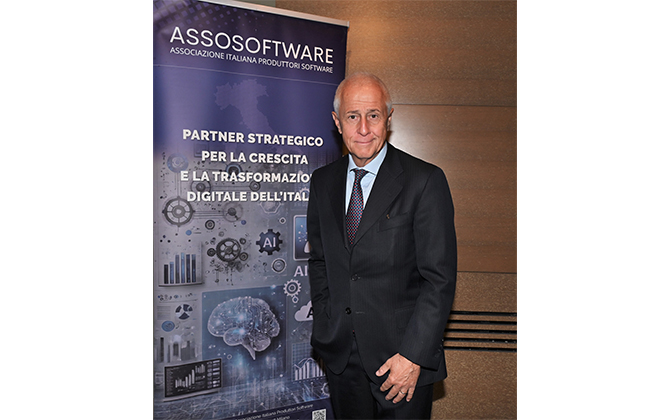
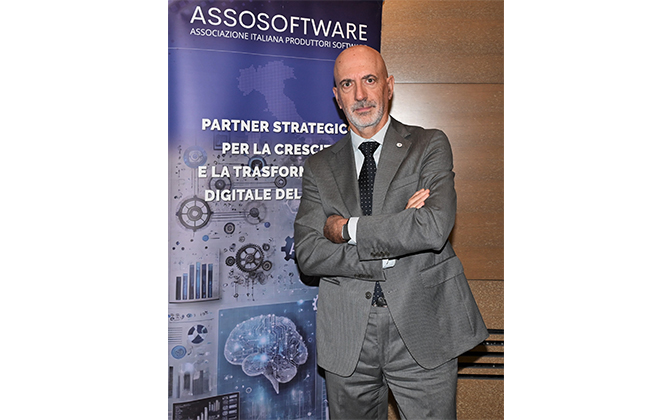
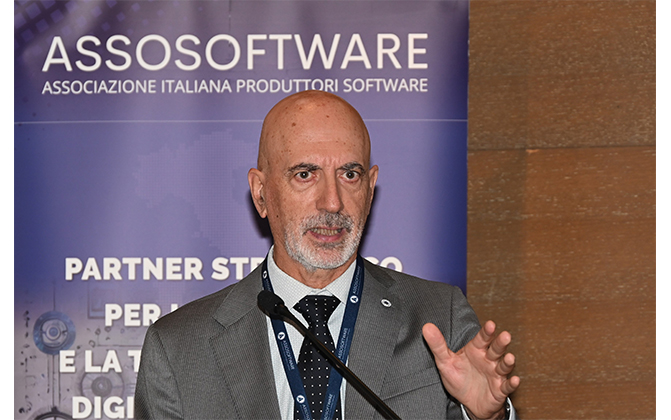
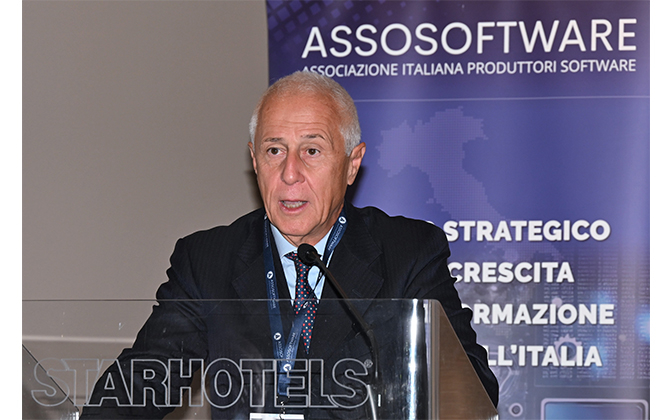
AssoSoftware, Angeleri resta al timone: il digitale vuole cambiare marcia

Pedrazzini e Colombo restano vicepresidenti, Socci presenta le cifre dei servizi informatici

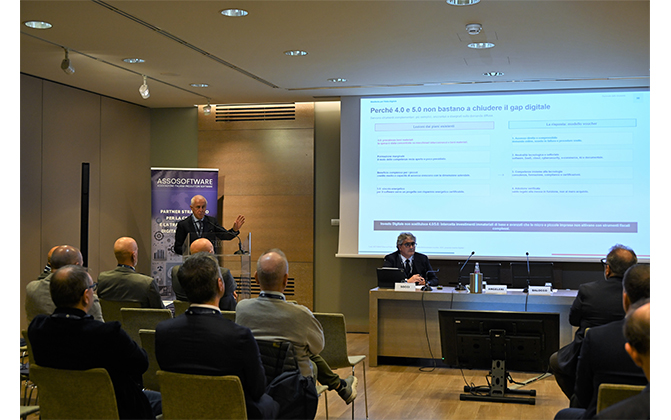
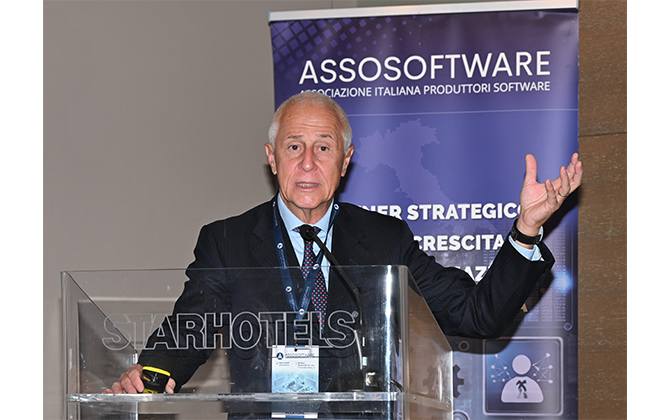
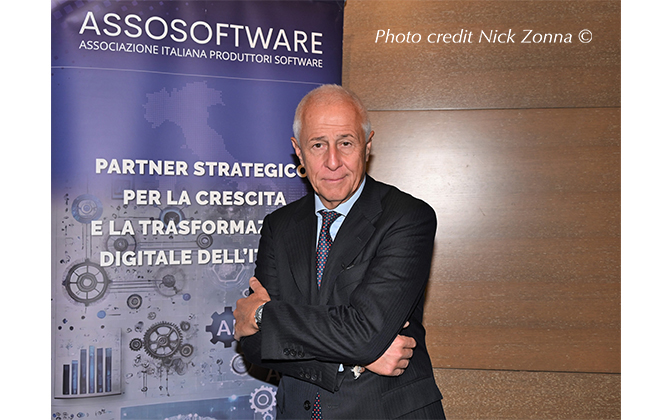
Si è tenuta a Milano l’Assemblea dei Soci di AssoSoftware, l’Associazione Italiana Produttori Software, che ha riconfermato Pierfrancesco Angeleri alla presidenza, Mario Pedrazzini e Piermassimo Colombo vicepresidenti per i prossimi quattro anni.

L’introduzione dell’assemblea è stata coordinata da Roberto Bellini, Direttore Generale AssoSoftware, con l’intervento di Pierfrancesco Angeleri, Presidente AssoSoftware, e di Claudio Socci, Professore ordinario di Economia Politica, Dipartimento di Economia e Diritto, Università degli Studi di Macerata, con la sua analisi sul ruolo del software nell’economia italiana e un primo draft sull’impatto della proposta di policy “Investo Digitale”.

Secondo lo studio, nel 2023 l’attività di programmazione, consulenza informatica, attività connesse e servizi di informazione ha generato circa 78 miliardi di euro di produzione, pari all’1,8% della produzione complessiva delle attività produttive italiane, e 39,6 miliardi di euro di valore aggiunto, pari al 2% del valore aggiunto dell’economia italiana.

Pierfrancesco Angeleri, Presidente AssoSoftware, durante il suo intervento ha dichiarato che è importante sostenere la trasformazione digitale del Paese, rafforzare la competitività delle imprese italiane e valorizzare il ruolo strategico del software per la crescita e la produttività dell’economia.

AssoSoftware, Angeleri resta al timone: il digitale vuole cambiare marcia

Servizio fotografico realizzato e documentato da Nick Zonna

L'articolo AssoSoftware, Angeleri resta al timone: il digitale vuole cambiare marcia proviene da Affaritaliani.it.

  •  

Inside Microsoft, a powerful new AI executive is shaking up some of the company's most important businesses

Microsoft executive Charles Lamanna.

Microsoft

  • Charles Lamanna, head of Copilot, Agents, and Platform, just took over Office and Teams.
  • Teams within his new combined unit have adopted flatter structures amid the rise of AI agents.
  • He's also enforced a stricter RTO for senior staff, and offered employees relocation to major hubs.

Microsoft's head of the Copilot platform, AI agents, and now Office is making good on his promise to reshape how his teams work.

"The most important thing my team will do this year won't be any single product or feature we ship: instead, it will be changing how we work," Charles Lamanna, the new boss of this key Microsoft unit, wrote in August.

Lamanna has started requiring senior staff to work in offices four days a week, and he's offering relocation to major hubs, according to people familiar with the changes. Teams within his organization have also reorganized to a flatter structure removing middle managers in line with Lamanna's views about how agentic AI is changing engineering.

"We're rethinking where managerial layers are critical and where flatter structures can enable faster decision-making, clearer ownership and greater autonomy," a Microsoft spokesperson said.

The moves offer an early look at how Microsoft is reworking its software empire for the AI age. Lamanna, who already oversees the company's Copilot and AI agent platforms, now controls the Office productivity software and Teams workplace chat service that are used by millions of workers.

Lamanna took over those groups earlier in October when the previous boss, Ryan Roslansky, announced plans to leave at the end of the year. Roslansky was seen as a successor to Microsoft veteran Rajesh Jha, who retired in July. Roslansky and Lamanna were two of the three executives who made up the new Copilot leadership team.

The changes come as CEO Satya Nadella reshapes the company around AI. Microsoft has been consolidating responsibility for its AI products, and a wave of senior executive departures has made way for a new generation of leaders.

"Span of control"

Lamanna's expanding responsibilities make him a key player in this leadership transition, giving him oversight of Microsoft's flagship workplace software and the AI tools that could change how customers use its products.

Recently, the Teams unit now under Lamanna reorganized by increasing the "span of control" for managers in engineering, according to two of the people familiar with the changes.

This refers to the number of employees who report to each manager, and it's become common for tech companies to flatten engineering organizations like this in the AI era, as coding tools and agents write more software.

The reorganization included converting managers to individual contributors, the people said. The idea is that agentic coding capabilities mean Microsoft needs fewer managers, according to one of the people. The team will now have a ratio of one manager per 12 individual contributors.

"Agentic coding capabilities have changed every level of the engineering function," Microsoft's spokesperson said. "Software engineers are no longer hand-assembling every line of code. Instead, they are now designing and directing the 'agentic coding machine' that helps build the product."

As AI makes it easier to build software, skills like making sound technical decisions, designing systems, ensuring quality and security, and understanding customer needs become more valuable.

"At the same time, some tasks that traditionally required managerial coordination, such as managing handoffs and orchestrating work across teams, become less central," the spokesperson said.

Other teams have implemented similar restructuring, the spokesperson confirmed.

RTO and relocation

Lamanna has also started reshaping where employees work. Last week, Lamanna's Copilot, Agents, and Platform (CAP) organization offered select US employees the option to relocate to offices at Microsoft's Redmond, Washington headquarters, San Francisco, or New York, according to three people familiar with the plans.

The people who spoke with Business Insider for this story asked not to be identified discussing internal matters.

Lamanna has also asked employees at the "partner" level and above — some of Microsoft's most senior staff — to start working in physical offices at least four days a week. The companywide standard is three days a week.

Have a tip? Contact this reporter via email at astewart@businessinsider.com or Signal at +1-425-344-8242. Use a personal email address and a nonwork device; here's our guide to sharing information securely.

Read the original article on Business Insider

  •  

Microsoft cuts capex forecast on AI capacity delays

Satya Nadella
Microsoft CEO Satya Nadella.

Dimitar DILKOFF / AFP via Getty Images

  • Microsoft lowered its 2026 capex forecast to $170 billion, down from $175 billion.
  • CFO Amy Hood cited delays in third-party capacity as Wall Street scrutinizes returns on AI spending.
  • Azure revenue jumped 48%, beating expectations, while Microsoft's headcount fell 2%.

Microsoft reduced its forecast for capital expenditure, a rare move in an industry that mostly continues to splurge more on huge AI investments.

The software giant said capex for the 2026 calendar year will be $170 billion from a previous forecast of $175 billion.

Chief Financial Officer Amy Hood gave the forecast on the company's fiscal first-quarter earnings call on Wednesday.

She said Microsoft was expecting new capacity to arrive from third-parties, but some of these "GPU-as-a-Service contracts" have been delayed until the second half of the fiscal year.

This likely refers to other providers of AI cloud services that use Nvidia GPUs to run their offerings. Microsoft has partnered with some outside providers to meet rampant AI demand.

Hood's comments could refer to a recent spate of AI data center project delays, which have mostly been caused by a lack of electricity, along with local opposition.

The CFO said Microsoft expects capex to accelerate in the second half of its fiscal year, as the delayed capacity kicks in.

Wall Street has become increasingly concerned the huge investments cloud companies are making to expand AI infrastructure. Microsoft last quarter kept its forecast unchanged, notable as many cloud giants have been steadily increasing their AI spending forecasts.

Overall, Microsoft reported $92.3 billion in revenue, up 19%, for the fiscal first-quarter ending Sept. 30. Azure cloud revenue was up 48% to more than $33 billion, surpassing Wall Street expectations.

Microsoft share were up about about 3% in after-hours trading following the earnings call.

Earlier this week, Microsoft offered a buyout to more than a quarter of its workforce. A Microsoft spokesperson told Business Insider on Wednesday that the company expects 5% of eligible employees at most to accept the buyout.

"We expect very few people to select this offer because of the growth opportunities here at Microsoft," Hood wrote in an internal memo viewed by Business Insider. Microsoft's headcount slipped 2% during the fiscal first quarter, the company reported.

Have a tip? Contact this reporter via email at astewart@businessinsider.com or Signal at +1-425-344-8242. Use a personal email address and a non-work device; here's our guide to sharing information securely.

Read the original article on Business Insider

  •  
  •  

I'm the ex-VP of HR at Microsoft. Here's what the 60,000 employees mulling a buyout may not realize.

Chris Williams, leadership consultant, headshot.
Chris Williams

Chris Williams

  • Microsoft is offering buyouts to around 60,000 employees.
  • Chris Williams, former Microsoft VP of HR, said waiting for a better offer may or may not backfire.
  • He shared what employees who are offered a buyout should consider and what they may not realize.

Microsoft is offering buyout packages to some 60,000 employees, or more than 25% of the workforce. That's a huge number in any terms, and it sent a signal and shock wave through the industry this week.

I'm the former VP of HR for Microsoft, and although I've been away from the company for some time and have no insider information, having been on the inside at Microsoft and in the industry for 50 years, here is what Microsoft employees should be considering — and what they may not realize about taking a buyout offer.

Your buyout offer may or may not be the best offer you get

During a buyout, position, tenure, level, and other factors are taken into account for each bespoke offer. The offer is likely to include compensation, benefit continuation, and possibly some acceleration or continuation of equity vesting.

That said, Microsoft might not offer more generous buyouts than severance packages, but companies usually offer better terms to people who take a voluntary separation than people who get laid off. That is not only to induce employees to go voluntarily, but also because the costs to the company are less if these workers voluntarily leave. There is less legal risk, time, and expense. It's also simply easier for the company to manage.

If you're offered a buyout, I usually find it could be the best offer you'll get. If it's not, you could be settling for the same offer as someone in a layoff and miss out on collecting unemployment.

A buyout can force some very hard career choices

If you get a buyout offer, looking at your budget should be your next step. Does the offer provide you with enough to retire? Enough to support an extended job search? The buyout can be a good forcing function for some very hard career choices.

Spend time looking at your cash flows, and pay particular attention to benefits. For many, healthcare costs are a substantial part of their budget. Weighing the buyout offer against continued coverage is often a tipping point in the decision.

Also consider any equity vesting dates you may have. Compare when you might vest with and without the offer, as those dates can mean a significant change in your investments. Whether you should take the buyout is highly dependent on both the offer and your situation. If you had retirement anywhere in sight, this offer might be just the trigger you need to move on. Perhaps the best offer you'll ever see.

However, if you need to continue working, there's a great deal more to consider.

Taking a buyout can give you a head start in a tough job market

The tech industry job market has been rough for the last year or so, and shows all the signs of getting worse. If the buyout doesn't afford you the ability to retire, you should plan on an extended period of job searching, maybe six months or more. It's tough out there. Be prepared.

One thing to consider if you need to continue working is that taking the buyout might give you a short head start in the job market. Assuming Microsoft and others follow this up with more layoffs like they did the last time, the technical job market will be flooded with quality people. Of course, you can search for a job while you have one, but taking the buyout gives you time for a full-time job search.

In any case, if a job search is in your future, don't delay. This market shows no sign of getting better.

Finally, if you're offered a buyout, don't ignore it. It's a sign. I'd read it as a clear signal from the company about your value, at least from their perspective. You can bet on the odds, but if follow-up layoffs happen, I'd bet that those who declined the buyout are somewhere on that list.

Buyout or not, some things to do

This buyout is the latest signal of a broad realignment of the job market, at least in the tech sector. Even if you aren't offered it or don't think you're at risk of later layoffs, you'd be wise to keep all your options open.

Get your résumé up to date. Spend time honing it, emphasizing the clearest set of skills you can. When a market is contracting, the safest bet is having a particular skill someone is looking for. When times are tight, the generalist is often the first person let go.

Work with and expand your network. Have coffee or a Zoom chat with everyone you know. Peers in other companies, even other industries, are invaluable when things get tough. Especially when the world is changing, and predicting the next hot spot is so hard, having as many warm connections across industries is a huge asset.

Don't go asking for jobs as much as keep those connections alive. You never know when someone's manager will say, "We need someone like that." And your friend can say, "I know just the person."

Whether you are offered a buyout, or whether you decide to take it or not, having a network of people to connect with is your single biggest career asset.

What to do if you get a buyout offer

Budget first, and outreach next.

Carefully decide your near- and long-term financial future, and make the decision from hard facts. Then connect with people you know across industries, far and wide. Those connections will be excellent sounding boards and could well provide the path to your next role, or the friends you need in retirement.

When contacted about this story, a Microsoft spokesperson pointed Business Insider to its statement on the official Microsoft Blog, which read in part, "Today, we're introducing a new Voluntary Exit Offer (VEO) to eligible employees within participating organizations." They added that "the VEO is similar to a standard severance offer, which varies by market. The offer includes payment based on completed service and base pay, as well as career transition services, which includes career coaching and job search assistance."

Read the original article on Business Insider

  •  

Here's what Microsoft's buyout offers actually include

Microsoft CEO Satya Nadella
Microsoft CEO Satya Nadella.

Oliver Berg/picture alliance via Getty Images

  • Microsoft is offering buyouts to about 60,000 employees.
  • The offers are individualized to each employee based on their level, location, and tenure.
  • Business Insider reviewed offers to show what employees get when they leave the company.

As Microsoft sends out its buyout offers to more than a quarter of its workforce, specific offers reviewed by Business Insider reveal exactly what employees get if they choose to leave the company.

The offers are individualized for each employee based on their level, location, and tenure. Those reviewed by Business Insider confirm that the US buyouts align with the company's US standard severance offers. A Microsoft spokesperson said about 60,000 employees would be eligible for the buyout.

Microsoft uses a levels system to represent seniority, from entry levels starting at 59 to senior levels at 70, or vice president. The company offered buyouts to employees on select teams in the US, Canada, India, and the UK at level 70.

Offers reviewed by Business Insider show employees at internal levels 64 and below were offered one week of base pay per six months of service, and employees at levels 65 to 67 were offered two weeks of base pay per six months of service.

Buyout offers also include continued regular stock vesting and health insurance. The standard stock-vesting severance offer is six or 12 months for levels 67 and below, based on years of service.

Eligible employees will have until early December to decide whether to take the offer and exit at the end of the year, and there are no plans for another buyout at this time, a Microsoft spokesperson said.

Standard severance is capped at 39 weeks of base pay for levels 67 and below, while the standard severance offer for level 68 includes 12 months of salary.

Earlier this year, Microsoft rolled out a voluntary retirement program for employees. About 7% of Microsoft's US workforce, or about 8,750 people, were eligible at the time. As Business Insider previously reported, Microsoft's voluntary retirement program offer also aligned with the company's standard severance offer, including continued regular stock vesting for six or 12 months, based on years of service.

Earlier this year, another tech giant, Google, offered buyouts to staff in its business unit, Business Insider previously reported.

As more tech companies offer buyouts, some human resources professionals previously told Business Insider that this approach could soften job cuts, and also that when they're made available to workers of all tenures, companies risk losing talent.

Have a tip? Contact this reporter via email at astewart@businessinsider.com or Signal at +1-425-344-8242. Use a personal email address and a non-work device; here's our guide to sharing information securely.

Read the original article on Business Insider

  •  

Microsoft is offering buyouts to around 60,000 employees. Read the memo.

Microsoft Chief People Officer Amy Coleman
Microsoft Chief People Officer Amy Coleman.

Microsoft

Microsoft is offering buyouts, according to a memo Chief People Officer Amy Coleman sent to employees Monday.

"The Voluntary Exit Offer reflects an important part of how we're evolving our approach to change: creating greater flexibility and, where possible, more ways for employees to shape their next chapter," Coleman wrote.

Microsoft's voluntary exit offer is the company's latest attempt to slim its workforce without another round of involuntary cuts. After spending heavily on AI infrastructure and reducing headcount this year, Microsoft is offering remaining employees a chance to leave, testing whether voluntary departures can cut costs.

Eligible employees in the U.S., Canada, India, and the U.K. at level 70, which includes senior leaders at the company, and below, will receive an email later Monday with the terms of the offer. Only some teams are participating, excluding sales organizations, some engineering, and some corporate functions.

Around 60,000 employees — or more than a quarter of the company's workforce — about will be eligible, a spokesperson told Business Insider, and the terms will be similar to Microsoft's standard severance.

The US severance package offered when Microsoft laid off employees earlier this year included a minimum of 60 days of base pay, during which employees will remain on the payroll, and, for most employees, up to a maximum of 39 weeks of base pay, based on seniority and tenure.

Employees at internal levels 64 and below received one week of base pay per six months of service, for example, and employees at levels 65 to 67 will receive two weeks of base pay per six months of service, according to offers reviewed by Business Insider.

Eligible employees will have until early December to decide whether to take the offer and exit at the end of the year, and there are no plans for another buyout at this time, Microsoft's spokesperson said.

The buyout offer follows Microsoft's Voluntary Retirement Program, which offered a retirement buyout to about 9,000 eligible employees based on age and tenure.

About one-third of eligible employees took the buyout, in line with expectations, a person familiar with the turnout told Business Insider in June. That buyout allowed Microsoft to lay off a lower percentage of its workforce compared to last year, the person said at the time.

Read the memo:

Introducing a Voluntary Exit Offer

Today, we're introducing a new Voluntary Exit Offer (VEO) to eligible employees within participating organizations. This offer gives eligible employees who may be considering a future outside the company a new choice to make that transition now with support. It also gives participating orgs another way to adapt their workforce to changing needs.

The Voluntary Exit Offer reflects an important part of how we're evolving our approach to change: creating greater flexibility and, where possible, more ways for employees to shape their next chapter. This builds on what we learned earlier this year through the Voluntary Retirement Program.

What employees should know

This offer will be available to eligible employees in participating teams in Canada, India, United Kingdom and United States at level 70 and below. This is a time-limited, voluntary program that gives those who are eligible the opportunity to leave Microsoft with financial support and career planning resources. Some organizations are providing the Voluntary Exit Offer, and some are not. Participation varies based on each business's priorities, customer commitments, and workforce needs.

Eligible employees will receive an email with a link to their Voluntary Exit Offer details within the next few hours.

Looking ahead

The Voluntary Exit Offer is new for us. We'll learn from it. At the same time, we'll keep helping people focus on the work that matters most, build new skills, and, where it makes sense, find new opportunities across Microsoft. There is no one-size-fits-all approach for every team or every employee. These are a few of the ways we're trying to meet different business needs while continuing to create opportunities for our own people to grow and contribute.

My promise is to continue to provide clarity, listen and learn, and keep improving.

Thank you for everything you continue to do for our customers, Microsoft, and for one another.

Amy

Have a tip? Contact this reporter via email at astewart@businessinsider.com or Signal at +1-425-344-8242. Use a personal email address and a nonwork device; here's our guide to sharing information securely.

Read the original article on Business Insider

  •  

A.I. Discovered a Critical Vulnerability in PHP, a Coding Language Behind Many Websites

The disclosure heightened concerns about A.I.’s potential to upend cybersecurity unless shortcomings are addressed.

© Annegret Hilse/Reuters

The website for the French government was temporarily unavailable on Wednesday amid hacking concerns stemming from major bugs in a piece of software used widely across the internet.
  •  
❌