Lying beyond Pluto, 2026 ED138 could be as large as 1,500 kilometers in diameter. Astronomers are still working to confirm whether it meets the criteria for a dwarf planet.
The opening moves of the next major war could unfold hundreds of miles above Earth.
U.S. adversaries are looking at ways to blind American forces in future conflict by jamming communications, disabling GPS, using lasers to attack satellites or destroying them completely.
A sweeping new Defense Intelligence Agency assessment details how China and Russia are developing sophisticated ways to disrupt or destroy U.S. satellites. This includes a Russian satellite designed to carry a nuclear weapon into Earth's orbit.
American forces rely on satellites to communicate across battlefields, navigate ships and aircraft, track enemy forces, detect missile launches and guide precision weapons to their targets. Knocking those systems offline could leave forces below struggling to see, communicate and strike.
"We can't do military operations the way that we do them today without satellites, without systems in space," Clayton Swope, deputy director of the Aerospace Security Project at the Center for Strategic and International Studies, previously told Fox News Digital.
"Whoever has space and can deny that to their adversary has a huge asymmetric advantage in a conflict," Swope said.
Beyond the battlefield, satellites underpin everything from GPS navigation and communications to banking, transportation and the electric grid, meaning a large-scale attack in space could disrupt services millions of people rely on every day.
Chinese military thinkers have identified reconnaissance, communications, navigation and early-warning satellites as potential targets for attacks designed to "blind and deafen the enemy," according to the report. DIA assesses Beijing could begin threatening or gradually degrading an adversary’s space architecture during a crisis as a "prelude to war."
Russia, meanwhile, views U.S. reliance on satellites for precision strikes and projecting military power as a "critical vulnerability" to exploit during a conflict. Its doctrine envisions attacks ranging from temporary jamming and blinding satellite sensors to the outright destruction of spacecraft and the infrastructure supporting them.
DIA describes the threat as a continuum, beginning with attacks that can temporarily disrupt a satellite without destroying it and escalating through cyber and orbital attacks to kinetic weapons and, ultimately, a nuclear detonation in space.
Some of those tactics have already made their way into active conflict. During Operation Epic Fury, the U.S. and Iran "took offensive actions against each other's space capabilities to degrade and disrupt military actions on both sides," according to DIA. The report does not detail those operations, but says jamming near the Strait of Hormuz in June disrupted U.S. aircraft and shipping vessels.
The Chinese military already practices jamming satellite communications and GPS during military exercises. Beijing also has ground-based lasers capable of disrupting or damaging satellites in low-Earth orbit, and DIA assesses it could field space-based directed-energy systems by the late 2020s.
Other Chinese systems can get much closer. The Shijian-17 satellite has a robotic arm capable of grappling another satellite, while Shijian-21 used similar technology in 2022 to move a defunct Chinese navigation satellite into a higher orbit. DIA noted that the same technology used to service or remove satellites can also have military applications.
Russia has repeatedly put its own spacecraft near U.S. satellites. Cosmos 2543 began following a U.S. national security satellite after it was released into orbit in 2019, approaching it several times before later firing a projectile in what DIA described as an anti-satellite weapons test.
Russia sent Cosmos 2558 near another U.S. government satellite in 2022, and two years later launched Cosmos 2576 into the same orbit as a U.S. national security satellite before it began moving toward the American spacecraft. By 2025, Cosmos 2588 was maneuvering within roughly 93 kilometers of another U.S. government satellite.
Russia is also developing Burevestnik, an air-launched weapon intended to "kill" satellites in low-Earth orbit, according to DIA. The weapon would be launched from a modified MiG-31 aircraft and could be placed into orbit with little or no warning.
The threat escalates dramatically with Russia’s nuclear ambitions.
"Russia is developing a satellite designed to carry a nuclear weapon," the assessment states. Such a weapon could cause the "rapid and sudden loss or degradation of thousands of satellites" operated by governments and companies around the world, disrupting communications, navigation, weather forecasting and national security systems.
The damage could continue long after the initial blast. DIA warns that a nuclear detonation in space would leave behind radiation belts that "could persist for years" and damage satellites that initially survived or were only temporarily disrupted.
The threat has been on Washington’s radar for years. Then-House Intelligence Committee Chairman Mike Turner set off alarm bells in February 2024 when he called on the Biden administration to declassify intelligence about a "serious national security threat," later revealed to involve a Russian nuclear anti-satellite capability.
U.S. officials have generally been more guarded about the underlying intelligence. As recently as April, U.S. Space Command chief Gen. Stephen Whiting said officials were "very concerned" by reports that Russia was potentially considering placing a nuclear anti-satellite weapon in orbit, but declined to confirm whether Moscow was actually developing one.
During Lebanon’s devastating civil war, the great Syrian poet Nizar Qabbani called upon Beirut to rise from the rubble, for the sake of the forests, the rivers, and humanity itself. Now, nearly half a century later, Cairo is hearing another call, not from a poet but history itself. Egypt, the heir to a civilization stretching back thousands of years, is being called upon not merely to honor its extraordinary past, but to fulfill its historic role in a Middle East increasingly threatened by war
The unclassified DIA report is based largely on open-source information, with a cutoff date of July. It was published to detail growing threats from China, Russia and emerging powers Iran and North Korea to global interests in the space domain. The report’s release also took place as the U.S. is becoming increasingly open about its own ASAT capabilities. Last month, for instance, U.S. military officials acknowledged for the first time that America has weapons in orbit.
“The PLA probably considers DEWs [directed energy weapons] ideal counterspace systems because they can cause both reversible and nonreversible effects against satellites,” the report, titled Challenges to Security in Space, explains. “By the late 2020s, China may field space-based directed energy systems and higher-powered ground-based directed energy systems capable of threatening satellites in higher orbits.”
The report did not provide specifics about whether China is developing lasers, high-powered microwaves, particle beams or a combination of these capabilities.
We have reached out to the agency for more information but did not immediately receive a response.
Reversible attacks include efforts to jam satellite signals or temporarily blind their optics. The latter can be done with devices like laser dazzlers.
DIA reported that in 2021 the People’s Liberation Army media “asserted that laser weapons were entering a golden age; they cited dazzling (i.e., temporarily blinding a sensor) as one of the many operational uses of laser weapons.”
Non-reversible attacks cause permanent damage. It could also involve a range of fully destructive options from directed energy attacks that burn a hole in a satellite using a laser or frying its delicate systems using high-power microwave emissions, to spraying its solar panels with aerosol pigment, to direct-ascent intercepts and even nuclear weapon detonations in space. Physically tampering with the satellite using another satellite is another option.
An infographic showing the various ways one satellite might attack another in orbit. (DIA)
China’s presence in orbit has been dramatically expanding in recent years. The report pointed out that as of July 2026, Beijing’s intelligence, surveillance and reconnaissance (ISR) satellite fleet “contained more than 510 systems, having more than tripled since 2018. While many of these ISR satellites are ostensibly affiliated with commercial and civil missions, the dual-use nature of their capabilities and possibly the Chinese military-civil fusion policies means the data or imagery they collect can be used by the PLA.”
China is also expanding its capabilities to new concepts like spaceplane developments, which we highlighted in a story about their capabilities yesterday based on details from the DIA report.
In addition to possibly being placed on satellites, DEWs could also potentially be added to spaceplanes, which can operate in a less predictable fashion than satellites, even if just for experimental roles or limited capability sets.
Though thin on details, the report reiterated the reality that China’s academia has been working toward space-based weapons for years.
“Since at least 2006, government-affiliated academics have investigated aerospace engineering technologies associated with space-based kinetic weapons—a class of weapon used to attack ground, sea, or air targets from orbit,” the DIA explained. “China’s space-based kinetic weapons research included methods of reentry, separation of payload, delivery vehicles, and transfer orbits for targeting purposes.”
Much of the PLA’s ASAT doctrine “characterizes the systems as useful deterrents against external involvement in a regional conflict or as a method to manage conflict escalation,” the DIA proffered. However, should China opt to strike first, one of the first and main targets would be satellites the U.S. and allies rely on for space-based sensing and communications. As we have often explained, even reversible attacks against any of this space-based infrastructure could have major impacts on the U.S. military’s ability to effectively conduct combat operations.
The DIA report noted that to date, China’s publicly known space-based ASAT capabilities center on satellites that can approach and grab others, which we have written about in the past. In one such instance, a Chinese satellite was observed in 2022 grabbing another satellite and pulling it out of its normal geosynchronous orbit and into a “super-graveyard drift orbit.” The maneuver raised questions about the potential applications of these types of satellites designed to maneuver close to other satellites for inspection or manipulation and added to growing concerns about China’s space program overall.
The threat satellites can already pose to others was highlighted earlier this month, when a Russian satellite, Kosmos 2612, may have passed within approximately 85 feet (26 meters) of ICEYE-X36. That is a U.S.-registered satellite belonging to commercial imagery provider ICEYE that was providing imagery to Ukraine. While no contact or damage was detected, the incident raised concerns that the Russian satellite could have harmed the ICEYE purposely or even inadvertently.
You can see a time-lapse video of part of that encounter below.
Short time-lapse of part of this morning’s first pass of ICEYE-X36 (59103) and COSMOS 2612 (68762) over South America under partly cloudy skies. pic.twitter.com/t8RhwmKcV4
When it comes to discussing weapons in space capable of attacking other on-orbit objects and the effects they could impose, it should be noted that this domain inherently creates complications when it comes to attributing any form of attack, should one occur. Satellites do malfunction, sometimes with catastrophic results, but it is not always possible to determine the cause. As a result, the challenge in attributing an event could delay a response, if needed, or spark one inadvertently.
Directed energy attacks, in particular, from one satellite against another, may be very hard to attribute as they can happen over longer distances in the vacuum of space. They would also presumably allow the attacking satellite to engage multiple targets, even in a relatively short period of time, making it one of the most attractive potential anti-satellite capabilities on orbit.
In addition to talking about Chinese space-based ASAT capabilities, the DIA report raised concerns about a wide array of threats from the PLA as well as Russia, North Korea and Iran.
The report did not address Russian space-based directed energy weapons plans. However, it did note that, like China, Russia does have ground-based laser systems already capable of affecting U.S. and allied satellites. The threat from these systems is not theoretical. They are part of an array of ASAT measures that China and Russia have used against the U.S. for years.
A Chinese LY-1 laser weapon system on display at the V-Day military parade at Tiananmen Square on September 3, 2025, in Beijing, China. (Photo by VCG/VCG via Getty Images) VCG
“China and Russia will continue to pursue new and improved counterspace capabilities to exploit a perceived U.S. and allied reliance on space-based assets,” DIA’s report concluded.
“China has developed and probably will continue to develop weapons for use against satellites in orbit to disrupt, damage and destroy adversary space capabilities,” the DIA suggested. “Russia is currently capable of targeting satellites in LEO with both terrestrial and orbital systems and is interested in developing systems for targeting more distant orbits.”
China and Russia aren’t the only adversaries the U.S. should be concerned about when it comes to space warfare, the DIA warned.
“In 2026, with the onset of Operation Epic Fury, the U.S. and Iran took offensive actions against each other’s space capabilities to degrade and disrupt military actions on both sides,” the agency stated. “Iran and North Korea will continue to build their civil and military and space capabilities and maintain their respective jamming capabilities.”
U.S. Space Force Guardians assigned to the 4th Electromagnetic Warfare Squadron, Mission Delta 3, conduct training and maintenance with the Counter Communications System (CCS) at Peterson Space Force Base, Colo., July 2, 2025. (U.S. Space Force photo by Amber Mullins)
Meanwhile, the extent of current U.S. plans for space-based directed energy weapons is not publicly known. However, in a story we wrote last year about President Donald Trump’s plans for the Golden Dome missile shield system, we noted the role that directed energy weapons could play in that effort.
For years, U.S. space-based weapons plans have been shrouded in secrecy, but as we mentioned earlier in this story, that changed last month.
Meink declined to offer any details about what kinds of weapons they were. However, whatever they are, these weapons support a Space Control mission set, and the U.S. Space Force shared additional details about that directly with TWZ.
“Space control encapsulates the mission areas required to contest and control the space domain – employing kinetic and non-kinetic means to affect adversary capabilities through disruption, degradation and even destruction, if necessary,” a Space Force spokesperson told us. “These capabilities can be employed for offensive and defensive purposes at the direction of combatant commands. U.S. military operations are conducted in compliance with international law, including the Outer Space Treaty and LOAC [the Law of Armed Conflict].”
While the DIA report does not make any new revelations about China’s space-based directed energy program, it serves as a stark reminder that this is a capability that could present a widening threat in the next few years.
Few humans have flown a jet as high or as fast as Adelbert “Buz” Carpenter. During his six years as an SR-71 Blackbird pilot, the now-retired Air Force colonel flew 230 missions, frequently exceeding three times the speed of sound. Over the course of nearly 800 hours flying one of the world’s most iconic aircraft, Carpenter soared over Cuba, skirted North Korea and tracked Russian nuclear submarines in the Arctic. He also had a few close calls, in one case narrowly avoiding disaster.
U.S. Air Force Col. (ret.) Buz Carpenter, former SR-71 Blackbird instructor pilot, shares some of his memories of flying the supersonic aircraft with the audience at RAF Mildenhall, England, July 27, 2026. (U.S. Air Force photo by Karen Abeyasekere) Karen Abeyasekere
Some of the questions and answers have been lightly edited for clarity.
Q: How did you become an SR-71 pilot? Walk me through your decision to join the program. What made you want to fly it? What was the qualification process like?
A: Well, it was a multi-step process… You had to fill out all this paperwork. You had to send them your flight records, all your flight checks, your physical records. What are your professional ratings in the Air Force? Do they rate you as superior?
The home base was Beale Air Force Base in California. If they liked you, you got called back for about a week. The first two days were a modified astronaut’s physical. I mean, they checked everything. You had a series of interviews. As a pilot, I had to fly with two current SR-71 pilots, not in the SR, but in the companion trainer, the T-38.
At any time, there were only 11 of us qualified to fly the SR-71. That’s how small a group it was for the whole program. Only 85 of us ever flew operational missions… So you can see it’s a pretty small group.
Lockheed Martin
Q: Did pilots have to be invited to apply for the SR-71 program?
A: Oh, you had to apply for it. When there was a pilot in the program and he knew somebody he used to fly with that was really super, the invitation would be: ‘fill out the paperwork, and once we get the paperwork and look you over, we’ll call you back’ and go through the same routine that I went through.
You’ve got to go through the physical. Sometimes it was shortened because they knew the person. A couple of them were actually T-38 instructors at Beale Air Force Base, and their invitation was a lot shorter because they had all the records there. They knew who you were, and they knew how you could fly.
About a week before Christmas, 1974, I got a telegram that says ‘you’ve been selected. You will report to Beale Air Force Base July 1975 and commence training in the SR-71.’ I couldn’t have been happier.
Q: What was the training like?
A: The first thing you’re going to do is you’re going to get checked out in the T-38, even though we had all flown it earlier. You had to become [requalified] in it, because as long as you’re in a program, you’re going to continue to fly the T-38.
Once you actually started the program, you’d be paired with your navigator, who then assumed the title Reconnaissance Systems Officer [RSO]. And in my case, it was the wonderful Capt. John Murphy. We trained and flew together for four years.
Your first month or so was mostly academics, because the airplane was so different. You had to learn the systems because the airplane operates in a very hot environment — an average temperature of almost 600 degrees [Fahrenheit]. The airplane grows three to four inches in length, an inch or two in width — it’s 93% titanium to deal with the high temperatures [associated with supersonic flight]. So during flights, you are going to have to deal with systems that are now straining or starting to fail because of the heat environment they’re operating in. So it is imperative that you understand exactly how this airplane is engineered, and what kind of options you might have if you start getting failures.
Then you start getting into the simulator, and obviously it’s a kind of crawl-walk-run type of a deal. This was the first simulator I’d ever seen that was a computer simulator. Up until that point, they called them part-task trainers. It had all the switches and everything, but it didn’t fly like the airplane. Like you’d be in the trainer and they want to simulate a fire. Somebody would bang against the side of this thing, and yell ‘fire’ and turn on the fire light, but they were just watching what you were doing. The SR simulator flew exactly like you [would fly the plane].
So even before John and I started training, we would find times when the simulator wasn’t being used at night, and we would go down there, and fly this simulator. And if you did something wrong, it reacted exactly how the airplane would react. I mean, it could crash if you did something bad enough.
An SR-71 flight simulator. (NASA Photo / Tammy Gill)
There’s no visual. The simulator could move a little bit motion-wise, not severely. It would react exactly how the airplane was going to react, but you couldn’t see anything. Your first visual of what the airplane was like was going to be on your first flight in the airplane.
That’s when you’re going to see what does a takeoff look like in 20 seconds? What does it look like to get behind a tanker and refuel? And as importantly, what does it look like to come back in at 175 indicated [airspeed] and land this airplane on a runway? It was a tremendous training aid because when you came back later on when you were doing your six weeks in Japan, maybe you took some vacation, but the first thing after that they’re going to put you in the simulator for four hours and see how you react to emergencies. It was very complex and defining. We washed people out who could not maintain the level of proficiency that we expected if you were going to fly this airplane.
Q: Could you practice refueling as well?
A: You could do takeoffs, because it was like an instrument takeoff, and you could do ‘quote’ instrument landings, but you had no visual to see how this whole thing would come together. Air refueling we didn’t mess with it because there wasn’t enough you could see. When you came to an air refueling in the simulator, they would just fill you up and say, ‘okay, you’ve been refueled.’ Because you needed the visual picture to understand what you’d be doing behind the tanker.
Q: Tell me about the first time you donned the pressure suit, which you had to wear to withstand the pressures of flying at altitudes of up to 80,000 feet or more.
A: If you were going to fly, you came in two and a half hours early. You had to pass a physical before every flight to make sure your sinuses and blood pressure and a number of other things were okay. You would then have a meal of steak and eggs, just like the astronauts, high protein, low bulk. They would brief you on the status of your airplane, and then about an hour and 15 minutes prior, you would go down where your suits were being maintained, and you’d put on cotton long johns because you’re going to perspire a little bit. Not profusely, but occasionally, if you were low on fuel. The fuel was the cooling system for the airplane, and if you’d been flying at the higher speeds, and you were low on fuel, the suit would heat up a little bit.
They’d suit you up. I’m going to stop there. The first time you ever suited up, you’re not going to the airplane. They’re just exposing you. It was a [NASA] Gemini suit that had been modified, and you put on the cotton long johns. You had two people that helped you into the suit. The suit is lying on the floor like a coverall. So you’re going to come through the back of the suit. You put your legs on like you would a coverall you’d have at home. You then put your arms through the sleeves, and at that point, the two technicians would grab that helmet ring, and they would lift it up, and then you would duck underneath and come up and stand.
Adelbert “Buz” Carpenter in his SR-71 pressure suit. (Courtesy of Adelbert “Buz” Carpenter)
So now the suit is fully on you, and the helmet ring is sitting on your shoulder. The first time you do that, it probably takes 25 minutes, because they’re explaining to you, this is the easiest way to do it. This is where you should step. This is how you get your legs in. This is how you get your arms in. And then the next thing they’re going to do, they’re going to hand you your helmet.
The suit weighs about 40 pounds. If you’re claustrophobic, this is not a program to be in. It’s not overpowering, but it’s your work suit and something to get used to. It’s not that uncomfortable in a sitting position because that’s where you’re going to use it most of the time, sitting in the cockpit.
They’re going to hand you your helmet, and in the helmet — which most people can’t see — there’s a seal that comes around your face. So once you get the helmet on, you’re going to crank down the seal so it seals tightly, because you are going to be breathing — once the visor comes down in the aircraft — you’re going to be breathing 100% oxygen until you land. The reason for that is that the cabin is pressurized to 26,000 feet to reduce the pressure on the airplane. So they want to reduce the nitrogen in your blood. You’re just like a diver when you go from sea level to 26,000 feet. It’s like a diver who’s been diving coming back up to sea level. So by breathing 100% oxygen, you get the nitrogen out of your system, and you avoid the bends.
There were very few, and possibly no episodes like that in the SR program, but in the U-2 sister program, they maintained an altitude of 28,000 feet, and they had to pre-breathe oxygen before they ever went out to the airplane. Because once they got to the airplane, start up, they go straight to altitude. When we take off, it takes us a half hour from the time our visor comes down, breathing 100% oxygen, before you can take off, and then you’re going to go to a tanker to refuel. So by time you were through at the tanker, you’ve been breathing oxygen, pure oxygen, for over an hour. And the reason for taking off light and going to a tanker: Early in the program, the test program, I think we lost two airplanes doing tests due do heavyweight takeoffs and aborts.
An SR-71 takes gas from an KC-135Q. National Archives
So to preclude that, instead of taking off with 80,000 pounds of fuel, we would take off with 40,000 pounds of fuel. It reduced the wear and tear on the tires, so we could accelerate quicker, less stress.
But there was a second piece. When the Concorde crashed in Paris in 2000, it lost two engines on one side. They could never get the airplane going fast enough. The airplane stalled. The powerful engines caused the airplane to roll over.
Flames shoot from the rear of the Air France Concorde as it takes off from Roissy on July 25, 2000, just minutes before the plane crashed in the town of Gonesse, claiming 113 lives—the 109 people on board (mostly German tourists) and four people on the ground (AFP via Getty Images) –
On the SR, it had been forecast through the simulations that if you lost one of your afterburners, lost an engine right after takeoff, there wasn’t enough airflow over your flight controls because you have to keep the other afterburner going. You were going to do the same thing. You were going to roll over and crash. So if you had a full load of fuel, it would take you about maybe 20 seconds, 30 seconds to get above 350 [knots] because at 350, you had more than enough air going across the flight controls to control an engine-out condition. By reducing the takeoff weight down to 40,000 pounds, that dead zone where you didn’t have control was probably 15 seconds. Never happened, but that was part of the theory behind why we took off with half a fuel load.
We took off with heavier fuel loads, occasionally. I think I may have taken off once or twice with a full load. It was a fairly rare exception, but we would take off with 50,000 pounds. I’ve taken off with 60,000 pounds a couple times.
Q: How was your first flight? When was it?
A: You’re not going to be impressed. My first flight, I think, was the 16th of July, 1976, and your first flight in the airplane is subsonic. You’re going to be fully suited up. You’re going to take off. It’s going to be the first time you ever see a takeoff. The takeoff is 20 seconds, and in 20 seconds, you’re going to go 4,500 feet from a dead stop. You’re going to lift off doing 230 miles an hour as you bring the nose up and accelerate to 400 knots. You’re going to pass through 20,000 feet less than two minutes from the time you start your takeoff roll, and then you’ll level off at 25,000 feet and head out to the tanker.
SR-71 taking off. (Courtesy of Adelbert “Buz” Carpenter)
On your first flight, you’re going to spend almost an hour and a half on the tanker, and that’s to teach you how you refuel this airplane behind our special tankers. Almost all the guys had prior refueling experience, so you’re helping them adjust to a new type of refueling regimen per se.
Occasionally, you’d get a guy who had no refueling experience, and that was more difficult to try to teach somebody for the first time how you do refuelings. And one of the trickier things with the tankers, you’d hook up with a tanker, and they’re doing 315 [mph] to 325 [mph] at 25,000 feet. That was where we liked to refuel. So, not every time, but it was not uncommon that by the time you were passing through, having accepted 70,000 pounds of fuel, you’re starting to get power limited, and there were two things you can do.
The preferred thing was you would light the left afterburner to the min-burner [minimum afterburner], and bring the right engine back to a point it would be your modulator. But now you’re going to put the rudder in, because you’re going to be slightly cocked, because your left engine is in min-burner, and what we want you to do is not drop off the boom.
An aerial refueling between SR-71 and KC-135Q. USAF/CMSgt Don Sutherland (left) Lockheed/Tony Landis (Right)
Strategic Air Command, our parent command in the Air Force, wanted you to drop off the tanker, stabilize, light the left burner, adjust the airplane speed, pull in and refuel. The critical thing for us in refuelings is that we wanted to have full tanks at the end of the air refueling point, and if it’s a timed mission, we would need to have that all done at a certain time because maybe there are other airplanes or satellites or that they’re going to use us as a cue.
So basically, I never dropped off, and as an instructor pilot, I taught my students to be able to light the afterburner, put the rudder in, use the right throttle as a modulation, and stay there. One of the good things in our tankers that others didn’t have, we could talk to the tanker crew through the boom, and the outside world couldn’t hear us. So, particularly on operational missions, when we’re running radio silent, we could give the tanker instructions that we wanted passed on without having to break radio silence.
Adelbert “Buz” Carpenter in the cockpit of an SR-71 Blackbird. (Adelbert “Buz” Carpenter)
Q: How did you prepare for your first flight?
I probably had a 150 hours in the simulator. I felt very comfortable. Came in like I told you for the physical, and we talked with my instructor about what we were going to do that day, and got suited up. I wouldn’t say so much nervousness, but anticipation.
You’re going to have your first flight. You go up, and when you get up in the cockpit, you sit down. You put your arms on the side rails, and those same two people, men or women, that suited you up are now going to reach in and make all the critical connections. This is the first time you’re really going to see the whole process with the dual oxygen system, your comm system, hooking up your survival pack, your parachute, everything.
You go through the same thing you’ve done in a simulator, but now you’re in the aircraft. You’re gonna, for the first time, be able to taxi it and get a feel for how sensitive are the brakes and find out what your turning radius is. Every airplane has a different radius, and how much do you anticipate when you start to make a turn as you’re heading out? You taxi on out when it’s that time. Go to the end of the runway, and they’ll do one more inspection to make sure everything looks good on the airplane, and you’ll just kind of go through, and then you’ll call the tower, and you’re cleared on the runway.
And once you’re cleared for takeoff, what you’ll do is you’ll release the brakes as you bring the power to mil [military power—full power without afterburner]. You’ll quickly check your engines. The instruments look good… You go to full afterburner, and you’re on your way. And like I said, the takeoff portion takes about 20 seconds. When you hit 180 [knots], you’re going to start bringing the nose up because you don’t have any flaps, so you’re looking for the airplane to start getting a lift because of the speed, and so you’re going to lift off with a 210 indicated, 210 translates to about 230 miles an hour, and then continue the nose up to 15 to 20 degrees because you’re going to be accelerating pretty quickly.
Like I said, you pass through 20,000 feet less than two minutes from the time you start. You just go through the routine. You’re gonna see the tanker. I’d seen many tankers before. Of course, this my first time in the SR.
One advantage to me and guys coming out of fighters is that sometimes fighters had the same behind-the-power-curve problem [when refueling], so you would end up having to light one of your afterburners and do the same process in a fighter because of the weight of the fuel. And maybe we didn’t carry bomb loads in the RF-4, but maybe I had three tanks, a center tank and two wing tanks that increased my weight up to the point that I was actually starting to slip behind the power curve.
You come back in, and the instructor is going to demonstrate the first landing, and then you’re going to go back out, and he’s going to have you do an ILS — instrument landing system — approach and touchdown, and then you go back out, and you may do a second one, or you may do a precision radar approach. And then you’re going to get into visual approaches. You’re going to come down, and into the runway, you’re going to go around with a closed pattern, so you can get more practice touch-and-goes until you get it down. If you’re in the traffic pattern, when we had about 7,000 pounds of fuel left, we would land the airplane at that point. We never wanted to get really low in case something should occur because we needed to have enough fuel to get down to McClellan or Sacramento Airport [to divert].
Q: How long did your first flight last, how fast did you go and how high?
A: That first flight was two and a half hours. I reached about 25,000 feet, and probably hit 0.9 Mach for a little while. Then you fly around. You do not go supersonic. Your first supersonic flight is going to be your second flight.
Q: Did you first fly in the two-seater (SR-71B)?
A: We all flew in the two-seater first as a pilot for our initial pilot checkout.
Q: How does the B-variant fly differently from the A?
A: The SR-71 B-model flies just like the A-model mission operational aircraft.
Q: Was there a tradition to celebrate your first flight?
A: There were some people that met you. I think my family was there, but that’s not the important flight. That’ll come two days, two flights later. You know, people, other current crew members, pilots, and RSOs and my instructor pilot will come out and say, “Hey, congratulations, Buz.” But then, the real important one: your second flight. You’re gonna take off. You’re gonna go to the tanker. You’re gonna refuel, but now you’re gonna drop off the tanker, and you’re gonna start. And you go supersonic. You would start a climb from 25,000 feet at 0.9 Mach, and you would climb up. And we typically would go up to 33,000 because they did not want you supersonic below 30,000 feet because of the shock.
So at 30,000, 33,000 feet, you push the nose over, go full afterburner, and as you’re coming down, you’re going to accelerate really fast. And this is the high drag zone of the SR-71. So as you’re coming down, you’re going to go through the speed of sound very easily. Now you’re going to see [Mach] 1.05, 1.1, and about that point, then you’re going to start bringing the nose up and pick up your climb speed and basically use that climb speed until you’re fairly high up when you’re going to pick up a Mach, and that first supersonic flight, you’re going to fly it at 2.8 Mach, and I know this may sound unique, but at 2.8 Mach, this airplane is actually quite docile.
That’s the low speed. The sensitivity of the airplane is still there, but it’s fairly low.
Your third flight is Mach 3, and you do the same practice, you do the refueling. You come back in. You shoot patterns, but when you land this time, people come out, typically the wing commander, and he’s got a Mach 3 tie tack he’s going to give you. And all kinds of people are going to be out there because this is a significant time; you’ve had your Mach 3 flight. But there’s something else significant with it. You get to buy the bar that night, and we were always glad to buy the bar because that meant we’d finally had our Mach 3 flight, and we were part of the group.
Q: What was it like when you reached Mach 3 for the first time?
A: The aircraft actually reacts quite well. The thing that surprised you, or not surprised you, but it’s the first time you get to see the curvature of the Earth, the beautiful black sky up above, and the blue below you. It’s also very quiet. You are in a spacesuit, but you’re traveling at three times the speed of sound. The sound’s behind you. You can feel vibrations in the airplane.
An Earth view from a SR-71 Blackbird at 83,000 feet. (USAF / Brian Shul)
Later on, when you’ve flown this airplane for a while, you can actually feel at certain times when boost pumps are kicking out because that particular fuel tank is going dry, and little sensitivities like that. You’re very busy monitoring the cockpit instruments to make sure the airplane is doing exactly what you want it to do, because it can deviate. And what they’re looking for is we want pilots and RSOs that are going to make sure the airplane is doing what the mission calls for and the way it’s supposed to be flown.
So there’s an adjustment as you change temperatures aloft. The airplane’s going to fly a little differently, so you’re going to make adjustments. If you’re going from warm air to colder air because of a frontal passage, as soon as the engines get that colder air, the airplane wants to accelerate because now the air is denser, and the engines are producing more thrust. It’s a dynamic environment. This is not the kind of airplane that you sit back and put the autopilot on and let it do its thing.
You have an autopilot on, but the only thing the autopilot does is keep it on that track that the mission was planned for.
We don’t put any altitude hold on, because we allow the airplane — as it burns off fuel — to continue to climb. So you’re in a constant climb as the airplane becomes lighter and lighter, and with that, your fuel flow continues to go down. The higher you go, you’re carrying less weight. The amount of fuel you’re burning per mile or per minute is dropping, because the engines are becoming more and more efficient. It’s the only airplane in the world — because the way our engine inlets and nozzles are engineered — that the faster we go, the less fuel we burn. You talk about any other airplane you can think of. If you’re going to go faster, it’s going to cost you on fuel. It’s not the case with the SR.
An SR-71 in flight. (Photo by Getty Images)
Q: What altitude did you reach on that first Mach 3 flight?
A: 81,000 — 80,000 feet, something like that.
Q: How difficult was it to get used to the SR-71’s cockpit and all its additional gauges?
A: The core part of the cockpit were the attitude indicators, and it was very much like the F-4-type airplanes, the RF-4 that I came out of. You just had a lot more round dials and gauges because of the supersonic flight that was going to be involved with this airplane. In the RF-4 during test flights, I needed to bring the airplane, I think to 2.1 Mach. And you only did it momentarily because you were burning a tremendous amount of fuel, so you didn’t have all the different things that you were monitoring.
In the SR, you developed a way to cross-check so that you were constantly making sure that the engines and everything were performing correctly. That’s part of what you’d learned already in the simulator, and now you had it in the airplane. And now, you could see how some of the conditions — like actual operating engines and changing weather environment — affected you when you’re flying the airplane.
Q: Weather and atmospheric conditions play a big role in how the SR-71 flew, right?
A: That’s correct. Early on, when they were flying — we never overflew Russia or Red China — but we’d fly right on their border, and some of the early flights off the north coast of Russia. It may sound kind of strange to you, but there was some really warm air. You study in school that at 80,000 feet, the outside air should be about minus 50 degrees, 55 degrees, somewhere in there. The pressure is about 0.4 pounds per square inch. I’ve seen air as warm as minus 40. Now you’ll say, ‘But gee, that doesn’t seem like a big deal.’ It’s a huge difference on the engine because now the air is a lot thinner. But I’ve also seen the other scale off the north coast of Russia. I’ve seen minus 90 degrees. Now, when you starting pumping minus 90 degree air into the engine, it really wants to race because now the air is that much denser, and the engines are producing more thrust.
Q: How difficult was Blackbird to fly? How did it compare to other aircraft? What was the biggest challenge to learning to fly at speed and altitude?
A: One of the biggest challenges, if you came out of a fighter airplane, is that we could pull seven Gs. That’s what they were built for. The SR-71, because it expands in flight with heating, the G limit is 1.7 Gs. You’ve had that in a sharp turn in the car, clearly on a roller coaster, and that’s why we were limited to 45 degrees of bank because that’s 1.7 Gs being pulled. Now, if the airplane is cold, has not expanded, we can pull 3 Gs, but you can see it’s a much, much more limiting. Like if you’re cruising at Mach 3 and you want to make a turn, the radius is going to be around 75 degrees, around 75 miles. So you’re looking at 150 miles from where you are until you get over to do a complete 180 degree turn heading the other direction. So there’s a lot more of a planning factor on how much because you can’t yank and bang this airplane because when it’s expanded, you could bend it and titanium is really hard to repair.
Q: Did that ever happen to you?
A: It didn’t. But at an air show in England, one of the guys pulled more Gs than he should have, and the airplane flew once or twice more. And everybody said there was something wrong with this airplane. It was grounded. I don’t know how they got it back to the States, but it never flew again.
Q: How did the chine surfaces, those sloped surfaces at the edge of the fuselage, affect flight?
A: They gave you more lift. Other than that, it obviously limited your visibility somewhat because they’re flared out.
National Archives
Q: Give me a sense of your visibility in the SR-71 cockpit. What can you see and what can’t you see?
A: Well, one thing, you’re in a spacesuit. So, think about from the middle of your body, you can’t see aft of where your arms are. That’s all by feel. So everything you do in the cockpit, your sense of feel is considerably reduced. As you look forward, the two side windows are great for looking around. Many times we have multiple tankers because of how far the tankers had to go to be in our refueling position.
For our refueling track off the north coast of Norway, those tankers had to fly five hours to get there. So we would typically have three tankers to make sure that they could give us the fuel we needed. The windows you used most were those two pie [-shaped] windows in the front, because that’s what you’re going to be looking through when you take off. That’s what you’re looking through when you’re refueling, and that’s what you’re looking through when you come in to land. Now the side window you might browse a little bit when you come in to land to see, particularly in the trainer [SR-71B], how am I aligned with things that I know are along the runway to make sure I’m in the center per se. Because once you bring that nose up in the trainer, you can’t see forward. The runway disappears.
Q: Did you have any close calls during training?
A: Not during training. Later flying operationally, I did. I took off from a runway where the wind was exceeding 50 knots, and the airfield was closed. This was in Okinawa, but Washington, D.C., wanted the flight off because it was critical that the SR show up in an area at a certain time.
I came back from another flight to Kadena where water had gotten into some of the systems. One of the afterburners didn’t light. I couldn’t get it to light, so I came back in. It’s a dual runway. The weather was about 200 feet [ceiling], half a mile visibility, and the radar controller put me on the wrong runway. And as I was breaking out [of the clouds], there was a DC-10 full of passengers, so I had to go around, and I’m starting to lose instruments. Doing a circling approach in an SR-71 is really hard, but fortunately I had been stationed there before, so I kind of knew the ground track I needed to maintain, so I could come around and successfully find the runway and put it down, which I did.
About the same time period, around 1979, 1980, coming back from a night mission to RAF Mildenhall, there had been some thunderstorms through England, and the weather in England was terrible. There was not an air base that was above minimums, so I was told that there was a tanker airborne waiting to give us fuel so we could fly to Madrid to Torrejón Air Base, the U.S. Air Force base there. But we were going to have a special mission in two days. The White House or the national security advisor had directed it, and I knew if I flew to Torrejón, by the time you got all the support equipment down there, there was no way we could make that mission.
As SR pilots, we had different rules than the rest of the pilots in the Air Force. If you’re a regular pilot in the Air Force and the airfield goes below minimums, you mandatorily have to go to the alternate location. You can’t shoot an approach. That was not the case in the SR-71. We had the option to shoot the approach to see if we could land, and if we couldn’t land, then you went to the alternate.
USAF/Brian Shul
One of the things in the back seat, the RSO had a periscope. He could look straight down, and he could also adjust the periscope so it could look, I think, 35 degrees forward. So that particular night, I mean, it is pea soup fog. I mean, it is terrible. I’m coming in. Oh, and the ILS had been hit by lightning, so there was no ILS. I’m using a British radar controller, who is good.
As we’re coming in, my back-seater John said, ‘Okay, I’m looking down, and I can see you’re on center line because I can see through the periscope the lights passing underneath the airplane.’ So we landed the airplane successfully. I brought it to a stop. The controller had forgotten to tell Mildenhall that I was coming in to land. They thought the airfield was closed, so when I called them and said, ‘Mildenhall Tower, this is so-and-so. Send out progressive [taxi instructions]. I can’t find the taxiway to be led back to the hangar where I have to put this airplane.’ And the controller came back and said, ‘You can’t be here. We’re closed.’ I said, ‘We’re here, sitting on the runway. Just get me a follow-me [truck] to get me back to where I need to park.’
Q: Tell me about the RSO relationship during flights. What was the RSO’s role and how did you communicate?
A: If you flew an operational mission, it had to be with your formed RSO. Couldn’t be with anybody else. The RSO ran the navigation system, the star tracker, did any updates required there. The RSO turned on and ran the cameras. Radar nose if it was going. The RSO ran the checklists. The defensive systems were all in the back. All the indicators about whether we were being tracked or being shot at — that was all in the back. He did the radio calls on training missions over the United States. I would do them in the traffic pattern, taking off and landing, but the rest of the radio calls were done from the back seat as we went from center to center.
He was the orchestrator back there. The pilot flew the airplane, took care of the refueling, made sure that it’s on track, and we’re doing what we’re doing. But the guy in the back is the one that’s the synthesizer.
The cockpit is really small. It would have been really tough to have carried a map and folding it and trying to move it. So the [the map was on 35 millimeter film], and it moved at your ground speed, and would show you, ‘okay, you got a turn coming up. This is the fuel you should have. RSO, you need to turn on this camera. You need to check that your defensive systems are on and working before you enter denied airspace.’ So the RSO was a very critical function. We trained and flew together for four years.
Adelbert “Buz” Carpenter (left) and John Murphy (right). (Courtesy of Adelbert “Buz” Carpenter)
Q: Walk me through your first operational mission. When was it? How was your preparation process different from others, and what did you do? What was the mission?
A: Um, I won’t say it was a vanilla mission, but it was the one where you’re going to go to Kadena because we can keep track of you the best there, and the missions are more controlled. So your first operational mission, you would have flown a local mission where you’re mostly flying around the island and doing stuff and just landing at Kadena. That would have been March of ’77, and your first mission. The thing that makes it different is you go through the same preparation, but the day before, you’re going to go in and do more of a mission planning. What does the mission look like? Where are the turns? Where are the things I need to be concerned about? And then the day of the mission, they’re going to come in and say, ‘Okay, this is what the weather is. This is what any intelligence activity you need to know of. These are special instructions from the State Department that might provide additional limiting factors on you that you have to take into consideration.’
That’s all around the time you’re having your breakfast, getting ready to go. You go down, you suit up like you normally would. There’s no difference in starting the airplane up. It’s a little more critical this time to make sure your tankers are where they’re supposed to be, and typically your first mission is probably going to be along the Korean DMZ. It’s going to be a two-and-a-half-hour sortie. You’re going to take off. You’re going to refuel at 25,000 feet. Head up the west coast of Korea. You’re going to see the Yellow Sea. Make a big sweeping right turn, and you’ll come north of Seoul. You go very close to the DMZ all the way across. Do a big turn over the Sea of Japan. Come back the same direction along the DMZ. Then turn south and come back and land, and this will probably be your first operational mission.
Q: What were you collecting? What kind of sensors did you have?
A: Oh, we would have the side cameras that could look out about 30 miles in. We might have the nose camera. The electronic sensors could pick up any radio, radar, other type of electronic signals out to about 350 miles anywhere around us. So you’d be sensing what the North Koreans have that was active at that time to better understand what their defense posture is, where missile sites were located, and things along those lines.
The side camera was a camera controlled by the computer. All you did was turn it on because of the astro tracker. We navigated directly off the stars, we didn’t navigate off the ground. We guaranteed the president 300 feet anywhere in the world traveling at 2,200 miles an hour. This is long before GPS, and so the president and the people around him had great — six presidents used us — comfort knowing that we would go where they wanted us to go, and in all likelihood we’d come back.
We weren’t going to get shot down, which never happened, so they wouldn’t have to deal with some kind of a hostage situation or some kind of a diplomatic problem. That was just part of it.
The SR-71 plethora of optional sensors. (Public Domain)
Later on, when I flew a flight for President Carter when the Saudis and the Yemenis were at war over their border, the nose camera was in there. The nose camera took a picture 72 miles wide, 36 miles either side of center, and in the center your resolution was two to four inches. You can see people, you can see tanks, cars, all kinds of things. You cannot recognize faces.
There’s another nose that came in while I was flying, probably in 1977, a ground-mapping radar, because there’s parts of the world where the sun rarely shines. So if you’re waiting for that picture, you may never get it. So you can’t see people with that. Cars are hard to identify. It’s more of an electronic blob, but a ship, an airplane, things like that, that would be on the ground or at sea, there’s enough radar return that most of the time they may not be able to give it the exact airplane or ship, but they know what kind it was, so that day or night, in any weather, when an enemy is trying to move things around that you can’t see, you could actually pick up what their activities are.
One of the SR-71’s interchangeable noses. Pacific Coast Air Museum
Q: You talked about working with other assets for collection missions and a lot of coordination. What did those include?
A: Other assets in our coordinated collection missions included other aircraft, ships at sea, land sites collecting and satellites overhead. Timing was important on these operations. I had as many as 28 sensors I was stimulating the Russians for.
Q: Give me an overall sense of your operational missions. What were the goals and what permissions did you need?
A: There’s something that’s still done today called the ‘Beige Book,’ and they go through, and it’s all the services, including submarines, and all that. Okay, what are we interested in? What are we going to plan? How important is the target? How much risk do these targets pose to the collectors, but also politically? If we do this, are there political consequences? And this goes to the whole government, including the State Department, CIA. So they publish this.
Now, when something occurs like the battle with Yemen that just pops up, then things are reprioritized.
Overflights are typically approved by the president, but sometimes by the National Security Adviser. Not below that level per se. The missions where you’re flying peripherally around Russia, around China, other places in the world, those would be approved as part of the monthly schedule. Places we overflew. I mean, we overflew Cuba every 45 days. We did work in Central America. After I left, I think there were some that went down to Colombia. I am one of the only two pilots that ever took the airplane to Diego Garcia. Originally, we were looking at that as a possible base to use to go image Iran and come from a different direction than we had in the past because they were much like today, harassing ships with their missiles and other stuff. We flew over North Korea a couple times.
Q: Did you ever fly over North Korea?
A: I didn’t, but the airplane did.
Q: How did you navigate?
A: We used the star catalog. We had 58 stars that were the northern stars that we used for tracking. To give you an idea. Took them an hour and 45 minutes to load our mission in the tracker, and we called it after the fact R2-D2 because it always knew where we were. It was told exactly where it was on the face of the earth to start. After we started the engines and we’re ready to taxi, when you came out of the hangar, if it was a clear day or clear night, within two minutes, the RSO in the back seat would get a starlight, and what that told you is we’re now automatically tracking the stars day or night, and it was a really accurate system.
SR-71 Astroinertial Navigation System (ANS). (National Air and Space Museum)
It was a wonderful system to fly with, but it also gave the planners and our leaders [the confidence] that if we can fly within 300 feet, like let’s say the north coast of Russia, well, most airplanes are going to have to put you a couple miles off just because we’re not sure exactly where you are. In our case, we could fly maybe 500 feet off their international border because we knew we would be exactly where we were supposed to be, and that was one of the great advantages.
Another great advantage was we had great range. There was a special mission that I flew. The Navy had lost track of a couple boomers [Russian nuclear ballistic missile submarines]. They’d come out of Murmansk, up there in northern Russia, and had slipped through what we call the Greenland-Iceland-U.K. gap, and so we were tasked for a quick reaction. And in this particular case, there was a a second SR that took off after me. To show you the importance of the mission, if I was not mission-capable at Goose Bay, the second SR, one hour behind me, was going to pick up the mission.
I was fully ready, so we proceeded across the Atlantic north of Norway. We refueled again. We did the double pass past Murmansk. I saw [the Russian submarines] once or twice making their way to the Arctic Ocean on the surface as the inland waters were too shallow to dive.
Russian submariners near Severmorosk. (Satellite image courtesty of the U.S. Geological Survey)
We refueled again off the north coast, crossed the Atlantic, refueled over Goose Bay, Labrador, came across Canada, and at 8:20 in the morning, Saturday morning, I landed back at Beale Air Force Base.
Q: What other countries have you flown over?
A: I’ve flown over Cuba. Obviously, flown in the Middle East, over Egypt, down to Yemen. Over West Germany. In the Pacific, we did more peripheral flights, and peripheral were sometimes actually more sensitive because they put you close to the border, and there were a lot of potential political issues.
For instance, around 1978 or 1979, I had a major emergency on the DMZ, and to follow what I needed to do to clear the problem — which had to do with the inlets — I needed to roll the airplane out, but I was already in a turn. If I’d rolled the airplane out, I would have overflown North Korea, which would have possibly been a political violation. So I had to keep the airplane in a turn. The airplane was damaged. I had to land at one of our U.S. Air Force bases in South Korea and have maintenance come up and work on the airplane, just to avoid a possible incident.
Public Domain
I’ll show you the difference between presidents. When President Ford’s term was coming to an end, he knew that President Carter felt it was immoral to overfly other countries and unethical. So we were flying over Cuba every 45 days to keep track of the Russians and the Cubans per se. So, on his last day in office, President Ford had tasked us: you were to take off, you’re to overfly Cuba, you have to land back in California. This was on the 20th of January, 1977. Not later than 10 minutes before Carter takes the oath of office, I was in the wing commander’s office when we called the White House and said, ‘Mission complete, aircraft on the ground.’
For a year, we didn’t overfly anybody because Carter thought it was immoral, and then he realized the Russians were doing stuff in Cuba we weren’t seeing. There were, you know, parts of the world that the SR had unique capabilities that he was foregoing because of his political view. So that changed.
Q: Why?
A: It changed because we were having intelligence failures, because we were being surprised with things that were taking place that our collection systems, had they been used like they were designed, would have probably picked up.
Q: Was the SR-71 used as a psychological weapon against adversaries?
A: Sort of. We sometimes flew over heads of state greeting each other and they would be covered with an excellent sonic shock wave to remind them they were doing things counter to U.S. and/or NATO policies. In the three days before Noriega decided to leave Panama, SR-71 aircraft overflew his home with the sonic boom to advise him it was time to go.
Q: Did you ever fly over China?
A: We did not overfly China. U-2s did, but the SR never overflew China. Now this will surprise you. Sometimes I’ve flown missions that the Russians knew ahead of time that I was going to be right on their border at a certain time, and the reason for that was that they really wanted to shoot down and get their hands on an SR. So when we would be into an area like other reconnaissance airplanes, they would hardly pay attention to it. We would go in the area, and a lot of their radars and other stuff would come up very closely, monitoring what we were doing.
So I landed in Okinawa, Japan, and the head of NSA for the Far East had been there and asked me, ‘Was there any unusual activity today?’ And I said, ‘No, about the same number of fighters tried to come up to intercept me, and I never had a missile fired at me.’ And he said, ‘Well, that’s unexpected. We told the Russians yesterday where you were going to be today, hoping that we’d get some greater fidelity on the collection.’ So they had great confidence we were going to come back.
Q: How close did the Russian fighters get to you?
A: Not that close. We were really a tough target. They would try to make a head-on [interception] with a conversion [turn]. Well, by the time they made a conversion, they had the same problem. They had to be above Mach 2 to come after us. By the time they made the turn, we were 100 miles down the road.
Q: The SR-71 had a reduced radar signature. Did this help in its survivability, or was it the speed and the electronic warfare capabilities that largely kept SR-71 crews safe?
A: It was a combination of capabilities that gave it such a remarkable survival capability. To start with, the stealthiness made it hard to find until it was very close to you, significantly compressing an enemy’s reaction timelines. Extremely high speed, Mach 3.2, and incredible altitude, up to 85,000 feet, put its operations in a difficult area to attack. If they did get contact and decided to engage you — all the missiles of our era had to be guided to the high-speed maneuvering target as they did not have onboard guidance capability. When the electronic jamming system became active, the adversary lost their ability to communicate with their missile, so basically it followed its last command and went stupid.
A: The number of missiles wasn’t well-tracked. I flew a mission on the Korean DMZ, and they were playing with me. When I say playing, they were using their long-range [radar]. Then the acquisition radar came up that was trying to ready for the missile, but the missile was never armed.
Six weeks later, my buddy had three missiles fired at him. So there were probably no more than 100. Part of the thing was they gave up. I mean, particularly over Vietnam, that’s where most of the missiles were fired, and they were just not working. And how many missiles do you want to fire to try to get an airplane?
Q: What were the orders if things went terribly wrong? Were there places you absolutely could not land at and had to destroy the aircraft instead of letting it fall into enemy hands? What about if the crew was captured after ejecting?
A: The aircraft was not to go into enemy hands. And in some cases not even allies’ hands. If the aircraft was impossible to control and out of control — ejection might be your only option. It was the safest USAF aircraft I ever flew. There were a total of 12 ejections in the test program and in operations. None were ever caused by enemy actions. There was never a USAF SR-71 crew member ever killed flying this aircraft — an incredible record! We all went to a special survival school to understand what we might expect if captured by an enemy which never happened or came even close to happening.
Q: What was the closest interception threat?
A: Probably the closest the Russians ever got to a successful intercept had nothing to do with their initial work. There’s a crew; they’re flying the Baltic, so they’re Mach 2.8. They head up past Lithuania, Latvia, and as they beam Estonia, the right engine explodes. The turbines come apart. So now you’re a single-engine airplane. You’re not going to be at Mach. You’re going to be probably around 12,000 feet subsonic. So the crew announces Mayday, starts a turn. They probably overflew some Soviet airspace. They start this big turn. The Swedes pick up the fact that they hear a Mayday call, and they have a pair of [Saab] Viggens that are airborne that are actually armed.
So as they make the turn, they descend. Get the airplane under control. The Russians send five flights of MiGs to come out. They’ll also send out a rescue helicopter with the idea maybe they can capture the SR crew. Some of those MiGs that were coming out we were sure were directed to shoot down the SR if it wouldn’t follow their signals.
But when they got there, all of a sudden they find there’s a Swedish Viggen on either wing. So the Russians decided this is not a good idea. Halfway down, the two Viggens were low on fuel. The Swedes sent two more Viggens up that replaced them, sat on the wings, continued their mission, and when they got to a certain point, United States Air Force F-15s came out of Germany, intercepted, joined with the SR-71, and led it to a safe landing on an air base in northern Germany.
The mission was classified for years and years. The Swedes wouldn’t even acknowledge it took place because they were a neutral country per se. One of my classmates from the academy, who was a lieutenant general, found out about it and said, ‘We’ve got to do something.’ So, in a very rare occasion, they put through the paperwork, and those four Swedish pilots at a ceremony in Stockholm were given United States Air Force Air Medals for what they did that day to save the airplane. That’s the closest that we ever came to actually losing an SR-71 that would have been related to combat. (You can read more about that award ceremony in our story about the event here.)
From left to right, Col. Lars-Erik Blad, Maj. Roger Moller, Maj. Krister Sjober, and retired U.S. Air Force Lt. Col. Tom Veltri stand beside the official photo which depicts the event that earned the Swedish pilots their U.S. Air Medals in Stockholm, Sweden, Nov. 28, 2018. The Swedish Airmen risked their lives to save an SR-71 and the aircrew, Tom Veltri and Duane Noll, on June 29, 1987. (U.S. Air Force Photo by Senior Airman Kelly O’Connor) Senior Airman Kelly OConnor
Q: What’s the highest you’ve flown? What’s the fastest?
A: My top speed is 3.35 Mach before I slowed it back down to 3.2 Mach because we got into cold air and the airplane really wanted to accelerate. My highest altitude is a little over 85,000 feet. Those were in the late ’70s, early ’80s. I don’t remember the specifics.
The high-speed one was off the north coast of Russia when I got into really cold air. You can’t just come out afterburner to try to slow the airplane down because you risk then having a compressor stall. So what you had to do was force the airplane into a climb, and as it was climbing, break its ability to maintain that speed. So once you got it back to the speed you wanted, you’d kind of lower the nose to where you wanted to cruise and go from there.
The faster you went in this airplane, the more dangerous it was, and the more sensitive it became, and that was part of the reason why 3.2 Mach — that’s where the inlets and the engines and the nozzles and everything was optimized for, because they were really afraid you had what we call an “unstart.” That’s when you lose a shock out of one of the inlets, and now the other engine is producing 100%. This engine is still running, but it’s only producing 30%. The airplane goes into a violent yaw and can pitch up on you. They were afraid there wasn’t enough flight control to be able to control the airplane.
Q: Was it harder to fly at that speed?
A: It’s just more sensitive. As you made inputs, the airplane was more reactive, and you had to be on your toes because if you had an unstart at that point, you needed to make sure that you prevented the airplane from doing a yaw slice and particularly pitching up.
One time off the coast of China around 1978 or 1979, I had an unstart and the nose started up. Of course John [the RSO] knew that we had an unstart, because you can’t miss it. You get banged up in the cockpit. I had to stick full forward, and I told John, I said, ‘we’ve got about three or four potatoes.’ That means in three or four seconds, if that nose doesn’t stop climbing, we’re going to have to leave this airplane because it’s going to disintegrate.
Q: You flew over Area 51 and later oversaw its funding when you were at the Pentagon. What is it like?
A: When I did the test flights in Area 51, I had to go through and do some briefings and sign off on stuff. I’m an Area 51 guy. I mean, I’ve been on the ground there. I was responsible for their funding for a couple years, and I used to take guests out there on certain occasions who needed to see something or understand something. It’s great. It looks like the movie The Martian. It’s God forbidden, but it’s a great place to do classified testing because it’s the only place in the country we can do that pretty much successfully.
Before I left the Pentagon, I completed the paperwork to withdraw 75,000 more acres of land that sat on a hillside. So now your closest point to have a direct view of the complexes is from 26 miles away at [Tikaboo Peak].
A satellite view of Area 51, Southern Nevada, United States. (Photo by Gallo Images/Orbital Horizon/Copernicus Sentinel Data 2024) Gallo Images
Q: Let’s talk about the present. Obviously, the Blackbirds are big news with rampant speculation about the future of Tail 844. What do you know about this, and what do you think that NASA is planning for it?
A: I think we know a number of things. The airplane’s been outside for what 30 years, so it may need some repair. NASA is trying to inspire the current and future generations about X planes.
One right now that’s got everybody’s attention is the X-59 that will start flying over the United States here pretty soon, and it’s to measure whether we have successfully come up with a shape that reduces the intensity of the Mach shock wave. Because where this will lead to is there’s a couple companies… that want to create a supersonic transport. One of the limitations on the Concorde, no European country would ever allow it to overfly. Nor did we, because that tremendous wing space created a really significant shock wave on the ground.
NASA’s X-59. Lockheed Martin
In the SR-71, we broke windows. I can remember a particular Cuban overflight. I came around, I did a descent over Mississippi. My tanker was over Mississippi. I refueled. Gave me enough fuel to get back to California. When I landed, the director of operations for the wing had left a message that when I got out of my spacesuit, give him a call. So I called him. I said, ‘Col. Lawson, what can I do?’ And he goes, ‘Oh, Buz, how’d the mission go?’ And I said, ‘You don’t ask me how the mission goes, unless there’s something you’re particularly [interested in]. What is it?’ He says, ‘Well, Hattiesburg, Mississippi. There’s 30 houses that have fewer windows, and we’re pretty sure it was you.’
We couldn’t predict where the shock would go. Now [what] we know from some of the tests is, that when you’re in a turn, a turning descent like I was, sometimes the shock wave actually concentrates and becomes more violent than it would if you’d passed over straight and level. So what the X-59 is trying to do is see if they can successfully get a shape and controls, so they can build this supersonic transport that, in fact, can fly over normal airspace.
A: It doesn’t make sense. It is high speed, but we’ve done all that. All that data is there. I mean, we’ve got hundreds of hours at Mach 3 and above that they don’t need to, and we’ve got air chambers now that can run the air at those Mach speeds to take a look at. I mean, they’re looking at the hypersonic. They’d like to have an engine like the J-58 that you could take off at a normal speed, and somewhere around Mach 3, you could open valves or do something that you could then accelerate to Mach 5 or Mach 6, and then when you were through with what you wanted to do, come back, and then go down through the Mach 3…2…1, and recover safely back at wherever you want.
Author’s note: Being able to test this exact transition area between Mach 3 and Mach 4, approaching hypersonic, potentially for a combined cycle engine like Buz describes, is what some think NASA will use the SR-71 for.
SR-71 Blackbird. (Courtesy photo via USAF)
I mean, basically that’s what the SR did. Except we went to Mach 3. The big transition in the SR-71 took place in Mach 2. Because when you hit Mach 2 or thereabouts, that’s when those bypass tubes, the six of them around the engine, started bypassing air around the engine, and the air, the engine inlet, everything became a pseudo-ramjet. Because the faster you went, the more thrust you were creating by the ram thrust, not by the thrust being created by the engine itself. The engine had to run; it was critical to the whole process, but the vast majority of the larger part of the thrust was being created by the bypass.
Q: Do you think other aircraft came after Blackbird, even experimentally, that broke its speed records? If so, why haven’t we seen them all these years later?
A: No operational jet-powered manned aircraft has come along to break the significant records we set 50 years ago.
Q: So what is NASA going to use Tail 844 for?
A: I think they’re going to try to see how useful is it. Something that’s sat outside with blowing sand and everything else — it’s really hard to know.
Q: How how difficult will it be for modern test pilots to fly Tail 844 or whatever aircraft is created from this project?
A: It would be challenging because there’s no simulator that works, and the simulator helps you go through all the things that you might face to successfully save the airplane. I mean, we consider the SR a national asset, so the last thing we were going to do was eject from the airplane. If you don’t have that simulator, it’s going to be much more difficult.
Q: And the simulators don’t exist anymore?
A: The simulator sits down in a museum in Texas. It’s not operable.
Q: Was boosting the speed of the SR-71 ever discussed during your career, and if so, what were the options considered to make that happen?
A: It was. The idea was that they were going — I can’t remember where it was a water injection or something — that they could take the SR up to 3.5 and beyond. I may have this wrong, but the SR shape and the materials that make up the body of the airplane, I think are good up to [Mach] 3.8, maybe even 4, and this was going to be a water injection that for 10 minutes you could take the airplane up to a faster speed. I think it was [Mach] 3.5, but it may have been [Mach] 3.6. But when they looked at the weight and all the different things, it was the Lockheed proposal. The decision was made. You didn’t gain that much by raising the speed because we were fully authorized to go to [Mach] 3.3.
I’ll tell you a number of my contemporaries never went there. When I was an instructor pilot, I made sure my student went there because if you needed to go there, I wanted you to feel the sensitivity of the airplane when you’re at those speeds.
Public Domain image
Q: So was the idea to flow liquid to cool the air going into the inlets?
A: I think that’s where it was. It was in that area, but it’s been so long. I don’t remember. But that never went anywhere, and it only gave you 10 minutes. Because the critical temperature on the airplane was not the airplane. In the cockpit, the CIT — compressor inlet temperature — we were not to exceed 427 centigrade, which is about 800 degrees [Fahrenheit]. Pratt & Whitney said beyond that point, our modeling says that you’re at a higher risk of the engine failing.
Q: Conners told us that during his time in the SR-71 program, he investigated whether it was possible to get the Blackbird close to Mach 4. Do you think a Blackbird could approach Mach 4 with the proper modifications?
A: The question is, what will Mach 4 give you? And I think the focus is more on unmanned vehicles that are Mach 5, Mach 6.
Q: Why?
A: You look at the weight that’s in an airplane to keep a man alive — that’s quite a penalty you’re paying. And when you get up to Mach 5 and Mach 6, the temperatures you’re dealing with are — it’s on a curve that is accelerating up, and the materials you have to use and try to put a person in there — it doesn’t make sense.
Q: How would the shock waves affect the ability to exceed Mach 3.3?
A: Obviously, they’re going to become steeper. At Mach 3.2, the shock sits just on the outer lip of the inlet. That is dealing with part of the shape of the airplane. Again, this is what was designed as your optimum speed.
Schlieren flow visualization of shock waves for started and unstarted inlet at Mach 2. NASA Glenn Research Center
Q: If you were a betting man, what would you say the odds are of the Blackbird flying again?
A: I could see it if they wanted to fly it for inspiration, particularly subsonic. The airplanes I’ve flown a couple times subsonic because we had some maintenance problems. 0.9 Mach. It’s a sweet airplane.
Q: Do you see it flying again?
A: I think part of the problem is engines that haven’t been used in those numbers of years. How difficult is it going to be for you to put them back in service? Because there’s no spare engines. When the program was taken apart finally in 2007, a number of those engines were ground up. Foolishly, they were ground up. So there’s not a lot of spares out there.
Q: So what’s NASA’s goal for Tail 844?
A: I think the goal is inspirational. I give tours regularly at the Air and Space Museum, and you’ve got multi generations that still love the SR. I just came back from organizing an SR-71 weekend down at the Museum of Aviation at Robins Air Force Base, and people come from all over to talk to us and see the airplane. When you look at it, young people can’t believe this airplane — like the one in the Smithsonian — came off the production line in 1966. It came off the production line before their parents were born. Yet you look at it, and partly because of the Star Wars influence, you think, ‘Oh, is it a space plane? Is it an airplane?’ I mean, it is something that creates visions and dreams, and I think that’s what NASA is trying to get back to: use it as a a dream generator to fly again. I don’t know. A number of people have already said that they can’t believe it’s going to fly. So it could fly, but I would say that the odds are against it.
Adelbert “Buz” Carpenter being inducted into the Virginia Aviation Hall of Fame. (Courtesy Adelbert “Buz” Carpenter)
Q: You’re at docent at the Udvar Hazy Center. What’s the scuttlebutt there about the plan for Tail 844?
During Lebanon’s devastating civil war, the great Syrian poet Nizar Qabbani called upon Beirut to rise from the rubble, for the sake of the forests, the rivers, and humanity itself. Now, nearly half a century later, Cairo is hearing another call, not from a poet but history itself. Egypt, the heir to a civilization stretching back thousands of years, is being called upon not merely to honor its extraordinary past, but to fulfill its historic role in a Middle East increasingly threatened by war,
Today's guest is Neal Stephenson, the bestselling author of Snow Crash, The Diamond Age, and Cryptonomicon. His latest novel, D: Heavy Water, revisits the early days of World War II, when scientists were racing to understand nuclear fission and a secret mission sought to keep a crucial ingredient for atomic weapons out of Nazi hands.
Nick Gillespie talks with Stephenson about what drew him to this forgotten chapter of history and how revolutionary idealism can give way to authoritarianism. The conversation also explores the internet's early promise of decentralization, how Big Tech came to dominate it, and why the metaverse hasn't lived up to the vision Stephenson introduced in Snow Crash. They discuss his early work with Jeff Bezos at Blue Origin, President Donald Trump's disruption of American politics, and why Stephenson believes the West's Enlightenment values remain worth defending.
0:00—The failure of the metaverse
9:59—Did the internet fail on its original promise?
Nick Gillespie appears on the left. Neal Stephenson appears on the right. A black and white image of an atomic bomb exploding is seen in the center square. Bold text across the top of the screen reads "The Secret Nuclear Race"
A test satellite for a future communications network under Ukrainian control is working in orbit, Ukraine’s Himera and Denmark’s GomSpace said on 27 October. The companies say it will work for Ukraine’s strategic security, and that the long-term aim is to rely less on foreign communications providers. Public launch records for the mission do not list a satellite by that name, though some of its objects are still unidentified.
Ukraine fights Russia on satellite links it doesn’t control, and the announcement comes two weeks after it saw what depending on an outside provider can cost. The satellite, the companies say, went up on 1 October, before that trouble began. Overnight on 14 October, Starlink and its military version, Starshield, began dropping links on fast-moving terminals, and Ukrainian officials said the cap disrupted drone missions. On 24 October, 10 days after the cap began, Ukraine’s Defense Ministry reported speeds restored. Who ordered the cap remains contested. That same day, Elon Musk wrote that Ukraine’s military had violated Starlink’s terms of service and that “that loophole was closed last week,” a claim a Ukrainian presidential adviser disputed.
What the companies say, and what launch records show
Obria Nano flew on SpaceX’s Transporter-18 rideshare mission, the release said. Aalborg-based GomSpace built it on Himera’s order, Himera co-founder and CEO Misha Rudominski wrote on Facebook. He added that the team received the first signals the next day and that the satellite is now working. Its tests are meant to inform the design of the full Obria system, the release said.
Explore further
The Starlink hot potato: Musk points to Trump, Trump points to nobody, then credits Musk with the fix. The speed limit stays
No satellite called Obria Nano appears on SpaceX’s published list for the mission, The Insider found. Public tracking catalogsshow one Ukrainian satellite from that launch, named UASAT-Nano. Another 26 objects from the mission are still listed with placeholder names and no confirmed owner. The outlet said it is unclear whether the two names refer to one satellite.
UASAT-Nano is the satellite network Stetman, another Ukrainian company, is building, and its founder said the network’s first test satellite would launch in October. In April, Stetman and GomSpace agreed to set up a joint venture called UASAT and planned a first launch for fall 2026. The Obria release does not mention Stetman or UASAT.
Production in Ukraine is the stated next step
Rudominski wrote that Himera’s next stage is to produce satellites and ground terminals in Ukraine. He called it important not only to use the technology but also to gradually build domestic expertise and manufacturing.
“For us, this project is about more than launching a satellite. It is an opportunity to lay the foundation for an independent communications network for Ukraine,” Rudominski said in the release.
In the long run, the network would cover all of Ukraine and complement European satellite networks, the release said. The network does not exist yet, and Himera has given no timeline.
Explore further
“Trump and Musk must be held accountable”: US senator warns Starlink network failing over Ukraine could cripple its shield against Russian missiles and drones
Replacing Starlink will not be quick. Lance Hunter, a political scientist at Augusta University, told Time that Ukraine cannot quickly swap out such technology, since diversifying it “takes a lot of time. It takes a lot of resources.” Meanwhile, one Ukrainian interceptor-drone maker has begun rethinking its air-launched designs after the slowdown.
DIA included the higher-resolution image of the Chinese spaceplane in a new unclassified report on global security challenges outside of the Earth’s atmosphere, which was released yesterday. A satellite belonging to Maxar Technologies (now Vantor) captured the image, but when exactly remains unclear. It does have a 2024 copyright date.
The image shows a miniature space shuttle-like design with small wings and twin vertical tails. It also has upward-opening doors above a central payload bay. There is also an extension at the tail end with solar panels seen deployed on either side. There are what look to be side-by-side ventral bays, which are likely for the main gear in a tricycle landing gear configuration. Overall, the core design is extremely similar to that of the U.S. X-37B, which also features tricycle landing gear and can also be fitted with an extended payload module at the tail. One major difference is that the wings on the Chinese design have a much longer chord compared to the X-37B.
A side-by-side comparison of the on-orbit shot of the experimental Chinese reusable spaceplane (at left) and a U.S. X-37B fitted with an extended payload module being prepared for launch (at right). Vantor/U.S. Space ForceAnother look at an X-37B, seen here sitting on its tricycle landing gear after returning from a mission in space. USAF The X-37B used on the OTV-6 mission on the flight line at the Kennedy Space Center after its return to Earth on November 12, 2022. USAF
“A key capability for reusable space activities are spaceplanes like this PRC [People’s Republic of China] Spaceplane captured by Maxar. Spaceplanes can launch into orbit to place objects in space or even test them and return to earth [sic],” reads the caption to the picture in DIA’s report.
As noted, the basic fact of the existence of this image is not new. U.S. Space Force Col. John Patrick, then head of U.S. Space Forces-Korea (SPACEFOR-KOR), included a much lower-resolution version in a presentation at the Open Space Forum in South Korea in 2024. It was also not immediately clear at that time whether or not the picture simply showed an X-37B. TWZ had reached out at the time to the U.S. Space Force and Maxar for more information, and both had declined to comment. Two X-37Bs were built, and they have been sent on eight orbital missions, in total, since 2010. The Orbital Test Vehicle 8 (OTV-8) mission was launched on August 22, 2025.
China is understood to have conducted four separate orbital spaceplane missions using the same experimental vehicle since 2020. Three of those missions had concluded before Col. Patrick gave his presentation. The most recent launch occurred on February 7 of this year, and the vehicle has not yet returned, at least as far as we are aware.
On the third mission, which lasted from December 14, 2023, to September 6, 2024, the Chinese spaceplane was observed releasing multiple smaller objects into orbit. What those payloads may have been remains unknown, but they could have been released from the main payload bay, which is seen open in the on-orbit image. The bay could have opened without any subsequent release of objects on either of the two prior missions, as well.
DIA’s report also says that “China has two primary spaceplane models: the Shenlong and Tengyun,” but does not specify which one is seen in the image. The name Shenlong has been commonly used to refer to the spaceplane China has been experimenting with to date. Images said to show a prototype or test article of this design slung underneath an H-6 bomber for testing purposes had emerged in 2007.
Images that emerged in 2007 of a reusable spaceplane prototype, or a related test article, referred to as Shenlong, underneath an H-6 bomber. Chinese internet
Images showing wind tunnel testing of a Chinese two-stage-to-orbit concept. Chinese internet
There have been other spaceplane developments in China in recent years. This includes designs from the China Aerospace Science and Technology Corporation (CASC) and Aviation Industry Corporation of China (AVIC) subsidiary Chengdu. The design from Chengdu is called Haolong and has been in development officially as an option for resupplying the country’s Tiangong space station.
In general, “spaceplanes are … reusable and feature enhanced maneuverability, making them more suitable for certain missions than traditional satellites,” DIA’s report notes.
As we often mention in the context of the X-37B, spaceplanes also have distinct advantages when it comes to rendezvousing with and maneuvering very close to other objects in space. They can execute course changes and other maneuvers in ways that traditional satellites cannot. All of this only underscores their potential as weapon systems, as well as for gathering intelligence. The fact that a Maxar (now Vantor) satellite took an on-orbit picture – a service the company is known to offer – of a Chinese spaceplane further highlights the kind of cat-and-mouse games that are increasingly emerging in space. The general risks posed by these kinds of activities were recently thrust into the public eye by the unprecedentedly close shadowing of a commercial radar imaging satellite tied to Ukraine by another satellite belonging to Russia.
China has been making massive investments, in general, in new space-based intelligence and other capabilities in recent years. Chinese space developments have now also extended into reusable space launch rocket boosters. Space launch company LandSpace became the first in China to achieve a successful recovery of a reusable space launch rocket booster on land in August. That followed CASC’s successful recovery of a reusable space launch rocket booster at sea using a specially configured ship the month before.
In general, “access to space traditionally requires expendable spacecraft: single-use launch vehicles, satellites, and one-time use capsules designed to maximize performance. Reliance on expendable vehicles has made access to space expensive and exclusive,” DIA’s report explains. “Reusable technologies, while even more difficult and expensive to develop and build, stand to greatly reduce the cost of spaceflight by recovering, refurbishing, and reusing rocket stages, fairings, and capsules.”
Chinese spaceplanes, one of which we have not definitively gotten a view of in orbit, look set to become an increasingly important part of this growing ecosystem.
Update: 6:32 PM ET –
Vantor has now provided an additional copy of the image of the Chinese spaceplane, elements of which look to be redacted, and some additional details. The company has confirmed it was taken on May 28, 2024, by the WorldView-3 satellite at a range of just under 56 miles (90 kilometers).
“There is a separate satellite docked to the aft section of the vehicle whose structure and solar arrays are visible,” Vantor also told us. “The spacecraft’s payload bay doors are visibly open.”
Elon Musk is under attack! Countless Democrats are admitting they plan to investigate or even jail him if they take back power on Congress in the midterms. They can't tell you what he specifically did wrong, but they'll come up with something.
Just as bad, or even worse, however, is that some of his critics want to nationalize his companies, including Starlink, which provides crucial infrastructure to Ukraine. Former Labor Secretary Robert Reich, a far-left populist Democrat, thinks Starlink is too important to be left under Musk's control, and that the federal government would do a better job administering it. I doubt that, but let's hear what he had to say:
NEW: Robert Reich calls for the "defunding" of Elon Musk, calls for Democrats to go after Musk's companies.
"Democrats ought to [start] laying the groundwork for nationalizing Starlink & SpaceX… It should be a public corporation."
From the horse's mouth: Reich thinks Democrats should be laying the groundwork to nationalize Starlink and SpaceX. This idea is crazy and reckless—and even dangerous. Here's why.
Now it's important to go over some of the background here. Starlink is a product that Ukraine uses to provide internet to its people, but only for civilian uses. Musk has maintained that while he is very happy to provide internet to Ukraine in the face of unrelenting invasion, Starlink cannot be used for offensive military purposes, because this would make his satellites a legitimate target of Russia in terms of their war effort. We want to avoid that. Separately, Starshield, a different system, is administered by the Pentagon, and Musk claims he has no control over it.
What happened last week is that a slowdown of the Starshield system resulted in reduced effectiveness of Ukraine's counterstrikes against Russia. And look, that was a problem. I traveled to Ukraine earlier this summer as part of a delegation arranged by a pro-Ukrainian nonprofit. I saw up close how important Starshield is to the defense of a free Ukraine. Moreover, there's entirely too much griping about Ukraine coming from some corners of right-wing media. Some people often seem to forget that Russia is invading Ukraine, not the other way around. It's Russia that won't accept a peace deal. When President Donald Trump called for an immediate ceasefire, Ukraine stopped hitting energy infrastructure in Russia—but Russia kept attacking anyway. Ukrainian President Volodymyr Zelenskyy has agreed to immediately stop fighting and freeze the conflict along the current lines, just like Trump wants. It's Russian President Vladimir Putin who won't negotiate.
We don't know for sure who ordered the Starshield slowdown. The U.S. government has denied doing so. Musk has, however, claimed Ukraine violated the terms of service of Starlink, using it for offensive military purposes, and thus that system was slowed down. I understand why that might be frustrating for the Ukrainians, but the fact is that it's Musk's company, so he makes the rules. It belongs to him.
And importantly, it has to stay that way. Nationalizing the company would be an insane step to take in response to a tech owner having a say in how his product is used. Do we really trust the government to operate these companies as efficiently as their founders? Of course not. Moreover, in this specific case, it might bring us closer to a direct confrontation with Russia—and as much as it's a good thing to undermine the Russian conquest of Ukraine, we do not want to start World War III.
And there are the broader philosophical harms. We are experiencing an unprecedented flourishing in the tech space, with AI, driverless cars, robotics, and such. When the government nationalizes a successful tech company, it sends a warning to all the others: If you're too good at what you do, we might take you over. We might punish you. This disincentivizes investment and innovation at a time when they're desperately needed.
Nationalizing Musk's companies is doing Ukraine no favors. But it will hurt America's interests too. We want to encourage Musk, Jeff Bezos, Sam Altman, Mark Zuckerberg, and all the rest to compete with one another to design products that make life better, earning them profits along the way. It doesn't work if the government butts in. Unfortunately, far-left thinkers like Reich, Sens. Bernie Sanders (I–Vt.) and Elizabeth Warren (D–Mass.), and many of the people who are about to be elected to Congress for the first time actually want to slow down the pace of tech. That's how much they hate Musk.
Une équipe internationale, menée par des scientifiques de l'Université de Toulouse, aurait détecté, pour la première fois de façon directe, le champ magnétique d'une exoplanète grâce au spectropolarimètre SPIRou....
Especialista em Direito Internacional vê risco de corrida armamentista, impacto sobre satélites civis e necessidade de novas negociações internacionais
Os Estados Unidos reconheceram publicamente, pela primeira vez, que possuem armas de controle espacial posicionadas em órbita.
A confirmação foi feita pelo secretário da Força Aérea americana, Troy Meink, durante a Air, Space & Cyber Conference, em Maryland, e provocou reações imediatas de China e Rússia, que acusaram Washington de estimular uma nova etapa da corrida armamentista.
“Os Estados Unidos possuem armas de controle espacial em órbita capazes de defender a Força Conjunta contra ações hostis de adversários”, declarou Meink na segunda-feira (14).
O governo americano não informou quantos equipamentos estão no espaço, quais tecnologias utilizam nem se têm capacidade de destruição física de outros satélites.
A Força Espacial sustenta que a decisão responde ao desenvolvimento de capacidades espaciais e antiespaciais de Pequim e Moscou.
O reconhecimento público, entretanto, muda a forma como essa disputa é apresentada, até agora, Washington mantinha em sigilo a existência de armas efetivamente posicionadas em órbita.
Para Cássio Eduardo Zen, doutor em Direito Internacional e docente de Direito Internacional Público e Privado no Centro Universitário de Pinhais (Fapi), o episódio deve ser analisado com cautela.
“Precisamos nos recordar de que, na década de 1980, o presidente Ronald Reagan fez o programa Star Wars. Então, essa história de militarização do espaço não é uma novidade. Já foi aplicada ou discutida outras vezes”, contextualiza Zen.
Programa Star Wars
O especialista se refere à Strategic Defense Initiative (SDI), anunciada por Ronald Reagan em março de 1983.
O projeto, apelidado de “Star Wars”, previa pesquisas para criar um sistema capaz de interceptar mísseis balísticos, inclusive com tecnologias baseadas no espaço.
O programa se transformou em um dos principais pontos de tensão entre Estados Unidos e União Soviética durante a fase final da Guerra Fria.
A União Soviética argumentava que a iniciativa poderia levar armas ao espaço e alterar o equilíbrio nuclear.
Documentos históricos do Departamento de Estado mostram que Moscou chegou a propor negociações para proibir a colocação de armamentos em órbita durante as discussões provocadas pela SDI.
Zen considera que esse histórico é importante antes de interpretar o anúncio atual como uma ruptura completa.
“É preciso perguntar até que ponto isso representa uma efetiva militarização e até que ponto pode ser uma provocação. Vindo do governo Trump, é possível que exista algum exagero na forma como essa informação está sendo apresentada”, pondera o professor.
Diferentemente da década de 1980, porém, o anúncio atual não trata apenas de pesquisa.
A própria Força Aérea americana afirmou oficialmente que existem hoje “on-orbit space control weapons”, ou armas de controle espacial em órbita.
Armas desconhecidas
A natureza desses equipamentos é uma das principais dúvidas. O governo dos EUA não informou se os sistemas são cinéticos, capazes de atingir fisicamente outro objeto, ou não cinéticos, como equipamentos de interferência eletromagnética, sistemas cibernéticos ou tecnologias capazes de bloquear ou desativar satélites sem destruí-los.
Lasers, interferência eletromagnética e ataques aos enlaces de comunicação estão entre as tecnologias possíveis em operações espaciais.
A Força Espacial afirmou que suas capacidades podem ser empregadas de maneira defensiva e ofensiva para “afetar as capacidades do adversário”.
Essa falta de detalhes dificulta até mesmo determinar quais normas internacionais poderiam ser aplicadas.
“Se for comprovado que existe uma militarização incompatível com as normas internacionais, outros países podem questionar essa atuação e exigir mudanças de conduta”, afirma Zen.
O professor considera que respostas diplomáticas e econômicas também poderiam aparecer.
“Os outros Estados podem adotar medidas políticas e até sanções econômicas, dependendo do tipo de violação que venha a ser constatada”, acrescenta o advogado.
Regra internacional
O principal acordo internacional sobre o tema é o Tratado do Espaço Sideral de 1967, do qual Estados Unidos, Rússia e China fazem parte.
Existe, contudo, uma diferença jurídica importante, o tratado não proíbe genericamente todo uso militar da órbita terrestre.
O artigo 4º impede que os países coloquem em órbita armas nucleares ou outras armas de destruição em massa.
Também proíbe bases militares, testes de armas e manobras militares na Lua e em outros corpos celestes.
O texto não estabelece a mesma proibição geral para armas convencionais colocadas na órbita da Terra.
É justamente essa lacuna que complica a reação jurídica ao anúncio americano. Zen defende uma interpretação mais ampla do princípio de uso pacífico do espaço.
“O princípio geral de Direito Internacional aplicável ao espaço sideral é considerar esse ambiente destinado a finalidades pacíficas. O problema agora será saber exatamente que tipo de equipamento os Estados Unidos colocaram em órbita e qual é sua função”, explica o docente.
Por isso, uma eventual conclusão sobre ilegalidade dependerá do tipo de arma, da finalidade, de sua operação e de outros compromissos internacionais aplicáveis.
China reage
Pequim respondeu ao anúncio nesta terça-feira (15).
“Instamos o lado americano a parar de expandir suas capacidades militares e de se preparar para a guerra no espaço sideral”, afirmou Guo Jiakun, porta-voz do Ministério das Relações Exteriores da China.
O governo chinês há anos defende publicamente negociações para limitar uma corrida armamentista espacial.
Em manifestação anterior, o próprio Guo afirmou que a China se opõe à “transformação do espaço em armamento” e apoia a criação de instrumentos jurídicos específicos sobre o tema.
Washington apresenta uma versão diferente. A Força Espacial americana afirma que a China já desenvolve capacidades “espaciais e contraespaciais” como parte de sua modernização militar e utiliza esse avanço como uma das justificativas para o fortalecimento das próprias forças.
Essa dinâmica preocupa Zen porque cada potência pode utilizar as ações da rival para justificar novos investimentos.
“Os outros países podem se sentir legitimados a fazer exatamente o mesmo tipo de conduta. Aí, sim, existe o risco de uma corrida armamentista”, alerta o especialista.
Rússia reage
A Rússia adotou discurso semelhante ao chinês. “Contamos com uma ampla consolidação internacional para continuar trabalhando em prol da desmilitarização completa do espaço”, declarou Dmitri Peskov, porta-voz do Kremlin.
Segundo ele, Moscou considera que o espaço deveria permanecer “livre de qualquer arma”.
A defesa dessa posição não começou com o anúncio americano. Rússia e China apresentaram ao longo dos últimos anos propostas para um instrumento internacional juridicamente vinculante destinado a impedir a colocação de armas no espaço e o uso ou ameaça da força contra objetos espaciais.
Os próprios Estados Unidos, porém, acusam Moscou de desenvolver tecnologias antissatélite e de considerar o espaço como um domínio relevante para futuros conflitos.
Para Zen, essa combinação cria um problema típico de segurança internacional, uma potência diz estar se armando para responder à outra, enquanto a rival utiliza justamente essa decisão como justificativa para fazer o mesmo.
“Se China e Rússia entenderem que os Estados Unidos já colocaram armas no espaço e responderem com equipamentos equivalentes, entramos numa lógica em que cada novo passo é utilizado para justificar o próximo”, observa o professor.
Satélites civis
Uma corrida desse tipo não atingiria somente as Forças Armadas. Satélites são utilizados para comunicação, localização, meteorologia, transmissão de dados e diferentes atividades econômicas.
Equipamentos civis e militares compartilham regiões orbitais e frequências que precisam ser coordenadas internacionalmente.
“Se acontecer uma militarização mais intensa do espaço, especialmente envolvendo satélites, isso é extremamente preocupante para os usos civis”, ressalta Zen.
Segundo ele, a preocupação envolve tanto a ocupação do ambiente orbital quanto a possibilidade de interferência.
“Você pode ter risco de interferência, problemas na utilização de frequências e dificuldades para operações de satélites destinados à comunicação e a outros serviços civis”, detalha o especialista.
A União Internacional de Telecomunicações (UIT) administra internacionalmente o uso de frequências e posições orbitais para reduzir interferências prejudiciais.
A própria organização trata o espectro e a órbita geoestacionária como recursos limitados que exigem coordenação entre os países.
Risco brasileiro
Para o Brasil, o tema não é distante. O país utiliza satélites para telecomunicações, transmissão de televisão, internet, monitoramento ambiental, meteorologia e sistemas ligados a diferentes setores da economia.
Zen chama atenção especialmente para a necessidade de o Brasil acompanhar as negociações internacionais sobre utilização das órbitas e segurança dos equipamentos espaciais.
“Isso também é relevante para o Brasil. Precisamos prestar muito mais atenção ao que acontece no ambiente orbital e às consequências que uma escalada militar pode trazer para serviços dos quais dependemos”, defende o professor.
Ele também menciona os riscos associados ao crescimento do número de objetos em órbita.
“Outro problema é o lixo espacial. É um risco que muitas vezes recebe pouca atenção até que um objeto perca o controle, seja destruído ou passe a representar perigo para outros equipamentos”, destaca Zen.
A preocupação possui respaldo técnico. A NASA considera detritos orbitais uma das principais ameaças a espaçonaves e satélites.
Objetos pequenos viajam em velocidades tão elevadas que podem danificar ou destruir equipamentos.
Colisões também podem produzir novos fragmentos e aumentar progressivamente a quantidade de material perigoso em órbita.
Novas regras
Zen não considera que o primeiro passo seja abandonar o arcabouço internacional já existente.
“Na minha avaliação, o ponto inicial não é simplesmente criar uma nova norma, mas aplicar e desenvolver aquilo que já existe para preservar o uso pacífico do espaço”, afirma o especialista.
Ao mesmo tempo, o anúncio americano evidencia as limitações das regras formuladas há quase seis décadas.
Em 1967, o principal temor era colocar armas nucleares em órbita. Hoje, sistemas militares podem funcionar por interferência eletrônica, ataques cibernéticos, lasers ou tecnologias capazes de incapacitar um satélite sem utilizar explosivos.
Por isso, China e Rússia defendem há anos um novo tratado específico para impedir uma corrida armamentista espacial.
As negociações, porém, esbarram em divergências sobre definições, fiscalização e verificação das tecnologias utilizadas.
Efeito imediato
Até agora, a consequência mais concreta do anúncio é política. Os Estados Unidos confirmaram uma capacidade que mantinham em sigilo, China e Rússia responderam cobrando desmilitarização e o debate sobre armas espaciais voltou a ocupar as relações entre as três potências.
Ainda não existem informações suficientes para afirmar se o equipamento americano viola o Tratado do Espaço Sideral.
Washington não revelou se as armas carregam material de destruição em massa, nem mesmo a natureza técnica dos sistemas posicionados em órbita.
Zen, por isso, recomenda cautela antes de tratar o anúncio como prova de uma mudança completa nas regras militares globais.
“Eu ainda considero possível que exista uma dose de bravata nessa confirmação. Estamos falando de um governo que utiliza declarações fortes como instrumento político e de negociação”, avalia o professor.
Mas ele ressalta que, caso as armas sejam efetivamente operacionais e provoquem uma resposta equivalente das outras potências, o efeito poderá ultrapassar a disputa diplomática.
“O risco maior é China e Rússia fazerem exatamente a mesma coisa. Se cada lado passar a colocar novos sistemas militares no espaço porque o outro já fez isso, podemos entrar numa corrida armamentista com consequências que não ficam restritas aos militares”, conclui Zen.
Reflect Orbital a provoqué la stupeur en Californie au début du mois d'octobre, lors d'un test d'éclairage nocturne inédit. La start-up prévoit le déploiement de 50 000 satellites miroirs pour renvoyer la lumière du...
 Login







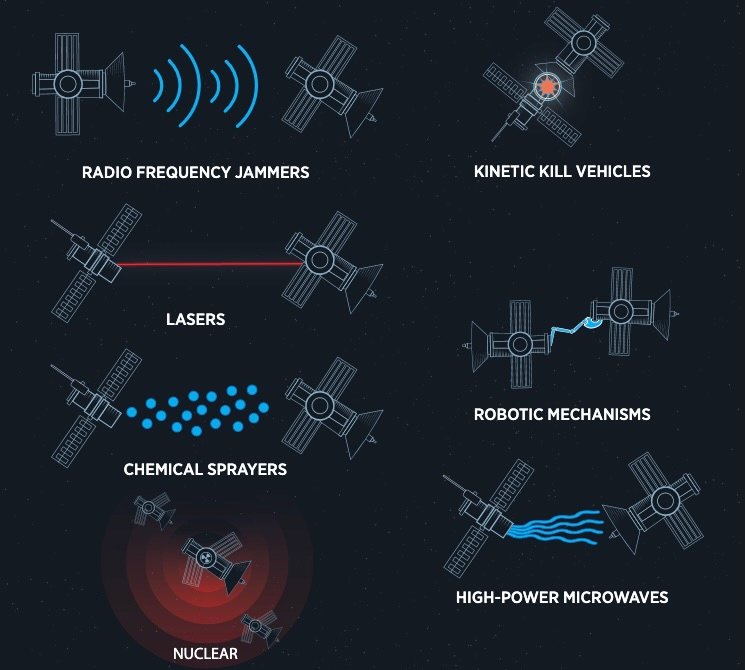
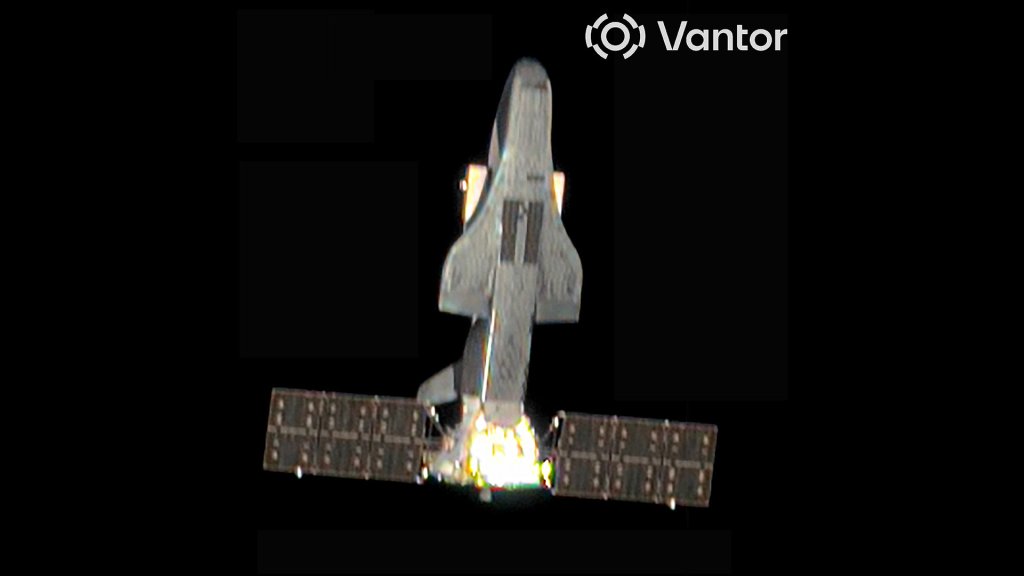
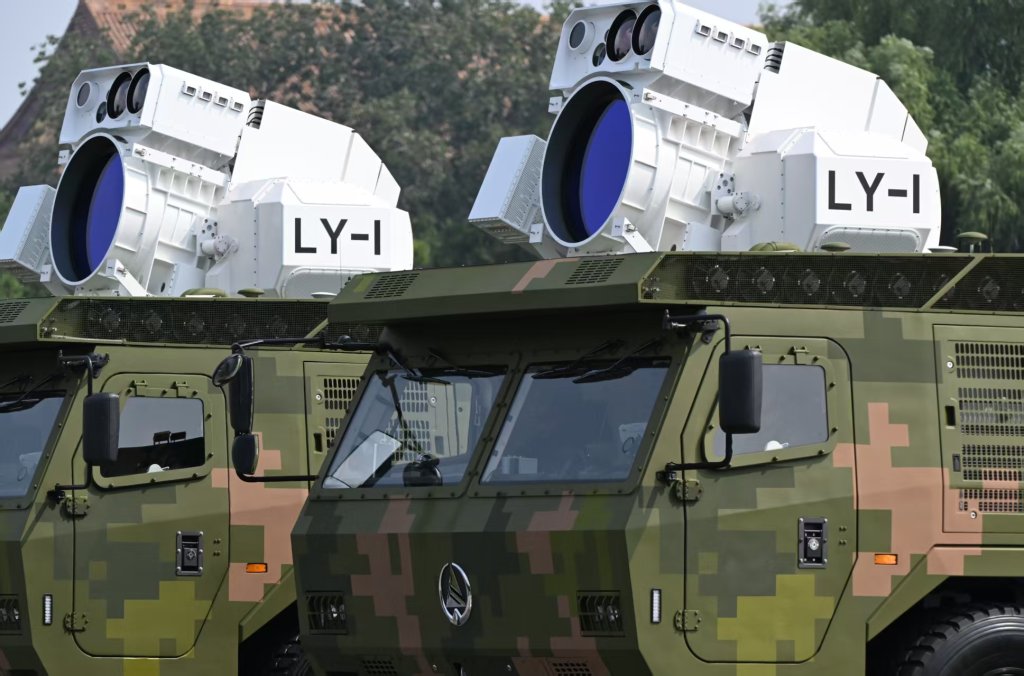
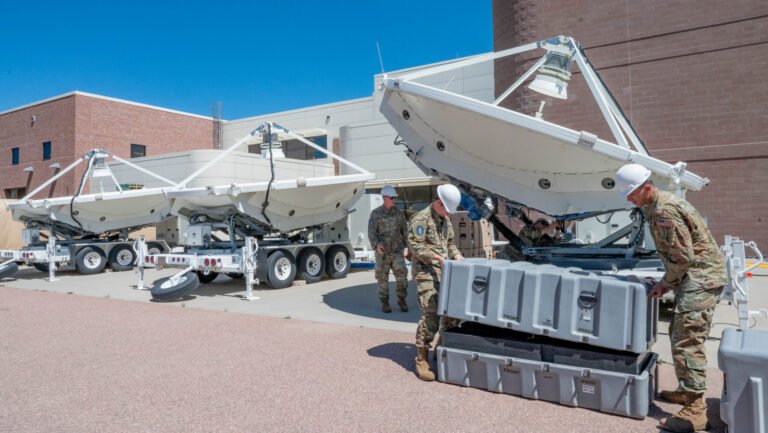
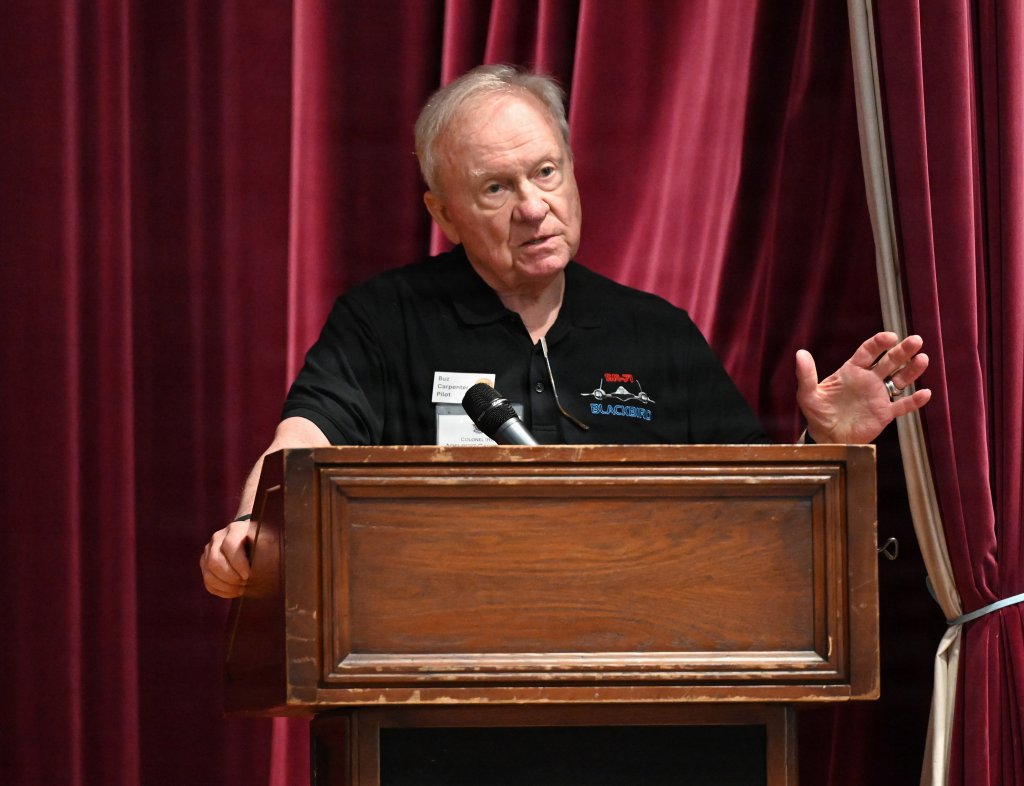
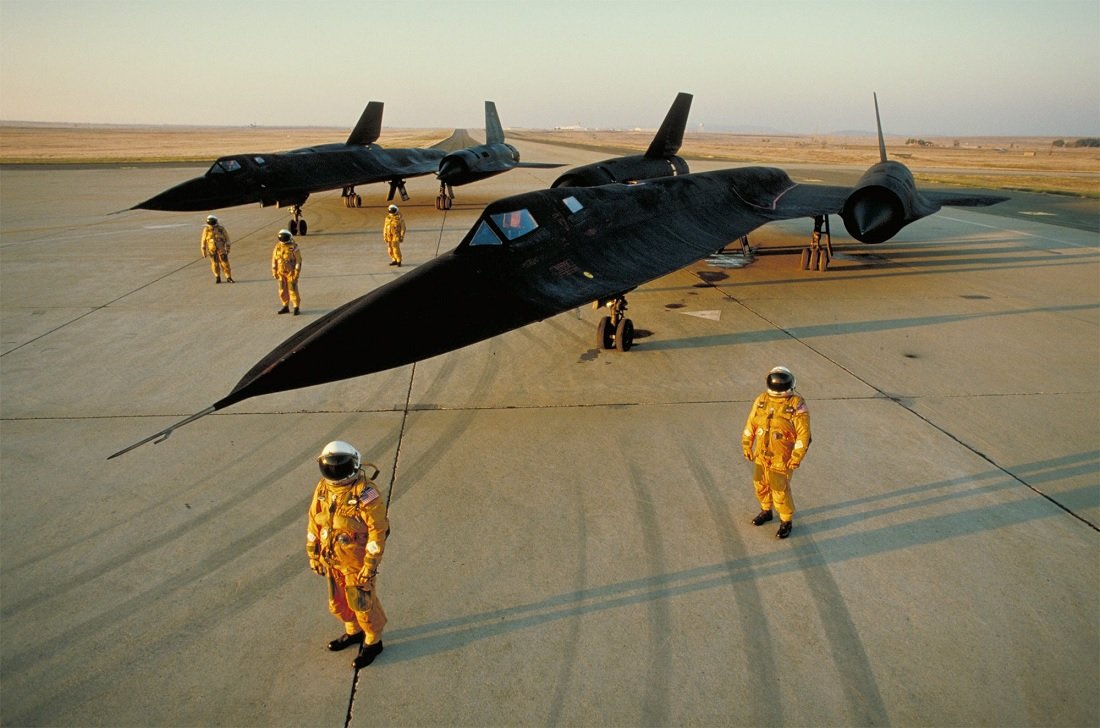
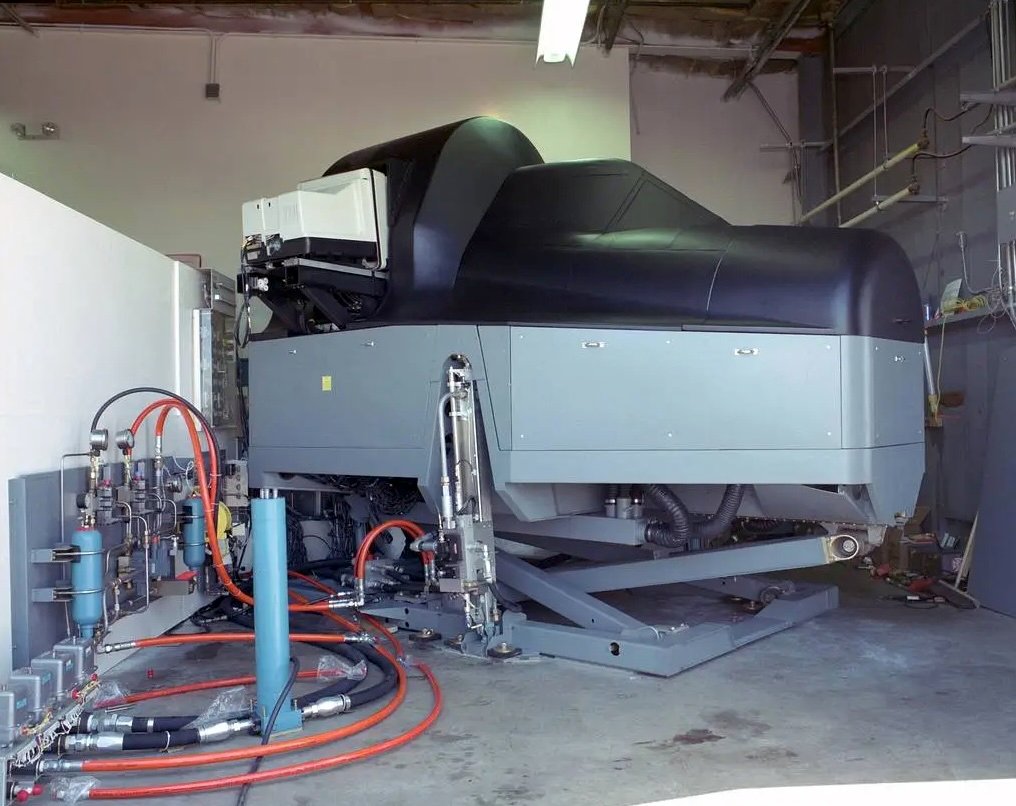
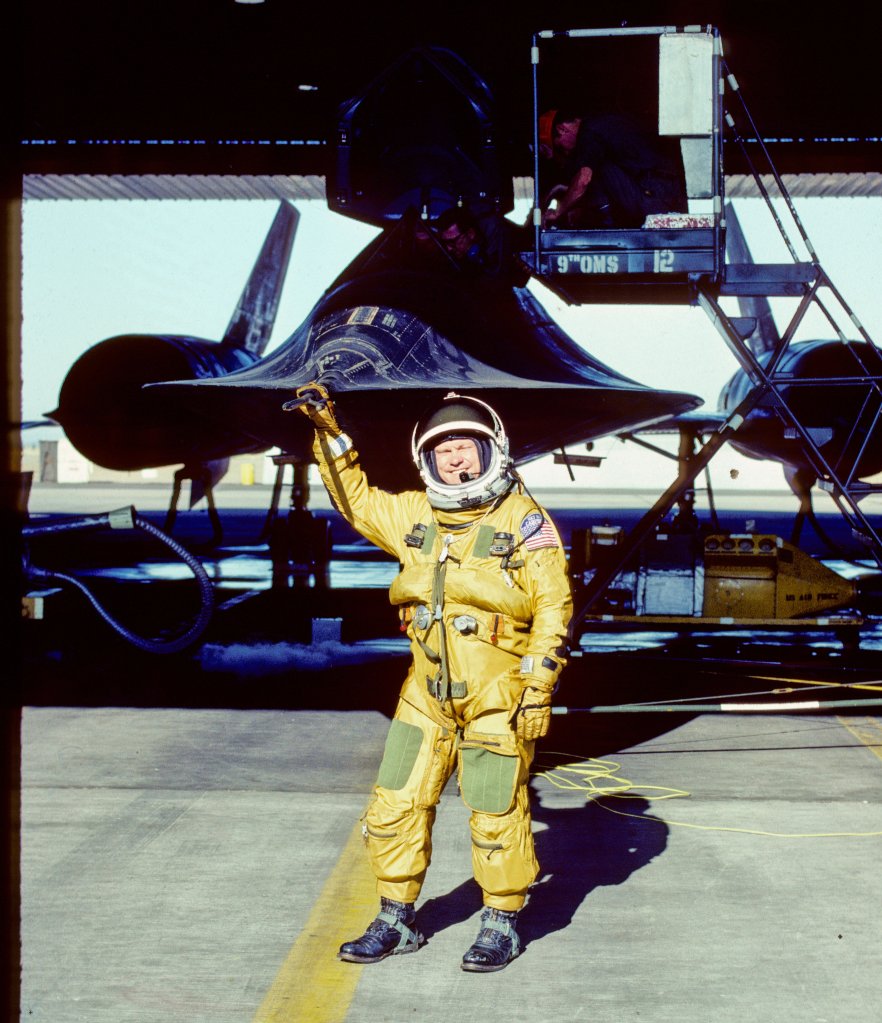
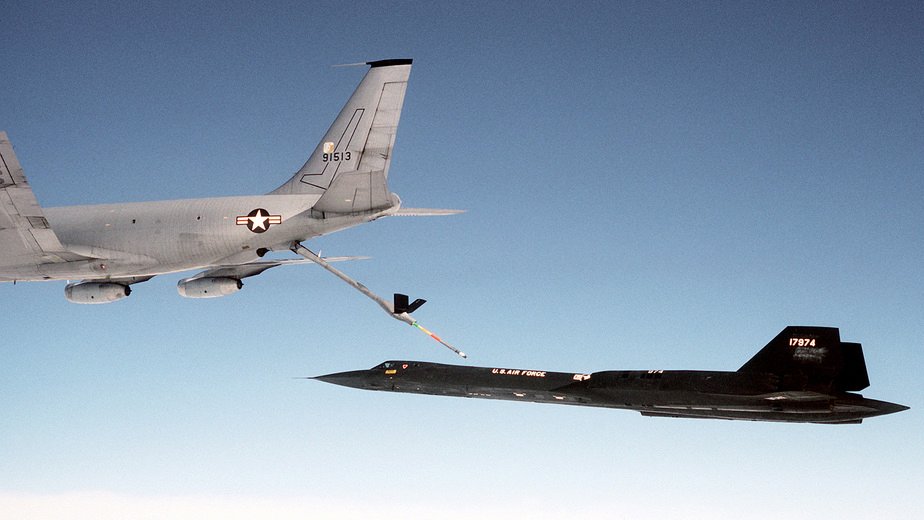
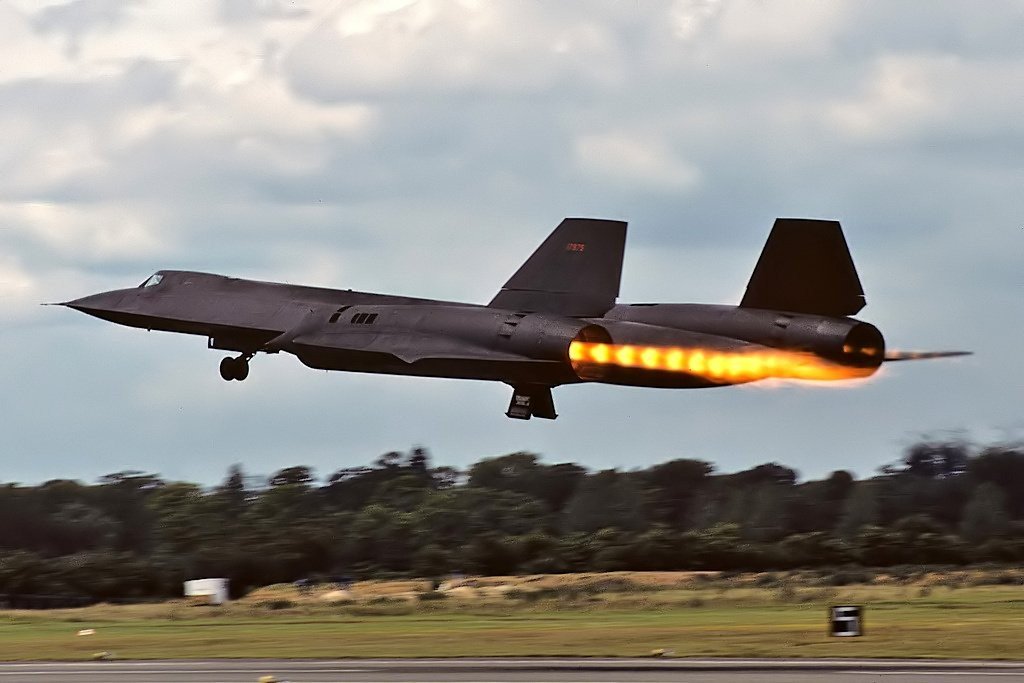
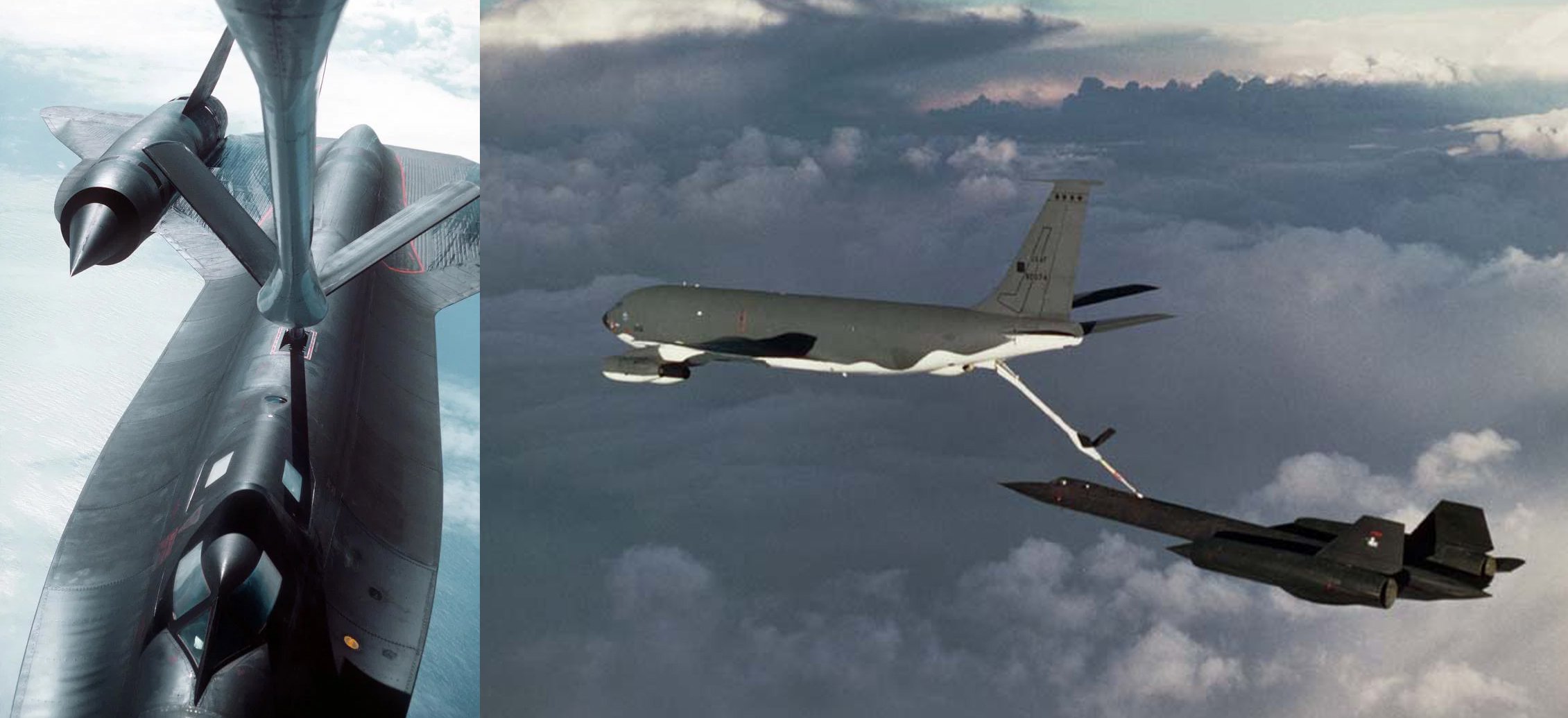


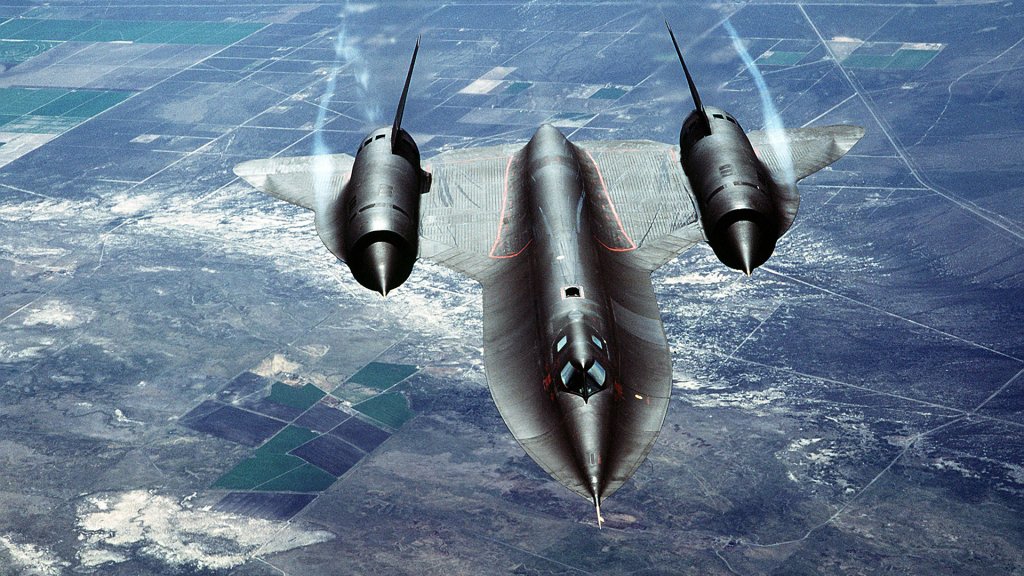
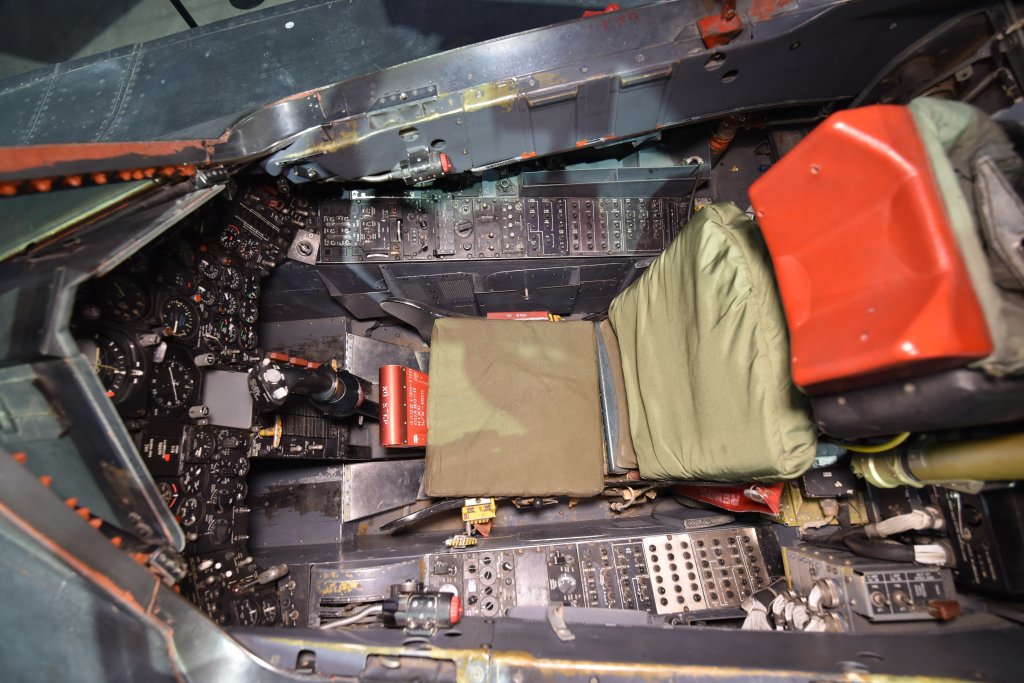
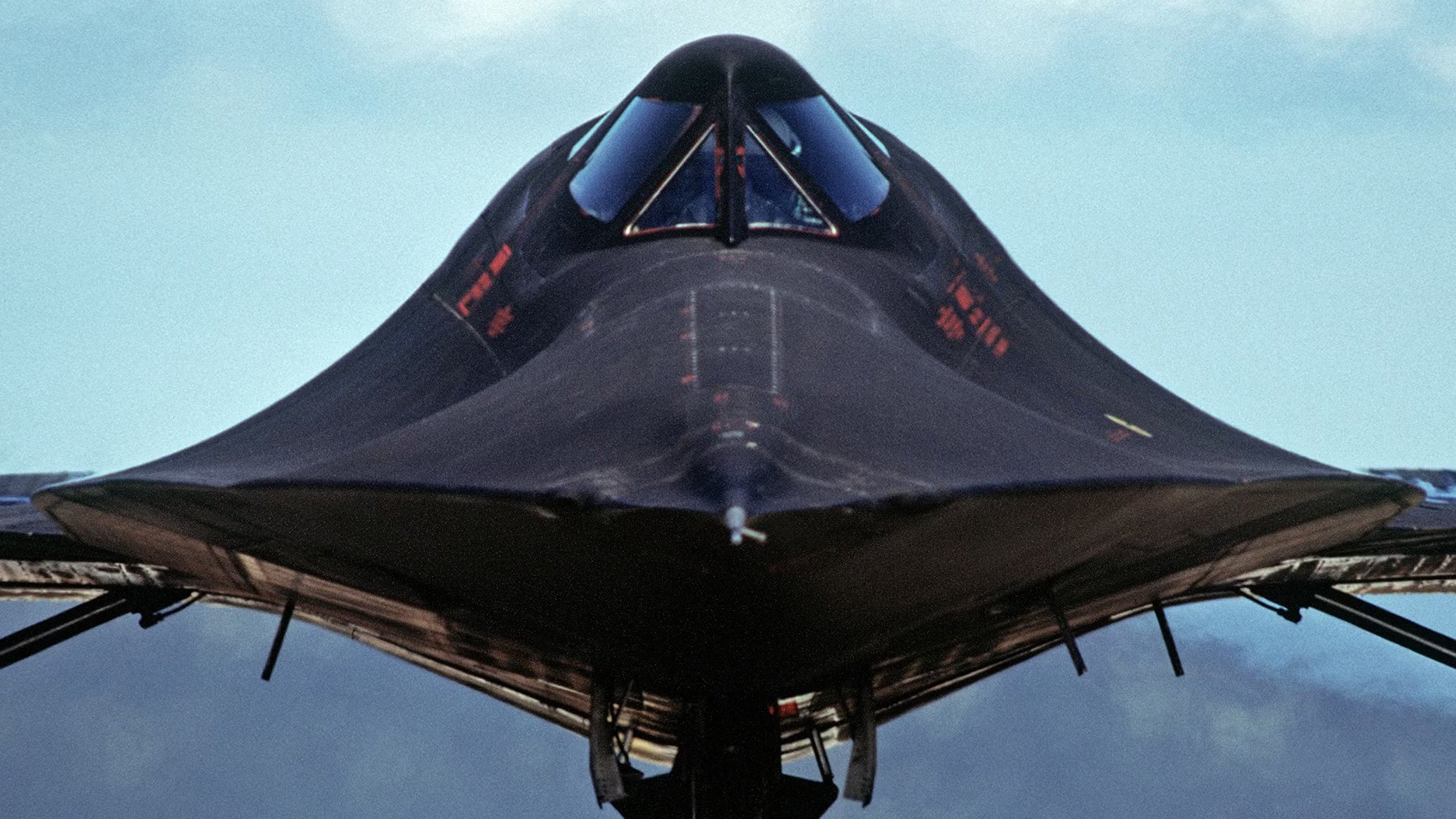
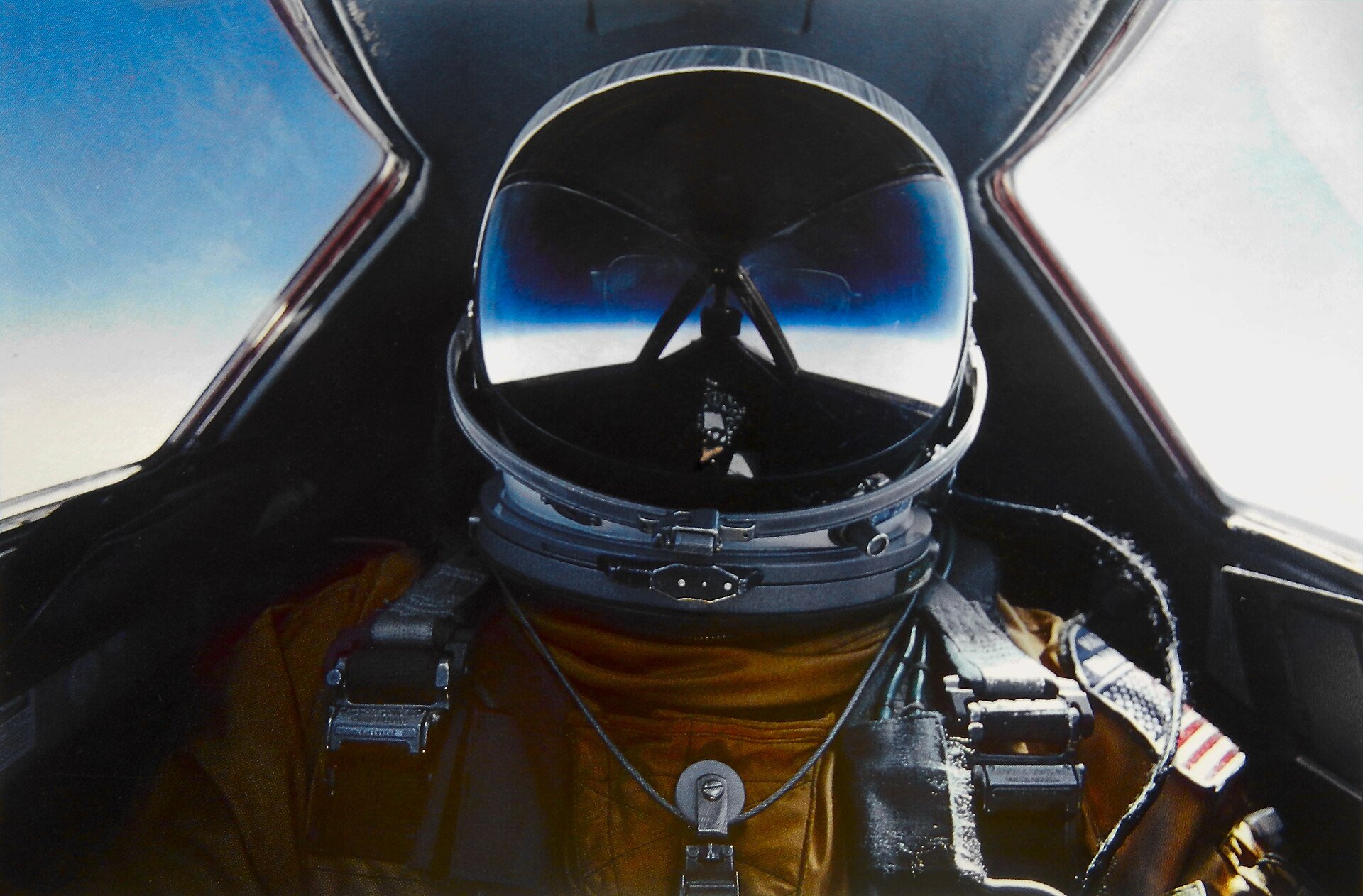
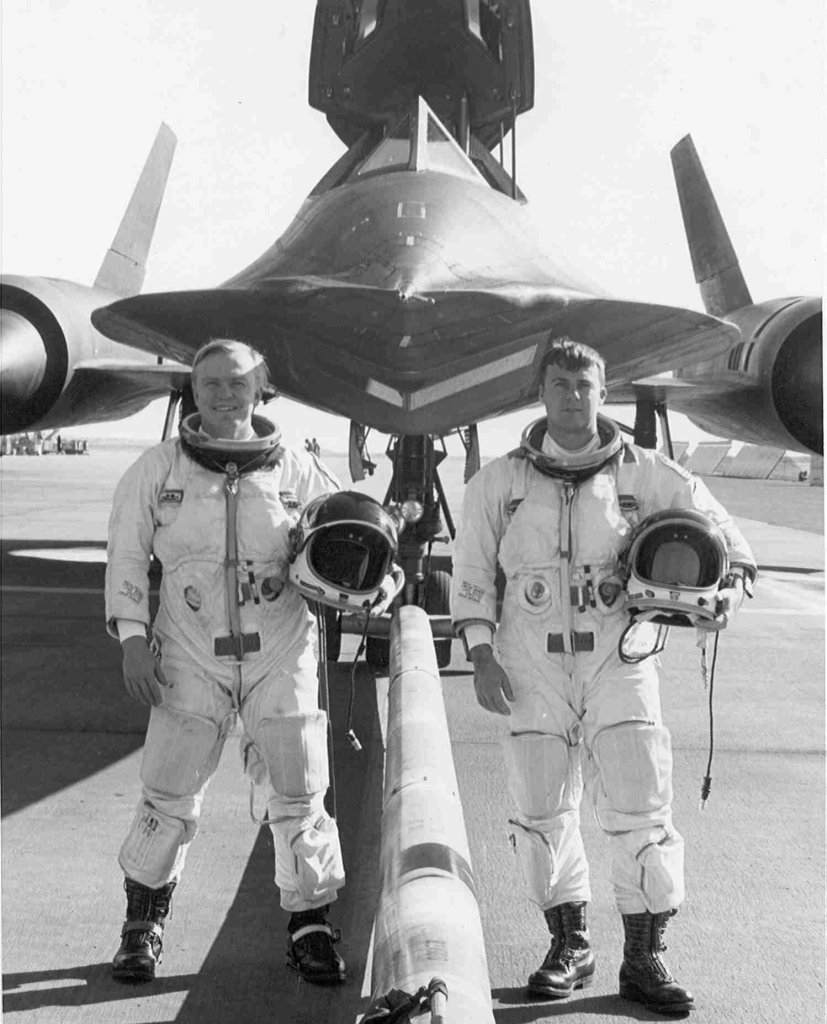
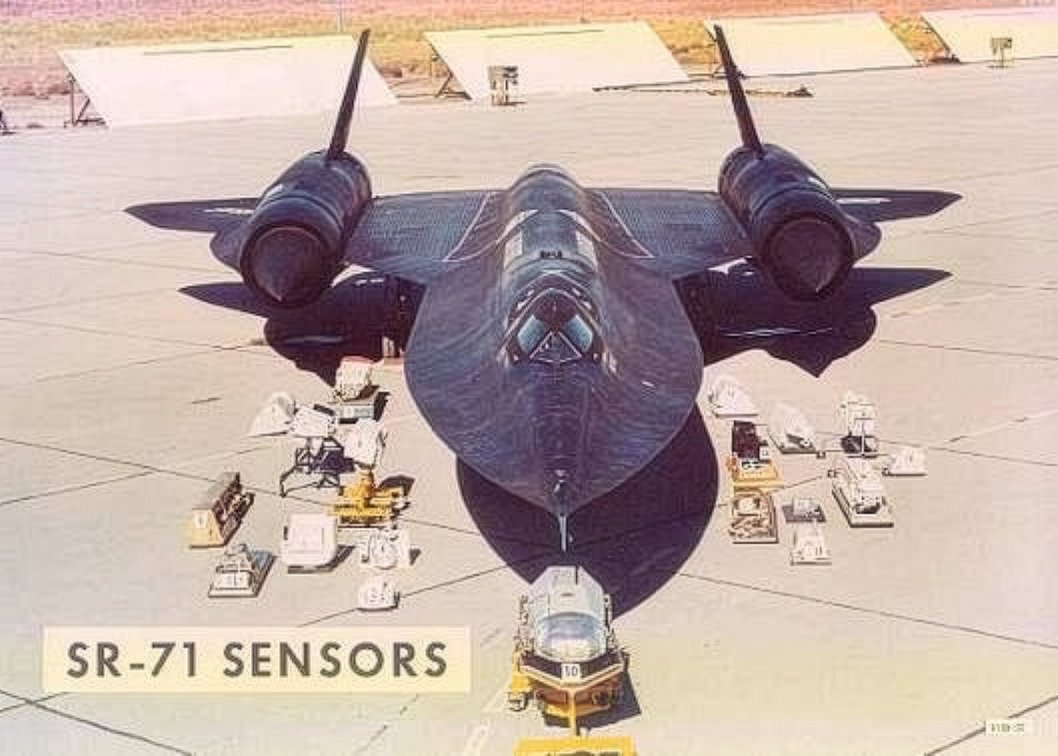
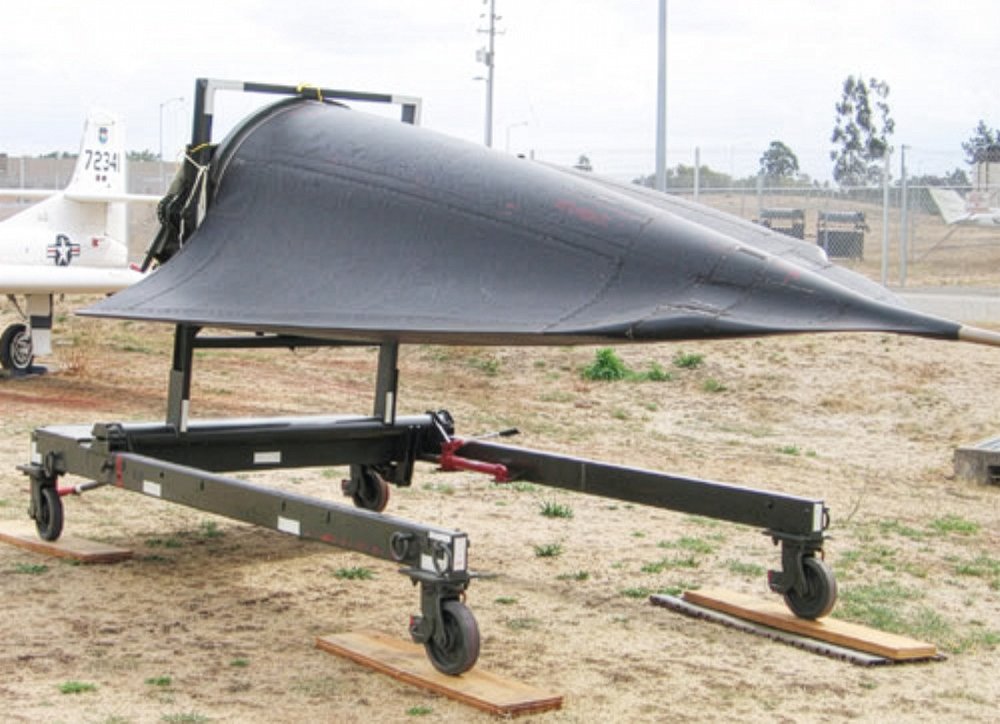
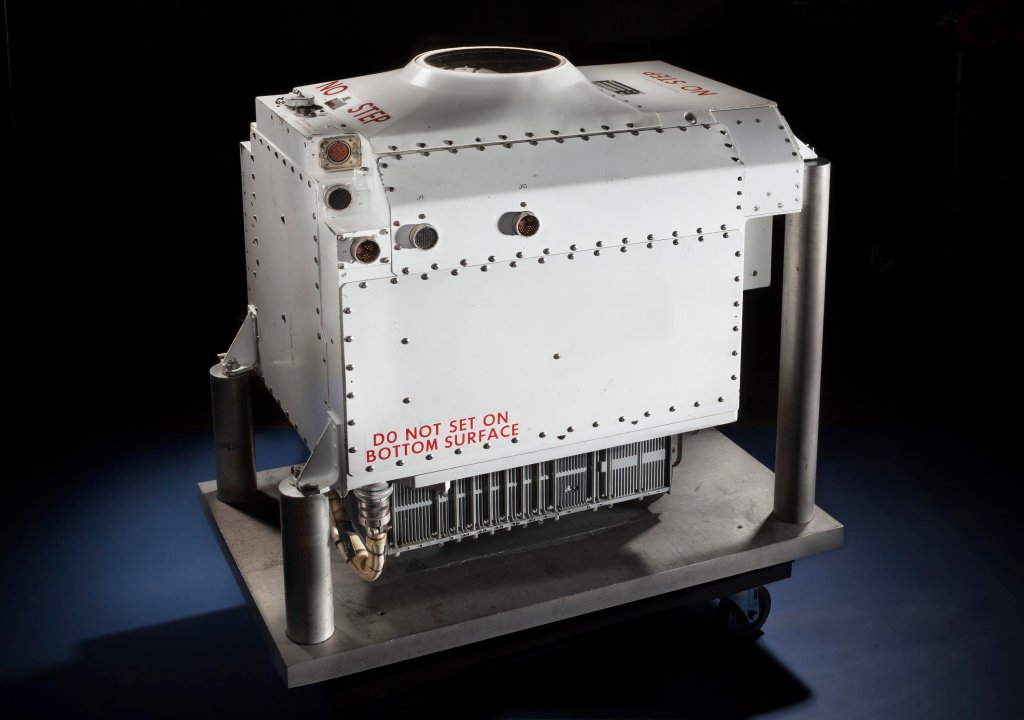

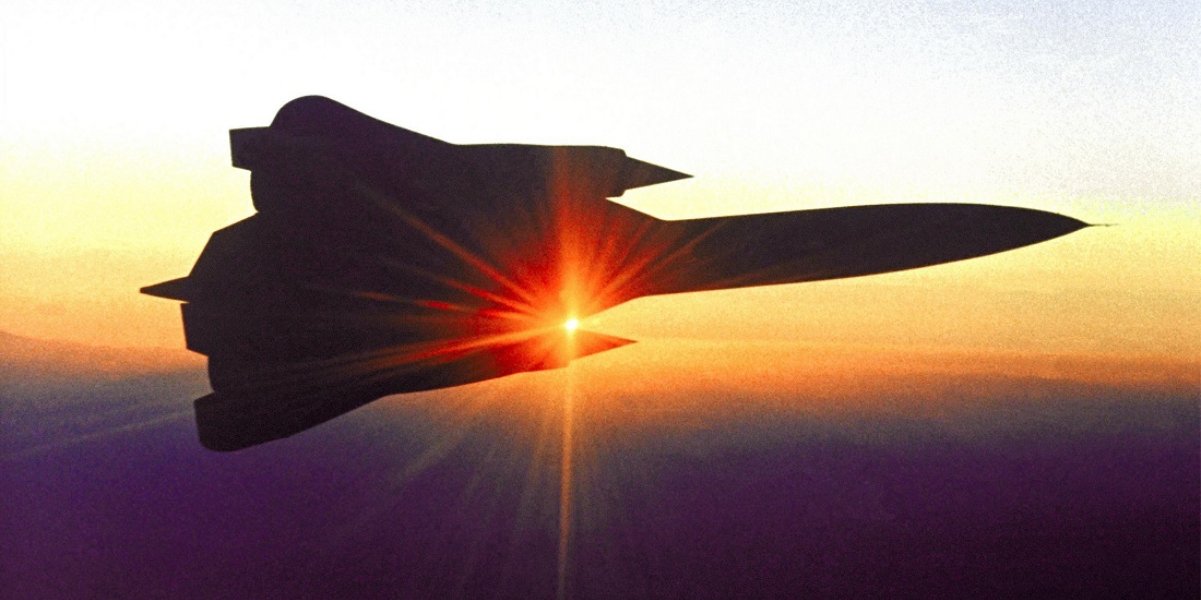
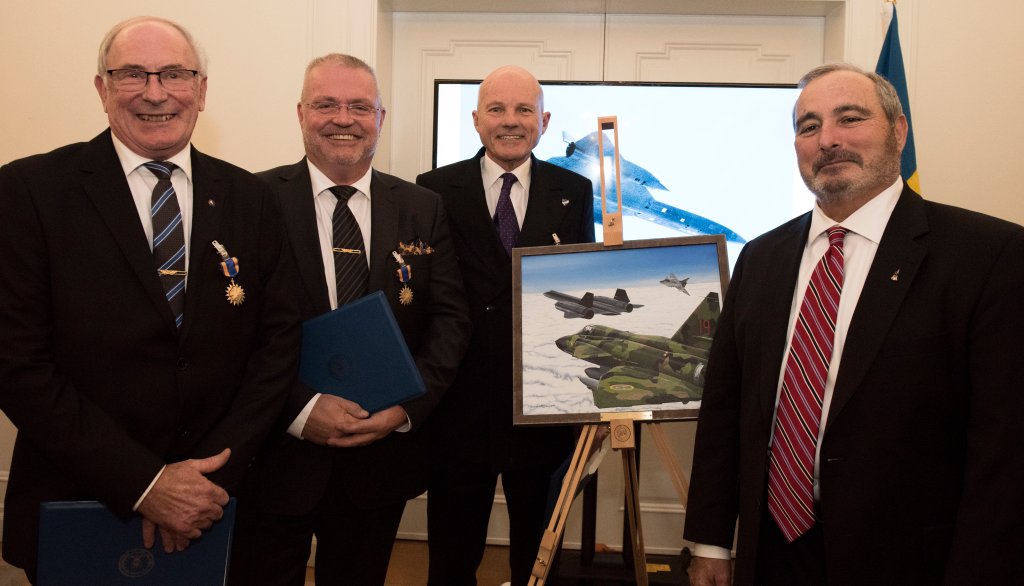
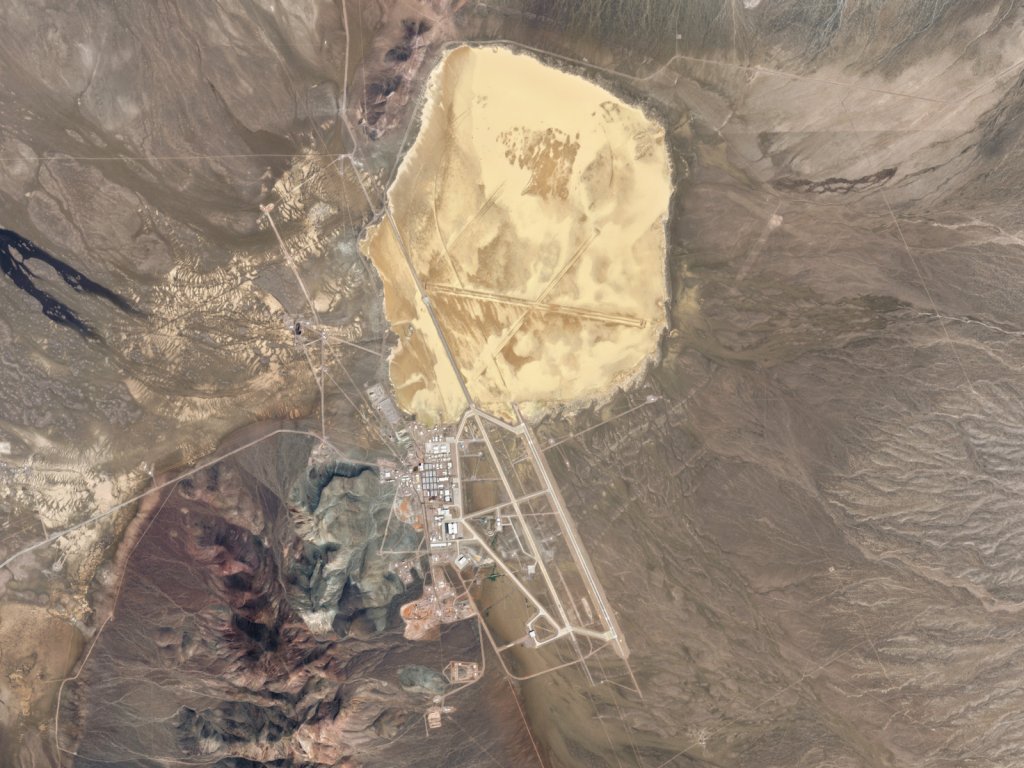
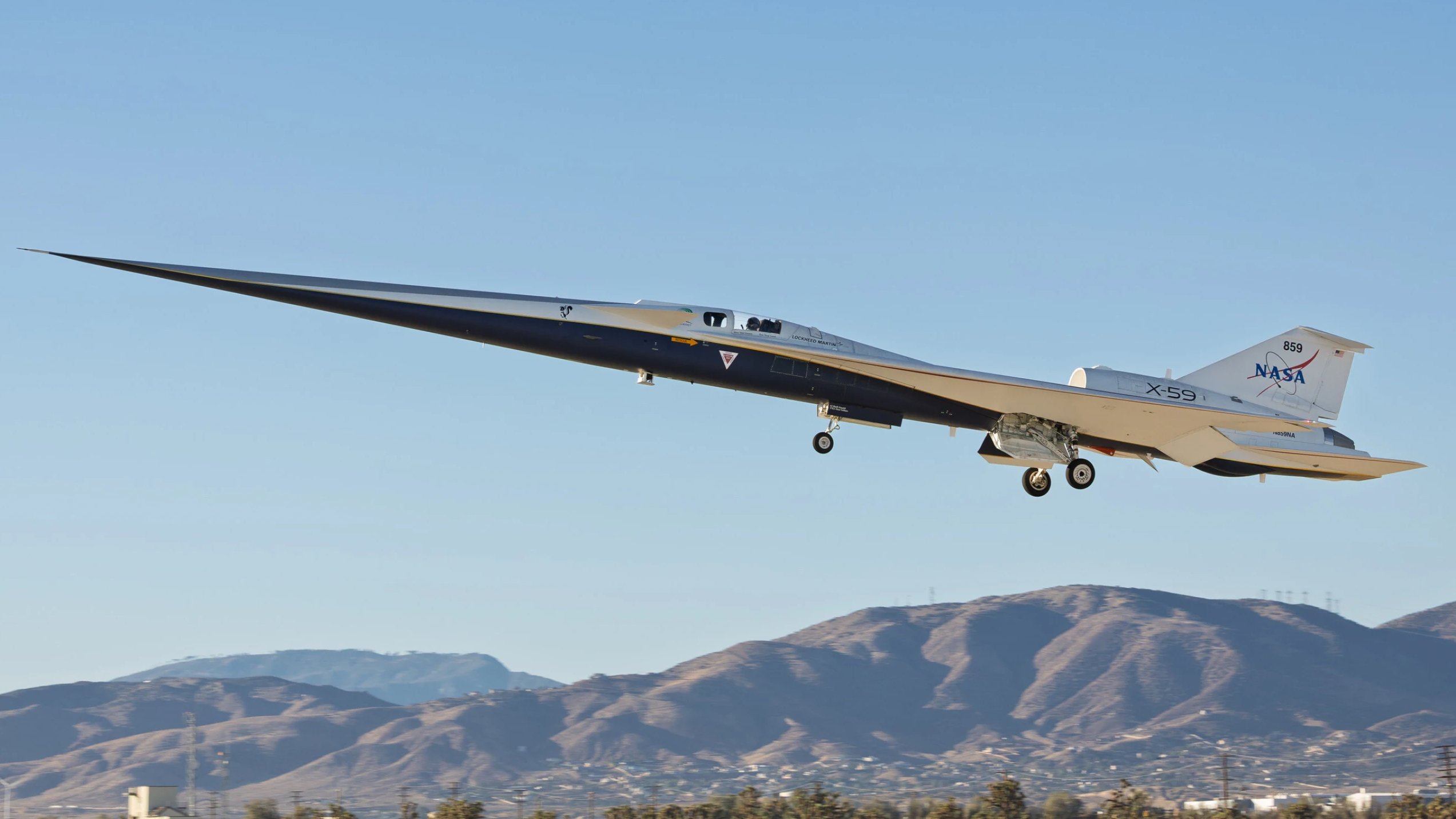
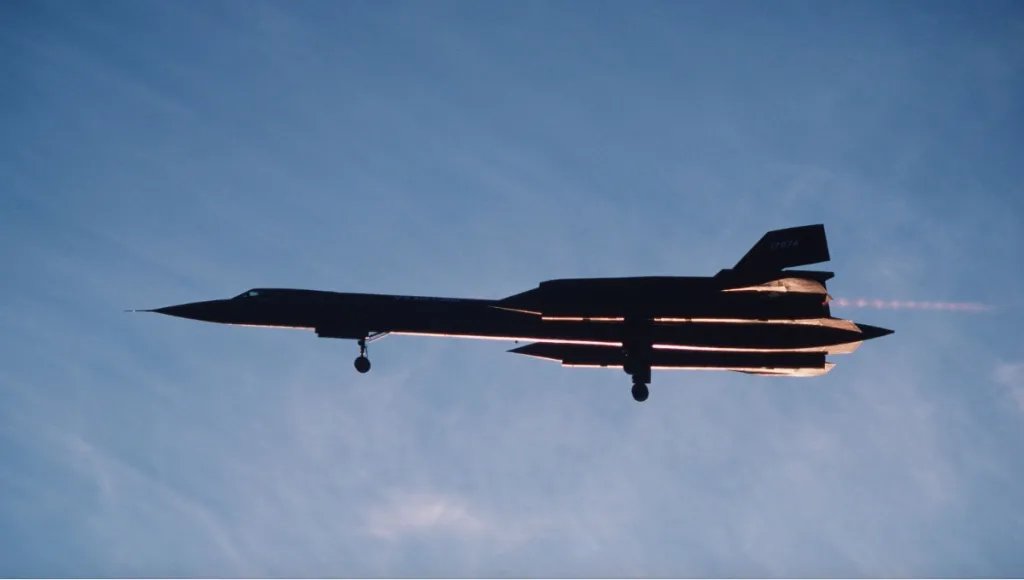
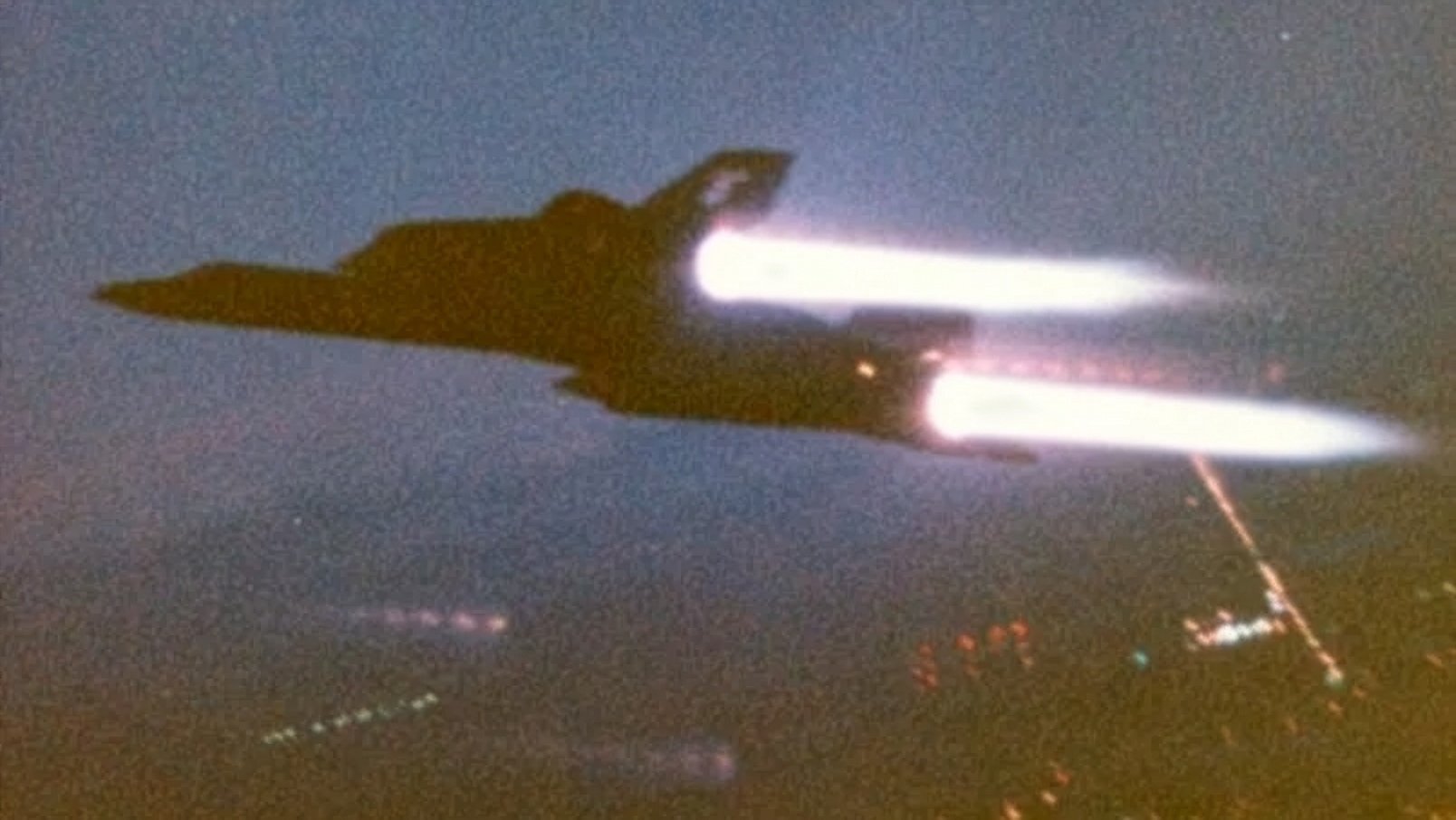
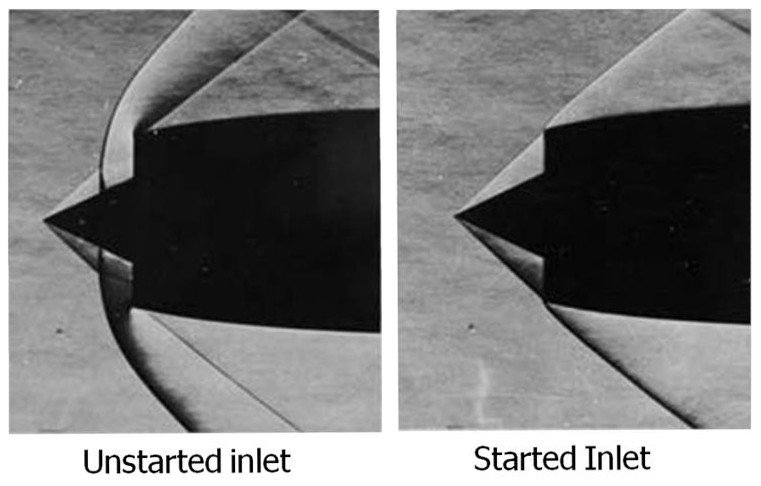
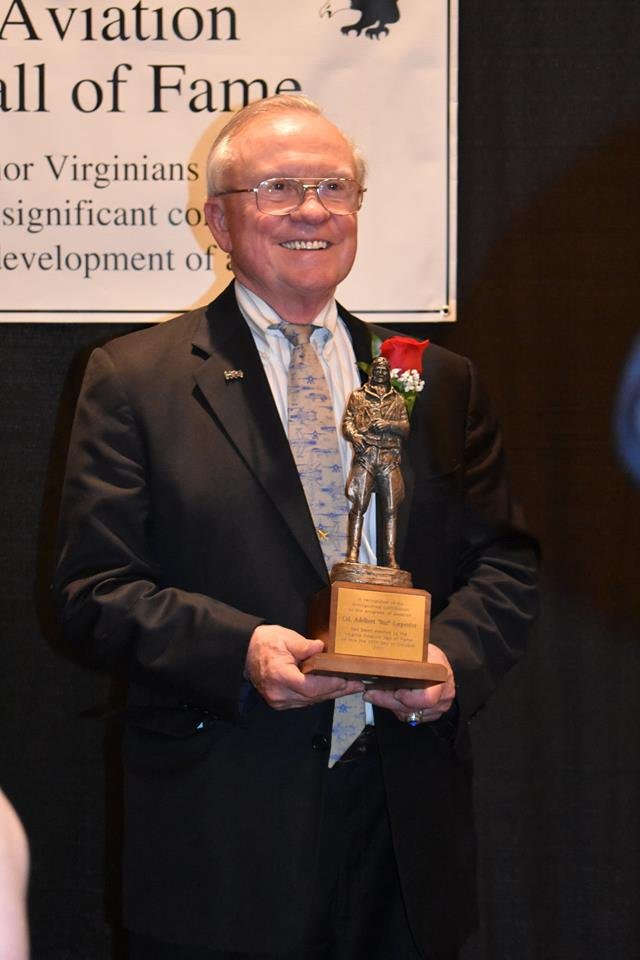
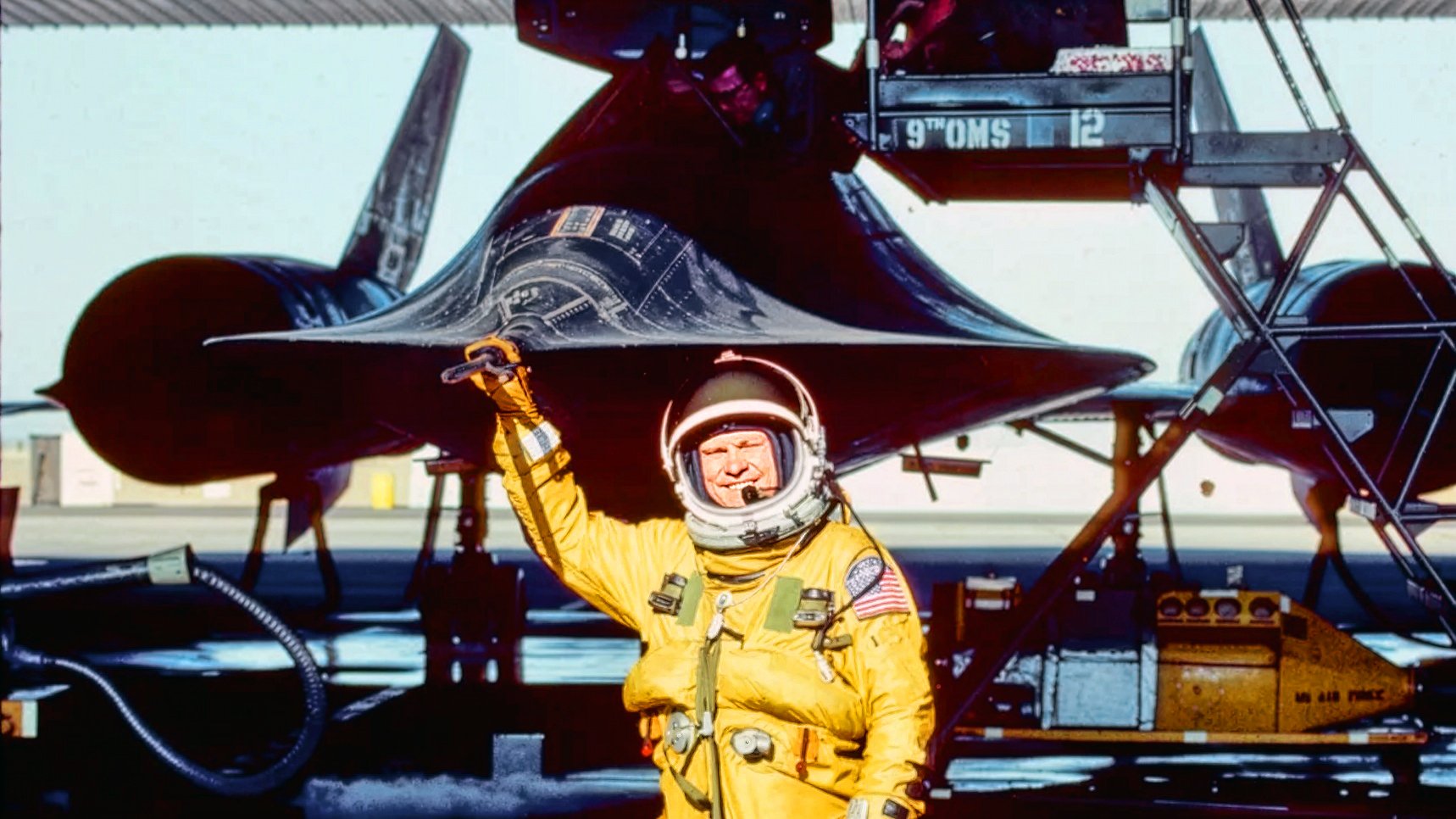
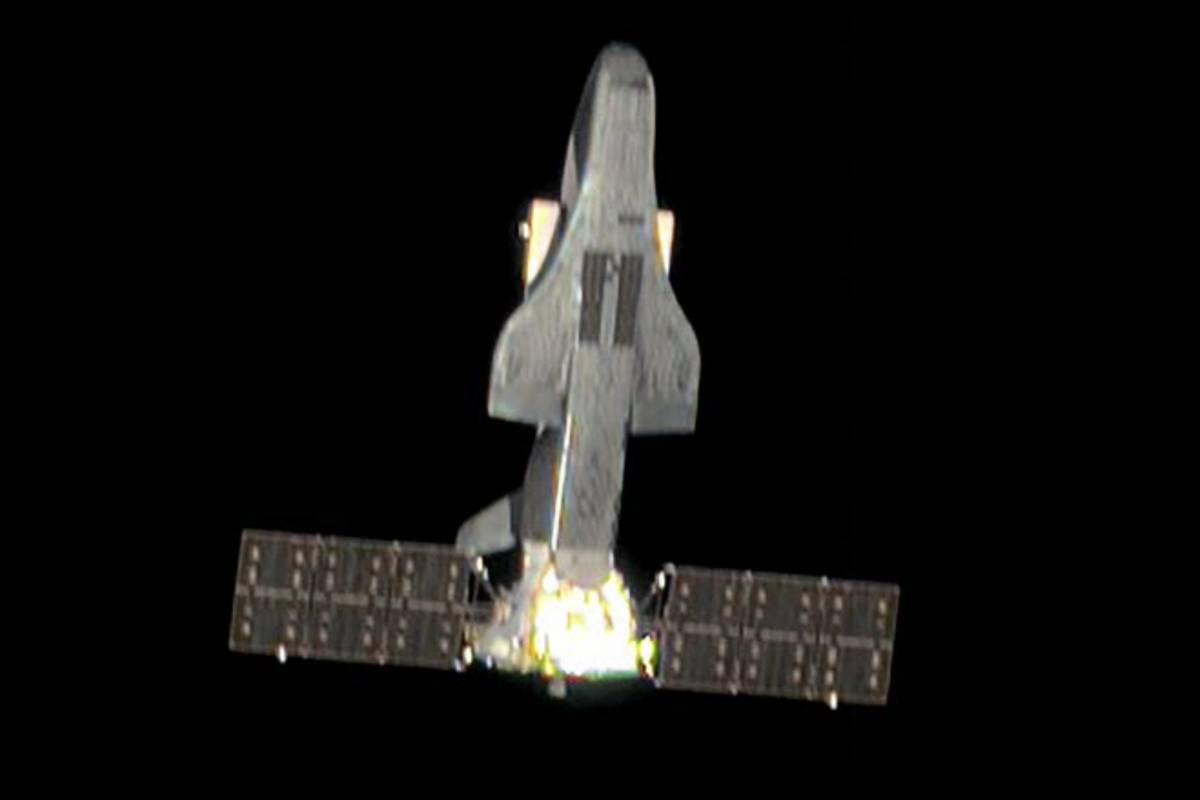




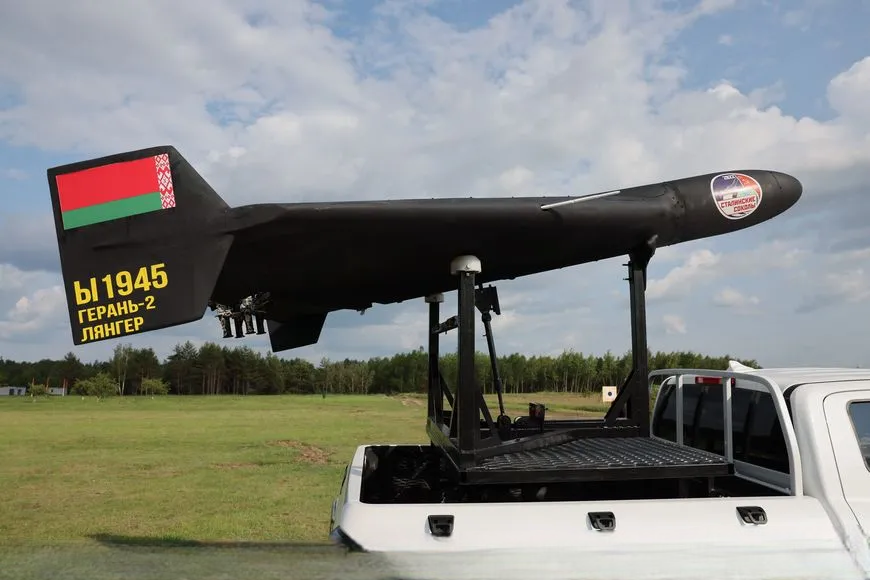
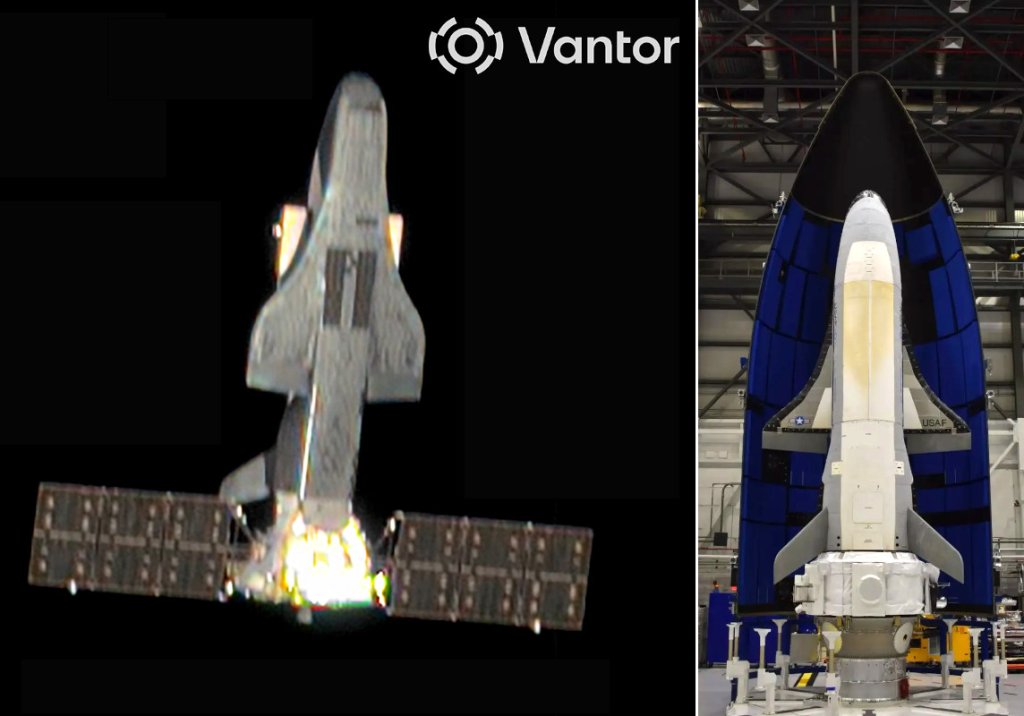
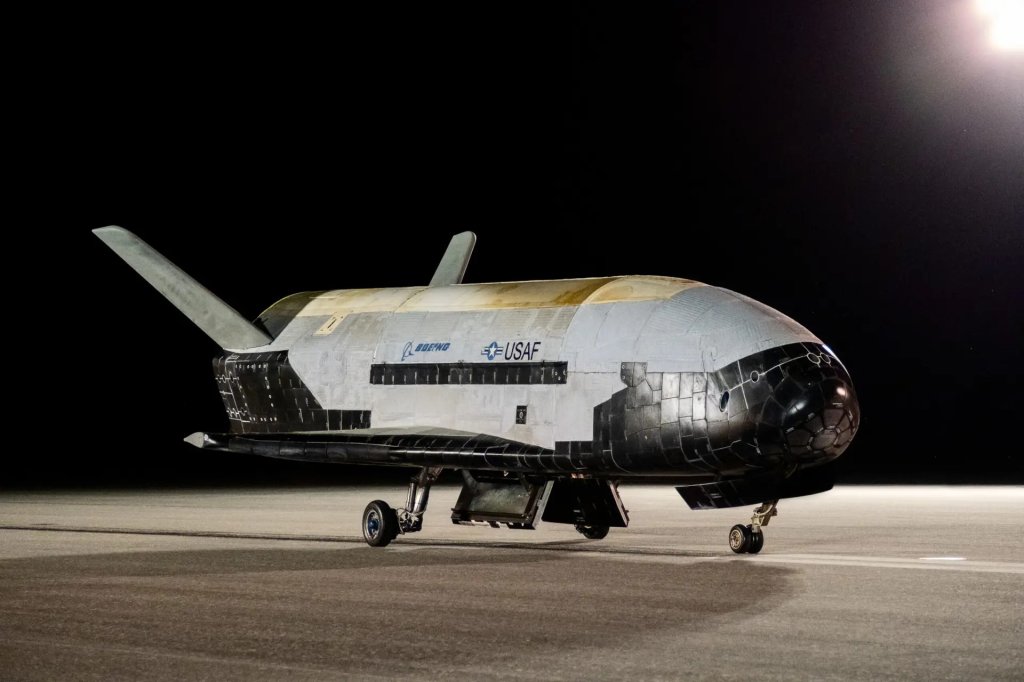

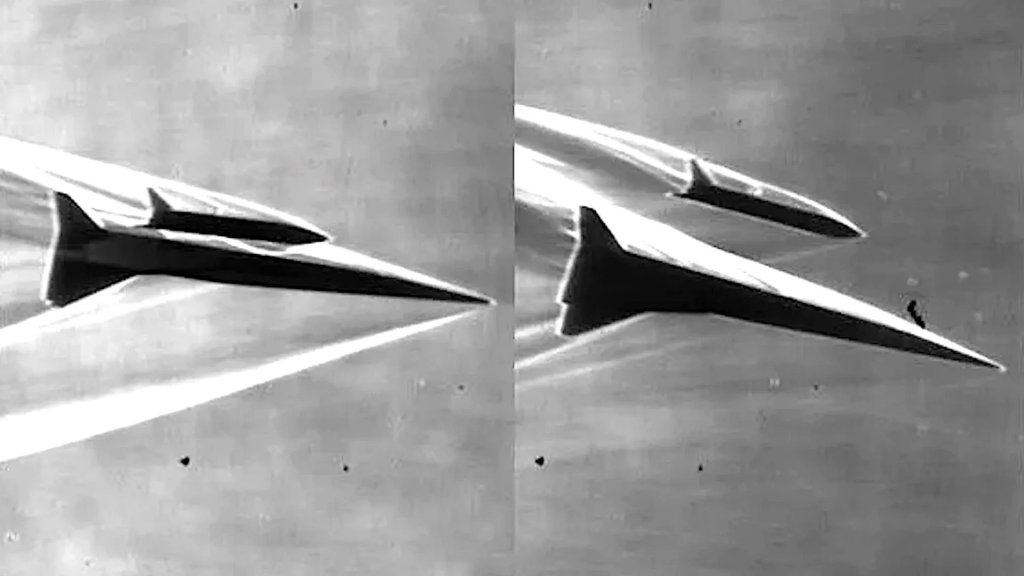
They seem not only got a model but also a full-scale prototype.
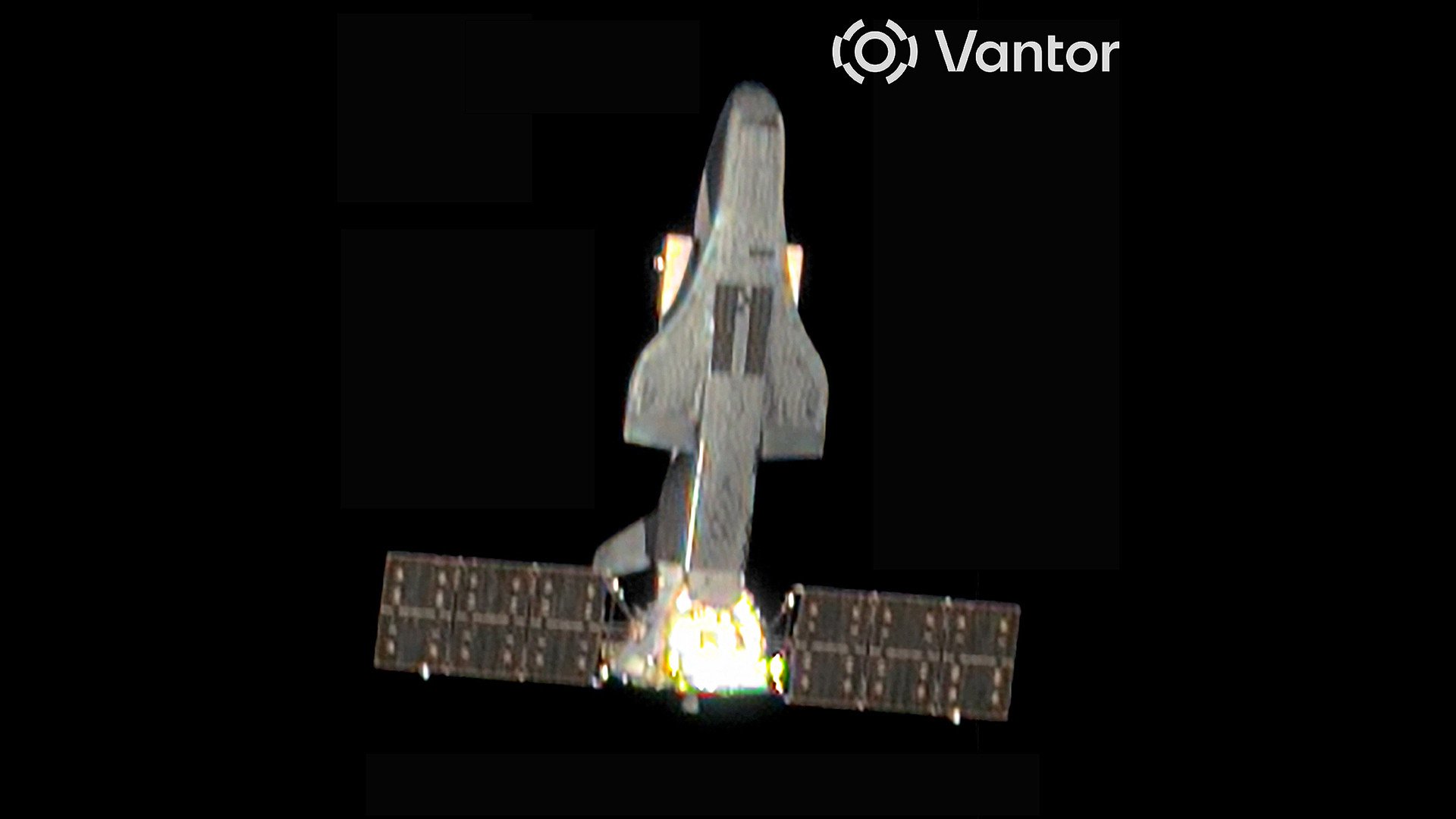




 , X
 e VK
 .