
❌

Reading view

THIS WEEK: the EU’s new Canada offer, cash for farmers and Russia’s Lavrov returns to G20?

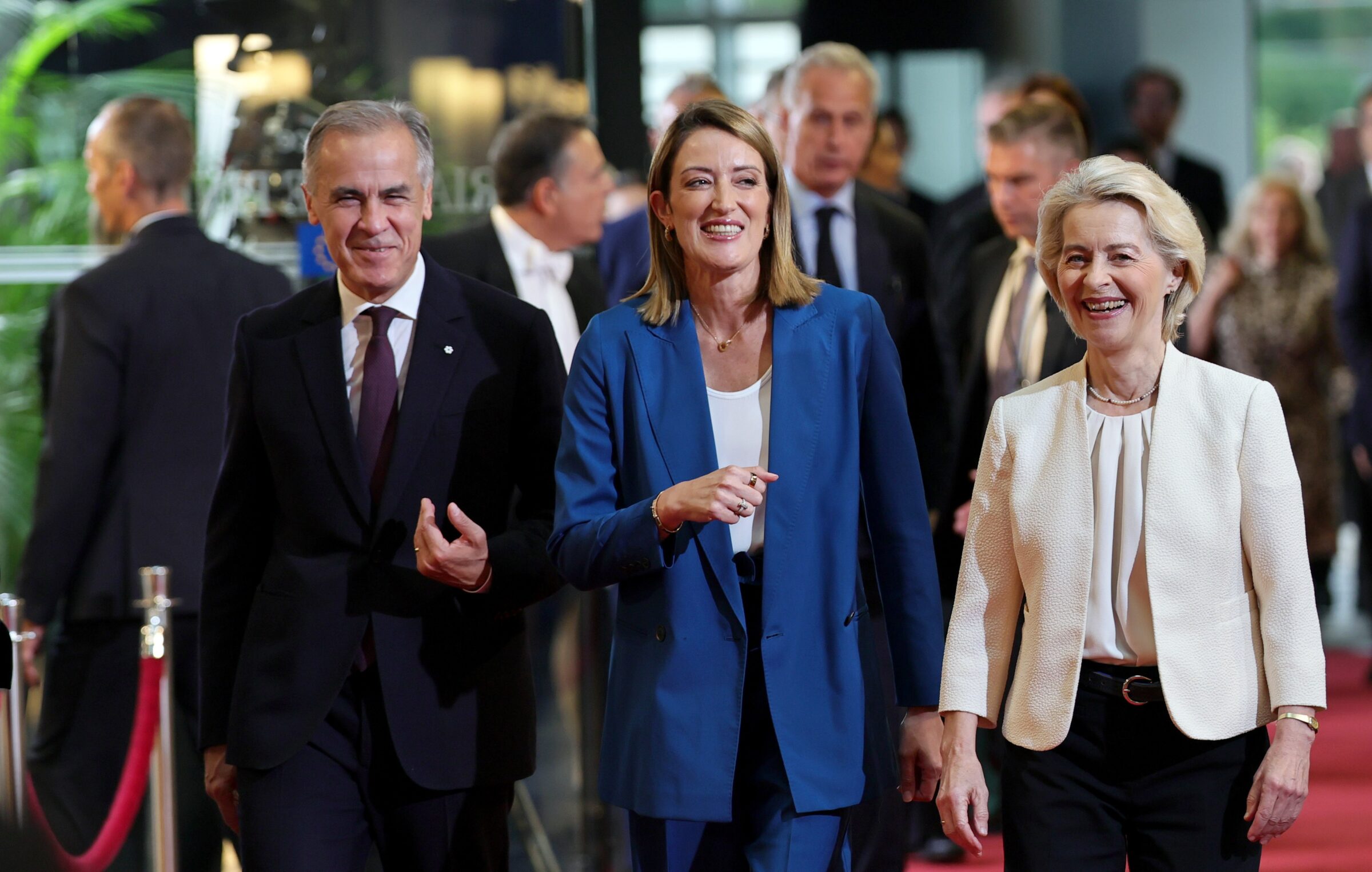
An EU-Canada summit in Montréal will be the main event this week with European Commission president Ursula von der Leyen and European Council counterpart António Costa represent the bloc at a two-day summit starting on Thursday (29 October), hosted by Canadian prime minister Mark Carney. 

Carney, who has repeatedly spoken about the need for so-called ‘middle powers’ to step up their economic and security cooperation to avoid being squeezed by the United States and China, has emerged as one of the EU’s closest allies since the start of US president Donald Trump’s trade tariff wars last year. 

Canada already has one of the most ambitious bilateral trade agreements with the EU and has secured access to defence procurement contracts as part of the EU’s new multi-billion euro defence fund. 

And in September at her State of the Union address, von der Leyen offered the prospect of ‘associate membership’ of the bloc to Canada. Talks in Montréal are likely to cover trade, energy, critical minerals, defence, digital technologies and economic security. 

In particular, the draft summit communique proposes a feasibility study on long-term Canadian LNG exports to Europe. 

This article continues, but the full version is available only to EUobserver.com subscribers. Visit account.euobserver.com/membership
  •  

THIS WEEK: Budget fallout, Russian provocations, and could the ICC be awarded the EU’s Sakharov prize?

European Council president António Costa gets to work this week rewriting the EU’s seven-year budget, after the bloc’s leaders binned the long-term plan proposed by the Irish council presidency last week. 

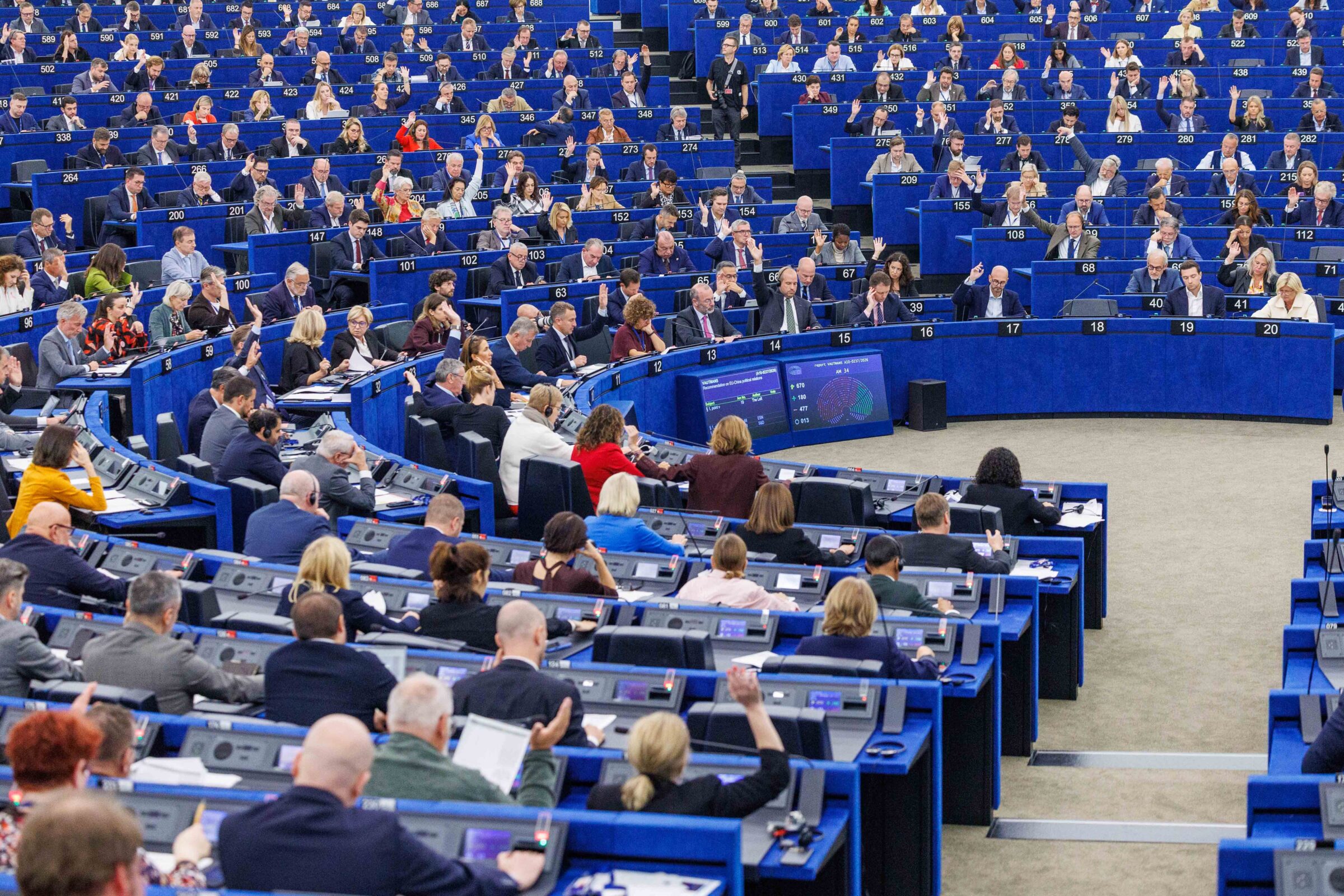
The budget will be debated by MEPs at the plenary in Strasbourg on Wednesday (21 October), when European Parliament will also vote to allocate €47bn for Erasmus+ instead of the €40bn planned on Thursday (22 October).

A separate vote on Wednesday (21 October) will decide parliament’s position on the EU’s short-term 2027 budget, when MEPs will decide whether or not to ask for €2.7bn more than what council proposed in summer, with extra monies proposed for expanding Erasmus+, agriculture and responding to climate disaster.

Further, MEPs will also decide on disbursing €489m to Mediterranean member states ravaged by storms and flooding, and €1.1m to retrain hundreds of workers laid off in Finland’s paper industry cuts – both on Wednesday (21 October).

This comes after last week in Brussels, where national leaders at their summit binned a long-term budget proposed by the Irish Council presidency. While most wanted to keep budget headroom, a minority of big spending countries wanted to save cash. So while European Council president Antonio Costa gets to work rewriting the 2028-2034 funding plan, MEPs will also make their views on the matter clear.

A debate will also ensue on Tuesday (20 October) on how to respond to escalating Russian provocations off Bulgarian and Romanian coasts where drones have repeatedly violated EU airspace, followed by a vote on Thursday (22 October). MEPs will also ask the commission to explain why it decided to unlock sanctions on luxury Russian furs shortly after it imposed them.

This article continues, but the full version is available only to EUobserver.com subscribers. Visit account.euobserver.com/membership
  •  

This WEEK: Leaders to focus on economy at EU summit, in shadow of Russia threat and Middle East turmoil

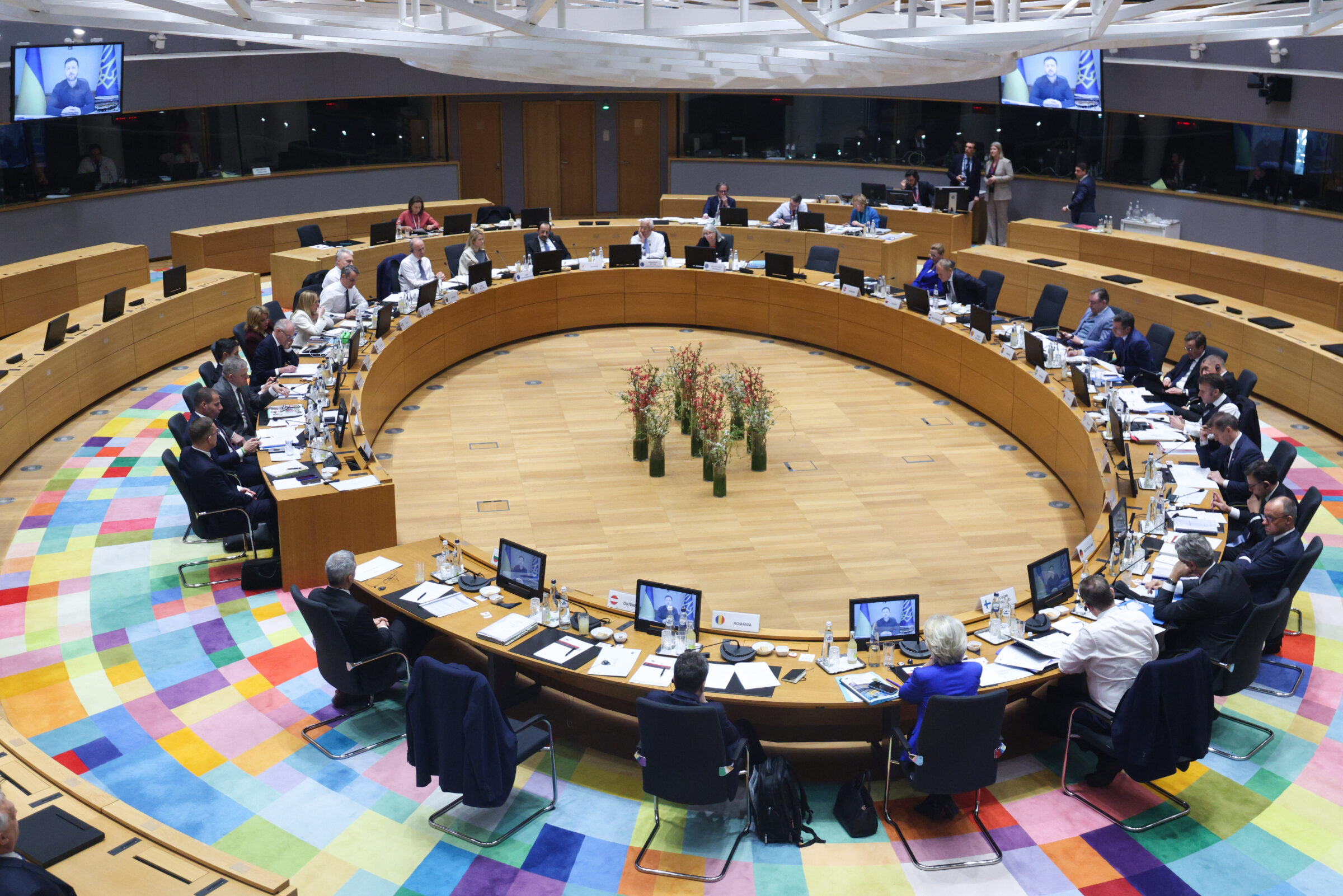
Money and how to make more of it are among the top issues to be discussed among EU leaders as they gather for a two-day summit in Brussels, while they also struggle with ongoing problems on Ukraine, the Middle East, migration, defence, and new rules for EU-hopefuls, such as Montenegro.

The official talks kick off on Thursday (15 October) on how to make the 27 EU states more competitive in a turbulent world dominated by US tariffs, Chinese innovation, and Iran-war linked chokeholds in the Strait of Hormuz, which have forced the G7 wealthy nations to release 100m barrels of diesel and crude oil.

Gas prices have risen by 140 percent since the end of February with imported fossil fuels now costing an extra €100bn, says the European Commission.

In Europe, a grand scheme, a so-called “One Europe, One Market”, aims to spike European fortunes by saving an estimated €37.5bn for EU businesses by 2029.

The drive is part of a larger initiative to cut red tape and remove internal market barriers, including the eventual launch of a so-called EU Inc.

Ireland, which is currently steering the EU’s rotating presidency, had already announced that the summit would start with the competitiveness theme. And leaked draft conclusions, seen by EUobserver, lead with a sales pitch to step up ambitions over the ‘One Europe, One Market’ proposal.

It also gives a nod to the German car industry, by citing efforts needed to stop China from making too much money off Europeans. The goal is to get Europeans to spend more on European products, even if they are more expensive and less innovative.

The ‘more money’ talks dovetail into how to spend it (or not) in the EU’s next long-term budget, spanning 2028 to 2034.

António Costa, the president of the European Council, is hoping for an agreement of the nearly €2 trillion budget before the end of the year. People need predictability and stability, he said, in a invitation letter sent to the 27 EU states.

This article continues, but the full version is available only to EUobserver.com subscribers. Visit account.euobserver.com/membership

  •  
❌