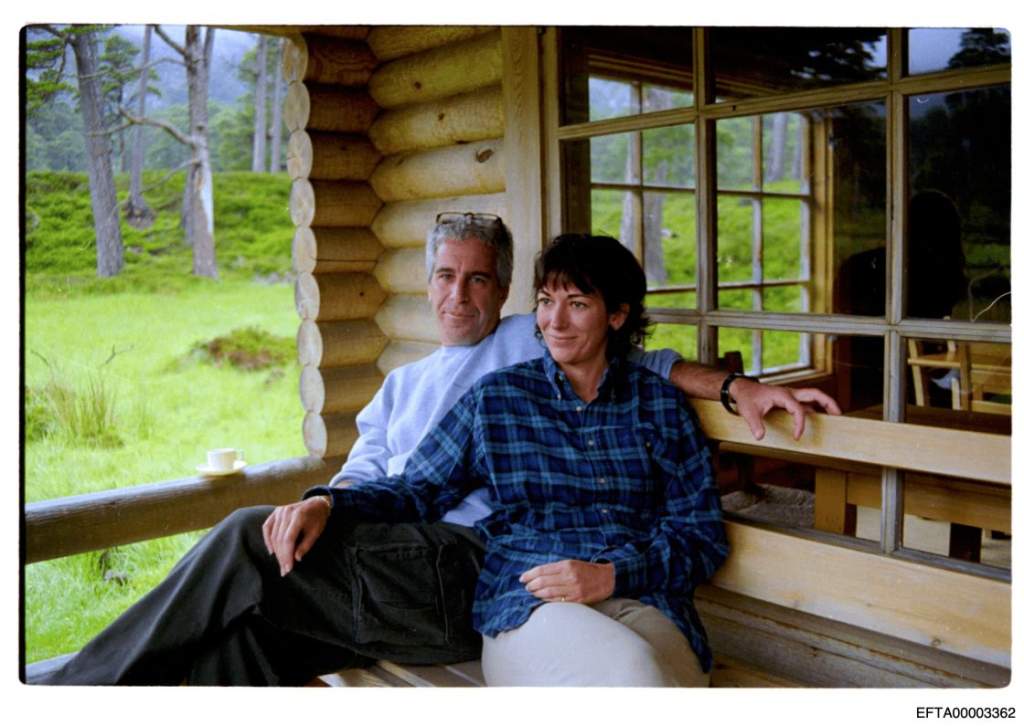
Police Scotland said in a statement to Global News that the inquiries began after it received “information” and that the probe was at a “very early stage.″
Police Scotland said in a statement to Global News that the inquiries began after it received “information” and that the probe was at a “very early stage.″
With deaths accelerating in Europe due to a rapidly aging population, observers might expect to a “silver lining” in at least one area of the economy: coffin production. However, just as with many other industries, China is even eating into this market share, helping result in dozens of coffin producers to go out of business in recent years.
European coffin manufacturers have now formed a coalition and are preparing a formal anti-dumping complaint against Chinese imports, arguing that low prices and alleged customs loopholes are eroding a traditional industry tied to predictable demand.
The number of European coffin producers has fallen from about 120 to 90 over the past five years, with smaller firms largely unable to compete, according to Folco Ciulli, a consultant coordinating the effort. Surviving companies have absorbed only about half the output of those that closed, he told Politico. The coalition, which previously lacked dedicated lobby representation, has met with European Commission officials, including from the trade department, organizers told Politico.
Chinese coffin are simply cheaper, costing approximately one-third less in Italy, even when using the same type of wood. Experts attribute the gap to state subsidies, lower labor costs, and cheaper timber, among other factors.
Higher U.S. tariffs on Chinese goods have also redirected some production toward Europe, the group contends. The coalition is compiling cost data on materials, labor and factory-gate prices for the comparison, in order to China is dumping coffin products.
A 2025 European Parliament question raised similar concerns, stating that Chinese imports accounted for about 60 percent of the Italian market. It cited production costs of roughly €260 in Italy versus €80 in China, enabling sales in Europe of €100-110, and alleged the use of toxic paints banned in the EU that release carcinogenic particles during cremation. It asked whether the Commission would open an anti-dumping probe and impose duties, and how it would enforce environmental and health standards.
Industry analysis points to statistical gaps that could indicate under-recorded imports. Mathematician Emiliano Inguscio, hired by the producers, calculated an unexplained surplus of about 30,000 coffins a year in Italy alone.
Producers suspect two practices: an “IKEA loophole” in which flat-packed coffins arrive classified as wooden parts and are assembled in the EU, and imports registered as packaging for other goods rather than as finished products. A Commission spokesperson confirmed that unassembled goods may still be treated as finished products under customs rules if their essential characteristics are recognizable, so flat-packed coffins should not automatically qualify as mere components.
The effort follows an earlier appeal by EU lawmakers to Trade Commissioner Maroš Šefčovič, who indicated the industry could file a formal complaint. A Commission spokesperson said the EU maintains more than 200 trade defense measures and takes action against unfairly traded imports, while declining to confirm specific meetings because contacts on potential complaints are confidential.
Coffin makers point to a recent precedent. In January 2026, the Commission imposed definitive anti-dumping duties of 56 percent to 60 percent on Chinese candles, tapers and similar products after finding dumped imports had injured an EU industry of roughly 9,000 workers across about 80 companies. The duties, set for five years, followed a 2024 investigation.
The case sits within a broader rise in EU trade protectionism and defense. The Commission’s 2025 report recorded 32 new investigations, close to the prior year’s high, protecting hundreds of thousands of jobs across sectors including chemicals and steel. Officials have described increased scrutiny of state-supported imports as a response to harm to European producers.
So far, the EU Commission has not announced an investigation into coffins.
As Remix News has reported, China has not just pulled ahead of Europe in terms of coffins and other lower-value goods, but also in renewable energy, automobile production, AI technology, machine tools, and a range of other high-value industries. As the EU is unable to directly compete, it has increasingly resorted to protectionism.
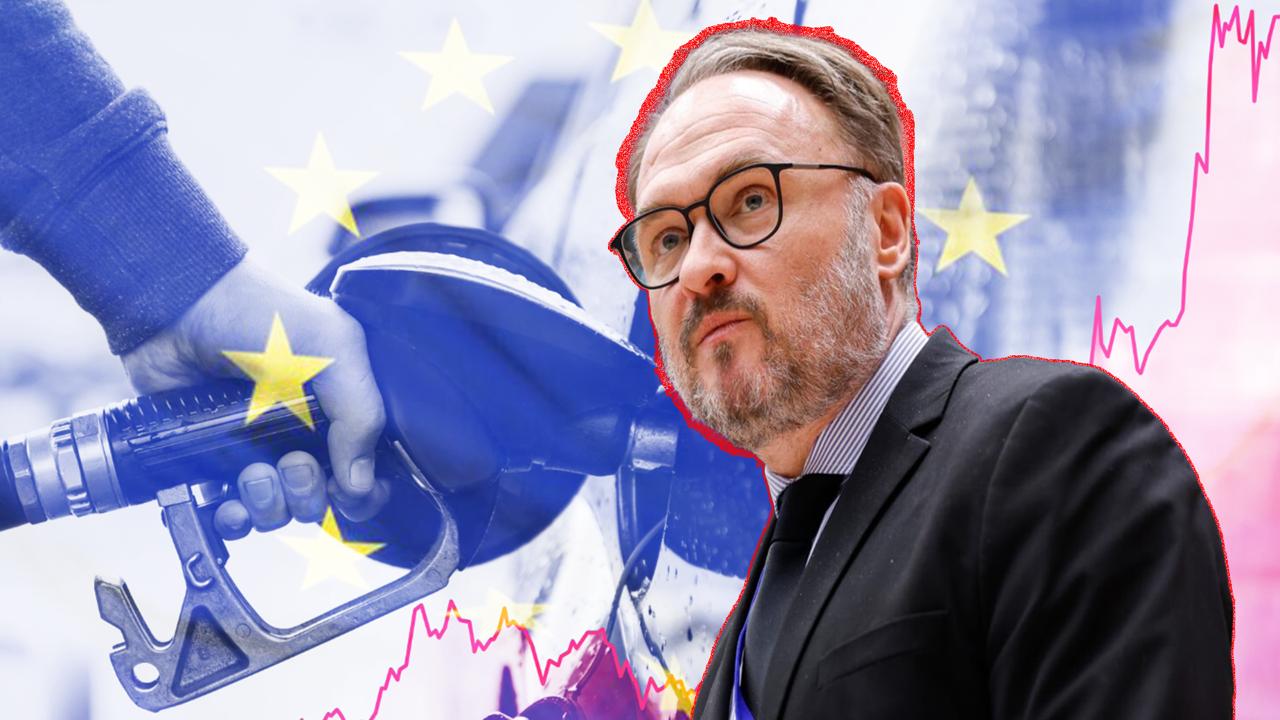
Wholesale natural gas prices in Europe have climbed above €100 per megawatt-hour for the first time since late 2022, raising the prospect of sharply higher household bills next year. The EU is already issuing serious warnings about an energy crisis and difficult economy for the winter ahead, which Hungarian MEP Balázs Orbán has labeled an example of European Union “idiocracy.”
Energy Commissioner Dan Jørgensen said on Oct. 28: “Once again, due to geopolitical turbulence, Europe faces another energy crisis. We know that this winter will be difficult for European citizens and for our economy in general.”
Europe faces a difficult winter.
We must ensure reliable fuel supplies for our citizens, businesses, & defense.
And we must ensure that these supplies are affordable.
Today we started our dialogue with European refineries.
Looking at short-term & long-term.
Press point ↓ https://t.co/suM6zfkYfn
“And fuel bills in the EU are skyrocketing. This is putting a strain on our companies and on our households. In spite of the difficult situation, markets have shown remarkable resilience over the past months. Refineries have played a vital role in ensuring security of supply by producing the fuels that the market needs, including jet fuel,” he added.
He has noted that nearly 50 million Europeans are already unable to heat their homes adequately in a typical year and warned the number could rise.
The news was met with disdain from MEP Balázs Orbán, who served as the former political director of Viktor Orbán during his tenure as Hungary’s prime minister.
“This is idiocracy. You are financing a war that involves restricting Europe’s energy supply through sanctions and destroying infrastructure that produces and transports oil, gas, and fuel accessible to Europe by land. On top of that, you have imposed, through regulation, an energy transition that makes energy more expensive for European businesses and households alike,” wrote Balázs Orbán.
“And what do we get in response? Another press conference and, as attributed to Politico, the conclusion that ‘neither governments nor the European Commission have many – if any – good ideas left.’ You created the problem. You have no idea how to solve it. And now you are trying to cover it up with political messaging.”
This is idiocracy.
You are financing a war that involves restricting Europe’s energy supply through sanctions and destroying infrastructure that produces and transports oil, gas, and fuel accessible to Europe by land.
On top of that, you have imposed, through regulation, an energy transition that makes energy more expensive for European businesses and households alike.
And what do we get in response? Another press conference and, as attributed to Politico, the conclusion that “neither governments nor the European Commission have many – if any – good ideas left.”
You created the problem. You have no idea how to solve it. And now you are trying to cover it up with political messaging.
Politics is not an obligation of means, but an obligation of result.
The Dutch TTF front-month contract, the European benchmark, crossed the €100/MWh threshold on Oct. 28 after rising more than 4 percent on the day. Prices have roughly tripled since the start of the year and from levels around €32 before conflict escalated in the Middle East earlier in 2026. They remain well below the August 2022 peak near €340 during the initial fallout from Russia’s full-scale invasion of Ukraine, but the direction and the timing ahead of winter have unsettled markets.
EU gas storage stood at about 75 percent in late October, a record low for the period and well short of the bloc’s usual 90 percent target by Nov. 1. Facilities ended the previous winter at just 28 percent full, below the multi-year average, and refilling has been slow and expensive amid disrupted LNG flows, particularly from Qatar, and higher summer demand for power generation.
Austria, Slovakia and the Czech Republic have already begun drawing on storage as temperatures fall.
Poland’s response
In Poland, Finance and Economy Minister Andrzej Domański said on Oct. 29 that the government is working on measures to shield households from significant bill increases. Speaking on Polsat News, he stated: “I can say today that work is underway. There are several solutions on the table and in the coming weeks ministers will inform about this… I think that still in November solutions regarding the situation on the gas market will be known.”
He noted that the details fall primarily under the competence of the Ministry of Energy.
The current regulated household gas tariff stands at 197.29 złoty (€176) per MWh and has been extended through the end of 2026. Analysts, including Michał Kozak of DM Trigon, have estimated that full pass-through of higher wholesale costs could push the 2027 tariff up by around 35 percent, potentially into the 230–300 złoty range.
According to reporting in Polish news outlet Rzeczpospolita, the Polish Energy Ministry is considering a return to mechanisms used in 2022–2024: statutory price freezes paired with compensations to sellers for the difference between the frozen price and the tariff approved by the Energy Regulatory Office (URE). Financing options, including the existing “Fund for Payment of the Price Difference,” remain under discussion.
Poland enters the season in a stronger storage position than most of the EU, with domestic facilities reported near 99 percent full — above its own long-term average. Immediate pressure is expected more on industrial users, while household protection is the focus of the November package.
Separately, legislation supporting energy-intensive industries for 2027–2030 has advanced through parliament.
Europe better positioned than 2022
Jørgensen has stressed that Europe is better prepared than in 2022: gas consumption is about 18 percent lower, and the share of Russian supplies has fallen sharply from around 45 percent.
Supplies are now more diversified, with U.S. LNG playing a larger role. At the same time, he and others have described the current situation as more complex because it also involves oil and refined products amid conflicts affecting the Middle East, the Red Sea, the Black Sea and the Strait of Hormuz. Higher fossil-fuel costs since late February have added an estimated €100 billion to the EU’s import bill, with €18–33 billion attributed to gas.
EU energy ministers met in Luxembourg on Oct. 29 to discuss security of supply and affordability. Officials have acknowledged limited short-term tools remaining after earlier subsidies, demand measures and releases of emergency oil stocks. Goldman Sachs has also projected prices could reach €150/MWh in a scenario combining a cold winter with continued supply constraints.
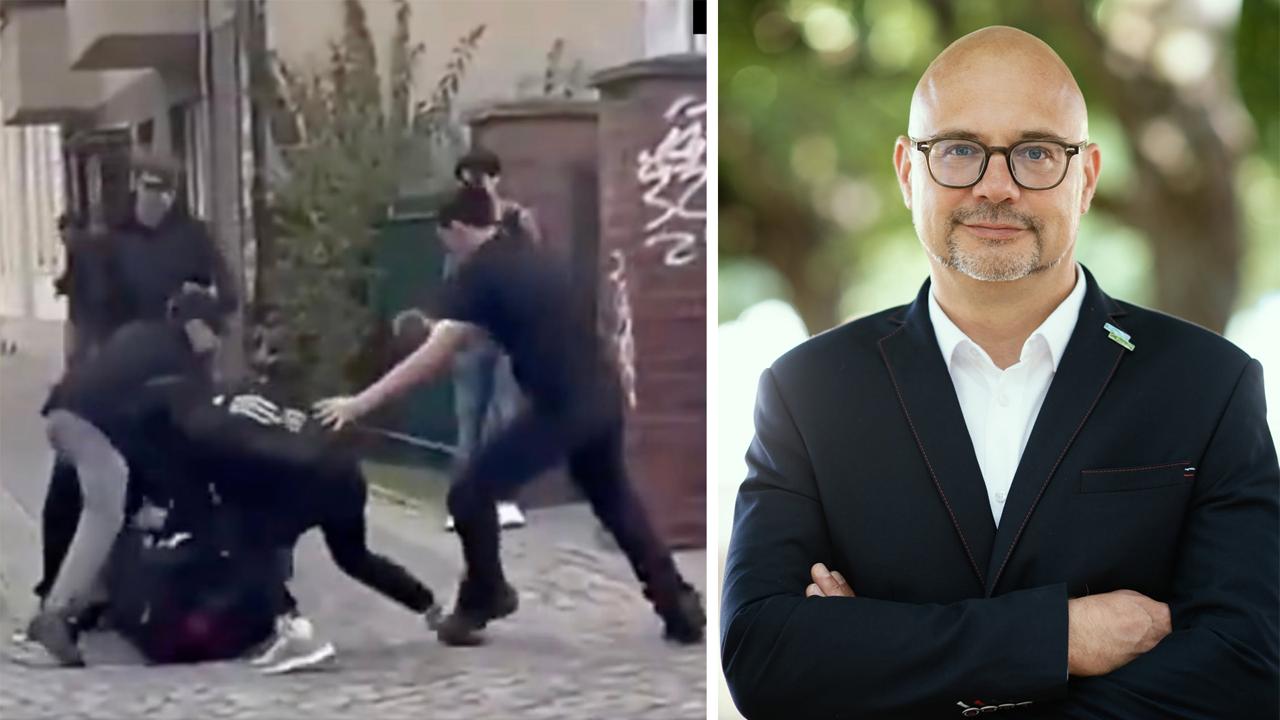
The mayor of the German city of Frankfurt (Oder), Axel Strasser, has called on residents to demonstrate greater civic courage after bystanders did nothing as a group of teenagers repeatedly punched and kicked a 14-year-old student, including to the head, while he lay on the ground outside a high school earlier this month. Now, critics are calling his statement a recognition of the failure of state authority.
After a security conference with police, prosecutors, schools, youth welfare, and immigration authorities, Strasser, an independent, said it was unacceptable that people stood by without intervening. “We truly appeal to this urban society to show civic courage,” he said.
The attack occurred on Oct. 14 outside the Heinrich-von-Kleist High School. Video of the assault, which circulated widely on social media, showed roughly 10 teenagers surrounding the victim, striking him and continuing the assault after he fell.
The German government implemented a policy of mass migration, which has resulted in mob beatings and bullying of German students across the country. Now, government officials are calling on citizens to put their lives on the line and intervene in these mob beatings, including in this latest case in Frankfurt (Oder).
“You just have to imagine the scene in concrete terms. A group of violent youths, the perpetrators outnumbered the witnesses, the situation is confusing, and there are possibly knives or firearms involved. And now the average citizen is supposed to intervene – without training, without protection, without support. Anyone who intervenes is highly likely to end up in the hospital,” wrote Zielke.
Individuals on social media also highlighted the absurdity of asking the general public to step in to perform law enforcement actions.
“Since politics is failing—or, better said, has no desire to change anything—Mayor Strasser from Frankfurt/Oder is calling for more civic courage to be expected. He can go ahead and stand up to a horde of 20 migrants if he feels like it. I won’t!” wrote one user.
Weil die Politik versagt oder besser, keine Lust hat etwas zu ändern, ruft OB Strasser von Frankfurt/Oder dazu auf, dass mehr Zivilcourage erwartet wird.
Der kann sich ja mal einer Horde von 20 Migranten entgegen stellen, wenn er Lust hat. Ich nicht!
Authorities are investigating nine suspects, ages 13 to 15, who hold Polish, Russian, Syrian, and German nationality. They face allegations of dangerous bodily harm; earlier reports also referenced robbery. Police have spoken with the suspects and their families.
Strasser described the incident as “the first case of this dimension” in the city and said everyone immediately recognized the drama of the situation. Unlike recent group attacks in Potsdam that involved more entrenched youth structures, this case does not, according to officials.
The city and police plan heightened presence near schools after the autumn holidays, parent conferences, and anti-bullying efforts. An investigative team is active. The victim is receiving intensive support through the school and relevant authorities; youth welfare is examining further measures. “Offers of help are available and will be accepted,” Strasser said.
Residence-law options are under review, but Strasser said he sees little prospect of success. He added that there will be no simple solutions to rising youth violence in Germany or the influence of social media.
Brandenburg Integration Minister René Wilke (SPD) is pressing for accelerated reviews of protection status for Syrian suspects. He said 16 cases linked to violence incidents in Potsdam and Frankfurt (Oder) — including five minors in the latter — have been reported to the Federal Office for Migration and Refugees so their status can be checked more quickly. “We have asked that the examination be brought forward,” Wilke said. Revocation of protected status can lead to deportation but does not automatically do so; each case requires individual assessment that can take months.
“If a child is out of control and the family shows no integration efforts, it can become tight,” he noted.
Interior Minister Jan Redmann (CDU) has spoken of influence from the “gangster-rapper milieu” and people who boast about their acts online. Redmann has also pointed to integration shortfalls in some cases and said authorities will use available tools of criminal and residence law, while stressing rapid action to stop the violence.
Strasser has said the city will not simply return to business as usual. He has also emphasized that protection granted in Germany is not deserved by those who abuse it so brutally, while stressing coordinated action by security authorities regardless of the origin of the suspect.
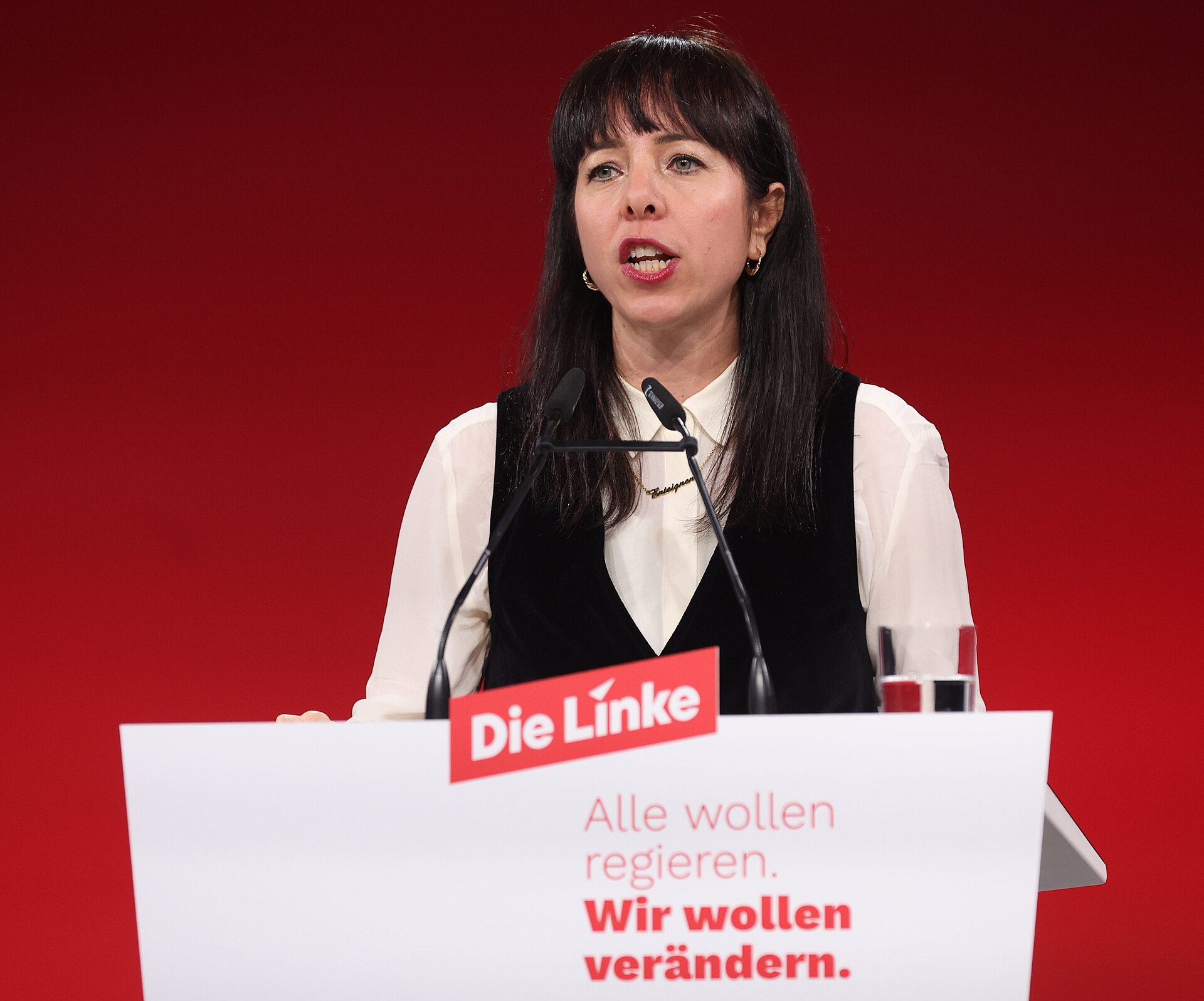
Berlin’s Left Party lead candidate for governing mayor, Elif Eralp, privately expressed fear of Hamas-linked figures tied to her party’s orbit in internal notes accidentally returned to Der Spiegel, raising sharp questions about her ability to lead the capital’s security structure.
The notes, part of an authorized interview draft sent back with visible internal comments this week, show Eralp writing that she and her husband have “fear of these people.” She asked her team to strike a question and her own answer about the activist Ibrahim Ibrahim, explaining: “I cannot put myself and my family in danger for Der Spiegel. What do we do now? Can we cancel the whole interview?” She added that she “should never have agreed to this interview.”
Eralp cited past advice from Berlin’s State Criminal Police Office (LKA) not to name specific individuals, noting that earlier guidance concerned organized crime and “now it’s about people with contacts to Hamas.”
He has been described as praising Hamas leader Yahya Sinwar as a “martyr hero” and has roles in the United Palestinian National Committee, which Berlin’s domestic intelligence service has classified as extremist for supporting Hamas. Parts of the Left Party’s Neukölln base and some politicians have maintained contacts with this milieu; Ibrahim later traveled to Turkey for a gathering involving Hamas-linked figures.
The Left Party emerged as the strongest force with 25.7 percent of the vote in the latest Berlin election. Eralp has sought a coalition with the Social Democrats (SPD) and Greens. Her office has said she faces daily threats and insults, and security authorities advised against naming specific individuals in certain contexts.
Opposition parties seized on the disclosure. Kristin Brinker, chair of the AfD’s Berlin parliamentary group and the party’s lead candidate, said: “That Elif Eralp, albeit involuntarily, admits her fear of the criminal clans throws a glaring light on the state of internal security in our city. If even a top politician no longer feels safe, what are ordinary Berliners supposed to say, who in an emergency have no personal protection standing by?”
She added that the notes from Erlap illuminate the party’s condition, linking it to clan connections beyond known cases involving a Bundestag member and “rampant antisemitism.” Brinker concluded that the Left is “far from any governing capability.”
Brinker urged the Greens and SPD to end talks immediately with the Left to form a ruling government in Berlin.
“This party and this woman must under no circumstances be entrusted with our city,” warned Brinker.
At a press appearance Thursday, Eralp declined to address the Spiegel notes directly, calling them private and internal. She stated she would not be intimidated and pledged to ensure both social and individual security for all Berliners, declaring she would act “with all means against organized crime, against terror, against everything,” including those who glorify violence.
In an interview with German newspaper Junge Freiheit, deputy chairman of the AfD parliamentary group, Sebastian Münzenmaier, said: “The revolution is devouring its children. For years, the left has defamed criticism of clan crime, mass migration, and Islamic glorification of terror as racist. Now, she is suddenly afraid of the ghosts she summoned.”
CDU Berlin leader Stefan Evers asked: “How is Elif Eralp supposed to ensure the security of millions of people as governing mayor if she herself is afraid of the Islamist environment of her party?”
He said the revelations heighten concern about a Left-led government and urged “the reasonable ones among the Greens and SPD” to “finally pull the emergency brake,” warning that fear of Islamists must not influence political decisions.
Referring to clans and organized crime, outgoing Governing Mayor Kai Wegner (CDU) stated that a government “must never make its actions dependent on these structures — certainly it must not fear them.”
SPD figures also responded critically. Neukölln district mayor Martin Hikel said the episode shows “how strongly these terror-glorifying, antisemitic forces are anchored in the Left and want to come to power with the help of the Left.” SPD lead candidate Steffen Krach described the situation as shocking and stated there must be no Hamas sympathizers free to move in the city.
The number of suicides in Germany rose to 11,334 in 2025, the highest level in nearly 30 years, official statistics showed, reversing a long-term decline and prompting renewed calls for stronger prevention measures.
The Federal Statistical Office reported the figure this month, a 9.3 percent increase from 10,372 deaths the previous year and 15.6 percent above the average of the past decade. It was the highest annual total since 1998.
Men accounted for 7,846 of the deaths, or 69.2 percent, while women accounted for 3,488, or 30.8 percent. The increase was sharper among women, up 17.9 percent from 2024, compared with a 5.8 percent rise among men. The overall rate for men stood at about 19 per 100,000 people and for women at 8.2 per 100,000.
Nearly half of the suicides involved people aged 65 and older. Deaths in that age group rose by 558 to 5,510. Officials and prevention groups also noted a continued increase in assisted suicides, which major organizations reported numbering more than 1,200 in 2025.
Germany’s ongoing economic malaise could also be a major factor, with bankruptcies rising and personal credit stress growing. Young people are also feeling the pain, with the Youth in Germany 2026 study showing nearly one in four respondents, or 23 percent, reported being in debt, the highest level ever recorded in the study.
The recent survey also highlighted a concerning mental health crisis among young people. Some 29 percent of respondents said they needed psychological support, another record high. The figure rose to 34 percent among young women, 32 percent among students, and 42 percent among unemployed respondents.
Now, after decades of generally falling numbers, suicides have risen by nearly 23 percent since 2020, according to the National Suicide Prevention Program and the German Academy for Suicide Prevention. The groups described the 2025 total as a warning sign.
Suicide accounted for 1.1 percent of all deaths in Germany last year. More people continue to die by suicide each year than from traffic accidents, homicides, and AIDS combined, statisticians said.
The German Society for Suicide Prevention called for rapid passage of a well-funded national suicide prevention law, saying existing efforts must be placed on a firmer legal footing so that people in crisis receive timely help.
Regional rates varied, with higher figures recorded in northern and eastern states. Currently, the southern states of Germany, such as Bavaria, are seen as the wealthiest and most successful, while the eastern states have struggled economically in comparison to the west of Germany for years.
The number of migrants living in Germany under temporary tolerated status has risen again after several years of decline, reaching 200,601 at the end of September, according to government figures.
More than 256,000 people were obliged to leave the country at the same point, with the large majority unable to be deported for practical or legal reasons.
People with a “Duldung” — a formal suspension of deportation — remain obliged to leave Germany but cannot currently be removed, for example because of missing travel documents, family ties, illness, or other obstacles. The status is always temporary and can be extended.
At the end of 2025, 190,974 of 232,067 people obliged to leave held such status. By the end of 2022 the figure had been about 248,000. Roughly 45,000 people received tolerated status for the first time in 2026, including about 13,460 minors. Only 402 people were recorded with a training-related “tolerated status” and 17 with an employment-related one, according to Welt newspaper.
The earlier drop was linked in part to the Opportunity Residence Law introduced by the previous coalition, which allowed some long-term residents with tolerated status a path toward more secure residence under conditions including self-sufficiency and language skills. That pathway has now expired for many, and lower recognition rates in asylum procedures have also been cited as contributing factors to the renewed rise.
CDU interior policy spokesman Alexander Throm has criticized the high share of tolerated cases.
“That four out of five people who are actually obliged to leave have a tolerated status is a scandal,” he said. “It is too easy to just stay here. The issuance of tolerated status by local foreigners’ authorities must be made significantly more difficult.”
Huge taxpayer burden
People with tolerated status are generally entitled to benefits under the Asylum Seekers’ Benefits Act, which covers basic needs, accommodation, and limited medical care. After 36 months, these can approach levels closer to regular social assistance under certain conditions.
In 2025, gross expenditures under the Asylum Seekers’ Benefits Act across Germany totaled about €6.16 billion, down from €6.72 billion the previous year.
As Remix News reported, government data shows that migration cost German taxpayers approximately €400 billion since 2026, with some estimates putting the sum much higher.
Long-term residents with tolerated status often remain on benefits for extended periods when they cannot secure employment or documents for return.
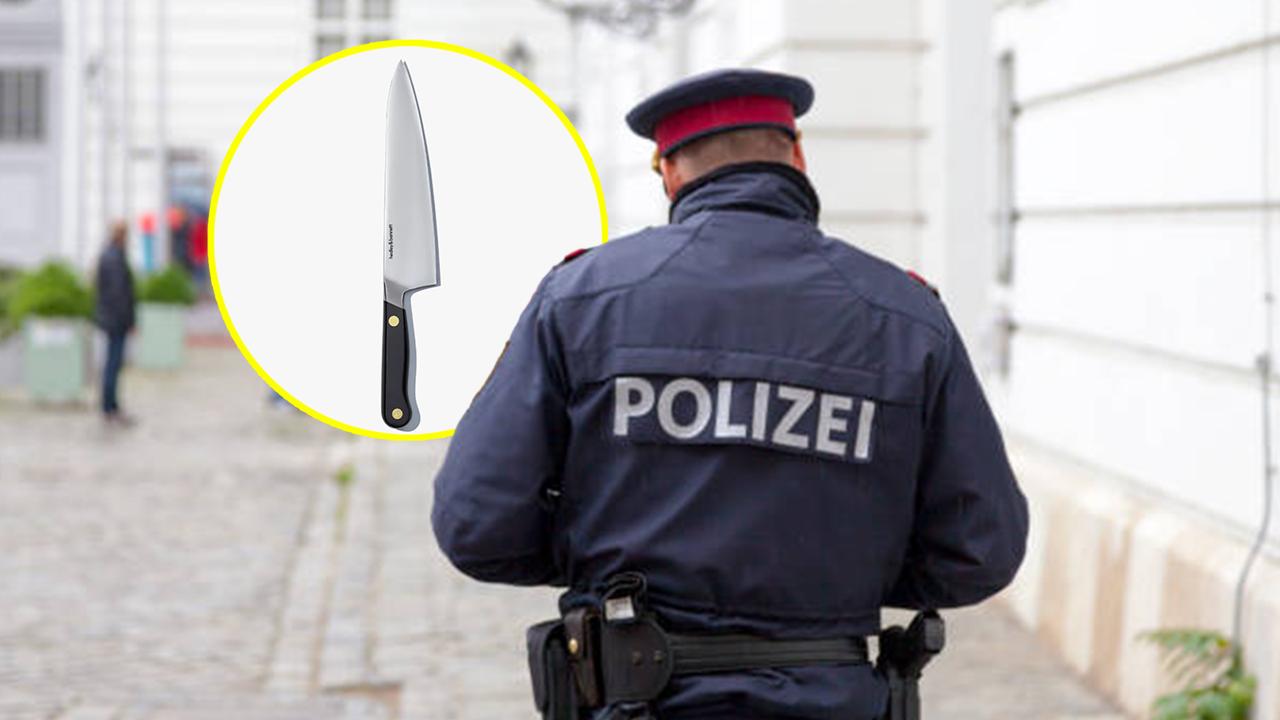
A 29-year-old Syrian national was arrested Tuesday after attacking an off-duty police officer with a kitchen knife in Vienna’s Ottakring district, according to police. The officer, who was finishing a jog, fought off the assailant in a struggle that left the knife blade broken.
The incident occurred around 2:45 p.m. on Oct. 27 in a driveway on Hasner Strasse.
“The officer was jogging around 2:45 p.m. and finished with stretching exercises in a driveway on Hasnerstraße. Out of the corner of his eye he observed the 29-year-old, who was approaching him rapidly. The officer also noticed the kitchen knife in his hand,” police spokeswoman Julia Schick said.
“The unknown man attacked the officer with the knife without saying a word. The 37-year-old defended himself vigorously and screamed for help. The blade broke multiple times because of the intensity of the struggle. This and the resistance meant the injuries were less severe than they otherwise would have been,” police said.
Passersby alerted by the cries caused the attacker to break off and flee on foot toward the Ottakring U-Bahn station. Emergency services treated the officer at the scene and transported him to a hospital, according to Wien ORF news outlet.
Police recovered the damaged kitchen knife and launched a search based on a detailed description and surveillance-camera images from a nearby building. Officers from the Wattgasse and Brunnengasse stations located the suspect shortly afterward in Wernhardtstraße and took him into custody.
The man, a Syrian citizen, confessed to the attack during questioning but offered no motive. “The Syrian citizen confessed to the act but did not comment on his motive. He appeared psychologically distressed during the interrogation,” police said. However, there is no report that the man suffers from mental illness.
The two men did not know each other, according to media reports.
On the order of the Vienna public prosecutor’s office, the suspect was placed in detention.
Arabs in Austria are creating UK-style grooming gangs targeting underage girls and turning them into sex slaves.
In many cases, the girls are ending up dead.
A psychiatrist who has worked with these underage prostitute victims says the girls give the same story: "They were approached at Salzburg Main Station by young men of Arabic origin."
They are recruited with drugs, hooked on them, and then forced to perform sex with clients while being filmed for blackmail material.
"Under severe drug influence, they would then often be sexually abused."
Girls as young as 12 are being targeted, and it is not just the city of Salzburg.
In 2025, 7 minors died from drug overdoses, just in the city of Vienna.
In recent weeks, three girls between ages 13 and 16, have suffered drug overdoses in the city of Innsbruck.
Most of these girls are recruited from rural Austrian towns, where there are still young White girls available to recruit.
The victims are then transported to bigger cities like Vienna, where they rent out apartments and sell the girls to Johns and gang r*ped by Arab men.
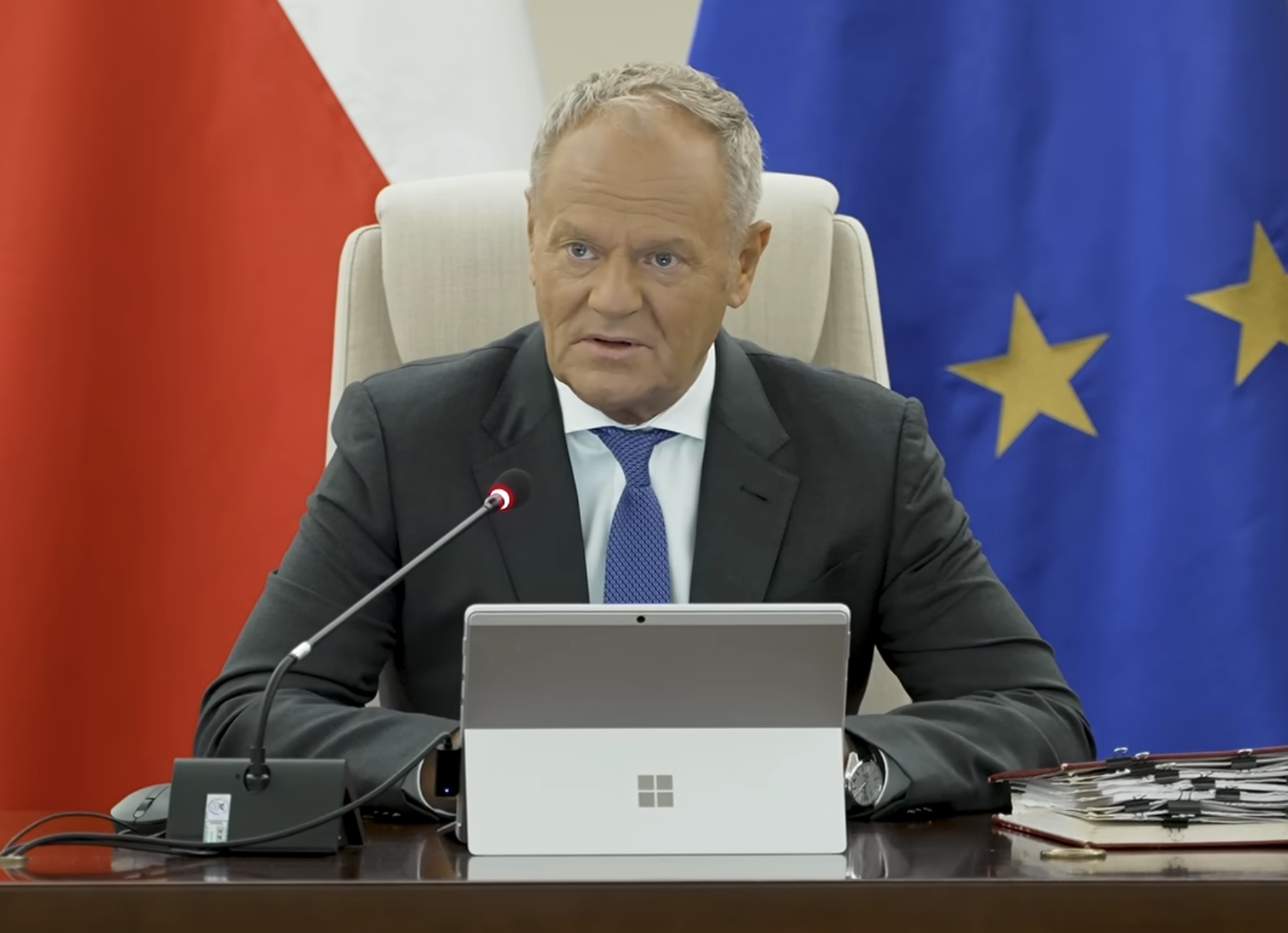
Former Prime Minister Leszek Miller said Donald Tusk could win next year’s parliamentary elections yet still fail to form a governing majority, allowing the conservative opposition led by Jarosław Kaczyński to take power. However, he does provide a strategy to help head off this outcome.
In an interview on Wirtualna Polska, Miller was asked to name the greatest success of Tusk’s government. “That it exists,” he replied. He said he had urged Tusk, then serving in Brussels, to return to Polish politics and was pleased when Tusk decided to do so. Since that decision, Tusk managed to secure power in Poland, but Miller warns that a second run may prove harder.
Miller argued that the 2027 elections could mirror those of 2023, when Kaczyński’s Law and Justice (PiS) party won the most votes but could not assemble a parliamentary majority.
“It’s not like Kaczyński lost the election. He won, but he did not have the ability to form a parliamentary majority,” Miller said. “And now it may be the other way around. Donald Tusk may win, but he will not have the ability to obtain a majority.”
Miller stressed that post-election arithmetic will matter more than campaign promises.
“Before elections, a lot of time is spent on appropriate advertising of the program and candidates. Everyone drives around, telling us what they will do for the happiness of society. But immediately after the elections it ceases to be important, because arithmetic appears, which is the queen of the Sejm,” Miller said, referring to the 231 votes needed for a majority in the lower house of Parliament. “It may turn out that Tusk won, but he does not have 231 votes, while Kaczyński does.”
A winning strategy?
Miller said Tusk must decide how to construct electoral lists. Tusk could include weaker coalition partners on a single list or risk some of them falling below the 5 percent threshold needed to enter parliament. Most of the polls show that under current conditions, Tusk will not have enough coalition partners to win an election. Many of his current partners falls below 5 percent, which means they have no chance of entering parliament.
Combining these parties into one electoral list may be a solution for Tusk.
“PSL will pressure Tusk to go together, because they themselves are wandering around 3-4 percent,” he said, referring to the Polish People’s Party. “Hołownia 2050 is a tragedy in general; they can’t survive without Tusk.”
If The Left holds a stable 7-8 percent, it can run independently and will not need Tusk, Miller added. But if its support drops, it too may seek a joint list. In that case, “the head of this list and the man who decides on the places is Donald Tusk.”
Miller led the Democratic Left Alliance and served as prime minister from 2001 to 2004. Tusk, leader of Civic Coalition, has been prime minister since late 2023.
A video showing a new kind of footpath in Delhi has gone viral on social media, drawing praise from some and a light-hearted but pointed question from others.
Customers should check the state-wise RBI holiday list before planning branch visits, particularly during the festive season, when closures differ across banking centres.
The visit marks King Charles' first official trip to the Bahamas as king, during which the government closed all public schools on the island of New Providence to welcome him.
The visit marks King Charles' first official trip to the Bahamas as king, during which the government closed all public schools on the island of New Providence to welcome him.
 Login





(@sma_nordlicht) October 28, 2026


Arabs in Austria are creating UK-style grooming gangs targeting underage girls and turning them into sex slaves. In many cases, the girls are ending up dead. A psychiatrist who has worked with these underage prostitute victims says the girls give the same story: "They were approached at Salzburg Main Station by young men of Arabic origin." They are recruited with drugs, hooked on them, and then forced to perform sex with clients while being filmed for blackmail material. "Under severe drug influence, they would then often be sexually abused." Girls as young as 12 are being targeted, and it is not just the city of Salzburg.
In 2025, 7 minors died from drug overdoses, just in the city of Vienna.