❌

Reading view

An Empire in Agony: Why the US Doesn’t Call the Shots in Central Asia

A sharp critique of Luke Coffey’s article on the C5+1 format and American ambitions in the region The other day, another opus from the camp of American neocons saw the light of day—an article by Hudson Institute senior fellow Luke Coffey under the loud headline “The US Cannot Afford to Stay on the Sidelines in […]
  •  

Ukraine has identified nearly 46,000 foreigners from 151 countries in Russia’s army—and says Moscow is on pace to meet its 2026 hiring plan

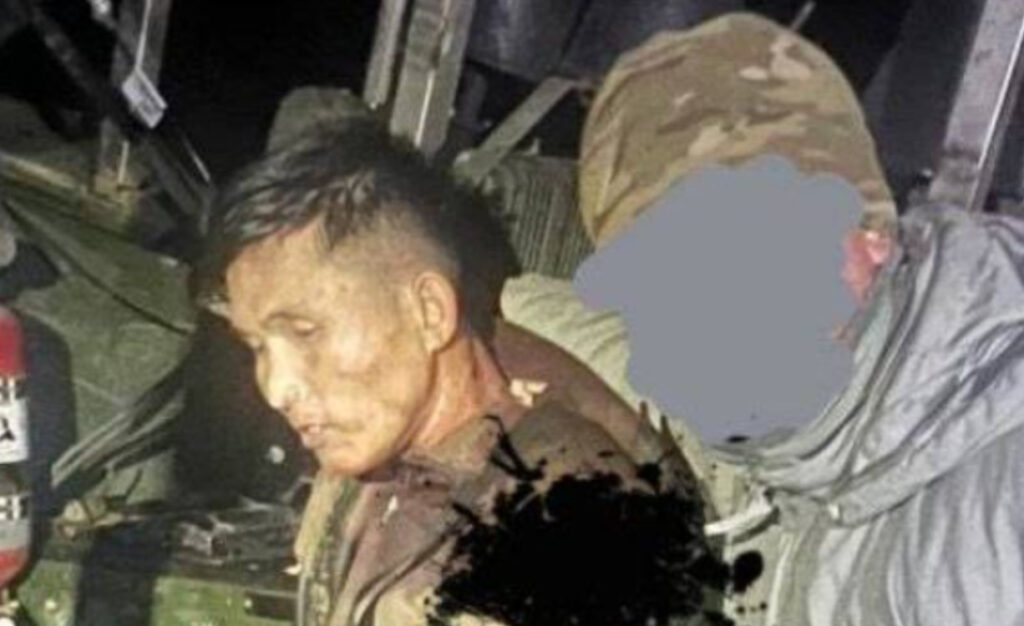
ukrainians capture first north korean pow military says claimed prisoner war dprk tme/ the_warhal18 zayavlenyj-polonenyj-vijskovyj-kndr-2 26 reports emerged ukrainian special forces had captured soldier fighting russia during operation kursk oblast

Ukraine holds personal data on each of the nearly 46,000 foreigners it has identified as signing with Russia’s army since 2022, Dmytro Usov, secretary of its prisoner-of-war coordination headquarters, said on 19 October. If the current pace holds, he expects this year’s contracts to reach Moscow’s plan. Meanwhile, a survey of captured foreigners gave a split answer on how many knew they were heading to war.

Usov said 41% of surveyed foreign POWs signed at enlistment offices and recruitment points, which the headquarters reads as a sign of a systematic campaign. He also said the hiring is meant to ease the social and budget burden of Russia’s own losses. Russia has long turned to foreigners to offset shortages in its regular forces. In April, Ukraine’s military intelligence (HUR) said enlistment offices had reportedly been assigned regional quotas.

A count built name by name

Usov, a brigadier general and secretary of Ukraine’s Coordination Headquarters for the Treatment of Prisoners of War, spoke at the international conference Crimea Global. He said Russia’s Defense Ministry has signed 45,959 foreigners from 151 countries. Ukraine’s records include each one’s rank, dog tag, and contract date.

The figure counts everyone who signed, not only those serving now. In April, Usov said his count left out North Korea’s regular troops, that 25–30% more recruits were likely still unidentified, and that at least 5,149 foreign recruits had died, Interfax-Ukraine reported.

This year’s contracts near the plan

Contracts have grown every year: 94 in 2022, 4,067 in 2023, 8,877 in 2024, and 16,085 in 2025. Some names surface late. At the same April event, Interfax-Ukraine reported, Usov had put 2025 at 13,997 and said the headquarters adds newly identified foreigners every month.

For 2026, Russia’s Defense Ministry planned 18,500 foreign contracts. Ukraine knows of 16,168 so far, roughly level with all of 2025. Another 668 contracts still have no year assigned. If the same dynamic holds, Usov said, the ministry will fully meet its plan and may even exceed it.

He named Indonesia, Peru, Chad, and Zimbabwe among the ten countries that drove the growth in recruits, Ukrinform reported. At the same time, he said, Ukraine’s Foreign Ministry and POW agencies have cut recruitment in some countries and stopped it in others.

What captured foreigners told Ukraine

Ukrainian forces have captured citizens of 59 countries since the full-scale invasion began. Uzbeks, Tajiks, Belarusians, and Colombians are among the largest groups.

In the headquarters’ survey of foreign POWs, nearly half said they knew they would fight Ukrainian soldiers and civilians. Another 28% said they didn’t know, 14.8% weren’t sure, and 13.8% said they were deceived. The headquarters ran the survey, and neither report gave a sample size or explained how the shares fit together. Usov said the results showed most knew where they were going. Almost 47% said they signed up for Russian citizenship.

  •  

'We're Never Going To Be The Major Player': Former Diplomat's Reality Check On US Ambitions In Central Asia

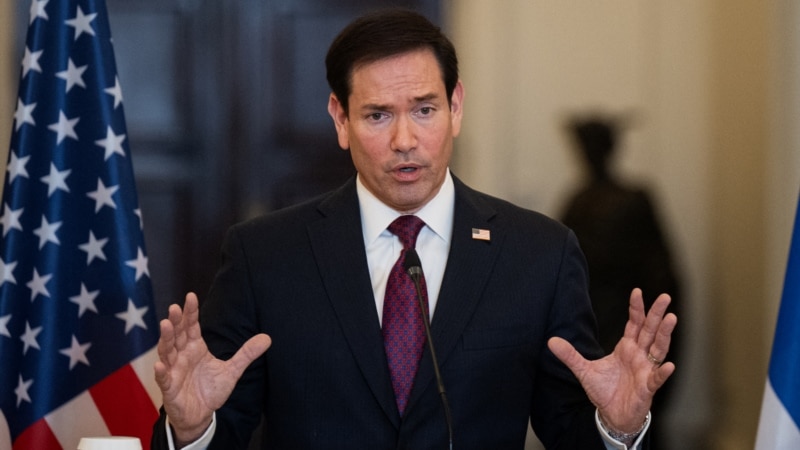
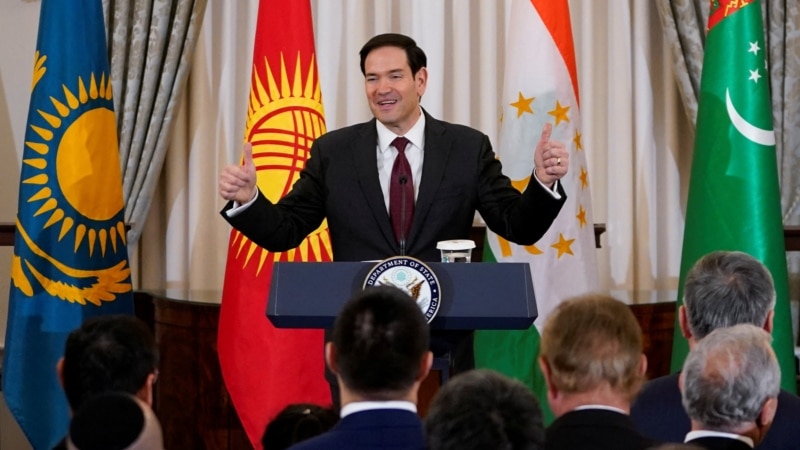
Marco Rubio has brought nearly 300 American business representatives to Uzbekistan for a meeting with representatives of the five states of Central Asia. But Daniel N. Rosenblum, a former US ambassador to Uzbekistan and Kazakhstan, cautions that investment faces major obstacles.

  •  

Rubio Heads To Central Asia As US Seeks Bigger Role In Region Dominated By Russia, China

US Secretary of State Marco Rubio heads to Uzbekistan this weekend for talks with five Central Asian countries as the Trump administration seeks to strengthen commercial ties and expand Washington's strategic presence in the region.

  •  

Kyrgyz Activist Gets 2 Years For Criticizing Growing Chinese Presence

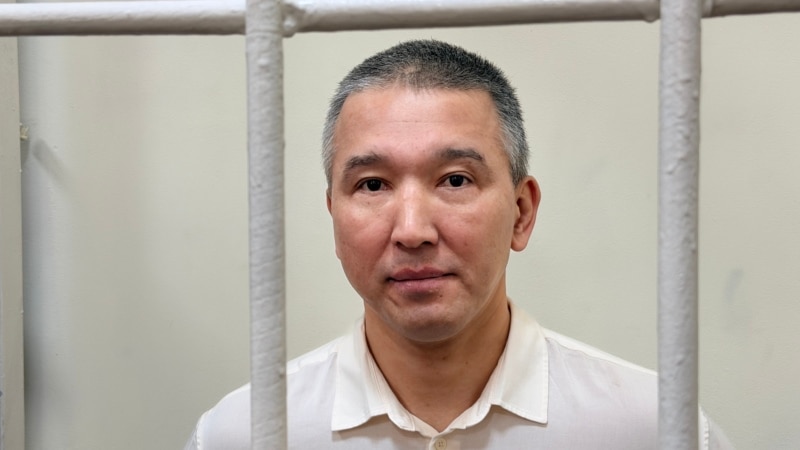
The Lenin District Court in Bishkek found activist and politician Mavlyan Askarbekov guilty and sentenced to two years in prison on offenses related to a law on incitement of racial, ethnic, national, religious, or interregional hatred, a verdict he called "absurd."

  •  

Three of the four Afghans who left the country to play the Chess Olympiad are detained in Kabul and face uncertain fate

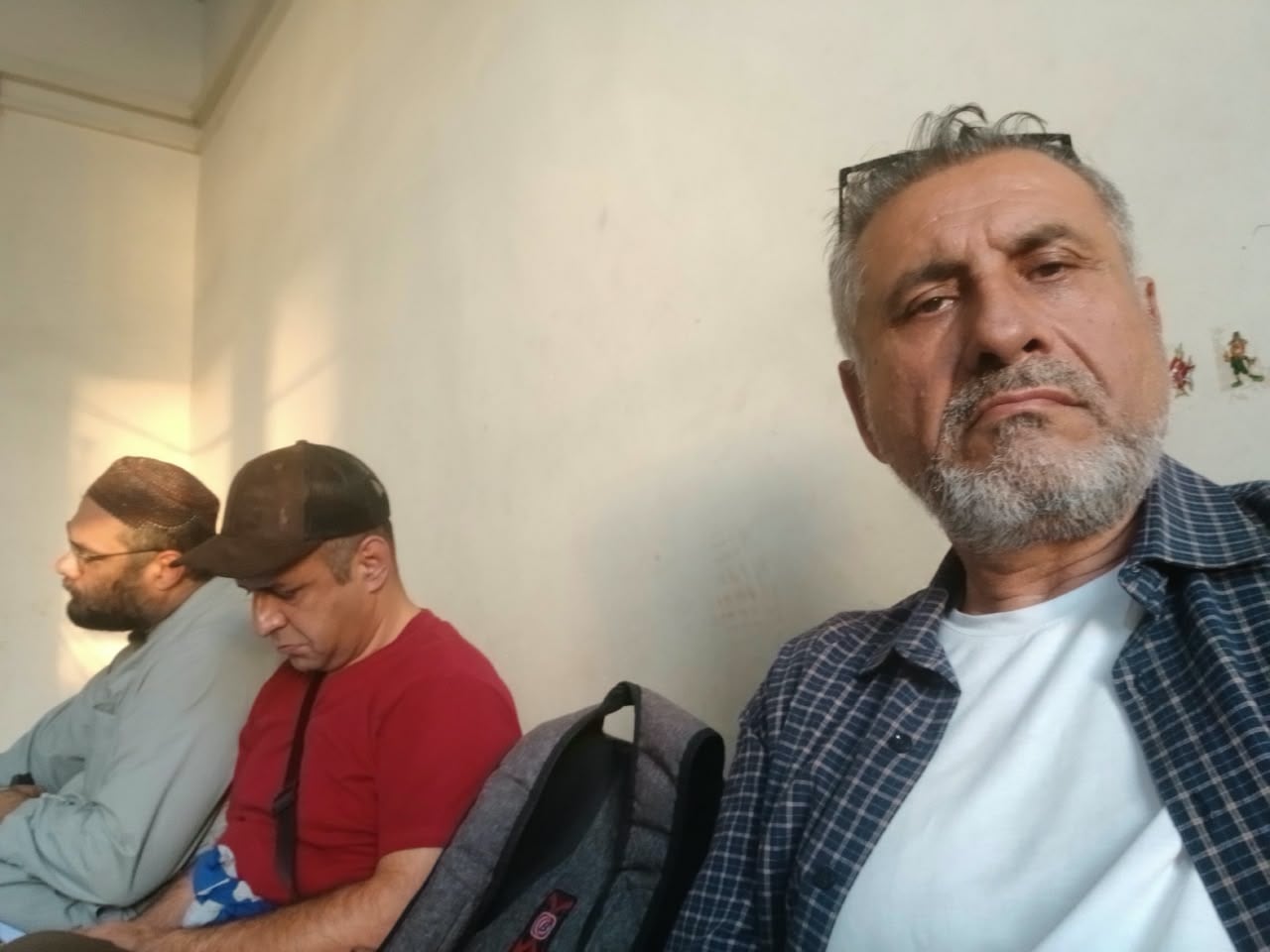
Habibullah Guldoost, Khaibar Farazi and Habibullah Amini, Afghan chess players.

Three of the four Afghans who left their country to compete last week in the Chess Olympiad in Samarkand, Uzbekistan, were detained at the border on Monday when they returned to Afghanistan, where chess is banned by the Taliban government. The players are under house arrest in Kabul and face penalties that could include corporal punishment. The fourth player has been able to return home without reprisals.

Seguir leyendo

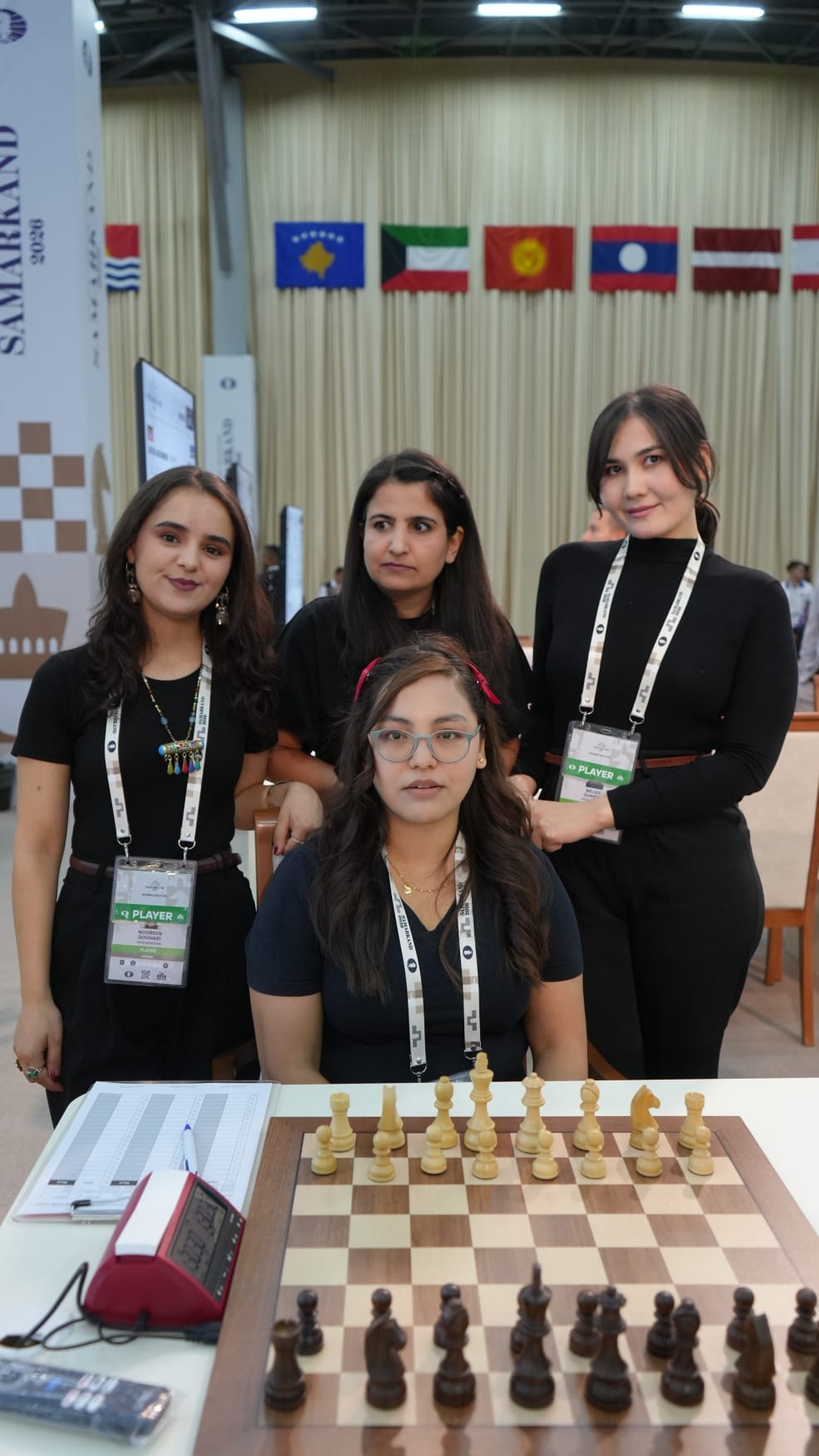
The four Afghan female players at the Olympiad, last week in Samarkand. Standing, left to right: Gouham, Azizi and Belqis; sitting: Farahman
  •  

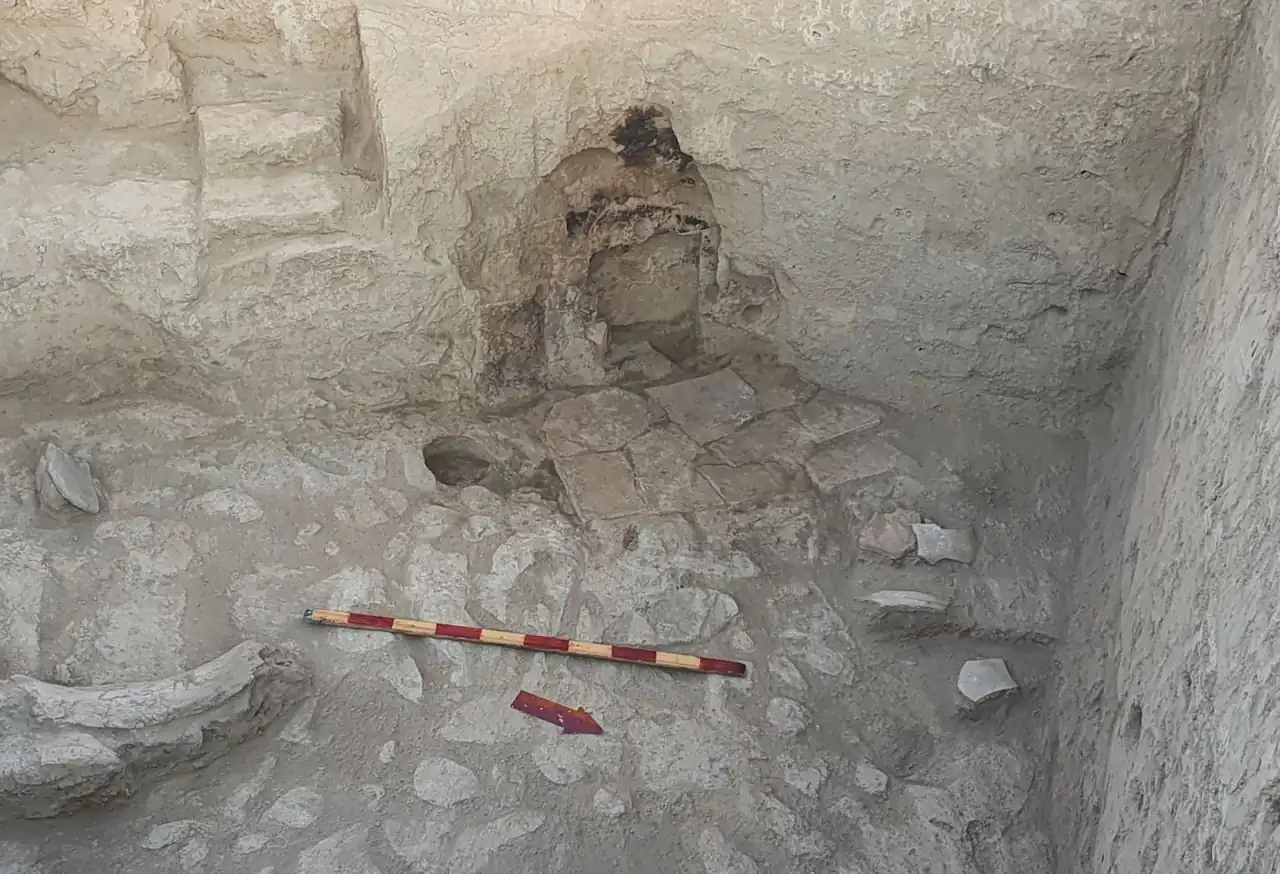
An altar of fire and a 2,300-year-old chest found in Uzbekistan reopen the mystery of how the ancestors of the Zoroastrians buried their dead

The site is provisionally dated to a six-century stretch, from the 3rd century BC to the 3rd century AD, offering a window into funerary rites practiced by a population that neither buried nor cremated its dead — long before that same principle produced the famous Towers of Silence. The find comes from Odirmon, a site […]

  •  

Un altar de fuego y un cofre de hace 2.300 años encontrados en Uzbekistán reabren el misterio de cómo enterraban a sus muertos los antepasados de los zoroastristas

El conjunto, datado provisionalmente entre el siglo III a.C. y el III d.C., ofrece una ventana a los ritos funerarios de una población que, siglos antes de que se levantaran las célebres Torres del Silencio, ya trataba a sus muertos de un modo muy particular: ni los enterraba ni los incineraba. El hallazgo se ha […]

  •  
❌