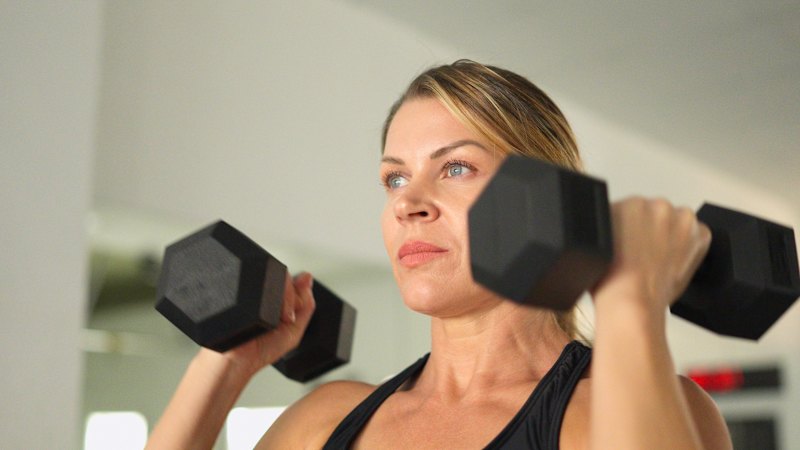
Do you know what BPC‑157 is? This cryptically named peptide is, according to its proponents, a miracle cure for all sorts of illnesses and injuries. Tom Bartlett remains firmly in the skeptical camp as he investigates exactly what research backs up the BPC‑157 claims. Almost all the studies prove to have a link to Croatian pharmacologist Predrag Sikirić—who is all too happy to meet Bartlett and exalt BPC‑157. But once you know what this is, the question remains: Would you take it?
Amid the sellers of red-light panels and blue-light glasses at Beyond, I stumbled on a company marketing a drinkable version of BPC‑157. Its giveaway sticker read We Prefer Oral Peptides, with the word peptides in much smaller letters because haha sex. The representative behind the counter referred to BPC‑157 as “the soccer mom’s peptide” and nonchalantly squirted some from what was essentially a hand-soap dispenser into a tiny plastic cup, then held it out to me. I hesitated, and the peptide hung in the air, unclaimed. “Are you afraid of it?” he asked. The not-so-subtle subtext was that I shouldn’t be, that taking BPC‑157 was equivalent to trying the dissolvable herbal-tea strips a few tables down or giving the giant quartz bowl a whirl. For the record: We were in a hotel hallway and I was being encouraged—dared, really—to try a drug that isn’t FDA-approved, is prohibited by the World Anti-Doping Agency for athletes’ use, and allegedly works throughout the body via some mysterious mechanism that is not entirely predictable. I was being offered an unspecified dose, although I wouldn’t know what dose would be appropriate, because there are no agreed-upon dosing guidelines. I declined the peptide. The representative shrugged and drank it himself.
Cavities aren't the only Halloween candy hazard — many sweets can cause a fright to teeth and dental work even in adults, a dentist warns.
Hard sweets can crack a tooth, while sticky treats can pull out dental work, potentially turning a trick-or-treat haul into an expensive dental visit, according to Dr. Marc Lazare, a New York City dentist who has practiced for nearly 30 years and focuses on biomimetic dentistry.
"I'm never going to be the dentist who says, 'Don't enjoy Halloween. Don't have candy,'" he told Fox News Digital. "I love Halloween."
It's all about moderation, he said.
As a dentist, he said he evaluates candy by how it could damage teeth: "Can it harm the enamel? Can it contribute to decay and cavities? Can it pull out a filling or a crown? Can it crack a tooth?"
People with fillings, posts, crowns, existing cracks or teeth weakened by grinding are particularly vulnerable, he noted.
Hard sweets can force people to crunch down, which may crack or split a tooth, especially one that has already been restored, Lazare said.
"Anything where you have to force a crunch is not good," he said.
Super-sticky candies and caramels can cling to teeth and pull out fillings or crowns. Chewy sweets can get stuck between teeth, prolonging sugar exposure and what Lazare called an "acid attack."
Sour candy can also expose enamel to acid, he warned. He recommended avoiding snacking throughout the day to help limit acid exposure.
Candy isn't the only Halloween treat that can haunt your teeth, Lazare noted. While raisins are often seen as a healthier alternative for trick-or-treaters, they can stick to teeth and also contribute to prolonged acid exposure.
"Raisins are probably one of the worst things you can have for your teeth," he said.
Lazare said his treat recommendation would be chocolate, which melts and dissolves quickly. Dark chocolate is best, he said, because it tends to be lower in sugar than other candy, but beware of fillings like raisins and toffee in that chocolate.
Rinse with water and wait about an hour before brushing because acid can temporarily soften tooth enamel and brushing immediately may increase wear. Then maintain your regular brushing and flossing routine.
Sugar-free gum can also help clear food from teeth and get saliva flowing, Lazare said.
If a crown or other restoration comes out, "don't panic," he said. "Stop chewing on that side, save any crown or restoration that comes off, and contact your dentist promptly. Never try to reattach it with household glue."
Anyone experiencing severe pain, swelling or significant bleeding should "seek urgent dental care," he said.
Some restorations may be reusable, depending on their condition.
The main goal, Lazare said, is prevention, a central tenet of his biomimetic approach, which focuses on preserving natural tooth structure for the long term.
Young people are increasingly worried about how AI will impact their chances of getting a job. But they can’t stop asking it for advice and emotional support.
Young people are increasingly worried about how AI will impact their chances of getting a job. But they can’t stop asking it for advice and emotional support.
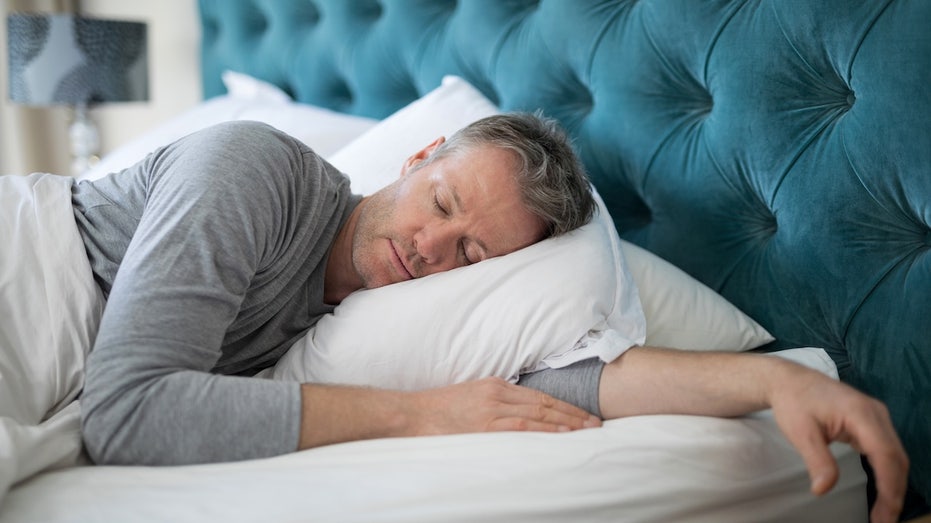
Turning the clocks back at the end of daylight saving time has been linked to trouble falling and staying asleep, while ongoing sleep loss can take a toll on health.
While some research has suggested that the fall time change could have some cardiovascular benefits, the abrupt loss of evening sunlight can suppress serotonin and melatonin production, which can lead to a depressed mood, according to Dr. John La Puma, a California physician and expert in nature-based medicine.
The body’s internal clock does not automatically follow the clock on the wall, La Puma noted.
"When the clocks change, your body clock is still on the old time," he told Fox News Digital, pointing out some common effects people may notice.
"So, for about a week, you wake up an hour early. You get hungry early. You feel sleepy early. It gets dark by five. Afternoon light goes away. You get months of short days. … You need coffee just to feel human. It's not great."
Making small adjustments to your routine after the time change could help ease the transition, the doctor said.
No. 1: Make small schedule shifts
With clocks turning back overnight Saturday, people can begin moving bedtime, meals and wake-up time later in small increments on Friday, according to La Puma.
"So, you move your day later in small steps," he advised. "You move your bedtime and meals the same 15 minutes each time."
For someone who normally goes to bed at 10 p.m., that could mean 10:15 p.m. Friday and 10:30 p.m. Saturday, before the clocks change. Wake-up times and meals can shift by the same increments as schedules allow.
No. 2: Don't spend the ‘extra hour’ on a late night
Since the time change falls on Halloween, Dr. Saema Tahir, a sleep medicine doctor in New York City, cautioned against staying up late and drinking, operating under the assumption that the extra hour covers it.
"Keep alcohol moderate, finish drinking a few hours before bed and avoid caffeine after early afternoon," she advised.
"Alcohol makes you drowsy at first but breaks up sleep in the second half of the night. Caffeine stays in your system for hours. Together, they can leave you more tired on Sunday than you would be with no time change at all."
No. 3: Get outside at the right time
La Puma also emphasized the importance of being intentional about outdoor exposure.
"You want to get outside at the right minutes, at the time of day and in the right place if you can," he advised, specifically recommending getting outside each afternoon later in the day.
"Late-day daylight is different than morning daylight. Late-day daylight tells your body the day is running long, and it shifts later," he said.
Once you've adjusted to the time change, Tahir recommends getting outdoor light within an hour of waking every day through the winter.
"Light is the strongest signal the body clock gets," she told Fox News Digital. "Evening light pushes it later, which is the direction you need to go for 'fall back.' Morning light keeps it stable over the darker months and supports mood and daytime alertness."
No. 4: Create a wind-down routine
Choosing a relaxing activity that signals bedtime is approaching can help to promote a consistent sleep schedule.
La Puma suggests choosing a relaxing bedtime ritual, such as working in a paper workbook, sipping chamomile tea, taking a bath or using aromatherapy, options he outlines in his book, "Indoor Epidemic."
"Very specific things that tell your brain and body, 'I'm winding down so I can go to sleep.'"
No. 5: Avoid caffeine and screens
Other tips include limiting caffeine after noon and stopping screen time at least an hour before bedtime.
La Puma warned that light from the screen can suppress melatonin, the hormone that helps signal it is time to sleep. Even using night mode may not fully prevent that effect.
No. 6: Keep a consistent schedule after the change
Once the clocks change, it’s important to maintain a regular wake-up time, including on weekends, La Puma said.
"Pick one wake-up time and keep it every day, weekdays and weekends."
"So, sleep and wake times have important effects on heart attack, stroke and cardiovascular mortality," he said.
Anyone experiencing persistent trouble falling or staying asleep, frequent daytime fatigue or sleep loss that interferes with daily activities should contact a healthcare provider, according to the National Institutes of Health.
Imagine a place where people are twice as likely to say something negative about you as something positive. A place where they feel free to insult you in ways they would never attempt in person. A place where they are incentivized, sometimes financially, for saying things about you that are untrue.
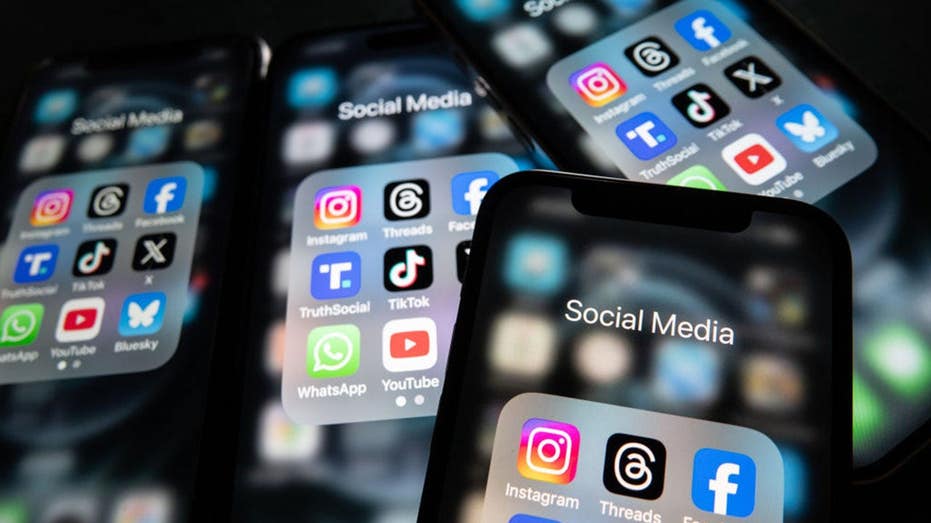
Social media is that place.
Online hate has received renewed attention in recent weeks. Most notably, ESPN commentator Pat McAfee cited online remarks, lies, and death threats when explaining why he felt unsafe at a Utah college campus last week. He said people frequently tell him they want to "Kirk" him, a reference to the assassination of political activist Charlie Kirk.
OutKick founder Clay Travis has described receiving similar messages almost every day. McAfee and Travis are not alone. Anyone with a public platform or a controversial opinion has likely faced an online barrage of abuse, often more than once.
In my experience, negative comments outnumber positive ones by an even wider margin than the nearly two-to-one ratio University of Minnesota researchers found.
The mental health consequences are not only measurable but notable.
In a 2025 experiment involving 128 adults, participants exposed to negative social media comments recorded anxiety scores of 2.42, compared with 1.77 among those who saw neutral comments and 1.55 among those who saw positive comments. Their pleasant mood scores also fell to 2.37, compared with 3.05 after neutral comments and 3.25 after positive comments.
Translation: their moods were tied to what people say to them and about them online.
A separate meta-analysis found that adolescents who experienced cyberbullying had 2.73 times the odds of developing depression as those who had not.
The numbers are concerning. Social media hostility can cause serious distress, from children and teenagers to professional athletes and public figures.
Jesse Morse, M.D., built an X following of more than 200,000 people by providing injury analysis on NFL players. His account generated enough engagement to qualify for monetization. Last week, he said he had "retired" from the role because of the relentless negativity.
"My reputation is not worth it. I get so much hate. It’s just not worth it anymore," Morse wrote.
Maybe it is not worth it. That is for you to decide.
But the people spreading the hate are not worth it. They are not worth acknowledging. They are mere strangers to you.
Think about the logic of allowing someone who does not know you to determine your mood. If someone criticized a movie but admitted they had watched only a few seconds, you would dismiss the review immediately. You wouldn't give credibility to someone judging an entire film from an incomplete sample.
Social media criticism is often no different. People are far more complex than films. And yet, most users who insult you are responding to a single post, comment or moment. They are judging your character based on one short scene.
Their opinion is not credible. It only becomes so if you decide to make it credible.
Social media also distorts public opinion. Studies show that negative content is overrepresented because it attracts more engagement and spreads more widely. In return, positive reactions are quieter and less visible. The online response is not a representative sample of the real world.
In previous generations, most people had no idea what strangers thought of them. Strangers had no way to announce their opinions directly.
Now they do.
That is the only thing that has changed.
Their opinions have not become more informed, accurate or important simply because technology can deliver them to your phone.
So stop treating them as if they have.
Do not let people who do not know you define you. Do not let the most unreasonable and uninformed people defeat you.
Ignore them. Turn off your mentions. Restrict replies. Disable public comments. Delete social media, if you wish. The moment you stop giving strangers access to your attention, you render them powerless.
Unless a troll is a direct threat to what matters most in your life — friends, family, career, health, safety — they should have no place in your mind.
Could routine eye exams be the future way to detect and predict systemic disease, including the risk of a heart attack and the presence of atrial fibrillation?
Could routine eye exams be the future way to detect and predict systemic disease, including the risk of a heart attack and the presence of atrial fibrillation?

 Login