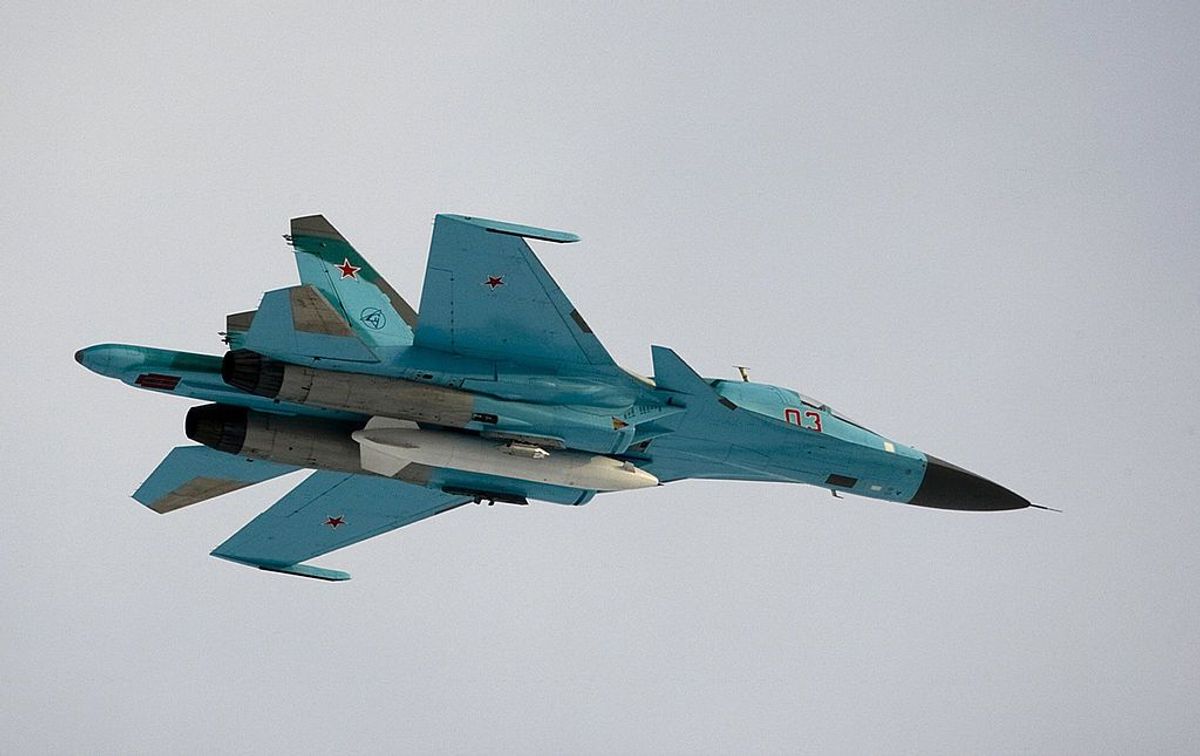
The aircraft were destroyed at the base of Russia's 11th Mixed Aviation Regiment near the settlement of Oktyabrsky, according to the Navy. The regiment belongs to the 4th Mixed Aviation Division of Russia's 4th Air and Air Defense Forces Army.
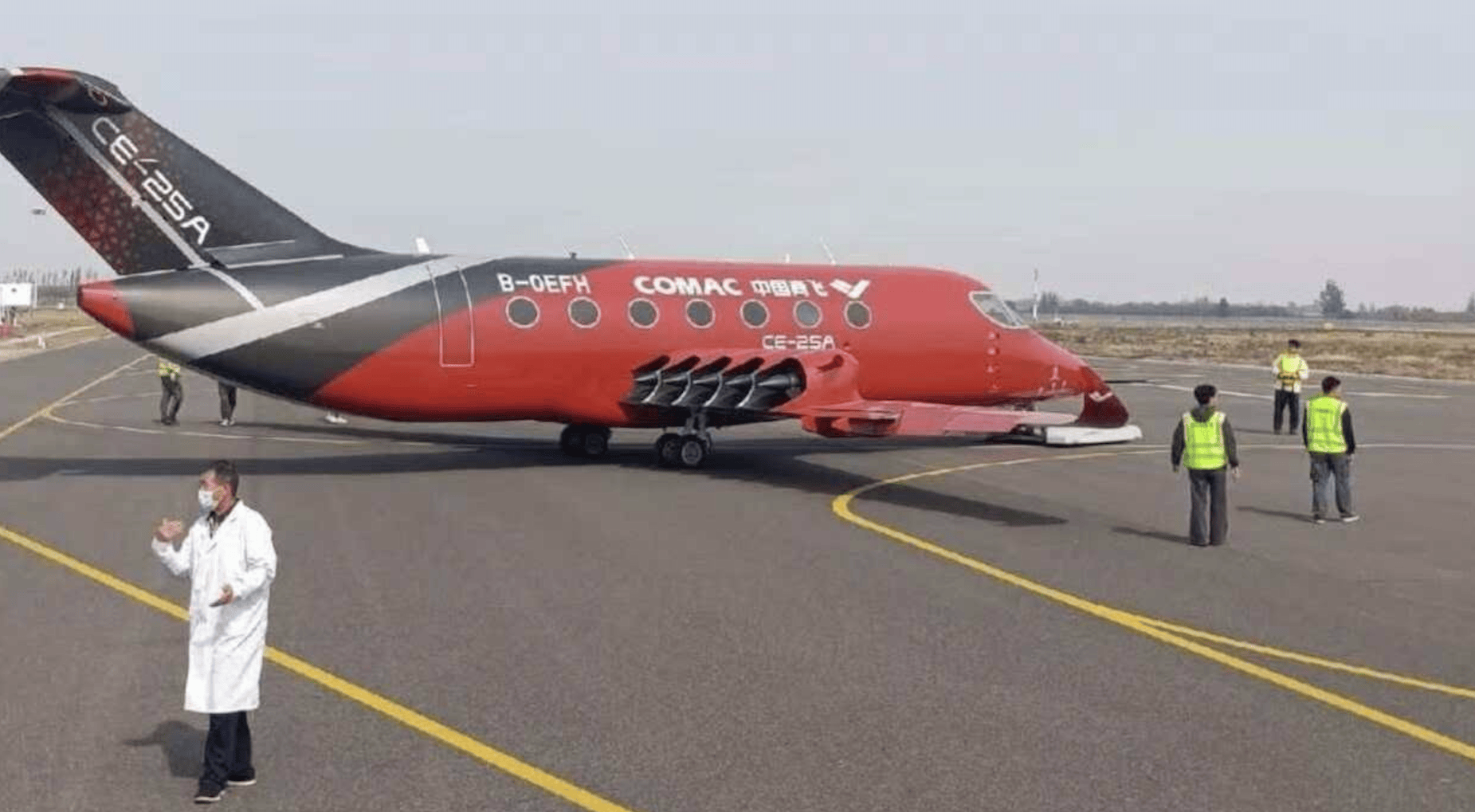
New images appear to show a full-sized demonstrator of China’s CE-25A, an unorthodox 19-seat all-electric aircraft being developed by the state-owned Commercial Aircraft Corporation of China (COMAC). The photographs offer a fresh look at a program the company publicly outlined in 2023, although the aircraft’s current testing status remains unclear.
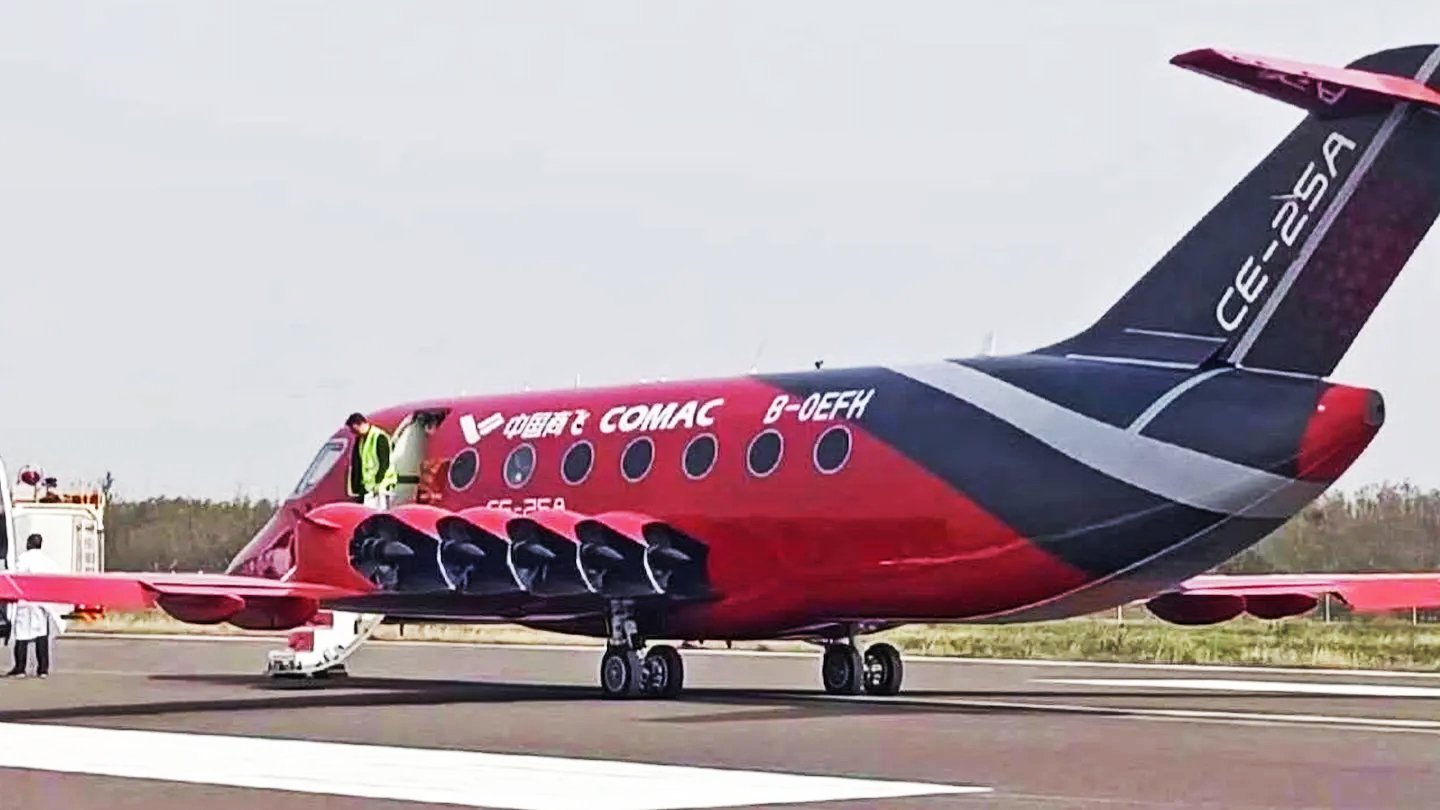
The images appear to have first been shared by Chinese automotive blogger Han Lu (韩路) on October 28 and show a red and black colored aircraft with a silver cheatline bearing COMAC and CE-25A markings. Its Chinese civilian registration is B-0EFH.
One of the first images showing the apparent COMAC CE-25A. via Chinese internet
At this point, it should be noted that we cannot establish with certainty that the imagery is legitimate, but our own examination using multiple AI image-analysis models has found no major indications that they were artificially generated.
Regardless, the program overall reflects COMAC’s interest in distributed electric propulsion, an approach that could help inform future aircraft development even if the CE-25A itself never enters commercial service.
The appearance of what seems to be a full-sized demonstrator certainly raises questions about how far the program has progressed. At this stage, there is no clear public confirmation that this particular aircraft has flown, and its precise role in the development effort remains uncertain.
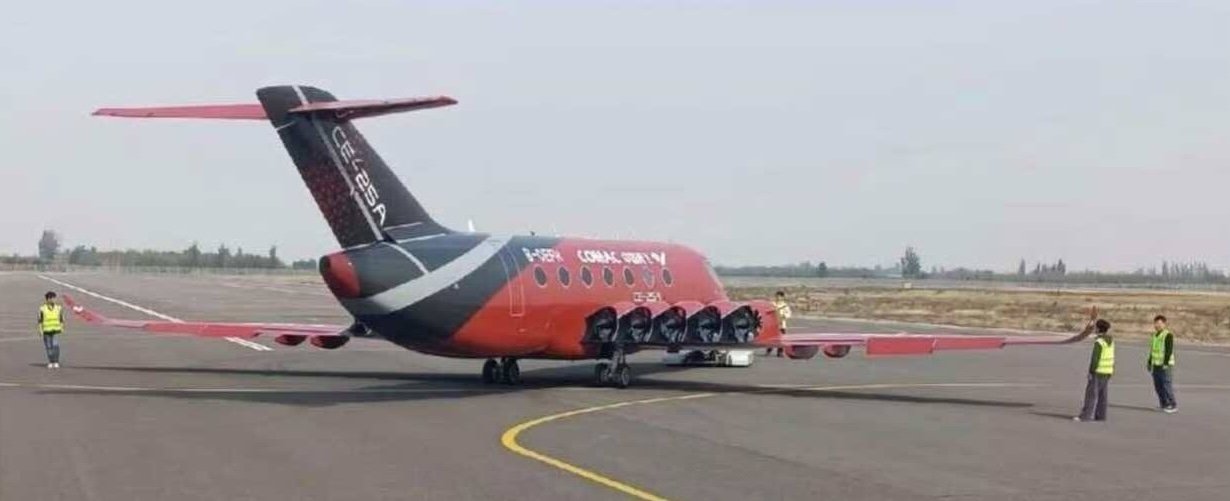
A rear three-quarter view provides a good look at the distributed electric propulsion system used in the CE-25A. via Chinese internet
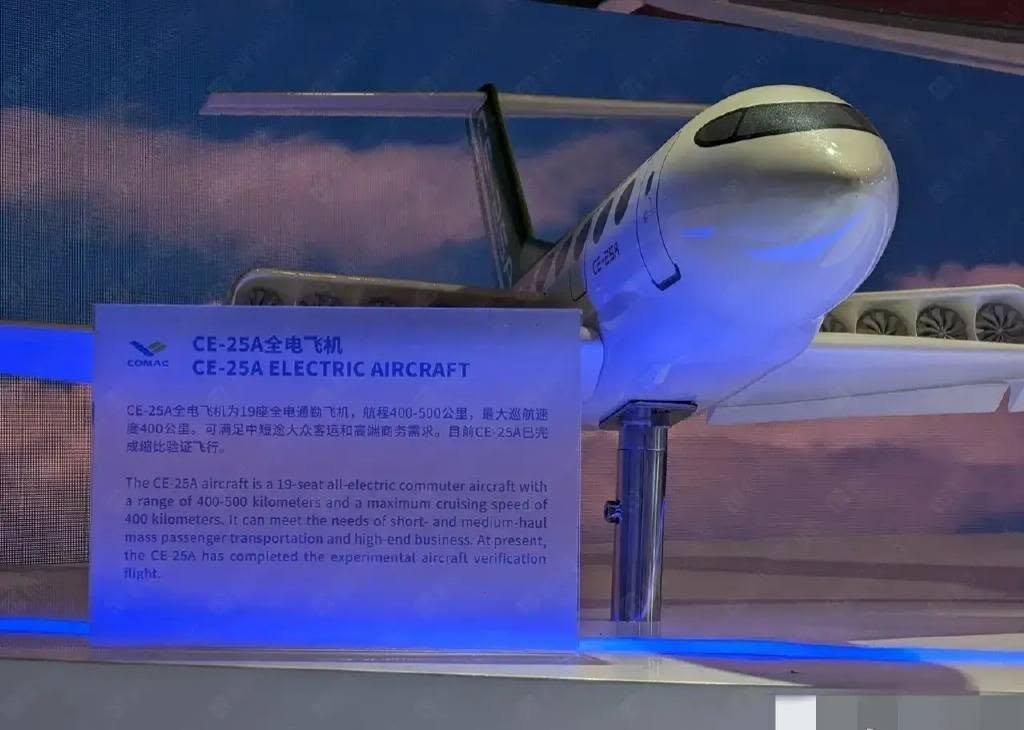
COMAC first presented the CE-25A concept at the China International Import Expo in Shanghai in November 2023. The company described it as a 19-seat, all-electric commuter aircraft intended for short- and medium-distance passenger transportation, as well as business aviation.
Published design specifications called for a cruising speed of approximately 400 kilometers per hour (248 miles per hour) and a range of around 400 to 500 kilometers (250 to 310 miles).
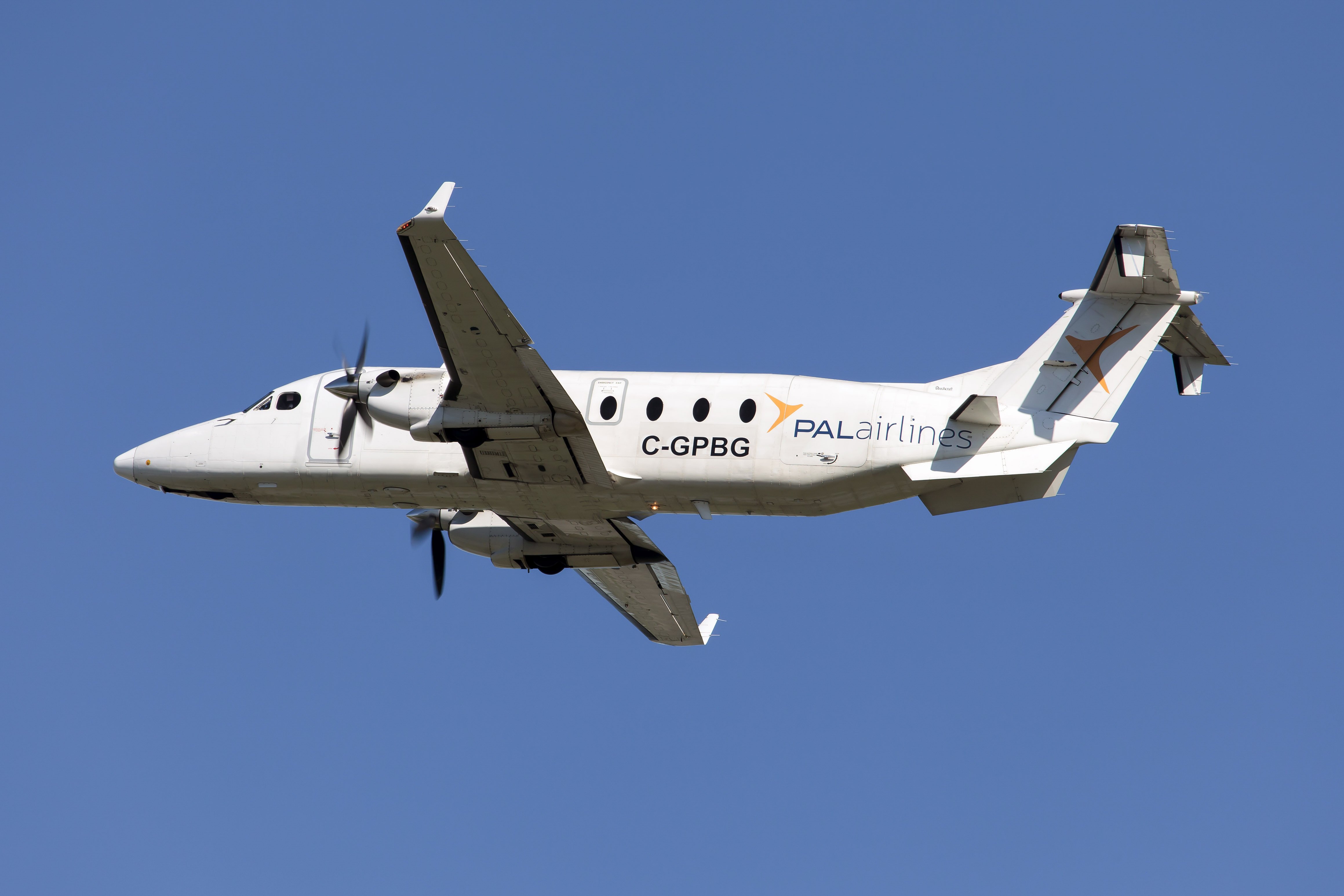
The 19-seat capacity and its general configuration are somewhat similar to the Beechcraft 1900 twin-turboprop regional airliner. With a 19-passenger payload, the Beechcraft 1900 has a range of around 700 kilometers (440 miles) and a cruising speed of approximately 520 kilometers per hour (320 miles per hour).
Stock photo of a Beechcraft 1900D taking off. Photo by Fabrizio Gandolfo/SOPA Images/LightRocket via Getty Images SOPA Images
The Chinese aircraft’s most distinctive feature is its distributed electric propulsion system. Instead of relying on a small number of conventional turboprop engines, the design uses 10 electrically driven ducted fans integrated into its wing structure.
Distributed propulsion can give designers greater flexibility in how thrust is generated and integrated with the airframe. Depending on the configuration, it can offer aerodynamic benefits and potentially improve performance in particular flight regimes. Electric motors can also simplify some aspects of propulsion-system design compared with conventional turbine engines.
Those advantages come with very considerable engineering challenges. Batteries remain far less energy-dense than aviation fuel, placing constraints on range, payload, and endurance. High-power electrical systems also require careful thermal management, while integrating multiple propulsion units introduces additional questions involving reliability, maintenance, and flight control.
There is also some confusion about how the demonstrator shown in the new images fits in with previously announced plans for the program. In 2023, COMAC referred to experimental aircraft verification flight work, which was to involve a scaled demonstrator. Meanwhile, the aircraft in the new photos is full-sized. Potentially, there is an unseen ‘missing link’ subscale demonstrator that has already flown.
A model of the CE-25A is displayed alongside a placard with its key features and specifications. via Chinese internet
China is not alone in exploring distributed electric propulsion for regional aircraft. Several Western projects are also underway.
The European UNIFIER-19 research effort has examined 19-seat, zero-emission regional aircraft concepts using alternative propulsion systems, including distributed electric ducted fans. Some variants explored hydrogen fuel cells rather than relying exclusively on batteries. Compared to the CE-25A, it is strictly a research effort rather than a proposed production aircraft.
In the United States, NASA’s X-57A Maxwell experimental aircraft investigated distributed electric propulsion using 14 electric motors and propellers integrated into a specially designed wing. The X-57 was much smaller than the CE-25A and used open propellers rather than ducted fans. The project was intended to demonstrate potential aerodynamic and efficiency benefits but did not progress to its planned piloted flight configuration.
The X-57 program was canceled in 2023 after safety issues with its propulsion system proved impossible to resolve within the available budget and schedule. It had been launched on the assumption that existing electric propulsion technology was sufficiently mature for safe flight, but this ultimately proved premature. The experience underscores the very significant engineering and safety challenges that remain in developing viable electric aircraft.
Meanwhile, France’s AURA AERO is developing ERA, a 16- to 19-seat regional aircraft planned around eight electric motors and two turbogenerators. The hybrid-electric design is intended to offer substantially greater range than the CE-25A’s published target, with the company advertising a range of approximately 1,500 kilometers (930 miles). ERA is a more direct comparison in terms of intended passenger capacity and commercial role, but it uses a different propulsion architecture and is not an all-electric aircraft.
Swedish company Heart Aerospace also pursued a 19-seat battery-powered commuter aircraft, the ES-19, with a proposed range of approximately 400 kilometers (250 miles). Its original design was more conventional, with a high wing and T-tail, and the company subsequently moved away from the ES-19 concept toward larger hybrid-electric aircraft.
The CE-25A has been presented as a civilian aircraft, and there is no public evidence that COMAC intends to develop it for military service. Nevertheless, the technologies being explored could have relevance to future military aviation.
This would be in line with China’s pursuit of other unconventional aircraft programs with more direct potential military applications.
A mature electric aircraft in this general class could potentially support short-range utility missions, liaison duties, or personnel transport where payload and endurance requirements are modest and suitable charging infrastructure is available. At this stage, there is no indication that the CE-25A has been designed for autonomous operations, austere-field use, or military payloads.
At the same time, its utility in military environments would depend heavily on battery performance, ground support, operating conditions, and the ability to maintain the aircraft away from established infrastructure.
Perhaps more likely is that research into distributed electric propulsion, including the CE-25A, could inform other Chinese aircraft designs. Advances in electric motors, power distribution, flight controls, thermal management, and the integration of multiple propulsion units could eventually benefit crewed and uncrewed aircraft or specialized platforms with different operational requirements.
The CE-25A sits within China’s broader effort to expand its domestic aerospace capabilities and explore new aircraft technologies. COMAC is best known internationally for its C919 narrowbody airliner and ARJ21 regional jet, but its research interests extend beyond conventional commercial aircraft.
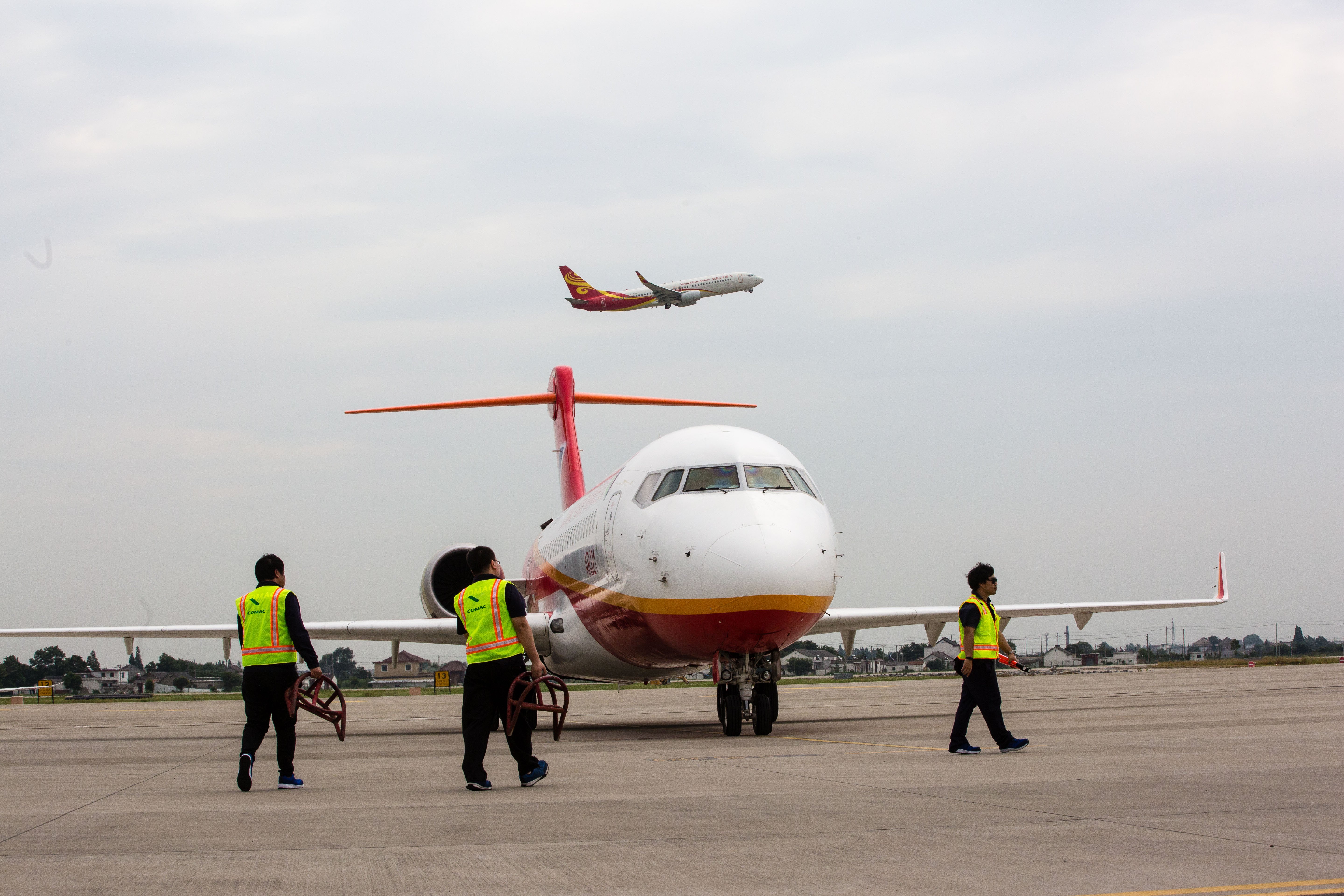
An ARJ21 sits on the tarmac at Yangzhou Taizhou International Airport, Jiangsu Province of China. Photo by Visual China Group via Getty Images VCG
China’s substantial battery-manufacturing industry provides a potential advantage in electric aviation, although adapting batteries developed for road vehicles to the demands of flight remains a significant engineering challenge.
In 2023, COMAC announced cooperation with battery manufacturer CATL and Shanghai Jiao Tong University on research related to battery-powered aircraft concepts. The precise relationship between that work and the CE-25A, including whether they share specific battery technologies or propulsion systems, is not immediately clear.
For now, the newly surfaced photographs provide a compelling look at a COMAC project that has been publicly acknowledged but remains opaque in several important respects.
Whether the CE-25A ultimately becomes a viable civilian aircraft or contributes to other aerospace developments, including in the military realm, its emergence offers more evidence of China’s continued push into unconventional aircraft design.
You know who has a cool job? Jonathan Mutch, who's a helicopter pilot in Antarctica.
He lands on helipads made of ice and has to navigate rapidly changing weather conditions.
Flightseeing is included in select Antarctic itineraries, which start at a whopping $20,000 a person.
Quark Expeditions helicopter pilot Jonathan Mutch is working his fifth season in Antarctica, flying high-paying tourists to some of the planet's most remote places.
It takes a team of pilots, flight engineers, mountain guides, and expedition leaders to run the operation safely. Quark says it has strict environmental parameters to avoid affecting wildlife.
He said that because Antarctic weather can be harsh and unpredictable, guests must have realistic and flexible expectations.
"It's a lot more complicated than it looks," Mutch said. "We'll start with a study of our maps and charts and previous experience with the weather, and we'll brief over the preceding days."
Guests disembark at Snow Hill to see Emperor penguins.
Courtesy of Sam Crimmin/Quark Expeditions
Helicopter flightseeing excursions are included in all Antarctic itineraries on the Ultramarine, the luxury vessel where Quark guests live during their voyage and where the helicopters take off and land.
Mutch said Quark prioritizes getting everybody a 15-minute flightseeing trip, followed by potential landings.
Pricing for the 2026-2027 season starts at about $20,000 per person and includes flightseeing, meals, housing, and other activities. Helicopter landings are $995 extra.
Quark Expeditions' Ultramarine ship is smaller than a typical major cruise liner.
Quark Expeditions
Deep-pocketed tourists can also pay $30,000 or more per person for a more helicopter-focused tour that includes landing near an Emperor penguin colony.
Helicopter flying is different in Antarctica
Mutch said Quark has two Airbus-made H145 helicopters, which are fitted with safety technology for polar operations, such as two redundant engines and an advanced autopilot.
The helicopters are stored and maintained in hangars atop the ship. Here, guests board and disembark, the aircraft are refueled between trips, and the crew plans flights.
Mutch said both helicopters are needed to prep the landing sites before taking passengers. Pilots and engineers ensure that things like lighting and recirculating snow won't affect safety or visibility.
Jake Morrison, senior director of expedition operations, told Business Insider that a flightseeing operation requires at least 13 employees, or 20 or more for ice landings.
Jonathan Mutch.
Courtesy of Jonathan Mutch
Experienced mountain guides test the landing ice thickness and ensure the sites are safe for walking and void of crevasses.
"We won't get airborne if the experience is going to be lackluster or if there's any risk of leaving anybody out there," Mutch said. He added that Quark operates to the same standards as airlines and that the ships' crew will always track the helicopter's location.
"We'll put the aircraft into white-out conditions and test the pilots' decision-making," Mutch said, speaking about the simulator training. "We want guys who are not going to be too proud [that causes them] to push on and make mistakes."
Two helicopters are required to survey and verify safe landing sites.
Courtesy of Jonathan Mutch
There are environmental considerations
Flying carbon-emitting helicopters across Antarctica will impact the environment, but Quark said it does what it can to minimize its footprint.
Morisson said the H145 helicopters are more fuel-efficient and quieter than similar aircraft in their category.
Mutch said flightseeing tours are intended to show the landscape, so pilots will not fly within a mile of wildlife. The flight-following crew on the ship helps maintain distance.
When he performs Emperor penguin landings, Mutch said there is typically an iceberg between the birds and humans, so Quark guests are "virtually inaudible and invisible."
"The last thing we want to do is change the behavior of any wildlife or interact in any way with the wildlife down here, whether it be penguins, seals, sea birds, or whales," Mutch said. "We explain this to passengers when we board."
Business Insider's Taylor Rains visited Antarctica in 2022. A chinstrap penguin is pictured with her expedition ship, the Ocean Endeavour.
Taylor Rains/Business Insider
These are necessary considerations as Antarctic conservation is a hot topic. A record-breaking number of tourists visit the continent: About 120,000 people visited during the 2025-2026 season, up from about 100,000 the year before.
As ice levels decrease, wildlife is at risk of pollutants from ships, aircraft, and humans. A September 2026 study interviewed 25 former Antarctic tour guides who said they left the industry after facing a moral conflict between their jobs and their concerns about environmental and wildlife harm.
The International Association of Antarctica Tour Operators, an Antarctic advocacy group, responded, saying the points were valid and should be heard, but they may not represent the views of the over 6,600-person guiding community on Antarctica. IAATO added that tourism helps educate and advocate for conservation, and the agency tries to curb risks by limiting the number of people on the continent at any given time.
Visitors should have realistic expectations
The weather will determine whether a flight can operate safely, so there are some days when a tour is scheduled but cannot fly — meaning guests must prepare for uncertainty and possible disappointment.
"We're quite conservative about when we fly, but we'd ideally want a blue-sky day," he said, adding the company completes an average of 200 flights per season. "We'd like to fly three or perhaps four times per trip, but it's really what the weather will allow us."
Morrison said he updates guests on the weather during daily briefings and emphasizes that helicopters will only fly when it's safe.
Courtesy of Jonathan Mutch
Most people do get the chance to fly over Antarctica, thanks to long itineraries and a variety of destination options.
The single-pilot flightseeing tours carry up to six passengers, with everyone getting a window seat. To optimize capacity, landings will carry up to nine, as prime seating is unnecessary.
"There's Fournier Bay on Anvers Island, an amphitheater of steep ice cliffs, and if we can get above the ridge, you can see up to 100 miles of the Antarctic Peninsula on a clear day," Mutch said, speaking about his favorite sites. "It's not unusual to have guests welling up, overwhelmed with emotion."
Ukraine is remaking its air force on NATO’s model, down to the way its squadrons are organized and the aircraft they fly. The reforms are planned to be completed by 2035 and include modernizing its F-16s while pursuing the Swedish Gripen jets, Air Force Spokesperson Yurii Ihnat says, per Tse Baza.
Ukraine’s fighters are working hard against Russia’s air war, and in the previous month alone the Air Force faced around 3,500 jet-powered targets, with F-16s heavily used to intercept Russian drones. The new reform is meant to build an air force that can be sustained over the long term and can contest Russian jets and glide bombs, not only survive the next wave.
Wings and universal air bases
The central change, Ihnat said, is a move to the “wing” units that NATO air forces use. The first steps have already been taken: Ukraine has set up the 107th F-16 wing, which now has its own Facebook page and may publish material about its work.
Ukraine also plans to build universal air bases on the operational airfields it has used through the full-scale war. In the future, Ihnat says, those bases should be able to receive and service different models of combat aircraft, as NATO does.
A worn fleet, and the jets Ukraine wants next
Currently, the F-16s Ukraine flies are older Block 15 jets, used by other countries before they arrived, and intensive combat has left them in need of repairs, service life restoration, and upgrades.
Ukrainian officials discussed modernization with the American manufacturer Lockheed Martin, while Kyiv would prefer the newer Block 70/72 version, which Ihnat says would let its pilots stand up more confidently to Russia’s Su-35 fighters.
Keeping the current fleet flying has been hard: fewer than half of Ukraine’s F-16s may be operational, held back by slow maintenance abroad.
At the same time, Lockheed Martin and Kyiv are discussing a special F-16 variant for Ukraine, with a modern AESA radar, longer range, and a wider choice of weapons, though no firm deal exists yet.
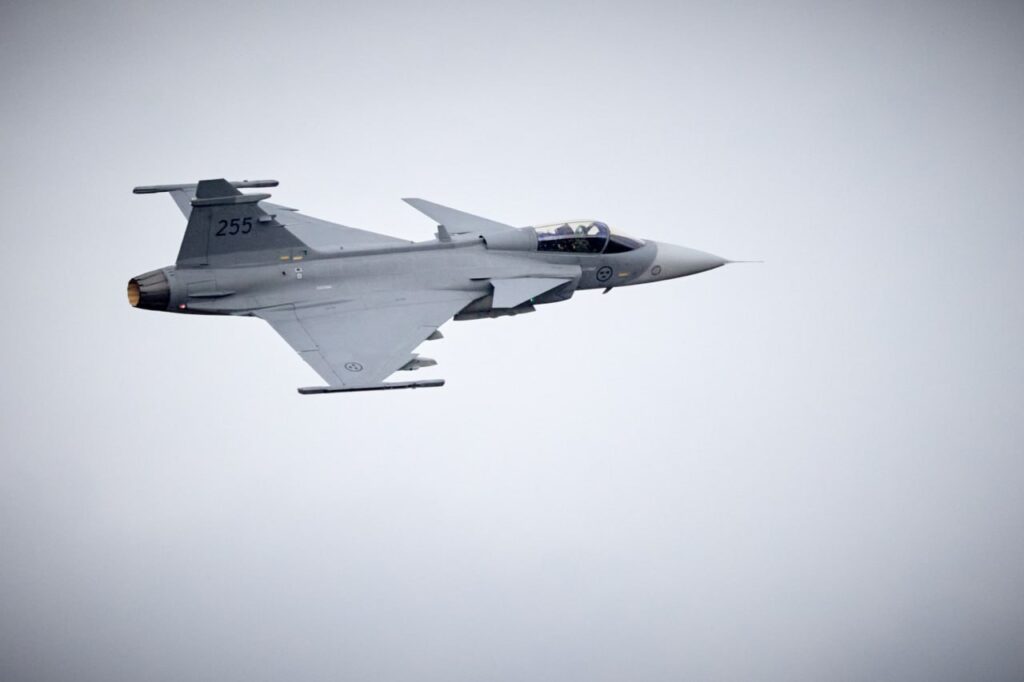
Ukraine is also counting on Swedish Gripen fighters. Ihnat says Ukrainian pilots are drawn to them for their lower operating costs and simpler maintenance, with the country likely to receive older C/D models first, before the newer Gripen E that Saab is developing.
Ukrainian pilots have already begun their training on the Gripen, a jet seen as a counter to the Russian aircraft dropping guided glide bombs on the front, though delivery timing depends on further agreements.
EasyJet's Starlink deal is a potential edge over Ryanair, Europe's dominant budget airline.
Horacio Villalobos#Corbis/Getty Images
EasyJet announced a deal with Starlink on Monday.
It means two of Europe's three major budget airlines have now signed up for Elon Musk's service.
The move puts pressure on budget titan Ryanair after its CEO feuded with Musk over Starlink.
Elon Musk's Starlink has won its latest customer, a budget airline that could put pressure on one of the WiFi service's biggest critics.
EasyJet announced on Monday that the high-speed WiFi service would be deployed on its airplanes from the first half of next year. The British airline, which carries 100 million passengers a year, hopes to have Starlink installed across its 300-strong fleet by early 2028.
Wizz Air, a Hungarian carrier that flies about 70 million passengers a year, signed up in June.
That leaves Ryanair, the continent's largest airline and the world's third-largest, as the only one of Europe's biggest budget carriers without the service.
Its CEO, Michael O'Leary, is well-known for being outspoken and took aim at Starlink earlier this year, leading to a spat with Musk.
"We don't think our passengers are willing to pay for WiFi for an average one-hour flight," O'Leary told Reuters in January.
While Starlink is typically offered free to passengers, O'Leary also complained about increased fuel costs due to the aerodynamic drag of a Starlink terminal, installed on the top of airplanes.
Musk responded in an X post, arguing that Ryanair — which carries over 200 million passengers a year — would lose customers to airlines that do have internet access.
Over the next week, the two CEOs called each other idiots while Musk called for O'Leary to be fired and joked about purchasing the airline.
But Ryanair appeared to have the last laugh, using the publicity to launch a "Big 'Idiot' Sale" with 100,000 tickets starting at £16.99, or about $23.
The situation has some parallels with the US's Big Three airlines. While United Airlines has Starlink on almost half of its fleet and American Airlines is starting installations early next year, Delta Air Lines has instead tapped Amazon Leo, beginning in 2028.
This has led Musk to insult Delta's CEO, Ed Bastian, and call for his firing.
But American passengers are wealthier and more interested in premium offerings than their European counterparts. That trend has also prompted US budget airlines to offer comfier seats and package deals.
Adding free amenities for passengers is at odds with the typical no-frills budget-airline business model that relies on extra charges to turn a profit.
However, easyJet and Wizz may see Starlink as a way to gain an edge over Ryanair.
That may not last forever, though. In a January earnings call, O'Leary said, "I think as the WiFi technology improves over the next four or five years, we'll all be offering free WiFi access."
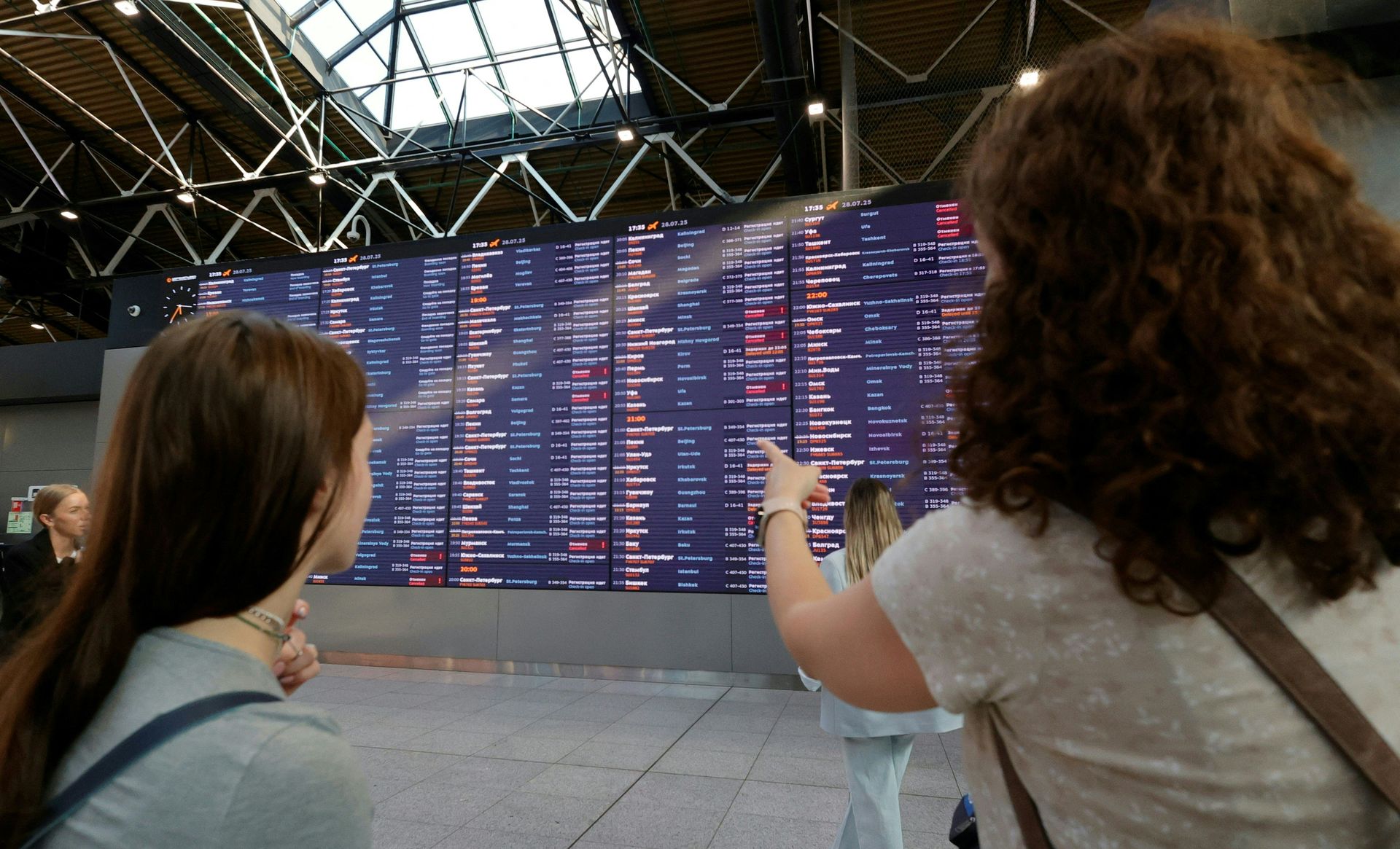
Restrictions were placed on incoming and outgoing flights in Sheremetyevo, Domodedovo, Vnukovo, and Zhukovsky airports, Russian civilian aviation authority Rosaviatsiya reported.
On a cold April morning in 1875, three men ascended into the sky above Paris in a balloon, hoping to push the boundaries of human flight. Their journey was a scientific expedition, an attempt to explore the upper atmosphere and venture into a realm where few human beings had ever been. But as their balloon climbed higher, the air grew thinner, the temperature plunged, and the simple act of breathing became a desperate struggle. What began as a daring experiment in the conquest of the skies would end in one of the most horrifying tragedies in the early history of aviation.
Depiction of Théodore Sivel, Gaston Tissandier and Joseph Crocé-Spinelli in Zénith's fatal ascent of 15 April 1875. "La Nature", 1 May 1875
The balloon, named Zénith, carried its crew into a hostile world for which 19th-century science had only begun to prepare. At ground level, the atmosphere seemed limitless. But at altitude, it revealed itself as an unforgiving environment where the human body could fail with terrifying speed. The Zénith expedition exposed the dangers of high-altitude flight, and left behind a grim lesson for generations of aeronauts who dreamed of going higher.
The aeronauts of the Zénith were Gaston Tissandier, a French scientific writer and balloonist; Joseph Crocé-Spinelli, a scientist and journalist; and Théodore Sivel, an experienced sailor and aeronaut.
Gaston Tissandier, born in Paris in 1843, was a scientist, author and enthusiastic aeronaut. He had a particular interest in meteorology and the scientific study of the atmosphere. His brother, Albert Tissandier, was also involved in aeronautics, and the two helped popularise ballooning as a means of scientific investigation.
Joseph Crocé-Spinelli, born in 1845, shared this interest in atmospheric research. He had participated in earlier high-altitude experiments and understood the importance of studying the composition and properties of the air. Théodore Sivel, born in 1834, brought considerable ballooning experience to the expedition. His practical knowledge complemented the scientific interests of his companions. It was under his guidance that Zénith was constructed.
Barely a month before the fatal flight, Sivel along with zoologist and physiologist Paul Bert, Joseph Crocé-Spinelli, Albert Tissandier, Albert's brother Gaston Tissandier, and Claude Jobert, successfully completed a long-duration flight lasting 24 hours and 40 minutes.
Encouraged by the success of the flight and the positive coverage in the press, the Société Française de Navigation Aérienne (SFNA) announced that it would organize a high-altitude ascent using the aptly named Zénith, a 3,000 cubic meter balloon owned by Sivel.
At approximately 11:35 a.m. on 15 April, Zénith lifted off from the gasworks at La Villette. They carried an array of instruments with them to study the atmosphere, including an aneroid barometer, a hygrometer and an electroscope. They also carried an oxygen-supply apparatus. Three small reservoirs containing a mixture rich in oxygen were attached to the balloon's basket. Rubber tubes and mouthpieces allowed the men to inhale the gas when required.
The crew understood that oxygen deprivation was one of the greatest obstacles to high-altitude ballooning. At lower elevations, the atmosphere supplied sufficient oxygen for normal breathing. As a balloon climbed, however, atmospheric pressure fell, making it increasingly difficult for the lungs to transfer enough oxygen into the bloodstream.
Diagram of the balloon's ascent from Paris to Ciron. Credit: Wikimedia Commons
The men had prepared for the dangers as best they could with the knowledge and technology available. What they could not fully anticipate was how rapidly hypoxia, the condition caused by an inadequate supply of oxygen to the body, could impair their judgement, coordination and consciousness.
By around one o'clock, according to Tissandier's later account, they had passed 5,000 metres. The atmospheric pressure had fallen substantially, and the temperature outside was below freezing. Their instruments were working, and they continued to monitor their physical condition.
As they climbed higher, however, the men began to experience symptoms of oxygen deprivation. At 7,000 meters, Tissandier recorded that Crocé-Spinelli and Sivel had become pale. He himself felt weak and tried inhaling the oxygen they carried, which briefly improved his condition. Sivel then turned to Tissandier and asked whether he would throw out some ballast in order to ascend higher. Tissandier, feeling lethargic because of the altitude and the freezing temperature of −10 Celsius, agreed to the proposal. Sivel proceeded to cut three bags of ballast and the balloon shifted to a quick ascent.
By the time that they reached 7,500 meters, Tissandier could barely move. He described feeling no pain at all, but ‘an inner joy’ and indifference to the increasingly dangerous situation. The lack of oxygen made him delirious. Increasingly debilitated, Tissandier's memory of the events from hereon became even hazier. He remembered trying to reach for the oxygen but unable to lift his arm. Then, looking at the barometer, he saw the pressure at 280 mm and tried to yell out that they had breached 8,000 meters, but the words did not come out from his mouth and he fell inert at about 1.30 p.m.
Sketch depicting Crocé-Spinelli and Sivel, having lost consciousness due to a lack of oxygen, and Tissandier, in the basket of the Zénith on 15 April 1875. Credit: Wikimedia Commons
At 2.08 p.m., Tissandier woke up and saw the balloon descending at a perilous speed. Gathering all the strength he could muster, he managed to cut off a bag of ballast to re-establish the equilibrium before passing out again. After a while he was shaken awake by Crocé-Spinelli, who asked to throw out even more ballast. Fading in and out, Tissandier saw Crocé-Spinelli throw out the respirator, blankets and more ballast, which caused the balloon to rise again.
Tissandier drifted in and out of consciousness. The effects of oxygen deprivation had left him confused and physically incapacitated, and the sequence of events could only be pieced together from his fragmentary memories.
When he regained consciousness again, the balloon was descending at terrifying speed. He tried to rouse his companions by calling their names and shaking them, but neither man responded. Sivel's face had darkened, and blood was visible around his mouth. Crocé-Spinelli, too, appeared lifeless.
The Zénith finally landed at about 4.00 p.m. in the plains near Ciron, 250 km from Paris. Local residents rushed to help the surviving aeronaut. Tissandier was severely weakened, bruised and suffering from the effects of his ordeal. His companions, however, could not be saved. Both Crocé-Spinelli and Sivel had died during the flight.
The deaths of Crocé-Spinelli and Sivel raised urgent questions about the safety of high-altitude ballooning. The crew had carried oxygen, understood the dangers of ascending too far and possessed considerable experience. Yet their precautions had proved inadequate.
The central problem was the physiological effect of low atmospheric pressure. At high altitude, the reduced pressure makes it harder for oxygen to pass from the lungs into the blood. The resulting oxygen deprivation can cause headaches, confusion, impaired coordination, loss of consciousness and, in severe cases, death.
One particularly dangerous feature of hypoxia is that it can undermine a person's ability to recognise the danger. Someone who is becoming severely oxygen-deprived may lose the capacity to make sensible decisions or carry out the actions necessary to survive. For balloonists, that could mean being unable to operate oxygen equipment, monitor instruments or manage the balloon's descent.
The Zénith expedition also demonstrated that carrying oxygen was not enough by itself. The supply had to be accessible and usable under extreme conditions, and the crew had to be able to operate the equipment while suffering the effects of altitude. The ascent showed how quickly a scientific expedition could become an emergency when the human body began to fail.
The exact sequence of events cannot be reconstructed with complete certainty. Tissandier himself acknowledged that he had spent extended periods unconscious and remembered parts of the flight only imperfectly. Nevertheless, his testimony provided a remarkably direct account of the dangers confronting early high-altitude aeronauts.
Tissandier survived, but the loss of his companions was a profound personal blow. He subsequently documented the expedition and its tragic conclusion, helping preserve the details of the flight for other scientists and balloonists. His account remains particularly valuable because it records not merely the instruments' readings but the physical and mental collapse of the men who made them.
The tomb of Joseph Crocé-Spinelli and Théodore Sivel located in the Père Lachaise Cemetery in Paris. Credit: Wikimedia Commons
Iranian Airlines Face Chronic Difficulties: On September 30, bailiffs boarded a Caspian Airlines Boeing 737—while passengers sat ready for takeoff—and served an order to collect a debt of 3 million euros before the aircraft could depart. The detention occurred just days after US secondary sanctions against the Iranian aviation sector came into effect, halving international […]
For a few hours on a December day in 1962, two men floated at the edge of space beneath a giant balloon, peering into the heavens through a telescope. Their mission, known as Project Stargazer, was an ambitious attempt to turn a high-altitude balloon into an astronomical observatory. Although largely forgotten today, it was one of the most remarkable scientific balloon flights ever undertaken and helped bridge the gap between ground-based astronomy and the space telescopes that would follow.
The Operation Stargazer gondola on display at the National Museum of the United States Air Force. Credit: U.S. Air Force
When Douglas Corrigan climbed out of his weather-beaten Curtiss Robin at Baldonnel Airfield near Dublin on 18 July 1938, he claimed to have made a simple navigational error. He had departed New York the previous day, supposedly bound for California, yet after twenty-eight hours in the air he found himself on the opposite side of the Atlantic Ocean. Few believed his explanation, but the public loved the story and he earned the nickname “Wrong Way” Corrigan.
The flight was the culmination of a dream that had begun more than a decade earlier, when Charles Augustus Lindbergh’s historic solo crossing of the Atlantic in 1927 inspired a generation of would-be aviators. Corrigan, who had helped build Lindbergh’s Spirit of St. Louis, was among those determined to follow in the famous pilot’s wake, though his own journey to aviation fame would take a far more unconventional route.
Douglass Corrigan stands before his Curtiss Robin that took him across the Atlantic. Credit: History Net
On June 21, 1913, a tiny woman weighing barely 80 pounds climbed into an airplane over Los Angeles and prepared to do something no woman had ever done before. Suspended outside the aircraft in a small swing-like seat, Georgia Ann “Tiny” Broadwick pulled a release lever and dropped into empty space. Moments later, her parachute blossomed overhead and she drifted safely to earth. With that leap, Tiny Broadwick became the first woman to parachute from an airplane.
Yet this remarkable feat was only one chapter in her extraordinary career. A year later, during a military demonstration, she would help pioneer a technique that evolved into the modern ripcord, forever changing the way parachutists escaped from aircraft.
Broadwick ready to drop from an airplane piloted by Glenn Martin. Credit: Wikimedia Commons

 Login