
❌

Reading view

NATO’s weapons-buying agency opens dedicated door for Ukraine, non-member, letting it buy arms through its contracts and its firms bid for tenders

Ukraine has just become the first country with which NATO’s weapons-buying agency has ever established a dedicated partnership. Under a new agreement, Kyiv has gained the right to purchase weapons through the NATO Support and Procurement Agency (NSPA), and Ukrainian firms can bid on its tenders, the Defense Ministry reports.

The deal, approved by the Ukrainian government in August and signed last week, is called the Security Cooperation Support Partnership. Through it, Ukraine can tap the agency’s 45 procurement partnerships, which cover the purchase, maintenance, and lifecycle support of weapons systems.

A single window into NATO’s arms market

For Ukraine’s military, the partnership is meant to make buying faster and cheaper. Orders can run through existing NSPA contracts or through new tenders, including an emergency-procurement track, and pooling Ukraine’s needs with those of other countries is designed to sharpen prices.

The purchases can be paid for from Ukraine’s state budget, by international partners, or through joint financing.

“Ukraine is the first and only country, and a non-member of NATO at that, for which a separate partnership was created as a single entry point to the agency’s work, and Ukrainian industry was given broad access to the agency’s tenders,” said Deputy Defense Minister Mstyslav Banik.

And a way in for Ukraine’s arms makers

The agreement cuts both ways, too. Ukrainian defense companies can now register in the agency’s supplier database, submit proposals, compete in tenders on equal footing with foreign firms, and sign contracts with NSPA under a mechanism that runs for five years from April 2025.

“We want our partners to gain access to this experience and these technologies, and Ukrainian producers to gain new opportunities for cooperation,” said Deputy Defense Minister Hanna Hvozdiar.

This is a partnership that benefits both sides, the Ukrainian official added.

The signing was announced on 14 October at an NSPA industry event in Kyiv that drew about 150 Ukrainian defense manufacturers.
  •  

31 in May, 63 now: Ukraine’s arms makers pile into a regime of tax breaks and shielded data

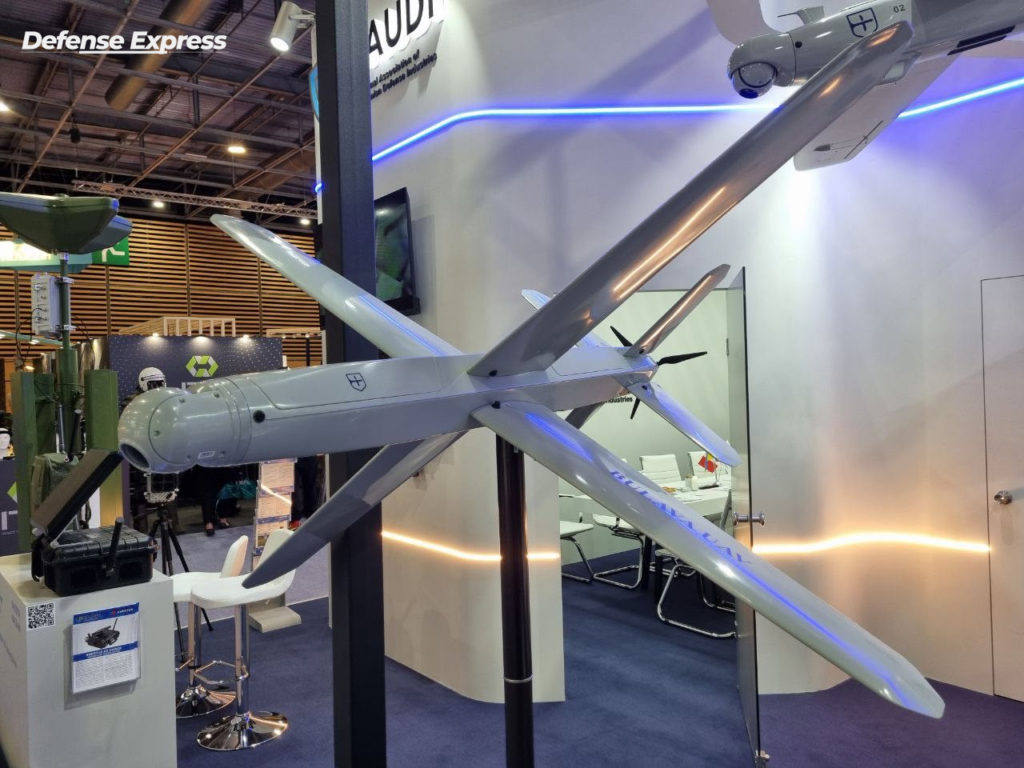
Ukrainian Bulava/Mace loitering munition at the Eurosatory 2024.

Defence City, Ukraine’s special support regime for arms makers, now has 63 member companies, the Defense Ministry said in a 19 October release. That is more than double the late-May count, and Euromaidan Press calculations show the newcomers are, on average, much smaller firms.

Ukraine already buys most of its weapons at home. More than 75% of its 2025 weapons procurement budget went to domestic manufacturers. Most new weapons models cleared for military use are Ukrainian too: 892 of the 1,000 authorized from the start of 2026 to mid-June. Defence City is meant to turn that demand into more production capacity, and our calculations suggest it is now reaching smaller producers too.

Who is joining

Each resident’s figure in the ministry’s count is its qualified income, meaning revenue from selling weapons and military equipment. Applicants file details of their defense contracts for the previous calendar year with their application, the ministry’s guide shows. So the combined total changes as members join. It does not track month-to-month sales.

The 63 current residents have a combined qualified income of nearly $2.47 billion. At the end of May, 31 residents had $2 billion, the ministry reported. By July, 45 residents had over $2.07 billion, it added.

By Euromaidan Press calculations, the 32 companies added since May bring about $15 million each on average. The first 31 averaged about $64 million each. The math assumes all 31 early members remain, with unchanged figures. If they do, the newcomers are smaller producers on average, because each figure reflects a firm’s own prior-year weapons sales.

What residents get

The profit-tax break comes with a condition. Residents choose where their untaxed profit goes, but it must go to purposes the tax code allows, the ministry explained. If the money goes elsewhere, the break does not apply.

Residents also get customs incentives and state support to relocate plants and better protect production sites. They can rent state property without an auction. They can also ask to restrict access to sensitive information about them in public registries. Some defense export procedures are simplified too.

Resident status also makes a company eligible to be designated critically important to the defense industry. That lets it defer up to 100% of its staff liable for military service from the draft, the ministry noted.

To join, a company must confirm it meets the legal requirements and file an application with supporting documents. By law, the ministry has 10 working days to decide. If approved, a ministerial order grants the status, and the company enters the Defence City register.

  •  
❌