❌

Reading view

Onde se esconde, afinal, o poder?

“People have the power”, canta Patti Smith e parecem acreditar os manifestantes que tumultuam as cidades europeias reclamando um futuro. Mas será mesmo assim nos dias de hoje? A democracia, na clássica definição de Abraham Lincoln, é “o governo do povo, pelo povo e para o povo.” Acontece que, na verdade, a democracia é o governo da maioria. Como elucida Alexis de Tocqueville na obra “Democracia na América”, “em todos os países onde o povo é soberano, é a maioria que governa em nome do povo.” O busílis está no facto de essa maioria ser a maioria dos que votam, o que pode levar a que muitos cidadãos não se sintam verdadeiramente representados pelas instituições democráticas.

Talvez seja esse o caso dos jovens que se manifestam nas cidades europeias, causando aquilo que António Guerreiro apelida de “guerra civil planetária”. O mal-estar social que faz emergir movimentos inorgânicos e leva a contestação às ruas expõe os limites da democracia liberal, num tempo em que o poder é cada vez mais difuso e fragmentado. A hiperpolítica, conceito popularizado pelo historiador Anton Jäger no livro homónimo, invadiu o espaço público entendido quer como conceito urbanístico, quer como conceito filosófico de lugar de debate e formação de opiniões.

A politização exacerbada e contínua do espaço público no seu duplo sentido não trará, muito provavelmente, reformas estruturais ou soluções concretas para problemas coletivos. Quando a maré descer, só ficarão na restinga os despojos da degradação das democracias liberais, bem patente na incapacidade dos governos de exercerem a sua autoridade e de conterem a fúria dos manifestantes dentro dos limites da civilidade democrática. Enquadrar a natureza inorgânica e muitas vezes violenta dos movimentos de rua na organização institucional das democracias é, hoje, um dos principais desafios do poder político nos países ocidentais.

Novas geografias do poder

Historicamente, o poder esteve sempre associado a lugares e símbolos identificáveis: o trono, o palácio, o parlamento, o quartel, a fábrica… O poder tinha um rosto, uma hierarquia e um território. Mesmo quando se encontrava disperso por diferentes instituições, era possível reconhecer os seus centros de gravidade e os limites da sua ação. Hoje, a geografia do poder tornou-se mais complexa. Embora o poder continue a habitar os lugares tradicionais, também circula, e cada vez mais, por redes financeiras, infraestruturas tecnológicas, sistemas de informação, plataformas digitais e mecanismos algorítmicos cuja influência nem sempre é visível.

É atribuída a William Shakespeare a frase “o horror visível tem menos poder sobre a alma do que o horror imaginado.” O problema contemporâneo com o poder é, justamente, a sua invisibilidade aos olhos da maioria dos cidadãos. A questão decisiva do nosso tempo já não consiste, por isso, em saber apenas quem governa. Consiste em perceber quem define as condições em que se governa, quem controla os instrumentos que permitem decidir e quem tem capacidade para impor limites aos decisores.

O poder formal nem sempre coincide com a capacidade real de influenciar os acontecimentos. Um governo empoderado pela legitimidade eleitoral pode, ainda assim, estar condicionado por múltiplos poderes difusos. A distância entre a titularidade formal do poder e a capacidade efetiva de intervenção constitui uma das questões centrais das democracias contemporâneas, como se vê pela inépcia dos governos europeus em encontrar respostas para quem protesta nas ruas.

Tradicionalmente, o poder é distribuído por diferentes esferas que se cruzam e ora cooperam, ora entram em conflito. Grosso modo, o Estado conserva os três monopólios legítimos: legislar, tributar e punir. O poder económico condiciona o investimento, o emprego, os salários e a distribuição da riqueza. O poder tecnológico controla infraestruturas essenciais à comunicação, ao acesso à informação e à gestão de dados. O poder mediático participa na definição dos assuntos que merecem atenção coletiva e influencia a formação da opinião pública. E o poder cultural contribui para estabelecer os valores, as aspirações e as representações através das quais uma sociedade questiona a sua própria condição.

Atualmente, estes poderes continuam a existir e a influenciar o modo de vida nas sociedades democráticas. Mas, entretanto, verificou-se a concentração num número restrito de pessoas, grupos ou instituições de poderes com menor visibilidade e, por isso, menos escrutináveis. O poder contemporâneo já não é piramidal, mas sim uma imbricada rede de relações e dependências. Neste sentido, o exercício do poder depende da posição ocupada nessa rede, dos recursos disponíveis e da capacidade de transformar esses recursos em influência.

Longa manus da tecnologia

Nas novas geografias do poder, o capital, a informação e a tecnologia estão, seguramente, entre os fatores que mais condicionam e influenciam quem decide. No caso da tecnologia, a inteligência artificial veio, aliás, acentuar o carácter concêntrico, etéreo, manipulador e inescrutável dos novos instrumentos de poder. De repente, os centros tradicionais de poder ficaram expostos a mecanismos de influência cuja lógica desconhecemos e muito menos controlamos. A inteligência artificial permite ampliar a vigilância, dificultar a identificação de manipulações e concentrar poder nas organizações que controlam os dados, os modelos e a infraestrutura digital.

O pequeno grupo de oligarcas tecnológicos acumula um poder económico, político e social sem precedentes, através do controlo dos sistemas digitais globais. Dispõe de uma extraordinária capacidade de moldar a opinião pública a partir das redes sociais, de avançar sem regras no desenvolvimento da superinteligência, de investir na reversão do envelhecimento celular, de esboroar as regras da privacidade ou de acelerar a crise ambiental. Tudo isto tem efeitos profundos no funcionamento das democracias liberais e até no equilíbrio geopolítico.

Há poucos dias, as forças militares ucranianas deram conta de que os terminais Starshield começaram, sem aviso prévio, a perder conectividade acima de 160 km/h, dificultando a ação dos drones intercetores usados contra os drones russos impulsionados a jato. As limitações à velocidade da rede de internet via satélite desenvolvida pela SpaceX, de Elon Musk, estão a servir para forçar a Ucrânia a ceder a um acordo de paz (ou de capitulação, na verdade) com a Rússia, como deseja a administração Trump.

Um tech oligarch é, portanto, capaz de influenciar decisivamente o desfecho de uma guerra que está a massacrar um povo e que tem implicações profundas na segurança da Europa. É um sinal dos tempos e representa a tendência para impor o poder pela superioridade tecnológica, através de parcerias entre governos e setor privado. Assim será cada vez mais no futuro, considerando a velocidade de desenvolvimento de tecnologias complexas com fins simultaneamente civis e militares.

É claro que a superioridade económica, tecnológica, energética ou militar sempre ditou as regras no mundo, ao longo da História. A diferença é que o poder hoje é cada vez mais difuso e fragmentado, o que torna difícil o seu controlo, limitação e escrutínio democráticos. Das ruas de Paris aos escritórios de Silicon Valley, das corretoras de Wall Street ao estreito de Ormuz, da linha da frente da Ucrânia às redes de bots, dos campos de morte de Gaza ao luxo de Mar-a-Lago, da opacidade dos offshores à sede da ONU, onde se esconde, afinal, o poder?

  •  

Why ‘You Can See Everything’ dominates conversations, social media, Halloween costumes, and has even been Oscar-tipped

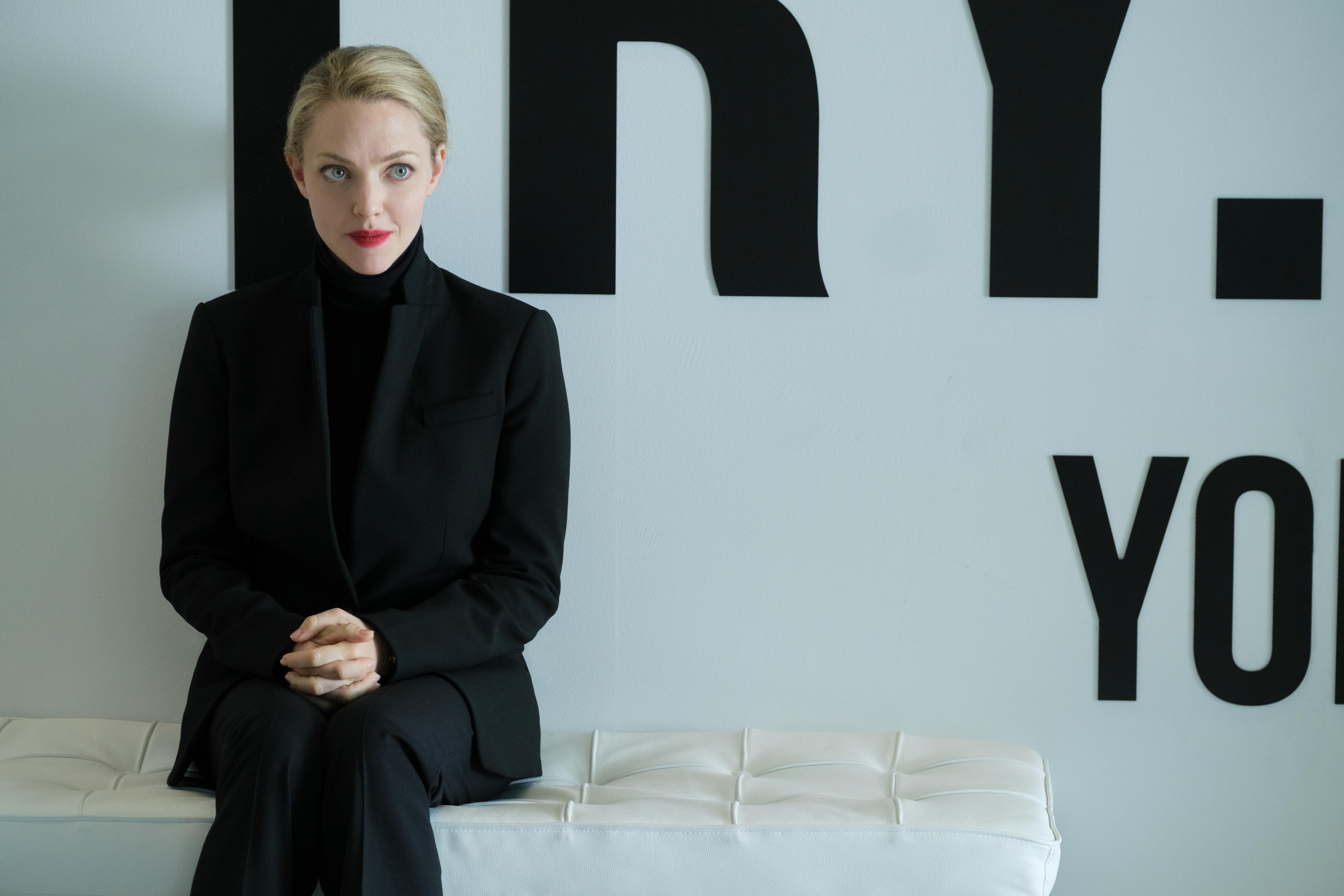
How long has it been since a documentary dominated public conversation, the box office, chats between friends and social media memes? You might have to go back to 2004 and Fahrenheit 9/11, by Michael Moore, or that hybrid (but a film, nonetheless) that blew many minds — The Blair Witch Project in 1999 — to see something similar to what’s happening in the United States surrounding You Can See Everything, this season’s cultural phenomenon.

Seguir leyendo

Amanda Seyfried in 'The Dropout.'

© A24

Elizabeth Holmes, in the documentary 'You Can See Everything.'
  •  

Tech stock sell-off reopens debate on who will foot the AI bill

On Wall Street, the question is no longer how much artificial intelligence will grow, but who will foot the bill. After years of market domination, tech companies have stopped being a safe bet, and the time has come to pick carefully, identifying which ones are going to fall prey to their own pharaonic investment plans and which ones are not.

Seguir leyendo

© Dado Ruvic (REUTERS)

AI is reliant on increasingly expensive financing.
  •  

Peter Thiel, the tech oligarch who believes in the Antichrist

.

When Hulk Hogan sued the tabloid Gawker in 2016 for publishing a sexual video without his consent, no one gave him a chance of winning. But Hogan won the case and was awarded $140 million in damages, which led to the online outlet’s demise. Peter Thiel, one of Silicon Valley’s most shadowy figures, tipped the legal battle: he secretly funded Hogan’s lawyers. He wanted revenge on Gawker because it had ridiculed him for years and outed him as gay.

Seguir leyendo

  •  

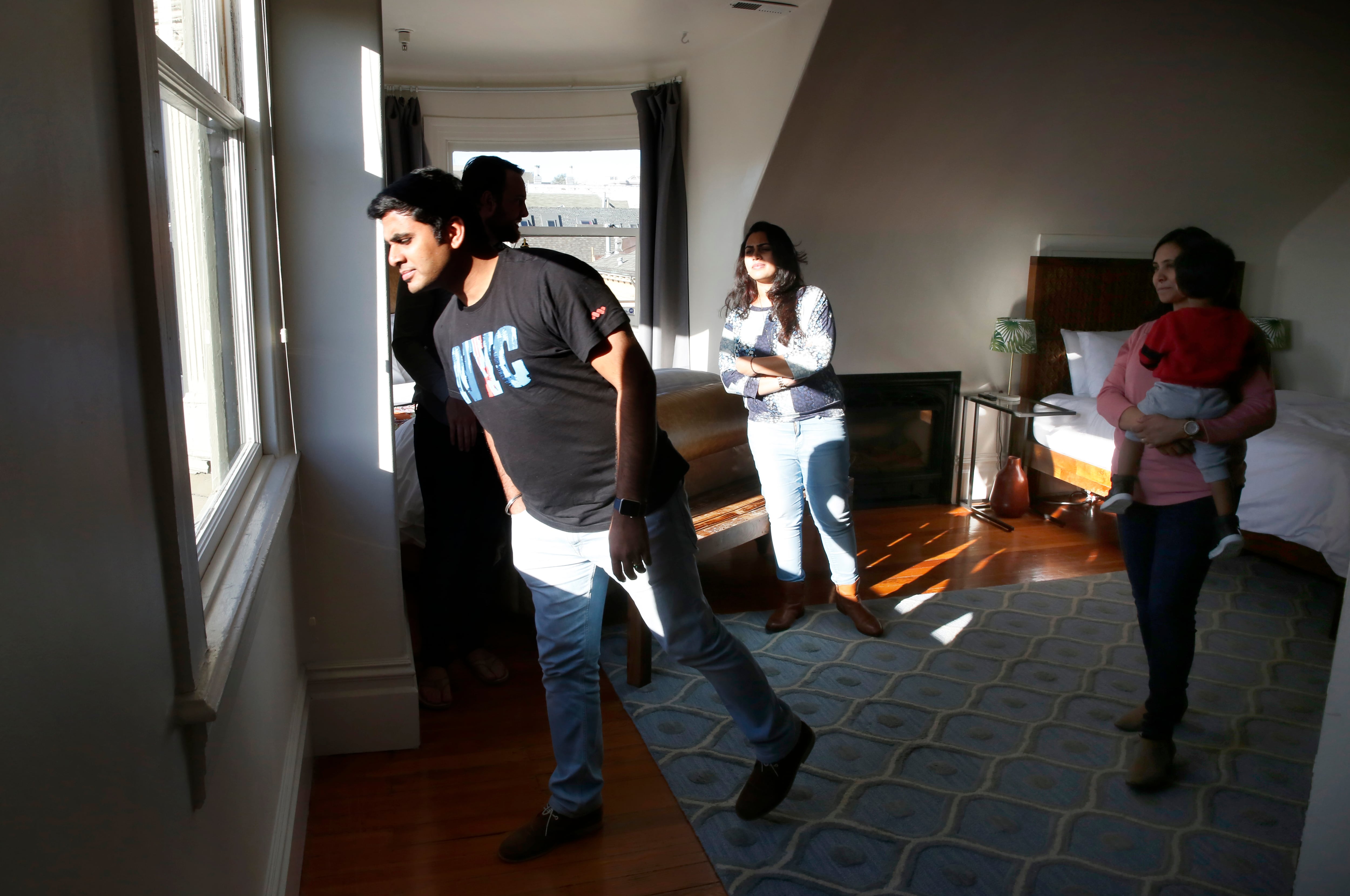
A windowless ground-floor unit for $4,750: the AI boom pushes San Francisco rents skyward

In the heart of the historic working-class and Latino Mission district in San Francisco, the door of a ground-floor unit next to a trendy coffee shop keeps opening. A private shuttle that ferries tech workers to their Silicon Valley headquarters farther south passes by every morning. The 796 sq.ft. (74-square-meter) apartment, recently renovated and furnished, is thoughtfully laid out, from the small open kitchen to the built-in closets. But it gets very little light. Of its two bedrooms, one has no windows. And it costs $4,750 a month.

Seguir leyendo

© Michael Macor (The San Francisco Chronicle via Getty Images)

People at a showing for a rental apartment in San Francisco.
  •  

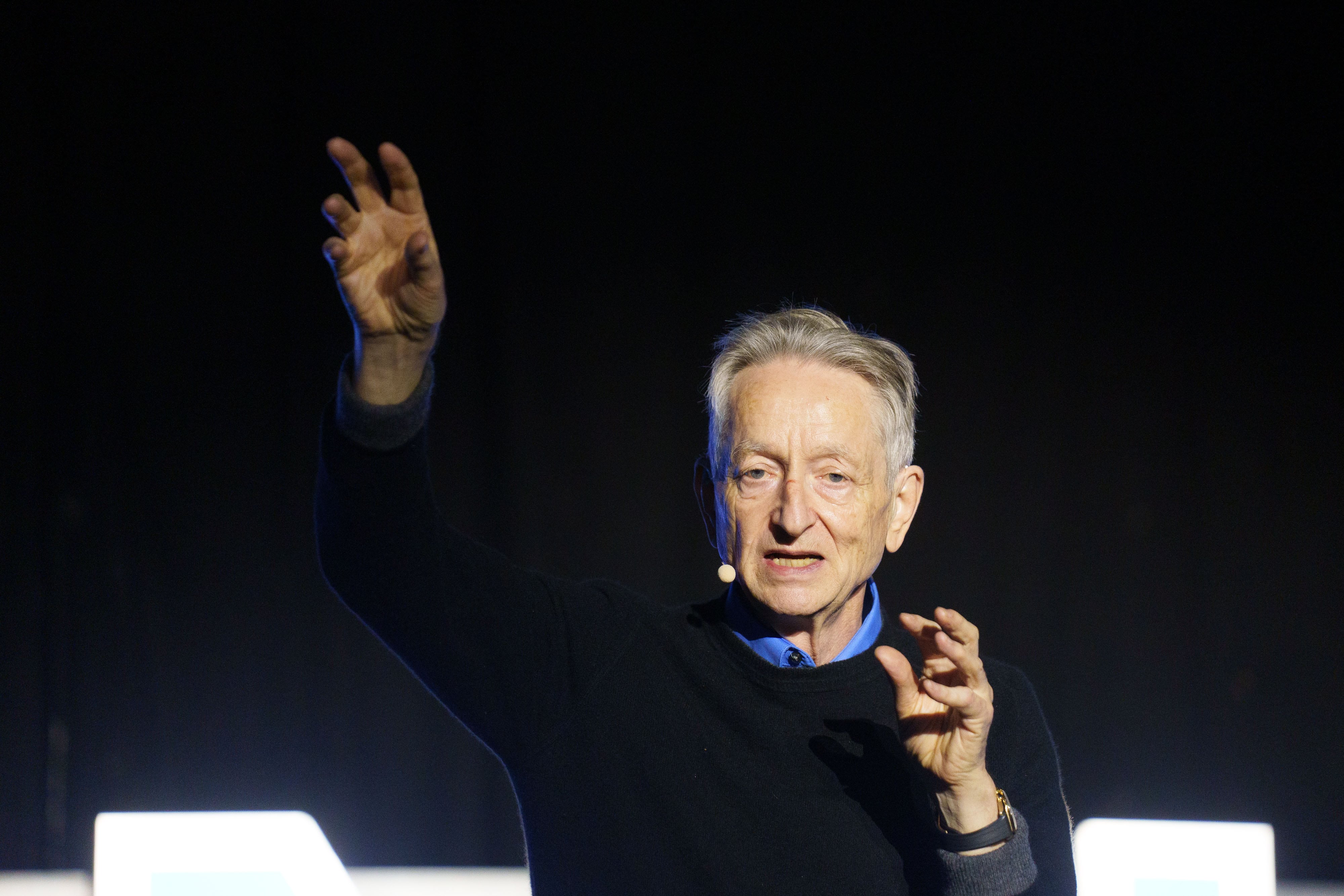
Geoffrey Hinton, the godfather of AI: ‘I’m not a doomer. I think there’s a 1% chance it will destroy us’

Years ago, when people asked Geoffrey Hinton why he worked on artificial intelligence, he would repeat a line from J. Robert Oppenheimer, one of the creators of the atomic bomb: “When you see something that is technically sweet, you go ahead and do it.”

Seguir leyendo

© Ramón de la Rocha (EFE)

Computer scientist and Nobel Prize in Physics laureate Geoffrey Hinton during the Starmus Festival 2026, held this Tuesday in the municipality of Arona in Tenerife.
  •  

Tech Billionaires and the New Struggle for Political Power

In his book The Nerd Reich, journalist Gil Durán examines how Silicon Valley’s wealthiest investors are extending their influence over American politics, democratic institutions and national sovereignty. His warnings come amid unprecedented political spending by technology billionaires and growing concern over private control of strategic infrastructure.

Elon Musk has contributed more than $276 million since July to Republican political causes ahead of the United States midterm elections on 3 November. Meanwhile, US Secretary of State Marco Rubio has said decisions over Ukraine’s access to SpaceX satellite communications rest with the company rather than the White House. Both developments demonstrate how private technological and financial resources can influence decisions traditionally associated with government.

For journalist Gil Durán, author of The Nerd Reich: Silicon Valley Fascism and the War on Democracy, published by Avid Reader Press in August 2026, the issue extends beyond campaign donations. In a recent interview, he argued that a group of Silicon Valley investors is using its financial influence and control of technology to challenge the authority of elected governments.

“We’re at a decisive stage of that race,” Durán said when asked about the contest between technology and democracy described by venture capitalist Peter Thiel. His argument is that wealth alone no longer satisfies some of the industry’s most influential figures; they also want a direct role in determining how societies are governed.

The ideological origins of billionaire power

Durán places Thiel at the centre of this movement. In a 2009 essay, The Education of a Libertarian, the PayPal co-founder wrote that he no longer believed freedom and democracy were compatible. He argued that technological innovation could allow individuals to escape the constraints of conventional politics.

Thiel subsequently clarified that he was not advocating disenfranchisement. His stated position was that majority rule often frustrated individual liberty. Durán, however, interprets the essay and Thiel’s subsequent political investments as evidence of a sustained interest in diminishing democratic constraints on private power.

The book also examines The Sovereign Individual, a 1997 work by James Dale Davidson and William Rees-Mogg that anticipated how digital currencies and technological change might weaken the power of nation states. Durán sees its influence in later arguments for privately organised alternatives to traditional government.

One example is The Network State, developed by entrepreneur Balaji Srinivasan. It proposes that online communities could acquire territory and eventually obtain diplomatic recognition. Advocates describe a voluntary model of political organisation; Durán regards the prospect of corporate-financed jurisdictions as a challenge to public accountability.

From venture capital to the White House

The relationship between Thiel and Vice-President JD Vance illustrates how venture capital can translate into political influence. Thiel supported Vance’s early investment career and contributed $15 million to a super PAC backing his successful 2022 Senate bid. Durán attributes much of Vance’s political ascent to that support, although voters, party endorsements and Vance’s own campaigning also shaped the result.

Musk’s latest contributions offer a more immediate example. His donations since July include $158 million to the Senate Leadership Fund and more than $76 million to America PAC. Such spending is lawful under the rules governing independent political committees, which cannot coordinate their expenditure with candidates.

Durán contends that similar pressures affect Democrats, arguing that wealthy donors can exercise influence across party lines. His criticism therefore concerns the political system’s dependence on private funding as much as any particular administration.

Technology as an instrument of strategic power

The consequences extend beyond elections. Ukraine’s dependence on satellite communications has exposed how a privately owned service can become essential to military operations. Restrictions affecting Starlink-related services have prompted competing accounts from US officials and SpaceX over responsibility for the decision. Rubio’s latest remarks point towards commercial control, while earlier reporting attributed the decision to Washington.

Artificial intelligence raises comparable questions of ownership and oversight. Durán argues that investors promoting transformative AI may also seek regulatory conditions that protect their substantial financial commitments. His prediction of a possible investment bubble remains a judgement, not an established outcome.

In Europe, the debate has immediate regulatory consequences. The EU’s Digital Services Act requires major online platforms to assess risks to elections and civic debate, while enforcement of important provisions of the AI Act began in August 2026. These measures address the influence of companies whose platforms and systems operate across borders.

Durán’s interpretation of Silicon Valley as a coherent anti-democratic movement remains contested. The entrepreneurs he discusses have differing interests, and their political influence does not itself establish a common plan to dismantle democratic government.

Their influence is nevertheless measurable in campaign finances, government contracts and control over infrastructure essential to national security. None of these forms of power requires holding elected office.

  •  

Living with 230 data centers on the doorstep: ‘Nobody warned us what was going to happen’ 

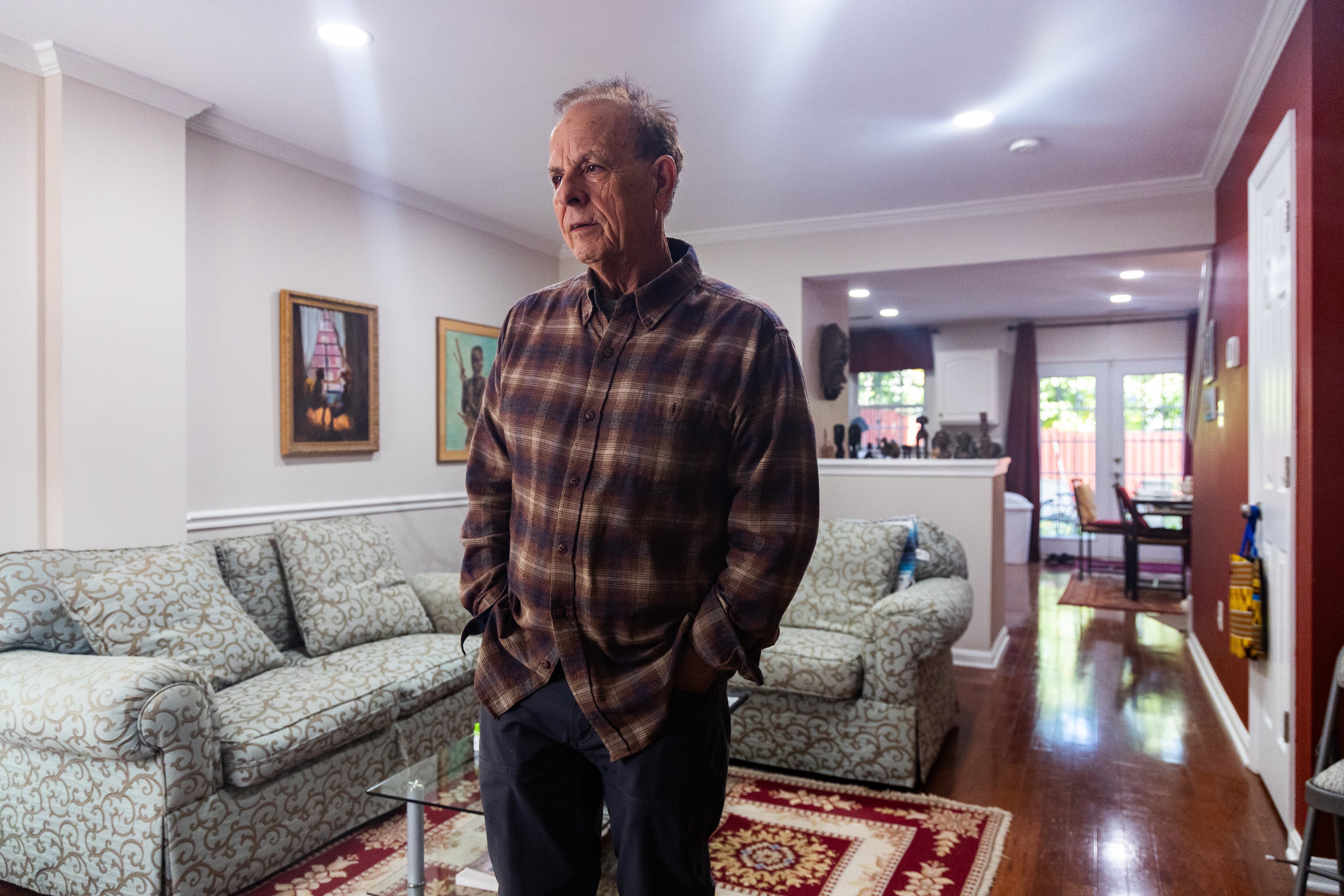
Greg Pirio, a retired historian, at his home in Sterling, Virginia on October 9.

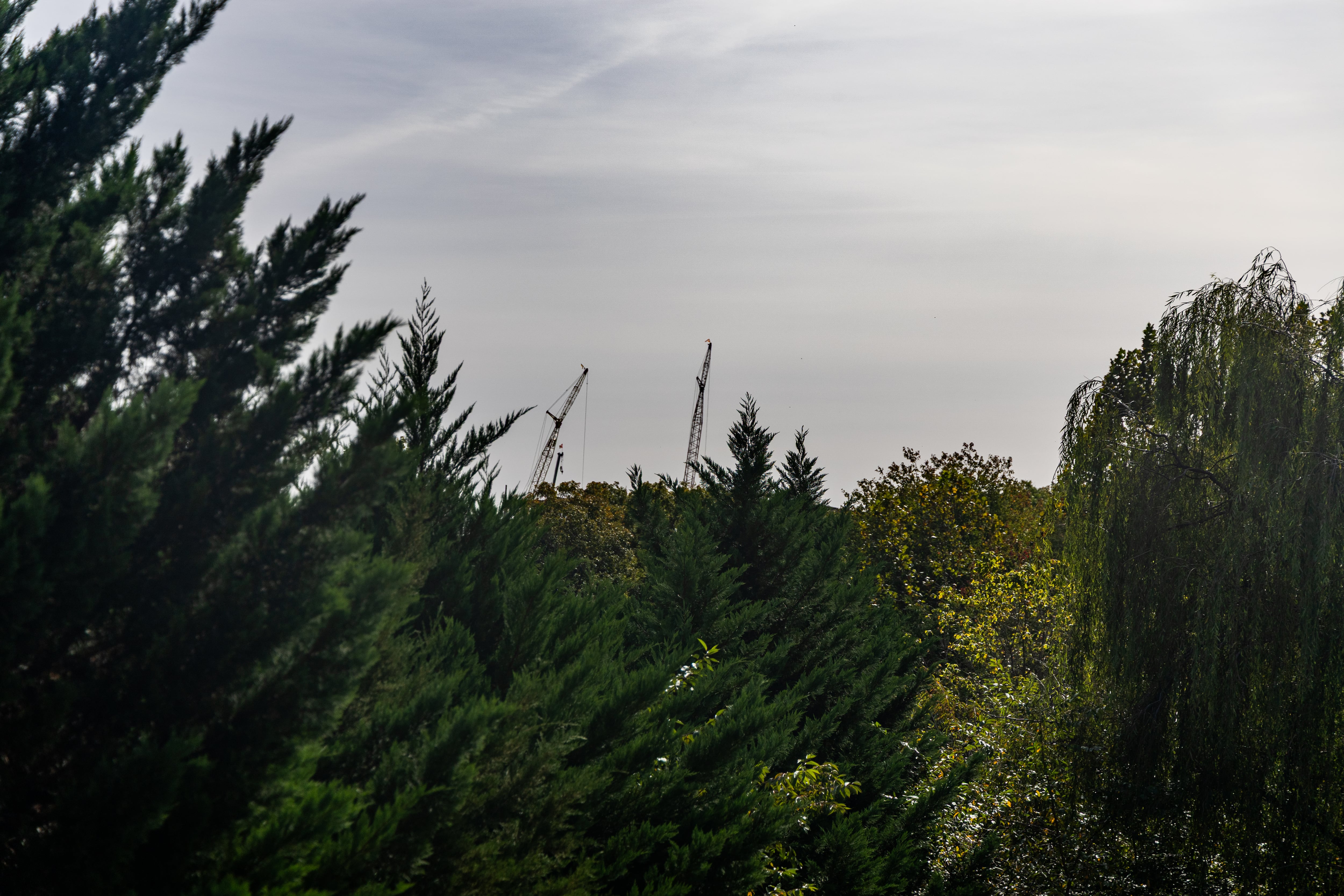
One of the factors that led Greg Pirio to buy his house in Loudoun County, in northern Virginia, 14 years ago, was the nature surrounding it. A historian specializing in Africa, he loved to take long walks with his dog and listen to the birds. Three years ago, a large data center was installed just a hundred meters from his door. Since it began operating a year and a half ago, the birdsong has been replaced by a constant buzzing together with fumes that cause headaches, conjunctivitis and respiratory problems.

Seguir leyendo

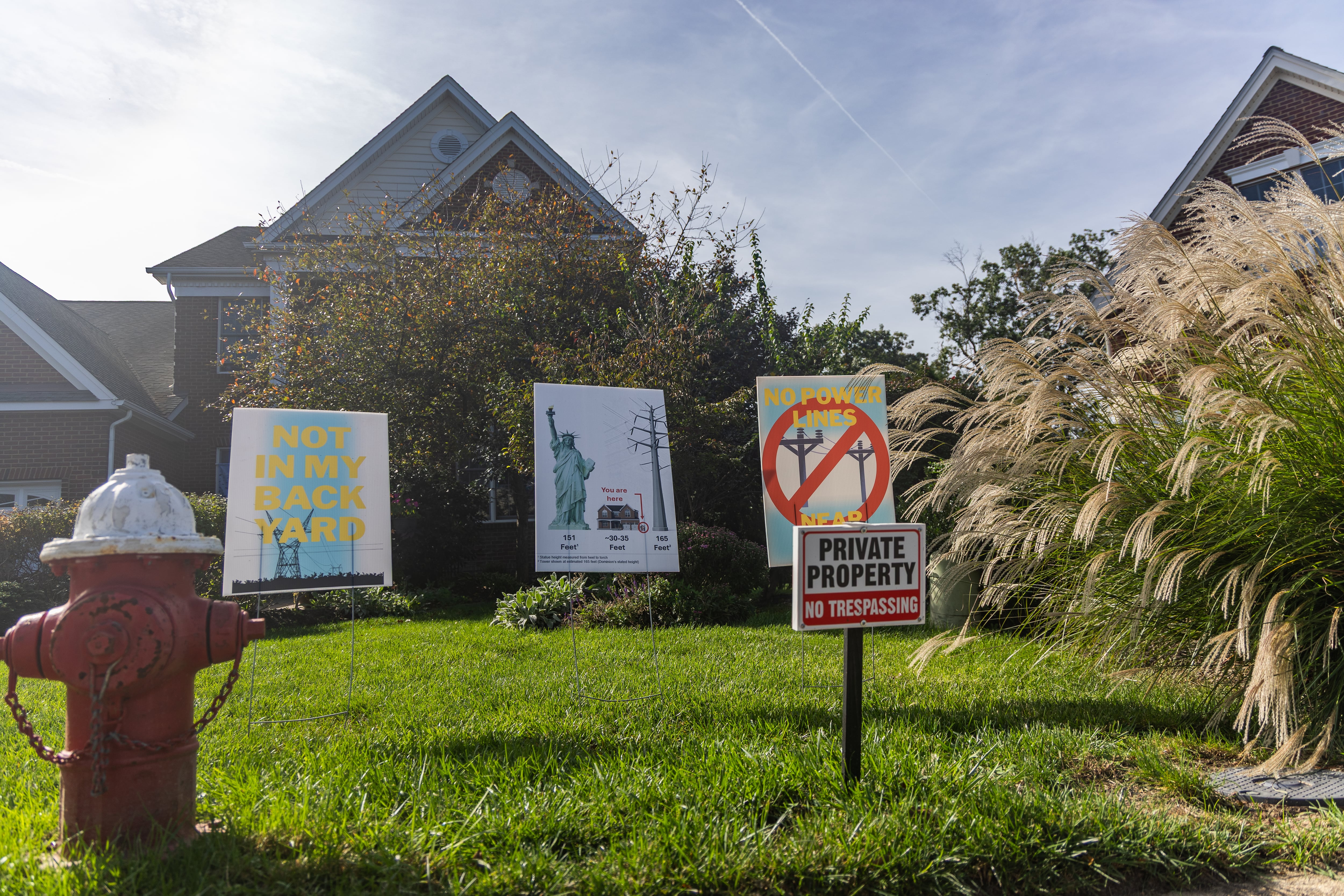
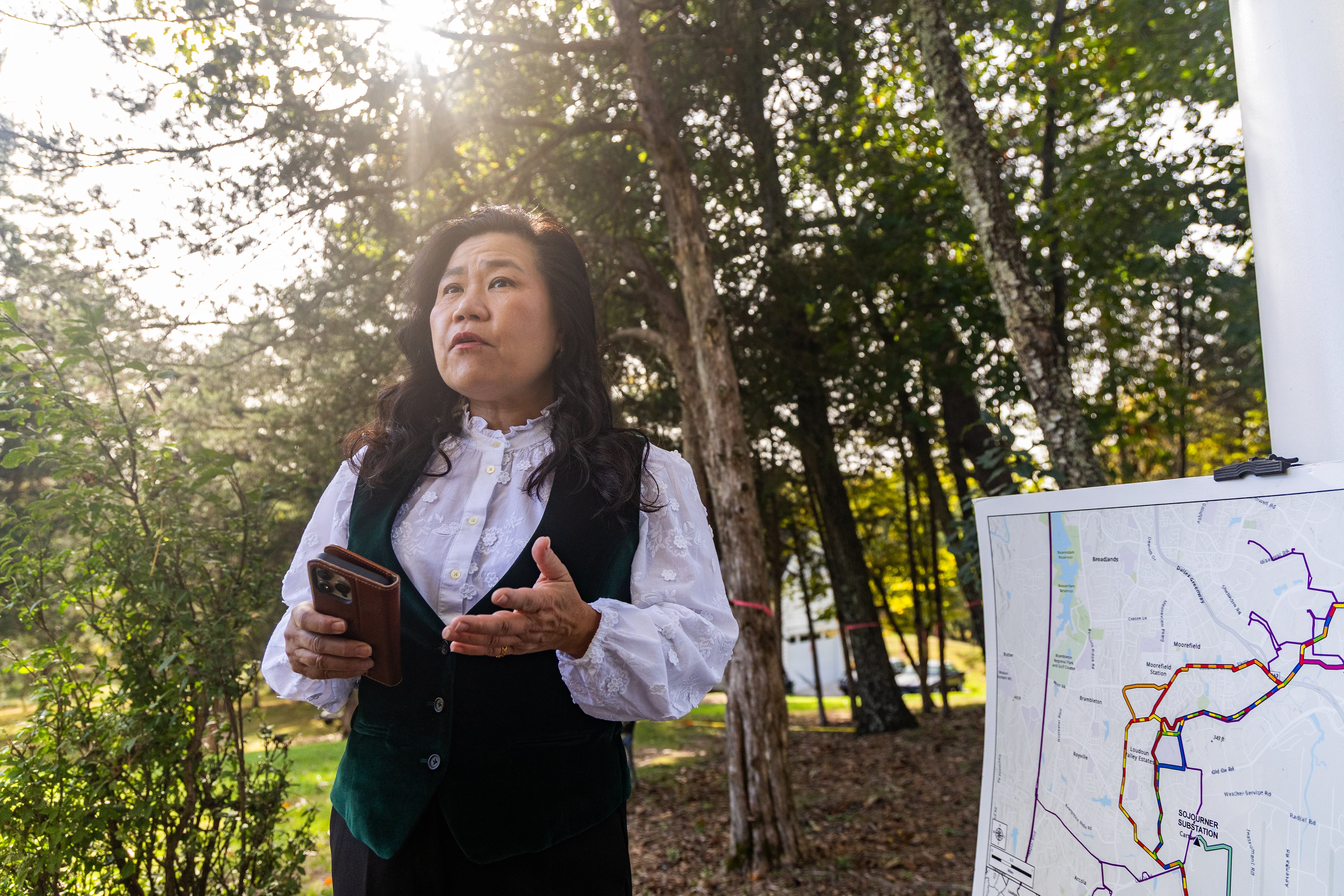
The eye protection Greg Pirio uses against the air pollution in the region.Machinery operates near the data center in Virginia.Vicky Hu in Ashburn, Virginia, on October 9. Vicky Hu’s garden protest, Ashburn.Real estate agent Vicky Hu at her home in Virginia on Oct. 9.
  •  
❌