❌

Reading view

U.S. Navy Records Worst Year in a Decade as Jets Collided, Helicopters Ditched & Aircraft Carrier Caught Fire

The US Navy saw a 10-year high in Class-A mishaps in Fiscal Year 2026, underscoring the risks of naval operations even for the world’s most powerful military.

The US Navy recorded its highest number of serious Class-A aviation and afloat mishaps in at least a decade in FY26, according to data the Naval Safety Command released Oct. 26, 2026.

The Naval Safety Command reported 16 Class A aviation mishaps and 11 Class A afloat mishaps between October 1, 2025, and September 30, 2026 — the highest combined total in at least a decade and a clear sign of a difficult year for naval operations.

These accidents are the most since FY2014, when the Navy had 17 Class A aviation mishaps and four afloat Class A mishaps.

Class A mishaps are accidents that result in damage of at least US$2.5 million, destroyed aircraft, or fatalities or permanent total disabilities.

A Bad Year For Naval Aviation

In the one-year period between October 1, 2025, and September 30, 2026, the aviation mishap rate rose to about 2.23 per 100,000 flight hours, up from 1.60 the previous year and well above the 10-year average of about 1.31.

Some of these notable incidents that were widely publicized are: 

In a shocking incident on October 26, 2025, a US Navy MH-60R Sea Hawk helicopter assigned to the ‘Battle Cats’ of Helicopter Maritime Strike Squadron 73 and the F/A-18E/F Super Hornet assigned to the “Fighting Redcocks” of Strike Fighter Squadron 22 crashed into the South China Sea within 30 minutes of each other, as the EurAsian Times reported.

The back-to-back crashes occurred in relatively shallow waters of the South China Sea, which China claims almost entirely. The wreckage of the aircraft was pulled out of the crash site from a depth of about 400 feet only in December 2025.

Two US Navy EA-18G Growler jets from the VAQ-129 “Vikings” Growler Demonstration Team collided mid-air during the Gunfighter Skies Air Show at Mountain Home Air Force Base in Idaho on May 17, 2026.

Eventually, videos of the collision surfaced on social media, showing one plane coming up from behind before it collided, hitting the back of the lead aircraft with its nose. All four pilots of the two planes managed to eject in time and safely parachute down to the ground even as their aircraft crashed and exploded.

Image
Two US Navy EA-18G Growlers crashed after a mid-air collision (Via X)

On July 1, 2026, a US Navy MH-60S Sea Hawk helicopter assigned to the USS George H.W. Bush aircraft carrier ditched in the Arabian Sea early on July 1, leaving one crew member missing who was later presumed dead. While the crash occurred in a war zone, it wasn’t caused by hostilities, the Navy said, adding that an investigation had been launched.

A US Navy EA-18G Growler assigned to the “Zappers” of Electronic Attack Squadron (VAQ) 130 experienced an arresting-gear failure while landing aboard USS Dwight D. Eisenhower (CVN-69) off the Virginia coast on September 28. The two crew members ejected and were safely recovered, though about four to six personnel were reportedly injured.

Other notable manned-aircraft incidents include two separate engine fires aboard the Navy’s carrier-capable fighter, the Super Hornet. On July 1, 2026, a two-seat F/A-18F Super Hornet assigned to Strike Fighter Squadron 22 at Naval Air Station Lemoore, California, experienced a left engine fire during a routine training mission. 

Later, an F/A-18E experienced an in-flight engine fire during a routine training mission and landed safely at Naval Air Station Oceana, though the exact date wasn’t specified.

The US Navy also lost an MQ-4C Triton unmanned aircraft. 

On April 9, the MQ-4C Triton high-altitude, long-endurance (HALE) unmanned aerial vehicle (UAV) disappeared over the Persian Gulf near the Strait of Hormuz during a maritime surveillance mission.

The Navy finally acknowledged on April 14 that the drone had crashed that day, as the EurAsian Times had previously reported. An MQ-4C costs slightly more than $238 million per unit, and the crash was classified as Class A.
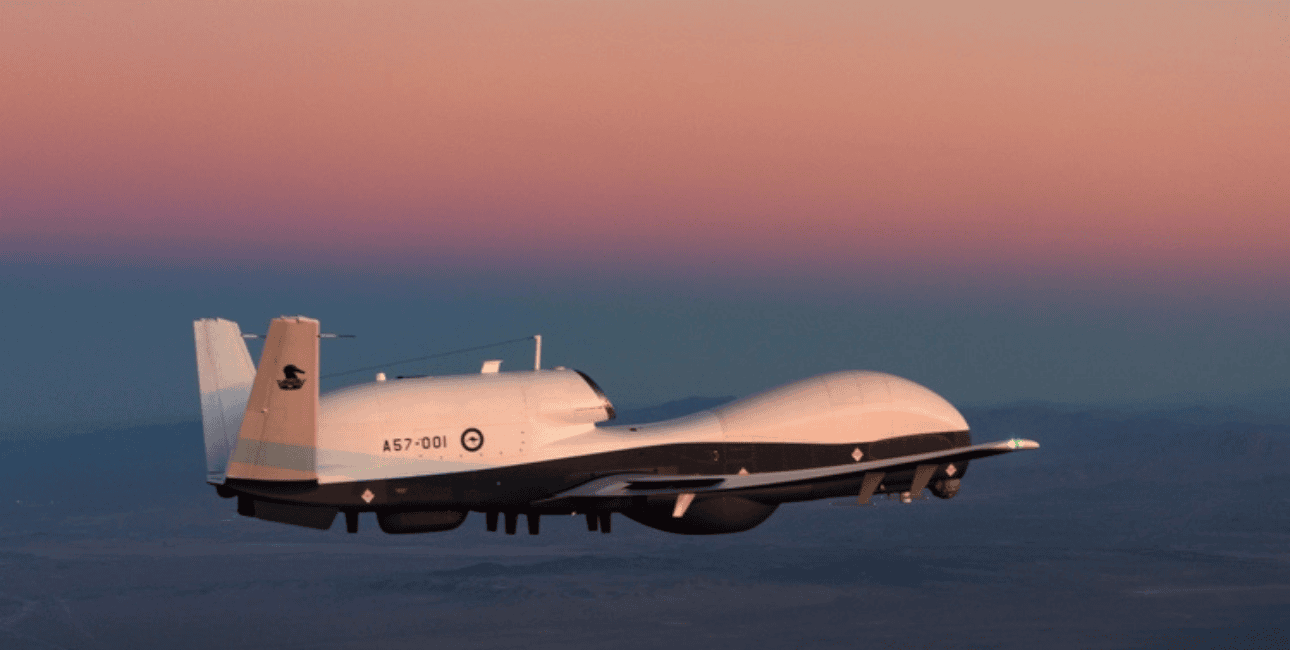
MQ-4C Triton. Credits Northrop Grumman.

US Navy Afloat Accidents

A Supply-class fast combat support ship, USNS Supply, and the USS Truxtun destroyer collided while conducting a replenishment-at-sea on February 12, 2026. Two personnel sustained minor injuries in the collision, and the Navy was investigating the incident.

“Two personnel reported minor injuries and are in stable condition. Both ships have reported sailing safely. The incident is currently under investigation,” the USNI News reported at the time, citing a statement from the US Navy.

On March 12, 2026, the most severe accident occurred aboard USS Gerald R. Ford when a fire broke out in the laundry room.

“The cause of the fire was not combat-related and is contained. There is no damage to the ship’s propulsion plant, and the aircraft carrier remains fully operational. Two sailors are currently receiving medical treatment for non-life-threatening injuries and are in stable condition. Additional information will be provided when available,” the US Navy said at the time.  “There is no damage to the ship’s propulsion plant, and the aircraft carrier remains fully operational.”

The fire burned for more than 30 hours, damaged berthing for hundreds of sailors, and forced the carrier to divert to Split, Croatia, for repairs.

On April 19, 2026, a fire on board the destroyer USS Zumwalt (DDG-1000) at HII Ingalls Shipbuilding injured three sailors. The fire was reported at around 9:45 p.m. local time while Zumwalt was pierside at the Pascagoula, Miss., shipyard. The guided-missile destroyer was at Ingalls for a modernization phase since August 2023. 

Two more notable incidents that resulted in the death of the crew include the assumed death of Lance Cpl. Chukwuemeka Oforah, who fell overboard from USS Iwo Jima on February 7, and the death of Lance Cpl. Armando Ortiz Canseco, attached to the San Antonio-class amphibious transport dock USS Anchorage (LPD-23), who vanished at sea on June 25.

The report also notes that although the absolute numbers of catastrophic events rose, off-duty fatalities declined, and many aviation mishaps did not result in loss of life thanks to successful ejections and rescues. The Navy experienced 30 total on-duty Class A incidents in FY 2026, the highest number since the sea service experienced 30 in 2022.

A 46-year-old lieutenant commander who perished in a motorcycle accident during a military motorcycle safety group ride and a death during physical training were the other two on-duty fatalities in FY 2026. 

There were 45 fatalities from 48 off-duty accidents in the Navy. That was less than the 54 accidents and 53 fatalities from the previous year. 

Meanwhile, the report suggests that the Marine Corps recorded six aviation Class-A mishaps, including five flight and one ground-related, up one from the prior year, and 12 total on-duty Class-A mishaps that resulted in seven fatalities.

One high-profile Marine aviation loss occurred on October 16, 2025, when an AH-1Z Viper attack helicopter crashed in a Southern California desert during a training flight. The pilot, Maj. Tyler Braconi, was killed in the deadly crash, while the second Marine was hospitalized after the incident.

The Navy’s high Class A mishap rate comes amid sustained operational tempo, including its Indo-Pacific presence, the war with Iran in West Asia, and ongoing training requirements. A range of issues caused these accidents, from maintenance problems and equipment failures to human factors and environmental conditions.

The numbers are a sobering reminder of the inherent risks of naval aviation and surface operations amid ongoing security risks and military operations.

The post U.S. Navy Records Worst Year in a Decade as Jets Collided, Helicopters Ditched & Aircraft Carrier Caught Fire appeared first on EURASIAN TIMES.
  •  

Saab Challenges U.S. F-35s For Canadian “Rematch” Deal. Picks Local Firms to Build & Support Gripen-E Jets

Days after Canada received the first two of the 16 F-35A fighters from Lockheed Martin, Swedish defense and aerospace firm Saab has stepped up its “Gripen for Canada” campaign by selecting top Canadian aerospace firms to build the Gripen-E jets.

On March 28, 2022, Lockheed Martin edged out Saab to win a CAD $27.7 billion contract for 88 F-35A Lightning II stealth fighters, with an initial commitment of 16 jets.

Saab attributed the loss to unfair play. “The process was not transparent. The requirements were tailored to exclude competition. We delivered the best value—Canada chose politics over merit,” said the Saab Canada President, Simon Carroll.

After Canadian Prime Minister Mark Carney announced in March 2025 that it would review the purchase of F-35 stealth fighters amid rising tensions with the Trump administration, Saab revived its Gripen-E campaign last year.

Saab has offered a deal that may prove difficult to ignore. At the heart of this offer are local manufacturing, full technology transfer (ToT), access to source code for mission systems, sovereign control of data, and full independence in upgrades and maintenance for the Royal Canadian Air Force (RCAF).

Saab announced on October 27 that it plans to work with several of Canada’s leading aerospace companies as a first step toward creating a large national ecosystem to develop, deliver, and support the Gripen E fighters if the Canadian government decides to move forward with the acquisition.

If the RCAF chooses Saab, the company and its Canadian partners will provide an all-encompassing domestic capability for manufacturing, final assembly, maintenance, and advancing airpower capabilities, the company said in a statement. The partnership would also provide long-term sustainability, training, and in-service support (ISS). 

SAAB’s Tempting Offer

The Canadian government has been vocal about the industrial and regional benefits, jobs, technology transfer, and sovereign sustainment of major defense procurements.

“We think that we can use military procurement to get more,” Canada’s Industry Minister Mélanie Joly told reporters in November 2025 on the question of fighter programs creating jobs. “That is why we’re looking, indeed, at the Gripen.” “We’ll see how that is concrete,” Joly said. “And at the same time, we’re looking at what Lockheed Martin can do.”

Saab’s official partnership with Canadian companies is meant to appeal to this sentiment, especially since Canadian public and political opinion has grown more cautious about relying exclusively on the US amid ongoing trade and diplomatic tensions.

Saab has repeatedly promised to create around 10,000 jobs for Canadian, with some estimates rising higher when GlobalEye surveillance aircraft are included.

As noted in its official release, Saab has built teaming arrangements with Canadian firms CAE of Montreal, Quebec; IMP of Halifax, Nova Scotia; and Magellan Aerospace of Mississauga, Ontario. “Canada’s fighter capability is a long-term national investment. Together with CAE, IMP and Magellan Aerospace, we are prepared to establish a strong Canadian industrial ecosystem around Gripen that delivers operational effect, national sovereignty and lasting industrial and technological benefits,” said the Saab CEO.

The companies selected by Saab will be in charge of the following:

IMP Aerospace & Defense will establish and run a new final assembly line for the Gripen fighter in Canada, produce electrical assemblies, and provide in-service support (ISS) for Canada’s Gripen fleet. 

IMP is a vertically integrated Canadian aerospace company that specializes in In-Service Support (ISS) / Fleet Management (Full lifecycle support for military aircraft fleets), Maintenance, Repair & Overhaul (MRO), Aircraft Missionization and Modernization (aircraft upgrades and modernization), Engineering Solutions (Design, structural analysis, systems integration, avionics work, and airworthiness certification), and Manufacturing.

Magellan Aerospace will manufacture advanced aerostructures, composite structures, and structural assemblies in Canada.

Magellan mainly produces aeroengines and aerostructures (complex structural components and major aircraft assemblies), offers MRO, and also produces solid rocket motors, satellite buses, space hardware, and related systems for space-based applications. 

CAE will deliver advanced fighter pilot and technician training, handle mission systems engineering, and provide support and sustainment capabilities in Canada.

CAE  is a Canadian global leader in training and simulation technologies.

Its main segments include civil aviation, defense, and security. It delivers military training and simulation solutions for air, land, sea, and other domains, supplies mission simulators, live-virtual-constructive (LVC) training systems, and platform-independent training programs, and supports force readiness for defense forces, OEMs, and government agencies.

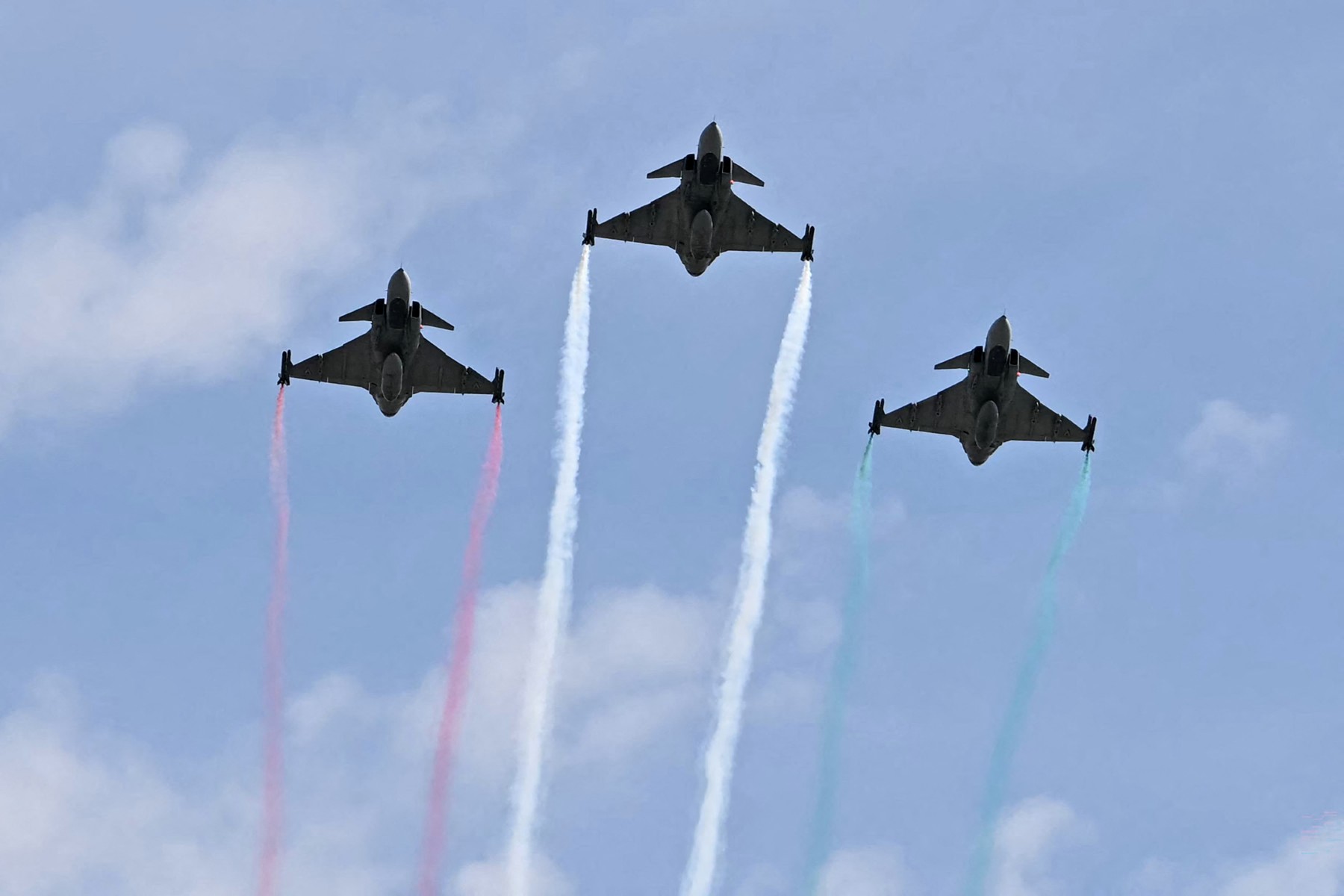
Gripen jets perform prior to the Formula One Hungarian Grand Prix at the Hungaroring racetrack in Mogyorod near Budapest, Hungary, on July 26, 2026. (Photo by Attila KISBENEDEK / AFP)

Saab formalizing partnerships with these companies is a major move in its campaign, turning “we will build in Canada” language into named, ready-to-execute industrial relationships.

It demonstrates that Saab has done the groundwork with capable domestic players who already have relevant expertise. In fact, it likely aims to show that the industrial package the company repeatedly offers is not just marketing.

These partnerships promise significant new high-tech jobs and skills development in advanced manufacturing, composite structures, electrical systems, model-based systems engineering, training, and much-needed long-term sustainment.

At the same time, Saab’s selection of these companies means work will be distributed across key regions, appealing to local governments and lawmakers.

Saab has stressed that “These partnerships are designed to strengthen Canada’s sovereign defense capability while contributing to the development of advanced aerospace and defense expertise across the country.”

Canada’s F-35 Review Still Ongoing

Political sensitivity around the F-35 deal has grown amid trade tensions with the US.

In August 2026, the head of the Defense Investment Agency said the Canadian public would not welcome sole-source military contracts awarded to American companies under the current conditions. “That’s just me reading the room,” Stephen Fuhr, secretary of state for defense procurement, said in an interview. “I think that would be a very difficult thing to do, especially after this last week. I think that people would not be happy about that.”

Fuhr stressed that Canada has recognized the risks of “putting all our eggs in one basket” and that Ottawa needs to form new strategic alliances or become more independent in military manufacturing, adding that he still sees the US as a crucial defense ally. 

Saab, for its part, appears hopeful.

In Saab’s Gripen final-assembly hall in Linköping, flags of its eight customer nations hang above the line—plus a ninth white banner marked “RESERVED,” the Globe and Mail had reported. However, ambiguity persists as Canadian leadership sits on the review, more than a year after Carney ordered it.

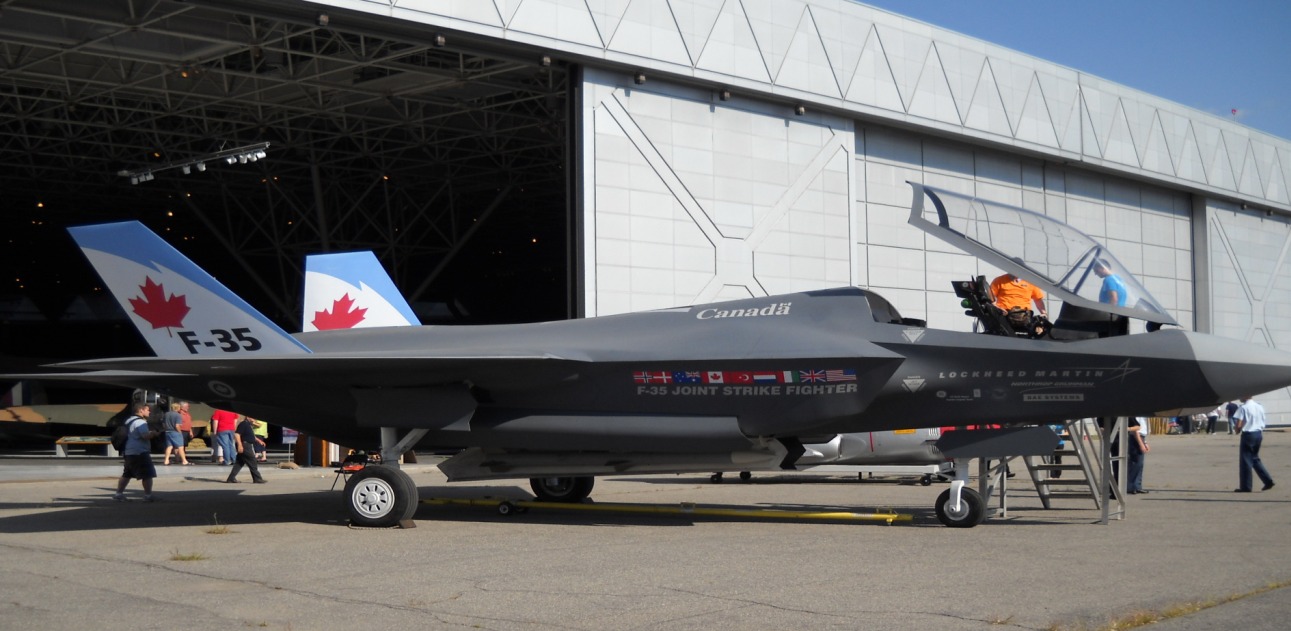
Canada
Lockheed Martin F-35 Lightning II for Canada – Wikipedia

Canada may not abandon the F-35 purchase entirely, as it is currently the only fifth-generation stealth fighter available in the market that offers deep interoperability with NORAD forces.

Moreover, top RCAF leadership continues to view the F-35 as the most credible counter to peer adversaries such as China and Russia, both of which field advanced stealth fighters and sophisticated air defenses.

Beyond proponents of the F-35 and Gripen-E/F, a third school of thought advocates a mixed fleet. Earlier this year, a report in Canadian media said the country could buy 72 F-35s and 72 Gripen-E/F jets, bringing its fighter-jet purchases to more than 88 and suggesting Ottawa was unlikely to abandon the US stealth fighter.

A mixed fleet, however, would add high costs and complexity in training, logistics, weapons integration, and infrastructure. Defense planners have long cited these factors as potential long-term drawbacks for the RCAF.

The post Saab Challenges U.S. F-35s For Canadian “Rematch” Deal. Picks Local Firms to Build & Support Gripen-E Jets appeared first on EURASIAN TIMES.

  •  

British Warship for the U.S. Navy: UK Firm Pitches Arrowhead 140 Design as Trump Approves Foreign Frigates

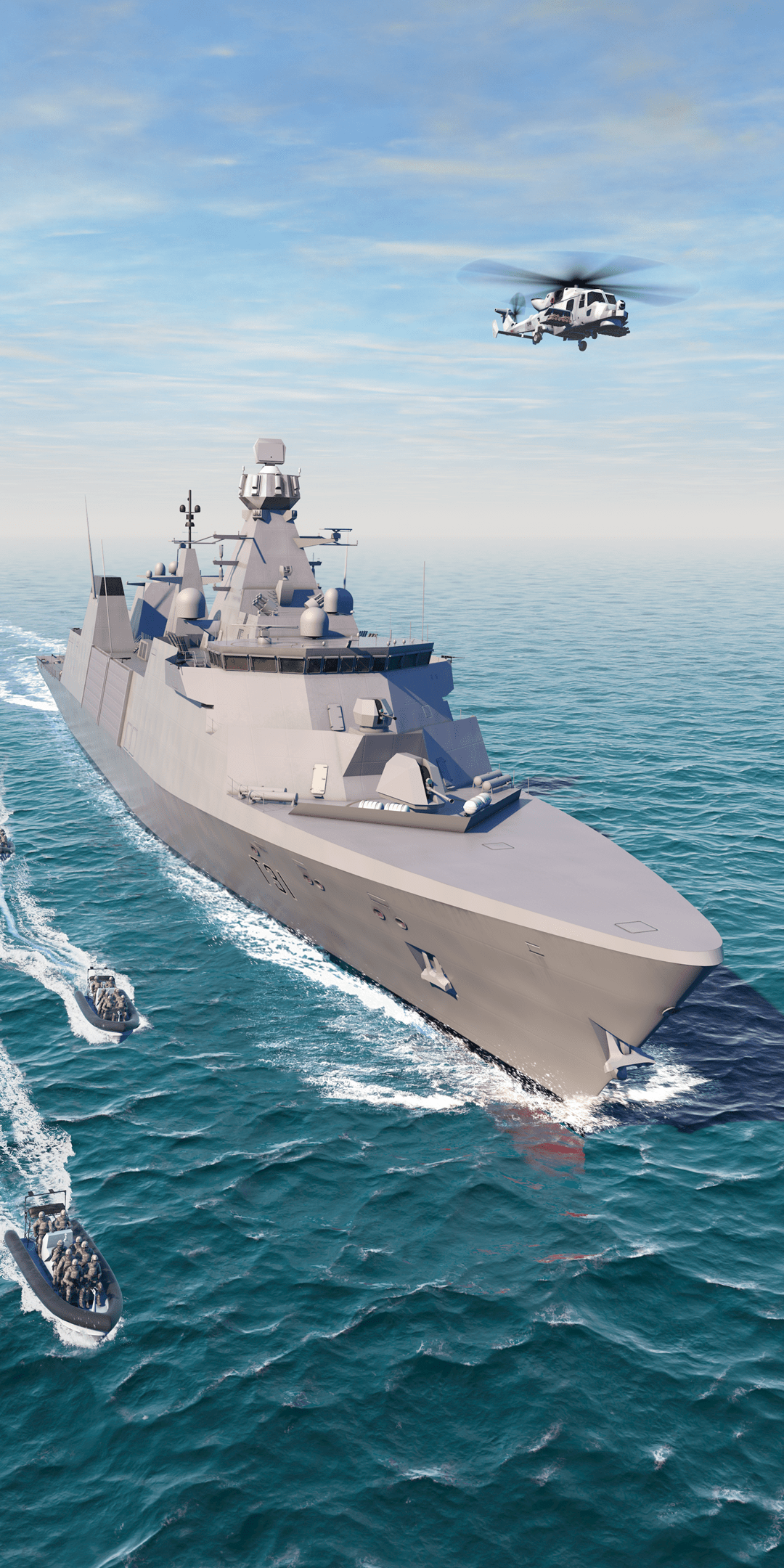
British shipbuilder Babcock is pitching one of its well-known frigates to the US Navy, which recently changed policy to welcome foreign warships from allies as part of its push to rebuild the “arsenal of freedom” at pace. 

Babcock is offering its Arrowhead 140 design, which is the parent of the Royal Navy’s Type 31 Inspiration-class frigate, to the US Navy.

The company has already held initial talks with Pentagon officials about the offer and, according to British media reports, is poised to file an expression of interest (EoI) by the end of October. 

“Of course we’re interested. We have a world-class frigate, close links to the U.S. and U.S. industry. It would be insane for us not to respond,” Sir Nick Hine, head of Babcock’s marine business and a former Second Sea Lord,  was quoted as saying by The Telegraph earlier.

According to reports, the largest military shipbuilder in America, Huntington Ingalls Industries (HII), will be part of this plan. The two companies are reportedly exploring a deal that may allow the US to manufacture the Arrowhead 140 under license.

The offer is imminent, as US President Donald Trump issued a national security memo in August 2026 that allowed the Navy to acquire foreign ship designs and build some warships overseas amid delays, cost overruns, and limited shipyard capacity in the US.

Under the new model, foreign shipbuilders must invest in or take a majority stake in a US shipyard and build subsequent ships in the US after the first two overseas-built vessels.

This means that if Babcock wins a contract, the US will build most of its ships in its own shipyards, with the British company providing design and engineering technology.

This comes as the US Navy seeks to expedite the acquisition of smaller surface combatants after canceling the troubled Constellation-class in November 2025.

Arrowhead 140 - Babcock International Group
Arrowhead 140 (Via Babcock International Group)

The US Navy currently has no dedicated frigates in service.

Following Trump’s waiver, the US Navy is reportedly considering frigate designs, including Japan’s FFM Mogami-class guided-missile frigate, South Korea’s Chungnam-class guided-missile frigate, and Turkey’s Istanbul-class guided-missile frigate. This means that if Babcock files an official pitch, the US would have four designs to choose from.

Notably, Babcock and the US submarine industrial base already have a solid working relationship. For example, Babcock’s facilities have been producing tactical missile tube assemblies for General Dynamics Electric Boats since at least 2014 as part of the “Common Missile Compartment” shared by the US Navy’s Columbia-class ballistic missile submarines and the Royal Navy’s Dreadnought-class.

At the same time, Babcock’s partnership with HII has grown stronger through industrial collaboration.

While the prospect of the US Navy selecting a British ship design looks promising for ties between the age-old allies, the UK has little precedent for offering its own ships to the United States, long regarded as the world’s most advanced maritime power. In fact, a major historical naval transfer between the two countries went the other way in the 1940s.

On September 2, 1940, the-then US President Franklin D. Roosevelt announced the destroyers-for-bases deal with Great Britain.

Under the deal, the US transferred 50 of its aging destroyers to the United Kingdom. In return, Britain leased eight bases in the Western Hemisphere to the United States for 99 years. At the time, the United Kingdom was fighting to survive the Battle of Britain and repel a potential German invasion, while the United States remained at peace.

The deal followed British Prime Minister Winston Churchill’s request to the US for a loan of 50 destroyers to defend the English Channel against German invasion.

Under the deal, the US transferred 50 aging Caldwell, Wickes, and Clemson-class destroyers to the UK after extensive correspondence.

This agreement marked the beginning of the Anglo-American alliance during the war.

Following the deal, Churchill declared in the British Parliament that “these two great organizations of the English-speaking democracies, the British Empire and the United States, will have to be somewhat mixed up together in some of their affairs for mutual and general advantage”.

Against this background, the imminent offer to the US Navy from a British firm represents a significant departure in historical approaches.

Mogami-class warship

What Do We Know About Arrowhead?

Arrowhead 140, for one, has already been marketed to Poland and Indonesia, and is now being pitched to Chile. The Arrowhead 140 has a baseline length of around 455 feet, a beam of 65 feet, and a displacement of about 5,700 tons.

The ship can reach more than 28 knots and has a baseline endurance of about one to two months. It has a large flight deck and hangar, and multiple large, dedicated boat bays for rigid-hulled inflatable boats (RHIBs), Unmanned Aerial Vehicles (UAVs), and other craft. 

The ship’s open architecture and generous internal volume allow different weapon, sensor, and mission-system fits without major structural changes.

The ship is a general-purpose warship capable of surface warfare, escort, and maritime security operations. It can be outfitted with a medium-caliber gun up to 127 mm, secondary guns of 40 mm caliber, a vertical Launch System with provision for up to 32 cells, anti-ship missiles, close-in weapon systems, a combat management system, 3D air or surface search radar, electro-optical sensors, hull-mounted sonar, and also offers options for towed-array or variable-depth sonar. However, it is highly configurable, and the armament can be modified to meet the customer’s requirements.

Despite these attributes, the British offer carries a significant caveat: the Royal Navy’s Type 31 program, which is based on Arrowhead 140, remains unproven in operational service.

The Type 31 was envisioned as a vessel intended to provide the Royal Navy with five relatively affordable general-purpose frigates to replace older Type 23s in lower-threat presence roles. Designed for modularity, long endurance, and a range of missions, from maritime security to escort duties, the class remains mired in delays and cost overruns, with Babcock and the British Defense Ministry facing skepticism from critics.

The class’s lead ship, HMS Venturer, was launched in 2025 and is currently being fitted out, while the second ship, HMS Active, has been rolled out. The keel of the third, HMS Formidable, was laid in December 2025, and steel has been cut on the fourth. The program still has momentum on paper, but timelines have slipped, and delays continue. For example, the first two ships still need a Capability Insertion Period after initial delivery, including installing Mk 41 vertical launch systems, further delaying operational capability.

HMS Venturer | Royal Navy

The British Ministry of Defense (MoD) has grown increasingly vague about in-service dates, and cost pressures continue to cloud the outlook for the later ships of the class.

Babcock declared a £140 million charge against the program in May 2026 because rework on HMS Venturer and HMS Active was higher than anticipated due to design modifications and out-of-sequence build activity early in the project. Needless to say, late outfitting corrections are more difficult and costly than those made in the build hall.

More recently, the MoD confirmed ongoing inflationary pressures, particularly on labor and the wider supply chain. The British Defense Minister Luke Pollard went so far as to say that the program’s affordability “remains under review,” and any budget changes will follow standard processes.

Observers are also questioning whether the baseline Type 31 will be sufficiently capable for the roles expected of a modern general-purpose frigate, as well as cost and schedule. The design is intended to be affordable, modular, and to perform presence tasks, but key systems such as the Mk 41 vertical launch cells are planned to be inserted later rather than as a day-one fit, and the initial anti-submarine warfare sensors have been described as limited compared with specialized peers or some earlier Type 23 general-purpose frigates.

The ships have faced familiar British procurement challenges, including inflation, supply-chain strain, and changing requirements, and critics warn they risk entering service as among the more lightly armed frigates of their generation.

Therefore, Babcock is now offering the world’s most advanced navy a capability that has yet to prove itself within the Royal Navy.

At the same time, however, a deal with the US would be the much-needed endorsement for the Arrowhead 140 and the Type 31 program. This success would let Babcock and the Ministry of Defense argue that the design is mature and flexible enough to meet the US Navy’s exacting standards, providing a powerful counter to domestic critics who question the ship’s capability and the program’s delivery track record.

However, if the US chooses another design on offer, given strong interest in designs from allies like Tokyo and Seoul, it may make things much harder for Type 31 proponents at home.

The post British Warship for the U.S. Navy: UK Firm Pitches Arrowhead 140 Design as Trump Approves Foreign Frigates appeared first on EURASIAN TIMES.

  •  

China Hits Out at Trump’s Golden Dome as U.S. Intel Says Beijing Could Deploy Space-Based Laser Weapons by Late 2020s

The US Defense Intelligence Agency said in a new assessment that China could deploy space-based directed-energy weapons by the late 2020s, adding to an existing suite of ground-based systems already capable of affecting satellites.

Titled “Challenges to Security in Space,” and published on October 26, the assessment is the third in a series of reports examining the military space programs of China and Russia, as well as emerging capabilities in Iran and North Korea.

Although China already fields an array of ground-based lasers capable of disrupting, degrading, or damaging satellites in low Earth orbit, the DIA report said it could deploy these directed-energy weapons in space and field more powerful ground-based systems that could threaten American satellites by the end of the 2020s.

These DEWs will be part of a broader Chinese counterspace arsenal that includes electronic warfare, cyber tools, kinetic anti-satellite (ASAT) missiles, and co-orbital platforms.

The assessment follows US Space Force Gen. Stephen Whiting’s August 2026 public assertion that China has ASAT missiles, ground-based lasers, jammers, and maneuverable, dual-use satellites.

“These developments intend to degrade our current space superiority and would potentially give China a maneuver and logistics advantage in space – something we would not accept on the land, at sea, or in the air,” he emphasized at the time.

Directed-energy weapons, for one, transmit concentrated electromagnetic energy, including high-power lasers or high-power microwaves, toward a target to damage, disable, disrupt, or destroy it, rather than relying primarily on conventional fires, shells, or missiles.

DEWs are significantly cheaper than conventional weapons.

Chinese state-owned media dismissed the reports as “hype,” accusing the United States of raising alarms about purported space threats even as it presses ahead with its own orbital military buildup, deploys weapons in space, and advances the aspirational space-based Golden Dome missile defense initiative.

US Already Has Weapons in Space 

While the above is typical of a Chinese response to such accusations, the United States has indeed placed weapons in space whilst cautioning about the domain’s militarization.

USAF Secretary Troy Meink said in September 2026 that the country now possesses “on-orbit space control weapons” capable of defending US and allied forces, as the EurAsian Times reported at the time.

Although he did not say which weapons the US has deployed, US Space Force doctrine emphasizes “space control,” the ability to contest and control the space domain using kinetic and/or non-kinetic means to disrupt, degrade, or destroy adversary capabilities. Thus, the deployed weapons can serve either offensive or defensive purposes.

Meink linked the deployment to threats from China and Russia, asking rhetorically whether anyone doubted those countries’ development of similar weapons. “It is critically important that we maintain our dominance not only in the air but in space, and so we’ve had to take steps to make sure that when we’re threatened, we can take care of that,” he asserted.

At the time, the Chinese foreign ministry responded to the U.S. announcement by accusing Washington of “preparing for war in outer space” and warning against turning space into a battlefield or triggering an arms race, the same things it often campaigns against.

When asked whether the admission of placing weapons in space amounts to militarization of space by the US and if it could trigger an arms race, Group Captain Pandey (retd) told the EurAsian Times, “By design, the Pentagon wants potential adversaries to know that an operational defensive and offensive counterspace shield exists in orbit, without revealing how it functions. Disclosing exact specifications (such as frequencies, physical yield, or tracking systems) would allow rivals to develop countermeasures.” 

“Meink’s emphasis on innovating faster than competitors highlights the rapid technological race between the US, China, and Russia. Because space capabilities can be upgraded or deployed faster than ground infrastructure, staying ahead depends on continuous deployment, autonomous software, and rapid launch iterations,” he added.

Whether US systems include directed-energy weapons remains unknown and is the subject of speculation. However, non-kinetic options such as electronic warfare or jamming payloads are currently believed to be among the more plausible options for early on-orbit deployments, as they avoid generating debris.

space-china
File Image: Chinese Space Station

From Ground-Based To Space-Based DEWs 

China already fields a host of directed-energy systems, including counter-drone laser weapons and military-grade dazzlers used to intercept other fighter jets in international airspace, as the EurAsian Times has noted in the past.

However, US officials have repeatedly noted that China also has an inventory of ground-based laser weapons that could threaten satellites.

“Aside from missiles, the PLA has fielded multiple ground-based laser weapons able to disrupt, degrade, or damage satellite sensors. By the mid-to-late 2020s, we expect them to deploy systems high enough in power that they can physically damage satellite structures,” Gen. Chance Saltzman, Chief of US  Space Operations, warned in a strongly worded statement last year.

China allegedly operates lasers capable of reversible effects, such as temporarily blinding satellites’ optical sensors in low Earth orbit, although more powerful configurations could permanently damage satellite sensors and other onboard components.

These systems, however, face operational limits from atmospheric distortion, line-of-sight constraints, weather, and the time required to slew and track targets. 

Thus, putting lasers or microwaves in space would virtually remove these restrictions and provide unbridled access to potential targets. A satellite-based DEW could maintain longer dwell times on targets, engage satellites in higher orbits that are currently harder to reach from the ground, and potentially hold multiple targets at risk across successive orbits. 

China currently has multiple anti-satellite weapons in space that could endanger US satellites providing critical communications and situational awareness to its troops on Earth during a conflict. However, deploying DEWs in space would let Beijing attack designated targets without the lasting orbital debris generated by kinetic anti-satellite missiles.

Notably, kinetic interceptors create debris that threatens everyone’s satellites for decades, while directed energy weapons are expected to leave the orbital environment largely intact. Therefore, these non-kinetic options offer clearer escalation control and reduced risk of self-inflicted damage, while allowing military planning to operate in a contested space domain and preserve access.

This could be bad news for the United States because a conflict with China is never off the table, especially in the event of a Taiwan invasion.

Currently, the US military operations depend heavily on space for navigation, ISR (intelligence, surveillance, and reconnaissance), missile warning, and communications.

A capable orbital DEW capability would give China additional options to blind or degrade US or allied sensors and communications during a confrontation, especially in a Taiwan invasion scenario.

More importantly, it would give Beijing the option to conduct lower-escalation or deniable attacks targeting both LEO proliferated constellations (such as Starlink) and higher-orbit assets simultaneously. This would, in turn, complicate US  space domain awareness, attribution, and response timelines.

At the same time, however, directed energy weapons could be employed defensively—to protect one’s own satellites from interference or attack—and to support space domain awareness and integrated defense architectures.

Legally, China is allowed to place DEWs or other conventional weapons in space because the 1967 Outer Space Treaty only prohibits the placement of nuclear weapons or other weapons of mass destruction in orbit.

However, just because it can does not mean China can deploy or sustain directed energy weapons in space. This is because factors such as power generation, thermal management, beam control, and delivering militarily useful energy levels from a satellite remain substantial engineering challenges to fielding DEWs in space.

Whether China has overcome these obstacles sufficiently to field operational systems by the late 2020s remains to be seen.

The post China Hits Out at Trump’s Golden Dome as U.S. Intel Says Beijing Could Deploy Space-Based Laser Weapons by Late 2020s appeared first on EURASIAN TIMES.

  •  

USAF Revives “Shelved” AGM-183 ARRW Hypersonic Missile Program With $694M Lockheed Contract

The United States Air Force (USAF) just ordered the AGM-183 Air-launched Rapid Response Weapon (ARRW), officially reviving its first hypersonic missile program three years after it was unceremoniously shelved.

USAF said in a statement on October 26, 2026, that the  Department of the Air Force awarded Lockheed Martin a $694 million contract to produce and field the AGM-183A Air-launched Rapid Response Weapon (ARRW) on September 29, 2026. The Department of War executed the contract under its Enterprise-Wide Agile Acquisition Contract.

The US Air Force has described the AGM-183A as a long-range hypersonic boost-glide standoff weapon and “a lethal capability against high-value time-sensitive targets.”

It is intended to improve the service’s ability to strike heavily defended targets, such as enemy military bases and surface warships, from outside the range of many air-defense systems.

With the latest contract, the program officially moves from flight testing and prototyping into production. However, no information is currently available on how many missiles the contract will produce or when the Air Force will start receiving them. 

“This is a turning point in our advanced weapons roadmap,” Secretary of the Air Force Troy Meink was quoted as saying in the statement. “By moving ARRW from test to production, we’re providing our combatant commanders with a credible, high-speed strike weapon capable of penetrating the most advanced anti-access and area-denial systems.”

The order is noteworthy because the ARRW program, once expected to be the USAF’s first operational hypersonic weapon, was shelved in 2023.

ARRW is Back

The ARRW’s demise began after a failed test on March 13, when the missile was fired from a B-52H Stratofortress off the coast of California. The former Air Force Secretary Frank Kendall later told a Congressional hearing on March 28 that the “tests were not successful (and we) did not receive data from the tests that we needed.”

In late March 2023, the Air Force announced it would not pursue follow-on procurement of the AGM-183A Air-launched Rapid Response Weapon (ARRW) once the prototyping program  was over, as the EurAsian Times reported at the time.

At the time, USAF leadership said it intended to divert all resources and attention previously devoted to the ARRW to another USAF hypersonic program, the Hypersonic Attack Cruise Missile (HACM), which Raytheon and Northrop Grumman are developing. The HACM remains under development and has reportedly entered flight tests.

Despite funding cuts, the USAF urged that the program not be completely abandoned. In written testimony, then-Air Force acquisition chief Andrew Hunter recommended completing All-Up Round (AUR) test flights…to garner the learning and test data that will help inform future hypersonic programs and potential leave-behind capability.

In fact, the USAF published photos of a live AGM-183 Air-launched Rapid Response Weapon (ARRW) affixed under the wing of a B-52H bomber at Andersen Air Force Base in Guam in February 2024. The last test of the hypersonic weapon reportedly took place on March 17, 2024, when it was launched from a B-52H flying out of Andersen Air Force Base, Guam, toward the Reagan Test Site.

B-52 Stratofortress crews from the 23rd Expeditionary Bomb Squadron, Minot Air Force Base, North Dakota and the 49th Test and Evaluation Squadron, Barksdale Air Force Base, Louisiana, participated in hypersonic weapon familiarization training at Andersen Air Force Base, Guam, Feb. 27, 2024

However, the USAF overturned its decision in June 2025 when former USAF Chief of Staff Gen. David Allvin told lawmakers in a hearing that the service wanted to include both ARRW and the HACM in the fiscal 2026 budget proposal.

“We are looking, and have in the budget submission — assuming it’s what we had put forward — two different [hypersonic] programs,” he said. “One is a larger form factor that is more strategic and long-range that we have already tested several times. It’s called ARRW, and the other one is HACM.”

More recently, plans “to begin [ARRW] INC 2 [Increment 2] technology efforts such as but not limited to integrating pre-planned product improvements, design, trade studies, hardware upgrades, facilitization, affordability initiatives, and testing” were disclosed in the service’s 2027 Fiscal Year budget request, which was published earlier this year.

The revival has been seen as an epic story, especially since the ARRW went from an abandoned program to the first USAF missile to enter production.

Notably, this comes as the US is grappling with a major problem: It has yet to operationally field a hypersonic weapon; its competitors, like China, Russia, and countries like Iran and North Korea, have purportedly fielded hypersonic weapons. 

The US’s primary adversary, China, has amassed a variety of weapons that travel at five times or more the speed of sound and are hard to intercept because of unpredictable trajectories, including the DF-17, the YJ-21 anti-ship missile, and the long-range DF-27, to name a few.

Russia, on the other hand, has Kinzhal, Zircon, Avangard, and Oreshnik, though doubts have been raised about whether Kinzhal and Zircon are truly hypersonic. 

Why is ARRW Back

To understand why the Air Force revived ARRW, it is important to know how the weapon works.

The AGM-183A is a boost-glide hypersonic missile: a rocket booster accelerates it to hypersonic speed and high altitude, then separates, releasing an unpowered glide vehicle that maneuvers toward the target.

Then, the ARRW’s nose cone separates, releasing a wedge-shaped, unpowered boost-glide vehicle that was hidden inside.

After that, the vehicle travels at hypersonic speed through the Earth’s atmosphere over a short flight path to reach its destination, likely maneuvering along the way on an unpredictable trajectory.

This combination of speed, flight path, and maneuverability makes interception of this missile extremely difficult.

The USAF has historically positioned both its hypersonic programs, the ARRW and HACM, as critical to success against near-peer adversaries, especially in the Indo-Pacific conflict with China’s People’s Liberation Army forces.

The service likely revived the ARRW program to diversify capabilities, possibly after concluding that relying on a single type of hypersonic weapon left significant gaps in its ability to hold targets at risk in heavily defended environments, such as those near China.

Both ARRW and HACM are air-launched weapons, but they differ significantly. 

ARRW is a larger boost-glide hypersonic weapon system, which makes it suitable for long-range strategic strikes launched from bombers such as the B-52 and B-1.

Meanwhile, HACM is a smaller air-breathing scramjet cruise missile. After an initial rocket boost, a scramjet engine provides continuous powered flight at lower altitudes, allowing greater sustained maneuverability. Its smaller size means tactical fighters such as the F-15E and F-15EX, as well as long-range bombers, could carry it.

Succinctly put, fielding both types forces an adversary to defend against two distinct flight regimes—one high-altitude, extremely fast, and quasi-ballistic, and the other lower-flying, continuously powered, and highly maneuverable.

For the US Commanders, using both missile types in a conflict would make it much harder for the adversary to defend itself, as it would require broader radar coverage, more varied interceptor capabilities, and more complex command-and-control systems. This would, in turn, multiply the defender’s costs and spread limited air-defense resources thinner, forcing the adversary to look in multiple directions at once.

AGM-183 US Missile
AGM-183A ARRW

Additionally, having both missiles would also give the USAF valuable operational flexibility: ARRW could strike a deep, heavily defended target from a bomber, while HACM could handle a more tactical engagement.

China, for instance, fields both types of weapons. Therefore, developing ARRW would help close the capability gap.

Moreover, awarding an ARRW contract may reduce risk, especially since hypersonic weapons are prone to delays, as Washington’s experience shows. For example, a July report from the US Congress watchdog, the Government Accountability Office (GAO), noted that the HACM risks delays, as the EurAsian Times explained in detail at the time.

The Air Force initially structured the HACM program around a compressed five-year rapid-prototyping phase, planning to transition to production if testing proved successful. It initially scheduled 13 flight tests between October 2024 and March 2027.

It later tightened the test plan and shrank the testing to seven flights as design delays pushed the program behind schedule. However, the plan revised again in 2025 as reports indicated the USAF was considering reducing the campaign from seven end-to-end demonstrations to five because of delays in finalizing the weapon’s hardware design. The missile’s first flight occurred only earlier this month.

The ARRW is not expected to be a panacea for the US military’s existing hypersonic woes, but moving ARRW into production gives commanders a concrete, high-speed standoff option while the Air Force continues to mature a complementary air-breathing system.

As the Chief of Staff of the Air Force, Gen. Ken Wilsbach said, “Fielding ARRW enhances our ability to hold targets at risk anywhere around the world. This hypersonic weapon provides the Joint Force a flexible and rapid response option for highly contested environments.”


The post USAF Revives “Shelved” AGM-183 ARRW Hypersonic Missile Program With $694M Lockheed Contract appeared first on EURASIAN TIMES.

  •  

Months After F-35 Shot Down Iranian Jet Over Tehran, Russia Arms Yak-130M With Missile Defense System

Just a few months after an Iranian Yak-130 was shot down by an Israeli Air Force F-35, Russia has armed its upgraded Yak-130M with the President-S130 onboard defensive suite to improve the aircraft’s survivability.

Russia’s state-owned arms conglomerate Rostec announced that the Yak-130M — the modernized version of the Yak-130 trainer/light combat aircraft–of the Russian Aerospace Forces (VKS) has been equipped with an active defense system that uses heat decoys and electronic jamming signals to fend off anti-aircraft missiles.

“The third Yak-130M prototype aircraft of our United Aircraft Corporation (UAC) has recently successfully completed its maiden flight. Its integration will accelerate testing of the new aircraft. The first deliveries to customers are planned as early as 2028. The aircraft is equipped with the President-S130 onboard system,” the company said in a statement, as reported by the state TASS news agency.

President-S130 is an onboard aircraft self-protection airborne defense complex, a specialized adaptation of the broader President-S family of optoelectronic and electronic warfare protection systems.

It is primarily designed to protect fixed- and rotary-wing aircraft from infrared- and radar-guided missiles, particularly man-portable air-defense systems (MANPADS), as well as a range of air-to-air and surface-to-air threats.

The base President-S system has been in service since around 2014 and has been tested and fitted on various Russian helicopters and aircraft. It typically includes radar, laser, or missile-approach warners, control units, jammers, and countermeasures dispensers.

The President-S130 system operates automatically in stages.

First, sensors detect an incoming missile launch/threat; second, the system generates radioelectronic jamming to disrupt enemy detection and guidance systems; and third, it dispenses decoys, flares, chaff, and other countermeasures to neutralize infrared and radar seekers.

“It automatically detects an enemy missile launch, then instantly applies electronic interference to its detection and guidance systems, and then deploys special traps to neutralize infrared and radar homing heads,” the Russian-language RIA Novosti stated.

Interestingly, the recent disclosure about equipping the Yak-130M comes months after the baseline version of the aircraft—a Yak-130 belonging to the Islamic Republic of Iran Air Force (IRIAF)—was downed in combat. However, integrating the President-S130 was not a direct consequence of that event; it was planned in advance. 

Israel downed an Iranian Yak-130 over Tehran on March 4, 2026, during Israeli (and US-supported) operations against Iran, as previously reported by the EurAsian Times.
Image
Yak-130M (Via X)

“An Israeli Air Force Adir (F-35I) jet shot down an Iranian combat aircraft (YAK-130) over Tehran skies a short time ago,” the military said in a statement at the time. “This is the world’s first shootdown of a manned fighter jet by an F-35,” it added.

The stealthy F-35 used its advanced radar and networked situational awareness to detect and engage the Yak-130 before the slower, less capable aircraft could mount an effective response.

Against that backdrop, the President-S130 could make the Yak-130M more survivable in permissive or lightly defended environments against ground-based air defenses and other threats, but it is unlikely to dramatically bolster the jet’s survivability if a cutting-edge stealth fighter, such as the F-35, is hounding it.

Russia’s Yak-130 Aircraft

Developed by Russia’s Yakovlev design bureau, the YAK-130 is an advanced trainer aircraft adapted for light combat roles and is reportedly armed with the Soviet-origin R-73 air-to-air missile. The Yak-130 also has a secondary light-attack capability, allowing it to strike enemy ground formations and serve as a force multiplier.

The aircraft can also train for close air support missions and carry several tons of ammunition, including various wing- and fuselage-mounted weapons. The Yak-130 can typically carry KAB-500 guided bombs, Kh-29 guided missiles, 80-mm, 122-mm, and 330-mm rockets, and 250- and 500-kilogram bombs.

The Yak-130’s fly-by-wire controls and computerized cockpit mimic the flight characteristics of modern advanced fighter planes. Furthermore, the aircraft’s ability to sustain steady, controllable flight at angles of attack up to 35 degrees puts it on par with the MiG-29 and Su-30.

The Yak-130 can take off and land from a variety of runways, making it a versatile platform.

Thanks to its remarkable thrust-to-weight ratio, the aircraft can withstand high g-forces and deliver remarkable climb and takeoff performance. It has a maximum combat payload of 3,000 kg, a top speed of 1,060 km/h, a range of about 1,600 km (internal fuel), and a service ceiling of 12,500 m (41,020 feet). Maximum takeoff weight is approximately 10,290 kg.

It features a three-hour endurance (with two drop tanks) and a detachable in-flight refueling probe. Some reports say it can also carry extra fuel tanks and two electronic warfare pods on the wingtips to extend its operating range.

Russia reportedly completed the first upgraded Yak-130M jet in October 2025. The Yak-130M keeps essentially the same two-seat airframe and engines but adds radar, targeting, self-protection, communications, and expanded guided-weapons capability, turning the jet from an advanced trainer/light-attack aircraft into a more capable light combat aircraft.

This variant adds a significantly updated mission system architecture while keeping the original airframe and AI-222-25 engines.

Notably, the latest disclosure comes months after reports noted that the Yak-130M advanced began flight testing with a new avionics package that included an updated self-protection complex, an electro-optical targeting system, and an active electronically scanned array (AESA) radar.

Reports say the most significant upgrade in the Yak-130M is the BRLS-130R radar. The original Yak-130 can carry weapons, but the M version can independently find and track targets, guide precision munitions, and potentially engage drones or aircraft beyond visual range, capabilities the baseline aircraft lacks.

In addition to the BRLS-130R AESA radar, the Yak-130M adds the SOLT-130K electro-optical/laser targeting system, the KSS-130 communications link, and the President-S130, enabling more autonomous target detection, precision weapon delivery, networking, and self-protection.

President-S130 turns the Yak-130M from a light attack aircraft into one with an integrated, automated survivability layer against surface- and air-launched missiles. Its value lies in letting the aircraft operate closer to contested airspace and in the low-altitude counter-drone or counter-insurgency roles Moscow is positioning the Yak-130M for.

With the President-S130, the aircraft can conduct low-altitude strike or armed-reconnaissance missions and automatically respond to a sudden missile launch, rather than relying solely on crew vigilance and flare dispensing. Moreover, in permissive-to-contested environments, the Yak-130M’s sensors and weapons can address risks from adverse UAVs and even neutralize light ground targets. 

Combined with KSS-130—the onboard communications link and radio unit developed as part of the Yak-130M avionics suite—the aircraft can receive cueing from ground stations or other aircraft, then use its own sensors to classify and engage a target, while the President-S130 protects it during approach and egress.

The post Months After F-35 Shot Down Iranian Jet Over Tehran, Russia Arms Yak-130M With Missile Defense System appeared first on EURASIAN TIMES.

  •  

Saab’s Gripen-E Fighter Jet Booms in Export Market as Sweden’s Iconic Draken Turns 71

After nearly a decade of struggling to win new orders, Swedish defense manufacturer SAAB reported “better than anticipated” third-quarter earnings, driven by a steady surge in orders for the JAS-39 Gripen fighter jets and the GlobalEye early-warning aircraft.

This coincides with the 71st anniversary of the first flight of one of Saab’s most distinctive earlier designs, the J-35 Draken.

Saab recently announced at a quarterly earnings call that new order intake more than tripled year on year. “It is a very strong quarter,” Saab CEO Micael Johansson said in an interaction with Reuters. “Very good order intake, quite a few large orders, strong sales growth — over 30% organic — as well as increased profitability and strong cash flow,” he added, signaling that the company would meet its financial targets.

The new orders reportedly exceeded FactSet projections of 56.4 billion kronor ($5.68 billion), coming in at 65.8 billion Swedish kronor ($6.6 billion), up from 20.9 billion kronor ($2.10 billion) a year ago. Meanwhile, the third-quarter sales exceeded FactSet’s forecast of 20 billion kronor ($2.01 billion), coming in at 20.6 billion kronor ($2.07 billion), while EBIT (earnings before interest and taxes) exceeded projections of 1.9 billion kronor ($191.3 million), coming in at 1.95 billion kronor ($196.4 million).

Saab’s operating profit rose to 1.95 billion kronor ($196.4 million) from 1.37 billion kronor ($138 million) the previous year, exceeding the mean estimate of 1.91 billion kronor ($192 million) in an LSEG analyst survey.

The largest single contributor was the SEK 24.6 billion ($2.54 billion) contract for 16 Gripen E fighters for Ukraine, signed on 30 June 2026 and booked in the third quarter. “The growing customer demand is reflected in major contract awards, including Gripen for Ukraine, GlobalEye, and an order related to Germany’s new frigates,” CEO Johansson said.

The latest sales, including the order from Ukraine, highlight a major turnaround for a company that struggled to sell its aircraft—particularly the Gripen-E/F—to exporters who kept choosing the Lockheed Martin F-35 Lightning II stealth fighter or the Dassault Rafale.

The most advanced Gripen variant made an official comeback last year, with Thailand ordering 4 of these jets and Colombia ordering 17. SAAB is now pushing the aircraft for export to countries including Canada.

If the export campaigns result in a contract, the company would see another significant surge in orders and earnings. The company has also reportedly offered the aircraft to countries like the Philippines and Peru.

“From a purely logical standpoint, I believe it would be a very good solution for Canada, and it would make for a very good partnership between Canada and Sweden,” the SAAB top boss told Reuters when asked about a potential deal with Ottawa, which placed its F-35 purchase on review last year and has been seeking a replacement ever since.

What If the B-21 Raider Could Shoot Down Enemy Fighter Jets? The U.S. Air Force Just Put the Idea on Table

Separately, Swedish Defense Minister Pål Jonson said earlier this year that the Swedish Air Force was considering purchasing the two-seat Gripen-F variant to expand training capacity, which would further boost the 4.5th-generation combat aircraft.

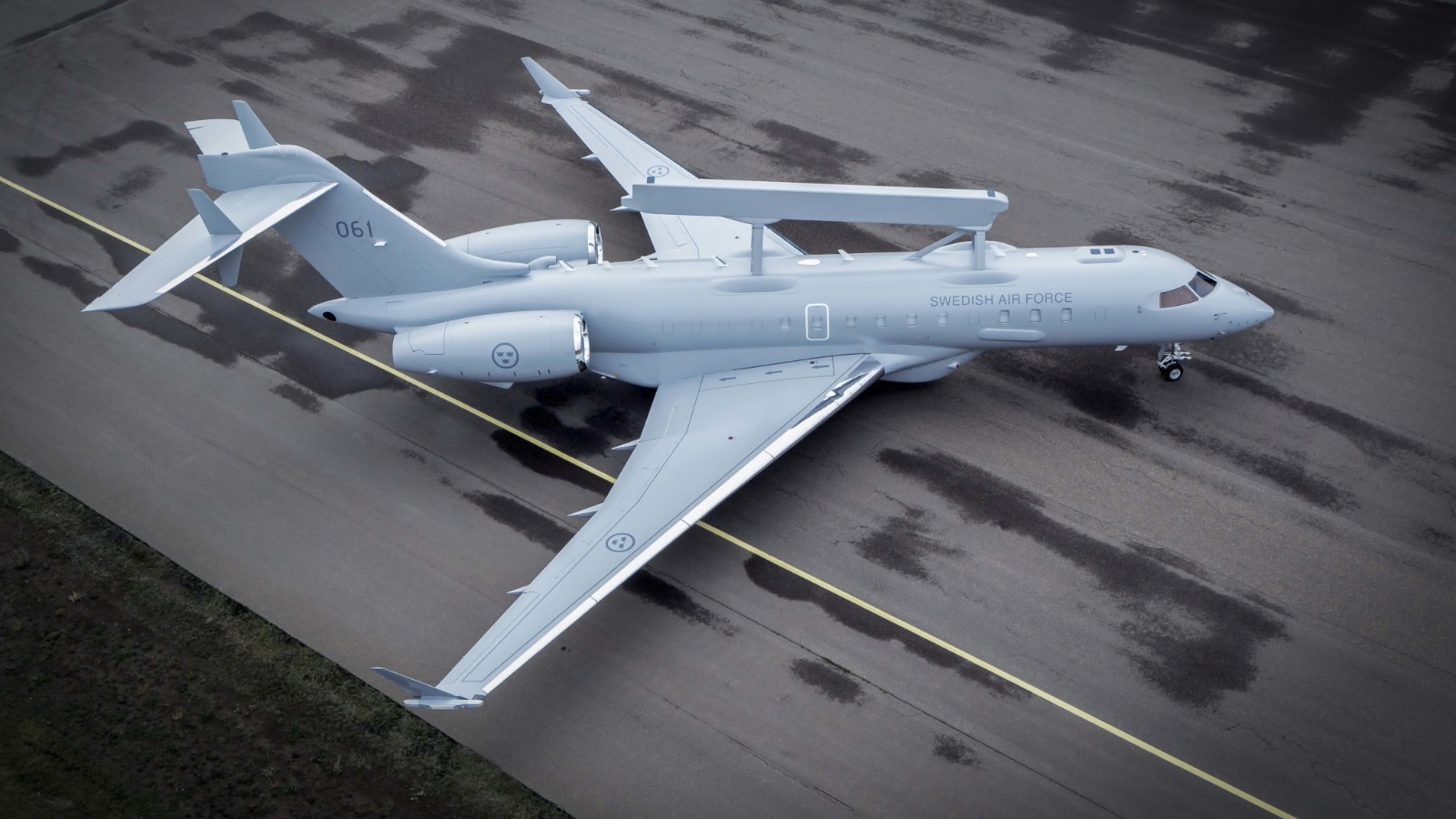
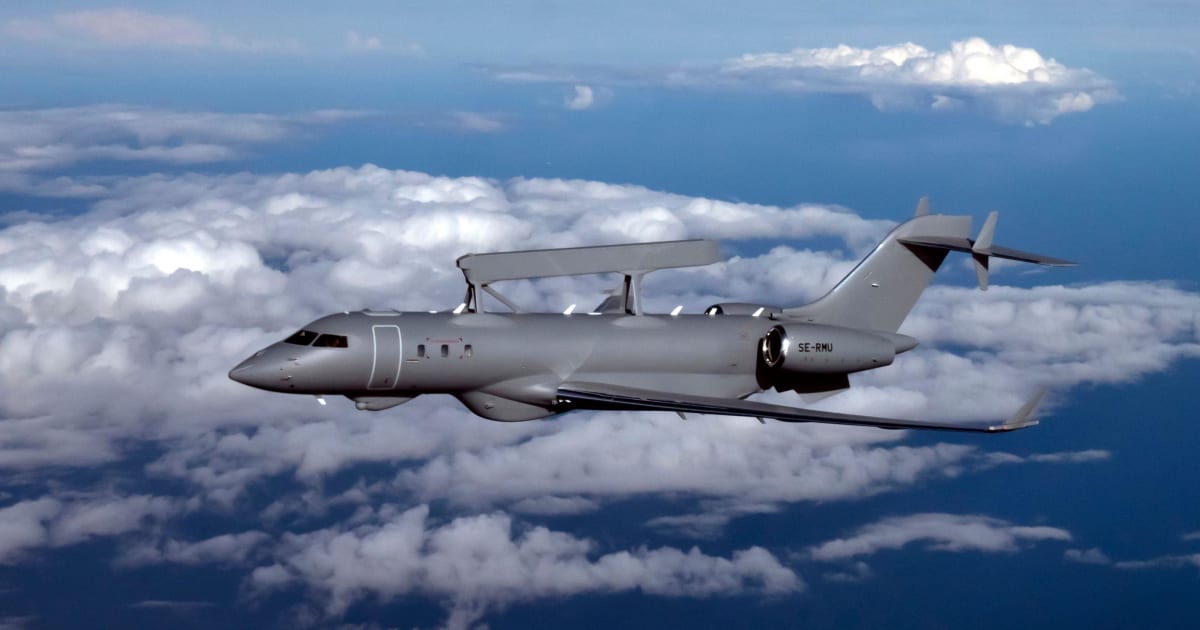
In addition to the Gripen-E, the GlobalEye early warning aircraft also drove profits this quarter. SAAB received a SEK 10.1 billion ($1.02 billion) order in July for two GlobalEye aircraft from a Middle Eastern country, as the EurAsian Times reported earlier.

The GlobalEye is also sweeping orders as Europe modernizes and strengthens NATO’s overall combat posture amid sustained security threats from Russia. Earlier this month, NATO Secretary General Mark Rutte announced that the alliance would begin formal negotiations with the company for up to 10 GlobalEye aircraft to replace its fleet of 14 Boeing E-3A Sentry AWACS aircraft, whereas Canada picked the aircraft in May 2026.

However, neither NATO nor Canada has placed a firm production order yet, so further sales growth from these programs remains prospective.

Further, a contract with German shipbuilder TKMS drove Saab’s profits. In July 2026, the company signed a SEK 8.7 billion ($876 million) contract with German naval defense company TKMS to deliver and integrate combat systems, composite structures, and sensors onto four of the German Navy’s new MEKO A-200 DEU-class frigates.

USS Colorado to Sail into AUKUS History as 1st U.S. Nuclear Submarine for Australia. Will Arrive Late 2027

While Saab’s recent growth has been driven primarily by the Gripen E/F and related systems, the timing of the results invites a look back at another landmark Swedish design that first flew exactly 71 years ago.

The SAAB Draken 35 Flew More Than 7 Decades Ago

About 71 years ago, on October 25, 1955, the iconic Saab 35 Draken—whose name means “the Kite” or “the Dragon” in Swedish—made its maiden flight, marking the start of the most daring and transformative chapter in Swedish military aviation history. 

Saab 35 Draken.

Sweden developed the Saab 35 Draken during the Cold War between the Soviet Union and the United States-led Western bloc, amid concerns that the Cold War might spill over its borders and threaten its sovereignty because of its proximity to Russia.

So, the country wanted an aircraft that could combat Soviet fighters and intercept its bombers at high altitudes, which ultimately led to the development of the Saab 35 Draken.

The Swedish Air Force demanded that the new combat aircraft could operate from reinforced public highways that would serve as wartime airbases. It wanted the aircraft to operate from its unique airbase system, Bas 60, which emphasized distributing Swedish air power across several air bases to increase survival chances in the event of conflict.

More importantly, however, the requirements emphasized supersonic speed, all-weather capability, quick turnaround by conscripts, and single-pilot operation, among other things.

Led by designer Erik Bratt, the team adopted a radical double-delta wing: a sharply swept inner section of approximately 80 degrees optimized for high-speed flight, combined with a more moderately swept outer section of about 60 degrees for improved low-speed handling.

The configuration blended the wing and fuselage so thoroughly that the aircraft dispensed with a conventional horizontal stabilizer, producing a distinctive stingray-like silhouette often described as resembling a kite.

Needless to say, the Draken-35 was distinguished as the most aesthetically pleasing combat aircraft. The aircraft had a service ceiling of 66,000 feet and a maximum speed of 2,450 kilometers per hour.

To validate the concept, Saab first built a half-scale testbed, the Saab 210 “Lilldraken,” propelled by the Armstrong Siddeley Adder jet engine, which flew in 1952.

The first full-scale Draken prototype, fitted with a license-built Rolls-Royce Avon Mk 21 engine, took off on 25 October 1955 and soon achieved supersonic speed in level flight.

The second prototype, equipped with an afterburner, unintentionally exceeded the sound barrier during its first climb.

The Saab 35 Draken was a revolutionary aircraft that set multiple records. It was the first Western European combat aircraft that could fly at true supersonic speeds. Later variants reached top speeds of Mach 2.0 to 2.3 (around 2,125–2,450 kilometers/hour) at altitude, with a service ceiling of about 18,000–20,000 meters and a very high rate of climb. 

Saab J35 Draken- Wikimedia Commons

It was a single-engine aircraft that could carry the AIM-9 Sidewinder missile among other weaponry. The Swedish aircraft could also carry a payload of nearly 6,400 pounds, including internal rockets and bombs.

Most versions of this supersonic combat aircraft carried one or two 30 mm ADEN cannons, with later Swedish models often retaining only a single gun to make room for additional avionics.

Because the Draken’s fuselage was designed to split into front and rear sections, early versions of the aircraft had issues, including a tendency toward “superstall” at high angles of attack.

At times, it became uncontrollable regardless of pilot input, making ejection the only plausible option. Unfortunately, this caused several tragic accidents.

Swedish pilots developed recovery techniques, including the “kort parad” (short parry) maneuver—widely regarded as a precursor to the later “Cobra”—that allowed them to manage and even exploit the behavior.

Third 6th-Gen Fighter Program Bubbles in Europe as Germany Explores Spain-Sweden Deal

The main Swedish Draken variants progressed from the initial J 35A to the improved J 35B with better radar and integration into Sweden’s air-defense network, and onto the two-seat Sk 35C trainer, the more powerful J 35D, the S 35E reconnaissance variant, and the definitive J 35F interceptor equipped with advanced radar and missiles.

Additionally, the aircraft was built in four export variants for Sweden, Denmark, Finland, and Austria.

All Drakens were interceptors with limited air-to-ground capability except for the Danish Drakens, which served as strike aircraft and carried AGM-12 Bullpup air-to-ground missiles, electronic countermeasures, and enhanced internal and external fuel storage.

Despite early technical challenges, the Draken earned a strong reputation for performance and reliability, as shown by its about fifty-year service life. In fact, Austria (the last operator of the type) used it until 2005. 

Sweden introduced the Draken into front-line service in 1960 and retired the last examples in the late 1990s,  by which time the Saab 37 Viggen had largely replaced them and the Draken was bridging the gap until the JAS 39 Gripen arrived.

Nonetheless, a handful of aircraft have continued flying in civilian and historic roles, including with the Swedish Air Force Historic Flight and the US National Test Pilot School, according to reports.

Although the Draken never saw real combat, its striking double-delta shape, long service life, and design ingenuity secured its place as one of the most recognizable European fighters of the Cold War era.


The post Saab’s Gripen-E Fighter Jet Booms in Export Market as Sweden’s Iconic Draken Turns 71 appeared first on EURASIAN TIMES.

  •  

Third 6th-Gen Fighter Program Bubbles in Europe as Germany Explores Spain-Sweden Deal

As Germany seeks a new partner to develop its next-generation fighter after the collapse of FCAS, it now faces two choices: join the Global Combat Air Program (GCAP) or forge a new partnership with Sweden and Spain.

If the proposal materializes, Europe could have three sixth-generation fighter programs: GCAP and the French initiative.

In June 2026, the Friedrich Merz administration pulled the plug on the FCAS (Future Combat Air System) that it was pursuing with France and Spain, over irreconcilable differences between industry partners Airbus (representing Germany and Spain) and France’s Dassault Aviation.

Berlin has been seeking a partnership to develop a sixth-generation aircraft ever since.

Earlier this month, reports indicated it held “exploratory talks” about joining the GCAP led by the UK, Japan, and Italy, and British Prime Minister Andy Burnham officially raised Germany’s involvement in GCAP.

However, Airbus had also earlier hinted it could potentially partner with Swedish defense manufacturer Saab to develop its sixth-generation fighter.

German defense officials have reportedly encouraged Berlin to seek a new fighter-aircraft collaboration with Sweden and Spain rather than join an existing deal involving the United Kingdom.

The internal ministry assessment notes that forming a new German-Swedish-Spanish partnership is “the more advantageous and promising” than joining the current GCAP. The evaluation does not, however, indicate that Defense Minister Boris Pistorius has approved the recommendation or that it represents a final government decision.

A New Partnership

Airbus had been exploring alternatives even before formally exiting the FCAS manned fighter program.

In May 2026, shortly before the collapse, Michael Schoellhorn, head of Airbus Defense and Space, told the Swedish newspaper Dagens Industri that he was looking forward to working with Sweden and Saab on a new next-generation fighter.

He emphasized Saab’s deep expertise in combat aircraft design and production and noted that discussions with the Swedish and German governments were already underway.

After the FCAS collapse, Schoellhorn said the company remained open to joining forces with Britain, Italy, and Japan for the GCAP, provided Germany secured a significant share of the work and meaningful leadership.

“What we’re ready to do is to join something or to build something where we have a significant portion of the work and the leadership. That’s currently being explored,” he said.

Days after Germany pulled out of FCAS, a group of companies led by Airbus, operating under the banner “Team Gen 6,” also submitted a position paper to the German government outlining a sixth-generation fighter concept, underscoring industry’s push for influence over the path forward.

Airbus has since invested heavily in the new path.

With a decision still pending and talks ongoing with both sides, Germany can swing either way. However, the German Defense Ministry’s inclination toward a new partnership with Sweden and Spain reflects the complexities of joining GCAP, now at an advanced stage.

File Image

Unlike the FCAS, GCAP Stays on Track

Edgewing, GCAP’s industrial joint venture to design and develop the next-generation fighter, is led by Leonardo (Italy), Mitsubishi Heavy Industries (Japan), and BAE Systems (the UK), and is advancing toward the aspirational milestone of flying its first demonstrator by 2027 and fielding the aircraft by 2035.

For Germany, joining the GCAP program at this stage could be thorny. Although the UK and Italy have openly expressed willingness to welcome more partners into the GCAP, Japan has been reluctant, concerned that renegotiating everything with a new partner would delay the program.

In fact, Tokyo—which needs to replace its F-2 combat jet with a sixth-generation fighter amid tensions with China—had earlier blocked cash-rich Saudi Arabia’s entry for similar reasons.

Even if Japan conceded, reopening delicate talks on industrial participation, production shares, and intellectual property could cause friction.

In that scenario, Germany may be offered a junior role, with limited say over design, architecture, and key decisions, which could be unacceptable to both Airbus and Berlin. British industry representative in the program, BAE Systems, is already believed to dominate it and has reportedly been unwilling to share technology with other partners, as Italian Defense Minister Guido Crosetto alleged earlier in April 2025.

This could limit the German industry partner’s room to maneuver within the program.

Moreover, the German Defense Ministry’s assessment specifically targets BAE Systems, citing bad experiences during the Eurofighter program (pursued jointly by the UK, Germany, Spain, and Italy).

The Ministry has reportedly accused BAE of prioritizing exports over German and Italian development interests and warns that British dominance would be incompatible with a partnership of equals.

Another disadvantage for Germany in joining the GCAP is a clear mismatch between operational requirements and the aircraft’s design philosophy.

The GCAP is reportedly being built around a maritime scenario, whereas Berlin would want an aircraft suited to its own geography and continental use, much like the Eurofighter or the F-35A Lightning II it is acquiring from the US.

Beyond these overarching issues, the existing GCAP members already have different priorities. Japan wants to replace the F-2 with a new fighter by the mid-2030s, while the UK and Italy reportedly want GCAP to create a state-of-the-art “system of systems,” a fighter that can operate with a swarm of drones, on a less strict timeline.

Admitting a new partner could further complicate the program’s internal workings.

Germany with Saab

In contrast, Germany’s collaboration with Sweden and Saab appears much more promising, at least in theory.

For one, if Germany forges a new partnership with Sweden and Spain, it would gain industrial influence and an equal partnership from the start, better alignment with continental European operational needs, and a more balanced industrial starting position.

For example, FCAS got off to a decent start in 2017, with all partners onboard and a division of work, but it eventually stalled over disagreements on work-share arrangements, with French contractor Dassault refusing to cede space to Airbus in developing the Next-Generation Fighter (NGF), the program’s centerpiece.

File Image: Swedish Gripens

In its next partnership, Germany would want more influence and a greater workshare that actually benefits its industry.

The three countries could establish an Airbus–Saab joint venture, potentially using Saab’s Gripen E as a technological stepping stone or baseline while developing a new aircraft.

Both sides bring vast experience developing combat aircraft, which would come in handy for the new program. Moreover, bringing Spain into this partnership would give Airbus continuity and likely stronger bargaining power within the grouping.

That said, building a new partnership from the ground up also carries significant risks. The partners would need to establish governance structures, align requirements, agree funding shares, define intellectual property rules, and negotiate work-share from scratch.

This would push fielding past 2035, potentially into the late 2030s or beyond. Moreover, the exact problems that killed the FCAS manned fighter—work-share, leadership, and IP control—could easily reappear between Airbus and Saab, two strong design houses with distinct cultures.

Despite these risks, a pure continental European next-generation fighter partnership would preserve greater decision-making autonomy and manufacturing work for German, Spanish, and Swedish industry. More importantly, it would support long-term European defense-industrial capacity without the complications of late entry into an existing program with set architecture and priorities.

Saab is already conducting independent studies on sixth-generation technologies and has publicly stated it remains open to collaborations, including on fighter aircraft. “Saab remains open to a variety of collaborations and partnerships across a wide range of defense-related areas, including fighter aircraft.

Large-scale cooperation projects of this kind are typically addressed at the political level, with participation decisions made by the governments concerned,” a Saab spokesperson was quoted as saying in the POLITICO report. “Consequently, any questions about possible Swedish involvement should be directed to the Swedish government.

As always, Saab stands ready to support Sweden’s future fighter requirements,” it added. Meanwhile, Airbus boss Michael Schöllhorn shed some light on the company’s relationship with Saab in an interview with Handelsblatt earlier this week, emphasizing that they had “always worked well” together.

For now, it remains to be seen which way Chancellor Merz’s government will swing. The choice is between accepting a subordinate but potentially faster role within a mature program, or insisting on industrial leadership and requirements fit, at the cost of delays and the risk of repeating past mistakes and failures.

The post Third 6th-Gen Fighter Program Bubbles in Europe as Germany Explores Spain-Sweden Deal appeared first on EURASIAN TIMES.

  •  

Rafale Jets Lead Nuclear Strike Package, Eurofighter Typhoons Provide Air Cover in 1st UK-France Nuke Drills

For the first time, a Royal Air Force (RAF) Eurofighter Typhoon flew alongside the French nuclear-capable Rafale during a simulated nuclear-strike mission, showcasing rare coordination between Europe’s two most advanced fighter jets. 

The UK deployed a small contingent of Eurofighter Typhoon FGR4s to France’s Saint-Dizier air base—a key facility in northeastern France that hosts Rafale squadrons of the deterrence force—for Exercise Rummy held over two days on October 20 and 21, 2026.

The exercise took place over France and the Mediterranean, with the Typhoons serving as a defensive counter-air (DCA) escort for the mock nuclear-armed Rafales during a simulated long-range nuclear strike sortie. The A330 MRTT refueling tankers supported the package.

“Taking off from the nuclear-capable air base at Saint-Dizier, the French and British crews demonstrated a very high level of interoperability and an ability to coordinate. The French and British nuclear forces remain independent,” the French Chief of the Defense Staff, General Fabien Mandon, said in a post on X.

Notably, the exercise did not involve any real nuclear warheads, although images published by French officials and Armed Forces Minister Catherine Vautrin show French Rafales armed with ASMP (an air-launched land-attack cruise missile that can carry a nuclear payload) and Mica air-to-air missiles. Meanwhile, the Eurofighters were seen equipped with the short-range ASRAAM air-to-air missiles and fuel tanks.

“Conducted under robust safety and security arrangements, the exercise did not involve nuclear weapons. The exercise focused on improving how our forces work together, ensuring that if the UK faces a serious threat, our military can respond quickly and effectively alongside our closest European ally,” the UK Ministry of Defense said in an official statement on October 23, 2026.

Under the Conventional Support for Nuclear Operations (CSNO) concept, which is an established approach of NATO, the conventionally armed Eurofighter Typhoons could provide conventional escort and protection for the nuclear-capable Rafales without carrying, controlling, or deciding on the use of nuclear weapons.

As the nuclear-armed aircraft’s main air defense, the Typhoons would have unrestricted movement around the Rafales’ perimeter to identify and, if required, neutralize any radar contacts.

Optimized for high-altitude, high-speed air superiority and carrying weapons for both short- and long-range combat, the Eurofighter Typhoons can detect, intercept, and engage enemy fighters that threaten the strike package during a nuclear mission.

Image
File: French Rafale and RAF Eurofighter Typhoon photographed during Exercise Rummy

In a real mission, the Typhoon’s high-altitude intercept capability and the Rafale’s low-observable, terrain-following performance would lower overall mission risk and improve the chances of the strike aircraft reaching the launch point.

Nuclear Cooperation Without Sharing Nukes

Both the UK and France are nuclear powers, although Britain stopped using air-launched nuclear weapons in 1998 following the Strategic Defense Review (SDR), and currently only possesses the Trident submarine-launched missiles for nuclear weapons. France, by contrast, has both sea- and air-based nuclear launch capability.

France, in turn, retains exclusive political and operational control over its nuclear forces. Therefore, Exercise Rummy does not create a shared European nuclear force; it shows only that two independent deterrents can practice the tactical and procedural interface of a nuclear mission, including communications, escort, tanker support, and deconfliction, without combining their weapons, targeting, or the final decision to fire.

That said, France and Britain signed the Northwood Declaration to strengthen cooperation on their respective nuclear arsenals during French President Emmanuel Macron’s three-day visit to Britain in July 2025. 

“This morning, we signed the Northwood Declaration, confirming for the first time that we are coordinating our independent nuclear deterrence,” the former British PM Keir Starmer said at the time. ”From today, our adversaries will know that any extreme threat to this continent would prompt a response from our two nations. There is no greater demonstration of the importance of this relationship.”

Later that year, the newly formed Nuclear Steering Group met for the first time in Paris, and British officials observed Exercise Poker, a regular nuclear deterrence exercise conducted by French Air and Space Forces, marking the first time foreign officials had been given that access. Notably, the UK went from mere observer to participant, providing conventional support in a nuclear deterrence drill, in 10 months.

“Having independent nuclear forces doesn’t exclude coordination. By coordinating, our nuclear forces demonstrate that they can contribute even more significantly to the overall security of the alliance and the peace and stability of the Euro-Atlantic zone,” French Armed Forces Minister Catherine Vautrin stated.

Meanwhile, British Defense Secretary Wes Streeting said, “As Europe’s nuclear powers, we have a shared responsibility to contribute to the security and stability of the Euro-Atlantic region. This exercise demonstrates the depth of our partnership, the credibility of our deterrents and our determination to stand together in the face of emerging threats.”

France has been collaborating with several European partners on the idea of “forward deterrence” amid uncertainties about US security guarantees for Europe and escalating security threats from Russia. Earlier this year, German Eurofighter Typhoons flew alongside French nuclear-capable Rafales in a joint “forward deterrence” exercise earlier this year.

In July 2026, two Luftwaffe Eurofighter Typhoons from Taktisches Luftwaffengeschwader 31 “Boelcke” at Nörvenich and two French Air and Space Force Dassault Rafale Bs from the Forces Aériennes Stratégiques at Saint-Dizier conducted their first joint air activity.

In March this year, French President Macron announced some changes in the country’s nuclear policy, including increasing the size of the country’s nuclear arsenal and extending the deterrent to cover other European countries.

“The next 50 years will be an era of nuclear weapons,” he exclaimed. The President noted that the UK, Germany, Poland, the Netherlands, Belgium, Greece, Sweden, and Denmark had all agreed to participate in the new “advanced deterrence” plan. He emphasized that the eight European nations could host air bases where France’s nuclear bombers could be based as well as participate in exercises of France’s air-launched nuclear capability. 

This would allow France’s Strategic Air Forces (FAS) to “spread out across the depth of the European continent… and thus complicate the calculations of our adversaries”, the president said at the time. This hinted that the country was eager to spearhead the continent’s nuclear posture amid rising security threats from Russia and a strained transatlantic relationship that has heightened insecurity among European states.

That said, Exercise Rummy does not create a shared European nuclear force, nor does it amount to a French nuclear umbrella in the classic extended-deterrence sense. Instead, it shows France systematically testing how far it can bring conventional partners–including Europe’s only other nuclear power–into the operational orbit of its airborne nuclear forces while retaining full control over the nukes in line with the larger “forward deterrence.”


The post Rafale Jets Lead Nuclear Strike Package, Eurofighter Typhoons Provide Air Cover in 1st UK-France Nuke Drills appeared first on EURASIAN TIMES.

  •  

In Just 22 Months — China’s Four KJ-3000 AEW&C Aircraft Spotted at Xi’an. Experts Hint at Serial Production

Four of China’s new KJ-3000 airborne early warning aircraft have been spotted at the Xi’an Aircraft Company complex, suggesting the type may have entered low-rate or serial production just 22 months after its first flight. 

Satellite images captured around October 4, 2026, by Vantor and posted to social media show four KJ-3000 early warning aircraft at the Xi’an Aircraft Company (XAC) complex in Yanliang. Three were spotted near the Y-20 production facilities, and the fourth was seen at the adjacent China Flight Test Establishment (CFTE).

Senior Fellow J. Michael Dahm of the Mitchell Institute for Aerospace Studies analyzed all available images in depth and assessed that the presence of four aircraft at Xi’an’s Y-20 production facility indicates the KJ-3000 has entered serial production. 

However, Chinese military aviation specialist Andreas Rupprecht seemed to agree with Dahm’s assessment, though he noted that the images could instead signal that the aircraft have entered low-rate production.

“Consequently, this could indeed be a sign that production or LRIP has begun; however, it could also be that all 4 previously known prototypes are in place. What we therefore need are clear photographs of the aircraft, their serial numbers, and, at best, showing them in PLAAF grey,” he argued, adding just the amount of caution required vis-à-vis Chinese platforms.

The KJ-3000, expected to be China’s most advanced early warning aircraft, first broke cover in December 2024, right after the sixth-generation prototypes, the J-36 and the J-50, were seen flying for the first time.

A pixelated image of the KJ-3000 in flight was posted to social media, as the EurAsian Times had reported at the time. Another highly pixelated image of a primer-painted aircraft bearing serial number 7821 surfaced in May 2025.

Image
Three KJ-3000s seen at XAC facility alongside Y-20s (Image from Vantor, sourced from Mizar Vision on X)

Notably, AEW&C aircraft serve as “eyes in the sky,” providing real-time surveillance and command and control over large areas. They are crucial force multipliers that coordinate air operations, guide fighters, and integrate data from multiple sources, including satellites, other aircraft, and ground-based sensors, serving as airborne command centers. Thus, playing a vital role in complex, dynamic battlefields where rapid decision-making is key.

Although details about the KJ-3000 are scarce, it is based on the Y-20B transport aircraft and powered by a WS-20 high-bypass turbofan engine.

The aircraft has a noticeable set of antennae on the forward fuselage and a large circular radome positioned over the rear fuselage. It also features a prominent intake at the base of the tailfin, likely to supply cooling air for its numerous onboard electronics. Additionally, it has an aerial refueling probe above the cockpit.

The aircraft is expected to have a detection range of 360 to 500 kilometers, although some estimates put it at 600 to 1,000 kilometers. These conjectures couldn’t be verified.

Image
KJ-3000 AEW&C aircraft on its maiden flight (Via X)

The massive early warning radar aircraft is likely intended to replace the KJ-2000, China’s only large jet-powered AEW&C platform to date. The People’s Liberation Army Air Force (PLAAF) had a limited fleet of about four KJ-2000 aircraft, converted from Russian Ilyushin Il-76MD transports in the early 2000s, as the program stalled due to limited access to suitable Il-76 airframes and reliance on Russian engines and spares.

The KJ-3000 is believed to be a massive improvement over the KJ-2000. It can reportedly carry up to 66 tons of payload (16 tons more than the KJ-2000), and the WS-20 engines provide more thrust (about 31,000 pounds) and fuel efficiency, enabling longer flights.

The KJ-3000 would serve as a high-end airborne command, control, and surveillance node, significantly enhancing China’s ability to detect, track, and coordinate forces across the vast distances of the Indo-Pacific in a potential conflict with the United States.

Its large AESA radar—mounted on a high-flying, long-endurance Y-20B platform—provides a much greater radar horizon than ground-based radars or existing smaller Chinese AEW&C aircraft.

Operating at higher altitudes and with aerial refueling will allow the KJ-3000 to provide persistent coverage over key maritime approaches, the Taiwan Strait, the Philippine Sea, or the South China Sea.

The aircraft could detect aircraft, ships, and potentially low-observable or low-flying threats (such as drones and bombers) farther away, giving Chinese forces earlier warning and more time to decide on a fast-moving battlefield.

The KJ-3000 is designed as a “sky command center.” It can track multiple targets at once and direct Chinese fighters, such as the J-20 stealth aircraft, as well as long-range air-to-air missiles, surface-to-air missiles, anti-ship missiles, and drones.

Furthermore, the KJ-3000 detects and tracks carrier strike groups, airborne tankers, AWACS, and strike packages at longer ranges, feeding targeting data to ballistic and cruise missiles and aircraft, and helping Beijing’s painstakingly built Anti-Access/Area-Denial structure.

A Mismatch Between Chinese & US Capability

Interestingly, China’s expanding early warning capabilities contrast sharply with those of the United States Air Force, which continues to grapple with the transition of its own heavy advanced early warning from the E-3 to the more advanced E-7 Wedgetail.

The E-3 Sentry fleet is aging, and its airframe and radar limitations are becoming more acute with every passing day. The planned replacement, the Boeing 737-based E-7 Wedgetail, already in service with allies such as Australia, South Korea, Turkey, and soon the United Kingdom, was originally planned for the USAF at 26 aircraft. However, budget uncertainty and shifting priorities have repeatedly delayed procurement.

Last year, for instance, the previous US Air Force plan to acquire 26 Boeing E-7 Wedgetail aircraft remained under review during the fiscal 2026 budget process under the current Trump administration, as the EurAsian Times reported at the time.

However, Congress pushed back against potential cuts and cancellation of the program.

Boeing E-7 Wedgetail - Wikipedia
Boeing E-7 Wedgetail – Wikipedia

In March 2026, the USAF changed strategy and awarded contract modifications to continue development and procure additional engineering-and-manufacturing-development (EMD) aircraft, bringing the contracted total to about seven. Later, in May 2026, the Secretary of War Pete Hegseth stated the department’s “mindset” had changed and that the E-7 “has a future” and a place on the battlefield.

Finally, reports in June 2026 noted that the Pentagon was seeking diversion of money from the US Navy’s E-2D Hawkeye and classified Air Force accounts to fund a $1.55 billion spending plan for its revived E-7 Wedgetail program in fiscal 2027. However, it has not yet committed to the large production run of the originally planned 26 aircraft.

The continued delay has raised concerns about a potential gap in airborne battle management amid rising security threats, especially since the E-3 is becoming outdated and the US has only about 15 of these aircraft (after one loss in the Iran war). 

By contrast, China is not only improving its early warning capabilities but also expanding its AEW&CS fleet—something that could trouble the US and its allies in an Indo-Pacific conflict.

China is Amassing Early Warning Aircraft

Early warning platforms are among an air force’s most strategic assets, especially since a single high-end platform can cover hundreds of thousands of square kilometers and track multiple targets during combat. However, no air force can rely on a handful of expensive, slow-moving, vulnerable early-warning aircraft alone.

So, China appears to have created somewhat of a layered AEW&C force structure.

Under this strategy, instead of fielding one type of aircraft, Beijing is working on deploying complementary tiers of platforms optimized for different roles, ranges, basing options, and threat environments. This is intended to create persistent, resilient, multi-domain surveillance that adversaries find harder to suppress.

China has developed newer early-warning aircraft based on existing designs, including the KJ-500, which forms the backbone of the PLAAF’s early-warning capability and is based on the Shaanxi Y-9 turboprop, and the KJ-200, a legacy aircraft based on the older Y-8.

The KJ-200 and KJ-500 are smaller than the high-end KJ-3000. They are considered ideal for regional operations, including in volatile areas like the Taiwan Strait and the South China Sea, and would play a major role in a potential contingency in these flashpoint areas.

The KJ-200s, for one, provide supplementary coverage and experience while the PLAAF expands and simultaneously upgrades its KJ-500 fleet.

Shaanxi KJ-500 - Wikipedia
Shaanxi KJ-500 – Wikipedia

China has also developed the KJ-700, a next-generation Y-9-derived design intended as a more capable complement to the KJ-500. It features improved sensors and enhanced networking and is designed to handle denser, more complex threat environments, including low-observable aircraft and large numbers of drones. It is likely designed for missions anticipated in a future conflict with the United States.

China has also developed the KJ-600 for carrier-based operations, giving the PLA Navy massive reach and the ability to detect incoming threats from farther away, allowing it to project power far from its coast. With a twin-turboprop design, folding wings, and a large AESA rotodome, the KJ-600 entered operational service on the CATOBAR carrier Fujian in 2025 and has been observed on the ski-jump carrier Shandong.

The KJ-200 could be classified as a low-tier legacy aircraft, while the KJ-500 and KJ-700 could be clubbed as medium-tier and advanced medium-tier aircraft, respectively.

Meanwhile, the KJ-600 is a specialized carrier aircraft. The larger, more capable KJ-3000 falls into the high-tier category, and its serial production would let China field multiple aircraft for continuous coverage, attrition resilience, or simultaneous operations.

The post In Just 22 Months — China’s Four KJ-3000 AEW&C Aircraft Spotted at Xi’an. Experts Hint at Serial Production appeared first on EURASIAN TIMES.

  •  

Why India Rejected F/A-18 Super Hornets Despite Its Navy Loaded With American Military Platforms?

The Indian Navy is conducting trials of the French Dassault Rafale-M, the naval aircraft that edged out the American F/A-18E/F Super Hornet in a tight contest. 

Interestingly, the Indian Navy already operates a substantial number of American platforms. Against that backdrop, Boeing had expected to secure yet another major Indian contract.

Why did the French Rafale-M ultimately edge out the Super Hornets?

In April 2025, India ordered 26 Rafale Marines to replace the Russian-origin MiG-29K, which currently operates from Indian aircraft carriers– INS Vikramaditya and INS Vikrant.

More than a year after signing the contract, the Indian Navy is running Rafale-M trials at the Shore-Based Test Facility (SBTF) at INS Hansa in Goa and is reportedly considering some minor modifications to its aircraft carriers to accommodate the French aircraft.

According to the reports, the service is considering these small modifications because the Rafale-M fighters were originally designed to operate from CATOBAR (Catapult Assisted Take-Off But Arrested Recovery) carriers—such as the French carrier Charles de Gaulle—whereas Indian carriers use a Short Take-Off But Arrested Recovery (STOBAR) system.

Additionally, the Rafale-M has a wingspan of almost 10.9 meters, and unlike the MiG-29K, it is not designed to fold its wings to take up less space on the deck. This creates a larger deck or hangar footprint. So, the Navy is purportedly examining minor procedural workarounds, such as temporarily detaching the wingtip missile launch rails to reduce the effective span to roughly 9.6 meters, along with handling and stowage adjustments.

Rafale-M deliveries are expected to begin in 2028 and likely conclude by 2030, marking the first time in a decade that the Indian Navy will operate a non-Russian or Western fighter. Its last Western carrier fighter was the British Sea Harrier aircraft, which it retired in 2016 after more than three decades of service.

Notably, the Indian Navy has operated French equipment before, though never on this scale.

Earlier, it acquired 12 Breguet Alizé carrier-based anti-submarine warfare (ASW) aircraft that participated in the 1961 Goa operations and the 1971 Indo-Pakistani War and served the Navy until 1991. The service has also operated the HAL Chetak, a French-designed light utility helicopter produced in India for decades, though it is now being phased out in favor of more advanced indigenous aircraft. 

By contrast, the Indian Navy operates a range of US-origin equipment, from helicopters to spy aircraft, making the choice of a French carrier-based jet particularly interesting.

File Image: Rafale-M

Indian Navy: Full of US-Origin Weapon Systems

Despite the push for indigenization, the Indian Navy has steadily acquired American platforms and weapons over the past few decades.

One of the most important items on this list is the P-8I Poseidon maritime surveillance aircraft. India first ordered eight P-8I aircraft in January 2009, becoming the type’s first international customer.

It signed a follow-on order for four additional aircraft in 2016, significantly enhancing its maritime surveillance, anti-submarine warfare, and ISR capabilities and positioning it as a critical asset in the Indian Ocean Region. In February 2026, the Defense Acquisition Council (DAC) officially cleared an additional P-8I purchase.

In addition to the Poseidon, the Indian Navy ordered 24 MH-60R Seahawk Multi-mission naval helicopters in February 2020. It has since received 21, and the rest are expected to arrive in 2027. These helicopters can conduct anti-submarine warfare, anti-surface warfare, shipborne multi-role operations, and networked operations, arming the Navy with the capability to detect and neutralize underwater and surface threats in the Indian Ocean.

The Navy has also leased two MQ-9B Sea Guardian drones from US-based General Atomics since 2020. It is supplementing these by leasing two more as per a contract signed in August 2026. These drones have supported maritime surveillance and intelligence, surveillance, and reconnaissance (ISR) missions in the Indian Ocean Region, complementing the Navy’s P-8I and helping maintain vigilance.

India also signed a $3.3 billion deal with the US in October 2024 to acquire 31 MQ-9B High-Altitude Long-Endurance UAVs. Of the 31 Sea Guardians the MoD purchased, the Indian Navy will receive 15 drones, while the Indian Army and the Indian Air Force will each receive 8 to strengthen surveillance along the northern and western borders.

The Indian Navy operates one US-acquired INS Jalashwa (the former USS Trenton), an Austin-class amphibious transport dock with a sealift capability for over 3,500 troops and a squadron of armored vehicles.

Furthermore, the service has also acquired several lethal US munitions over the years, including the AGM-84 Harpoon Block II anti-ship missile, Mk 54 lightweight torpedoes, and the AGM-114 Hellfire, to name just a few. 

Despite these rather high-value acquisitions, the Indian Navy has never purchased or operated an American fighter jet. When it finally got the chance to buy a US aircraft, i.e., the F/A-18E/F Super Hornet, the service chose the Rafale-M instead.

Why did India Opt For Rafales over Super Hornets?

When India opened the contest for a carrier-based fighter to replace the MiG-29K jets, Boeing offered its F/A-18E/F Super Hornet Block III.

In 2022, Boeing India marketed the F/A-18 Super Hornet Block III as a carrier-based fighter designed for high-load, high-stress operations, and stressed that the multi-role naval fighter would be fully compatible with Indian Navy carriers.

Boeing pitched the Super Hornet as a jet that required minimal support equipment and had a remarkably low cost per flight hour while maintaining high mission readiness. It tried to woo the Indian Navy by emphasizing that the aircraft would become a force multiplier because it could interface with the P-8I and other US-origin systems the service operates.

To sweeten the deal, Boeing also announced a roadmap to significantly increase its investments in line with the “Make in India” initiative and pledged to transfer cutting-edge technologies to Indian industry if the Super Hornet was selected. 

However, the Super Hornet had to dogfight with the French Rafale, a cutting-edge fighter for India’s carrier-borne aircraft tender.

In a tightly fought contest, both jets underwent extensive testing at a shore-based facility, including take-off trials from both ski-jump and catapult launchers. Both aircraft reportedly met the Indian Navy’s requirements, but the Rafale-M ultimately won.

Speaking to the EurAsian Times earlier, an ex-Indian Navy pilot who had flown both the Super Hornet and Rafale said both aircraft were extremely capable and on a level playing field. “The only issue I can think of is that the F-18 is a heavier aircraft, and the Rafale M is lighter. So, when it comes to arrested landing on the aircraft carrier, Rafale has more flexibility,” the naval aviator said at the time, requesting anonymity.

In this image released by the US Department of Defense, an F/A-18F Super Hornet launches from the flight deck of the world’s largest aircraft carrier USS Gerald R. Ford in the Eastern Mediterranean Sea, October 11, 2023. (Photo by Triniti Lersch / US Department of Defense / AFP) /

The Rafale-M shared a very high degree of commonality with the 36 Rafale jets operated by the Indian Air Force (IAF). This meant several parts, tools, and test equipment could be interchanged, and India could share ground-support systems, simulators, and diagnostic software.

Additionally, India had already established maintenance infrastructure, trained technicians, and supply chains for the IAF Rafales, which could support the Rafale-Ms.

The Navy would have assessed that Rafale-Ms would reduce costs by creating an inventory of maintenance facilities, spare parts, logistics, and potential future overhauls. Meanwhile, introducing the Super Hornet would require building an entirely separate support ecosystem.

In this scenario, the air force can familiarize itself with the Marine aircraft, while naval pilots can transition to the IAF’s twin-seat Rafales.

The  IAF is now poised to acquire 114 Rafale multi-role fighters, most of which will be manufactured locally. Therefore, one could argue that the decision to choose French jets for the Indian Navy may have been driven by the need for uniformity and interoperability, which are crucial in fast-paced conflict zones.

A secondary factor could have been the Infrared Search and Track (IRST) system, which provides a stealthy advantage in detecting and engaging threats, including potential low-observable aircraft. The Rafale-M came with an integrated IRST, whereas the Super Hornet Block III lacked one, although Boeing offered a podded solution.

Moreover, the Meteor beyond-visual-range air-to-air missile on the Rafale also offered superior standoff capability compared to the Super Hornet’s AIM-120 AMRAAM.

More importantly, however, strong defense ties between India and France, smoother government-to-government negotiations even in past deals, the potential for indigenous weapons integration, and the presence of French fighter jets in the IAF played a crucial role in the decision.

India has never acquired US fighter jets for several reasons, including export controls and restrictions on their use.

Despite its best efforts to market the Block III jet to potential customers such as Canada, Finland, Germany, Poland, and Switzerland, Boeing failed to secure any new contracts and kept losing out to rivals such as Saab Gripen, Dassault Rafale, and the Lockheed Martin F-35.


The post Why India Rejected F/A-18 Super Hornets Despite Its Navy Loaded With American Military Platforms? appeared first on EURASIAN TIMES.

  •  

As Rival Gets F-35 & Rafale Jets — Turkey Turns to Qatar for Eurofighter Typhoons to Boost its Air Force

Last year, Turkey signed a deal for 20 new Eurofighter Typhoons after a long and grueling campaign to bolster its aging Air Force. Now, it is looking to strike another deal—this time with Qatar to buy its surplus Typhoon jets.

In its weekly media briefing on October 22, Rear Adm. Zeki Aktürk, the chief spokesperson of the Turkish Ministry of Defense (MoD), said Turkey is keen to finalize an agreement with Qatar to purchase its used Eurofighter combat aircraft. 

“Efforts are ongoing to procure Eurofighter Typhoon aircraft from Qatar to meet the operational needs of our [Turkish] Air Force Command,” he stated. “Within this framework, inter-delegation meetings held in August and September addressed the scope of aircraft and ammunition to be procured, the training of pilots and maintenance personnel, and technical and logistical support for the maintenance and operation of the aircraft.”

Although Qatar has not officially confirmed whether it was looking to sign a deal, the Turkish Defense Ministry said, “It is expected for Qatar to prepare the draft training program and the sales contract to be sent to our country.”

Turkey signed a deal in October 2025 to buy 20 Eurofighter Typhoon combat jets from the United Kingdom, a major step in its bid to modernize its air force.

After the deal was announced, President Recep Tayyip Erdoğan said he was exploring purchasing surplus Eurofighters from both Qatar and Oman. The UK deal allowed Turkey to buy Eurofighters from other operators, but through a separate contract.

Currently, Erdogan seems particularly focused on Qatari Eurofighters because they are reportedly more advanced than Oman’s.

File:RIAT 150723 Qatari Eurofighter.jpg - Wikimedia Commons
Qatari Eurofighter- Wikimedia Commons

It is currently not clear how many Eurofighters Turkey is seeking from Doha. However, previous reports hinted that Turkish Defense Minister Yaşar Güler and Air Force Commander General Ziya Cemal Kadıoğlu visited Doha in October last year to negotiate a deal for 12-24 Tranche 3A Eurofighters.

Qatar currently operates 24 Eurofighter Typhoon Tranche 3A aircraft and has ordered an additional 12 Tranche 4s for the Qatar Emiri Air Force (QEAF).

Theoretically, Qatar could transfer 12 of these existing jets to Turkey, giving it a ready-made batch that would equip a squadron. Besides Eurofighters, Qatar also operates about 48 F-15QAs and about 36 Rafales.

Turkey and Qatar have strong bilateral defense ties that have deepened significantly since the early 2010s. In fact, military ties are the backbone of the relationship, with Qatar hosting 3,000 Turkish soldiers at a military base in Tarqiya, Qatar.

Turkey To Close Capability Gap With Eurofighter

Turkey has been eager to secure surplus QEAF Eurofighter Typhoons to bolster its Air Force, which currently relies on an aging F-16 fleet.

The Turkish Air Force has come under immense pressure in recent years, especially after Ankara was expelled from the F-35 consortium in 2019 and sanctioned under CAATSA (Countering America’s Adversaries Through Sanctions Act) for buying the Russian S-400 air defense.

The sanctions also made upgrading and sustaining the F-16C/D fleet harder, more expensive, and more complicated.

At the same time, Turkey’s arch-nemesis, Greece, has acquired 24 Rafale and signed a contract for 20 F-35 Lightning II stealth fighters amid rising regional tensions with Ankara, particularly over the Aegean Sea. This power vacuum has put Ankara in a tough spot.

Turkey is now upgrading its F-16 fleet to counter Greek F-16s, pushing to purchase F-35s to counter Greek F-35s, and acquiring the Eurofighter Typhoon to rival the Greek Rafale.

Ankara has also advanced work on its own fifth-generation aircraft, the KAAN.

However, developing a fifth-generation fighter requires years of testing, software development, weapons integration, and pilot training. Moreover, the Turkish Air Force would receive the first jet only in 2028, and it would take much longer to reach operational maturity and even longer to field a substantial number of these jets.

Meanwhile, the Turkish administration is lobbying the United States to authorize an F-35 sale to Ankara and is actively pursuing a strategy to divest itself of its Russian-made S-400.

Last month, President Erdogan said Ankara could regain access to the stealth fighter, adding that he expects Washington to take “concrete” steps toward Turkey’s return. “US President Donald Trump expressed a positive willingness regarding Turkey’s return to the F-35 program,” the Turkish President stated at the time.

File Image

While both KAAN and F-35 will change the region’s security landscape by adding teeth to Turkish air power, their arrival is not imminent.

This makes buying second-hand Eurofighter Typhoons more significant for Ankara. 

Eurofighter Typhoon is a twin-engine, 4.5th-generation multirole aircraft. It is extremely agile, making it a very powerful dogfighter. The aircraft has a reduced radar cross-section, AESA radar, sensor fusion, advanced avionics, and supercruise capability.

“The Eurofighter Typhoon is the world’s most advanced swing-role combat aircraft,” the Airbus website states. “No other fighter has integrated such a large number of European and US weapons, making it combat-ready for any mission.”

The aircraft is designed for high-performance aerial combat, combining powerful engines, advanced sensors, and a high rate of climb with the ability to carry modern air-to-air missiles, such as the Meteor.

Acquiring the Typhoons from Qatar could help bridge the capability gap until new-build Eurofighters arrive.

Furthermore, Qatar’s aircraft could also give Turkey valuable experience with the Eurofighter platform before more aircraft arrive. Turkish pilots and maintenance crews would need training, while engineers would have to establish procedures for servicing the aircraft and supporting their weapons.

The Eurofighter would give Turkey another modern multirole fighter capable of conducting air-superiority missions, intercepting hostile aircraft, and carrying out precision strikes against ground targets.

It could be particularly useful for air patrols and missions over the Aegean, the eastern Mediterranean, and other areas where Turkey needs to maintain a strong air presence, even as it bolsters its air force with other cutting-edge fighters.


The post As Rival Gets F-35 & Rafale Jets — Turkey Turns to Qatar for Eurofighter Typhoons to Boost its Air Force appeared first on EURASIAN TIMES.
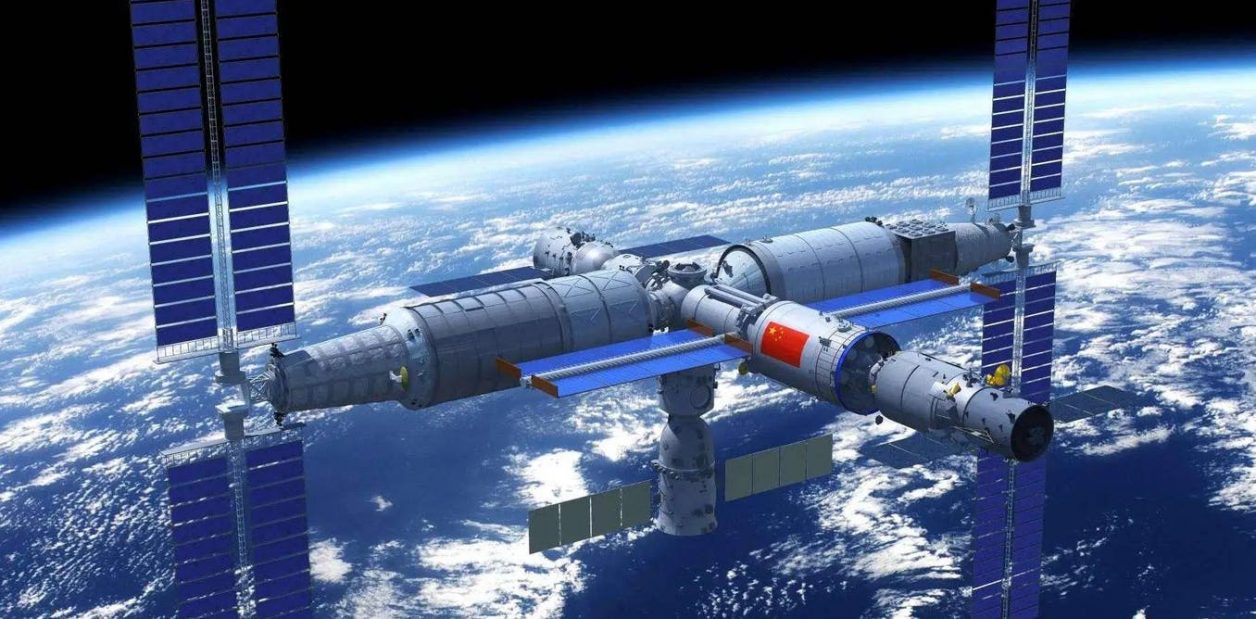
  •  

China Outbuilt the U.S. by Over 2X in Naval Tonnage in 2024–25. How Did Beijing Outpace America?

China produced more than twice the ship tonnage of the United States in 2024–25, a new report says, indicating Beijing is closing the naval gap with Washington. 

The World Defense Shipbuilding report, compiled by Flottes de Combat and the French maritime industry association Gican and released ahead of the Euronaval defense show, states that China built about 636,208 tons of combat ships over two years through December 2025, while the United States built about 270,509 tons in the same period. 

China accounted for more than a third of the global naval tonnage built in 2024-25, the report states, presenting the magnitude of China’s shipbuilding capability.

“We are seeing a fairly substantial expansion of naval forces, and consequently of shipbuilding,” Philippe Missoffe, Gican’s general director, said in a press briefing on October 20. “We’re seeing an increase in power capabilities, particularly nuclear-powered attack submarines, for example,” he added.

In the two-year period, China’s combat-vessel building was valued at $43.5 billion, while US construction totaled $26.8 billion, according to the report. It also notes that  China’s shipyards produced 202,520 tons in 2022–2023, while the US produced 245,703 tons in the previous two-year period, indicating a clear year-on-year surge for China.

The US Navy still leads China in the overall fleet tonnage.

As of January 1, 2026, US warships weighing more than 200 tons totaled 3.11 million tons, compared with China’s 1.44 million tons, says the report. However, just two years ago, the figures were 3.22 million tons for the US and 1.3 million tons for China, showing how Beijing is closing the displacement gap.

China has already surpassed the US Navy in ship count. The Chinese People’s Liberation Army Navy (PLAN) has more than 370 battle-force ships, whereas the US Navy has over 290.

This gap is expected to further increase. US-based think tank Center for Strategic and International Studies (CSIS) predicted in its 2025 report titled “Ship Wars – Confronting China’s Dual-Use Shipbuilding Empires” that China would have a 425-ship-strong fleet by 2030, compared to the US Navy’s 300 vessels.

That said, adding more tonnage is different from simply churning out ships faster, which a navy can do by producing many small or medium-sized ones. Meanwhile, tonnage measures the total displacement of those ships. One large destroyer or amphibious ship can displace as much as several smaller frigates, and higher tonnage means more overall mass in the fleet, more weapons, sensors, fuel, aviation facilities, troops, and endurance.

Currently, China appears to be doing both, expanding the fleet by accelerating production of smaller combatants while also adding displacement to bigger, more sophisticated vessels. The strategy is meant to make the PLAN combat-ready in the future. 

Notably, the latest Euronaval report findings are significant but hardly surprising, given that American senators and congressional researchers have repeatedly warned that the US may not be able to keep up with Beijing’s growing naval fleet because of China’s ever-expanding shipbuilding capacity, and the delays and bottlenecks in US naval production.

As of now, the US Navy has many qualitative advantages over the PLAN, including 11 nuclear-powered aircraft carriers, a large and capable submarine force, greater overall tonnage, higher missile capacity per ship in many classes, and extensive combat experience. However, these could erode if China sustains high output of modern ships.

For now, China producing more naval tonnage than the US reflects a sustained advantage in Chinese industrial capacity. However, Beijing did not build twice the tonnage of the United States from a purely military-industrial base.

Its ability to expand naval tonnage production compared with the US stems from its enormous dual-use shipbuilding industry and economies of scale the US no longer has.

The People’s Liberation Army (PLA) Navy’s Type 54A guided-missile frigate Yuncheng (571) is docked at the Ngong Shuen Chau naval base on Stonecutters Island in Hong Kong on July 6, 2025, during the PLA Hong Kong Garrison’s open day, held as part of the 28th anniversary celebrations marking the territory’s handover from Britain to China. (Photo by AFP)

Civilian-Military Fusion Is Driving Construction

China’s maritime development has accelerated as the lines between military and commercial shipbuilding have blurred, as in other strategic areas.

The China State Shipbuilding Corporation (CSSC)—the world’s largest shipbuilder—is the poster child for China’s seamless fusion of civil and military shipbuilding capabilities.

The CSSC operates several shipyards, factories, and research institutes under the oversight of China’s top political and military leadership. It has built warships for the Chinese Navy, including the Type 003 Fujian aircraft carrier, the Type 055 destroyers, and the Type 075 amphibious assault ships, among other popular combat ships.

At the same time, it is acing civilian shipbuilding. The CSSC built more commercial vessels by tonnage in 2024 than the entire US shipbuilding industry had since WWII, as the EurAsian Times reported earlier. Chinese shipbuilders produced 53.69 million deadweight tons (DWT) of commercial vessels in 2025, or about 56.1% of the world’s output. They also scored 107.82 million DWT in new orders, and closed the year with an orderbook of 274.42 million DWT, or 66.8% of the global outstanding work.

Order volume from foreign customers suggests the world is rapidly becoming dependent on Chinese shipyards to meet demand for commercial trading vessels, allowing the CSSC to redirect commercial revenue toward naval warship construction.

The expansion of China’s commercial shipbuilding industry directly supports higher naval tonnage production, primarily through shared physical infrastructure, including the same large dry docks, slipways, heavy-lift cranes, and fabrication halls used to build container ships, tankers, and bulk carriers, to build warships. In fact, several major CSSC shipyards routinely build commercial vessels and naval ships side by side, meaning that China does not need a completely separate, underutilized set of military-only yards.

Open-source analysis and satellite imagery have documented this physical integration of civil and military ships on multiple occassions. For instance, gray-hulled battleships and commercial hulls were previously seen being built concurrently at the huge Changxing Island complex in Shanghai. It is not much different at other shipyards in Dalian, Hudong-Zhonghua, and the Longxue Island complex near Guangzhou.

Not every Chinese yard is dual-use in the same way, and some high-end naval facilities have become more specialized as the PLA Navy moves toward larger, more complex platforms. In fact, a 2024 RAND working paper noted that certain yards producing the newest surface combatants and carriers had reduced their commercial output.

Nonetheless, wherever civil-military fusion is widespread, commercial work keeps tens or hundreds of thousands of skilled welders, fitters, engineers, and managers employed year-round. This basically gives it an experienced labor pool it can direct toward naval projects.

Moreover, sustained commercial volume accelerates learning and process improvements that transfer to warship building.

China’s astounding rise in commercial shipbuilding has given it access to dual-use technologies such as specialized engines and propellers, navigation and control systems, integrated electronics, and radar modules.

Another advantage of this civil-military fusion is that the high-volume commercial production creates robust domestic supply chains for steel, engines, electrical systems, coatings, and other components. China uses these suppliers to support naval ships.

Additionally, high supply volumes drive down unit costs through economies of scale.

The machinery keeps running smoothly, with revenue flowing in from expanding commercial orders. These profitable commercial contracts, many from foreign buyers, generate cash flow that Beijing uses to fund yard expansion, integrate new equipment, and upgrade technology.

However, China’s rise as a shipbuilder did not happen overnight. It resulted from a long-term strategy that combined government support, investment in industrial infrastructure, a large workforce, and an extensive domestic supply chain. China developed the capacity to manufacture ships at an enormous scale while ensuring that many of the materials, components, and industrial facilities needed for production were available domestically. This helped Chinese shipyards become highly competitive in cost, capacity, and output.

“China has risen because, in 2015, they declared that seas are the future of prosperity and trade. Therefore, China needed to build robust maritime infrastructure and a strong PLAN to protect its interests.

These are two factors that made them realize that shipbuilding infrastructure should serve a twin purpose, so the facility can be used to its full potential since this infrastructure is expensive to build,” Vice Admiral Shekhar Sinha, a retired Indian Navy officer, earlier told the EurAsian Times.

By contrast, the US lacks this industrial base and has struggled to expand shipbuilding capacity to counter Beijing.

It is now deliberately drawing on the advanced commercial and naval shipbuilding expertise of its closest Indo-Pacific partners, including South Korea and Japan, to bolster shipbuilding and prevent delivery delays and cost increases that have become common for US Navy programs.

However, the latest figure suggests Washington may have to do more, and faster. 

China’s sustained high output of modern ships, underwritten by dual-use commercial strength, continues to narrow the quantitative gap. The United States retains qualitative and experiential advantages for now, but those edges are not permanent.

The post China Outbuilt the U.S. by Over 2X in Naval Tonnage in 2024–25. How Did Beijing Outpace America? appeared first on EURASIAN TIMES.

  •  

F/A-18 Super Hornets Move Closer to Full Strike Role as USS Ronald Reagan Controls MQ-25 Stingray from 2,100 Miles Away

In a major milestone, the U.S. Navy’s Nimitz-class aircraft carrier remotely controlled an MQ-25 Stingray unmanned aerial refueller from more than 2,100 miles away, a capability that could eventually boost F/A-18 Super Hornets.

“In a historic U.S. naval aviation event, an aircraft carrier connected to and controlled an unmanned aerial refueler, the MQ-25A Stingray, more than 2,100 miles away,” the US Navy said in an official release.

The MQ-25 Stingray is designed primarily as an unmanned aerial tanker, though it could also be used for intelligence, surveillance, and reconnaissance (ISR) missions.

During what the Navy described as a preliminary sea trial, the ship’s Unmanned Air Warfare Center (UAWC), used by Air Vehicle Pilots (AVPs) for controlling future MQ-25 Stingray airborne operations, employed its MD-5C Ground Control Station to establish a Beyond Line-of-Sight connection with an MQ-25A test aircraft through a Proliferated Low Earth Orbit (pLEO) satellite network, the service stated.

While the carrier was in the Pacific Ocean, Boeing kept the MQ-25 at its Illinois facility for the trial.

To provide command and control of the MQ-25A, the MD-5C GCS combined Lockheed Martin’s MDCX hardware and software with other government-made equipment and the Navy’s Command, Control, Communications, Computers, and Intelligence (C4I) network. The Navy also noted that this system will command and control the Navy’s future unmanned carrier aircraft and the Air Wing of the Future. 

“This first-ever underway connection between a carrier-based UAWC and an MQ-25A aircraft proves that the Carrier Air Wing of tomorrow is a reality today,” said Capt. Daniel Fucito, program manager for the Navy’s Unmanned Carrier Aviation Program Office.

This marks a momentous step toward integrating unmanned systems into carrier air wings and preparing the Navy’s first carrier-based unmanned tanker for operational use. The trial was part of a series of build-up exercises intended to verify protocols, networks, and interfaces.

Before this, the MQ-25 Integrated Test Team, including Lockheed Martin, Boeing, and the US Navy, conducted pier-side and at-sea tests with the Unmanned Carrier Aviation Program Office’s (PMA-268) Unmanned Carrier Aviation Mission Control System team.

Although the test showed remote connectivity and control over a significant distance, the Navy did not record an autonomous flight, aerial refueling operation, or carrier landing.

F-35, F-22 & F-47 to Form 60% of USAF Fighter Force by 2035 Under New Plan, Service Tells Congress

Nonetheless, the Acting Secretary of the Navy, Hung Cao, said, “The MQ-25A Stingray’s carrier-based refueling capabilities enable F/A-18 Super Hornets to fly farther and longer. The integration of this unmanned aerial refueler demonstrates the transformational change our manned and unmanned asset integration provides the Fleet.”

Why Does This Long-Range Trial Matter?

This latest demonstration matters because it validated critical enabling technologies for unmanned carrier operations.

Notably, the earth’s curvature and the vast operating areas of carrier strike groups, such as the Pacific Ocean, limit traditional radio links. Routing commands and data through a resilient satellite constellation removes that constraint.

Against that backdrop, the latest trial confirms that the Navy’s MD-5C Ground Control Station architecture can operate in a realistic operational environment, not just in controlled shore-based or pier-side tests.

Furthermore, the successful use of a proliferated LEO satellite constellation from a moving warship proves that reliable beyond-line-of-sight command and control is achievable in a realistic at-sea environment.

Three U.S. Navy aircraft carriers feature Unmanned Air Warfare Center (UAWC) infrastructure using Lockheed Martin Skunk Works-powered MD-5 ground-control systems. The USS George H.W. Bush served as the fleet’s initial developmental testbed, while the USS Theodore Roosevelt and USS Ronald Reagan are officially designated as the Navy’s first and second fully operational, deployable drone-capable carriers.

Unmanned Aerial Refueler Remotely Controlled By At-Sea Aircraft Carrier Control Station
File: Unmanned Aerial Refueler Remotely Controlled By At-Sea Aircraft Carrier Control Station (Via US Navy)

Demonstrating that a carrier can continuously control an unmanned aircraft over intercontinental distances from its own Unmanned Air Warfare Center proves the viability of the shipboard control infrastructure already installed on these carriers.

This infrastructure is purportedly intended to support tankers and future uncrewed platforms performing intelligence, surveillance, reconnaissance, or other roles, enabling deeper manned-unmanned teaming between crewed and uncrewed platforms.

This capability counts because the MQ-25A is designed to serve as the Navy’s carrier-based unmanned tanker, taking over aerial-refueling duties that currently take time away from the F/A-18E/F Super Hornet.

By validating long-range control from the carrier, the Navy has shown that operators aboard the aircraft carrier can direct the Stingray to deliver fuel to fighters hundreds of miles from the deck.

Stingray refueling will extend the carrier air wing’s combat radius and time on station while keeping more Super Hornets available for strike, air superiority, or other primary missions instead of diverting them into “buddy” tanker roles during crucial deployments. 

MQ-25A freshly painted in U.S. Navy livery
MQ-25A freshly painted in U.S. Navy livery (Via Boeing)

This would be a critical enhancement to the carrier wing’s capability in theatres like the volatile Indo-Pacific region, where distances are long and adversaries like China field sophisticated anti-access/area-denial systems.

Europe “Blind in Space”: Why Only U.S. Can See Russian Missiles as Ukraine Begs For American Help?

In a potential conflict with China, American carriers may need to operate farther from contested shorelines to reduce vulnerability to long-range missiles and other threats. In that scenario, a reliably controllable unmanned tanker that can be controlled from the ship will allow the air wing to project power over long distances without staying close to the carrier or relying on land-based or allied tanker support that may be hard to obtain.

That said, a proliferated satellite network also adds resilience, particularly because such constellations are harder to disrupt completely than single high-value satellites or line-of-sight links. This will improve the survivability of the command-and-control chain under contested conditions, and in a conflict with a near-peer adversary like Beijing.

Operationally, this will also help the Navy achieve its manned-unmanned teaming objective. The MQ-25 Stingray, for one, has been positioned as a trailblazer for the “Air Wing of the Future,” and is expected to help establish procedures, networks, and infrastructure that will support not only tankers but also future uncrewed systems for intelligence, surveillance, reconnaissance, and potentially even strike roles.

Earlier this month, for instance, Boeing announced a successful trial of the Stingray’s Link 16 datalink-based Manned-Unmanned Teaming (MUM-T) command-and-control software during the Emerald Flag exercise at Eglin AFB, Florida.

The software was installed on a Beechcraft 1900D and a King Air E90 to demonstrate command and control between the two aircraft. This capability will eventually move into the MQ-25A and Super Hornet.

The latest trial is an important step before Stingray starts operating from carrier decks. The Boeing MQ-25 T1 test asset previously refueled three carrier-based aircraft—an F/A-18 Super Hornet, E-2D Hawkeye, and F-35C Lightning II —but it has yet to fly from a carrier.  The first production-representative MQ-25 flew for the first time in April 2026, and the service plans its first carrier launch next year.


The post F/A-18 Super Hornets Move Closer to Full Strike Role as USS Ronald Reagan Controls MQ-25 Stingray from 2,100 Miles Away appeared first on EURASIAN TIMES.
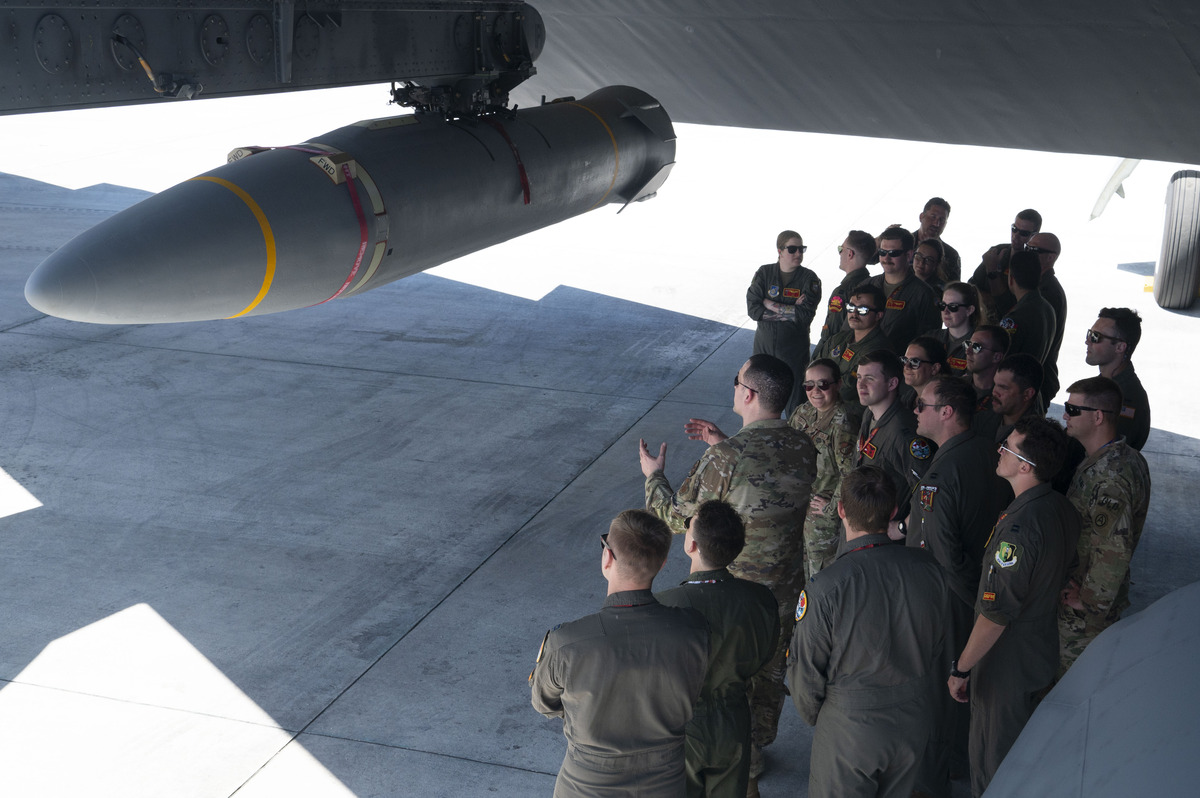
  •  

Starshield vs. Starlink: The Satellite Fight Complicating the Ukraine-Russia War and Kyiv’s Ties with the U.S.

Since Russia launched the full-scale invasion of Ukraine in February 2022, Starlink, and later Starshield, have become vital for Ukraine’s defense and even offensive capabilities.

Amid ongoing tussle over Starshield restrictions, Ukrainian President Volodymyr Zelenskyy announced on October 20, 2026, that he had positive talks with the United States to resolve the issues.

“I spoke with Marco Rubio, and it was a substantive conversation – focused on the issues that matter. I am grateful for his readiness to help and his clear position. First, ballistic missile interceptors, which are needed to protect lives. Second, early warning of Russian ballistic missile attacks, which is vital.

Third, we need to restore the Starlink/Starshield situation. Of course, all of this comes against the backdrop of our diplomatic efforts to end this horrific war and the constant killing of people. We agreed to get in touch again soon for an update.

Thank you, Marco, for the constructive discussion! Thank you to everyone in America who supports fair approaches!” Zelenskyy said in a post on X.

However, the restrictions have highlighted Ukraine’s heavy military dependence on US-linked satellite systems amid political friction with the  Trump administration, including mounting pressure over Ukrainian strikes on Russian energy infrastructure and related disputes over intelligence sharing and sanctions policy, even as Moscow intensifies attacks.

Why is Starshield?

To understand Starshield and its utility for Ukraine, one must understand Starlink.

Starlink is a satellite internet service developed and operated by SpaceX. It operates a constellation of thousands of smaller satellites at around 550 kilometers above Earth.

Notably, traditional terrestrial and satellite communication (SATCOM) networks cannot match Starlink’s bandwidth. Most conventional SATCOM systems also rely on geostationary (geostationary orbit) satellites, which introduce higher latency and limit the effectiveness of real-time applications such as remote piloting of UAVs, as the EurAsian Times explained earlier.

However, Starlink’s low-earth orbit (LEO) satellite architecture makes it more resilient to jamming and provides a more secure communication channel.

Starshield is SpaceX’s satellite program focused on government and national security. While Starlink is built for consumers, businesses, and general connectivity, delivering high-speed internet via a massive constellation of low-Earth-orbit satellites, Starshield is purpose-built for government customers—primarily the US Department of Defense, intelligence agencies, the US Space Force, and allied countries and their military, like Ukraine.

Ukraine has used both: commercial Starlink terminals widely for communications and logistics, and Starshield for higher-security military needs where available.

When Russia launched its full-scale invasion in February 2022, it systematically targeted fiber-optic cables, cell towers, and power grids, destroying all traditional internet and jamming military radios. This is when Starlink stepped in.

Ukraine wanted Starlink terminals because they don’t rely on ground infrastructure and operate in blacked-out or contested areas. Starlink and Starshield provide connectivity even when the enemy damages or destroys traditional telecommunications infrastructure.

Ukrainian troops currently rely on Starshield for long-distance video transmission for military operations, information gathering, and communication. It serves as the backbone for encrypted voice, messaging, and data links between units, headquarters, and isolated positions. This includes real-time situational awareness systems.

Satellite internet connectivity is especially important for drone operations, which are central to Ukraine’s offensive and defensive strategies. These unmanned Ukrainian systems rely on satellite connectivity because current operations frequently require constant contact between controllers and aircraft.

Starshield enables long-range control and live video feeds from reconnaissance and attack drones far beyond the reach of normal radio links. It also supports interceptor drones that pursue fast Russian jet-powered drones, including the notorious Shahed class.

Ukrainian officials recently alleged that Starshield receptors stopped working in Ukraine when mounted on fast-moving objects, impairing drones that depend on them for onboard guidance over Ukrainian territory.

In fact, a Ukrainian Defense Ministry official said the sensors worked when moving, but only up to 100 miles per hour (160 kph), meaning drones had to slow down significantly. Some units reported disruptions at even lower speeds.

When connectivity is sketchy or slows, missions slow, lose accuracy, and sometimes become impossible. In fact, military officers quoted in media reports alleged that connections were lost during operations and missions were canceled when connectivity failed. These constraints may have been especially painful because Ukraine increasingly uses drones for long-range strikes, as well as air defense and interception.

This screen grab from a SpaceX live webcast shows SpaceX’s Starship Flight 14 deploying Starlink V3 satellites into orbit on March 6, 2025. Flight 14 is planned to be the first to send Starship into orbit around the Earth as well as deploy Starlink satellites. (Photo by SPACEX / AFP) / RESTRICTED TO EDITORIAL USE – MANDATORY CREDIT “AFP PHOTO / HANDOUT / SPACEX” – NO MARKETING NO ADVERTISING CAMPAIGNS – DISTRIBUTED AS A SERVICE TO CLIENTS

Ukraine also uses Starshield to launch strikes from ground-based systems. It allows targeting data to flow quickly from sensors and drones to guns and HIMARS, closing the sensor-to-shooter loop and improving precision.

Additionally, Starlink/Starshield are crucial to Ukrainian forces receiving intelligence from allies. Western partners provide Ukraine with surveillance data regarding Russian air strikes, missile launches, troop movements, anti-aircraft positions, and escape routes.

Put succinctly, Ukrainian forces rely heavily on Starlink for battlefield management, Secure communications, Drone operations, artillery coordination and precision strikes, cybersecurity and intelligence sharing, and logistics and command networks.

At the same time, Starlink has significant civilian applications. It has also been crucial for hospitals, emergency services, local administrations, journalists, and ordinary citizens in frontline or occupied areas, who use it to stay connected when conventional networks fail.

By 2025, roughly 50,000 Starlink/Starshield terminals were operating in Ukraine, according to analysis from the Center for Security Studies at ETH Zurich. As of now, Ukraine has no equivalent resilient, high-bandwidth LEO alternative available at comparable scale and speed of deployment.

What is The Ongoing Issue?

Shortly after Russia invaded Ukraine, Ukraine’s former Vice Prime Minister and Minister of Digital Transformation, Mykhailo Fedorov, asked SpaceX owner Elon Musk on X to activate SpaceX’s Starlink satellites.

Musk complied almost immediately and shipped user terminals to Ukraine.

SpaceX’s satellite internet service has since provided resilient communications when ground networks were jammed or destroyed, supported drone operations, logistics, and reconnaissance, and helped maintain connectivity for civilians and the military. In fact, it has become the cornerstone of Ukraine’s offensive and defensive operations throughout the grinding war.

Earlier this month, Ukrainian forces were jolted by connectivity problems with Starshield terminals. The Ukrainian government alleged that the Trump administration and SpaceX had unilaterally restricted its access.

Serhiy Beskrestnov, a presidential adviser on defense technologies and well-known military blogger, stated: “Our armed forces did not receive a warning about these restrictions, and this led to the failure of a number of missions… It’s clear that this action cannot be a coincidence and is connected to the current political situation.”

President Zelenskyy said Russian forces appeared to exploit the disruption, noting that interceptor drones hunting jet-powered Shahed-type munitions depend on the connection.

“It is clear that the Russians are trying to take advantage of the problems with Starlink in Ukraine, as our interceptor drones depend on this connection among other things,” Ukrainian President Volodymyr Zelenskyy posted to X.

Responding to the claims, Musk wrote on X that the US government owns and controls the Starshield systems, and that the US military and president control any limits on its speed or use. Starlink “cannot be used for offensive military action, as doing so would be inappropriate for a commercial company,” Musk highlighted in his post.

Citing sources, Reuters reported that the White House had ordered the Department of Defense to slow down Starshield services for Ukraine.

This sparked speculation that the crucial communications system was briefly restricted to add more pressure on Ukraine to stop its strikes on Russian refineries, which US President Donald Trump has repeatedly blamed for skyrocketing fuel costs that are hurting his Republican Party’s chances in the upcoming November midterm elections.

The Trump administration did not confirm these allegations.

However, the sudden Starshield outage coincided with massive Russian ballistic missile attacks for which Ukraine did not receive any warning from the US, just days after the Trump administration warned Kyiv to stop its attacks on Russian refineries or face suspension of intelligence sharing.

Another twist in this grueling tale came when The Telegraph reported that Musk approached Trump about slowing down Starshield in Ukraine.

However, Trump later said he did not believe that either he or Musk was responsible for Ukraine losing access to Starshield.

Over the weekend, Marco Rubio went on record saying Starshield is currently unavailable to Ukraine, adding that a request from Kyiv to use the system for attacks deep inside Russia was “under discussion.”

“Starlink is a commercial product, okay? And so it’s regulated and handled as a commercial product. Starshield is a defense product, a military product,” said Rubio in comments published by the Pentagon. “They’ve asked for access to it in order to conduct deep strikes inside of Russia. They don’t have access to it at the moment. That’s under discussion,” he added.

Ukrainian officials say the restrictions affected Starshield terminals they use for military operations. Secretary Rubio has stated that Starshield itself is not currently available to Ukraine and that Ukraine’s drone operations have relied on commercial Starlink. The two sides do not agree on which system was restricted.

The post Starshield vs. Starlink: The Satellite Fight Complicating the Ukraine-Russia War and Kyiv’s Ties with the U.S. appeared first on EURASIAN TIMES.

  •  

China’s J-20 Fleet Hits 500 While H-20 Stealth Bomber, Billed as Rival to B-21 Raider, Goes Missing From Spotlight

China’s J-20 stealth fighter fleet is estimated to have reached 500 aircraft, according to open-source assessments by analysts tracking serial numbers and unit deployments. However, its ambitious H-20 stealth bomber, touted as a challenge to the US B-21 Raider, remains conspicuously absent.

The J-20 Mighty Dragon first flew in 2011 and entered service with the People’s Liberation Army Air Force (PLAAF) in 2017. China has rapidly increased its inventory; Chengdu Aircraft Corporation facilities produce about 100-120 airframes a year.

China unveiled the tandem-seat J-20S at the 2025 Victory Day Parade as the EurAsian Times reported at the time. If production continues at pace, reports suggest the total number of J-20 aircraft, including the two-seat variant, could reach or exceed 1,000 by 2030.

Alongside the J-20, China is scaling production of the J-35 family, its second fifth-generation aircraft. Some estimates suggest China could have 200 to 300 J-35s operational by 2030.

This makes China the only nation besides the US to field two fifth-generation aircraft.

Beijing has also begun flight testing two different sixth-generation prototypes: the larger, three-engine Chengdu J-36 and the smaller twin-engine Shenyang J-50. They are seen as a counter to the Boeing F-47 6th-gen aircraft.

Where is China’s H-20 Bomber?

China has hinted about the debut of the H-20 stealth bomber for several years.

China first publicly acknowledged a next-generation stealth bomber, later identified as the H-20, around 2016. At the time, officials described it as a flying-wing design intended to provide true intercontinental penetrating strike capability.

In January 2021, a clip from the PLAAF’s recruitment video showed off the supposed flying-wing design to the public.

The following year, images of a metallic wind-tunnel test model of a bomber linked to the final H-20 prototype surfaced on Chinese social media (subsequently posted to X), sparking speculation that the bomber technology may be maturing at pace, as the EurAsian Times noted in a detailed report at the time. 

H-20
Possible Design of H-20 Bomber

In March 2024, then-PLAAF deputy commander Wang Wei told reporters the H-20’s development had no “technological bottlenecks” and hinted that the bomber’s public unveiling was imminent. He assured reporters that manufacturing and commissioning would follow the aircraft’s test flights and take place shortly after its official public debut.

Later that year, Beijing was widely expected to showcase the H-20 at the Zhuhai Air Show in November 2024. However, that did not happen at China’s biggest air show.

Meanwhile, the US B-21 ‘Raider’ next-generation bomber has moved at breakneck speed, going from the official public unveiling in December 2022 to the maiden flight in record time in November 2023. The program is currently in low-rate initial production, meaning Northrop Grumman is building a small number of aircraft to test and refine the production process before full-rate production begins. 

By contrast, the Chinese H-20 has had no confirmed test flight, no publicly verified prototype imagery of a finished airframe, and no visible production line as of October 2026.

Europe “Blind in Space”: Why Only U.S. Can See Russian Missiles as Ukraine Begs For American Help?

In fact, United States officials and intelligence assessments have grown increasingly cautious and skeptical in recent years about an impending unveiling.

The Pentagon’s December 2024 assessment of China’s military stated the H-20 is unlikely to appear before the end of the decade.

“The PLAAF is developing new medium- and long-range stealth bombers to strike regional and global targets. PLAAF leaders publicly announced the program in 2016; however, it may take more than a decade to develop this type of advanced bomber,” the report emphasized.

The Pentagon’s 2025 China report did not mention the H-20 at all, directly or indirectly. However, the head of US Air Force Global Strike Command (AFGSC) was quoted saying: “I can certainly understand their [the Chinese] desire to have a long-range strike capability like the United States, and I know that they’re pursuing it aggressively.”

“What I can tell you is they’re just not there yet. I think our adversaries look at our long-range strike capabilities, and … want to mimic them, but they can’t,” he continued. “There’s no other country in the world [besides the United States] that can take and deliver a long-range strike platform pretty much on any day, at any time and place that they’re choosing, right?” AFGSC commander Gen. Stephen Davis added.

Notably, China’s only operational bombers are variants of the Xi’an H-6 family, the Chinese-built version of the 1950s Soviet Tupolev Tu-16. China currently operates the H-6K, its primary modern conventional bomber; the H-6N, a nuclear-capable variant; and the H-6J, the naval maritime-strike version optimized for anti-ship missiles. 

H-6 K Bomber
File Image: H-6K Bomber Via X

Unlike the United States, which fields the formidable B-2 Spirit, China does not yet have a dedicated long-range stealth bomber.

Currently, widespread speculation suggests China may have faced technical hurdles in developing the next-generation stealth bomber. 

China does not yet have a ready, purpose-built, fuel-efficient jet engine designed specifically for a large, long-range flying-wing bomber. Engines currently used on its transport planes (like the Y-20) or fighters (such as the WS-15) are not well-suited for the efficiency, range, and low heat signature needed. In addition, creating a smooth, seamless stealth surface on a large aircraft is much harder than on smaller fighter jets.

Another challenge China may face is building large composite structures, precision tooling, and manufacturing. Typically, building a smooth, tailless flying wing requires specialized production tooling and controlled environments that China has been developing.

Tailless designs are also inherently unstable and require advanced fly-by-wire systems, thermal management, and overall system integration.

Starshield vs. Starlink: The Satellite Fight Complicating the Ukraine-Russia War and Kyiv’s Ties with the U.S.

Interestingly, the US intelligence and military leaders have described the program as facing “significant engineering design challenges” and being “nowhere near as good as US low-observable platforms.”

Even if prototypes exist or limited testing has occurred, China may have strong reasons to withhold a public unveiling. For one, strategic bombers are part of the nuclear triad and long-range conventional strike, and premature disclosure could reveal design details of a highly classified program, something Beijing officials have been outspoken about.

H-20 Do?

The aircraft would add a flying leg to China’s nuclear triad. The Pentagon’s 2018 and 2019 “China Military Power Report” predicted that China’s new H-20 long-range stealth bomber would have an operational range of 8,500 kilometers. It will be a “flying-wing” design with a payload capacity of around 10 tons.

The H-20 could project power beyond the first chain of islands, threatening infrastructure, ships, and bases from farther away.  Furthermore, China would be able to threaten regional rivals like Japan and India and attack extremely critical peripheral places, such as the US island territories of Guam and Hawaii, with an increased long-range strike aviation force.

Analysts predict the aircraft would have serrated air intakes, cranked-kite wings, and foldable twin-tail surfaces that can switch between horizontal tailplanes and V-tails.

The H-20 is likely to feature internal armament bays that can accommodate conventional weapons, long-range cruise missiles, and maybe nuclear weapons, much like previous stealth systems. However, the  H-20 is probably not intended for carpet bombing or deep-penetration missions, but rather for stand-off and limited penetration.

While China’s next fighter jets are gaining momentum, the H-20 seems far from reality.


The post China’s J-20 Fleet Hits 500 While H-20 Stealth Bomber, Billed as Rival to B-21 Raider, Goes Missing From Spotlight appeared first on EURASIAN TIMES.
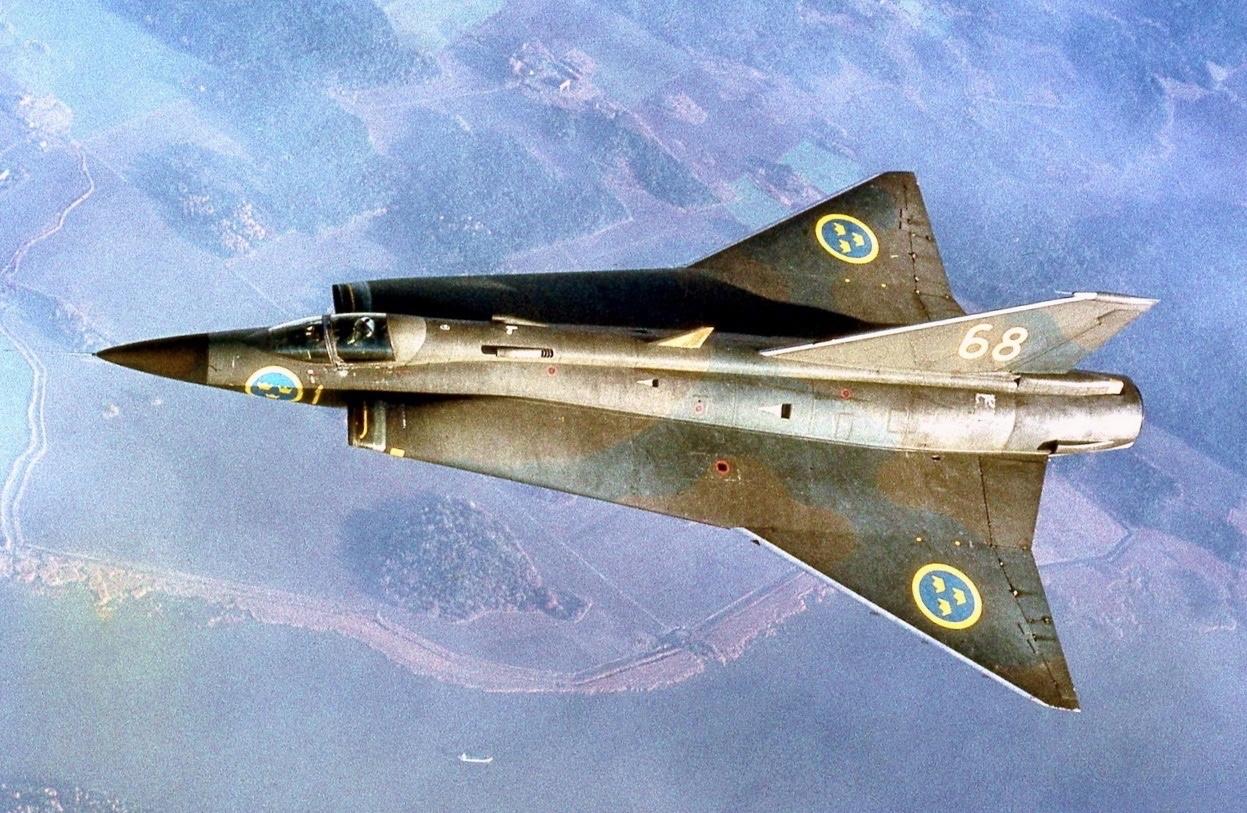
  •  

Russia’s ‘Concorde’ is Back: World’s 1st Supersonic Passenger Airliner Lives On as Volunteers Fix Tu-144

The world’s first supersonic passenger airliner—the Soviet Tu-144—may have become history after a brief but troubled stint that ended in commercial failure. However, some Russian volunteers refuse to let it vanish into oblivion and are reportedly advancing efforts to restore the aircraft for static display.

At the height of the Cold War, the Tu-144 “Concordski” was seen as an answer to the Anglo-French supersonic aircraft, Concorde.

The Russian airliner beat the Concorde in the skies twice: first with its maiden flight on December 31, 1968, two months before Concorde, and second with its first supersonic flight in June 1969, about four months before Concorde.

To preserve this legacy, a group of Russian volunteers has spent years coaxing life back into a Tu-144 airframe on the shared grounds of the Gromov Flight Research Institute and Zhukovsky Airport.

Interestingly, though, these volunteers are neither engineers from Russia’s state design bureau nor museum-paid technicians, but enthusiasts with limited resources aiming to restore a retired Tupolev Tu-144D. 

The aircraft, registered CCCP-77115, is parked on the shared grounds of the Gromov Flight Research Institute and Zhukovsky Airport outside Moscow. It served as a static exhibit at the MAKS air show for several years, but its fate remains unclear, as the air show has been suspended since 2021 due to the war in Ukraine.

Passionate volunteers have carried out extensive external and internal restoration work on the aircraft. One volunteer involved, Pavel Efter, has posted videos of the work on both airplanes on his YouTube channel, “Restorer144,” since 2023.

In the videos, volunteers can be seen turning on the electrical power supply and batteries, testing the fuel gauge, fuel pump, and fuel pressure indicator in the cockpit, checking the landing gear lights and inflating the tires, testing the cabin lighting, repairing the analog navigation system, examining the electrical schematics, cleaning the outside of the aircraft, inspecting the SSP-2A fire detection system and smoke sensors, raising and lowering the nose, testing the retractable canards, testing the APU’s bay doors beneath the aircraft, and actually installing the TA-6A Auxiliary Power Unit (APU).

In Instagram comments, Efter told enthusiasts and followers that the Tu-144D is being refurbished only for static exhibition and will not return to flight.

Ukraine Begs For U.S. Help as Europe Remains “Blind in Space”: Why Only America Can See Russian Missiles?

Notably, the TA-6A and other mechanical and electrical modifications to the Tu-144D (as seen in the video above) have recently been made, sparking rumors that the volunteers may be preparing the aircraft for another static exhibition at MAKS, probably in 2027.

Nonetheless, the volunteers have been working on restoring the aircraft for several months. In July 2026, media reports noted that the volunteers had already started the electrical system and connected a ground power source, adding that even the well-known nose-lowering mechanism had become operational.

Another Russian state-funded news website, Mir24, provided more details on the volunteers. “There is a problem with such glass fuses now. They aren’t used anywhere; you can’t always find them in old stock. We throw out a cry on the Internet: who has something, who can help with what,” Sergey Chechetkin told the publication at the time. Sergey is a former aviation engineer who devotes all his free time to the Tu-144.

The report also noted that volunteers have completely recreated the plane’s cabin. Volunteers collected the missing devices from across the country and began restoring the aircraft by tidying the service panels and lamps and installing the original chairs. Initially, the 77115 board wasn’t a passenger deck; it served as an experimental testbed. “We find it in different places. Old blocks are transmitted at the bases; you can find something here. Here we are installing the blocks on the mounts,” a volunteer named Alexey told Mir24.

Russia’s Nuclear Blackjack Returns: Tupolev Says 80% of Systems Renewed on Tu-160M Bomber

The project carries no grand political statement. The volunteers do not frame their work as resistance or protest. Instead, they speak of history. “This is not just a museum exhibit, but a legend that we should be proud of. You can still learn a lot from it; many developments aren’t available on other planes yet. It is still ahead of its time,” said Alexey Amelushkin, an engineer at the training and methodological center of PJSC Tupolev, earlier. 

Needless to say, returning this legendary airframe to flight is widely regarded as impractical, especially since Kolesov RD-36-51 engines are long out of production, spare parts are scarce, and certification requirements would be formidable.

Therefore, Efter and his colleagues are only restoring the aircraft’s ability to present itself: nose down in the classic pose, canards extended, cabin lights on, systems powered by its own APU.

First Into The Air, But Not The First To Succeed

The Tupolev Tu-144 was the world’s first supersonic passenger airliner.

Designed by the Tupolev Design Bureau, the aircraft was rushed into development after the then-Soviet leader, Nikita Khrushchev, demanded a supersonic transport that would fly before its Western counterpart.

The prototype made its maiden flight on 31 December 1968 near Moscow, beating Concorde into the air by more than two months. Subsequently, the aircraft went supersonic for the first time in June 1969 and became the first commercial aircraft to reach Mach 2 in May 1970.

The Tu-144 was built to be larger and faster than Concorde, and featured a distinctive double-delta wing and a drooping nose for better landing visibility. Later models also added retractable canards to improve low-speed handling.

However, Western experts and officials claimed the Soviets stole the Concorde plans, which may have helped them build the Tupolev Tu-144 before the Concorde.

These claims reportedly stemmed (at least in part) from the uncanny design similarities between the world’s first two supersonic passenger aircraft.

Tupolev Tu-144- Wikipedia

Despite its early successes over the Concorde, the airplane faced technical issues.

For example, Tu-144’s early Kuznetsov NK-144 engines required constant afterburner use to sustain supersonic cruise, making it extremely noisy, fuel-thirsty, and shorter-range than Concorde, which could supercruise without afterburners. Moreover, reliability problems emerged during testing and maintenance, and the cabin was very noisy and vibrated a lot.

Why UAE Pulled Out Of Rafale F5 Co-Development? Did EDGE Group Demand More Than It Could Chew?

On June 3, 1973, during a demonstration flight at the Paris Air Show, a production Tu-144 broke apart in midair and crashed into the French village of Goussainville, killing all six crew members along with eight additional people on the ground.

Although the most widely accepted explanation is that the crew overstressed the airframe during fast maneuvers, the precise cause of this disaster remains uncertain.

The Tu-144 entered limited commercial service with Aeroflot in 1975, initially carrying mail and cargo on the Moscow–Almaty route, followed by passenger flights in Nov 1977.

However, the aircraft flew only about 55 passenger services before a second major incident. In May 1978, a fuel-line rupture and fire during a test flight claimed the lives of two crew members and formally ended passenger operations.

After this debacle, the aircraft continued brief cargo and experimental work even as its rival program—the Concorde—struggled with its own set of issues.

Both programs were eventually canceled because of poor safety records and concerns about economic viability. However, Concorde was far more successful than the Tu-144 and wasn’t discontinued until 2003.

The Soviet Union, for its part, built only 16 airframes before operations ceased in 1983. A few surviving examples later trained pilots for the Soviet Buran space shuttle, and one modified aircraft served as a flying laboratory in a joint NASA–Russian research program from 1996 to 1999, conducting its final flights in support of future supersonic transport studies, as earlier explained in detail by the EurAsian Times. 

NASA used the Tu-144LL to conduct research for high-speed civil transport in 1997. Credits NASA.

Though neither the Tu-144 nor the Concorde survived, both programs have inspired people worldwide to make supersonic commercial travel a reality. Earlier this year, United Aircraft Corporation (UAC) CEO Vadim Badekha confirmed that the Zhukovsky National Research Center is working on a supersonic airliner prototype. He said the effort had moved beyond paper studies into “hardware,” with UAC providing active support, and expressed confidence that the center would complete the work.

The Bombers U.S. Paid to Scrap Weakened Ukraine, Helped Russia. Why Did Kyiv Clip Its Own Wings?

“Yes, such work is underway at the Zhukovsky Research Center, and we are actively assisting. The work is no longer confined to paper – it is already being carried out in hardware. A prototype of such an aircraft is under development, and we believe the Zhukovsky Research Center will successfully complete this work,” he told TASS.

Meanwhile, NASA is advancing work on the X-59, an experimental aircraft in the agency’s Quiet Supersonic Technology (Quesst) program that could go supersonic without generating a sonic boom or a loud, thunder-like sound when it exceeds the speed of sound.  In addition, China is developing a supersonic passenger aircraft that could make its maiden flight by 2027. Last year, reports noted that the Chinese commercial aerospace company leading the project conducted the first test flight of a detonation ramjet engine. 

As for the Tu-144, this aircraft is remembered as a bold but ultimately unsuccessful engineering achievement. It is, perhaps, for this reason that the volunteers outside the state machinery of Russia are doing everything they can to ensure that the supersonic airliner does not get lost in pages of history.


The post Russia’s ‘Concorde’ is Back: World’s 1st Supersonic Passenger Airliner Lives On as Volunteers Fix Tu-144 appeared first on EURASIAN TIMES.
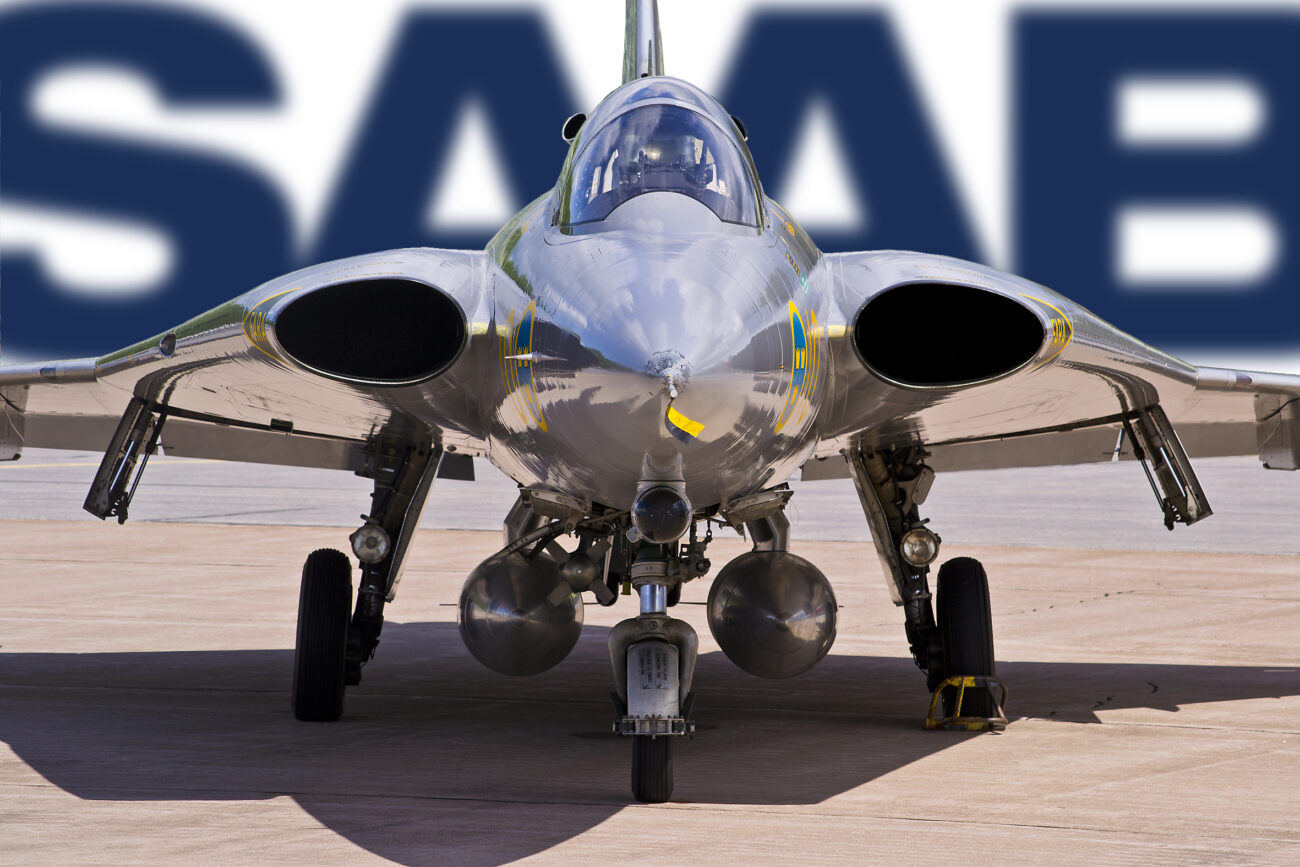
  •  

Tsunami, Then Nuclear Disaster: World’s Biggest Earthquake Alarm Revives 2011 Memories in Japan

In a bizarre incident, Japan’s Meteorological Agency (JMA) issued a warning about what could have been the world’s worst earthquake ever. The agency retracted the warning a few minutes later, but it still alarmed large parts of the country and unsettled people who had witnessed horrifying disasters.

The JMA estimated a magnitude 9.9 earthquake in the Kuril Islands off Hokkaido on October 16, 2026, but quickly rescinded the alert on account of an error.

The early-warning system had incorrectly placed the earthquake’s epicenter in the Kuril Islands (Chishima Islands) off Hokkaido and calculated a magnitude of 9.9. However, JMA officials later said the system wrongly assumed the quake was about 680 kilometers farther from Japan than it actually was, near Russia’s Kamchatka Peninsula.

The JMA, which has a near-flawless warning system, warned that Hokkaido and the Tohoku region in northeastern Japan would experience shaking up to 7, the highest intensity on the country’s seismic scale. However, a magnitude 6.9 earthquake near Russia’s Kamchatka Peninsula produced only intensity 1 shaking in Hakodate, Hokkaido.

The JMA withdrew the alert just eight minutes after issuing it, marking the first full public retraction of an emergency earthquake warning.

Officials said the magnitude was overstated because its computer system misidentified the earthquake’s focus, though they ruled out a cyberattack. Some local reports noted that one contributing factor may be applying magnitude-calculation methods designed for earthquakes within Japan’s dense observation network to a distant event outside coverage.

Ayataka Ebita, director of the agency’s Earthquake and Tsunami Observation Division, apologized to the public at a news conference, saying, “We deeply apologize for causing great inconvenience.” Meanwhile, Chief Cabinet Secretary Minoru Kihara told reporters that the government regretted the incident. “We caused a great deal of worry and placed a burden upon those who took shelter or took action to ensure their safety, as well as on others such as transport systems and businesses that were affected,” he said.

Several Japanese citizens had learned about the alert through municipal public address systems, TV and radio broadcasts, or their smartphones.

As expected, the false alarm sparked chaos in several parts of the country, disrupting daily life and domestic transit. In Sapporo, Hokkaido, for example, 14 trams stopped for a few minutes after the warning until their operator decided it was safe to continue service. Additionally, bullet train operations between Shin-Yokohama and Toyohashi stations on the Tokaido Shinkansen Line were briefly halted, although the operator later noted that the suspension was not directly caused by the earthquake warning.

Moreover, people sought shelter unnecessarily in some places, and social media later buzzed with netizens expressing confusion after the alert was retracted.

A false magnitude-9.9 earthquake warning jolted people because it is exceptionally scary, and no instrumentally recorded earthquake has ever reached magnitude 9.9.

Image
Photo of the Emergency Alert posted on X

According to publicly available information, the largest instrumentally measured earthquake in history—magnitude 9.5—was the 1960 Valdivia earthquake in Chile that killed more than 1,600 people, injured at least 3,000, and left two million people homeless. The rupture zone stretched 500 to 1,000 kilometers along the country’s coast.

A rupture zone is the area along a fault or rock mass where stress exceeds the material’s strength, causing it to break or fracture during an earthquake.

The false warning could have triggered panic because Japan’s geography puts it in an area of extreme seismic risk.  Japan sits at the convergence of four major tectonic plates—Pacific, Philippine Sea, Eurasian, and North American—along the Pacific “Ring of Fire,” making it one of the most earthquake-prone places on Earth.

In fact, about 20% of the world’s magnitude-6.0 or larger earthquakes occur in or around Japan.

Initially, the system located the epicenter near the Kuril Islands off Hokkaido, where a possible magnitude-9-class event is believed possible. Official scenarios for such an event have earlier predicted tsunami heights of up to 30 meters in some places; possible death tolls of close to 100,000; and widespread destruction of buildings and infrastructure.

The so-called erroneous warning predicted intensity 7 shaking across northern Japan. If it had come true, nearly all buildings would have suffered severe or total damage, and landslides, ground cracks, and infrastructure collapse may have occurred.

In a country where even moderate earthquakes bring an otherwise bustling country to a standstill by triggering automatic train halts, elevator shutdowns, and immediate public action, a maximum-intensity alert over such a wide area may have shaken the people.

The eight minutes that the alert was live may have brought back the trauma of 2011 when Japanese people stood witness to the worst natural disaster to hit the country.

The Shadow of the 2011 Disaster

In 2011, Japan suffered its worst natural disaster when a magnitude 9.0 to 9.1 megathrust earthquake struck off Tohoku’s Pacific coast, about 130 kilometers east of Sendai.

The earthquake hit on March 11, 2011, at 2:46 p.m. local time. On that fateful day, a massive undersea megathrust earthquake measuring 9.0–9.1 occurred in the Pacific Ocean some 72 kilometers east of the Oshika Peninsula in Japan’s Tohoku region.

According to publicly available information, the quake was relatively shallow, at about 24-32 kilometers deep, and lasted six minutes. However, it was so violent that it shifted the seafloor and generated a series of powerful tsunami waves.

The waves hit the coast about 30 to 40 minutes after the main shock, toppling seawalls and inundating about 561 square kilometers of land along Japan’s northeastern Pacific coast. In places such as Miyako, these waves attained a maximum run-up height of 133 feet.

The tsunami swept entire towns and coastal communities in Iwate, Miyagi, and Fukushima prefectures, among others, leaving widespread devastation. 

Following the tsunami, hundreds of people were reported dead, and hundreds more were reported missing.

As rescue efforts began and the scale of the destruction—particularly in coastal areas—became apparent, the numbers in both categories sharply increased. After two weeks of the disaster, about 10,000 people were officially counted as deceased by the Japanese government, and about 1.5 times as many were still listed as missing and believed dead.

Finally, the official Japanese government or Reconstruction Agency figures were reported to be more than 19,729 dead, more than 2,553 missing, and about 6,200 injured.

The vast majority of fatalities resulted from drowning in the tsunami rather than the earthquake shaking itself. Over 120,000 buildings were completely destroyed, with hundreds of thousands more severely or partially damaged. Furthermore, the disaster also severely damaged and disrupted critical infrastructure, including roads, railways, ports, airports, power lines, and water systems.

A helicopter flies over the port of Sendai to deliver food to survivors- Wikipedia

Adding to this massive toll on the country’s people and economy, the disaster also triggered a major nuclear accident at the Fukushima Daiichi Nuclear Power Plant.

Although the earthquake triggered an automatic shutdown of the reactors, floodwaters inundated the facility and disabled both off-site power lines and emergency diesel generators. Without cooling, three reactor cores melted down, triggering hydrogen explosions and releasing radioactive material, which sparked evacuation en masse.

The event was subsequently rated Level 7 on the International Nuclear Event Scale—the highest level, shared only with the 1986 Chornobyl disaster.

The earthquake and tsunami following the disaster had long-term social, economic, and environmental impacts across northeastern Japan. In fact, recovery and reconstruction from the accident took more than a decade, including rebuilding communities, infrastructure, and coastal defenses, and managing the Fukushima site going forward.

Against this background, the recent false warning was uniquely unsettling because it briefly presented the public with a scenario worse than 2011, as it would have released roughly 20 times or more the energy of the Tohoku quake. Moreover, the predicted location lies along the same subduction zone system that produced the 2011 disaster.

The recent false alarm did not trigger an earthquake, but it may have forced the country to briefly confront the scale of another possible disaster.

The post Tsunami, Then Nuclear Disaster: World’s Biggest Earthquake Alarm Revives 2011 Memories in Japan appeared first on EURASIAN TIMES.
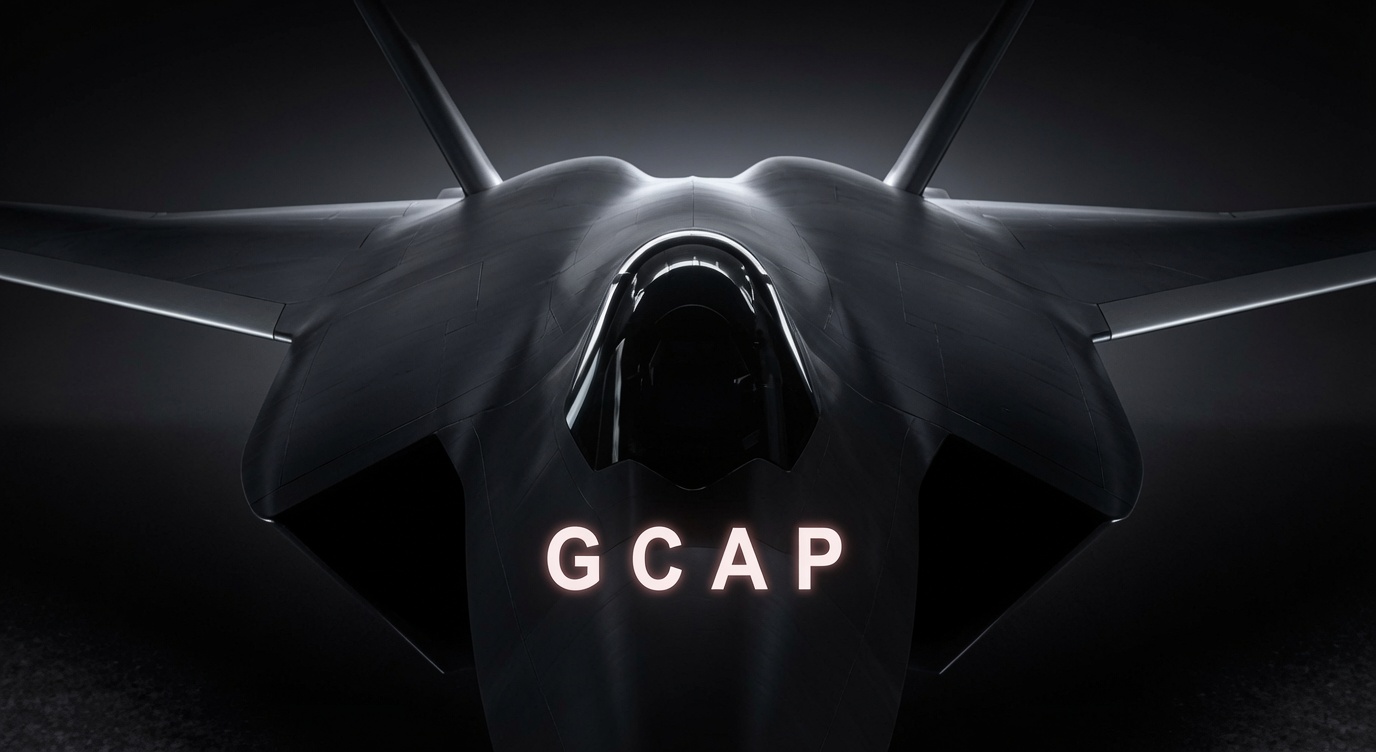
  •  

First Time — A U.S. Carrier Strike Group Sails with a Medium USV as USS Roosevelt Leads the Way

For the first time, the US Navy has deployed an uncrewed surface vessel (USV), or a sea drone, alongside a carrier strike group (CSG), accelerating the integration of cost-effective autonomous systems into high-end naval operations.

Speaking at an Army conference in Washington, DC, on October 14, 2026, the Acting US Navy Secretary Hung Cao announced that the Navy has deployed a Leidos USV with the USS Theodore Roosevelt Carrier Strike Group (CSG) headed to the Middle East.

“Right now, the Roosevelt carrier strike group just deployed on Oct. 8 with a medium-sized unmanned surface vessel,” Cao noted.

“This is the first carrier strike group to ever deploy with a large-sized unmanned surface vessel, and this is a force multiplier. Imagine having more guns out there,” he added. Notably, Cao did not name the sea drone, but media reports citing informed officials identified it as the Leidos Seahawk, a 145-ton, 42-meter-long medium USV reportedly built to sail long distances uninterrupted for months

Leidos describes the Seahawk as a medium-displacement unmanned surface vessel (MD-USV) with a composite trimaran hull. It is roughly 135–137 feet long, with a full-load displacement of about 145 tons, and a fuel capacity of around 14,000 gallons.

It is designed for extended autonomous operations with limited human intervention and uses Leidos’ Autonomous Vessel Architecture (LAVA) for navigation, perception, collision avoidance (COLREGs-compliant), and other functions.

“Seahawk is substantially larger than other US Navy USVs and has significantly increased capabilities compared to smaller USVs in terms of range, seakeeping, and payload capacity. Seahawk is designed to operate with minimal human involvement, providing a forward-deployed, rapid-response asset in the global maritime surveillance network,” Leidos stated.

The company reportedly delivered the Seahawk USV to the United States Navy in 2021.

The Seahawk will likely conduct electronic warfare missions and information, surveillance, and reconnaissance (ISR) operations rather than serve as an armed combatant. Notably, the carrier’s deployment to the Middle East comes as US President Donald Trump weighs fresh strikes on Iran.

Israel Reverses U.S. Apache Drawdown in Post-October 7 Policy Shift, Signs Deal For 12 AH-64E Helos

Earlier this month, he told Time magazine that the US military could ramp up bombing of Iran after the November 3 midterm elections.

The autonomous vessel Seahawk is pictured underway in the ocean.
The autonomous vessel Seahawk is pictured underway in the ocean (Photo Courtesy: Leidos)

The arrival of the USS Roosevelt would bring the number of American aircraft carriers available in the region to three by late October, joining the USS George H.W. Bush, USS George Washington, and the USS Boxer Amphibious Ready Group.

As for the Leidos USV, the Navy had already practiced at-sea refueling with the Seahawk vessel and integrated it during this year’s Rim of the Pacific exercise. However, moving this unmanned system from trials into real-world operations could mark a crucial step in shaping the US Navy’s future strategy.

Integrating USVs Into Combat 

The presence of the large autonomous vessel in a carrier strike group marks an important step in the US Navy’s future operations. Interestingly, it comes amid a growing presence of uncrewed systems in the ongoing Middle East conflict.

In June 2026, for instance, a Saronic Corsair drone boat operated by the US Navy’s Task Force 59 was used to locate and rescue two crew members after an AH-64E helicopter went down near the Strait of Hormuz.

Iran Hit Amazon. Russia Struck Kyiv’s Data Centers. Ukraine Struck Yandex. Can Such Attacks Trigger Article 51?

This first-of-its-kind rescue mission involving sea drones took about two hours, as the EurAsian Times reported at the time.

Separately, the US Navy used one-way attack sea drones in combat for the first time in July 2026 to strike coastal Iranian military targets.

The US Navy has admitted that unmanned vessels have been extensively deployed in the clearance of mines from the Strait of Hormuz, which has remained under a de facto closure imposed by Iran for over seven months.

These incidents signal a broader appetite within the US Navy to delegate crucial combat tasks to unmanned vessels.

For example, although CSGs are the centerpiece of American naval power projection, adversaries also view them as high-value targets. Therefore, introducing a USV could let the Navy deploy a medium-sized autonomous vessel closer to threats at sea, keeping sailors out of the danger zone.

Moreover, adding a USV to the carrier strike group would enhance the US Navy’s sensor coverage and maritime awareness, reducing dependence on crewed vessels.

Image for Representation

How Saab Turned Luxury Business Jet into Cutting-Edge AEW&C Aircraft as Sweden Unveils First GlobalEye

Cao’s remarks about having more firepower likely reflect the US Navy’s broader strategy to integrate uncrewed vessels with heavy ships.

In February this year, the Chief of Naval Operations, Adm. Daryl Caudle, presented his “Fighting Instructions” framework, outlining plans to employ a “hedge force strategy” that aims to leverage unmanned technology and develop a range of tailored options that fall outside the scope of the conventional carrier strike group model. 

Since the specifics of this strategy and its structure are currently still being worked out, the deliberate pairing of medium USVs with carrier strike groups may be an early expression of the approach Caudle underscored. The USV’s performance with the Theodore Roosevelt group could potentially inform how subsequent strike groups are configured, accelerating the path toward more medium USVs in the fleet.

The US Navy’s increasing integration of sea drones into established combat practices may have been influenced by Ukraine’s use of these systems to decimate the Russian Navy.

Ukraine has emerged as a pioneer in sea drone technology, showing how relatively simple, affordable technology can neutralize expensive naval assets. In fact, Iran itself has extensively deployed these vessels to launch frequent operations against the US as well as the tankers trying to transit the Hormuz Strait in violation of the Iranian blockade.

The US, for its part, wants to leverage the asymmetric advantage of autonomous systems in combat when facing adversaries that can threaten its state-of-the-art warships.

If the Seahawk demonstrates reliable integration, endurance, and utility, it may accelerate the Navy’s ability to field hybrid strike groups that combine the decisive power of a carrier air wing with the distributed, lower-risk presence of autonomous vessels.

Europe Is Rearming — and U.S. Wall Street is Writing the Checks, Including GE’s Nearly $12 Billion Deal

This assessment may, in turn, inform strategies for combat in other, more contested theatres, such as the Indo-Pacific, where the US faces a Chinese threat.

With a smaller but more advanced fleet, the US can use large numbers of attritable unmanned platforms for sustained surveillance, chokepoint control, and harassment without tying down manned ships.

Against that backdrop, lessons from this first operational pairing may shape concepts of operations (CONOPS), help tailor force packages, and inform the broader shift toward distributed maritime operations, all of which are meant to complicate targeting in a contested environment by near-peer adversaries.


The post First Time — A U.S. Carrier Strike Group Sails with a Medium USV as USS Roosevelt Leads the Way appeared first on EURASIAN TIMES.
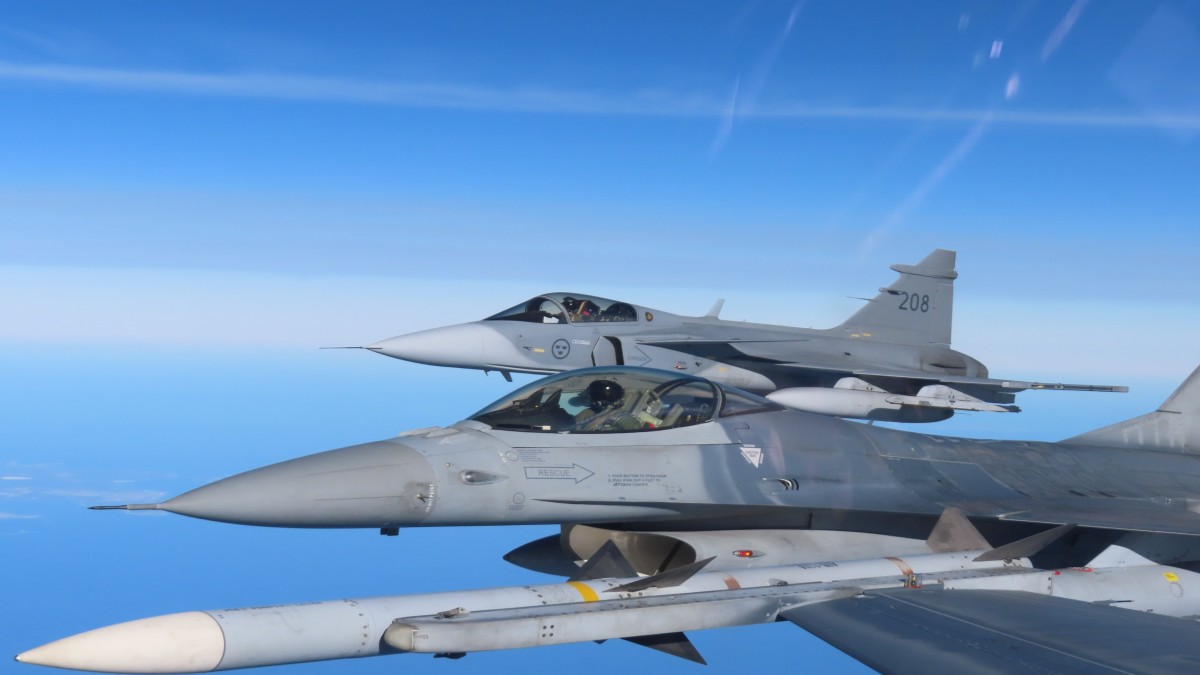
  •  

How Saab Turned Luxury Business Jet into Cutting-Edge AEW&C Aircraft as Sweden Unveils First GlobalEye

With the GlobalEye, Swedish defense manufacturer Saab has transformed the sleek, long-range luxury business jet into a cutting-edge airborne early warning and control (AEW&C) platform, creating one of the most remarkable transformations in military aviation.

Amid the global surge in GlobalEye’s popularity, Saab unveiled the first AEW&C aircraft for the Swedish Air Force (SwAF) on October 15.

The AEW&C aircraft will give the Air Force long-range surveillance capability, strengthen its operational picture across the air, land, and maritime domains, and bolster its overall combat capability.

“The presentation of Sweden’s first GlobalEye marks an important milestone for both Saab and the Swedish Armed Forces. As the program progresses towards delivery, GlobalEye will provide Sweden with a powerful capability for airborne surveillance and situational awareness,” Micael Johansson, President and CEO of Saab, said in the official statement.

The Swedish Defense Materiel Administration (FMV) ordered two GlobalEye AEW&C aircraft for about SEK 7.3 billion ($738.2M) in June 2022, making it the second customer after the UAE. Later, in 2024, it exercised an option for a third aircraft after it donated its older Saab 340-based ASC 890 aircraft to Ukraine. 

The manufacturer says the newly unveiled aircraft will now enter testing and verification before its first flight and delivery to the customer. Deliveries of these jets are expected to begin in 2027 and could conclude by or before 2029.

To speed the aircraft’s introduction into the Swedish Air Force, Saab is expected to deliver the first two GlobalEyes in an interim configuration and later upgrade them to full capability, while the third will arrive in the final configuration. However, neither Saab nor the Swedish Air Force has yet publicly detailed the differences between the two standards.

Notably, the unveiling of GlobalEye comes amid a rapid surge in orders.

For example, 11 NATO states announced in July 2026 that they would jointly procure Saab GlobalEye aircraft as NATO’s new Airborne Warning and Control System (AWACS). Meanwhile, France ordered the aircraft in December 2025, and Canada and the Netherlands are also moving quickly toward a purchase.

Saab also announced in late July 2026 that an undisclosed Middle Eastern state had ordered the GlobalEye, as the EurAsian Times reported. Although Saab has not officially disclosed the latest customer, it offered the aircraft to Saudi Arabia and Qatar last year.

GlobalEye’s success is striking: it is one of modern military aviation’s most ambitious conversion projects, transforming Bombardier’s ultra-long-range Global business jets into a multi-domain surveillance aircraft.

File: Saab unveiled GlobalEye for Sweden Air Force

The Enviable Transformation

By the mid-2010s, Saab had decades of experience with its Erieye radar family, which had flown successfully on platforms such as the Saab 340 and Embraer R-99. 

However, there was a catch: typically, these traditional AEW&C aircraft were large platforms with rotating rotodomes. This meant that although they were powerful, they were also expensive to operate. Furthermore, they required long runways and were becoming increasingly vulnerable in modern threat environments.

After 0-for-8 Tailhook Failures, F-35C Completes Landmark Arrested Landing Aboard USS John F. Kennedy

To simplify things, Saab scrambled to find a platform that offered superior capability at a lower cost. In the process, it concluded that a “high-performance business jet” offered higher altitude, endurance, and speed; lower operating costs; and the ability to operate from shorter runways. The company needed a platform that could carry a large, advanced radar while providing excellent crew conditions for long missions.

Interestingly, Saab’s previous surveillance platforms, such as the Saab 340, Saab 2000, and the  Embraer R-99, had one thing in common: they were regional commercial or military-derived airframes, not high-end luxury business jets. However, with the GlobalEye contours now planned, Saab turned to the Global 6000 family of luxury business jets.

“Saab’s engineers and technical experts searched comprehensively for the best platform on which to build GlobalEye. Saab’s decades of engineering know-how led them to the Bombardier Global 6000 and 6500 business jet aircraft platforms. These jets are optimally sized with class-leading flight range and endurance,” the manufacturer says on its website.

At the Dubai Air Show in November 2015,  the UAE announced a $1.27 billion contract with Saab for two aircraft under what was then called the Swing Role Surveillance System (SRSS), the program that became GlobalEye.

With this, the UAE became the launch customer for this now-coveted surveillance jet, and Saab officially launched the GlobalEye program in February 2016. The deal with the UAE reportedly covered two Bombardier Global 6000 business jets, which Saab would extensively modify with the new Erieye ER radar and other sensors. At the time, Emirati officials noted that they chose the Global 6000 after “a huge evaluation of different platforms.” The platform decision was part of the contract announcement itself.

The Global 6000 and Global 6500 were already ultra-long-range, twin-engine business jets designed for intercontinental VIP travel. These aircraft offered about 6,000 to 6,600 nautical miles of range, high cruise altitudes, and modern avionics.

Saab recognized that, with the right modifications, they could become ideal special-mission platforms.

Bombardier, a Canadian business jet manufacturer, delivered the Global 6000 or 6500 airframes to Saab in Linköping, Sweden, where they were transformed into one of the world’s most advanced surveillance aircraft.

GlobalEye AEW&C | Saab
Saab GlobalEye

Saab now describes the GlobalEye as a sophisticated, multi-domain AEW&C system that uses a variety of active and passive sensors to detect and identify objects long-range on land, at sea, and in the air.

Israel Reverses U.S. Apache Drawdown in Post-October 7 Policy Shift, Signs Deal For 12 AH-64E Helos

It improves situational awareness and enables early threat detection by providing Air Force, Army, and Navy units with access to real-time information. According to Saab, the GlobalEye “combines excellent flight performance with low maintenance costs” and can remain airborne for over 11 hours.

Saab’s Erieye ER radar, which delivers a significant performance leap over earlier Erieye versions using gallium nitride, is at the heart of this early warning aircraft. It reportedly increases the detection range by 70% against challenging targets.

Furthermore, even though Saab classifies this aircraft as an AEW&C, the Leonardo Seaspray 7500E radar and the FLIR (Forward Looking Infrared) Systems Safire electro-optical system, installed in pods beneath the fuselage, enable it to conduct both land and sea surveillance.

The system can identify small targets, like drones, and offer ground-moving target indication (GMTI), which is essential in contemporary warfare, particularly in the Middle East, where the usage of inexpensive, one-way attack drones has been observed to increase exponentially.

Moreover, GlobalEye excels at identifying low-observable, stealthy threats such as drones and ballistic and hypersonic missiles, even in contested environments with heavy electronic jamming.

GlobalEye can collect, analyze, and distribute data to all authorities and resources, including airborne forces. It also facilitates efficient information exchange between platforms. It can also manage and guide other assets, such as fighters, and direct them on when and where to act—a critical requirement in modern, networked combat.

GlobalEye succeeds by combining proven commercial airframe efficiency with Saab’s expertise in radar, systems integration, and multi-domain operations.

Compared with many larger dedicated advanced early warning platforms, it offers lower lifetime costs, greater operational flexibility, and the ability to produce a comprehensive real-time image for national authorities and combined forces, whether in high-intensity war, crisis response, or peacetime monitoring.

Top USAF General Reveals NATO Plan to Fight Russia — But it is Designed for Containment, Not Decisive Defeat

It wouldn’t be an exaggeration to say that developing the GlobalEye has allowed Saab to re-enter the global AEW market, building on the success of its previous early warning aircraft.

More importantly, what began as a luxury business jet for executives has become one of the most capable and sought-after airborne surveillance systems of its generation, thanks to Saab’s vision and engineering.

The post How Saab Turned Luxury Business Jet into Cutting-Edge AEW&C Aircraft as Sweden Unveils First GlobalEye appeared first on EURASIAN TIMES.

  •  
❌