❌

Reading view

Pakistan, Saudi Arabia agree to boost cooperation in oil, refineries and minerals

ISLAMABAD: Pakistan and Saudi Arabia agreed on Friday to strengthen strategic cooperation in oil storage, refinery upgrades, crude oil and liquefied petroleum gas (LPG) procurement, and the minerals sector to promote bilateral economic ties, according to a statement issued by the Petroleum Division.

Saudi Arabia also announced the immediate introduction of same-day visa processing for Pakistani citizens at its embassy in Islamabad.

Pakistan has been planning to boost domestic storage for crude oil and refined products to increase its energy security. With no strategic petroleum reserves, the country has been left exposed to oil supply shocks resulting from the US-Iran war that has choked supplies through the Strait of Hormuz.

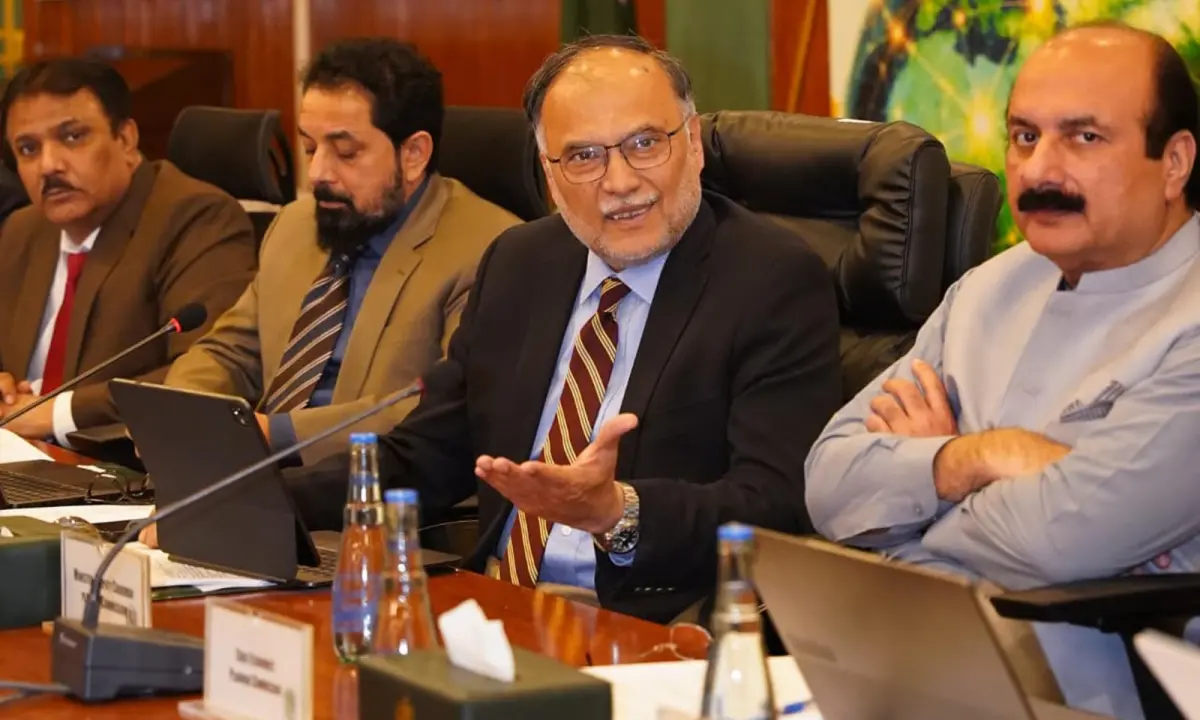
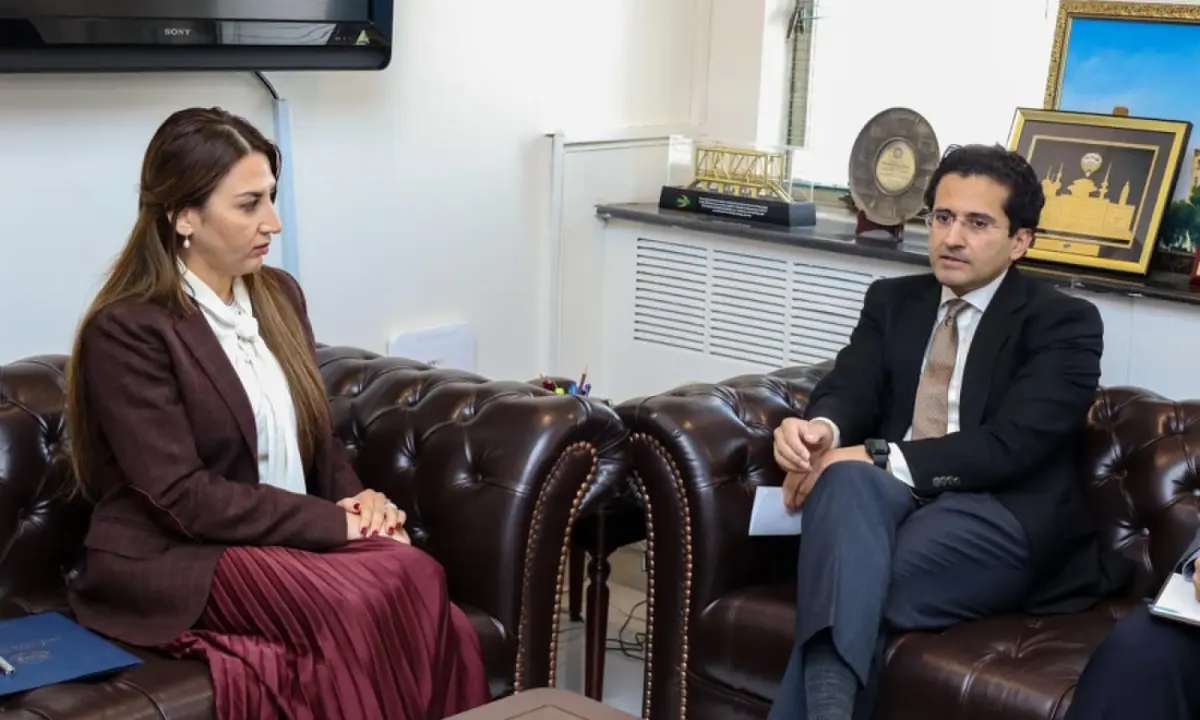
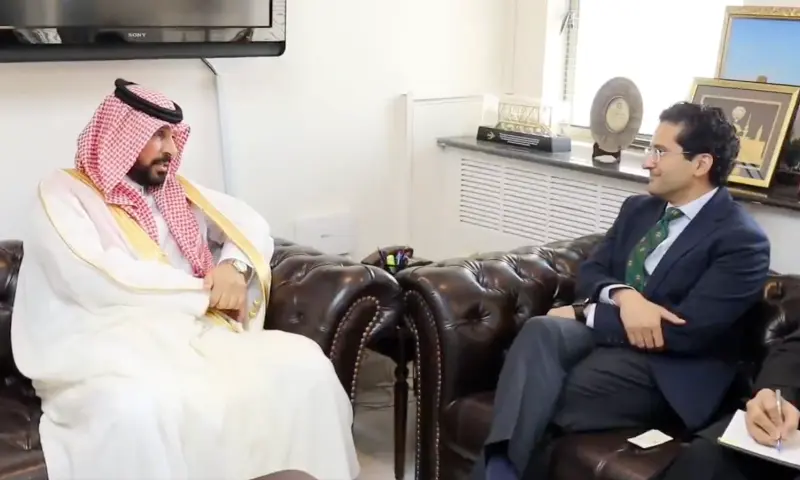
The developments were announced after Petroleum Minister Ali Pervaiz Malik met Saudi Arabia’s new ambassador to Pakistan, Dr Rajeh bin Tami Al-Baqami, to discuss opportunities for enhancing cooperation in the mining, petroleum and energy sectors, including strategic oil storage, refinery upgrades, LPG supplies and commercial engagement.

The minister appreciated the longstanding strategic partnership between the two countries and said Pakistan had approved a tax-neutral bonded policy modelled on international energy hubs such as Fujairah and Singapore, according to the statement.

“Under this framework, Saudi companies can establish commercial oil reserves in Pakistan without local tax liabilities, offering an opportunity to diversify maritime transit risks associated with the Strait of Hormuz and Bab al-Mandab while facilitating access to Asian markets,” the statement said.

“The petroleum minister highlighted that strategic oil storage facilities in Pakistan would provide Saudi Arabia with greater flexibility in managing supply routes and accessing regional markets,” it added.

The statement further quoted the minister as saying that Pakistan planned to develop a major petroleum storage and refining complex at Hub in Balochistan under the guidance of Technip Energies UK.

“The proposed facility, supported by the prime minister and the chief of defence forces, will have the capacity to accommodate Very Large Crude Carriers (VLCCs) and strengthen Pakistan’s potential as a regional energy corridor serving Central Asian and Chinese markets,” the statement quoted Malik as saying.

Malik also briefed the ambassador on investment opportunities under Pakistan’s ongoing refinery upgradation programme, which aims to modernise domestic refining infrastructure, improve operational efficiency and facilitate a transition to Euro-5 fuel standards.

He said the programme offered significant opportunities for Saudi investment and participation in Pakistan’s refining sector.

Appreciating Saudi Arabia’s support during recent global market disruptions, the minister thanked the Saudi authorities at Yanbu port for prioritising crude oil shipments to Pakistan.

He also discussed coordination with Saudi Aramco to increase crude oil procurement and arrange dedicated LPG shipments to meet Pakistan’s energy needs, particularly amid an anticipated rise in domestic gas demand during winter.

Both sides underscored that the strong defence and strategic partnership between Pakistan and Saudi Arabia provides a foundation for broader regional peace, stability and economic cooperation.

The Saudi envoy expressed Riyadh’s deep appreciation for Pakistan’s longstanding support, saying the two countries stood together in all circumstances.

The ambassador emphasised that the two countries’ defence and energy cooperation frameworks aimed to promote peace, stability and economic growth across the region.

The minister also announced that the Saudi embassy in Islamabad had introduced same-day processing of visa applications for Pakistani citizens to facilitate travel and strengthen business, cultural and people-to-people exchanges.

Malik invited Saudi Arabia’s Vice Minister of Mining, Khalid al-Mudafier, to attend the Pakistan Minerals Investment Forum, scheduled to be held in Islamabad on November 12 and 13, highlighting further opportunities for cooperation and investment in Pakistan’s minerals sector.

Both sides expressed their commitment to strengthening their longstanding relationship through enhanced cooperation, investment and mutually beneficial partnerships in the energy and petroleum sectors.

The minister assured the ambassador that Pakistan deeply valued its historic relationship with Saudi Arabia and remained committed to expanding cooperation across strategic sectors.

Earlier in July, Prime Minister Shehbaz Sharif directed authorities to increase the country’s strategic petroleum reserves as a cabinet committee approved amendments to the oil refining policy.

  •  

New provinces to carry heavy cost

ISLAMABAD: A private think tank has found more fiscal faults than benefits of the much-discussed creation of new provinces, advising priority to stronger local governments instead of new provinces if public service delivery was actually intended.

In its latest market analysis release on Thursday, Policy Research Institute of Market Economy (Prime) highlighted the additional annual recurring cost of Rs47 billion to Rs57bn in case of creation of two more provinces — South Punjab, Bahawalpur and remaining Punjab — and up to Rs730bn if 30 divisional units were to upgrade to provincial status.

“Any proposal for creating new provinces should include a formal fiscal costing exercise before constitutional or legislative changes are pursued”, the think tank said, adding that the costing should estimate the recurring expenditure required for the governor, chief minister, provincial assembly, secretariat, high court and other core institutions, together with the likely NFC resource envelope of each proposed unit. This would make it possible to assess whether the expected administrative benefits justify the additional recurring burden,” it said.

If the number of provinces increases to six, South Punjab receives an illustrative allocation of Rs1tr under the existing NFC, while Bahawalpur receives Rs537bn. In case of 30 provinces, allocations differ considerably, ranging from Rs7201bn for Lahore and Rs691bn for Karachi to Rs46bn for Loralai and Rs50bn for Zhob. Thus 11 of the 30 proposed units receive less than Rs150bn per annum.

Think tank puts annual recurring bill at Rs47-57bn for two provinces and up to Rs730bn for 30

The estimated annual recurring cost of a new provincial government is Rs22.4bn under the low-cost scenario and Rs25.9bn under the high-cost scenario, therefore Rs47-56bn per annum for two and Rs610-730bn for 30 provinces.

Using a 10pc fiscal sustainability benchmark based on the low recurring-cost estimate, 16 of the 30 proposed provinces would remain at or below the threshold, while 14 exceed it. The burden is particularly high in the smallest units: the core provincial structure would absorb around 49pc of Loralai’s allocation, 45pc of Zhob’s and 37pc of Rakhshan’s even under the low-cost estimate.

Every proposed province with a population below 1.2 million would require more than one-third of its NFC allocation to finance the core provincial government structure.

The findings therefore show that the fiscal implications of restructuring depend strongly on the number and size of the provinces created. Limited restructuring involving relatively large units produces a much smaller recurring burden, whereas several smaller division-based provinces would face disproportionately high administrative costs relative to their expected NFC resources.

Therefore, at the fiscal level, creation of new provinces will put additional pressure on fiscal resources of smaller provinces, especially those with lower NFC allocations and constrained revenue generation capacity. A greater portion of their available resources would be consumed by ongoing government expenses, resulting in reduced fiscal room for other provincial spending, such as public service provision and developmental expenditure, the analysis showed.

Therefore, the think tank emphasised that provincial restructuring should be evaluated not only in political and administrative terms, but also through a clear fiscal framework.

Published in Dawn, October 30th, 2026

  •  

Power division, industry seek fuel levy cut to ease power costs

• CPPA seeks Rs2.56 per unit additional fuel cost adjustment to recover Rs33bn
• Industrial representatives insist fuel levies inflating generation costs

ISLAMABAD: The manufacturing sector and the power division on Thursday unanimously called for the removal or reduction of the petroleum levy on furnace oil and diesel used for power generation, stressing that it was resulting in about Rs10 per unit additional impact to electricity costs.

The demand emerged during a public hearing on the Rs2.56 per unit additional monthly fuel cost adjustment (FCA) sought by power companies to recover about Rs33 billion for electricity consumed in September.

The National Electric Power Regulatory Authority (Nepra) conducted the hearing on a request by the Central Power Purchasing Agency (CPPA) to allow distribution companies to charge the additional FCA in November bills. A government official said the proposed adjustment was the highest for comparable months in recent years.

Industrial representatives Amir Shaikh, Arif Bilwani, Tanveer Bari and Rehan Javed, representing various chambers of commerce and industry, said the government was charging substantial petroleum levies — about Rs76,000 per tonne on furnace oil and Rs80 per litre on diesel — which could otherwise be reduced to lower generation costs amid the energy crisis arising from the Iran conflict.

Representatives of entities under the power division confirmed that furnace oil- and diesel-based generation accounted for 3.6 per cent of total power generation in September because of the unavailability of liquefied natural gas (LNG) and other cheaper sources.

Industrial representatives said removing the levies could reduce generation costs from around Rs62 per unit to Rs44-50 per unit.

They argued that the levy was also increasing the government’s subsidy burden, effectively shifting money from one pocket to another.

The representatives said the prime minister had previously removed certain charges to subsidise power tariffs, but the relief had since been discontinued. They also pointed out that continuation of the surplus incremental package was imposing an additional burden of around Rs11 per unit on grid consumers and demanded its immediate suspension.

Naveed Qaiser, chief financial officer of the Power Planning and Monitoring Company (PPMC), agreed that petroleum levies on diesel and furnace oil had a substantial impact on generation costs.

He said the power division had been fighting for their removal or reduction at relevant forums and urged business representatives to continue raising the issue with senior government officials.

Mr Qaiser said reducing electricity tariffs remained a government priority, particularly for industry, to improve competitiveness with regional economies.

He said these efforts had already helped reduce tariffs by around Rs10 per unit for consumers generally and up to Rs18 per unit for industry, achievements that should also be acknowledged.

CPPA’s Rehan Akhtar said the actual fuel cost in September stood at Rs10.022 per unit against the reference rate of Rs7.46, resulting in the request for an additional FCA of Rs2.56 per unit.

He said the total financial impact was estimated at Rs32.76bn, mainly because of changes in the generation fuel mix and higher costs of alternative fuels.

However, he maintained that the net increase in the FCA would not exceed Rs1.45 per unit, as the existing positive adjustment in October would expire and be replaced by the proposed Rs2.56 adjustment in November.

Nepra and industrial representatives also raised concerns over discrepancies in power generation data submitted by the CPPA and demanded greater transparency.

They questioned a previous adjustment of Rs16bn on account of LNG prices, arguing that timely reporting of those prices could have avoided a substantial portion of the proposed additional FCA.

Officials from Nepra’s Monitoring and Enforcement Division also questioned the authenticity and consistency of information supplied by government entities.

Nepra member Amina Ahmed acknowledged the concerns, saying the regulator was aware of the discrepancies but did not want to turn the proceedings into a “circus” by publicly taking up every inconsistency.

Industrial representatives also questioned coal procurement practices at the Port Qasim power plant, alleging that the producer was procuring coal through affiliated entities at prices significantly higher than those paid by other plants.

They demanded a comprehensive investigation, including by the National Accountability Bureau. Nepra assured participants that only prudent coal costs would be allowed and that the producer would have to bear the impact.

Government entities reported a 6.5pc increase in overall power demand in September, including a 6.7pc rise in industrial consumption.

Industry representatives maintained that the higher industrial consumption reflected a shift from captive power generation to the national grid rather than the impact of the incremental package.

Average fuel cost surged by almost 37.5pc year-on-year in September, mainly because expensive, heavily taxed fuels were used to compensate for reduced LNG supplies amid the regional conflict and increased reliance on imported coal.

According to CPPA data, high-speed diesel (HSD) accounted for 213 gigawatt-hours (GWh), or about 1.6pc of total grid supply, at a generation cost of Rs62.14 per unit. This compared with 80GWh generated at Rs54 per unit in August.

Furnace oil-based generation stood at 263GWh in September, down from 321GWh in August, while its generation cost declined to Rs44.86 per unit from around Rs46.

Its share of total generation remained close to 2pc.

Published in Dawn, October 30th, 2026

  •  

Rising interest payments, uplift spending strained Pakistan's fiscal position in early FY27: ministry

ISLAMABAD: Despite a massive 90 per cent cut in subsidies and higher-than-targeted revenue collection, Pakistan’s fiscal and current account buffers weakened at the beginning of the current fiscal year (FY27) owing to an almost 37pc increase in interest payments coupled with greater development spending.

The “overall fiscal surplus narrowed to 0.8pc of GDP (Rs1.198 trillion), compared with 1.7pc of GDP (Rs2.124tr)” in the corresponding period of FY26, said the Ministry of Finance’s Monthly Economic Update & Outlook report issued on Thursday.

“Similarly, the primary surplus declined to 1.6pc of GDP (Rs2.3tr), from 2.3pc of GDP (Rs2.94tr) recorded in the same period last year,” it added in the report’s October edition.

The government, however, pledged to keep fiscal policy focused on preserving stability through stronger revenue mobilisation and prudent expenditure management.

The report said the overall fiscal operations began on a positive note in FY27 as tax revenues surpassed target. Net federal revenue amounted to Rs2.9123 trillion, exceeding federal expenditure of Rs2.124tr. This contributed to a federal fiscal surplus equivalent to 0.5pc.

The Federal Board of Revenue’s (FBR) tax collection posted 3.6pc growth during July-August. Total expenditure increased by 20.7pc, “driven primarily by a 69.5pc surge in development expenditure, significantly outpacing the 14.7pc growth in current expenditure”, the report said.

“The relatively moderate increase in current expenditure was largely attributable to an 8.1pc decline in non-interest expenditure, mainly reflecting a sharp 90pc reduction in subsidies. In contrast, mark-up payments increased by 36.6pc,” it highlighted.

While flagging the geopolitical tensions, trade disruptions, elevated commodity prices and uncertainty around technology investment as principal downside risks, the government also expressed cautious optimism over continued economic recovery, drawing support from better crop output, selective manufacturing industries and improving external earnings.

“The recovery in FY2027 is expected to draw support from improving crop prospects, selected manufacturing industries, domestic construction activity and expanding external earnings,” the finance ministry said in its report.

It expressed hope that steady demand in Pakistan’s main markets – the United States, the United Kingdom and the Organisation for Economic Cooperation and Development (OECD) – would support the outlook for goods and services exports.

FBR revenues grows 7pc in 1st quarter

During July-September FY27, the report said the FBR tax collection grew by 7pc to reach Rs3.086tr, exceeding the target by Rs33.2bn.

Both direct and indirect taxes posted positive growth, increasing by 5.5pc and 8.3pc, respectively. Within indirect taxes, sales tax recorded the strongest growth at 11.6pc, followed by federal excise duty at 3.6pc and customs duties at 0.5pc.

In its report, the finance ministry also supported the State Bank of Pakistan’s (SBP) decision to increase the policy rate by 50 basis points to 12pc earlier this week despite higher interest burden on the fiscal account.

It said the decision was meant to address rising inflationary risks stemming from the intensifying Middle East conflict and persistently high global energy prices.

“The decision aims to anchor inflation expectations, contain second-round effects, and keep inflation within the target range while preserving macroeconomic stability and supporting sustainable economic growth”, it said.

According to the report, the current account deficit in the first quarter of the current fiscal year was reported at $874 million, almost 16pc higher than $755m in the comparable period last year.

The finance ministry boasted of the $3bn Eurobond issue in September as the “quarter’s significant development” in delivering stronger foreign inflows and improved access to international capital markets.

The report said portfolio investment consequently recorded net inflows of $2.9bn, compared with net outflows of $633.3m a year earlier. Foreign direct investment (FDI) also increased by about 20pc to $720m, “providing further support to the financial account”.

“Together, these developments helped deliver an overall balance of payments surplus of $3.1 billion, compared with a deficit of $274 million in the corresponding quarter last year,” the report underlined.

It added that by Oct 16, the SBP’s liquid reserves stood at $21.5bn and total liquid reserves at $26.8bn.

“The stronger reserve position and broader financing access enhance Pakistan’s capacity to meet external obligations and sustain economic activity despite fluctuations in global energy prices,” it said.

The finance ministry expected the stronger agricultural output to support food processing, rural incomes and trade, while machinery imports contribute to productive capacity as investment projects are implemented.

“Rising services exports and remittances provide a further source of foreign exchange and household income. The stronger reserve position and broader access to external financing are creating a more supportive environment,” the report stated.

The report projected the headline inflation to be in the range of 9.5pc to 10.5pc for Oct 2026 and linked the subsequent price trajectory to international energy prices, food supplies and base effects.

“Continued progress on tax administration, energy efficiency, and state-owned enterprise reform is expected to support a durable expansion while containing pressures on the external account,” it said.

  •  

World Bank rates progress on KP hydropower, renewable energy project 'moderately unsatisfactory'

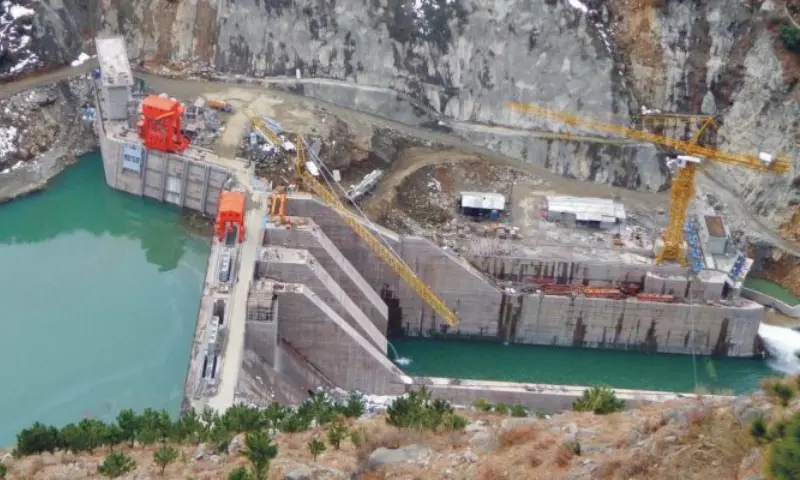
ISLAMABAD: The World Bank on Wednesday dubbed the progress on the Khyber Pakhtunkhwa Hydropower and Renewable Energy Development project “moderately unsatisfactory”, with “substantial risk” to its $727 million loan meant for strengthening provincial institutions and increasing renewable energy generation.

In its public disclosure, the Washington-based lending agency rated the progress towards the achievement of project development objectives as “moderately unsatisfactory”. Various segments of the loan were approved in 2020 with a targeted completion date of Nov 30, 2027.

However, the World Bank rated the overall implementation progress as “moderately satisfactory” and described the overall risk rating as “substantial”.

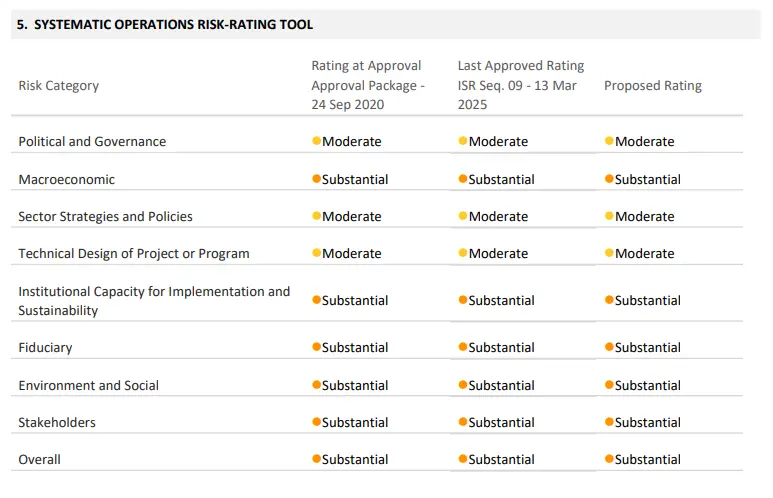
The rating was based on “moderate” risk in the political and governance and technical design categories, but “substantial” risks emanated from macroeconomic, institutional capacity, fiduciary issues and environmental and social parameters.

According to a World Bank document, each dimension is rated on a four-point scale — high, substantial, moderate, or low— depending on the likelihood that the risk will materialise and the expected severity of its impact if it does materialise.

 A screengrab from the World Bank report.
A screengrab from the World Bank report.

The bank said it processed restructuring of the project to align its scope and financing with implementation priorities at the request of the government.

The report stated: “Overall, implementation has gained momentum, with key milestones achieved under the Gabral-Kalam Hydropower Project, including commencement of civil works, progress on land acquisition and advancement of the electro-mechanical works procurement.

“The project will continue to focus on timely implementation, effective contract management, and compliance with applicable environmental and social requirements.”

The original loan package, approved on Sept 24, 2020, involved a $594m investment in hydropower development and renewable energy, $59m in environmental and social management, $55m for institutional strengthening and project implementation support, besides about $15m in financial charges on the bank loan itself.

The market-based bank loan worth $200m became effective in Sept 2020, but only $3.95m has been disbursed so far, accounting for less than two per cent.

The concessional development loan of $240m became effective around the same time and its disbursements amounted to $34m to date, about 14pc of the size.

The KP Hydropower and Renewable Energy Development project was conceived as a transformational programme to help build capacity and institutions for harvesting the vast renewable energy potential in the province.

To achieve the objectives, the project was designed to be implemented through four components: one of them being the development of public sector investments in hydropower and renewable energy projects, including the Gabral-Kalam Hydropower Plant (GKH), an 88-megawatt (MW) run-of-river hydropower project capable of generating 339 gigawatt hours (GWh) annually.

Another component covered cascade development of river basins and financing the construction of 157MW Madyan and other hydropower facilities on the Swat and other river basins.

The total hydropower potential of the Swat River Basin was estimated to be more than 2,000MW for which several projects had been identified and new potential sites were required to be examined.

Additionally, floating or land-based solar photovoltaic systems (a type of solar panel) on hydropower assets were envisioned.

  •  

Govt considering creation of regulatory authority for construction industry

ISLAMABAD: The government is considering establishing two new bodies — a regulatory authority and a marketing entity — for the construction industry along with a three-year defect liability period for major construction projects in the country.

Private sector figures in construction and the government, however, differ over the financial size for the application of a defect liability period, with the construction industry seeking a minimum threshold of Rs20 billion and the government pushing for lower amounts.

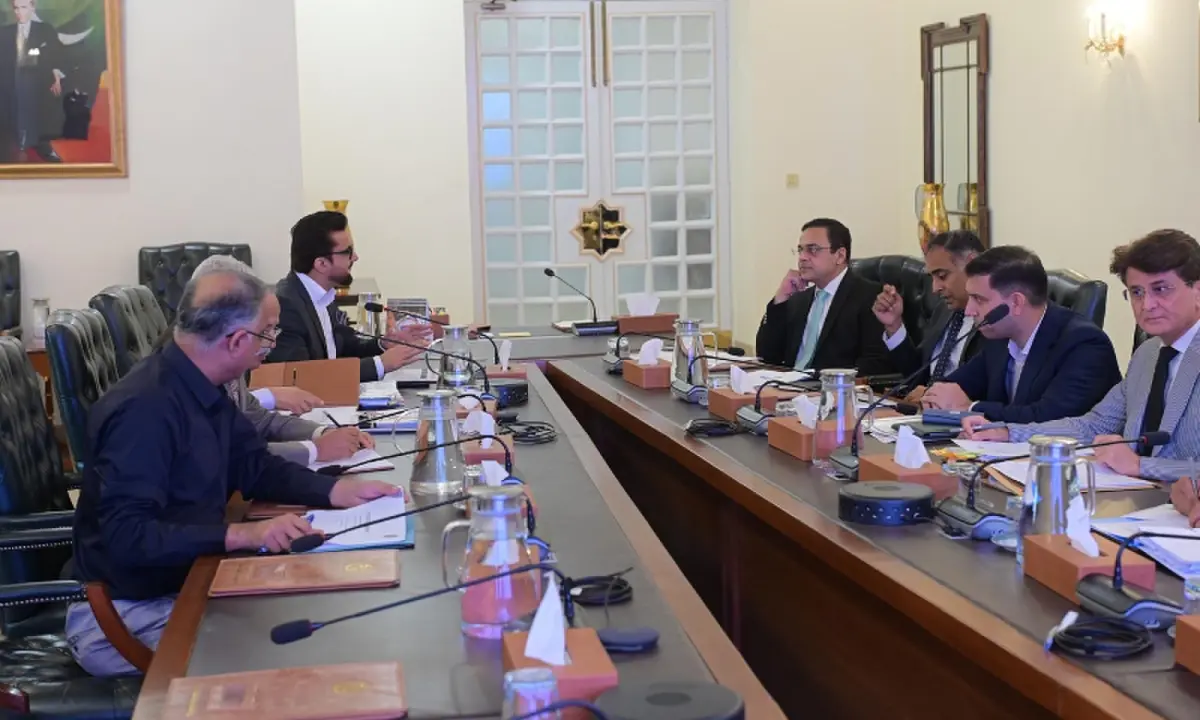
These issues were discussed at an exploratory meeting, chaired by Economic Affairs Minister Ahad Cheema, on introducing reforms for the country’s construction sector, improving project delivery and addressing key issues faced by the industry.

Minister of State for Finance Bilal Azhar Kayani, Secretary Housing retired captain Muhammad Mahmood and other senior officials also attended the meeting.

The meeting discussed the proposed Construction Industry Development Authority (CIDA) Bill, with Cheema stressing that it required detailed consideration, including whether to establish a single body for the construction sector or two separate entities — one to regulate the sector and another to promote the construction industry and handle related matters.

The participants decided to continue engagements with stakeholders, including the relevant agencies led by Kayani and representatives of the Constructors Association of Pakistan (CAP), and to fine-tune the proposed institutional structure.

Retention money deposited by contractors during the defect liability period was also discussed, with a proposal considered to place these funds in accounts that earn a return, with the principal amount and interest paid back to contractors after the stipulated period.

Cheema called for further consultation to develop a workable mechanism.

Additionally, the meeting considered applying the existing Dispute Avoidance and Adjudication Board (DAAB) mechanism to government projects. DAAB would monitor project implementation and help prevent or resolve disputes as they arise, while CAP proposed applying the mechanism to projects valued at Rs20bn and above.

However, Cheema called for the proposed threshold to be lowered and further consultation among relevant stakeholders to determine an appropriate limit.

The forthcoming framework for the construction sector will also draw on the rules and standards of the International Federation of Consulting Engineers (FIDIC). Cheema underscored the importance of using these international standards as a key reference.

The meeting also directed the Pakistan Public Procurement Regulatory Authority (PPRA) to begin work on introducing a defect liability period for major projects of at least three years or more, with the measure to be extended to smaller projects in phases.

In August, it emerged that the government was contemplating a comprehensive package to invigorate the construction industry, aiming to simplify regulations, attract investment, and bolster institutional support.

The package envisaged a series of measures, including the establishment of a Construction Industry Development Board (CIDB), the evaluation of a dedicated Construction Development Bank (CDB), the rationalisation of import and export policies, and targeted tax reforms for the construction sector.


Correction: A previous version of this story stated that the government was considering the establishment of two regulatory authorities for the construction industry. The error is regretted.

  •  

Govt raises threshold for currency transaction reports to Rs3m as anti-money laundering framework reviewed

ISLAMABAD: The government has enhanced the currency transaction threshold by 50pc to Rs3 million for banks to trigger suspicious reports to the Financial Monitoring Unit (FMU) of the State Bank of Pakistan under the Anti-Money Laundering Act (AMLA).

The increase in threshold from Rs2m to Rs3m for Currency Transaction Reports (CTRs) under the framework for analysing Suspicious Transaction Reports (STRs) and CTRs was approved by the National Executive Committee (NEC) on Anti-Money Laundering and Countering Financing of Terrorism (AML-CFT).

An STR is reported when a suspicious transaction or activity involving money laundering and terrorism financing is indicated. However, a CTR is required to be reported when a cash transaction is equal to or exceeds the specified threshold — now raised to Rs3m.

The NEC, led by Finance Minister Muhammad Aurangzeb, is responsible for setting limits for banks, financial institutions or other agencies dealing with financial transactions to generate CTRs and STRs on the amount of currency transactions through notifications in the official Gazette.

It serves as a strategic forum for strengthening Pakistan’s AML-CFT framework and ensuring timely coordination, inter-agency cooperation and consistent monitoring for effective implementation of the measures discussed.

The committee also approved the inclusion of Section 28 of the Pakistan Maritime Zones Act 2023 in Schedule I of the AMLA, meaning that maritime piracy has been covered as a predicate offence.

Section 28 of the Maritime Zones Act 2023 defines “piracy” as any illegal act of violence, detention or depredation committed for private ends by the crew or the passengers of a private ship or a private aircraft and directed against another ship or aircraft or against persons or property onboard.

The NEC also approved the inclusion of the Pakistan Virtual Assets Regulatory Authority (PVARA) in Schedule IV of the AMLA, meaning that the crypto body would also have regulatory powers over virtual and digital assets to meet AML-CFT requirements, like the SBP, Securities and Exchange Commission of Pakistan and Federal Board of Revenue, among others.

Under the AMLA, the FMU is designated to receive STRs and CTRs from reporting entities, analyse them and, if need be, seek the entire record and information related to the transaction in question from any agency or individual in Pakistan.

All agencies and individuals are bound to promptly provide the requested record and information to enable the FMU to share its analysis on a confidential basis with the concerned investigating or prosecuting agencies, or with the financial intelligence units of other countries to make reciprocal arrangements to share, request and receive information relating to money laundering, the financing of terrorism and other offences.

An official statement said the meeting reviewed compliance with its past decisions and progress on Pakistan’s AML-CFT regime, including the performance of the FMU, institutional capacity and initiatives involving artificial intelligence and machine learning.

Aurangzeb emphasised the importance of regular and timely follow-up and stronger coordination among the relevant institutions to ensure effective implementation of the national AML-CFT framework. He also called for strengthening the FMU’s analytical and operational capacity through a clear implementation roadmap with defined timelines.

The NEC also highlighted the importance of keeping Pakistan’s AML-CFT framework responsive to evolving financial risks and emerging technologies, while strengthening the analytical capabilities of relevant institutions.

  •  

New private equity policy framework on the horizon to bring over $10bn in investments

ISLAMABAD: The government is set to roll out a new private equity policy framework covering enhanced risk portfolios, targeting $10 to $15 billion in tax-neutral investment from domestic and international players in the private equity market.

The government aims to finalise the policy framework within the next two weeks, which would entail policy actions to be introduced through the finance bill for the next fiscal year (FY27-28).

Regulatory actions would follow immediately after the finalisation of the framework without waiting for the next year’s budget, an official told Dawn.

The framework is based on models such as those in the United Kingdom, the Middle East and India, which are estimated to have attracted $100-150bn. This was conveyed to Finance Minister Muhammad Aurangzeb during a meeting of the prime minister’s committee for developing the National Private Equity Framework.

The meeting reviewed progress on regulatory and tax reforms, domestic capital mobilisation and the development of investment opportunities to support a robust private equity ecosystem in Pakistan.

It also reviewed the potential of Pakistan’s private equity market, including opportunities arising from acquisitions, business consolidation, new projects and exits by existing investors.

The introduction of regulatory changes for banks enhancing their exposures to real estate investment trusts (REITs) had increased the portfolio from Rs22bn in 2021 to over Rs280bn now, a participant said, adding that the potential for private equity investments had no limits, provided a conducive environment was created.

Additionally, the meeting focused on the mobilisation of domestic institutional capital, including resources available with banks, insurance companies, mutual funds, pension schemes and development finance institutions, alongside potential participation from local corporations and family offices.

The committee also discussed various investment structures and mechanisms to facilitate the deployment of these resources into private equity funds and commercially viable businesses and projects.

Informed sources said foreign investors and institutional funds, particularly those from friendly nations, always sought a proper policy framework with rules-based exit and entry facilitations to secure their investments whenever top government Pakistani delegations sought investments or presented various investment opportunities, including in minerals, real estate, agriculture, oil and gas, tourism or manufacturing.

The prospects of developing a substantial pipeline of investable opportunities over the next five to 10 years were also discussed, supported by significant domestic liquidity that could be channelled towards productive economic activity through an effective private equity ecosystem.

Aurangzeb appreciated the progress achieved across key workstreams and underscored the importance of translating regulatory and policy reforms into practical investment opportunities.

He emphasised the need for a transparent, commercially viable and investor-friendly framework that would help mobilise domestic savings, attract institutional investment and support private-sector-led economic growth.

Moreover, he noted that mobilising domestic capital should be the immediate priority, providing the foundation for a credible and functioning private equity market capable of subsequently attracting foreign institutional investors and facilitating international co-investment.

Reviewing progress on regulatory reforms, the committee discussed measures concerning fund structures, transparency, investment arrangements and the participation of financial institutions in private equity funds.

The State Bank of Pakistan (SBP) briefed participants on recent regulatory changes, including the enhancement of the permissible investment limit for banks in a single private equity fund from 10 per cent to 20pc.

On taxation, the meeting reviewed recommendations for establishing a clear, competitive and predictable tax framework for private equity funds. Discussions included the proposed treatment of private equity funds as pass-through vehicles, with taxation applied at the investor level, as part of efforts to develop a globally competitive private equity ecosystem.

The finance minister stressed the importance of comprehensively evaluating relevant international taxation models and adapting them to Pakistan’s economic and regulatory environment.

He directed that any proposed tax arrangements must support legitimate investment activity while preventing opportunities for tax arbitrage, unintended distortions or regulatory inconsistencies.

The committee also underscored the need for a coordinated approach across regulatory and taxation authorities to ensure consistency in the treatment of different investment vehicles and facilitate the development of a well-functioning private equity market.

The finance minister directed relevant stakeholders to build on the progress achieved, address outstanding regulatory and taxation issues, and advance work on domestic capital mobilisation and the identification of viable investment opportunities to move the National Private Equity Framework towards implementation.

Reiterating the government’s broader reform priorities, the minister advised that the development of a robust private equity ecosystem should contribute to deeper domestic capital markets, improved access to long-term risk capital, greater private-sector investment and sustainable economic growth.

  •  

Central Development Working Party refers 3 KP infrastructure projects worth Rs100bn to Ecnec

ISLAMABAD: The federal government on Monday cleared three major infrastructure projects worth Rs100 billion in Khyber Pakhtunkhwa, recommending them to the Executive Committee of the National Economic Council (Ecnec) for formal approval.

The decision was taken at a meeting of the Central Development Working Party (CDWP) presided over by Minister for Planning, Development and Special Initiatives Ahsan Iqbal.

“Federal government reaffirms commitment to KP’s development,” said Iqbal, referring to CDWP’s recommendation for a Rs69.89bn irrigation project to boost agriculture and rural livelihoods in the province.

Since the imposition of emergency and governor’s rule in KP, the Centre has pledged to work on the province’s development and progress, besides its top priority of combatting terrorism.

The CDWP meeting also cleared another 11 projects throughout the country with an estimated investment of nearly Rs126.50bn, including a mega project worth Rs85.34bn in Punjab.

This brought the total number of projects cleared by CDWP to 14, with an estimated cost of Rs226.48bn.

Of them, Rs40.9bn worth of 10 smaller projects were approved by the CDWP, while four other larger projects were recommended to Ecnec for formal approval.

Under financial rules, CDWP can itself approve projects costing up to Rs7.5bn, while it technically clears larger projects for approval by Ecnec.

The projects, including two mega water and agriculture sector projects worth around $550 million in KP and Punjab, would also unlock around $460m in foreign loans from the Asian Development Bank (ADB).

In the water resources sector, two mega climate-resilient infrastructure projects were recommended to Ecnec for approval.

These included the Khyber Pakhtunkhwa Resilient Irrigated Agriculture Livelihoods Development Project valued at Rs69.89bn. It would be co-financed by the ADB, which would contribute Rs56.133bn ($200m), while the KP government would provide Rs11.69bn with land acquisition.

The project aims to rehabilitate the Pehur Main Canal, construct the Mulkhow Irrigation Distribution System, and extend the Pehur High Level Canal.

The second mega project recommended to Ecnec was the Integrated Hill Torrent Management (Chachar-Mithawan) project in Dera Ghazi Khan and Rajanpur districts, worth Rs85.34bn.

Manila-based ADB would also be co-financing this project with a Rs73.06bn ($260m) share, while the Punjab government will be contributing Rs12.28bn.

The initiative seeks to implement modern spate irrigation, flood protection channels, telemetry systems, and centralised Supervisory Control and Data Acquisition (Scada) monitoring to strengthen regional water security.

The meeting also cleared Rs13.32bn Prime Minister’s Solar Scheme for Newly Merged Districts (NMDs) and referred it to Ecnec to provide off-grid solar energy solutions to households in merged districts.

After the imposition of emergency in KP, the merged districts are among 12 districts run by the newly formed Area Representative and Development Council.

In the transport and communications sector, the CDWP recommended a project for the improvement and widening of the 39-kilometre Chakdara-Timergara section of N-45, costing Rs17.01bn to Ecnec.

To be financed through foreign funding via Exim Bank, the project will upgrade a vital transport corridor linking Chakdara, Timergara, Dir, and Chitral, significantly boosting trade, road safety, and tourism across the Kalash, Shandur, and Kumrat valleys.

Approved projects

The CDWP itself approved a total of 10 projects.

The first one, pertaining to the construction of an eight-lane overhead bridge at Imamia Colony Railway Crossing, Shahdara (N-5)-Lahore, was approved at an estimated cost of Rs7.49bn.

This includes construction and rehabilitation of connecting link roads to alleviate urban congestion in Lahore’s Shahdara Town.

In the education and training sector, the CDWP approved in principle three initiatives to expand quality educational access.

It approved in principle the establishment of Daanish Schools across Azad Jammu and Kashmir, Gilgit-Baltistan, Balochistan, KP, and Sindh, with the preparation estimated at Rs122.4m.

Similarly, the establishment of a Daanish School in Islamabad’s Kuri, costing Rs7.36bn was approved in principle to expand educational infrastructure in the federal capital.

Additionally, the establishment of a Daanish School in Kan Mehterzai of Balochistan’s Qila Saifullah district, valued at Rs4.53bn was approved in principle, subject to a technical review by a committee led by the member for infrastructure.

In the higher education sector, four key youth development initiatives were processed.

The PM’s Youth Development Centres project, valued at Rs4.15bn was approved in principle, incorporating third-party validation and structured monitoring frameworks to ensure effective resource utilisation.

The forum also approved the PM’s Talent Hunt Youth Sports League (Phase-I), worth Rs3.99bn, where a steering committee under the Pakistan Sports Board will coordinate efforts across all provinces and regions.

The CDWP also approved Rs1.97bn worth of PM’s National Innovation Award and the establishment of PM’s Youth Programme Sports Academies (High Performance and Resource Centre) and Youth Olympics, worth Rs2.956bn, to foster talent and modern sports infrastructure.

Furthermore, the meeting approved in principle the revamping of Pakistan Television Corporation at an estimated cost of Rs3.96bn.

The project seeks to modernise public broadcasting through digital transformation, international asset commercialisation, and long-term financial sustainability.

The CDWP also evaluated two energy initiatives in the power sector. It approved in principle the installation of a pilot Battery Energy Storage System at the 220 kV Jhimpir-I Grid Station at an estimated cost of Rs4.40bn, to support grid stabilisation and renewable integration.

  •  

Pakistan seeks investment from US in oil refinery upgradation projects

ISLAMABAD: Pakistan on Monday sought investment from US financial institutions in its oil refinery upgradation projects as the two countries discussed increasing cooperation in the energy sector.

The development came during a meeting between Petroleum Minister Ali Pervaiz Malik and US Chargé d’Affaires Natalie Baker.

During the meeting, Malik briefed the US envoy on measures Pakistan was taking to ensure energy security amid the evolving geopolitical situation, an official statement said.

Malik highlighted that the ongoing conflict in the Middle East had created challenges for fuel availability, requiring proactive measures to maintain uninterrupted supplies, it said.

The minister underscored Pakistan’s commitment to securing its energy needs and highlighted the ongoing engagement between the teams of both countries to explore opportunities for cooperation.

“He noted that Pakistan’s refinery upgradation programme could offer investment opportunities for US financial institutions,” the statement said.

Baker, for her part, congratulated Pakistan on efficiently managing the fuel supply situation, noting that the country had not experienced a fuel shortage despite the challenging regional circumstances, it added.

The US envoy expressed her country’s desire to work closely with Pakistan to address its energy needs. She emphasised the importance of creating opportunities for US companies in Pakistan and expressed optimism about establishing long-term energy supply contracts, noting that such arrangements would be mutually beneficial and create opportunities for American businesses, it said.

During the meeting, the managing directors of Pakistan State Oil and Pakistan LNG Limited briefed the participants on the interest shown by US companies in LNG supply to Pakistan.

Malik also invited US companies to participate in the upcoming Pakistan Minerals Investment Forum, highlighting the investment opportunities available in Pakistan, the handout said.

He expressed deep appreciation for US support and emphasised that enhanced bilateral engagement would help strengthen energy cooperation and contribute to Pakistan’s long-term energy security, the statement concluded.

The development comes after four of five local refineries finally entered into formal agreements with the government last month to upgrade their refining technologies for cleaner product quality and increased production, with an estimated investment of about $5 billion in five years.

  •  

Lucky Group, Qatar Energy consortium quits Port Qasim LNG terminal plan over 'policy changes'

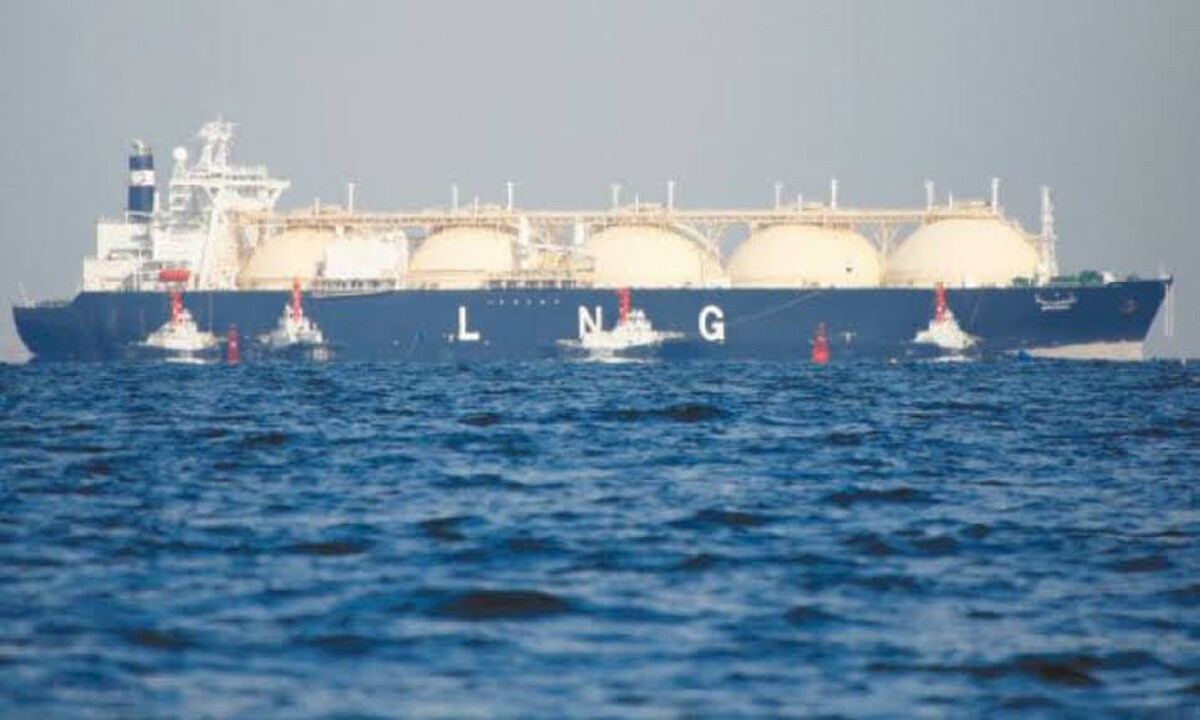
ISLAMABAD: Energas, a consortium of the Lucky Group and Qatar Energy, has given up a multi-million-dollar plan to establish a liquefied natural gas (LNG) terminal at Port Qasim, citing fundamental changes to Pakistan’s energy policy, requirements and longstanding unresolved policy and fiscal matters, it emerged on Monday.

On the other hand, the Port Qasim Authority (PQA) has warned Energas of terminating its final letter of intent (LOI) unless an “unconditional acceptance” is received on or before Nov 30, 2026, along with an updated status of the project.

This would also result in forfeiture of the $2 million initial concession fee, PQA said.

Subsequently, Energas has approached the prime minister for the refund of $2m, absolving it of any contractual lapse and instead blaming the government and factors beyond its control for not moving ahead.

Informed sources told Dawn that Qatar Energy had booked an LNG terminal and committed to supply additional LNG quantities at around 10.2pc of Brent — almost the same rate it contracted to Pakistan State Oil under a second-term contract — to ensure full utilisation of terminal capacity on its own.

Qatar has been seeking pipeline capacity allocation for LNG transportation through the terminal it planned with local partners near Karachi, a level playing field for LNG marketing and a terminal, and exemption from third-party access (TPA) that requires certain terminal capacity for use by government entities.

Ahead of Prime Minister Shehbaz Sharif’s August 2022 visit to Qatar, Pakistan approved changes to the LNG policy to remove restrictions on upcoming private sector LNG terminals to provide their part capacity to the government.

These were officially conveyed to the Qatari counterpart by then-petroleum minister Musadik Malik for re-engaging on LNG sector cooperation, including speedy completion of the LNG terminal and another long-term contract for more gas supplies on top of two existing long-term contracts, in addition to LPG supplies.

While the energy situation kept changing, the project could not move forward over the subsequent three years as Pakistan sought diversion of its existing contracted LNG cargoes even before this year’s closure of the Strait of Hormuz following the Feb 28 US-Israel attacks on Iran and suspension of Qatar’s LNG production.

Quoting past correspondence, Energas’ chairman Muhammad Ali Tabba complained to PM Shehbaz that PQA was “demanding” Energas’s unconditional acceptance of the final LOI by Nov 30, 2026, failing which PQA will cancel the final LOI and forfeit the $2m initial concession fee paid by Energas.

He said the Lucky Group Consortium had taken up a self-funded project in good faith and in response to Pakistan’s energy requirements prevailing at the relevant time, which had since materially changed.

“Energas’s inability to proceed with the project is attributable to two critical factors: firstly, a fundamental change in national energy policy and requirements, resulting in a clear frustration of purpose; and secondly, the persistent and longstanding unresolved policy and fiscal matters with the government, PQA and other government bodies/authorities, which have continuously impeded the viability,” he noted.

The Energas chairman contended that those issues remain unresolved to date, which could have led to a final investment decision (FID) by Qatar Energy and Pakistani partners.

“The government had committed to resolving these matters following discussions with the State of Qatar. However, despite the passage of time, the aforesaid matters remain unresolved, thereby adversely affecting investor interest,” Tabba said.

He added that the national energy requirements and the policy environment had materially evolved since the project was originally conceived and Energas had already approached PQA for the return/refund of the partial concession fee.

Energas said Pakistan’s official Integrated Energy Study (IES) — Final Report of March 28, 2025 confirmed that no new LNG terminals were required over the next five years.

According to Energas, this “unequivocal admission” on the part of the government materially alters the circumstances and context in which the Energas project was conceived and directly affects the necessity and economic rationale for the project, resulting in a clear frustration of purpose from an investor’s perspective.

It recalled that at the time of issuance of the provisional LOI in May 2020, the LNG Policy 2011 provided LNG terminal operators with a five-year tax holiday commencing from the Commercial Operations Date, but the exemption was withdrawn in June 2021 for new terminals while existing terminal beneficiaries continued to avail the exemption.

This was attributed to conditions imposed by the International Monetary Fund (IMF); thus, the proposed LNG terminal became “redundant and infructuous”, Energas said.

In its letter to Energas, PQA said the $2m deposited by Energas was not an ordinary refundable advance but an initial/partial concession fee under Clause 2.6(i) of the Project Guidelines 2019 that provides that this amount may be forfeited if the developer fails to fulfil the required conditions within the prescribed time, unless the parties agree otherwise. Furthermore, paragraph 27 of the final LOI required LOI termination and forfeiture of $2m in the absence of unconditional acceptance within the deadline.

Highlighting Energas’s reasons regarding pipeline capacity allocation, execution of Gas Transportation Agreements (GTAs) with gas companies, allocation of tie-in area, exemption under TPA Rules and the income-tax exemption issue, PQA asserted that Energas was responsible for these developers’ obligations.

“Project Guidelines require the developer to undertake the necessary surveys, investigations, environmental studies, hydraulic studies, detailed design and other project-related studies, and to obtain the requisite governmental and regulatory approvals,” PQA pointed out.

It added that it was also the developers’ responsibility to have financing, design, construction, relevant access, regulatory compliance and other project requirements.

  •  

Govt moves to establish new ‘umbrella’ privatisation entity

• Proposed legislation aims to merge Public-Private Partnership Authority and Privatisation Commission
• Seeks to provide immunity to incumbent, former chairmen, secretaries and other officials

ISLAMABAD: The government has introduced a bill in the National Assembly, for the establishment of a Privatisation and Public-Private Part­nership Commission (PPPPC), by merging the existing Public-Private Partnership Authority (P3A) and Privatisation Commission, to prevent duplication of institutional functions and processes.

The proposed law that seeks amendments to both legal instruments — the Privatisation Commission Ordinance 2000 and Public Private Partnership Authority Act 2017 — also provides legal and investigation immunity to the current and all former chairmen, secretaries, board members, officials and consultants from any act of omission or commission in good faith and in personal capacity and commits public funds to contest any such cases.

The all-powerful commission will be led by the incumbent chairman Muhammad Ali and will comprise a majority of members from the private sector, including two women directors. It will collectively administer four public funds — privatisation fund, public contributory fund, viability gap fund and PPP project development funds — created through allocation in the federal budget, receipts from international lenders, income from investments or any other source.

The government claims that the PC Ordinance dealt with privatisation of SOEs under the government policy while P3A Act governed a separate body. Both frameworks were concerned with mobilising private sector capital and expertise in relation to public assets, infrastructure and services and their administration through two separate institutions entailed duplication of institutional functions and processes.

Therefore, the government’s pol­icy decision was needed for establishing a single institutional framework and mechanism for carrying out privatisation and public private partnership transactions in an efficient manner. For this, it seeks to reconstitute the Privatisation Commission as the Privatisation and Public-Private Partnership Commission, to repeal the Public Private Partnership Authority Act 2017 and dissolve the P3A.

The bill provides for the reconstitution of the board with a majority of independent members, including members with public private partnership experience and at least two women, fixed terms of office and clear grounds for disqualification and removal. The bill also empowers the proposed reconstituted commission to conduct functions of advising on, appraising, structuring, facilitating and monitoring public private partnership projects and the establishment of the viability gap fund, the PPP project development facility, and the public contribution fund.

The draft claims that it provides a comprehensive legal framework for public private partnerships, including the contractual framework for PPP agreements, a federal PPP pipeline, the approval process, the risk management unit and PPP transaction execution committees. It also empowers the commission to set up PPP nodes within government agencies, settlement of disputes and an alternative process for below-threshold projects.

The proposed law enables the commission to utilise public contribution fund to meet any government obligations with respect to PPP projects, including land acquisition, site handover, right of way and any such other enabling actions as may be required in connection with the project. All these funds would be non-lapsable.

The PPP agreement between the public and private parties shall be a public document and any interested person shall be entitled to obtain its copy subject to applicable laws, and the government or the commission or the government agency shall not be held liable for any claim of the private party for a risk which is not specified in the PPP agreement. All existing contracts signed by P3A would stand transferred to the new commission without any disadvantage to the private parties.

The proposed law empowers the commission to require in writing from any government agency to submit a complete list of its existing, proposed and planned projects, including projects under consideration or development, whether or not identified as PPP projects within fifteen days. The agencies shall be obligated to comply with such a requirement with full accuracy and completeness. Where a government agency fails to comply with any such requirement, the PC chairman may refer the matter to the ministry or division concerned for compliance.

There will be a committee to review potential PPP projects proposed for inclusion in the federal PPP pipeline and shall provide its recommendations, which shall be placed before the board for consideration and decision.

All officers, consultants, advisers, auditors, employees and other staff of the P3A shall upon the dissolution of the P3A be retained by the commission for a period of six months or until the expiration of their respective contracts, whichever is earlier, on terms and conditions not less favourable than those applicable to them immediately before the dissolution.

Published in Dawn, October 26th, 2026

  •  
❌