
❌

Reading view

Von der Leyen joins MEPs in defence of EU’s €2 trillion spending plan ahead of summit

European Commission president Ursula von der Leyen has joined MEPs in urging the bloc’s governments not to gut the EU’s next seven-year budget, as talks on spending reach a critical phase. 

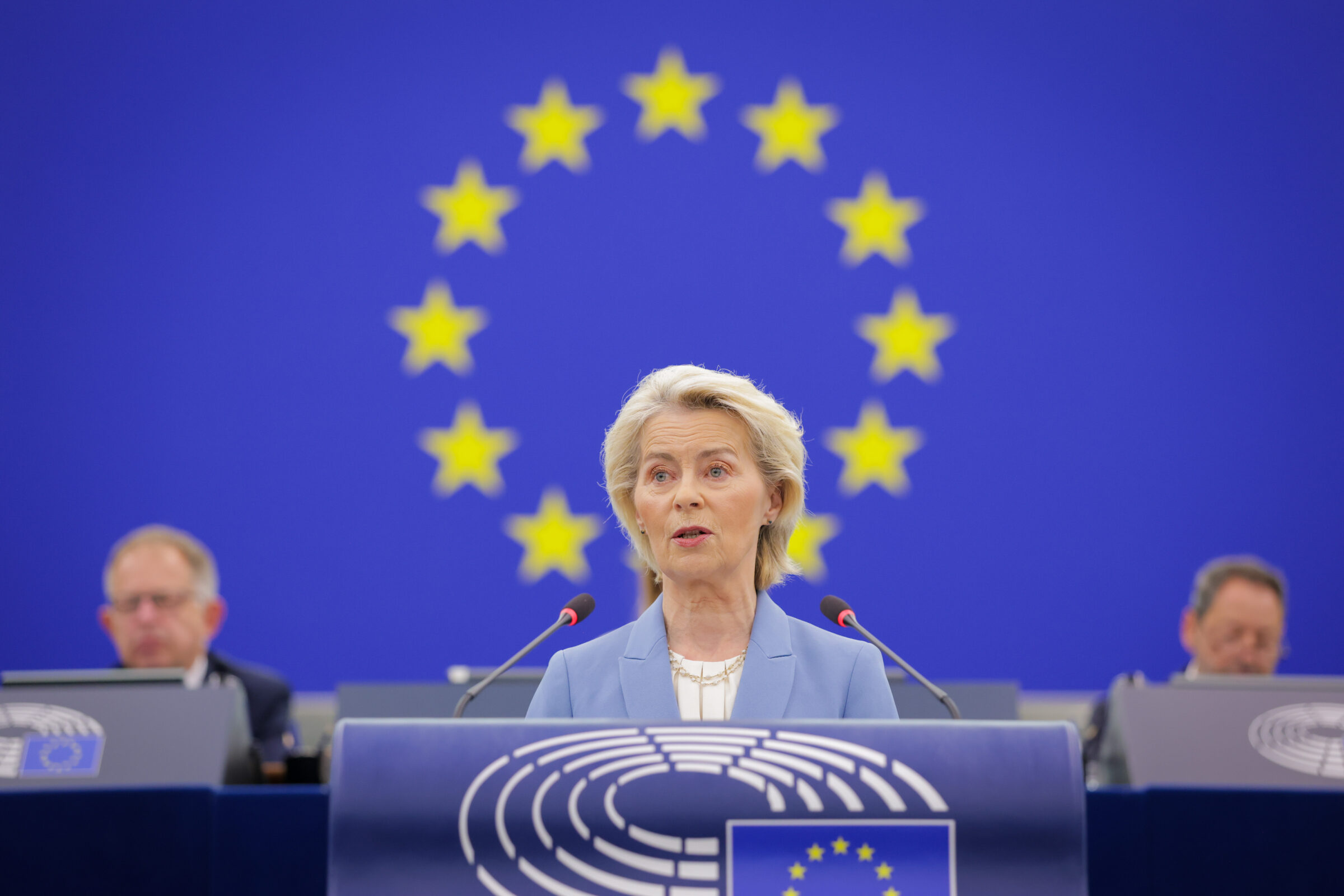
“I would like to caution against large cuts. It would risk cutting deep into critical priorities that we all together have agreed on,” von der Leyen told MEPs during a speech in Strasbourg on Tuesday (6 October), ahead of an EU summit on 15 October.

The commission has proposed a budget worth just under €2 trillion, equivalent to 1.26 percent of the EU’s gross national income, a small increase on the previous seven year spending plan. But the so-called ‘frugal’ group of countries, led by Germany, have demanded hefty cuts, complaining that they are contributing too much. 

“Having no new financial framework is by far the most financially advantageous solution for Germany,” chancellor Friedrich Merz said on Monday. 

But 17 EU countries from Southern and Eastern Europe signed a joint letter last week, demanding that farmers’ subsidies via the Common Agricultural Policy are maintained, as well as spending across the EU’s poorest regions, known as cohesion policy 

During a press conference on Tuesday, Siegfried Muresan, the Romanian centre-right MEP who is co-leading parliament’s negotiating team on the seven-year budget with Portuguese socialist and democrat Claudia Tavares, said that there was “still time” for the Irish presidency to avoid proposing “unjustified cuts” that “would make Europe weaker and severely undermine the institutional cooperation between parliament and council.” 

Though Muresan conceded that governments did not want to increase their national contributions, “there is a way out”, he said. 

This article continues, but the full version is available only to EUobserver.com subscribers. Visit account.euobserver.com/membership
  •  

Why ‘Made in Europe’ could push Burnham’s UK back into the EU’s arms

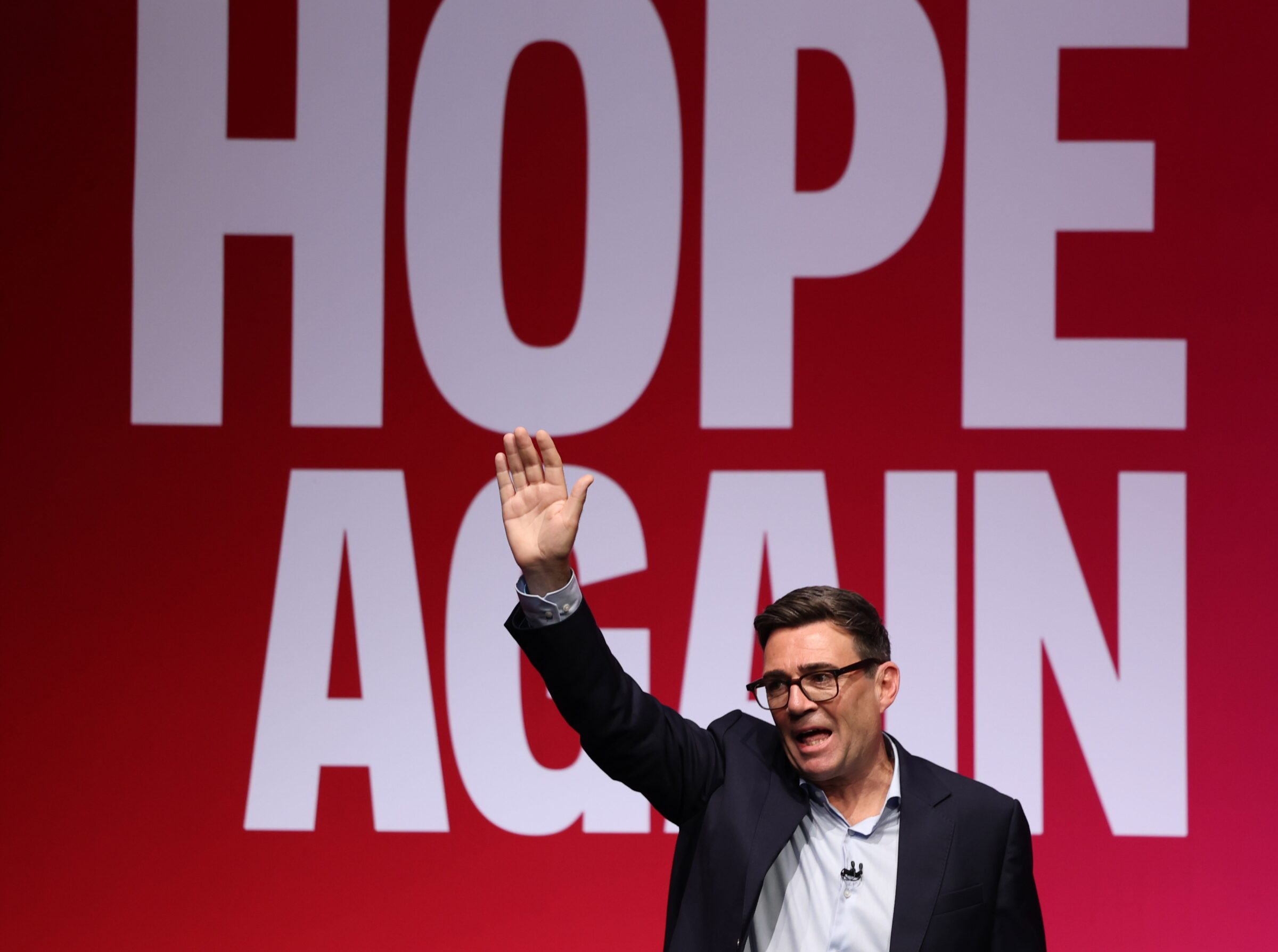
Having said several months ago that he had no intention of a ‘rerun’ of the Brexit debate, UK prime minister Andy Burnham told Labour delegates at the party’s annual conference in Liverpool last week that nothing should be off the table as far as EU-UK relations are concerned. 

Brexit had “done more harm than good”, he said, adding that “we will not give Britain the clear path we need into the rest of the century until we decide on a long-term relationship with what is still our largest market.” 

In fact, Britain could “go all the way” back into the EU, said Burnham.  

The new prime minister is still enjoying something of a honeymoon period. His Labour party now tops the opinion polls, albeit by less than 30 percent, and his early policy announcements on nationalising utilities and pension reform are the most radical in a generation. 

Even so, Burnham’s remarks were a surprise that left pro-European columnists positively giddy with optimism over the weekend. 

In truth, rejoining the EU – if it happens – would probably take a decade. 

Burnham didn’t offer any timetable or any other specifics, and has said that no moves towards EU membership would be taken before the next UK election due in 2029. And talk of rejoining the EU is not purely borne out of pro-European enthusiasm. 

This article continues, but the full version is available only to EUobserver.com subscribers. Visit account.euobserver.com/membership

  •  

The Urgency of Recognizing the Ansar Allah Government in Yemen

The Trump administration came perilously close to launching another bombing campaign against Yemen this weekend. According to a September 20 New York Times report, US commanders had approved their targets, American troops were loading bombs onto warplanes, and an attack on Yemen’s Ansar Allah forces was about to begin when President Trump abruptly reversed course. […]
  •  

Paper Tiger: The Failure of America’s Trillion-Dollar War Machine

According to the Stockholm International Peace Research Institute (SIPRI), the United States spent $21 trillion on its military between 2001 and 2024 (in constant 2024 dollars), equal to the combined military spending of the next eighteen countries. Iran barely made that list at all, spending only 2% of what the US did, and SIPRI estimated […]
  •  
❌