❌

Reading view

Rheas are back to Chilean Patagonia

PATAGONIA NATIONAL PARK — Chile. Mongabay traveled to Chile’s Patagonia National Park to follow a women-led team on a mission to bring 13 Darwin’s rheas back to the wild in April 2026. Working with Rewilding Chile Foundation, these dedicated rangers care for the birds around the clock, facing harsh weather, predators like pumas, illegal livestock grazing, and other threats to the park’s fragile ecosystem. For more than a century, the Chacabuco Valley, where the park is located, was dominated by sheep and cattle ranching. Fences fragmented the vast Patagonian steppes and rheas (Rhea pennata) nearly disappeared. But one of South America’s most ambitious rewilding efforts is helping to turn the tide. Tompkins Conservation, the organization behind Rewilding Chile, acquired former ranchlands and began removing thousands of kilometers of fencing, allowing native wildlife to reclaim the landscape. Now, the team is preparing for another milestone: Releasing 13 Darwin’s rheas into the wild. Mongabay followed the rangers in the days leading up to the release, documenting their preparations, the challenges they faced, and their determination to give these birds the best possible chance of survival. Will they succeed? Watch the video to find out. Mongabay’s Video Team wants to cover questions and topics that matter to you. Are there any inspiring people, urgent issues, or local stories that you’d like us to cover? We want to hear from you. Be a part of our reporting process—get in touch with us here! Banner image: Darwin’s rheas. ©Romi Castagnino.This article was originally published on Mongabay

  •  

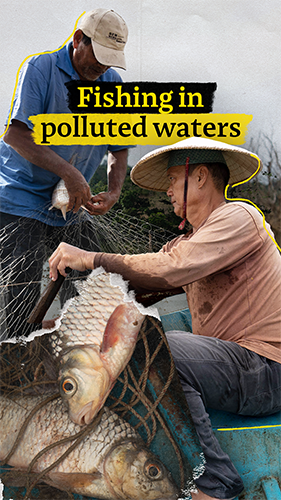
Fishing in polluted waters

In a remote community in Malaysian Borneo, fishermen are facing an existential threat: their water source is being polluted. The fish they depend on is dying. Long Jawe village sits on the banks of the vast Bakun Reservoir. It is so remote that most residents only make the five-hour journey to the nearest town once a year, and visitors are rare. When the reservoir was created in the 1990s, the surrounding landscape was flooded. The community has since adapted to this enormous body of water, which is now crucial to their way of life, providing transport, food and livelihoods. But what happens when that water source becomes polluted? Join Conservation Entangled host Izzy Sasada as she travels to Long Jawe to investigate what could be behind the pollution.This article was originally published on Mongabay

  •  
❌