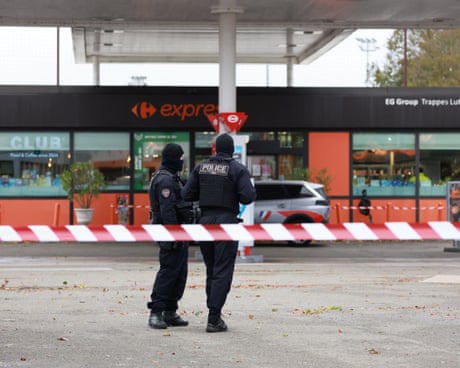
Gunman opens fire from car in Trappes and Verrière, killing one and injuring five others, including a 12-year-old girl
Emmanuel Macron has condemned racism in French society after a gunman opened fire from a car west of Paris on Friday, killing one person, wounding a 12-year-old girl and injuring four others in what the president called a “racist terrorist attack”.
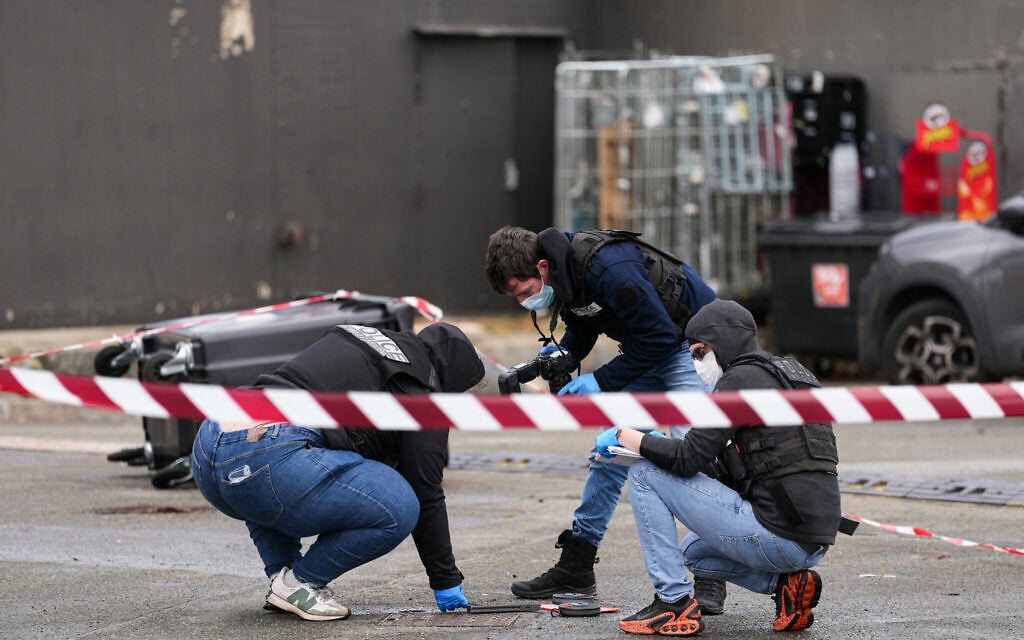
Macron arrived at the scene of the drive-by shooting in Trappes on Friday night, saying he was deeply saddened by what he called the “premeditated” attack. The 12-year-old girl, who was shot eight times, is being treated in hospital.
Unas 800.000 personas salieron a las calles de Francia este fin de semana para protestar contra el alto costo de vida y los recortes presupuestarios, en medio de las movilizaciones estudiantiles que desde hace un mes denuncian el deterioro de la educación pública. Al margen de las marchas, los saqueos dejaron daños millonarios en las principales ciudades del país, ante la incapacidad de las fuerzas de seguridad para contener a los responsables. Los comerciantes, indignados por las pérdidas y preocupados por la falta de protección, reclaman una respuesta del Estado ante las nuevas manifestaciones anunciadas.
Security forces to include elite units usually used for counter-terrorism after worst street violence in years
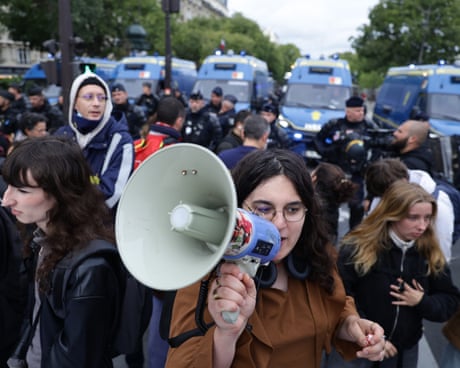
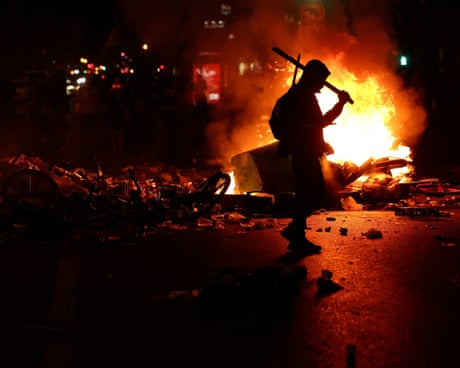
France will deploy about 70,000 police around the country on Saturday as the government seeks to prevent more civil unrest after some of the worst street violence in years erupted on the fringes of cost-of-living protests last weekend.
The interior minister, Laurent Nuñez, said on Friday the security forces would include elite units usually used for counter-terrorism operations and hostage rescues, adding that there had been social media calls for violence from “ultra-left” groups.
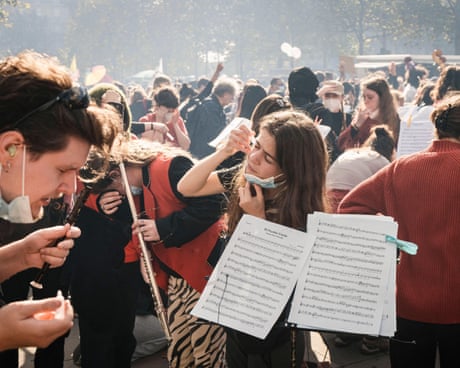
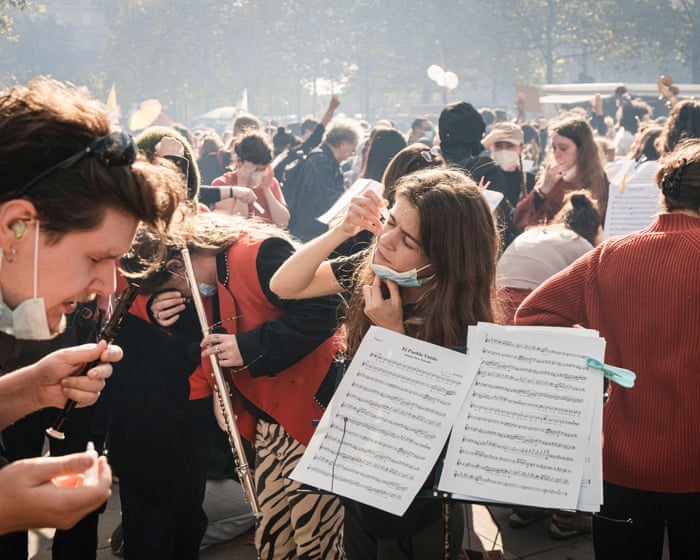
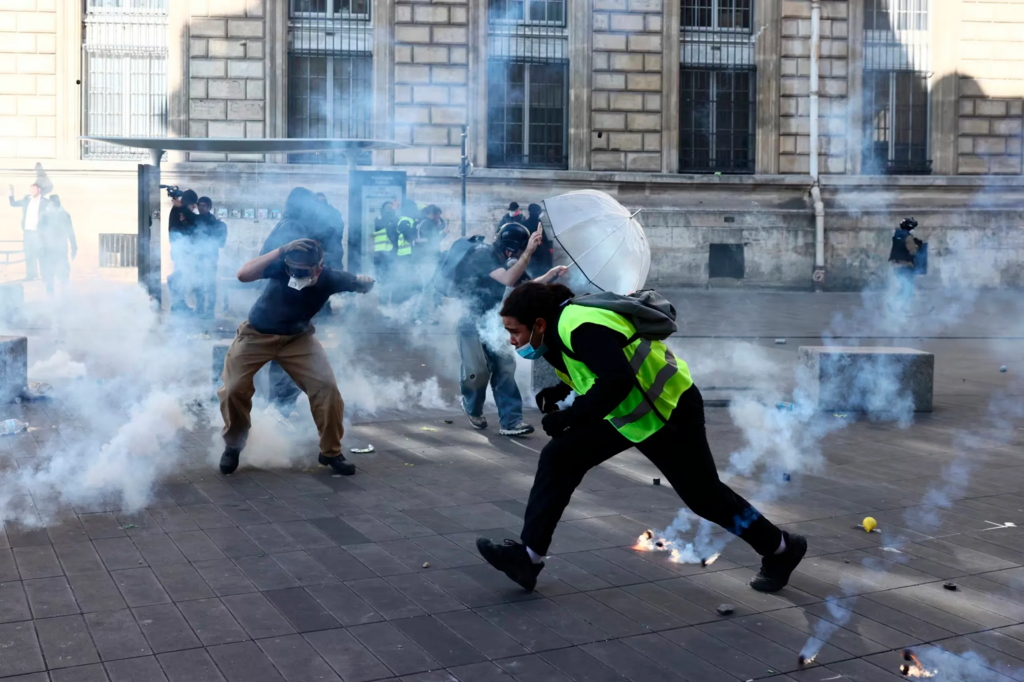
As riot police encircled Place de la République last week, lobbing teargas canisters to disperse demonstrators, the conductor Étienne Jarrier and his orchestra played on. They kept playing even after everyone else had disappeared and teargas was being fired into the central Paris square.
It was only when Jarrier noticed his musicians were being directly targeted that he ordered them to stop. “There were teargas canisters landing in the double bass and music stand cases, and starting fires the musicians had to stamp out,” he told the Guardian.
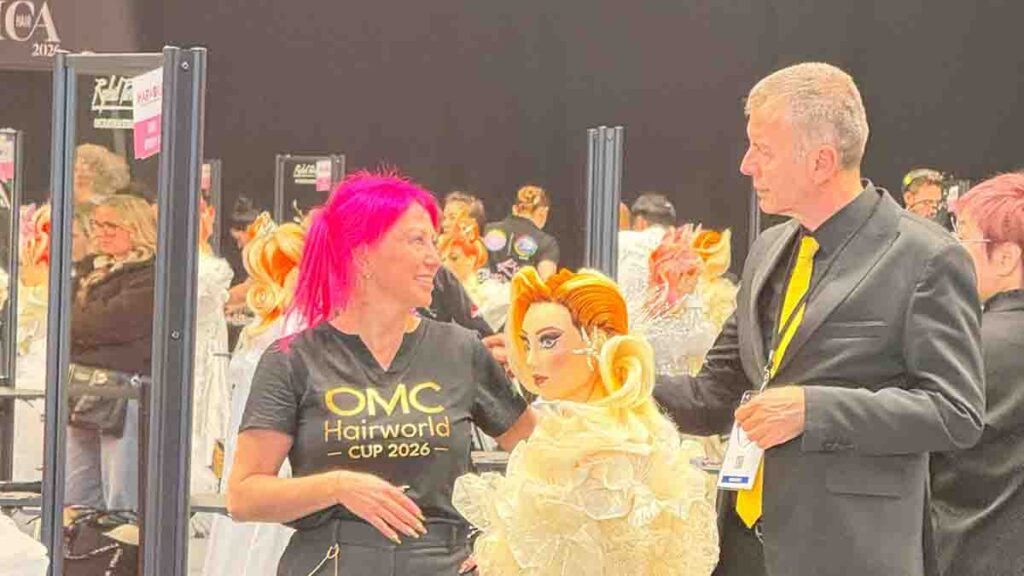
O Império Beauty School, em Quarteira, revela que Svitlana Buchyna, cabeleireira profissional e empresária, levou o nome de Quarteira e do Algarve até ao palco internacional do OMC Hairworld 2026, realizado em Paris, nos dias 10 e 11 de outubro.
Com mais de 22 anos de experiência profissional e 15 anos à frente do seu salão em Quarteira, Svitlana tem construído uma carreira marcada pela dedicação, criatividade e paixão pela arte do cabeleireiro.
Ao longo dos anos, Svitlana tem participado em competições nacionais e internacionais, conquistando vários prémios e afirmando o seu percurso num setor altamente competitivo.
Para além da sua atividade como profissional e empresária, Svitlana Buchynaintegra também a direção da NNAC, contribuindo para a valorização e o desenvolvimento do setor do cabeleireiro em Portugal.
Svitlana Buchina
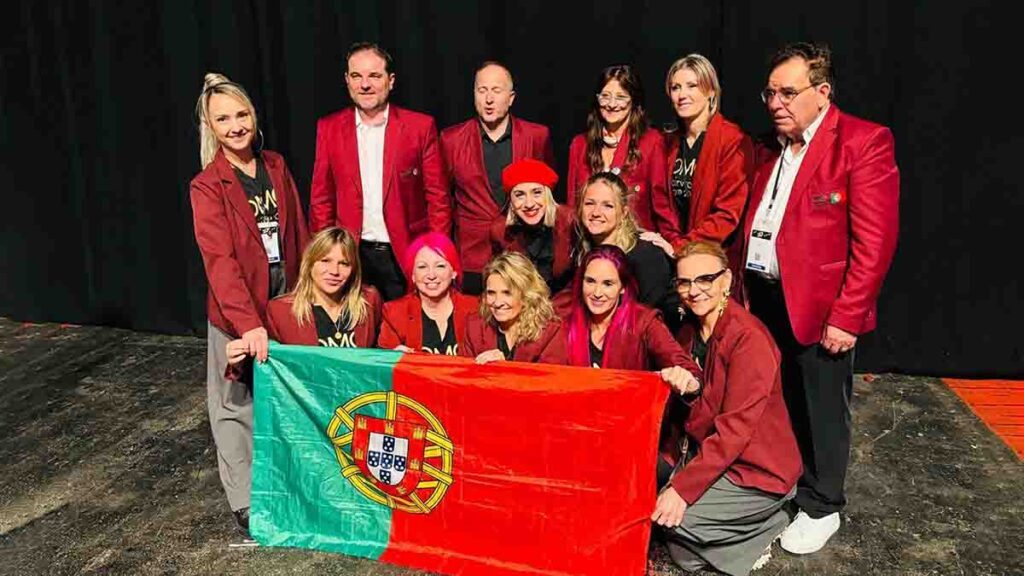
Este ano, Svitlana voltou a participar no OMC Hairworld, uma das competições internacionais de referência na área, levando consigo uma equipa de profissionais portugueses para representar o país.
Num campeonato que reuniu participantes de mais de 60 países, a equipa portuguesa alcançou um lugar entre o top-ten a nível mundial.
Esta participação representa mais um momento marcante no percurso de Svitlana Buchyna e um motivo de orgulho para Quarteira e para o Algarve. O seu trabalho demonstra como a experiência, a dedicação e a vontade de evoluir podem levar os profissionais da nossa região a competir num dos mais exigentes palcos internacionais do setor.
Emmanuel Macron has said “illegitimate” demonstrations will be banned over the coming days as France seeks to get a grip on civil unrest after some of its worst street violence in years erupted on the fringes of cost of living protests at the weekend.
Speaking after a meeting with intelligence officials and senior ministers, the French president said on Thursday that demonstrations organised by recognised groups would be allowed to go ahead, although their routes could be changed.
Awa, 18, stood in the dock in the tribunal de Paris, a small, mute and bewildered figure seeming unable to understand, let alone answer, the simplest of questions.
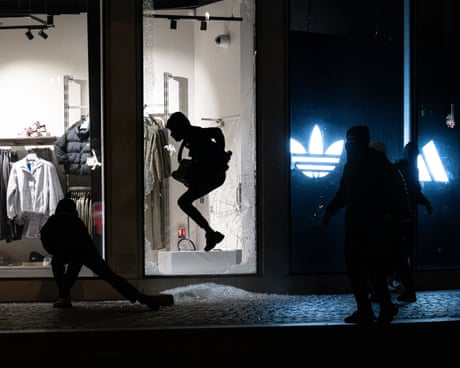
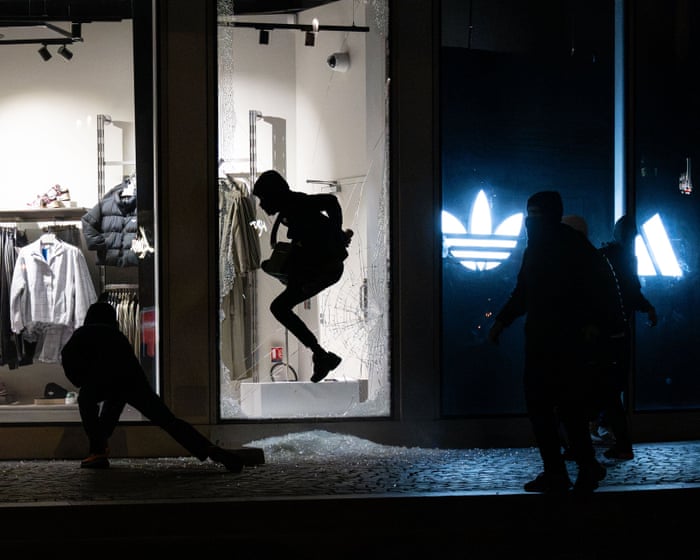
The court was told she had joined young people who looted an Yves Saint Laurent store on Boulevard Saint Germain in Paris’s Left Bank late on Sunday and stripped it bare within minutes.
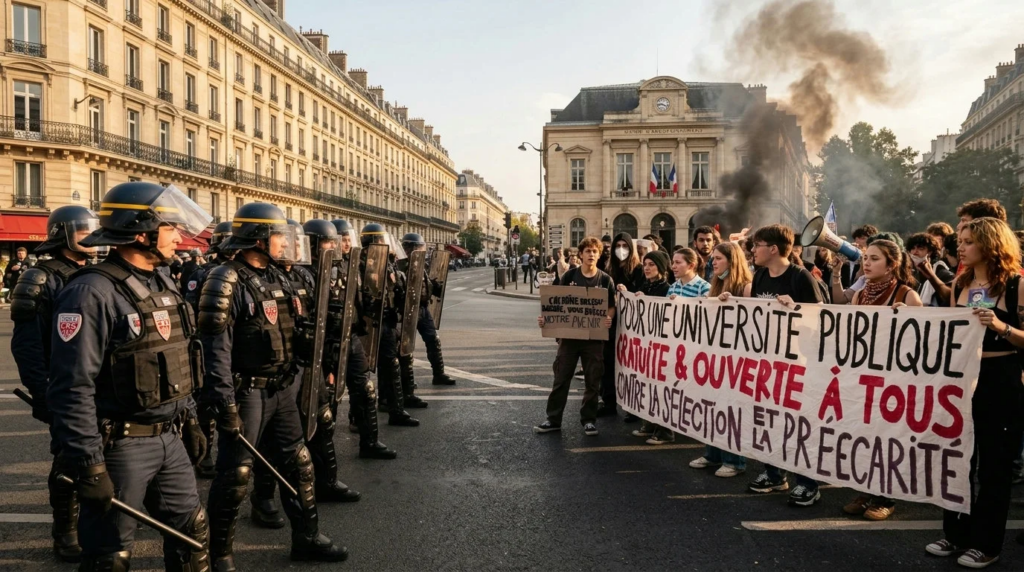
A little over a month ago, at a high school on the outskirts of Paris, a group of students blocked their school to protest the condition of the facilities and the lack of teachers. Within days, students from other schools joined in, first in Paris and then across the country, complaining of leaks in classrooms and even cockroaches, and of walls that are cracking. They are cold in the winter and hot in the spring. That image of public schools — long considered a pillar of the French Republic, but gradually falling apart — also illustrates the economic decline of recent years.
As SpaceX impacts Ukraine and AI-generated music divides artists and fans, critics are asking what happens when technology has too much control over our lives
This was originally published in TechScape, a newsletter about how technology shapes our lives. Sign up to receive it here
Hello, and welcome to TechScape. I’m Blake Montgomery, US tech editor at the Guardian, writing to you while sitting in front of Roy Lichtenstein’s monumental Drowning Girl, on view in New York City. Today in tech, we’re discussing the perils of Elon Musk’s one-man global infrastructure, AI-generated music and a Guardian AI conference in Paris.
The far-right leader’s promise to restore order will appeal to many ahead of next year’s presidential elections – the stakes are suddenly much higher
There is only one clear winner so far from France’s chaos: Marine Le Pen. The violence and rioting that engulfed towns and cities across the country over the weekend, six months before a pivotal presidential election, is a godsend for the hard-right, Eurosceptical, anti-immigration candidate. As buildings burned, shops were looted and police attacked, the rioting largely drowned out peaceful mass protests over the dilapidated state of schools , fuel prices and the cost of living.
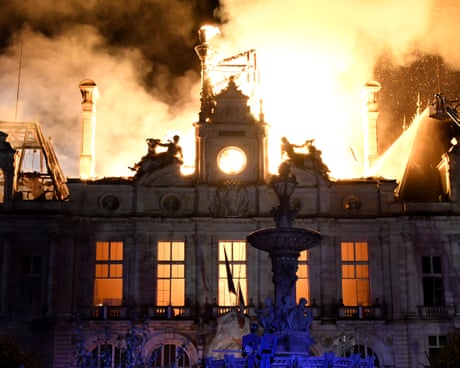
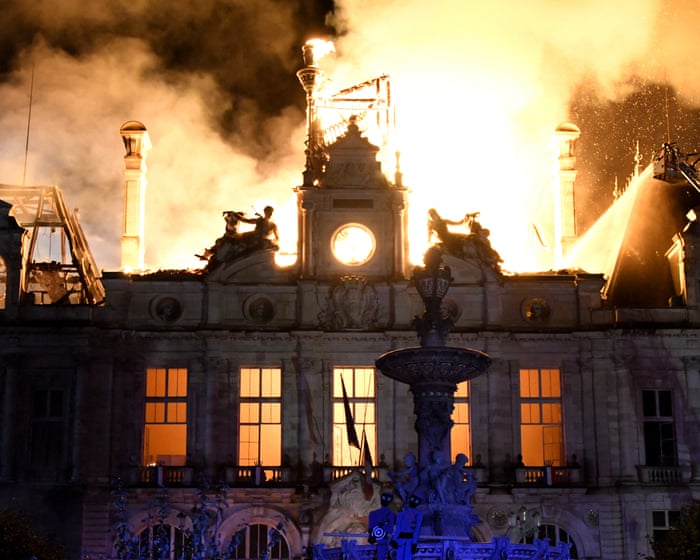
Across France and the rest of Europe, people are in shock at scenes of arson and pillage in city centres, the wrecking of symbols of the republic such as the 19th-century town hall in peaceful provincial Limoges and the bust of Marianne in Marseille’s city hall, and the looting of more than 2,000 shops.
Paul Taylor is a senior visiting fellow at the European Policy Centre
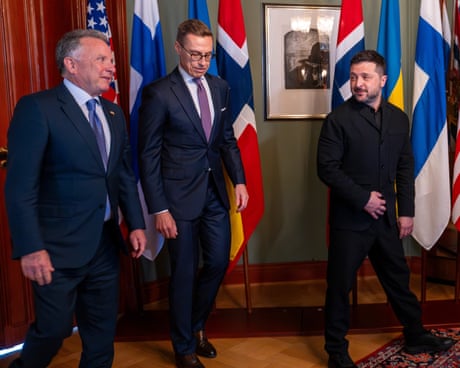
The Ukrainian leadersays talks with US envoys covered security guarantees and he hopes to hear Russia’s response tomorrow
Nordic correspondent
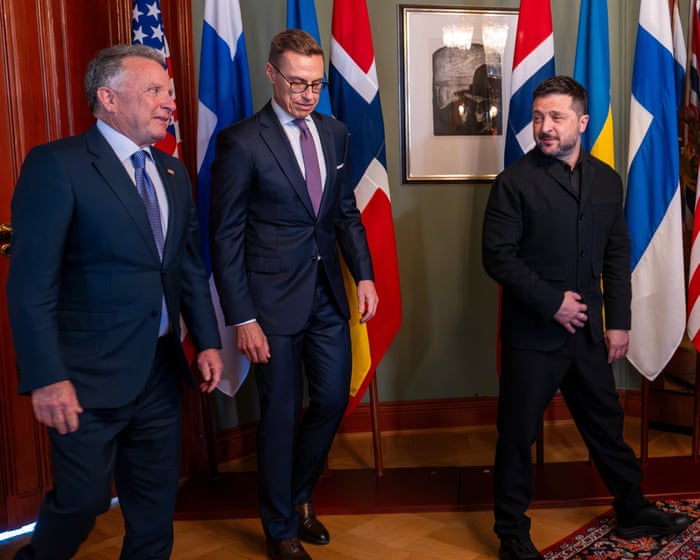
As well as Steve Witkoff, Ukrainian president Volodymyr Zelenskyy will also meet the Norwegian prime minister, Jonas Gahr Støre and the Finnish president Alexander Stubb and Norway’s new King Haakon during his visit to Oslo.
The scenes of social unrest and violence at the weekend are an ominous portent, ahead of elections which may deliver a far-right presidency
In Emmanuel Macron’s book Revolution, published ahead of the 2017 presidential election that he went on to win, he promised to restore hope to a country that was losing faith in its future. As Mr Macron’s lame-duck second term enters its last phase against a quasi-insurrectionary backdrop of torched public buildings and looted shops, the failure of that political project appears total.
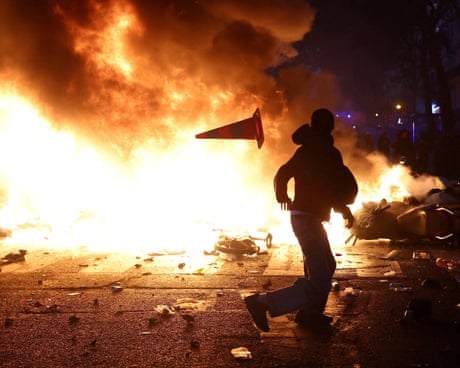
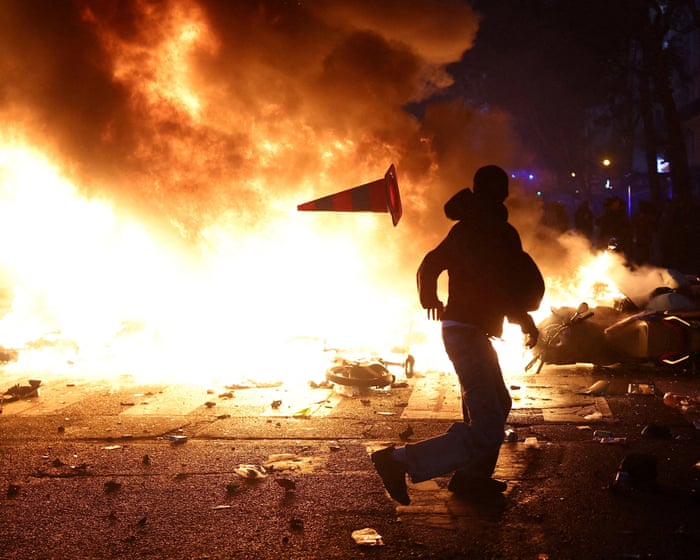
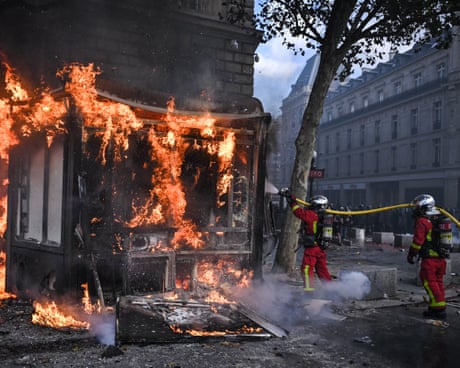
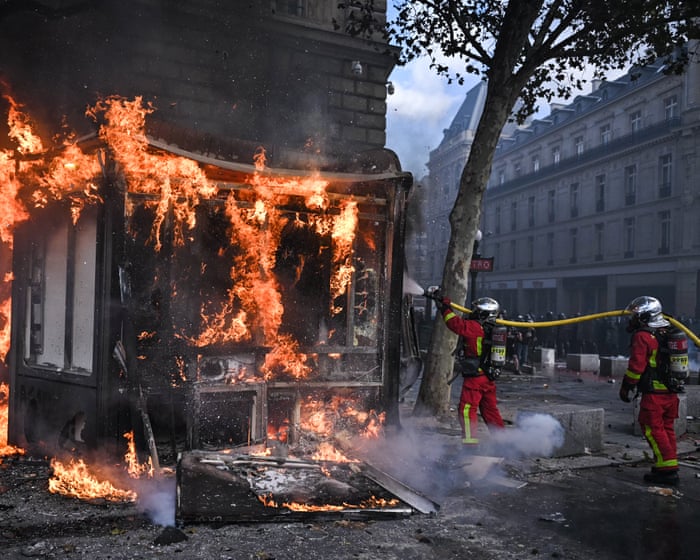
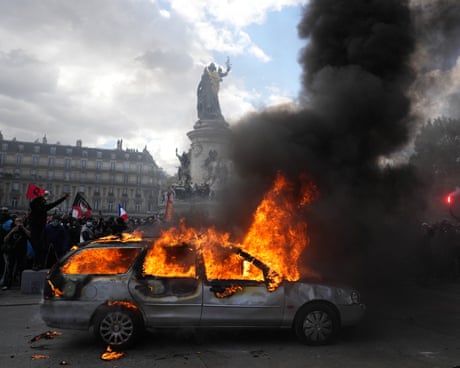
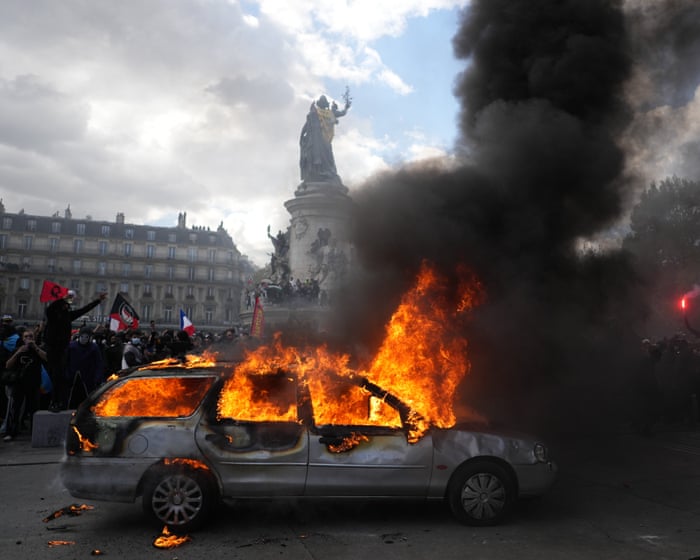
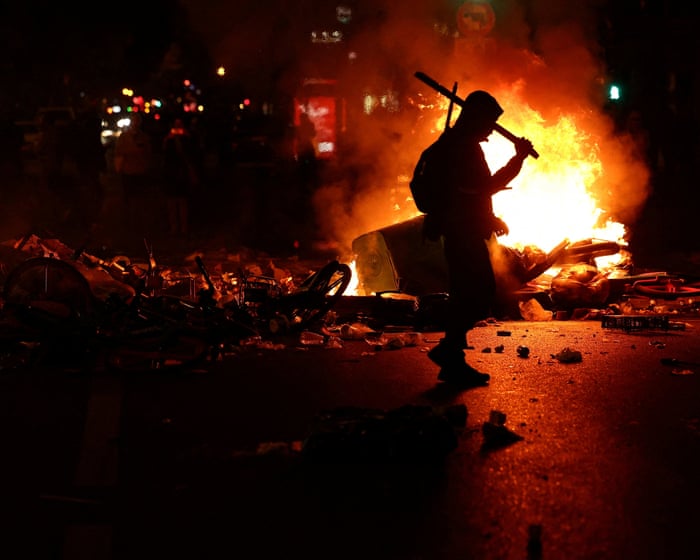
The worst scenes of urban violence for years overshadowed a weekend of protest that gravely undermined what is left of the French president’s authority. As police lost control of the streets, more than 2,000 shops were ransacked. Far-left groups targeted town halls and local buildings, and engaged in pitched battles with the police, whose disastrously heavy-handed response to last week’s high school protests has succeeded only in escalating tensions.
Do you have an opinion on the issues raised in this article? If you would like to submit a response of up to 300 words by email to be considered for publication in our letters section, please click here.
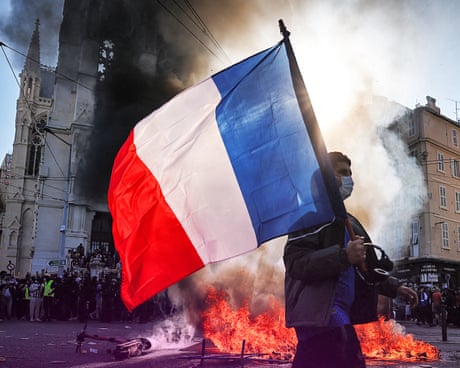
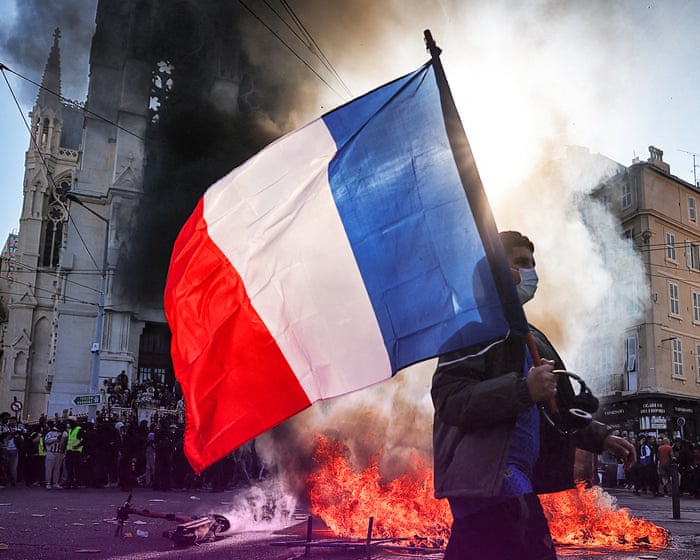
Last weekend there were mass protests across France, with more than half a million people estimated to have been involved. The unrest included rioting, looting and violent clashes with outnumbered police in cities including Paris, Marseille and Limoges. The interior minister conceded that police ‘lost control’ in some cities, while President Emmanuel Macron demanded a full security review. Lucy Hough speaks to the Guardian’s Europe correspondent, Jon Henley – watch on YouTube
Last weekend there were mass protests across France, with more than half a million people estimated to have been involved. The unrest included rioting, looting and violent clashes with outnumbered police in cities including Paris, Marseille and Limoges. The interior minister conceded that police ‘lost control’ in some cities, while President Emmanuel Macron demanded a full security review. Lucy Hough speaks to the Guardian’s Europe correspondent, Jon Henley – watch on YouTube
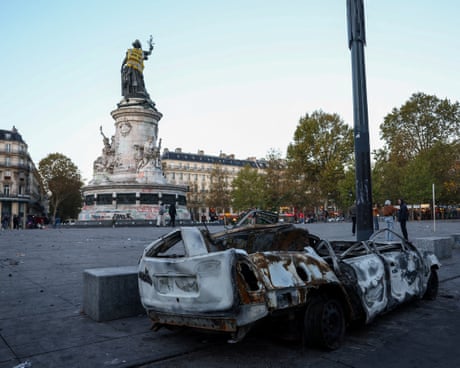
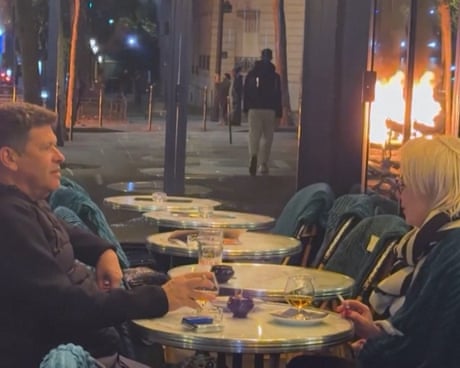
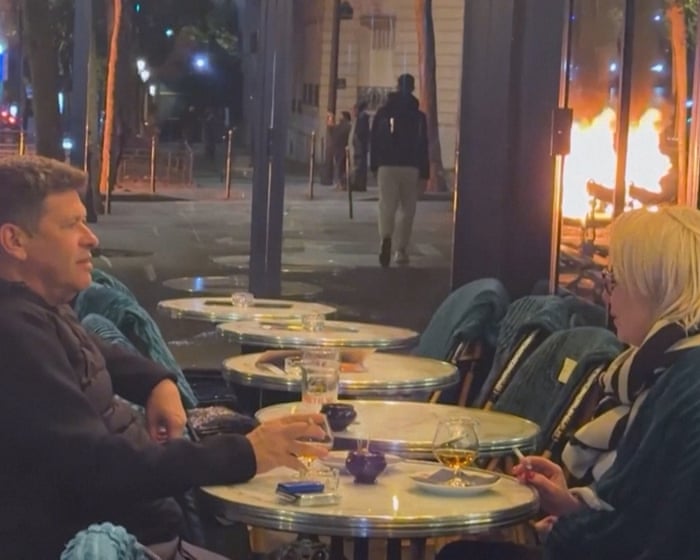
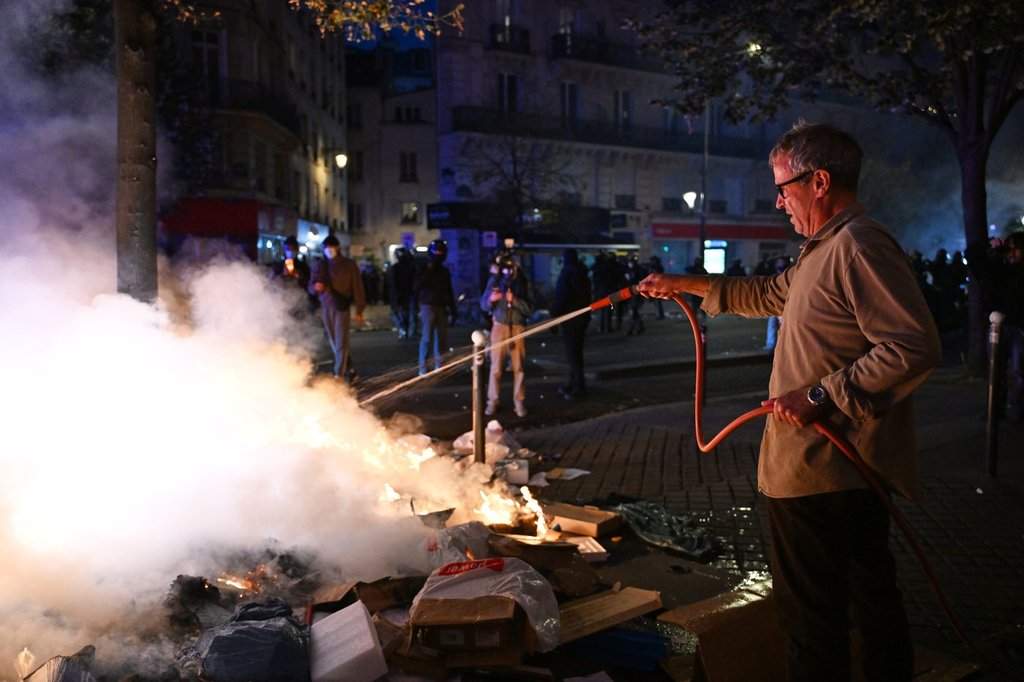
A couple were seen enjoying a drink near the Arc de Triomphe on Saturday, close to where some of the main rioting took place in central Paris. Flames from a burning bin could be seen in the background as the pair dined on a cafe terrace.
The initial wave of protests began last month over absent teachers and decrepit school buildings, and has since developed into a bigger movement over the cost of living and falling standards in education. Demonstrations broke out nationwide, with hundreds of thousands of people taking to the streets in Paris, Marseille, Lille and Nantes
Just before 1am on Monday morning, two motorbikes carrying one passenger each stopped at a traffic light on a backstreet near rue de Rivoli, one of central Paris’s busiest shopping streets.
“You’ve got to go where there are a lot of people, where they’ve done the shop windows,” said one motorbike rider to another. Minutes later 10 other men, their faces covered with ski balaclavas, came down the street on foot pursued by a police van.
O governo francês anunciou medidas para conter a onda de violência que atingiu diversas cidades do país após manifestações contra o aumento do custo de vida e a deterioração dos serviços públicos. Nesta segunda-feira (19), o primeiro-ministro Sébastien Lecornu pediu que prefeitos adotem toques de recolher em áreas consideradas críticas, enquanto o presidente Emmanuel Macron determinou uma revisão das estratégias de segurança.
Os protestos reuniram mais de 500 mil pessoas no fim de semana, segundo os dados apresentados no balanço das manifestações. Em diferentes cidades, atos inicialmente pacíficos terminaram em confrontos, incêndios, invasões de prédios públicos e saques a estabelecimentos comerciais. Um manifestante morreu, quase mil agentes de segurança ficaram feridos e cerca de 2.400 pessoas foram detidas.
A dimensão dos distúrbios levou o governo a discutir restrições à circulação noturna e à realização de manifestações. Lecornu afirmou que as medidas serão definidas em conjunto com os representantes locais. Marselha já proibiu aglomerações e manifestações entre meio-dia e 20h, enquanto Denain, próxima à fronteira com a Bélgica, estabeleceu toque de recolher noturno até domingo.
O primeiro-ministro descartou, por enquanto, decretar estado de emergência, medida defendida pelo líder dos Republicanos, Bruno Retailleau. Lecornu, no entanto, não excluiu a possibilidade de recorrer ao mecanismo caso as restrições locais não sejam suficientes para conter a violência.
França tem onda de protestos, incêndios e 272 prisões em apenas um dia | Foto: Rede social
Macron cobra revisão da segurança
Diante da escalada dos confrontos, Macron reconheceu falhas na condução da resposta policial e determinou uma revisão dos procedimentos adotados pelas forças de segurança. O presidente pediu novas estratégias operacionais para impedir a formação de barricadas, os saques e os ataques a estabelecimentos e edifícios públicos.
O ministro do Interior, Laurent Nuñez, admitiu que as autoridades perderam o controle da situação em algumas cidades. Segundo ele, os aproximadamente 60 mil policiais e agentes mobilizados no sábado não conseguiram conter todos os grupos envolvidos nos episódios violentos.
Macron também recusou o pedido de demissão apresentado por Nuñez e cobrou esclarecimentos sobre as falhas de prevenção e inteligência que permitiram a expansão dos distúrbios. Apesar das restrições anunciadas, o ministro afirmou que as medidas não devem afetar a partida entre Paris Saint-Germain e Barcelona, prevista para terça-feira (20), pela Liga dos Campeões.
Manifestações contra o alto custo de vida e a crise na educação se espalham pela França | Foto: Rede social
Louvre fecha as portas após bloqueio
Em Paris, o Museu do Louvre amanheceu fechado nesta segunda-feira após um bloqueio organizado por estudantes da École du Louvre. A direção da instituição confirmou a interrupção das atividades e informou que o fechamento ocorreu em razão da mobilização estudantil.
O movimento também chegou à Sciences Po, universidade localizada no centro da capital, onde estudantes realizaram concentrações e bloquearam acessos. Os atos fazem parte de uma onda de manifestações iniciada semanas antes, com reivindicações por melhores condições nas escolas.
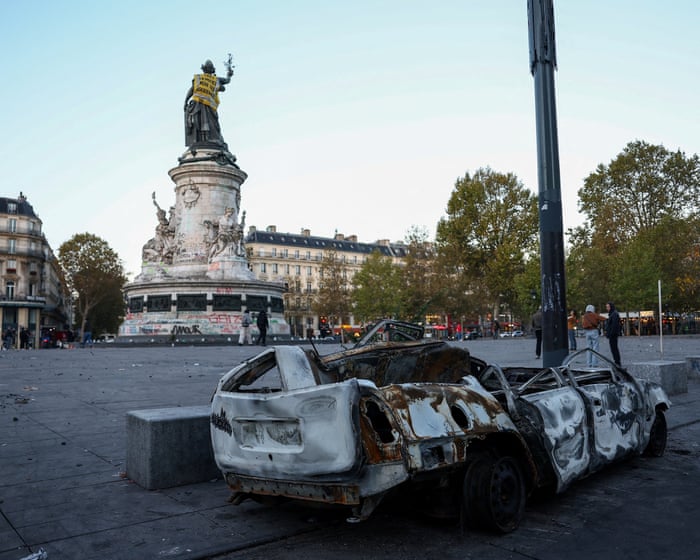
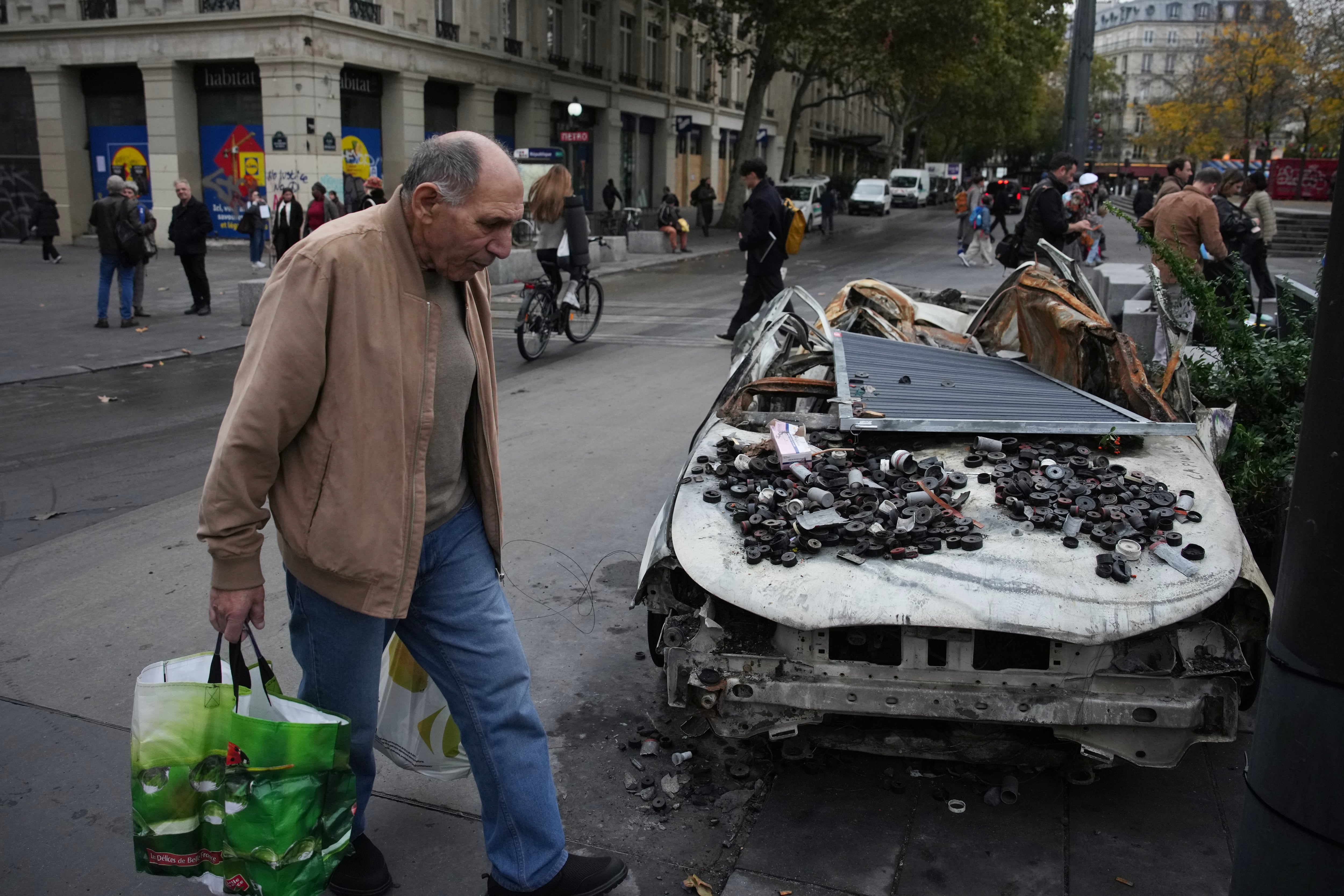
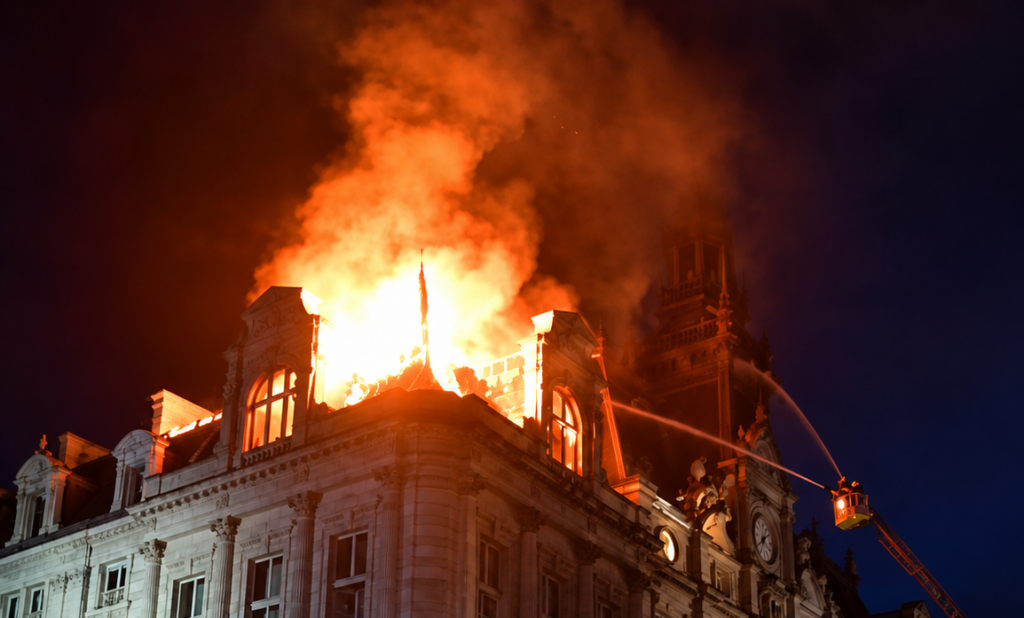
No fim de semana, a mobilização ganhou escala nacional e foi acompanhada por episódios de violência em Paris, Marselha, Lyon e outras cidades. Prédios públicos foram invadidos, uma prefeitura foi incendiada e estabelecimentos comerciais sofreram depredações e saques. Veículos, bicicletas e patinetes também foram queimados.
O impacto econômico preocupa o setor comercial. Mais de 2 mil lojas foram atingidas em todo o país, com prejuízos estimados em centenas de milhões de euros, segundo Alain Di Crescenzo, presidente da Câmara de Comércio. Somente na capital francesa, aproximadamente 400 estabelecimentos foram depredados.
Protesto fecha Louvre, e governo anuncia toques de recolher para conter onda de violência na França | Foto: Divulgação/Rede social
Crise amplia pressão política sobre Macron
A onda de violência também intensificou a disputa política na França, a poucos meses de uma eleição presidencial que não poderá contar com Macron como candidato à reeleição. Marine Le Pen, líder do partido de ultradireita Reunião Nacional, aparece em posição de destaque nas pesquisas de intenção de voto.
Lecornu acusou setores da ultr esquerda de tentar ampliar a instabilidade no país. Le Pen, por sua vez, responsabilizou o partido de Jean-Luc Mélenchon por, segundo ela, legitimar a violência. À esquerda, críticos do governo afirmam que Macron negligenciou as reivindicações sociais que deram origem aos protestos. Já representantes da direita defendem uma reação mais rigorosa contra os responsáveis pelos ataques.
Em artigo publicado no jornal Libération, os prefeitos de Paris, Marselha e Lyon cobraram explicações do governo sobre a preparação das forças de segurança. Os três gestores, ligados à centro-esquerda, afirmaram que a dimensão dos acontecimentos surpreendeu as administrações locais e expôs falhas na proteção de áreas inteiras das cidades.
A crise coloca o governo diante de um duplo desafio: conter os atos de violência e responder às reivindicações que mobilizaram centenas de milhares de pessoas. Enquanto as autoridades avaliam novas restrições, a capacidade de restabelecer a segurança sem ampliar a tensão política permanece no centro do debate nacional.
Interior minister concedes police ‘lost control’ of weekend protests as PM vows to restore public order
Partial curfews have been issued for a number of French cities, including parts of Paris, after the government admitted police had “lost control” during violent weekend protests around the country.
Sébastien Lecornu, the French prime minister, said after an emergency cabinet meeting on Monday he was “fully resolved to restore public order” and had called for “local and partial” curfews if needed. There was “no question” of imposing a full curfew on entire cities, he said.
Macron echoed other government officials in blaming much of the violence on far-left activists, accusing them of attacking police and public buildings to foment chaos.

 Login