❌

Reading view

The 3 most manipulative coworkers (and the mistakes they hope you’ll make)

Everywhere I turn lately – from management advice to TikTok – someone is warning us about “manipulative” people: a friend who heaps on guilt, a boss who keeps you purposely off-balance, a coworker who plays mind games. For a word we use so freely, though, how many of us could actually explain what makes a behavior manipulative?!

The American Psychological Association defines manipulation as behavior designed to “exploit, control, or otherwise influence others to one’s advantage.” It’s not a diagnosis. Nor is it a wrapper for every difficult interaction; someone can be demanding, rude, persistent, defensive or wildly annoying without being manipulative. It’s defining action comes in steering or trying to load your decision. A manipulative person uses guilt, pressure, distortion, selective information to steer what you think, feel or do in a direction that benefits them.

So say your boss wants you to stay late. A direct way for them to ask you might be: “Could you stay an hour or two longer tonight and help me finish this?” A manipulative approach tries to engineer a specific response from you, by adding on: “You’re really the only person on this team I can count on.” Notice how the latter works on your identity and loyalty so you’ll agree – plus flattery’s being used to make saying no harder.

The manipulator doesn’t always “own” outright what they ultimately want either, it may only be suggested. For example a manager could ‘hint’ that you’re being difficult in order to make you fall in line. Everyone else is getting behind the new initiative, why can’t you?

That’s why one of the most helpful ways to spot manipulation is to notice when you’re experiencing a sense of unwelcome pressure from someone coming off as directive. Therapist Darlene Lancer, JD, LMFT explains the challenge perfectly “You might have a gut feeling of discomfort or anger, but on the surface the manipulator may use words that are pleasant, ingratiating, reasonable, or that play on your guilt or sympathy, so you override your instincts and don’t know what to say.”

The thing is, you don’t have to psychoanalyze each person in the next cubicle or even figure out if someone’s a certified manipulator. Instead notice when you’re feeling at a disadvantage and compelled to hurriedly decide, second guess your take, or defend yourself against something that shouldn’t need defending.

Here are three classic manipulator types – not just the moves they make – but the mistake they’re hoping you’ll make!

1. The Urgency Dealer

Everything is suddenly critical to this person. They need your input ASAP – or my favorite, they send “??” when you haven’t answered quickly enough. Their urgency has a funny way of becoming your emergency.

The mistake they hope you’ll make: React or say yes before you assess.

They’re bulldozing you matters because the faster you respond, the less of your full judgement you bring to the decision. Pressure narrows the creativity, accuracy and room we give ourselves to think. In fact, researchers found that those under low time pressure are more likely to identify correct answers – and to feel confident in those answers – than those under high time pressure.

Which helps explain why “I need this right now” can be such an effective lever for a manipulator – and such a lore to the one being manipulated. So before jumping to agree to something (or even buying into a faux urgency), ask:

“What specifically do you need from me – and what specifically needs to happen now?”

Or:

“If I move this up, something else will need to move back. I’ll need to figure that out first and come back to you.”

If the person gives you one of those “Everything is on fire and needs to be handled yesterday…” answers, that’s a great entrée into another of my favorite questions:

“What’s driving the urgency here?”

Maybe there is a legitimate escalation or something really did catch fire. Great – now you know that and can come to a conclusion based on your own agency, limits, and ability to give. But sometimes a person’s “emergency” looks…well – quite different once they have to explain it out loud.

2. The Reality Rewriter

This manipulator revises what was agreed to, said or decided upon. They challenge you (usually confidently) about your recollection of events, tilting their retelling in a direction that favors them. This is why someone who was a perfectly capable, confident professional at 11am can find themselves distraught and self-questioning as they analyze an interaction on their drive home at 5pm (not that I know anything about that!).

People who rewrite reality may say “You misunderstood…” or “We said you were handling that” or “I definitely told you the deadline changed.” Now, as long as there are humans, there will be misunderstandings: two people can absolutely remember the same conversation differently.

What I’d pay attention to is a pattern where the revised version keeps granting them an upper hand – and repeatedly leaves you responsible or on your heels.

The mistake a rewriter hopes you’ll make is that you’ll keep arguing using their words against yours. Just think, once you’re arguing from two different memories, they have infinite room to dispute the details. That’s why it’s so important if you have a relationship with a manipulator like this that you create backup: you have another teammate or manager involved in the plan or timeline (as a witness), and you put plans and timelines in writing.

That could be as concise as:

“Confirming that after today’s client meeting, I’ll own the client analysis, and you’ll have the final slides ready by Thursday at noon.” Simplicity works best here, no need for a scary Per our conversation… email with seven people copied!)

Just make the agreement visible, then, if the story changes later:

“Let’s pull up what we agreed to last Thursday so we’re working from the same information.”

Dates, roles, names, and emails help. It also shows people you pay attention to what gets decided and that you expect peoples’ agreements to hold.

3. The Button-Pusher

This person knows just how to throw you off by taking you down a peg or making a dig. They can put you in your place by questioning your expertise in front of other people – as in:

“I’m not sure you really understand the bigger picture here” or demeaning you: “Well, I guess they’ll let anyone lead these projects now.”

They can also escalate situations by taking a swipe at your emotional state:

“Wow, look at you getting all worked up about this!”

Blood boiling, right?

The mistake they hope you’ll make: Defend yourself on command.

This is such a clear trap to spot once you recognize it and yet it’s still easy to get ensnared in because it feels like your credibility and status is being questioned. A button pusher hopes that when they question your competence, that you’ll get riled and start reciting your credentials. The move is that they toss a grenade into the room and you are the one doing the scrambling!

Researchers have found that provocation registers to us as a form of social threat, which makes it hard to resist the urge to act. Not just that, they discovered that retaliation can actually feel rewarding to the brain, which explains why taking the bait becomes so tempting.

So if a cutting comment has you scrambling to defend, fire back or prove ‘em wrong, congratulations on being human.

Now, your job is to get your best thinking and your grounded center back. One of my favorite responses to an undermining comment is:

“Sounds like you have a pretty firm opinion about that.”

Then STOP. Or try:

“What did you mean by that?”

And wait, allowing silence and potentially awkwardness to exist. There’s something wonderfully empowering about making people explain the words they just chose!

They may clarify, backpedal or suddenly hear how obnoxious the comment sounded. Either way, don’t then come in and tidy or smooth things. They’re responsible for them, you’re responsible for you.

Watch What They’re Steering You Toward

Here’s a self-check I hope you’ll keep in your back pocket: What is this interaction making me more likely to do? Notice you’re not asking, What’s wrong with this person?!, you’re focusing on something much more useful: Where am I being steered?

Manipulation gets a lot less mysterious when you bring some open curiosity to it. It also changes the manipulator’s dance steps when you maintain a peer to peer interaction style. You’re not deferring, buying into their (over)confidence, nor are you treating their perspective as The Truth. You’re staying on equal footing where their intensity doesn’t dictate your next move.

The post The 3 most manipulative coworkers (and the mistakes they hope you’ll make) appeared first on MS NOW.


  •  

Russian espionage evolves from elite spies to gig operatives

Russian hostile activity costs the UK at least £2 billion (US$2.7 billion) annually, according to a recent report by Scottish MP Graeme Downie, who has called on the government to measure what these actions cost Britain. But this figure is just the baseline. In reality, a profound shift in Moscow’s approach to sabotage means the […]

The post Russian espionage evolves from elite spies to gig operatives appeared first on Asia Times.

  •  

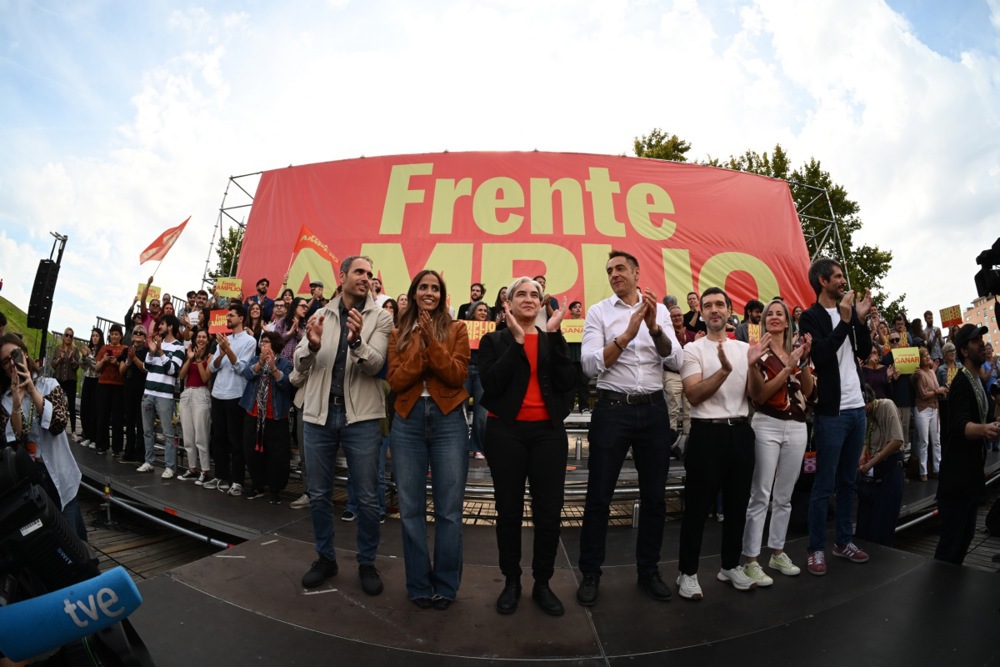
Why Spain’s Left missed the chance to unite ahead of November’s snap election

Spain’s Left has now missed its last chance to unite ahead of the country’s snap election on 29 November — a historic failure, not so much because the numbers don’t add up, but because it fails to offer an alternative.

The elections are seen as pivotal, with a real chance that the far-right Vox will enter the government for the first time since Spain’s return to democracy in 1978, in a coalition with the centre-right People’s Party (PP), which itself is expected to fall short of an absolute majority.

With that possibility on the horizon, the Spanish parties to the left of the PSOE (Spanish Socialist Workers’ Party), led by PM Pedro Sánchez, tried to agree on a nationwide joint list for the 29 November snap election.

But they failed because of a “war of egos”, as one political leader described it, and old grudges dating back to 2023. This has left many disillusioned and the left even more divided.

“These past few days have been very difficult … some people will be disappointed today, and for that I am sorry,” Ada Colau, former Barcelona mayor and leader of the Broad Front, said last week, as her alliance failed to reach an agreement on a joint electoral platform ahead of the election.

Spain’s electoral system disadvantages smaller parties, especially in less populated provinces. That means their votes are less likely to translate into seats. 

In Spain, a country where a two-party system was the norm until 2015, it is puzzling that the “new” left, born precisely to break that duopoly, has ended up too divided to even compete with the mainstream.

And that makes it harder for Sánchez to keep any leftwing coalition, which relies on these smaller forces.

So what’s the picture? On one side, the right is more aligned than ever: the PP and Vox are running separately, but the conservative party openly says it is willing to strike a deal with the far-right if needed. Liberalism is almost non-existent, even though Democracia 21 will run for the first time, but only in Madrid and Barcelona. And the left is divided. 

War of egos 

This article continues, but the full version is available only to EUobserver.com subscribers. Visit account.euobserver.com/membership

  •  

Albania accused of rushing through Trump-linked resort in formerly protected landscape

Dutch MEP says government is trying to avoid EU environmental rules as protests over luxury development turn violent

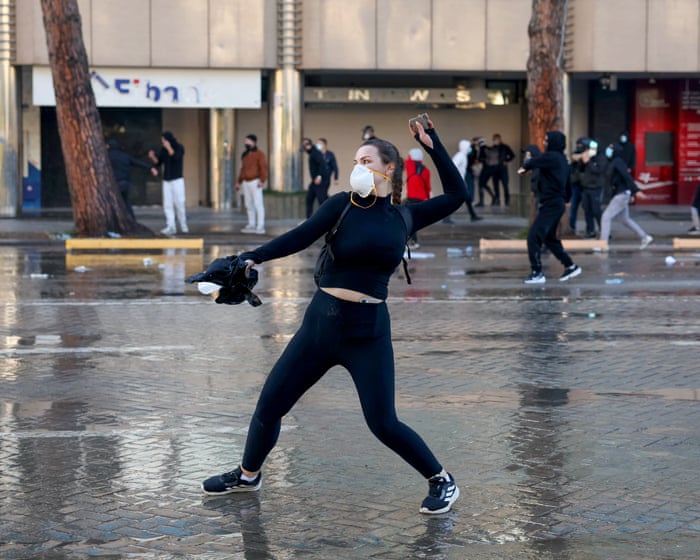
MEPs have accused Albania of deploying “sneaky” practices to fast-track a proposed Trump-linked luxury resort in the country amid protests that have turned increasingly violent.

As the prime minister, Edi Rama, pledged to “listen to the voices of young people” taking to the streets, there was mounting criticism of his failure to address demonstrators who had long opposed the controversial project peacefully.

Continue reading...

© Photograph: Adnan Beci/AFP/Getty Images

© Photograph: Adnan Beci/AFP/Getty Images

© Photograph: Adnan Beci/AFP/Getty Images

  •  

Denmark lashes out again at Sánchez over Spain’s migration regularisation, but EU summit avoids linking migration to crime

Danish prime minister Mette Frederiksen attacked Spanish leader Pedro Sánchez on migration during a summit debate in Brussels on Friday (16 October). 

Frederiksen, who despite leading a centre-left party has taken an increasingly hard line on migration, criticised Sánchez for granting renewable one-year legal residence permits to undocumented migrants.

“I have asked the commission to look into whether one country is doing almost everything in the opposite direction of what the others are doing. In other words, you come to a country illegally, and suddenly you’re allowed to be there legally,” Frederiksen said before arriving at the second day of the Brussels summit.

In response, Sánchez told reporters after the meeting with EU leaders that Spain’s regularisation scheme “does not go against the grain” – since there are many countries with similar measures.

In April, Spain approved plans to grant legal status to around 500,000 undocumented migrants and asylum seekers. These so-called regularisations are a common labour-migration policy that other countries have also used, including Italy, which has authorised nearly 500,000 non-EU work visas through 2028.

But at the EU leaders’ summit in Brussels in June, several European leaders used the meeting to criticise Spain’s regularisation.

The criticism resurfaced during this October summit, after the summer’s migrant crisis in the Spanish enclave of Ceuta, which some EU governments then weaponised against Spain.

Push for stronger wording

Following a breakfast on Friday (16 October), attended by 16 EU countries backing stricter migration restrictions, Denmark, Poland and Italy had also attempted to link migration to crime in draft EU summit conclusions.

They tried to amend the summit conclusions to call on the commission for extra efforts to monitor national migration measures that can affect other member states, highlight the impact of migration on welfare and public services, as well as avoid “measures that could create incentives for illegal migration”.

However, France and Luxembourg criticised the position of the 16, and leaders had a strategic exchange and agreed to return to the topic at a later date.

According to experts from the Migration Policy Centre, it is hard to conclude whether Spain’s regularisation plans encouraged more migration to the EU.

So-called ‘pull factors’ are difficult to consider in isolation, as migration depends on work opportunities, social networks abroad and other factors, but policies can also play a role. 

Regularisation could pave the way to legal work, generating  “positive employment and fiscal outcomes over time,” the scholars also said.

Denmark itself is not bound by EU laws (due to an opt-out) on border control, immigration, civil and criminal law, or police cooperation, and therefore cannot vote on them in the Council.

Rhetoric versus facts

It is not the first clash between the two socialist leaders on migration, but the timing matters. 

Sánchez faces elections in November, and France heads into presidential elections next spring, where it is feared anti-migrant rhetoric could roll out the red carpet for the far right.

In response to a barrage of criticism from the likes of Austria, Czech Republic and, Sánchez said that the numbers on illegal migration returns speak for themselves. 

“See what is happening in Spain – some politicians are willing to replace the population only so they can be … in government,” said Czech prime minister Andrej Babiš ahead of the meeting on Friday. “I am convinced that for some countries, it is too late – and that some day we will have to defend our borders so that migrants don’t come to us from Western countries if it continues like this. And we, of course, are preparing for this.”

“It’s a road to hell,” added Babiš, who belongs to the far-right Patriots for Europe group.

His comments, Sánchez said, resembled the rhetoric of the far-right political party Vox in Spain, now polling close to 20 percent. “One thing is the rhetoric, the blablabla, and another thing is the facts,” he said.

Ceuta crisis

The situation in Ceuta escalated at the end of July 2026, when tens of thousands of people simultaneously attempted to cross over from Morocco to the autonomous enclave.

The Spanish have since deployed additional security measures to regain control over the territory. 

A majority of newly arrived migrants were eventually returned to Morocco, but thousands remained in the city of 80,000 people – many of whom are unaccompanied children and teenagers.

The crisis has exposed tensions between Spain, Morocco and the EU on border control and asylum and put into question who is responsible for migrants. 

French president Emmanuel Macro previously said: “Spain was the target of an attack. Call it a hybrid attack if you like, but it was an information attack. Traffickers, and probably people seeking to destabilise Spain, led many people living in poverty to believe there was an opportunity, using false information and creating an information bubble.”

Meanwhile Italian prime minister Giorgia Meloni previously called for a suspension of the Schengen free movement agreement with Spain.

The whole situation triggered tit-for-tat border closures between Spain and Italy. 

On Thursday (15 October), Italy decided not to renew the security checks with Spain, paving the way for a week of negotiations between Madrid and Rome to reach a final agreement. 

  •  

Pressure mounts on EU leaders to strike a budget deal by December

EU leaders met Thursday (15 October) for their first face-to-face talks on the 2028–2034 budget, killing the latest negotiation proposal put forward by Ireland.

Dublin, which holds the symbolic EU Council presidency, proposed cuts of up to €141bn from the long-term budget,  about eight percent less than the commission proposal. But it failed to make anybody happy, for different reasons. 

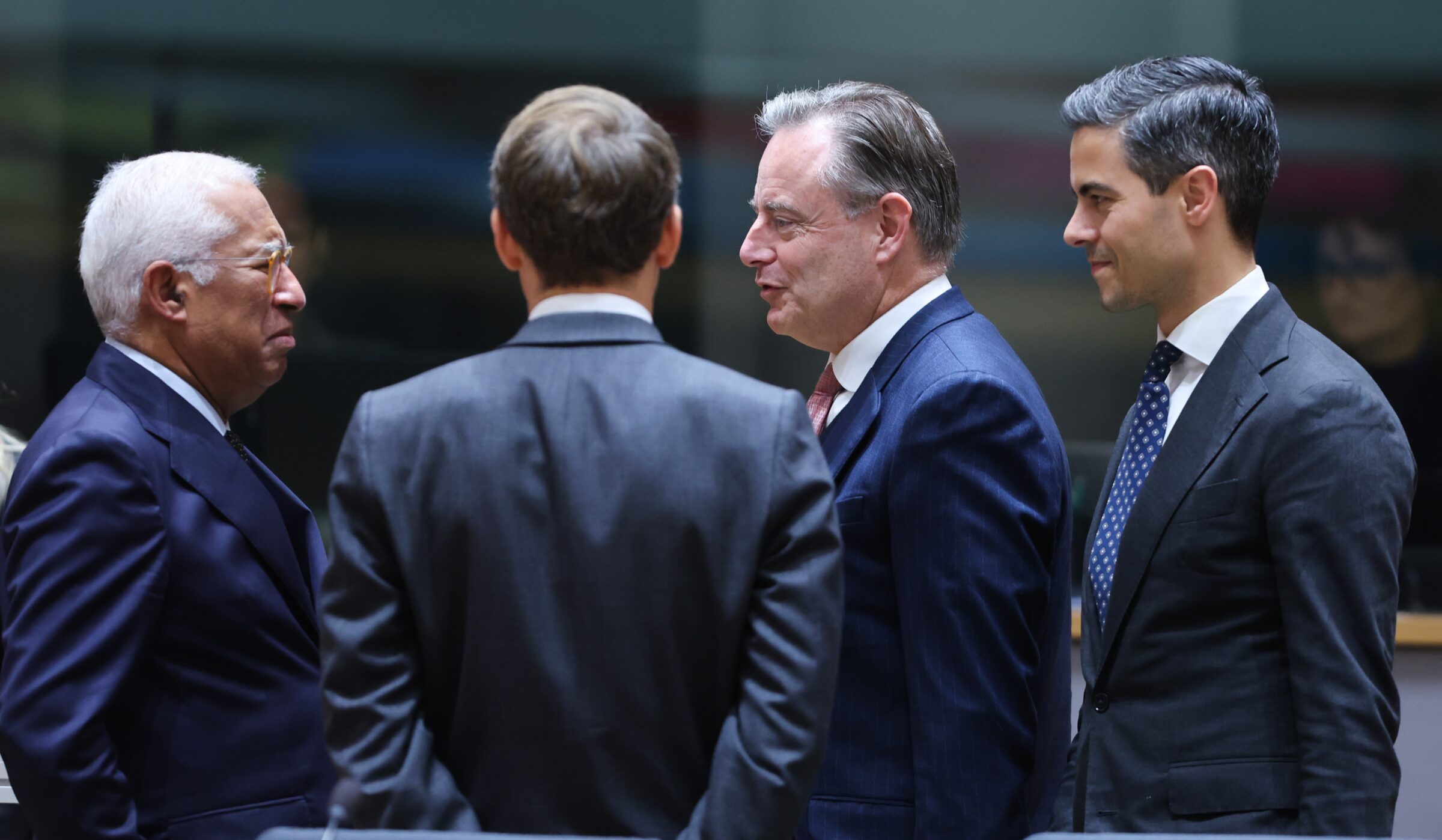
And now, EU Council president António Costa has been tasked to deliver a new compromise before EU leaders meet again on 26 November in Brussels, with the goal of striking a deal during the summit in December. 

An EU official said Costa deemed the deal in December as “essential,” urging EU capitals “to assume their responsibility”.

For Denmark, for example, it is important to have more funds for defence, borders, illegal migration, and competitiveness. “It will probably be as difficult as it was last time or even more difficult,” said Danish prime minister Mette Frederiksen ahead of the meeting.

“We need unanimity in the Council. We are far from that unanimity,” also said German chancellor Friedrich Merz before meeting counterparts.

The EU is divided into two camps. The so-called Frugals (Germany, Austria, Denmark, Finland, the Netherlands, and Sweden) want “several hundred billion” more to be cut, mostly from agriculture and cohesion funds, while 17 EU member states (self-named as Friends of Cohesion) criticise the savings. 

But time is of the essence to reach a deal this year, especially for French president Emmanuel Macron. France will hold presidential elections in the spring, and if Marine Le Pen, leader of the far-right National Rally party, wins, reaching an EU deal would become far more difficult.

Le Pen has pledged that, if she comes to power, she will halve France’s contribution to the EU budget.

And Macron reportedly said in the room with EU leaders that from January onwards, there will be no political room for reaching an agreement.

‘Easier to give up what you don’t yet have’

This article continues, but the full version is available only to EUobserver.com subscribers. Visit account.euobserver.com/membership

  •  

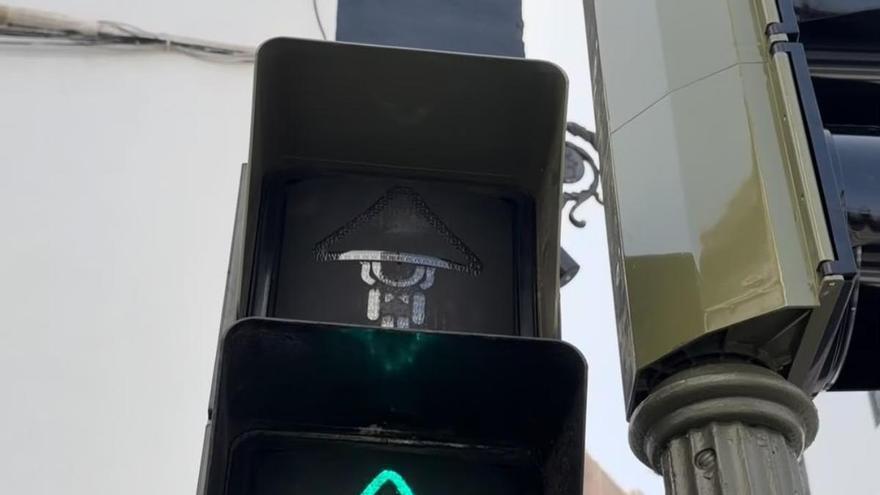
El Enano de la Bajada de la Virgen sustituye al peatón en los semáforos de Santa Cruz de La Palma

Los peatones que han cruzado este lunes por las calles de Santa Cruz de La Palma se han encontrado con una imagen poco habitual. En lugar de la clásica silueta que indica cuándo se puede cruzar y cuándo hay que esperar, los semáforos de la capital muestran ahora a uno de los personajes más reconocibles de la isla: el Enano de la Bajada de la Virgen.

  •  

¿Se suspenden las clases este miércoles en Canarias? Esto es lo que ha decidido Educación

Este miércoles, 16 de septiembre, sí habrá clases presenciales en Canarias. La Consejería de Educación, Formación Profesional, Actividad Física y Deportes del Gobierno de Canarias ha anunciado que los centros educativos de Fuerteventura y de nueve municipios de Gran Canaria recuperarán la actividad lectiva presencial después de que la Dirección General de Emergencias haya cambiado la situación de alerta a prealerta por temperaturas máximas.

  •  

La UE cambia las normas y lo hace oficial: los cambios para perros y gatos que afectan a los dueños de mascotas tinerfeños

La Unión Europea prepara un cambio histórico en la protección de perros y gatos con la aprobación del primer reglamento común sobre bienestar animal. La nueva normativa establece por primera vez unas reglas compartidas para todos los países miembros en aspectos como la cría, la venta, el mantenimiento y la trazabilidad de las mascotas.

  •  

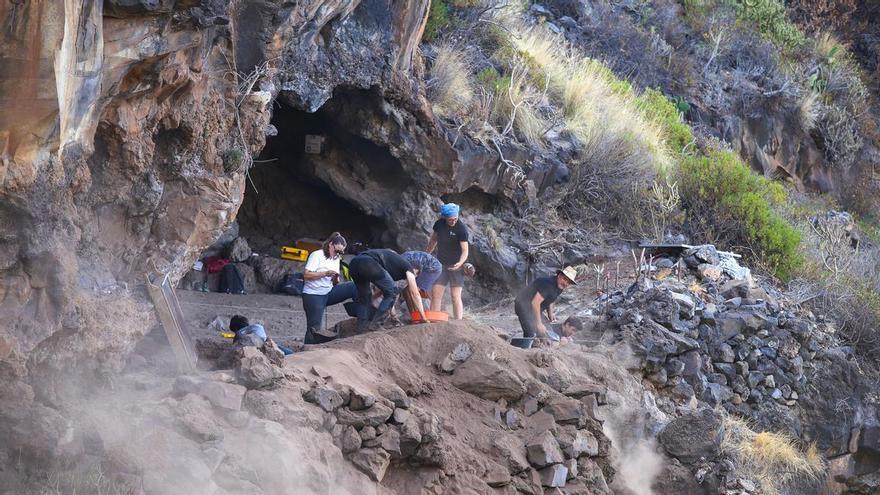
Tijarafe prepara un plan para proteger 40 yacimientos arqueológicos del Barranco de los Gomeros

El Ayuntamiento de Tijarafe trabaja en la elaboración de un Plan Especial de Protección (PEP) para la Zona Arqueológica del Barranco de los Gomeros, un enclave situado en el barrio de El Jesús que reúne uno de los conjuntos de vestigios aborígenes documentados en este municipio de La Palma. El ámbito protegido ocupa alrededor de 91.400 metros cuadrados y conserva restos que permiten reconstruir cerca de 2.000 años de ocupación humana.

  •  

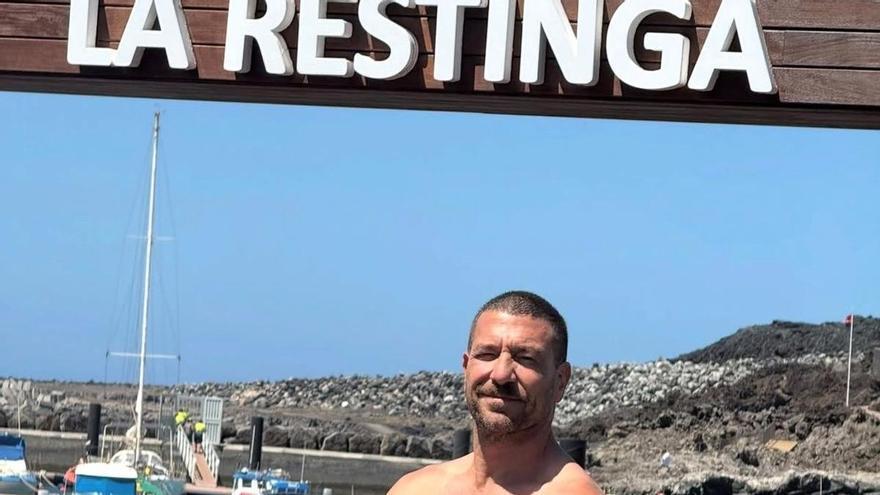
Raúl Tejón, actor de 'Machos Alfa' descubre el tesoro submarino de El Hierro: así ha sido su experiencia buceando en la Isla

Raúl Tejón, conocido por sus papeles en series como Machos Alfa, ha aprovechado unos días en El Hierro para descubrir una de las grandes riquezas naturales de la Isla bajo el agua. El actor ha compartido en sus redes sociales varias imágenes de sus inmersiones junto a Buceo El Bajón, en La Restinga, mostrando parte de los fondos marinos que se pueden encontrar en esta zona del sur de la Isla.

  •  

Las Salinas de Fuencaliente mantienen su producción artesanal de sal marina casi seis décadas después

Las Salinas de Fuencaliente, en La Palma, mantienen casi seis décadas después de su puesta en marcha la producción artesanal de sal marina y flor de sal. La explotación, creada en 1967 y gestionada actualmente por la tercera generación de la familia, continúa desarrollando su actividad tradicional mientras incorpora iniciativas vinculadas al turismo y la gastronomía.

  •  

Tenerife prohíbe las quemas agrícolas y el material pirotécnico en el sur de Tenerife por riesgo de incendios

El Cabildo de Tenerife ha activado este lunes, 14 de septiembre, las medidas preventivas correspondientes al Grado 1 de riesgo de incendio forestal en el sur de la isla ante la evolución de las condiciones meteorológicas. La decisión entra en vigor a las 13:00 horas y permanecerá activa hasta que se dicte una nueva resolución.

  •  

Multa de 200 euros y pérdida de 4 puntos del carné por este error con el casco que cometen muchos motoristas tinerfeños: la Guardia Civil extrema la vigilancia

El casco es uno de los elementos de seguridad más importantes para cualquier motorista, pero llevar uno puesto no siempre significa cumplir con la normativa. La Dirección General de Tráfico (DGT) recuerda que este elemento debe estar homologado y en buen estado, para garantizar máxima seguridad a los usuarios.

  •  
❌