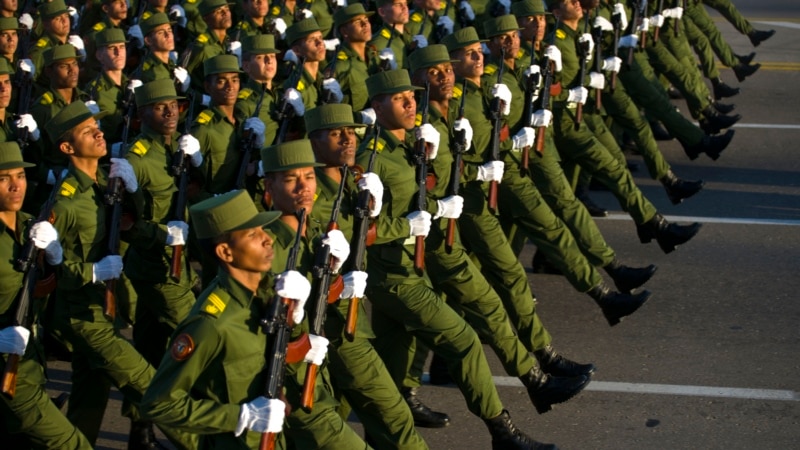
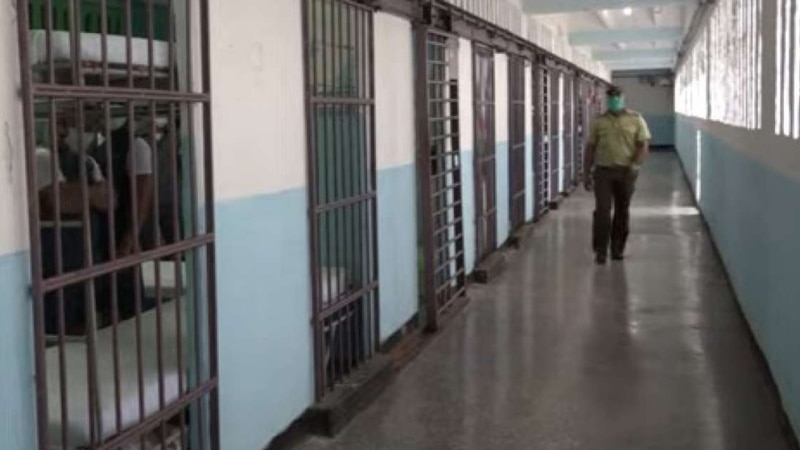
En sintonía con el llamado de Estados Unidos a los cubanos para que colaboren con la Agencia Central de Inteligencia, la grieta interna pudiera abrirse desde los cuarteles. Exmilitares advierten que las bases castrenses ya no son fieles a la dictadura.
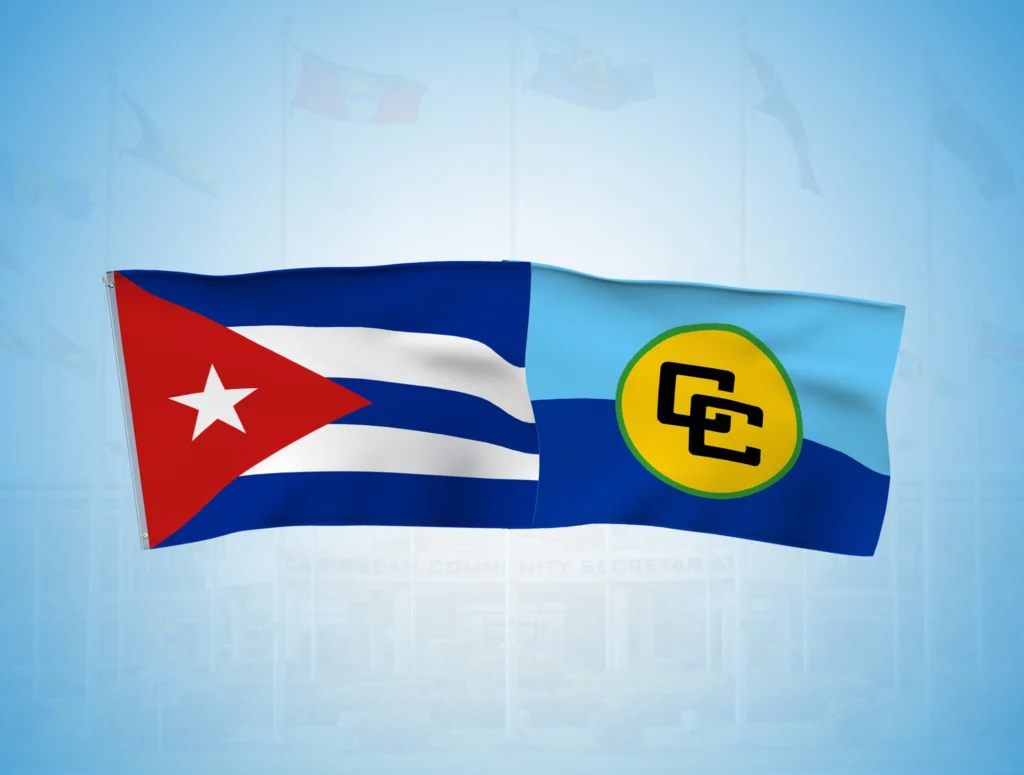
Former Heads of State and Government of the Caribbean Community (CARICOM) have called on the international community to support the resolution proposing an end to the economic, commercial, and financial blockade imposed by the United States against Cuba, which is scheduled for consideration on October 28th at the United Nations (UN) General Assembly.
In an open letter addressed to all nations of the world, the former leaders described the US sanctions as contrary to international law and the fundamental principles of coexistence between peoples. They also urged UN member states to vote in favor of the resolution and to reject the pressures which, they denounce, seek to prevent its approval.
The document recalls that since 1992, the General Assembly has repeatedly supported initiatives calling for the lifting of the blockade, without Washington substantially changing its policy towards the island.
Open letter by former CARICOM Heads of State and Government urging all nations to vote in favour of the UNGA resolution calling for an end to the US blockade against Cuba on October 28. Cuba is not a threat. The blockade must end! 🇨🇺#CubaIsNotAThreat . The blockade must end! pic.twitter.com/feZAz0QzIl
For the signatories, this year’s vote is of particular importance due to the tightening of economic measures against Cuba.
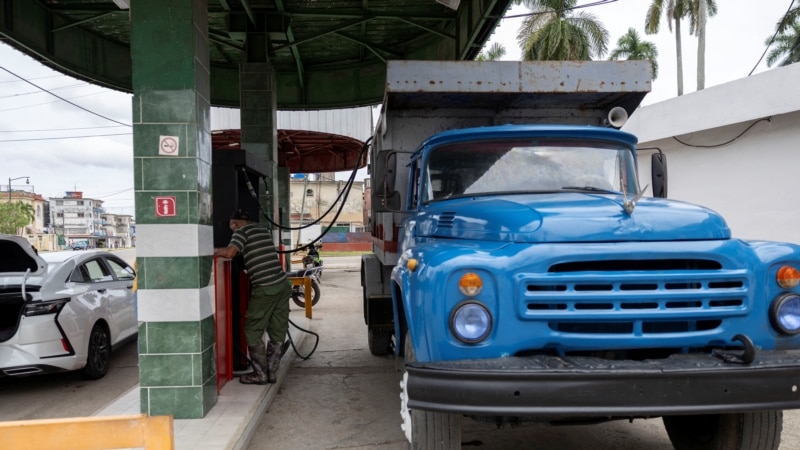
One of the main concerns highlighted in the letter is the extension of sanctions to third countries and entities that supply, sell, or transport energy products to Cuban territory, including fuels such as gasoline and diesel.
The former leaders argue that these restrictions worsen the economic difficulties of the population and denounce that they aim to subdue the country through economic pressure. The signatories consider these measures to be an inhumane practice and a violation of Cuba’s sovereignty and independence.
They also warn that the blockade represents a threat to regional and international peace and security, in addition to affecting fundamental rights of Cuban citizens.
The statement also insists on the need for governments to resist Washington’s attempts to influence their votes. In the opinion of the former leaders, the international community must defend multilateralism and the principles enshrined in the United Nations Charter.The initiative comes amid growing diplomatic tension between Washington and Havana.
The annual resolution of the General Assembly is non-binding, so its approval would not legally oblige the United States to lift the sanctions. The decision to end the blockade ultimately rests with the US political and legislative system.
The purpose of lifting the blockade is to heal the division between the US and Cuba, emphasizing that Cuba does not pose a threat. Signatories include former prime ministers of Barbados, Belize, Grenada, Jamaica, Saint Lucia and Saint Vincent and the Grenadines, as well as a former president of Guyana.
La Sociedad Interamericana de Prensa denunció que en Cuba persisten y se agravan las restricciones a la libertad de expresión y al ejercicio del periodismo, en medio de un aumento de detenciones, procesos judiciales y otras formas de presión contra periodistas, influencers y activistas.
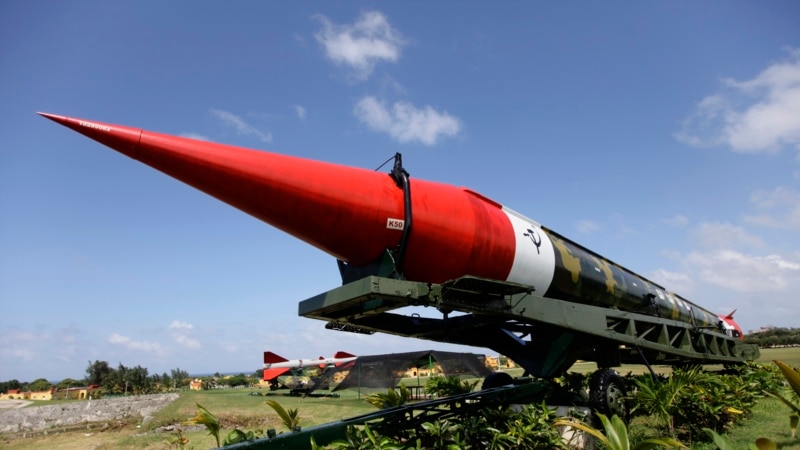
El 25 de octubre de 1962, en plena Crisis de los Misiles, el embajador de Estados Unidos ante la ONU, Adlai Stevenson, desafió a su homólogo soviético, Valerian Zorin, para que respondiera si la URSS había instalado misiles en Cuba.
La familia de Ernesto Martín Gutiérrez denuncia falta de respuestas, condiciones precarias en prisión y reiterados rechazos a solicitarle una medida cautelar fuera de la cárcel.
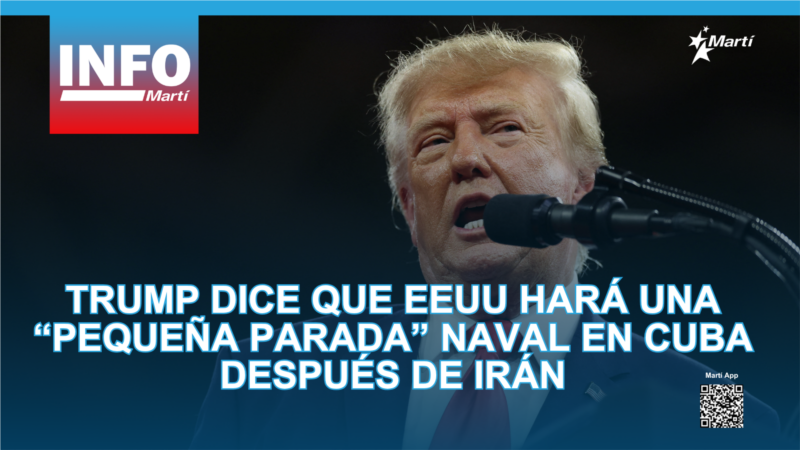
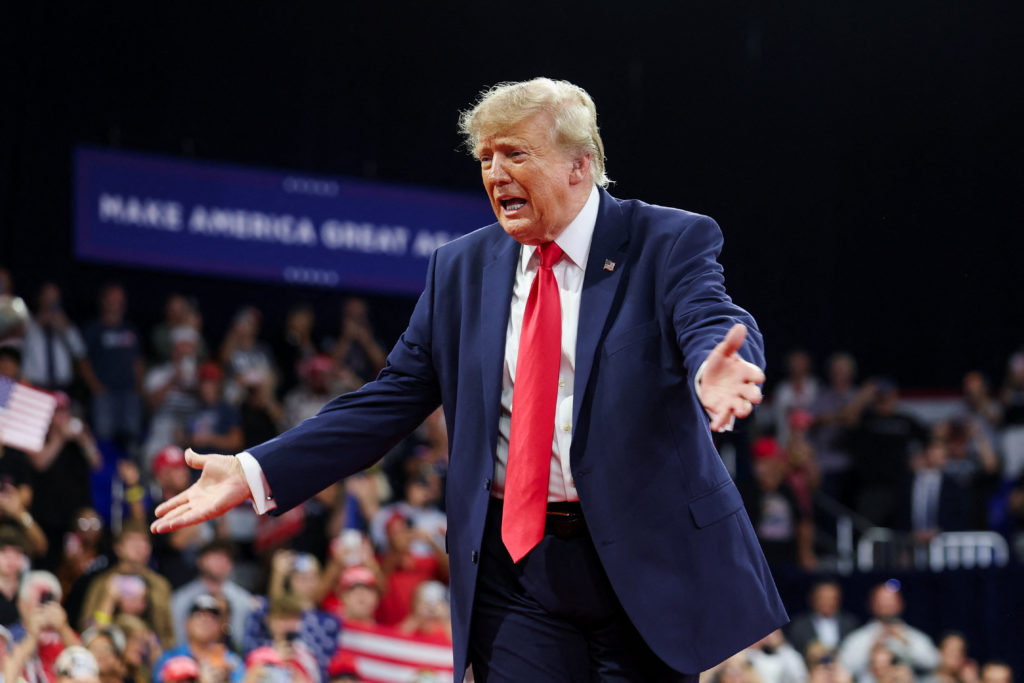
Durante un mitin político en Florida, el presidente Donald Trump afirmó que los buques de guerra de Estados Unidos harán una "pequeña parada" frente a las costas de Cuba al regresar de sus operaciones en Irán.
Havana is urging Ottawa not to drop its public opposition to the decades-long U.S. embargo as Washington ramps up pressure on countries supporting Cuba.
Havana is urging Ottawa not to drop its public opposition to the decades-long U.S. embargo as Washington ramps up pressure on countries supporting Cuba.
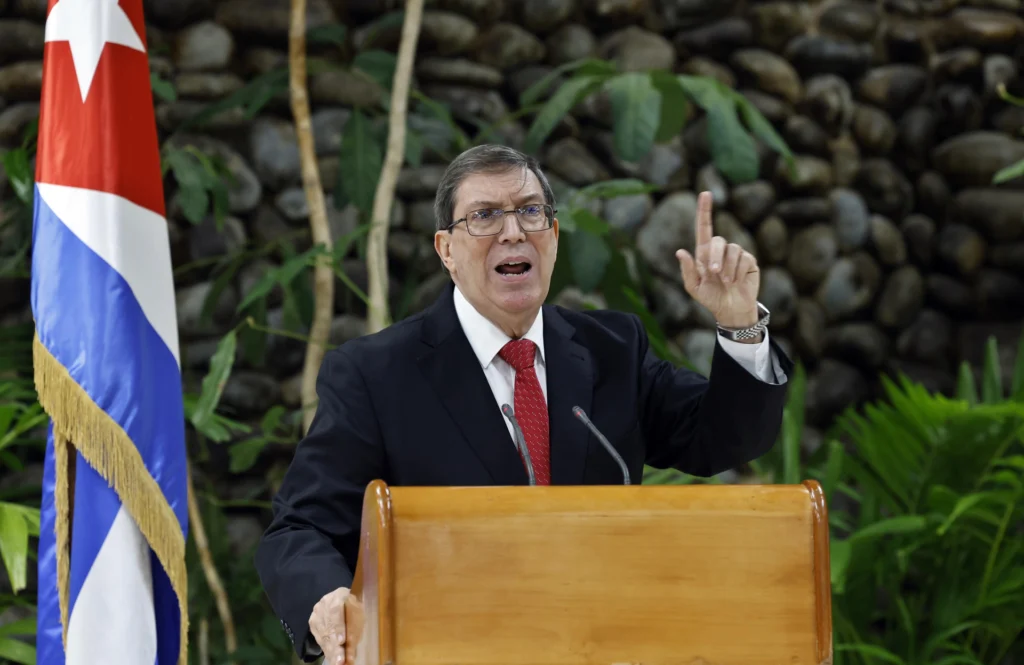
Cuban Foreign Minister Bruno Rodríguez Parrilla on Friday rejected a new threat from U.S. President Donald Trump, who said U.S. ships would make a “small stop” off the island on their return from Iran.
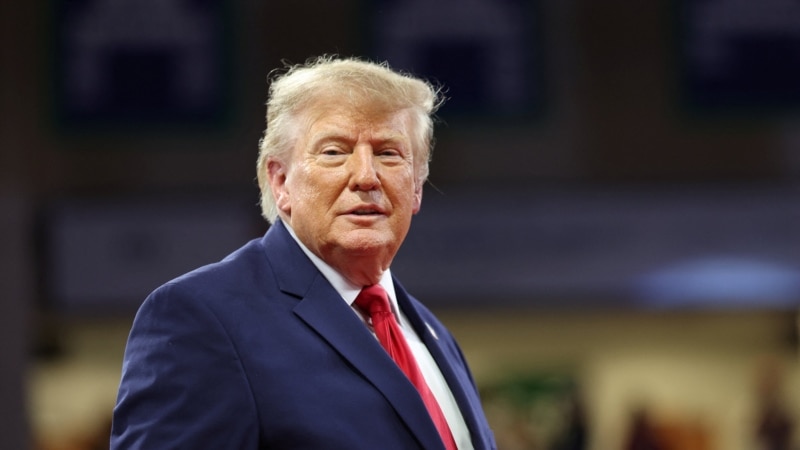
President Donald Trump has issued a new threat against Cuba as U.S. officials reportedly press ahead with military planning for the Caribbean country, an escalation that coincides with an intensified oil blockade and UN vote scheduled for October 28.
At a campaign rally in Fort Myers, the Republican President laid out his plan in vivid terms. “What we are going to do with Cuba is we are going to come back from Iran. Those beautiful ships, we will pass by Cuba, we will have one of them stop about 50 yards (45 meters) from the coast. They will raise their hands and then we will send Marco Rubio to close the deal,” he said.
The U.S. President closed the scene with a concrete promise: “We will take care of Cuba on our return from Iran. We will make a small stop.”
Cuba answered on X. “We reject all threats related to the ambitions of United States toward Cuba,“ wrote the Caribbean nation’s FM Bruno Rodriguez Parrilla.
He added a description of the coastline that carried an unmistakable warning. “Our coastline is full of beautiful beaches, but there ara also razor-sharp limestone spikes,” he said, referring to the karst rock formations along the shore. “Inhospitable to those who arrive with hostile intentions and dreams of domination,” he warned. The jagged coastal limestone, sharp and cutting, gave the response its edge.
We reject every threat related to US ambitions toward Cuba.
Our coastline is full of beautiful beaches, but there are also razor-sharp limestone spikes, an inhospitable environment for those who make it to our shores with hostile purposes and lust for domination.… pic.twitter.com/jrrBc1jR8S
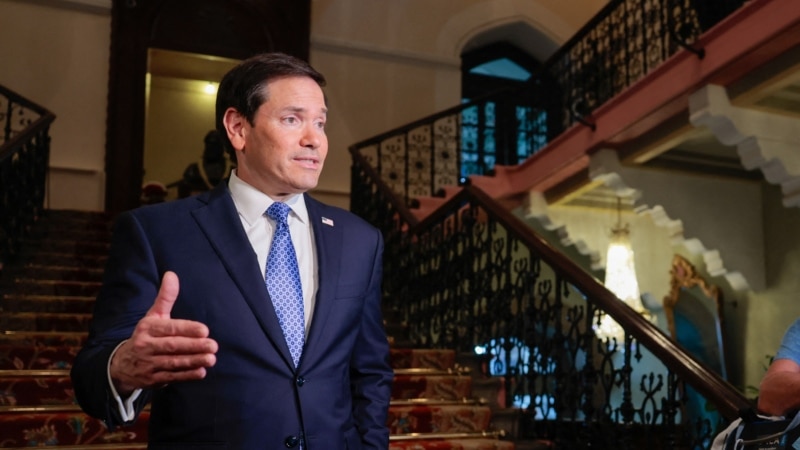
Meanwhile, U.S. Secretary of State Marco Rubio used the same platform to urge those pushing for “change” on the island to engage in “discreet collaboration with the CIA.” In August, The New York Times reported that the intelligence agency had secretly set up a task force focused on Cuba.
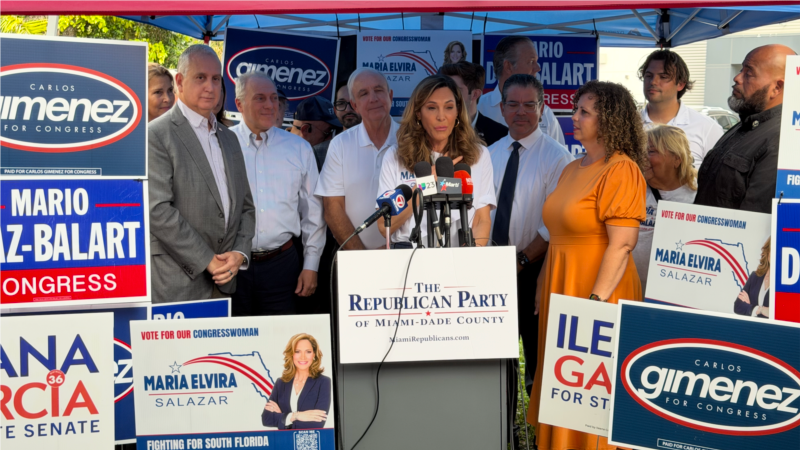
The threat came amid a heated campaign in a state that is home to the largest Cuban community in United States. Its lawmakers and an influential segment of that community shape Washington’s decisions on Cuba.
Rodriguez Parrilla’s post also echoes another phrase from the current U.S. President. In March, speaking at the White House, Trump said he would have “the honor of taking Cuba” and that he “could do whatever he wanted with it.” He described Cuba then as a beautiful place, with “good land, landscapes, wonderful weather and great potential for tourism centers.”
On that occasion his unfamiliarity with the territory was on display. He argued that taking control would be good because the country is “not in the path of hurricanes.” “They won’t ask us for money for hurricanes every week,” he said in that time.
Passing by the island after Iran is not a new idea. In early May, while signing the Executive Order that launched an unprecedented wave of unilateral and illegal penalties against Cuba, Trump had already spoken of “taking control” once his military objectives in Iran were met. Following that, he has promised the war will end “immediately” after the November 3 elections, without explaining how.
The new threat coincides with the campaign Rubio himself is leading to sway the votes of UN member states on the resolution against the blockade against Cuba. In a recent press conference, Rodriguez Parrilla denounced the pressures and threats against governments to make them change their position.
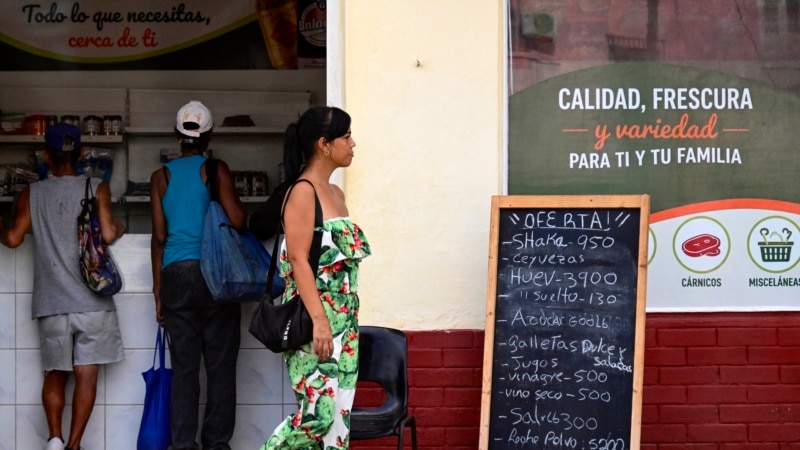
In recent weeks the U.S. administration has seized fuel shipments bound for Cuba as part of an oil blockade. The campaign against Cuba’s international medical cooperation has intensified in parallel.
Elections Add Pressure
The escalation arrives at a difficult political moment for the U.S. President. Midterm elections take place on November 3, and the Republican Party could lose control of Congress. Trump’s approval has sagged, and a majority of voters now reject his management of the country’s main fronts, a rejection that cuts across every issue.
The domestic scenario is complicated further by the conflict with Iran. Tehran retains control of the Strait of Hormuz and has inflicted significant destruction on U.S. military bases in West Asia.
Fuel prices keep climbing in the meantime. The increase strikes U.S. households directly, and every rise deepens the damage to the President’s public standing at a moment when he can least afford it.
The pattern toward Cuba has hardened even as those pressures mount at home. The fuel seizures, the diplomatic campaign and the military planning all point in the same direction, toward an increasingly explicit posture of confrontation against the island.
With the United Nations vote set for October 28 and the U.S. midterm elections following days later on November 3, the coming weeks will reveal whether the planning described in U.S. media translates into further concrete action against Cuba, or whether it remains a lever of pressure in a campaign that already weighs heavily on the island.
La publicación se produjo después de que el secretario de Estado, Marco Rubio, alentara este viernes a quienes buscan un cambio en Cuba a colaborar discretamente con la agencia.
Legisladores republicanos del sur de Florida exigieron este viernes mantener e intensificar la presión de EEUU sobre el régimen cubano, al tiempo que respaldaron una salida electoral para la crisis política en Venezuela.
Cuba debe preparar desde ahora una hoja de ruta para su recuperación económica ante una eventual transición política, advirtió el experto en energía Jorge Piñón, al alertar que la crisis social y productiva podría agravarse si el país llega a ese momento sin un plan coordinado listo para ejecutarse.
President Donald Trump on Friday told a rally for candidates in South Florida that U.S. warships returning from the Middle East could stop over in Cuba on their way back from the Iran war, his latest suggestion of taking an interventionist approach to the nearby country.
El presidente de Estados Unidos, Donald Trump, afirmó este viernes que Washington "se encargará de Cuba" después de Irán y dijo que enviaría al secretario de Estado, Marco Rubio, para "cerrar el acuerdo", durante un mitin en Fort Myers.
“Ante la decepción de las promesas incumplidas, la corrupción y la vida privilegiada de unos pocos, aprovechen esta oportunidad para lograr el cambio que desean mediante una colaboración discreta con la CIA”, escribió en X.
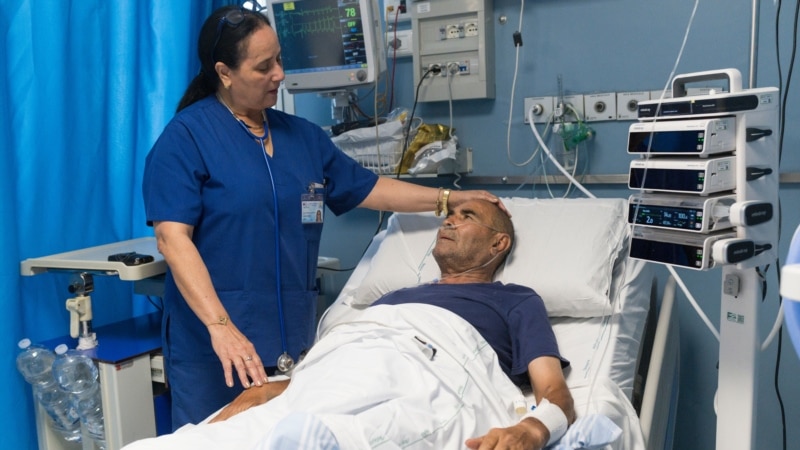
El régimen cubano ha retenido la mayor parte de los salarios de los médicos enviados a Calabria, Italia, donde las autoridades pagaron 25,7 millones de euros por 333 galenos, pero La Habana solo entregó 6,2 millones.
A carta surge dois dias após o ministro cubano acusar Washington de exercer pressões "sem precedentes" sobre países da ONU para alterarem o sentido de voto no debate de 27 e 28 de outubro.
La organización de asesoría jurídica Cubalex denunció un patrón de represalias y ensañamiento contra el preso político cubano Ediolvis Marín Mora, condenado a 13 años de prisión por participar en las protestas de 2022 en Nuevitas, Camagüey.

 Login