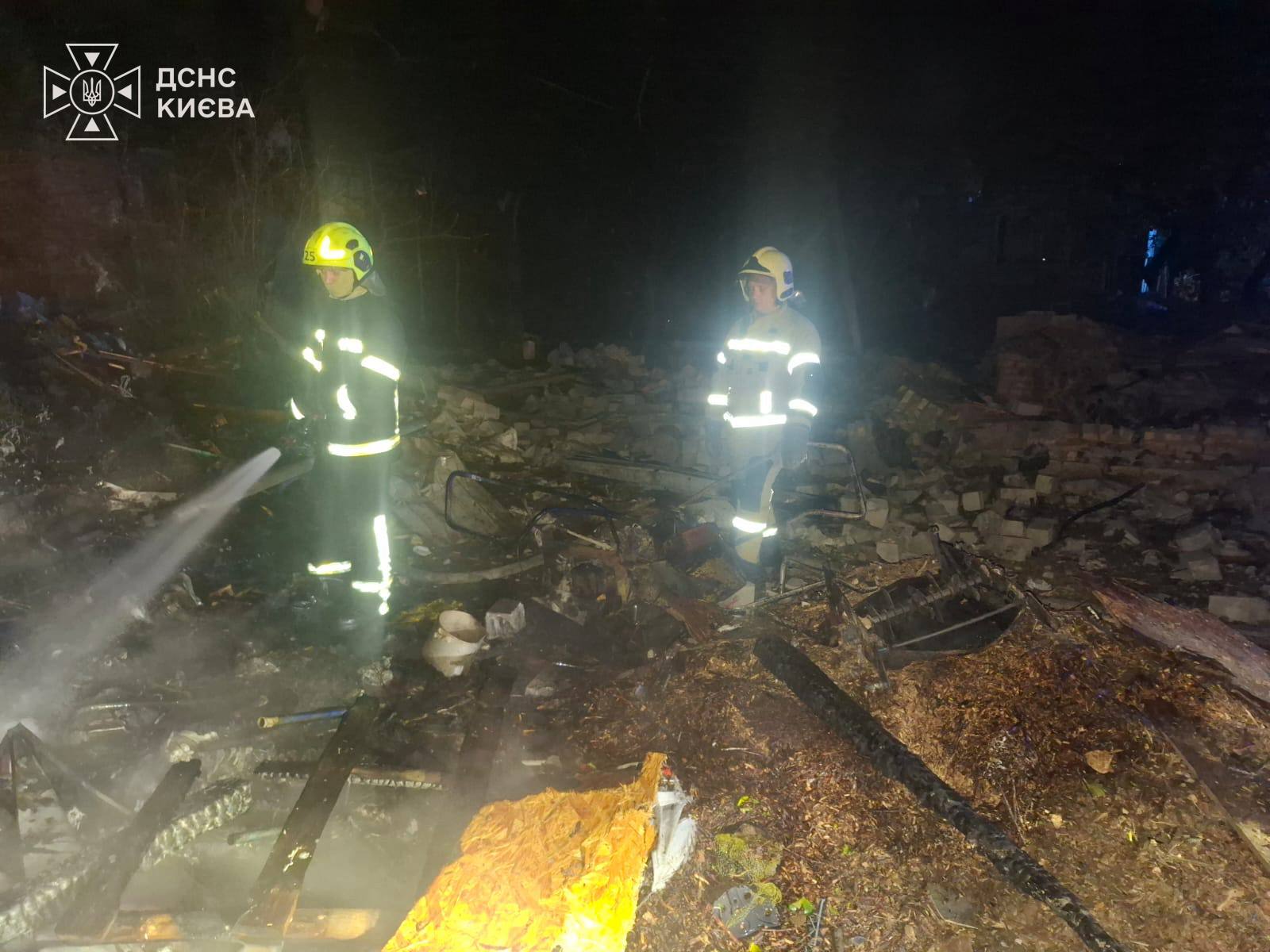
Overnight, Russian forces launched 126 drones, 61 of which were jet-powered, while Ukraine's air defense managed to suppress 101 drones, including 50 jet-powered drones, the Air Force said.
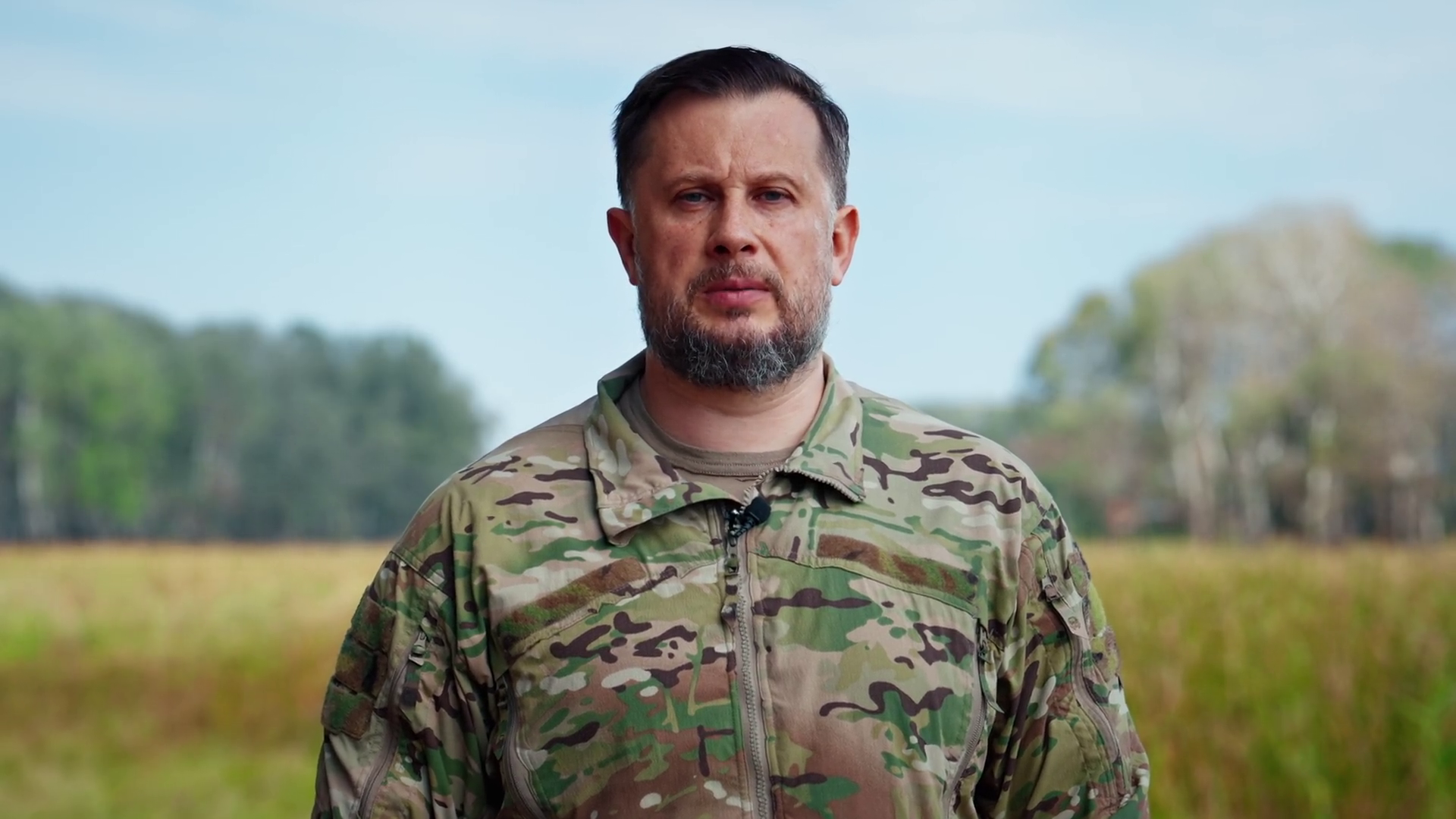
Russia’s Rubicon drone unit, which is sent to hunt Ukrainian drone pilots, was not used to being hunted itself, Brigadier General Andrii Biletskyi told journalists on 19 October. He was summing up Operation Vivaldi, which his Third Army Corps fought in northern Donetsk Oblast from May to mid-October. Once its pilots realized they were being killed, Rubicon’s morale dropped sharply, he said.
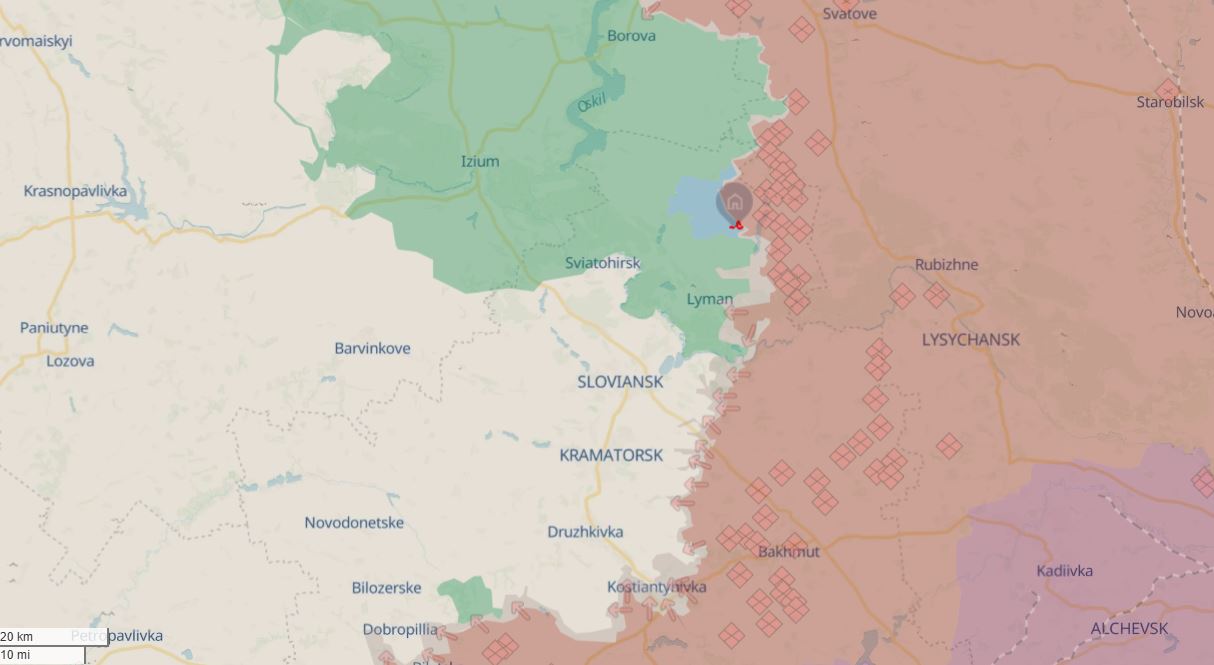
Russia has fought for 12 years to take all of Donetsk Oblast, and Sloviansk and Kramatorsk anchor the fortress belt of cities Ukraine still holds there. Vivaldi retook 277 km² in northern Donetsk Oblast. Biletskyi says it destroyed Russia’s bridgehead on the Chornyi Zherebets River and forced Moscow to drop its plan to bypass Lyman from the north and encircle the two cities. On that front, the Third Corps had flagged Rubicon, Russia’s elite drone unit, as a threat.
Hunting the hunters
Once a Rubicon position was found, the Third Assault Brigade and the KRAKEN drone regiment committed any number of FPV and bomber drones to destroy its crews, Biletskyi said.
The brigade’s commander, Yaroslav Levenets, said his troops prepared for Rubicon’s arrival and concentrated on killing its pilots. He gave no details.
“Not stable in defense,” Levenets said of Rubicon’s troops.
They dislike sitting in trenches, he said, and under pressure they grow nervous and change positions.
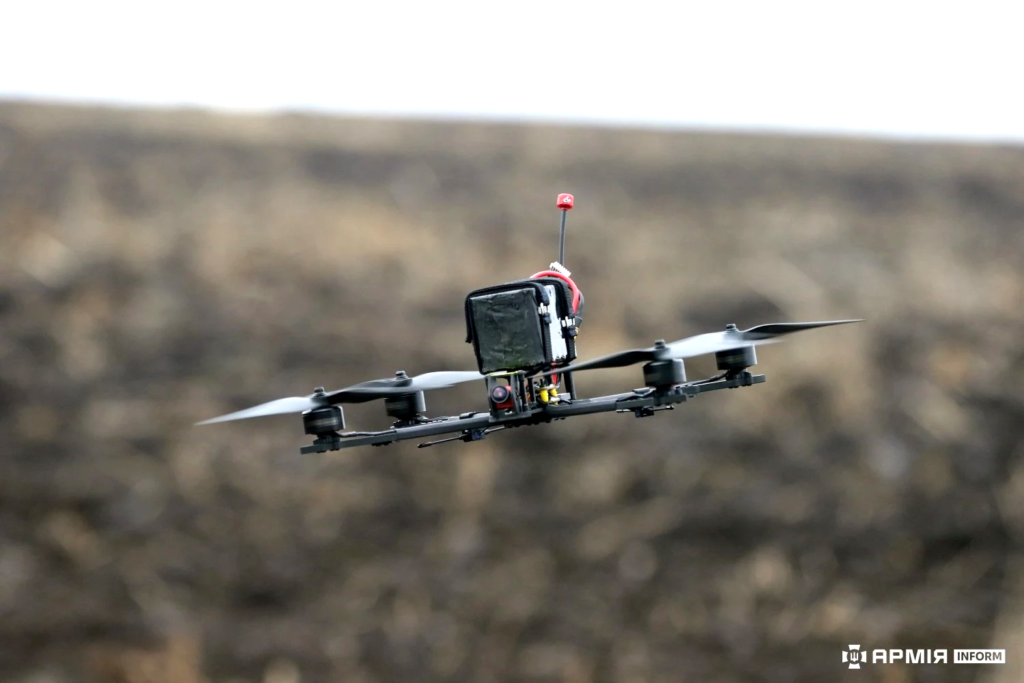
An FPV drone. Illustrative photo: ArmyInform
Named for four seasons
Biletskyi said the name was chosen at the very start of planning, in winter 2025–2026, many months before the operation began. The original plan had four stages, one for each season, and later grew to slightly more, ArmyInform reported.
When he first unveiled the operation in September, he put it this way:
“Vivaldi, as is known, has four seasons. And this is only the first one.”
He credited two planners, known by the call signs Yurist and Leshyi. Leshyi, an assault soldier wounded seven times who later moved to staff work, was killed. Yurist was seriously wounded.
Explore further
Ukraine blocks Russia from outflanking its fortress cities in Donbas, retaking 277 square kilometers and hitting 8,000 Russian troops
A new hand at the Third Corps
Major Dmytro Rohoziuk is now acting commander of the Third Army Corps, the corps press service said on 20 October. The press service said the move is not a transfer, and Biletskyi keeps his formal post as corps commander while he leads the “Center” grouping of the Third, 11th, and 19th corps.
Major Dmytro Rohoziuk, acting commander of Ukraine’s Third Army Corps. Photo: Armed Forces of Ukraine
Rohoziuk took over the 60th Mechanized Brigade in October 2025. Its previous commander was arrested in January after the State Bureau of Investigation accused him of embezzling about $1 million in weapons procurement. The brigade fought in all four phases of Vivaldi and retook Kolodiazi without street fighting.
Ukrainian troops capture a Russian infiltrator carrying a Russian flag during Operation Vivaldi in northern Donetsk Oblast. Photo: Third Army Corps
Biletskyi also declined command of the Ground Forces, which oversee mobilization.
“There’s no point taking on something you don’t truly believe you can improve,” he said.
Biletskyi’s count
Russian losses in Vivaldi topped 8,000 troops, and about 270 Russian soldiers were taken prisoner, Biletskyi said. More than 20 officers surrendered, including a chief of staff and three company commanders.
The territory matters less than disrupting Russia’s strategic plan, he said. Russian forces still press toward Dobropillia, where Ukraine is counterattacking.
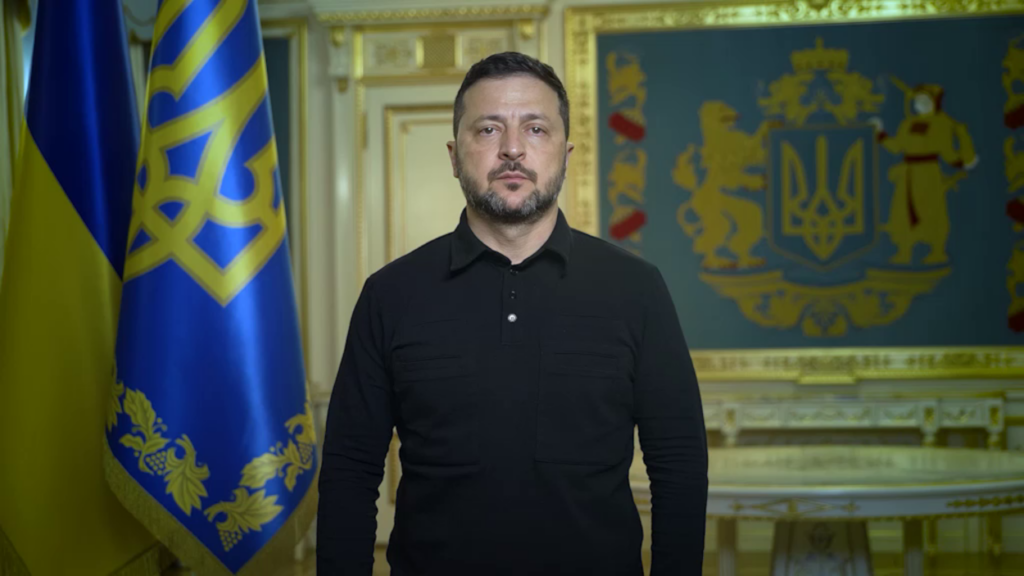
Ukrainian forces have liberated more territory since the beginning of the fall than Russian troops have captured during the same period. This trend has persisted throughout 2026, Ukrainian President Volodymyr Zelenskyy said in his 18 October address. He also reported that Dobropillia, Kostiantynivka, and five other settlements remain under Ukrainian control.
Russia systematically exaggerates its battlefield gains. A recent briefing by Valery Gerasimov, chief of the General Staff of the Russian Armed Forces, in which he claimed that Russian forces had captured 92 settlements since the beginning of September, as well as Kostiantynivka and Dobropillia, and advanced to within 5 kilometers of Zaporizhzhia, was based on “outright lies, manipulation, and exaggerations,” Ukrainian General Staff spokesperson Andrii Kovaliov said.
Ukraine also continues to defend areas near Kramatorsk, Zelenskyy said. He dismissed Russian claims about Zaporizhzhia.
“We are destroying Russians 20 kilometers from Zaporizhzhia, not five, as someone in Russia is fantasizing to Putin,” Zelenskyy said.
Ukrainian forces continue to hold back Russian assaults and destroy groups of occupying troops attempting to infiltrate Dobropillia, the president said. The Defense Forces are also defending positions elsewhere in Donetsk Oblast and in Kharkiv and Zaporizhzhia oblasts.
Zaporizhzhia axis: Russians seek to move artillery closer to the city
Russia seeks to advance on the Zaporizhzhia axis to bring the regional capital within range of its tube artillery, hold forward positions, and protect rear areas from Ukrainian strikes, the Institute for the Study of War (ISW) said on 18 October.
The aftermath of a Russian strike on Zaporizhzhia on 10 October 2026. Photo: Ukraine's National Police
Maksym Kravchuk, spokesperson for Ukraine's Southern Group of Forces, refuted Gerasimov’s claims that Russian forces had captured Malokaterynivka, located south of Zaporizhzhia, stressing that the settlement remains under Ukrainian control, the Center for Countering Disinformation said on 18 October. Ukrainian troops recorded a video directly from Malokaterynivka to confirm this.
As of 18 October, Russian forces had advanced or infiltrated to within 24 kilometers of Zaporizhzhia, ISW said.
Dobropillia remains under Ukrainian control despite Russian assaults
Dobropillia is now a fortress anchoring Ukrainian positions along the highway leading northeast toward Kramatorsk. Russia first tried to take Dobropillia in August 2025 and is now trying again.
Russia is redeploying reinforcements to the Dobropillia axis and continues to send assault infantry through the village of Nove Shakhove despite heavy losses. Russian command will likely try to encircle or at least envelop Dobropillia and cut off Ukrainian supply routes from the direction of Bilozerske, Ukrainian military analyst Kostiantyn Mashovets wrote on 9 October.
Mashovets sees the push as the southern flank of a Russian effort to envelop the whole Sloviansk–Kramatorsk urban area.
Explore further
Ukraine retook Kolodiazi north of Lyman as its drones hit 200-plus Russian vehicles in Operation Vivaldi’s last phase, Ukrainian drone officer says
Dobropillia remains under Ukrainian control, Zelenskyy said. On 18 October, footage located by analysts showed a Russian soldier hoisting a flag in the town's southeast after an infiltration, yet ISW has found no sign that Russian troops have dug in there.
Russia claimed to have captured Kostiantynivka, but ISW found no evidence
Ukrainian troops in and around Kostiantynivka are stopping Russia from locking in its gains in the city or pushing on toward Druzhkivka and Kramatorsk, ISW said on 17 October.
Russian officials claimed that capturing Kostiantynivka was an important step toward establishing control over the Sloviansk–Druzhkivka–Kramatorsk urban agglomeration and the entire Donetsk Oblast, ISW said in August. The Kremlin also claimed that Russian forces had captured the city as early as 5 July, the institute added.
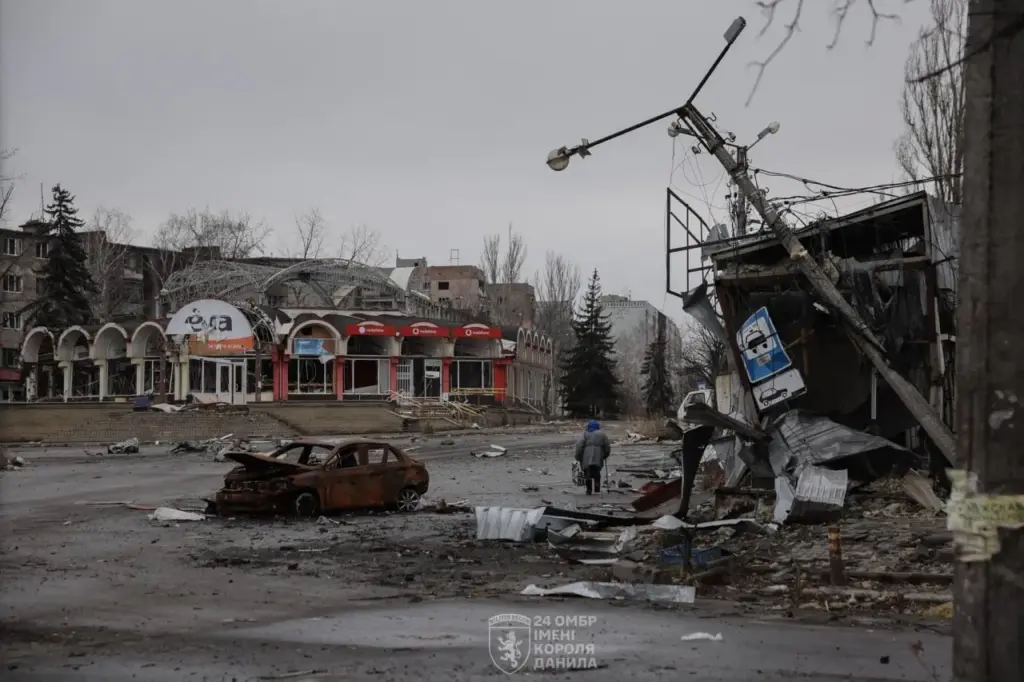
Ruins of a street in Kostiantynivka, Donetsk Oblast, 9 April 2026. Photo: UA Land Forces
A Russian military blogger claimed that Russian forces had full control over Kostiantynivka, but ISW found no evidence to support this claim, the institute said in its 16 October assessment. Russian troops had only infiltrated parts of southern and central Kostiantynivka without consolidating positions, and there was no evidence of their presence in its northern part, ISW added.
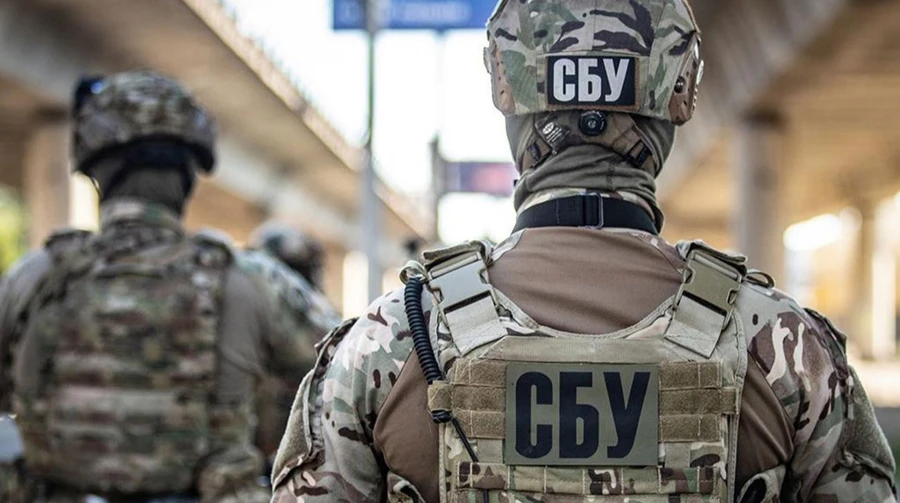
Ukraine’s Security Service (SBU) detained two men suspected of scouting targets for Russian strikes on Sloviansk and Dnipro, the agency reported on 14 October. Catching both early let it secure Ukrainian reserve command posts and the gas stations the alleged agents had been hunting, the agency added.
Sloviansk anchors the northern end of the Fortress Belt, the chain of fortified cities that has held Ukraine’s defense of Donetsk Oblast since 2014. Russia is pushing to seize them, and its aircraft bombed a residential area of Sloviansk on 11 October. Where Ukrainian convoys stop and troops gather is exactly what Russian handlers allegedly asked these suspects to supply.
A gas station worker suspected of filming convoys
The first suspect worked at a gas station complex in Sloviansk, Donetsk Oblast. Russian intelligence allegedly reached him through a former classmate who left for Russia after the full-scale invasion and now works for its special services, the SBU said. He then allegedly used his phone to secretly film Ukrainian army convoys at or near gas stations. He was allegedly supposed to send the photos and videos to Russia to help it prepare a targeted strike. He also allegedly drove his own car around other gas stations and bridges that the Defense Forces use for logistics.
Spotted through Telegram comments
The second suspect, a former Pokrovsk resident, moved to Dnipro in 2024 and settled in a dormitory. Russian intelligence noticed him through pro-Kremlin comments he posted in Telegram chats, investigators say. A female handler in Russia allegedly tasked him with guiding missile and drone attacks on places in the city where Ukrainian troops and equipment were concentrated. He allegedly scouted on foot or took public transport to reach outlying districts.
Explore further
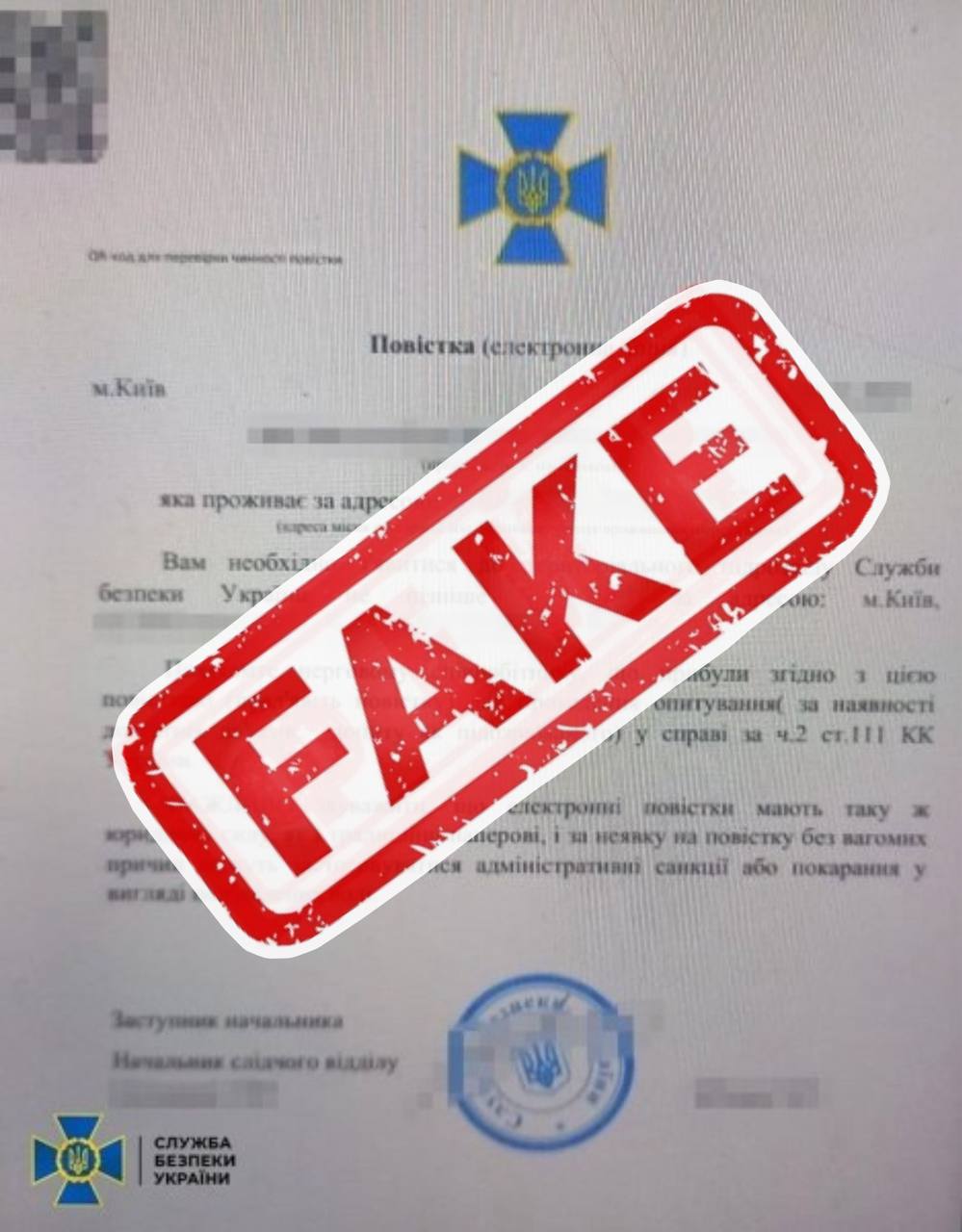
Ukrainians think their own security service is calling—it’s Russia recruiting saboteurs
Officers seized computers and smartphones containing evidence of the men’s alleged work for Russia. Both are suspected of treason under martial law and of unauthorized dissemination of information on Ukrainian troop movements or deployment, under Articles 111(2) and 114-2(2) of the Criminal Code. They remain in custody without bail and face up to life imprisonment with confiscation of property. The SBU’s office for Donetsk and Luhansk oblasts ran the operation under the Donetsk Oblast Prosecutor’s Office.

 Login