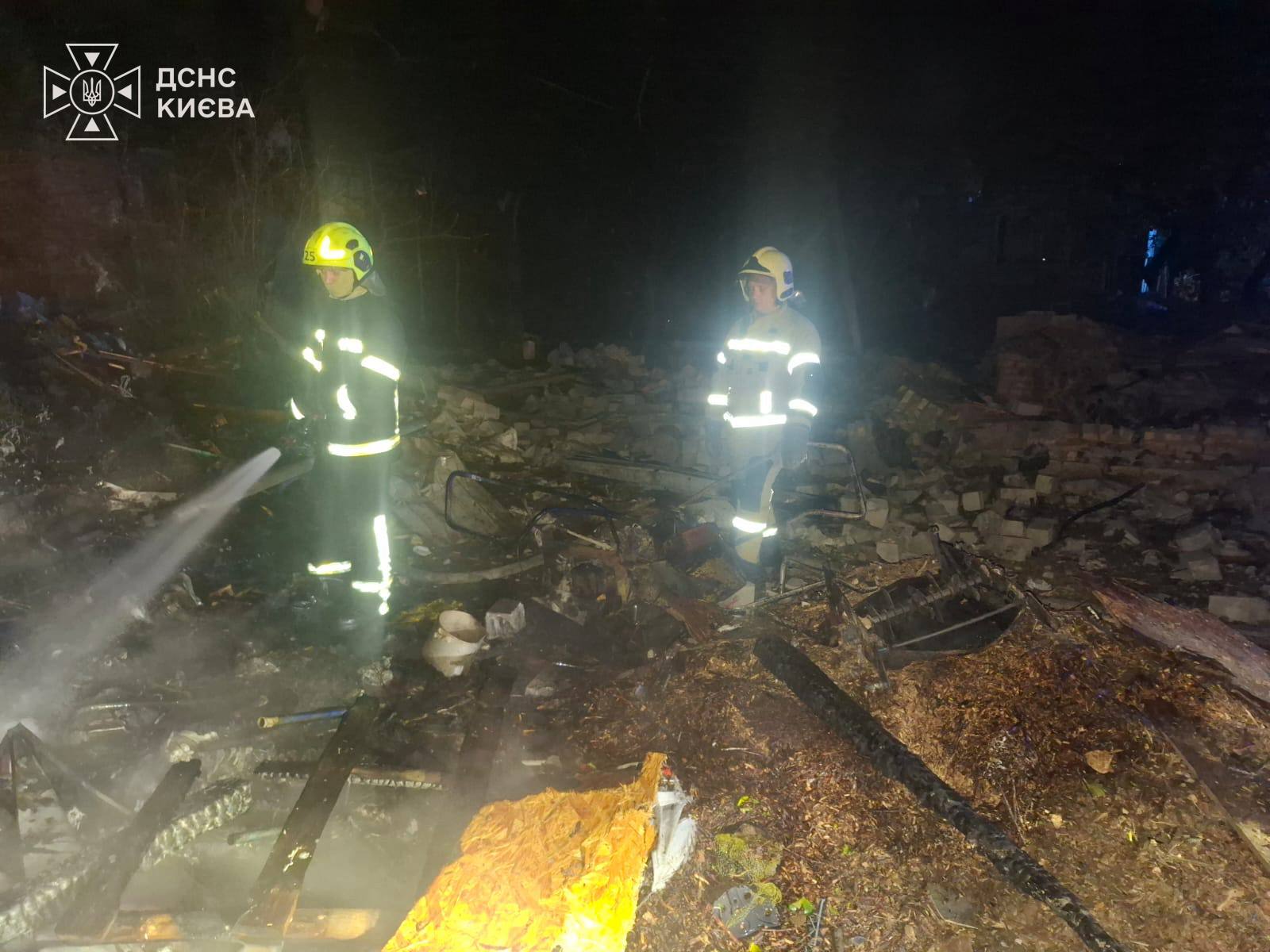
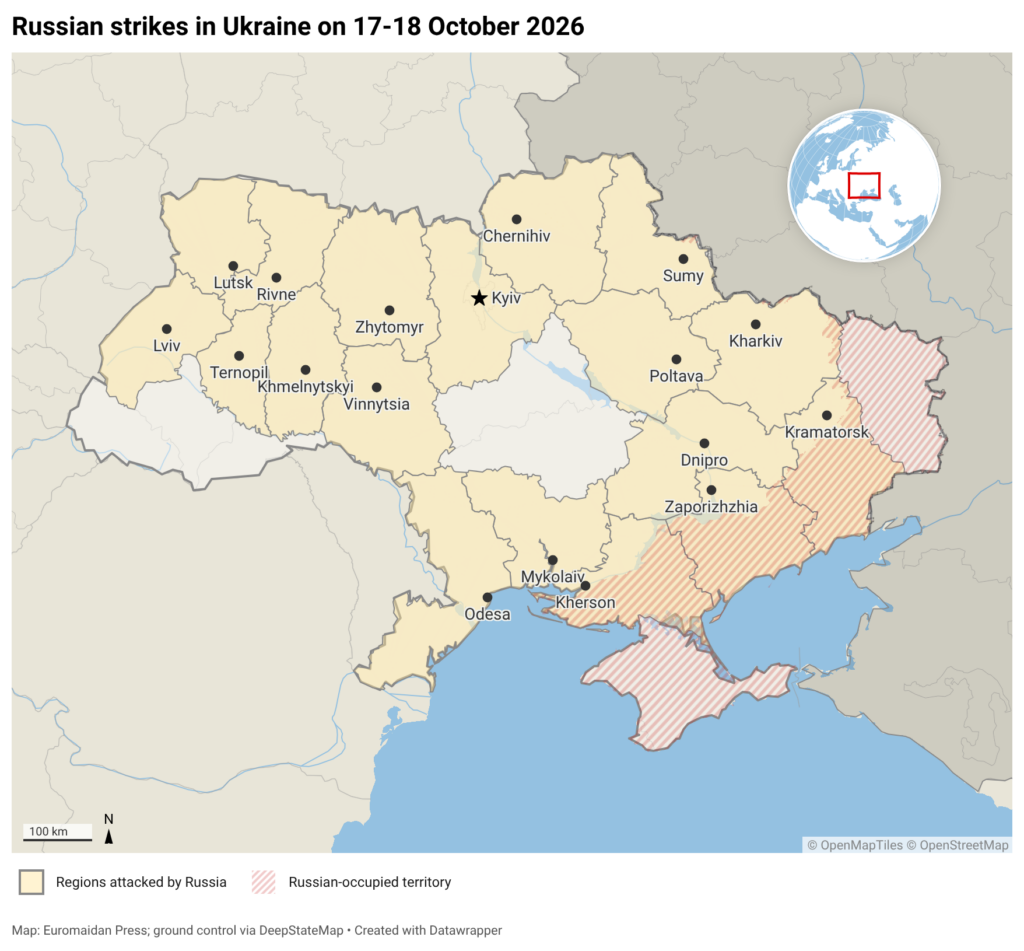
Overnight, Russian forces launched 126 drones, 61 of which were jet-powered, while Ukraine's air defense managed to suppress 101 drones, including 50 jet-powered drones, the Air Force said.
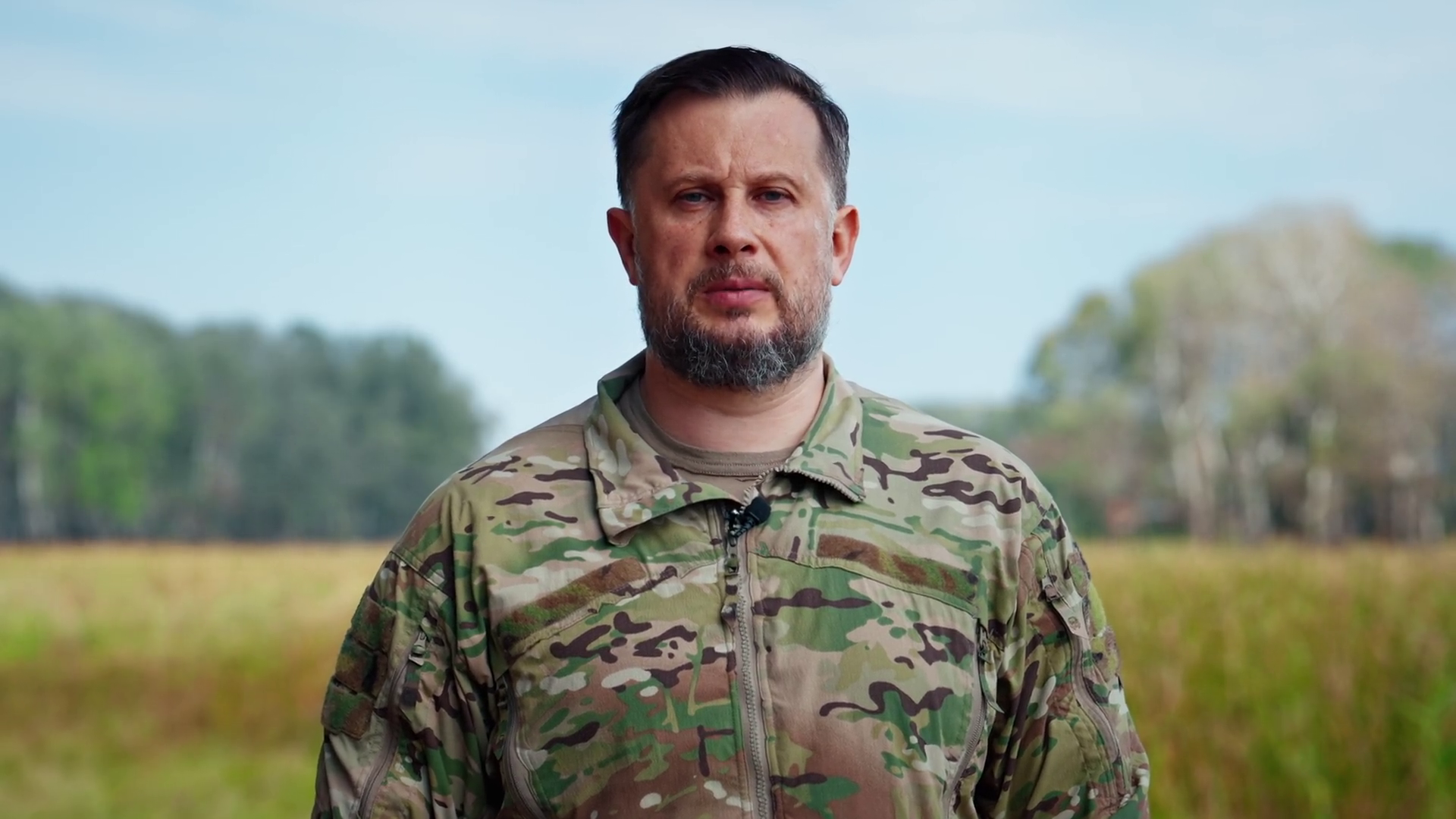
Russia’s Rubicon drone unit, which is sent to hunt Ukrainian drone pilots, was not used to being hunted itself, Brigadier General Andrii Biletskyi told journalists on 19 October. He was summing up Operation Vivaldi, which his Third Army Corps fought in northern Donetsk Oblast from May to mid-October. Once its pilots realized they were being killed, Rubicon’s morale dropped sharply, he said.
Russia has fought for 12 years to take all of Donetsk Oblast, and Sloviansk and Kramatorsk anchor the fortress belt of cities Ukraine still holds there. Vivaldi retook 277 km² in northern Donetsk Oblast. Biletskyi says it destroyed Russia’s bridgehead on the Chornyi Zherebets River and forced Moscow to drop its plan to bypass Lyman from the north and encircle the two cities. On that front, the Third Corps had flagged Rubicon, Russia’s elite drone unit, as a threat.
Hunting the hunters
Once a Rubicon position was found, the Third Assault Brigade and the KRAKEN drone regiment committed any number of FPV and bomber drones to destroy its crews, Biletskyi said.
The brigade’s commander, Yaroslav Levenets, said his troops prepared for Rubicon’s arrival and concentrated on killing its pilots. He gave no details.
“Not stable in defense,” Levenets said of Rubicon’s troops.
They dislike sitting in trenches, he said, and under pressure they grow nervous and change positions.
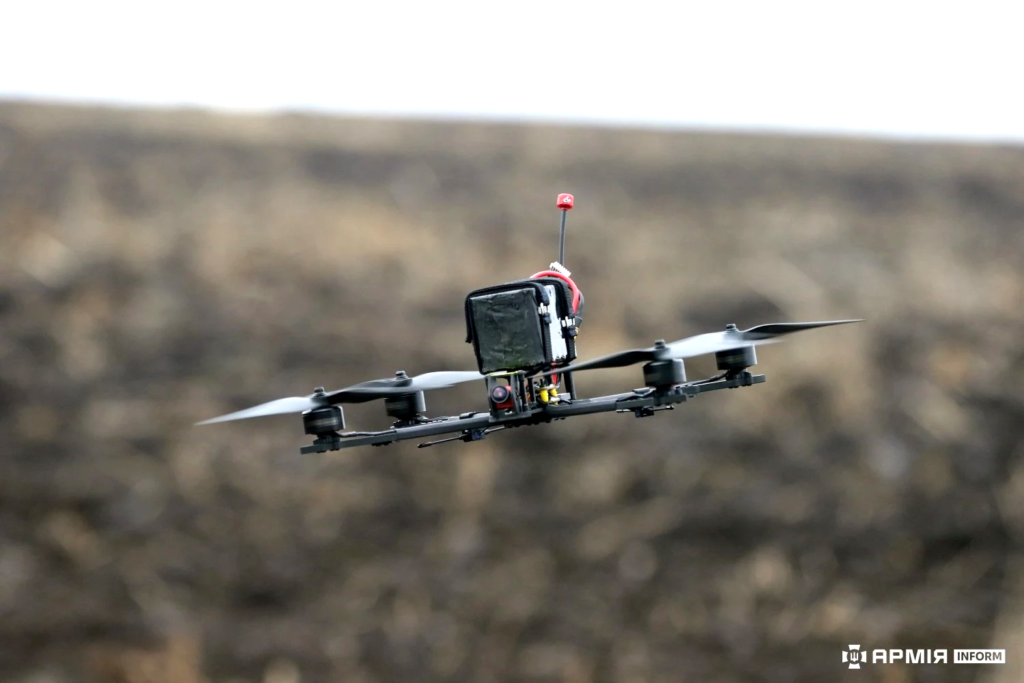
An FPV drone. Illustrative photo: ArmyInform
Named for four seasons
Biletskyi said the name was chosen at the very start of planning, in winter 2025–2026, many months before the operation began. The original plan had four stages, one for each season, and later grew to slightly more, ArmyInform reported.
When he first unveiled the operation in September, he put it this way:
“Vivaldi, as is known, has four seasons. And this is only the first one.”
He credited two planners, known by the call signs Yurist and Leshyi. Leshyi, an assault soldier wounded seven times who later moved to staff work, was killed. Yurist was seriously wounded.
Explore further
Ukraine blocks Russia from outflanking its fortress cities in Donbas, retaking 277 square kilometers and hitting 8,000 Russian troops
A new hand at the Third Corps
Major Dmytro Rohoziuk is now acting commander of the Third Army Corps, the corps press service said on 20 October. The press service said the move is not a transfer, and Biletskyi keeps his formal post as corps commander while he leads the “Center” grouping of the Third, 11th, and 19th corps.
Major Dmytro Rohoziuk, acting commander of Ukraine’s Third Army Corps. Photo: Armed Forces of Ukraine
Rohoziuk took over the 60th Mechanized Brigade in October 2025. Its previous commander was arrested in January after the State Bureau of Investigation accused him of embezzling about $1 million in weapons procurement. The brigade fought in all four phases of Vivaldi and retook Kolodiazi without street fighting.
Ukrainian troops capture a Russian infiltrator carrying a Russian flag during Operation Vivaldi in northern Donetsk Oblast. Photo: Third Army Corps
Biletskyi also declined command of the Ground Forces, which oversee mobilization.
“There’s no point taking on something you don’t truly believe you can improve,” he said.
Biletskyi’s count
Russian losses in Vivaldi topped 8,000 troops, and about 270 Russian soldiers were taken prisoner, Biletskyi said. More than 20 officers surrendered, including a chief of staff and three company commanders.
The territory matters less than disrupting Russia’s strategic plan, he said. Russian forces still press toward Dobropillia, where Ukraine is counterattacking.
Russia has kept striking Ukraine’s energy sector throughout the week since US President Donald Trump announced an energy ceasefire, Ukrainian President Volodymyr Zelenskyy said on 18 October. From overnight into Sunday, Russian drones and a ballistic missile hit substations, homes, and industrial sites from Odesa to Volyn. They killed civilians and left tens of thousands of families without power.
Russia fights along the front line while hitting cities and the grid behind it with drones, missiles, and glide bombs. Ukraine says Moscow plans up to 1,000 such munitions against 60 key infrastructure sites this winter, and jet-powered drones partly free it to concentrate missiles on fewer targets, the Institute for the Study of War assessed. With Graham Act penalties on hold and US sanctions on Russian diesel suspended, Russia faces no new US cost for its strikes on Ukraine’s grid. Protecting and restoring the grid falls to Ukraine’s air defenses and repair crews.
Russia hit energy sites 76 times in a week
Zelenskyy counted 76 deliberate Russian strikes on energy and oil-and-gas facilities since Trump’s announcement. Overnight, Russia hit substations in Vinnytsia, Zhytomyr, Khmelnytskyi, and Odesa oblasts, he said. In the past week, Russia fired almost 2,700 attack drones, 1,700 aerial bombs, and 66 missiles, most of them ballistic, mainly to cause a blackout. His message was aimed at Washington.
“America must see that Russia is not taking steps in return for the lifting of sanctions or deals. On the contrary, they take every signal that they can make money as proof that their bet on war is working and they can keep fighting,” Zelenskyy wrote.
Explore further
22 House lawmakers press Trump to implement Russia sanctions law. Diesel deal draws bipartisan backlash
Overnight, Russia launched one Iskander-M ballistic missile and 180 Shahed-type drones, 26 of them jet-powered, the Air Force reported. Air defenses downed or suppressed 152 drones, but strikes hit 20 locations.
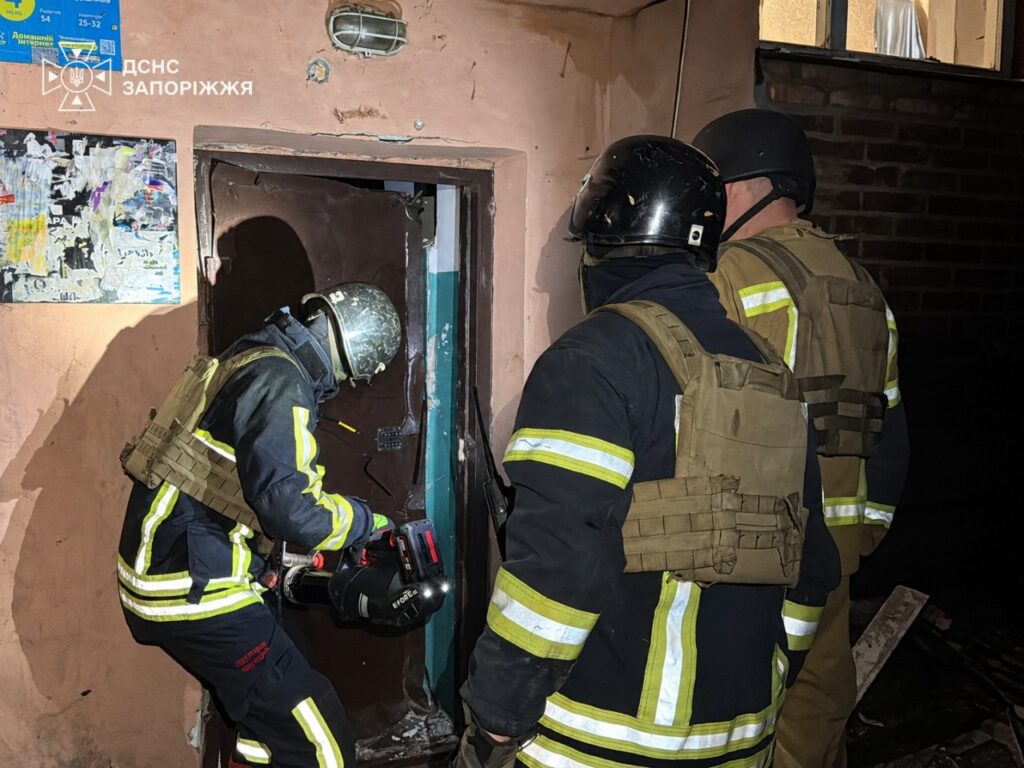
Rescuers at the site of a Russian strike on a residential area of Zaporizhzhia, 18 October 2026. Photo: State Emergency Service of Ukraine
Power cuts from Odesa to Ternopil
Strikes left about 24,000 consumers in Odesa Oblast without power, oblast head Oleh Kiper said. In Vinnytsia Oblast, the attack damaged critical infrastructure and forced emergency outages, oblast head Natalia Zabolotna wrote. Drones hit three energy facilities in Ternopil Oblast, one of them for the second time, and cut power to some consumers, oblast head Taras Pastukh said.
Civilians killed and injured
A Russian strike on Zaporizhzhia killed a 27-year-old woman and injured two others, including a 16-year-old, the State Emergency Service reported. In Poltava, an evening attack killed one person, injured four, and damaged 10 detached houses, city council secretary Kateryna Yamshchykova said.
Explore further
Five Russian bombs kill 17 in Ukraine’s Zaporizhzhia next day after Trump lets Russia ship first 300,000 tonnes of its diesel
A drone hit a high-rise in Odesa and set its roof on fire. A 13-year-old girl was hurt, city military administration head Serhii Lysak said, and Kiper put the number of injured at two.
In Dnipropetrovsk Oblast, Russian drones and artillery injured three people, oblast head Oleksandr Hanzha said. In Donetsk Oblast, Russian attacks killed seven civilians on Saturday, six of them in Sloviansk, oblast head Vadym Filashkin reported.
Fire on the roof of a high-rise apartment building after a Russian drone strike in Odesa, 18 October 2026. Photo: Odesa City Military Administration
Fires in the west, alerts across the border
A morning drone strike set warehouse and production buildings ablaze at an enterprise in Manevychi, Volyn Oblast, oblast head Roman Romaniuk said. With heavy smoke blowing toward the town, Romaniuk urged residents to stay indoors, shut windows and doors, and switch off ventilation. A repeat strike set an enterprise in the district on fire again, the State Emergency Service said, adding that air tests found no dangerous concentrations outside the site. In Lviv Oblast, drone debris damaged a logistics warehouse and two houses, oblast head Maksym Kozytskyi said.
Fire at an enterprise in Manevychi, Volyn Oblast, after a Russian drone strike, 18 October 2026. Photo: Volyn Oblast Military Administration
Polish military aircraft operated in Poland’s airspace twice during the attack, as the Government Security Centre warned residents of Lublin Voivodeship and later alerted Subcarpathian Voivodeship. In Lithuania, NATO jets failed to identify an object that apparently entered from Poland, Defense Minister Robertas Kaunas said.
A ceasefire Moscow never confirmed
Trump announced the energy ceasefire on 11 October, news that surprised Zelenskyy. A White House official said Russia was still weighing it. Hours later, Russia hit a Kharkiv power plant, and on 14 October it fired 39 ballistic missiles at the grid. Then Trump waived Graham Act penalties on buyers of Russian oil, and Secretary of State Marco Rubio said the administration wants 60 days to weigh the economic effects.
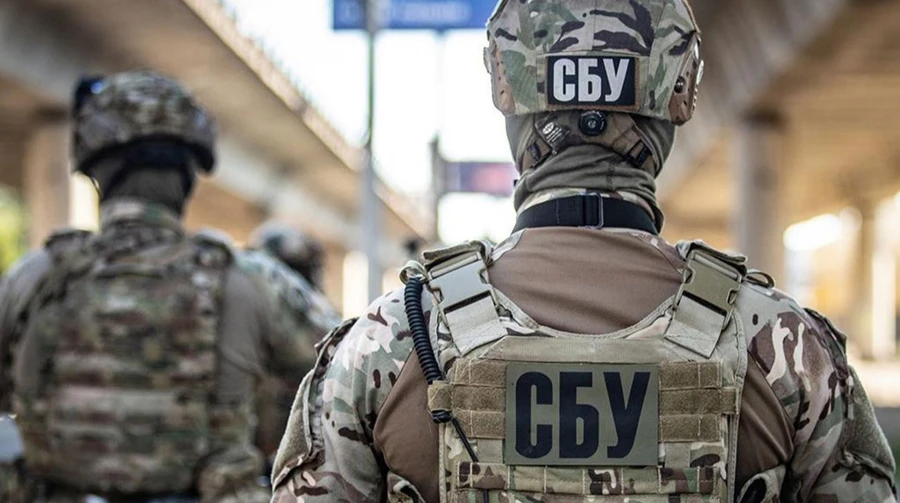
Ukraine’s Security Service (SBU) detained two men suspected of scouting targets for Russian strikes on Sloviansk and Dnipro, the agency reported on 14 October. Catching both early let it secure Ukrainian reserve command posts and the gas stations the alleged agents had been hunting, the agency added.
Sloviansk anchors the northern end of the Fortress Belt, the chain of fortified cities that has held Ukraine’s defense of Donetsk Oblast since 2014. Russia is pushing to seize them, and its aircraft bombed a residential area of Sloviansk on 11 October. Where Ukrainian convoys stop and troops gather is exactly what Russian handlers allegedly asked these suspects to supply.
A gas station worker suspected of filming convoys
The first suspect worked at a gas station complex in Sloviansk, Donetsk Oblast. Russian intelligence allegedly reached him through a former classmate who left for Russia after the full-scale invasion and now works for its special services, the SBU said. He then allegedly used his phone to secretly film Ukrainian army convoys at or near gas stations. He was allegedly supposed to send the photos and videos to Russia to help it prepare a targeted strike. He also allegedly drove his own car around other gas stations and bridges that the Defense Forces use for logistics.
Spotted through Telegram comments
The second suspect, a former Pokrovsk resident, moved to Dnipro in 2024 and settled in a dormitory. Russian intelligence noticed him through pro-Kremlin comments he posted in Telegram chats, investigators say. A female handler in Russia allegedly tasked him with guiding missile and drone attacks on places in the city where Ukrainian troops and equipment were concentrated. He allegedly scouted on foot or took public transport to reach outlying districts.
Explore further
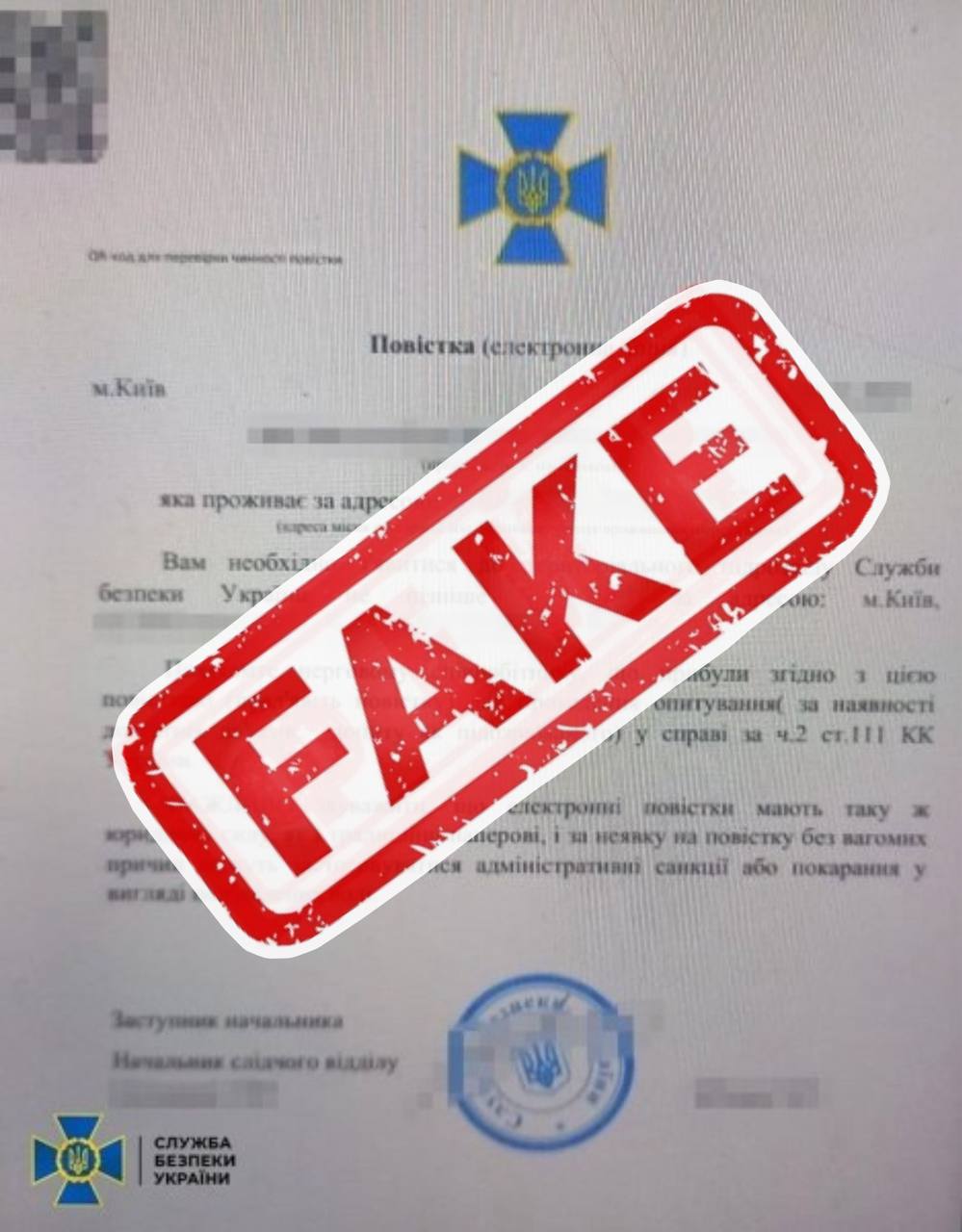
Ukrainians think their own security service is calling—it’s Russia recruiting saboteurs
Officers seized computers and smartphones containing evidence of the men’s alleged work for Russia. Both are suspected of treason under martial law and of unauthorized dissemination of information on Ukrainian troop movements or deployment, under Articles 111(2) and 114-2(2) of the Criminal Code. They remain in custody without bail and face up to life imprisonment with confiscation of property. The SBU’s office for Donetsk and Luhansk oblasts ran the operation under the Donetsk Oblast Prosecutor’s Office.

 Login