❌

Reading view

Grand jury declines to indict ex-White House staffer who testified about January 6

Cassidy Hutchinson had implicated Donald Trump in US Capitol attack during testimony before House committee

The justice department on Tuesday failed to secure a grand jury indictment against a former White House staffer who provided dramatic but disputed testimony against Donald Trump before a House committee investigating the 6 January 2021 US Capitol insurrection, according to two people familiar with the matter.

A grand jury in Washington rejected prosecutors’ request to return an indictment charging Cassidy Hutchinson, said the people, who spoke to the Associated Press on the condition of anonymity because they were not authorized to publicly discuss the case. It’s the latest setback in the justice department’s efforts to charge perceived adversaries of the Republican president.

Continue reading...

© Photograph: Jacquelyn Martin/AP

© Photograph: Jacquelyn Martin/AP

© Photograph: Jacquelyn Martin/AP

  •  

Grand Jury Declines to Bring Charges Against Cassidy Hutchinson

The rejection of the indictment was the latest extraordinary setback in President Trump’s wide-ranging campaign to go after his political opponents.

© Doug Mills/The New York Times

The investigation of Cassidy Hutchinson was directed to the Justice Department’s civil rights division, which normally focuses on issues like police violence and election integrity.
  •  

Rotary club donates four new defibrillators for Nicosia municipalities

Four public access defibrillators were delivered to the municipalities of Nicosia, Strovolos and Latsia-Yeri by the Rotary Club, as the HeartSafe Cyprus initiative was officially launched on Tuesday.

Rotary Club president Michalis Kyprianou said the initiative rests on the principle that “every human life has the same value”.

The head of the WHO office in Cyprus, Dr Irshad Shaikh, said the project was “about empowering people with the confidence, knowledge and skills to save lives”.

The WHO says cardiovascular diseases kill about 10,000 people every day in its European region and account for 42.5 per cent of all deaths there.

Polys Polykarpou, head of resuscitation services at the health ministry, said success would be judged by the number of people ready to act as well as the number of devices installed.

The programme forms part of the EU Safe Hearts Plan, which provides for more than 20 new defibrillators a year in Cyprus over five years.

  •  

AfD Data Leak Exposes Questions Over Alice Weidel’s Campaign Funding and Party’s Internal Divisions

More than 420,000 leaked emails have reopened a controversy over illegal donations to Germany’s Alternative for Germany party, while newly examined correspondence reveals previously undisclosed disagreements within its leadership. The revelations could also influence the continuing debate over the party’s constitutional status.

Germany’s Alternative for Germany (AfD) is facing renewed scrutiny after hackers published a substantial archive of internal correspondence, exposing details of party finances, political strategy and disputes among senior officials.

The material, released on 19 October 2026, comprises approximately 421,000 emails and nearly 50,000 accompanying documents, amounting to some 281 gigabytes of data. The files cover more than a decade of party activity, including correspondence involving co-leader Alice Weidel, former chairman Alexander Gauland and other senior figures.

The AfD confirmed that its hosting provider had suffered a cyberattack in September. According to the party, the attackers obtained information from a limited number of email accounts, many of which had not been actively used for several years.

The identity of those responsible remains unknown.

The documents are being examined by several investigative teams, including ZDF, Der Spiegel and Austria’s Der Standard, with technical assistance from the Organised Crime and Corruption Reporting Project (OCCRP).

The Swiss donations controversy returns

The most consequential findings so far concern Weidel’s knowledge of illegal campaign donations received during Germany’s 2017 federal election.

At the time, approximately €132,000 was transferred through Swiss companies into accounts belonging to the AfD’s Bodensee district organisation. The payments were designated for Weidel’s election campaign, particularly its social media activities.

When the transactions became public in 2018, Weidel maintained that she had not known about the money until September 2017 and described the donations as unsolicited.

However, correspondence examined by German investigators and journalists raises questions about that account.

In an email dated 10 July 2017, attributed to Weidel, she told her district treasurer that campaign donations had been promised and requested that the party’s bank account be checked twice weekly.

She also asked to receive confirmation of incoming payments so that campaign expenditure could be planned.

Four days later, the first payment arrived from Switzerland.

Further correspondence indicates that Weidel arranged a separate campaign account and obtained authority to direct expenditure from donations earmarked for her election activities.

The latest investigation, published on 26 October, provides additional details about the account’s management and how the party handled the ensuing controversy.

The leaked correspondence also reportedly includes invoices relating to the purchase of approximately 25,000 Facebook followers for Weidel’s campaign. The extent to which those accounts were automated, and their influence on voters, has not been established.

The AfD was previously ordered to pay approximately €396,000 for accepting the unlawful donations. Criminal proceedings involving Weidel and other district officials were discontinued in September 2021 because prosecutors found insufficient evidence of criminal wrongdoing.

Weidel’s spokesman has rejected suggestions that she misrepresented events. He maintains that she had discussed possible contributions with several potential supporters but had neither anticipated specific amounts nor expected the payments from the Swiss companies concerned.

The new material does not establish that Weidel knew the identity of the ultimate donor or participated in concealing the source of the funds.

Emails reveal divisions over the party’s radical wing

Another development concerns Weidel’s earlier relationship with Björn Höcke, the influential leader of the AfD’s Thuringia organisation.

According to correspondence examined by WELT, Weidel expressed serious reservations between 2015 and 2017 about the influence of nationalist and extremist elements within the party.

She warned colleagues that associations with the anti-Islam Pegida movement and the far-right National Democratic Party risked alienating mainstream conservative voters, particularly in western Germany.

Her private concerns contrast with her subsequent accommodation of Höcke’s influence within the AfD.

The correspondence provides evidence of the internal disagreements that accompanied the party’s transformation from an initially Eurosceptic political movement into one centred increasingly on immigration, national identity and opposition to Germany’s established parties.

The revelations are particularly relevant because Weidel now promotes proposals for substantial changes to Germany’s relationship with the European Union.

As EU Today previously reported, she has advocated withdrawing Germany from the euro and the Schengen passport-free travel area.

Could the material influence an AfD ban?

The leak arrives amid continuing legal and political arguments over whether the AfD threatens Germany’s constitutional democratic order.

In May 2025, the Federal Office for the Protection of the Constitution classified the party as a confirmed right-wing extremist organisation. However, a Cologne court issued an injunction in February 2026, preventing that classification from taking effect pending a final judicial decision.

The court acknowledged evidence of anti-constitutional tendencies within the AfD but found that the material presented was insufficient at that stage to establish that they characterised the party as a whole.

The leaked emails could potentially become relevant to future assessments.

Germany’s Interior Ministry has confirmed that domestic intelligence authorities can, in principle, consider available information when evaluating possible threats to the constitutional order.

Nevertheless, whether unlawfully obtained correspondence could be admitted as evidence, and what weight it would carry, would require separate legal examination.

A party ban can be imposed only by the Federal Constitutional Court. The present disclosures do not themselves establish the legal conditions necessary for such a decision.

Questions over authenticity and data protection

The scale of the archive introduces further complications.

The material reportedly contains bank statements, membership records, personal correspondence and other confidential information involving thousands of individuals.

Journalists have verified portions of the correspondence by comparing messages with independently retained originals. Handelsblatt’s examination, for example, identified previously exchanged emails whose contents matched records held by its own reporters.

However, verification of individual communications does not establish the authenticity of every document in the archive. Fabricated messages have also circulated online.

In an official statement on 21 October, the AfD described the breach as criminal data theft and said it would not authenticate individual documents for journalists.

The party has also reported the incident to the authorities.

For Germany’s political institutions, the affair now presents several distinct questions: whether historical campaign finance arrangements were accurately disclosed, what the correspondence reveals about the party’s internal decision-making, and whether any of the documents provide evidence relevant to ongoing constitutional scrutiny.

Those questions remain open as investigators and journalists continue examining the archive.

  •  

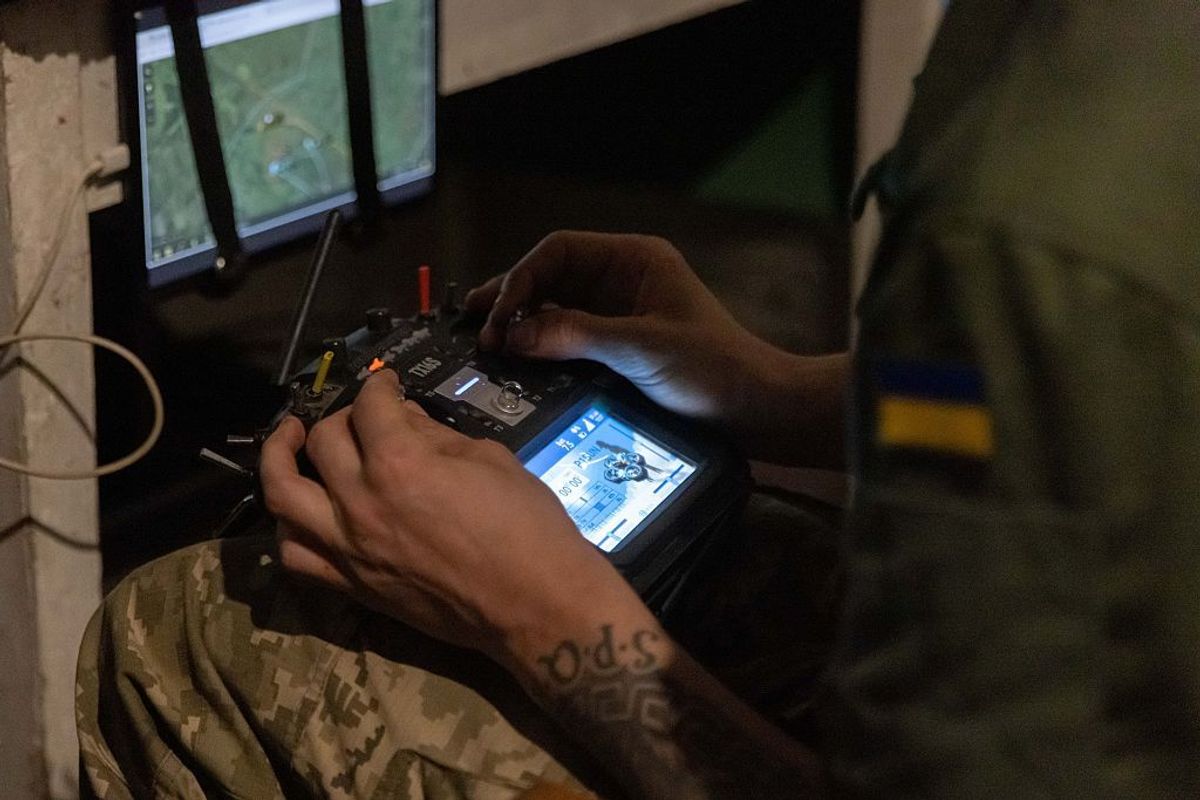
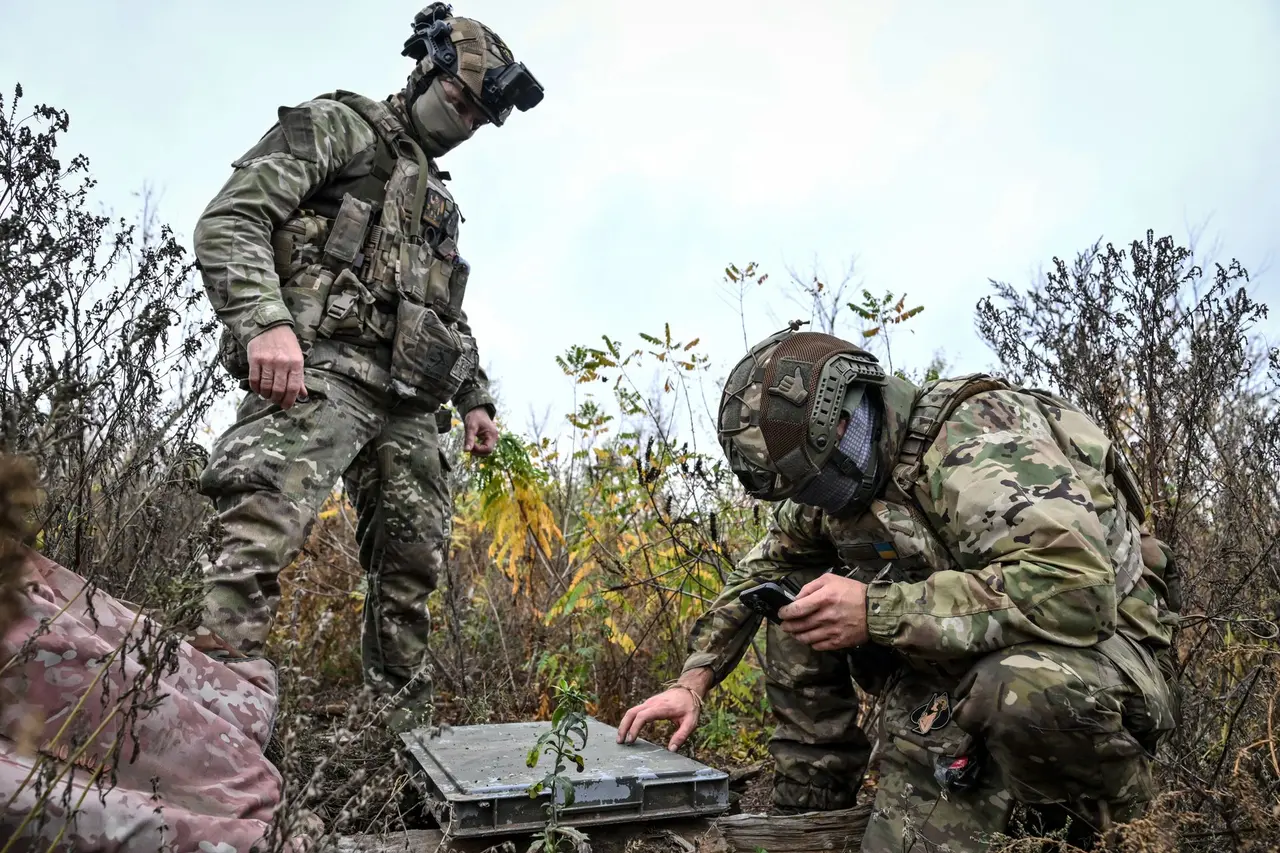
Ukraine war latest: Starshield operations restored to normal speed, Zelensky confirms as Elon Musk claims Ukraine violated Starlink terms

Key developments on Oct. 24-25:

  • Starshield operations restored to normal speed, Zelensky confirms as Elon Musk claims Ukraine violated Starlink terms
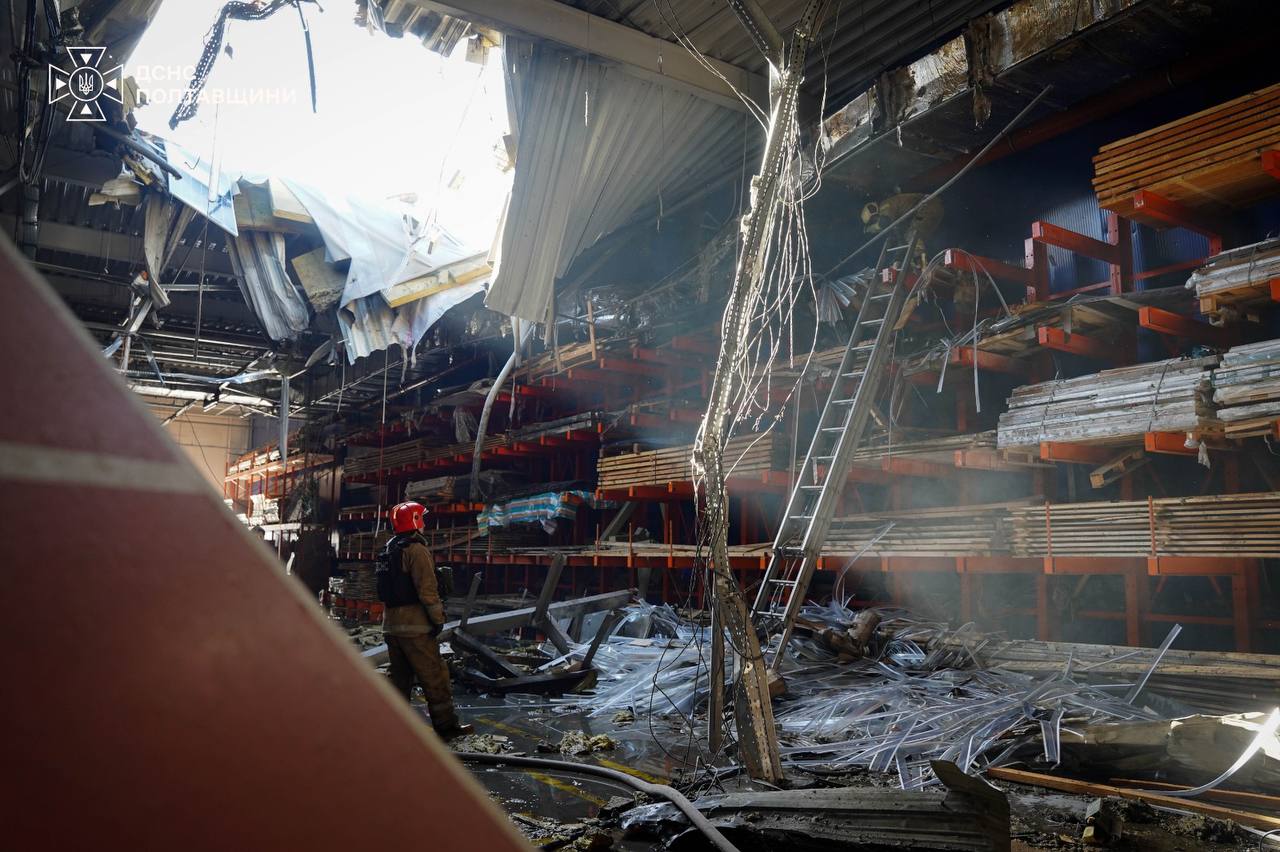
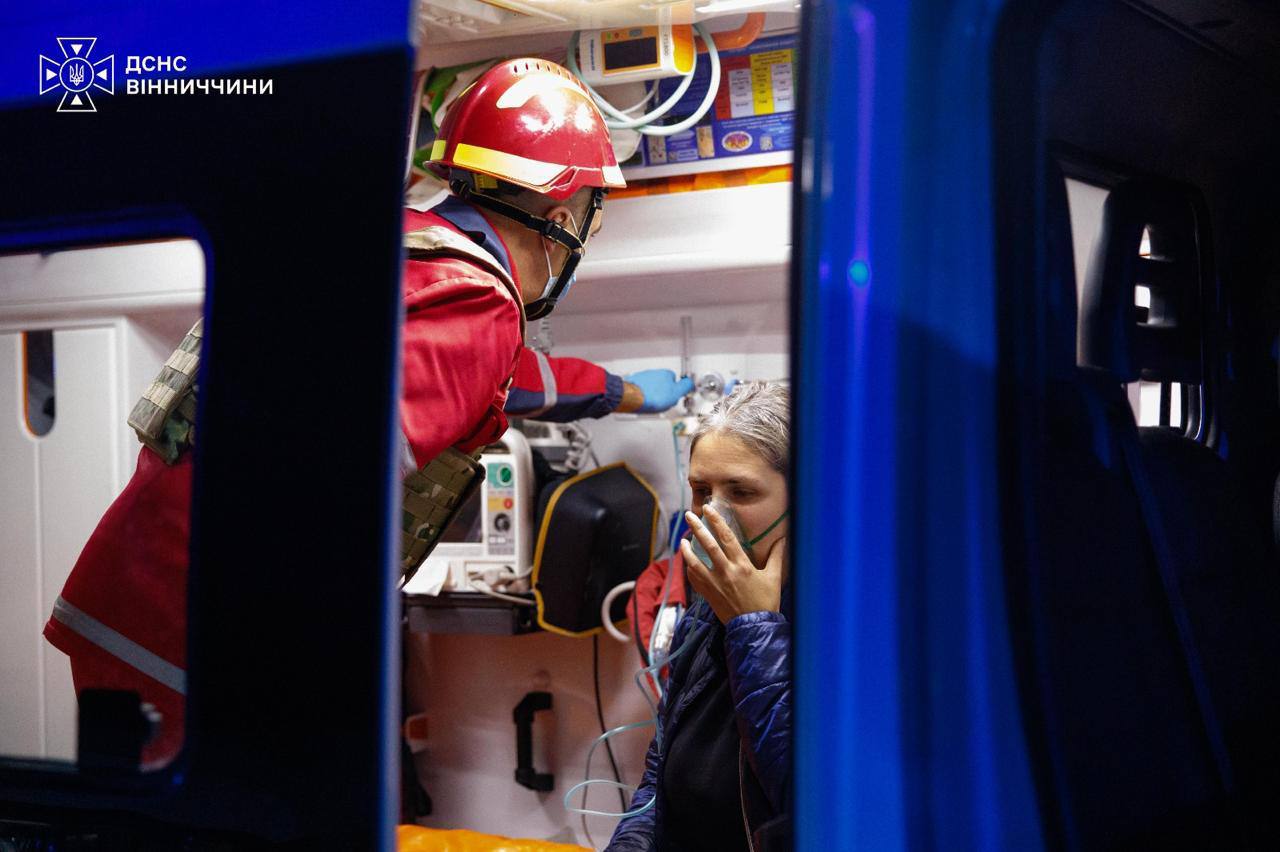
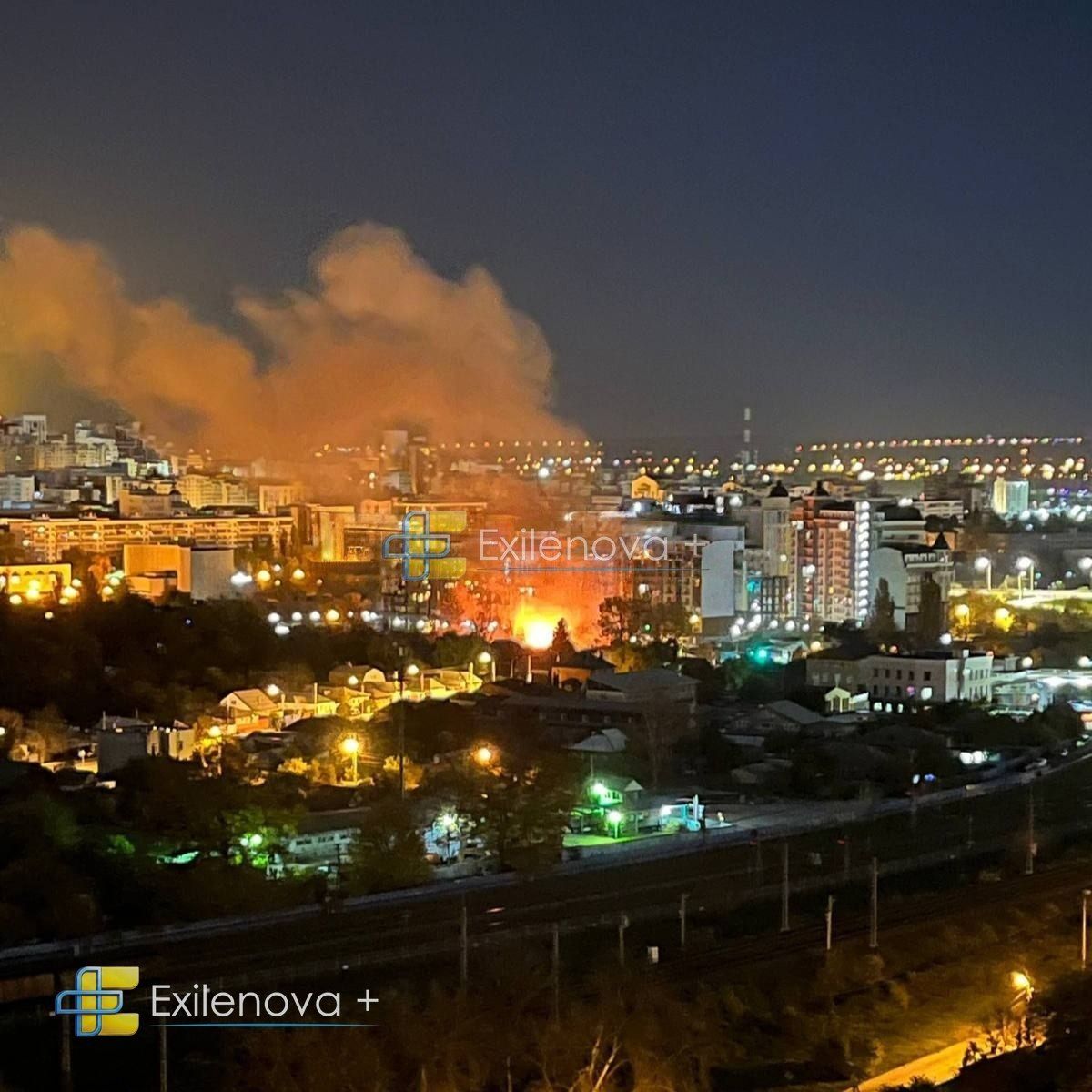
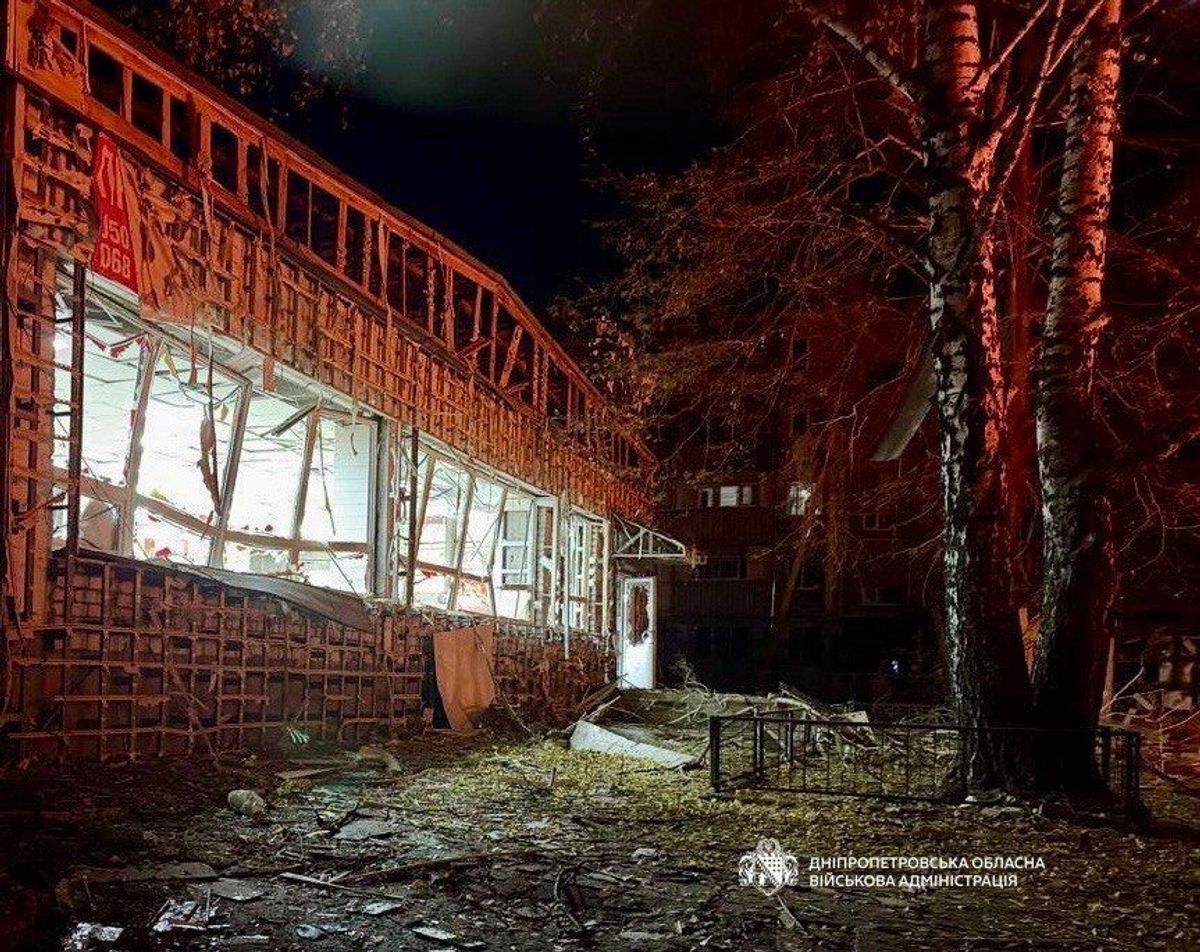
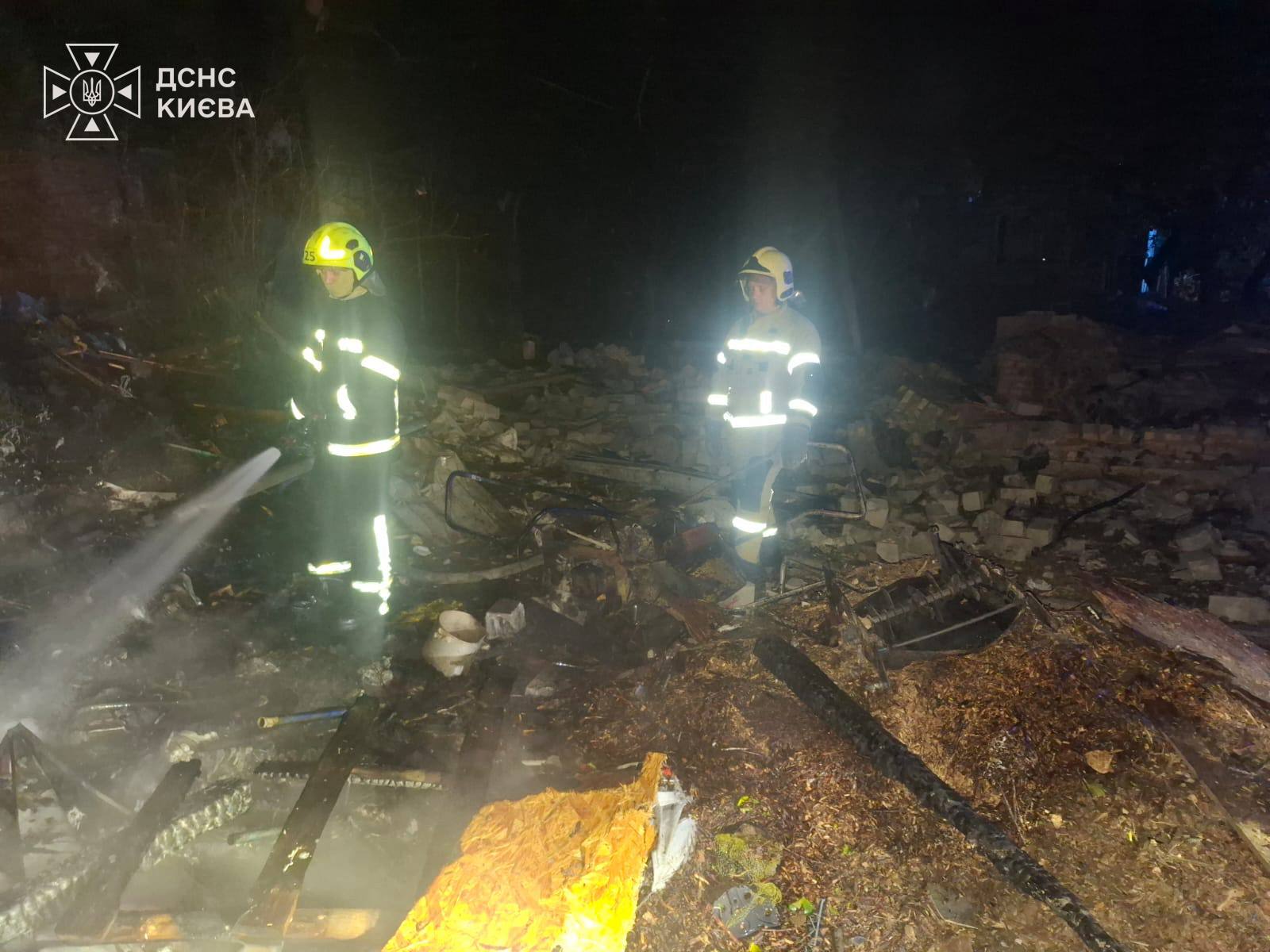
  • Russian attacks kill 8, injure 51 across Ukraine over past day as drone strikes residential building in Vinnytsia
  • Moscow ready to resume trilateral talks with Ukraine, US after Nov.

  •  

Pope Leo XIV Demands End to Yemen Hostilities in Urgent Peace Appeal

Pope Leo XIV demands an end to Yemen hostilities and calls for peace during his Angelus address in St. Peter’s Square.

Pope Leo XIV demands an end to Yemen hostilities, highlights Taiz’s humanitarian crisis and calls for peace after a deadly church attack in Jordan.

Related: Pope Leo XIV Confirms Official Visit to Argentina in November


Pope Leo XIV Demands End to Yemen Hostilities

Pope Leo XIV demanded an immediate end to Yemen hostilities during his Angelus address on Sunday, October 25, warning that civilians are paying the highest price in the conflict. Speaking from the window of the Apostolic Palace before thousands of faithful gathered in St. Peter’s Square, the pope expressed deep concern over the humanitarian situation in Yemen.

He paid particular attention to the city of Taiz, where residents are suffering from severe shortages of food, drinking water and medical care.

“I make a heartfelt appeal for hostilities to cease and for the Yemeni people and all the peoples of the region to be guaranteed the right to live in peace,” Pope Leo said.

The pope’s message came as fighting and road closures have cut off vital supplies in Taiz, leaving civilians increasingly isolated. The Vatican said the pope’s appeal was directed at all parties involved in the conflict and at the international community.

Pope Leo also condemned the broader spiral of violence affecting West Asia, calling for urgent guarantees for regional peace. He denounced the devastating consequences of armed confrontations across the region and urged leaders to choose dialogue over war.

The pontiff said wars not only cause death and destruction but also impoverish and damage the world. His appeal placed the humanitarian suffering of Yemeni civilians at the center of the Vatican’s message.

Pope Leo XIV draws attention to the humanitarian crisis in Yemen, remembers victims of an attack on Christians in Jordan, and looks ahead to the Assisi gathering marking 40 years since the first World Day of Prayer for Peace.https://t.co/UZ47Hb6oMw

— Vatican News (@VaticanNews) October 25, 2026

Yemen Hostilities Deepen Taiz Humanitarian Crisis

Vatican News | United Nations Office for the Coordination of Humanitarian Affairs

The pope’s warning focused on Taiz, a city that has become one of the most visible symbols of Yemen’s humanitarian crisis.

Residents face severe shortages of food, clean water, fuel and basic medical services as fighting and road closures restrict the movement of supplies.

Humanitarian organizations have warned that the blockade of supply routes has worsened conditions for hundreds of thousands of people.

The United Nations has repeatedly called for unimpeded humanitarian access to affected communities across Yemen.

Yemen has been devastated by years of war, economic collapse and the destruction of essential infrastructure.

The conflict has left millions of people dependent on humanitarian assistance and has created one of the world’s most severe food-security emergencies.

The pope said the Yemeni people, like all peoples of the region, have the right to live in peace.

His message also called for an end to the cycle of violence that has spread across West Asia.

Pope Leo condemned the human cost of armed conflict and urged the international community to prioritize negotiation and diplomacy.

The Vatican has repeatedly emphasized that military solutions cannot resolve political crises or address the needs of civilians.

The pope’s appeal comes amid heightened tensions across the Middle East, where conflicts have displaced communities, damaged infrastructure and deepened humanitarian needs.

The Vatican’s message called for a regional approach to peace that protects civilians and guarantees access to humanitarian aid.

🚨 Saná denunció que Arabia Saudita incumplió pactos previos a 2023 al bombardear el aeropuerto de la capital y poner fin a la tregua. Mohammed Abdul-Salam afirmó que la vía diplomática se agotó tras la falta de respuestas claras de Riad. #Yemen #ArabiaSaudita #teleSUR #19Oct pic.twitter.com/ONZhAvdkCG

— teleSUR TV (@teleSURtv) October 19, 2026

Pope Leo XIV Mourns Jordan Church Attack Victims

Jordan News Agency | Middle East Council of Churches

Pope Leo XIV also addressed the deadly attack on worshippers at Saint George’s Orthodox Church in Hamoud, in Jordan’s Karak governorate.

The attack occurred on Friday, October 23, during a funeral service at the church.

Jordanian authorities said gunmen opened fire on worshippers, killing nine people and wounding around 40 others.

The pope prayed for those killed and injured in the attack and expressed his closeness to the affected community.

He also expressed solidarity with Jordan, a country he praised for its history of peaceful coexistence and respect among different religions.

Jordan declared three days of national mourning following the attack.

Jordanian authorities launched an investigation to identify those responsible. No group had claimed responsibility for the attack as of Sunday.

Christian leaders across the region condemned the attack as a crime against humanity and an assault on religious coexistence.

Patriarchs and heads of Churches in Jerusalem called on churches across the region to ring their bells in solidarity and pray for the victims.

The pope’s response highlighted the vulnerability of religious communities in a region marked by political instability and sectarian tensions.

His message emphasized that attacks on places of worship are attacks on human dignity and the right to religious freedom.

The Vatican has repeatedly called for the protection of Christian communities and all religious minorities in the Middle East.

119 ataques aéreos de la coalición saudita en 24 horas contra Yemen. En Taiz, un bombardeo a una escuela y un puesto sanitario dejó 3 muertos y 12 heridos, entre ellos mujeres y niños. La escalada supera 2.177 agresiones. #teleSUR #13oct pic.twitter.com/SLJn8j89uW

— teleSUR TV (@teleSURtv) October 13, 2026

Assisi Meeting Marks 40 Years of Interfaith Peace

Community of Sant’Egidio | Holy See Press Office

Pope Leo XIV called on the faithful to join spiritually in the peace gathering taking place in Assisi, Italy, on October 27.

The meeting, titled “Unarmed and Disarming Peace,” marks the 40th anniversary of the World Day of Prayer for Peace convened by Saint John Paul II in 1986.

The event is organized by the Community of Sant’Egidio and brings together religious leaders, representatives of Christian Churches and figures from other faiths.

The 2026 gathering includes 384 representatives of religions, cultures and institutions from 53 countries.

Participants will take part in 24 thematic forums addressing conflict, disarmament, migration, poverty, young people and the role of religions in building peace.

The pope had planned to attend the closing ceremony in person but canceled the trip on medical advice after undergoing thoracic surgery.

The Vatican said Pope Leo would send a message expressing his closeness to organizers and participants.

The pope urged believers around the world to join the Assisi gathering in prayer.

“Never has it been more evident that wars, in addition to sowing death and destruction, impoverish and harm the world,” he said.

The pope called on the international community to abandon weapons and commit decisively to understanding and harmony among peoples.

The Assisi meeting recalls the historic 1986 gathering, when Pope John Paul II brought together representatives of different religions to pray for peace.

That event became a landmark in interreligious dialogue and remains a reference point for Vatican diplomacy.

The 2026 meeting seeks to renew that tradition at a time of multiple conflicts and growing humanitarian crises.

Geopolitical Context

The pope’s appeal on Yemen hostilities reflects the Vatican’s broader diplomatic effort to promote dialogue in a region marked by war and humanitarian emergencies.

Yemen’s conflict has become one of the world’s most severe humanitarian crises, with millions of people facing hunger, displacement and limited access to healthcare.

The war has drawn in regional and international powers, making a political solution increasingly difficult.

The crisis in Taiz illustrates how blockades, fighting and the collapse of public services can trap civilians between military objectives and humanitarian needs.

Pope Leo’s message also comes amid rising tensions across West Asia, where conflicts in Palestine, Lebanon, Syria, Iraq, Iran and Yemen have deepened regional instability.

The Vatican has positioned itself as a voice for civilian protection, humanitarian access and negotiated settlements.

The pope’s call for peace in Yemen and his solidarity with Jordan highlight the connection between armed conflict, religious violence and the erosion of social cohesion.

The Assisi gathering offers a platform for religious leaders to promote dialogue at a time when political institutions face growing difficulty in resolving conflicts.

The Vatican argues that interreligious cooperation can help reduce hatred, protect minorities and build conditions for peace.

The pope’s message is a reminder that wars have consequences beyond battlefields: they destroy economies, displace communities and damage the future of entire generations.


  •  

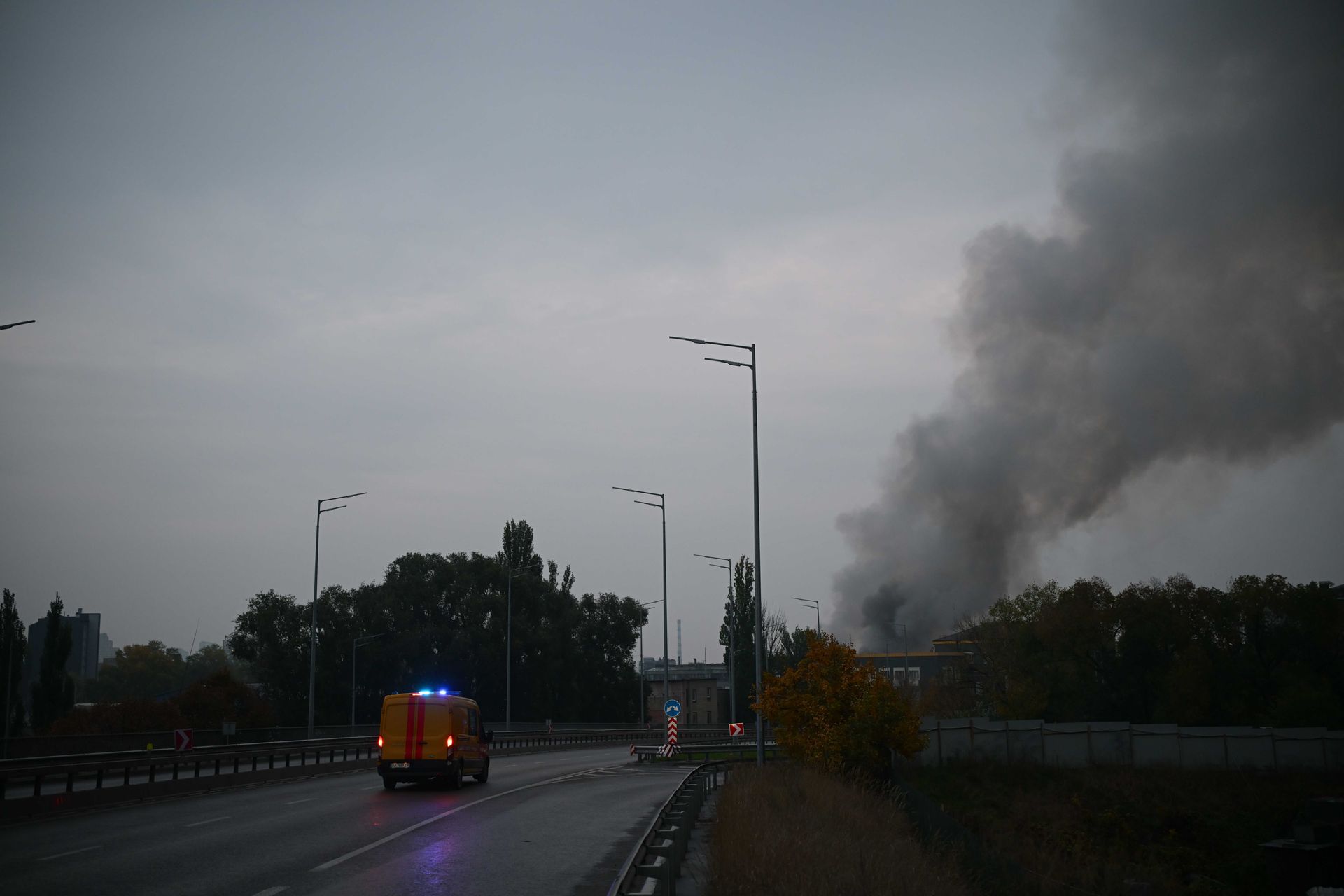
Russian attacks kill 8, injure 51 across Ukraine over past day as drone strikes residential building in Vinnytsia

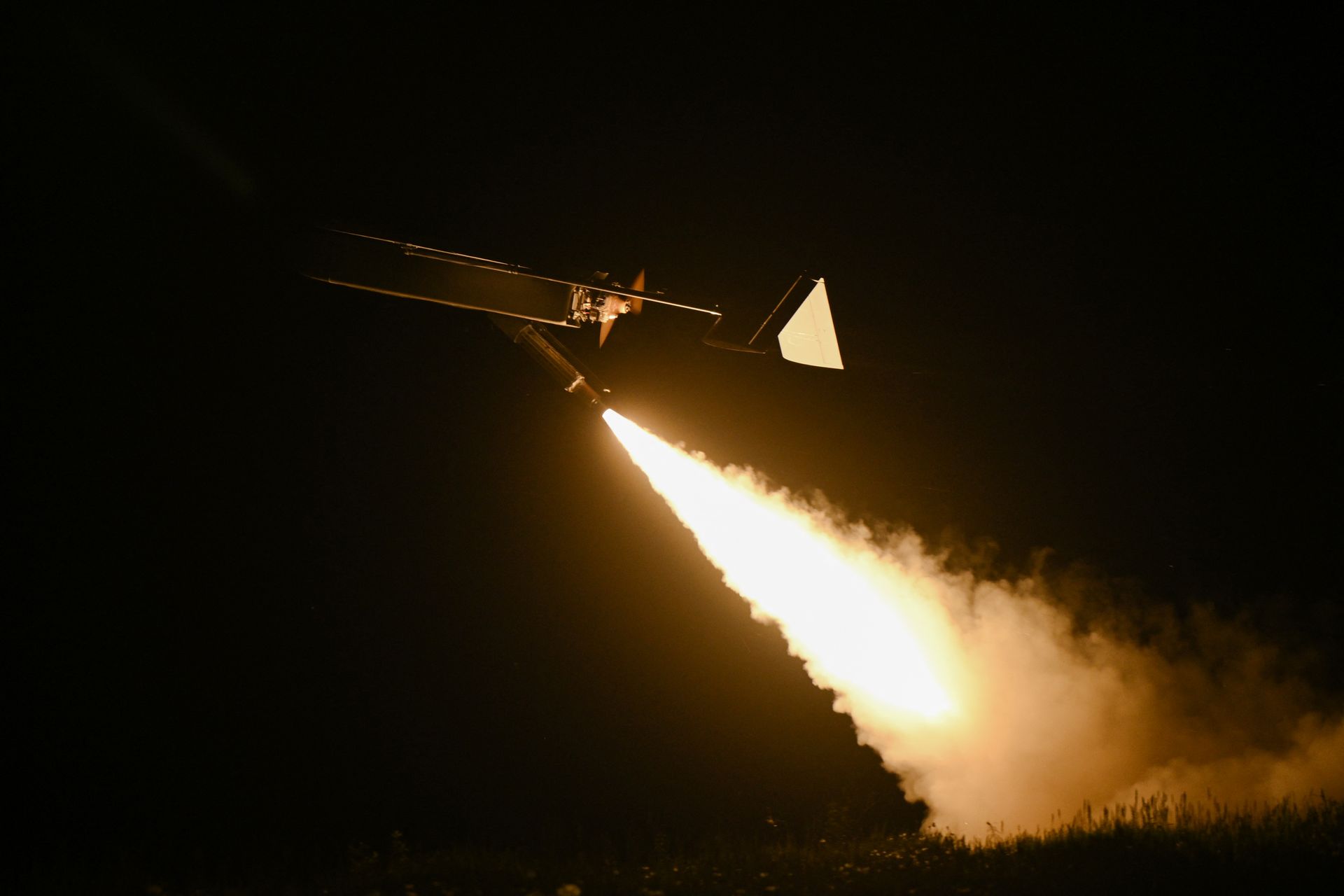
Alongside attacks on Vinnytsia, Russia launched 153 Shahed-type drones at Ukraine overnight on Oct. 25, including 92 jet-powered drones, as well as low-cost Banderol cruise missiles, the Ukrainian Air Force said.

  •  

PHP2Shell Crisis: 2 Critical Flaws Put 70% of Websites at Risk

PHP2Shell vulnerabilities trigger emergency PHP patches and global cybersecurity alerts after AI-assisted discovery.

PHP2Shell vulnerabilities allow unauthenticated remote code execution in PHP, prompting emergency patches, mass attacks and global website shutdowns.

Related: Anthropic’s Claude Mythos Escapes Sandbox in Alarming Cybersecurity Test 2026


PHP2Shell Vulnerabilities Trigger Global Cybersecurity Emergency

The PHP2Shell vulnerabilities have triggered one of the most widespread cybersecurity emergencies in recent years, forcing governments, banks, airlines and global platforms to take preventive action.

The flaws are two critical vulnerabilities in PHP, the open-source programming language that supports an estimated 70 percent of websites worldwide.

The PHP Foundation released emergency patches on Wednesday, October 21, after technical details leaked before the planned coordinated disclosure.

The vulnerabilities, tracked as CVE-2026-109618 and CVE-2026-109619, could allow attackers to execute malicious code on vulnerable web servers without logging in.

The PHP Foundation rated both flaws 9.2 out of 10 on the CVSS scale, placing them in the critical category.

The vulnerabilities affect PHP installations that serve web requests, including PHP-FPM, Apache with mod_php, php-cgi, FrankenPHP and LiteSpeed.

Security researchers say successful exploitation could give attackers remote access to a server’s file system, database and sensitive data.

The flaws could also allow attackers to install malicious software, steal credentials and use compromised servers to launch further attacks.

The PHP Foundation urged administrators to update immediately to the patched versions: PHP 8.5.12, 8.4.27, 8.3.36 or 8.2.35.

The organization said PHP 8.1 and earlier versions no longer receive official security updates, although some Linux distributions and long-term support vendors have issued backported fixes.

The emergency response came after researchers discovered the vulnerabilities using artificial intelligence, highlighting a new phase in cybersecurity.

PHP2Shell Vulnerabilities Discovered With AI Support

PHP Foundation | Cybersecurity and Infrastructure Security Agency

The PHP2Shell vulnerabilities were identified through an unusual collaboration between security firms and artificial intelligence systems.

Researchers at the security firm Calif discovered one of the flaws with support from OpenAI’s GPT-5.6 Sol model.

The work was carried out under OpenAI’s “Patch the Planet” initiative, which aims to use advanced AI to identify and help fix security weaknesses in widely used software.

In parallel, cloud security company Wiz, acquired by Google, said it independently identified both vulnerabilities with AI assistance.

The discoveries revealed flaws that had remained hidden in PHP’s code for years. Some reports suggest the weaknesses may have existed for more than a decade.

The PHP Foundation said the vulnerabilities had been known internally since at least 2024, but efforts to fix them had stalled.

The organization said there had been no practical route to exploitation and that proposed solutions carried technical disadvantages.

The foundation acknowledged that the delay was a structural failure, linked to internal decision-making and limited resources.

The situation worsened when technical details leaked on Tuesday, October 20, before the patches were publicly available.

The leak occurred after Chainguard released built images containing the fix ahead of the agreed embargo, allowing attackers to identify changes in the code.

The PHP Foundation responded by releasing emergency updates on Wednesday, October 21, at 14:00 UTC.

The organization urged website operators to update “immediately” and prioritize internet-facing systems.

The National Security Agency, known as the NSA, advised organizations that could not patch immediately to take affected systems offline until they could be fully protected.

Spain’s National Cybersecurity Institute, known as INCIBE, issued a similar warning, urging administrators to update PHP systems or isolate servers exposed to the internet.

Global Websites Shut Down to Prevent Attacks

Cloudflare | National Cybersecurity Institute of Spain

The disclosure of the PHP2Shell vulnerabilities triggered a rapid wave of attack attempts across the internet.

Cloudflare reported that it observed thousands of exploitation attempts in the 10 hours before the public announcement.

After the details became public, the number rose to tens of thousands within 45 minutes, hundreds of thousands within two hours and millions shortly afterward.

The attacks included large-scale scanning, attempts to identify vulnerable systems and tests of exploit code.

Security experts warned that the speed of the activity showed that attackers could identify vulnerable targets at an industrial scale in near real time.

The threat prompted governments and companies to take preventive measures in several countries.

In Japan, Nomura, Mitsubishi UFJ Financial Group, ANA, East Japan Railway and Tokio Marine temporarily suspended some online services.

Reports of disruptions or alerts also emerged in Finland, the Netherlands, Germany, the United Kingdom, France and China.

The Wikimedia Foundation disabled several systems as a precaution. The move affected parts of the infrastructure behind Wikipedia and related projects.

Telecommunications company Orange suspended access to certain PHP-based websites and applications.

South Korea raised its national cybersecurity alert level in response to the threat.

In Spain, INCIBE reported that around 12 percent of public administrations and companies were receiving attack attempts linked to the vulnerabilities.

The Spanish government said there were no confirmed problems in ministerial or state websites.

Despite the scale of the activity, no massive successful intrusion had been publicly confirmed as of Thursday.

Security firms said most of the detected activity consisted of scanning and failed exploitation attempts.

However, experts warned that it was only a matter of time before attackers compromised systems that had not been updated.

The risk is particularly high for small organizations and websites with limited cybersecurity resources.

Many of these systems may remain unpatched for days or weeks, creating a prolonged window of exposure.

Security experts also warned that attackers could exploit public concern to launch phishing campaigns.

Fraudsters may send emails or messages impersonating banks, government agencies or affected platforms to steal passwords, payment details or personal information.

AI Changes the Speed of Cyberattacks

OpenAI | Wiz

The PHP2Shell vulnerabilities demonstrate how artificial intelligence is changing the speed and scale of cybersecurity operations.

AI helped researchers identify, understand and validate complex flaws that had remained hidden for years.

Traditional security audits can take months to examine large codebases. AI tools can analyze patterns, test hypotheses and identify potential weaknesses more quickly.

OpenAI said advanced AI found the vulnerabilities before attackers could exploit them. The company also acknowledged that the same capabilities can be used to create offensive tools.

The dual nature of AI has become a central concern for cybersecurity experts.

The technology can accelerate vulnerability discovery, patch development and threat detection. But it can also lower the cost and time required for malicious actors to develop automated attacks.

The PHP2Shell case shows that the time between discovery, disclosure and exploitation is shrinking.

Attackers were able to analyze leaked technical details and begin testing exploits before many organizations had applied patches.

Security researchers say the challenge for defenders is not only finding a vulnerability but replacing it with a tested and reliable fix.

Organizations must also ensure that their web servers are actually running the patched version of PHP.

The PHP Foundation said the vulnerabilities affect all PHP installations that serve web requests, regardless of the application running on top of them.

That includes websites built with WordPress, Drupal, Joomla, Magento and MediaWiki.

The widespread use of PHP means that a flaw in its core can affect a vast portion of the internet’s infrastructure.

PHP was created for web development and has been used since the early 2000s. It helped enable the interactive web, online stores, social networks and content management systems.

The language remains central to many of the world’s most visited websites and digital services.

Geopolitical Context

The PHP2Shell vulnerabilities have implications beyond technical security because they expose the fragility of global digital infrastructure.

Critical systems often depend on open-source software maintained by small teams, volunteer communities or nonprofit organizations with limited funding.

The PHP Foundation acknowledged that resource constraints contributed to the delay in fixing the flaws.

The incident has renewed debate over how governments and large technology companies should support the maintenance of open-source software.

Many public services, financial institutions, hospitals and private companies rely on software that is free to use but expensive to secure.

The crisis also highlights the geopolitical importance of cybersecurity. Attacks on web infrastructure can disrupt banking, transport, communications, government services and commerce.

The rapid global response reflected the interconnected nature of the internet. A vulnerability in one programming language affected organizations across multiple continents.

The incident could increase pressure for international cooperation on cybersecurity standards, vulnerability disclosure and incident response.

It may also accelerate investment in AI-driven defense systems, as governments and companies seek to identify threats before attackers can exploit them.

For ordinary users, the immediate risk is not to fix PHP themselves but to follow official guidance from the services they use.

Users should change passwords if a platform requests it, enable two-factor authentication where available and avoid suspicious emails or messages related to the crisis.

The PHP2Shell vulnerabilities are a warning that cybersecurity is no longer only a technical issue. It is now a matter of economic stability, public trust and national security.


  •  

Russian attacks kill 4, injure 78 across Ukraine over past day, as drone strikes Kyiv residential building in the morning

Overnight, Russian forces launched 126 drones, 61 of which were jet-powered, while Ukraine's air defense managed to suppress 101 drones, including 50 jet-powered drones, the Air Force said.

  •  
❌