Previously, U.S. Ambassador Waltz urged member states to reject Havana’s annual resolution against the blockade.
On Oct. 27 and 28, the United Nations General Assembly (UNGA) holds, for the 34th time, a debate and vote on a resolution presented by Cuba titled “Necessity of Ending the Economic, Commercial and Financial Blockade Imposed by the United States of America Against Cuba.”
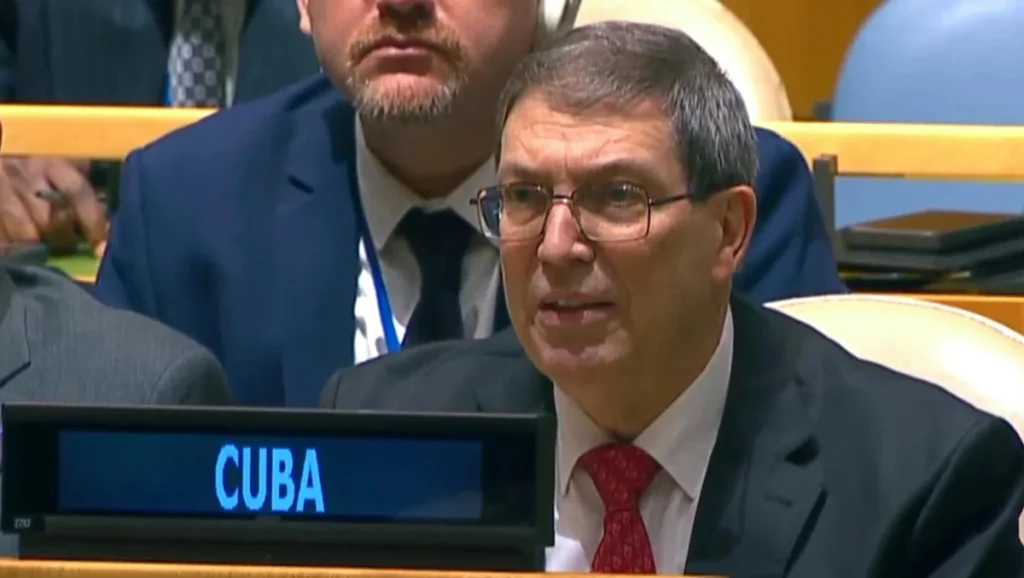
On Tuesday, Cuban Foreign Minister Bruno Rodriguez accused the U.S. government of lying “in a crude and permanent manner” to the countries represented at the UNGA.
“With its crude lies at the UNGA, the U.S. government has launched a new desperate attempt to justify its economic aggression against Cuba and its criminal energy blockade,” he said, lashing out at U.S. Ambassador Mike Waltz and criticizing his “arrogance and haughtiness.”
“He forgets that he is at the United Nations. He is not at the U.S. National Security Council, in a Green Beret unit, or in a Signal group, where he has repeatedly demonstrated his incompetence and inability,” Rodriguez stated.
The Cuban diplomat said Waltz’s remarks before the General Assembly “are part of a media circus, threats and an election campaign” to which Washington “devotes substantial financial and human resources.”
“There is no justification for maintaining the act of collective punishment to which the Cuban people are subjected,” Rodriguez stressed.
Waltz Seeks to Put a Positive Spin on the U.S. Blockade
During his address, Waltz called on countries to vote against the text presented by Cuba, arguing that doing otherwise would contribute “to the mistreatment of the Cuban people.”
He also accused Cuban authorities of using the annual UN resolutions against the blockade as though they were international endorsements of the revolutionary government.
On Wednesday, more than 30 countries are expected to deliver speeches before the vote on the 34th resolution concerning the blockade against Cuba.
Since 1992, Cuba has presented this nonbinding resolution annually. In 2025, it received 165 votes in favor, seven against and 12 abstentions.
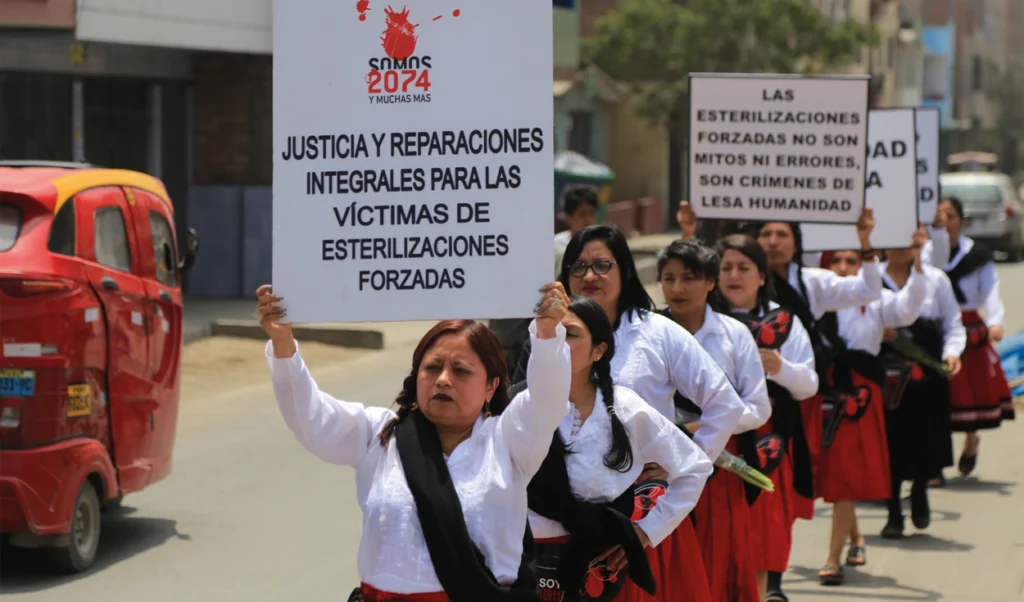
Peru’s human rights prosecutors closed the criminal case over the forced sterilizations of thousands of women during Alberto Fujimori’s government, extinguishing charges against 52 former officials despite acknowledging that the mass surgeries amounted to crimes against humanity.
The Fourth Supra-National Criminal Prosecutor’s Office specialized in Human Rights issued Fiscal Provision No. 25 on October 22. The ruling, which runs more than six thousand pages, formally declared the case time-barred and ordered the file closed.
In its decision, the Public Ministry recognized evidence of crimes against humanity and harm suffered by more than 4,000 victims of forced sterilization. Even so, criminal liability was declared extinguished for 52 people, a decision that protects the former officials who designed and implemented the program.
The case was closed under Law 32107, approved in 2024 with the backing of lawmakers allied to former President Alberto Fujimori. The statute imposes strict time limits on the prosecution of crimes against humanity, setting aside the protection those abuses have long held under international treaties.
Under international law, crimes against humanity are not subject to statutes of limitation. Law 32107 introduced a domestic exception to that principle, and its application extinguished the proceedings for all 52 defendants at once.
🚨 La Fiscalía archivó la investigación contra 52 personas por las #EsterilizacionesForzadas durante el gobierno de Alberto Fujimori, entre ellas Alejandro Aguinaga, exministro de Salud y actual senador. Lo más grave: reconoce indicios de crímenes de lesa humanidad, pero declara… pic.twitter.com/dSaeConv1P
Text reads: “The Public Prosecutor’s Office closed the investigation against 52 people for the forced esterilizations during the government of Alberto Fujimori, including Alejandro Aguinaga, former Minister of Health and current senator. Most serious: it recognizes indications of crimes against humanity, but prescribes the crimes by applying a law driven by fujimorismo. Thousands of women are still waiting for justice.”
The law’s application halted the criminal proceedings overnight and favored senior officials who held ministerial posts during the 1990s. Among them is Alejandro Aguinaga Recuenco, who served as Health Minister under Alberto Fujimori’s administration and now holds a Senate seat for the Fuerza Popular party.
The resolution shielding Aguinaga does not conceal the gravity of what occurred. Prosecutors acknowledged that the mass surgical interventions were performed without the free, prior and informed consent of the women affected.
Former Ministers Eduardo Yong Motta and Marino Costa Bauer were also released from the process. According to the document, the operations constituted a widespread and organized practice directed by the State against poor women in rural areas.
The investigation officially covered 4,172 people harmed by serious injuries. Five women lost their lives. Celia Edith Ramos Durand, María Mamérita Mestanza Chávez, Alejandra Aguirre Auccapiña, Reynalda Betalleluz Aguilar and María Genoveva Espínola Otiniano are named in the case file.
Victims Denied Justice
Between 1996 and 2000, more than 272,000 women and 22,000 men were subjected to family planning programs. Pressure, deception and quotas reported by the State to the presidency marked those campaigns, and forced sterilization became official reproductive health policy.
The case ranks among the most emblematic human rights violations of Peru’s 1990s. Its closure shuts down a judicial avenue that had remained open since the first complaints against the state-run birth control program emerged.
In December 2025, the Transitory Criminal Chamber of the Supreme Court declined to apply Law 32107 in parallel proceedings to guarantee that investigations could continue. That ruling prompted disciplinary inquiries by the National Board of Justice against the magistrates involved.
The legal wrangling is not over. Parallel investigations have stayed alive under the high court’s stance, but the main case over the program’s architects and executors has now been closed for good.
Nearly three decades after the first allegations, the criminal path has been extinguished. The closure leaves no one criminally accountable for the officials who designed and executed the forced sterilizations. The file now ends under a norm that Peru’s own judiciary had questioned, while the fight over its reach continues.
Former Brazilian President Dilma Rousseff will receive a monthly compensation of R$ 17,562.80—equivalent to approximately 3,200 US dollars—as financial reparation for the political persecution, illegal detentions, and physical and psychological torture she endured during Brazil’s military dictatorship, which lasted from 1964 to 1985.
The measure was published this Tuesday, October 27, in the Official Gazette of the Federal Government (in Portuguese Diario Oficial da União) and follows a final ruling by the Federal Regional Court of the 1st Region (TRF1).
The resolution was issued by Brazil’s Ministry of Human Rights and Citizenship. In addition to the permanent monthly payment, the ministry calculated retroactive payments totaling R$ 6,616,492.19 for the period recognized by the judiciary, with financial effects dating back to October 21, 1997. Any amounts previously received by Rousseff as reparation must be deducted from this total.
The monthly payment was calculated based on the salary scales for professionals at the former Foundation for Economics and Statistics of Rio Grande do Sul (FEE)—a state-linked institution where Rousseff worked as an economist prior to her arrest. The reparation acknowledges the loss of her employment with that foundation as a consequence of political persecution during the military regime.
This month marks 60 years since Brazil's military coup ushered in 21 years of US-backed, authoritarian dictatorship. This weekend people came out to protest the amnesty law which protects military torturers & murderers from prosecution. My story @telesurenglish#23MSemAnistiapic.twitter.com/cxISd0tpQi
The judicial decision, issued in December 2025, mandated that the former president receive a permanent, ongoing monthly allowance, based on the remuneration for the position she held before her arrest. This new resolution replaces a previous measure from August 2025, which had established a one-time compensation payment of R$ 100,000.
Dilma Rousseff was detained in 1970, at the age of 22, for her involvement in a resistance organization against the Brazilian military dictatorship. During her captivity, she was subjected to physical and psychological torture and spent nearly three years in prison. The judicial system acknowledged that she had been persecuted and prevented from working from the day of her arrest until October 21, 1997.
The former president was a member of the Armed Revolutionary Vanguard Palmares (Vanguardia Armada Revolucionaria Palmares), a group that opposed the military regime. Financial reparation is a measure provided for under Brazilian law for individuals recognized as victims of political persecution during that period.
Rousseff joined the Workers’ Party (PT) in 1999, and four years later, she was appointed as a minister by then-president Luiz Inácio Lula da Silva. In January 2011, Lula handed the presidential sash to her following her electoral victory with 56.01% of the vote, making her the first female president in the history of Brazil.
🇧🇷 Lula wins a fourth presidential term in Brazil!
Luiz Inacio Lula da Silva has secured a fourth term with 51.77% of the valid vote, marking a decisive moment in Brazil’s political landscape.
What does Lula’s victory mean for Brazil’s future and the region? Share your thoughts… pic.twitter.com/eLDPfkeg12
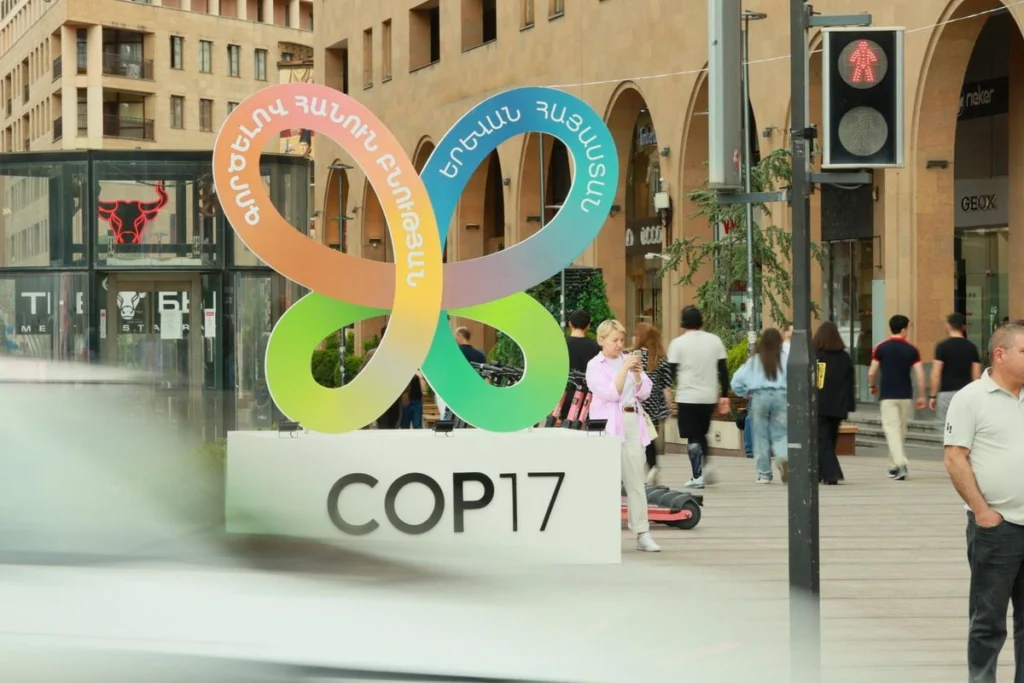
On Monday, in Yerevan, Armenia, Cuba presented its priorities for the conservation of biological diversity during the 17th Conference of the Parties (COP17) to the Convention on Biological Diversity. The conference, held from October 19 to 30, 2026, serves as the first review meeting on the implementation of the Kunming-Montreal Global Biodiversity Framework.
Daimar Cánovas, Deputy Minister of Science, Technology and Environment (CITMA), highlighted that Cuba’s National Biodiversity Program—with a vision toward 2030—is aligned with the global agreement adopted at COP15 in 2022, which aims to halt and reverse biodiversity loss, with specific targets set for 2030 and long-term goals for 2050.
Cánovas González participated in an event titled “Yerevan Call for Positive Incentives for Biodiversity,” which also saw the launch of the Friends of Target 18 group and the “Biodiversity Financing Challenge,” held as part of the High-Level Segment of COP17.
The Deputy Minister explained that one of Cuba’s key environmental priorities is the need to reformulate economic and financial incentives that currently have a negative impact on biodiversity. The goal is to transform these into mechanisms that promote conservation, ecosystem restoration, and the sustainable use of natural resources.
In this context, the country has begun an assessment within the agricultural sector—a strategic sector, alongside mining, fisheries, and tourism—to evaluate incentives linked to Target 18 of the Kunming-Montreal Framework.
Cánovas also highlighted the process of greening the national banking system, an initiative promoted as a financial solution and supported by the Biodiversity Finance Initiative (BIOFIN). This initiative promotes the integration of environmental criteria into banking policies and products.
Identified opportunities include positive incentives linked to agroecology, the restoration of productive landscapes, the protection of coastal and marine ecosystems, agrotourism, and nature-based economic activities.
Furthermore, Cuba plans to promote credit lines for biodiversity, sustainable financial instruments, and support mechanisms for producers, cooperatives, MSMEs, and businesses that adopt practices compatible with the conservation and rational use of natural resources.
These actions will contribute to meeting the national targets of the National Biodiversity Program through 2030, as well as the commitments Cuba has made under the Kunming-Montreal Global Biodiversity Framework, while strengthening resource mobilization and financial sustainability.
The session was attended by the Executive Secretary of the Convention on Biological Diversity, Astrid Schomaker, and the President of COP17, Hambardzum Matevosyan—who serves as the Minister of Environment of Armenia—along with other officials from the host country.
#COP17 | With 40% of the world’s land degraded, delegates in Mongolia are negotiating a stronger global response to drought and desertification. Science, financing and land restoration are at the center of talks running through Aug. 28.#UNCCD#Mongolia#ClimateActionpic.twitter.com/uFdPwt0s6L
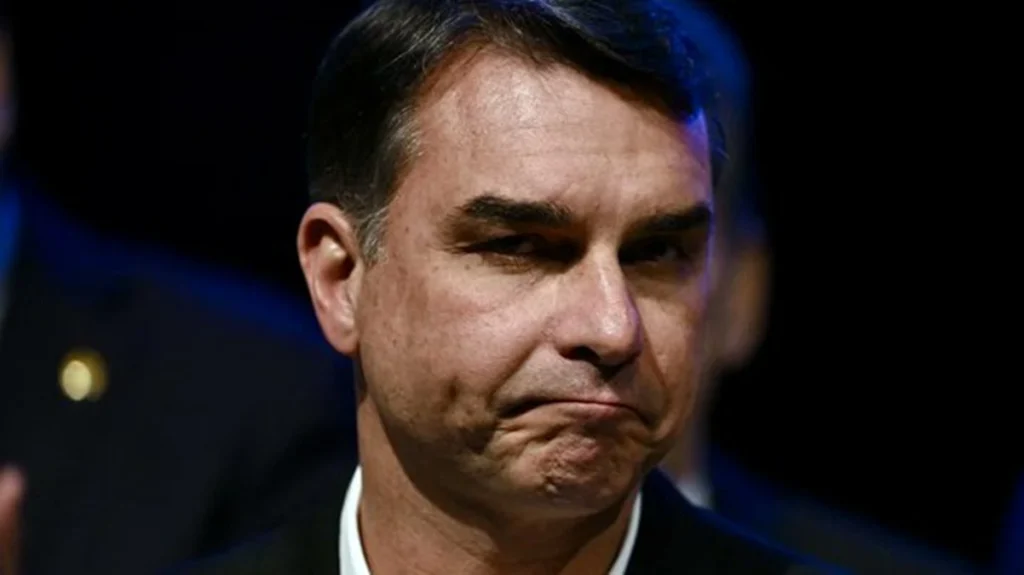
The far-right politician escapes Brazilian justice two days after losing the presidential runoff.
On Tuesday, Brazilian and Argentine media outlets raised the possibility that Flavio Bolsonaro, the far-right presidential candidate who lost Sunday’s presidential runoff, had left Brazil for Argentina before planning to travel to the United States on a private jet.
“Sen. Flavio Bolsonaro fled to the United States. The plane is in flight. The information was confirmed by ‘people close to the family,’” Nacho Lemos, teleSUR’s correspondent in Brazil, reported.
“Pilot Mauro Mattosinho told the newspaper today that he had received information that Sen. Flavio Bolsonaro’s name appears on the passenger list of a private jet currently in Puerto Iguazu, Argentina,” he added.
“Flavio fled with his family to the U.S. and will seek political asylum from Trump. The operation to help Flavio Bolsonaro flee involved a small group of allies in Brazil and the U.S., who contacted the Trump administration,” the Brazilian outlet Metropolis reported.
FLÁVIO BOLSONARO FUGIU do Brasil.
Tal qual o pai e o irmão bananinha, é um covarde que saiu escondido do Brasil, com passagem pela Argentina, rumo aos Estados Unidos. Quem diz isso são os próprios aliados da família que tem a covardia no seu DNA. ✅ Jair Bolsonaro tentou se… pic.twitter.com/sKMkDxj6mZ
Legislator Alencar Santana’s text reads, “Flavio Bolsonaro has fled Brazil. Like his father and his brother ‘Bananinha,’ he is a coward who snuck out of Brazil—passing through Argentina—on his way to the United States. This is according to the family’s own allies; cowardice is in their DNA. Jair Bolsonaro tried to take refuge in the Hungarian embassy. Eduardo Bolsonaro snuck off to the United States. Flavio Bolsonaro snuck off to the United States. Catch the thief!
Previously, on Monday, Brazilian authorities took away Bolsonaro’s passport to prevent him from leaving the country. This happened when Flavio went to visit his father, former President Jair Bolsonaro, who is serving a 27-year prison sentence under house arrest for attempting a coup against Luiz Inacio Lula da Silva.
“The Bolsonaro family’s patriotism has just boarded a flight to the United States! Flavio Bolsonaro fled Brazil after losing the election and violating a court order,” lawmaker Anielle Franco commented on social media.
“The courage was all talk. When it comes time to face the consequences, the destination is always the same: fleeing!” added the sister of Marielle Franco, the socialist activist who was murdered in Rio de Janeiro by far-right militias linked to the Bolsonaro clan.
Flávio Bolsonaro está a caminho dos EUA, diz Reuters.
The text reads, “Flavio Bolsonaro is on the way to the USA, says Reuters.”
Flavio Bolsonaro Is Under Investigation for Money Laundering
Brazil’s Federal Police canceled Bolsonaro’s passports because he had failed to comply with a court order to surrender them as part of an ongoing investigation.
On Monday, Bolsonaro was barred from leaving the country and ordered to surrender his passports within 24 hours. The decision was issued by Supreme Court Justice Alexandre de Moraes, who presided over the trial in which Jair Bolsonaro was sentenced to 27 years in prison.
For months, Flavio has been under investigation in a money-laundering case, according to the newspapers O Estado de Sao Paulo and O Globo. The case is being handled under judicial secrecy.
At the center of the police investigation is Willer Tomaz, a lawyer and close friend of Flavio who has been identified as the operator of a corporate network involving suspicious financial transactions linked to the sports betting industry.
Flavio was listed as a user with extensive access permissions to an account shared with Tomaz, who is also under scrutiny by authorities over a corruption scandal involving improper deductions from the pensions of millions of retirees.
On Monday, after receiving the order to surrender his passports, Flavio Bolsonaro publicly stated that he had no intention of leaving the country for Miami.
His brother Eduardo Bolsonaro, a former congressman who went into self-imposed exile in the United States after declaring himself the victim of judicial persecution, lives in that city.
The text reads, “‘I will not give up on my country’—and yet he fled less than 48 hours later. Catch the thief!!!! Flavio Bolsonaro, a traitor to his country.”
The Far-Right Senator Did Not Request Asylum in Argentina
On Tuesday, Argentine presidential spokesman Adrian Ravier said that his government “took note of the election results in Brazil.” These were the first remarks by the administration of far-right President Javier Milei following Luiz Inacio Lula da Silva’s victory in the Oct. 25 runoff.
During a news conference, Ravier said there would be no official statement from the Argentine government regarding the election and defended Milei’s silence.
“When Javier Milei was elected in 2023, President Lula made no gesture to personally congratulate him. The president is not a hypocrite. There are clearly ideological differences between the two leaders,” Ravier said, adding that trade relations with Brazil would continue and “we do not expect any of this to change.”
Milei’s spokesman held the news conference as Argentine media outlets continued reporting on the possibility that Bolsonaro had crossed the border and was in Argentina. “There has been no asylum request for Bolsonaro,” Ravier stressed amid the uproar caused by reports published in the Argentine press.
Early Tuesday, local media reported that Bolsonaro had crossed from Brazil into Puerto Iguazu, in the Argentine province of Misiones, to board a private plane owned by Baires Fly S.A. The flight was scheduled to take off during the early morning hours.
On Tuesday, Flavio Bolsonaro disappeared from his country without acknowledging Lula da Silva’s election victory. His Liberal Party, however, did acknowledge the result.
teleSUR/ JF
Sources: O Globo – Metropolis – teleSUR – O Estado de Sao Paulo – EFE
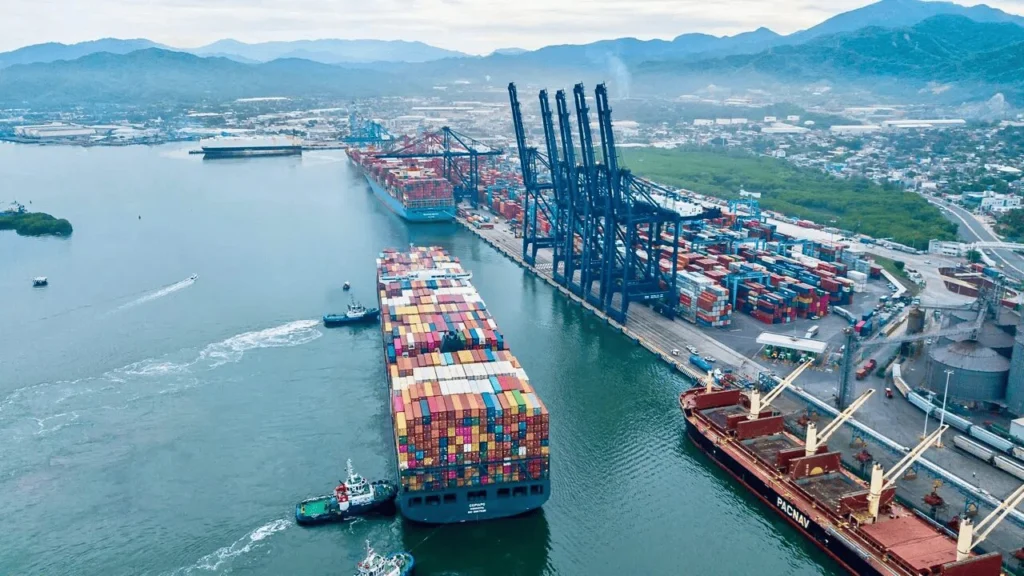
“Latin America has the potential to produce and supply alternative marine fuels, although the development of regional supply hubs will depend on maritime traffic, cargo volumes, and production conditions.” This was stated on Tuesday by Adrian Tolson, International Bunker Industry Association (IBIA) president, in comments to the portal Mundo Marítimo.
According to the expert, the key question is whether countries in the region will prioritize the export of alternative fuels or the strengthening of their own domestic bunker supply markets.
“It is most likely that ports with high cargo volumes in countries such as Brazil, Argentina, and potentially Peru will become the first hubs for the supply of alternative fuels,” Tolson asserted.
He identified Brazil, Peru, Colombia, and Argentina as potential suppliers of alternative marine fuels—specifically biofuels. Brazil benefits from its established ethanol industry, while countries with abundant renewable resources could participate in the production of renewable fuels of non-biological origin (RFNBOs).
“Chile, for example, has already generated considerable interest as a producer of green hydrogen,” the IBIA president noted.
Hydrogen groups want Brussels to revise RFNBO production rules by year-end, postpone additionality and monthly matching requirements until 2035, and protect first-mover projects. They warn regulatory uncertainty is delaying investment.https://t.co/RzUbIPNKvQ#Hydrogen#RFNBO
Regarding the available alternatives, Tolson maintained that liquefied natural gas (LNG) remains commercially attractive, particularly when renewable natural gas—which can help reduce the greenhouse gas footprint—is available. He added that LNG continues to be the most popular alternative marine fuel and could retain that position for some years to come.
However, he expressed caution regarding hydrogen-derived RFNBOs, citing their high costs and the investments required to develop compatible vessels.
#Europe | The European Parliament calls for a faster phaseout of fossil fuels, pushing for stronger climate action and a transition toward renewable energy amid growing concerns over global warming and energy security.#ClimateChange#teleSUREnglishpic.twitter.com/e4Sl9rBElm
Cuba’s pediatric leukemia survival rate has fallen below 50% due to the intensified U.S. economic, commercial, financial and energy blockade, the president of the Cuban Society of Hematology, Olga Agramonte, denounced.
Cuban medicine had historically guaranteed survival rates of between 89% and 90% in pediatric patients, a figure now collapsing because of the impossibility of acquiring essential oncology drugs, diagnostic means and timely treatments, according to the report.
Agramonte denounced that the policy of asphyxiation considerably reduced cure and transplant rates and said the Caribbean nation faced severe obstacles to purchasing medical supplies due to the veto of bank accounts and sanctions on financial entities.
The specialist further warned that the crisis also deteriorated care for benign diseases associated with pregnancy and reduced blood donation, driven by complex living conditions and power outages, and said that although Cuban doctors adapted treatments, the pathologies responded to strict protocols and therapeutic timelines.
16000 personas en #Cuba necesitan radioterapia y 12000 quimioterapia.Lo han reconocido ONU y OMS.Dichos tratamientos requieren electricidad estable y Cuba, por el cerco energético,sufre prolongados apagones. El bloqueo no causa cáncer,pero obstaculiza tratamiento d la enfermedad pic.twitter.com/KSRKyZ3S1d
During the twenty-second Civil Society Forum against the blockade, organized by the Cuban United Nations Agency, civil society representatives exposed the widespread impact of these coercive measures on the National Healthcare System.
The head of the Department of International Organizations of the Ministry of Public Healthcare, José Armando Arronte, detailed that the surgical waiting list exceeded 100,000 patients, of whom 12,000 were minors.
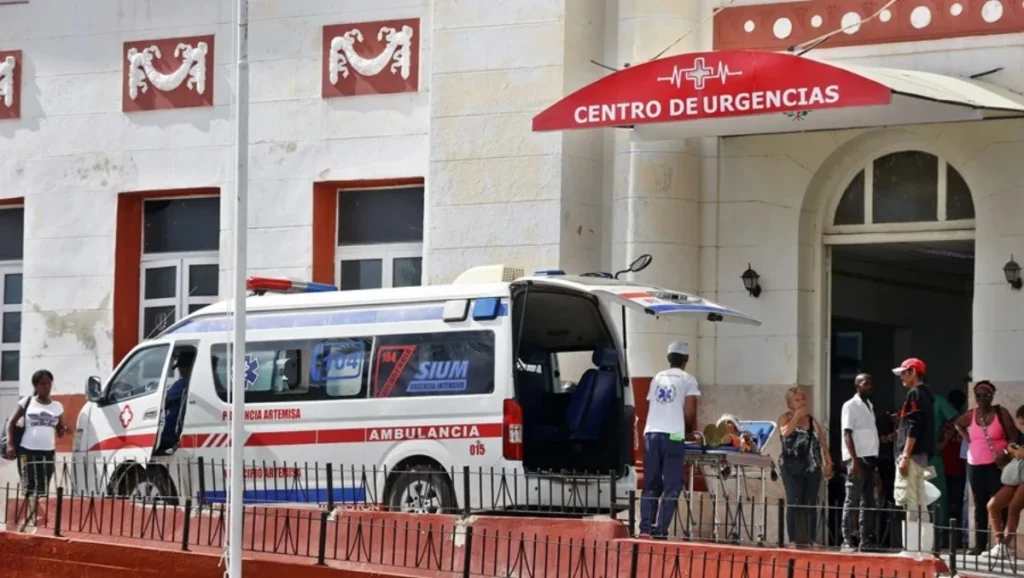
The U.S. siege also affects ambulance transport and the wear and tear on health personnel in the face of blackouts and resource scarcity, allowing the country to guarantee only 30% of the medicines on its basic list, according to the report.
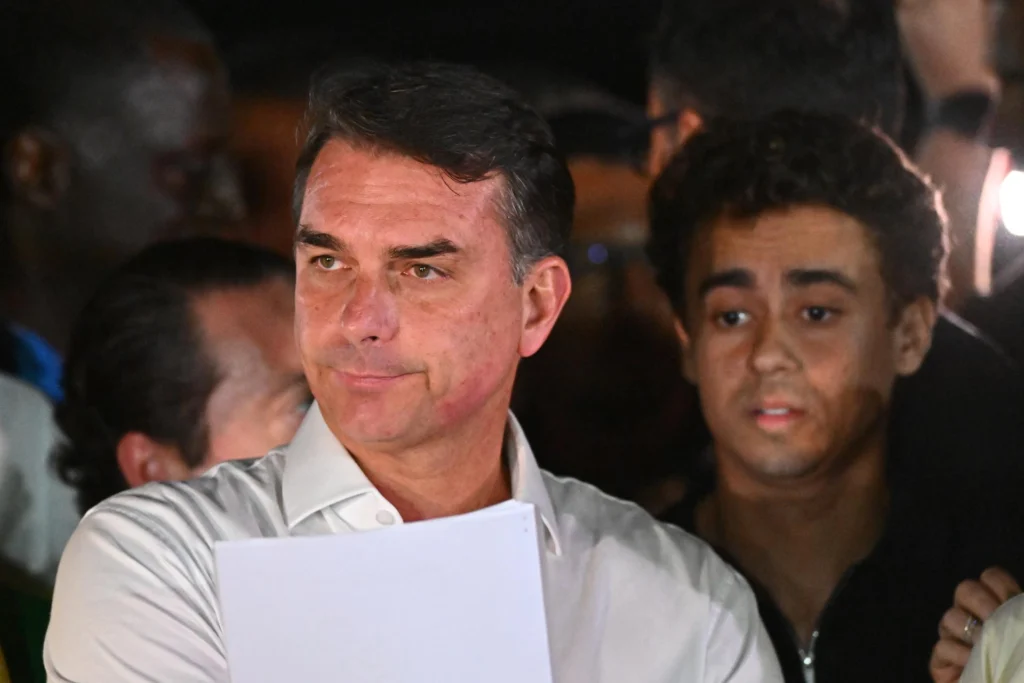
Senator Flávio Bolsonaro was ordered on Monday to hand over his passports within 24 hours and not to leave Brazil, a measure signed by Supreme Federal Court (STF) justice Alexandre de Moraes.
Brazil’s Federal Police on Monday notified Senator Flávio Bolsonaro that he must surrender his passports and comply with a ban on leaving the country, measures ordered by Supreme Federal Court (STF) justice Alexandre de Moraes a day after Bolsonaro lost the presidential run-off to President Luiz Inácio Lula da Silva.
Federal Police agents located the senator on Monday morning near his father’s home in Brasília, where former President Jair Bolsonaro is under house arrest. Police told Bolsonaro on Monday morning that he had 24 hours to hand over his documents. The order also bars him from contacting lawyer Willer Tomaz, who is under investigation for alleged money laundering.
The ruling was signed on Sunday night, after the results of that day’s runoff were announced. Flávio Bolsonaro, the far-right candidate, had lost the second round to President Luiz Inácio Lula da Silva.
Flávio Bolsonaro diz que foi intimado pela PF a entregar seus passaportes por decisão de Alexandre de Moraes pic.twitter.com/Ngvh19Pnmk
Text reads: “Flávio Bolsonaro says that he was subpoenaed by the federal police to surrender his passports by decision of Alexandre de Moraes.”
Flávio Bolsonaro alleged that the justice’s decision responds to remarks made last Friday by his brother, former congressman Eduardo Bolsonaro, who said in an interview that the senator should leave Brazil and challenge the vote count in the event of a defeat, according to the senator.
The Liberal Party’s senator denied any intention to flee, called the ruling an attempt at political intimidation and said he will hand over the documents while his lawyers file an appeal. “I never said that,” he wrote on his official channels, referring to leaving the country. “Is that a reason to take away my passport? Is this justice?,” he added.
Legal experts typically note that travel bans and passport seizures are precautionary measures and not findings of guilt.
Two Open Investigations
The order is tied to two cases pending at the Brazilian Supreme Federal Court. The first, led by Moraes and originating in proceedings in Rio Grande do Sul, examines alleged money laundering with Tomaz through betting companies and payment platforms. Last week the court ordered the freezing of up to 6 billion reais in assets linked to Tomaz, the suspension of his business activities and the lifting of his bank, tax and foreign-exchange secrecy.
Federal Police found that the senator appeared with a “master” user profile on an account of the firm Alcazar Holdings, and detected transactions of almost 130 million reais between March and May 2025 in accounts linked to the lawyer, the source says. Tomaz’s defense rejected the accusations and challenged the proportionality of the asset freezes.
The second case, assigned to justice André Mendonça, looks into alleged irregularities in raising private funds for the film “Dark Horse,” which focuses on Jair Bolsonaro’s political career. Investigators are analyzing audio and digital messages that link Flávio Bolsonaro to dealings with Daniel Vorcaro, the former owner of Master Bank, and police have asked for a 90-day extension to finish financial examinations and process international cooperation requests. Bolsonaro has acknowledged seeking funds for the film in earlier reports in this conversation and denies offering favors.
After Lula’s victory, Bolsonaro will be without public office from February 1, 2027, the first time in more than 20 years that he will be outside state service as he did not run for Senate reelection.
The Supreme Federal Court will keep jurisdiction over the cases against him, under a doctrine the court set in March 2025, approved by seven votes to four and complemented in May 2026, under which alleged crimes committed in office stay with the Supreme Court even after officials leave their posts.
From 2027, the senator will be without parliamentary immunity or public office, a condition that increases his exposure in the ongoing proceedings. The defense’s appeal and the pending expert reports mark the immediate path of the case.
Acting President Delcy Rodríguez said Brazil delivered a lesson against extremism and fanaticism. The Workers’ Party founder secured 51.74% of the vote, compared with 48.26% for Flávio Bolsonaro.
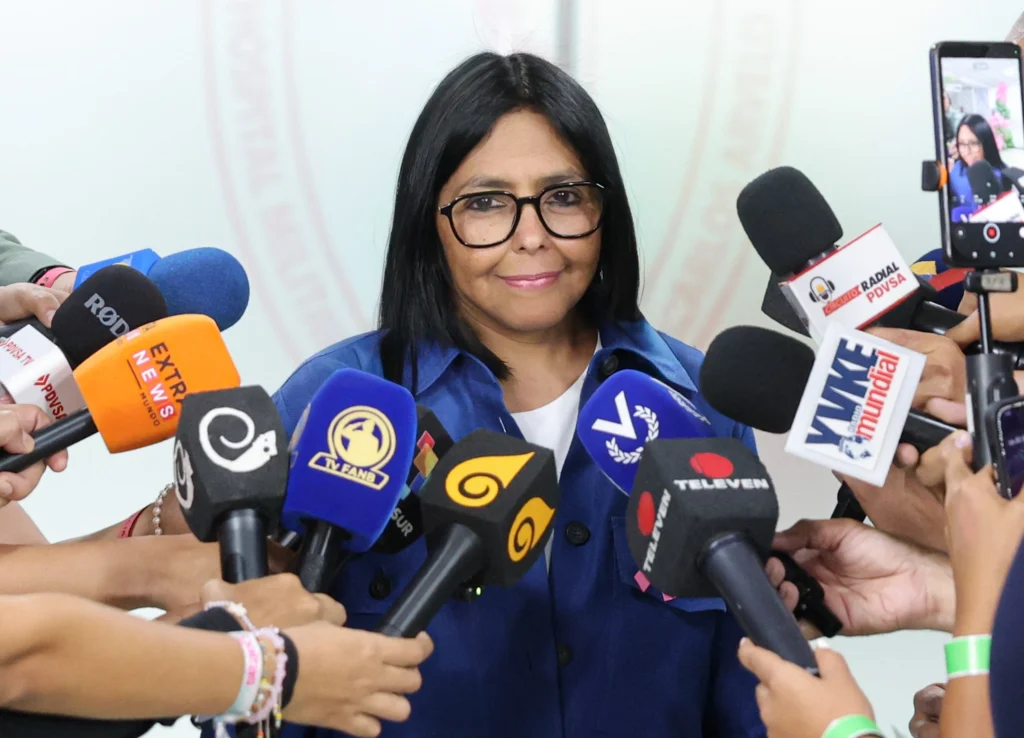
Venezuela’s Acting President Delcy Rodríguez congratulated President Luiz Inácio Lula da Silva and the Brazilian people following Sunday’s electoral victory.
The Workers’ Party candidate prevailed in the runoff election with 51.79% of the vote, defeating far-right candidate Flávio Bolsonaro, who received 48.21%.
Rodríguez made the remarks in Caracas during the launch of the Comprehensive Women’s Medical Specialty Service at Dr. Carlos Arvelo Military Hospital. During the event, she argued that the election provided an important lesson for Latin America.
“I once again congratulate President Lula da Silva and the people of Brazil because Brazil has shown that neither extremism nor fanaticism of any kind can prevail,” she said.
The Venezuelan Acting President also emphasized what she described as the message Brazilian society had sent to the region. “It is a healthy society that has delivered a message to the world, and especially to the peoples of Latin America and the Caribbean,” she stated.
Official figures confirmed the scale of Lula’s victory. The Brazilian President received 64,256,232 votes (51.79%), ten million more than he obtained in the first round on October 4, when he finished behind his opponent. Bolsonaro garnered 59,826,041 votes (48.21%).
The comeback was unprecedented. The Workers’ Party founder overturned his first-round deficit and secured another term at the head of Brazil’s government in a runoff election that drew intense attention across Latin America for weeks.
Following the announcement of the final results, political leaders and public figures from around the world welcomed Lula’s victory. The election was widely viewed as a contest over the future of democracy and national sovereignty in South America’s largest nation, and the outcome was celebrated by supporters as a rejection of extremist political currents.
Democracy Advances
Diosdado Cabello, secretary-general of Venezuela’s United Socialist Party (PSUV, in Spanish), also praised voter participation in Brazil. During his weekly press conference, the political leader said Brazilian citizens had demonstrated clarity and determination by using the democratic process to stop fascist political alternatives.
According to PSUV leaders, the vote reaffirmed the importance of democratic participation as a decisive tool in political processes across the region and showed that authoritarian alternatives lack support in Brazil.
His comments reflected a broader narrative promoted by the Venezuelan government, which framed Lula’s victory as a milestone for progressive political forces in the region. Officials suggested that the election could strengthen ties among left-leaning governments in Latin America and contribute to renewed efforts aimed at regional integration.
Cabello also reviewed domestic political developments in Venezuela. He described the results of the National Popular Consultation held on October 18 as highly positive and congratulated community organizations and grassroots movements for their participation in local development projects.
On economic and agricultural matters, the Venezuela’s United Socialist Party leader highlighted the launch of a seasonal food production plan coordinated with regional governments and the Ministry of Popular Power for Communes.
Regarding the political dialogue process, Cabello said the third phase of talks is advancing in line with commitments adopted by the participating parties. The discussions include a proposed judicial reform promoted by the government and efforts to recover state assets blocked abroad.
Caracas’ recognition of Lula’s victory joined similar messages issued by leaders from multiple continents. Lula’s victory was achieved with more than 64 million votes, representing a substantial increase compared with his first-round performance. The result reinforced his position as one of the most influential political figures in Latin America and signaled continued support for his political agenda among a majority of Brazilian voters.
For Acting President Delcy Rodríguez, Lula’s re-election sends a clear message to the people of Latin America and the Caribbean, who, she argued, can draw an important lesson against fanaticism and political extremism from Brazil’s electoral outcome.
Brazil’s Liberal Party (PL), the political force that fielded far-right Senator Flávio Bolsonaro, formally recognized the reelection of President Luiz Inácio Lula da Silva on Monday.
Brazil’s political landscape entered a new phase on Monday as the Liberal Party (PL) formally recognized the results of the presidential election held last Sunday in the South American country.
The party which led Flávio Bolsonaro as a candidate in the balotaje that he lost against Luiz Inácio Lula da Silva, took off from its leader and recognized the opposition victory that secured the re-election of President Luiz Inácio Lula da Silva
The concession arrived in a letter published on the party’s social media accounts, signed by the party’s president Valdemar Costa Neto, who accepted the result proclaimed by the Superior Electoral Court while asking that “the questions raised” be “duly clarified.“
“Flávio Bolsonaro won the first round of the presidential elections,” the note read, but this Sunday “the result was different, in a scenario marked by strongly electoralist measures, with economic and social impact.”
The party maintained that an expansion of public spending and social benefits carried out by Lula’s government before the vote altered the fairness of the contest. It announced that it will demand explanations within the institutional framework, keeping its objections alive even as it accepted the official tally.
The Liberal Party closed its statement by underscoring what it called a “historic” legislative advance. The conservative bloc secured 121 seats in the lower house, 29 senators and six governors, a result it framed as the base of its political strength going forward.
The decision carries particular weight because the Liberal Party has long been one of the principal political forces aligned with Brazil’s conservative and far right-wing electorate. The party served as a key platform for the Bolsonaro political movement and has frequently acted as one of the most influential opposition voices during Lula’s administration.
Lula secured the victory in Sunday’s runoff with 51,79% of the vote against 48,21% for the far-right candidate, a gap of more than four million ballots. The win amounted to an unprecedented comeback, since the October 4 first round had ended with the eldest son of former President Jair Bolsonaro ahead by two percentage points.
Bolsonaro Refuses Defeat
Flávio Bolsonaro nonetheless declined to concede, instead he affirmed that he will “organize the opposition” to turn the lower house and the Senate into his “fortress against the barbarity” he anticipates “with four more years of Lula.”
He also pledged to press the courts to annul Lula’s candidacy over what he described as “all the abuses” committed during the campaign. Among them he cited the “industrial complex of fake news” assembled by the pro-government side and “abuses of political and economic power without precedent.”The party’s recognition therefore stands in tension with the posture of its own candidate. The institution accepted the official count while its standard-bearer promised to fight it, leaving Brazil’s opposition divided between concession and contestation as Lula prepares to begin another term in office. For the government, the letter clears the way for the new mandate to unfold without a wholesale challenge to its legitimacy.
Flávio Bolsonaro diz que foi intimado pela PF a entregar passaporte e que está proibido de deixar o país
Senador, derrotado no domingo para Lula, voltou a afirmar que pedirá a cassação da chapa vitoriosa
Flávio Bolsonaro will be left without public office for the first time in more than two decades, following Lula’s reelection. His Senate term ends January 31, 2027, and he did not stand for another mandate after serving three consecutive terms as a state deputy in the Rio de Janeiro Legislative Assembly between 2003 and January 2019.
Bolsonaro then entered the Senate after the 2018 contest that carried his father to the presidency. By prioritizing his presidential bid, the legislator skipped the renewal of the upper house.
Actually, the senator is under investigation by the Supreme Federal Court for alleged money laundering, tax evasion and corruption. His defeat is expected to push the inquiry toward possible crimes connected to a 134 million reais deal with Daniel Vorcaro, of Master Bank, to finance the film “Dark Horse,” a tribute to his father, former President Jair Bolsonaro, who is sentenced to 27 years in prison after a coup attempt in 2022.
If Flávio won the presidency, the case might have been shelved. The Federal Constitution establishes that the head of the executive power “cannot be held responsible for acts unrelated to the exercise of his functions.”
Without parliamentary immunity, prosecutors gain room to pursue those lines of inquiry. The Senator’s relationship with lawyer Willer Tomaz de Souza also draws scrutiny, as the Federal Police investigate whether Tomaz used betting operations to launder money. The end of Flávio’s mandate therefore carries consequences far beyond the ballot box. His departure from the Senate strips him of the shield that once kept judicial proceedings at bay and leaves the investigations against him exposed to movement.
For the Liberal Party, the cycle closes with a mixed record. The conservative bloc celebrated a “historic” legislative advance in the same election that ended its presidential hopes, securing a strong bench in Congress while its standard-bearer prepared to leave the chamber he had occupied for nearly a decade.
Flávio Bolsonaro now faces a future outside elected office for the first time since 2003. The man who built his career in his father’s shadow in Rio de Janeiro will hand over his Senate seat to party colleagues, while the courts take up the allegations that shadowed his rise through Brazilian politics.
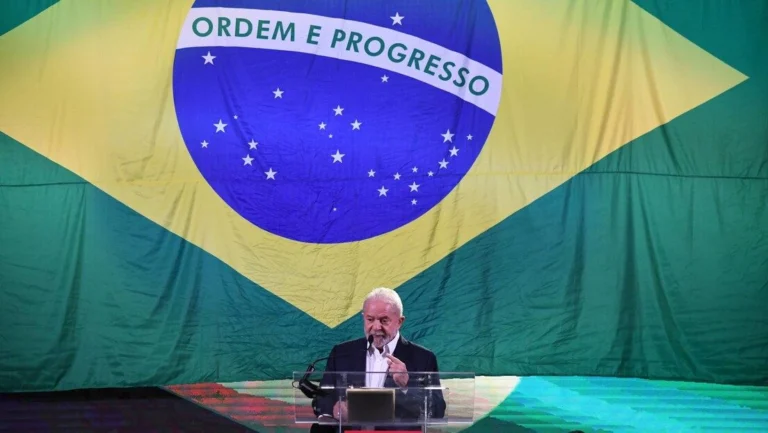
Brazilian progressive leader and incumbent president Luiz Inácio Lula da Silva made history last night, defeating far-right Flávio Bolsonaro of the Liberal Party in the second round after coming in second in the first round.
The results were awaited with bated breath after a judge ordered polls to be open for two more hours following complaints from voters who claimed they had been unable to reach polling places due to transportation problems. First the Workers’ Party (PT), and then the Liberal Party (PL), requested the extension, which paused the vote count until 7:00 pm in Brasília, the capital.
With 51.79% of the valid votes, the former union leader, metalworker, and head of the Workers’ Party staged a historic comeback against Bolsonaro, who lost the initial momentum he had in the first round and barely reached 48.21%. This is the first time a candidate who finished second in Brazil’s first round has staged a comeback and won the election in the runoff.
Bolsonaro entered the runoff with a relative – though significant – lead following his victory in the first round of voting on October 4, where he received 47.03% (approximately 56,104,503 votes), while Lula, to the surprise of many, came in second with 45.16% (53,879,538 votes).
In other words, there was a gap of nearly 3 million votes between the two candidates that seemed very difficult for Lula to overcome, especially considering that the remaining votes were split among candidates who were mostly from the right and center-right – a fact that led many to believe that Bolsonaro, the son of former president and currently imprisoned Jair Bolsonaro, would win the runoff.
But Lula, a true legend of Brazilian politics (a labor leader during the dictatorship who won the presidency three times), achieved the unthinkable. Between the first and second rounds of voting, he managed to gain more than 10 million votes compared to the first round – an astronomical figure, considering that Bolsonaro barely managed to gain some 3.7 million votes.
Lula’s victory
After it was clear that Lula’s victory was irreversible, the Brazilian streets were filled with people wearing the traditional red of the Workers’ Party. However, the victory was celebrated by a sort of broad coalition that had formed to overturn the result – one that spanned the political spectrum from classical left-wing parties and movements, to progressive liberals, and even some center-right groups that saw Bolsonaro as a threat to democracy.
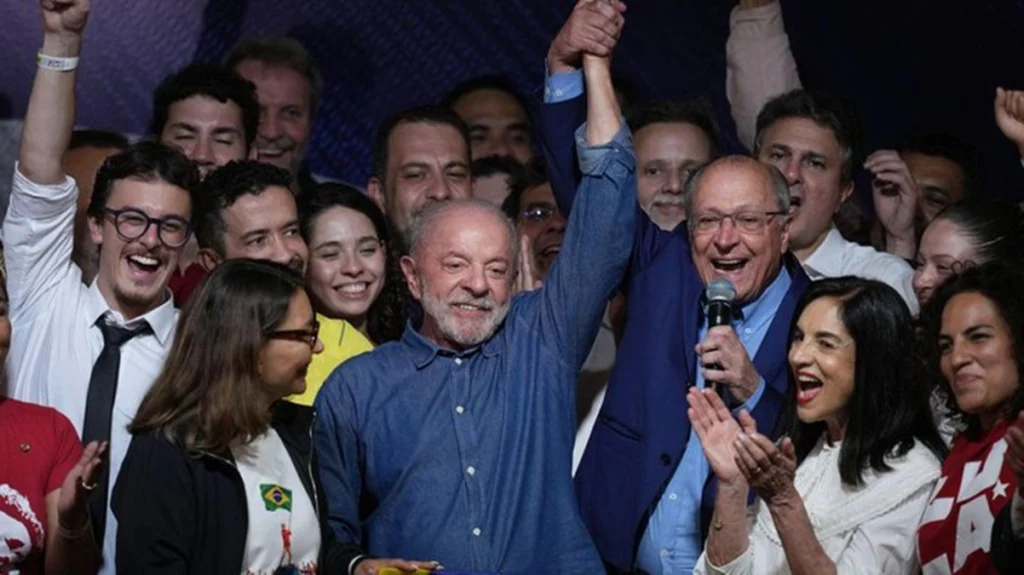
In his speech marking his fourth presidential victory, Lula said: “I want to thank the Brazilian people – those who have stood by me for so long – and express my gratitude for the generosity of Brazil’s young people … We are going to change the way this country is governed … we are going to involve the people more. Digital communication will play a very significant role in this administration. I will deliver the best presidential term this country has ever seen.”
“Following our victory, we will have to discuss a new way of governing this country. The people’s participation in this campaign – the students, women, and workers who took to the streets – will compel us to find a new way of governing. This country will never be the same again,” said the reelected president.
Lula also stated that the debates against Bolsonaro and the PL campaign were riddled with lies and “denialism”: “I never thought a person could lie so much in this country, with such brazenness, as if there were not a single shred of humanity within him.”
Finally, he also addressed the problems his campaign faced regarding the dissemination of its messages on social media. The PT repeatedly denounced that the major social media platforms hindered or outright prevented the spread of its political messages, while Bolsonaro’s messages faced no such issues.
Is Meta meddling in Brazil's elections? With Sunday's runoff neck and neck, new reporting raises serious questions.
The pattern is hard to ignore: Lula's campaign was blocked from boosting Instagram posts for nearly 24 hours, his ad account was previously restricted, and… pic.twitter.com/DVjDWJa7Xw
Hence, he suggested placing limits on the power of the major corporations behind social media platforms – a stance he has taken on other occasions and which has caused friction with tech giants: “We cannot fail to recognize that a crime in the digital world must be treated the same as a crime in real life. We cannot have monstrous companies of this size – which make billions without paying taxes to our country – trying to alter election results,” Lula said in his victory speech.
Bolsonaro’s reaction
For his part, far-right politician Flávio Bolsonaro said he “rejects” the election results and announced that he will seek to have the election annulled: “We are going to consult with our legal team; we are going to request that these elections be annulled. I will not accept that the rules of the game have been changed in the middle of the game – once again – by Lula’s friends on the Federal Supreme Court.”
Bolsonaro, who delivered his speech to his supporters, was referring to the extension of voting hours. According to his team, the extension was ordered after the polling stations had closed, which, they claimed, violates Brazilian electoral rules – even though the PL itself had also requested the extension.
This is not the first time that Bolsonaro’s supporters have rejected Lula’s victory. In 2022, it was Jair Bolsonaro who refused to acknowledge his defeat. Months later, during Lula’s inauguration, hundreds of Bolsonaro supporters violently stormed several government buildings, after which investigations were launched into an alleged attempted coup d’état. One of those found guilty in the case was Jair Bolsonaro himself, who is currently serving a sentence for that crime.
However, it will be difficult for Bolsonaro’s allegations to gain traction in Brazil’s immediate future. With the exception of Argentina’s far-right politician Milei, South American countries – through their heads of state and foreign ministries – have publicly congratulated Lula on his victory, which amounts to a de facto recognition of his win.
However, the Bolsonaros still have the Trump administration as a last resort, as it has publicly supported the PL candidate, just as it did with his father in the past. This is the first time since Trump began his second term that a candidate he supported in a Latin American country has failed to win, which still raises questions about what Washington’s stance will be regarding Lula’s historic victory – a victory in which, against all odds, he managed to defeat Washington’s candidate and thus halted a wave of far-right victories in Latin America.
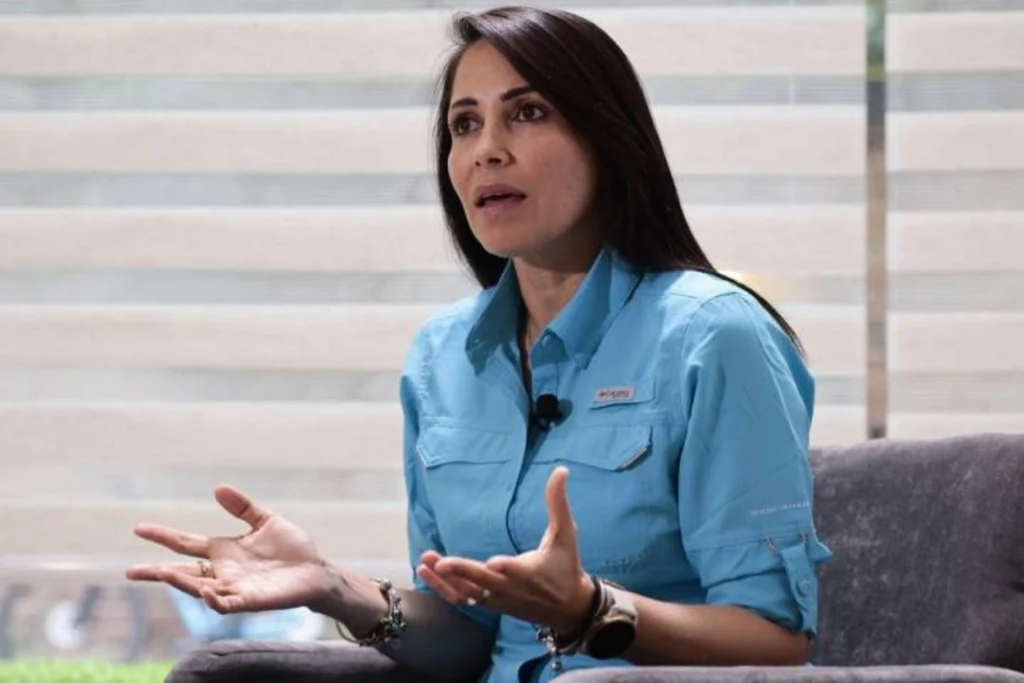
The American Association of Jurists (AAJ) has demanded the immediate release of former Ecuadorian presidential candidate Luisa González, who remains in pretrial detention as part of the Labyrinth case—an investigation into alleged money laundering linked to the financing of the 2023 presidential campaign of the Citizen Revolution (RC) movement.
In a statement released on October 26, the organization described the opposition leader’s detention as arbitrary and questioned the precautionary measure, which was imposed just over a month before Ecuador’s local elections, scheduled for November 29.
The AAJ maintained that pretrial detention must be justified by specific procedural risks, such as the risk of flight or the potential to obstruct an investigation. According to the association, González had remained available to the judicial authorities since a raid conducted in January 2026; she had kept them informed of her international travel, returned to the country, and was subsequently arrested at her home.
“In the absence of a procedural risk, this measure functions as a preemptive sentence,” the organization stated, citing both the Ecuadorian Constitution and Inter-American jurisprudence to argue that the deprivation of liberty prior to a conviction should be an exceptional measure.
The AAJ also denounced the use of ongoing investigations—in which no verdict has been reached—as tools for electoral exclusion, noting that González’s detention occurs within a broader context of decisions that, in the organization’s view, restrict democratic competition.
⭕️ #ATENCIÓN | La Asociación Americana de Juristas condenó la detención de @LuisaGonzalezEc y exigió su libertad inmediata. La organización denunció el uso de la prisión preventiva y de investigaciones sin sentencia como mecanismos de exclusión electoral y alertó sobre la… pic.twitter.com/KaV7c1Tb36
The text reads, “The American Association of Jurists condemned the detention of @LuisaGonzalezEc and demanded her immediate release. The organization denounced the use of pretrial detention and investigations without a sentence as mechanisms of electoral exclusion and warned about the proscription of the opposition in Ecuador. The AAJ will bring the case before the IACHR and UN organizations.”
In its statement, the association linked González’s case to a series of actions taken against opposition organizations and figures. These include the temporary suspension of the Citizen Revolution, the deregistration of other political parties, the suspension of the AMIGO movement, and the rejection of González’s candidacy.
The organization also pointed to the raid on the Quito municipal government offices and the decision to move up the date of the elections. According to the AAJ, these actions constitute a pattern of suppressing the political opposition in Ecuador. The organization argued that the American Convention on Human Rights limits the restriction of political rights and prohibits the suspension—even during states of emergency—of the judicial guarantees essential for their protection.
Furthermore, the legal organization announced that it will bring the case before the Inter-American Commission on Human Rights (IACHR), the United Nations Special Rapporteur on the independence of judges and lawyers, and the Working Group on Arbitrary Detention.
Additionally, it called on electoral observation missions to assess the conditions for fair competition in the elections scheduled for November 29. The statement was signed by Claudia V. Rocca, president of the AAJ Continental, and Vanessa Ramos, the organization’s secretary-general.
#Ecuador | Former President Rafael Correa denounced the arrest of Luisa Gonzalez, a former presidential candidate and a leading figure in the Citizen Revolution movement.https://t.co/X40VSCtbKF
The week before October 25 in Brazil was frenetic. It appeared that every one of the over 200 million Brazilians had a political opinion about the presidential election. The country was fundamentally polarized. Polls showed that the vote was going to be tight, with most polls favoring the challenger Flávio Bolsonaro, son of the former president Jair Bolsonaro, and the standard bearer of the far right of a special type. But the incumbent Luiz Inácio Lula da Silva, known as Lula and president of Brazil from 2003 to 2011 and then since 2023, would not allow the polls to stop him. He traveled the length and breadth of the country, holding massive and energetic rallies to mobilize people to vote. In the first round, 21% of the voters did not turn out in a process that is otherwise compulsory (and a large section who did vote left the presidential section either unmarked or spoiled). Only 2.2 million ballots separated Bolsonaro (who won 47% in the first round) from Lula of the 158.7 million registered voters. To win between October 4 (first round) and October 25 (second round), Lula had to either attract people who had voted for Bolsonaro or those who had not voted or spoiled their ballots. No other candidate had turned around such a deficit in Brazil’s modern history. But Lula did it.
Streets
In the three weeks between the first and second rounds, Lula and his team motivated millions of people onto the streets in the large cities of Brazil, but also in several smaller, but significant towns. These enormous mobilizations created a sense that Lula would overcome the mathematical disadvantage presented by the voting numbers after the first round. All psephological analyses showed that Bolsonaro would cruise through in the second round, which would have indicated the impossibility for Lula. But the left did not rest on this handicap but went on the offensive.
In the first round, Bolsonaro finished 2.22 million votes ahead, but in the runoff, Lula finished with 4.43 million votes ahead. The margin moved by 6.66 million votes. These votes came from the large cities: the 319 cities with more than 100,000 inhabitants, home to 57% of Brazil’s population, delivered 3.89 of the 6.66 million of the turnaround. Lula’s vote grew more in municipalities that are more evangelical, richer, whiter, more schooled, and more urban. This meant that he ate substantially into Bolsonaro’s base, which was something that surprised even the Lula team. The key to the turnaround was the mass mobilizations driven by the social movements, with the Landless Rural Workers’ Movement (MST) in the lead.
Advances
Across his three terms, Lula has presided over an extraordinary advance in the social conditions of the Brazilian people. Bolsa Família, increases in the minimum wage, the expansion of public universities, and support for family farming brought food, income, and opportunity into households that the ruling class had long treated as disposable. These achievements changed millions of lives and established that poverty could be confronted through public action. Yet the political formula that made these advances possible has reached its limits. Lula sought to improve the lives of the poor while accommodating the power of finance, agribusiness, and the dominant sections of Brazilian capital. During his first two terms, favorable international conditions created room for this accommodation. But redistribution without a corresponding transformation of economic power left the foundations of inequality intact, allowing the beneficiaries of the old order to retain the means to obstruct change and reverse its gains.
In his third term, fiscal restrictions, expensive credit, and dependence on conservative parliamentary forces have narrowed the space for reform. Social programs remain indispensable, but they cannot by themselves overcome insecure employment, household indebtedness, inadequate public services, or the concentration of land and wealth. The exhaustion lies in a governing strategy whose compromises increasingly obstruct the fulfilment of its promises. Lula’s personal authority cannot indefinitely bridge the distance between popular expectations and the concessions demanded by the powerful. A renewed project will require the organized strength of workers, peasants, and residents of the urban peripheries, the very people who form Lula’s base, with an agenda of agrarian reform, public investment, industrial development, and democratic control over finance. The movements that filled the streets must acquire greater power to shape the government’s direction. Defeating the far right opens that possibility, but securing the social gains of the Lula years will require confronting the structures that continually threaten them.
Defeat of Trump
US President Donald Trump, his vice president JD Vance, and members of the Brazilian diaspora in Miami put an immense amount of effort into defeating Lula. Brazil, which makes up half the landmass of South America, and is the largest economy in Latin America, stands out against the wave of far-right governments that now dominate the Americas. Interference in the Brazilian elections is now an acknowledged fact, with Meta cutting off Lula’s accounts at a crucial stage of the contest and other reports of funding and social media intervention.
Trump had hoped that Bolsonaro would win in Brazil so that he can then strengthen his Shield of the Americas process that began in Miami in March 2026. This process was presented by Trump as an institutional form to coordinate security but also for the suffocation of the popular movements and the left. Lula’s victory has blocked Trump’s path to exercise the Monroe Doctrine. It has also meant that Trump will not be able to so easily access the critical minerals in Brazil or to dominate the new oil find in the basin of the Amazon delta.
Despite the obstacles faced by Lula, his victory has been able to show that the far right is not invincible.
Vijay Prashad is an Indian historian and journalist. He is the author of forty books, including Washington Bullets, Red Star Over the Third World, The Darker Nations: A People’s History of the Third World, The Poorer Nations: A Possible History of the Global South, and How the International Monetary Fund Suffocates Africa, written with Grieve Chelwa. He is the executive director of Tricontinental: Institute for Social Research, the chief correspondent for Globetrotter, and the chief editor of LeftWord Books (New Delhi). He also appeared in the films Shadow World (2016) and Two Meetings (2017).
Previously, President De la Espriella formalized his country’s accession to Trump’s Shield of the Americas.
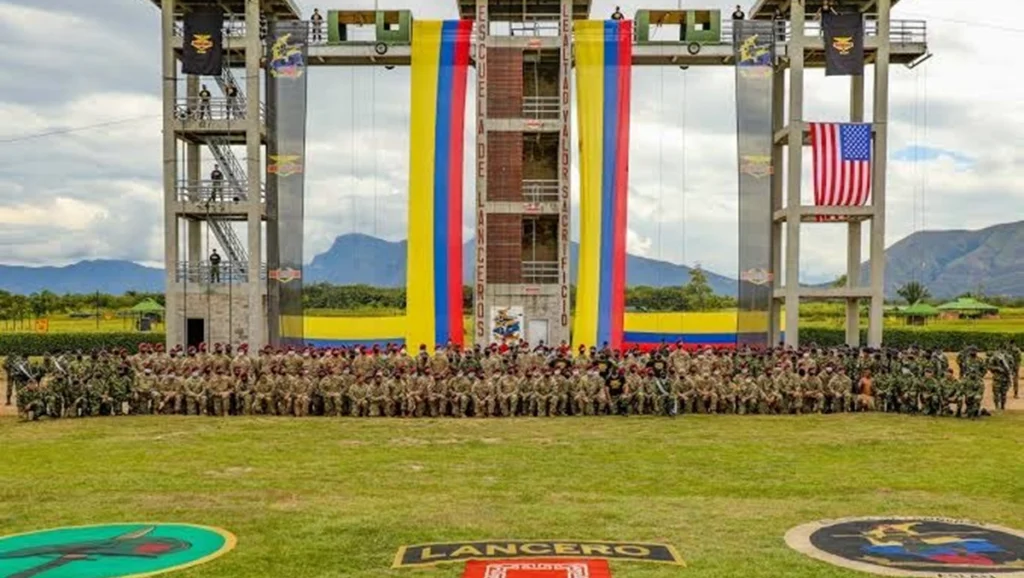
On Monday, the Colombian army announced that more than 300 U.S. soldiers will participate in joint military exercises in Colombia focused on combating drug trafficking, illegal mining and unmanned aerial systems.
The U.S. military personnel will arrive on Tuesday at the Tolemaida military base, located in the municipality of Nilo, in the department of Cundinamarca, where the fourth edition of the “Southern Vanguard 2026” training exercise will take place through Nov. 11.
During the exercises, members of the Colombian army’s No. 1 Counter-Narcotics Battalion will exchange tactics, techniques and procedures with light infantry soldiers from the U.S. Army Mountain battalion.
The training will begin on Oct. 30, with a simulated aeromedical evacuation from Tolemaida to the facilities of the Cavalry School in Bogota, using aircraft and specialized medical equipment.
“The objective will be to verify the medical care and first aid procedures used by medical personnel from both armies to assist a person who would have been injured in a mined area,” the Colombian army said.
🇺🇸🇵🇪🇦🇷🇨🇱 O Exército dos EUA concluiu no dia 18 de setembro o Exercício Southern Vanguard 2026, uma operação internacional que contou com 400 militares dos EUA, Argentina, Chile e Peru treinando em conjunto situações de combate na selva amazônica peruana. pic.twitter.com/bZcK6NALun
The text reads, “On Sept. 18, the U.S. Army concluded Exercise Southern Vanguard 2026, an international operation involving 400 military personnel from the U.S., Argentina, Chile, and Peru, who trained together in combat scenarios within the Peruvian Amazon rainforest.”
Colombian authorities explained that the exercises aim to strengthen “military cooperation and assess both forces’ ability to operate jointly, coordinate maneuvers and make decisions in operational scenarios.”
The arrival of the military personnel comes amid closer relations between Bogota and Washington since Colombian President Abelardo de la Espriella, a U.S. citizen, took office on Aug. 7, with security cooperation and the fight against drug trafficking as central pillars of the bilateral agenda.
The far-right president formalized Colombia’s accession to the Shield of the Americas, an initiative promoted by U.S. President Donald Trump to strengthen regional cooperation against drug trafficking and criminal organizations.
The rapprochement was evident on Sept. 8, when U.S. Secretary of State Marco Rubio visited Barranquilla and met with De la Espriella in the first high-level meeting between the two governments since the Colombian president took office.
Following the meeting, the two countries announced the so-called Barranquilla Accords, a road map that includes, among other issues, security cooperation and the fight against drug trafficking.
On Monday, public-sector biochemists in Paraguay joined a three-day national strike affecting approximately 177 laboratories across the country. They are demanding salary increases, better working conditions, and the provision of medical supplies and reagents in hospitals.
The action was organized by the Union of Biochemists of Paraguay (UBP) and includes the suspension of outpatient laboratory tests. However, the union has guaranteed that care for emergency cases, hospitalized patients, and those in intensive care—among other priority services—will continue.
The biochemists are demanding a salary increase of 2 million guaraníes, equivalent to approximately 347 US dollars at the current exchange rate. According to biochemist Laila Peña, a professional employed by the Ministry of Public Health and Social Welfare earns 4.3 million guaraníes (746 US dollars), while a temporary contract worker receives between 3.2 and 3.6 million guaraníes (between 555 and 625 US dollars).
Peña stated that salaries in the sector have been frozen for 14 years, noting that 70% of diseases are diagnosed in laboratories. In addition to a pay adjustment, the union is requesting a larger supply of materials and reagents, as well as the formal appointment of temporary contract staff to permanent positions.
HUELGA NACIONAL |👩🔬🧑🔬📢
🗣️La Dra. Nathalia Zarza, vocera de la Unión de Bioquímicas del Paraguay (UBP), informó sobre el inicio de la medida de fuerza que se extenderá por 3 días.#1000Noticias#1000am📻🎙️
The text reads, “NATIONAL STRIKE. Dr. Nathalia Zarza, spokesperson for the Union of Biochemists of Paraguay (UBP), announced the start of a strike action that will last for 3 days.”
In the Amambay Department, biochemists from the 13th Health Region joined the strike outside the Regional Hospital of Pedro Juan Caballero. Carmen Barreto, a biochemist, told radio station Urundey 103.3 FM that participation is nearly universal nationwide, while critical services will remain operational. “Emergency, inpatient, and intensive care services will remain covered,” noted Barreto, specifying that in the emergency department, only tests related to emergency cases will be performed.
The representative explained that patients with scheduled appointments will not lose their slots, as their tests will be rescheduled—with the exception of oncology and emergency cases. She further detailed that permanent staff earn approximately five million guaraníes, while contract-based staff receive between 3.2 and 3.9 million guaraníes.
The strike comes months after public-sector doctors held protests between August and September. Following those demonstrations, President Santiago Peña’s administration authorized salary increases of approximately 2 million guaraníes ($347 USD) for more than 20,000 professionals, to take effect starting next year.
The industrial action by the biochemists aims to compel the State to address their salary demands and ensure adequate conditions for the operation of public laboratories, which are considered vital for diagnosis and healthcare across the country.
🇵🇾 Severe flooding forces thousands to evacuate in Paraguay.
Around 4,200 families have been evacuated as heavy rainfall and rising water levels in the Paraná River trigger widespread flooding, threatening communities and homes.
Progressive Leader Defeats Flavio Bolsonaro in Runoff, Blunting Washington’s Push for Regional Allies.
On Sunday, the unexpected reelection of Brazilian President Luiz Inacio Lula da Silva represents a setback for U.S. President Donald Trump’s plans to consolidate his influence in Latin America, at a time when the rightward shift of several countries seemed to be clearing his path.
The Workers’ Party leader prevailed with nearly 52% of the vote over far-right Senator Flavio Bolsonaro, son of former President Jair Bolsonaro (2019-2022), and became the first candidate to win a runoff after finishing second in the first round.
As Trump has yet to comment on the results, which Flavio has refused to recognize, Lula’s victory frustrates the possibility that Washington could add Latin America’s largest economy to its bloc of regional allies.
The setback for the MAGA leader comes just days before midterm elections in which polls indicate Democrats could wrest control of Congress from him.
A major hit for the Donroe Doctrine. Lula wins a fourth term in a historic comeback. https://t.co/PaxbXozabt
In his second term, Trump announced he would revive the Monroe Doctrine, a 19th-century policy he invokes to assert U.S. primacy in Latin America.
When he returned to the White House, his regional allies were few, among them Javier Milei in Argentina, Nayib Bukele in El Salvador, and Daniel Noboa in Ecuador.
Rightward shifts in Honduras (Nasry Asfura), Bolivia (Rodrigo Paz), Chile (Jose Antonio Kast), Peru (Keiko Fujimori), and Colombia (Abelardo de la Espriella) broadened that bloc. On repeated occasions, Trump boasted of having contributed to those victories.
The axis of Trump’s foreign policy toward Latin America is the “Shield of the Americas,” an alliance supposedly aimed at fighting drug trafficking but which in reality seeks to consolidate U.S. hegemony. Flavio Bolsonaro had promised to join that new U.S. geopolitical instrument.
Washington also seeks to counter China’s growing influence in Latin America, although a Flavio victory would hardly have altered Brazil’s economic ties with the Asian giant, given the weight of the agro-industrial sector in the Bolsonarist coalition and its dependence on the Chinese market.
Currently, Lula’s presidency in Brazil and Claudia Sheinbaum’s presidency in Mexico emerge as the main counterweights to Trump’s domination project.
This story is extremely important:
A whistleblower revealed that Brazil's far-right Bolsonaro family dynasty met with Meta to discuss US plans to interfere in Brazil's election, to prevent Lula from winning.
Despite what was at stake in Brazil, Trump avoided expressly supporting Flavio Bolsonaro, unlike what happened in Colombia, where he openly backed De la Espriella. His presence, however, was felt, and Lula’s campaign denounced interference from Washington.
Lula himself declared in his victory speech that the result demonstrates that in Brazil “we do not accept being anyone’s backyard.”
A Flavio victory would have meant “100 percent alignment with Trump in his culture war and security policy,” explained Benjamin Gedan, director of the Latin America Program at the Stimson Center think tank.
The Republican was “clearly excited about this possibility,” but an explicit endorsement could have “hurt” the candidate, he added. Trump, however, had already taken a stand through his actions. In 2025, his administration imposed high tariffs on Brazil in response to the trial against Jair Bolsonaro, who was sentenced to prison for attempting a coup d’etat against Lula in 2023.
In May, Trump received presidential candidate Flavio Bolsonaro in the Oval Office, an unusual gesture since he was not a head of state. Flavio asked him to designate the First Capital Command (PCC) and the Red Command as terrorist organizations.
The White House agreed to that request four days later, a decision Lula opposed out of fear that the measure would open the door to U.S. interventionism.
Washington also opened a trade investigation against Brazil over alleged unfair practices, revoked the visa of the Brazilian ambassador and suspended its consular services two days before the first round — in which Bolsonaro defeated Lula — citing security reasons.
That involvement also exposes Washington to the region’s political changes. For Oliver Stuenkel, a researcher at the Carnegie center, ideological alliances are a fragile bet in a scenario marked by frequent alternations in power. “The kind of ideological interventionism that the Trump administration is carrying out in the region is counterproductive. In the medium and long term, it will strengthen anti-American forces,” he said.
Lula’s reelection thus forces Washington to deal with a Brazil that does not share its agenda and highlights the limits of its strategy for Latin America.
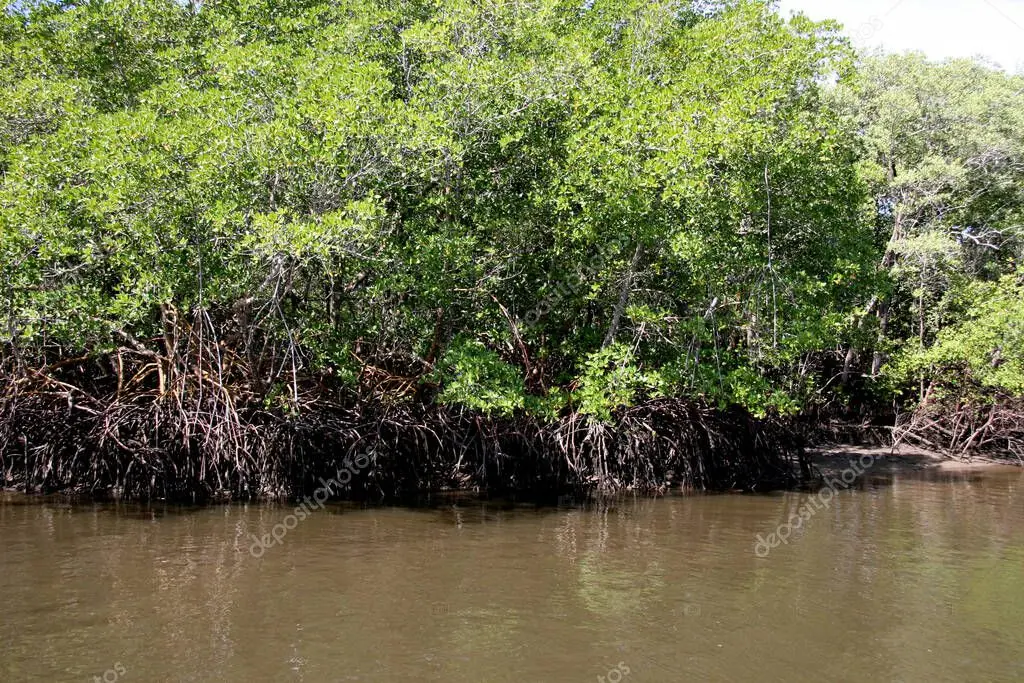
On Monday, scientific institutions and environmental authorities announced that Cuba is advancing scientific and community-based projects to strengthen the climate resilience of vulnerable coastal communities in the southern part of the country. These initiatives involve the study of mangroves, environmental remote sensing, and the integration of human mobility considerations into territorial planning.
The Center for Environmental Studies (CEAC) presented an analysis of coastline changes between 2016 and 2024, as well as the spatiotemporal variability of the mangroves within the Punta la Iguana ecotone. This area is located at the mouth of the Caunao River, in the Bay of Jagua, in south-central Cuba—approximately 250 kilometers from Havana.
Dr. Minerva Sánchez Llull, a specialist at the CEAC, explained that the team utilized optical remote sensing—incorporating Sentinel-2 imagery and QGIS software—for their analysis. Water quality assessments were based on data from monitoring stations within the bay’s hydrological monitoring program that influence the ecotone.
🌿 Hoy se desarrolló el Taller Final del Proyecto Territorial (PT) Ecotono de Manglar, un espacio de intercambio y socialización de resultados que evidenció el trabajo, la dedicación y los aportes del proyecto al conocimiento y conservación de estos valiosos ecosistemas. pic.twitter.com/EJqVlBeC5V
— Jardín Botánico de Cienfuegos (@botanico_cfg) October 20, 2026
The text reads, “Today, the final workshop for the “Mangrove Ecotone” Territorial Project (PT) took place—a forum for exchange and the sharing of results that highlighted the work, dedication, and contributions of the project toward the understanding and conservation of these valuable ecosystems.”
Sánchez Llull noted that the results indicate a relatively stable coastline over the study period, a slight expansion of mangrove cover around the ecotone, and oligotrophic (nutrient-poor) water conditions at the monitored sites—all of which served as indicators for assessing climate risk in the coastal zone. The study further identified a high level of risk across both sectors of the ecotone, driven by exposure to coastal dynamics and ecological vulnerability, alongside a moderate adaptive capacity. Conservation and Environmental Education
The Cienfuegos Botanical Garden (JBC), the project’s primary implementing entity, presented its achievements. Its director, Niurka Medina Bárzaga, reported on the identification of endemic and threatened species, the propagation and reintroduction of several of these species, and the implementation of environmental education initiatives for children in the Junco Viejo community.
The “Mangrove Ecotone” Territorial Project brought together the JBC, the CEAC (Center for Environmental Studies of Cienfuegos), and the Provincial Meteorological Center to study the relationship between the coastline, mangroves, and climate change in the Bay of Cienfuegos. According to the source, these ecosystems support biodiversity and coastal resilience, making their conservation essential for the region’s environmental management.
Another aspect examined by scientists during the meeting was human mobility and adaptation. In this regard, the Minister of Science, Technology, and the Environment, Armando Rodríguez Batista, emphasized the importance of integrating human mobility into climate change adaptation strategies for vulnerable coastal communities in southern Cuba.
Planned initiatives include a project currently in the validation phase, spearheaded by the International Organization for Migration (IOM) in coordination with the Agency for Social and Humanistic Sciences (AXIS) and the Environment Agency (AMA)—both affiliated with the Ministry of Science, Technology, and the Environment (CITMA)—with support from the IOM Development Fund.
Interesante esto, algo que nuestras autoridades debieran tomar en cuenta y proteger mejor nuestros manglares pic.twitter.com/MDCsy8rBjp
The text reads,”This is interesting—something our authorities should take into account in order to better protect our mangroves.”
The initiative is set to begin in 2027 in Playa Cajío (Artemisa) and Surgidero de Batabanó (Mayabeque), in western Cuba. It aims to strengthen the governance of human mobility within the context of the climate and environmental crisis through socioeconomic studies, participatory assessments, and technical recommendations designed to incorporate these issues into territorial planning and risk management. Both locations are prioritized under the State Plan for Addressing Climate Change—known as “Tarea Vida” (Task Life)—due to their high exposure to coastal erosion, flooding, and sea-level rise.
The project will foster collaboration among scientific institutions, local governments, and communities to develop sustainable responses and strengthen the resilience of these areas. Specialists from AXIS, AMA, and the IOM conducted exploratory visits to both locations, where they engaged with authorities, community leaders, and institutional representatives to discuss the impacts of climate change and opportunities for future action.
Dr. Beatriz Martínez Daranas, a specialist from CITMA, emphasized the importance of conserving marine-coastal ecosystems—even amidst the country’s current economic circumstances and the urgent need to develop the economy through the implementation of the 176 measures approved by the National Assembly of People’s Power.
#Cuba | Cuba is reforming its state-owned enterprises to expand financial autonomy, boost domestic production, and strengthen cooperation with the private sector amid US sanctions. The government says public ownership will remain central to its economic model.#EconomicReforms… pic.twitter.com/GJMG0FJz6d
The Mexican president praised Brazil’s election result after the leftist leader defeated far-right Senator Bolsonaro.
On Monday, Mexican President Claudia Sheinbaum celebrated Luiz Inacio Lula da Silva’s re-election in Brazil, after the leftist leader defeated far-right Sen. Flavio Bolsonaro in a runoff election.
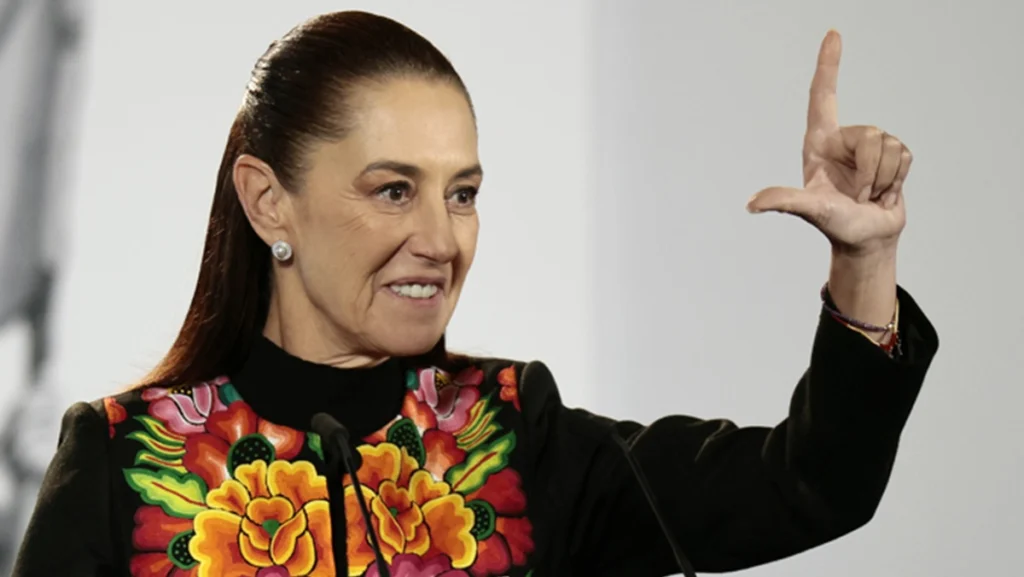
“Very happy about Lula’s victory in Brazil. Many, many congratulations to President Lula and the people of Brazil. It is a breath of fresh air for Latin America and the Caribbean. We are very, very happy,” Sheinbaum said during her morning news conference.
Her remarks came a day after the Mexican president congratulated Lula through her social media accounts, celebrating the election result with the message: “Long live democracy, the people of Brazil won. Congratulations, President Lula!”
With the Brazilian president’s victory, Mexico and Brazil, the two largest economies in Latin America, will maintain leftist governments in a regional landscape marked by U.S.-backed far-right rulers.
Serei eternamente grato ao povo brasileiro. Cada gesto de confiança, cada voto e cada passo dado em defesa da democracia valeram a pena. A emoção dessa caminhada fortalece a certeza de que ainda temos muito a construir juntos.
The text reads, “I will be eternally grateful to the Brazilian people. Every gesture of trust, every vote, and every step taken in defense of democracy has been worth it. The emotion of this journey reinforces the certainty that we still have much to build together. This victory is not an end point, but rather a renewal of our commitment to Brazil, to social justice, to sovereignty, and to the hope for a better future for all. The path continues with an even stronger commitment to our people. Thank you very much, Brazil! This victory is ours!
Sheinbaum, who has expressed her political affinity with Lula, had ruled out Oct. 5 that a potential defeat for the Brazilian leader would lead to greater isolation for Mexico in Latin America.
On Sunday, the Workers’ Party leader defeated Flavio Bolsonaro with nearly 52% of the vote and staged an unprecedented comeback: Lula da Silva became the first candidate to win a presidential runoff after finishing second in the first round.
The storm is expected to bring heavy rain, gusty winds and high waves to the states of Guerrero, Michoacan, Colima and Jalisco.
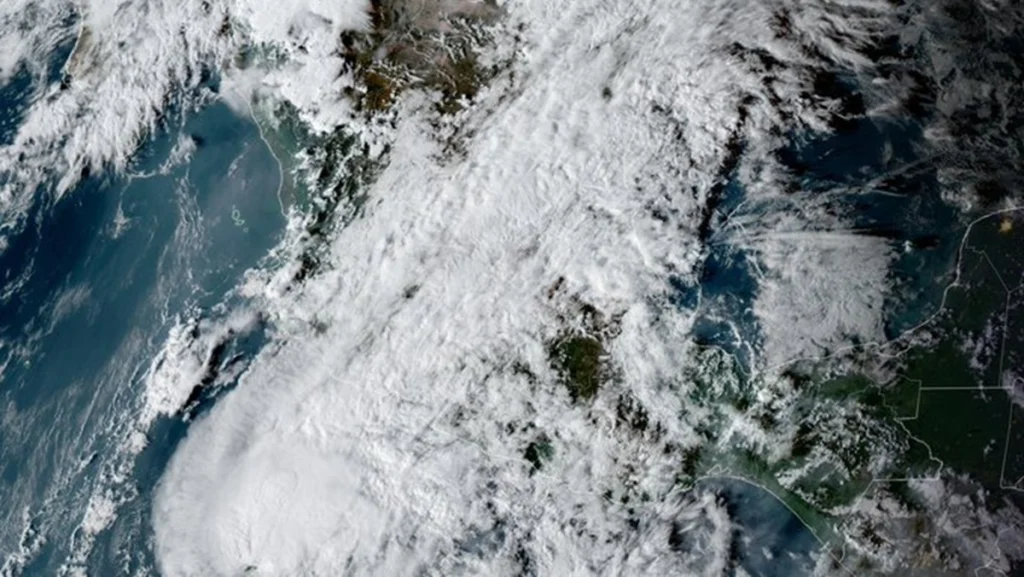
On Sunday, the Mexican government deployed a liaison and coordination mission to several Pacific coast states as Category 1 Hurricane Vance, on the five-category Saffir-Simpson wind scale, approaches the country’s western coast.
The National Coordination of Civil Protection said the storm is expected to bring heavy rain, gusty winds and high waves to the western states of Guerrero, Michoacan, Colima and Jalisco.
Authorities urged residents in those states to remain alert to official warnings. They also advised those living near or traveling close to riverbanks, streams, or water channels to assess their surroundings and evacuate immediately to higher ground at the first sign of rising water.
“It is crucial to avoid crossing—whether on foot or by vehicle—flowing water, flooded streets, or submerged bridges, as the force of the current can sweep away both people and vehicles,” stated the National Coordination for Civil Protection (CNPC).
Tracking the center of Category 1 HURRICANE VANCE on 2026-10-25 UTC from GOES-West (true color night + colorized infrared) pic.twitter.com/eeKxrTJfP9
At 9 a.m. local time, Hurricane Vance was located about 440 km southwest of the port of Lazaro Cardenas in Michoacan and 510 km southwest of the resort city of Acapulco in Guerrero.
The storm is moving northwest at 7 kph, with maximum sustained winds of 120 kph and gusts of 150 kph, and is expected to bring rain of 50 to 75 millimeters in the four affected states.
The rainfall could also trigger landslides, cause rivers and stream levels to rise, and lead to overflowing waterways and flooding in low-lying areas.
Lula plans to expand technical education and use renewable energy to attract data centers and keep information stored in Brazil.
Brazilian President-elect Luiz Inácio Lula da Silva has pledged to develop a domestic artificial intelligence system, expand technical education and attract data centers powered by renewable energy, aiming to strengthen Brazil’s technological independence and accelerate its transition to a developed economy.
Speaking after his victory in the presidential runoff, Lula said Brazil must invest in mathematics and engineering to build its own artificial intelligence capabilities rather than depend on technology developed in China or the United States.
“We will teach more mathematics, more engineering, because I don’t want to depend on Chinese or American artificial intelligence; I want to create a Brazilian one,” he said.
Lula also pledged to use Brazil’s renewable energy resources to attract data centers and keep information stored within the country. The proposal forms part of a broader push to expand the digital economy and strengthen domestic technological capacity.
Text Reads: The Brazil we wish to build is a country where our elderly are cared for with dignity, women are respected, and everyone has the right to live out their faith in freedom. It is a country that respects differences, with a State that guarantees rights for all—because to govern means to look after 215 million Brazilians, without distinction. Respect must be the starting point for us to build, together, a Brazil that is increasingly fair and humane.
“We want to transform this country from a developing country into a developed one,” he said, identifying the digital, green and creative economies as key areas for investment.
He also outlined an ambition for Brazil to play a central role in political and economic decision-making and in efforts to promote peace.
Lula promised that his next term would deliver unprecedented results, telling supporters: “I want to make a commitment: I will deliver the best term of office any president has ever had in Brazil’s history. You can be sure of that.”
The president-elect, who turns 81 on Oct. 27, dismissed concerns about his age as he prepares to take office for another term. He pledged to devote himself fully to the country’s development and to improving the daily lives of Brazilians.
“I will dedicate 20 or 24 hours a day to making this the country everyone dreams of, where people can go to sleep and wake up in complete peace of mind,” he said.
Lula also thanked voters for their support in the runoff and praised young people who took to the streets to defend democracy, crediting their participation as a key factor in his victory.
His pledges place artificial intelligence, renewable energy and digital infrastructure among the priorities he has outlined for Brazil’s next phase of development, alongside his ambition to transform the country into a developed nation.

 Login