❌

Reading view

Lights out: the island that goes dark to save young seabirds – in pictures

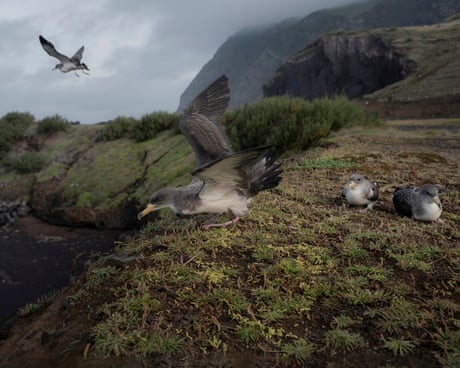
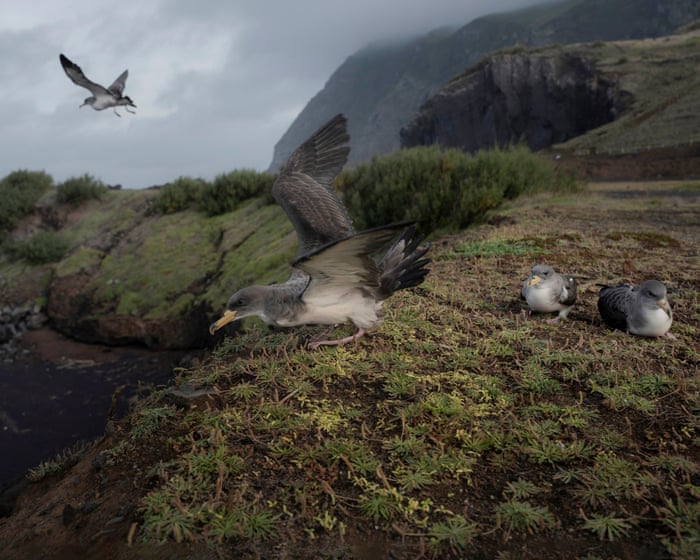
Every autumn, Corvo Island in the Azores turns off its public lighting for a few key days to help fledgling Cory’s shearwaters as they attempt to fly to the ocean guided by the stars

Once a year, Corvo, the smallest and most northerly island of Portugal’s Azores archipelago, goes dark. Since 2019, the island’s 450 or so inhabitants have chosen to switch off the lights every autumn for five nights to tackle the disastrous effects of artificial light on Cory’s shearwaters, a seabird endemic to the Atlantic Ocean.

It began in 1991 when the community noticed huge numbers of deaths among young shearwaters.

A newborn Cory’s shearwater chick

Continue reading...
© Photograph: Andrea Zanenga
© Photograph: Andrea Zanenga
© Photograph: Andrea Zanenga
  •  

Big pharma accused of ‘free-riding on nature’ as global fund attracts just $7,000

The Cali Fund, set up to raise $1bn a year for biodiversity from drug companies, remains near empty

Big pharmaceutical companies have been accused of “free-riding on nature”, after a landmark biodiversity fund that invites businesses to put some of their profits back into conservation was left virtually empty.

The Cali Fund set out to raise $1bn (£750m) annually, by asking companies that profit from nature’s genetics to contribute towards conservation in low-income countries. But more than 18 months after the fund was launched, it remains far below this target.

Continue reading...

© Photograph: Rebecca Cole/The Guardian

© Photograph: Rebecca Cole/The Guardian

© Photograph: Rebecca Cole/The Guardian

  •  

Do not be distracted by global crises. Nature cannot wait for a better year – we must act now | Steven Guilbeault

In 2022, I helped push through the international agreement to protect biodiversity. Wars and economic pressures can make nature seem like a ‘nice-to-have’. But it is a critical asset, and Cop17 must deliver real action

When I was five, property developers came to cut down the woods behind my home in La Tuque, Quebec. My mother encouraged me to climb one of the trees in protest, then told the developers, straight-faced, that there was nothing she could do when they asked her to get me down. A few days later, the tree was cut down anyway.

I thought about that tree in the early hours of a freezing Montreal morning in December 2022, as the gavel came down on a global agreement between nearly 200 countries to halt and reverse the loss of nature by 2030. I thought about how important nature is for our health, our food security and our economies, but also how much passion there is around protecting it, and how it has the power to inspire people all around the world.

Continue reading...

© Photograph: COP17

© Photograph: COP17

© Photograph: COP17

  •  

‘Crucial opportunity to act’ as study finds most of Europe’s wild bee species in decline

As Cop17 kicks off, records since 1921 show more bee species declining than increasing in all parts of Europe except the Alps

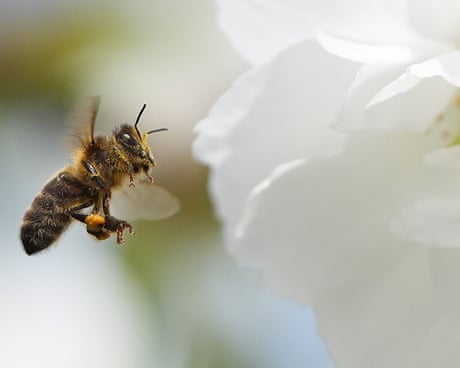
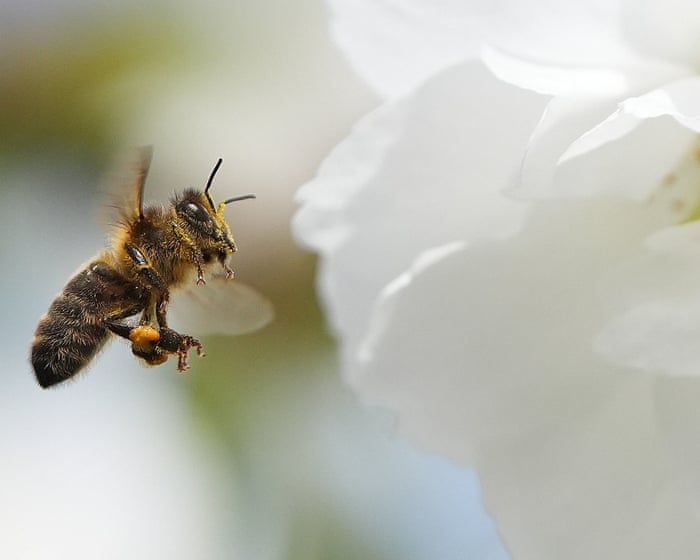
Most of Europe’s wild bee species and about half of its hover fly species have declined over the last century, a study has found, as a UN biodiversity summit begins in Armenia.

Records since 1921 show more bee species are declining than increasing in all parts of Europe except the Alpine region. The richness of bee and hover fly species suffered a persistent drop in the Atlantic and Continental regions, the study found, though trends in other regions were mixed or even positive.

Continue reading...

© Photograph: Niall Carson/PA

© Photograph: Niall Carson/PA

© Photograph: Niall Carson/PA

  •  

Albania accused of rushing through Trump-linked resort in formerly protected landscape

Dutch MEP says government is trying to avoid EU environmental rules as protests over luxury development turn violent

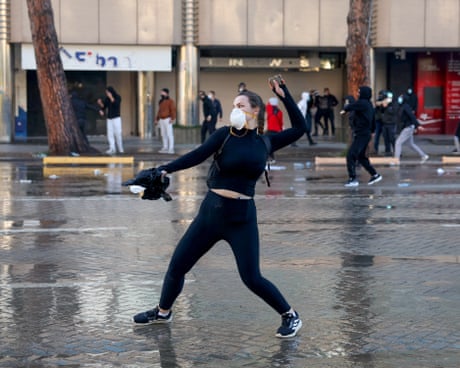
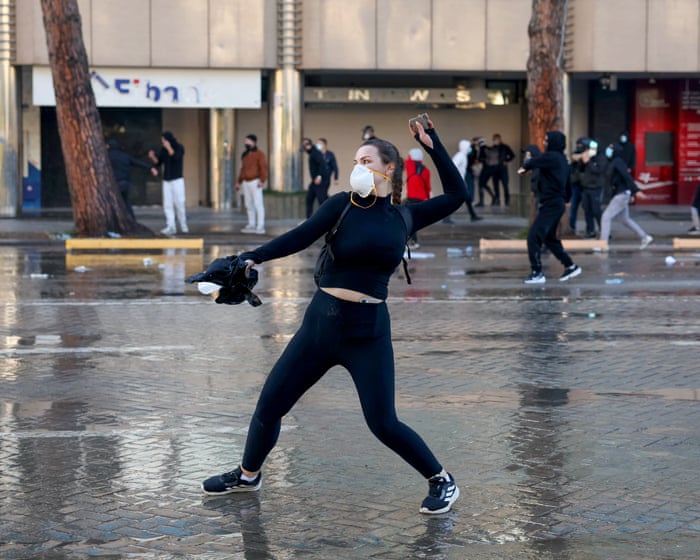
MEPs have accused Albania of deploying “sneaky” practices to fast-track a proposed Trump-linked luxury resort in the country amid protests that have turned increasingly violent.

As the prime minister, Edi Rama, pledged to “listen to the voices of young people” taking to the streets, there was mounting criticism of his failure to address demonstrators who had long opposed the controversial project peacefully.

Continue reading...

© Photograph: Adnan Beci/AFP/Getty Images

© Photograph: Adnan Beci/AFP/Getty Images

© Photograph: Adnan Beci/AFP/Getty Images

  •  

Can countries deliver on a deal to save the world’s plants and animals?

Four years ago nearly every government on Earth agreed to protect nature. Now, as countries gather for Cop17, the pressure is on to follow through on those commitments

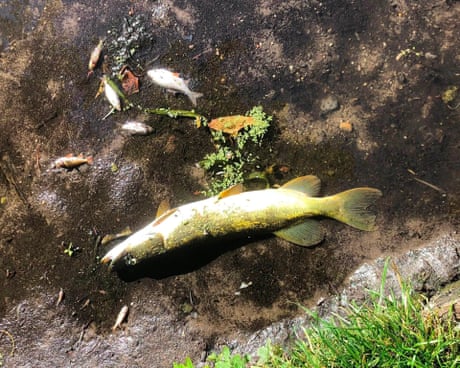
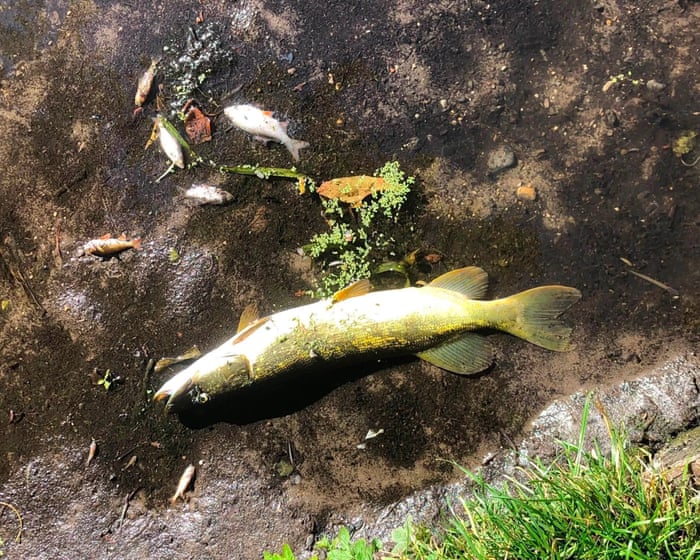
Passersby could smell the dead fish before they saw them. In August, more than 3,000 pike, roach, carp and rudd were found lifeless along the River Wensum in Norwich. Some gasped for air in their final moments, desperate for the oxygen that heatwave conditions had depleted in the water. Investigators believe that the die-off was triggered by heavy rainfall that flushed through high concentrations of pollution at a time when wildlife were already struggling.

The 45-mile (70km) chalk river is one of about 250 in the country. They are a geological accident almost unique to Britain – and one of Earth’s rarest habitats. They emerge from chalk aquifers and are home to species such as freshwater shrimp, otters and stoneflies, also providing drinking water for millions of people. But just 11 have formal protection, with many ravaged by sewage pollution and overextraction. The Norfolk river is one of the few that does have legal protection, but it is in poor ecological health.

Continue reading...

© Photograph: Norwich Green Party

© Photograph: Norwich Green Party

© Photograph: Norwich Green Party

  •  

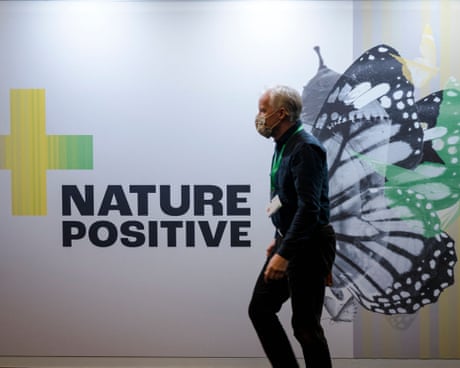
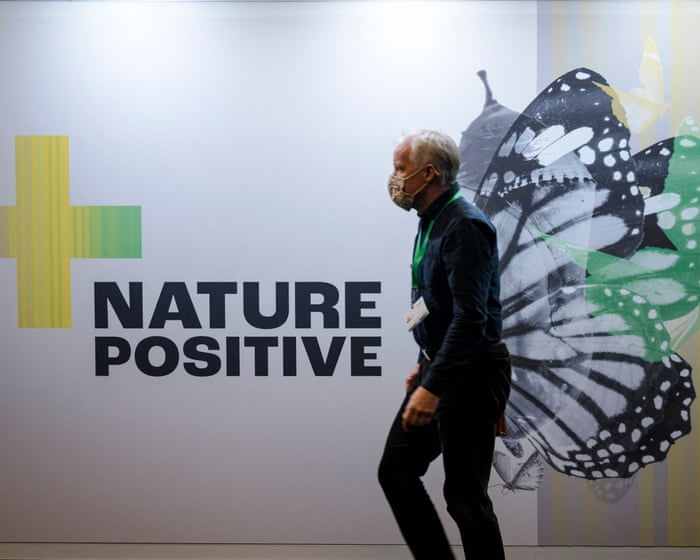
Cop17 at a glance: everything you need to know about the UN’s nature summit

This month’s biodiversity summit in Yerevan, Armenia, aims to push governments to meet the 23 targets agreed at Cop15 in 2022

This month, nearly every country on Earth will return to the question of how to stem the rapid destruction of the natural world. Humans are driving it, but so far we have not found a way to stop it.

In late 2022, governments reached an ambitious once-in-a-decade deal to better protect nature amid scientific warnings that the planet is going through the largest loss of life since the extinction of the dinosaurs. Now, they are assessing their progress on the targets for the first time.

Continue reading...

© Photograph: Andrej Ivanov/AFP/Getty Images

© Photograph: Andrej Ivanov/AFP/Getty Images

© Photograph: Andrej Ivanov/AFP/Getty Images

  •  

Core values: the Austrian scheme bringing forgotten apple varieties back to life

Spar pilot scheme will test whether heirloom fruit can thrive in today’s commercial and environmental conditions

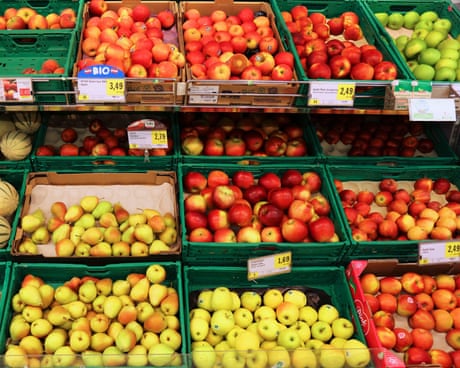
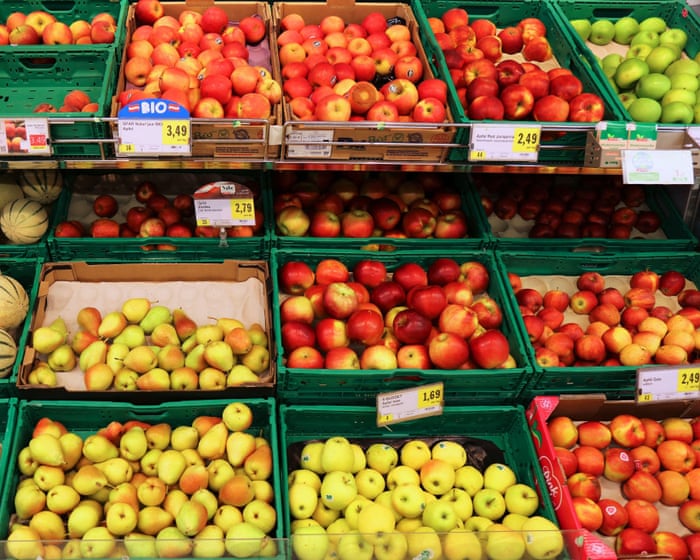
Only about 10 of the 2,000 types of apples growing in Austria can be found in supermarkets among the polished, pristine fruit usually on display – a sad ratio according to fans of historic varieties being primed for a comeback.

One of the country’s biggest retail chains has embarked on a pilot rollout of unusual and long-forgotten apples enjoyed in previous centuries, riding an international trend of reviving heirloom fruit and vegetables.

Continue reading...

© Photograph: Marek Slusarczyk/Alamy

© Photograph: Marek Slusarczyk/Alamy

© Photograph: Marek Slusarczyk/Alamy

  •  

How Beijing combines conservation and trade in panda diplomacy

Two giant pandas recently landed in Atlanta, a week after Donald Trump and Xi Jinping met in Washington. The summit produced no immediate breakthrough on trade deals, Taiwan or AI, but it did produce something cuddly for the American public: a pair of giant pandas, Ping Ping and Fu Shuang, which are on a ten-year […]

The post How Beijing combines conservation and trade in panda diplomacy appeared first on Asia Times.

  •  

Africa’s Wild Dogs Are the Most Hated Carnivores on the Continent. Here’s Why Some Conservationists Are Saving Them Anyway

Apparently, African wild dogs enjoy knocking around balls of elephant dung like a football. It’s this playfulness that has endeared them to researchers—but, as Helen Sullivan points out, they have their work cut out for them trying to protect this persecuted big predator. Sullivan follows conservationists in southern Africa who are carefully managing tiny, isolated populations and attempting to introduce genetic diversity. The story of the three sisters who are flown over from Mozambique to be introduced to Waterberg—a South African municipality three hours from Johannesburg—is heart-wrenching. Yet in such a harsh environment, individual tragedies have to be endured while staying focused on the bigger picture: the fragile recovery of the species as a whole.

As we help Greyling and Hlako lift a crate off the pickup, a dusty paw flops out of one corner, and I think of something my uncle says: “You can smell the world in a dog’s paw.” Mooney and I back away, watching from inside a container as Hlako moves the car so that the overheating dog is in the shade. Though it is late afternoon, the temperature is still around 90 degrees. 

Hlako and Greyling release the dogs one at a time, opening the crate and waiting until a dog walks, then trots, out. The first is less sure on her feet, the second seems almost normal, until Mooney points out that she would have run much faster from the crate and people had she not still been a bit dozy. The sisters stand together in a grassy area, point their noses in the air, move their satellite-dish ears and lie down under a thorn tree; it has been a long day. 

  •  

Colossal Biosciences Said It Cloned Red Wolves. Is It for Real?

Midway through Boyce Upholt’s mind-boggling dispatch, one of his sources sums up the central challenge of the Gulf Coast canid: “Why is there not just a simple explanation for what this thing is?” The “wolfy coyotes” of southeastern Texas hold genetic traces that may link them to red wolves, which were declared extinct in the wild in 1980. But a lack of data makes it challenging to define the species—or, for that matter, to determine whether a private company has cloned the red wolf or something else entirely. Upholt doesn’t deal in simple explanations; the pleasure, here, is in the complexity.

The concept of a “species” is less sturdy than your high school biology teacher might have led you to believe. The most familiar definition is that a species consists of animals that can produce fertile offspring. But that’s a rule various species of canids violate all the time; it’s long been clear that North America’s soup of Canis genes is something less like a family tree and more like a river—one that’s broken by islands and sandbars into many braided channels that split and merge and re-split.

  •  
❌